Breaking News
Jewar airport connectivity: Delhi–Mumbai Expressway link with Noida International Airport gets fresh push; check details


Jewar airport connectivity: Delhi–Mumbai Expressway link with Noida International Airport gets fresh push; check details

The Union Cabinet has approved a revised capital cost of Rs 3,630.77 crore for the construction of a 31.42 km greenfield connectivity corridor linking the upcoming Noida International Airport at Jewar with the Delhi–Mumbai Expressway network, a move aimed at strengthening transport access to the airport and boosting logistics across the National Capital Region (NCR).The decision, taken by the Cabinet Committee on Economic Affairs chaired by Prime Minister Narendra Modi, will facilitate construction of the high-speed corridor connecting the Delhi–Faridabad–Ballabhgarh–Sohna spur of the Delhi–Mumbai Expressway to Jewar airport on Hybrid Annuity Mode across Uttar Pradesh and Haryana, according to an official statement.

India’s Biggest Airport At Jewar To Be Opened By PM Modi, UP CM Yogi Announces In Singapore

The project is expected to provide direct connectivity from South Delhi, Faridabad and Gurugram to the upcoming airport, improving regional mobility and supporting economic activity across the NCR.The proposed corridor will intersect key transport networks including the Eastern Peripheral Expressway, Yamuna Expressway and the Dedicated Freight Corridor (DFC), enabling multimodal transport integration and strengthening freight and passenger movement linked to the airport.According to the government, around 11 km of the project will be developed as an elevated highway, forming a crucial segment of the greenfield connectivity between the DND–Ballabhgarh Bypass and Jewar International Airport and linking it to the Delhi–Mumbai Expressway.The elevated stretch will pass through areas identified for high-density urban development under the Faridabad Master Plan 2031. The additional cost of the elevated section is estimated at Rs 689.24 crore, of which the Haryana government will bear Rs 450 crore, the statement said.The connectivity project comes as the Noida International Airport at Jewar moves closer to operational launch after receiving its aerodrome licence from the Directorate General of Civil Aviation (DGCA), clearing a major regulatory hurdle for starting flight operations.The development was confirmed by Rakesh Kumar Singh, chief executive officer of Noida International Airport Limited (NIAL) and the Yamuna Expressway Industrial Development Authority, PTI reported.NIAL nodal officer Shailendra Bhatia said the aerodrome licence has been issued under civil aviation rules and covers domestic passenger flights as well as cargo operations.Officials said the remaining operational deployment and arrangements are expected to be completed within about 45 days, adding that the airport infrastructure is now ready.“Receiving the aerodrome license is a key milestone in our journey. It reflects the strong collaboration with our partners and the rigorous work undertaken to ensure readiness for commercial operations. We are committed to delivering a modern, efficient and passenger-centric airport that will serve as a catalyst for regional economic growth,” Christoph Schnellmann, Chief Executive Officer of Noida International Airport, said in a statement.The airport is expected to be formally inaugurated by Prime Minister Narendra Modi, officials said.The aerodrome licence issued under Rule 78 of the Aircraft Rules, 1937 certifies that the airport meets regulatory requirements related to operational procedures, safety systems, infrastructure, navigation aids and emergency response standards mandated by DGCA.The approval follows a security clearance from the Bureau of Civil Aviation Security (BCAS) for domestic passenger operations as well as domestic and international cargo handling.Authorities said commercial flight operations will begin after the Aerodrome Security Programme (ASP) receives final approval from BCAS.“We look forward to receiving this approval in due course, following which airline schedules, ticket sales, and the formal inauguration will be announced closer to the launch of operations,” the airport said in a statement.The greenfield airport project in Jewar, Gautam Buddh Nagar, being developed under a public-private partnership (PPP) model, is expected to become one of the largest airports in the country once fully operational.In the first phase, the airport spans about 1,300 hectares and will include one runway and one terminal building with the capacity to handle around 1.2 crore passengers annually.Passenger services were originally scheduled to begin in September 2024.Operational readiness activities under the Operational Readiness Activation and Transition (ORAT) programme are currently underway to ensure systems, processes and personnel are fully prepared for the launch.A key milestone was achieved in December 2024, when IndiGo operated a validation flight using an Airbus A320, successfully testing the airport’s approach procedures, navigation aids and air traffic control systems.Airport authorities said major operational infrastructure has already been completed, and concessions have been awarded for services including ground handling, aviation fuel supply, cargo, retail, food and beverage, in-flight catering, mobility services and the airport hotel.Communication and navigation systems have also been commissioned by the Airports Authority of India, bringing the project closer to full operational readiness.


Source link

Centre sets up 3-member panel to tackle ‘LPG shortage’; steps up domestic production by 10% | India News


Centre Invokes Essential Commodities Act To Regulate LPG Supply Amid Iran War

NEW DELHI: The Centre has constituted a three-member committee to address the ongoing LPG shortages that have severely affected the hospitality industry, following concerns raised amid the continuing crisis in the Middle East.According to government sources cited by news agency ANI, the new panel will assess the scale of disruption, consult hotel and restaurant industry associations, and reorganise supply distribution to meet genuine commercial requirements.

Centre Invokes Essential Commodities Act To Regulate LPG Supply Amid Iran War

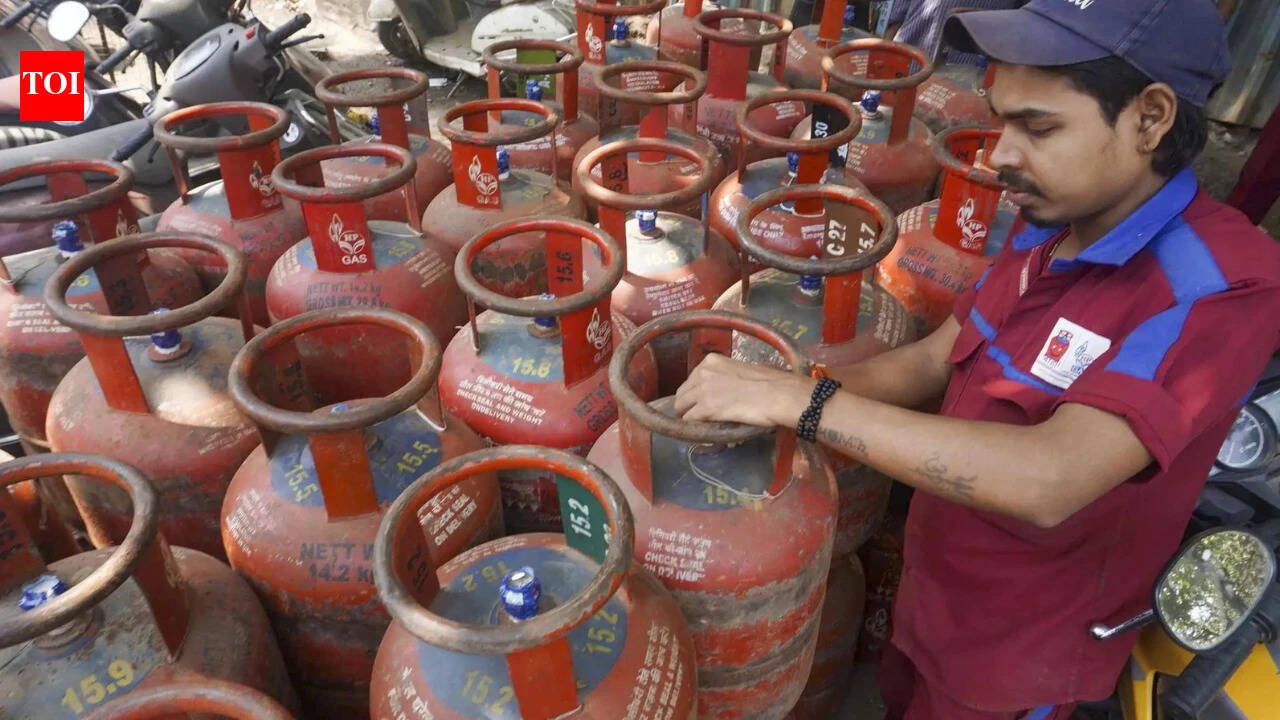
The panel is comprised of executive directors from Indian Oil Corporation (IOC), Bharat Petroleum Corporation Limited (BPCL) and Hindustan Petroleum Corporation Limited (HPCL).The move comes after the Federation of Hotel and Restaurant Associations of India (FHRAI) wrote to the petroleum and natural gas minister, Hardeep Singh Puri, flagging “widespread disruption of LPG supply at the ground level” and urging immediate government intervention.In response, the three-member committee has been tasked with identifying the bottlenecks in commercial LPG availability and interacting directly with hospitality stakeholders to address their grievances.The officials said supply will be reprioritised where necessary to ensure continuity for essential commercial sectors such as hotels and restaurants.The Centre has already directed a 10 per cent ramp-up in domestic LPG production in recent days, while additional consignments of LPG and LNG are being sourced from multiple international suppliers to stabilise the situation.Government sources said India had faced a challenging period initially following the Iran–Israel conflict, but has since mitigated major supply risks due to its diversified oil sourcing strategy. Currently, around 70 per cent of India’s crude oil imports are sourced from regions outside the Strait of Hormuz, providing a strategic buffer against Middle East disruptions.Authorities added that Indian refineries are operating at full capacity and the country is better positioned than many others to recover swiftly once geopolitical tensions subside. No decision has been taken yet regarding restrictions on refined oil exports, the sources confirmed.


Source link

India slides down in 2026 Gender Equality in Chess Index rankings: How can it be improved? | Chess News


India slides down in 2026 Gender Equality in Chess Index rankings: How can it be improved?
Gukesh Dommaraju, Arjun Erigaisi, Divya Deshmukh, and Harika Dronavalli (from left to right) (Photo by Maria Emelianova/Chess.com)

NEW DELHI: Last Sunday was International Women’s Day. Unless you’ve been on a total digital detox, your feed was likely buried under a mountain of Instagram stories and WhatsApp statuses celebrating the day. You probably liked a few, reciprocated a few wishes, and projected the vision of your values perfectly aligned with the cause.In keeping with the occasion, the FIDE Women in Chess Commission (WOM) and the University of Queensland published the 2026 Gender Equality in Chess Index (GECI) on Sunday. In this index, India has slipped one place to 25th in the global rankings since the inaugural 2023 edition.

From No Laptop to Chess World Cup Dreams: GM Pranesh M Exclusive Interview

In isolation, a one-place drop might not appear alarming. But in a country currently hailed as the fastest-growing chess powerhouse on the planet, this ranking points towards a deeper structural imbalance. While there are certainly worse-performing countries on the list, questions may arise as to why India isn’t near the top.

What is the Gender Equality in Chess Index (GECI)?

The Gender Equality in Chess Index is essentially an attempt by FIDE, the global chess body, to quantify gender balance across federations worldwide. The idea behind it is to measure where countries stand so they can improve.“When we created the GECI in 2023, we wanted to give federations a clear, evidence-based picture of where they stand on gender equality. You can’t improve what you don’t measure,” said Grandmaster (GM) David Smerdon, associate professor at the University of Queensland and the report’s lead author.

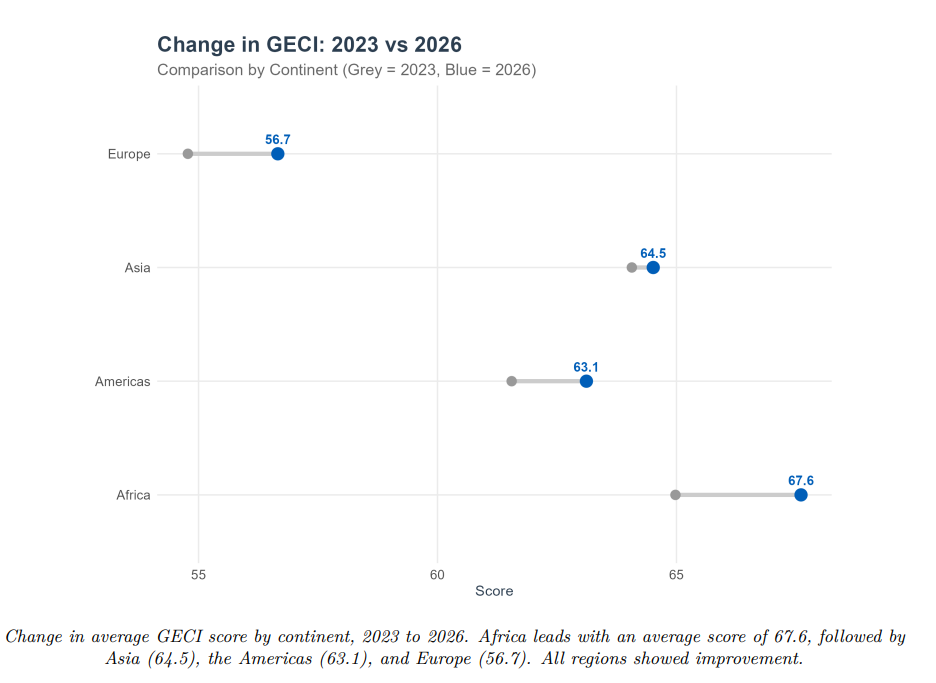
Change in GECI

Change in average GECI score by continent (Grahpic from GECI Report 2026)

The report uses FIDE’s global ratings database and youth championship participation records to build a composite score that reflects female participation, performance, and development pathways. According to the report, there are 1,446,605 active chess players worldwide, but only 238,716 are women, meaning female participation overall stands at just 16.5%.

How the rankings are measured

The GECI score is calculated using three key pillars:

  • Participation – the share of women among active rated players in a federation. (The closer the figure is to 50%, the more balanced the ratio between male and female players)
  • Performance – the strength gap between men and women based on average Elo ratings.
  • Progress – the proportion of girls representing a country in international youth championships.

In the 2026 release, India’s overall GECI score stands at 71.04, resulting in that single-place drop to 25th globally. However, when you look under the hood, the numbers tell a story of two different Indias.

2026 GECI Report

India’s numbers in 2026 GECI Report

In Performance, India holds a staggering 97.49 (up from 88.31 in 2023), which proves that our elite women are world-class. Nevertheless, Participation lags at a meagre 18.72, and Progress, the metric for the next generation, saw a slight decline to 49.09.The metrics suggest that while India is phenomenal at producing top-rated female players, the broader ecosystem is still struggling to get girls to the board and keep them there.

Where is India lacking?

From Viswanathan Anand inspiring a generation to teenage prodigies dominating global tournaments, the country now boasts more than 90 Grandmasters. Yet, in a nation of more than a billion people, only four women have reached chess’s highest title and become a GM.As GM Harika Dronavalli explained, the issue begins long before players reach the elite level. “Girls are not pushed to pursue ambitious goals in the same way boys are. The talent is certainly there, but societal expectations often clip those wings early,” she told TimesofIndia.com.The drop-off is particularly visible during adolescence. Coach GM Srinath Narayanan, who has worked with several of India’s top female players, says many promising girls leave the game between 13 and 15 years of age.“Girls in India often face more pressure to prioritise academics or domestic responsibilities over sports. Chess demands sustained investment, time, travel and coaching, and families may hesitate to support girls long-term in such a career,” he explained.

GECI Report 2026

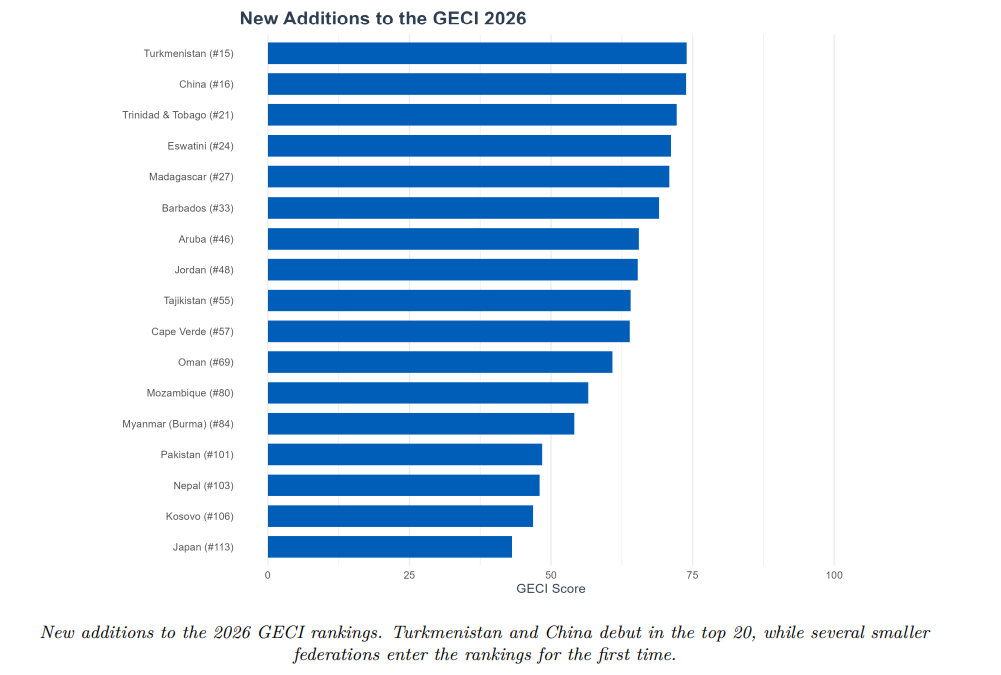
New additions to the GECI 2026 report

Even those who remain in the system face structural challenges. International Master (IM) Vantika Agrawal reiterates that competing internationally, a crucial step toward earning Grandmaster norms, is far harder for female players.“It is financially challenging to play a lot of tournaments abroad,” she said. “Female players don’t get much opportunity to play with stronger players, which hampers their growth. And our society is still male-dominated. Women don’t get equal opportunities and support.”Young girls often compete in women-only events rather than stronger open sections, limiting exposure to tougher opposition during crucial development years.

What can India do to improve and close the gap?

While recently speaking to this website, India’s veteran Grandmaster Pravin Thipsay broke down the reality of ‘individualism’ within the Indian chess ecosystem.“There is no system in Indian chess which will produce champions. It is basically the efforts of the parents and the players that are in place. Players have spent a lot of time and energy, and parents have sacrificed their careers; only then have some emerged as champions,” he elaborated.“Just because three players are doing well, it doesn’t mean that after five years we will have another three or five players who will do the same. We cannot say it is like the Soviet school where one champion goes and another comes. Even in China, they have a continuous chain of players, particularly among the women. Whenever one generation is no longer strong, a different generation has already been coming through. These are things which do not happen here; what we have is the individual effort of a person.While some notable individuals have helped sow the seeds of chess culture in India, this growth has remained limited to certain pockets of the nation rather than expanding pan-India. And the movement may not reach its full potential without direct intervention from the All India Chess Federation (AICF). But how do they achieve this?

There is no system in Indian chess which will produce champions. It is basically the efforts of the parents and the players that are in place.

GM Pravin Thipsay

The GECI framework itself offers clues about the solution.First, female participation must increase at the grassroots level. Even a modest rise in the percentage of girls playing chess would significantly strengthen the talent pipeline.Second, exposure to stronger competition is essential. Coaches argue that talented girls should be encouraged to play in open events early in their careers.Third, the ecosystem needs financial backing, from travel grants and sponsorships to structured training programmes designed specifically for promising female players.

GECI Report

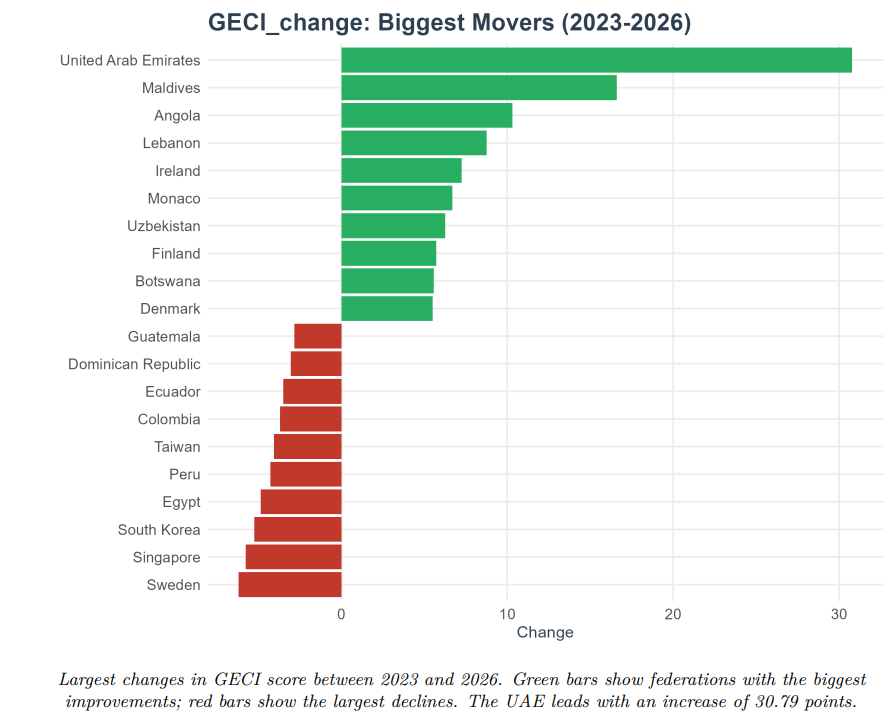
Biggest Moves in GECI Report 2026

In all, the UAE blueprint mentioned in the 2026 GECI report could prove highly effective.The UAE climbed 73 places in the rankings, from 77th in the last edition to 4th now, largely by dramatically increasing the number of girls sent to youth championships. The country boosted female participation in youth delegations from 12.5% to 43.75% in the “progress” indicator, demonstrating how targeted policy decisions can rapidly transform representation.Backed by their sports ministry and national councils, the UAE has institutionalised female chess through a specialised network of seven chess clubs with dedicated girls-only sections and two girls-only clubs. They have also made female representation mandatory in their governing body.By providing logistical support for families and embedding women in leadership roles, such as Secretary-General Dr. Maliha Mahmoud Al Mazmi, the federation has created a sustainable professional pipeline.READ ALSO: India gets its 93rd GM. Mother quit job for chess — the making of Aarav Dengla influenced by D Gukesh and Arjun ErigaisiFurthermore, the system is anchored by a year-round competitive calendar for girls, ranging from school-level events to national championships of all age categories. Away from the board, the federation has also invested in the inclusion of female international and national arbiters.For India, the lesson is simple. As the data shows, the country already has the talent. What it needs now is a system that keeps girls in the game long enough to create a sustainable model of development.


Source link

Inside Shivam Dube’s Mumbai home: Stunning interiors, private gym, luxury apartments, and family moments revealed |


Inside Shivam Dube’s Mumbai home: Stunning interiors, private gym, luxury apartments, and family moments revealed

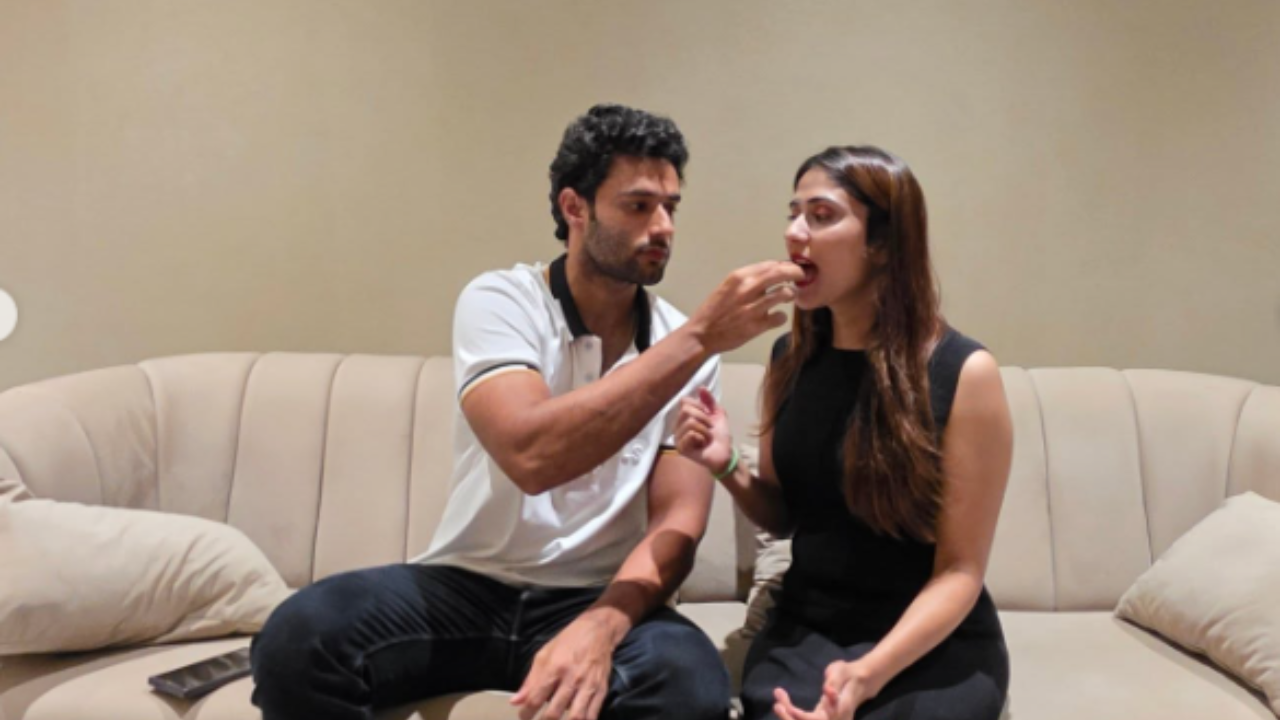
Shivam Dube’s life is a real-life rags-to-riches story. From being a young cricket enthusiast in Mumbai, Shivam Dube has emerged as one of India’s promising all-rounders. Born on June 26, 1993, Dube had to face financial issues in his life, but his determination and his family’s support took him to bigger heights. It is also said that the cricketer’s Mumbai house reportedly reflects his success and hard work. According to various media reports that are not confirmed independently by The Times of India, he has also invested in two luxury apartments at DLH Enclave, Andheri West, Mumbai, which are valued at Rs 27.50 crore. These are located on the 17th and 18th floors of the building, providing over 9,600 sq ft of space, including the balconies. Shivam Dube started making a name for himself in Indian cricket by participating in domestic matches for Mumbai, followed by matches in IPL for teams such as Rajasthan Royals, Royal Challengers Bangalore, and CSK. Dube’s debut as a T20 and ODI player was in 2019, after which he rose to popularity as a power hitter and a medium-pace bowler.

Shivam Dube’s Mumbai home: Spacious, modern, and family-friendly with luxury touches

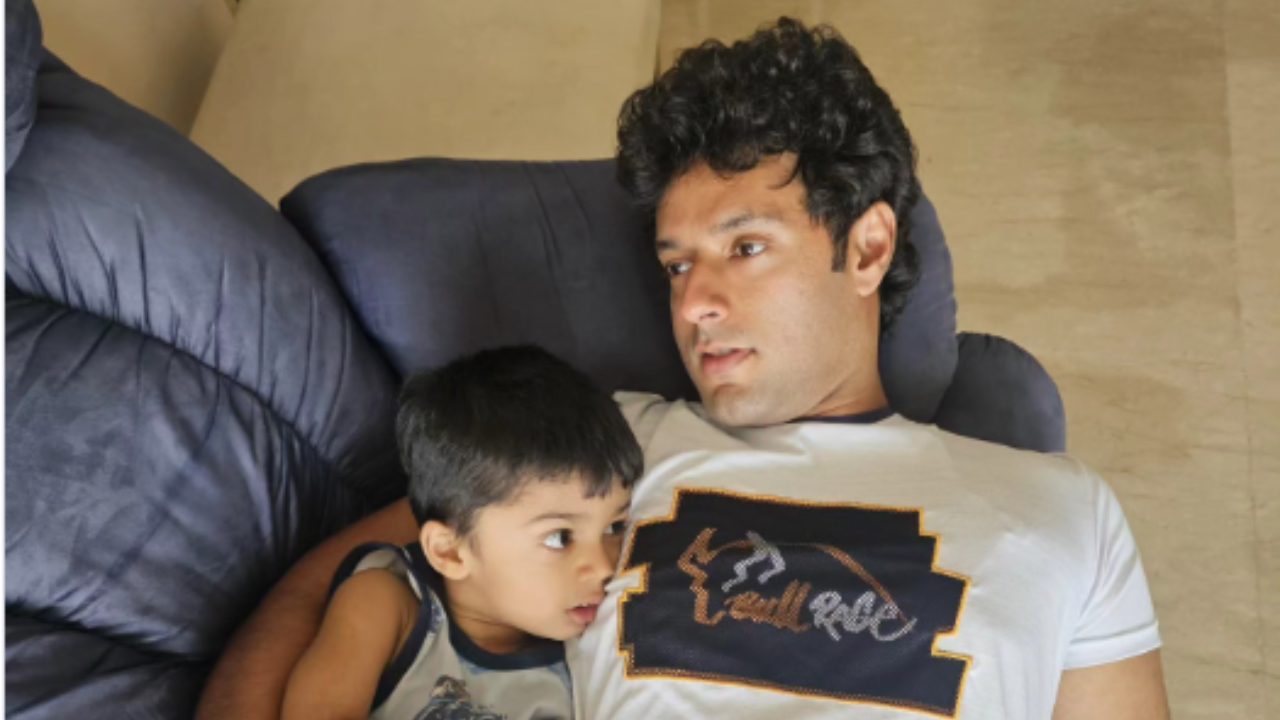
The residence of Shivam Dube in Mumbai, as claimed, is a wonderful blend of luxury and comfort. The interior of the house is spacious, luxurious, and at the same time, simple. It seems as if Shivam Dube has put a lot of thought into the interior of the house, ensuring a wonderful blend of luxury, comfort, and the requirements of the family. Personal gym, spacious balcony, and hi-tech security systems are some of the prominent features of the house. Dube’s family has clearly been a cornerstone of his life. His father, Rajesh Dube, a former wrestler, encouraged his cricketing journey, while his mother remained a steady presence at home. Shivam married Anjum in 2021, and their son was born in 2022.

Shivam Dube house tour

PC: Instagram

Shivam Dube house tour

PC: Instagram

Shivam Dube house tour

PC: Instagram

Shivam Dube house tour

PC: Instagram

Shivam Dube house tour

PC: Instagram

Shivam Dube’s home gym and luxury apartments

Fitness is something that is very important to Shivam, and this is quite obvious from his home gym, which is professional, yet personal at the same time. There are shock-absorbing rubber mats on the floor, which are great for high-impact exercises. There are also free weights, dumbbells, kettlebells, a multi-functional cable system, resistance bands, and medicine balls, along with a separate area for cardio and functional training, where battle ropes, skipping, and other activities can be performed. Large mirrors are also present, along with cricket-themed decor and quotes, giving off the impression that he loves his workouts, yet takes them very seriously.


Source link

Bahrain’s Bapco declares force majeure after Iran strikes its largest oil facility: What it means


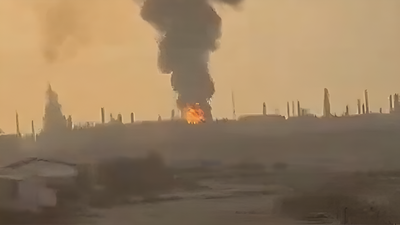
Bahrain’s state oil company on Monday declared force majeure on its shipments after Iranian strikes in the region set the largest oil facility on fire, escalating tensions across the Gulf’s vital energy corridor.Bapco said all domestic market needs remain fully secured and supplies will continue without disruption, supported by proactive contingency plans.

US Base Attacked In Bahrain Again; Iran Launches Ferocious Attack After Tehran Strikes

The announcement was reported by the state-run Bahrain News Agency, which said the company invoked force majeure — a legal provision that releases a company from contractual obligations due to extraordinary circumstances.

Poll

How concerned are you about the impact of ongoing regional conflicts on global oil prices?

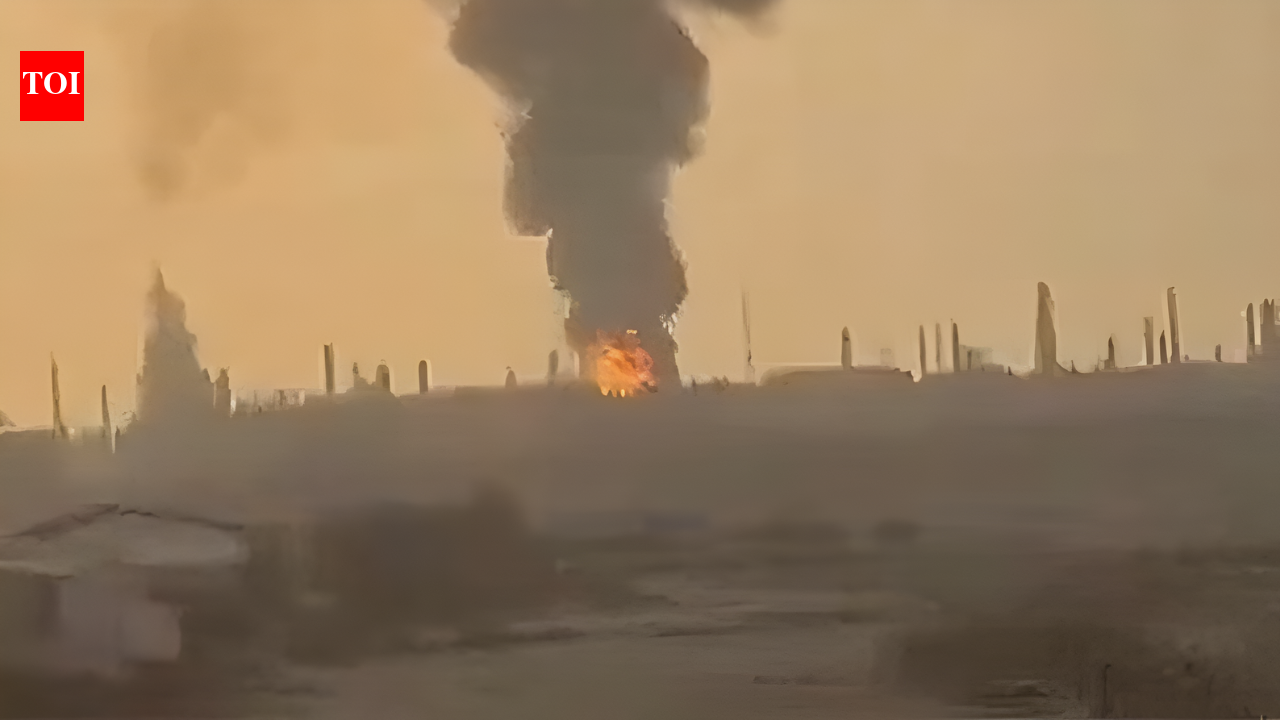
According to the agency, the company said its operations “have been affected by the ongoing regional conflict in the Middle East and the recent attack on its refinery complex.” However, it maintained that domestic fuel demand would still be met.The development came after a strike targeted Bahrain’s large Al-Ma’ameer oil facility, triggering a fire and causing material damage at the complex. State media said emergency teams quickly moved in to control the situation.“Outbreak of a fire due to the Iranian aggression targeting a facility in Al Ma’ameer, with material damage reported but no casualties recorded, and the competent authorities have begun firefighting procedures,” Bahrain News Agency said in a post on X.The attack marks the latest in a series of strikes on energy installations across the Gulf amid the widening conflict involving Iran, Israel and the United States.At the same time, Iran’s tightening control over the Strait of Hormuz has nearly halted tanker movement through the crucial shipping route between the Arabian Gulf and the Gulf of Oman — a passage that carries about a fifth of the world’s oil supply.The growing disruptions have already rattled global energy markets. Brent crude, the international benchmark, surged past $114 a barrel on Monday — roughly 60 percent higher than the levels seen when Israel and the United States first launched strikes on Iran.


Source link

Team India to receive jaw dropping cash reward as BCCI unveils prize money for T20 World Cup 2026 champions


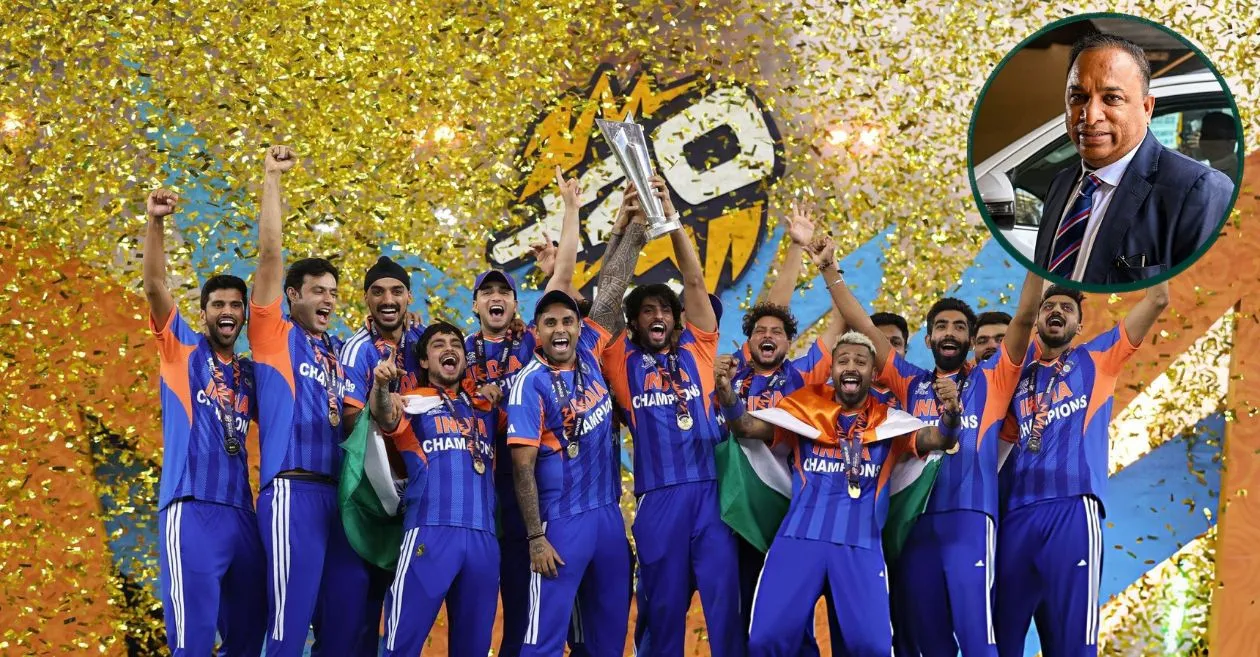
The echoes of ‘Chak De India’ have barely faded from the rafters of the Narendra Modi Stadium, but the celebrations for the Men in Blue are just beginning. Following a masterclass in Ahmedabad where India dismantled New Zealand to clinch their record-breaking third T20 World Cup title, the Board of Control for Cricket in India (BCCI) has raised the stakes.

BCCI rewards Team India with massive prize purse for T20 World Cup 2026 success

In a move that reflects the sheer magnitude of the achievement, the board has announced a staggering INR 131 crore cash reward for the squad, support staff, and selectors.

This windfall marks a significant jump from the INR 125 crore disbursed after the 2024 triumph in Barbados. By retaining the trophy on home soil, India hasn’t just defended their crown; they’ve established a cricketing dynasty. The BCCI’s statement on Tuesday lauded the team’s “historic achievement,” noting that this prize money serves as both a reward for excellence and an investment in the continued dominance of Indian cricket on the global stage.

The final against New Zealand was less of a contest and more of a coronation. Under the blinding lights of the world’s largest cricket stadium, India delivered a clinical performance to secure a 96-run victory. The win was a testament to the team’s tactical evolution and mental fortitude. By lifting the trophy in 2026, India became the first nation in the history of the T20 World Cup to successfully defend their title, a feat that had eluded even the great West Indies and English outfits of the past.

Also READ: ICC announces T20 World Cup 2026 Team of the Tournament, Aiden Markram to lead

From group stage shocks to Ahmedabad glory: The path to immortality

While the final scoreline suggests a smooth ride, India’s journey to the INR 131 crore bonus was paved with high-octane drama. Entering the tournament as heavy favourites, the Men in Blue cruised through Group A with four consecutive wins. However, the Super 8s provided a harsh reality check. A bruising 76-run defeat at the hands of South Africa left India’s campaign dangling by a thread.

Faced with a win-or-go-home scenario, the team’s resilience came to the fore. Thumping victories over Zimbabwe and a high-stakes encounter against the West Indies revitalized the squad. This momentum carried them through a high-scoring semi-final thriller against England, proving that this version of Team India thrives under maximum pressure.

This victory also places India at the pinnacle of the format with three titles (2007, 2024, and 2026), breaking the tie with England and the West Indies. The sheer dominance displayed in the final was the perfect antidote to the knockout jitters that had haunted the team for a decade prior to their 2024 breakthrough.

Also READ: “Next stop Olympic gold”: Suryakumar Yadav reveals LA 2028 dream after India’s T20 World Cup triumph


Source link

Big boost for drinking water: Cabinet extends Jal Jeevan Mission to 2028 with Rs 8.69 lakh crore outlay


Big boost for drinking water: Cabinet extends Jal Jeevan Mission to 2028 with Rs 8.69 lakh crore outlay

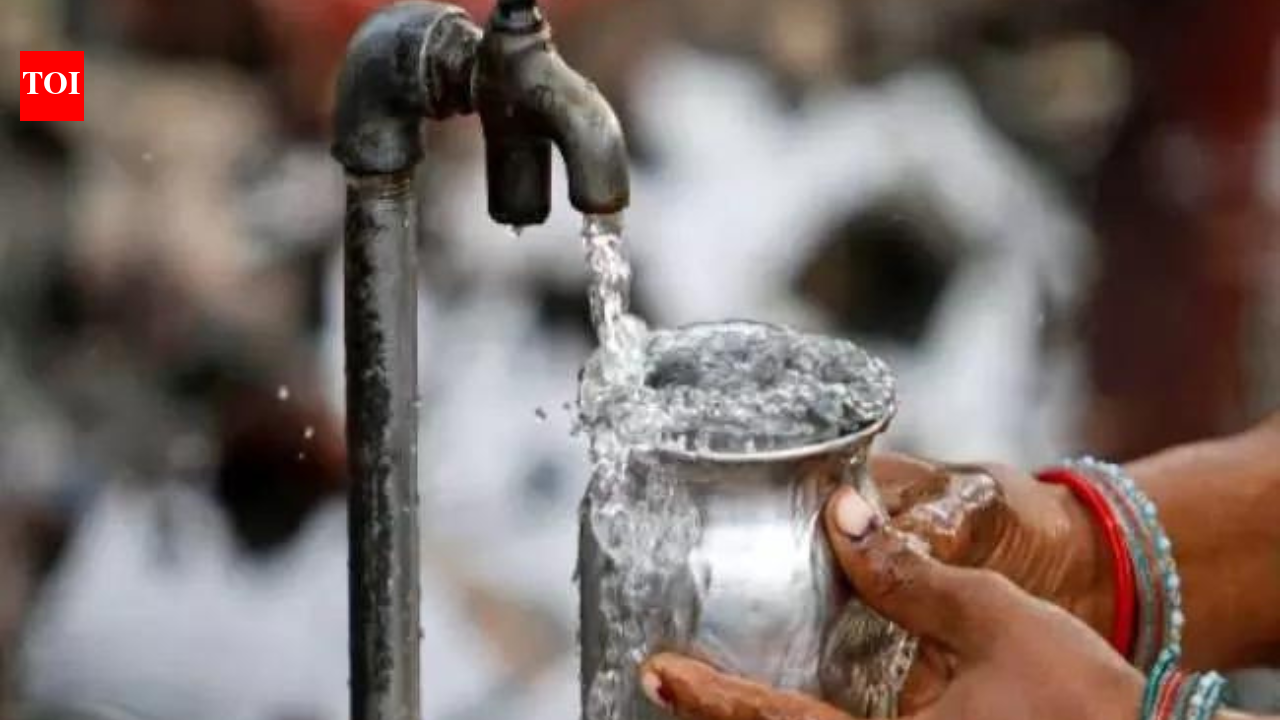
The Union cabinet on Monday approved the extension of the Jal Jeevan Mission (JJM) until December 2028, with a revised total outlay of Rs 8.69 lakh crore, as the government seeks to shift the rural drinking water programme from infrastructure creation to a service delivery–driven model under JJM 2.0.Under the revised framework, the Centre’s financial support will increase to Rs 3.59 lakh crore, up from Rs 2.08 lakh crore approved in 2019-20, implying an additional central share of Rs 1.51 lakh crore.The government said the restructured mission will focus on drinking water governance, institutional systems and sustainable service delivery, moving beyond the earlier infrastructure-centric approach.As part of the reforms, a national digital framework called “Sujalam Bharat” will be introduced. Under this system, each village will receive a unique “Sujal Gaon/Service Area ID”, digitally mapping the entire drinking water supply network from source to household tap.The programme will also introduce “Jal Arpan”, under which Gram Panchayats (GPs) and Village Water and Sanitation Committees (VWSCs) will participate in the commissioning and formal handover of water supply schemes to improve transparency and accountability.A Gram Panchayat will declare itself “Har Ghar Jal” only after certifying that adequate in-village operation and maintenance mechanisms are in place, the government said.To strengthen community ownership, the mission will also promote “Jal Utsav”, an annual community-led review and maintenance event aimed at reinforcing collective responsibility for sustainable drinking water management.The government said the scheme has already made significant progress since its launch in 2019.From a baseline of 3.23 crore rural households (17%) with tap water connections in 2019, more than 12.56 crore additional rural households have received tap water connections under the mission.Currently, 15.80 crore out of 19.36 crore rural households in the country — about 81.61%–have tap water connections, according to official data.Several independent studies have also highlighted the wider impact of the programme.SBI Research estimated that the mission has freed about 9 crore women from the burden of fetching water, allowing them to participate in other economic activities.The World Health Organisation (WHO) estimated that improved water access under the programme has helped save 5.5 crore hours of women’s labour every day, prevented around 4 lakh diarrhoeal deaths, and resulted in savings of 14 million disability-adjusted life years (DALYs).According to Nobel laureate Prof Michael Kremer, the programme could contribute to a 30% reduction in under-five mortality, potentially saving about 1.36 lakh lives annually.Studies by IIM Bangalore and the International Labour Organisation (ILO) estimated that the mission could generate 59.9 lakh direct and 2.2 crore indirect person-years of employment, boosting rural livelihoods.Under JJM 2.0, the government aims to ensure tap water connections for all 19.36 crore rural households by December 2028, while strengthening sustainability, community participation and citizen-centric water services.The programme is also aligned with the broader Viksit Bharat @2047 vision, which seeks to move towards assured 24×7 rural drinking water supply through structural reforms and a utility-style service delivery framework.The mission will also adopt a “whole-of-government” approach, with multiple ministries and departments working together to ensure long-term operation, maintenance and source sustainability of rural water supply systems, the government said.


Source link

Iran war: Saudi Arabia, Iraq, UAE and Kuwait cut oil output as Hormuz disruption rattles energy markets


Iran war: Saudi Arabia, Iraq, UAE and Kuwait cut oil output as Hormuz disruption rattles energy markets

The ongoing crisis in the Middle East has brought the Strait of Hormuz to the brink of closure, disrupting global oil supplies and forcing Gulf nations like UAE, Iraq and others, to slash production. With storage tanks filling rapidly, analysts warn of the growing risk of a total production shutdown if output is not carefully managed.The latest addition to this list is Saudi Arabia, the world’s largest oil exporter, which has reduced production by between 2 million and 2.5 million barrels a day. The kingdom is rerouting some supplies through the Red Sea to maintain exports, although the pipeline there cannot fully handle the usual volumes.“Saudi Arabia, the world’s largest oil exporter, is also rerouting some supplies through the Red Sea to maintain exports,” a source told Bloomberg.Earlier, the UAE also lowered output by between 500,000 and 800,000 barrels per day, rerouting some exports through Fujairah, which has also been struck by Iran. While this alternative route helps maintain shipments, it covers only a fraction of the Gulf’s usual exports. “The ongoing war in the Middle East has brought maritime traffic through Hormuz nearly to a halt, with mostly only Iranian shipments moving through,” Bloomberg reported.Kuwait Petroleum Corporation began cutting oil output last week and declared force majeure. The company said the reduction was precautionary and would be reviewed as the situation develops, adding that it remained ready to restore production levels when conditions allow. Back in February, Kuwait produced around 2.6 million barrels per day of crude oil. The production cut comes as the disruption of oil flows through the Strait of Hormuz begins to fill storage tanks, prompting proactive reductions to prevent storage facilities from reaching capacity too quickly.Iraqi oil production from its main southern fields has fallen by 70%, to just 1.3 million barrels per day, down from 4.3 million barrels per day before the war. Exports dropped sharply to an average of around 800,000 barrels per day, with only two tankers loading because vessels cannot move freely through the Strait of Hormuz.Iraq’s storage capacity has likely been exhausted, prompting output cuts of around 1.5 million barrels per day last week. Rystad Energy warned that Iraq’s remaining operational oil fields “face an imminent, near-certain shutdown.”Qatar, India’s largest supplier of imported natural gas, declared force majeure on LNG deliveries following a halt in production after an Iranian drone strike. Sources said the disruption has cut supplies to Indian industry by up to 40%, affecting power generation, fertiliser production, CNG distribution, and piped cooking gas networks.“Gas importer Petronet LNG Ltd has informed gas marketers of Qatar halting its liquefied natural gas production after Iran continued to strike Gulf countries in retaliation for Israeli and US strikes against it,” sources said.

Impact on global oil prices

The conflict has pushed oil prices to nearly $120 a barrel after Israel struck Iran’s energy infrastructure and Tehran announced Mojtaba Khamenei as Iran’s new Supreme Leader. Earlier on Monday, Brent crude reached $119.50 before easing to around $100 per barrel, still over 20% higher than pre-war levels.The war has created fresh fears for energy infrastructure across the Middle East, with producers already grappling with damaged sites from Iranian attacks and the closure of the Strait of Hormuz, the world’s most critical oil shipping route.

How much more can their tanks store?

With storage tanks nearing capacity, Gulf oil-producing nations face the risk of a complete production halt. The Strait of Hormuz carries roughly one-fifth of global oil and LNG flows, making its closure a worst-case scenario for energy markets.“Collectively, Gulf nations can store about 343 million barrels of oil to delay an inevitable production stoppage,” JP Morgan said as cited by Deutsche Welle. However, with around 15 million barrels per day of crude and over 4 million barrels per day of refined products typically flowing through the Strait, storage buffers are extremely limited. Iraq, which had just six days of storage, has likely already reached its limit, prompting Baghdad to cut output by around 1.5 million barrels per day last week. Rystad Energy, a Norwegian research firm, warned on Monday that Iraq’s remaining operational oil fields “face an imminent, near-certain shutdown.”Saudi Arabia, by contrast, had 66 days of storage as of 28 February, according to JP Morgan, assuming the kingdom could reroute some exports through alternative routes. Rystad Energy cautioned, however, that the Saudis may have only seven to nine days of “effective runway before forced output cuts,” as cited by Deutsche WelleSaudi Aramco is redirecting as much oil as possible to the Red Sea port of Yanbu, while the UAE is sending some of its exports through Fujairah, despite the port also being targeted by Iran. These alternative routes currently handle only about a third of the volume that normally passes through the Strait of Hormuz.Bloomberg News reported that Saudi Arabia has reduced oil production by up to 2.5 million barrels per day, with the UAE cutting output by 500,000 to 800,000 barrels daily. Kuwait has also lowered production by half a million barrels per day, and Iraq by roughly 2.9 million, according to sources familiar with the matter.


Source link

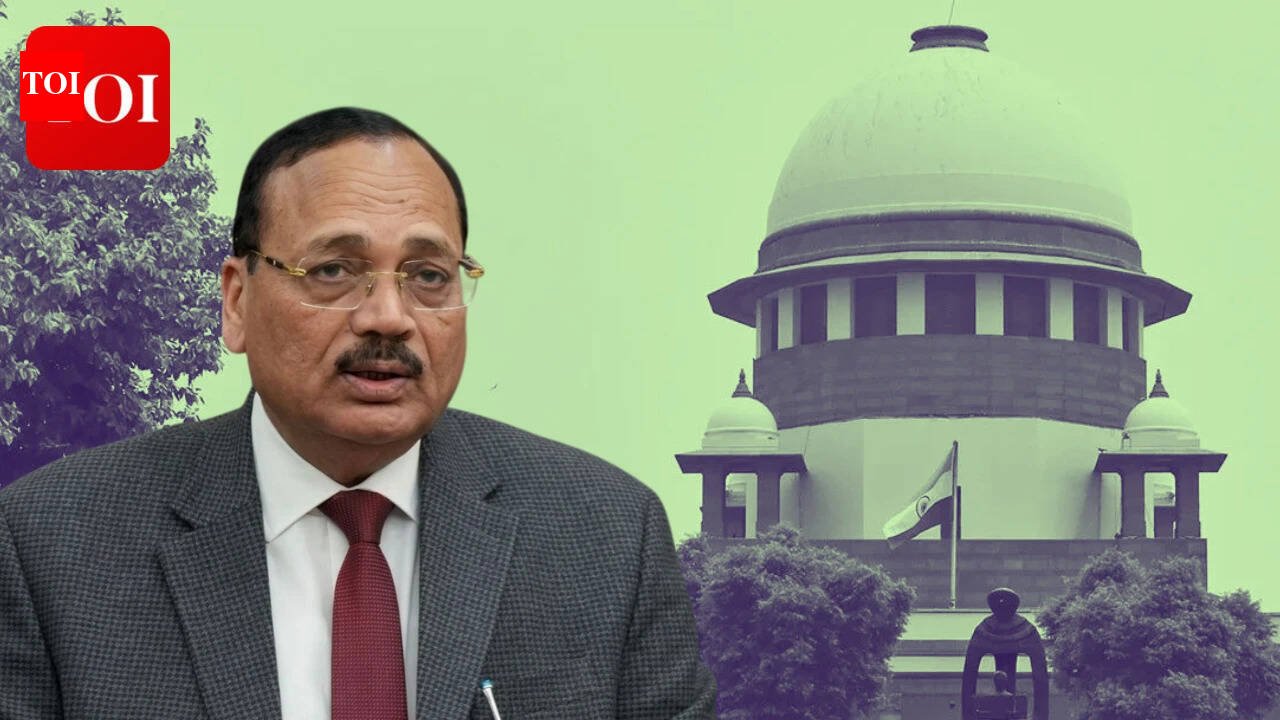
West Bengal Sir: ‘How dare you?’ CJI blasts petitioners for doubting integrity of judicial officers engaged in West Bengal SIR | India News


'How dare you?' CJI blasts petitioners for doubting integrity of judicial officers engaged in West Bengal SIR

NEW DELHI: The Supreme Court on Tuesday sternly cautioned against any attempt to question the integrity of judicial officers overseeing the Special Intensive Revision (SIR) of electoral rolls in West Bengal. It declared that such actions would not be tolerated and that trust in the judiciary must be maintained.The warning came from a Bench led by Chief Justice of India (CJI) Surya Kant and justice Joymalya Bagchi, while hearing a batch of petitions concerning the ongoing revision exercise.

TMC–ECI Face-Off Ahead of Bengal Polls; Row Over Voter Roll Revision Intensifies

“Your application is premature, and it shows as if you don’t have trust. How did you dare such applications are filed? No one should dare question the judicial officers. As a Chief Justice of India, I will not tolerate this,” CJI Kant told the applicants.The Court took strong exception to certain applications that flagged the pendency of claims before judicial officers assigned to scrutinise voter inclusion and deletion requests. Reiterating to maintain faith in the judiciary, CJI Kant said the top court would not allow any undermining of officers carrying out judicial functions under its directions.To address potential grievances, the Supreme Court directed that Calcutta high court chief justice Sujoy Paul may constitute a special bench. It would comprise sitting or former judges to hear appeals against decisions made during the SIR process.“We leave it to the chief justice (of high court) to decide how many judges shall be there in the appellate bench,” said CJI Kant.The Bench further instructed that the Election Commission will bear all costs associated with the appellate mechanism and the judicial officers engaged in the exercise.“High court chief justice is requested to fix the honorarium payable to former justices or present judges, and all costs shall be borne by the election commission of India. Similarly, honourarium shall be fixed for the service of former judicial officers, especially when 200 such officers are from neighbouring states,” the order read.Judicial officers from West Bengal, Odisha and Jharkhand have been deputed to conduct the SIR following the Supreme Court’s earlier observation of a “trust deficit” between the ECI and the West Bengal government.On 20 February, the Court had directed the deployment of serving and retired district judges to ensure the revision’s smooth execution.During Tuesday’s hearing, Senior Advocate Menaka Guruswamy informed the Bench that around seven lakh claims had been decided, 63 lakh remained under adjudication, and approximately 57 lakh were still pending.In response, CJI Kant expressed confidence in the officers’ work. “We knew you people would run away when judicial officers are appointed. The high court chief justice has told us 10 lakh claims have been decided,” he remarked.Emphasising the seriousness of the judicial officers’ findings, CJI Kant added, “If a judicial officer prima facie finds that you are not entitled to vote, then you will not vote.”The Court directed the ECI to issue a notification announcing the constitution of the appellate body to handle voter roll disputes.


Source link

Priya Saroj teases Rinku Singh at airport after T20 World Cup glory: ‘Mujhe bhool gye kya? | Cricket News


'Mujhe bhool gye kya?': Priya Saroj teases Rinku Singh at airport after T20 World Cup glory - WATCH
Rinku Singh and Priya Saroj (Imare credit: Instagram)

NEW DELHI: The victorious Indian team members are returning home after winning the 2026 T20 World Cup title. India defeated New Zealand by 96 runs in the final at the Narendra Modi Stadium in Ahmedabad.Rinku Singh, a member of the title-winning Indian side, arrived at the airport with his fiancée Priya Saroj. Upon arrival, he walked ahead to greet and hug his friends who had gathered outside the airport to welcome him, momentarily leaving Priya behind.

Ahmedabad erupts as Team India arrive at hotel after T20 World Cup win

Seeing Rinku walk ahead, Priya jokingly said, “mujhe bhool gye kya?”. Rinku laughed, walked back, put his hands around Priya’s shoulders, and then went on to meet his friends.Rinku got engaged to politician Priya Saroj on June 8.The cricketer also penned an emotional tribute to his late father, Khanchand Singh, who passed away on February 27 in Greater Noida after a prolonged illness.Rinku attended his father’s funeral after India’s T20 World Cup 2026 Super 8s match against Zimbabwe before rejoining the squad in Kolkata for the crucial must-win Super 8s clash against the West Indies.In a heartfelt post after India’s T20 World Cup 2026 triumph, Rinku said that even a single day without speaking to his father felt incomplete and that he struggles to imagine life ahead without him.“I have never spent so many days without talking to you. I don’t know how life will move forward without you… But I know I will need you at every step,” he wrote in a post on Instagram. “You always taught me that duty comes first, so on the field I was only trying to fulfil your dream. Now that your dream has been fulfilled… I just wish you were here with me. I will feel your absence in every small and big moment of happiness. I will miss you a lot, Papa,”Meanwhile, Rinku played just five matches for India in the T20 World Cup, where he struggled for runs and managed only 24 in total, including a duck against South Africa at the Narendra Modi Stadium during the Super 8s stage.After the loss against the Proteas, Rinku was dropped from the team and Sanju Samson replaced him in the playing XI. The move proved beneficial as Samson delivered back-to-back match-winning knocks in the Super 8s, the semi-final, and the final.


Source link