Breaking News
Team India Report Card: Perfect finish to a not-so-perfect T20 World Cup campaign | Cricket News


Team India Report Card: Perfect finish to a not-so-perfect T20 World Cup campaign
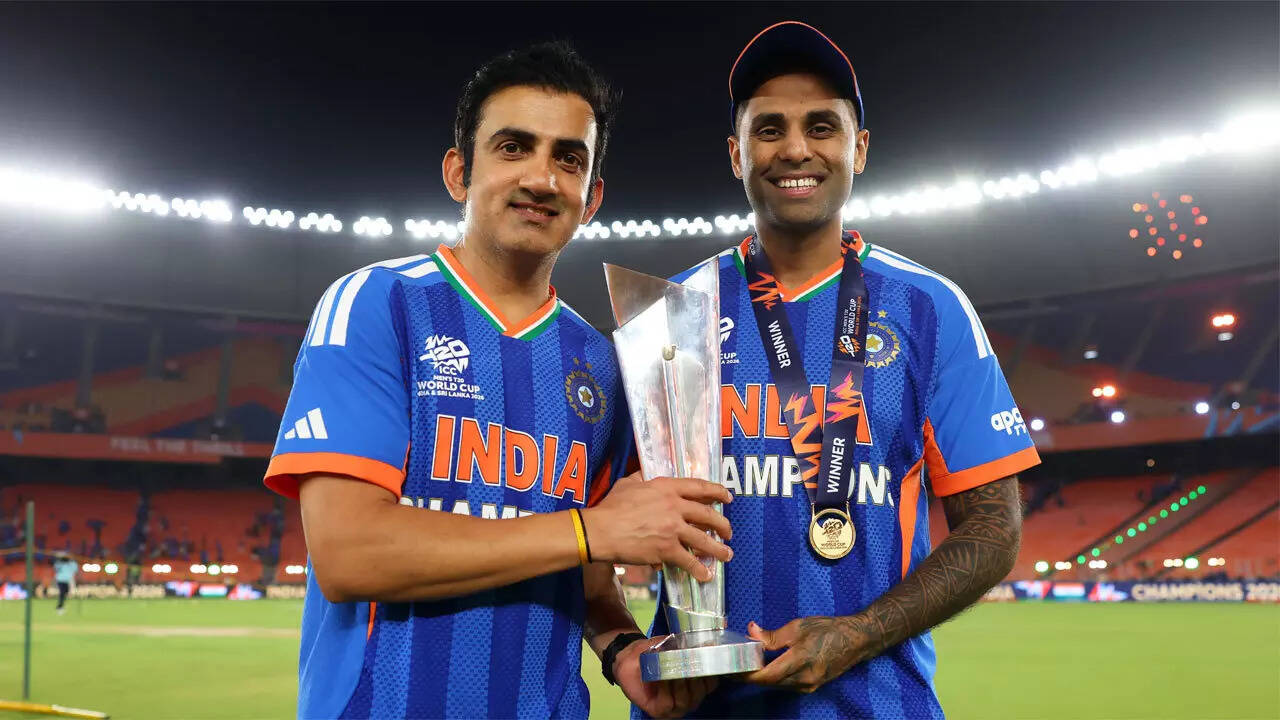
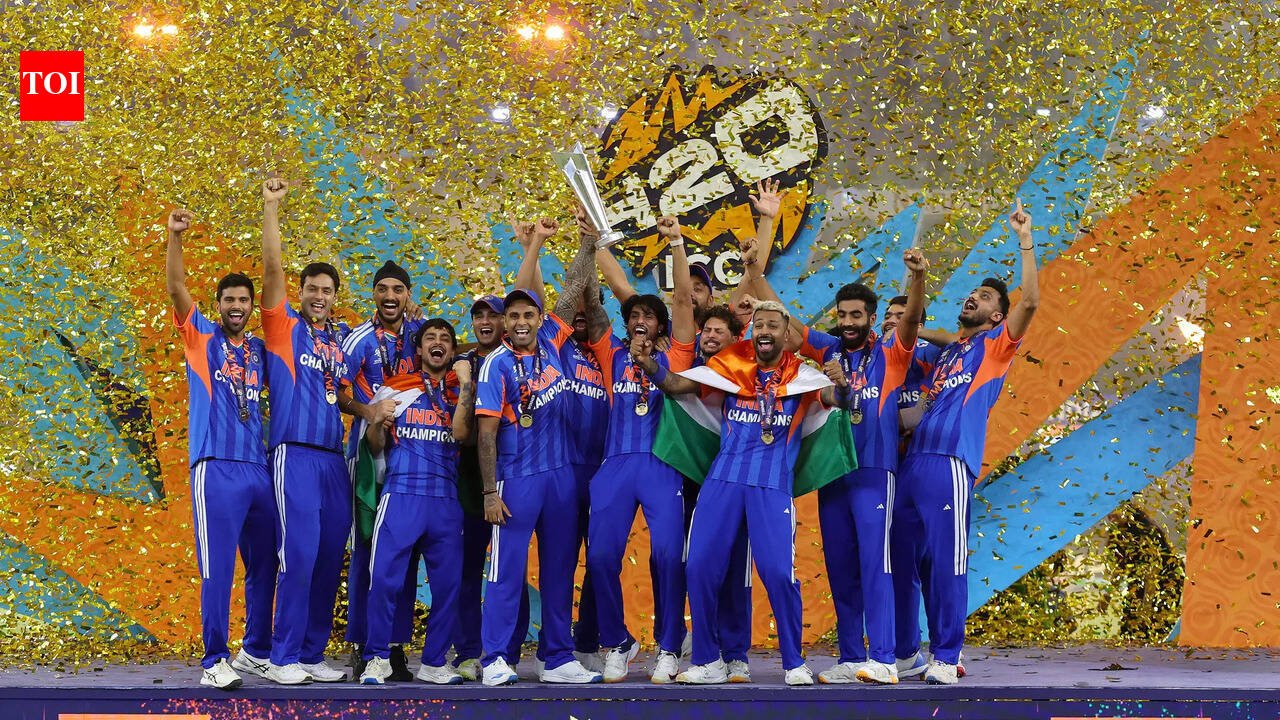
Suryakumar Yadav and Tilak Varma of India lift the T20 World Cup trophy. (Getty Images)

They were the overwhelming favourites coming into the tournament — a stunning run since winning the 2024 edition, playing in familiar home conditions and with almost all the players in form. But the ICC Men’s T20 World Cup 2026 did not pan out as expected for the defending champions and co-hosts India.Go Beyond The Boundary with our YouTube channel. SUBSCRIBE NOW!Reaching the Super Eights was never going to be an issue, with the expanded 20-team tournament featuring several associate nations. But the real challenge was getting past the Super 8s and qualifying for the knockouts. And there, India were tested as they were hammered by South Africa in their first Super 8 match.After that, it was a must-win situation for India, especially in the final Super 8 clash against West Indies. It required some superb individual performances to carry the team forward.

Proud families celebrate India’s World Cup heroes | SKY, Abhishek & Axar’s loved ones react

India were not completely in control even in the semi-final against England despite posting a record 253/7, eventually winning by just seven runs. Finally, riding on another blockbuster batting display in the summit clash, they thrashed New Zealand by a record 96 runs to defend the title.India rewrote T20 World Cup history with this win — becoming the first team to defend the title and the first to win it at home. They also became the first team to win the tournament three times, adding to their triumphs in 2007 and 2024.Despite it being a not-so-perfect campaign, Indian players somehow scraped through as they won their third ICC title on the trot — T20 World Cup 2024, Champions Trophy 2025 and T20 World Cup 2026.
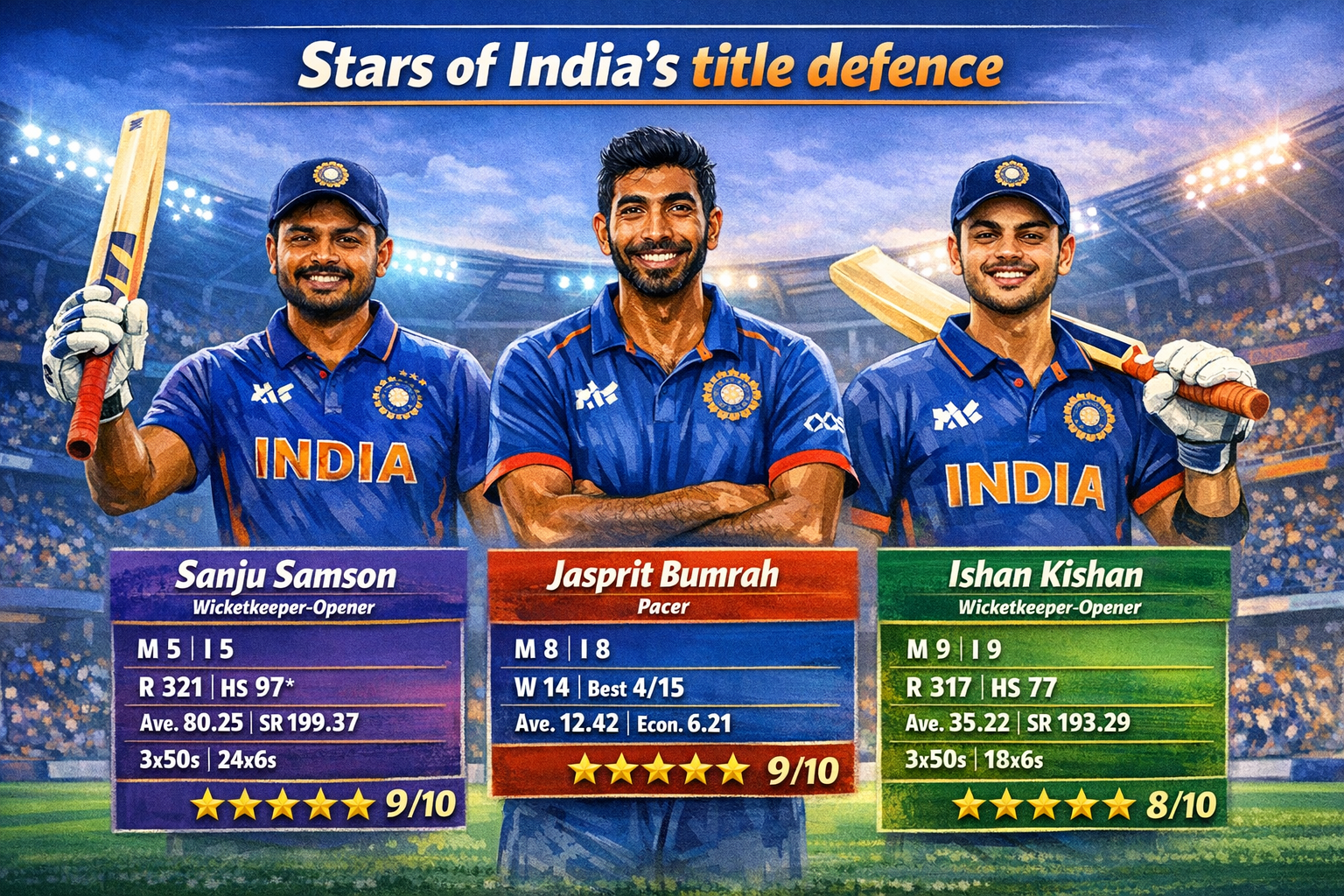
AI generated infographics

Here’s how Team India’s players performed in this month-long tournament: Suryakumar Yadav (captain) — 6.5/10The India skipper started the campaign with an unbeaten 84 against USA in the tournament opener when the team was struggling at 77/6, but he did not have much success with the bat in the next eight matches, ending with a golden duck in the final.It was a topsy-turvy campaign as captain too, but he kept his wits intact, especially in the final, to guide India home. Surya, however, contributed consistently with the bat and finished with 242 runs – third most in the team – at an average of 30.25 and a strike rate of 136.72.T20 World Cup 2026 Stats:

  • M 9 | I 9 | R 242 | HS 84* | Ave. 30.25 | SR 136.72 | 1x50s | 10x6s
  • Man of the Match – vs USA (84*)

Team India

India head coach Gautam Gambhir with captain Suryakumar Yadav. (Pic credit: BCCI)

Abhishek Sharma (Opener) — 4/10Everything that could go wrong went wrong for the World No.1 T20I batter Abhishek Sharma.He started the tournament with a hat-trick of ducks. A 55 against Zimbabwe in the must-win Super 8 match gave some hope, but he struggled again against West Indies in the virtual quarter-final and England in the semi-final.Abhishek, however, repaid the team management’s faith by scoring a quick-fire 52 off 21 balls against New Zealand in the final.T20 World Cup 2026 Stats:

  • M 8 | I 8 | R 141 | HS 55 | Ave. 17.62 | SR 158.42 | 2x50s | 8x6s
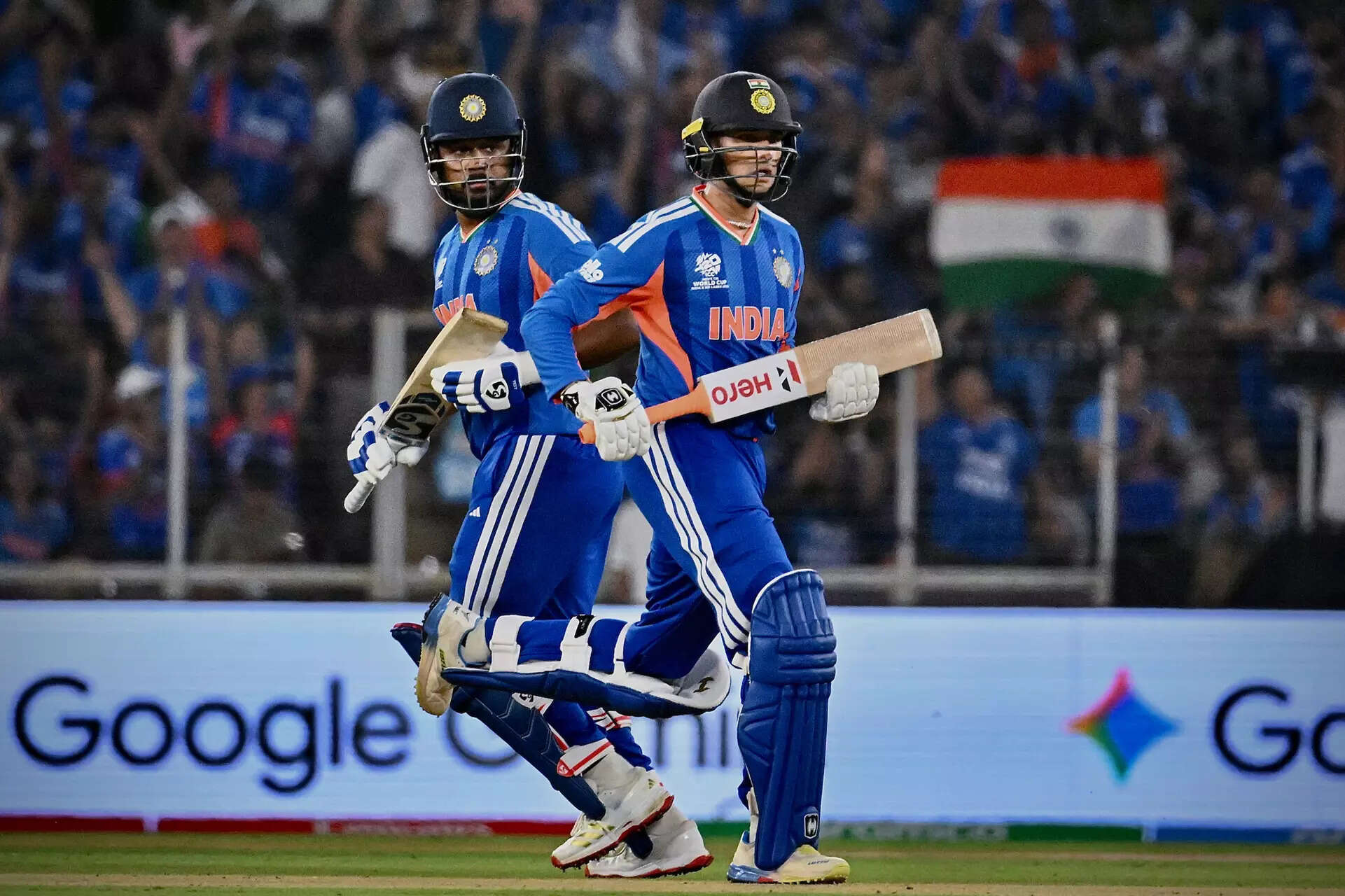
Abhishek Sharma and Sanju Samson

Abhishek Sharma and Sanju Samson (ANI Photo)

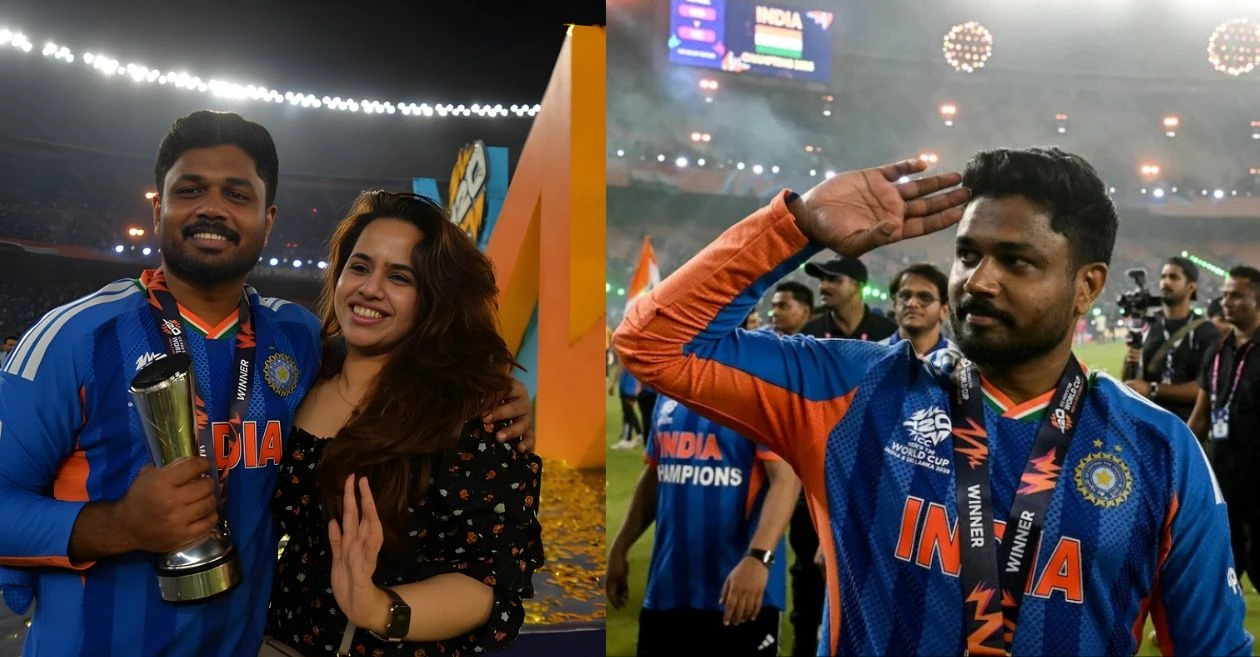
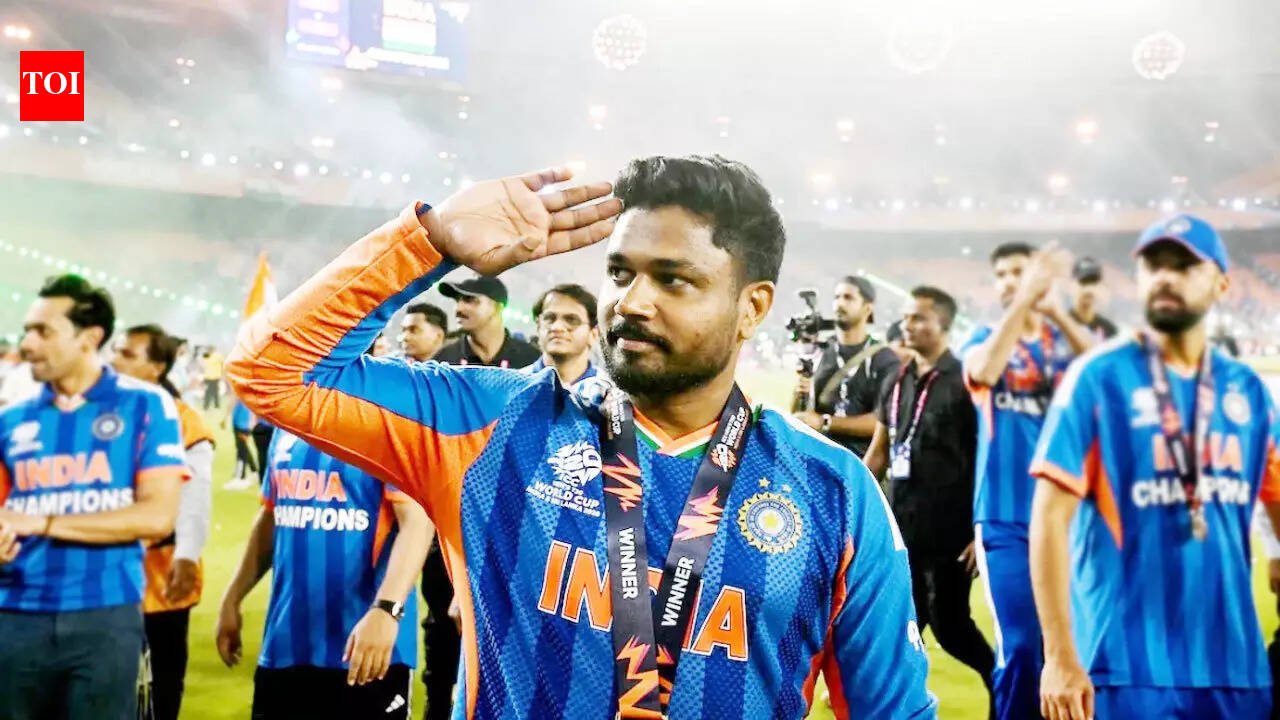
Sanju Samson (Wicketkeeper-opener) — 9/10Undoubtedly one of the heroes of India’s campaign, Sanju Samson made the difference in the title defence. Samson lost his place in the starting XI to Ishan Kishan before the tournament.He got just one game in the group stage before getting his opportunity in the Super 8s after India were hammered by South Africa.Samson then made the tournament his own with a stunning unbeaten 97 off 50 balls against West Indies in the virtual quarter-final. It was followed by two identical scores of 89 in the semi-final and final, joining the elite group featuring Shahid Afridi (2009) and Virat Kohli (2014) to achieve the feat.He ended the campaign as the second-highest run-getter with 321 runs and also hit the most sixes in the tournament — 24 — all in just five innings.T20 World Cup 2026 Stats:

  • M 5 | I 5 | R 321 | HS 97* | Ave. 80.25 | SR 199.37 | 3x50s | 24x6s
  • Man of the Match – vs West Indies (97*); vs England (89)
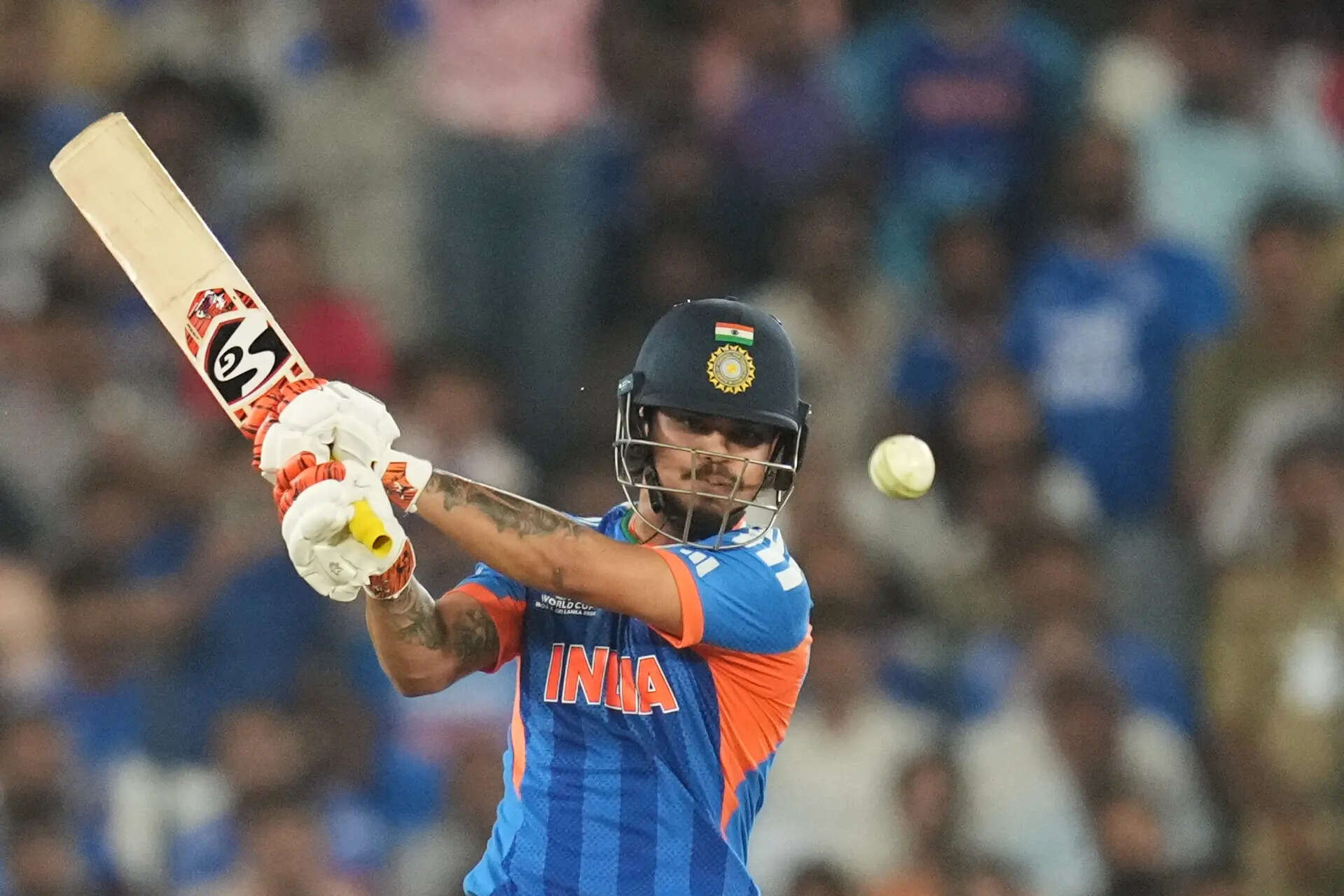
Ishan Kishan

Ishan Kishan (AP Photo)

Ishan Kishan (Wicketkeeper-opener) — 8/10It was one of the best comeback stories, as Ishan Kishan nudged Sanju Samson out of the opening slot alongside Abhishek Sharma before the tournament.When Abhishek was struggling for runs, it was Ishan who kept the scoreboard moving at the top, scoring 61 against Namibia and 77 against Pakistan in the group stage.He later lost the opening slot after Samson was promoted to open with India needing wins in the final four matches. But it did not deter him as he continued contributing at No.3, including 39 off 18 against England in the semi-final and 54 off 25 in the final against New Zealand.Ishan finished as India’s second-highest run-getter and third overall with 317 runs.T20 World Cup 2026 Stats:

  • M 9 | I 9 | R 317 | HS 77 | Ave. 35.22 | SR 193.29 | 3x50s | 18x6s
  • Man of the Match – vs Pakistan (77)

Hardik Pandya

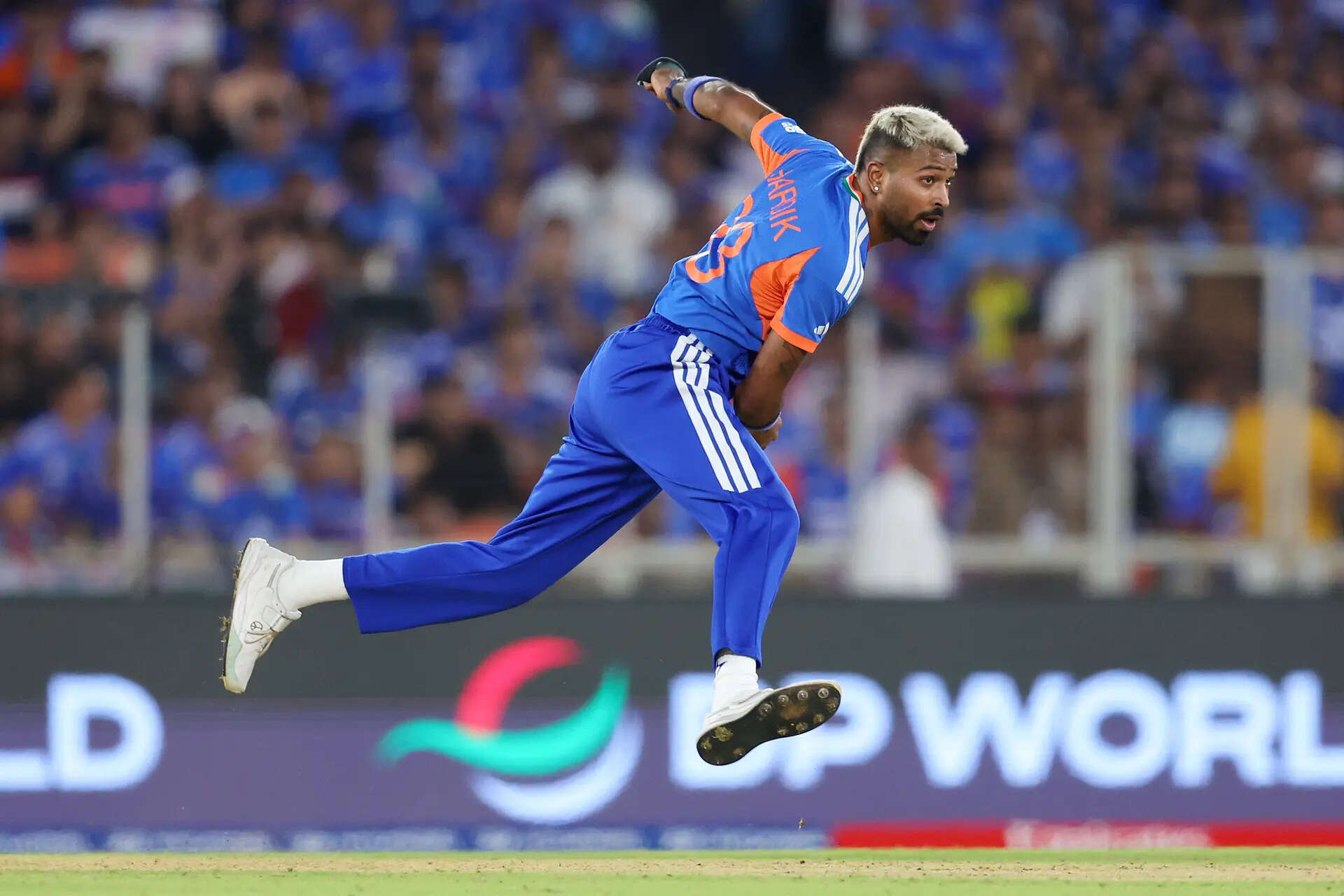
Hardik Pandya (Getty Images)

Hardik Pandya (Pace all-rounder) — 7/10India’s evergreen X-factor Hardik Pandya had another successful campaign, scoring quick runs, providing crucial breakthroughs and being a livewire in the field.Batting at No.5 or lower, Hardik scored two fifties and played his part in giving India strong finishes. He ended with 217 runs.With the ball, he provided timely breakthroughs and finished with nine wickets. His all-round performance against Namibia — 52 off 28 balls and 2 for 21 — earned him the Player of the Match award.T20 World Cup 2026 Stats:

  • M 9 | I 9 | R 217 | HS 52 | Ave. 27.12 | SR 160.74 | 2x50s | 15x6s
  • M 9 | I 9 | W 9 | Best 2/16 | Ave. 31.66 | Econ. 8.90
  • Man of the Match – vs Namibia (52 & 2/21); vs Zimbabwe (50* & 0/21)

Tilak Varma (Batter) — 6/10India’s designated No.3 batter Tilak Varma had a below-par outing initially and often struggled to get going. The disappointing opening stands before Samson’s promotion did not help either.Except for a 16-ball 25 against USA, his strike rate remained a concern. In the next four innings at No.3, his strike rate stayed below 120, putting pressure on the middle order.However, once Samson moved to the top and Ishan batted at No.3, Tilak was pushed down the order and found his rhythm. His unbeaten 44 off 16 against Zimbabwe, 27 off 15 against West Indies and 21 off seven against England in the semi-final helped India reach the final.T20 World Cup 2026 Stats:

  • M 9 | I 9 | R 207 | HS 44* | Ave. 29.57 | SR 154.47 | 0x50s | 11x6s
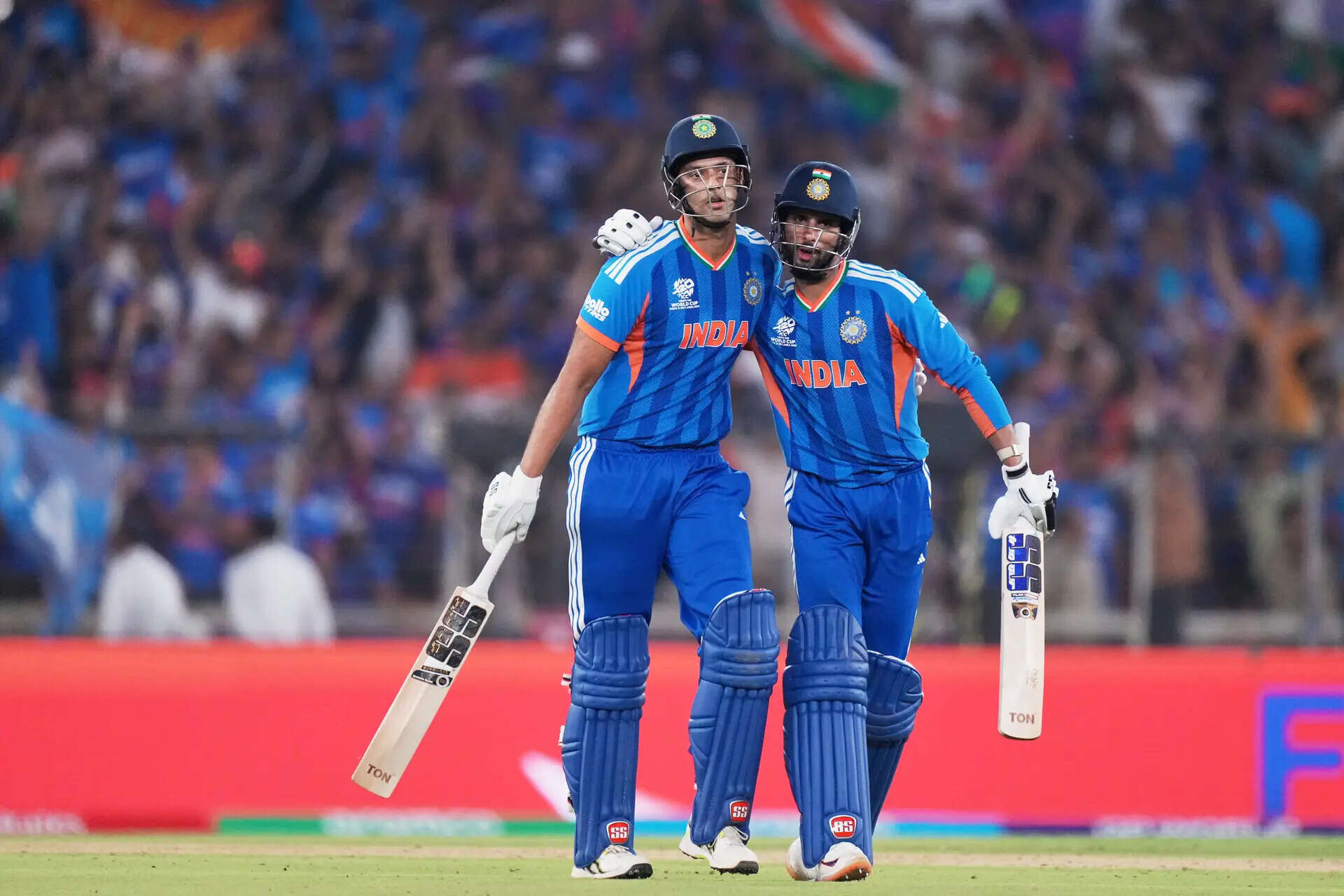
Shivam Dube and Tilak Varma

Shivam Dube, left, and Tilak Varma (AP Photo)

Shivam Dube (Pace all-rounder) — 7/10Shivam Dube played the middle-overs enforcer’s role effectively. He consistently scored quick runs to give India strong finishes.His 66 off 31 balls against Netherlands, along with figures of 2/35, helped India remain unbeaten in the group stage. Dube was run out three times while attempting quick runs, reflecting his aggressive intent.Although he picked up five wickets with his medium pace, it was his batting that stood out. His unbeaten 26 off just eight balls played a key role in taking India’s total in the final to 255/5, well beyond New Zealand’s reach.T20 World Cup 2026 Stats:

  • M 9 | I 8 | R 227 | HS 66 | Ave. 37.83 | SR 166.91 | 1x50s | 17x6s
  • M 9 | I 5 | W 5 | Best 2/35 | Ave. 29.20 | Econ. 14.12
  • Man of the Match – vs Netherlands (66 & 2/35)

Axar Patel (Spin all-rounder) — 6.5/10Vice-captain Axar Patel was a livewire in the field, proving the phrase “catches win matches” — particularly in the semi-final against England, where his fielding efforts broke crucial partnerships.He also picked up important wickets, including three in the final, and finished with 11 wickets in seven matches.T20 World Cup 2026 Stats:

  • M 7 | I 7 | W 11 | Best 3/27 | Ave. 18.63 | Econ. 8.20
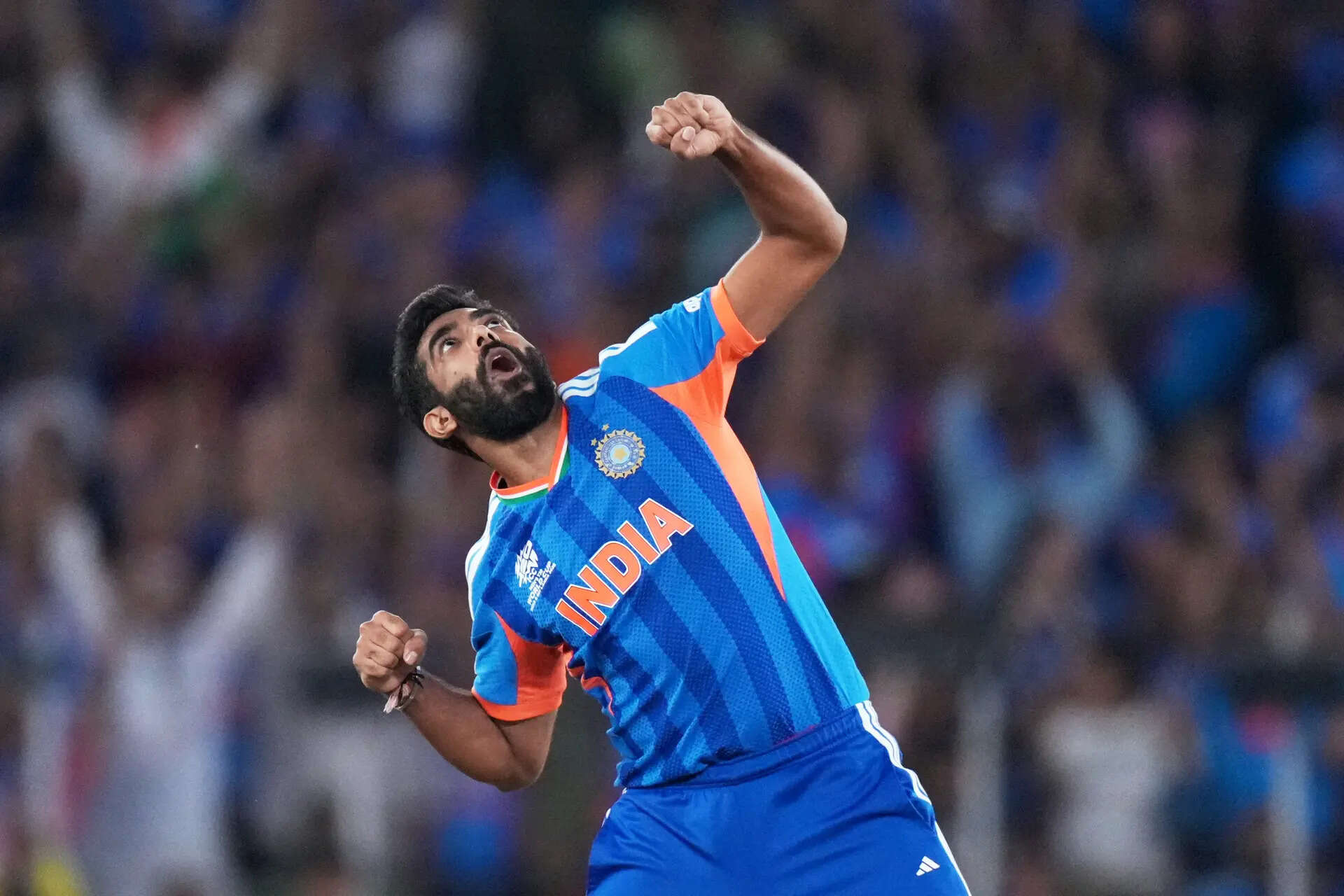
Jasprit Bumrah

Jasprit Bumrah (AP Photo)

Jasprit Bumrah (Pacer) — 9/10India’s pace spearhead Jasprit Bumrah once again proved why he is head and shoulder above the rest.He picked wickets in almost every match and delivered an excellent spell of 3/15 against South Africa too despite India’s big defeat. But his defining performance came in the final against New Zealand.Defending a massive target, Bumrah produced a sensational spell of 4 for 15 — the best figures by a pacer in a T20 World Cup final.He finished as the joint-highest wicket-taker of the tournament with 14 wickets, alongside Varun Chakaravarthy, while maintaining a superb economy rate of 6.21.T20 World Cup 2026 Stats:

  • M 8 | I 8 | W 14 | Best 4/15 | Ave. 12.42 | Econ. 6.21
  • Man of the Match – vs New Zealand (4/15)

Varun Chakaravarthy (Mystery spinner) — 5/10The World No.1 T20I bowler began the tournament strongly, claiming nine wickets in the group stage, including 2/17 against Pakistan.However, his form dipped in the Super 8 stage. He was hammered for 47 runs by South Africa and struggled to regain control.His toughest outing came in the semi-final against England, where he conceded a record 64 runs in four overs.After the group stage, he returned figures of five wickets for 225 runs in five games — a stark contrast to his group-stage performance of nine wickets for 62 runs. Still, his early exploits ensured he finished joint-highest wicket-taker with Bumrah with 14 wickets.T20 World Cup 2026 Stats:

  • M 9 | I 9 | W 14 | Best 3/7 | Ave. 20.50 | Econ. 9.25
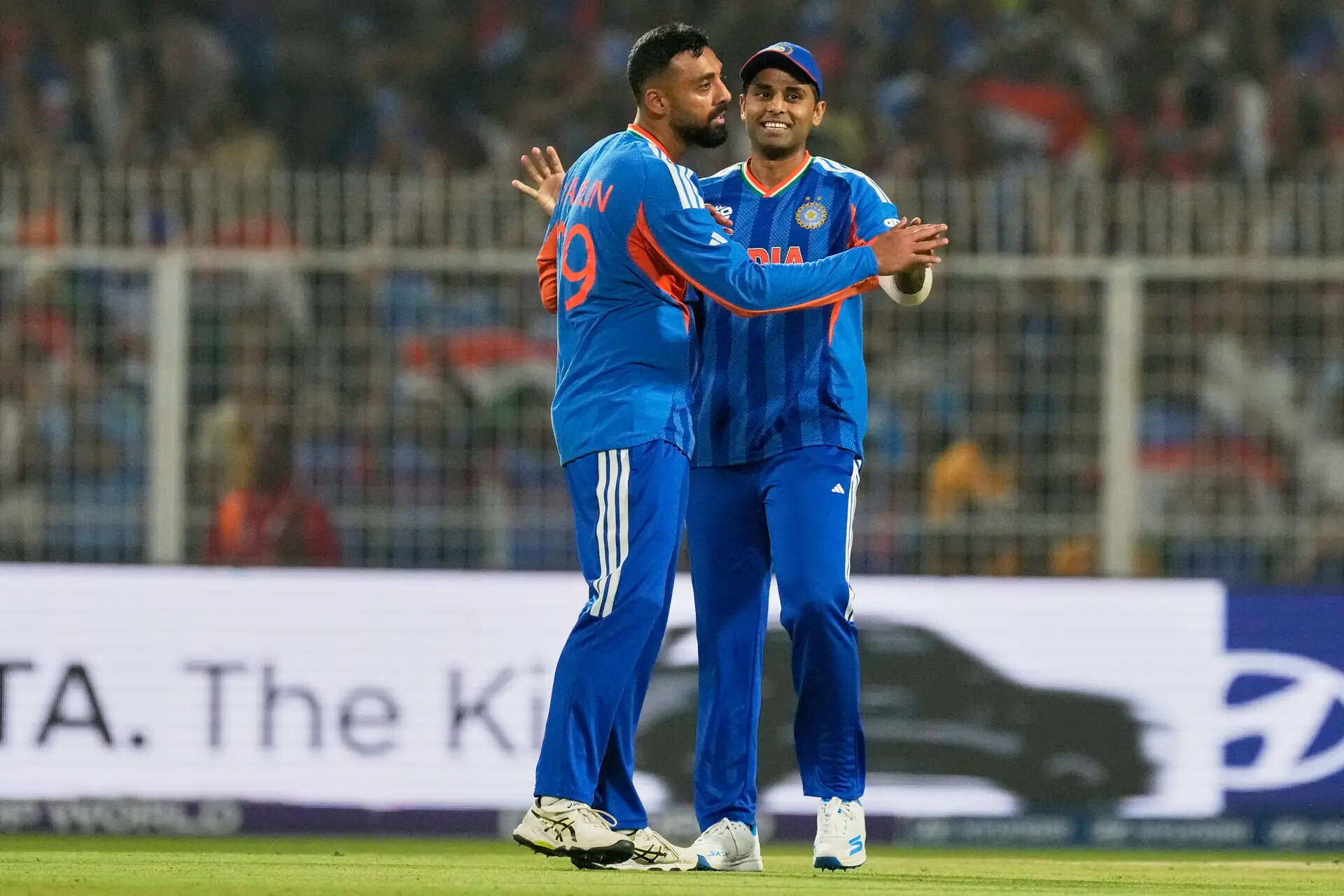
Varun and Surya

Varun Chakravarthy, left, and captain Suryakumar Yadav (AP Photo)

Arshdeep Singh (Pacer) — 6/10Arshdeep Singh was not at his wicket-taking best. The leading wicket-taker in T20Is for India returned nine wickets from eight innings and went wicketless in the final.His best figures were 3 for 24 against Zimbabwe, while his most expensive outing came against England in the high-scoring semi-final.Overall, it was a decent campaign, though overshadowed by Bumrah’s brilliance.T20 World Cup 2026 Stats:

  • M 8 | I 8 | W 9 | Best 3/24 | Ave. 28.22 | Econ. 8.46

Rinku Singh (Middle-order batter) — 2/10India’s designated finisher Rinku Singh had a disappointing campaign and eventually lost his place when Sanju Samson was drafted in at the top.His final outing was a two-ball duck against South Africa in the first Super 8 match.Rinku finished with just 24 runs from five innings at a strike rate of 82.75 — well below expectations for a finisher’s role.T20 World Cup 2026 Stats:

  • M 5 | I 5 | R 24 | HS 11* | Ave. 8.00 | SR 82.75 | 2x6s
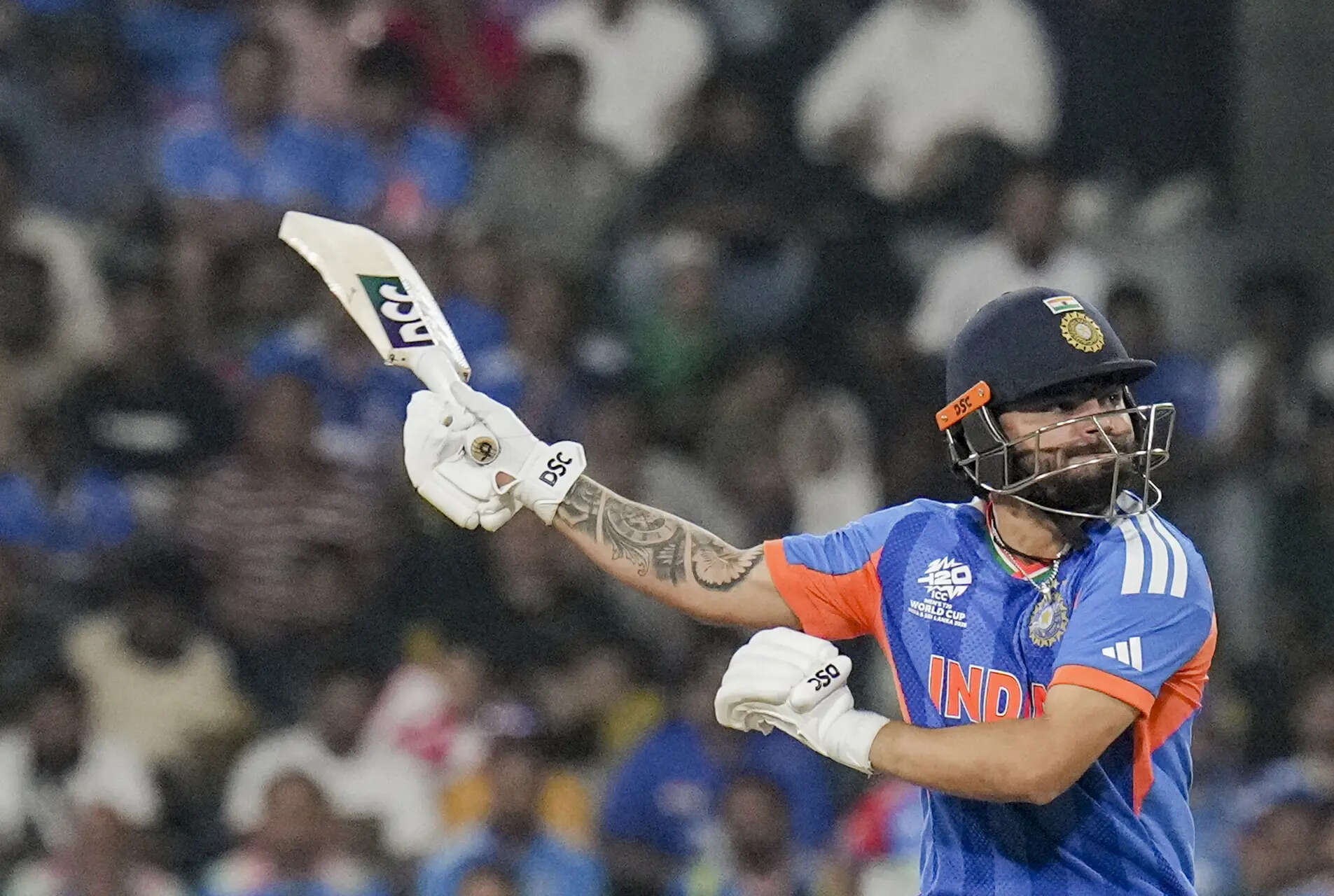
Rinku Singh

Rinku Singh (PTI Photo)

Washington Sundar (Spin all-rounder) — 3/10Washington Sundar played just two matches and remained wicketless in both — 0/36 in four overs against Netherlands and 0/17 in two overs against South Africa.He lost his place after Axar Patel returned to the playing XI.T20 World Cup 2026 Stats:

  • M 2 | I 2 | W 0 | Best 0/17 | Econ. 8.83

Kuldeep Yadav (Spinner) — 7/10With the team management persisting with Varun Chakaravarthy, Kuldeep Yadav featured in just one match — against Pakistan.He returned figures of 1 for 14 in three overs. It was difficult to judge his performance from a single outing in a long tournament, and it was unfortunate he did not get more opportunities.T20 World Cup 2026 Stats:

  • M 1 | I 1 | W 1 | Best 1/14 | Ave. 14.00 | Econ. 4.66
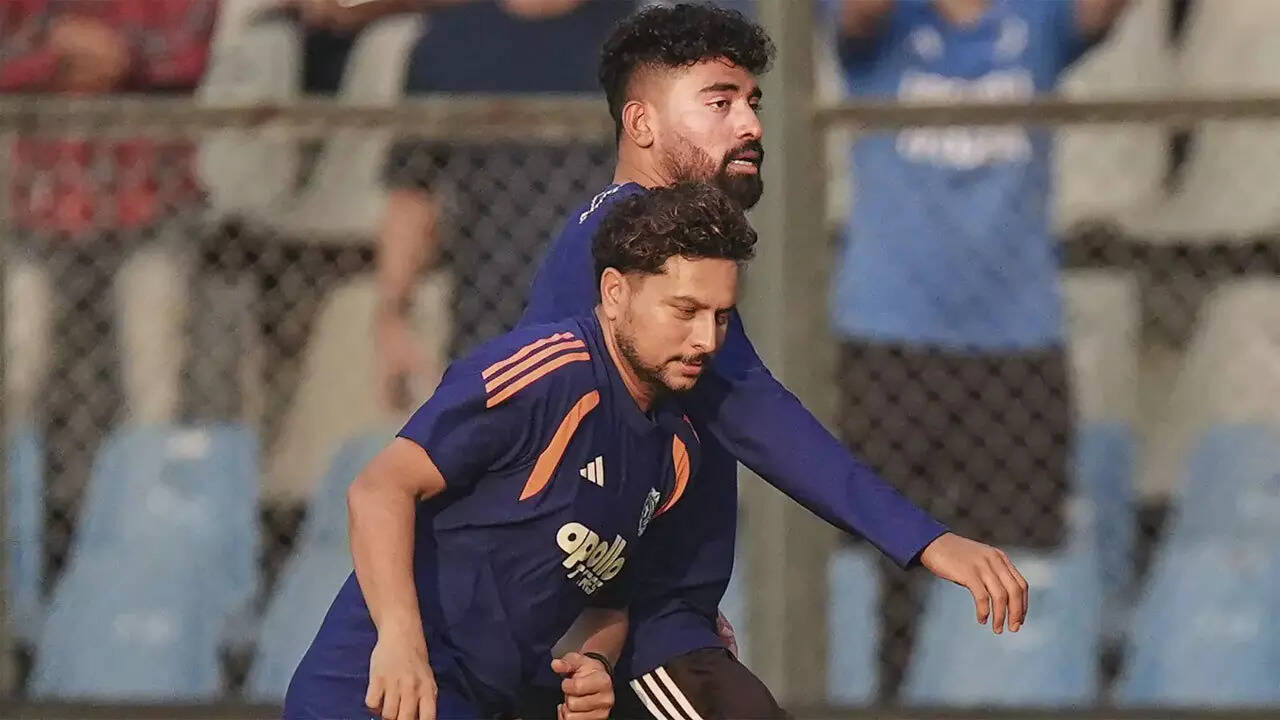
Kuldeep Yadav and Mohammed Siraj

Kuldeep Yadav and Mohammed Siraj (PTI Photo)

Mohammed Siraj (Pacer) — 7/10Mohammed Siraj also played just one match — India’s tournament opener against the USA.He made an immediate impact, returning figures of 3 for 29 in four overs and finishing as the highest wicket-taker in the match.However, the return of Jasprit Bumrah in the next game meant Siraj had to sit out due to team combination.T20 World Cup 2026 Stats:

  • M 1 | I 1 | W 3 | Best 3/29 | Ave. 9.67 | Econ. 7.20


Source link

Access Denied


Access Denied

You don’t have permission to access “http://www.ndtv.com/india-news/iran-israel-war-bengaluru-chennai-mumbai-hotels-flag-lpg-cylinder-shortage-centre-responds-11192971” on this server.

Reference #18.34a21ab8.1773116516.384f1a5

https://errors.edgesuite.net/18.34a21ab8.1773116516.384f1a5


Source link

Oil price today: Crude slides 6% after touching nearly $120 as Trump signals Iran war may end


Oil price today: Crude slides 6% after touching nearly $120 as Trump signals Iran war may end

Oil prices relaxed on Tuesday after jumping past the $100-per-barrel mark a day earlier. The pullback came as fears of long-lasting supply disruptions eased slightly, with signs that the Middle East conflict could see some diplomatic movement. As of 0018 GMT, Brent crude futures were down $6.51, or 6.6%, to $92.45 a barrel, while US West Texas Intermediate (WTI) crude dropped $6.12, or 6.5%, to $88.65.The decline comes after a sharp rally on Monday when oil prices jumped almost 30%, crossing the $100-a-barrel mark. During the session, Brent climbed to $119.50 and WTI touched $119.48, the highest levels seen since mid-2022. The spike came as concerns over energy flow rose as Saudi Arabia and other producers moved to cut supply amid the expanding US-Israeli war with Iran, fuelling worries about a significant disruption to global oil flows.

Petrol, Diesel Prices Unlikely To Rise Unless Crude Oil Breach $130 Per Barrel: Report

However, the rally lost momentum after Russian President Vladimir Putin held a call with US President Donald Trump and presented proposals aimed towards bringing about a swift settlement to the war involving Iran, Reuters reported, citing a Kremlin aide. Trump also signalled optimism about the conflict’s trajectory. In an interview with CBS News, he said that the war against Iran “is very complete” and that Washington was “very far ahead” of the four- to five-week timeline he had initially projected.In response, Iran’s Revolutionary Guards (IRGC) said that they would “determine the end of the war” and warned that Tehran would not allow “one litre of oil” to be exported from the region if US and Israeli strikes continued. Despite the warning, oil prices eased as markets weighed other possible measures being considered in Washington. According to multiple sources, Trump is exploring options such as easing oil sanctions on Russia and releasing emergency crude stockpiles to help contain rising global oil prices linked to the Iran conflict.Market analysts warned that price swings could continue in the near term. “Taking the events of the past 24 hours into account, I expect crude oil to remain highly volatile, trading within a wide range between $75ish and $105ish in the sessions ahead,” Tony Sycamore, IG market analyst, said in a note, as cited by Reuters.At the same time, production cuts are beginning to emerge across Gulf producers as the US-Israeli war with Iran disrupts shipping routes in the region. Iraq over the weekend slashed output at its key southern oilfields by 70%, bringing production down to 1.3 million barrels per day. Kuwait Petroleum Corporation has also started reducing output and declared force majeure.Saudi Arabia has likewise begun trimming production, sources said on Monday.Meanwhile, G7 countries said they were ready to take “necessary measures” to address surging global oil prices, although the group stopped short of committing to the release of emergency reserves.


Source link

Top stocks to buy or sell today: Stock market recommendations for March 10, 2026 – check list


Top stocks to buy or sell today: Stock market recommendations for March 10, 2026 - check list
Top stocks to buy or sell today (AI image)

Stock market recommendations: Aurobindo Pharma Ltd, and Bharat Dynamic are the top buy calls by Somil Mehta, Head of Retail Research, Mirae Asset ShareKhan for March 10, 2026. Persistent is a sell call by the analyst. We take a look:Aurobindo Pharma Ltd: Buy in the range between Rs 1248 & Rs 1249; Stop Loss: Rs 1180; Target: Rs 1350On the daily chart, the stock is giving a breakout of a descending trendline. It is forming a higher top and higher bottom above the 200 DEMA (1160). Momentum indicators are positive and above the zero line, showing strength. The key resistance is at 1270 and support is at 1188.Bharat Dynamic Ltd : Buy in the range between Rs 1330 & Rs 1331; Stop Loss: Rs 1270; Target: Rs 1430On the daily chart, the stock shows a breakout of a consolidation zone and the short-term 20 & 40 EMA. It is also taking support from the demand zone. RSI shows positive divergence and the momentum indicator is above the zero line, suggesting bullish momentum. The key resistance is at 1398 and support is at 1300.Persistent: Sell in the range between Rs 4765 & Rs 4775; Stop Loss: Rs 4900; Target: Rs 4400On the daily chart, the stock is forming a flag pattern. It faced resistance from the short-term 10 DEMA and formed a lower top and lower bottom. Momentum indicators are giving a negative crossover below the zero line, showing weakness. The key resistance is at 4873 and support is at 4587.(Disclaimer: Recommendations and views on the stock market, other asset classes or personal finance management tips given by experts are their own. These opinions do not represent the views of The Times of India)


Source link

Access Denied


Access Denied

You don’t have permission to access “http://www.ndtv.com/world-news/trump-threatens-to-take-over-strait-of-hormuz-if-iran-tries-anything-cute-11192949” on this server.

Reference #18.f5493417.1773112995.12337fc5

https://errors.edgesuite.net/18.f5493417.1773112995.12337fc5


Source link

After oil, war of water? Why desalination plants are turning into targets in Middle East – explained


The ongoing conflict in West Asia is entering a new phase as desalination plants, a key source of drinking water across the Gulf, begin to emerge as targets in the widening confrontation involving Iran, the United States and Israel.The development follows claims by Bahrain on Sunday that an Iranian drone attack caused “material damage” to a water desalination plant in the country. According to The New York Times, Bahrain’s interior ministry said the drone strike had damaged the facility but did not disrupt water supply. The country’s water and electricity authority said there had been “no impact on water supplies or water network capacity”.The incident came a day after Iran accused the United States of striking a freshwater desalination plant on Qeshm Island in southern Iran. Iranian foreign minister Abbas Araghchi said the attack affected water supply in several villages.Araghchi in a post on X wrote, “Water supply in 30 villages has been impacted. Attacking Iran’s infrastructure is a dangerous move with grave consequences. The US set this precedent, not Iran”.The US has denied responsibility. The NYT quoted US central command spokesperson Captain Tim Hawkins as saying that American forces were not responsible for the strike.

Attacks spreading beyond oil infrastructure

The conflict began on February 28 after the US and Israel launched strikes targeting Iran’s nuclear programme and military infrastructure, including sites such as Natanz and Fordow. Iran retaliated with missile and drone attacks across the region, targeting Israel as well as Gulf countries hosting US military assets. Initially, strikes focused largely on energy infrastructure such as oil refineries, gas plants and shipping routes around the Strait of Hormuz, pushing global oil prices higher.In recent days, however, incidents near water infrastructure have been reported. Iran earlier struck Dubai’s Jebel Ali port, about 19 kilometres from one of the world’s largest desalination facilities. Damage has also been reported at the Fujairah F-1 power and water complex in the UAE and Kuwait’s Doha West desalination plant, reportedly from nearby port attacks or debris from intercepted drones.

Why desalination plants matter

Desalination plants convert seawater into drinking water, a process that removes salt and impurities using thermal or membrane-based technologies.According to the US department of energy, desalination systems “heat water so that it evaporates into steam, leaving behind impurities, and then condenses back into a liquid for human use.” Another widely used method involves membranes that allow water to pass through while blocking dissolved salts.Most Gulf countries use reverse osmosis, an energy-efficient membrane technology.Water scarcity has made desalination essential for the region. According to a 2020 report by the Gulf Research Center cited by Al Jazeera, groundwater and desalinated water together account for about 90% of the region’s main water resources.More than 400 desalination plants operate along the Arabian Gulf coast, and Gulf Cooperation Council countries account for about 60% of global desalination capacity, producing nearly 40% of the world’s desalinated water, according to research cited by Al Jazeera.Dependence is particularly high in several states, about 42% of the UAE’ drinking water comes from desalination plants, while the figure is around 90% in Kuwait, 86% in Oman and 70% in Saudi Arabia.

Strategic vulnerability in wartime

Because many cities rely heavily on desalinated water, experts say these facilities represent a critical vulnerability during conflict.Naser Alsayed, an environmental researcher specialising in Gulf states, told Al Jazeera that “targeting or disrupting desalination facilities would place much of the region’s economic stability and growth at significant risk”.“Secondly, desalination is the main source of freshwater for most GCC states, especially smaller and highly water-scarce countries such as Bahrain, Kuwait and Qatar. Because this water is primarily used for human consumption, desalination carries a strong humanitarian dimension and is essential for sustaining daily life in the region, making any disruption to these facilities particularly significant for the population,” he added.Abdullah Baabood, an Omani academic at Waseda University, told NYT that the targeting of such facilities signals an escalation.“Targeting a desalination plant in Bahrain crosses an important threshold and represents a serious escalation,” Baabood said. “In the Gulf, desalination facilities are not merely infrastructure. They are essential lifelines that supply drinking water to millions. Striking them risks turning a military confrontation into a direct threat to civilian survival.”

Risks of wider disruption

The Gulf’s heavy reliance on desalination means that damage to a limited number of facilities could disrupt water supplies quickly. A 2010 CIA analysis warned that attacks on desalination infrastructure could trigger national crises in several Gulf countries. Some states have attempted to build resilience through storage reservoirs and pipeline networks. However, experts say smaller states such as Bahrain, Qatar and Kuwait remain more vulnerable due to limited backup supplies.Raha Hakimdavar, a hydrologist at Georgetown University in Qatar, told Al Jazeera that damage to water infrastructure could also have wider effects on food security and economic stability in the region.With tensions continuing across the Gulf, analysts say the shift from oil and shipping targets to water infrastructure highlights how essential services are becoming part of the strategic landscape in the expanding conflict.


Source link

Complete list of T20 World Cup Player of the Tournament winners ft. Sanju Samson


The dust has finally settled at the Narendra Modi Stadium in Ahmedabad, where on March 8, 2026, cricket witnessed a historic climax. In a high-octane T20 World Cup Final, India faced off against a resilient New Zealand side. While the team battle was fierce, the individual brilliance of Sanju Samson stood tallest. By anchoring the top order and delivering clutch performances throughout the knockout stages, Samson was officially crowned the Player of the Tournament, joining a pantheon of legends who have defined T20 history.

Each edition of the T20 World Cup has been defined by a specific archetype: sometimes it was the power-hitter, other times the mystery spinner, and occasionally, the clutch finisher. Here is the elite list of cricketers who rose above the rest.

Complete list of T20 World Cup Player of the Tournament winners

  • 2007: Shahid Afridi (Pakistan)
(Image source: X)

The ‘Lala’ of world cricket was at the peak of his all-round powers in South Africa. While India won the inaugural trophy, Shahid Afridi was the heartbeat of the tournament. He claimed 12 wickets with his quick leg-spin and chipped in with 91 runs. His ability to squeeze the run rate in the middle overs set the template for modern T20 bowling.

  • 2009: Tillakaratne Dilshan (Sri Lanka)

The 2009 edition in England belonged to the man who invented the ‘Dilscoop.’ Tillakaratne Dilshan was a force of nature at the top of the order, finishing as the leading run-scorer with 317 runs in 7 matches. His aggressive intent in the powerplay revolutionized how openers approached the first six overs.

  • 2010: Kevin Pietersen (England)
ist of T20 World Cup Player of the Tournament 2
(Image source: X)

England’s first-ever ICC trophy win was fueled by the genius of Kevin Pietersen. “KP” was the only batter who seemed to be playing on a different surface than everyone else in the Caribbean. He amassed 248 runs in 6 matches, playing a pivotal role in the final against Australia to secure his legacy.

  • 2012: Shane Watson (Australia)

Shane Watson’s 2012 campaign remains perhaps the most statistically dominant all-round performance in history. He finished as the top run-getter with 249 runs and the second-highest wicket-taker with 11 wickets. Even though Australia didn’t win, Watson was the undisputed MVP.

Also READ: From Anushka Sharma to Anil Kapoor: Bollywood stars go gaga in jubilation as India lifts back-to-back T20 World Cup titles

  • 2014 & 2016: Virat Kohli (India)
ist of T20 World Cup Player of the Tournament 3
(Image source: X)

Virat Kohli’s back-to-back awards cemented his status as a T20 master. In 2014, he scored a record-breaking 319 runs (Avg: 106.33). In 2016, on home soil, he was even more clutch, scoring 273 runs (Avg: 136.50). His ability to chase under pressure remains the gold standard of the format.

  • 2021: David Warner (Australia)

Heading into 2021, David Warner was written off by many. He responded by smashing 289 runs, leading Australia to their maiden T20 World Cup title. It was a masterclass in resilience and high-impact batting.

  • 2022: Sam Curran (England)
ist of T20 World Cup Player of the Tournament 4
(Image source: X)

Sam Curran became the first specialist fast bowler to win the award. His 13 wickets at an incredible economy rate, including a 3-wicket haul in the final, proved that death-overs intelligence is the ultimate currency.

  • 2024: Jasprit Bumrah (India)
ist of T20 World Cup Player of the Tournament 5
(Image source: X)

Jasprit Bumrah’s performance in 2024 was historic. He took 15 wickets with an unheard-of economy of 4.17. His spell in the final against South Africa turned a near-certain defeat into a legendary victory.

  • 2026: Sanju Samson (India)
ist of T20 World Cup Player of the Tournament
(Image source: X)

The crowning of Samson in Ahmedabad was the culmination of a tournament where he finally translated his immense talent into historical consistency. Over 5 innings, Samson amassed 321 runs, surpassing Kohli’s 2014 record for the most runs in a single edition. He maintained a staggering average of 80.25 and a strike rate of 199, proving to be India’s ultimate batter in the top order. His crowning moment came in the semi-final and final, where he struck back-to-back fifties, including a whirlwind 89 off 45 balls against New Zealand to seal the title and making him the undisputed choice for the 2026 Player of the Tournament.

Also READ: T20 World Cup 2026 Awards: Full list of winners – From Jasprit Bumrah to Sanju Samson


Source link

The 25-minute talk that changed Sanju Samson’s World Cup | Cricket News


The 25-minute talk that changed Sanju Samson's World Cup

Sanju Samson said he approached the T20 World Cup with a new game plan that helped him regain form and play a key role in India’s title triumph. The star batsman spoke to reporters on Monday after returning to Thiruvananthapuram following the World Cup victory.Samson, who was named the Man of the Tournament, received a grand welcome at the airport. V Sivankutty, Kerala’s Education Minister, greeted him on arrival in the evening as hundreds of cricket fans gathered outside the airport, raising slogans in support of the Kerala cricketer.

Sanju Samson becomes darling of Eden Gardens | T20 World Cup

Ahmedabad erupts as Team India arrive at hotel after T20 World Cup win

Reflecting on his change in batting approach, Samson said earlier he had tried to attack every ball, which often led to his dismissals.“I tried to hit every ball, but it did not work. Then I had to learn from those failures. In the five-match series, I tried to increase my strike rate, but it didn’t work. Then I prepared with a different game plan for the World Cup,” he said.Samson also spoke about seeking advice from Sachin Tendulkar during a difficult phase in his career, describing the experience as unforgettable.“We were in touch as I had been sending him messages for the past few years. We also spoke when we met during the IPL,” he said.According to Samson, Tendulkar was the first person he thought of approaching when he struggled with his form.“When I contacted him, he genuinely connected with me. He spoke to me for about 25 minutes, describing what had happened in his career, what to think during difficult moments, how to practise and how to handle situations. It genuinely helped me,” Samson said.He added that after losing form during the New Zealand series, he reached out to Tendulkar again and received further guidance.“Even a day before the World Cup final, he contacted me and asked whether everything was ready. It is not something everyone gets, and I am very happy about it,” he said, adding that Tendulkar congratulated him after the final victory.Samson also spoke about the impact of social media on players, saying it can influence them both positively and negatively.“Youngsters should learn how to handle it well. From social media, I understood how much people love me. But when things go the other way, one should open social media only if one can bear it,” he said.To stay focused during the tournament, Samson said he had kept his phone switched off for the past month.He added that his social media accounts are managed by a team.“When I cut it off, the outside noise could be controlled. When the World Cup is happening in the country, there is a lot of outside noise. I cut it off and focused on cricket,” he said.Samson said the last time he left Thiruvananthapuram was after a poor run of form ahead of the World Cup.“But such a twist was unexpected. We are happy now,” he said.Expressing gratitude to his supporters, Samson said their unwavering support meant a lot to him.“Not even now, when I was not selected in the team, when I was in the team, or when I did not perform, people stood with me during my setbacks. I felt a responsibility to give back for their support. I dedicate this performance to the people of the state,” he said.Samson said he was overwhelmed by the love he had received from fans.“In cricket, we can perform well at times, and sometimes we lose. My wife used to show me videos and reels of genuine support and prayers from people. My eyes would fill with tears seeing that, and I wondered whether I deserved such love,” he said.He said he planned to spend a couple of days with his parents if time permitted after his media commitments.“I was told there may be an event in New Delhi as part of the World Cup victory celebrations the next day. That will be confirmed soon. Then I may have to go for it,” he said.


Source link

‘He wants to be helpful’: Trump holds hour-long call with Russia’s Putin on Iran war, Ukraine


'He wants to be helpful': Trump holds hour-long call with Russia's Putin on Iran war, Ukraine

US President Donald Trump on Monday dialed his Russian counterpart Vladimir Putin to discuss the conflicts in Iran and Ukraine.According to a report by the Russia Today, Kremlin aide Yury Ushakov told journalists that the American president initiated the call to discuss the latest international developments.Meanwhile, Trump said that Putin wants to be helpful in the ongoing conflict in the Middle East.“I had a very good call with President Putin. We had a lot of people on the line, from our side, from his side. We were talking about Ukraine which is a never-ending fight,” Trump said.“There is tremendous hatred between President Putin and President Zelenskyy. But I think it was positive call on that subject. We obviously talked about the Middle East and he wants to be helpful,” he added.Putin and Trump spoke for about an hour. The conversation between the two focused on the Iran conflict and trilateral talks between Washington, Moscow and Kyiv aimed at settling the Ukraine conflict.“Tonight, a phone call of the Russian and US presidents has taken place. The conversation was businesslike, open and constructive, which is usually the case in dialogue between the Russian and US leaders.”As per Ushakov, Trump reaffirmed the commitment of the US to seeing a long-term settlement between Russia and Ukraine in the wake of the prolonged conflict. Ushakov added that Putin thanked Trump for his administration’s continued mediation efforts, according to Ushakov.Putin shared his thoughts on the Middle East crisi and told Trump about his conversations last week with Iranian President Masoud Pezeshkian and leaders from the Gulf countries. The last time the two presidents held a phone call was in December. The White House described it as “positive” at the time. Earlier on Monday, Russian President Vladimir Putin extended greetings to Mojtaba Khamenei following his appointment as Iran’s new supreme leader, as per RT News.Futher, he pledged Russia’s unwavering support for Iran amid the ongoing conflict involving the US-Israeli alliance with Iran.“At time when Iran is confronting armed aggression. I am confident that you will honourably continue the cause of your father and rally the Iranian people. I wish to reaffirm our unwavering support for Tehran,” Putin was cited as saying by RT News.Russia Today further reported that Putin warned that continued conflict in West Asia could seriously disrupt global oil and gas flows, leading to a halt in Gulf oil production and a “new… price reality,” he told a government meeting.The developments follow amid heightened tensions in West Asia as military operations and retaliatory actions involving Iran, the United States and Israel continue to escalate across the region, following the killing of Iran’s Supreme Leader, 86-year-old Ayatollah Ali Khamenei, in joint military strikes by the US and Israel on February 28.The strikes also killed several senior leaders of the Islamic Republic.


Source link

Tesseract: Time isn’t a ticking clock, it’s like an accordion | Mumbai News


We inhabit three dimensions, moving through the fourth (time) like a needle on a record, convinced that only the ‘now’ under the needle exists. That’s because we don’t understand that the ‘then’ and the ‘now’ are different coordinates in a map we haven’t learnt to read. A fine example of popular culture’s attempt to explain this concept is the 1997 Hollywood classic, ‘Contact’, based on Carl Sagan’s bookTime has long been treated as the ultimate democratic constant. In the ledger of the universe, everyone is supposedly credited with the same 24 hours, regardless of status or geography. Yet, as any knowledge worker staring at a vanishing deadline, or a traveller trapped in the purgatory of a flight delay knows, this is a statistical illusion. Time does not flow; it stretches, contracts, and occasionally refuses to move at all.We are told by physicists that time is a dimension, but to the rest of us, it usually just feels like a long Monday morning. To understand this elasticity, one must first visualise the ‘Metric of Trust’ we place in our 3-dimensional reality. We move through length, width, and height with total confidence, yet we are blindsided by the fourth. This is where the ‘Tesseract’ serves as the perfect intellectual anchor.A tesseract is to a cube, what a cube is to a square — a 4-dimensional hypercube. While we can only see its ‘shadow’ in our world — often depicted as a haunting cube-within-a-cube — it represents a direction of movement we cannot physically take. It is the geometric proof that there is ‘more’ available, more than what our senses report. If we could step into the corridors of a tesseract, we might see the past and future, not as distant memories or hopes, but as adjacent rooms in the same house.Few popular works captured this ‘preservation vs renovation’ of our reality better than Carl Sagan’s 1985 novel, ‘Contact’. In the story, Eleanor Arroway discovers that our 3-dimensional existence is merely a thin skin, stretched over a much deeper complex. When she finally travels through the ‘Machine’, she isn’t just moving across space; she is traversing a landscape, where the standard democratic contract of time is voided.Also read: Interstellar, Einstein and the strange elasticity of timeReleased in an era before science fiction became a ubiquitous weekly commodity, Contact’s central thesis remains radical. For the observers on the ground, Ellie’s drop through the Machine lasts a mere fraction of a second — a blip in the recording. For Ellie, the experience encompasses hours of wonder and conversation. Both accounts are objectively true, proving that the time-horizon of a single event is entirely dependent on one’s dimensional vantage point. Time, it turns out, is less like a ticking clock, and more like an accordion, played by a musician who ignores the metronome.Sagan, a master of the ‘Stakeholder Logic’ of the cosmos, loved to bridge these dizzying gaps with homespun metaphors. His most famous demonstration involved a humble apple. If you slice an apple horizontally, each disk represents a 2-dimensional world. A ‘Flatlander’ living on one slice would be oblivious to the slices above or below. To them, their thin layer is the totality of existence. The third dimension — the height of the apple — is an invisible ghost.If we extend this logic to our own lives, we realise we are the Flatlanders of time. We inhabit three dimensions, moving through the fourth (time) like a needle on a record, convinced that only the ‘now’ under the needle exists. But from the perspective of a tesseract, the entire record exists simultaneously. The ‘then’ of 1980s, when Sagan wrote the book, and the ‘now’ of the 2020s are not gone; they are simply different coordinates on a map we haven’t learned to read.Sagan even offered a ‘Modest Proposal’ regarding the fundamental constants of nature, specifically the transcendental number ‘pi’. He speculated that if one calculated pi to a deep enough decimal point, a non-random pattern — a circle of zeroes and ones — would appear. This would be the ultimate ‘kicker’: a signature from an architect, proving that the universe was built with a specific intent, and that mathematics is the bridge between our 3-dimensional limits, and the higher-dimensional reality of the tesseract.Ultimately, this suggests that our daily struggle with time — the alarms, the ageing, the ‘five more minutes’ — is a local phenomenon, a byproduct of our limited perspective. Somewhere in the cosmic architecture, yesterday is still unfolding and tomorrow is already settled. We are simply stakeholders in a long-lasting outcome that we currently only see in cross-sections. This is a comforting thought. It implies that when we feel time ‘crawling’, we aren’t being poetic. We are simply catching a glimpse of the fourth dimension’s true, mischievous shape.“Tesseract: The Geometry of Truth” is produced by The Times of India, with concept and visualisation by Meera Jain.Experience “Tesseract: The Geometry of Truth”, running from 16 to 22 March 2026 at NCPA Mumbai. Book here


Source link