Breaking News
IPL 2026 Schedule: BCCI to unveil first 20 days’ fixture by March 12 | Cricket News


Board of Control for Cricket in India (BCCI) will announce the schedule for the first 20 days of the Indian Premier League 2026 by March 12, according to secretary Devajit Saikia.The 19th season of the IPL will now take place from March 28 to May 31. Earlier, the tournament was planned to run from March 26 to May 30, but the dates have been slightly changed.

India’s T20 World Cup win sparks celebrations | Rajeev Shukla, Tharoor & others react

“We plan to announce the IPL 2026 schedule by March 12. For now, we are going to announce the IPL schedule for the first 20 days,” Saikia told IANS on Tuesday. It is understood the remainder of the tournament’s schedule will come later as the BCCI aims to avoid a clash with assembly elections in West Bengal, Assam and Tamil Nadu.Even before the full schedule is announced, IPL teams have already started preparing for the new season.Chennai Super Kings began training on March 1 at their High-Performance Centre in Navalur, with captain Ruturaj Gaikwad and MS Dhoni taking part.Defending champions Royal Challengers Bengaluru held a short training camp at the DY Patil Stadium in Navi Mumbai on February 10. Meanwhile, the 2022 champions Gujarat Titans practiced twice at the Miraj International Cricket Stadium in Nathdwara.Punjab Kings trained in Abu Dhabi in early February and are now holding a camp in Dharamsala. Sunrisers Hyderabad started their camp on March 1 with their domestic players, while Mumbai Indians have also begun preparations for the season.Rajasthan Royals are expected to start their training camp in Jaipur from March 15, and Kolkata Knight Riders will begin their pre-season camp on March 18. Delhi Capitals recently held a camp in Hyderabad and may hold another in New Delhi, while Lucknow Super Giants have already conducted a practice session in Lucknow.


Source link

Ex-India star launches brutal attack on Suryakumar Yadav and Gautam Gambhir for mishandling Sanju Samson


Former Indian batter Sanjay Manjrekar has mentioned that Sanju Samson was treated unfairly on the Indian side. He should have been part of the Indian T20I XI after those big hundreds in 2024, but instead lost his position to Shubman Gill.

India were the defending champions and looked like one of the strongest sides in the T20 World Cup, but during the start of their tournament, Abhishek Sharma‘s poor form had cost them the early upper hand in their home World Cup. The issue was resolved with Sanju Samson’s heroic entry into the Indian XI.

Not until the New Zealand series did Sanju have a place in the XI, but he was then tried after Indian selectors dropped Shubman Gill from the squad. However, despite the chances, Samson could not make full use of the NZ games and ended up scoring runs at an average of around 10.

Your daily dose of cricket!

next

With Sanju Samson, I think there were serious blunders committed – Sanjay Manjrekar

The cricketer-turned-commentator, Sanjay Manjrekar, stressed the fact that the Indian team management was unfair with the wicket-keeper batter early on. India suddenly ignored his spectacular form in T20s and reinstated Shubman Gill into the side due to his prolific run in a Test series in England.

Forget Samson’s impact; Gill was not even effective in the shorter format of the game.

“With Sanju Samson, I think there were serious blunders committed. One is when Sanju Samson seemed to have come of age and recently got three T20 international hundreds in five innings against teams like South Africa. He was actually dropped down the order a few matches later, just after four or five innings, because Shubman Gill in England had a tremendous Test series.

“It just warped logic that because Shubman Gill played so well in Test cricket, he was reinstated, he was recalled to the Indian T20 team, and what’s worse, Sanju Samson, who was at the top of the order, was pushed down the order to make way for Shubman Gill,” he said while speaking in a video on Instagram.

Sanjay Manjrekar narrates how Samson’s T20 World Cup redemption was written

He continued with Sanju, slowly losing form in the Asia Cup, where he was sent in to bat lower in the batting order. However, despite limited opportunities, Samson scored 132 runs in 4 outings in the Asia Cup, 5 runs more than Shubman Gill’s 127 in 7 innings.

The former batter cited the vital role played by fate in Sanju Samson’s being reinstated into the Indian playing XI and his firing off to take India home through the knockout games in the ICC T20 World Cup.

“Now, this is where fate comes in. Rinku Singh’s absence [actually Abhishek Sharma due to illness] in one of the games [against Namibia] got Sanju Samson to come back in, and Tilak Varma, who was struggling at No. 3, was pushed down the order [against Zimbabwe], and that is why Ishan Kishan was batting at No. 3.

“He could bat at No. 3, and Sanju Samson got that spot, which should’ve been his right through at the top of the order, and as they say, the rest is history,” Manjrekar added.

A record three-match half-century streak from Sanju Samson to emerge as India’s World Cup hero

Sanju’s axing came despite the batter’s dynamic form in 2024 for India in T20I cricket and limited opportunities to express himself in 2025; however, he had to eagerly wait for the right stage, and he did.

When he got the unforeseen opportunity in the T20 World Cup, Samson did not miss out. He started off with a 22-run cameo against Namibia and followed it with a 24 off 15 against Zimbabwe.

However, his true redemption came when India were almost in a knockout situation against the West Indies. His 97* off 50 balls helped them through to the semi-finals in a high-voltage chase, and then he looked unstoppable.

An 89 off 42 against England in the semi-final and another 89 off 46 against New Zealand in the finals is what made Samson finish the tournament with 321 runs at a strike rate of 199.37.

ALSO READ: Ex-CSK spinner BLASTS at Kirti Azad over ‘temple’ visit comments after India’s T20WC win




Source link

Government assures fertiliser plants of 70% LNG supply


Government assures fertiliser plants of 70% LNG supply

NEW DELHI: Govt on Tuesday said fertiliser plants had been placed under ‘priority sector-2’ for natural gas supply, thereby guaranteeing the industry at least 70% of its average natural gas consumption, reports Dipak Dash.In a notification, the ministry of petroleum and natural gas said the average would be calculated on the basis of the previous six months’ consumption. The fertiliser department said the measure aims to safeguard production against global supply chain disruptions, particularly LNG issues.Though the ministry said the current stock of around 6.2 MT of urea was good, the 30% cut in LNG supply, the key feedstock for producing the soil nutrient, may bring down the opening stock in April, industry insiders said. They added that it would all depend on how long the crisis persists.


Source link

India supplying diesel to Bangladesh under trade agreement


India supplying diesel to Bangladesh under trade agreement

NEW DELHI: India is supplying diesel to Bangladesh on a commercial basis as part of its existing trade agreement, officials said on Tuesday, amid reports that India had begun supplying 5,000 tonnes of fuel to the neighbouring country due to the energy crisis created by the conflict in West Asia.Officials said New Delhi had been supplying diesel to Bangladesh under the ‘India-Bangladesh Friendship Pipeline’ initiative that was operationalised in 2017. Under the commercial framework, India is to supply 1.8 lakh tonnes of diesel to the neighbouring country annually. The fuel is supplied from Numaligarh Refinery Ltd.“The diesel supply is part of regular ongoing energy trade between the two countries and fuel availability in India is being closely monitored,” said an official.


Source link

From hostels to temples, mithai to manufacture, all hit by LPG shortage | Mumbai News


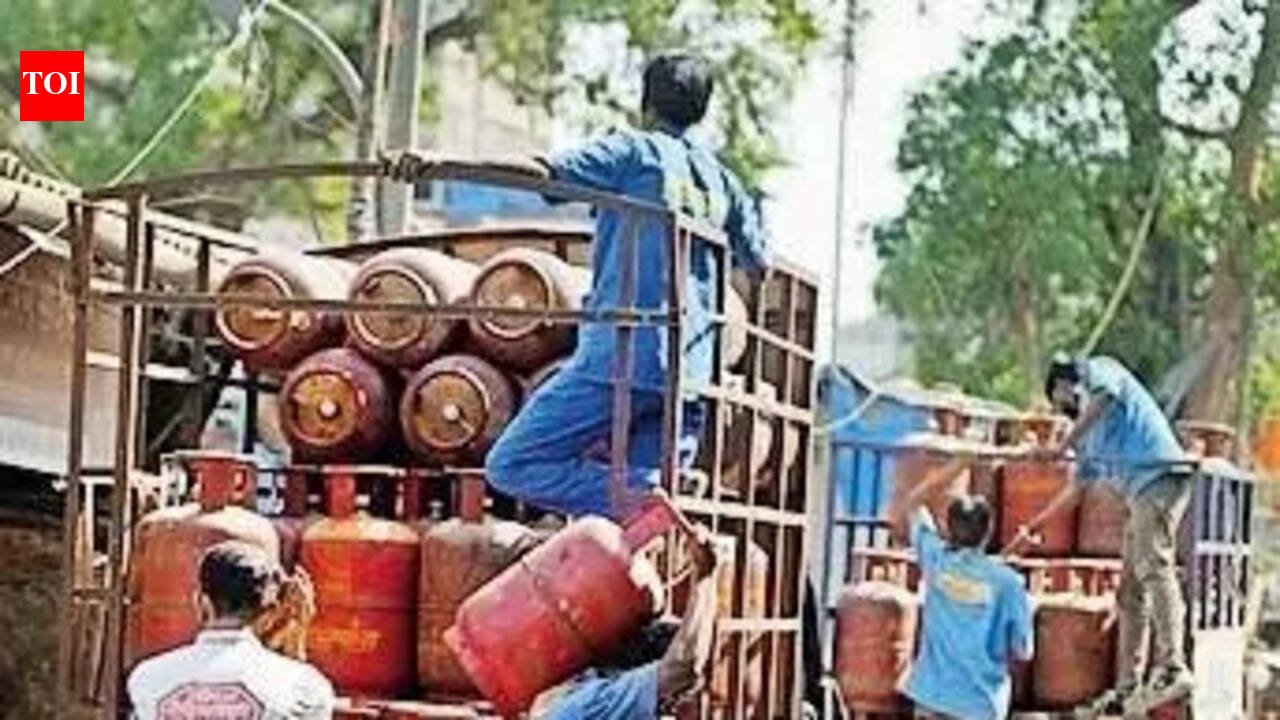
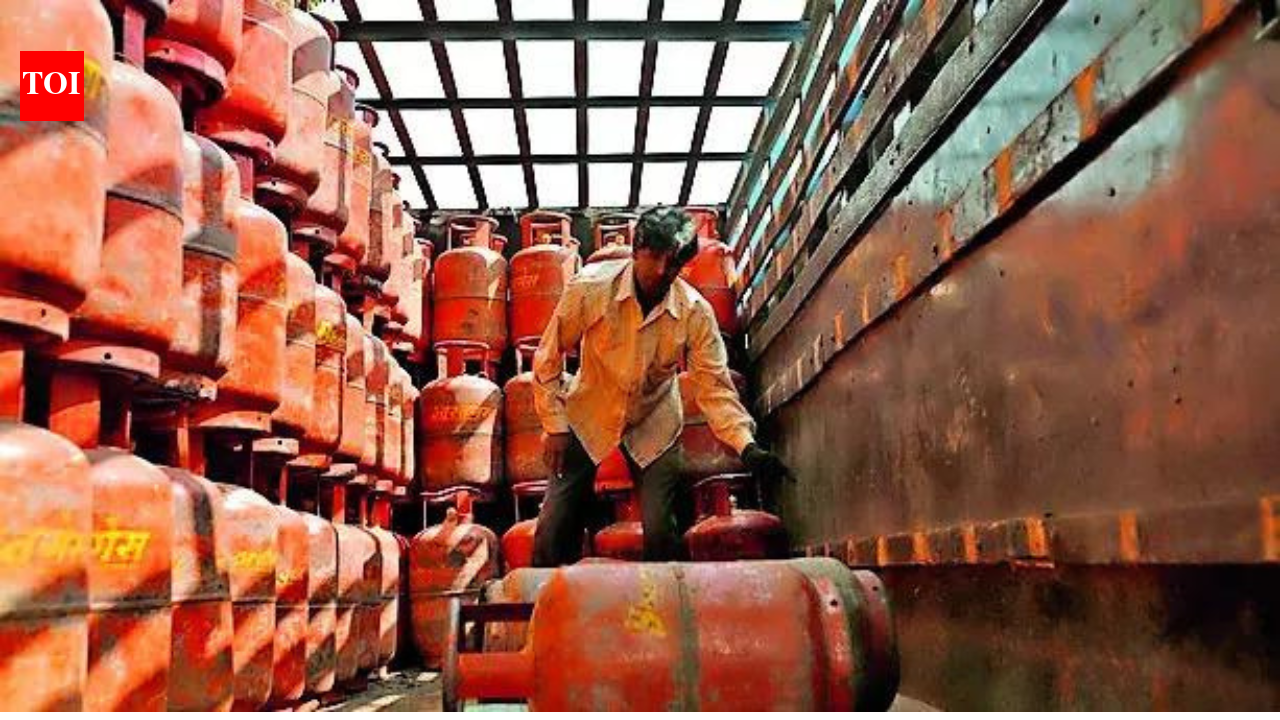
Mumbai: The shortage of commercial gas cylinders in Mumbai has also affected clubs, religious kitchens, educational institutions, canteens, hostels, automobile sector, jewellery manufacturers, pharmaceutical companies among other sectors.Mithai manufacturer Vicky Jaisinghani of A1 Sweets, which is based in Ulhasnagar said the shortage of dry fruit from West Asia followed by the LPG cylinder crisis was taking a dual toll of business.Among establishments, the Mumbai Press Club said due to the shortage of gas it was issuing a restricted menu of non-LPG items like sandwiches, dry snacks and tandoori fare “until the situation improves”.Religious institutions which feed devotees are also impacted by the crisis. Gurdwaras affiliated to Sri Guru Singh Sabha, which provide free langar meals on a daily basis, are struggling to arrange cylinders or adopt coal based methods. Sardar Balwinder Singh of Pantnagar Gurdwara, Ghatkopar, said they also house 68 patients suffering from cancer. “We feed their relatives too. How will we function, our gas is nearly over.Dadar Gurdwara’s Sardar Kulwant Singh said they have over 260 patients living there. “We are making a representation to the state govt to consider us a special case,” he said.Iskcon Juhu serves daily prasad to visitors and cooks meals for 150 sevedars in the temple, said spokesperson Parijata Devi. The Mumbadevi temple similarly serves khichdi to devotees after aarti. The temple requires six 14 kg domestic cylinders and four 19 kg commercial cylinders every month, said manager Hemant Jadhav.The Haji Ali Dargah is currently providing Iftar meals to 2,000 rozedars including fritters, pulao, chicken, said manager Mohammed Taher, who was anxious about gas supply.Even working hostels and canteens in the city are affected. The YWCA women’s hostel in Fort uses domestic cylinders to cater to 68 residents, said a staffer. The 25-day gap for each refill will weigh heavily. A few religious establishments like the Ghatkopar gurdwara had applied for piped gas connections years ago but there is no supply.


Source link

LPG shortage shuts eateries across Mumbai; up to 20% hotels & restaurants hit, says industry body | Mumbai News


Mumbai: Hotel Free India at Jacob Circle, known for its kheema and butter chicken, has pulled down shutters. A popular veg restaurant Nanumal Bhojraj’s Masjid Bunder outlet was open Tuesday morning but shut down after it ran out of gas; New Edward Restaurant’s Shaan Chinese on D N Road was closed the entire day; Udupi Niketan in Bombay Central reduced the number of dishes it served and curtailed service timings. These are examples of disruption in the restaurant sector in Mumbai where the West Asia war has impacted commercial gas cylinder supplies. A growing shortage of commercial LPG cylinders has forced several eateries in the Mumbai region to scale back operations. Chinese dishes and tawa recipes which require cooking on high flame were the first to go. Industry bodies say nearly 20% of hotels and restaurants in Mumbai are fully or partially shut due to lack of cooking gas and warn that up to 50–60% establishments may close in the next couple of days if the supply crisis continues.Hidayatulla Ismail Dukka, manager at Free India restaurant, said, “There has been no cylinder supply since Monday. Hence we decided to close from today.” Akshay Shetty of Udupi Niketan said he reduced the number of dishes and curtailed service for popular ones such as dosas and idlis which sell in larger quantities on low margins. “The reason is the price of LPG cylinders have suddenly skyrocketed,” said Shetty. Many small and mid-sized eateries have run out of cooking gas stock, leaving kitchen staff idle and uncertain about operations. Hoteliers alleged that shortage has triggered black marketing of LPG cylinders at around Rs 3,000 each in the grey market, far higher than the normal price of around Rs 1,700, which was recently increased to roughly Rs 1,840 following the Gulf crisis.However, no impact is seen so far on piped natural gas supply to commercial and industrial customers, said an official from Mahanagar Gas Ltd. A section of hotels and restaurants also operate on piped gas.The Indian Hotels and Restaurant Association (AHAR), which represents nearly 8,000 small restaurants, permit rooms and hotels across Maharashtra, said the crisis was exacerbated by an order from the Union ministry of petroleum and natural gas saying additional provisions of LPG should be reserved only for domestic use. In the order of priority, the govt has signalled the need to first ensure uninterrupted supply to the domestic sector. An official from an oil marketing company said: “Steps have been taken to enhance LPG production and prioritise its availability for domestic consumers. Along with domestic users, it has been decided to make supplies as per requirement to essential non-domestic sectors such as hospitals, educational institutions.”The official further said: “For LPG supply to other non-domestic sectors, a committee of three executive directors of oil marketing companies—Indian Oil, BPCL and HPCL—have been constituted to review the representations and prioritise LPG supply based on merit, necessity, and product availability.”However, industry bodies say the bulk of small restaurants and roadside outlets, which provide affordable meals to a large workforce as well as students and tourists, operate with limited reserves of fuel. According to AHAR, the industry also provides around 40 lakh direct jobs and nearly 1.6 crore indirect or self-employment opportunities across Maharashtra, making it a critical sector for the economy.AHAR said it has written to Union petroleum and natural gas minister Hardeep Singh Puri highlighting the situation and suggesting that the industry may manage with up to 25% curtailment, but not complete stoppage. Hoteliers also met Maharashtra food and civil supplies minister Chhagan Bhujbal, who assured them he would take up the matter with chief minister Devendra Fadnavis and relevant authorities.Pradeep Shetty, vice-president of the Federation of Hotel & Restaurant Associations of India, “Following the March 5 notification from the ministry, there has been considerable confusion among suppliers and distributors, many of whom have stopped supplying commercial LPG cylinders to hotels, restaurants and food service establishments.”Shetty said shortages were being reported from Mumbai, Pune, Aurangabad and Nagpur. Disruptions were also emerging in Delhi, Karnataka, Telangana and Andhra. “If the situation does not improve in the next two days, nearly 50% of hotels and restaurants in Mumbai may be forced to temporarily shut operations,” he said.Restaurant owners pointed out that alternatives such as electric or induction-based cooking are not viable for commercial kitchens that rely on high-intensity cooking typical of Indian cuisine; new systems would also require significant investment and infrastructure changes. They are now hoping for urgent intervention by govt to restore LPG supply. (With inputs from Somit Sen)


Source link

BCCI to honour five ICC title-winning Indian teams at annual awards in New Delhi | Cricket News


BCCI to honour five ICC title-winning Indian teams at annual awards in New Delhi
India’s captain Suryakumar Yadav holds the T20 World Cup trophy with teammates. (PTI Photo)

NEW DELHI: The Board of Control for Cricket in India (BCCI) will host its annual awards ceremony (NAMAN) in New Delhi on March 15, where multiple Indian teams that lifted ICC trophies over the past year will be felicitated for their historic achievements.Go Beyond The Boundary with our YouTube channel. SUBSCRIBE NOW!BCCI secretary Devajit Saikia confirmed that the ceremony will celebrate India’s remarkable success across formats and age groups, with players, coaches and support staff from several title-winning squads set to be honoured.

Sanju Samson opens up on T20 World Cup journey, and title win

“The BCCI Awards ceremony will happen on March 15 in New Delhi. We are going to invite all the ICC tournament winners, including the recent T20 World Cup champions, as well as coaches,” Saikia said while speaking to IANS.

Poll

Which ICC tournament’s victory was the most thrilling for you?

The ceremony will recognise the victorious teams from the ICC Men’s T20 World Cup 2026, the ICC Champions Trophy 2025, and the junior sides that triumphed on the global stage. According to Saikia, the senior women’s team, the Under-19 boys’ side and the Under-19 girls’ team—each of whom secured ICC trophies in 2025—will also be part of the celebrations.“Apart from the senior men’s team, the senior women’s team, U19 boys side, and U19 girls team, who won the trophy in 2025, will also be invited,” Saikia added.In total, members from five Indian teams that captured ICC titles over the past year will be honoured during the awards night.“We will also invite the 2025 Champions Trophy winning team members too. So, five ICC trophies won by various Indian teams during the course of last one year – all the members of those teams will be honoured on the awards night and it will be a great evening,” Saikia said.As per the report, the venue is expected to be a five-star hotel close to the airport, considering that players from the men’s squad will soon join their respective franchises ahead of the upcoming Indian Premier League season starting March 28.


Source link

Cooking gas output increases 10% after government’s nudge to refiners


Cooking gas output increases 10% after government's nudge to refiners

NEW DELHI: Cooking gas production has increased by 10% since the govt issued directives to oil refiners to divert all components used in LPG production to fill the supply gap caused by the West Asia war, officials said on Tuesday.Acknowledging complaints of a shortage of commercial LPG cylinders through social media from various sectors, especially hotels and restaurants, govt has formed a three-member committee to assess the situation, reports Atul Mathur. Officials maintained that gas agencies have enough LPG stock but admitted to “supply management issues” with commercial cylinders. The committee will have one executive director each from three state-run oil companies.

Govt priority must be domestic, not commercial, says official

An official said, “In a war situation, there is a choice between domestic and commercial consumers; the govt’s priority has to be domestic consumers.”Dismissing the complaints of shortage as “rumours”, officials added nearly 60 lakh commercial and domestic cylinders were being distributed every day, as before, and no domestic LPG distributorship was running dry. They added that cooking gas cylinders were being delivered within the mandated delivery time of two-and-a-half days, though deliveries were normally made within a day in the pre-conflict period.India has more than 33.3 crore domestic LPG consumers. Officials said cooking gas supply to households was being prioritised over commercial consumers to ensure there was no shortage.Govt last week invoked provisions of the Essential Commodities Act and asked state-run refiners to ramp up LPG production and divert the additional output solely to the domestic sector. This led to confusion in several states, following which National Restaurant Association of India wrote to petroleum minister Hardeep Singh Puri expressing concern over disruptions in the availability of commercial cooking gas cylinders.In a social media post, the three state-run oil marketing companies — IndianOil, Bharat Petroleum and Hindustan Petroleum — said along with ensuring supplies to all domestic customers, it had been decided to supply LPG in accordance with requirement to essential non-domestic sectors such as hospitals and school. The OMCs also posted contact details of committee members on social media and said anyone needing commercial LPG could approach the panel.“Since non-domestic LPG supply depends on the availability of imported products, the committee may not be able to address every grievance. Requests will be considered based on their merits and product availability, and appropriate decisions will be made accordingly,” the oil companies said in the post.


Source link

Demolition threat looms over Ulhasnagar’s largest commercial complex | Mumbai News


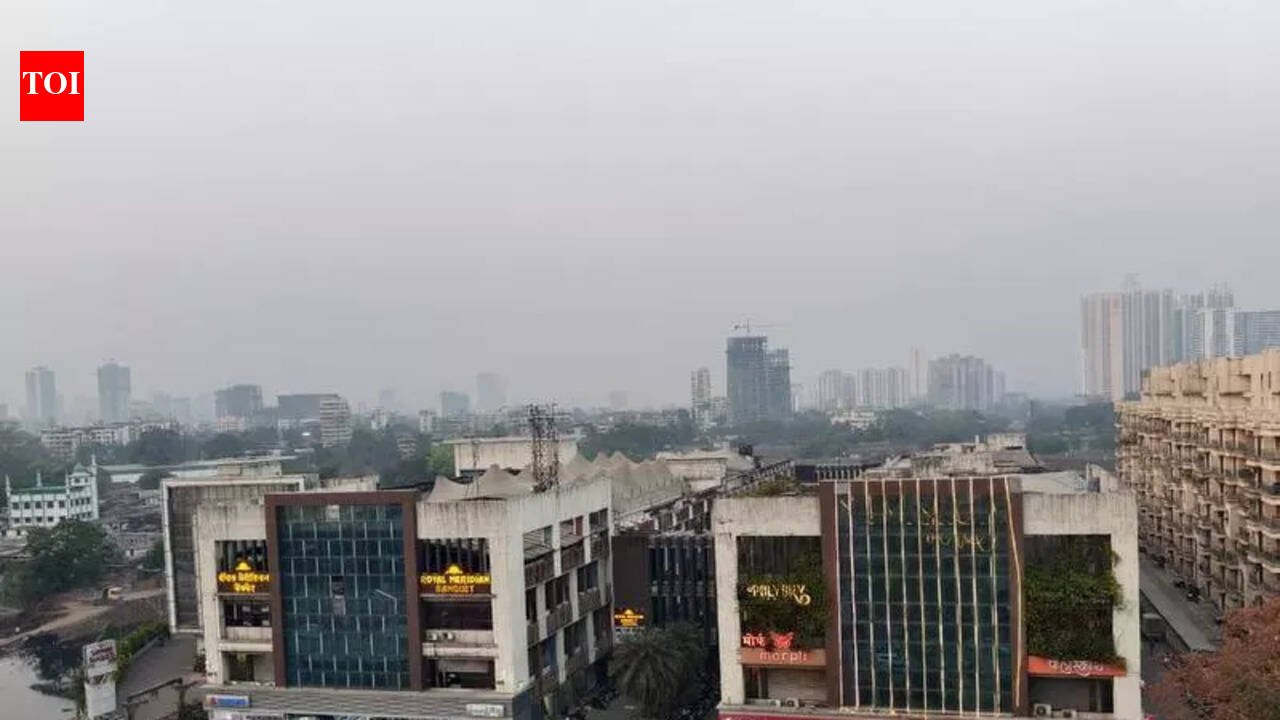
Ulhasnagar: One of the largest commercial complexes in Ulhasnagar is facing the threat of demolition after the Town Planning Department raised serious objections over large-scale alleged illegal construction within the premises, reports Pradeep Gupta.The Town Planning Department of the Ulhasnagar Municipal Corporation (UMC) has issued a notice to the developer of Regency Plaza, a prominent commercial complex in the city, citing nearly 31,000 square feet of unauthorized construction along with several structural and regulatory irregularities in the building.According to the notice, Town Planner Vikas Birari has given the developer Sunder Developers seven days to submit an explanation regarding the alleged illegal construction. Authorities have warned that if a satisfactory response is not received within the stipulated period, demolition action may be initiated against the unauthorized portions of the complex.In the order, the Town Planning Department has also directed that the developer must not use the disputed illegal area during this period. Additionally, the ward officer of the municipal corporation has been instructed to seal the concerned portion of the complex until further orders.Regency Plaza houses around 500 offices of several well-known companies, businesses and multiples banquets making it one of the busiest commercial hubs in Ulhasnagar. Following the issuance of the notice, panic and uncertainty have spread among office owners and employees operating from the complex, who fear the impact of possible civic action. The issue reportedly came to light after social activist Swapnil Patil received information about large-scale additional illegal construction within the commercial complex.Patil subsequently filed a complaint with the UMC’s Town Planning Department.Acting on the complaint, the department earlier issued a notice to the developer directing them to demolish the illegal construction. Municipal officials had also carried out partial demolition of the unauthorized structure. However, it is alleged that the developer later reconstructed and began using the demolished illegal portion again.Meanwhile, the developer had applied for approval of a revised building proposal in an attempt to regularize the illegal construction. However, during scrutiny of the application, the Town Planning Department reportedly found several discrepancies and deficiencies in the proposed building plan submitted by the developer.Officials stated that the proposal did not comply with Unified Development Control and Promotion Regulations (UDCPR) norms, particularly with regard to adequate parking provisions required for the building. Several other irregularities were also identified in the proposal. As a result, the Town Planning Department rejected the revised building proposal and ordered the demolition of the illegal construction carried out in the complex. Speaking on the issue, activist Swapnil Patil said that Ulhasnagar is already struggling with the consequences of rampant illegal constructions, which have led to narrow roads and severe congestion, forcing many residents to leave the city. He further stated that while developers are expected to carry out construction in accordance with legal norms, some continue to violate regulations, damaging the city’s image. Patil added that strict action against such illegal structures is necessary to deter others and prevent further unauthorized construction in the city.


Source link

Middle East crisis: Asian airlines raise fares as war fuels oil shock fears


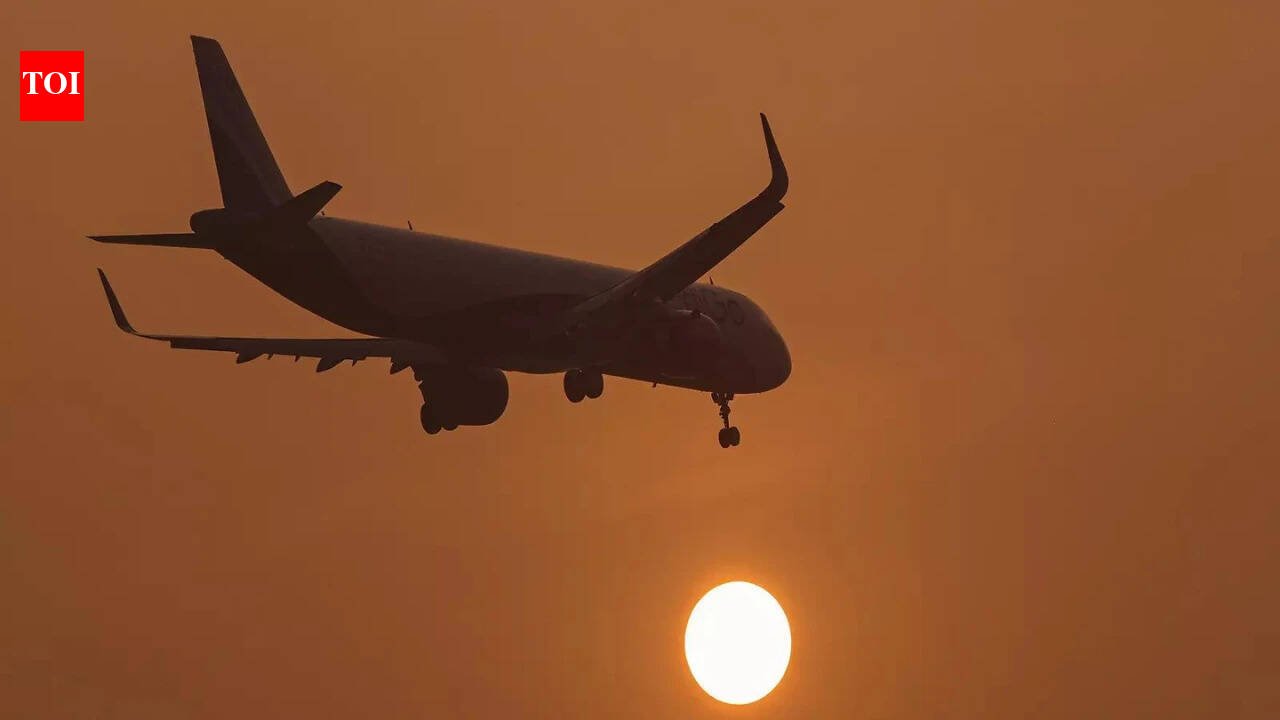
Airlines across Asia are increasing ticket prices and preparing contingency plans, including the possibility of grounding aircraft, as the escalating Middle East conflict threatens to trigger the biggest oil shock since the 1970s.Indian carriers have already raised fares on long-haul routes by about 15 per cent and are considering further hikes as jet fuel prices surge, people familiar with the matter said, as quoted by Bloomberg. In Vietnam, state media has warned that airfares could climb by as much as 70 per cent because of the country’s heavy reliance on imported jet fuel.

Crude Oil Rally Near 120 Dollars, Raises Big Question If India Can Survive Crisis With Russian Oil

Industry analysts say airlines in Asia are particularly vulnerable because many carriers have weaker fuel hedging programmes than their counterparts in Europe or the United States.“Panic buttons have been set off everywhere,” June Goh, senior oil market analyst at Sparta Commodities SA, told Bloomberg. “Airlines in Asia who have a weak hedging program are very vulnerable with the current jet-fuel pricing if they sold tickets at earlier price points than where we are now.”Some low-cost airlines in Southeast Asia are now preparing for scenarios in which planes may need to be grounded if jet fuel becomes too expensive or difficult to access, according to people familiar with the discussions.

Rising fuel prices threaten airline operations

The mounting pressure highlights the widening impact of the conflict, which erupted more than a week ago after joint US-Israeli strikes on Iran and has since disrupted air travel and fuel supplies globally.Oil prices have surged sharply amid fears of prolonged disruptions to shipping routes and energy supplies. According to Reuters, crude prices jumped 15 per cent to more than $105 a barrel, levels last seen in 2022, with Brent crude at one point rising as much as 29 per cent.Jet fuel prices have risen even faster in some markets, in some cases doubling since the start of the conflict.“Absent near-term relief, airlines around the world could be forced to ground thousands of aircraft while some of the industry’s financially weakest carriers could halt operations,” analysts at Deutsche Bank said in a note cited by Reuters.Fuel is the second-largest expense for airlines after labour and typically accounts for between one-fifth and one-quarter of operating costs.

Travel demand at risk as fares surge

The sharp rise in ticket prices is also raising concerns about declining travel demand, particularly for leisure passengers.Lorraine Tan, director of equity research for Asia at Morningstar, said higher fares could discourage travellers and lead companies to scale back business travel due to the uncertain outlook, reported Reuters.“The issue for the airlines now is that travel demand may be curtailed as costs become prohibitive for leisure travellers,” Tan said.Since the start of the conflict on February 28, more than 40,000 flights to and from the Middle East have been cancelled as airlines reroute planes to avoid the conflict zone, according to aviation data provider Cirium cited by Reuters.Airspace closures have forced airlines to carry additional fuel or make extra refuelling stops to avoid sudden diversions.

Airline stocks fall amid uncertainty

Airline stocks have also come under pressure as investors assess the potential impact of higher fuel costs and weaker travel demand.In Asia, shares of several major carriers have fallen sharply. Asiana Airlines dropped to its lowest level in more than 21 years, while the BI Asia Pacific Airlines index slipped to its lowest point in over five years as oil prices climbed above $100 per barrel, reported Bloomberg.Other global carriers have also seen declines. Korean Air shares fell 8.6 per cent, Air New Zealand dropped 7.8 per cent and Hong Kong’s Cathay Pacific declined about 5 per cent, according to Reuters.European airline groups such as Air France-KLM and British Airways owner IAG also fell between 2.5 per cent and 6 per cent in early trading.

Some airlines see opportunity despite crisis

While many carriers face mounting challenges, some airlines with stronger fuel hedging programmes could benefit from the situation.Deutsche Lufthansa AG chief executive officer Carsten Spohr said the German airline group could gain a “relative advantage” if competitors are forced to raise ticket prices because Lufthansa is hedged against fuel price swings, reported Bloomberg.The airline is also planning to increase capacity on Asian and African routes as Middle Eastern carriers struggle to operate normally.Despite the turmoil, some industry executives remain cautiously optimistic that the conflict will be relatively short-lived.“My own personal view is this is shorter-lived,” said John Plueger, chief executive officer of Air Lease Corp. “The main point here is the world doesn’t stop. It may be put on hold,” he told Bloomberg.

Airlines begin raising fares worldwide

Several airlines have already started adjusting fares in response to the surge in fuel costs.Australia’s flag carrier Qantas Airways said it would raise ticket prices on international routes this week as jet fuel costs climb due to the conflict, according to Reuters.The airline said flights to Europe remain more than 90 per cent full in March, significantly higher than typical levels for this time of year. It is also considering increasing capacity on existing routes to Europe in the coming months.Other carriers, including Air New Zealand, have also announced fare increases as airlines worldwide grapple with rising operating costs and uncertainty over fuel supplies.


Source link