Breaking News
Archana Puran Singh stops YouTube despite 1 million subscribers and lakhs in revenue? Here’s all you need to know


Archana Puran Singh, who is currently winning hearts on The Great Indian Kapil Show, keeps fans updated about her personal and professional life through her YouTube videos. She recently shared that she will stop posting videos on her YouTube channel for now. This came as a major shocker for fans, as the channel has crossed 1 million subscribers and generates revenue as well. The family revealed that they are planning to take a short break from YouTube for the time being.In a recent video, she shared, “This is not really sad news, but I feel we should share it with our subscribers, with the members of our AAAP ka Parivar. We started this about a year ago, and now we want to take a little bit of rest, just for a few weeks. I love you all. You have shown us tremendous love, but we hope that you will shower us with even more love when we come back because we love you.”Son Aaryamann said, “We will do something new that will be fun. What we did for the last year, we are happy with it. This will be the next step in AAAP ka Parivar’s evolution.” Archana then shared that they will still be a part of Aaryamann’s YouTube channel. “Aary vlogs will continue, so you won’t miss us. We will be there on Aary vlogs,” she said.Soon after the video came out, fans expressed their concern and disappointment over the same. While some requested Archana to continue sharing videos on her YouTube channel, others asked her to resume shooting shortly after the break.A user wrote, “This breaks my heart because my family and I used to watch your videos all the time, but hoping for you to return soon.” Another user wrote, “Yes, you guys do deserve a break, and please come back soon.” On the work front, Archana is currently winning hearts on The Great Indian Kapil Show.


Source link

‘Jaishankar spoke to Iran FM 3 times’: India flags ships safety, energy security concerns | India News


'Jaishankar spoke to Iran FM 3 times': India flags ships safety, energy security concerns

NEW DELHI: External affairs minister S Jaishankar has held three rounds of talks with his Iranian counterpart in recent days amid rising tensions in Middle East Asia, with discussions focusing on the safety of maritime shipping and India’s energy security.Addressing the weekly media briefing, Ministry of External Affairs (MEA) spokesperson Randhir Jaiswal sai, “External affairs minister Dr S Jaishankar and the foreign minister of Iran have had three conversations in the recent days. The last one discussed issues pertaining to the safety of shipping and India’s energy security. Beyond that, it would be premature for me to say anything,” Jaiswal said.However, the MEA declined to elaborate on the details of the conversations, indicating that the situation remains sensitive and fluid.The remarks come at a time when tensions in the Persian Gulf have heightened and concerns have grown over the safety of commercial shipping routes, particularly around the Strait of Hormuz — a critical passage for global oil trade and a major route for India’s energy imports.Meanwhile, Iran has allowed Indian-flagged vessels to pass safely through the Strait of Hormuz, even as maritime traffic through the strategic waterway has slowed sharply following the US-Israel strikes on Iran, according to a report in The Economic Times.India has been closely monitoring the evolving situation in the region, especially after recent incidents involving commercial vessels and disruptions linked to the ongoing conflict in the Middle East.


Source link

Iran Missile Strikes: Is Iran using China’s BeiDou system to launch ‘accurate’ missile strikes?


Is Iran using China's BeiDou system to launch 'accurate' missile strikes?

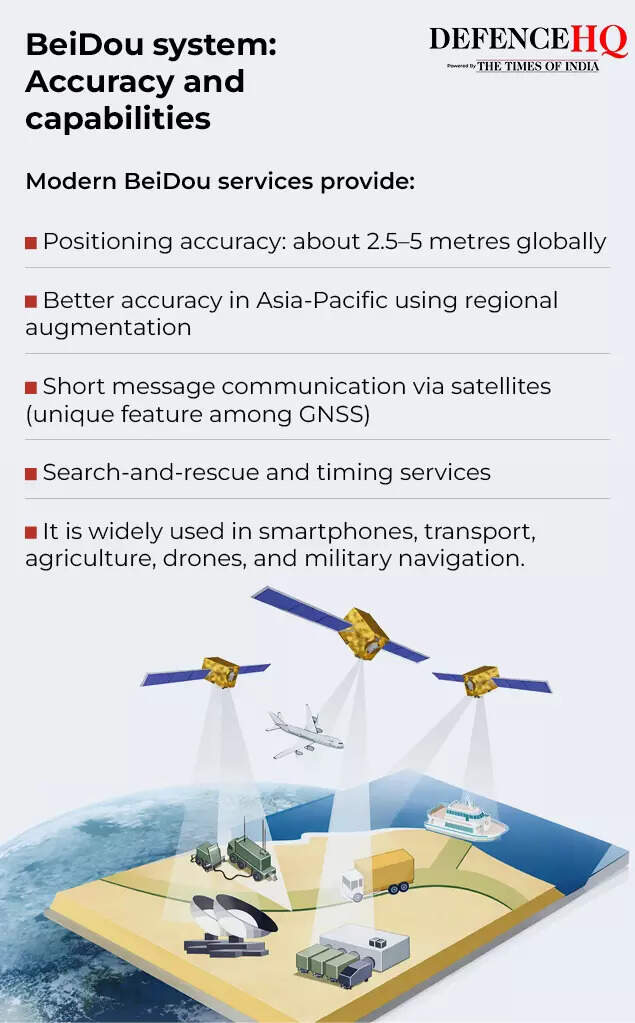
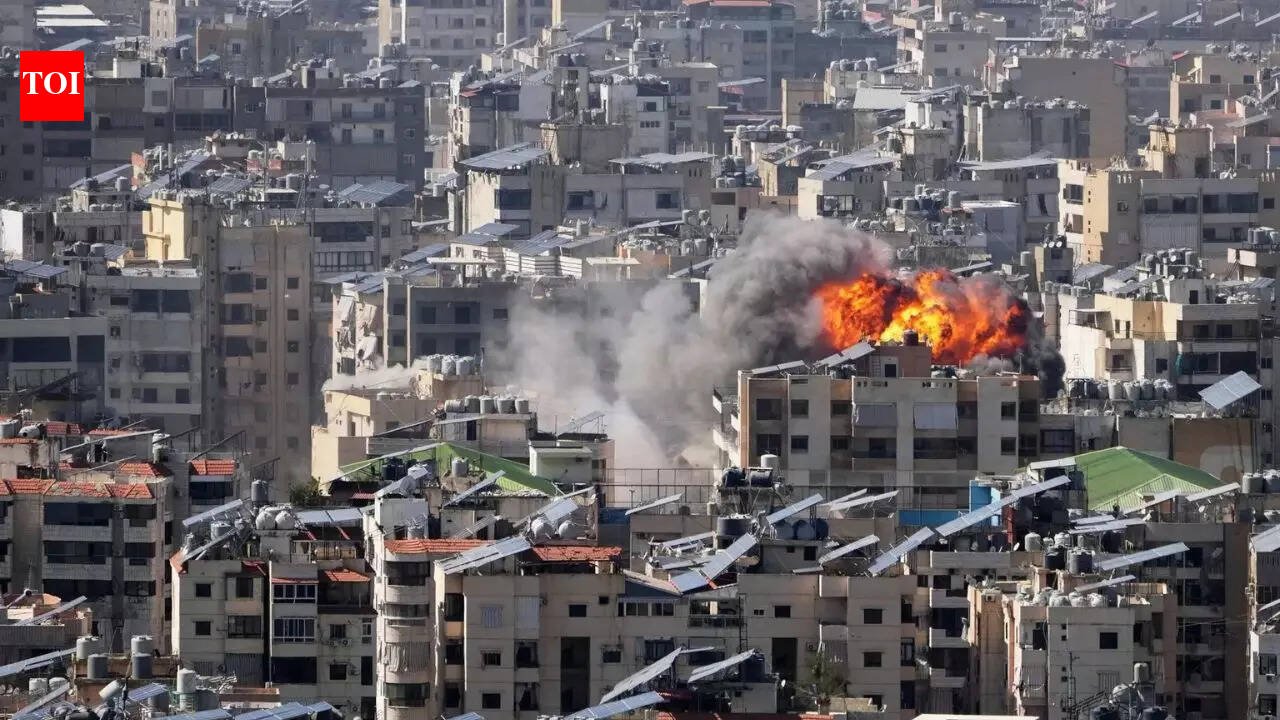
The ongoing conflict in West Asia has raised new questions about the technology behind Iran’s missile strikes. Intelligence analysts now believe Tehran may be using China’s satellite navigation network to guide some of its weapons with greater precision.An Al Jazeera suggests that Iran’s targeting accuracy has improved noticeably during the latest round of fighting with Israel and the United States. That has led to speculation that Iran could be relying on the BeiDou Navigation Satellite System, China’s global satellite positioning network designed to rival the US-run Global Positioning System.

China Warns Iran War ‘Flames Spreading’ As Beijing Pushes Ceasefire Before Xi–Trump Summit

China’s rival to GPS

The BeiDou Navigation Satellite System is China’s independently developed satellite navigation network that provides positioning, navigation and timing services worldwide. The system was officially completed in 2020 and launched as a global service during a ceremony overseen by Chinese President Xi Jinping in Beijing.China began developing its own satellite navigation capability in the late 1990s after the Third Taiwan Strait Crisis raised concerns that Washington could restrict access to GPS during geopolitical tensions. Beijing’s goal was to create a system that could operate independently of US-controlled infrastructure.

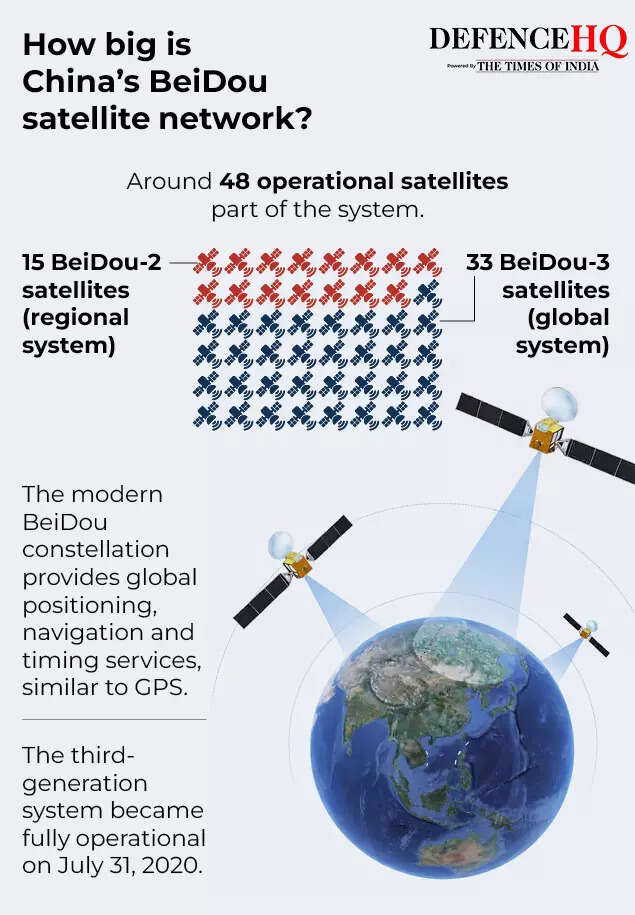
How big is China's BeiDou satellite network

BeiDou was built in three stages. The first generation provided limited services within China by 2000. A second phase expanded coverage across the Asia-Pacific region by 2012. The current third generation—known as BDS-3—now provides global coverage.Like other navigation systems, BeiDou calculates a user’s location by transmitting signals from satellites to receivers on Earth. By measuring the time it takes signals from several satellites to arrive, the receiver can determine its exact geographic position.The system’s architecture includes three components: a space segment made up of satellites in different Earth orbits, a ground segment consisting of control and monitoring stations, and a user segment that includes receivers, chips, antennas and navigation services.China says the network supports a wide range of civilian activities including transportation, agriculture, disaster relief and telecommunications. At the same time, like GPS and other navigation systems, it can also support military applications such as missile guidance.

Why analysts think Iran may be using it

Some analysts believe Iran has been gradually integrating BeiDou into its military systems for years. Researcher Theo Nencini has said Iran reportedly signed an agreement in 2015 to integrate an earlier version of the system into its infrastructure.The process appears to have accelerated after the 2021 strategic partnership agreement between China and Iran. According to experts cited by Al Jazeera, the Iranian military began incorporating BeiDou signals into missile and drone guidance systems as well as secure communications networks.

BeiDou system

Iran’s Ministry of Information and Communications Technology has said the country uses “all existing capacities in the world” rather than relying on a single navigation source. Analysts therefore believe Tehran may combine multiple systems, including GPS, Russia’s GLONASS and Europe’s Galileo (satellite navigation system).However, the latest conflict appears to have accelerated the shift. During the brief but intense war with Israel last year, GPS signals in parts of the region were reportedly disrupted. That experience may have pushed Iran to rely more heavily on alternative systems.

How satellite navigation improves missile accuracy

Missiles typically rely on inertial navigation systems, which track motion using internal sensors such as gyroscopes and accelerometers. While reliable, these systems gradually accumulate errors over long distances.Satellite navigation helps correct those errors.By combining inertial navigation with satellite signals, a missile can constantly update its position and refine its trajectory. This dramatically improves targeting precision.Analysts say BeiDou could also help Iranian weapons overcome electronic warfare measures. Western forces often attempt to jam or spoof GPS signals by broadcasting false coordinates. Advanced signals from BeiDou are designed to resist such interference through encrypted transmissions and authentication systems.

A wider shift in modern warfare

If Iran is indeed using BeiDou for military guidance, experts say it could signal a broader shift in the balance of technological power.For decades, the United States’ GPS network dominated global navigation and precision-strike capabilities. But the expansion of alternative systems—China’s BeiDou, Russia’s GLONASS and Europe’s Galileo—means countries now have multiple navigation sources.Analysts say access to these systems reduces reliance on US technology and makes it harder for adversaries to disable navigation signals during conflicts.The ongoing war in West Asia has already seen Iranian missiles and drones targeting Israeli and US-linked sites across the region. As long-range weapons become more accurate and resistant to electronic interference, satellite navigation systems such as BeiDou are likely to play an increasingly important role in future conflicts.


Source link

Dubai steps up security as Iran war rages; financial institutions move staff to remote work


Dubai steps up security as Iran war rages; financial institutions move staff to remote work

US financial and technology companies are stepping up security and limiting office activity in parts of the Middle East, a day after Iran warned it could target economic centres linked to the United States during the ongoing regional conflict.Citi Bank asked employees to immediately leave its regional headquarters in the Dubai International Financial Centre, according to New York Times. An internal notice cited “heightened security concerns” and advised workers to find “the nearest safe place away from the office.”Standard Chartered also renewed a work-from-home advisory that had already been issued earlier. The bank has a large regional hub in Dubai.In Qatar, HSBC temporarily shut all three of its bank branches. In a statement, the bank said, “The safety of our colleagues and customers remain our top priority.”Technology companies have taken similar measures. According to a Google executive quoted by the Economic Times, “All employees across the region, apart from critical staff responsible for maintaining cloud infrastructure, had been shifted to mandatory work from home, which continues.”The executive added that most global technology firms have moved regional staff to mandatory work-from-home arrangements until further notice. Iran warns US tech firms and banksThe steps follow Iran’s public warning that American technology companies and financial institutions could become targets.According to Al Jazeera, the IRGC-affiliated Tasnim News Agency published a list of offices and infrastructure run by major US technology companies that it claimed were linked to Israel and used for military purposes.The report described these sites as “Iran’s new targets.” It said the list included cloud infrastructure and other facilities operated by Google, Microsoft, Palantir Technologies, IBM, Nvidia and Oracle.Iran also warned that it could target banks and economic centres connected to the United States and Israel. A spokesperson for Khatam al-Anbiya Headquarters said the warning followed what Iran described as an attack on one of its banks. “The enemy left our hands open to targeting economic centres and banks belonging to the United States and the Zionist regime in the region,” the spokesperson said.The official also warned civilians to stay away from such sites. “People of the region should not be within a one-kilometre radius of banks.”


Source link

Hardik Pandya faces legal complaint for celebrating T20 World Cup title with girlfriend Mahieka Sharma while wearing Indian flag


The euphoria of India’s T20 World Cup 2026 victory has been met with an unexpected legal shadow for one of its primary architects, Hardik Pandya. While the nation remains in a state of jubilation following a historic win at the Narendra Modi Stadium, the star all-rounder has found himself at the centre of a controversy involving the national flag and his personal celebrations on the field.

Controversy erupts as a complaint targets Hardik Pandya over disrespect for national flag during T20 World Cup celebrations

Pandya is facing a formal legal complaint filed at the Shivaji Nagar police station in Bengaluru. The complaint, spearheaded by Pune-based advocate Wajed Khan Bidkar, alleges that the cricketer disrespected the Indian national flag during the high-octane post-match celebrations in Ahmedabad.

According to the complainant, the issue stems from viral social media footage showing Pandya celebrating with his rumoured girlfriend, actress Mahieka Sharma. The legal filing asserts that while Pandya was draped in the Tricolour, a common sight for victorious athletes, his subsequent actions crossed a legal and ethical line. Bidkar claims that Pandya was seen lying down on a celebratory stage with Sharma while still wearing the national flag on his back.

According to Section 2 of the Prevention of Insults to National Honour Act, 1971, we must uphold the dignity of the national flag,” Advocate Bidkar stated to ANI. He argued that the act of lying down on the ground while draped in the flag during a personal moment of celebration constituted an insult to the national symbol. Although local authorities initially questioned the jurisdiction of the complaint since the event occurred in Ahmedabad, Bidkar maintained that because the flag represents the entire nation, the complaint remains valid in Bengaluru. The police have officially accepted the document and provided a copy to the petitioner.

Also READ: Gautam Gambhir hits back at Kirti Azad for questioning India team’s temple visit after T20 World Cup 2026 triumph

Pandya’s all-round heroics in the T20 World Cup 2026

The legal scrutiny comes at a time when Pandya’s stock as a cricketer has never been higher. His performance throughout the T20 World Cup 2026 was nothing short of legendary, cementing his status as perhaps the world’s premier white-ball all-rounder.

Throughout the tournament, Pandya acted as the clutch player India desperately needed. In the final at Ahmedabad, his explosive hitting in the death overs propelled India to a competitive total, while his knack for breaking crucial partnerships with the ball dismantled the opposition’s chase. His ability to maintain a strike rate of over 150 while consistently clocking speeds of 140 kph made him the tournament’s standout performer.

Statistic T20 World Cup 2026 Impact
Batting Runs 217
Strike Rate 160.74
Wickets Taken 9
Economy Rate 8.82

While the cricketing world debates his tactical genius on the pitch, the legal world is now debating his conduct off it. As the investigation into the complaint proceeds, fans remain divided between those who view the act as an innocent oversight in the heat of a historic moment and those who believe national symbols require stricter adherence to protocol.

Also READ: Mohammad Kaif picks India’s next T20I captain after Suryakumar Yadav


Source link

Why time is ripe for Suryakumar Yadav to follow in Rohit Sharma’s footsteps | Cricket News


Why time is ripe for Suryakumar Yadav to follow in Rohit Sharma's footsteps
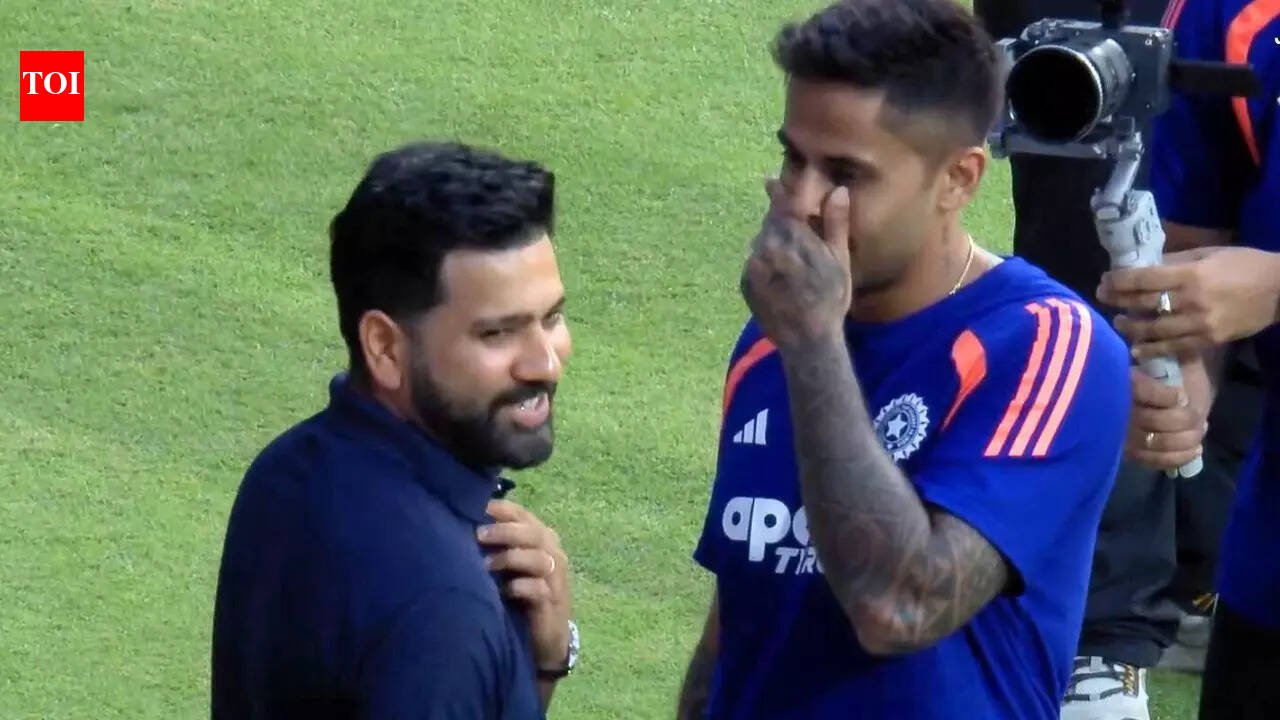
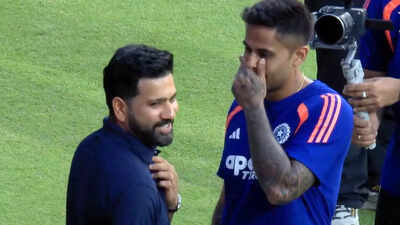
Rohit Sharma and Suryakumar Yadav (Screengrab)

NEW DELHI: On the eve of the 2026 T20 World Cup final against New Zealand, India captain Suryakumar Yadav was gushing about the fact that he is only following the footsteps of Rohit Sharma.When asked whether he found his predecessor Rohit Sharma’s boots too big to fill, he said: “Joota mera hi hai, footsteps unke hain. (Sir, the shoes are mine, I only follow his footsteps).” On a serious note, he spoke about the nuggets he picked up from Rohit’s leadership.

T20 World Cup: Gautam Gambhir, Suryakumar Yadav after Team India win

“The way he left things, I got to learn a lot from him when I was playing under him. So I also followed the same strategy and the same fundamentals.“I played a lot of cricket with Rohit. I know how he worked. So I tried to implement the same things with a few thoughts of my own as well. And it’s worked really well,” he said.Suryakumar Yadav is not wrong in crediting Rohit Sharma. It was Rohit who had set the blueprint for India after the ten-wicket mauling India received at the hands of England in Adelaide during the semifinal of the 2022 T20 World Cup. After the match, Rohit had said this was not the way his team was going to play. He walked the talk, and there was a conscious effort to bat more aggressively. It brought India success.The aggressive brand of cricket that Rohit sowed in the DNA of India’s white-ball team can be seen in the performances and the ICC titles India have won.
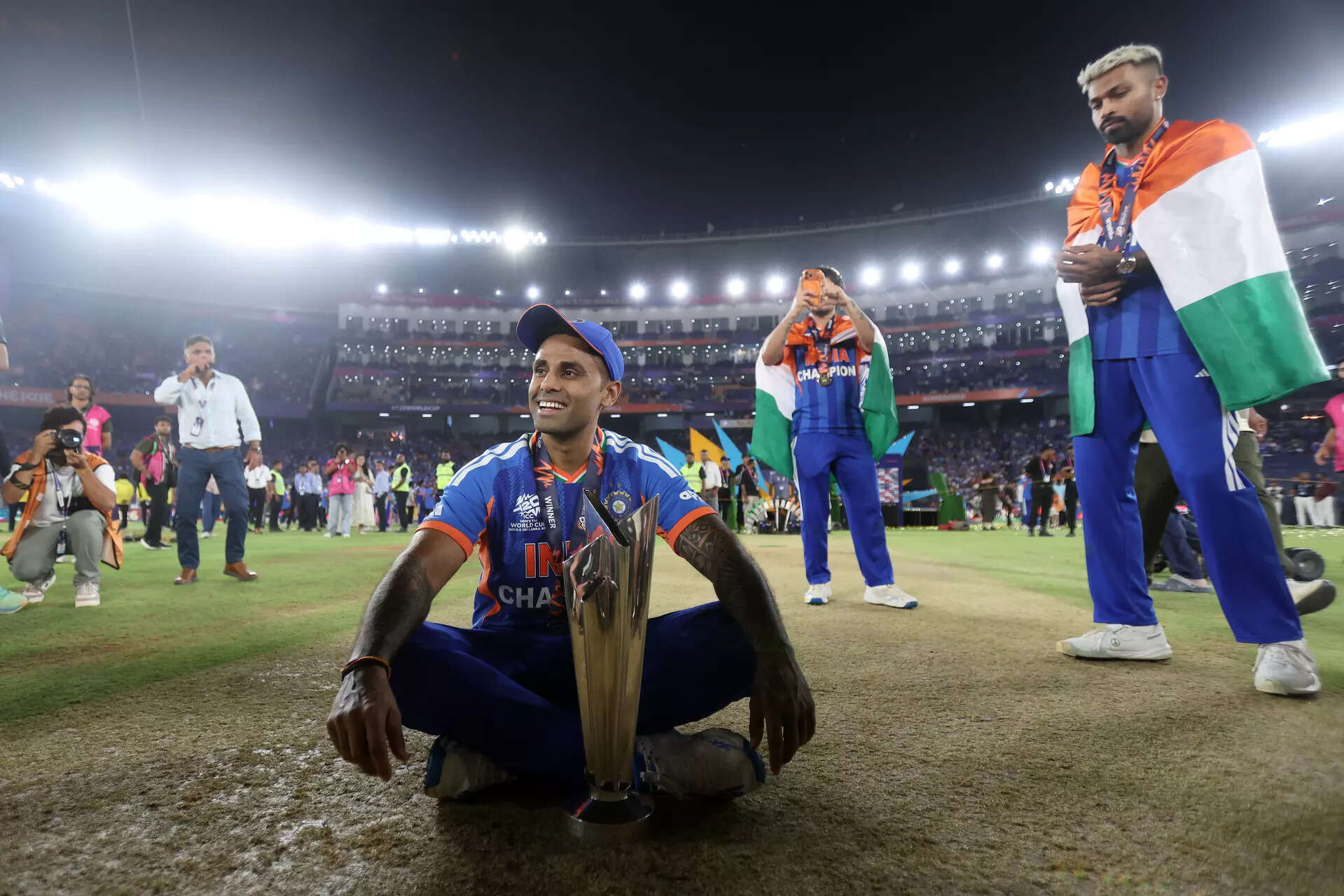
India v New Zealand: Final - ICC Men's T20 World Cup India & Sri Lanka 2026

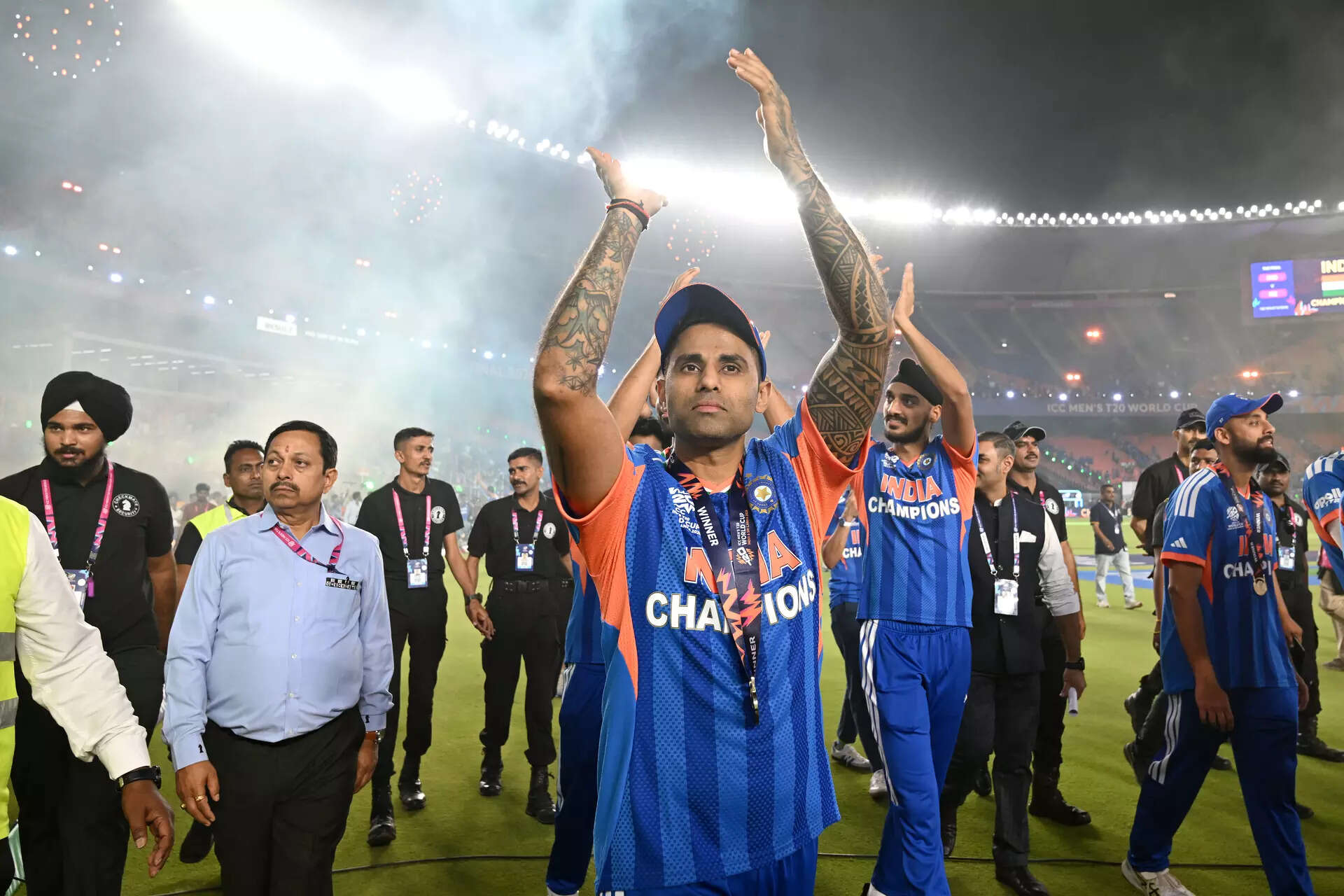
Suryakumar Yadav of India poses for a photo with the trophy after victory in the ICC Men’s T20 World Cup India & Sri Lanka 2026 Final between India and New Zealand at Narendra Modi Stadium on March 08, 2026 in Ahmedabad, India. (Photo by Pankaj Nangia/Getty Images)

In hindsight, Surya is not wrong. It still is Rohit’s team. Nine out of the 15 players in the squad had won the title in the Caribbean. It is the same core that, under Rohit, ended India’s 11-year drought of not winning an ICC title. Surya himself blossomed under Rohit’s captaincy, be it for India or for Mumbai Indians in the Indian Premier League. The same can be said for Jasprit Bumrah, Hardik Pandya and Ishan Kishan.Then there is Sanju Samson. In the middle of the tournament, when Surya was asked whether the batter should be added to the top three, which was one-dimensional with Abhishek Sharma, Ishan Kishan and Tilak Varma, all southpaws, Surya laughed and said: “You mean I should play him in Abhishek’s place? You mean I should make him play for Tilak?”Sanju ended up playing three match-winning knocks on the bounce and became the Player of the Tournament.
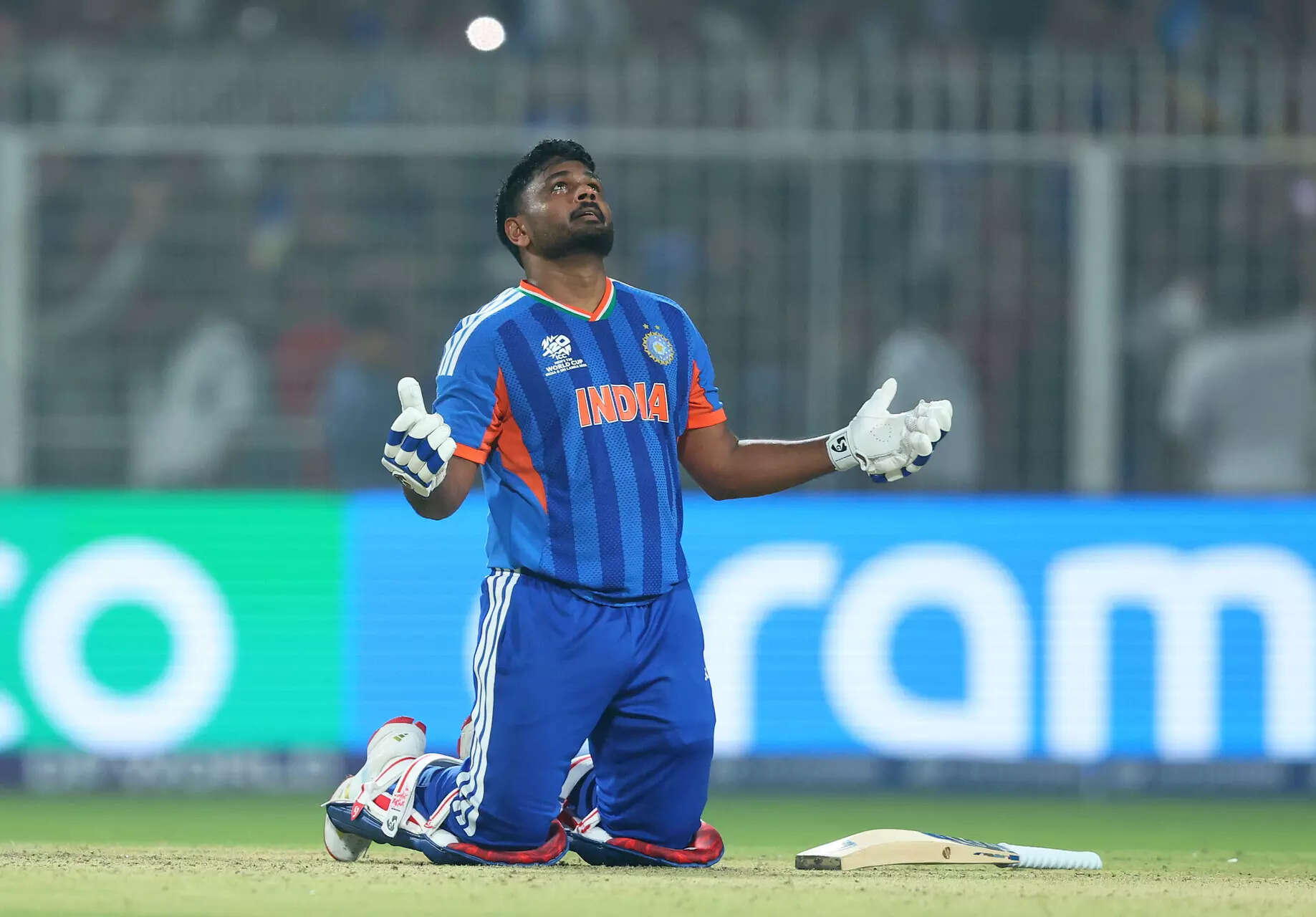
India v West Indies: ICC Men´s T20 World Cup India & Sri Lanka 2026

Sanju Samson of India celebrates victory following the ICC Men’s T20 World Cup India & Sri Lanka 2026 Super 8 match between India and West Indies at Eden Gardens on March 01, 2026 in Kolkata, India. (Photo by Pankaj Nangia/Getty Images)

Two years ago, Rohit spent ten minutes with Sanju Samson before the 2024 T20 World Cup final against South Africa, explaining why he would not be playing in the final, although he had initially been told that he would play.“I had a chance to play the final. I was told to stay ready. I was ready. However, they decided before the toss that we would go with the same team,” Samson told journalist Vimal Kumar during a chat.“He spent 10 minutes with the player who was not playing just before the toss. He gave me 10 minutes before the toss. After that, I realised this person had other qualities. If I were in his place, I would be thinking about the players who were playing or about my batting. That is what you normally think. At that point, he thought, ‘I have to explain to Sanju why I took that decision.’ At that moment, he won a place in my heart that will stay for a lifetime.

India v New Zealand: Final - ICC Men's T20 World Cup India & Sri Lanka 2026

Suryakumar Yadav of India interacts with the crowd following the ICC Men’s T20 World Cup India & Sri Lanka 2026 Final between India and New Zealand at Narendra Modi Stadium on March 08, 2026 in Ahmedabad, India. (Photo by Prakash Singh/Getty Images)

Certainly, Surya does not yet have the leadership aura that Rohit possessed. But he will always be remembered as only the third Indian captain after MS Dhoni and Rohit Sharma to lift the T20 World Cup.What Surya can truly learn from Rohit is how to step away at the right moment.

Poll

Do you think Suryakumar Yadav can match Rohit Sharma’s leadership legacy?

Rohit did it in 2024. He was still in top form, but he understood that the future had to be prepared. With a World Cup trophy in his hands, he stepped aside from T20Is and made space for the next generation.Surya now stands at a similar crossroads. The timing could not be better. Walk away at the top, hand the baton to the next generation, and his legacy will not just be about lifting a trophy but about knowing when to let the future begin.

Source link

‘Can see a big problem coming’: Rahul Gandhi’s big warning amid LPG crisis due to Middle East conflict | India News


'Can see a big problem coming': Rahul Gandhi's big warning amid LPG crisis due to Middle East conflict

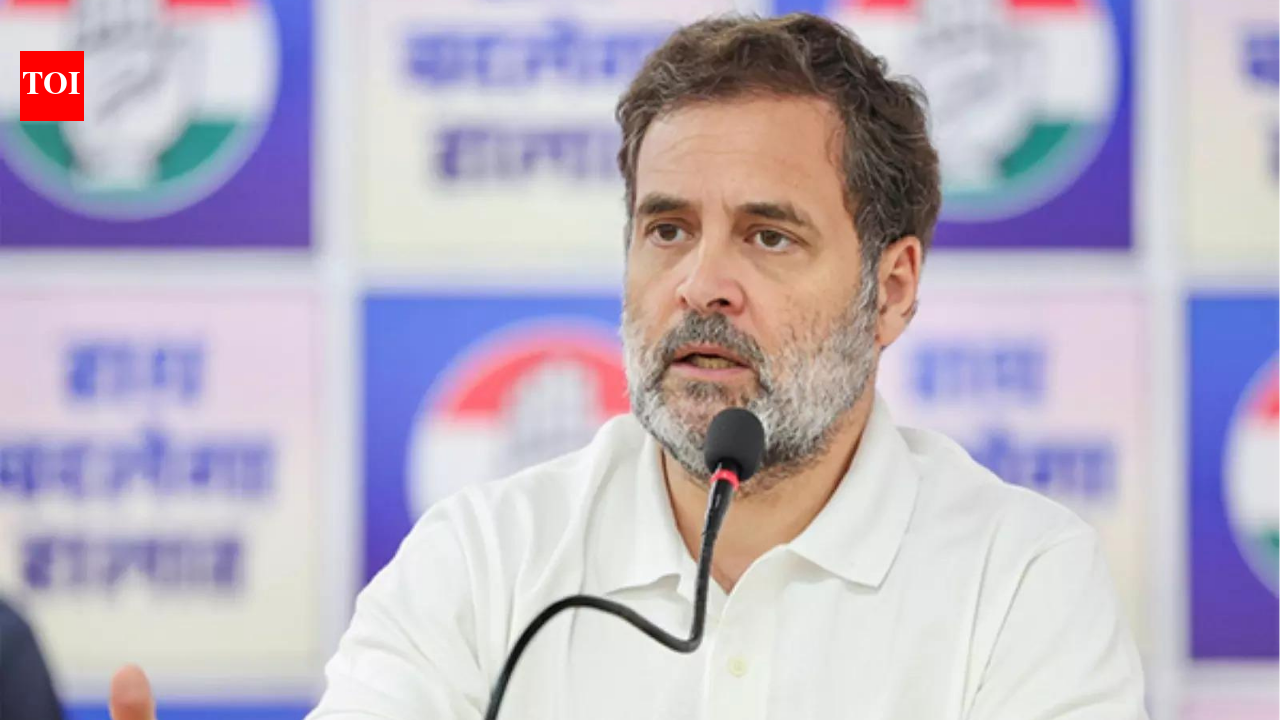
NEW DELHI: Congress leader and leader of opposition Rahul Gandhi on Thursday warned that country’s energy security could face serious challenges amid disruptions in global fuel markets caused by the escalating conflict in the Middle East.Speaking about the potential impact of the crisis on India’s fuel supply, Rahul said the government must urgently prepare for possible shortages of oil and cooking gas.“Normally the procedure is that you can ask to talk. So I asked to be allowed to make a statement about the LPG gas and oil situation in the country… But a new procedure has started where the Minister will first decide, then I will speak, then the Minister will reply,” Rahul said while speaking to reporters.This came after Congress MP KC Venugopal asked Lok Sabha Speaker Om Birla to allow the LoP to raise the issue of the LPG crisis in the House.“Basically, the main thing is that all fuel is going to be a problem because essentially our energy security has been compromised. Flawed foreign policy has created this problem… Now we have to prepare. We still a bit of time left. The government and the Prime Minister should instantly start the preparations, otherwise crores of people will suffer great losses,” Rahul said.“This war is fundamentally changing the current world order. It is a much bigger issue than whether Iran will allow fuel or not. We are entering an unstable time. During this time you have to change your mindset… What I am suggesting to the government is that now they need to start thinking deeply and ensure that our people do not suffer heavy losses. This is not a political statement. I can see a big problem is coming,” he added.Taking aim at the government, Rahul said the Prime Minister must ensure that India’s energy security is protected despite the worsening global situation.“The problem is that the Prime Minister is not able to function as the Prime Minister of the country. There is a reason for it, which is that he is trapped. Anyway, he still needs to make sure that people of India are protected, and our energy security is managed by us,” the LoP said.His remarks come at a time when global energy markets are facing volatility due to the intensifying conflict in the Middle East.Industry developments indicate that crude oil supply has been significantly disrupted by the ongoing military escalation, pushing benchmark prices such as Brent crude close to $100 per barrel.Supplies of natural gas and liquefied petroleum gas (LPG) are also under pressure as maritime trade routes in the region face disruptions.One of the key concerns is the virtual closure of the Strait of Hormuz, a critical global shipping route through which a large portion of the world’s energy supplies pass.The strait handles roughly 20% of global liquefied natural gas (LNG) trade, making it one of the most important maritime chokepoints for global energy markets. Any disruption in traffic through the route can significantly affect the movement of oil, gas and related energy commodities across international markets.


Source link

Indian-origin brothers who bragged about meeting Kash Patel convicted of H-1B visa fraud, healthcare scam in Pennsylvania; facing 400 years in prison


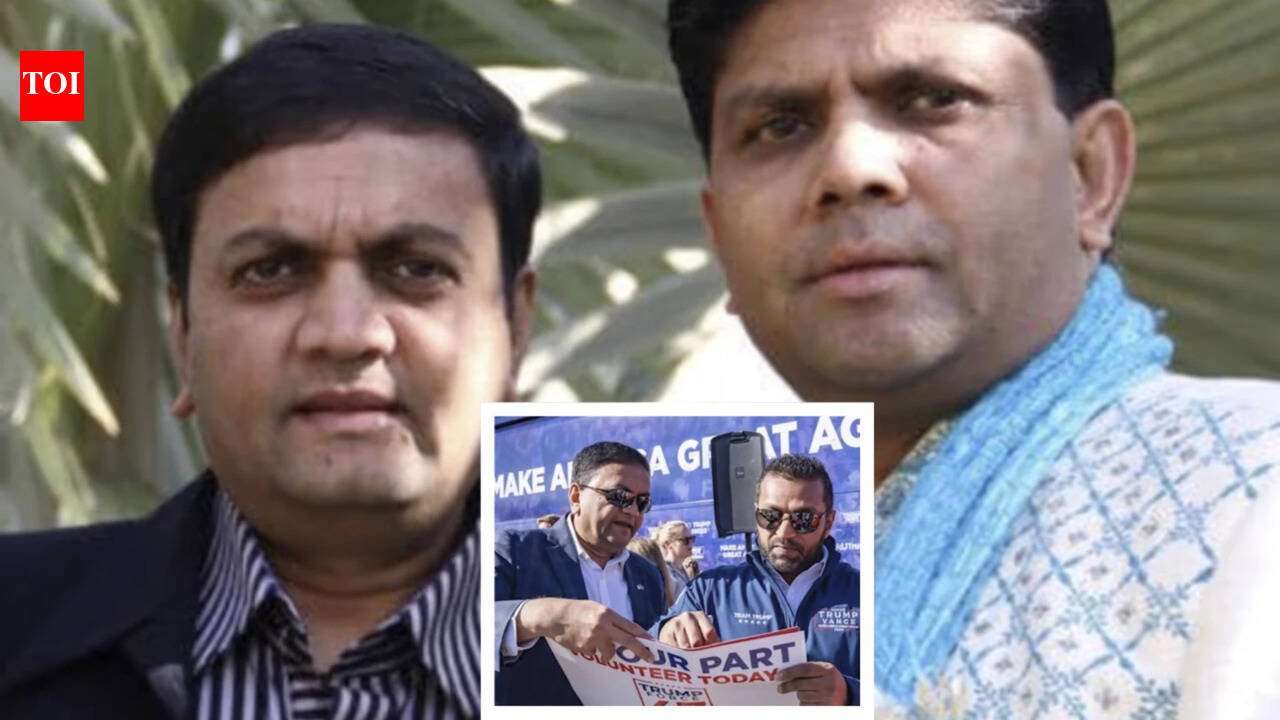
Two brothers from Pennsylvania, Bhaskar Savani and Arun Savani, have been found guilty in a multi-state racketeering conspiracy that included different types of fraud. The Savani brothers built the Savani Group that amassed millions of dollars through these fraud schemes. Bhaskar Savani is a dentist and their group committed medical fraud too. Interestingly, the brothers bragged on social media about meeting Kash Patel and posted photos with him. They also celebrated when Kash Patel became the FBI director though they were on the radar of the agency and were charged in 2023. An associate of the two brothers, Aleksandra Radomiak, has also been convicted and faces up to 40 yearsof imprisonment and fines. The two brothers face over 400 years of imprisonment — Bhaskar 420 years and Arun 415 years. Their sentencing will take place in July 2026.

Details of the Savani brothers’ scam

H-1B visa scam: According to DOJ charges, their group filed false H-1B visa applications and petitions with the administration for hiring Indians who were dependent on the Savani Group and used to take fees from them. Medicaid fraud: They fraudulently obtained Medicaid contracts and billed Medicaid using nominee business owners after Savani Group dental practices were terminated from Medicaid insurance contracts. The Savani Group defrauded Medicaid of more than $30 million through the scheme.Healthcare fraud: Submitting false bills to Medicaid using another dentist’s National Provider Identifier (NPI) on dates when the other dentist was physically outside of the United States and for dental services performed by uncredentialed dentists.Money laundering: Transferring and concealing health care fraud proceeds from the nominee-owned dental practices through a complex web of Savani group corporate entities’ bank accounts that ultimately benefited the Savani brothers and their associated corporate entities.Tax and wire fraud: The Savani brothers and their companies failed to pay taxes on approximately $1.6 million of unreported personal income and $1.1 million of their employees’ unreported income. They failed to pay personal and payroll taxes and fraudulently expensed through their businesses, among other personal expenses, college tuition payments, personal property taxes, and pool and lawn maintenance costs for their personal homes.FDCA conspiracy: They used dental implants not for human use in human patients without their knowledge and consent.


Source link

India prepares to add new incentives under its flagship PLI scheme for smartphone companies; likely to boost Apple and Samsung


India prepares to add new incentives under its flagship PLI scheme for smartphone companies; likely to boost Apple and Samsung
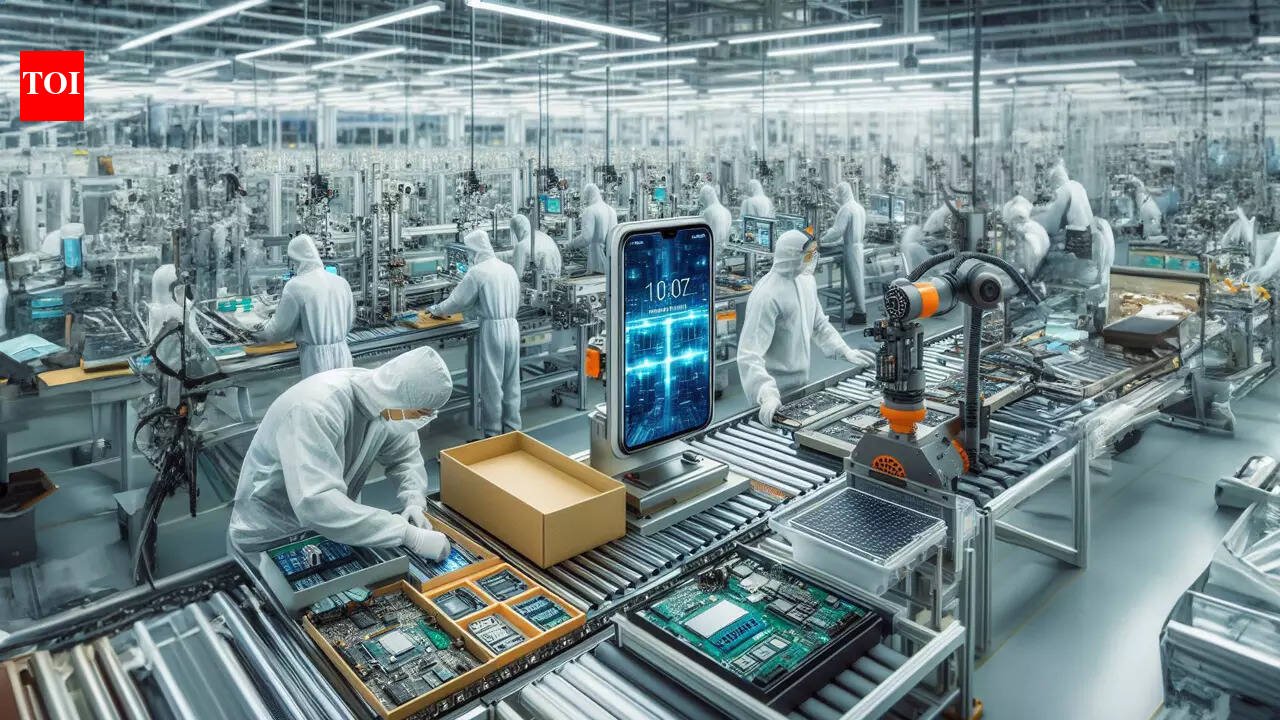
The growth in local production, especially in smartphones, was supported by the government’s PLI scheme. (AI image)

The Indian government is reportedly preparing a major overhaul of its flagship smartphone manufacturing incentive programme. The ‘revamped’ flagship Production-Linked Incentive (PLI) scheme for smartphones will tie government subsidies to exports and the use of locally produced components for the first time, as per a report by Bloomberg. The move is likely to benefit Apple, Samsung and their suppliers.Citing people familiar with the matter, the report claimed that the new plan marks a departure from the existing model, which focused primarily on boosting domestic production volumes, and that the revamped scheme programme will replace the current version of which expires on March 31. The exact policy design, size of incentives, and total budget are still being finalised and could change during inter-ministerial consultations, the report said.

What is changing and why

Under the original PLI scheme, with nearly every smartphone sold in India now assembled locally, government officials believe the programme has largely fulfilled its initial goal of meeting domestic demand, the report said, citing its sources.The focus is now shifting: moving India up the manufacturing value chain, beyond what officials have described as “screwdriver assembly” – the process of putting together components that are made elsewhere. Under the new proposal, companies will be rewarded not just for how much they produce, but for how much they export and how much of the device is made in India. Furthermore, incentives are expected to be tiered: Manufacturers will receive higher subsidies if the local content goes into each device. Components such as camera modules, display assemblies and other sub-parts sourced from Indian suppliers could qualify for additional benefits. Moreover, electronic devices that meet the highest localisation thresholds and are shipped overseas could receive the maximum subsidy available.

Revamped PLI programme to benefit Samsung and Apple

The iPhone maker’s contract manufacturers – primarily Foxconn and Tata Electronics – already account for roughly three-quarters of India’s total smartphone exports, making Apple the single biggest driver of India’s emergence as a global handset export hub. Reportedly, Apple also targets to ship the majority of US-bound iPhones from India by the end of this year, a goal that would further cement India’s position as the top source of smartphones sold in the American market.Samsung is also a significant beneficiary of the existing PLI programme and is expected to feature prominently in the new one.Furthermore, the government is also using the revamped scheme as a lever to push Chinese smartphone brands, including Oppo, Vivo and Xiaomi, to do more than just manufacture for the Indian domestic market.


Source link

Liberia-flagged tanker ‘Shenlong’ carrying Saudi crude enters India via Strait of Hormuz | India News


Liberia-flagged tanker ‘Shenlong’ carrying Saudi crude enters India via Strait of Hormuz

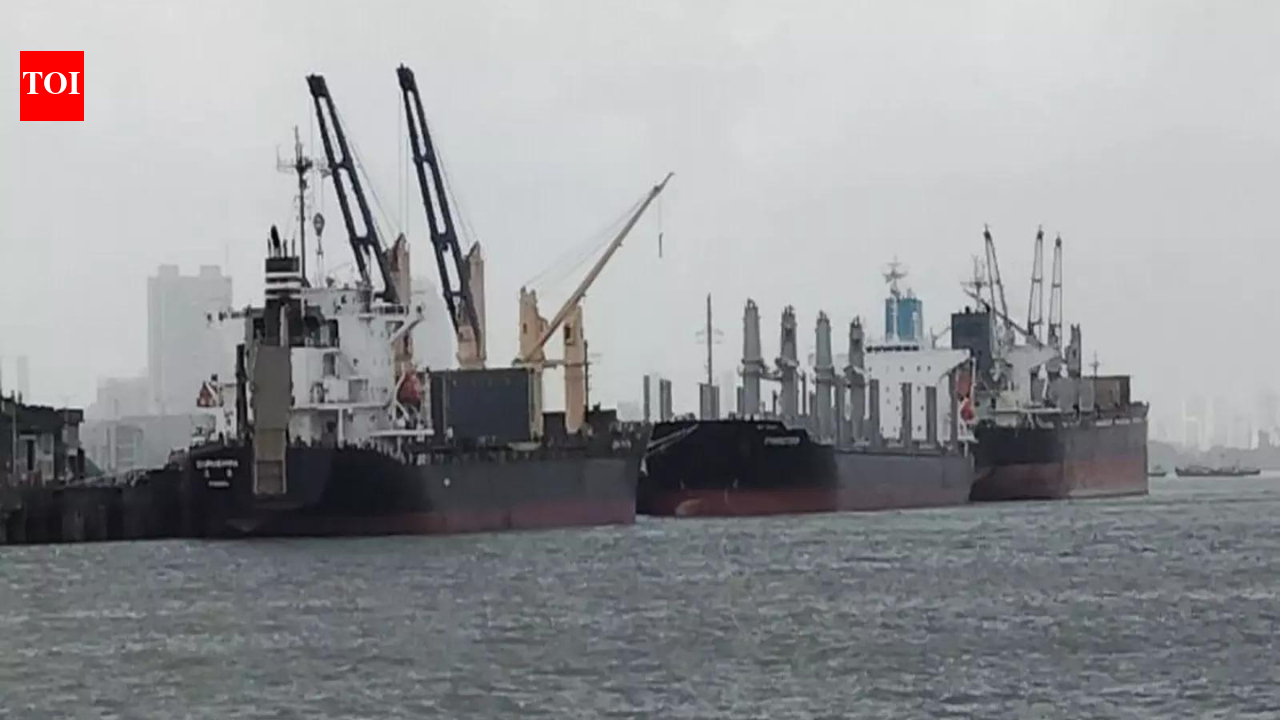
NEW DELHI: A crude oil tanker that passed through the Strait of Hormuz has arrived at Mumbai Port, becoming one of the first vessels to reach India via the critical route amid escalating tensions in the Middle East. According to the Mumbai Port Trust, the Liberia-flagged tanker Shenlong Suezmax, captained by an Indian national and carrying crude oil loaded at Ras Tanura, Saudi Arabia reached Mumbai on Wednesday, reported ANI.Authorities said Iran had cleared the vessel to transit the strategic waterway, where shipping activity has sharply declined following the conflict involving the United States, Israel and Iran. Sources said Iranian authorities have decided to allow Indian-flagged ships to move safely through the strait even as maritime traffic in the region has slowed significantly since the US and Israel carried out strikes on Iran. The Shenlong Suezmax, which departed Ras Tanura on March 1, completed its journey to Mumbai after receiving permission to pass through the narrow shipping corridor.Iran has tightened control over shipping in the strait in recent days. Alireza Tangsiri, commander of the naval arm of the Islamic Revolutionary Guard Corps, said vessels seeking to sail through the waterway must obtain Tehran’s approval. In a post on X, he said two ships that ignored Iran’s warnings were targeted on Wednesday.“Were the ships assured of safe passage through the Strait of Hormuz? This should be asked of the crews of the vessels Express Rome and Mayuree Naree, who today, trusting in empty promises, ignored the warnings and intended to cross the Strait, but were caught. Any vessel intending to pass must obtain permission from Iran,” the Iranian general said.Iranian state media has reported that Tehran has intensified restrictions on shipping through the strait, while stating that vessels not serving the interests of the United States or Israel would be allowed safe passage. The Strait of Hormuz is one of the world’s most critical maritime chokepoints, with more than 20 million barrels of crude oil moving through the narrow channel between Iran and Oman every day, about a fifth of global oil consumption and nearly a quarter of seaborne oil trade.Meanwhile, the ministry of ports, shipping and waterways said that 28 Indian-flagged vessels are currently operating in the Persian Gulf. Of these, 24 vessels carrying 677 Indian seafarers are located west of the Strait of Hormuz, while four vessels with 101 Indian crew members are positioned east of the strait. The ministry said a 24-hour control room has been operating since February 28 at the ministry and the Directorate General of Shipping to monitor the evolving situation and coordinate assistance if required. Authorities are also working with Indian embassies, ship managers and recruitment agencies to ensure the safety of Indian seafarers in the region.


Source link