Breaking News
LPG cylinder rate, petrol, diesel price today (March 18, 2026): Check city-wise list of latest prices amid Middle East conflict


LPG cylinder rate, petrol, diesel price today (March 18, 2026): Check city-wise list of latest prices amid Middle East conflict
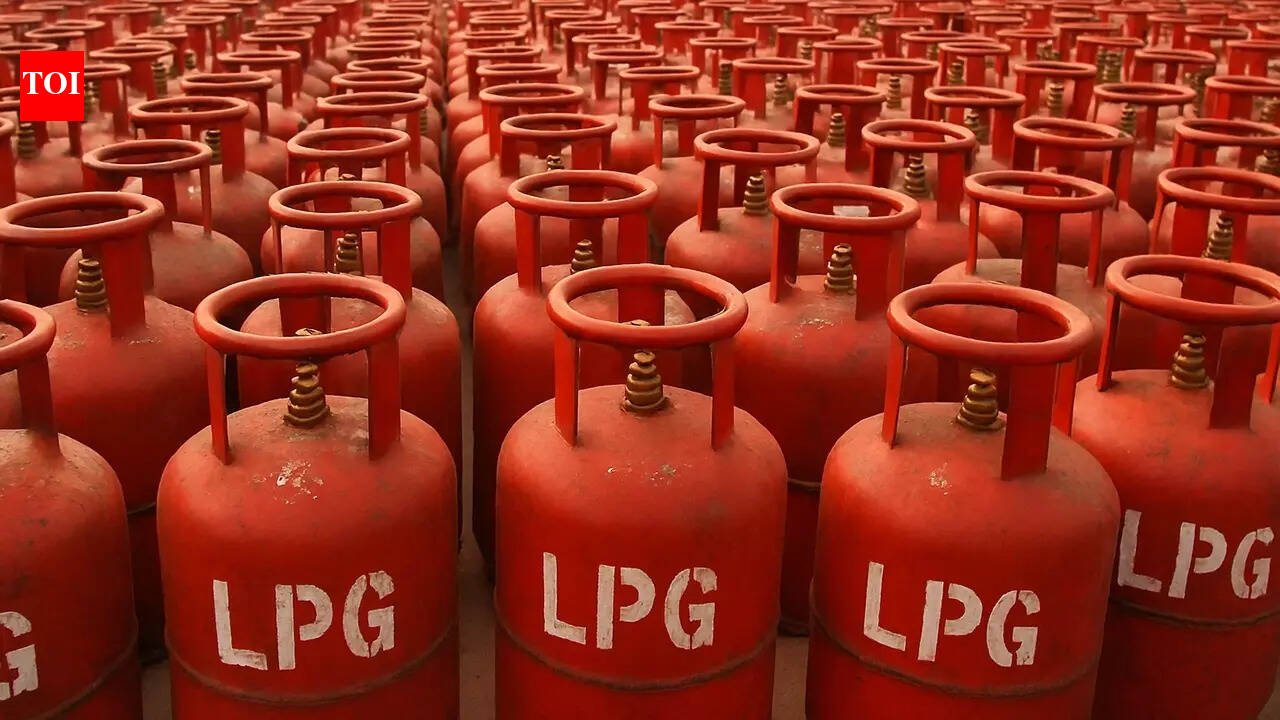
he LPG cylinder rates were last revised earlier this month, effective March 7, 2026. (AI image)

Latest LPG, petrol, diesel prices today: Amid LPG supply pressures and some panic buying on fears of shortage, prices of LPG cylinders – domestic and commercial – remain unchanged across cities. The LPG cylinder rates were last revised earlier this month, effective March 7, 2026. While the price of domestic LPG cylinders (14.2 kg) was raised by Rs 60, that of commercial cylinders was upped by Rs 115.The ongoing US-Iran war has meant that shipments from the Middle East and in particular the Strait of Hormuz have been held up. India imports a major chunk of its LPG needs, and a substantial percentage of that comes from the Middle East, making the supply situation worrisome. While the government has said that there is no shortage of LPG cylinders for domestic usage, panic buying and black marketing has led to long queues outside gas agencies. Since supply of commercial LPG cylinders has been de-prioritised, restaurants and eateries across the country have faced the prospect of a long shut down. The arrival of a third oil tanker, Jag Ladki, at Gujarat’s Mundra port amid heightened tensions in the Middle East reflects ongoing efforts to stabilise LPG supplies.

LPG Cylinder Rate Today (March 18, 2026): City-wise list

Delhi: Domestic Rs 913.00 | Commercial Rs 1,883.00 – Rs 1,884.50Mumbai: Domestic Rs 912.50 | Commercial Rs 1,835.00 – Rs 1,836.00Kolkata: Domestic Rs 939.00 | Commercial Rs 1,988.50 – Rs 1,990.00Chennai: Domestic Rs 928.50 | Commercial Rs 2,043.50Bengaluru: Domestic Rs 915.50 | Commercial Rs 1,910.00Hyderabad: Domestic Rs 905.00 – Rs 965.00 | Commercial Rs 1,900.00Ahmedabad: Domestic Rs 910.00 | Commercial Rs 1,870.00Jaipur: Domestic Rs 915.00 – Rs 916.50 | Commercial Rs 1,890.00Lucknow: Domestic Rs 915.00 | Commercial Rs 1,900.00Pune: Domestic Rs 915.00 | Commercial Rs 1,900.00Chandigarh: Domestic Rs 910.00 – Rs 922.50 | Commercial Rs 1,880.00

Petrol, diesel price today (March 18, 2026): City-wise list

India also ships around 40% of its crude oil needs from the Middle East, but the availability of Russian crude has helped. Crude oil prices have been rising internationally, crossing the $100 a barrel mark, and Iran has threatened that they may go up to $200 if the war doesn’t stop. For the time being, the government has not raised the petrol and diesel prices. The rise in Brent crude and other international rates is expected to be absorbed in the near-term either by the oil marketing companies or the government (in the form of lower excise duty).Delhi: Petrol – Rs 94.77 | Diesel – Rs 87.67Mumbai: Petrol – Rs 103.49 | Diesel – Rs 90.03Bengaluru: Petrol – Rs 102.99 | Diesel – Rs 91.06 Chennai: Petrol – Rs 100.80 | Diesel – Rs 92.39Kolkata: Petrol – Rs 105.45 | Diesel – Rs 92.02


Source link

Dinesh Karthik lists RCB’s top 5 IPL moments, 2024 thriller vs CSK among best


As the excitement builds for IPL 2026, Royal Challengers Bengaluru (RCB) fans have been handed a perfect dose of nostalgia. Former RCB star and current batting coach Dinesh Karthik recently revisited the franchise’s most iconic memories, listing his top five moments from their IPL journey. Having been closely associated with the team across multiple seasons, Karthik’s picks carry both emotion and insight.

Dinesh Karthik relives RCB’s greatest IPL moments ahead of the 2026 season

In a special segment, he walked fans through unforgettable highs – from record-breaking performances to long-awaited glory – while also including the dramatic 2024 win over Chennai Super Kings (CSK), a match that still gives fans goosebumps.

At the very top of Karthik’s list sits the moment RCB fans had waited nearly two decades for – their maiden IPL title in 2025. After years of heartbreak, the franchise finally broke the curse, delivering a season that will forever be etched in history.

“The best moment that probably ever existed. RCB winning the trophy and Krunal Pandya bowling that wonderful spell in the final. I think it was a special spell,” Karthik recalled. “Being part of that winning team was a special occasion. The way they went about it, a phenomenal match and a goosebumps moment for whoever was a part of that match, including the crowd. We were pushed in many ways, even in the final. I think that was an electrifying moment in RCB history, waiting 18 years to get that title.”

That victory wasn’t just about lifting the trophy – it was about redemption. Virat Kohli’s calm presence in the final and Mohammed Siraj’s clutch bowling in the death overs perfectly summed up RCB’s resilience that season.

Another standout moment takes us back to the unforgettable 2016 season, where Kohli produced arguably the greatest individual IPL campaign ever. One particular knock against Punjab Kings stood out – a breathtaking century scored despite a painful hand injury.

“Virat Kohli’s hundred against Punjab Kings at that stage. He had a torn webbing and the way he gestured after getting that hundred. In a rain-shortened game, getting a hundred is unbelievable,” Karthik expressed. “The way he was able to do it, and how many runs he got in that season, upwards of 900, took his team single-handedly to the final, tells you the great player he is.”

Kohli’s 973-run season remains unmatched, and that innings symbolized pure determination.

From AB de Villiers’ magic to Yash Dayal’s redemption: Moments that defined RCB

Karthik’s list also celebrates one of the most remarkable comeback knocks in IPL playoff history – AB de Villiers; heroic innings against Gujarat Lions in 2016. With RCB struggling at 29 for 5 in a high-pressure chase, de Villiers delivered a masterclass that turned the game on its head.

“AB de Villiers in that must-win game against Gujarat Lions, the way he took RCB to the final. Fantastic knock,” Karthik said, adding with a touch of humour: “I have a bad memory in that game because I was keeping for Gujarat. But still, a terrific knock.”

De Villiers’ unbeaten 79 remains one of the finest examples of composure under pressure.

Then comes a moment no IPL fan can ever forget – Chris Gayle’s unbelievable 175 not out against Pune Warriors India in 2013. It wasn’t just a record-breaking innings; it was a display of dominance rarely seen in T20 cricket. Sixes rained across the stadium, bowlers looked helpless, and Gayle carved his name into cricketing folklore.

Also READ: IPL 2026 – Dwayne Bravo, Matthew Hayden and others to participate in CSK reunion at Chepauk

Finally, Karthik highlighted a more recent memory – the thrilling 2024 clash against CSK. It was a must-win game for RCB, and the stakes couldn’t have been higher. After posting a strong total, the match went down to the wire, with MS Dhoni threatening yet another iconic finish.

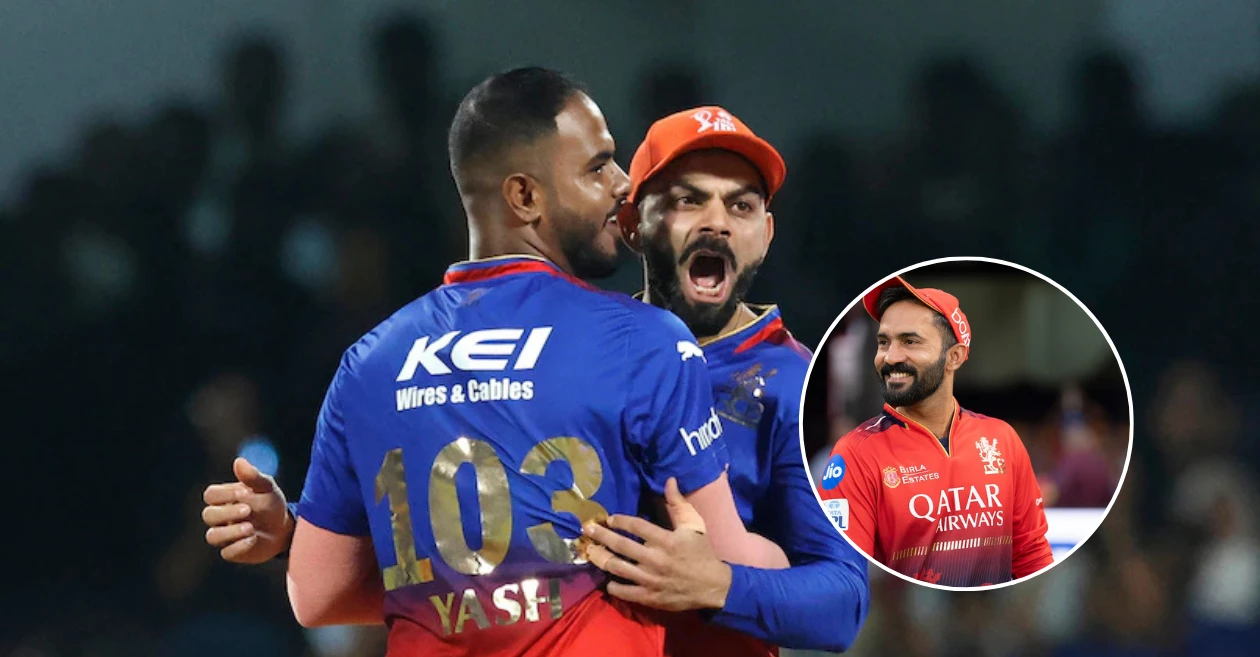
But this time, it was Yash Dayal who had the final say. Defending 17 runs in the last over, he held his nerve brilliantly and dismissed Dhoni, sealing a famous win and RCB’s playoff qualification.

“The CSK game where Yash Dayal gets Dhoni’s wicket in the end. That was a terrific match. The way we pulled it off to get into the knockouts was a great moment in RCB history,” Karthik said

That victory marked a stunning turnaround for RCB, who had climbed from the bottom of the table to secure a playoff spot with six consecutive wins.

Karthik himself has been a key part of RCB’s journey, contributing valuable runs and experience over the years. Now, as batting coach, he continues to shape the team’s future while celebrating its past. As RCB prepare to defend their title in IPL 2026, these moments serve as a reminder of how far the franchise has come – and the legacy they continue to build.

Also READ: SWOT analysis of Royal Challengers Bengaluru – RCB’s report card ahead of the IPL 2026


Source link

Access Denied


Access Denied

You don’t have permission to access “http://www.ndtv.com/india-news/indore-fire-news-7-dead-after-short-circuit-at-indore-ev-charging-station-sparks-blast-11231560” on this server.

Reference #18.34fdd417.1773820387.ec827f5

https://errors.edgesuite.net/18.34fdd417.1773820387.ec827f5


Source link

A closer look at ‘Haj Qasem’: Iran’s ballistic missile used for the first time against Israel, US


A closer look at 'Haj Qasem': Iran's ballistic missile used for the first time against Israel, US

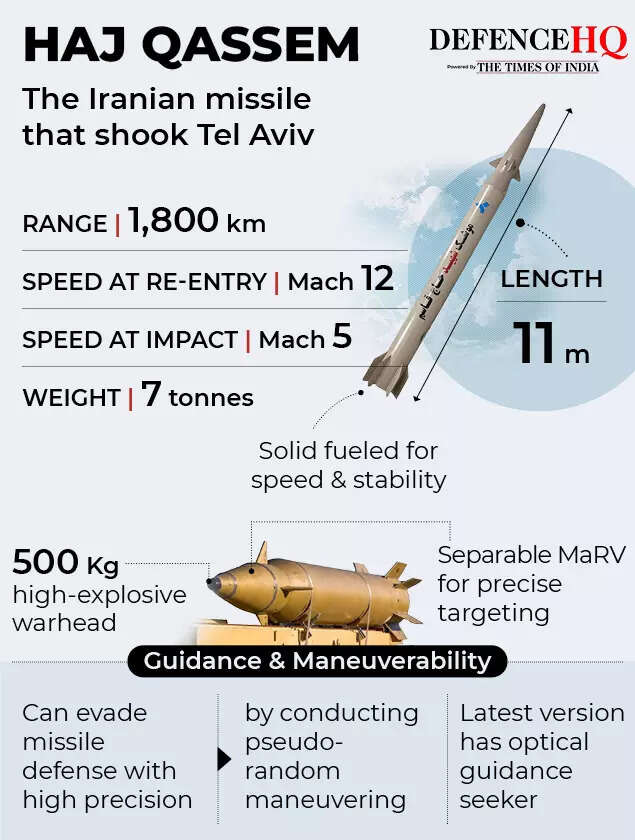
Iran’s Islamic Revolutionary Guard Corps (IRGC) said Tuesday it used a new “Haj Qasem” ballistic missile for the first time in a fresh wave of attacks against Israel and the United States, describing it as an advanced precision-guided weapon named after slain commander Qassem Soleimani.The IRGC claimed the strikes targeted sites in Beit Shemesh, Tel Aviv and Jerusalem. It also said the barrage hit US military bases in the region, including facilities in Qatar, Kuwait, the United Arab Emirates and Iraq.The reported use of the missile comes as the Iran-Israel war enters its third week, with the conflict spilling across the Gulf, disrupting shipping lanes and drawing in multiple regional actors.Named after Soleimani, the former head of the IRGC’s Quds Force killed in a 2020 US drone strike, the Haj Qasem missile carries both symbolic and military significance.The missile is described as a road-mobile, solid-fuel medium-range ballistic missile with a reported range of about 1,200 to 1,400 kilometres, putting Israeli cities within reach. Solid-fuel systems can be launched more quickly than liquid-fuel missiles, reducing the window for interception before launch.

haj qasem missile gfx

All about Haj Qassem

Iranian media reports say the missile is equipped with a manoeuvrable re-entry vehicle, which can alter its path during descent, potentially making it harder to intercept. It is also said to use a combination of inertial navigation and optical or infrared seekers, allowing it to strike targets without relying on GPS signals.Iranian officials have claimed the missile can evade advanced air defence systems such as THAADand the Patriot system, though such assertions are contested by Western analysts and remain unverified.The Haj Qasem is reported to carry a payload of around 500 kilograms and travel at high speeds during atmospheric entry. Its road mobility is seen as enhancing survivability by allowing launchers to be moved and concealed.In the current conflict, Iran has said it deployed the Haj Qasem alongside other ballistic missiles, including Ghadr, Emad and Fattah, as well as drones, in coordinated strikes. Analysts say such combinations are typically intended to complicate and strain air defence systems.The introduction of the missile into active operations is being viewed as part of Iran’s broader reliance on ballistic missile capabilities, particularly in a conflict that has expanded beyond direct exchanges and is increasingly affecting the wider regional security landscape.According to Iranian claims, the missile is equipped with a manoeuvrable re-entry vehicle, or MaRV, which can adjust its trajectory during descent. Such capability, if effective, could complicate interception by missile defence systems. Iranian media reports also say it uses advanced navigation systems, including inertial guidance and optical or infrared seekers, enabling it to strike targets without relying on GPS and to operate in contested electronic environments.Iranian officials have further claimed that the missile can evade systems such as THAAD and the Patriot missile system, though these assertions are disputed by Western analysts. Independent verification of the missile’s full capabilities remains limited, but analysts note that Iran has been working to improve the accuracy and survivability of its missile arsenal over the years.The Haj Qasem is reported to carry a payload of around 500 kilograms and to travel at very high speeds during atmospheric entry. Its road mobility adds to its survivability by making launch sites harder to detect and target.In the current conflict, Iran has said it used the Haj Qasem alongside other ballistic missiles such as Ghadr, Emad, and Fattah, as well as drones, in coordinated attacks. This combination reflects a broader approach aimed at challenging air defence systems through multiple incoming threats rather than relying on a single platform.The missile’s introduction into active operations appears to serve both operational and signalling purposes. It demonstrates Iran’s ability to deploy newer systems during a prolonged conflict while also sending a message about its strike capabilities amid sustained pressure from Israeli and US actions.At the same time, the effectiveness of such systems depends not only on their technical specifications but also on real-world performance against layered air defence networks. As the conflict continues, assessments of the Haj Qasem’s impact are likely to evolve.


Source link

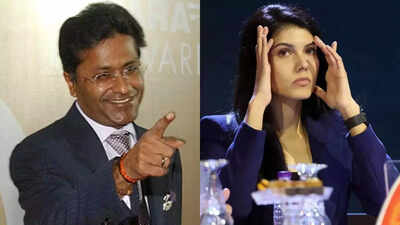
‘Call me’: Lalit Modi reacts to Kavya Maran after Abrar Ahmed row | Cricket News


‘Call me’: Lalit Modi reacts to Kavya Maran after Abrar Ahmed row
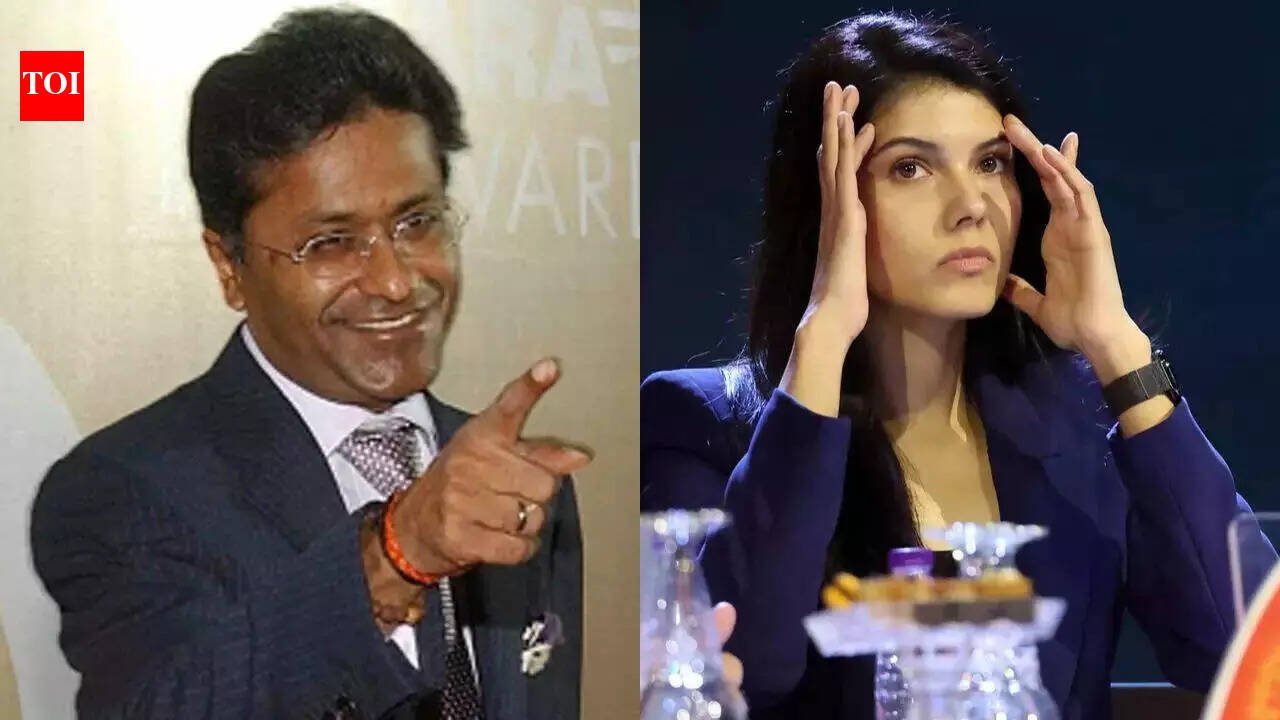
Lalit Modi and Kavya Maran

NEW DELHI: A storm surrounding Abrar Ahmed’s signing in The Hundred continued to grow after former IPL chairman Lalit Modi posted a pointed message that appeared aimed at Kavya Maran and her franchise, Sunrisers Leeds.Go Beyond The Boundary with our YouTube channel. SUBSCRIBE NOW!Sunrisers Leeds, owned by the same group behind Sunrisers Hyderabad, picked Abrar for £190,000 (approx. Rs 2.34 crore) at the inaugural men’s Hundred auction in London. The move triggered a massive backlash in India, given the long-standing absence of Pakistani players from IPL-linked ecosystems.

Watch

Jay Shah calls 2019 to 2026 as Indian cricket’s golden period

Without naming anyone directly, Lalit Modi wrote on X: “Investing 2.34 crore on a Pakistani player when the fans are already on edge? I know a thing or two about managing optics and building empires. Call me.”The controversy even led to Sunrisers Leeds’ social media account being temporarily suspended amid the outrage, underlining the scale of public reaction.Backlash, political undertones and Gavaskar’s remarksThe signing has also reignited political sensitivities tied to India-Pakistan relations. Pakistani players have not featured in the IPL since its inaugural 2008 season, following the 2008 Mumbai attacks and subsequent diplomatic fallout.The debate escalated after Sunil Gavaskar criticised the move, calling it an indirect way of funding Pakistan’s military — remarks that drew sharp reactions across the cricketing community.Pakistan-born England cricketer Azeem Rafiq slammed Gavaskar’s comments, posting: “This is absolutely ridiculous & should be condemned… Vile stuff.”Despite the uproar, a telecomasia.net report indicated that Abrar remains unfazed. Ranked third in the ICC T20I bowlers rankings, the mystery spinner is focused on his career and opportunities in global leagues.“The noise on Abrar’s signing is not unexpected, but he is not losing sleep over the uproar,” sources close to the Pakistan Cricket Board said.Franchise stands firm amid ECB scrutinySunrisers Leeds coach Daniel Vettori defended the decision, stating that Abrar was among several top overseas spinner options after they missed out on Adil Rashid.“Very pleased to get him,” Vettori said, backing the selection purely on cricketing merit.With tensions between India and Pakistan still strained following recent geopolitical flashpoints, Abrar’s signing has become more than just a cricketing decision.

Banner Insert


Source link

Gold price prediction today: Where is gold headed on March 18, 2026 & is the bull run over for now?


Gold price prediction today: Where is gold headed on March 18, 2026 & is the bull run over for now?
Gold has witnessed a modest decline lacking bullish conviction amid mixed cues as USD strength persists ahead of the US Fed decision. (AI image)

Gold price prediction today: Gold prices lack an immediate bullish bias, though the current phase is more consolidative than corrective, says Maneesh Sharma, AVP – Commodities & Currencies at Anand Rathi Shares and Stock Brokers.Gold has witnessed a modest decline lacking bullish conviction amid mixed cues as USD strength persists ahead of the US Fed decision.

  • Gold, after posting seventh straight month of gains, in February rising by 7 – 8%, has seen a modest decline since the start of March with spikes in oil prices leading to inflationary fears pushing rate cut expectations lower in 2026.
  • Gold remained squarely in a $5,000 – $5,200/oz range seen over the past three weeks, as bullion prices took mixed cues from the Iran conflict with rise in bond yields and dollar have broadly weighed on sentiments.
  • Oil prices saw a surge to almost $120 per barrel for the first time since 2022 as the war with Iran entered its third week, fueling concerns about renewed global inflation.
  • The surge in energy prices complicated the Federal Reserve’s policy outlook, reinforcing expectations that rate cuts may be delayed and increasing the risk of stagflation, particularly after last week’s weak jobs report.
  • Meanwhile, Silver which tumbled to below $80 per ounce since last week, recovered mildly but direction remained unclear amid ongoing geopolitical conflict.
  • Hawkish implications of the ongoing conflict in the Middle East revived the US Dollar (USD) demand following the overnight pullback from its highest level since May 2025 & contributed to keeping a lid on the spot gold pair.
  • Traders however, opt to wait for the outcome of a two-day FOMC meeting on Wednesday before placing directional bets around Gold. Moreover, policy updates by other major central banks – the European Central Bank (ECB), the Bank of Japan (BoJ), and the Bank of England (BoE) could influence the prices during the latter part of the week.

Gold Price Outlook:

Gold is expected to remain range bound as focus remains on US macro cues due this week which may offer fresh direction to precious metal complexWeekly View:Spot Gold (CMP $ 5010/Oz) – Sideways move with support to persist around $ 4,850 – 4,870/Oz on a weekly basis.Safe-haven demand which had initially lifted gold after the eruption of US Iran conflict has receded due to inflation shocks seen from rising dollar & bond yields which had also shifted investors attention to major central banks policy trajectories, weighing on sentiments. While geopolitical uncertainties remain a key for limited downside in gold, major central banks actions, or stances, this week may remain the critical factors which could impact gold market sentiment.While the Fed is widely expected to keep rates unchanged, its updated projections, particularly a higher inflation outlook, could shift investor expectations of its future rate path and prompt further repositioning in gold. Market participants anticipate downward revisions to growth forecasts which combined with rising inflationary outlooks, stagflation concerns may resurface which makes gold to perform well in such scenarios.The current trend in gold is being viewed as a consolidative pause rather than corrective phase where recent pullback appears to be a healthy retracement within the broader bullish structure. This current decline could extend up to $4870 – 4850/Oz on a weekly basis but that level offers a constructive area to accumulate the yellow metal from a long term perspective of 1 – 2 months.(Disclaimer: Recommendations and views on the stock market, other asset classes or personal finance management tips given by experts are their own. These opinions do not represent the views of The Times of India)


Source link

Watch: Israeli strike in Beirut reduces building to rubble in seconds


Videos captured the moment an Israeli airstrike brought down an entire residential building in central Beirut early Wednesday, as strikes intensified across Lebanon, amid repeated Israeli warnings. The strike occurred around 5.30 am reported Aljazeera, flattening the structure and sending up a large cloud of dust and smoke.The video shows an enormous cloud of dust and smoke as the entire building comes down seconds after being hit by the missile.According to Aljazeerea the building had been targeted earlier this month. Israeli forces had previously struck its basement on March 12 and returned before dawn to level it completely.

Watch

ON CAM: Israeli Town In Ruins After Hezbollah Unleashes Rocket-Drone Attack On Nahariya

Residents had received prior warning. About 90 minutes before the strike, a message from the Israeli military spokesperson urged people to move at least 300 metres away from the site.The Beirut strike was part of a wider series of attacks across the capital. Multiple locations in central Beirut were hit in what appeared to be targeted strikes, involving smaller munitions aimed at specific apartments within residential buildings.At least three apartments were struck in downtown areas. According to Lebanon’s health ministry, six people were killed and 12 others injured in the overnight attacks.Authorities have not yet confirmed the intended targets of the strikes. However, the attacks are seen as part of a broader pattern of Israeli operations across Lebanon over the past two weeks, involving both large-scale and precision strikes.


Source link

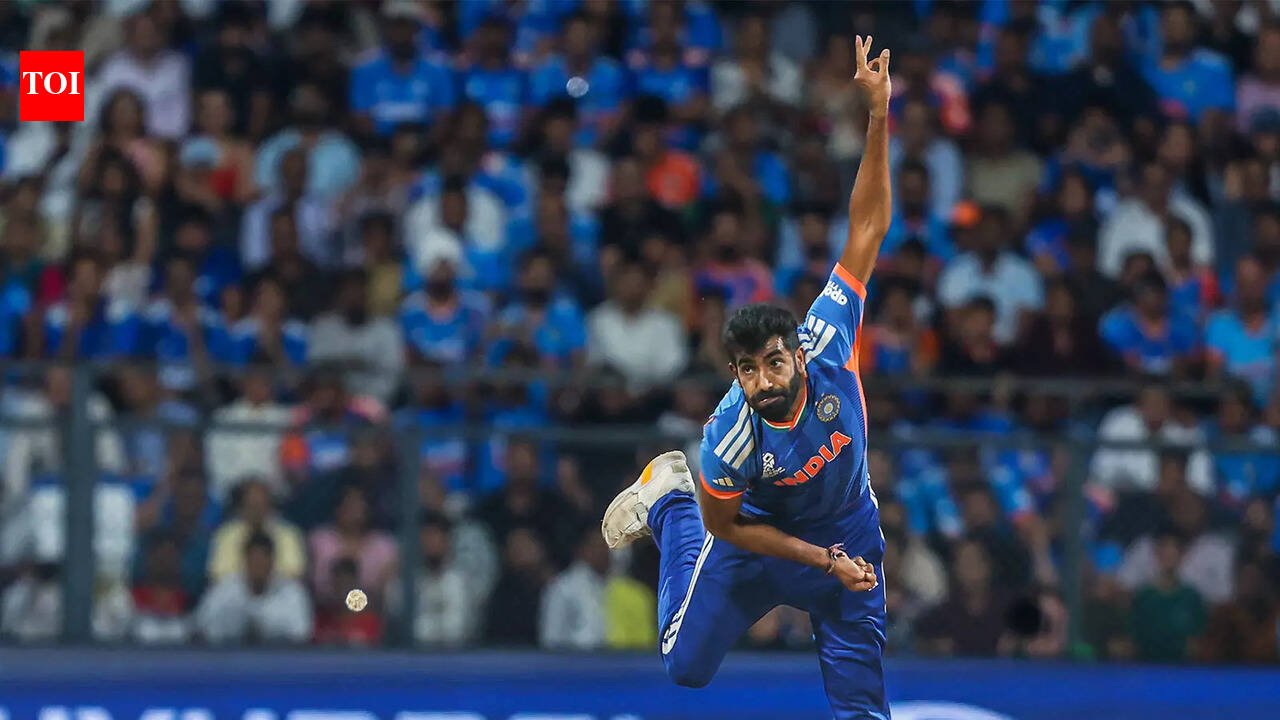
Jasprit Bumrah’s A+ exit leaves Rs 2 cr gap, BCCI may revisit pay structure | Cricket News


New Delhi: The Indian cricket board (BCCI) last month removed the A+ category from its players’ retainership system, citing there weren’t enough candidates to qualify for the gradation. However, TOI understands that the board may be compelled to revisit the valuation structure of the existing gradation of contracts to ensure consistent-performing players don’t lose money that they were receiving till last year. Top of the list is India’s premier fast bowler Jasprit Bumrah, who has consistently received the Grade A+ contracts since its inception for the 2018-19 season. It is learnt that the board hasn’t officially communicated the value of the contracts this season. As per the previous system, Grade A+ players got Rs 7 cr, while Grade A, B and C players received Rs 5 cr, Rs 3 cr and Rs 1 cr, respectively. BCCI, while announcing this year’s retainership, didn’t mention the amount for each category. It is learnt the players too have not yet been told officially about the worth of their contracts.

Watch

Rajasthan Royals captain Riyan Parag watches West Ham vs Man City in London

Grade A+ was reserved for players who commanded their place in all three formats and had a world ranking in the top 10 in any one format. Since Rohit Sharma and Virat Kohli retired from two formats, along with Ravindra Jadeja calling it quits from T20Is, the board was left with just Bumrah. The flashpoint with the current contract system stems from here because Bumrah, despite maintaining command over all three formats, was put in Grade A this year by default. At present, only Test and ODI captain Shubman Gill, Jasprit Bumrah and Ravindra Jadeja feature in Grade A. “The board is trying to figure out how Bumrah can be compensated. It is understandable that it will be unfair to slash his fees from Rs 7 cr to Rs 5 cr. There are some other players also who seem to have moved down a grade despite being performers. There could be a revision in the valuation of the contracts,” a BCCI source told TOI. The other name that is debated is India’s T20I vice-captain Axar Patel, who has been an integral part of the T20I and ODI set-up in the 2024-25 season. Axar has been given a Grade C contract, which was valued at Rs 1 cr till last year. India have tasted one of their most successful years in white-ball cricket in the 2024-25 season, for which the contracts have been awarded. Test cricket has seen lows at home and in Australia, with the high of levelling the five-Test series in England in between. TOI has accessed the official criteria which were devised when Grade A+ was introduced in 2018-19. As per the document, for a Grade A contract, a player must fulfil any two of the following four criteria: any two formats, automatic selection in the team, among the top 15 in world rankings, automatic selection in the Test team with 40 or more matches. A Grade B contract demands a player fulfil any two of the following criteria: any two formats, automatic selection in the team, among the top 20 in world rankings, automatic selection in the Test team with 60 or more matches. Interestingly, Axar was world No. 11 all-rounder in T20Is in 2025 and had also played a critical role in India’s triumph, which makes it two out of four for qualifying for Grade A or Grade B contracts. Even if the BCCI altered the criteria in the last three years, a minimum of a Grade B contract seemed viable. It will be interesting to see if the board has revised the criteria for this year as well. In addition to Bumrah and Axar, there are other players like KL Rahul, Mohammed Siraj, Hardik Pandya and Rishabh Pant who have been pushed to Grade B from Grade A. It must be noted that Rahul has been a consistent performer in Tests and ODIs, while Siraj and Pant had an exceptional Test tour of England. Pandya too has been a core member of India’s ODI and T20I sides. BCCI, historically, has considered the injury layoffs of players and has ensured players were not penalised for missing cricket due to injuries.

Banner Insert


Source link

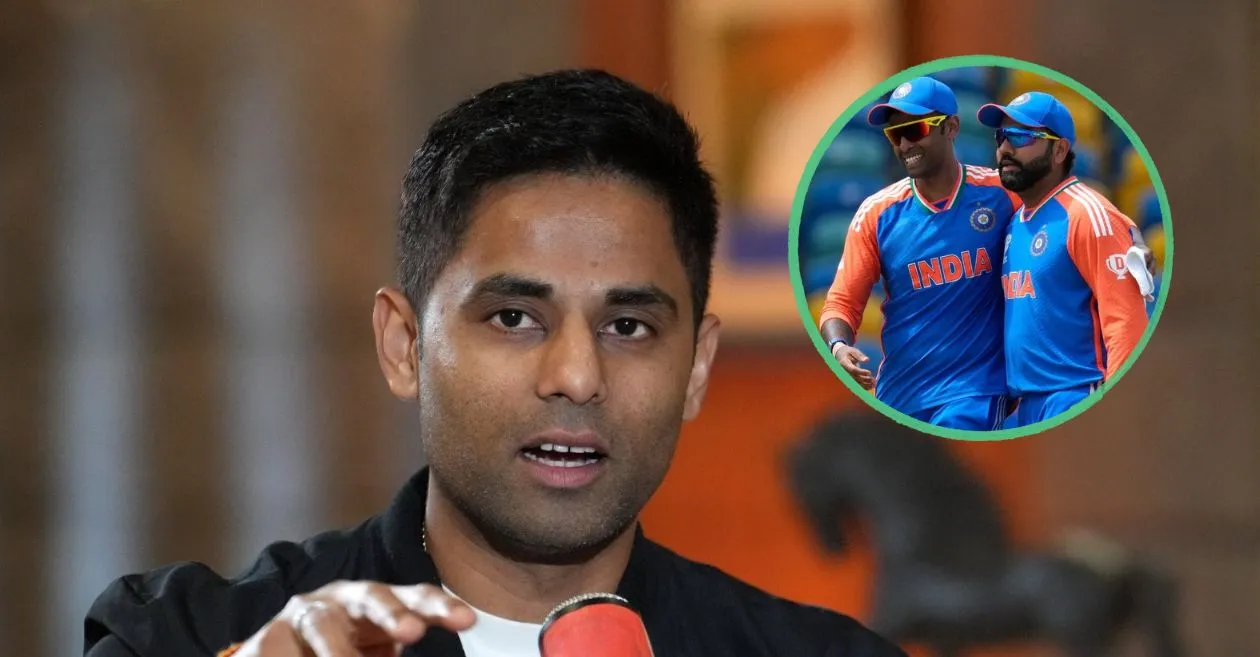
Suryakumar Yadav reveals about how he was approached for India’s T20I captaincy role


For over a year, the cricketing world operated under a singular assumption: that Suryakumar Yadav’s appointment as India’s T20I captain was a direct byproduct of the Gautam Gambhir era. Given their storied history at Kolkata Knight Riders, the narrative felt poetic, a mentor elevating his favourite soldier. However, in a refreshing display of transparency, the world’s top-ranked T20 batter has dismantled that theory, revealing a leadership transition that was far more collaborative and strategically calculated than previously believed.

The transition occurred during a pivotal crossroads for Indian cricket. Following the historic T20 World Cup 2024 triumph in Barbados, the ‘Golden Generation’ comprising Rohit Sharma, Virat Kohli, and Ravindra Jadeja stepped away from the format. While fans expected a seamless handover to then-vice-captain Hardik Pandya, the BCCI management had other plans, prioritizing long-term stability and a specific brand of fearless cricket.

How Suryakumar Yadav was offered India’s T20I captaincy?

Suryakumar’s journey to the captaincy didn’t involve a boardroom presentation or a formal interview. Instead, it was a high-stakes decision made by a think tank consisting of former BCCI Secretary Jay Shah, Chief Selector Ajit Agarkar, then-head coach Rahul Dravid, and the outgoing captain Rohit. Contrary to popular belief, Gambhir’s involvement was secondary to the foundation laid by his predecessors.

There was a time when Jay bhai, the BCCI secretary at that time, called me three or four days before the Sri Lanka series. He called me and told me that they were making me the captain of the T20 team going forward,” Surya stated to PTI.

Recalling the moment he received the news, Suryakumar noted that the call came just days before the Sri Lanka series. Jay Shah reached out directly to inform him that he was the chosen leader for the road ahead. However, ‘SKY’ was quick to recognize the silent architects of this move. He noted that while the formal announcement came through the Secretary, the vision was primarily driven by Rohit and Agarkar, who had spent months analyzing team dynamics. They sought a leader who mirrored Rohit’s selfless batting approach. By elevating Suryakumar, who wasn’t even the designated vice-captain at the time, the management signaled a move toward a meritocratic, high-impact leadership style.

But I was pretty sure that it was all being planned by Rohit bhai and Ajit bhai at that time. Gautam bhai came in later. They, along with Rahul sir, had discussed it with Jay bhai. Then they decided that I should lead India going forward,” he added.

Also READ: Mohammad Kaif picks India’s next T20I captain after Suryakumar Yadav

Surykumar leading India to the 2026 T20 World Cup defence

The gamble to bypass the traditional hierarchy has paid off in unprecedented fashion. Under Suryakumar’s stewardship, the Men in Blue have transformed into perhaps the most dominant T20 outfit in history. His captaincy style, a blend of tactical calm and aggressive intent has resonated with a younger squad, resulting in a staggering win percentage exceeding 80%. With 42 wins in his first 52 matches, SKY has turned India into a juggernaut that remains unbeaten in bilateral series.

The ultimate validation of this leadership shift arrived in 2026. Playing under the immense pressure of a home crowd, Suryakumar led India to a successful defense of their ICC Men’s T20 World Cup title. This feat made India the first nation to successfully defend the trophy, cementing a legacy that spans series victories in South Africa, Australia, and an Asia Cup title. As India look toward the next cycle, it is clear that the ‘Suryakumar Model’ of leadership rooted in the collaborative vision of Rohit and Agarkar is not just a temporary fix, but the blueprint for the future of Indian T20I cricket.

Also READ: “Next stop Olympic gold”: Suryakumar Yadav reveals LA 2028 dream after India’s T20 World Cup triumph


Source link

‘Disease in Indian cricket’: R Ashwin raises concerns over fan armies ‘ecosystem’ | Cricket News


'Disease in Indian cricket': R Ashwin raises concerns over fan armies 'ecosystem'

India’s spin great Ravichandran Ashwin has raised concerns over the growing influence of “fan armies” on social media, suggesting that some of these narratives may not be entirely organic. The veteran off-spinner described the trend as a “disease”, linking it to the rise of an intense, superstar-driven culture in Indian cricket.Ashwin’s remarks echo similar concerns voiced by Sunil Gavaskar and current India head coach Gautam Gambhir, both of whom have previously questioned the increasing focus on individuals over the team.

Watch

IPL 2026 should be audition for the next India T20I captain

While acknowledging that modern cricketers are building personal brands and managing their public image, Ashwin made it clear that such efforts cross a line when they come at the expense of fellow players.“There’s something of a disease going around right now. Many of the opinions that surface on social media through fan armies – I’ve heard them before, first-hand. Sometimes, I’ve heard these exact views at a breakfast or lunch table, only to see them later appear online under a different name. That’s when you start to wonder: how is this happening?” Ashwin said at the Revsportz Conclave in Kolkata.“I’m not saying players themselves are planting these opinions, but it is concerning. Is there some kind of orchestration? I can’t say for certain, but there does seem to be a structured ecosystem at play. Today, every player is an entrepreneur, and amplifying opinions externally can enhance brand value or improve PR. I understand that. But speaking negatively about another cricketer is something I would never do,” he added.According to Ashwin, the dominance of such narratives has begun to shift attention away from the game itself, with discussions increasingly revolving around individuals rather than cricketing substance.Drawing from personal experience, he pointed to the reaction he received after analysing the dismissals of India’s Test and ODI captain Shubman Gill. What began as a technical breakdown soon turned into criticism from sections of fans who accused him of targeting a specific player.“Where did this all begin? We started creating narratives around players. We built a superhero culture, almost cinematic in nature. Who even talks about cricket anymore? Hardly anyone focuses on the game itself,” Ashwin said.“Some time ago, I shared a Twitter thread explaining the technical reasons behind Shubman’s dismissals. For me, it’s always about the ‘what’ and the ‘why’, never the ‘who’. But it quickly turned into a comparison – why focus only on Shubman and not others? I wondered, do people even follow what I say? The problem is, we’ve shifted the conversation away from the essence of the game and made it about individuals,” he added.Meanwhile, the veteran off-spinner called time on his international career midway through the 2024-25 Border-Gavaskar Trophy after being omitted from the Perth Test. He announced his decision during the post-match press conference in Brisbane. With Washington Sundar preferred ahead of him, Ashwin recognised that the team was heading in a new direction. He finishes as India’s second-highest wicket-taker in Tests, behind Anil Kumble, having claimed 537 wickets in 106 matches.

Banner Insert


Source link