Breaking News
Albino, Bijoy gets national team call-up for Hong Kong clash | Goa News


Albino Gomes will face competition from Gurpreet Singh Sandhu and Vishal Kaith for a starting role

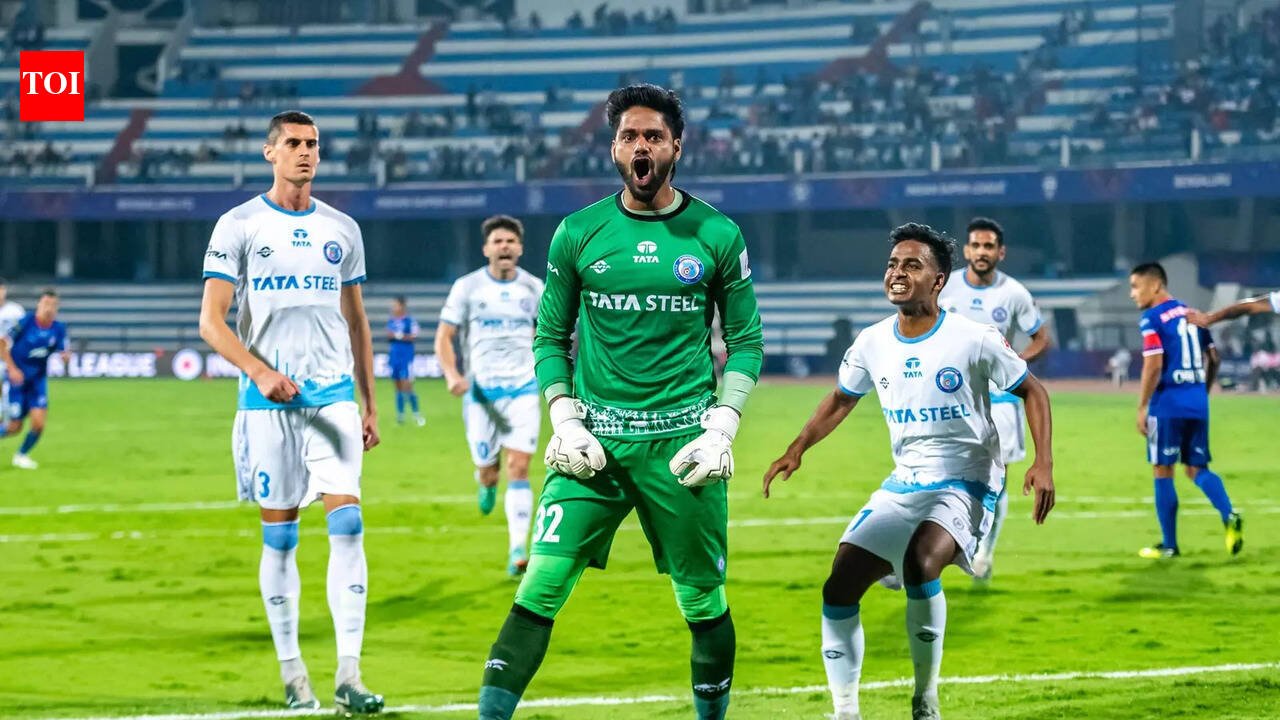
Panaji: Coach Khalid Jamil has included goalkeeper Albino Gomes and defender Bijoy Varghese among the national team probables for India’s AFC Asian Cup 2027 qualifier against Hong Kong later this month.Despite being the highest ranked team, India will finish their campaign at the bottom of the four-team table after being winless in five matches so far. The concluding clash is against Hong Kong in Kochi on March 31.With nothing at stake in terms of qualification, Jamil was understood to be contemplating big changes with an eye on the future. However, according to sources, Bijoy (Punjab FC) and Albino (Jamshedpur) are the only two new faces in the squad.“Even if Khalid wanted to include some younger players, they are not available since India U23 will be playing (the tri-nation series) in Arunachal Pradesh,” said a senior official. “Most of the senior team players are from Mohun Bagan Super Giant and Bengaluru FC. More than 50% of the players are from these two clubs.”Impressive youngsters like Mohammed Sanan, Mohammed Aimen, Bikash Yumnam, Vibin Mohanan, Paramveer Singh, Mohammad Suhail and Suhail Bhat are all part of the India U-23 squad for the tri-nation series against Tajikistan and Bhutan.Albino and Bijoy have been consistent performers for their teams in the Indian Super League (ISL). While Bijoy has been an automatic choice for Punjab in defence, coach Owen Coyle has counted upon Albino’s efficiency in goal as Jamshedpur make a determined push for the ISL title.Albino, who has played at multiple clubs under Jamil, including Jamshedpur FC last season, will face competition from Gurpreet Singh Sandhu and Vishal Kaith for a starting role.Sources said the AIFF has already intimated clubs about the probables.The camp will kick off in Kochi on Monday as the ISL takes a break for the FIFA international window.


Source link

FPI profile: Foreign portfolio investors remain net sellers; withdrew Rs 35,475 crore from Dalal Street this week


FPI profile: Foreign portfolio investors remain net sellers;  withdrew Rs 35,475 crore from Dalal Street this week

Foreign portfolio investors continued to withdraw from Dalal Street this week, with net outflows amounting to Rs 35,475 crore, as Middle East tensions caused ripples across global markets and weakened investor sentiments. The persistent outflows indicate that foreign investors are adopting a more cautious stance amid an uncertain global environment, with elevated crude oil prices adding to concerns over inflation and economic stability.According to National Securities Depository Limited (NSDL) the selling trend remained consistent through the week. Monday saw the sharpest outflow at Rs 10,827 crore, followed by Rs 9,406.78 crore on Tuesday and Rs 4,376.02 crore on Wednesday. Markets were closed on Thursday on account of the Gudi Padwa festival, while Friday witnessed fresh selling worth Rs 10,965.74 crore. With this, total FPI net selling in March has climbed to Rs 88,180 crore so far, marking the highest monthly outflow recorded in 2026. The figures include transactions across exchanges after accounting for flows in primary markets and other segments. Market watchers pointed out that global cues have played a key role in shaping investor behaviour. Ongoing crisis in the Middle East, coupled with rising crude prices, have contributed to a risk-off approach among overseas investors. Vinod Nair, Head of Research at Geojit Financial Services, said, “Market sentiment remained cautious amid persistent Middle East tensions during the week, with elevated crude oil prices, and continued FII selling. Although the domestic equities saw a brief relief-led recovery on valuation comfort and short covering early in the week, the rally quickly reversed as renewed Middle East attacks pushed crude prices higher, reviving inflationary and macroeconomic concerns. Foreign Portfolio Investment (FPI) refers to investments made by overseas investors in financial assets such as equities, bonds and mutual funds in markets outside their home country. These investments are typically short-term and do not involve control over companies. FPIs are often described as “hot money” due to their high liquidity and ability to move quickly across markets, making them an important component of capital flows in emerging economies like India. In the country, such investments are regulated by the Securities and Exchange Board of India. The sustained withdrawals highlight the sensitivity of Indian markets to global developments, with investors continuing to track geopolitical events and movements in crude oil prices for signals on market direction.


Source link

Nvidia CEO does not agree with Anthropic CEO’s ‘doomsday AI layoffs’ prediction; but sees science fiction-like future for humans


Nvidia CEO does not agree with Anthropic CEO's 'doomsday AI layoffs' prediction; but sees science fiction-like future for humans

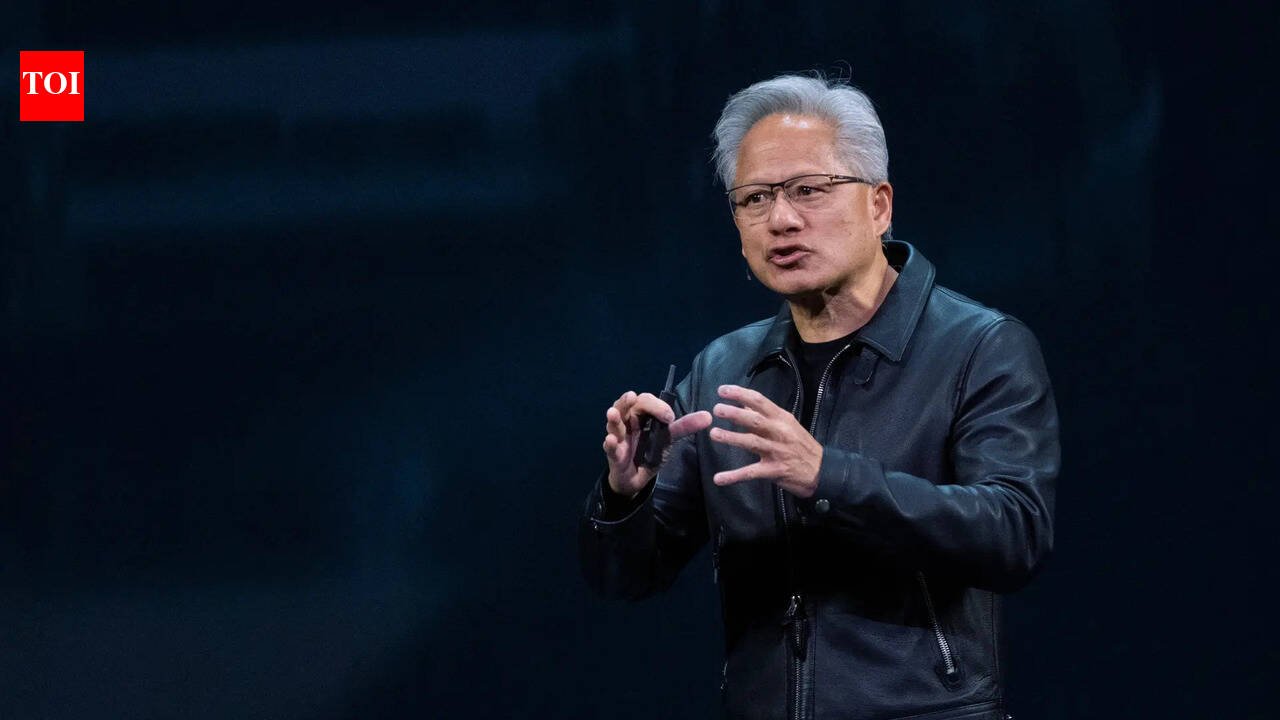
Nvidia CEO Jensen Huang has now dismissed the prediction about massive AI-driven unemployment countering warnings from tech leaders like Anthropic CEO Dario Amodei and AI pioneer Geoffrey Hinton. According to a report by Fortune, speaking in a December interview with podcast host Joe Rogan, Huang mentioned that he does not foresee a sudden spike in AI-related layoffs, though he acknowledged that the technology will reshape the job market. “If your job is just to chop vegetables, Cuisinart’s gonna replace you,” Huang remarked, suggesting that routine, repetitive tasks are most vulnerable. But he argued that roles requiring interpretation, judgment, or creativity—such as radiologists—will remain resilient.

Jensen Huang believes AI will create new industries

While rejecting ‘doomsday’ scenarios, Huang also revealed his vision of a future where AI will create completely new industries. Huang speculated about jobs like robot tailors, who design apparel for AI-powered robots. “You’re gonna have robot apparel, so a whole industry of—isn’t that right? Because I want my robot to look different than your robot,” he said. Huang added that new roles will emerge to build and maintain AI assistants, alongside industries that are difficult to imagine today.

Watch

India’s AI Rise Gets Global Push As UN Chief Praises Leadership, Nvidia CEO Predicts Job Surge

AI as a trillion-dollar market

At Nvidia’s GPU Technology Conference (GTC) this week, Huang emphasized that “physical AI,” particularly robotics, represents the company’s next trillion-dollar-plus market. His comments align with broader industry ambitions: Tesla CEO Elon Musk has made the Optimus robot central to Tesla’s future, predicting that work could become optional within 10 to 20 years as robotic labor drives the cost of work to zero.AI disruption is already measurable. A recent MIT study estimated that AI could adequately perform tasks equivalent to 12% of U.S. jobs, representing more than 151 million workers and over $1 trillion in wages at risk.Still, Huang believes the evolution of work will be gradual and transformative rather than catastrophic. Even his imagined role of robot clothesmaker, he admitted, may eventually be automated: “Eventually. And then there’ll be something else.”


Source link

IPL 2026: How many matches will Mitchell Starc miss for Delhi Capitals?


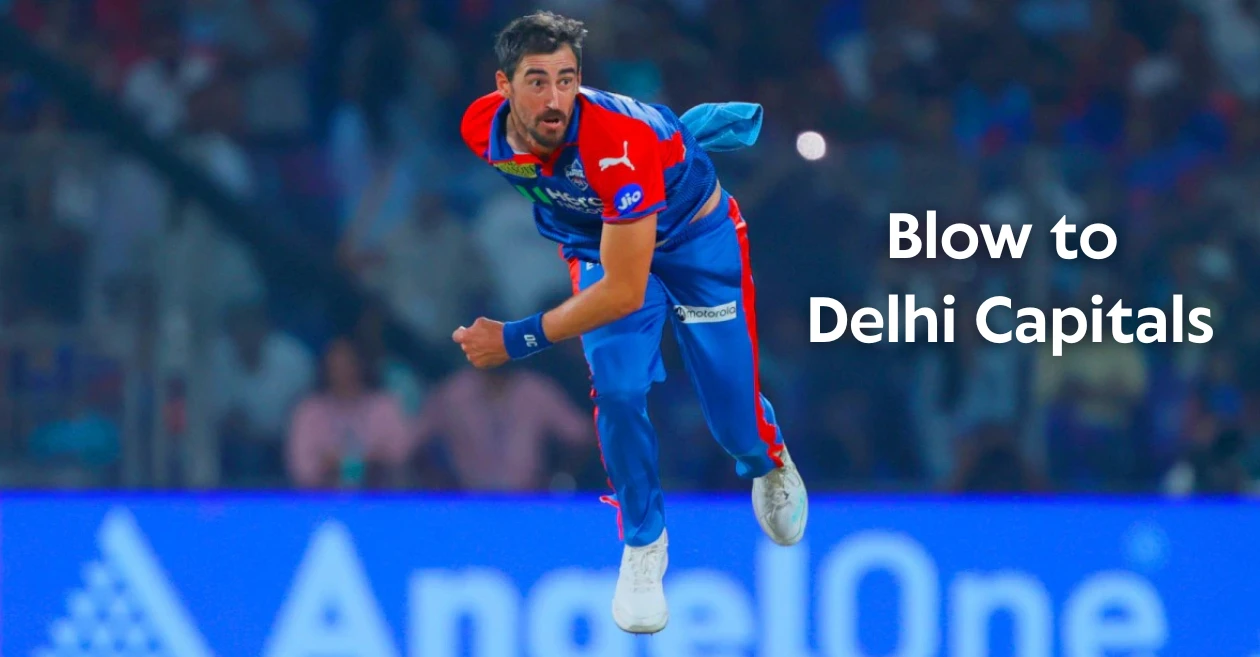
Delhi Capitals (DC) have been dealt an early setback ahead of IPL 2026, with star Australian pacer Mitchell Starc set to miss the opening phase of the tournament. While the exact number of matches hasn’t been officially confirmed, reports suggest he will be unavailable for the “first few games,” meaning he is likely to sit out at least the initial fixtures.

For Delhi, this means Starc will almost certainly miss their season opener against Lucknow Super Giants on April 1, along with a few more matches in the early part of the campaign. His return will depend on how quickly he progresses through return-to-play protocols in the coming weeks.

Unlike some of his Australian teammates, Starc is not dealing with an injury. Instead, his absence is part of a carefully planned workload management strategy by Cricket Australia, which is looking to keep its key fast bowlers fresh for a demanding international schedule.

This makes Starc’s situation quite different from Pat Cummins and Josh Hazlewood, who are currently sidelined due to injuries. For Starc, it’s about long-term fitness rather than recovery.

Workload management behind Mitchell Starc’s absence

The decision to rest Starc highlights just how intense the upcoming calendar is for Australia. Over the next year, the team is expected to play a heavy load of Test cricket, including major tours and series that will require their top bowlers to be at peak fitness.

Starc, in particular, has had a demanding 12 months. He has bowled a significant number of overs in Test cricket, playing all five Ashes matches and featuring in other domestic competitions as well. With such a workload behind him, managing his fitness becomes crucial.

Even though he has stepped away from T20 internationals, Starc remains a key figure in Australia’s plans for longer formats. Ensuring he stays fresh for those commitments appears to be the priority.

For Delhi Capitals, however, his absence leaves a noticeable gap. Starc’s ability to strike early with the new ball and create pressure in the powerplay is one of his biggest strengths. Last season, he picked up 14 wickets in 11 matches, proving his value to the side.

Also READ: Mohammad Kaif, Cheteshwar Pujara select strongest Delhi Capitals’ playing XI for IPL 2026

Pace bowling options for Delhi Capitals

In his absence, DC will have to rely on their existing pace options. Bowlers like T Natarajan, Mukesh Kumar, Lungi Ngidi and Dushmantha Chameera will be expected to step up and share the responsibility.

The franchise, led by Axar Patel, will aim to navigate the early matches without their marquee signing and stay competitive until Starc returns. If they can hold their ground, the Aussie pacer’s arrival later in the tournament could provide a major boost, especially before the race for playoffs intensifies.

For now, the message is clear – Delhi Capitals will have to start IPL 2026 without one of their biggest weapons, but with enough depth to stay in the fight until he joins the squad.

Also READ: Delhi Capitals rope in England legend as assistant coach ahead of IPL 2026


Source link

From Germany to Pakistan: How Hormuz tensions are hitting economies


From Germany to Pakistan: How Hormuz tensions are hitting economies

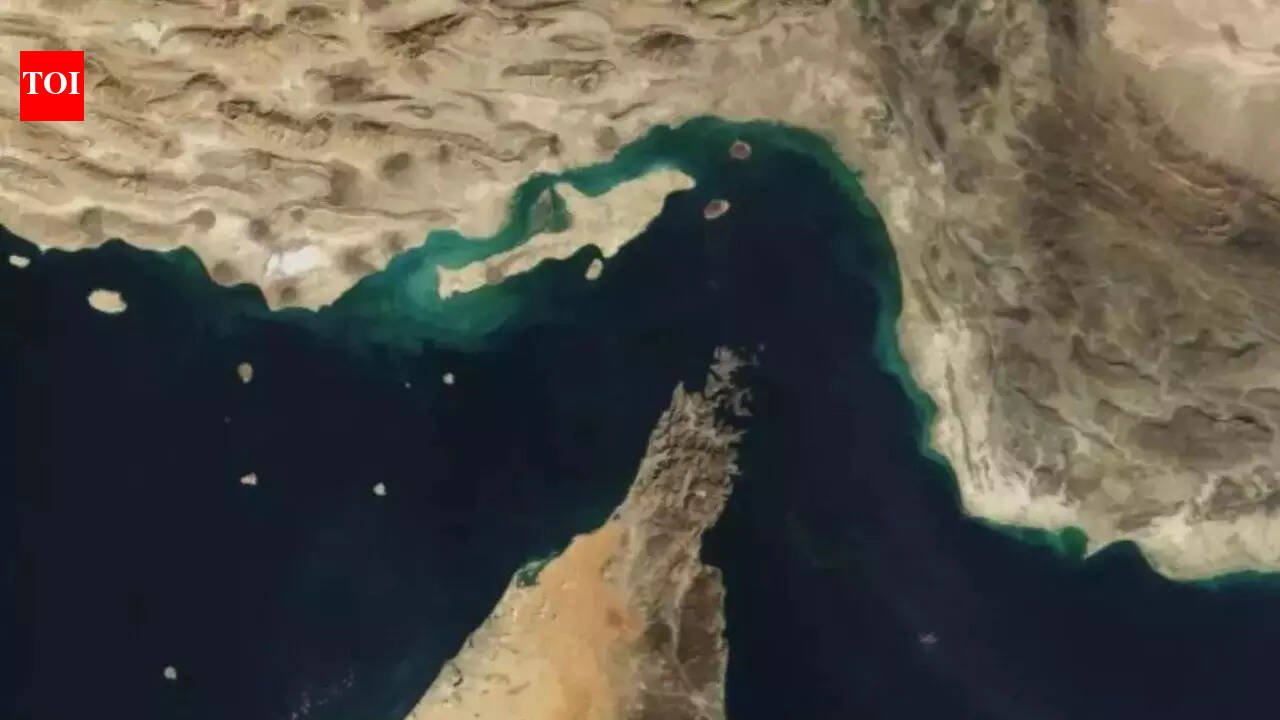
The Middle East conflict has entered its fourth week and the ripple effects are beginning to show up across major economies. Concerns are growing that any further escalation could disrupt energy flows and add pressure to an already fragile global outlook. The strain is not falling evenly on every country.Some nations are far more exposed than others, and have limited room to absorb the shock. Much of the attention is now centred on Iran’s role in the Strait of Hormuz, a critical route for global energy shipments.

Watch

‘Would Be Nice If…’: Trump Urges China To Resolve Hormuz Crisis Even After Getting Ignored

Germany, with its manufacturing-heavy economy, is particularly sensitive to rising energy costs. Industrial activity has only recently stabilised after contracting since 2022. As a major exporter, it also remains vulnerable to any slowdown in global demand. While a sizeable stimulus package announced last year offers some support, budget shortfalls in the coming years limit how much additional assistance can be provided, Reuters reported.Italy’s exposure stems from both its strong manufacturing base and its energy mix, where oil and gas make up a relatively large share of primary consumption in Europe. This leaves the economy more exposed to swings in global energy prices, especially during periods of supply uncertainty.Britain depends more heavily on gas-fired power for electricity generation than many of its European peers, meaning gas prices have a strong influence on overall electricity costs. As gas prices are soaring more than oil, inflationary pressures remain elevated. While an energy price cap may ease the immediate impact, it could also contribute to higher interest rates, keeping borrowing costs among the highest in the G7 for longer, alongside rising unemployment. Limited fiscal space and pressure from bond markets further restrict policy options, Reuters reported.Japan relies heavily on Middle Eastern oil, importing around 95% of its supply, with nearly 90% transported through the Strait of Hormuz. This dependence adds to inflationary pressures already stemming from a weak yen, which raises the cost of imported essentials such as food and raw materials across the economy.India is also facing the threat, importing with about 90% of its crude oil and nearly half of its liquefied petroleum gas, with a large portion passing through the Strait of Hormuz. Growth forecasts have already been revised downward, while the rupee has slipped to record lows. The impact is also visible in daily life, with rising gas prices leading to informal rationing and the disappearance of items such as samosas, dosa and chai from menus in eateries.Turkey, which shares a border with Iran, is dealing with both geopolitical uncertainty and the possibility of refugee inflows. On the economic side, pressure is mounting on the central bank, which has paused its interest rate-cutting cycle for the second time in a year and sold up to $23 billion in reserves to support the currency, signalling renewed strain on monetary stability.Sri Lanka has moved to strict cost-control measures to manage energy pressures, including declaring Wednesdays a public holiday for state-sector workers. Schools, universities and public institutions have been shut, non-essential transport suspended, and a National Fuel Pass system introduced to regulate fuel access and limit consumption.Pakistan, which narrowly avoided a crisis two years ago, has responded with higher petrol prices and temporary school closures. Government departments, according to Reuters, have seen fuel allowances reduced, restrictions placed on purchasing appliances and furniture, and instructions issued to reduce the use of official vehicles as part of broader austerity steps.Egypt is under pressure from rising fuel and food costs, along with potential declines in Suez Canal and tourism revenues, the latter contributing nearly $20 billion last year. Servicing its debt, much of which is denominated in US dollars, has become more difficult, further compounded by a near 9% depreciation of its currency since the conflict began.


Source link

Will India resume buying Iranian oil? Refiners eye crude return as US grants waiver


Will India resume buying Iranian oil? Refiners eye crude return as US grants waiver

As the US temporarily eases sanctions on Iranian oil imports, Indian refiners are eyeing a resumption of crude purchases from Tehran.According to Reuters, several Indian refining companies are awaiting government direction and clarification from Washington on payment terms before finalising shipments.

Watch

HUGE VICTORY For Iran? U.S. Forced To Lift Oil Sanctions Under Global Pressure; Trump On ‘BACKFOOT’

Indian refiners who maintain relatively smaller crude stockpiles compared with other major Asian buyers have been exploring options to add Iranian crude to their supply mix since Washington granted a temporary waiver on sanctions. The waiver is valid for 30 days. It is part of broader efforts to ease an energy crunch caused by disruptions in Middle East oil flows amid the US-Israel conflict with Iran.The waiver, outlined by US Treasury Secretary Scott Bessent, covers oil loaded on or before March 20 and discharged by April 19, including cargo on previously sanctioned vessels. This is the third temporary waiver since the start of the ongoing US-Israel war with Iran, designed to ease an acute energy crunch in Asia caused by disruptions in Middle East oil flows.

Millions of barrels waiting at sea

According to consultancy Kpler, about 170 million barrels of Iranian crude are estimated to be in transit, stretching from the Middle East Gulf to waters near China. Asia relies on the Middle East for around 60% of its crude needs. The disturbances in shipments via the Strait of Hormuz have forced many refineries to cut runs and scale back exports.Energy Aspects estimates roughly 130–140 million barrels at sea, representing less than two weeks’ worth of Middle East production losses.With sanctions temporarily lifted, India and other Asian buyers are exploring opportunities to stabilise supplies.A Singapore‑based trader highlighted that it may take time to work through administrative, banking and regulatory hurdles before cargoes can be confirmed for delivery.The temporary waiver does not authorise new Iranian crude production to be exported, but rather covers purchases of oil already loaded onto vessels by the cutoff date. Before sanctions were reimposed, major buyers of Iranian crude included China, India, South Korea, Japan, Italy, Greece, Taiwan and Turkey.Indian refiners have recently turned to alternative sources such as Russian and West African crude to mitigate supply shocks, as disruptions to Middle Eastern exports have tightened markets and pushed up benchmark prices.The potential return to Iranian oil, if formalised with clear guidance from New Delhi and Washington, could help stabilise supply for the world’s third‑largest crude importer.


Source link

MS Dhoni signs, Sanju Samson refuses — CSK’s new star wins hearts with classy gesture – WATCH | Cricket News


MS Dhoni signs, Sanju Samson refuses — CSK's new star wins hearts with classy gesture - WATCH
MS Dhoni and Sanju Samson (Image credit: CSK)

A simple gesture off the field once again showed why Sanju Samson continues to win hearts — even before playing a single game for Chennai Super Kings. As Samson begins a new chapter in yellow ahead of IPL 2026, he has already been making the most of his time alongside MS Dhoni — sharing nets, engaging in cricketing conversations and learning from one of the game’s greats. The wicketkeeper-batter has also been seen accompanying Dhoni at events, soaking in the experience. But it was during one such event that Samson’s humility stood out.

Watch

Shashi Tharoor & Samson’s Redemption Story: From Setbacks to Glory

After Dhoni signed a bat, organisers requested Samson to do the same. The former Rajasthan Royals captain politely declined, choosing to let the moment remain about the CSK legend. Dhoni, however, ensured Samson eventually added his autograph — a small moment that resonated widely with fans.Fresh off a stellar ICC T20 World Cup 2026 campaign, where he played a key role in India’s title-winning run, Samson now gears up for his first season with CSK after a major move from Rajasthan Royals.Speaking about the opportunity to share the dressing room with Dhoni, Samson said, “I have spoken to Mahi bhai (Dhoni) over the phone and interacted with him, but playing with him as part of a team will be great. I see it as an opportunity to learn from him.”“(I am) looking forward to playing for CSK, I feel grateful for the love and attention I have been getting from fans,” he added.Samson’s journey with CSK will begin with an emotional clash against his former franchise, as Chennai take on Rajasthan Royals in their opening game on March 30 at the Barsapara Cricket Stadium.“This is the first time I will play against Rajasthan Royals, but I don’t let emotions rule me on the field. I left Rajasthan Royals because I felt my time in the team was over. Even if we come up against them now, I will play my best cricket,” Samson said.High on confidence after being named Player of the Tournament in India’s T20 World Cup triumph — sealed with a dominant win over New Zealand — Samson believes the momentum is with him.“I wasn’t very confident when I left home to play in the World Cup, but the universe had other plans; I played well and the reception has been great,” said Samson.

Banner Insert


Source link

Number of autonomous colleges in Maharashtra triple in five years | Mumbai News


Autonomous colleges surge in Maharashtra amid UGC relaxations (Representative image)

MUMBAI: The number of autonomous colleges in Maharashtra has more than tripled over the past five years, rising from 100 in 2020 to 314 in 2025. Mumbai University accounts for the highest number in the state with 130 autonomous colleges, followed by Savitribai Phule Pune University with 74. Of the 314 colleges, 150 are arts, science and commerce colleges and others which come under the Directorate of Higher Education (DHE).Following the easing of norms by the University Grants Commission (UGC) in 2023, a growing number of colleges have been seeking academic autonomy to revise syllabi, introduce new courses and conduct their own examinations. In 2023, the minimum ‘A’ grade requirement in NAAC was removed, allowing all accredited colleges to apply for autonomy. As per the revised UGC regulations, a college with 10 years of existence and accreditation from NAAC or the National Board of Accreditation (for three programmes) is eligible to apply. Earlier, the 2018 UGC notification mandated an ‘A’ grade in NAAC as a prerequisite. Educationists say the change has enabled several institutions, including those with lower NAAC grades, to seek autonomous status.“Autonomy, in the past, was considered as a revolutionary change and a boon to students who could select courses as per their choice. Autonomous colleges were able to introduce innovative, relevant and tailor-made courses to suit different segments of students. The norms for eligibility were stricter,” said academic and former dean of commerce, Mumbai University, Madhu Nair. With rising numbers, concerns have also been raised about possible dilution of academic standards and fee increases.Colleges affiliated with Mumbai University have seen the steepest rise. The number of autonomous institutions under the university increased more than threefold—from 39 in 2020 to 130 in 2025—according to data compiled by the Department of Higher and Technical Education from the UGC portal. This has contributed significantly to the overall growth of autonomous colleges in the state.In Mumbai, St Xavier’s College became the first institution to receive autonomous status in 2010 and, for some time, remained the only one. Leveraging this status, it introduced interdisciplinary learning by allowing students to choose a subject from another discipline in their second year. This model has since gained wider acceptance under the National Education Policy (NEP) 2020 and remains central to its framework.Father Frazer Mascarenhas, former principal of St Xavier’s College during whose tenure the institution became autonomous, supports the concept. He said, “I think all colleges should opt for autonomy, because it is a means to achieve quality if honestly pursued. Monitoring and accountability are a part of the autonomy structure. As for fees, for aided autonomous colleges, major increase in fees is not possible, since grants are being received.Nair, however, cautioned, “Relaxing the norms for granting autonomy and the absence of a continuous and meticulous check and balance system has resulted in a possibility of colleges surpassing the university norms and profiteering. Some have even diluted the standard of passing and examination norms to suit their convenience.”He further said, “Mumbai University, though overburdened with eight lakh students has always been able to command respect both in India and abroad. If autonomous colleges deviate from the university regulations like eligibility of admission, promotion to next year/ ATKT rules, dilute evaluation standards etc may result into creating graduates and post graduates who are not up to the mark. In that situation, the degrees given in the name of the university, and therefore, its reputation, may be at stake.” The only solution is a careful selection of deserving institutions for grant of autonomy followed by continuous monitoring of autonomous colleges to prevent misuse of autonomy, he said.Educationist and former vice-chancellor of North Maharashtra University, RS Mali, though, that quality of education has dropped across colleges, irrespective of autonomy. “It has become difficult to get students in classrooms. There is no seriousness. I have not noticed a drastic change in examination results of colleges even two years after autonomy. As for fees, students will not go to colleges if they fail to provide quality education in the long run. Colleges know that they will not get students if the fees are on the higher side,” said Mali, adding that the responsibility lies with all stakeholders to maintain standards.NEP 2020 recommends phasing out the affiliation system and encouraging autonomous and stand-alone degree-awarding institutions. Under the policy, top colleges under Mumbai University are gradually moving towards empowered autonomy, which enables them to award joint degrees with the affiliating university, distinguishing them from regular autonomous institutions.


Source link

Akshay Kumar House: Akshay Kumar’s Juhu mansion worth Rs 80 crore offers breathtaking sea views, a lush garden and thoughtful design by Twinkle Khanna |


Akshay Kumar’s Juhu duplex, valued at Rs 80 crore, offers a serene sea-facing retreat designed by Twinkle Khanna. Blending modern and Indian aesthetics, the home boasts breathtaking ocean views, a lush garden, and a private pool. This tranquil haven reflects the couple’s sophisticated yet simple lifestyle, providing a peaceful escape from Bollywood’s hustle.

Akshay Kumar may be known for his high-energy performances and action-packed roles, but away from the arc lights, he prefers a life rooted in calm and simplicity. The actor spends his downtime in a stunning sea-facing home in Mumbai, where luxury meets tranquillity. His residence offers a glimpse into a lifestyle that balances stardom with serenity.

A dream address in Juhu

As reported by Economic Times and Housing.com, located in one of Mumbai’s most elite neighbourhoods, Akshay’s duplex home in Juhu is reportedly valued at around Rs 80 crore. Overlooking the Arabian Sea, the property offers breathtaking views and a serene environment that feels far removed from the chaos of the city. Every morning begins with the soothing sound of waves, turning the house into a peaceful retreat rather than just a celebrity residence.

Watch

Akshay Kumar credits father for wrestling lessons, Praises Ranveer Singh’s Dhurandhar

Twinkle Khanna’s personal touch

What makes this home truly special is the creative vision of Twinkle Khanna, who has designed the entire space herself. She has blended modern aesthetics with Indian sensibilities to create a home that feels both stylish and warm.The interiors reflect a balance of minimalism and tradition. Soft tones, carefully chosen furniture and artistic elements come together to create a space that feels inviting without being overdone. The house mirrors the personalities of both Akshay and Twinkle, combining sophistication with simplicity.A key highlight of the home is its seamless connection with nature. Large glass windows allow natural light to flood the interiors while offering uninterrupted sea views. The design focuses on openness, making every corner feel airy and spacious. Despite its modern structure, the home maintains a strong link to the outdoors. The thoughtful use of space ensures that the natural surroundings become an integral part of everyday living.

Garden retreat and poolside comfort

The outdoor area is equally impressive. A lush green garden spreads across the property, offering a peaceful escape within the home itself. It serves as the perfect spot to unwind, whether it is for a quiet morning or a relaxed evening.Adjacent to the garden is a private swimming pool, ideal for Mumbai’s warm weather. The poolside, lined with comfortable loungers, creates a calming atmosphere for relaxation.There is also a well-designed deck that doubles up as an outdoor dining and entertainment space. Whether it is a casual breakfast or a family gathering, this area adds charm and functionality to the home. Twinkle’s attention to detail ensures that the outdoor spaces are just as inviting as the interiors.

Akshay Kumar’s spooky experience

Ahead of the release of ‘Bhoot Bangla’, the famed actor talked about a spooky incident from his own life. The actor, at the India Today Conclave, shared that he and his wife used to live in a house where the latter did not feel safe. Further adding to the spooky details, he revealed that one time his son, who was around 5 at the time, pointed to an empty space and asked someone to leave.

What’s next for Akshay Kumar

On the work front, Akshay Kumar has had a mixed run in recent years. While some films received appreciation, others like ‘Bade Miyan Chote Miyan’ did not perform as expected at the box office. However, the actor continues to maintain a packed schedule. He is set to appear next in ‘Bhooth Bangla’, a horror-comedy directed by Priyadarshan. The film marks their reunion after a long gap and features a strong ensemble cast including Wamiqa Gabbi, Paresh Rawal, Tabu and Rajpal Yadav.In addition, Akshay has big-ticket projects lined up such as ‘Golmaal 5’ and ‘Welcome to the Jungle’.DISCLAIMER: Figures presented in this article are derived from various public sources and are considered approximate unless explicitly noted. We may include direct input from celebrities or their teams when available. We are open to feedback on toientertainment@timesinternet.in.


Source link

US names Colombian President Gustavo Petro as ‘priority target’ – what is the DEA case against him?


US names Colombian President Gustavo Petro as 'priority target' - what is the DEA case against him?

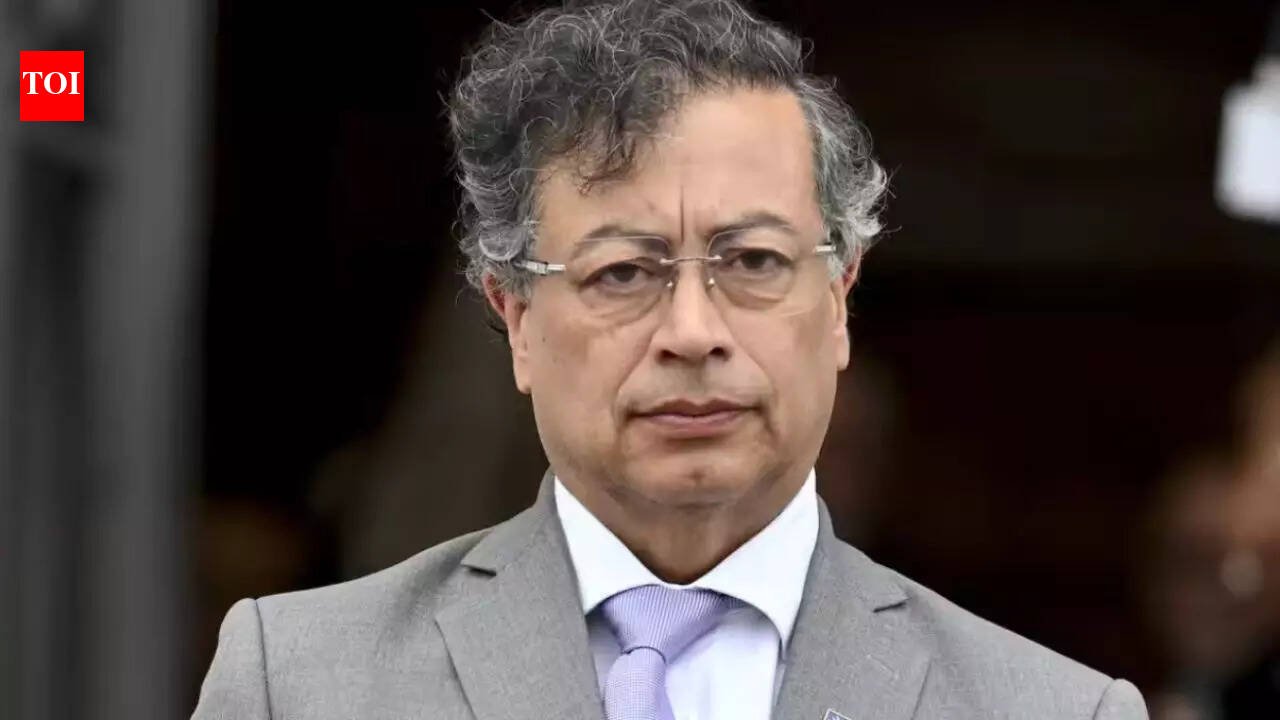
Colombian President Gustavo Petro has been named a ‘priority target’ by the US Drug Enforcement Administration (DEA) as federal prosecutors in New York examine his alleged links to drug traffickers, according records seen by news agency Associated Press.DEA records show Petro has appeared in multiple investigations since 2022, many based on interviews with confidential informants. The issues under review include possible dealings with Mexico’s Sinaloa cartel, claims that his ‘total peace’ plan may have been used to benefit traffickers who supported his presidential campaign, and suggestions that law enforcement channels were used to move cocaine and fentanyl through Colombian ports.The ‘priority target’ label is used for individuals the DEA believes could have a ‘significant impact’ on the drug trade. In recent months, prosecutors in Brooklyn and Manhattan have questioned drug traffickers about their links to Petro. They are also examining claims that representatives linked to him may have sought bribes to block extradition of traffickers to the United States. A person familiar with the inquiry said it is not clear whether prosecutors have linked Petro to any crime.Part of the investigation is focused on allegations that such offers were made inside Colombia’s La Picota prison in exchange for protection from extradition.This follows earlier claims by Donald Trump, who called him an “illegal drug leader”, and sanctions imposed by the US Treasury in late 2025 over alleged links to the trade. Petro has said his government targets major cartels while taking a more lenient approach towards small coca farmers.Separately, members of Petro’s family have faced scrutiny. His son, Nicolas Petro, was charged in 2023 with seeking illegal campaign contributions from a convicted drug trafficker. His brother, Juan Fernando Petro, has also been linked to alleged talks with jailed traffickers over possible protection from extradition in exchange for disarmament.


Source link