Breaking News
WATCH: Ishan Kishan’s heartening reaction after fiery send-off from teammate in SRH intra-squad clash ahead of IPL 2026


A high-intensity intra-squad match turned into a talking point on Saturday, March 21, as Sunrisers Hyderabad’s interim captain Ishan Kishan found himself at the centre of an animated on-field exchange with teammate Zeeshan Ansari. The incident, which quickly made its way onto social media, added a dose of drama to SRH’s preparations for IPL 2026.

The moment unfolded during a practice game but carried the energy of a competitive fixture, highlighting the team’s hunger ahead of the new season.

Zeeshan Ansari strikes back after costly over

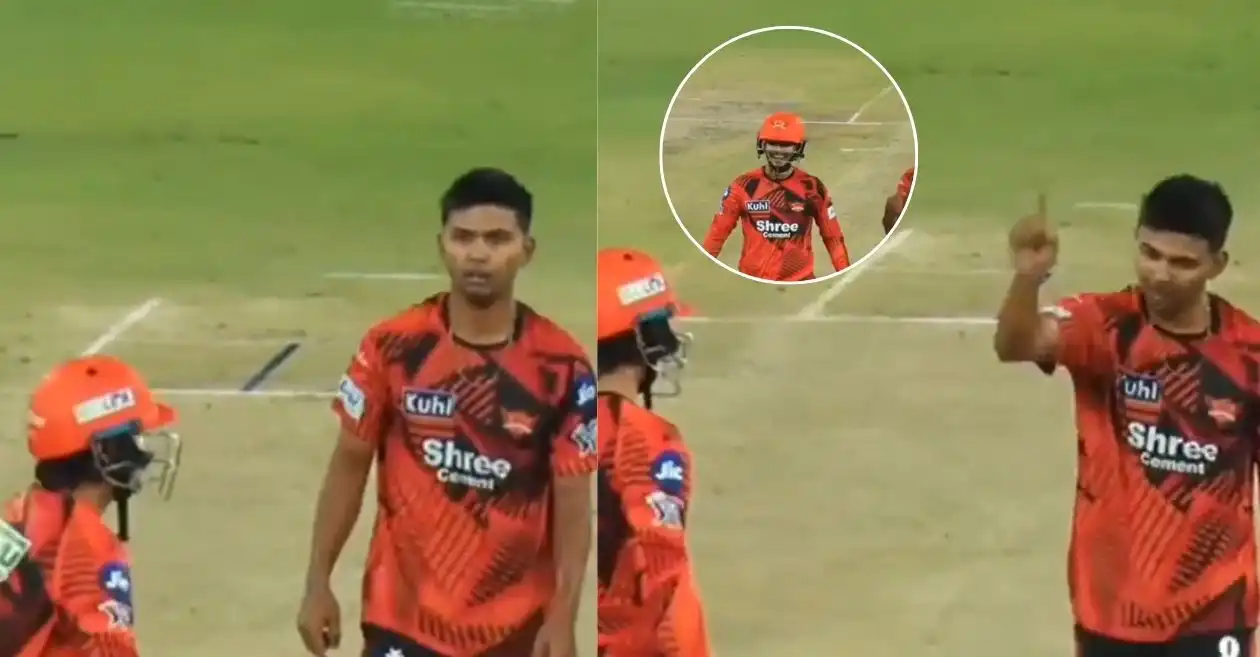
The flashpoint came in the eighth over of the SRH B innings. Kishan, alongside Liam Livingstone, was in destructive form and took particular liking to Ansari’s bowling. The wicketkeeper-batter unleashed a flurry of attacking strokes, collecting 20 runs in the over and putting the spinner under pressure.

However, cricket often rewards persistence. Ansari responded in style by dismissing Kishan soon after, shifting the momentum back in his favour. What followed next caught everyone’s attention.

In an unusual sight for an intra-squad game, Ansari celebrated passionately and gestured towards the pavilion, urging Kishan to walk off. The spinner’s animated reaction suggested he had taken the earlier assault personally, turning the wicket into a statement moment.

Light-hearted response from Ishan Kishan steals the spotlight

Despite the fiery send-off and a brief verbal exchange between the two, Kishan chose not to escalate the situation. Instead, he appeared amused by the incident, smiling and laughing as he made his way back to the dugout.

His reaction helped defuse any potential tension, underlining the camaraderie within the squad. While social media was quick to speculate about possible friction in the camp, the interaction seemed to be nothing more than competitive spirit spilling over in the heat of the moment.

Here’s the video:

Also WATCH: Shubman Gill trolls Abhishek Sharma and SRH in fun segment with Sahiba Bali

Batters shine in practice game

Beyond the brief drama, the intra-squad match offered several positives for Sunrisers Hyderabad. Both Kishan and Abhishek Sharma delivered standout performances with the bat, providing a timely boost ahead of the tournament. Abhishek, who had faced criticism for inconsistent form during the recent T20 World Cup, played with renewed confidence. The left-hander hammered a brisk 94, showcasing his ability to dominate bowlers at the top of the order.

Kishan, meanwhile, looked in sublime touch. His explosive 72 off just 24 balls reflected his aggressive intent and readiness to lead from the front. His knock included a mix of powerful hitting and innovative stroke play, signaling good signs for SRH’s batting lineup.

Also READ: IPL: Complete list of all SRH captains so far ft. Ishan Kishan


Source link

Access Denied


Access Denied

You don’t have permission to access “http://www.ndtv.com/health/enough-blood-has-been-spilled-who-chief-on-sudan-hospital-attack-killing-64-11250360” on this server.

Reference #18.c7f5d217.1774173319.c6865cd4

https://errors.edgesuite.net/18.c7f5d217.1774173319.c6865cd4


Source link

India Bloc: Allies in Delhi, rivals in states: Why Congress should quit INDIA bloc, fight regional parties | India News


Allies in Delhi, rivals in states: Why Congress should quit INDIA bloc, fight regional parties

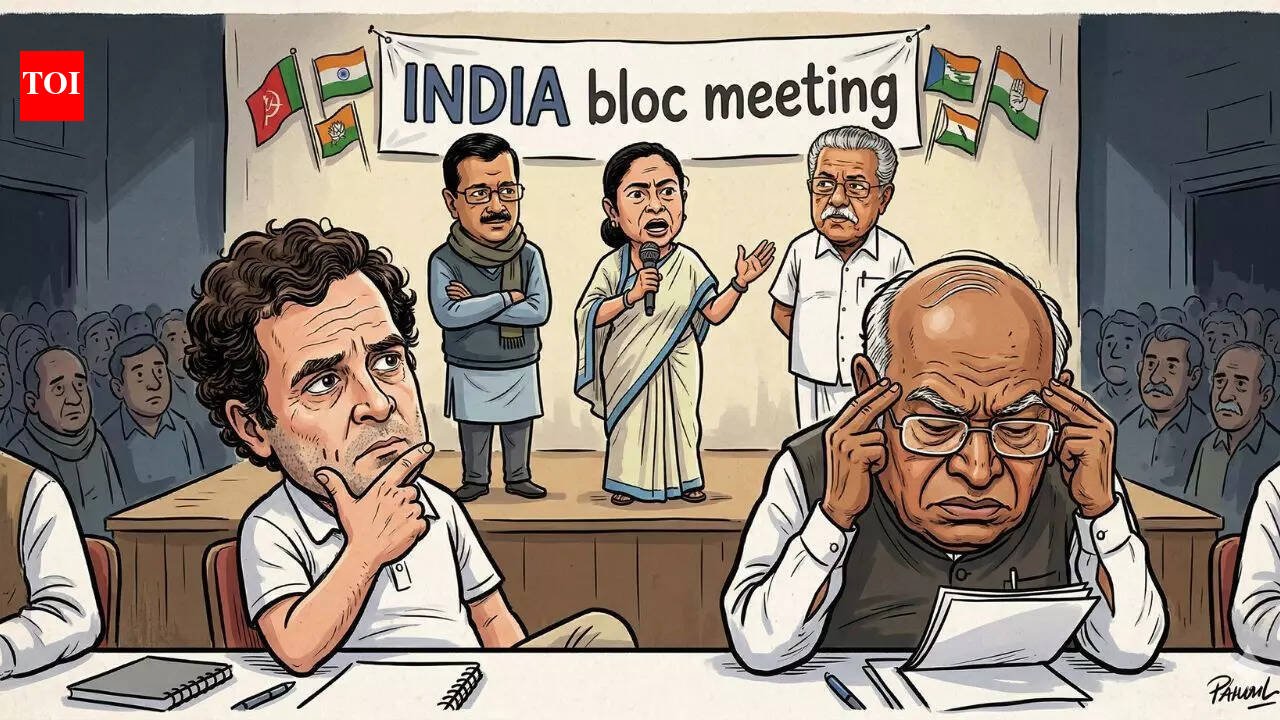
NEW DELHI: The just-concluded Rajya Sabha election has done more than reshuffle numbers in the Upper House – it has once again exposed the widening divide within the opposition’s INDIA (Indian National Development Inclusive Alliance) bloc. What was stitched together as a united opposition front, led by Congress, against the BJP ahead of the 2024 Lok Sabha polls now appears increasingly frayed, with allies turning their fire inward. And at the heart of this heat is the Congress itself. Consider this: some of the sharpest attacks on the Congress in recent days have come not from its political rivals, but from its own partners. From accusations of “betrayal” by the Samajwadi Party to the CPM dubbing it a “B-team of the Sangh Parivar”, and the CPI(ML) flagging its vulnerability to “horse-trading”, the rhetoric has been unusually blunt.

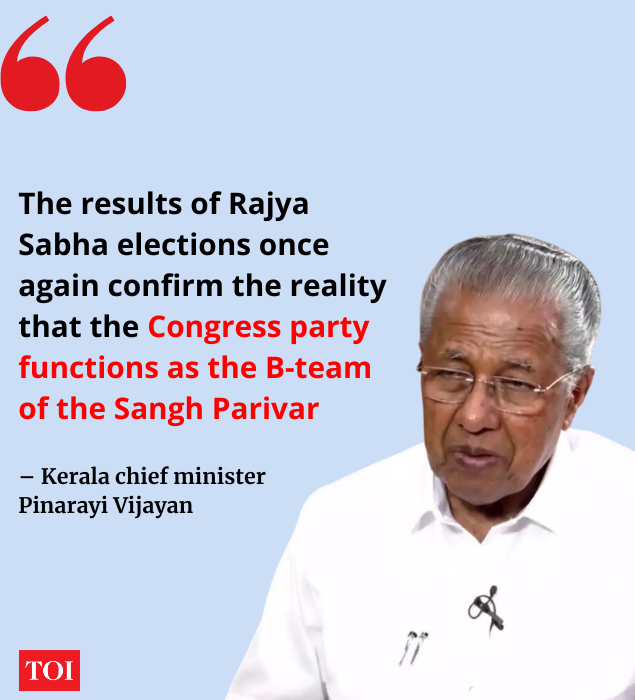
Kerala CM on Congress

Here are some of the remarks:

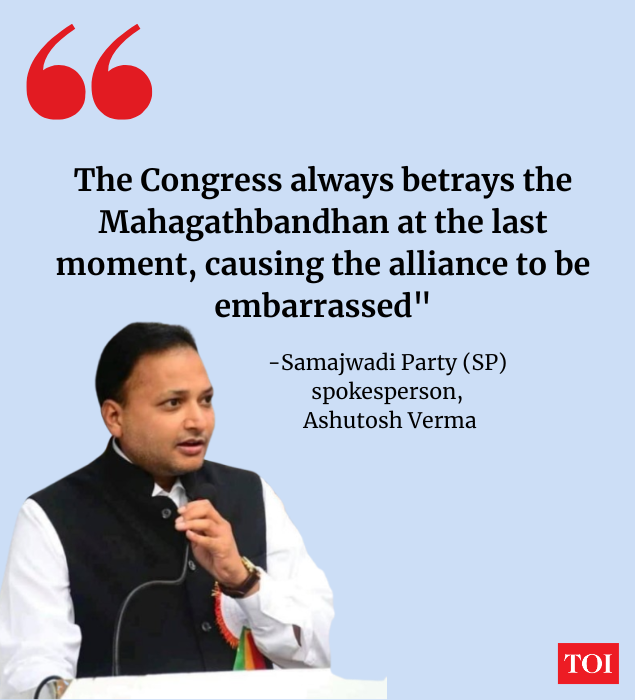
  • “The Congress always betrays the Mahagathbandhan at the last moment, causing the alliance to be embarrassed” : Samajwadi Party (SP) spokesperson Ashutosh Verma
  • “The results of Rajya Sabha elections once again confirm the reality that the Congress party functions as the B-team of the Sangh Parivar”: Kerala chief minister Pinarayi Vijayan
  • “In state after state, the Congress has exposed its soft underbelly, its utter vulnerability to horse trading. The Congress should look within to identify and stem the rot that seems to have taken deep roots”: CPI(ML) Liberation MLA Sandeep Saurav

All these remarks are from leaders who are allies of the Congress in the INDIA bloc. The immediate provocation for this no-holds-barred attack was cross-voting by some Congress MLAs in Bihar, Haryana and Odisha in the Rajya Sabha elections. It’s a different matter that it was not just the Congress MLAs who cross-voted but legislators of some other regional parties also broke ranks to help the BJP.The Congress has already initiated action against MLAs who went against the party line and has accused the BJP of indulging in horse-trading to win elections. In fact, in Haryana they have also lodged an official complaint with the state governor. What comes out of this complaint is something that we will have to wait and see.

SP leader on Congress.

However, the recent episode has laid bare a larger problem that the INDIA bloc coalition is struggling to stay united beyond its anti-BJP agenda. The bloc was formed in the run-up to the 2024 Lok Sabha elections with the primary aim of preventing division of anti-BJP votes to slow down the saffron march. To that extent the alliance did reasonably well – restricting the BJP to 244 and preventing it from another majority victory. The Congress gained the most in the process, nearly doubling its numbers to 99 in the Lower House. But two years after the setup of INDIA bloc, the fact remains that the relationship between the Congress and its regional allies has mostly been tumultuous.After a surprise success of Lok Sabha elections, the compulsions of state politics took centre stage. The fact that most of the regional parties who had joined hands with the Congress in Delhi, were political rivals in their states made the relationship not just complex but also acrimonious.While the Congress wanted to regain its lost base in the states, the regional parties, many of whom had grown at the expense of the Congress, did not want to cede too much ground to the grand-old-party. That perhaps explains why the existence of the INDIA bloc has been questioned every time there have been state elections.

Post-2024 Lok Sabha script

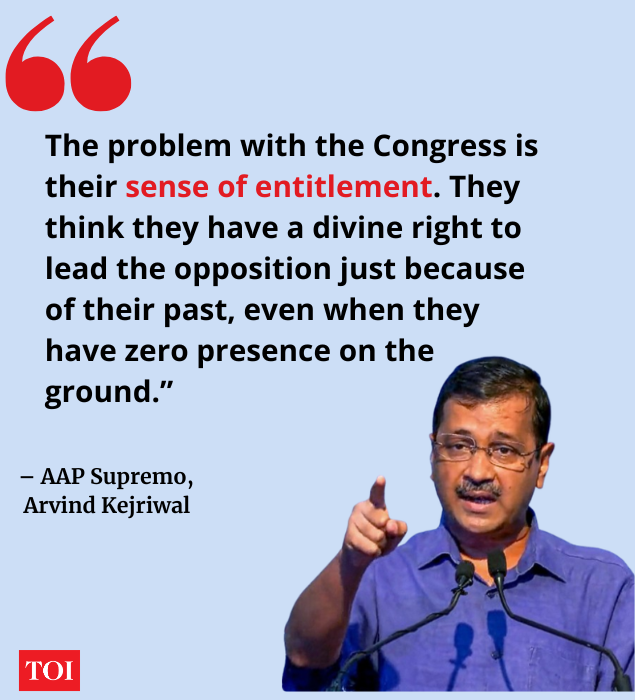
Here’s a look at the INDIA bloc dynamics at state-level: Maharashtra: Internal tussles of MVAThe Maha Vikas Aghadi (MVA, comprising Congress, Shiv Sena (UBT) and NCP (Sharad Pawar), has struggled with coordination after the 2024 Lok Sabha success.In the assembly elections held later in November 2024, the BJP-led Mahayuti alliance secured a landslide victory by winning 235 of 288 seats. The MVA managed to get only 50 seats. Post-results, internal friction peaked with partners blaming each other for poor seat-conversion. Uddhav Thackeray’s Shiv Sena and the Congress have often clashed over who should be the “face” of the alliance in the state moving forward.In the recently held BMC and other civic polls in Maharashtra, Congress had contested on its own while the other two parties fought together for some of the seats.Delhi: AAP vs CongressAfter a tactical seat-sharing deal for the 2024 Lok Sabha polls, which yielded zero seats for the alliance in Delhi, both AAP and Congress reverted to being bitter rivals. In June, 2024, AAP’s Delhi convenor Gopal Rai had announced that the alliance was “only for the General Election.” In 2025 Delhi assembly elections, the alliance completely collapsed as both parties contested independently. The relationship deteriorated further in the election campaign phase where both parties accused each other of being BJP’s proxy.In one of the rallies, Kejriwal had said: “The problem with the Congress is their sense of entitlement. They think they have a divine right to lead the opposition just because of their past, even when they have zero presence on the ground. They are not fighting the BJP; they are fighting the regional parties who actually defeat the BJP. In Delhi, the Congress is nothing but a ‘vote-cutter’ meant to help the BJP.”Rahul Gandhi and Priyanka Gandhi Vadra held rallies across Delhi, terming Kejriwal and other AAP leaders “corrupt” amid liquor policy case. In one such rally, Rahul Gandhi had said: “Kejriwal ji keeps lying. The way PM Modi lies, Kejriwal lies too. There isn’t much difference between them. But I will tell you one thing—Kejriwal is probably more cunning and sophisticated than even the Prime Minister in how he misleads people.” Senior Congress leader Ajay Maken’s sharp critiques of Arvind Kejriwal-led AAP to even suggest that Congress be “expelled” from the national bloc.

Kejriwal's attack on Congress.

The two parties eventually reached the point of no return after BJP’s sweep in the state, with both parties blaming each other for the split in votes.While BJP got 48 of 70 seats, AAP lost the power and was reduced to 22 seats while Congress drew a blank for the third straight time. AAP chief Kejriwal and Manish Sisodia (both of whom lost their individual seats) also blamed the Congress for “acting as a spoiler” and cutting into the AAP’s core secular vote bank.By July, AAP officially exited the INDIA bloc. Party MP Sanjay Singh said, “We said that officially, the Aam Aadmi Party is not with the INDIA alliance as of today. Our alliance was for the Lok Sabha elections.”Kejriwal asserted that the Congress’s “entitled leadership” was the primary reason the opposition could not mount a challenge to the BJP.West Bengal: TMC vs Congress vs LeftThis is currently the most volatile relationship in the bloc. While Mamata Banerjee is a founding member of the INDIA bloc, the “on-ground” reality in Bengal remains a three-way battle. Mamata, who has till now managed to successfully keep BJP out of power in Bengal, refused to cede even a percentile of its voter base to Congress, or Left for that matter. Immediately after the 2024 Lok Sabha elections, where the TMC won 29 out of 42 seats, Mamata Banerjee concluded that the Congress was a “liability” in Bengal. In February 2025, Mamata formally told her party legislators that the TMC would contest the 2026 assembly polls alone. Her rationale was blunt: “The Congress has no base in Bengal; we cannot strengthen them at our own cost.”In the upcoming elections, all three parties – TMC, Congress and CPM are going solo while fighting against BJP. Tamil Nadu: Deal or compromise?In Tamil Nadu, the DMK-Congress alliance has held, but only after intense last-minute bargaining exposed underlying tensions. On March 4, 2026, the two parties finalised their pact for the April 23 assembly elections following days of uncertainty.The Congress, which had pushed for 40 seats and a power-sharing formula including cabinet berths, had to settle for a modest expansion — from 25 seats in 2021 to 28 in 2026, along with one Rajya Sabha seat. Meanwhile, MK Stalin remained firm against any power sharing arrangement. For now the two parties have managed to come together for state polls, but it would be interesting to see if it holds for long. Kerala: Congress vs CPMIn the upcoming Kerala assembly elections, the two major INDIA bloc constituents are the primary adversaries in a direct face-off. The United Democratic Front (UDF) is being led by Congress and the Left Democratic Front (LDF) is led by CPM.As the state moves toward the 2026 assembly elections, the rhetoric has turned hostile. Congress (UDF) is campaigning against 10 years of “anti-incumbency” and corruption under the LDF, while the Left has accused Congress of having a “secret understanding” with the BJP to weaken them.The other factor that has contributed to this acrimony is the leadership question – with the prominent regional leaders of the bloc reluctant to accept Congress (read Rahul Gandhi) as their leader. When the bloc was formed, JD(U) chief Nitish Kumar, who was one of the key architects of this experiment against the BJP, had hoped to lead it. But the Congress, which despite its decline, was the largest party in the bloc, had other plans. The Congress took over the leadership of INDIA bloc and party chief Mallikarjun Kharge became the leader of the opposition alliance. In the last two years, there have been several occasions when regional parties have questioned the leadership of the Congress. Some of them have even accused the grand-old-party of using the opposition alliance as per its convenience. Their calls for regular meetings, common agenda, shared manifesto have been ignored by the Congress. Last month, the Congress faced embarrassment when one of its own leaders made a strong case for a change in the INDIA bloc’s leadership and urged Rahul Gandhi to step aside. Mani Shankar Aiyar, who many thought had faded into political oblivion, was back with a bang. Aiyar, who has an uncanny knack of courting controversies, openly asked Rahul Gandhi to step aside and let regional leaders lead the opposition alliance.So, Aiyar first pitched Mamata Banerjee and said “West Bengal chief minister is central to the survival of INDIA bloc”. Then he backed the DMK chief and claimed “MK Stalin is best-suited to be the convenor of INDIA bloc”. The former Union minister also batted for Samajwadi Party chief Akhilesh Yadav and Rashtriya Janata Dal leader Tejashwi Yadav for the leadership role.While leaders of some regional parties welcomed Aiyar’s advice, some rejected the remarks as his “personal opinion” and asserted any decision on leadership will be taken by the members of the alliance.Jammu and Kashmir chief minister Omar Abdullah, whose party National Conference is part of INDIA bloc, dismissed Aiyar’s efforts and asserted any decision on leadership will be taken by the members of the alliance.“To date, there has been no discussion regarding leadership in any meeting of the INDIA bloc. But ultimately, when a decision is made, it will be by the INDIA bloc. Everyone will talk together. No such meeting has taken place so far to discuss the leadership. So, I don’t know where this is being projected,” Abdullah then said when asked about Aiyar’s suggestions.The Congress dismissed Mani Shankar Aiyar as a leader whose time was over. “Mani Shankar Aiyar and others like him are people whose time is over. They have no role in this party. They are not part of this party. His position is that of someone who goes wherever he is hired. Whoever hires him, he goes there. That is nothing to be particularly respected,” Congress leader Ramesh Chennithala said dismissing Aiyar’s remarks.But while the Congress may have dumped Aiyar, his pitch for regional leadership of the INDIA bloc put the grand-old-party in a tight spot once again.

Why Congress should withdraw itself from INDIA bloc

The experience of the past two years suggests that the INDIA bloc’s biggest challenge lies not in confronting the BJP, but in reconciling its internal contradictions. For the Congress, which remains the largest party in the alliance, the dilemma is particularly acute: balancing its national leadership role with the reality of state-level competition from its own partners.Given the acrimony and differences that have characterised the existence of INDIA bloc since its inception, breaking out of this cycle may require a bold call. The Congress should perhaps consider opting out of the opposition alliance for now. A temporary exit from the alliance could allow the Congress to rebuild without constantly negotiating its space with regional players.The grand-old party could forge individual alliances in states with regional parties on its own terms. The next Lok Sabha elections are still three years away which leaves enough time for realignment, but for now, the party’s priority may well be to strengthen itself independently before returning to any grand coalition.


Source link

‘AA22xA6’: Anushka Sharma to make her Telugu debut in Allu Arjun and Deepika Padukone starrer – Report |


‘AA22xA6’: Anushka Sharma to make her Telugu debut in Allu Arjun and Deepika Padukone starrer - Report
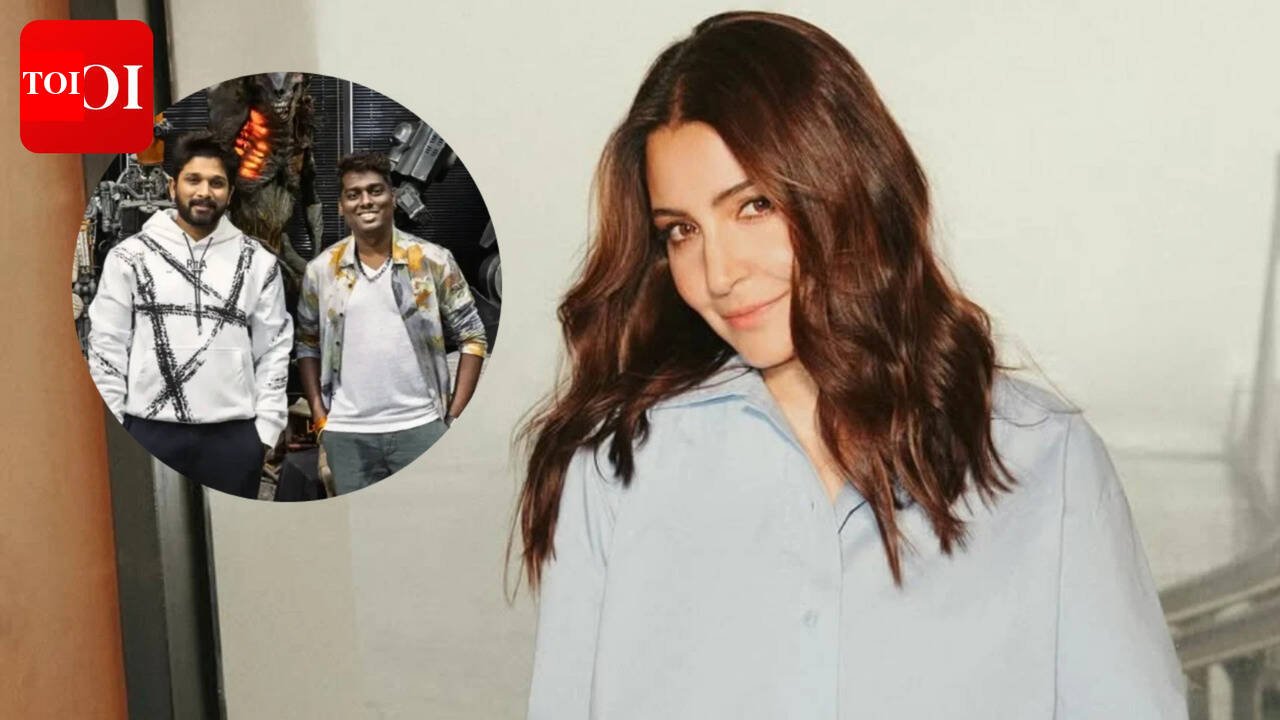
Allu Arjun’s upcoming film, tentatively titled ‘AA22xA6’ with director Atlee, is reportedly assembling a star-studded cast. Following reports of Deepika Padukone, fresh buzz suggests Anushka Sharma might join the ambitious sci-fi project, marking her potential Telugu debut. The film is also rumored to feature Mrunal Thakur, Janhvi Kapoor, and Rashmika Mandanna.

Allu Arjun is working on his upcoming film tentatively called ‘AA22xA6’ with ‘Jawan’ fame director Atlee. The film reportedly has star studded line up with Deepika Padukone playing the female. Now, fresh reports suggest Anushka Sharma is also set to star in the sci-fi film.

Anushka Sharma in talks with ‘AA22xA6’ team

According to a report by Deccan Chronicle, another big Bollywood star seems to be joining the ambitious project. It is suggested that she is in talks to join the film and if this turns out to be true, it will be her first Telugu movie. But there is no official confirmation yet.

Anushka Sharma’s recent work

Anushka Sharma was last seen in the 2018 film, ‘Zero’, opposite Shah Rukh Khan and Katrina Kaif. Since then, she has yet to make her presence in a full-fledged role. It is imperative to add that the actress, after transitioning herself to a more producer role, hasn’t been in the news for any acting roles. She was set to star in 2022 with the film ‘Chakda ‘Xpress’, a biopic of former Indian women’s cricket Jhulan Goswami. However, it is expected to be delayed and even rumoured to have been shelved.Anushka Sharma and her husband Virat Kohli are now based in London with their son and daughter.

About ‘AA22xA6’

Speaking about ‘AA22xA6’, the movie also reportedly features multiple female actors, including Mrunal Thakur, Janhvi Kapoor and Rashmika Mandanna. There is also buzz that Rashmika Mandanna may play a negative role. Allu Arjun is also expected to play multiple roles in the film.

Watch

Inside Kollywood’s 2025 Crisis and Uncertain Future

The music for the film will be composed by Sai Abhyankkar.On the other hand, Allu Arjun, after working with Atlee, will be working with Lokesh Kanagaraj on ‘AA23’ with star musician Anirudh adding the tunes. The film is set to begin shooting in 2026.


Source link

Stock Market Next Week: Upcoming week at Dalal Street: Middle East conflict, crude oil trends to guide markets


Upcoming week at Dalal Street: Middle East conflict, crude oil trends to guide markets

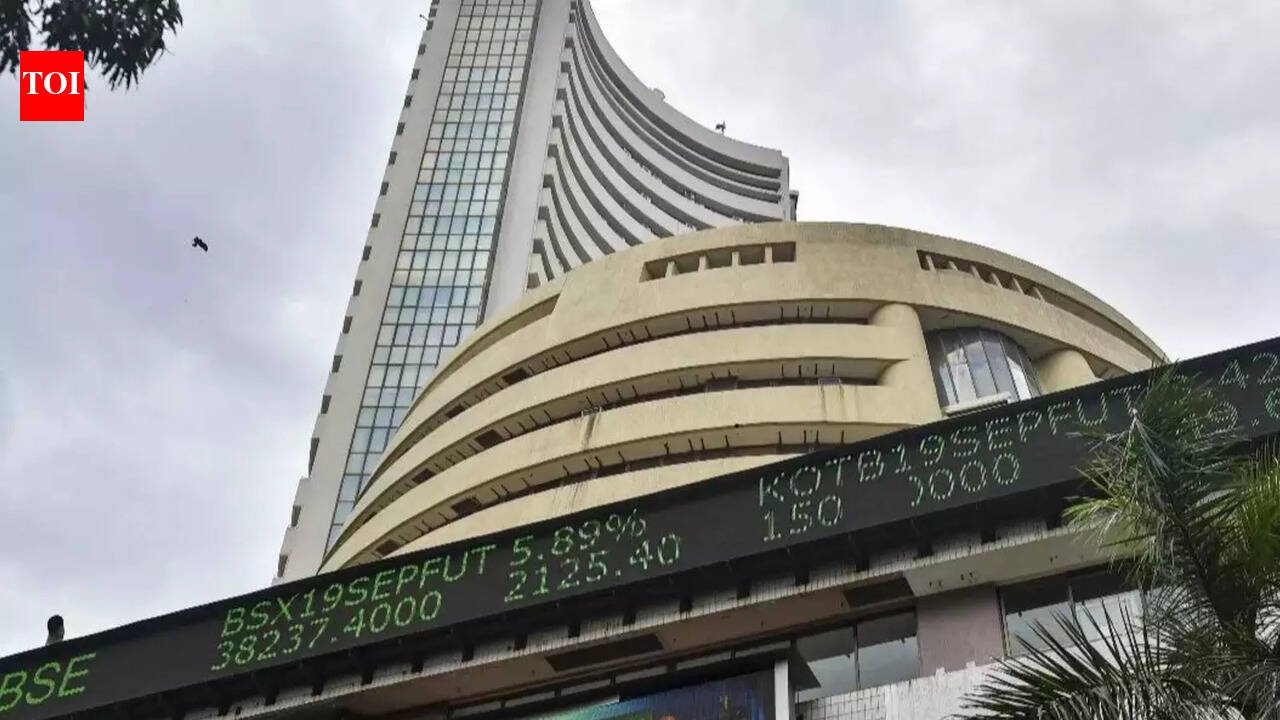
The Middle East conflict has entered its fourth week and the developments have sent shockwaves through global stock markets. For the upcoming week, investor sentiment is expected to remain sensitive to global developments, particularly the ongoing crisis and its impact on crude oil prices, in the holiday-shortened trading week ahead. Alongside geopolitical cues, movements in global equity markets, foreign investor activity, and fluctuations in the rupee against the US dollar are expected to guide market direction. Domestic exchanges will observe a holiday on Thursday on account of Shri Ram Navami. According to Ajit Mishra, the week is likely to remain heavily influenced by incoming data and global uncertainties. “This week is expected to remain data-sensitive amid ongoing global uncertainties. Developments in the West Asia conflict and movements in crude oil prices will continue to act as key external drivers and are likely to dictate the near-term market trend.” “On the domestic front, investors will closely monitor HSBC Flash PMI data for manufacturing, services, and composite segments, which will provide an early indication of business activity trends,” he added. Foreign portfolio investors have continued to pare their exposure, withdrawing Rs 88,180 crore (around $9.6 billion) from Indian equities so far this month. The outflows come amid rising tensions in West Asia, a weakening rupee, and concerns over the implications of higher crude oil prices on economic growth and corporate profitability. Market participants expect volatility to persist, with global triggers playing a decisive role in shaping near-term movement. “Looking ahead, markets are likely to remain highly volatile and event-driven, with near-term direction largely contingent on developments in the Middle East, particularly the evolving situation around the Strait of Hormuz. Any prolonged disruption could keep crude prices elevated above the USD 100-mark, intensifying inflationary and current account pressures while sustaining a risk-off sentiment,” said Ponmudi R. He further noted that foreign institutional investor flows, currency movements, and broader global cues, including the strength of the US dollar, will remain key indicators for traders. He added that easing geopolitical tensions or a decline in crude oil prices could lead to short-covering or relief-led moves, whereas renewed escalation may continue to exert downward pressure. In the preceding week, benchmark indices ended with marginal losses. The BSE Sensex declined by 30.96 points, or 0.04%, while the NSE Nifty fell by 36.6 points, or 0.15%.


Source link

IPL 2026 | Prithvi Shaw’s homecoming: ‘Delhi, your boy is home’ – WATCH | Cricket News


IPL 2026 | Prithvi Shaw's homecoming: ‘Delhi, your boy is home' - WATCH

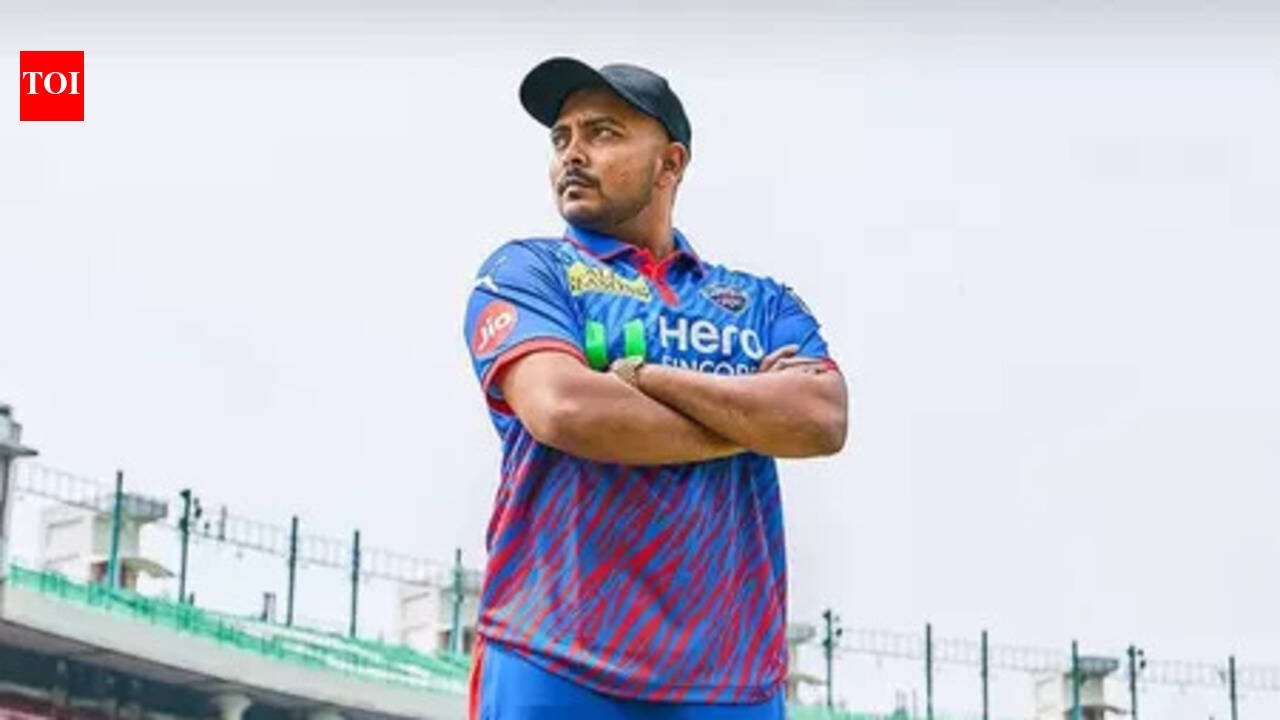
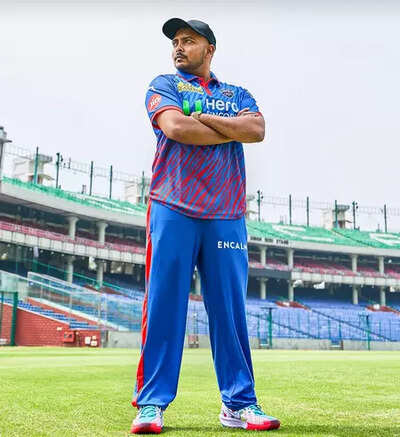
Indian opener Prithvi Shaw made an emotional return to the Arun Jaitley Stadium as he rejoined the Delhi Capitals (DC) camp ahead of the Indian Premier League (IPL) 2026 season, set to begin on March 28.Shaw’s long-standing association with Delhi Capitals came to an end after seven seasons when the franchise released him ahead of the IPL 2025 auction. The 26-year-old endured a difficult phase, going unsold as Delhi chose not to re-sign him. His wait for another opportunity continued into the IPL 2026 auction, where he was initially overlooked in the main rounds. However, fortunes turned during the accelerated phase, as Shaw was among the final set of players picked, securing a Rs 75 lakh deal with his former franchise.

Watch

Ajit Agarkar knocks BCCI door, makes a huge extension request | World Cup

“Delhi, Your Boy is Home”

Delhi Capitals marked Shaw’s return with an emotional video on social media, captioned “Our Boy is back home.”In the video, Shaw reflected on his bond with the franchise and the stadium:“You don’t forget a place like Kotla. Not the noise. Not the silence. Not what it made you. Some stories don’t end. They come back. Delhi, your boy is home.”

Shaw’s Journey with Delhi Capitals

Shaw was originally signed by Delhi Capitals for Rs 1.2 crore following India’s triumph in the 2018 U-19 World Cup, where he captained the side. Over seven seasons, he featured in 79 matches, scoring 1,892 runs at an average of 23.5, including 14 half-centuries. Delhi Capitals narrowly missed out on a playoff spot last season, finishing fifth with seven wins in 14 matches. Still chasing their maiden IPL title, the franchise will be eager to turn things around in the upcoming edition.As per the schedule, Delhi Capitals will kick off their IPL 2026 campaign against the Lucknow Super Giants at the Ekana Cricket Stadium in Lucknow on April 1. Delhi Capitals Squad: Axar Patel(C), KL Rahul, Karun Nair, Mitchell Starc, David Miller, Ben Duckett, Pathum Nissanka, Sahil Parakh, Prithvi Shaw, Abhishek Porel, Tristan Stubbs, Sameer Rizvi, Ashutosh Sharma, Vipraj Nigam, Ajay Mandal, Tripurana Vijay, Madhav Tiwari, Auqib Dar, Nitish Rana, T. Natrajan, Mukesh Kumar, Dushmantha Chameera, Lungisani Ngidi, Kyle Jamieson, Kuldeep Yadav.

Banner Insert


Source link

Beyond a diagnosis: Rethinking Down Syndrome in a more inclusive world | India News


Beyond a diagnosis: Rethinking Down Syndrome in a more inclusive world

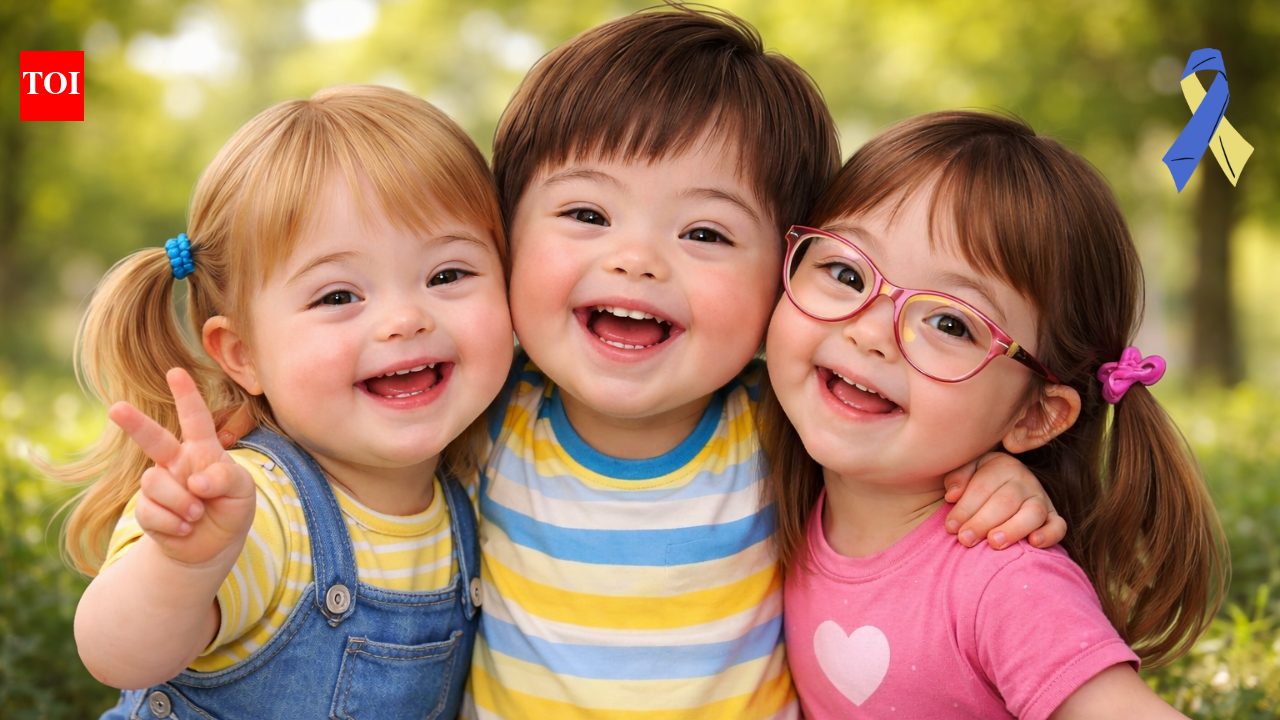
Every year on March 21, the world observes World Down Syndrome Day, a date that reflects the very nature of the condition it represents. The symbolism of 3/21 marks the presence of three copies of chromosome 21, a genetic variation that shapes millions of lives across the globe.Down syndrome, or Trisomy 21, is the most common chromosomal condition worldwide. It occurs when an individual has an extra copy of chromosome 21, resulting in 47 chromosomes instead of the usual 46 in each cell, influencing physical growth, cognitive development, and aspects of social skill development. It is present from the moment of conception and occurs sporadically, meaning it is not caused by anything a parent does during or before pregnancy. Only a small proportion of cases, around 1%, are hereditary, typically due to translocation, where genetic material is passed on to the child from a parent.According to the Down Syndrome Federation of India, it affects approximately one in every 800 to 1,000 live births in India, amounting to nearly 30,000 children each year.Yet, while its biology is relatively well understood, the story of Down syndrome is not defined by chromosomes alone. It is shaped by access to care, early intervention, inclusion, and, perhaps most importantly, by how society chooses to see it.
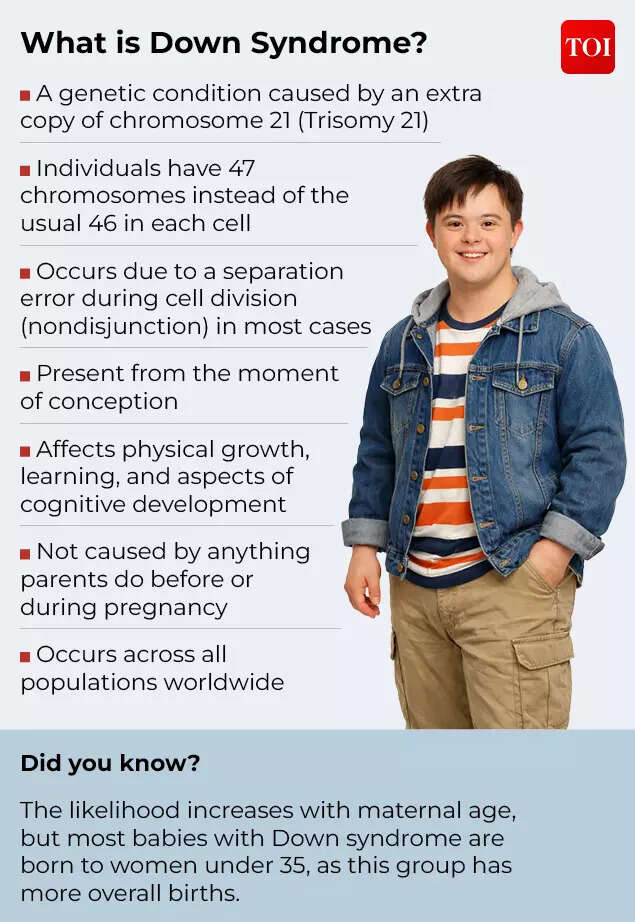
Down

What is Down Syndrome?

Understanding the genetics

In nearly 95% of cases, Down syndrome occurs due to nondisjunction, a process that occurs when the two copies of chromosome 21 fail to separate during egg or sperm formation, leading to a fertilized egg with three copies of chromosome 21 instead of two (trisomy 21). This is why it is the predominant cause.However, there are two less common forms: mosaic and translocation.Mosaic Down syndrome – Here, the nondisjunction event happens after fertilization in one of the early cell divisions. As a result, only a proportion of cells carry the extra chromosome. The degree of mosaicism can influence the severity of physical and cognitive traits, often making them less pronounced than in full trisomy 21.Translocation Down syndrome – In this form, an extra copy of chromosome 21 attaches to another chromosome (often chromosome 14). Unlike nondisjunction, this form can sometimes be inherited from a parent who carries a balanced translocation, meaning the parent has no extra chromosome material and may be unaffected.
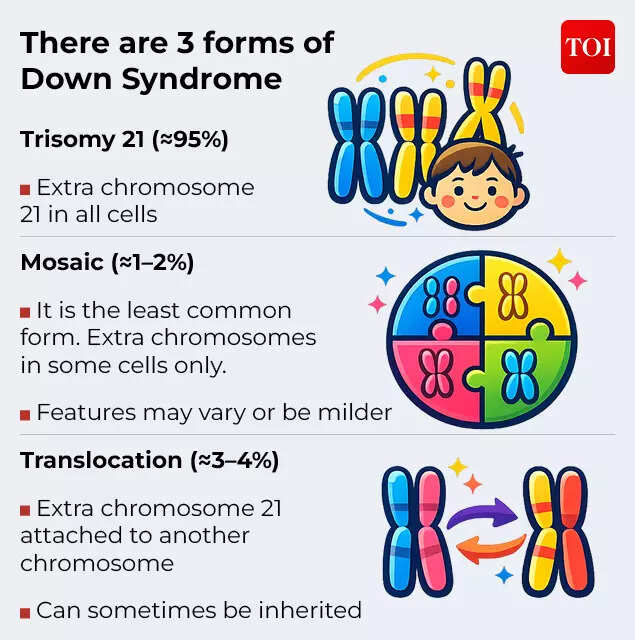
Down 2

The 3 forms of Down Syndrome

Though less common, both forms highlight an important reality that Down syndrome is not uniform.

Recognising early signs and confirming diagnosis

In infancy, early signs often present as developmental delays or certain physical features.“Early signs of Down syndrome in infants may include certain physical features and developmental delays, such as slower head control or delayed response to stimuli,” explains Dr. Manish Mittal, senior consultant-paediatric.However, these signs can overlap with typical developmental variations.“A definitive diagnosis cannot rely on observation alone. Genetic testing is essential to confirm the condition,” he says.Doctors typically confirm the diagnosis through a karyotype test, a chromosomal analysis performed on a blood sample. During pregnancy, screening methods such as ultrasound markers and maternal blood tests may indicate the likelihood, followed by confirmatory procedures like amniocentesis or chorionic villus sampling (CVS).“Early screening, along with timely medical evaluation and intervention, plays a crucial role in ensuring better health and developmental outcomes,” Dr. Mittal adds.
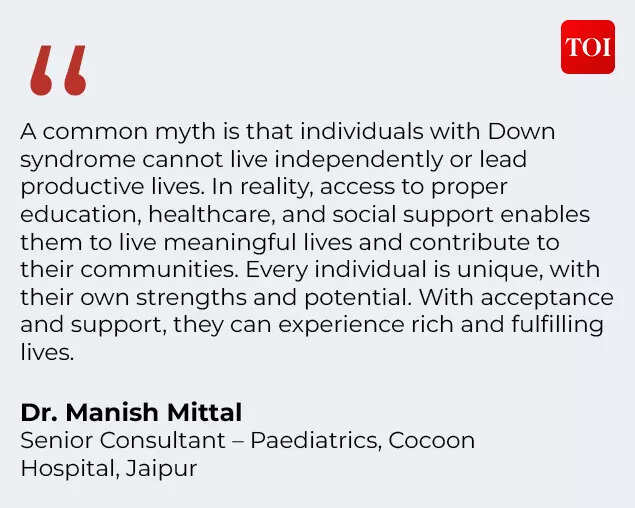
Down 4

.

Physical traits and developmental differences

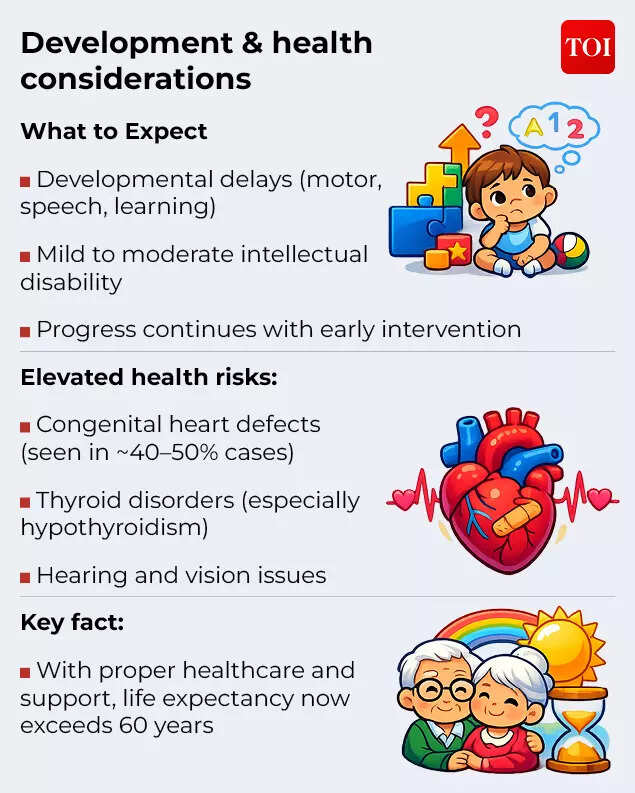
Down syndrome is associated with a range of physical characteristics, though not all individuals will display all of them.Common features may include a flat facial profile, small head, flat nasal bridge, upward-slanting eyes, a small mouth with a relatively larger tongue, and most commonly low muscle tone. Individuals may also have smaller, low-set ears, short stature, broad hands with a single deep crease across the palm, a curved fifth finger, and a noticeable gap between the toes. Increased joint flexibility is also frequently observed.Alongside these physical traits, developmental delays are common such as mild to moderate intellectual disability.“Children with Down syndrome are delayed in achieving their motor and cognitive milestones,” says Dr. Ratna Dua Puri, chairperson, Institute of Medical Genetics and Genomics, Sir Ganga Ram Hospital.
Down 3

.

However, she emphasizes that these delays should not be seen as limitations. “Children with Down syndrome are capable of achieving all major life milestones and are increasingly participating in a wide range of activities. “However, these children can do everything in life. They will walk, they can go to school, and now they are doing various activities” Dr. Ratna adds.Thus, it is important to recognize that developmental delays in individuals with Down syndrome should not be treated as absolute developmental limits for their potential as the pace of development may differ, but progress is still there.While some individuals may not pursue higher education, many attend school and acquire life skills, and increasingly find employment opportunities.

The critical window: Why early intervention matters

Prenatal screening methods, including ultrasound markers and maternal blood tests, can help identify the likelihood of Down syndrome during pregnancy, allowing families to allowing families to better understand the condition and prepare for early care and supportEarly intervention plays a defining role in shaping outcomes.“This involves helping them with their muscle tone so that they can sit, stand and hold their heads,” explains Dr. Puri. “It is also important for assisting them in developing language and communication.”Therapies such as occupational therapy, physical therapy, and speech therapy form the backbone of this support, often delivered through specialised child development centres that bring together multidisciplinary care.But these structured sessions are only part of the process.“These are just one-hour sessions. Parents need to incorporate what they learn into their daily interactions with the child, in a fun and engaging way. That is what leads to the best outcomes,” she says.She also emphasises reducing passive screen exposure and encouraging direct engagement, talking, playing, and stimulating the child’s senses.It is in these everyday moments that development gathers momentum.The United Nations also emphasises that access to adequate healthcare, early intervention programmes, inclusive education, and appropriate research is vital to the growth and development of individuals with Down syndrome.

Pregnancy, fertility, and recurrence

One of the most common misconceptions around Down syndrome relates to maternal age. While the likelihood increases with age, the broader picture is more complex.A significant proportion, around 85%, of children with Down syndrome are born to mothers under 35, largely because more births occur in this age group.For families who already have one child with Down syndrome, the chance of having another child with the condition is slightly higher than the general population, in addition to the baseline risk associated with maternal age.Fertility patterns also differ in individuals with Down Syndrome. Males with Down syndrome typically have reduced sperm counts and as a result they may experience infertility. Females, however, can have regular menstrual cycles and may conceive and carry a pregnancy to term, making appropriate counselling and healthcare guidance essential.

Health considerations across the lifespan

Individuals with Down syndrome may face a range of associated health conditions, particularly if not monitored early.Congenital heart defects are among the most common, often requiring medical or surgical management in infancy. Thyroid disorders, especially hypothyroidism, are also frequently observed. Hearing and vision impairments, recurrent infections, and low muscle tone can further influence early development.As individuals grow older, the risk profile evolves. There is a higher likelihood of obesity, diabetes, and metabolic syndrome, along with conditions such as cataracts and other visual problems. Mental health concerns, including depression, may emerge, particularly during life transitions.There is also an increased risk of early-onset dementia, with symptoms similar to Alzheimer’s disease. In many cases, early signs may first appear as subtle changes in behaviour rather than memory alone, making close observation essential.At the same time, individuals with Down syndrome appear to be less prone to certain conditions common in the general population, including atherosclerosis and some solid tumour cancers.With consistent medical care and monitoring, many individuals today live longer, healthier lives, with life expectancy now extending to around 60 years and beyond.

Education, transition, and adulthood

The landscape of education is steadily evolving. Increasingly, children with Down syndrome are included in mainstream classrooms, sometimes partially, often fully, depending on individual abilities.Many go on to complete school education, pursue vocational training, and in some cases, engage in post-secondary education.As they transition into adulthood, new challenges and opportunities emerge. Some individuals move into supported housing or independent living arrangements, take up employment, and build social relationships.This transition, however, requires careful support. What determines these outcomes is not just ability, but access to early support and inclusive environments.

Inclusion in education and society

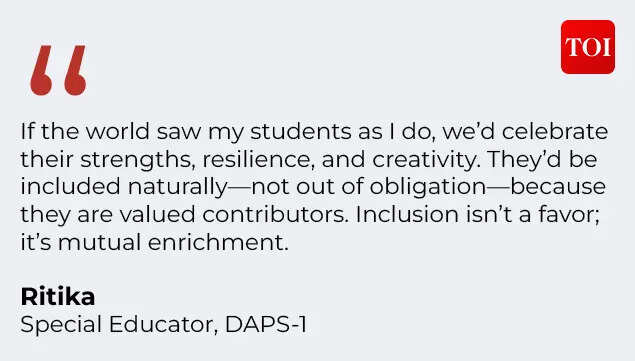
The conversation around Down syndrome is increasingly shifting, from care to inclusion.Children today are part of classrooms, playgrounds, and communities. Adults are entering workplaces, contributing across sectors, and building independent lives.Yet, true inclusion is not just about access, it is about perception.Ritika, a special educator, points out that many societal beliefs continue to underestimate what individuals with Down syndrome are capable of achieving.She beautifully captures this perspective, “If the world could see my students the way I do, we would shift our focus from their limitations to their incredible strengths. We would celebrate their resilience, creativity, and infectious enthusiasm. Inclusion would no longer be an obligation, but a natural choice, because they are valuable contributors to society.My students would be asked about their dreams, their ideas, and their passions, not just their condition. We would learn from their unique ways of problem-solving, their ability to find joy in simple moments, and their deep capacity for empathy and love. Ultimately, we’d realise that inclusion isn’t a favour; it’s a mutual enrichment”, she adds.
Down 5

.

As conversations around Down syndrome continue to evolve, the shift that is needed is not just in awareness, but in action and acceptance. Inclusion must move beyond policy into everyday practice, in education, healthcare, workplaces, and communities. Ultimately, the question is not what individuals with Down syndrome can achieve, but whether society is willing to create the supportive conditions that allow them to reach their full potential and be truly supported and accepted as they are.


Source link

Virat Kohli reacts to viral ‘chartered London flights’ rumour ahead of IPL 2026 | Cricket News


Virat Kohli reacts to viral ‘chartered London flights’ rumour ahead of IPL 2026
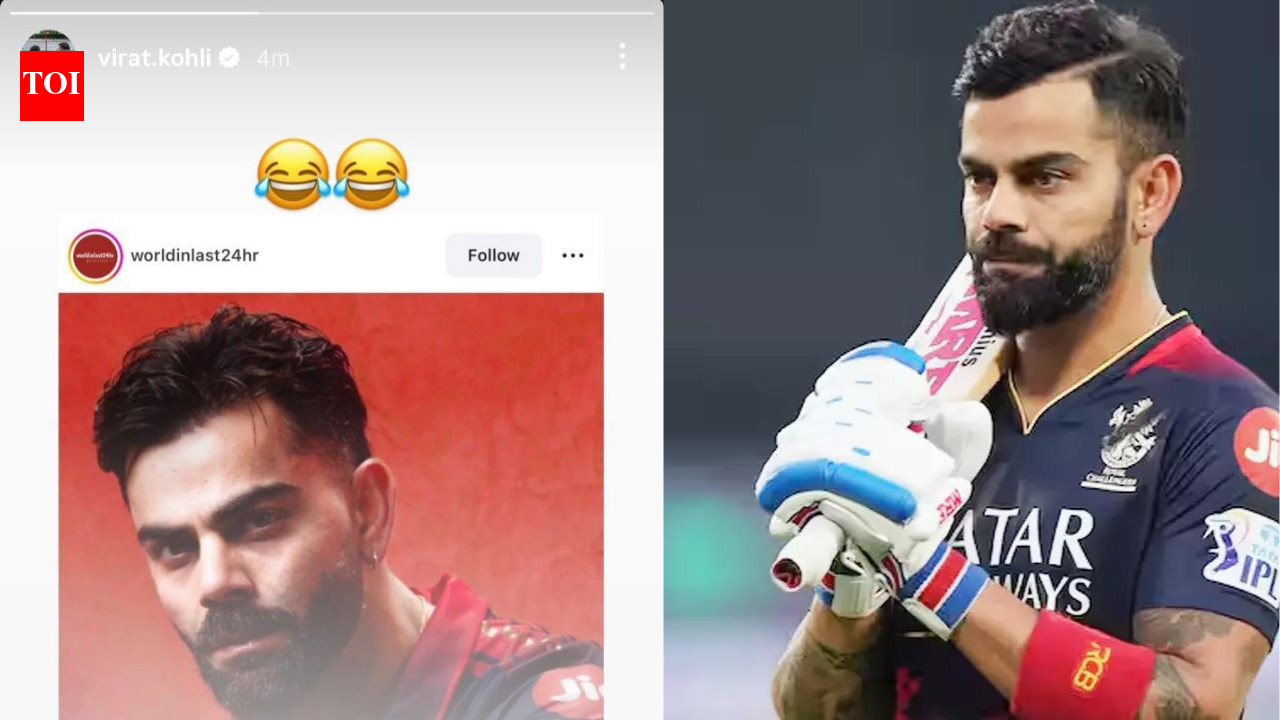
Virat Kohli laughs off (Screen Grab)

Indian cricket superstar and Royal Challengers Bengaluru (RCB) icon Virat Kohli has put an end to speculation suggesting he requested special travel arrangements during the Indian Premier League (IPL) 2026 season.Reports had earlier claimed that Kohli, who has been spending considerable time in London in recent years, had asked the RCB management for access to chartered flights between India and the UK. The reports further suggested that he planned to travel back to London during breaks of more than three days to spend time with his family.

Watch

IPL 2026: RCB confirm their home venue for upcoming edition

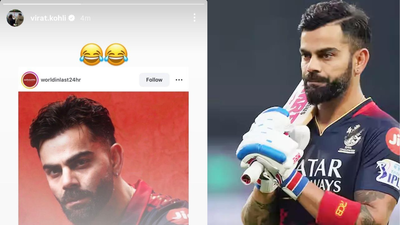
However, Kohli swiftly dismissed these claims. Taking to Instagram, he shared one such report on his story along with laughing emojis, making it clear that the rumours were baseless and untrue.Taking to Instagram, Virat posted one of these reports on his story along with laughing emojis, indicating that these reports are, after all, false.

RCB Begin Title Defence

The IPL 2026 season is set to begin on March 28, with defending champions RCB taking on Sunrisers Hyderabad in Bengaluru. After finally lifting their maiden IPL title last season, Kohli will once again be central to RCB’s campaign. Currently at 8,661 runs in 267 matches with eight centuries and 63 fifties, Virat will also be aiming to become the first player to reach the 9,000 run mark in IPL history.Having made 9,085 runs in 282 matches for RCB across IPL and now-defunct Champions League T20, Virat is one extraordinary season away from becoming the first-ever player to score 10,000 runs for a single IPL team in all of T20 cricket.Having made 13,543 runs in 414 T20Is, including nine centuries and 105 fifties, Virat will also be aiming to join West Indies titans Chris Gayle (14,562 runs), Kieron Pollard (14,482 runs), England’s Alex Hales (14,449 runs), and Australian legend David Warner (14,028 runs) as the fifth member of the 14,000-run club in T20 cricket.

Poll

Which aspect of Kohli do you admire the most?

Stellar Form Continues

Kohli enjoyed an outstanding IPL 2025 season, scoring 657 runs in 15 innings at an average of 54.75 and a strike rate of 144.71. With eight half-centuries, he finished as RCB’s leading run-scorer and the third-highest run-getter overall.

Banner Insert


Source link

​Blue saree brigade: Women at the heart of India’s water systems | India News


​Blue saree brigade: Women at the heart of India’s water systems
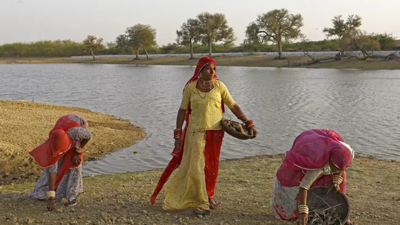
World Water Day 2026: How India’s Jal Sahelis are leading the way (Image credits: Unicef)

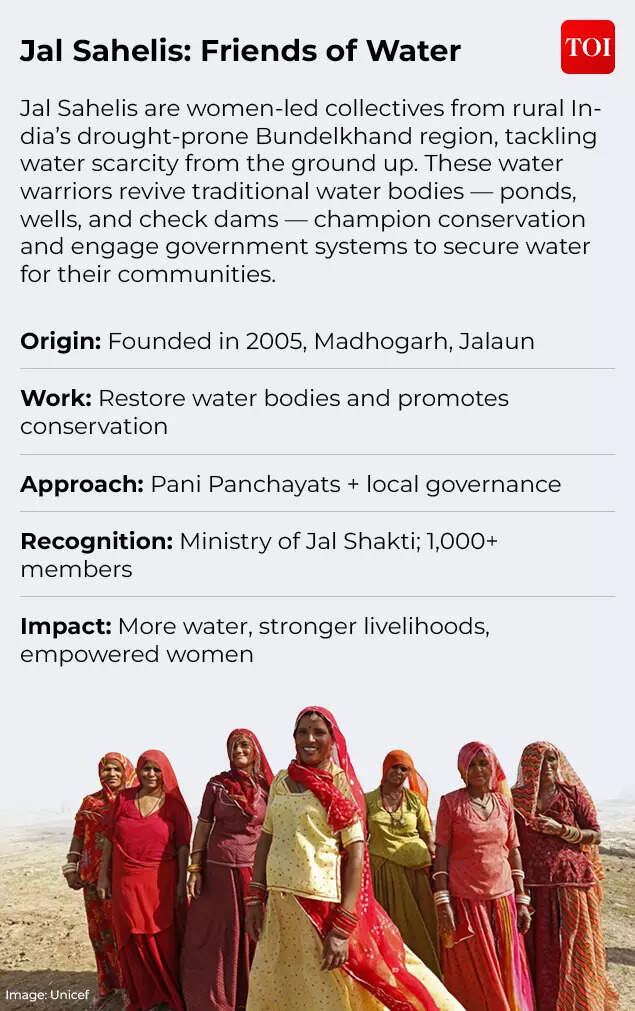
In the parched flatlands of Bundelkhand, one of India’s most water-stressed regions, a woman wakes before sunrise. She does not head to a well. She heads to a meeting. As a Jal Saheli — a “Friend of Water” — she is part of a network of roughly 1,530 women across 321 villages who have spent the last decade digging check dams, reviving ancient ponds, repairing handpumps, and holding councils on groundwater. They are mostly illiterate. They are entirely indispensable.On this World Water Day, the United Nations has made its message unambiguous: the global water crisis is, at its core, a gender crisis — and the solution runs through women. The 2026 campaign, themed “Water and Gender: Where Water Flows, Equality Grows,” calls for a transformative, rights-based approach where women have equal voice, leadership, and opportunity in water decision-making. Across India, quietly and without ceremony, that transformation is already underway.

The Jal Saheli Movement

When the rains failed for the thirteenth time in Bundelkhand, Shirkunwar Rajput – woman who led the Paani Panchayat in Udguwan (Lalitpur)- did not wait for the government. She gathered the women of her village and said something that would eventually be carved in stone on a check dam: “In Bundelkhand, fetching water is entirely a woman or girl’s job. Hence, women have the first right on water resources,” as quoted by Mongabay.The Jal Saheli movement, founded in 2005 from Madhogarh in Jalaun, Uttar Pradesh, grew from that conviction. By 2024, around 1,530 Jal Sahelis were active across 321 villages in the states of Uttar Pradesh and Madhya Pradesh. These women — aged between 18 and 70, clad in simple blue sarees have built over one hundred check dams, revived traditional ponds, installed new handpumps and created soak pits that reduce run-off waste.The impact has been agricultural as well as domestic. Before the Jal Sahelis intervened, farmers in some of these villages could grow only a single crop of wheat per year. Assured irrigation has since enabled two to three annual harvests. Groundwater recharge from the check dams has brought functioning wells back to communities where children used to share a single pump among 1,200 people.Welthungerhilfe, working alongside the NGO Parmarth Samaj Sevi Sansthan, trained these women volunteers in water resource planning, water table monitoring, and conservation techniques before sending them back to their villages as experts. The model has since drawn the attention of government departments in Uttar Pradesh and Madhya Pradesh, both of which have expressed interest in scaling it to 5,000 villages.

.

Governing the underground: Atal Bhujal Yojana

India’s aquifers are in crisis. The Central Ground Water Board classified 256 districts as water-stressed as recently as 2020, and the country’s average per-capita water availability is projected to decline sharply by 2050. Against this backdrop, the Government of India launched the Atal Bhujal Yojana (Atal Jal) in 2020 — a Rs. 6,000 crore ($756 million) scheme co-funded by the World Bank, targeting 8,562 gram panchayats across seven water-stressed states: Gujarat, Haryana, Karnataka, Madhya Pradesh, Maharashtra, Rajasthan, and Uttar Pradesh.What makes Atal Jal distinctive is not just its budget but its politics. The scheme mandates that at least 33 percent of members of Village Water and Sanitation Committees (VWSCs) must be women. In practice, the representation has gone further: women now hold an average of 44 percent of seats across the scheme’s gram panchayats. Crucially, 33 percent of women are occupying actual decision-making positions — President, Vice President, Secretary, and Treasurer — within Water User Associations.By the scheme’s own figures, the results are material: an area of 670,802 hectares has been covered under demand-side water efficiency activities, saving an estimated 1,716 million cubic metres of water through micro-irrigation, crop diversification, and rainwater harvesting. A further 642 million cubic metres of groundwater has been recharged through the construction of 77,052 structures. Around 30 million people have benefited, at a per-beneficiary cost of roughly Rs. 2,627.In Haryana, the scheme has taken on a distinctly feminine face through the figure of the Jal Saheli — a local resource person, usually a woman from a self-help group, trained to conduct water quality tests, communicate groundwater data to communities, and advocate for efficient irrigation practices. In Rajasthan’s Phalodi district, Jal Sahelis working under UNICEF and the NGO Unnati revived a centuries-old village pond, raising Rs. 1.5 million in community funds alongside MGNREGA allocations.

Bhubaneswar ‘caller club’

The water revolution in India is not only happening in fields and check dams. It is also happening through smartphones in urban slums.Between January 2023 and December 2024, the Centre for Advocacy and Research (CFAR), supported by the Australian Government’s Water for Women Fund, ran a landmark urban WASH initiative across 215 informal settlements in Bhubaneswar, Odisha. At its heart was a “Caller Club”: trained community members who called on behalf of residents to log and escalate water, sanitation, and hygiene grievances through the Janhit-Vaani Interactive Voice Response System (IVRS).Community members made a total of 18,750 calls over the two-year period. Women led the effort, accounting for 10,419 calls — and providing the majority of feedback, with 5,610 calls on water-related issues specifically. Of the 8,517 water-related grievances recorded, 4,550 (53.4 percent) were formally addressed, benefiting 8,696 people. Sanitation grievances fared even better: 4,783 of 6,767 reported issues (70.7 percent) were resolved, and hygiene-related complaints saw a 98.4 percent resolution rate.The urban local body, the Public Health Engineering Department, and Watco responded positively to online grievances, working with communities to both resolve issues and educate residents on infrastructure maintenance. The project also funded climate-resilient infrastructure upgrades across 126 settlements: elevated toilets to prevent monsoon flooding, stormwater drains, and solar-powered water filtration plants — all designed with input from the women who use them.Laxmipriya Lenka, President of the Slum Development Association in Bhubaneswar, was among the voices that made this feedback loop work. Her leadership exemplifies what the UN Women’s 2026 World Water Day campaign calls for: not just access to water, but agency over it.

Evidence for women’s leadership

The case for women’s centrality in water governance is not merely moral — it is empirical. A landmark study on India’s panchayats, cited by UN Women, found that the number of drinking water projects in areas with women-led local councils was 62 percent higher than in those led by men. Research across 44 water projects in Asia and Africa, cited by the World Resources Institute, found that when women helped shape water policies and institutions, communities used water more sustainably and equitably.Yet the structural barriers remain significant. Fewer than 50 countries globally have laws or policies that specifically mention women’s participation in water resources management. In India, the national water policies of 1987, 2002, and 2012 consistently sidelined women — policies drafted, largely, by men who did not traditionally carry water home. It is only with schemes like Jal Jeevan Mission and Atal Bhujal Yojana, and the grassroots pressure of movements like the Jal Sahelis, that this omission is beginning to be corrected.

.

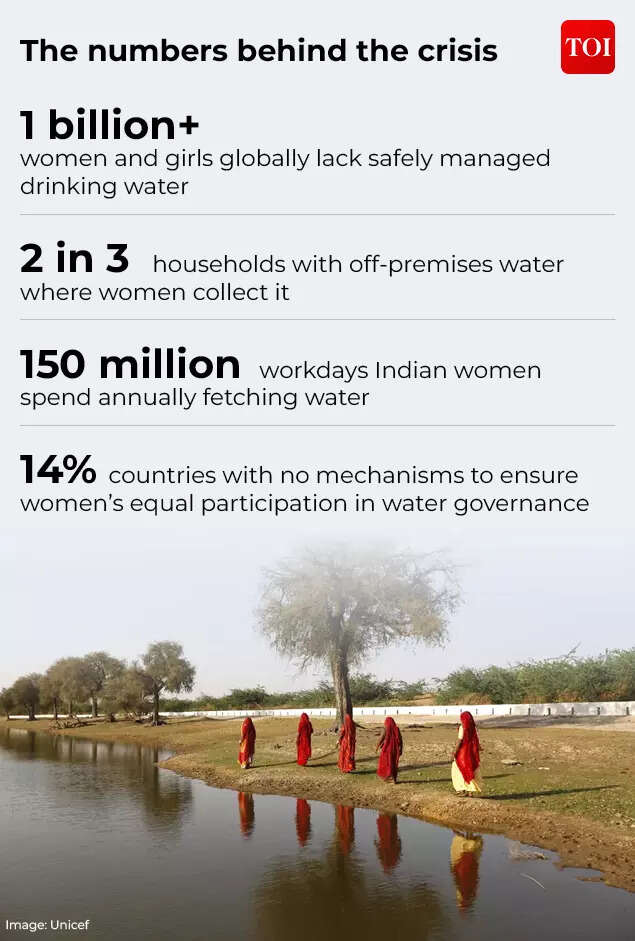
The economic case is equally compelling. In India alone, productivity losses attributable to women’s water-collection duties are estimated to be equivalent to approximately Rs. 10 billion — or roughly $160 billion, nearly 4.7 percent of GDP. Every tap closer to home, every check dam that holds monsoon water through March, translates into hours returned to women: for school, for work, for rest, for leadership.Chandrakant Kumbhani, chief operating officer, Community Development, Ambuja Foundation, underscores this transformation: “Water resource development is one of the most powerful drivers of women’s empowerment in rural India. But the real shift happens when women move beyond being beneficiaries to becoming decision-makers — involved in planning, managing, and governing water systems at the village level. This participation builds confidence, visibility, and leadership, enabling them to influence not just water-related decisions, but broader community priorities. As climate pressures intensify, this role becomes even more critical. Women’s involvement strengthens how communities plan for and manage water resources, making systems more adaptive and sustainable.”

A movement in stone

The check dams of Bundelkhand carry inscriptions. In the local dialect, chiselled into concrete, they read: “Women have the first right on water resources.” This is not poetry. A declaration that the women who suffer most from scarcity are the ones who have earned the authority to manage abundance.Leela Khatun, Leader of the Jal Sahelis, described the work of reviving a village pond. “The pond is a lifeline for the villagers, particularly during the summer, drought, and periods of scanty rainfall. We undertook the task of cleaning the pond, using both manual labour and excavators,” she told UNICEF proudly. “Some of the desilting work was carried out under MGNREGA. We held discussions with the village head and the villagers to ensure a sustainable water supply.Across India — from the slum settlements of Bhubaneswar to the gram panchayats of Rajasthan, from the overexploited aquifers of Haryana to the drought-scarred plateaus of Madhya Pradesh — women like Devwati Sharma are doing the technical, political, and physical labour of water governance. They are holding meetings, filing grievances, repairing infrastructure, and teaching water literacy to communities that the formal sector has yet to reach.On this World Water Day, the United Nations has a slogan: “Where Water Flows, Equality Grows.” In India, the women who have spent years with their hands in the earth already know it to be true. The question now is whether the world’s governments, donors, and institutions will carve it into their own policies — with the same permanence that a Jal Saheli chisels it into stone.


Source link

Ranveer Singh Properties: From Rs. 119 crore Bandra Quadruplex to Alibaug retreat: Decoding Ranveer Singh and Deepika Padukone’s luxury properties | Hindi Movie News


In the glamorous realm of Bollywood, Ranveer Singh and Deepika Padukone shine not just on screen but also in the real estate market, amassing a stunning property portfolio valued at roughly Rs. 181 crore. Highlights of their luxurious assets include a breathtaking Rs. 119 crore quadruplex with mesmerizing sea views in Bandra, a chic Rs.

Ranveer Singh and Deepika Padukone’s reported real estate holdings are worth roughly Rs. This totals 181 crore, based on the figures cited for their Bandra, Prabhadevi, and Alibaug homes. Their property portfolio includes a sea-facing Bandra home reportedly worth around Rs. 119 crore, a Prabhadevi apartment estimated at Rs. 40 crore, and an Alibaug villa pegged at nearly Rs. 22 crore. Together, these homes reflect both scale and exclusivity across prime addresses tied to the couple’s lifestyle.

Ranveer Singh’s house in Bandra

Ranveer Singh’s most talked-about property is his sea-facing quadruplex in Bandra. MagicBricks reports that the home is located in Sagar Resham and spreads across multiple floors. IndexTap adds that the property offers sweeping views of the Arabian Sea and stands in one of Mumbai’s most premium neighborhoods. The Bandra residence has also drawn attention for its size. According to MoneyTree Realty, the property covers about 11,266 square feet and includes a large private terrace. MagicBricks describes the home as a lavish residential space that matches the premium value often attached to celebrity properties in Bandra.

Watch

Deepika Wears Hijab & Ranveer Sports Beard In New Ad — Fans Praise Cultural Respect

Its reported price has also made headlines. MagicBricks says the deal was valued at around Rs. 119 crore. IndexTap also notes that the purchase ranks among the most expensive celebrity-linked residential transactions in Mumbai in recent years. That mix of price, scale, and location has made the Bandra home the centerpiece of Singh’s real estate profile.

Prabhadevi home and Alibaug villa details

Before acquiring the Bandra property, Ranveer Singh and Deepika Padukone were associated with a luxury apartment in Prabhadevi. MagicBricks says the couple’s earlier home was in Beaumonde Towers, a high-end residential complex known for housing several public figures. The report describes it as a stylish apartment with elegant interiors and a polished look, reflecting refined city living.

Poll

If you could own any of Ranveer Singh and Deepika Padukone's homes, which would it be?

Outside Mumbai, the couple also owns a home in Alibaug. MoneyTree Realty reports that the property serves as a holiday retreat and offers a more private setting away from the city. IndexTap describes the Alibaug villa as spacious and well suited for leisure living, with a layout that balances comfort and luxury. Taken together, these homes point to a carefully built luxury portfolio. The Bandra quadruplex speaks to scale and status. The Prabhadevi apartment reflects polished urban living. The Alibaug villa adds privacy and calm. Through each property, Ranveer Singh’s housing choices show a blend of location, exclusivity, and comfort.DISCLAIMER: Figures presented in this article are derived from various public sources and are considered approximate unless explicitly noted. We may include direct input from celebrities or their teams when available. We are open to feedback on toientertainment@timesinternet.in.


Source link