Breaking News
Coal gasification to boost energy security and cut imports, says G Kishan Reddy


Coal gasification to boost energy security and cut imports, says G Kishan Reddy
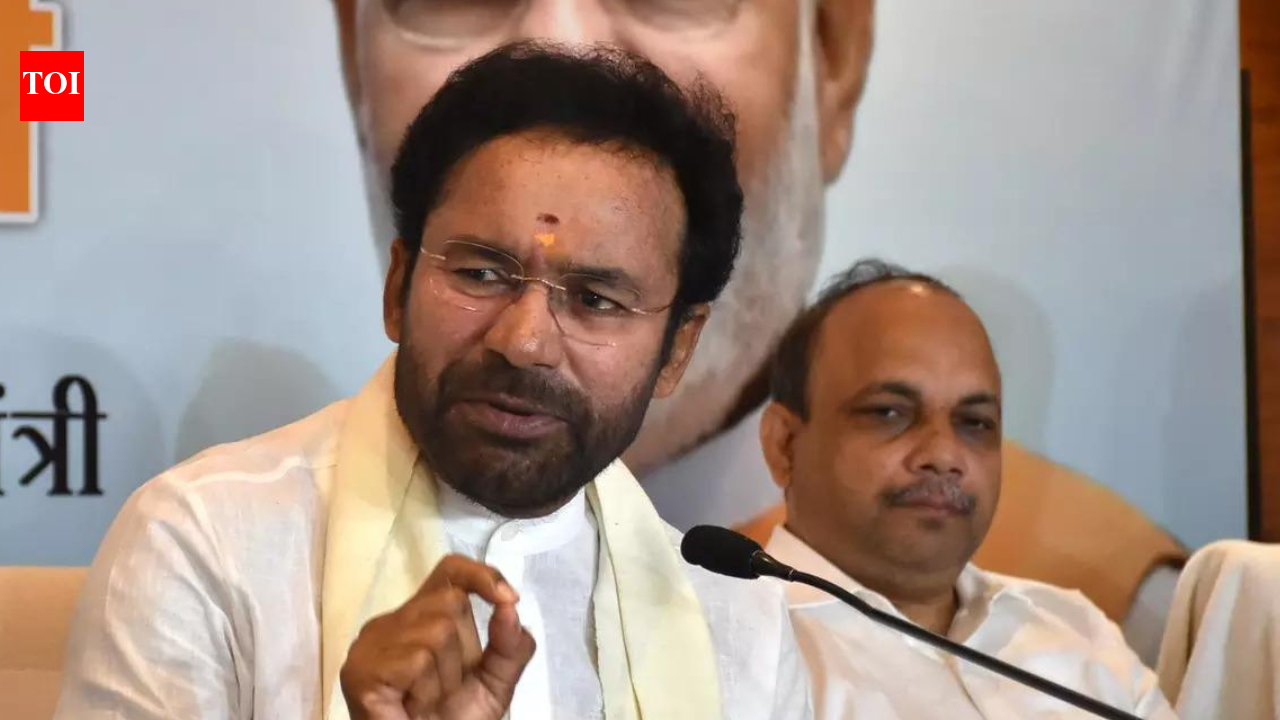
G Kishan Reddy (File photo)

Union coal and mines minister G Kishan Reddy on Sunday said coal gasification will play a critical role in enhancing India’s energy security, reducing import dependence and supporting industrial growth.The renewed push has gained urgency amid the ongoing Middle East conflict, which has led to a surge in global energy prices.Speaking at the Bharat Electricity Summit 2026, the minister described coal gasification as a transformative technology that converts coal into syngas, which can be used to produce cleaner fuels, chemicals, fertilisers and hydrogen, as reported by PTI.He said the approach would enable more efficient and sustainable utilisation of domestic resources while strengthening economic resilience.Reddy highlighted India’s dependence on energy imports, noting that the country imports about 83 per cent of its crude oil requirements, 50 per cent of natural gas and more than 90 per cent of methanol and fertilisers, making energy security a strategic priority.To promote adoption of the technology, the Centre has launched the National Coal Gasification Mission with a target of achieving 100 million tonnes of coal gasification by 2030.“…. An incentive framework of Rs 8,500 crore has been introduced to support public and private sector projects, with several large-scale initiatives already underway and investments exceeding Rs 64,000 crore in the pipeline,” he said.The minister also pointed to advanced technologies such as Underground Coal Gasification, which can help tap previously inaccessible reserves while lowering environmental impact.Calling for greater collaboration, Reddy said coal gasification spans multiple sectors including power, oil and gas and fertilisers, and requires a coordinated ecosystem involving industry, academia, start-ups and research institutions.He reiterated the government’s commitment to streamlined approvals, supportive policies and incentives to encourage early participation and investment.Expressing confidence in India’s potential, the minister said that with innovation, indigenous technology development and coordinated efforts, the country can emerge as a global leader in clean coal technologies while advancing energy security, sustainability and self-reliance.


Source link

Owaisi announces alliance for Bengal polls: AIMIM to contest with Humayun Kabir’s AJU party | India News


Owaisi announces alliance for Bengal polls: AIMIM to contest with Humayun Kabir’s AJU party

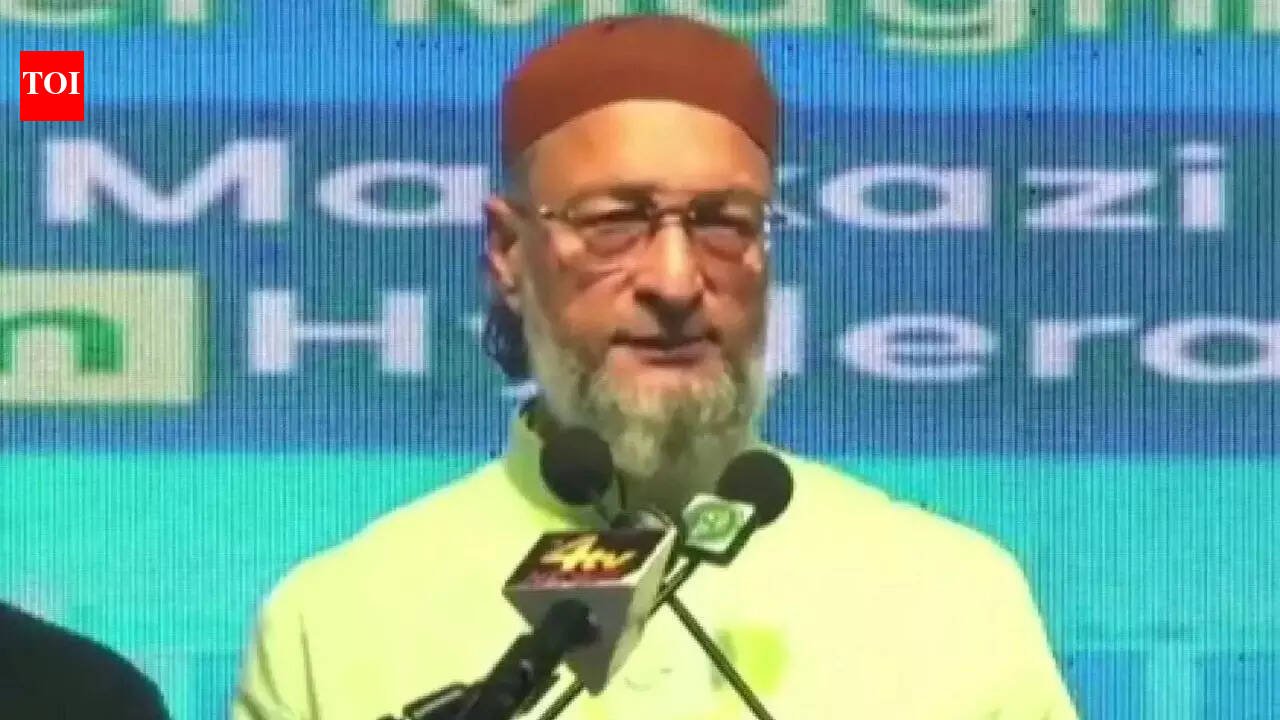
All India Majlis-e-Ittehadul Muslimeen (AIMIM) chief Asaduddin Owaisi on Sunday announced that the party will contest the upcoming West Bengal Assembly elections in alliance with Humayun Kabir’s Aam Janata Unnayan Party (AJUP).Announcing the tie-up, Owaisi said, “AIMIM has decided to form an alliance with Janata Unnayan Party for the West Bengal elections. We want to strengthen the AIMIM and ensure that our candidates in every corner of the country, succeed, and raise the voice of the poor and oppressed in the assembly… In West Bengal, 5 lakh backward category certificates have been cancelled, majority of which belong to Muslims. There are many stories of oppression as well. They secure votes in the name of secularism but when the Majlis advocates for share and representation, they don’t like it…”He also said, “I will hold a press conference in Kolkata with Humayun Kabir on March 25.”

Watch

‘Bunch Of Lies’: Bengal Poll War Heats Up As BJP And Congress Attack TMC’s Poll Manifesto Claims

Kabir, a former All India Trinamool Congress leader and founder of AJUP, had earlier said his party would contest 182 seats in the 2026 West Bengal Assembly elections. “I had already announced 15 candidates earlier. Now, Humayun Kabir will contest from Raninagar; he is also doing an additional job. Then, another businessman named Humayun Kabir will contest from Bhagwangola. Also, Manisha Pathak Pandey will contest from the 64-Murshidabad seat. So, with the 15 announced earlier and these three now, we have opened a list of 18 candidates today,” he said.He added, “My party, along with the alliance we are in, will contest in 182 seats. All India Majlis-e-Ittehadul Muslimeen (AIMIM) will be a partner and will contest in approximately 8 of those seats.”The West Bengal Assembly elections will be held in two phases on April 23 and April 29, 2026, with counting scheduled for May 4, according to the Election Commission of India. The first phase will cover 152 constituencies, while the second phase will cover 142 seats.West Bengal has a total of 294 Assembly seats and over 6.45 crore electors, including more than 5.23 lakh first-time voters aged 18 to 19 years.The main contest is expected between the ruling Trinamool Congress led by Mamata Banerjee and the opposition Bharatiya Janata Party.In the 2021 Assembly elections, the Trinamool Congress retained power with a decisive victory, while the Congress and Left Front failed to win any seats.


Source link

Former opener predicts SRH’s leading run-scorer and highest wicket-taker for IPL 2026


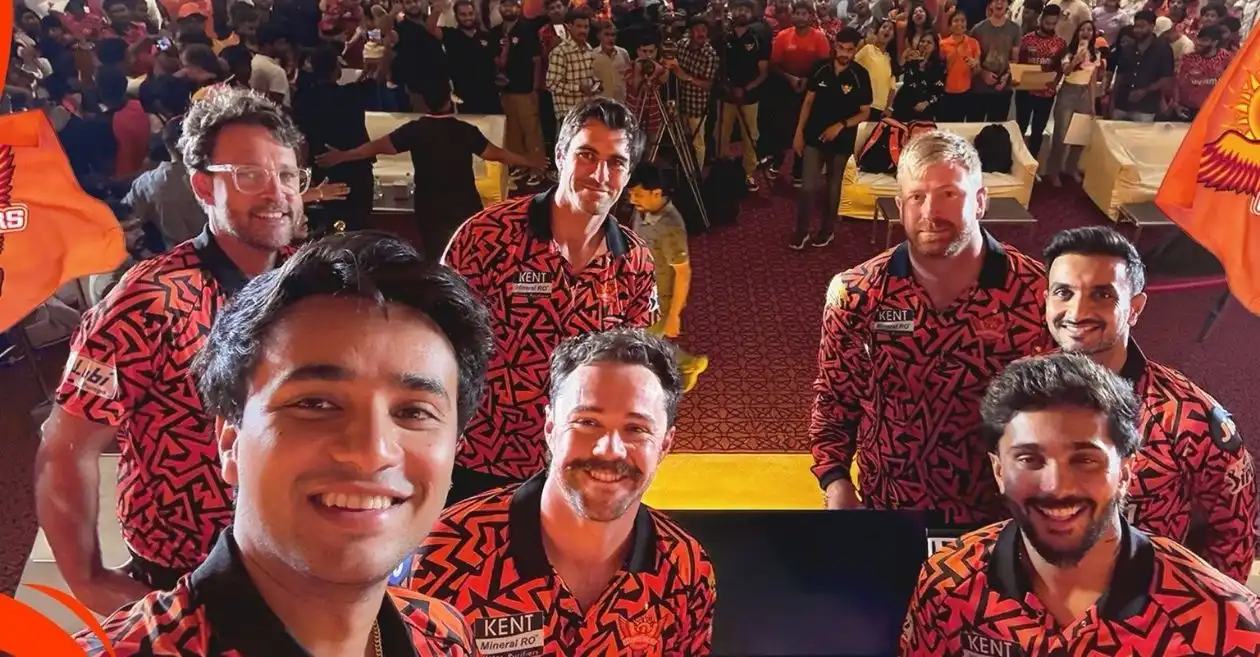
The excitement surrounding IPL 2026 is reaching fever pitch as teams fine-tune their preparations for the new season. Sunrisers Hyderabad (SRH), one of the most followed franchises in the league, are set to kick off their campaign with a high-voltage clash against Royal Challengers Bengaluru (RCB) on March 28 in Bengaluru.

With a revamped squad and renewed ambitions, SRH fans are eagerly waiting to see how their team performs this season. The anticipation is particularly high given the firepower in their lineup, featuring a mix of explosive batters and experienced bowlers. As the countdown begins, discussions around potential match-winners and standout performers have taken centre stage.

Former opener picks top run-getter and leading wicket-taker for SRH

Adding to the pre-season chatter, former India opener Aakash Chopra has shared his predictions for SRH’s key performers in IPL 2026. Speaking on his YouTube channel, Chopra picked Ishan Kishan as the team’s leading run-scorer and Harshal Patel as their highest wicket-taker for the upcoming edition.

“Who could be this team’s highest run-scorer? I would say Ishan Kishan. Highest wicket-taker? I would say Harshal Patel,” Chopra said.

His predictions come despite SRH having multiple proven performers in both departments. Notably, Heinrich Klaasen was the franchise’s leading run-scorer in IPL 2025, amassing 487 runs in a consistent campaign. He was well supported by Abhishek Sharma, who scored 439 runs, and Travis Head, who contributed 374 runs.

Kishan, meanwhile, finished as SRH’s fourth-highest run-getter last season with 354 runs. While those numbers may not have topped the charts, his aggressive batting style and ability to dominate powerplays make him a strong contender to lead the scoring this year.

On the bowling front, Pat Cummins and Harshal were joint leaders for SRH in IPL 2025, picking up 16 wickets each. Chopra’s backing of Harshal suggests confidence in the pacer’s variations and death-over expertise, which could prove crucial in tight encounters.

Also WATCH: Shubman Gill trolls Abhishek Sharma and SRH in fun segment with Sahiba Bali

High expectations from the two stars

With a star-studded squad at their disposal, SRH will be expecting big performances from their key players in IPL 2026. Kishan, likely to play a pivotal role at the top of the order, will be tasked with providing explosive starts and anchoring innings when required. Similarly, Harshal’s role with the ball will be vital, especially in pressure situations. Known for his clever variations and ability to pick wickets in the death overs, he remains a crucial asset in SRH’s bowling attack.

There is little doubt that expectations will be high from both players as the franchise looks to make a strong statement this season. If Kishan finds consistency with the bat and Harshal delivers with the ball, SRH could emerge as serious contenders for the title.

Also WATCH: Ishan Kishan’s heartening reaction after fiery send-off from teammate in SRH intra-squad clash ahead of IPL 2026


Source link

Vedanta moves NCLAT, challenges NCLT nod to Adani’s bid for acquiring Jaiprakash Associates


Vedanta moves NCLAT, challenges NCLT nod to Adani's bid for acquiring Jaiprakash Associates

Business conglomerate Vedanta Group has approached the National Company Law Appellate Tribunal (NCLAT), challenging the NCLT’s approval to Adani Group‘s bid for acquiring Jaiprakash Associates Ltd for Rs 14,535 crore. Anil Agarwal-led Vedanta Group was in the race to acquire Jaiprakash Associates Ltd (JAL) through an insolvency process, but the lenders in November last year approved the resolution plan or bid of Adani Enterprises Ltd. On March 17, the National Company Law Tribunal (NCLT), Allahabad bench, approved Adani Enterprises Ltd’s Rs 14,535 crore bid to acquire Jaiprakash Associates Ltd (JAL) through the insolvency process. In a regulatory filing, JAL had informed that the NCLT, Allahabad bench, has “orally pronounced an order on March 17, 2026” approving the resolution plan submitted by Adani Enterprises Ltd. Now, mining giant Vadanta has filed an appeal against the said NCLT order before the appellate insolvency tribunal NCLAT. The matter is listed for hearing on Monday before a two-member bench comprising Chairperson Justice Ashok Bhushan and Member (Technical) Barun Mitra. In November last year, a Committee of Creditors (CoC) approved the resolution plan by business tycoon Gautam Adani to acquire JAL. Adani Enterprises had outbid Vedanta and Dalmia Bharat to win the bid for JAL. Adani got the maximum 89 per cent votes from creditors, followed by Dalmia Cement (Bharat) and Vedanta Group. The committee of creditors (CoC), however, defended their decision, saying the process complied with all insolvency and Bankruptcy Code (IBC) rules. They maintained that no bidder has a guaranteed right to win, even if it offers the highest value. They said plans were evaluated on multiple factors, including upfront cash, feasibility, and execution, not just headline value. Adani’s bid was preferred as it offered around Rs 6,000 crore upfront and faster payments within two years, compared with Vedanta’s longer payment timeline of up to five years. Lenders also rejected Vedanta’s revised offer, saying it was submitted after bidding had closed and accepting it would require restarting the process. They added that all bidders were given equal opportunity and multiple chances to improve their bids. JAL, which has high-quality assets and business interests spanning real estate, cement manufacturing, hospitality, power and engineering & construction, was admitted to the CIRP in June 2024 after it defaulted on payments of loans aggregating Rs 57,185 crore. JAL has major real estate projects like Jaypee Greens in Greater Noida, a part of Jaypee Greens Wishtown in Noida (both on the outskirts of the national capital), and the Jaypee International Sports City, located near the upcoming Jewar International Airport. It also has three commercial/industrial office spaces in Delhi-NCR, while its hotel division has five properties in Delhi-NCR, Mussoorie, and Agra. JAL has four cement plants in Madhya Pradesh and Uttar Pradesh, and a few leased limestone mines in Madhya Pradesh. It also has investments in subsidiaries, including Jaiprakash Power Ventures Ltd, Yamuna Expressway Tolling Ltd, Jaypee Infrastructure Development Ltd, and several other companies.


Source link

Pathan explains ‘identification of talent’ as reason why DC, PBKS haven’t won IPL yet | Cricket News


Pathan explains ‘identification of talent’ as reason why DC, PBKS haven’t won IPL yet
Delhi Capitals (ANI Photo)

Delhi Capitals and Punjab Kings will once again begin their quest for a maiden Indian Premier League title when the 2026 season kicks off on March 28. Both franchises, despite nearly two decades in the competition, are yet to lift the trophy. Former India all-rounder Irfan Pathan, who has represented both teams, reflected on their journeys and highlighted key reasons behind their prolonged title drought. Speaking on JioStar, Pathan pointed out that Delhi struggled with talent identification during the early 2010s, which hindered their progress. “When I was in Delhi, Eric Simmons, who is now with CSK as the bowling coach, was the coach, and there was an effort to bring stability. But when you let go of players like AB de Villiers, and you have Andre Russell, starting from scratch is not easy. I played alongside Russell in the same dressing room, and there were a lot of discussions about giving him more opportunities, but they just couldn’t find a place for him consistently in the XI. So, identification of talent is very important, and I feel Delhi used to fall short in that area,” Pathan said. Punjab, on the other hand, have shown signs of progress in recent seasons. Ahead of IPL 2025, the franchise made significant changes by appointing Australian great Ricky Ponting as head coach and signing Shreyas Iyer for ₹26.75 crore. The team enjoyed a strong campaign and reached the final before falling short against Royal Challengers Bengaluru. Pathan credited Punjab’s improved leadership and strategic planning for their resurgence. “Leadership has played a huge role in Punjab’s turnaround. You win half the IPL at the auction table. Big purses don’t necessarily mean you will always get what you want, but they did, and they reached the final. Even in the mini-auction, they took bold but important calls, like letting go of players who were not performing, such as Glenn Maxwell,” he explained. He also referred to the situation involving Josh Inglis, noting how circumstances impacted their plans. “They were a bit unfortunate with the Josh Inglis situation, given he would miss most of the season, but then you see another team going after him for a huge price. In that respect, they are making a lot of the right decisions,” Pathan added. Another key improvement, according to Pathan, has been Punjab’s focus on strengthening their squad depth. “Look at the backup players. In the past, Punjab struggled with that when the focus was entirely on building the first XI, but now you see all-rounders like Azmatullah Omarzai, Marco Jansen and Marcus Stoinis, along with a young Indian batting core. Apart from that, they went all-out for Shreyas Iyer after deciding he would be the Captain. So, there is clarity of thought, and I feel Punjab have started to move in the right direction,” he concluded. As IPL 2026 approaches, both Delhi and Punjab will be aiming to finally break their title drought, armed with lessons from the past and renewed optimism for the future.

Banner Insert


Source link

Russian oil tanker MT Aqua Tita arrives off Mangaluru port amid Middle East tensions | India News


Russian oil tanker MT Aqua Tita arrives off Mangaluru port amid Middle East tensions

A Russian oil tanker chartered by Mangalore Refinery and Petrochemicals Ltd (MRPL) arrived off the Indian coast on Sunday, underscoring ongoing concerns over global energy supplies amid escalating tensions in Middle East. The vessel, MT Aqua Titan, is currently anchored around 10 nautical miles off the coast of Mangaluru in the Arabian Sea, having been expected a day earlier.The arrival comes as international energy markets remain volatile, with supply chains disrupted by the intensifying conflict in the region, now in its fourth week. Key maritime routes, particularly through the Strait of Hormuz, continue to face uncertainty, affecting the steady flow of crude oil and liquefied gas.Earlier today, a cargo ship transporting liquefied petroleum gas (LPG) from Texas in the United States docked at New Mangalore Port, further boosting India’s energy imports. In a move aimed at facilitating smoother operations, the Shipping Ministry recently announced a waiver of cargo-related charges for crude oil and LPG shipments at the port between 14 and 31 March. Officials have also confirmed that there is currently no congestion at any Indian port.Providing an operational update, Rajesh Kumar Sinha, Special Secretary at the Shipping Ministry, stated that all 22 Indian vessels and 611 sailors operating in the Persian Gulf region remain safe. He added that authorities are closely monitoring developments and have reported no maritime incidents in the past 24 hours.Meanwhile, India’s broader energy logistics continue to adapt to the evolving situation. The Indian-flagged tanker *Jag Laadki* recently reached Mundra port in Gujarat, while LPG carriers *MT Shivalik* and *MT Nanda Devi* safely navigated the Strait of Hormuz earlier this month, delivering over 92,000 metric tonnes of LPG.Domestically, officials have sought to reassure the public over fuel availability. The Ministry of Petroleum and Natural Gas reported a significant drop in panic LPG bookings, with 5.5 million recorded on Thursday, indicating stabilising consumer sentiment. Authorities maintain that adequate stock levels are available nationwide, despite rising concerns and a reported 25 per cent increase in industrial diesel prices.Elsewhere, Prime Minister Narendra Modi also chaired a high-level review meeting on Sunday, focusing on ensuring uninterrupted supply, stable logistics, and efficient distribution of critical energy resources across the country.


Source link

‘Dhurandhar 2’ actor Mustafa Ahmed who played Hamza’s aide Rizwan, started his journey with Rs 10,000 a month as a gym trainer |


'Dhurandhar 2' actor Mustafa Ahmed who played Hamza's aide Rizwan, started his journey with Rs 10,000 a month as a gym trainer

Celebrity trainer turned actor Mustafa Ahmed got a lot of love for his role in ‘Dhurandhar 2’. He played Rizwan, Hamza’s trusted aide in the film. But his journey to the spotlight has been anything but easy. Years ago, he was earning just Rs 10,000 a month as a gym trainer in Delhi’s Janakpuri. Nearly 15 years later, he would go on to train none other than Hrithik Roshan.Mustafa’s path was far from conventional. He wasn’t someone people expected to “make it big.” Much like the protagonist in Taare Zameen Par, he struggled with dyslexia and eventually dropped out of formal education.

Watch

From Protests To Bans, Dhurandhar 2 Becomes Bollywood’s Biggest Off-Screen Drama

Speaking on the Jag Of All Trades podcast, Mustafa Ahmed recalled, “I was not a bright kid. I was dyslexic and come from an Afghani background. But I was always physical—I was good at sports, picked up dancing naturally. Anything that involved using my body, I was good at it.”At just 21, he was already earning Rs 1 lakh a month as the youngest team leader at a call centre in 2001—a dream job for many. But a seemingly small moment ended up changing his life completely. While working out at a gym in Janakpuri, he noticed a woman in her 40s being ignored by a trainer. He stepped in to help her, unaware of how pivotal that moment would become.On the Alpha Coach podcast, he shared, “A couple of months later, she handed me an envelope and asked me to read it at home. It scared me. But in that letter, she wrote that working out had brought the spark back into her marriage. She told me this was my life calling—and not following it would be criminal.”That message stayed with him. Soon after, Mustafa made the bold decision to quit his high-paying job. “My manager called me crazy,” he said. His mother, too, stopped speaking to him after he left a stable career, especially given that he had already stepped away from academics.Starting from scratch, he took up a job at a West Delhi gym for Rs 10,000 a month, waking up at 4 am daily to open the shutters. Around the same time, a visit to Fitness First in Connaught Place became another turning point. Despite lacking formal qualifications, his honesty and passion earned him a job.“They offered me Rs 18,000 plus Rs 600 per session out of which, they kept Rs 300 and gave me the other Rs 300. I couldn’t believe people would pay me that for an hour. That’s when I felt—sky is the limit,” he said.What followed was sheer grit and consistency. Within three months, Mustafa became the No. 1 trainer for Fitness First in Asia. He was conducting up to 14 sessions a day, six days a week—clocking nearly 400 hours a month and earning over Rs 1.4 lakh. By 2009, he had firmly established himself.As his career progressed, so did his vision. Seeing international trainers dominate the Indian fitness space, Mustafa questioned why Indian trainers weren’t given the same recognition. “I believed I was at par with them. So why not me?” he said.Before the release of Dhurandhar, Mustafa had penned an emotional note for Aditya Dhar in 2025: “‘Main hoon na. Tu kar.’ He would say this whenever I doubted myself. ‘Tu theek hai na’ when I wasn’t okay. ‘Tu khush hai na’ when I got emotional.” Reflecting on his acting debut, he added, “Aditya Dhar, you took me on a journey I never imagined. You saw in me what I didn’t know existed. But most importantly, you gave me your friendship and love—and for that, you have my loyalty for life.”


Source link

Access Denied


Access Denied

You don’t have permission to access “http://www.ndtv.com/world-news/iran-israel-war-iran-says-will-completely-close-strait-of-hormuz-if-us-targets-power-plants-11251446” on this server.

Reference #18.4cfdd417.1774198464.522450fc

https://errors.edgesuite.net/18.4cfdd417.1774198464.522450fc


Source link

‘Pop a pill and carry on’: The workplace silence on India’s menstrual leave debate | India News


'Pop a pill and carry on': The workplace silence on India's menstrual leave debate

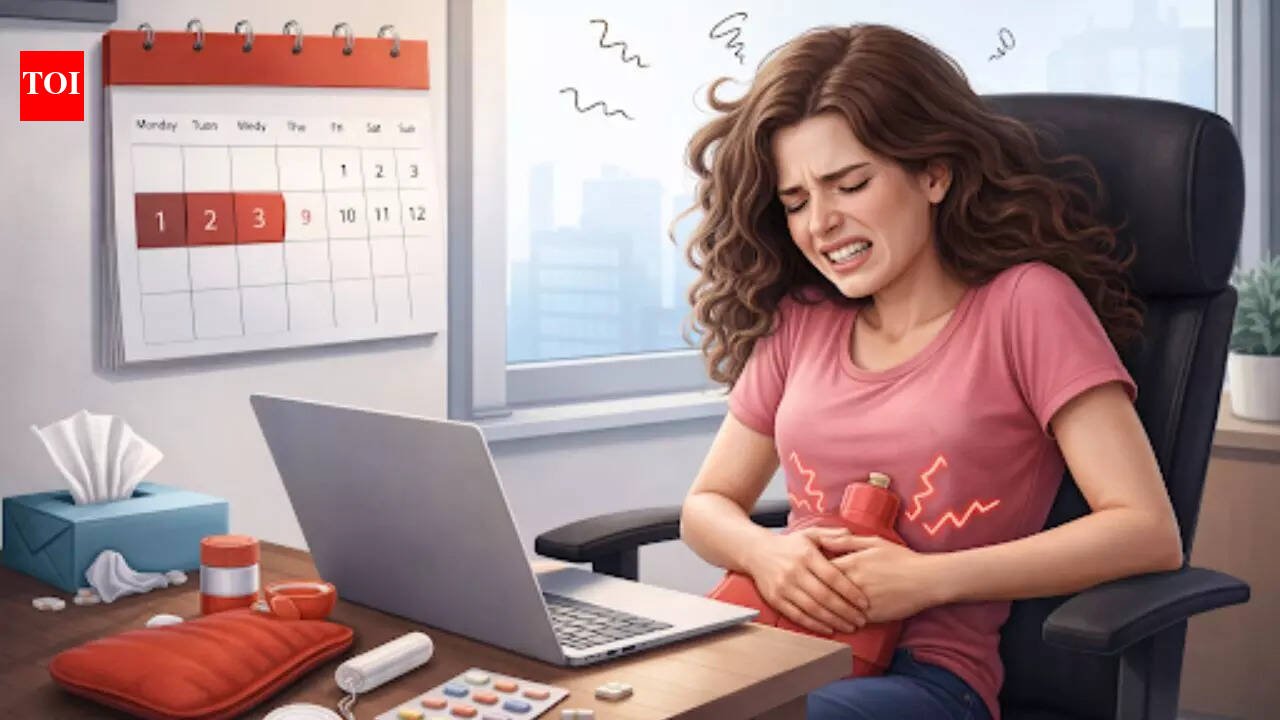
Is it that time of the month? No issues. Pop a pill and get to work with a hot water bag! It sounds casual, almost harmless. But behind this everyday remark lies a deeper reality, one that millions of women silently go through every month.Modern work life is designed around a predictable, almost mechanical rhythm, but a woman’s body doesn’t follow the clock.A typical day for a man begins with waking up, moving through structured hours of productivity, peaking somewhere in the middle, and gradually winding down before sleep. The cycle repeats, day after day, with little room for deviation.But for women, the body does not always comply with this uniform pattern.Instead, it operates on a hormonal cycle that fluctuates across the month with energy levels rising and falling. Physical strength and emotional resilience ebb and flow. And yet, the expectation remains unchanged.Show up, perform, deliver. There is no pause button!Fatigue, mood shifts, and slight discomfort during menstruation are often considered natural. But intense, debilitating pain? That is not supposed to be “so normal.”And yet, it has become so common that it is often dismissed. Still, the response society expects is remarkably simple. Pretend nothing is happening!

What is menstruation?

Menstruation is a biological process in which the inner lining of the uterus sheds when an egg released during ovulation is not fertilised. This leads to the discharge of blood and tissue through the cervix and vagina, typically at monthly intervals.The first menstrual cycle, known as menarche, usually occurs between the ages of 8 and 15. On average, cycles repeat every 28 days, though variations are common.For some women, menstruation is not just a few days of discomfort, but also conditions like PCOD (Polycystic Ovarian Disease) or PCOS (Polycystic Ovary Syndrome) that can lead to severe cramps, irregular cycles, prolonged bleeding, and hormonal imbalances.As Sneha Srivastava noted, “Every woman’s body is different. While some may experience minimal discomfort, others go through intense pain, nausea, and fatigue.” On a personal note, she added, “I have experienced significant discomfort due to PCOS. My periods can last for more than three weeks… managing this while working can be extremely challenging.”Tithi Pramanik from Odisha echoes the reality saying, “I have PCOD and experience severe cramps during my periods.” Yet workplaces rarely accommodate this spectrum of experience.

,

The menstrual leave debate in India

Most working women already know the unspoken rules.You go to work despite cramps that make it difficult to sit upright. You continue meetings through waves of nausea. You push through fatigue that clouds your concentration. Because acknowledging the pain feels risky.Ask for leave, and you may be seen as unreliable. Take time off, and you might miss opportunities. Speak openly about menstrual symptoms, and you risk being labelled “difficult.” So the safer option becomes silence.The idea of menstrual leave, time off granted to women during their periods has increasingly entered discussions around workplace rights, gender equality, and employee welfare.But, Should India have a nationwide law mandating menstrual leave?On March 13, the Supreme Court of India declined to entertain a public interest litigation seeking a uniform policy for menstrual leave across workplaces and educational institutions.

,

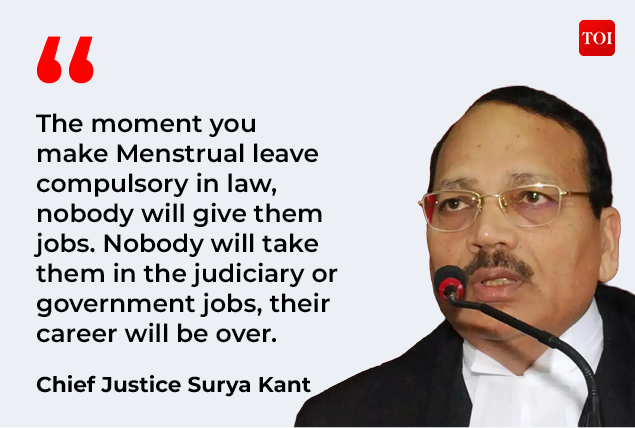
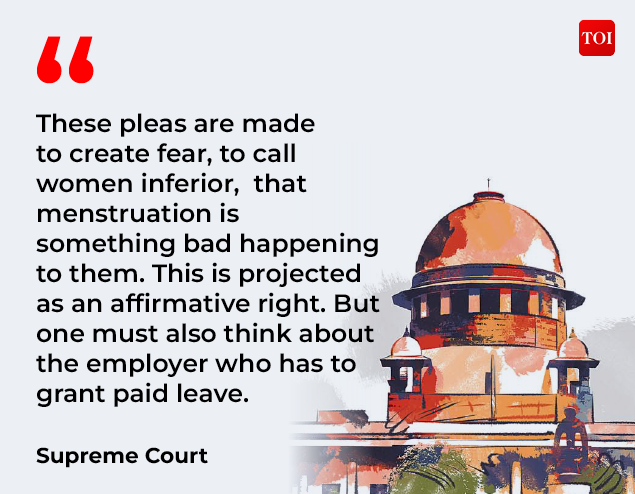
The court did not dismiss the issue outright but raised concerns about potential unintended consequences.The bench observed that making menstrual leave compulsory could discourage employers from hiring women. As Chief Justice Surya Kant noted during the hearing, “Voluntarily given is excellent. The moment you make it compulsory in law, nobody will give them jobs.”The court also warned that such a policy might reinforce stereotypes, portraying women as less productive or less reliable.Another point raised was that such decisions fall within the domain of policymakers, not the judiciary. The court suggested that the government should examine the issue after consulting stakeholders.

Will such a policy make employers hesitant to hire women?

For some, the solution may not lie in a strict leave policy.Raveena Newatia, a communications manager from Gurugram, said, “There might be a widespread belief that this would affect work so employers might,” acknowledging the hesitation that often surrounds such policies.“Although on the basis of right judgements and awareness, this could be changed in the longer run,” she added. Recalling her own experience and discomfort, Raveena said, “I have faced discomfort working and sitting on a chair in the office, and not being able to lay my back on a hot water bag even when desperately needed.”“I still believe that Work from Home norms or mobility flexibilities could be considered by the Supreme court in issuing some mid-solution law so that even the work doesn’t compromise and the females also don’t have to suffer at least physically,” she added.Ranjit, a Delhi-based entrepreneur, suggests flexibility saying, “I do not fully agree with the Supreme Court’s decision. Companies should at least be made to offer options like work from home and flexible working hours.”Ajit, a college professor from Gujarat, questions the logic of making such support optional. “How can a legal right be optional? Does that make sense? Women should have a choice whether to take the leave or work.”

Women should have a choice whether to take the leave or work.

Ajit, a college professor

“Discrimination comes in all forms and sizes in society. Some employers might hesitate to hire women, at least initially, but I believe it’d quickly become clearer to them that better employee care translates into better output,” he added.Further addressing concerns that such policies might discourage employers from hiring women, Biswarupa Das, a PhD scholar in HR studies said, “honestly, in a time when organisations are implementing measures towards sustainable workplaces and acknowledging diverse needs, this shouldn’t even be a question.”“The focus should shift from seeing this as a ‘cost’ to responding with empathy and understanding. Women already take leave when the pain becomes physically and mentally overwhelming, it was just not always acknowledged openly.”“I don’t believe employers will hesitate, because an employee’s calibre cannot be judged on the days she is struggling with something she hasn’t chosen, it’s simply a part of biology,” she added.Not everyone is convinced that menstrual leave as a labelled policy is the right approach.Pankaj Jha, senior manager at an insurance firm said, “I think the idea of menstrual leave sounds progressive on the surface, but it’s worth asking why it hasn’t been widely adopted in developed countries like the US, UK, or Germany.”He points to a deeper issue: privacy. He said, “There is still significant stigma around menstruation, especially in smaller towns and cities. In such an environment, formally labeling a leave as “menstrual leave” could unintentionally expose women to judgment or ridicule.”“I’ve personally observed situations where women taking such leave became the subject of insensitive remarks by male colleagues behind their backs,” he added.

How do you define eligibility? What about women who have reached menopause, or those who experience only mild discomfort?

Pankaj Jha, senior manager at an insurance firm

Jha also noted that there are practical challenges in the implementation of such laws. “How do you define eligibility? What about women who have reached menopause, or those who experience only mild discomfort?” he said. He suggested a more nuanced approach by integrating menstrual leave within existing sick leave policies rather than creating a separate category.“Instead of introducing a separate, labeled category, I believe a more inclusive and respectful approach would be to incorporate it within existing sick leave policies, give women a couple of extra sick leaves per month,” he added.But on the ground, the reality is different. For many women, the debate is not theoretical, It is physical!As Tithi Pramanik said, “In my previous company, my manager said he would not hire women because of these issues.”“That’s why I feel making menstrual leave mandatory could increase bias and discourage employers from hiring women,” she added.As, Sneha Srivastava argued that leaving menstrual leave optional often defeats its purpose. “When something is optional, many women hesitate to avail it, often fearing judgment or being perceived as less committed at work,” she said.

A medical perspective: Do women really need leave?

Adding another layer to the debate, obstetrician and gynaecologist Nimmi Rastogi offers a clinical viewpoint.“Menstruation is a normal biological process. It is not a disease. It is not even a period of incapacitation. It is simply a reflection of how a woman’s physiology works,” Dr Nimmi said.While acknowledging that some women experience severe symptoms, she cautions against generalising, saying “It is true that some women experience PMS, pain, dysmenorrhea, clotting or heavy bleeding, but this is not the case for everyone. So, I don’t think it is a good idea to mandate menstrual leave.”Her advice is counterintuitive to many: stay active!

Medically, staying active actually helps ease most symptoms. We usually encourage patients to remain active and not refrain from work, school or studies. Even simple movements like walking can reduce pain.

Gynaecologist Nimmi Rastogi

“Medically, staying active actually helps ease most symptoms. We usually encourage patients to remain active and not refrain from work, school or studies. Even simple movements like walking can reduce pain,” she said. “If you lie down or remain sedentary during periods, it can be counterproductive for your health,” she added.For her, work itself can help. “Working is a good distraction. Symptoms like mood swings, PMS and irritability can be relieved through physical activity and engagement,” she said.

What most men think?

Iqbal Singh said, “Leave must be there because I have seen my wife bearing lots of pain and cramps. The story is different for every girl, but also seen some people are not cooperating towards it, when women really need a policy decision like this.”Hadi Khan echoes the same sentiment and said, “I’ll be honest, I do think menstrual leave is necessary. For women, periods aren’t just a minor inconvenience. They can be physically draining, sometimes even debilitating.”Yet, he also acknowledges the dilemma saying, “Yes, I do think that’s a real possibility that employers might hesitate to hire women if such a policy is enforced.”“Even if it’s not openly admitted, some employers might quietly factor it into their hiring decisions. In competitive or cost-sensitive industries, there’s often a tendency to view anything that could affect productivity or increase compliance requirements as a drawback,” he added.Shubhanshu Dwivedi frames it more sharply saying, “Menstrual leave is a basic workplace support measure and not a privilege.”“The argument that such a policy may discourage hiring rests on accepting discrimination as a given. That is a slippery position,” he added.

The cultural silence and stigma

The challenge is not just policy, it is also cultural. But how can one go and seek menstrual leave when we don’t even speak about menstruation in the open!In many parts of India, menstruation remains a taboo subject. Women are often discouraged from speaking about it openly. In some households, restrictions still exist.Pari (name changed) from Assam describes her reality, “On the three days of my period, I sit and sleep on the floor. I eat on a separate plate as I am not allowed to enter the kitchen or touch any utensil or other furniture. I do not touch any male member be it my father, brother or husband. These customs have been followed for a very long time in my household and me, my mother and sister have applied the same in our lives.”Yash Sonkar further points to a lack of awareness, saying, “Menstruation isn’t even properly explained in our school curriculum… teachers skip the chapters at times.”

,

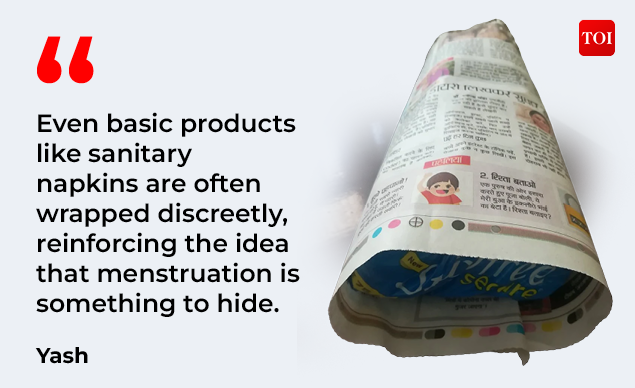
Even basic products like sanitary napkins are often wrapped discreetly, reinforcing the idea that menstruation is something to hide.Interestingly, menstruation was not always viewed this way.In ancient India, it was often associated with fertility, renewal, and the cycles of nature. Some traditions even treated it as a time for rest and reflection.Over time, however, colonial influences, patriarchal interpretations, and cultural shifts transformed this perception into one of impurity and shame.What was once a period of care became a period of silence.

Global and Indian policy landscape

Globally, countries like Japan, Spain, South Korea, and Indonesia have menstrual leave policies.But even there, challenges remain.As Pankaj Jha points out, “Even in places like Japan, menstrual leave is often unpaid, which raises questions about how effective or empowering it truly is.” In India, efforts are scattered. Some states and companies have introduced policies, but there is no unified national framework.

The productivity paradox

There is a growing body of research suggesting that workplaces with better gender inclusion perform better overall. Companies with more diverse leadership often show stronger financial and governance outcomes.In simple terms, when women are supported, they deliver. So the real question is not whether menstrual leave reduces productivity.It is whether ignoring biological realities is sustainable in the long run.

Rethinking the workplace?

Imagine a different system. A workplace that acknowledges biological differences instead of ignoring them. One where women can align tasks with their natural energy cycles, high-focus work during peak phases, lighter tasks during physically demanding days.A system where taking care of health is not seen as a weakness, but as part of being human. Biswarupa captures this sentiment saying, “Menstrual leave is absolutely necessary. Such leaves would be a meaningful step towards acknowledging what all the women go through silently.” The debate on menstrual leave is not just about policy. It is about recognition. Recognition that biology is not uniform. For now, the Supreme Court of India has left the matter to policymakers. But the conversation is far from over.Because every month, across offices, classrooms, factories, and homes, millions of women continue to work through pain, quietly, invisibly, and without acknowledgment.

Source link