Breaking News
Iran’s missile map decoded: Who falls within its expanding strike range


Iran's missile map decoded: Who falls within its expanding strike range
Representative Image (AI generated)

NEW DELHI: Iran’s missile arsenal has emerged as the cornerstone of its military doctrine, offering Tehran the ability to project power across the Middle East and shape the trajectory of any conflict it enters. Built steadily over the past three decades, the programme spans short-range tactical systems to long-range ballistic and cruise missiles, creating a layered strike capability that compensates for the country’s ageing air force.The range of these missiles is not merely a technical detail. It defines the geography of conflict, determines potential targets, and underpins Iran’s strategy of deterrence. From nearby Gulf bases to Israel and beyond, the arc of Iranian missile reach continues to influence military calculations across the region.

Short-range missiles: Immediate battlefield dominance

At the lower end of the spectrum are short-range ballistic missiles, typically with ranges between 300km and 800km. These systems form the first layer of Iran’s strike capability and are designed for rapid deployment against nearby targets.Missiles such as the Fateh-110, Zolfaghar, Qiam-1 and Shahab-1 and Shahab-2 fall into this category. Their relatively short range offers a tactical advantage. They can be launched quickly, often in large numbers, reducing warning time for adversaries and increasing the likelihood of overwhelming air defence systems.This class of missiles is particularly suited for targeting US military bases in the Gulf, naval assets, and regional infrastructure. Their role is to deliver a “first punch” in any escalation scenario, signalling capability while inflicting immediate damage.Iran demonstrated this approach in January 2020, when it launched ballistic missiles at Iraq’s Ain al-Assad airbase following the killing of General Qassem Soleimani. The attack caused significant damage and injuries, showcasing Iran’s ability to strike precisely without relying on conventional air power.

Medium-range missiles: Expanding the strategic map

The second layer of Iran’s missile arsenal comprises medium-range ballistic missiles, with ranges typically between 1,000km and 2,000km. This category marks a shift from tactical warfare to strategic deterrence.Key systems include Shahab-3, Emad, Ghadr, Sejjil and Khorramshahr. These missiles significantly expand Iran’s strike envelope, placing Israel and a wide network of US-linked military facilities within reach. Bases in Qatar, Bahrain, Kuwait, Saudi Arabia and the United Arab Emirates all fall within this radius.Among these, the Sejjil missile stands out due to its solid-fuel propulsion. Unlike liquid-fuel missiles, which require longer preparation times, solid-fuel systems can be launched more quickly, enhancing survivability in a conflict where pre-emptive strikes are a constant threat.This layer effectively turns any confrontation with Iran into a regional issue. It ensures that escalation cannot be contained to a single battlefield, as multiple countries fall within range of retaliation.

Long-range systems: The outer limits of reach

Iran’s longest-range missiles are assessed to reach between 2,000km and 2,500km, forming the outer boundary of its publicly known capabilities. Systems such as advanced variants of the Shahab series, Sejjil and Khorramshahr operate in this range band.In addition to ballistic missiles, Iran has developed cruise missiles like Soumar, which can travel up to 2,500km while flying at low altitudes. These missiles are harder to detect and intercept, particularly when used in combination with drones or ballistic systems.The geographical implications of this range are profound. A 2,000km radius from Iran encompasses not only Israel and the Gulf but also parts of southeastern Europe, Central Asia and North Africa. It allows Tehran to hold at risk a broad spectrum of military and economic targets, including ports, energy infrastructure and airbases.However, despite the reach, Iran’s missile capability does not extend to the continental United States. This limitation underscores that Tehran’s strategy is focused on regional dominance rather than global strike capability.

Diego Garcia strike attempt: Testing the boundaries

A recent development has, however, raised questions about the upper limits of Iran’s missile reach. Reports of an attempted strike on Diego Garcia—a remote island in the Indian Ocean hosting a major US-UK military base—suggest that Tehran may be experimenting with longer-range capabilities.Located roughly 4,000km from Iran, Diego Garcia lies well beyond the established range of Iran’s missile systems. According to available information, two missiles were reportedly launched towards the island, though neither successfully struck the target.While the attempt did not succeed, its implications are significant. It points either to an experimental extension of Iran’s missile technology or a strategic signalling effort aimed at deterring Western forces by demonstrating intent rather than proven capability.If Iran were to develop reliable systems capable of reaching such distances, it would fundamentally alter the strategic balance, extending its reach into the Indian Ocean and potentially into parts of Europe and the Indo-Pacific.

The geography of threat: A layered coverage

The image of Iran’s missile ranges illustrates a layered pattern of concentric reach. Short-range systems dominate the immediate neighbourhood, covering the Persian Gulf and nearby states. Medium-range missiles extend this reach to Israel and deeper into West Asia, while long-range systems push the boundary outward to cover an even wider arc.This layered structure ensures that Iran can respond across multiple distances simultaneously. It also complicates defence planning for adversaries, who must account for threats arriving from different ranges, trajectories and speeds.In practical terms, this means that no major US military installation in the Gulf region lies outside Iran’s reach. Energy infrastructure, shipping lanes and urban centres across the region are also within striking distance.

Volume and survivability: Beyond range

While range defines reach, Iran’s missile strategy is equally dependent on volume and survivability. The country has invested heavily in underground facilities, often referred to as “missile cities”, where weapons are stored and prepared for launch away from surveillance.Mobile launch platforms further enhance flexibility, allowing missiles to be fired from multiple locations. This dispersal makes it difficult for adversaries to neutralise Iran’s arsenal in a single pre-emptive strike.The use of combined tactics—ballistic missiles, cruise missiles and drones—adds another layer of complexity. Drones can be used to saturate air defences, while cruise missiles fly low to evade detection, and ballistic missiles deliver high-speed strikes.This integrated approach increases the likelihood that at least some weapons will penetrate defensive systems, ensuring that Iran retains credible retaliatory capability.

Strategic implications: Deterrence and escalation

Iran’s missile range is central to its deterrence strategy. By demonstrating the ability to strike across a wide geographical area, Tehran seeks to discourage adversaries from initiating attacks or escalating conflicts.At the same time, this capability raises the stakes of any confrontation. The broader the range, the wider the pool of potential targets, increasing the risk of a regional conflict spiralling into a larger war.The attempted strike on Diego Garcia, even if unsuccessful, underscores this dynamic. It signals that Iran may be willing to expand the geographical scope of its operations, challenging assumptions about the limits of its reach.Iran’s missile programme is not just about weapons—it is about shaping the battlefield. From short-range systems designed for immediate impact to long-range missiles that define regional power projection, the range of Iran’s arsenal determines how conflicts unfold.As tensions persist, this range ensures that any military engagement involving Iran will not remain confined. Instead, it will play out across a vast and interconnected region, where distance offers little protection and escalation carries far-reaching consequences.



Source link

Another PSL exit, Dasun Shanaka set to replace Sam Curran in Rajasthan Royals for IPL 2026 | Cricket News


Another PSL exit, Dasun Shanaka set to replace Sam Curran in Rajasthan Royals for IPL 2026
Dasun Shanaka (Image: IANS)

Sri Lanka captain Dasun Shanaka is set to join the Rajasthan Royals (RR) for the upcoming IPL 2026 season as a replacement for injured England all-rounder Sam Curran.RR have been forced into a late squad change after Sam Curran was ruled out of the tournament due to a groin injury. The franchise quickly moved to secure Shanaka, with sources indicating that the deal is nearly complete, pending minor paperwork related to his commitments in the Pakistan Super League (PSL).

Watch

Is T20 ruining India’s test cricket?

Another PSL-to-IPL Switch

Shanaka’s move marks yet another instance of players switching from the PSL to the IPL. Recently, Zimbabwe pacer Blessing Muzarabani left his PSL stint to join Kolkata Knight Riders as a replacement for Mustafizur Rahman. This growing trend highlights the IPL’s continued dominance as the most lucrative and competitive T20 league in world cricket. RR, the inaugural IPL champions, will begin their IPL 2026 campaign against five-time winners Chennai Super Kings at ACA Stadium in Guwahati on March 30. “The conversations are ongoing for Shanaka to join RR for the upcoming IPL season. Barring a few formalities which are yet to be completed, this seems to be a done deal and it’s pretty much going in that direction,” a franchise official told IANS on Sunday.

Shanaka’s Recent Form

Under Shanaka’s leadership, co-hosts Sri Lanka had crashed out in the Super Eight stage of the T20 World Cup, Shanaka scored 165 runs including a 31-ball 76 not out against Pakistan, while he also took three wickets in the T20 World Cup. Having gone unsold at the IPL’s mini-auction last December, Shanaka was picked up by PSL franchise Lahore Qalandars. Shanaka previously played in IPL 2023 for Gujarat Titans as a replacement for the injured New Zealand batter Kane Williamson, where he made 26 runs in three games. He was signed again by Gujarat Titans in 2025 as a mid-season replacement player for injured New Zealand batting all-rounder Glenn Phillips, but didn’t get a game to play. While Sri Lanka legend Kumar Sangakkara is the Royals’ head coach, former India batting coach Vikram Rathour is the assistant coach of the side. Rathour was the consulting batting coach of Sri Lanka during the T20 World Cup.

Banner Insert


Source link

Sri Lanka increases fuel prices around 25% as Middle East tensions disrupt global oil supplies


Sri Lanka increases fuel prices around 25% as Middle East tensions disrupt global oil supplies

Sri Lanka on Sunday raised fuel prices by around 25 per cent, marking the second increase within a week as the ongoing Middle East conflict continues to disrupt global energy markets, news agency PTI reported.The price revision, effective from midnight, comes as tensions triggered by joint US–Israel strikes on Iran and retaliatory action by Tehran have spread across the Gulf region, leading to the closure of the Strait of Hormuz — a key global energy transit route.According to official announcements, the price of auto diesel rose 26.1 per cent from Sri Lankan rupees (LKR) 303 to LKR 382 per litre, while super diesel increased 25.5 per cent from LKR 353 to LKR 443. Petrol 92 octane climbed 25.6 per cent from LKR 317 to LKR 398, petrol 95 octane rose 24.7 per cent from LKR 365 to LKR 455, and kerosene jumped 30.8 per cent from LKR 195 to LKR 255.This is the third fuel price hike since March 1 and comes as the conflict, which has unsettled global oil markets, entered its fourth week.With the latest revision, retail fuel prices in Sri Lanka are set to return close to levels seen during the 2022 economic crisis, when the country declared its first-ever sovereign default since independence in 1948. The unprecedented financial turmoil at the time forced then president Gotabaya Rajapaksa to resign amid widespread civil unrest.The steep increase has sparked concern among transport operators. Non-state bus owners warned that up to 90 per cent of their fleet could be taken off the roads unless fares are revised.“This is the biggest rise of diesel ever. We will not be able to operate buses without an adequate fare revision. We need a minimum 15 per cent fare hike to stay afloat,” Gamunu Wijeratne, chairman of the Lanka Private Bus Owners’ Association, told reporters.The association threatened a nationwide strike if authorities fail to announce a scheduled fare revision.Responding to the developments, the National Transport Commission (NTC) said the latest diesel price increase, when applied to its fare formula, translates into a rise of more than 10 per cent in current bus fares. NTC Director General Nilan Miranda said Cabinet approval is expected on Monday to implement revised fares, according to media reports.Private operators account for about 65–75 per cent of the island nation’s public transport fleet, while the state-run share stands at around 25–35 per cent.Three-wheeler taxi operators, many of whom use petrol vehicles dominated by India’s Bajaj brand, said the price of commonly used petrol had risen to nearly LKR 400 per litre.“Who would want to ride with us at this rate?” a three-wheeler driver said, as quoted news agency PTI.Apart from state-owned Ceylon Petroleum Corporation (CPC), fuel retailing in Sri Lanka is also carried out by Lanka IOC — a subsidiary of IndianOil –as well as China’s Sinopec and Australia’s United Petroleum. Following CPC’s decision, LIOC and Sinopec also revised their retail fuel prices, media reports said.Opposition leaders criticised the government’s tax policy, claiming that authorities collect about LKR 119 per litre of petrol and LKR 93 per litre of diesel in taxes. They demanded that these levies be scrapped to provide relief to consumers.Analysts warned that the fresh fuel price hike could push inflation higher by 5–8 per cent.Earlier, government spokesman and minister Nalinda Jayatissa said that despite the price revisions, the government continues to bear a monthly subsidy burden of around Rs 20 billion by subsidising diesel by Rs 100 per litre and petrol by Rs 20 per litre.He said that without the revision, the state would have faced an additional financial burden of approximately $1.5 billion. Jayatissa urged the public to consume electricity and fuel “mindfully” and warned against hoarding, calling on citizens to report any such attempts.


Source link

‘Can’t survive without terrorism’: BJP reacts to ex-Pakistan envoy’s remarks on striking India | India News


'Can’t survive without terrorism': BJP reacts to ex-Pakistan envoy's remarks on striking India
BJP National Spokesperson Tuhin Sinha

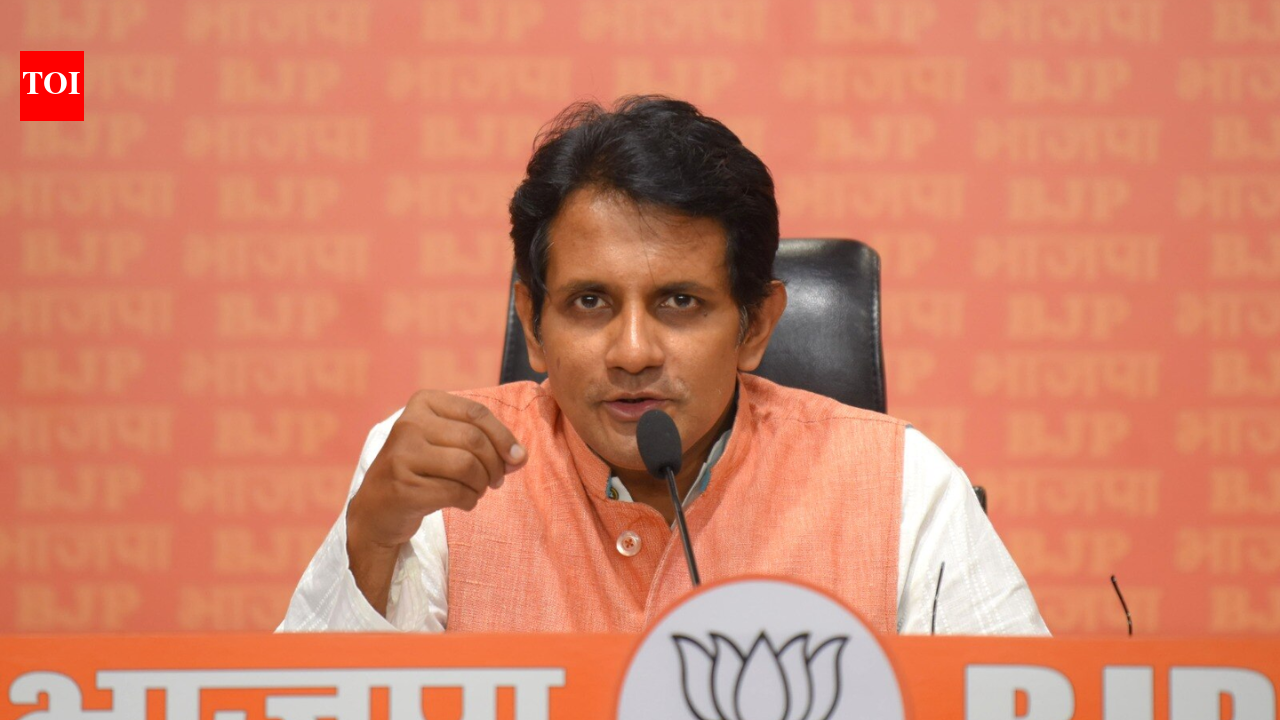
NEW DELHI: The Bharatiya Janata Party (BJP) on Sunday said former Pakistani diplomat Abdul Basit’s recent remarks against India showed that Pakistan “cannot survive without terrorism.”Basit, former Pakistani envoy to India, said in an interview that in a hypothetical scenario where the US tried to destroy Pakistan’s nuclear capabilities, Islamabad would have to strike Mumbai or New Delhi.Reacting sharply to the remarks, BJP National Spokesperson Tuhin Sinha told IANS, “Abdul Basit’s threat that Delhi and Mumbai will be blown up with bombs from Pakistan shows that even today, Pakistan is rattled by strikes during Operation Sindoor. It has lost its mental balance.”Terming Pakistan a “terrorist state”, Sinha said, “It is a terrorist state and now we don’t even have to say it. Last year, (Pakistan Army Chief) Asim Munir had told the US that if needed, the oil refineries in Jamnagar would be blown up. Now, the country’s former envoy has used this kind of language. It shows that terrorism is ingrained in their nature. Pakistan can’t survive without terrorism.”Basit had said, “Suppose there is a scenario where the US views our nuclear programme in a negative light or tries to destroy our nuclear capability.It is unlikely, but I am talking about a worst-case scenario. Let’s imagine that the US tries to attack us. Even if the US is not within our nuclear range, what options do we have?”When asked if India would be involved, he replied, “India. We would not have to do anything else. Even if we do not have the range to target the US, we would have to strike India’s Mumbai and New Delhi without thinking. We have no other option, since the US is not within our range, then we would have no choice but to attack India. Then let’s see what happens. We do not want that to happen.”Basit’s comments came amid tensions in the Middle East over Iran’s nuclear programme, following joint US-Israeli strikes on Tehran on 28 February. The attacks triggered a wider conflict in the region, which has now entered its third week. Donald Trump has also warned Iran to reopen the Strait of Hormuz or face military action.


Source link

Jannik Sinner faces unexpected drama in Miami Open win as fan disrupts Damir Dzumhur and sparks apology | International Sports News


Jannik Sinner faces unexpected drama in Miami Open win as fan disrupts Damir Dzumhur and sparks apology
Jannik Sinner and Damir Dzumhur (Image Via Getty)

Jannik Sinner started his 2026 Miami Open run with a calm win, but the match did not stay simple for long. On March 21, at the main stadium court in Miami, the Italian beat Damir Dzumhur 6-3, 6-3. The score looked easy, but there was a strange moment in the middle that caught everyone’s attention. A fan from the crowd kept shouting, and it began to affect the players on court.The situation quickly turned tense. Even though the fan seemed to support Jannik Sinner, the way he was shouting disturbed Damir Dzumhur during points. Both players looked uncomfortable. The chair umpire had to step in, and for a few minutes, the match felt more about the crowd than the tennis. After the match ended, Sinner showed respect by apologizing to his opponent for what had happened.

Jannik Sinner and Damir Dzumhur face disruption as crowd incident forces umpire intervention

The incident happened during an important stage of the match. Damir Dzumhur first raised the issue. He pointed out a fan in a green shirt and told chair umpire Renaud Lichtenstein that the shouting was affecting him. Jannik Sinner also agreed that the fan’s behavior was not right, even if it sounded like support.Renaud Lichtenstein then spoke to the match supervisor during the game. He said, “Damir is upset with the guy with the green shirt and Jannik is telling me he’s baiting on the back. I don’t know what we should do. Maybe we could talk to him to relax.” The supervisor replied, “We’ve got security on the way. So… I think he’s just an idiot.”Security was sent to handle the situation, and the match continued without further trouble. Still, the moment stayed in focus. When the match ended and both players met at the net, Jannik Sinner took a moment to say sorry to Damir Dzumhur. It was a small gesture, but it showed his sportsmanship.Apart from the incident, Sinner’s performance was strong. With this win, he reached 24 straight sets won at ATP Masters 1000 events, matching a record once set by Novak Djokovic. Speaking after the match, he said, “I feel like the scoreboard matters at times. For me, I try to improve as a player and put myself in the position to play as many matches as possible. I always treat every opponent in the same way, trying to come on court and do my best with a great attitude and trying to go for it.” Sinner will now face Corentin Moutet in the next round, where he has a chance to break that record.

Banner Insert


Source link

RCB legend Virat Kohli reacts to ‘chartered flight to London’ rumours ahead of IPL 2026


As the countdown to IPL 2026 gathers momentum, Virat Kohli has found himself at the centre of fresh speculation—this time over alleged travel arrangements during the tournament. However, the Royal Challengers Bengaluru (RCB) star has now reacted to the rumours, calling them nothing more than baseless chatter.

The controversy began when reports surfaced suggesting that Kohli had requested chartered flights to travel between India and London during breaks in the IPL schedule. According to these rumours, the former India captain planned to fly out whenever there was a gap of more than three days between matches.

Kohli responded swiftly and directly. Taking to his Instagram stories, he reshared the claim and reacted with laughing emojis, clearly indicating that the story held no truth. By labeling it as ‘fake news’ without issuing a lengthy statement, Kohli let his reaction do the talking.

His response quickly went viral, with fans appreciating the clarity and straightforward dismissal. In an era where speculation spreads rapidly, Kohli’s light-hearted yet firm rebuttal helped shut down the narrative before it could gain further traction.

London connection continues to spark debate

While this particular rumour has been put to rest, discussions around Kohli’s association with London are not new. In recent years, the star batter has spent significant time in the UK during off-season periods, especially after becoming a father for the second time. For Kohli, London offers something he rarely experiences in India—privacy. Away from the intense spotlight, he has often been spotted doing everyday activities like walking in parks or shopping, blending into a relatively normal routine.

This shift is widely seen as a conscious effort to give his family, especially his children, a more grounded upbringing. The move reflects a personal choice to balance global stardom with a quieter life off the field.

Focus shifts to IPL 2026 with RCB

Amid the noise, Kohli has already returned to India and joined the RCB camp in Bengaluru. The defending champions are gearing up for a high-profile start to their campaign at the M Chinnaswamy Stadium. RCB are set to face Sunrisers Hyderabad in the opening match on March 28, and all eyes will be on Kohli as he begins another crucial IPL season. With expectations running high, the veteran batter will look to lead from the front and silence any distractions with his performances on the field.


Source link

Sebi board to consider easing FPI settlement norms, intermediary rule changes at Monday meet


Sebi board to consider easing FPI settlement norms, intermediary rule changes at Monday meet

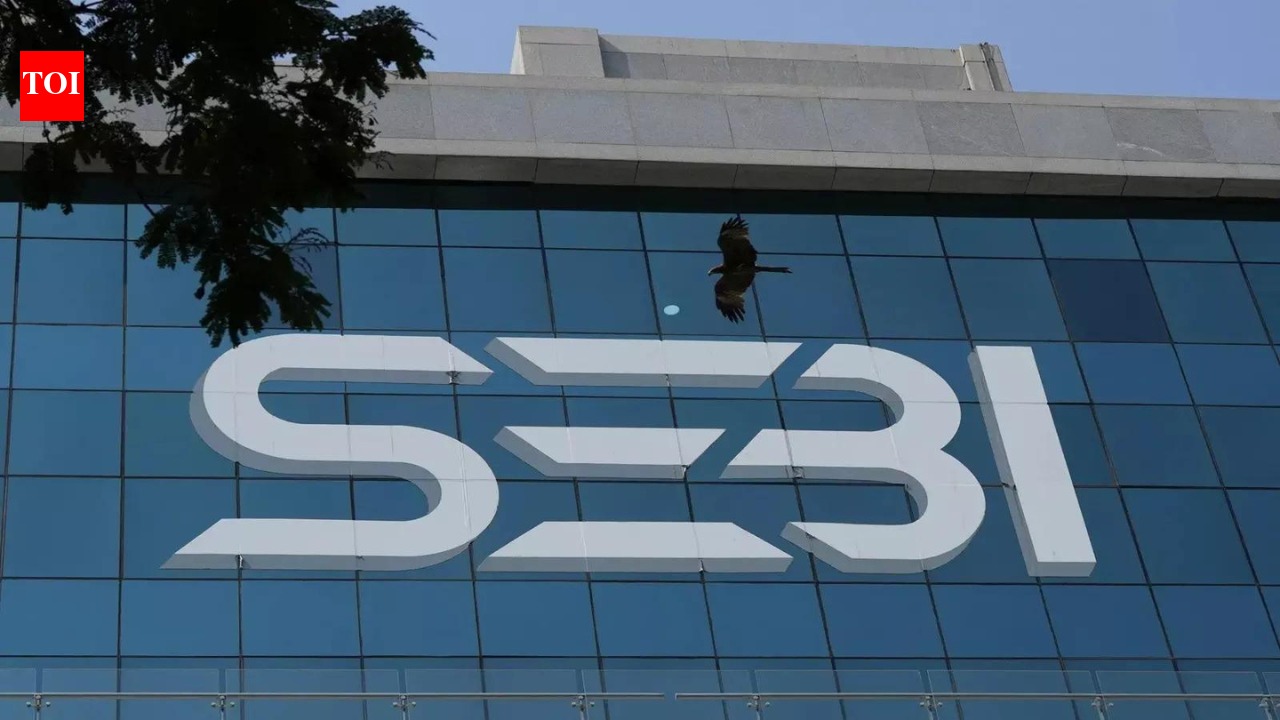
The Securities and Exchange Board of India (Sebi) board will meet on Monday to deliberate on a wide-ranging agenda that includes a proposal to ease fund settlement norms for foreign portfolio investors (FPIs) and changes to regulatory frameworks governing market intermediaries, people familiar with the matter told news agency PTI.A key proposal before the board is to allow FPIs to net funds for same-day cash market trades instead of settling each transaction individually. Under the existing framework, FPIs are required to settle equity cash market trades on a gross basis, funding each purchase transaction independently of sale transactions even if both occur on the same day.Sebi has proposed permitting “netting of funds”, which would enable FPIs to use proceeds from same-day sales to offset purchase obligations, requiring them to meet only the net payable amount. The move is aimed at improving operational efficiency and reducing the cost of funding for FPIs, particularly on index rebalancing days. It is also expected to help minimise forex-related costs arising from timing mismatches between inflows and outflows.The proposal follows concerns that the current gross settlement mechanism imposes additional funding requirements on FPIs for at least one extra day, thereby increasing transaction costs.This will be the fifth board meeting chaired by Sebi Chairman Tuhin Kanta Pandey since he assumed office on March 1, 2025.Apart from FPI-related reforms, the board will review several governance and regulatory proposals, including a comprehensive overhaul of the “fit and proper person” criteria applicable to market intermediaries. The aim is to enhance procedural clarity and fairness, the people said.As part of the proposed changes, Sebi is considering abolishing the reference to initiation of winding-up proceedings as a disqualification, so that only a final winding-up order is taken into account while assessing whether a person is fit and proper.The regulator is also looking to explicitly include the right to a hearing in the rules. While the practice of providing a reasonable opportunity of being heard already exists, the proposal seeks to formally codify this provision to remove procedural ambiguity.In addition, the board is expected to consider ease-of-doing business proposals relating to real estate investment trusts (REITs) and infrastructure investment trusts (InvITs).Another key agenda item is the discussion of a report submitted by a high-level panel on conflict of interest and transparency. The panel has proposed wide-ranging reforms aimed at enhancing disclosure norms and fostering a “zero-tolerance” culture to address potential conflicts of interest involving top Sebi officials, they added.


Source link

Preparations begin for hoisting flags atop 6 sub-temples in Ram Janmabhoomi complex | India News


Preparations begin for hoisting flags atop 6 sub-temples in Ram Janmabhoomi complex

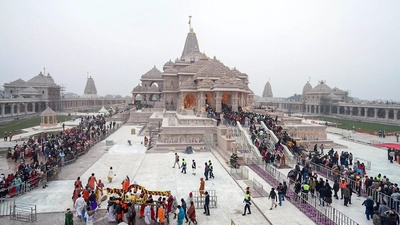
AYODHYA (UP): Following the flag hoisting on the main spire of the Ram temple and other main temples in the Ram Janmabhoomi complex, preparations have begun for similar ceremonies at the six remaining sub-temples, the Shri Ram Janmabhoomi Teerth Kshetra Trust said.After a meeting held on Saturday, Trust General Secretary Champat Rai shared that the temples where flag hoisting will occur are dedicated to Surya, Bhagwati, Shivling, Ganpati, Sheshavatar, and Hanuman.Rai said that the flag hoisting ceremony for the Hanuman temple will take place on Hanuman Jayanti, which falls on April 2 this year.The ceremonies for the other five sub-temples will be conducted over eight days – on March 22, 23, 24, 25, 29, 30, and 31 – in a phased manner, he added.He emphasised that these events will be held without large public gatherings, with participation limited to a small number of attendees. Each ceremony will include approximately 50 seers and nearly 200 attendees, comprising engineers and workers involved in the project.The trust also noted that the flag hoisting on the main spire was first conducted on November 25, 2025, by Prime Minister Narendra Modi.


Source link

Australia face packed schedule ahead of India tour as CA unveils 2026-27 calendar | Cricket News


Australia face packed schedule ahead of India tour as CA unveils 2026-27 calendar
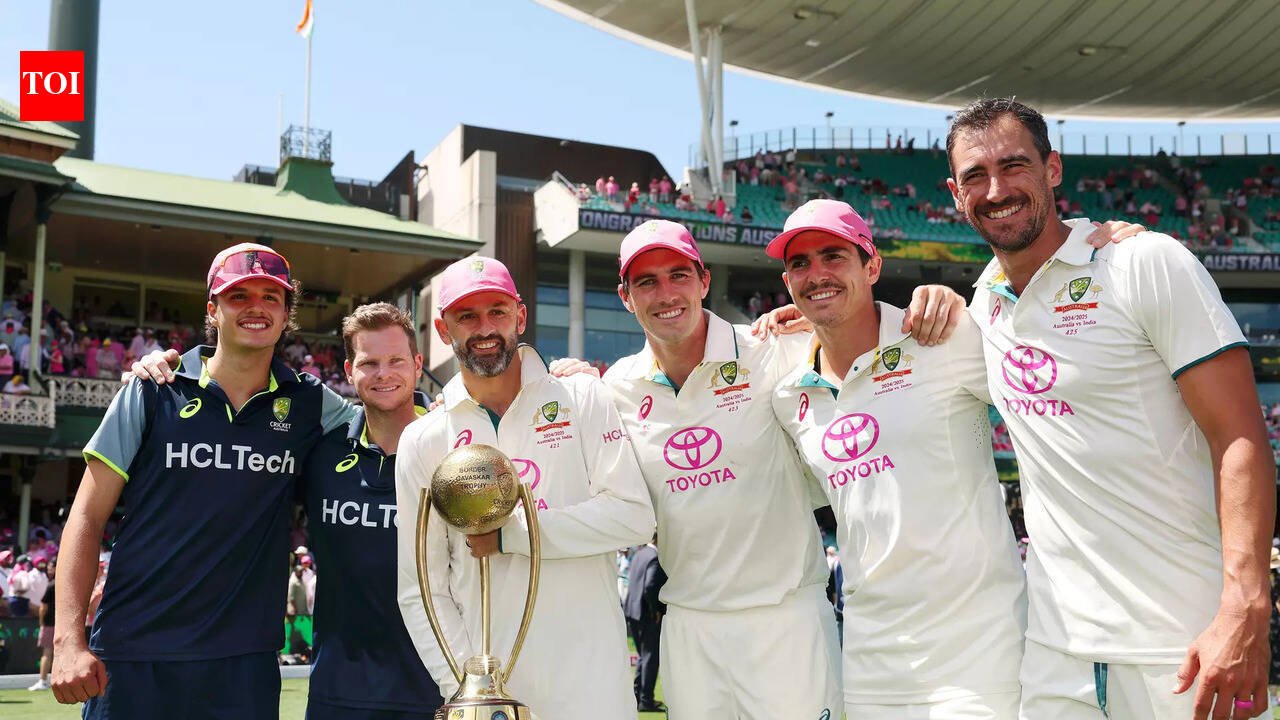
Sam Konstas, Steve Smith, Nathan Lyon, Pat Cummins, Sean Abbott and Mitchell Starc of Australia pose for a photo (Photo: Getty Images)

Cricket Australia has revealed its international schedule for the 2026-27 season, outlining a demanding calendar that leaves minimal recovery time ahead of the high-profile Border-Gavaskar Trophy in India, likely to start in mid or late January.The five-match Test tour of India is expected to be a defining stretch for an experienced Australian side led by Pat Cummins, with several senior players facing one of the toughest assignments of their careers.In total, Australia are scheduled to play 10 Tests within a 14-week span from December to March, making it one of the most intense periods in the team’s history.The home summer begins in August 2026 with a two-Test series against Bangladesh and runs through to March 2027, ending with a landmark day-night Test at the Melbourne Cricket Ground to celebrate the 150th anniversary Test against England national cricket team.A four-Test home series against New Zealand national cricket team has been squeezed into just over a month, adding further pressure to an already tight schedule. Before that, Australia will tour South Africa national cricket team for a three-Test series that runs until the end of October, followed by an eight-match white-ball series against England in November.According to CA, the India tour represents a significant challenge for senior players such as Steve Smith, Mitchell Starc, Josh Hazlewood and Nathan Lyon, all of whom are yet to win a Test series in India.“That Border-Gavaskar Trophy tour, a final frontier for the likes of Cummins, Steve Smith, Mitchell Starc, Josh Hazlewood and Nathan Lyon, who have never won a series in India, will also be a quick-fire campaign given CA’s anniversary Test begins back in Melbourne on March 11,” CA said in a statement.The board also indicated a cautious approach to workload management, pointing out that the decision to rest key fast bowlers like Starc, Cummins and Hazlewood for the early stages of the Indian Premier League reflects concerns over sustaining them through the packed season.“The call to hold back all three of Starc, Cummins and Hazlewood from at least the first few rounds of the soon-to-begin IPL shows CA is wary of getting their trio to the finishing line of the intense 2026-27 run,” the statement added.Australia’s packed Test itinerary includes:August: Two Tests vs Bangladesh (home)October: Three Tests vs South Africa (away)December-January: Four Tests vs New Zealand (home)January-March: Five Tests vs India (away)March 11-15: 150th anniversary Test vs England (home)Looking further ahead, Australia could feature in the World Test Championship final in June if they qualify, before embarking on a five-Test tour of England between June and August.

Banner Insert


Source link

‘We will help fulfil Charan Singh’s dream’: KC Tyagi joins RLD, says JD(U) bond remains intact | India News


'We will help fulfil Charan Singh's dream': KC Tyagi joins RLD, says JD(U) bond remains intact
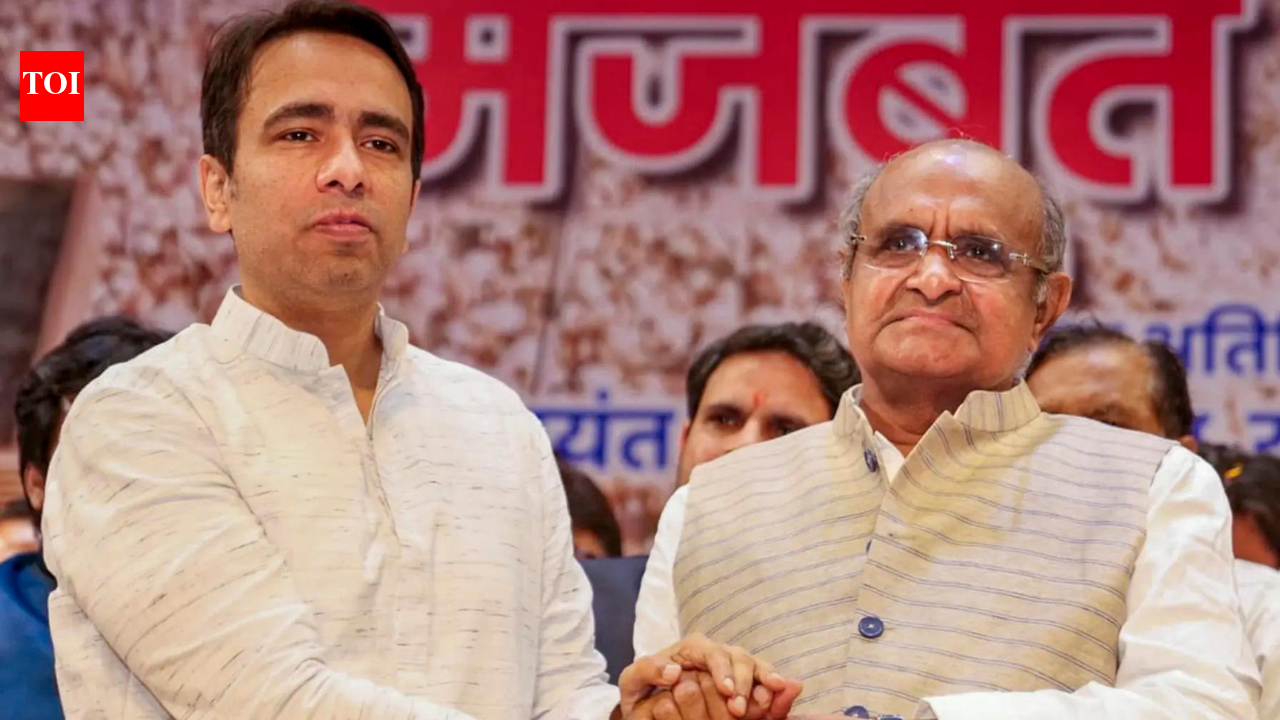
RLD chief Jayant Chaudhary with KC Tyagi (PTI photo)

NEW DELHI: Senior JD(U) leader KC Tyagi on Sunday pledged to carry forward former Prime Minister Chaudhary Charan Singh’s legacy after joining the Rashtriya Lok Dal, after parting way from the Nitish Kumar-led party, which has been at the helm of the Bihar government for the past two decades under chief minister Nitish Kumar.However, Tyagi’s political base lies in western Uttar Pradesh, far from JD(U)’s stronghold in Bihar. Meanwhile, the RLD, also an NDA ally, has been in influence in Uttar Pradesh, especially in the western region, carrying forward the legacy of Chaudhary Charan Singh under the leadership of his grandson, Jayant Chaudhary.Tyagi said his move reflects continuity rather than change, stressing that there is no difference between JD(U) and the RLD, while recalling past efforts by Nitish Kumar and Chaudhary Ajit Singh to come together politically.Speaking to ANI, Tyagi said, “I began my political career with the Lok Dal itself. This is just its original form; there’s nothing new in it… We will help fulfil the dream that Chaudhary Charan Singh left behind… There is no difference between JD(U) and RLD. There was a time when Nitish Kumar and Chaudhary Ajit Singh were set to form a party together. There is no difference between these two.”Tyagi formally joined the RLD in New Delhi in the presence of party president and Union minister Jayant Chaudhary. The veteran socialist leader, a founding member of JD(U), had resigned from the party on March 17.Earlier this week, Tyagi said he did not take part in the party’s latest membership drive, clarifying that there is no personal friction between him and Bihar chief minister Nitish Kumar over the Rajya Sabha seat allocation.Maintaining that his ties with the party remain intact, Tyagi said his “relationship with Nitish Kumar and the Bihar JDU remains the same”.“I am the founder of Janata Dal (United) alongside George Fernandes, Sharad Yadav, Nitish Kumar, and Digvijay Singh… I have been a member ever since. However, I did not participate in this membership drive,” he said.The senior leader also addressed speculation around his parliamentary ambitions, denying that his exit was linked to any bid for a Rajya Sabha seat. “There is not a single instance of me trying for a Rajya Sabha ticket. Even in 2013, Nitish Kumar called me and offered me a ticket,” said Tyagi.


Source link