Breaking News
Rupee Value: Rupee under pressure: INR breaches 94-per-dollar mark for the first time; geopolitical tensions, foreign outflows weigh heavily
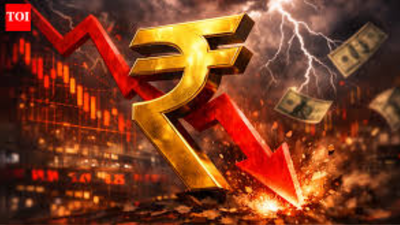

Rupee under pressure: INR breaches 94-per-dollar mark for the first time; geopolitical tensions, foreign outflows weigh heavily

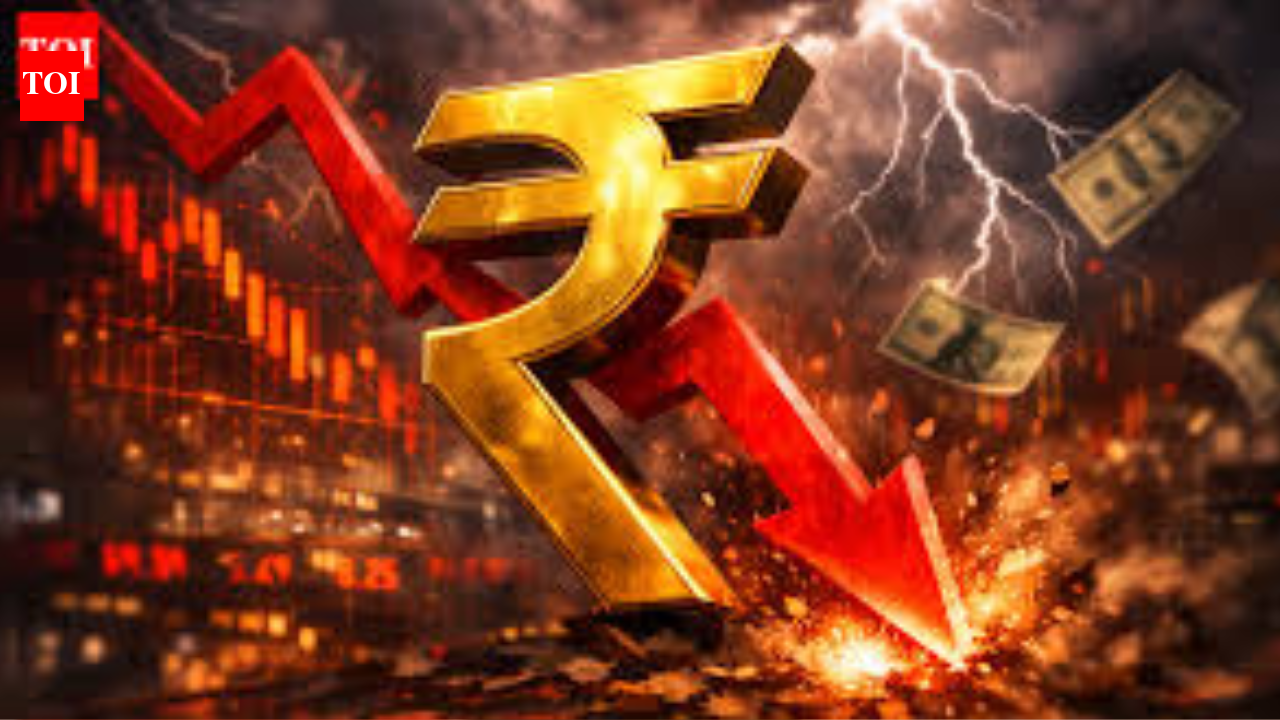
The rupee breached the 94-per-dollar mark for the first time ever on Monday but recovered sharply to close flat at 93.53 against the US dollar, instead of ending at a fresh record closing low, amid geopolitical tensions in the Middle East, persistent foreign fund outflows and volatile crude oil prices.At the interbank foreign exchange market, the local currency opened at 93.84, slipped past the 94 barrier for the first time in intraday trade, but later pared all losses to settle unchanged at 93.53.The rupee had already crossed the 93-mark against the greenback on Friday after plunging 64 paise to settle at 93.53.

Oil, dollar strength and equity crash hit rupee

Forex traders said the rupee came under heavy strain as investors turned risk-averse amid fears that the ongoing Middle East conflict could keep energy markets disrupted for longer.Spiralling global crude prices, unabated foreign fund outflows, a stronger US dollar and a sharp fall in domestic equities all contributed to the slide.“The rupee hit fresh all-time lows on Friday and breached the 94-mark for the first time amid escalating geopolitical tensions in Middle East and weak domestic markets. Surge in crude oil prices and FII outflows, too, weighed on the rupee,” Anuj Choudhary, research analyst at Mirae Asset ShareKhan, said, as quoted bye news agency PTI.He added, “We expect the rupee to trade with a negative bias as deteriorating global sentiments and geopolitical tensions may keep the rupee under pressure. However, time-to-time intervention by the Reserve Bank may support the rupee at lower levels.”According to Choudhary, the USD-INR spot is expected to trade in a range of Rs 93.60-94.40.

Rupee weakness deepens since war began

Monday’s fall extends a sharp losing streak that accelerated after the war in the Middle East erupted on February 28.The rupee had touched 93.98 during the day, beating its previous intraday low of 93.7350 hit on Friday, and then moved past the 94-per-dollar mark on the interbank order matching system after the local spot session ended at 3:30 pm.The agency said the rupee has now fallen about 3 per cent since the Iran war began, hurt by an over 50 per cent surge in oil prices and severe disruptions to gas supplies.That broader trend has raised concern because India, as Asia’s third-largest economy, remains highly sensitive to imported energy costs.

RBI seen offering mild support

As per Reuters, despite the pressure, the Reserve Bank of India (RBI) may have been active in limiting sharper losses.The rupee has held up better than some regional peers during the crisis because of frequent RBI interventions.While the rupee is down about 3 per cent since the war began, currencies such as the South Korean won and Thai baht have fallen 5 per cent and nearly 6 per cent, respectively.On Monday, traders told Reuters that the central bank’s presence in the market appeared mild, and was likely focused on the non-deliverable forwards (NDF) market.

Dollar firms, Asian currencies under pressure

The global backdrop also remained unfavourable for emerging market currencies.The dollar index, which measures the greenback against a basket of six currencies, was trading 0.14 per cent higher at 99.78.The dollar index rose about 0.3 per cent to 99.9, helped by safe-haven demand as hopes of de-escalation in the Middle East faded.The agency said Asian currencies were down between 0.1 per cent and 0.8 per cent on Monday.In a note cited by Reuters, ING described the current market environment as “a sell-everything mood” affecting equities, bonds and precious metals, adding, “This is an ideal environment for the dollar, especially against higher beta currencies.”

Domestic markets and outflows add to pressure

The rupee’s slide also tracked a sharp sell-off in Indian financial markets.The Sensex crashed 1,836.57 points, or 2.46 per cent, to 72,696.39, while the Nifty fell 484.30 points, or 2.10 per cent, to 22,630.20.Foreign institutional investors sold equities worth Rs 5,518.39 crore on a net basis on Friday, according to PTI.Foreign investors have pulled out more than $11 billion from Indian stocks and bonds in March, putting the month on track for the heaviest monthly outflows since October 2024.That steady exit of overseas capital has become a major drag on the rupee, especially as oil prices remain elevated.

Forex reserves decline adds to watchfulness

Separately, India’s external buffers also saw a decline.The country’s forex reserves fell by $7.052 billion to $709.759 billion in the week ended March 13, according to RBI data released on Friday.While reserves remain substantial, the drop will likely keep markets alert to how aggressively the central bank may need to step in if volatility intensifies.
Source link

Telecom operators oppose fresh Mumbai Metro connectivity tender, offer to buy existing infrastructure | Mumbai News


Mumbai: Telecom operators have opposed the fresh in-building solution (IBS) tender floated by Mumbai Metro Rail Corporation Ltd, while offering to purchase the existing infrastructure created by the earlier vendor ACES to ensure faster rollout of mobile connectivity across Metro stations.In a joint communication to MMRCL’s managing director Ashwini Bhide on March 23, 2016, Reliance Jio, Bharti Airtel and Vodafone Idea have flagged the steep reserve price of around Rs 1,000 per sq ft under the new tender—even for non-usable areas—as the biggest hurdle. They termed the pricing “exorbitant” and not aligned with the principle of “just compensation”, warning it could delay telecom deployment. The operators have also made it clear that no telecom company will issue comfort letters to any IBS vendor under the current terms, effectively stalling participation unless the pricing framework is rationalised. The opposition comes in the backdrop of MMRCL terminating its earlier IBS contract with ACES and floating a fresh tender on March 20. In a significant suggestion, the telecom firms have indicated their willingness to acquire the already installed ACES infrastructure, instead of rebuilding networks from scratch, to avoid delays and duplication of costs.The companies have backed a shared network model, with Reliance Jio Infocomm Ltd already seeking Right-of-Way (RoW) permissions to deploy telecom infrastructure across the Metro network. Other telecom service providers have extended support to this proposal in the interest of seamless connectivity.The letter highlights that there is currently no operational telecom network inside Metro premises and stresses that reliable connectivity is critical for passenger safety, emergency communication and operational efficiency, particularly on underground stretches.With Mumbai’s underground Metro corridor nearing operational readiness, the pricing dispute and uncertainty following the ACES contract termination could delay a key commuter service—uninterrupted mobile connectivity inside stations and tunnels.


Source link

Maha govt sets up panel on women empowerment | Mumbai News


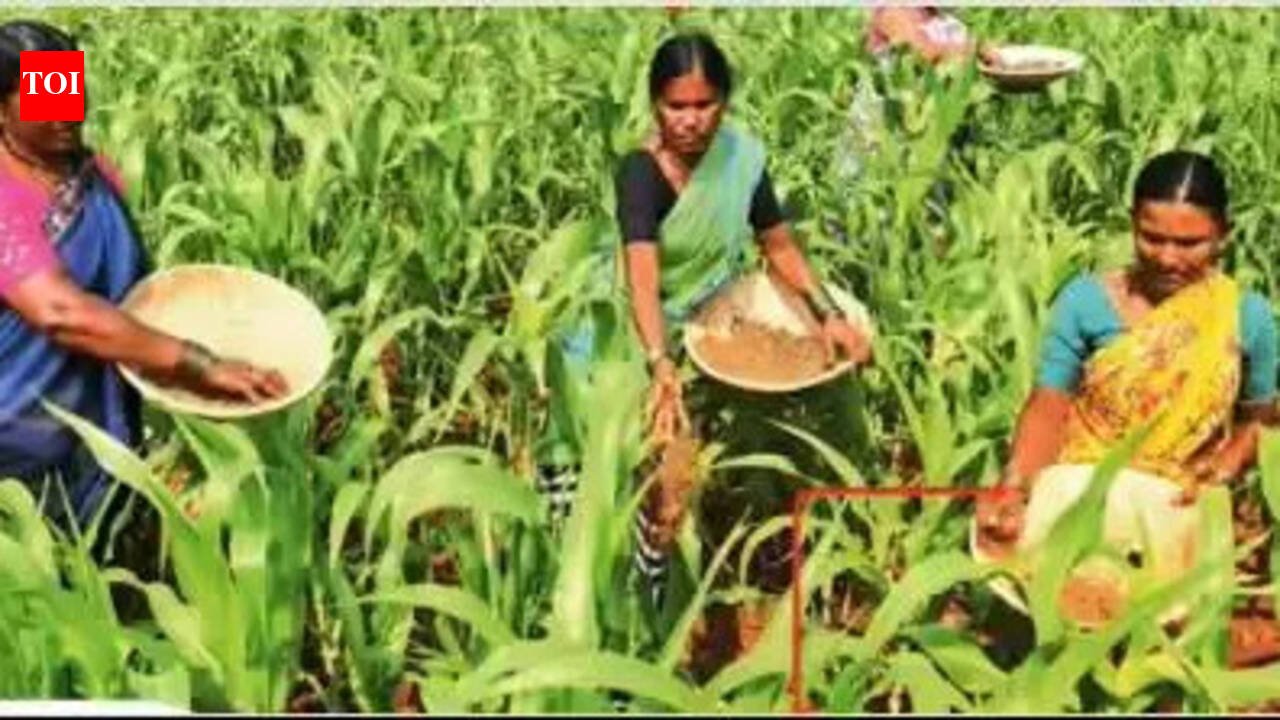
Mumbai: The state govt has set up a committee to draft a new bill for empowerment of women farmers. Last week, DCM Sunetra Pawar had said a special bill on women farmers would be introduced in the next session of the state legislature to strengthen women’s rights and recognition in agriculture. Sunetra Pawar was speaking at a seminar on the empowerment of women farmers in Vidhan Bhavan. She had said the new law would address issues such as women’s names not being included in 7/12 land records and the absence of gender-based agricultural data. The committee is led by Parimal Singh, project director of the Nanaji Deshmukh Krishi Sanjeevani Project, Mumbai and includes Suraj Mandhare, commissioner (agriculture), Shekhar Gaikwad, additional director general, Yashada and Priya Khan, OSD to CM Devendra Fadnavis among others. “The govt is committed to ensuring that women farmers receive their rightful recognition and respect. The proposed law will help resolve difficulties related to land records and improve documentation of women’s contribution to agriculture,” Pawar had said.“In the seminar, a discussion was held on the preparation of a comprehensive bill for the empowerment of women farmers in the state. Accordingly, the matter of constituting a committee to prepare a draft of the bill and submitting it to the government was under consideration,” the Govt Resolution (GR) stated. The committee has been tasked with preparing a legal draft of the proposed ‘comprehensive bill’ for the overall empowerment of women farmers. “While preparing the said draft, discussions shall be held with experts in the agricultural and allied sectors, legal experts and other stakeholders as required. The committee will be required to submit the draft of the bill to the govt by April 7, 2026,” the GR stated.


Source link

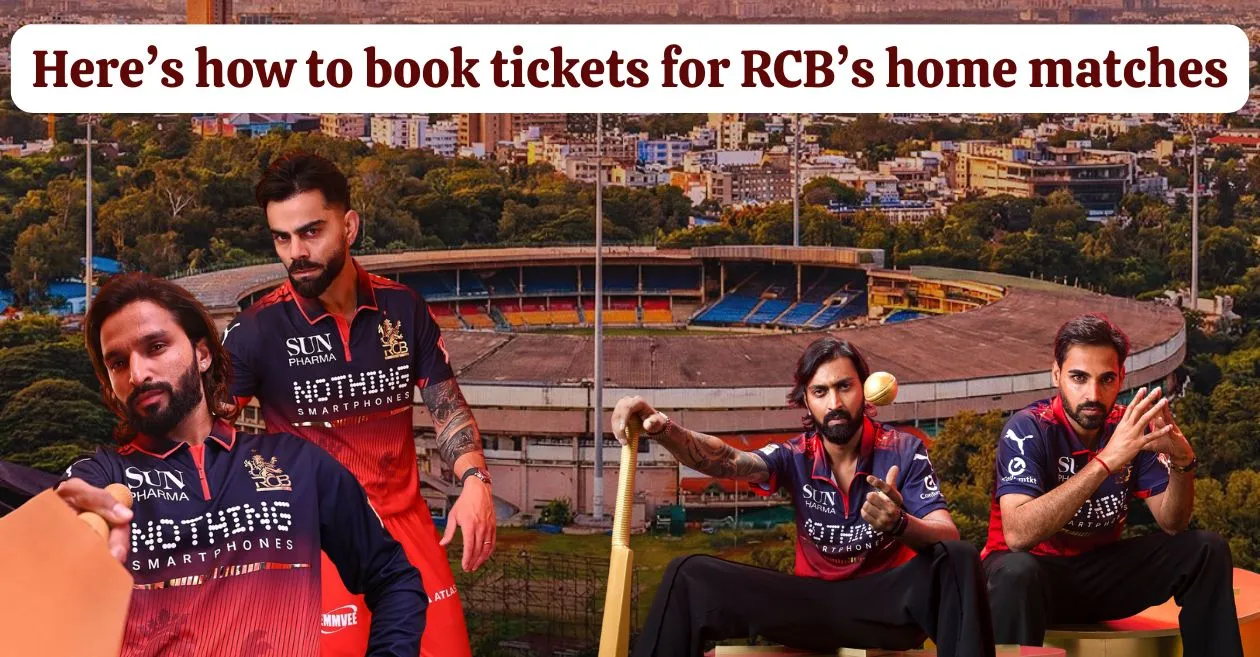
IPL 2026: Here’s how to book tickets for Royal Challengers Bengaluru’s home matches


The cricket season is returning to Bengaluru as Royal Challengers Bengaluru (RCB) prepare for their home stretch in IPL 2026. After years of anticipation, the atmosphere at the M. Chinnaswamy Stadium is expected to reach new heights this year. Fans are already looking ahead to the massive season opener against Sunrisers Hyderabad on March 28, followed by the high-stakes encounter with Chennai Super Kings on April 5.

Because of the high interest in these specific fixtures, the franchise has updated its ticketing and match-day logistics. If you are planning to attend, staying ahead of the digital queue is essential. This guide explains how the team enter the new season and the exact steps you need to follow to secure your place in the stands.

Royal Challengers Bengaluru’s quest for a historic second star

For the first time in the history of the league, RCB will walk onto their home turf carrying the title of defending champions. After a clinical performance in the previous edition, the team has finally secured the trophy that eluded them for nearly two decades. This change in status has completely shifted the narrative around the club; they are no longer the underdogs chasing a dream, but the leaders of the pack.

Being the title holders has caused ticket demand to surge to record levels. The Bengaluru faithful, known for their unwavering loyalty through difficult years, are now eager to celebrate this new era of dominance. The 2026 season represents a victory lap for the squad, and every home game at the Chinnaswamy is expected to be a total sell-out as fans show up to support the reigning kings of the IPL.

RCB ticket prices and stadium perks

While RCB has always enjoyed a massive following, their status as reigning champions has introduced a dynamic pricing model for the 2026 season. This means ticket costs may fluctuate based on the opponent and real-time demand.

Currently, base prices for the standard stands are expected to start around ₹3,750, while premium hospitality and VIP corporate boxes can soar up to ₹65,800 for high-octane clashes like the RCB vs. CSK match on April 5.

In a major move to improve the match-day experience and tackle Bengaluru’s infamous traffic, RCB has partnered with BMRCL. IPL 2026 match ticket holders can travel for free on the Namma Metro on game days. Fans simply need to scan the QR code located on their match ticket at the metro gates. The nearest stations to the stadium are Cubbon Park and MG Road, making it the most efficient way to reach the venue.

Also READ: IPL 2026: Here’s how to book tickets for Mumbai Indians’ home matches

Step-by-step process to book RCB home match tickets

To manage the massive volume of fans, the RCB management has streamlined the booking process primarily through digital channels. To avoid missing out, it is recommended to complete your registration well before the sale dates are announced.

Follow these steps to secure your tickets:

  1. Visit the official platforms: Tickets are sold through the RCB official app and the team’s official website. These are the only authorized sources for genuine tickets.
  2. Set up your profile: Log in or create an account on the RCB app in advance. Saving your payment details and personal info beforehand will save you critical seconds during the high-traffic rush.
  3. Pick your fixture: Go to the IPL 2026 schedule section and select the specific home match you want to see. An interactive map of the M. Chinnaswamy Stadium will allow you to pick your preferred stand based on your budget.
  4. Organize your transport: Parking near the stadium is very restricted. You can pre-book parking spots at designated zones like Garuda Mall, St. Joseph’s Indian High School, or Freedom Park during the booking process.
  5. Complete the transaction: Pay using UPI, Credit/Debit cards, or Net Banking. Once the payment is successful, you will receive a digital confirmation.
  6. Receive your M-ticket: Your M-ticket (digital ticket) with QR code will be sent to your registered email and mobile. Screenshot it — this is your entry pass.

Also READ: RCB legend Virat Kohli reacts to ‘chartered flight to London’ rumours ahead of IPL 2026


Source link

Panel set up for new bill for empowerment of women farmers in Maharashtra | Mumbai News


Mumbai: The state govt has set up a committee to draft a new bill for empowerment of women farmers. Last week, DCM Sunetra Pawar had said a special bill on women farmers would be introduced in the next session of the state legislature to strengthen women’s rights and recognition in agriculture. Sunetra Pawar was speaking at a seminar on the empowerment of women farmers in Vidhan Bhavan. She had said the new law would address issues such as women’s names not being included in 7/12 land records and the absence of gender-based agricultural data. The committee is led by Parimal Singh, project director of the Nanaji Deshmukh Krishi Sanjeevani Project, Mumbai and includes Suraj Mandhare, commissioner (agriculture), Shekhar Gaikwad, additional director general, Yashada and Priya Khan, OSD to CM Devendra Fadnavis among others. “The govt is committed to ensuring that women farmers receive their rightful recognition and respect. The proposed law will help resolve difficulties related to land records and improve documentation of women’s contribution to agriculture,” Pawar had said.“In the seminar, a discussion was held on the preparation of a comprehensive bill for the empowerment of women farmers in the state. Accordingly, the matter of constituting a committee to prepare a draft of the bill and submitting it to the government was under consideration,” the Govt Resolution (GR) stated. The committee has been tasked with preparing a legal draft of the proposed ‘comprehensive bill’ for the overall empowerment of women farmers. “While preparing the said draft, discussions shall be held with experts in the agricultural and allied sectors, legal experts and other stakeholders as required. The committee will be required to submit the draft of the bill to the govt by April 7, 2026,” the GR stated.


Source link

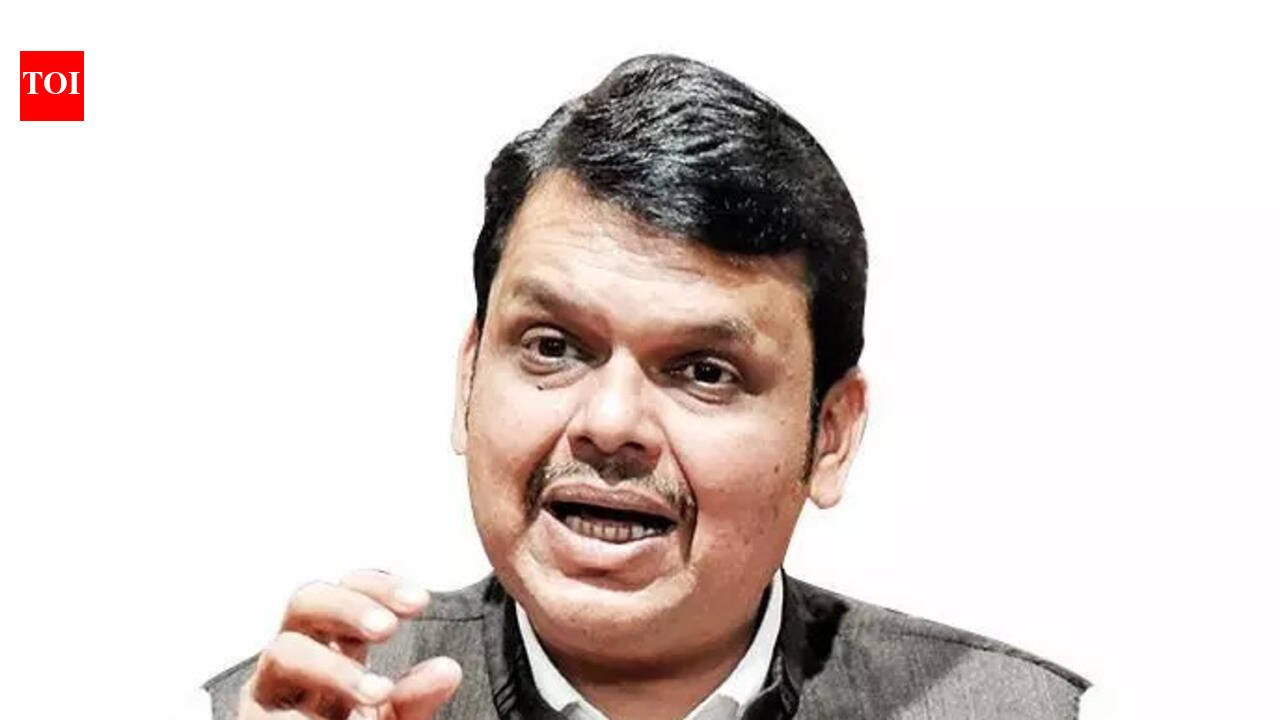
Action will be taken even against those remotely linked to Kharat case: Maharashtra chief minister Devendra Fadnavis | Mumbai News


Mumbai: Amid demands for answers from the Opposition on the probe against astrologer Ashok Kharat who is accused of raping and molesting women, chief minister Devendra Fadnavis told the state assembly on Monday that the issue was very serious and the government would take action even against those remotely related to the case.“What happened is an assault on the dignity of women. Kharat misused his power to deceive women,” said Fadnavis, who said he will make a detailed statement on the case on Tuesday.Fadnavis said that the police had worked on the case and laid a trap for Kharat. Few women were willing to come forward and register a complaint. “Now that this process has begun, hopefully others will come forward,” said Fadnavis.Congress leader Vijay Wadettiwar said, “Ministers, IAS and IPS officers who supported him should be made co-accused in the case. It is said that three senior officials used to meet in a hotel in Nasik in order to discuss how to shield him,” said Wadettiwar.The Shiv Sena UBT’s Bhaskar Jadhav said, “Public representatives across party lines, ministers and IAS and IPS officials could be involved in this.”


Source link

Minister flags diesel crisis to Centre as Mumbai fish markets brace for supply crunch | Mumbai News


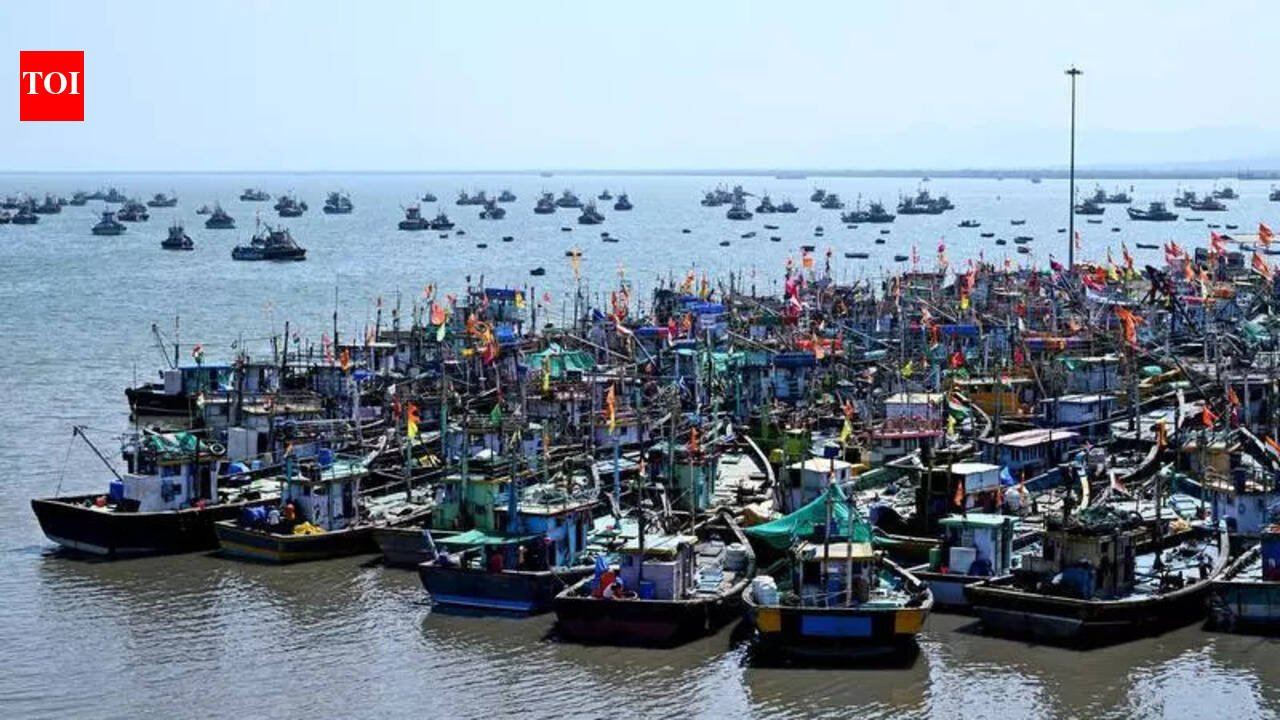
Mumbai: With Maharashtra fisheries minister Nitesh Rane writing to Union minister Rajiv Ranjan Singh seeking urgent intervention on rising diesel costs, concerns are mounting over a looming supply crunch in Mumbai’s fish markets and a spike in retail prices.In his letter, Rane highlighted that 7,550 mechanised fishing vessels operated through 136 cooperative societies are facing “severe financial distress” due to escalating fuel costs. He pointed to a sharp price disparity caused by the classification of fishermen co-operatives as “bulk consumers”, forcing them to buy diesel at rates significantly higher than retail prices available at petrol pumps.The minister warned that the rising fuel burden has already led to reduced fishing trips, operational inefficiencies and lower catch volumes, threatening the livelihoods of fishermen, vendors and allied workers. He urged the Centre to reclassify co-operatives for retail pricing, introduce targeted subsidies or DBT support, and formulate a national policy to stabilise fuel costs for the sector.The letter comes amid parallel representations by fishermen unions, which have cautioned that the Rs 22-per-litre gap between retail (Rs 90) and bulk (under Rs 112) diesel rates could force boats to remain docked. The bulk diesel prices were hiked for fishing boats three days back following the Middle-East crisis.


Source link

Middle East crisis: PM Modi warns of threats to India’s internal security | India News


Middle East crisis: PM Modi warns of threats to India’s internal security

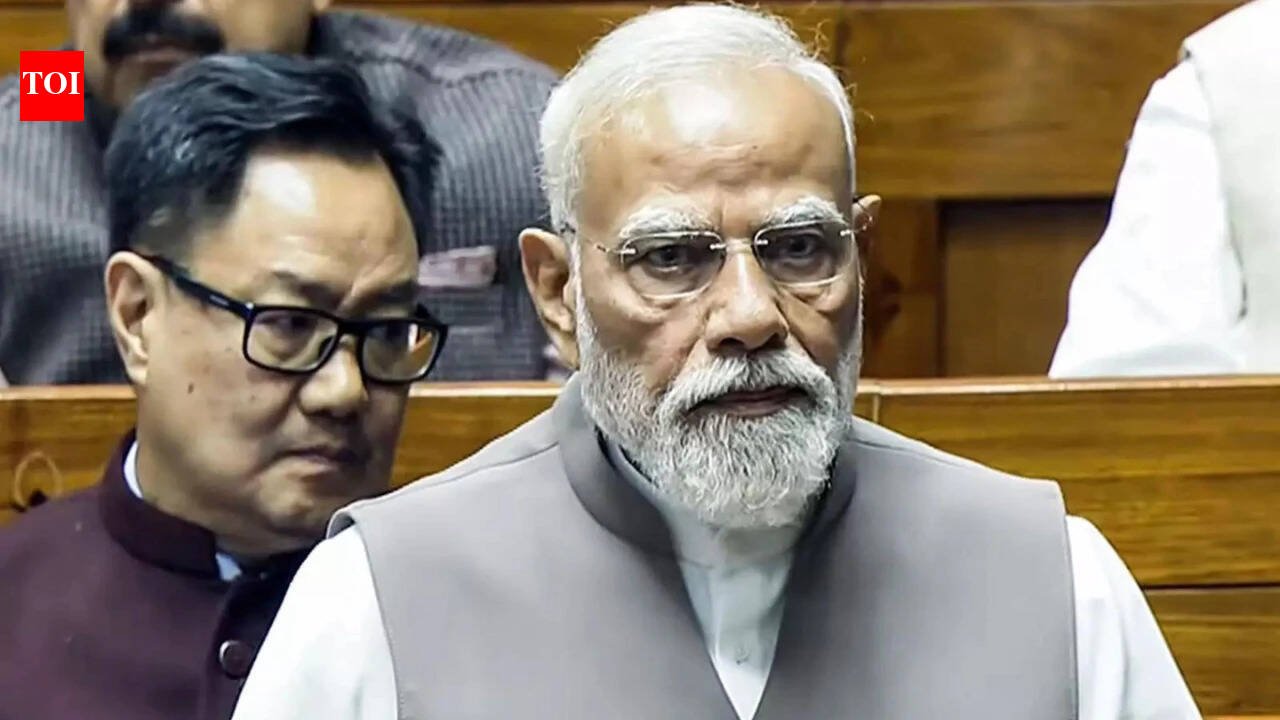
NEW DELHI: Amid the ongoing conflict in West Asia and its impact on energy supplies, Prime Minister Narendra Modi on Monday warned of possible attempts by “certain elements” to exploit the situation to endanger India’s internal security. He, however, assured that the security and law-and-order agencies were already in a state of high alert to detect and avert such designs.Drawing the attention of the Rajya Sabha to the internal security dimension of the West Asia crisis, Modi informed the members that security across all domains in the country — coastal, border, cyber and strategic installations — is being further strengthened.

Watch

Amid Hormuz Crisis, PM Modi Promises Fuel From All Sources As Indian Ships Navigate War Zone

“Whether it is coastal security, border security, cyber security, or strategic installations, the security of all is being reinforced,” he said while briefing the House on the developments in West Asia.The home ministry had last week advised all states and Union territories to protect the LPG supply chain by ramping up security of the concerned infrastructure and personnel, monitor LPG supplies on a daily basis and bust rumours in real time to avoid any panic.Sources told TOI that all states/UTs were advised to take strict action against hoarding and black marketing of LPG/gas supplies and undertake awareness drives to allay fears and counter rumours regarding LPG shortage.The states/UTs, said sources, were nudged to closely monitor social media platforms and take prompt action to remove fake news and false narratives about an alleged LPG shortage by circulating old or unrelated material.Incidentally, the Indian Cyber Crime Coordination Centre (I4C) has lately detected a cyber scam wherein fraudsters are sending out fake “gas booking updates” APK files via WhatsApp. Installing these files can hack one’s phone and drain their bank account instantly, the I4C warned while instructing LPG subscribers to stick to official booking applications.


Source link

Indian sports economy crosses $2 billion mark; cricket accounts for 89% | More sports News


Indian sports economy crosses $2 billion mark; cricket accounts for 89%
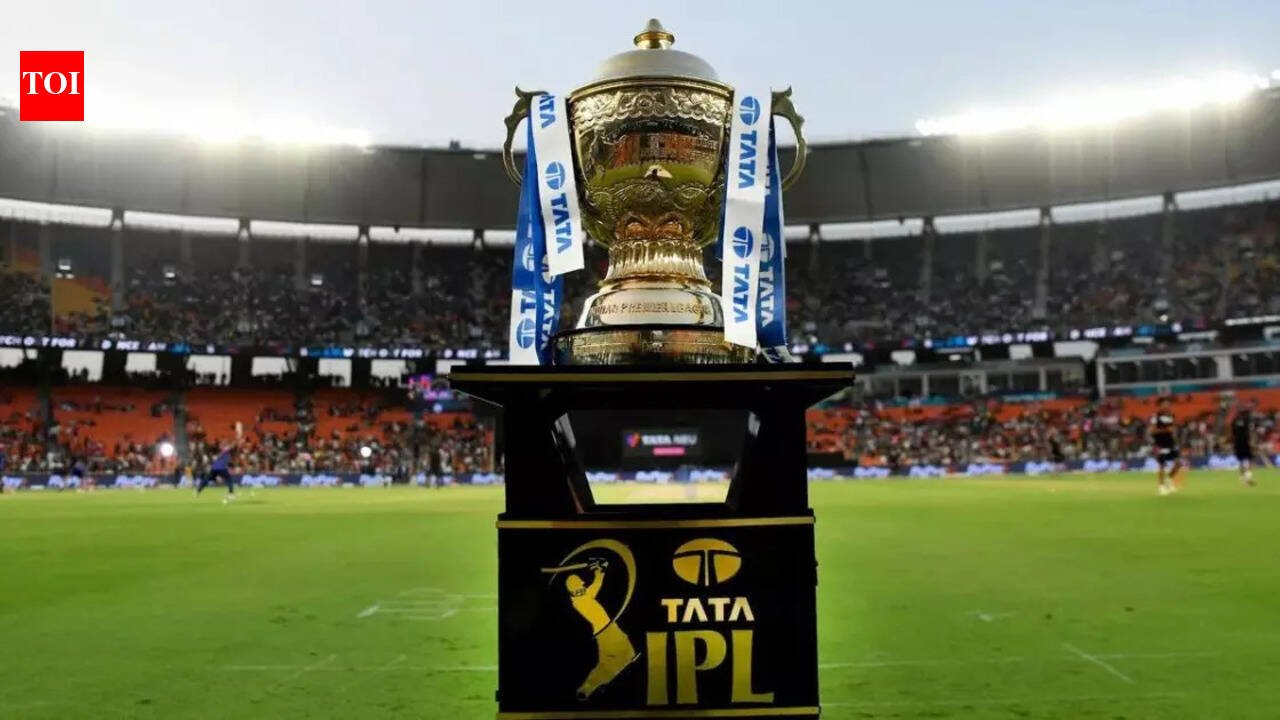
File photo of the IPL trophy.

India’s sports economy crossed the $2 billion mark for the first time, increasing by 13.4% year-on-year to reach $2.13 billion (Rs 18,864 crore). The industry has doubled in size in four years, accounting for an approximate 19% CAGR. Cricket accounts for 89% of total recorded receipts, up from 85% in 2024. The share of emerging sports has contracted to 11%. Cricket alone (Rs 16,704 crore) is now bigger than total Indian sports industry in 2024 (Rs 16,633 crore).

Watch

Bombay Sport Exchange Ep. 2: GroupM’s Vinit Karnik on IPL’s growth and emerging sports

The valuation, as per WPP Media’s ‘Sporting Nation: Building a Legacy’ report, takes into account three principal sources of revenue: Sponsorship (comprising Ground, Team, and Franchise fees), Athlete Endorsements, and Advertising Expenditures.“Sport today sits at the intersection of culture and commerce, and brands are increasingly becoming part of the narrative rather than just sponsors. The evolution of leagues like the Indian Premier League has shown how deeply integrated partnerships can drive both fan engagement and commercial impact,” said Vinit Karnik, managing director – Content, Sports & Entertainment, WPP Media South Asia.“We are seeing a shift from visibility-led associations to more immersive, story-driven collaborations. This is fundamentally changing how brands unlock value in the sports ecosystem,” he continued.The overall Indian sports economy is dominated by media spends — nearly 50% of the total industry — at Rs 9,571 crore with cricket spends alone standing at a staggering Rs 9,026 crore. Sponsorships come second at Rs 7,943 crore with IPL teams crossing Rs 1,000 in team sponsorships. Lastly, celebrity endorsements stand at Rs 1,350 crore, accounting for 7% of the entire economy.The biggest takeaway of the report is cricket’s growth and other sports lagging behind. In absolute terms, cricket has grown 17.9% year-on-year and accounts for 81% of sponsorship spends, 87% of endorsements and 95% of media spends.IPL, India’s Champions Trophy title, India winning the ODI Women’s World Cup and the Women’s Premier League (WPL) all kept the cricket juggernaut growing despite the impact of the Real Money Gaming (RMG) ban.ICC CEO Sanjog Gupta labelled India as the “anchor market” while admitting cricket has become “incontrovertibly” globalised.“India is indeed the anchor market of world cricket. Its enormous fan base, financial strength, and time-tested affinity for the sport provide a platform that benefits the entire ecosystem. What is incontrovertibly evident at ICC events, however, is that the ship is sailing far beyond any single location,” he wrote in a column for the report.Gupta said with India’s triumph at home in the Women’s ODI World Cup, the game can expect to grow rapidly going forward as it has fully unlocked an influential market.“…India’s triumph at the ICC Women’s Cricket World Cup 2025, in the 50-over format and secured on home soil, carried with it enormous value. When a market of India’s scale and influence embraces women’s cricket with such passion, the ripple effects are felt far and wide,” he observed.No ISL hurts other sports

Indian Super League: Super-Subs with most goals

Bengaluru FC player Sunil Chhetri in a file photo. (ANI)

A major contributor to the 12.2% dip for ‘Emerging Sports’ came because of the postponement of India’s top football competition – the Indian Super League (ISL) – getting postponed to February this year. Rest of the competitions and franchise competitions, such as Pro Kabaddi League (PKL), stayed on course.The report noted that considering 2024 witnessed the Paris Olympics and Paralympics, which ignited a surge in fan interest and brand presence across disciplines, that was not the case in 2025.Cricket continues to lead the celebrity endorsement table, but Emerging Sports athletes are slowly gaining commercialcredibility. In terms of digital data and social media conversations, the cricketers and cricket dwarf the non-cricket aspects.If Virat Kohli (10,742,000) and Rohit Sharma (10,341,000) lead the charts among cricketers on social media, the closest on non-cricket side are Neeraj Chopra (445,000) and Sunil Chhetri (149,000).

Banner Insert


Source link

Gas leak at Tarapur MIDC pharma unit; 17 workers admitted to hospital | Mumbai News


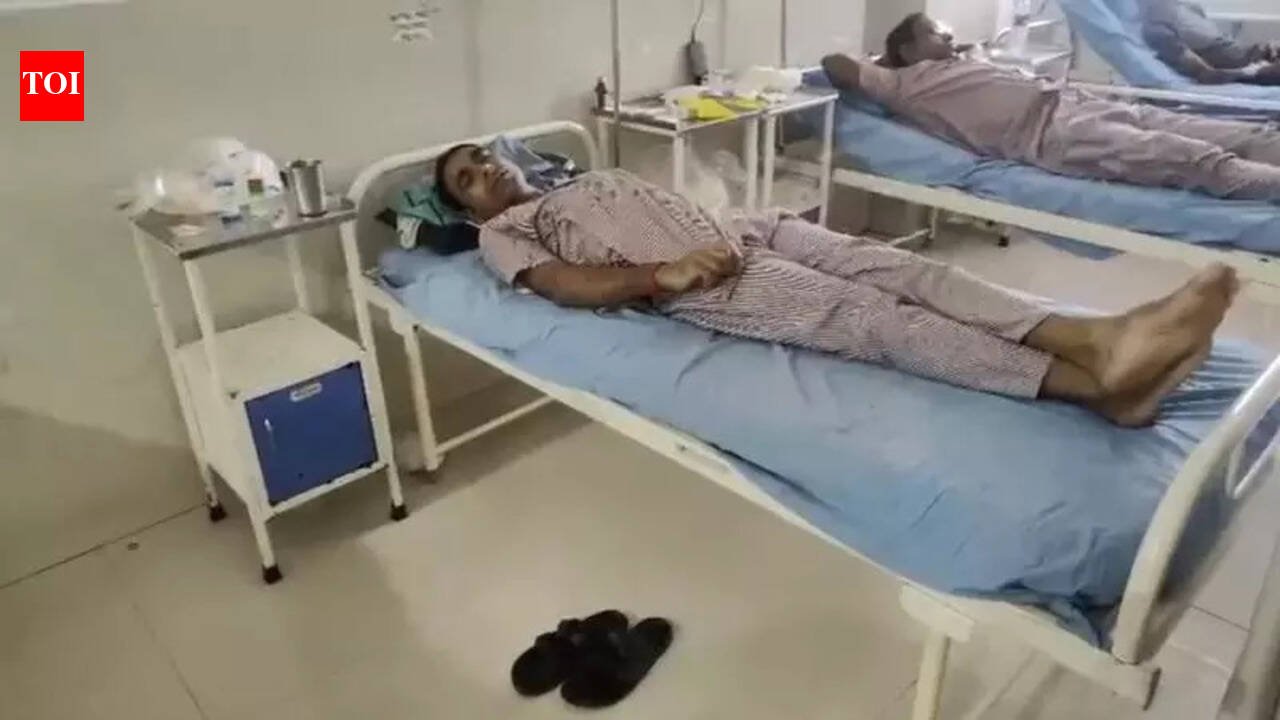
Palghar: Seventeen workers were affected in a fresh gas leak incident at Tarapur MIDC in Boisar, raising serious concerns over industrial safety in the area. The dimethyl sulphide (DMS) gas leak reportedly occurred on Sunday afternoon at a pharmaceutical unit, Arti Pharma Lab. The affected workers were rushed to a private hospital in Boisar, where they are currently undergoing treatment. Allegations have surfaced that the company failed to inform the police about this leak, but the incident came to light after the workers were admitted to the hospital. Authorities are expected to probe the matter and determine any lapses in safety protocols.Dimethyl sulphide, upon exposure, releases vapours that can affect the eyes, which was the major complaint of those admitted.Incidents of gas leak in Tarapur MIDC have sparked criticism, with activists questioning worker safety and regulatory oversight in the industrial zone.Palghar superintendent of police (SP) Yatish Deshmukh said around 1 pm on Monday, Boisar police registered the offence and the investigation is on. A senior official at Boisar police station said, “We got information from the hospital on Monday morning and accordingly started investigating this case.” They also confirmed that the statements of all the workers have been taken.MIDC sources have confirmed this leak took place while handling the dimethyl sulphide. They said initially there is no impact of this gas but around 4 hours after the leak, the workers began to report irritation in the eyes and a sore throat. All 17 were thereafter admitted at the local hospital.


Source link