Breaking News
‘Virat Kohli has it easier than Rohit Sharma’: Ex-India batter’s explosive take | Cricket News


‘Virat Kohli has it easier than Rohit Sharma’: Ex-India batter's explosive take
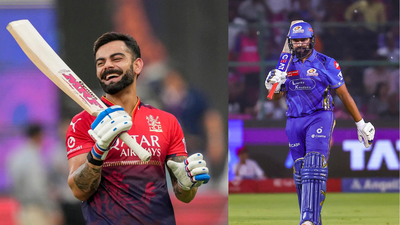
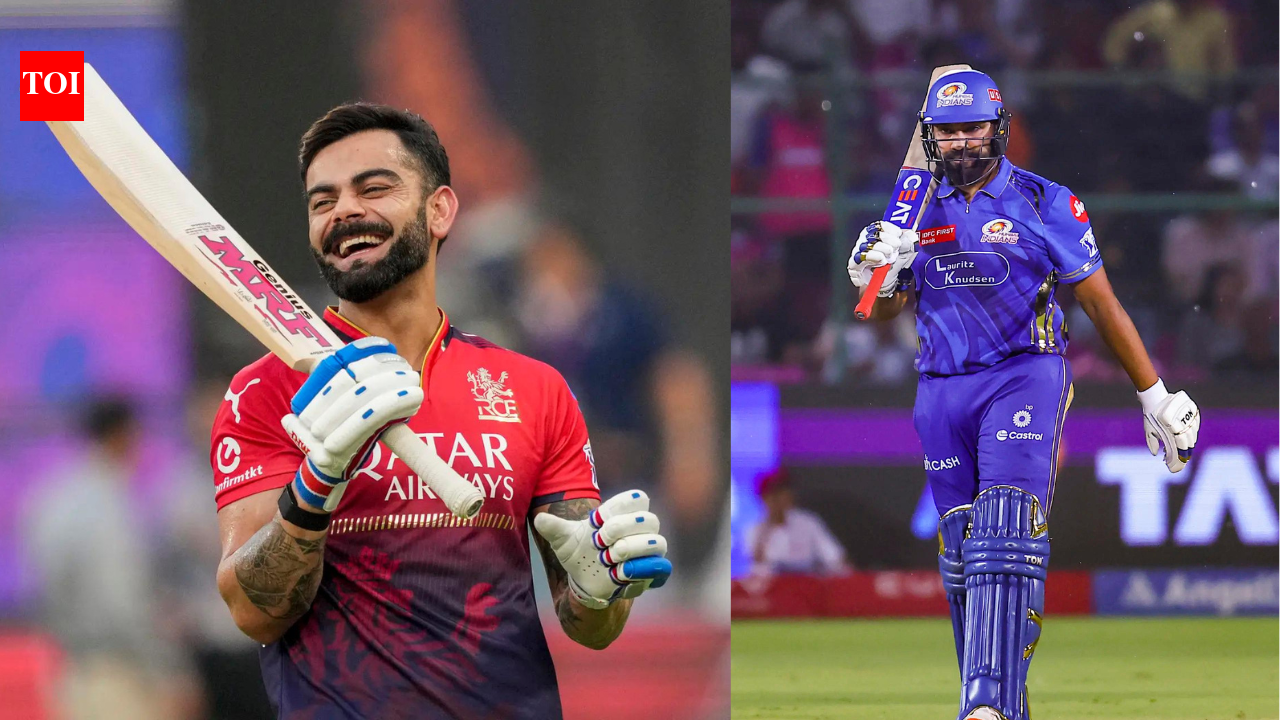
Virat Kohli and Rohit Sharma (Agency Image)

As the 19th edition of the Indian Premier League kicks off with Royal Challengers Bengaluru taking on Sunrisers Hyderabad in Bengaluru, the spotlight is firmly on three modern greats — MS Dhoni, Virat Kohli and Rohit Sharma — all looking to make another strong statement this season.Former India batter turned commentator Aakash Chopra weighed in on what to expect from the trio, offering insights into their roles, form, and potential impact in the upcoming campaign.

Watch

Virat Kohli’s childhood coach makes a big statement on 2027 ODI World Cup

Chopra backed Kohli to shine once again, pointing to his elite fitness levels and the advantage of opening the innings. He believes those factors give Kohli an edge over others, even when compared with Rohit Sharma.“The focus will be on Virat Kohli again because the guy is so fit. The kind of fitness that he has achieved over a period of time makes him the best suited, also because he is an opener. The same is true for Rohit Sharma as well, but between the two of them, I still feel Virat Kohli has it a little easier just because of himself. That is the price he has to pay for the kind of fitness and legacy he has built,” said Chopra.At 37, Kohli remains the most prolific batter in IPL history, with 8,661 runs in 267 matches. A one-franchise player for RCB since 2008, he also owns the record for the most runs in a single season (973 in 2016) and the highest number of centuries (8) in the tournament.Chopra, however, feels the challenge is steeper for Dhoni. The former Chennai Super Kings captain, now on the wrong side of 40, faces the added difficulty of limited game time leading into the IPL, along with a demanding dual role.“It is a little difficult for Dhoni as well because he is on the wrong side of 40. For him, not to play anything for 10 months, turn up for the IPL and switch on, and also play at a number where he gets only 10-12 balls, is the toughest thing to do. Then there are also 20 overs of keeping, so his job is perhaps the toughest,” Chopra explained.On Rohit’s approach with the bat, Chopra expects no shift in intent. With a power-packed Mumbai Indians batting line-up around him, the responsibility to attack early remains crucial.“When you are part of the batting order that the Mumbai Indians have, it is mandatory to set the tone for Rohit Sharma. Rohit does want to bat a certain way. He has already made his opinion very public. But if you are part of a setup where there is Quinton de Kock at the other end, followed by Tilak, Surya, Hardik, Will Jacks or Sherfane Rutherford, and then Naman Dhir, what else is the option? You need to maximise the 20 overs, which basically means maximising the first six overs.

Poll

Who do you think will have the biggest impact this IPL season?

“So, yes, Rohit would be expected to bat the same way, see the ball, hit the ball; that is what I am thinking for the entire Mumbai Indians setup, unless the pitch is asking you to play a slightly different brand of cricket,” he added.With three icons at different stages of their careers, IPL 2026 promises another fascinating chapter in their enduring legacy.


Source link

Centre, oil companies to split impact of higher crude


Centre, oil companies to split impact of higher crude

NEW DELHI: The Centre’s move to slash excise and impose windfall tax on diesel and aviation fuel will leave it poorer by around Rs 1.3 lakh crore if the energy crisis due to the West Asia conflict persists for a full year.An early resolution will reduce the pressure on oil prices and consequently on govt and oil companies. On Thursday, ratings agency ICRA had said that the recently set up Economic Stabilisation Fund can help offset some of the fiscal impact.For the moment, it has managed to ensure that consumers are fully protected as the oil retailers and govt will split the burden of higher crude prices. For the oil marketing companies (OMCs), which will have to take a hit during the March quarter, the impact will not be significant if the Indian basket remains around the current level of $112 a barrel.“With the recent reduction in excise duty and no change in the retail prices of petrol and diesel, OMCs are expected to break even at a crude oil price of around $106 a barrel for their refining and retailing operations, vis-à-vis around $90 a barrel before this excise duty cut,” CareEdge Ratings said in a note.For the current fiscal year, however, oil companies are fully protected as they raked in profits on every litre of petrol that was sold by them until the war broke out, just as the Centre was mopping up revenue, as the gains from lower oil prices were not passed on.For the states, revenue from VAT is likely to increase by at least Rs 25,000 crore in FY27, with Karnataka being the top gainer, SBI Research said in a report, while suggesting that they should lower the levy in line with the Centre.


Source link

Credit-deposit ratio of banks touches a record 83%


Credit-deposit ratio of banks touches a record 83%

MUMBAI: Credit-deposit ratio of banks hit an all-time high of 83% as of March 15, 2026, after deposits fell and credit continued to expand during the reporting fortnight.Aggregate deposits declined by Rs 1.8 lakh crore duCredit growth outpaced deposit mobilisation through the current financial year, with incremental credit at Rs 25.3 lakh crore exceeding incremental deposits of Rs 24.3 lakh crore. As a result, the incremental credit-deposit ratio stood at 103.9%. Historically, an 80% credit-deposit ratio is seen as healthy as it factors in the 3% of bank deposits that have to be maintained as cash reserves (CRR) and 18% in liquid govt bonds (statutory liquidity ratio) ring the fortnight to Rs 250 lakh crore, while bank credit rose by Rs 18,672 crore to Rs 207.6 lakh crore. According to data, the divergence between deposits and credit pushed the ratio to a record level.Credit growth outpaced deposit mobilisation through the current financial year, with incremental credit at Rs 25.3 lakh crore exceeding incremental deposits of Rs 24.3 lakh crore. As a result, the incremental credit-deposit ratio stood at 103.9%. Historically, an 80% credit-deposit ratio is seen as healthy as it factors in the 3% of bank deposits that have to be maintained as cash reserves (CRR) and 18% in liquid govt bonds (statutory liquidity ratio)The decline in deposits alongside the expansion in credit widened the gap between credit growth (13.8%) and deposit growth of (10.8%) for the financial year.Before the current financial year, the last period when credit-deposit ratio consistently crossed 100% was between late 2022 and late 2023, covering FY23 and early FY24. During the pandemic recovery phase, pent-up corporate and retail credit demand surged at 16%-17% YoY, while deposit growth lagged at 9%-10%, keeping the ratio in the 100%-130% range.Part of the recent credit surge reflects a change in reporting dates from alternate Fridays to the 15th and 30th of each month, which captures quarter-end disbursements by banks.


Source link

Dhurandhar 2 Full Movie Collection: ‘Dhurandhar: The Revenge’ box office collection day 9: Ranveer Singh, Rakesh Bedi’s film mints over Rs 1,100 crore worldwide |


‘Dhurandhar: The Revenge’ box office collection day 9: Ranveer Singh, Rakesh Bedi's film mints over Rs 1,100 crore worldwide

Ranveer Singh starrer ‘Dhurandhar: The Revenge’ has been the talk of the town right from the word go. The initial box office figures also showed that the movie has lived up to the hype. With a record-breaking premiere collection, followed by an impressive weekend opening, beating giants like ‘Pushpa 2,’ ‘Dhurandhar 2’ created history at the box office. However, as the first Monday arrived, the collection saw a dip in business. Nevertheless, despite the drop during the weekday shows, the gross collection of ‘Dhurandhar: The Revenge’ has crossed the Rs 1100 crore mark worldwide. In India, ‘Dhurandhar 2’ has minted over Rs 800 crore in 9 days gross, and the net collection has surpassed the Rs 700 crore mark.Dhurandhar 2 Movie ReviewRead on to know more details about ‘Dhurandhar: The Revenge’ box office performance.

‘Dhurandhar: The Revenge’ box office collection day 9 update

According to the latest reports by Sacnilk, ‘Dhurandhar 2’ on its second Friday, March 27, 2026, made Rs. 41.55 crore net in India, which is 32 per cent less than the previous day’s business that stood at Rs 49.70 crore. With these numbers, the net collection of the Aditya Dhar-directed spy thriller stands at Rs 715.72 crore net and Rs 854.99 crore gross in the domestic market. Further, the collection from overseas amounted to Rs 274 crores gross, pushing the total worldwide gross collection of ‘Dhurandhar: The Revenge’ to Rs 1,128.99 crore.

‘Dhurandhar: The Revenge’ – Breaking down the net box office collection day-wise:

Day 0 (Wednesday): Rs 43.00 CrDay 1 (1st Thursday): Rs102.5 CrDay 2 (1st Friday): Rs 80.72 CrDay 3 (1st Saturday): Rs 113.00 CrDay 4 (1st Sunday): Rs 114.85 CrDay 5 (1st Monday): Rs 65.00 CrDay 6 (1st Tuesday): Rs 56.60 CrDay 7 (1st Wednesday): Rs 48.75 CrWeek 1 Collection: Rs 624.47 CrDay 8 (2nd Thursday): Rs 49.70 CrDay 9 (2nd Friday): Rs 41.55 CrTotal: Rs 715.72 CrThe movie is expected to see a rise in weekend numbers.

‘Dhurandhar: The Revenge’

Alongside Ranveer Singh, the movie has Rakesh Bedi, Arjun Rampal, Sara Arjun, R Madhavan, Gaurav Gera and others in important roles. The sequel’s story ties the threads of Hamza’s past and present beautifully. The movie shows his journey of becoming an Indian undercover spy, and his tactful play to destroy the terrorist circle by becoming the King of Lyari.DISCLAIMER: The box office numbers and data in this article are compiled from diverse public and industry sources. All figures are approximate unless explicitly mentioned, offering a fair representation of the movie’s box office performance. These totals may change as official studio data is updated or as additional international market reports are finalized. This data is provided by us for informational and entertainment purposes only.


Source link

1 month on, Iran war leaves investors poorer by Rs 41.4 lakh crore


1 month on, Iran war leaves investors poorer by Rs 41.4 lakh crore

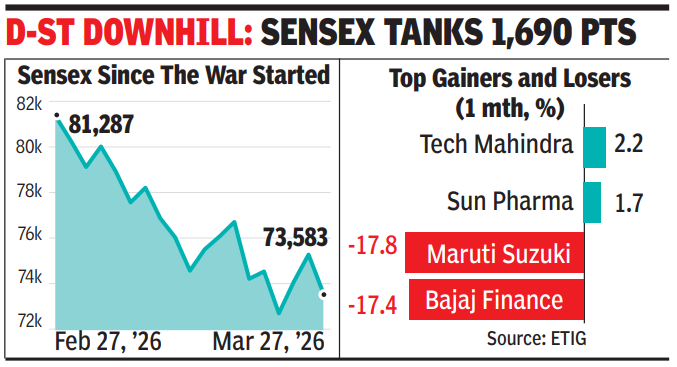
MUMBAI: The day the war in West Asia completed a month, Dalal Street witnessed one of its most brutal sell-offs since the conflict began on Feb 28. During Friday’s session, with sensex-heavyweight Reliance Industries tanking 4.6%, the index closed 1,690 points or 2.3% lower at 73,583 points.The crash in RIL’s stock price that came on the back of imposition of windfall tax on petro-product exporters by govt, the rupee’s slide to a record low level against the dollar, rising bond yields and strong foreign fund selling, all because of the war in West Asia, led to Friday’s slide in stocks, market players said.

Screenshot 2026-03-28 055255

Sensex tanks 1690 points

The sell-off left investors poorer by nearly Rs 9 lakh crore with BSE’s market capitalisation now at Rs 422.2 lakh crore, exchange data showed.Foreign funds were again the main sellers of stocks with the net outflow figure at Rs 4,367 crore, BSE data showed.Since the war between the US-Israel and Iran started, the sensex has lost a little over 7,700 points or 9.5% while investors are poorer by about Rs 41.4 lakh crore. During the same period, foreign portfolio investors (FPIs) have net taken out a little over Rs 1.1 lakh crore from the domestic stock market, data from NSDL and BSE showed.

Poll

How concerned are you about the impact of the war in West Asia on the Indian stock market?

According to Vinod Nair of Geojit Investments, Indian equities ended lower after a volatile session as rising bond yields coupled with negative cues from western markets and mixed Asian performance kept investors on the edge. Nair feels that the near-term sentiment for market remained fragile amid geopolitical risks and potential earnings downgrades due to supply shocks.


Source link

RBI curbs net open positions of banks in forex markets


RBI curbs net open positions of banks in forex markets

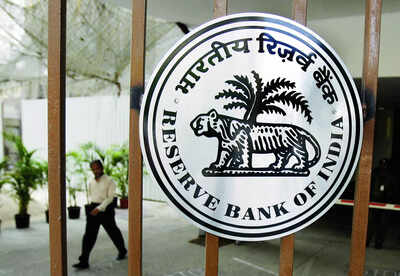
MUMBAI: For the first time in nearly 15 years, the RBI has placed curbs on the size of bets that banks can take in the currency markets, taking away powers, hitherto, vested with bank boards. The move comes at a time when the rupee is under pressure due to a combination of sales by foreign institutional investors, a rise in the oil import bill, and the overhang of tariffs and visa curbs on exports.RBI’s direction on Friday caps banks’ net open position in rupee at $100 million, effective April 10, 2026, citing “market conditions.” Hitherto, the net open position limit was fixed by the boards of banks.Bankers said that while speculation helps provide liquidity in the forex market, in volatile times, when markets are one-sided, such bets can be self-fulfilling.Post-2013, banks set their own Net Overnight Open Position Limits (NOOPL) up to 25% of Tier I/II capital, with RBI reserving discretion to impose market-driven caps. In Dec 2011, RBI had curbed net open position limits in currency trading by 75% for some banks and 50% for top banks. The move had come after the domestic currency weakened by as much as 20%.

Poll

What do you think is the primary reason for the RBI to impose these new betting limits?

Incidentally, RBI had in Jan issued draft directions on calculating net open position and capital charge for foreign exchange risk, inviting comments from stakeholders. The central bank had proposed the new rules to come into effect from April 1, 2027. The new norms also seek to remove the separate calculation for offshore and onshore net open positions.


Source link

Steel, auto, chemicals to gain from more LPG flow


Steel, auto, chemicals to gain from more LPG flow

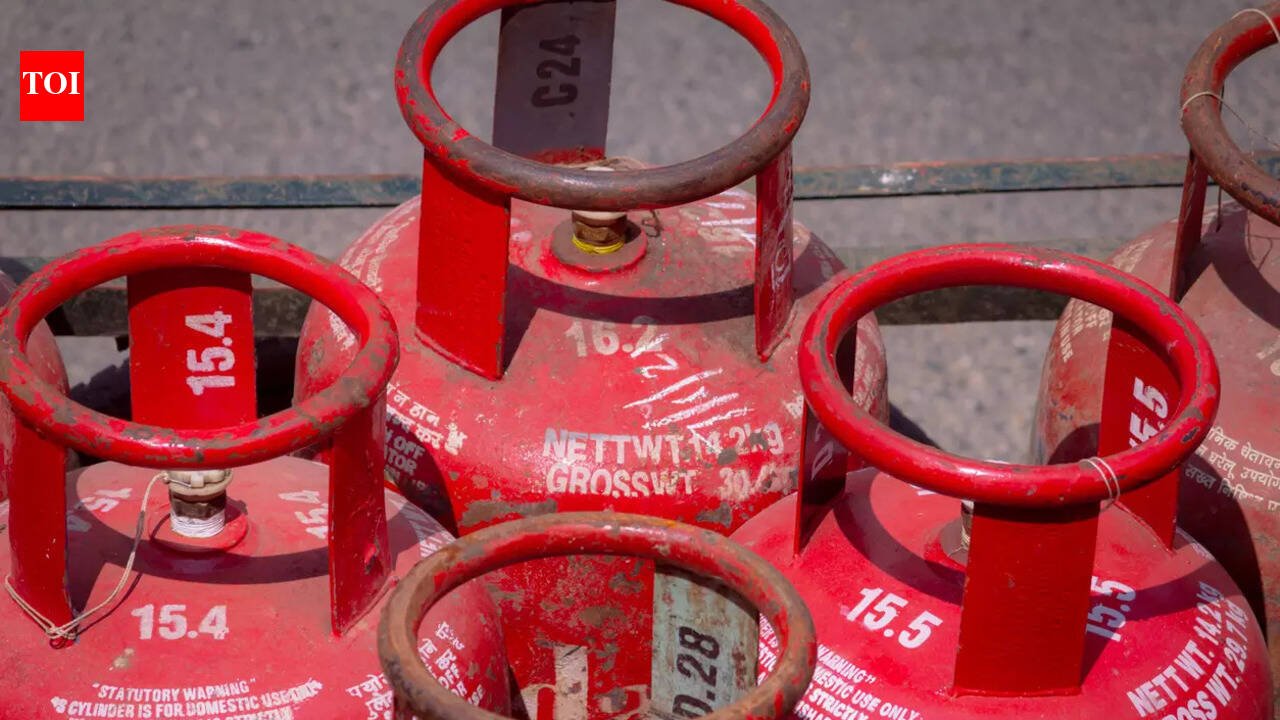
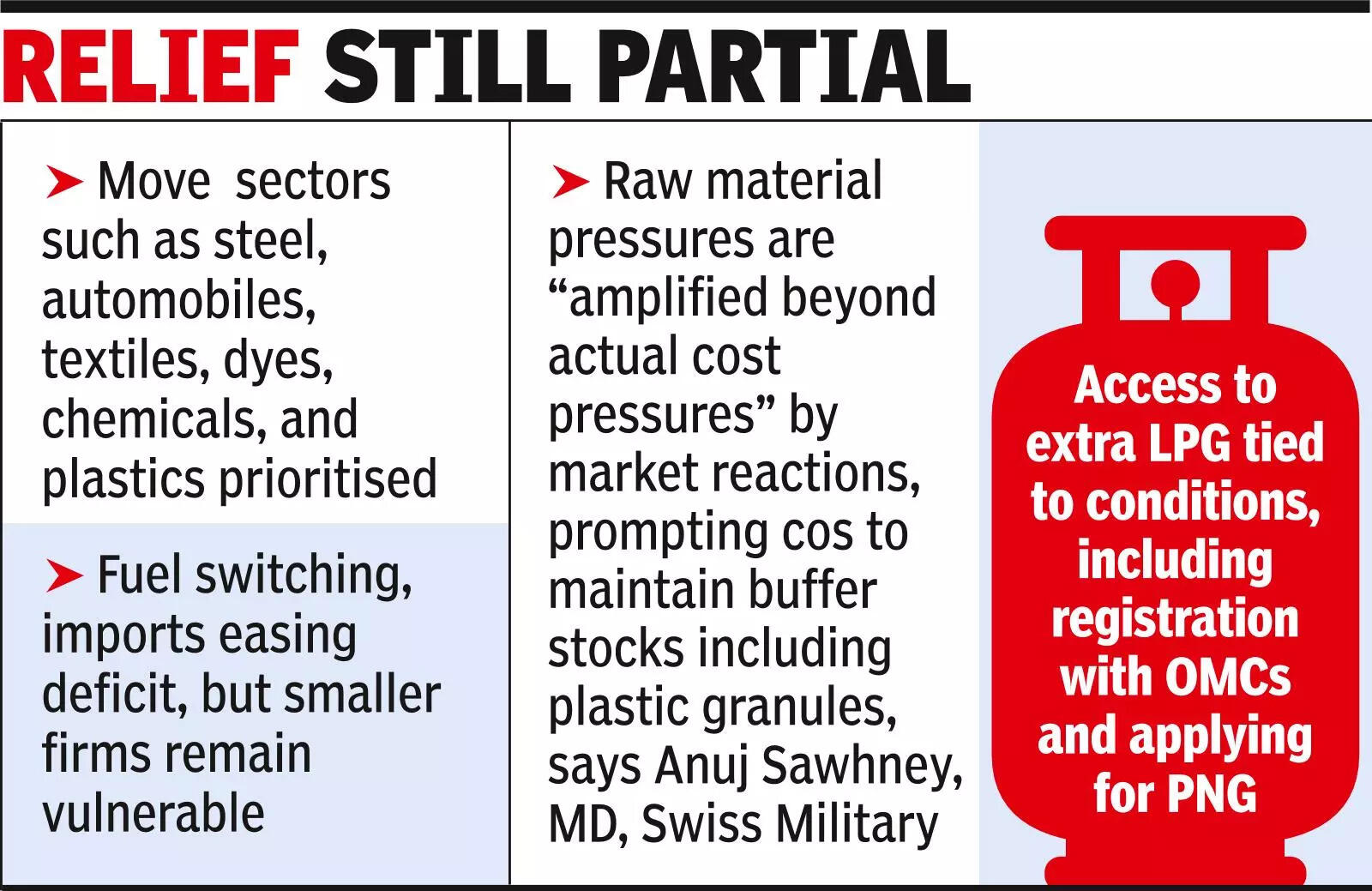
The govt on Friday moved to cushion key industries from the ongoing gas supply disruption, boosting commercial LPG allocations by 20% to reach 70% of pre-crisis levels. The extra supply will prioritise labour-intensive sectors such as steel, automobiles, textiles, dyes, chemicals, and plastics, which are critical for broader economic activity.The move is aimed at stabilising industrial operations, said Prashant Vasisht, senior vice president (corporate ratings) at ICRA, adding that increased domestic LPG production and alternative imports have “reduced the deficit, providing some comfort.”

Watch

Centre Pushes PNG: LPG Supply May Be Stopped Where Pipelines Are Available

Pankaj Chadha, chairman of engineering exports body EEPC India, said the measure will help steel mills, particularly smaller units, maintain production. “Steel is a key segment of the engineering goods sector, and its shortage could severely impact the production chain. The additional LPG allocation should minimise supply bottlenecks and ensure steady output,” he added.

Steel, auto, chemicals to gain from more LPG flow

To Reach 70% of Pre-Crisis Levels | Move To Prioritise Labour-Intensive Sectors

The garment sector, however, sees the step as partial relief but doubts it will meet even half of its near-term demand. Yarn processing, crucial for garment production, is largely gas-powered. Supply to hundreds of units in Tiruppur has been cut for 10 days, affecting around 1 lakh employees. The shortage has disrupted the credit cycle and risks favouring well-capitalised buyers, while costs for raw materials, including polyester yarn, and transportation have increased. Alexander Neroth, director of NC John Garments, said, “Freight and raw materials costs have risen substantially, making it difficult to get yarns processed.”The gas shortage started with the West Asian conflict and the near-closure of the Strait of Hormuz to commercial shipping, prompting the government on March 12 to curtail commercial LPG allocations to 20%. Since then, allocations have gradually increased to 70% of pre-crisis levels.Access to the additional 20% is conditional. Industrial users must register with oil marketing companies such as Indian Oil Corporation, HPCL, and BPCL, and apply for piped natural gas connections with city gas distribution entities to qualify. Process industries and units relying on LPG for specialised heating needs, where natural gas cannot substitute, will get priority.Manufacturers across sectors are adapting to the shortage with various measures to maintain production. Ajay Singhania, MD of EPACK Durable, noted that LPG and piped gas shortages had cut production by nearly 50% over the past three weeks. “We have initiated interim measures like partial fuel-switching across processes, but these come with efficiency and cost trade-offs. For the consumer durables sector, where demand is seasonal, consistent energy availability is critical to ensure timely production,” he said.Auto component makers, particularly forging and casting units, continued production with some shifting to in-house solar powered electrical heating. A Chennai-based exporter said the transition to renewable energy helped in navigating the situation with relative ease, even as inventories have fallen from 15–20 days to 2–3 days. Smaller firms, he added, are feeling the strain due to heavier dependence on LPG.(With contributions from Reeba Zachariah, G Balachandar, Vaitheeswaran B and Asmita Dey)


Source link

Rupee breaches 94, worst fiscal year fall in over a decade


Rupee breaches 94, worst fiscal year fall in over a decade

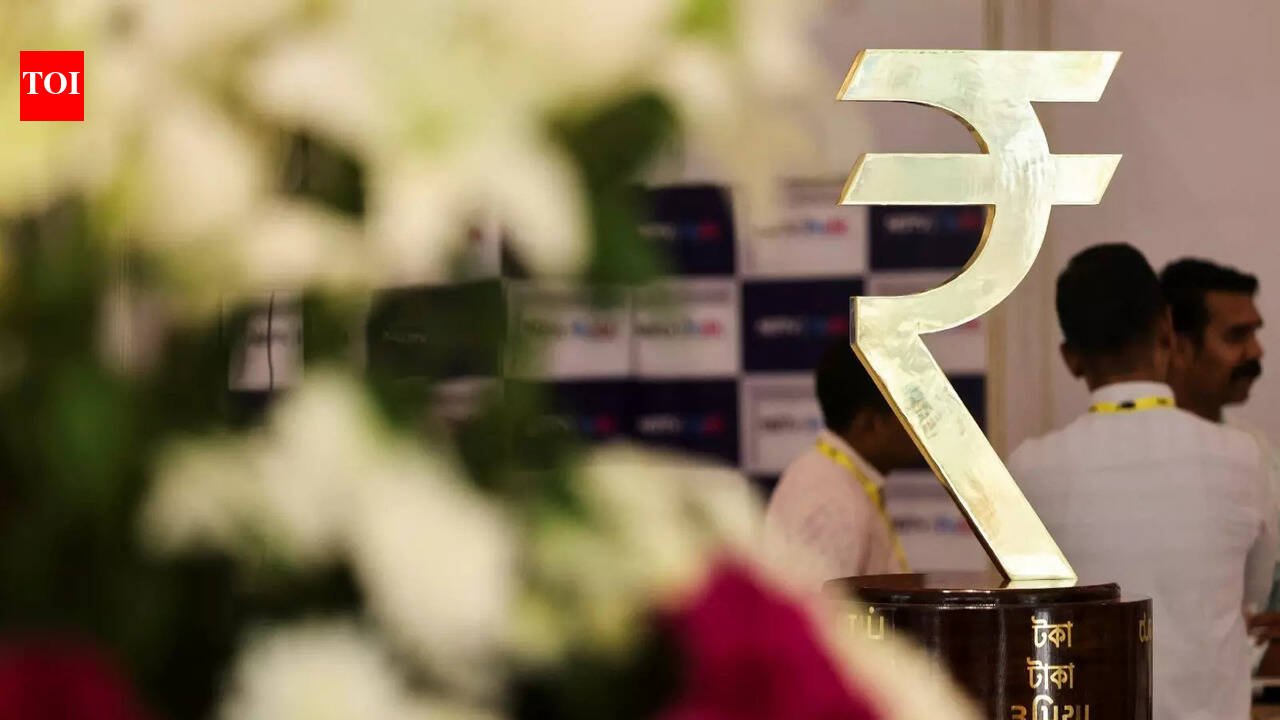
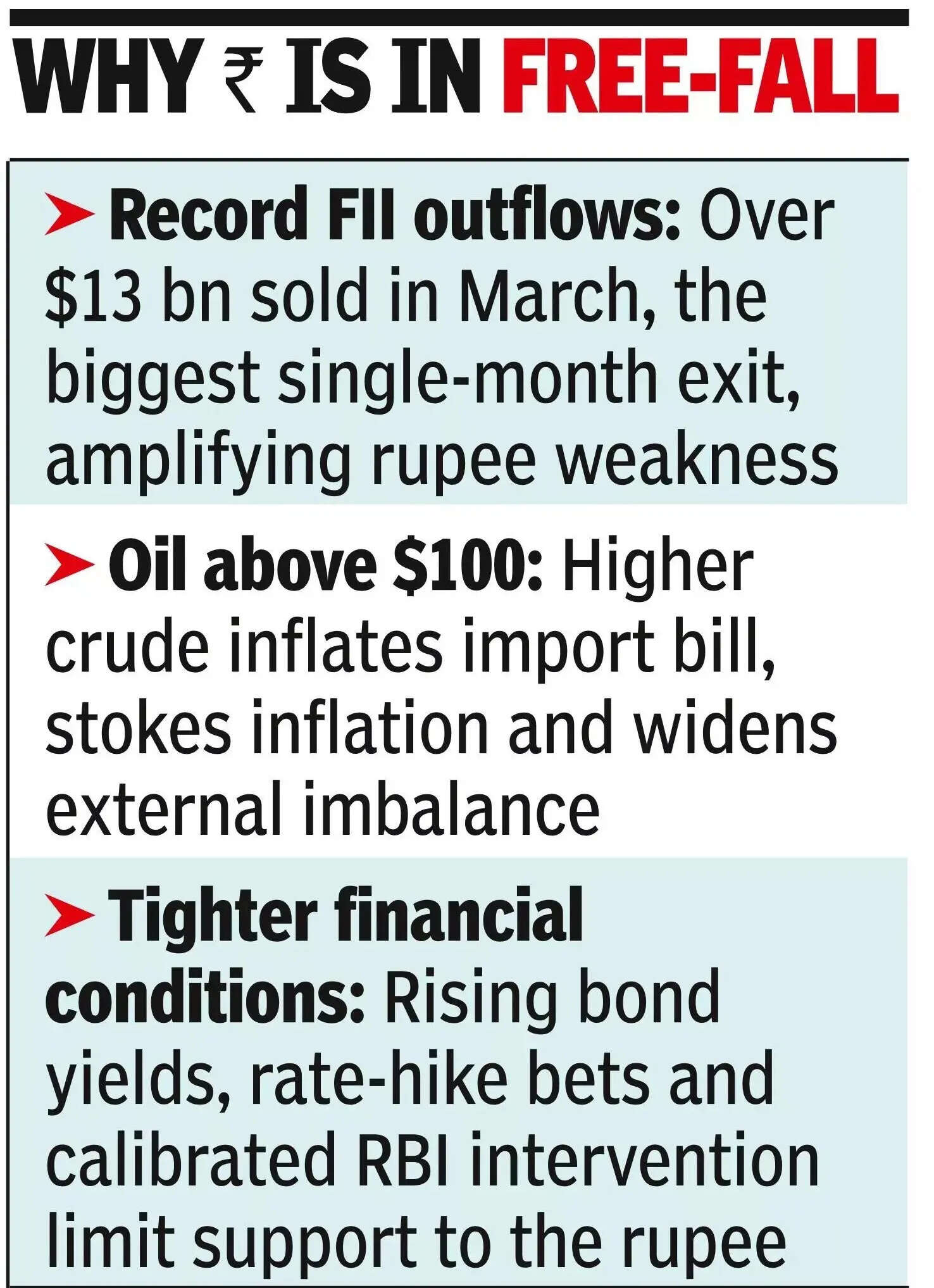
MUMBAI: The rupee breached the 94 level for the first time to close at 94.81 per dollar after hitting a record low of 94.84, declining about 4% since late Feb and 11% in the current fiscal year, marking its worst financial year performance in over a decade.Many analysts are forecasting that oil prices will remain above $100 per barrel for several weeks, pushing up the import bill and inflation. Dealers said that pressure on the rupee has been driven more by heavy foreign investor selloffs than by the West Asia conflict, with outflows crossing $13 billion this month, an all-time high.

Re breaches 94, worst fiscal year fall in over a decade.

“More than the West Asia war the pressure on rupee is from heavy sell off by the FIIs, which has already crossed more than 13 billion dollars this month. Which itself is an all time record. In case of de-escalation there would be a correction of at least 2%. Also there is an expectation of $4.4 billion dollars inflows from the Mitsubishi-Shriram Finance deal . This will severely boost the falling Rupee,” said KN Dey, a forex consultant.Domestic equity markets declined sharply, while benchmark bond yields rose to multi-month highs, reflecting tightening financial conditions. Foreign investors accelerated outflows from domestic equities and bonds amid heightened concerns over inflation, currency weakness, and external imbalances.Growth forecasts have been revised downward, while expectations of interest rate hikes over the next year have strengthened. Govt has cut excise duty to keep fuel prices under check, but the move is expected to put pressure on the fiscal deficit and increase borrowing.

Poll

How concerned are you about the impact of rising inflation on the economy?

Despite some signals of de-escalation, the currency remains under pressure amid sustained global uncertainty. “The rupee is expected to trade in a weak range of 93.25–94.25, with downside bias likely to persist until clear progress in Iran peace talks emerges,” said Jateen Trivedi, analyst with LKP Securities.


Source link

When 13-year-old Vaibhav Sooryavanshi smashed a 157kph ball for straight six | Cricket News


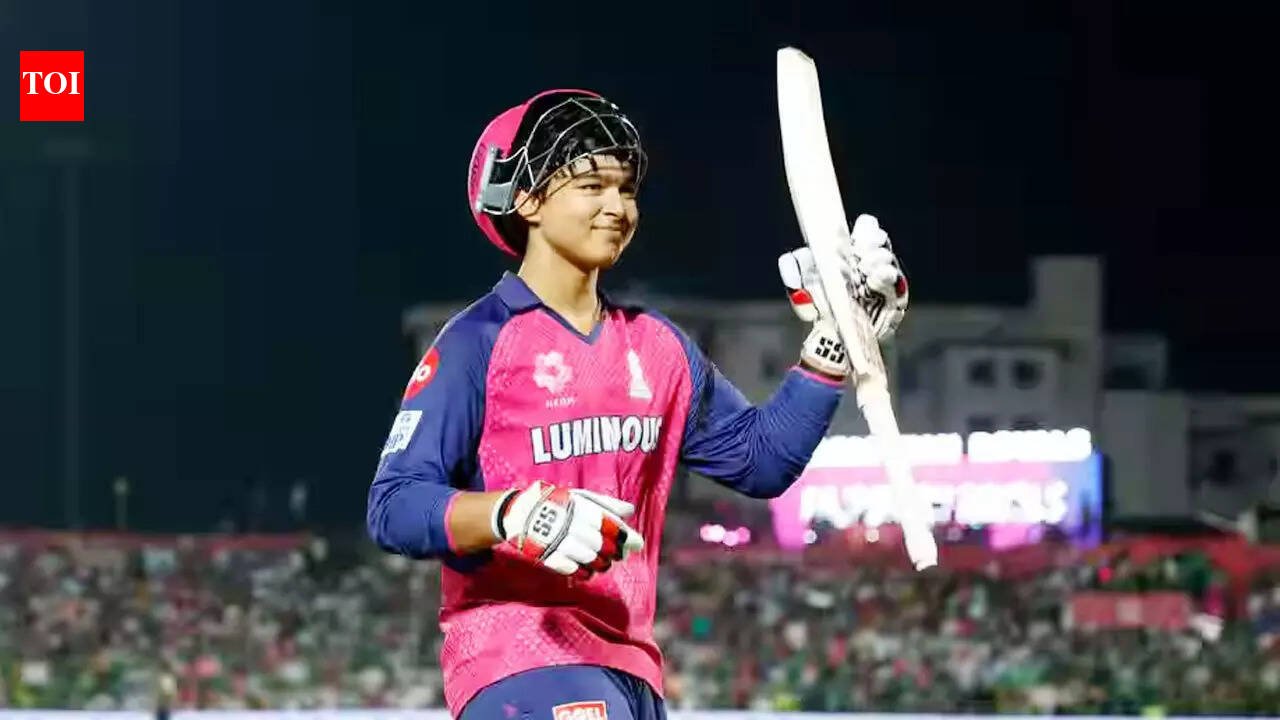
Vaibhav Sooryavanshi (Image credit: BCCI/IPL)

A single shot in a trial session changed everything for Vaibhav Sooryavanshi — a fearless straight six off extreme pace that left seasoned scouts stunned and marked the arrival of a rare talent.Vaibhav Sooryavanshi turned 15 on March 27, 2026, and is now eligible for an India cap under updated ICC rules. Over the past two years, few young cricketers have generated as much buzz as the teenage prodigy, who has dominated age-group cricket and transitioned seamlessly into senior-level competition.Go Beyond The Boundary with our YouTube channel. SUBSCRIBE NOW!His meteoric rise was underlined during the IPL mega auction in 2024 when Rajasthan Royals secured him for Rs 1.1 crore. The investment paid off almost instantly, as Sooryavanshi lit up IPL 2025 with fearless strokeplay, including a 35-ball century — making him the youngest T20 centurion and the second-fastest in IPL history after Chris Gayle.

Watch

Everything is special about Vaibhav Suryavanshi: Vikram Rathour

But the origins of his stardom trace back to a trial session in Talegaon, Maharashtra, in 2024 — the day he announced himself in extraordinary fashion.The six that changed everythingNarrating the moment, Royals’ director of cricket Zubin Bharucha, speaking to The Cricket Monthly, recalled the disbelief that followed, revealing how he had urged the franchise to “put Rs 10 crore aside” ahead of the auction, convinced of the teenager’s rare talent.During the trial, Bharucha expected a conventional contest between a young batter and a left-arm quick. “The first ball to a right-hander had jagged back in… I’m thinking… the ball will probably move away and beat him outside off.”Instead, Sooryavanshi lofted it over extra cover for six. “I was like, ‘What am I seeing?’ I couldn’t even process it,” Bharucha admitted.What followed was even more remarkable. Facing sidearm throwdowns clocked at extreme pace (157-158 kmph), the youngster displayed composure beyond his years. “I told Vaibhav they’d be quick. He just said, ‘Haan sir, no problem.’”Then came the defining blow. “One of the sidearmers hit the deck hard, and Vaibhav hit it straight over the sightscreen for six… it measured 157 kph! That’s not normal. Not even for the best.”From unknown to unmissableThe Royals management needed little convincing after hearing Bharucha’s account. Though he had suggested setting aside Rs 10 crore, the franchise secured Sooryavanshi for a fraction of that amount.

Poll

Should franchises invest heavily in young players like Sooryavanshi?

His IPL debut only reinforced the hype — a first-ball six and a record-breaking century at just 14 years and 32 days. Bharucha summed it up best: “You’re looking at something incredible… don’t miss this chance.”From a quiet village in Bihar to the biggest stage in T20 cricket, Sooryavanshi’s journey has been nothing short of extraordinary — and it all began with one audacious six off blistering pace.


Source link

Chennai Super Kings IPL 2026 Full Schedule: Date, Time & Venues of CSK matches


Chennai Super Kings (CSK) begin their IPL 2026 journey with an away clash against Rajasthan Royals (RR) in Guwahati on March 30, before returning to their fortress, the MA Chidambaram Stadium in Chennai, for their first home game against Punjab Kings (PBKS) on April 3. As always, CSK’s campaign promises a blend of big-ticket clashes, strategic scheduling, and strong home advantage, all of which could shape their push for another title.

One of the biggest highlights of the season will be the iconic rivalry with Mumbai Indians (MI). The two sides will meet twice in what is widely considered the IPL’s “El Clasico.” The first encounter is set for April 23 at the Wankhede Stadium, followed by the return leg at Chepauk on May 2. Both matches are evening fixtures, ensuring high-intensity contests under lights at two of cricket’s most electrifying venues. Interestingly, CSK will face Royal Challengers Bengaluru (RCB) only once this season, with that clash scheduled for April 5 in Bengaluru – making it a rare single meeting between two of the league’s most popular teams.

As the tournament progresses, CSK’s schedule begins to tilt in their favour. The final phase of the league stage is particularly advantageous, with three of their last four matches set to be played at Chepauk. They host Lucknow Super Giants (LSG) on May 10, Sunrisers Hyderabad (SRH) on May 18, and Gujarat Titans (GT) on May 21, while their only away fixture in this period is against LSG in Lucknow on May 15. This home-heavy finish could play a crucial role in their playoff qualification hopes, especially given CSK’s strong record at Chepauk.

CSK will also need to adapt to varying conditions during the season, particularly in their two afternoon matches. They travel to Ahmedabad to face the Titans on April 26 and host LSG on May 10, with both games starting at 3:30 PM IST. Afternoon fixtures often demand different strategies due to heat and pitch behavior, making adaptability key.

On the team front, captain Ruturaj Gaikwad has confirmed a new opening combination, with Sanju Samson set to partner him at the top. Samson, who joined CSK in a high-profile trade that saw Ravindra Jadeja move to the Royals, comes into the season in outstanding form after being named Player of the Tournament in the ICC T20 World Cup 2026.

The squad also features the ever-reliable MS Dhoni, alongside exciting additions like Dewald Brevis and Ayush Mhatre. With a balanced mix of pace options such as Khaleel Ahmed, Mukesh Choudhary and Jamie Overton, and a strong spin unit led by Noor Ahmad, Rahul Chahar, Shreyas Gopal and Akeal Hosein, CSK appear well-equipped for the season.

With a favourable finish, marquee clashes, and a refreshed squad, CSK will once again be aiming to stay true to their legacy – consistency, composure, and a strong push for the IPL 2026 title.

Also READ: Ravichandran Ashwin predicts CSK’s top batter in IPL 2026

CSK IPL 2026 Full Schedule

  • March 30 – Rajasthan Royals vs Chennai Super Kings – Guwahati – 7:30PM IST
  • April 3 – Chennai Super Kings vs Punjab Kings – Chennai 7:30PM IST
  • April 5 – Royal Challengers Bengaluru vs Chennai Super Kings – Bengaluru – 7:30PM IST
  • April 11 – Chennai Super Kings vs Delhi Capitals – Chennai – 7:30PM IST
  • April 14 – Chennai Super Kings vs Kolkata Knight Riders – Chennai – 7:30PM IST
  • April 18 – Sunrisers Hyderabad vs Chennai Super Kings – Hyderabad – 7:30PM IST
  • April 23 – Mumbai Indians vs Chennai Super Kings – Mumbai – 7:30PM IST
  • April 26 – Gujarat Titans vs Chennai Super Kings – Ahmedabad – 3:30PM IST
  • May 2 – Chennai Super Kings vs Mumbai Indians – Chennai – 7:30PM IST
  • May 5 – Delhi Capitals vs Chennai Super Kings – Delhi – 7:30PM IST
  • May 10 – Chennai Super Kings vs Lucknow Super Giants – Chennai – 3:30PM IST
  • May 15 – Lucknow Super Giants vs Chennai Super Kings – Lucknow – 7:30 PM IST
  • May 18 – Chennai Super Kings vs Sunrisers Hyderabad – Chennai – 7:30PM IST
  • May 21 – Chennai Super Kings vs Gujarat Titans – Chennai – 7:30PM IST

Note: IST= GMT+ 5:30 hrs

Also READ: SWOT analysis of Chennai Super Kings – CSK’s report card ahead of IPL 2026


Source link