Breaking News
Candace Owens dragged into explosive Charlie Kirk text leak controversy as Joe Kent faces mounting scrutiny


Candace Owens dragged into explosive Charlie Kirk text leak controversy as Joe Kent faces mounting scrutiny
Claims have emerged that Joe Kent leaked Charlie Kirk’s private messages to Candace Owens through an internal chain involving Turning Point USA figures. The texts, sent shortly before Kirk’s death, revealed tensions over donor pressure and political direction. Kent denies leaking them, but the controversy has intensified scrutiny and sparked backlash across conservative and pro-Israel circles.

The scandal of Joe Kent and Candace Owens has intensified after their allegations that they were associated with a leak of personal messages of Charlie Kirk. What started as a mere speculation has now become a wider discussion of trust, intentions and responsibility on the right wing. The purported messages have cast fresh doubts on what Kirk went through during his last days, as well as unveiling internal strains. The chain of custody of the leak is now being posited to be in some way checked by those in the know, and those who have access to the leak are now more on the spot. With the emerging details, the situation is no longer a rumour, but a serious test of credibility, and there may be political and reputational repercussions in all directions.

Leak claims ignite political storm around Joe Kent and Candace Owens

During a recent media appearance, Rabbi Pesach Wolicki laid out a sequence that has since gained traction. According to him, the screenshots originated within a private WhatsApp group before being passed along through multiple hands. The path allegedly ran from Turning Point USA spokesman Andrew Kolvet to Joe Kent, and ultimately to Candace Owens. Kolvet himself later confirmed the authenticity of the messages, stating he shared them with officials “to leave no stone unturned.”The texts, sent roughly two days before Kirk’s death, paint a complicated picture. They reportedly show him venting frustration over donor pressure and internal disagreements. One message claimed he had lost a major financial backer after refusing to cancel Tucker Carlson. Another line suggested deeper tensions, with Kirk writing that “Jewish donors play into all of the stereotypes,” while also weighing whether to bring Owens into the conversation as a counterbalance.Kent has publicly rejected accusations that he leaked the material, even as the claims gain momentum. He has instead framed the messages as “data points” tied to broader questions surrounding Kirk’s death. Still, the renewed attention comes at a difficult moment, as Kent already faces scrutiny over separate allegations involving classified information.Conservatives and pro Israel people have responded in various ways ranging to concern to overt anger. The last thing people expected was to see the personal issues of Kirk, who was always considered a good ally. Meanwhile, the messages have been abused by Owens and her supporters to advance larger agendas and aggravate an already tense situation.


Source link

Hormuz blocked, Yanbu rises: Saudi’s inland pipeline keeps oil flowing


Hormuz blocked, Yanbu rises: Saudi's inland pipeline keeps oil flowing

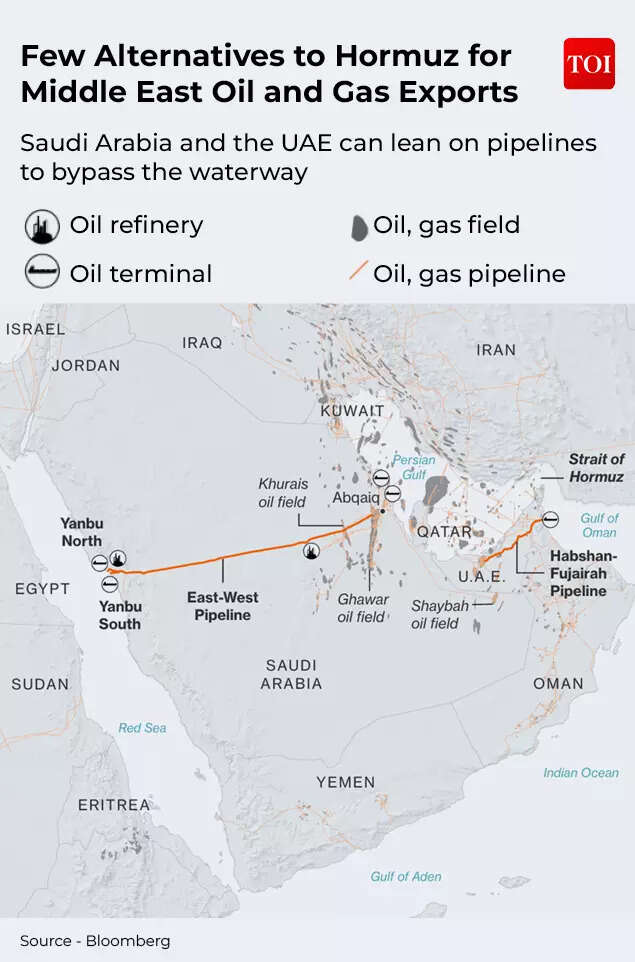
The Middle East conflict continues to squeeze global energy supplies as the war drags on, sending ripples of concern across markets worldwide. Against this uncertain backdrop, Saudi Arabia, appears long prepared for a worst-case scenario like this. The kingdom has effectively pressed the “contingency plan” button after the Strait of Hormuz was disrupted following US and Israeli strikes on Iran, moving swiftly to keep its oil exports flowing even as tensions continue to climb.At the centre of this preparation is a 1,200-kilometre East-West pipeline, built in the 1980s, running across the Arabian Peninsula from the country’s eastern oil fields to the Red Sea port of Yanbu, Bloomberg reported. The route, originally designed as a backup to Hormuz, has quickly taken a front seat as the crisis intensifies.

Watch

Hormuz Under Siege: Iran Taxes Global Shipping Route, Imposes Massive $2 Million Toll As Passage Fee

Within hours of the escalation, Saudi Arabia began rerouting crude through this inland corridor. Yanbu, a relatively low-profile industrial port compared to the Gulf coast hubs, has now become the main export point, with a growing number of oil tankers assembling offshore to load shipments as more vessels arrive each day.State-owned Saudi Aramco is now operating under pressure to scale up flows through this alternative route. Crude exports from Yanbu have reached a five-day rolling average of 3.66 million barrels, according to Bloomberg ship-tracking data, around half of the kingdom’s pre-conflict export levels.

‘Global economy is better with the line in operation’

The importance of the pipeline lies in its ability to offset the impact of the Hormuz closure. Everyday, roughly 20 million barrels or about one-fifth of global oil consumption, typically pass through the strait. With that route disrupted, producers across the region have faced constraints, but Saudi Arabia has retained an alternative outlet that allows it to continue moving crude to market.“The East-West pipeline is looking like a strategic masterstroke right now,” Jim Krane, the Wallace S. Wilson Fellow for Energy Studies at Houston’s Rice University told Bloomberg. “The entire global economy is better off with the line in operation.”The current reliance on the pipeline marks a return to a system conceived during earlier regional conflicts. Initially developed during the Iran-Iraq war in the 1980s, the East-West pipeline was intended to reduce dependence on Gulf shipping lanes. Over time, it has been expanded and adapted, eventually reaching a capacity of around 5 million barrels per day in the 1990s, with further enhancements allowing higher throughput in times of crisis.

.

Saudi Aramco, which operates a highly integrated global logistics network, has had to pivot quickly. The company began contacting customers as soon as hostilities began, requesting that vessels be redirected to Yanbu. Saudi tanker operator Bahri issued similar instructions to shipowners, helping coordinate the sudden shift in export flows. By March 4, Aramco confirmed it had begun ramping up pipeline operations, and within days, international buyers, including a major Indian refiner, had started securing cargoes from Yanbu.The scale of the rerouting has been significant. By March 10, at least 25 supertankers were heading towards the Red Sea port. Shipping sources indicate that Bahri was paying rates exceeding $450,000 per day to secure enough vessels to service Yanbu. Despite the high costs, the number of ships bound for the port has continued to rise, reflecting the urgency to maintain supply chains. At times last week, Yanbu was loading more than 4 million barrels per day.“The mere existence of an alternative route helps calm markets by reassuring buyers that not all the region’s exports are trapped,” says Carole Nakhle, chief executive officer of energy consultancy Crystol Energy Ltd. “That said, it’s not a risk-free alternative. If Yanbu and the East-West system were to come under sustained pressure, that would mark a serious escalation,” Bloomberg cited the expert.That risk has already been highlighted. Iran’s strike on the Samref refinery in Yanbu, a joint venture between Saudi Aramco and Exxon Mobil Corp, came just days into the escalation. This followed Israeli strikes on Iran’s largest gas production and processing facilities, prompting Tehran to retaliate with attacks on energy infrastructure across the Gulf.The East-West pipeline itself has previously been targeted, including as recently as 2019, and remains exposed in the event of further tit-for-tat strikes. Saudi Arabia’s eastern production facilities have also faced attacks, and the Ras Tanura refinery, the country’s largest, was temporarily shut down. Aramco has at times reduced crude production by as much as 2.5 million barrels per day, resulting in lost revenue despite higher oil prices.

Yanbu at center of outflows

Yanbu itself has now moved to the centre of Saudi Arabia’s export operations. Historically overshadowed by the eastern Gulf coast, from Jubail to Ras Tanura, where Aramco shipped its first crude cargo in 1939, the Red Sea port is now handling the bulk of the kingdom’s export activity. Refineries and petrochemical plants in Yanbu, though less prominent, are currently serving as a critical interface between Saudi production and global buyers.The pipeline feeding Yanbu originates near Abqaiq on the eastern coast, where it connects to major oil fields. From there, it crosses desert terrain and climbs to elevations exceeding 1,000 metres over the Hijaz mountains before reaching the Red Sea. Alongside crude exports, around 2 million barrels transported through the pipeline are directed to domestic refineries along the western coast, which continue producing refined products such as diesel for export.

A lifeline with risks

The idea of an alternative route dates back to the late 1970s and early 1980s, when concerns over Hormuz first intensified. A 1980 report in the Mideast Report described the planned pipeline as a safeguard against the “strategic yet vulnerable Strait of Hormuz, which could eventually come under Iranian guns.” Since then, successive expansions and upgrades have turned it into a core component of Saudi Arabia’s export infrastructure.However, the Red Sea route is not entirely without risk. Vessels travelling to and from Yanbu must still pass through the Bab El-Mandeb Strait, another critical chokepoint linking global shipping lanes between the Mediterranean and Asia. In recent years, this area has seen intermittent attacks from Houthi militants, raising concerns about potential disruptions to maritime traffic.“The Houthis now have a veto on Saudi oil exports via the Bab al-Mandab,” says Rice University’s Jim Krane. “If they decide to back Iran by shutting another critical chokepoint, oil markets will gyrate even more wildly.”The broader implications of Hormuz being blocked are now becoming clear. The war has triggered a global energy shock, with commodity prices rising across sectors. Brent crude has climbed to its highest levels since Russia’s 2022 invasion of Ukraine, up 55% in the three weeks since the conflict began, closing at $112.19 per barrel on Friday.Over the longer term, the crisis is likely to reshape energy strategies across the Middle East. Countries are increasingly evaluating alternative export routes and infrastructure resilience. Oman has been positioning its port of Duqm as a regional hub, with plans for large-scale storage capacity. The United Arab Emirates operates a 1.5 million-barrel-per-day pipeline to Fujairah in the Gulf of Oman, bypassing Hormuz, though that terminal has itself come under repeated attacks in recent weeks.



Source link

Terror threat rocks Pakistan’s PSL: Foreign players asked to ‘withdraw immediately’ | Cricket News


Terror threat rocks Pakistan's PSL: Foreign players asked to 'withdraw immediately'

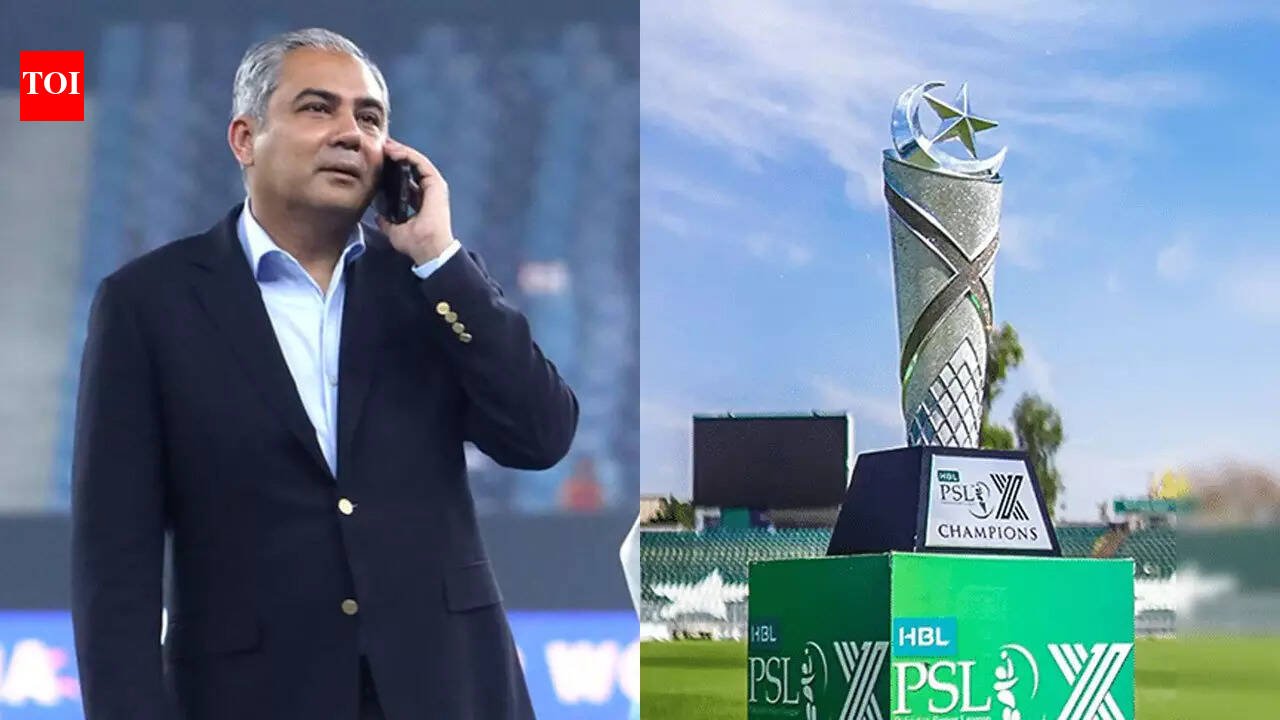
The 11th edition of the Pakistan Super League (PSL), set to begin on March 26, faces uncertainty after a warning was issued by the Tehrik-e-Taliban Pakistan (TTP) to foreign players against participation in the tournament. The Jamaat-ul-Ahrar faction of the group has advised overseas players to withdraw from the tournament, citing security concerns.The development comes a day after the league was reduced to a closed-door event at two venues, Karachi and Lahore, amid the ongoing West Asia situation and related security issues.A Pakistan-based X handle ‘Islamabad Post’ shared a statement attributed to the TTP faction Jamaat-ul-Ahrar, which warned foreign players to “prioritize your personal security and withdraw from the tournament immediately.”“Today, the people of Pakistan, specifically those in Khyber Pakhtunkhwa and Balochistan are enduring unprecedented hardships due to systemic military oppression and state-led violence. While our streets are marked by the funerals of our loved ones and our mothers mourn the disappearance of their sons, the organized spectacle of the Pakistan Super League (PSL) serves as a cruel mockery of our suffering. Hosting such festive displays while entire regions bleed is an act of ‘rubbing salt into our wounds’ that we categorically reject,” the statement said.It further read, “We wish to convey a clear and urgent message to all participants of the PSL, especially the foreign players: The current internal security and political landscape of the country is volatile and precarious. In a climate where military operations and civil unrest dominate significant portions of the territory, the safety of international athletes cannot be guaranteed. Given these dire circumstances, we strongly advise you to prioritize your personal security and withdraw from the tournament immediately.The group said it is not opposed to cricket but questioned the timing of the tournament. “While we are not inherently opposed to healthy sporting activities, we refuse to tolerate the state’s hypocrisy. It is unacceptable to promote an image of ‘normalcy’ through cricket matches in one part of the country while state-sponsored atrocities continue unabated in another. We will not allow the blood of the oppressed to be overshadowed by the lights of a stadium, nor will we permit the dignity of our people to be.compromised for the sake of political optics,” the statement read.A Jamaat-ul-Ahrar spokesperson later confirmed the warning in a conversation with The Sunday Guardian. “We want to advise the relevant cricket boards not to send their players to Pakistan. If something happens to them, it will not be our responsibility. We have already warned,” he said.When asked whether this meant preventing matches from taking place, he added, “Yes, we will do our best to ensure that the matches do not happen and the players do not play.”This year’s PSL features several overseas players, including David Warner, Steve Smith, Moeen Ali, Devon Conway and Adam Zampa. Their participation is part of efforts to bring international players back to the league.On Monday, Steve Smith arrived in Pakistan to join Multan Sultans and is set to make his debut in the tournament after a recent Big Bash League campaign.Meanwhile, the league will be played without spectators as Pakistan deals with a fuel crisis. PCB chief Mohsin Naqvi confirmed that all matches will be held behind closed doors and restricted to two venues.The tournament is scheduled to run from March 26 to May 3.

Banner Insert


Source link

PM Modi on Middle East war; lists key steps taken on oil & LPG – warns of lasting fallout


PM Modi on Middle East war; lists key steps taken on oil & LPG - warns of lasting fallout
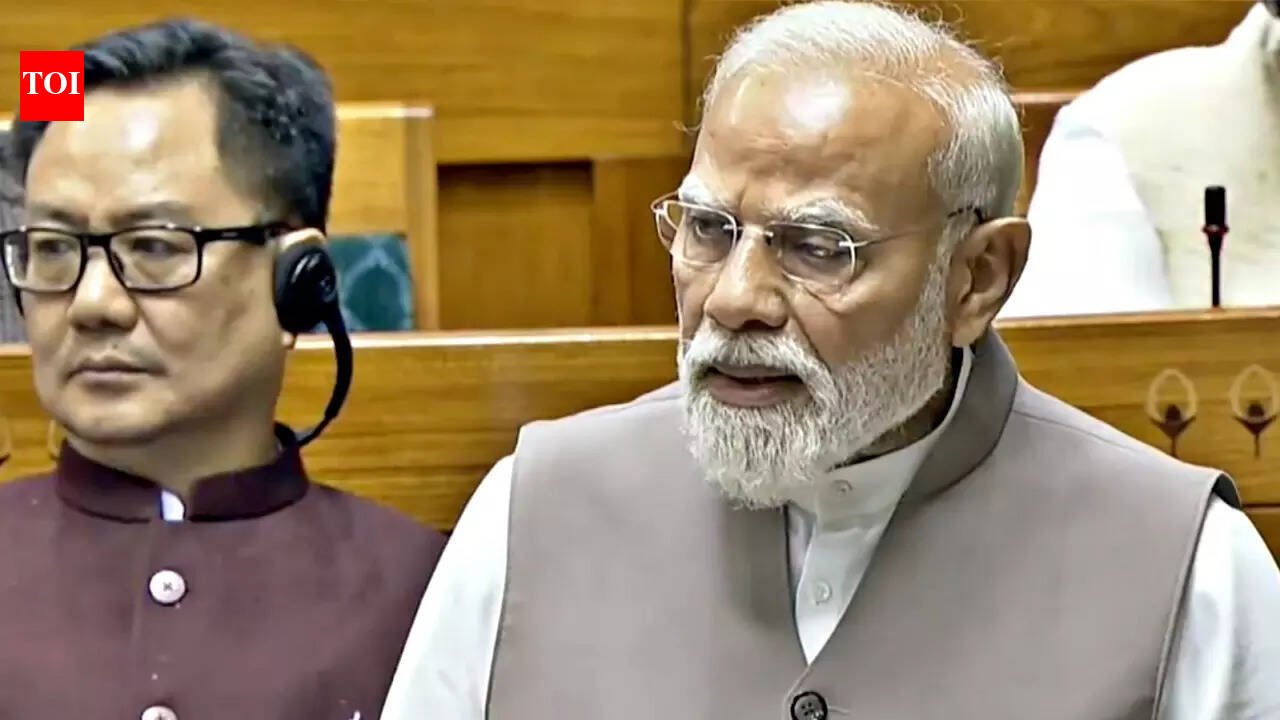
“The West Asia war set unprecedented challenges for India too,” he said.

Prime Minister Narendra Modi on Monday described the situation in the Middle East as “worrisome,” noting that it is significantly affecting the global economy as well as people’s livelihoods. “The West Asia war set unprecedented challenges for India too. The West Asia conflict zone is an important route for India’s trade with other nations,” he said.Speaking in the Lok Sabha on the ongoing developments in the region, he emphasised that protecting Indian citizens remains the government’s foremost concern during such conflicts. He added that the Centre is alert, responsive and prepared to provide all necessary assistance.PM Modi also spoke of India’s crude oil, LPG, and LNG situation, stressing on steps taken to manage the ongoing crisis and benefits of diversification.

LPG, Crude Oil Supply: PM Modi lists steps taken

“The current situation in West Asia is worrisome. This crisis has been going on for more than three weeks, having a very adverse impact on the global economy and on people’s lives. The entire world is urging all parties to resolve this crisis as quickly as possible,” Modi said. PM Modi pointed out that cargo movement through the Strait of Hormuz has been challenging since the conflict began, but the government is taking steps to ensure that supplies of gas and fuel face minimal disruption. “We all know that India imports 60 per cent of its LPG needs. Due to uncertain supply, the government is prioritising domestic supply. LPG production in the country is also being increased,” he said.

  • PM Modi said the government has remained focused on minimising public hardship amid disruptions in LPG supply caused by the ongoing West Asia crisis, while assuring that authorities are alert, empathetic and ready to extend all possible support.
  • He added that India has been diversifying its energy sources, with imports now coming from 41 countries compared to 27 earlier, to strengthen resilience against such disruptions.
  • He added that the rise in ethanol blending has helped reduce crude oil imports by 4.5 crore barrels annually.
  • The government, he said, is in continuous engagement with suppliers worldwide to secure oil and gas from all possible sources.
  • He further highlighted that India currently maintains strategic petroleum reserves of over 53 lakh metric tonnes and is working to expand this capacity to more than 65 lakh metric tonnes. The reserves with oil companies is separate.

“Due to ethanol blending, we are saving the import of about 4.5 crore barrels of oil every year. Similarly, railway electrification is also bringing great benefits. If such large-scale railway electrification had not happened, an additional 180 crore litres of diesel would have been required every year.We have also expanded the metro network. In 2014, the metro network was less than 250 km, which has now increased to more than 1100 km,” he said.Also Read | LPG crisis: Argentina emerges as key alternative supplier; shipments more than double in just first three months of 2026“We are in constant dialogue with all our global partners to ensure the safety of our maritime corridors. As a result of such efforts, many of our ships stranded in the Strait of Hormuz have recently returned to India… In the last 11 years, our refining capacity has increased significantly. The government is in constant contact with suppliers from different countries. The effort is to ensure that oil and gas supplies continue from wherever possible...further secure India’s future… The Indian government has also established an inter-ministerial group. This group meets daily, and our input is fully integrated. And this group also continuously works on necessary solutions. I am confident that with the combined efforts of the government and industry, we will be able to better cope with the current situation,” he added.Through its diplomatic engagements with Iran India has managed to secure the safe transit of some LPG and crude tankers, and more are expected in the coming days. India has also stepped up LPG procurement from the US and Argentina, as per reports. Russian crude has come to the rescue with several million barrels of oil procured since the start of the US-Iran war to fill the supply gap from the Middle East.PM Modi said India must be ready for prolonged repercussions arising from the US-Israel-Iran conflict. “Because of this war, the difficult global situation may continue for a long time. Therefore, we must remain prepared and stay united. We have faced such challenges before as well by staying united during the coronavirus pandemic. We must remain very careful and alert. Some people will try to spread rumours to take advantage of the situation. We must not allow such people to succeed,” he said.Also Read | More relief coming soon? Two India-flagged LPG ships transit Strait of Hormuz: ReportThe prime minister further noted that the conflict has given rise to a range of unforeseen challenges, spanning economic pressures, humanitarian concerns and issues linked to national security.He pointed out that the countries involved maintain strong trade ties with India and are crucial for meeting a large share of the country’s crude oil and gas needs. He also highlighted the region’s importance due to the presence of nearly one crore Indians living and working there.He stressed that it is important for Parliament to present a unified and collective stance on the crisis to the global community. Modi said that since the onset of the conflict, all Indians in the affected areas have been extended necessary support. “I have spoken with most of the heads of state in West Asia over the phone in two rounds. And they have all assured the safety of Indians,” he said. Highlighting evacuation efforts, PM Modi said nearly 1,000 Indians have already returned home safely, including over 700 medical students, while a total of 3.75 lakh citizens have been brought back since the conflict began. He pointed out that the West Asia region is critical for India, given that around one crore Indians live and work in Gulf countries, and a significant number of Indian seafarers are employed on commercial vessels operating there.


Source link

Access Denied


Access Denied

You don’t have permission to access “http://www.ndtv.com/india-news/investors-lose-rs-12-lakh-crore-in-an-hour-why-are-markets-crashing-today-11253071” on this server.

Reference #18.c7f5d217.1774264146.e6f4b2c4

https://errors.edgesuite.net/18.c7f5d217.1774264146.e6f4b2c4


Source link

‘Only 60 percent brutality shown in Dhurandhar 2,’ says action director of the film: ‘Aditya Dhar gave us full freedom’ | Hindi Movie News


‘Dhurandhar’ shattered box office records and ‘Dhurandhar: The Revenge’ is currently on its way to do the same. The film has already crossed Rs 300 crore in cinemas in three days. While the internet can’t stop raving about the film, it has also got criticism for being extremely violent. In a recent interview, the film’s action director Aejaz Gulab revealed that only 60 percent of brutality is shown in the film. “We had shot all the brutality in detail, but what you see in the film is just 60%. Since we’re in the OTT era and kids may eventually watch it, we had to tone it down,” Aejaz shared in an interview with Hindi Rush. Shedding light on the filmmaking process, he added, “Aditya Dhar gave us full freedom. He said, ‘Aejaz bhai, think as brutal as you can. Kill in the most intense ways you can imagine.’ And we did exactly that, while he added his directorial touch. Aditya is extremely calm and sharp-minded, but when it comes to action, his thinking operates on a completely different level.”

Watch

From Protests To Bans, Dhurandhar 2 Becomes Bollywood’s Biggest Off-Screen Drama

While many sequences were carefully choreographed, some moments came together spontaneously on set. Aejaz recalled one such instance where a violent scene involving Hamza was improvised during filming. “A lot of ideas were created on the spot. Aditya wanted the action to feel ‘manly’—not just simple pushes or throws,” he explained.The film’s climactic stretch, which runs for over half an hour, proved especially demanding. According to Aejaz, the masjid sequence alone required six days of rehearsal and 14 days of shooting. Maintaining continuity across such an extended sequence was no easy feat, with every department, from hair and makeup to costumes, meticulously documenting each detail to ensure consistency.He also spoke about the intense chain fight between Arjun Rampal and Ranveer Singh, where Rampal’s character nearly strangles Ranveer’s. “We obviously couldn’t use a real chain, so we designed a rubber prop. It wouldn’t cut the skin, but it still caused pain—and Ranveer bore it. So did Arjun. Both of them got injured multiple times during that climax,” he revealed.Despite sustaining injuries, neither actor eased up. “They wouldn’t stop—even during rehearsals, they pushed each other for real. They were so immersed in the scene that even after getting hurt, they refused to take breaks. We use lighter props for safety, but when used with force, they still hurt. In that chain sequence, we even had to stretch Ranveer Singh’s eyes when Arjun tightened the chain around his face,” he revealed.


Source link

IPL over PSL: Players’ ‘pay hike’ demands give Pakistan Cricket Board massive headache | Cricket News


IPL over PSL: Players' 'pay hike' demands give Pakistan Cricket Board massive headache
Several players are opting for the more lucrative Indian Premier League over the PSL, while also seeking pay hikes amid the ongoing West Asian conflict. (Image credit: Agencies)

NEW DELHI: Contract breaches despite signed agreements, demands for higher pay, and last-minute withdrawals have left the Pakistan Cricket Board dealing with multiple challenges ahead of the Pakistan Super League. Several players are opting for the more lucrative Indian Premier League over the PSL, while also seeking pay hikes amid the ongoing West Asian conflict.“The PCB is right now totally focussed on hosting the PSL on schedule and have not decided on any course of action against overseas players who have pulled out for so called personal reasons or have openly breached their PSL contracts to go to the IPL,” the source told PTI.

Watch

CSK host fan engagement event at Chepauk ahead of IPL 2026

The PSL and IPL schedules are set to overlap, with the PSL beginning on Thursday in Lahore and the IPL starting on March 28.According to reports, the PCB is considering strict action against players who have withdrawn, including potential bans ranging from two to four years.The board had earlier handed a one-year ban to Corbin Bosch for a contract breach last year.However, such bans have had limited impact due to the significant pay gap between the PSL and IPL, with the latter offering far higher salaries.“But there is an argument that bans will only make it more difficult for the eight franchise owners to sign on notable overseas players for the coming editions of the PSL. So the ban didn’t really impact him,” the source noted.“The PCB also expected to raise the issue with other members of the ICC,” the source said.Among the overseas players who have withdrawn from this year’s PSL after signing contracts are Gudakesh Motie, Johnson Charles, Dasun Shanaka, Blessing Muzarabani, Spencer Johnson, Jake Fraser-McGurk, Ottneil Baartman, Rahmanullah Gurbaz, and Tymal Mills.Meanwhile, several overseas players have arrived in Lahore for the PSL, including Australia’s Steve Smith and Marnus Labuschagne, New Zealand’s Mark Chapman and Devon Conway, and South Africa’s Tabraiz Shamsi.“Foreign coaching and support staff have also started reaching Lahore with former Australian captain Tim Paine and his staff now in Lahore,” an official with the PCB’s PSL secretariat said.

Banner Insert


Source link

Tamil Nadu polls: NDA finalises seat sharing, BJP gets 27, PMK 18, AMMK 11; AIADMK to contest on rest | India News


Tamil Nadu polls: NDA finalises seat sharing, BJP gets 27, PMK 18, AMMK 11; AIADMK to contest on rest

NEW DELHI: The National Democratic Alliance on Monday finalised its seat-sharing arrangement for the upcoming Tamil Nadu Assembly elections, with 27 seats allocated to the BJP, 18 to the PMK and 11 to the AMMK. The AIADMK will contest the remaining 178 seats.The agreement was formalised in Chennai with BJP leader Piyush Goyal and AIADMK chief Edappadi K Palaniswami signing the electoral pact at the party headquarters.

Watch

Tamil Nadu Polls 2026: NDA Targets DMK, Projects EPS as CM Face Amid Seat-Sharing Talks

Ahead of the announcement, Goyal expressed confidence about the alliance’s prospects, saying, “TN people will reject DMK-Cong, NDA will sweep TN, P’cherry: Goyal.”The people of Tamil Nadu will reject the DMK-Congress combine in the ensuing Assembly election just like the people of Maharashtra, Haryana, Bihar and Delhi did for the INDIA combine, BJP Tamil Nadu in-charge and Union Minister Piyush Goyal said on Monday.Goyal, who arrived in Chennai to finalise the seat-sharing among NDA allies, said the AIADMK-led bloc would sweep Tamil Nadu and Puducherry and form the government.“We will launch the fight against the evil force DMK and its partners who have taken Tamil Nadu to extreme difficult times due to their incompetent management of economy and due to actions which hurt Tamil culture. People are fed up with the DMK and Congress,” he said.“Just like the Congress and its partners faced defeat continuously in the elections held in Maharashtra, Haryana, Bihar and Delhi, the people of Tamil Nadu will reject the DMK-Congress combine in the state.”“It is because people want good governance, development politics, a better future and opportunities for youth, and women to prosper. Tamil Nadu is ready for a government under the strong National Democratic Alliance under the guidance of visionary leadership of Prime Minister Narendra Modi,” Goyal told reporters.Referring to Modi, he said the Prime Minister had set a record by serving as head of government for 25 years and had demonstrated how governance can transform lives. He added that people in Tamil Nadu wanted a government led by AIADMK general secretary Edappadi K Palaniswami that would focus on development for farmers and all sections.“We will ensure Tamil Nadu will have a very bright future,” the minister added.Single-phase polling for all 234 Assembly seats in Tamil Nadu will be held on April 23, while 30 seats in neighbouring Puducherry will go to polls on April 9.


Source link

PCB considers legal action against players opting out of PSL for IPL


Just days before the start of PSL 2026, the Pakistan Cricket Board (PCB) has taken a firm stance against overseas players withdrawing from the tournament at the last minute. With the league set to begin on March 26, the board has warned that players who abandon their contracts to join IPL franchises could face legal consequences.

PSL vs IPL tussle intensifies

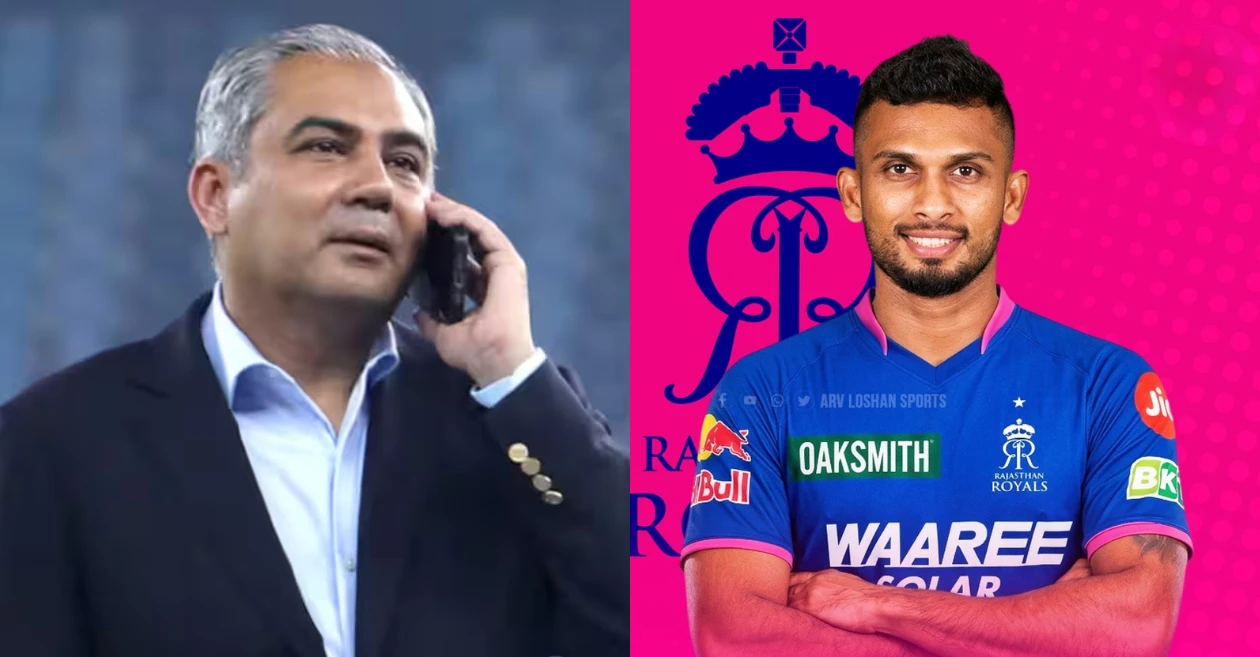
PCB chairman Mohsin Naqvi addressed the issue publicly, making it clear that the board is no longer willing to tolerate such exits. The concern stems from a growing trend where players sign PSL deals but later switch to IPL teams when replacement opportunities arise.

“We will take action against those players according to the rules. There was a case last year too, and the same thing will happen this time,” Naqvi said.

The overlap in scheduling – PSL starting on March 26 and IPL on March 28 – has made the situation more complicated. With both leagues running almost simultaneously, players are often forced to choose, and in many cases, the IPL’s financial pull and visibility have proven hard to resist.

This has left PSL franchises scrambling to find replacements at the last minute, disrupting team combinations and preparations just days before the tournament begins.

High-profile withdrawals leave PSL franchises in a fix

The latest wave of withdrawals has only intensified the issue. Sri Lankan captain Dasun Shanaka and Zimbabwe pacer Blessing Muzarabani are among the biggest names to opt out.

Shanaka, who was signed by Lahore Qalandars, chose to join Rajasthan Royals (RR) in the IPL as a replacement for an injured player. Meanwhile, Muzarabani left Islamabad United after being picked up by Kolkata Knight Riders (KKR), where he was brought in as a replacement for Mustafizur Rahman.

Their decisions highlight a broader pattern – players initially commit to PSL after going unsold or not receiving ideal deals elsewhere, but quickly switch when IPL opportunities open up due to injuries. With IPL franchises offering higher salaries and global exposure, the temptation becomes difficult to ignore.

Several other overseas players, including Gudakesh Motie, Jake Fraser-McGurk, Ottneil Baartman, and Spencer Johnson, have also pulled out, though most have cited personal reasons. However, the timing of these withdrawals has raised eyebrows within the PCB.

The board’s frustration is not new. A similar situation unfolded last year when South African all-rounder Corbin Bosch left his PSL contract to join Mumbai Indians as a replacement player. That incident has now become a reference point for the PCB as it prepares to take stricter action.

Naqvi confirmed that the board is already evaluating legal options and could move against two to three players in the coming days. The aim is not just to address the current situation but also to send a strong message for the future.

For the PCB, this is about protecting the integrity of the league and ensuring that contracts are respected. For players, however, it’s a balancing act between professional commitments and career opportunities.

Also READ: IPL 2026 – BCCI unveils Fan Park schedule and venues across 15 cities in phase one


Source link

For breaking Virat Kohli’s record, Pakistan batter named ICC Player of the Month | Cricket News


For breaking Virat Kohli's record, Pakistan batter named ICC Player of the Month
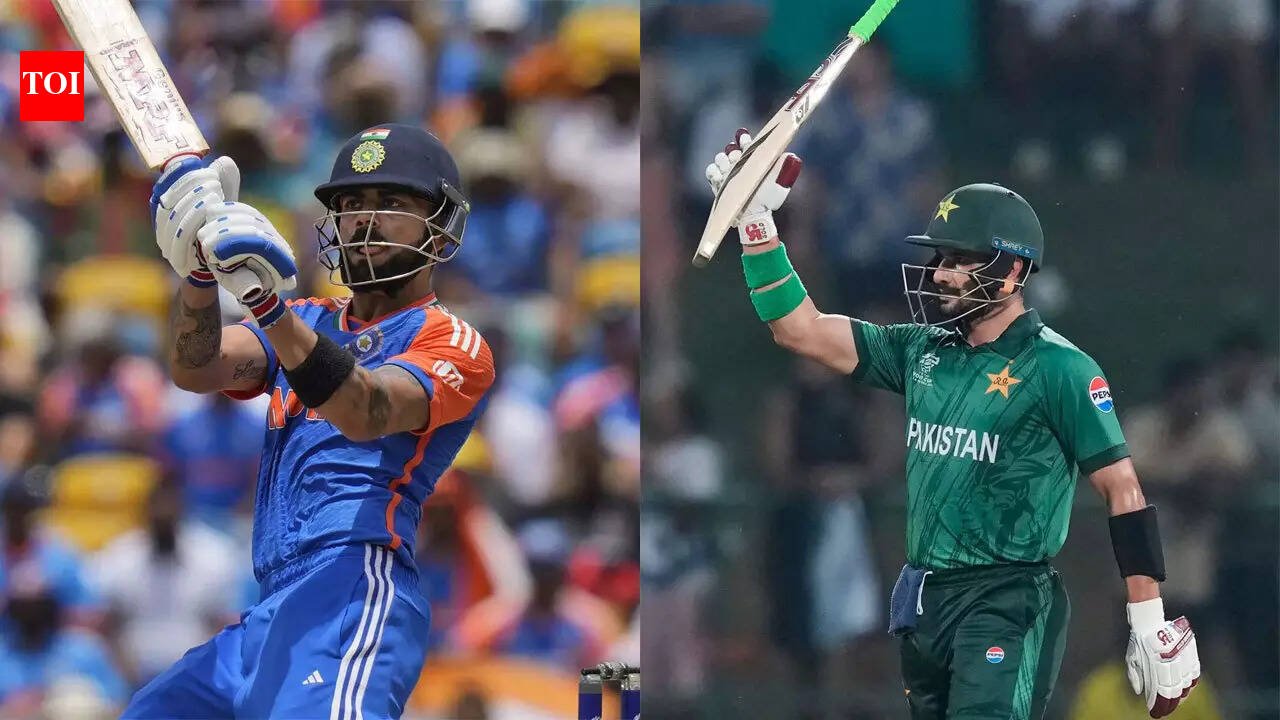
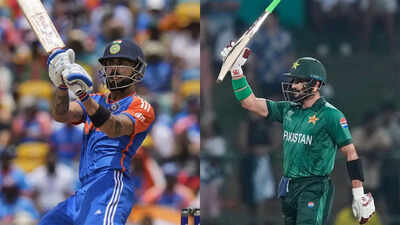
Virat Kohli and Sahibzada Farhan (PTI Photo)

Pakistan opener Sahibzada Farhan was on Monday named the ICC Men’s Player of the Month for February 2026 after a record-breaking campaign at the ICC Men’s T20 World Cup in Sri Lanka, where he surpassed a long-standing mark set by Virat Kohli.Farhan was the standout batter of the tournament, finishing as the highest run-scorer with 383 runs in seven matches (six innings) at an impressive average of 76.60. His tally, which included two centuries and two half-centuries, came at a blistering strike rate of 160.25 and saw him break the record for most runs in a single edition of the T20 World Cup (319 by Kohli in the 2014 edition).Go Beyond The Boundary with our YouTube channel. SUBSCRIBE NOW!The 30-year-old’s consistency and impact were central to Pakistan’s campaign, even though the team narrowly missed out on a semi-final spot due to net run rate. His performances also earned him a place in the ICC Team of the Tournament.“It’s an incredible feeling to win this ICC award, especially for performances on the World Cup stage, where fans from all over the world are watching every moment. That makes it even more special,” Farhan said.“It was truly a tournament I’ll always cherish, and I’m determined to carry this momentum forward in the series and competitions ahead. I’m deeply grateful to my teammates for their constant support and belief in me – this wouldn’t have been possible without them,” he added.Farhan also became the first batter to score two centuries in a single men’s T20 World Cup, reaching three figures against Namibia and Sri Lanka. He was also part of a record 176-run partnership with Fakhar Zaman — the highest for any wicket in T20Is — further underlining his dominance during the tournament.The award marks Farhan’s first ICC Player of the Month honour, making him the first Pakistan men’s cricketer to win it since Haris Rauf in November 2024.

Arundhati Reddy wins ICC Women’s Player of the Month

India pacer Arundhati Reddy clinched the ICC Women’s Player of the Month award following her impactful performances in a T20I series win in Australia.Reddy was the leading wicket-taker in the series, picking up eight wickets across three matches, including figures of four for 22, two for 30 and two for 35, at an average of 10.87.“It is a real honour to be named ICC Player of the Month and even more special knowing I was able to contribute to a T20I series win in Australia. Beating Australia on their home turf is never easy, which makes this award even more meaningful,” Reddy said.

Banner Insert


Source link