Breaking News
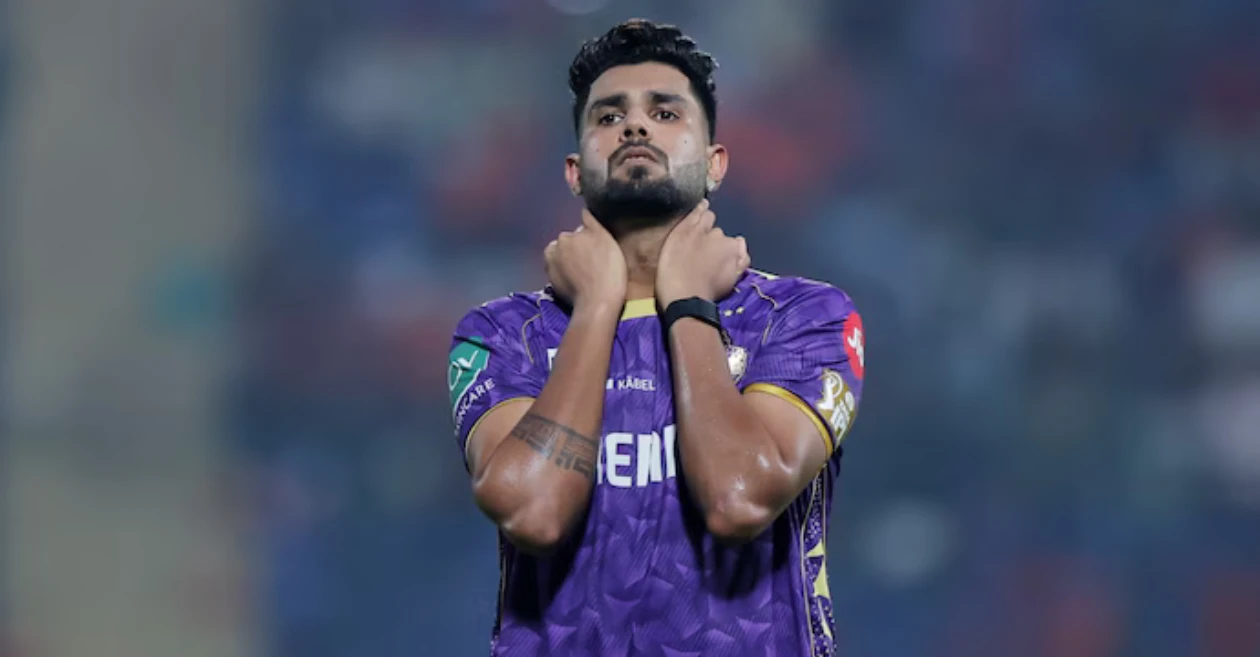
After Harshit Rana, another Indian KKR pacer ruled out of IPL 2026


Kolkata Knight Riders’ (KKR) preparations for IPL 2026 have taken another major hit, with pacer Akash Deep officially ruled out of the entire season. The 29-year-old becomes the second Indian fast bowler to be sidelined after Harshit Rana, leaving the three-time champions scrambling to rebuild their pace attack just days before their opening match.

The franchise confirmed the development through an official update, putting an end to any hopes of his return this season. “Unfortunately, he is out of the IPL, ruled out for the season,” a KKR official stated.

Akash Deep is understood to be dealing with a stress reaction in his lower back – an injury that typically requires a recovery period of eight to twelve weeks. The issue reportedly surfaced during Bengal’s Ranji Trophy semifinal earlier this year, where he was unable to bowl at full intensity.

Since then, he has not joined the KKR pre-season camp and is currently undergoing rehabilitation at the BCCI’s Centre of Excellence in Bengaluru. The injury not only sidelines him from the IPL but also raises concerns about his availability for India’s upcoming international assignments.

For KKR, this is a significant blow. Akash Deep was expected to strengthen their domestic pace options after being picked up at the auction, and his absence leaves a noticeable gap in the squad.

Bowling crisis mounts but KKR stay hopeful

Akash Deep’s injury adds to a growing list of concerns for KKR’s bowling unit. Rana has already been ruled out due to a knee injury that required surgery, while marquee signing Matheesha Pathirana is also set to miss the initial matches as he recovers from a calf strain. To make matters worse, Mustafizur Rahman is no longer part of the squad following a BCCI directive.

With multiple key pacers unavailable, KKR’s bowling attack looks significantly weakened heading into the season opener against Mumbai Indians on March 29.

However, mentor Dwayne Bravo remains optimistic and believes the team has enough depth to handle the situation.

“In any tournament with any team, once you lose some of the key bowling options, these are not things you plan for, but these are things you have to accept,” Bravo said. “The good thing about Indian cricket, especially at the moment, is that there is a lot of depth. There’re the likes of Umran Malik, Kartik Tyagi, Vaibhav Arora… they are young, exciting talents.”

Bravo also pointed to KKR’s strong spin department as a key advantage, suggesting that the team can still maintain balance despite the setbacks.

“We have the best spin attack in the entire competition, so from a bowling point of view, I think we will be fine,” he added.

Also READ: 5 sixes, 9 fours! KKR young gun unleashes carnage with blistering ton ahead of IPL 2026

Behind the scenes, KKR have already begun searching for replacements. Trials have been conducted at Eden Gardens, with several domestic pacers being evaluated. Names like Navdeep Saini, Akash Madhwal, Simarjeet Singh, KM Asif and Sandeep Warrier are among those being considered.

Among them, Madhwal appears to be a strong contender, thanks to his impressive performances in previous IPL seasons, including a memorable five-wicket haul in a knockout game.

Head coach Abhishek Nayar has indicated that a decision is close, with an announcement expected before the team departs for Mumbai.

While the injury crisis has undoubtedly disrupted KKR’s plans, the franchise remains focused on adapting quickly. With a mix of experienced players and emerging talent, they will aim to overcome these challenges and start their IPL 2026 campaign on a strong note.

For now, it’s a test of resilience – and how well KKR respond could define their season.

Also WATCH: Shubman Gill trolls Abhishek Sharma and SRH in fun segment with Sahiba Bali


Source link

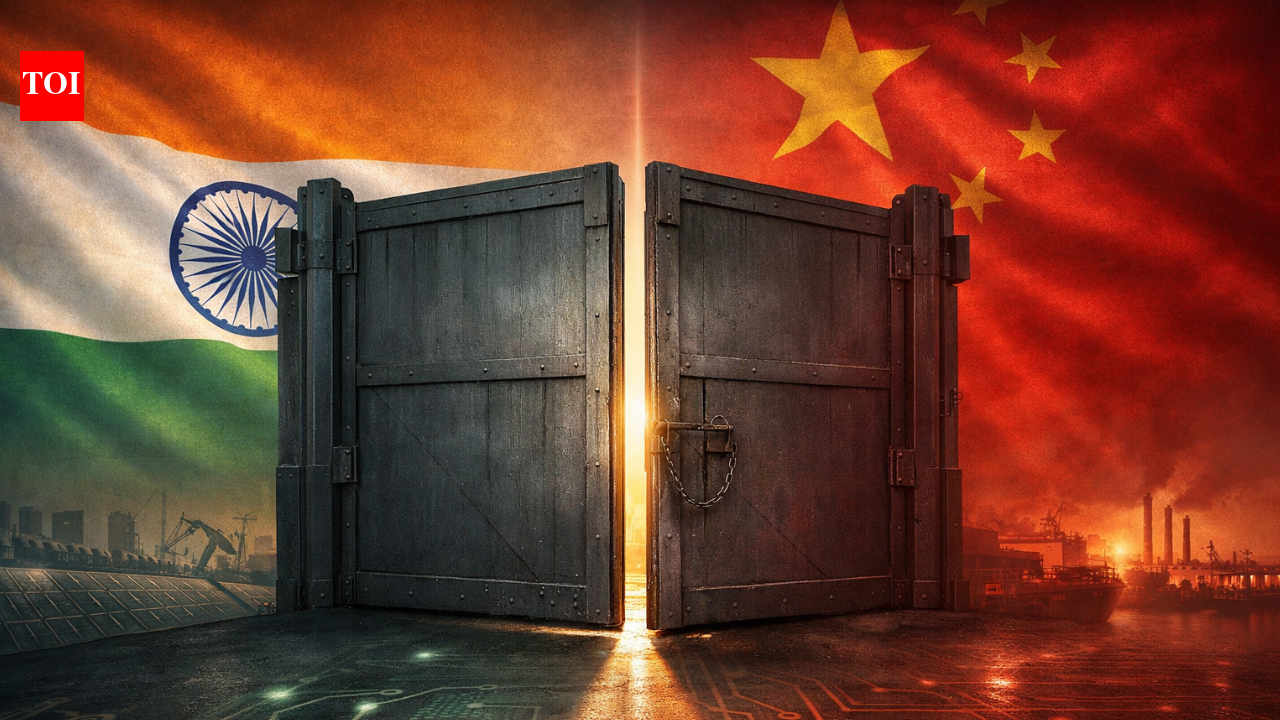
The door India left ajar: Economic ties with China see a calibrated reset with easing of FDI rules – explained


The door India left ajar:  Economic ties with China see a calibrated reset with easing of FDI rules - explained

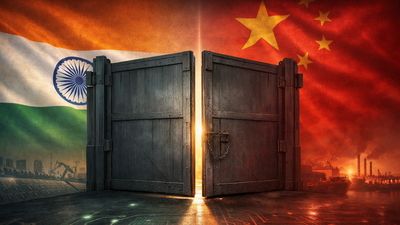
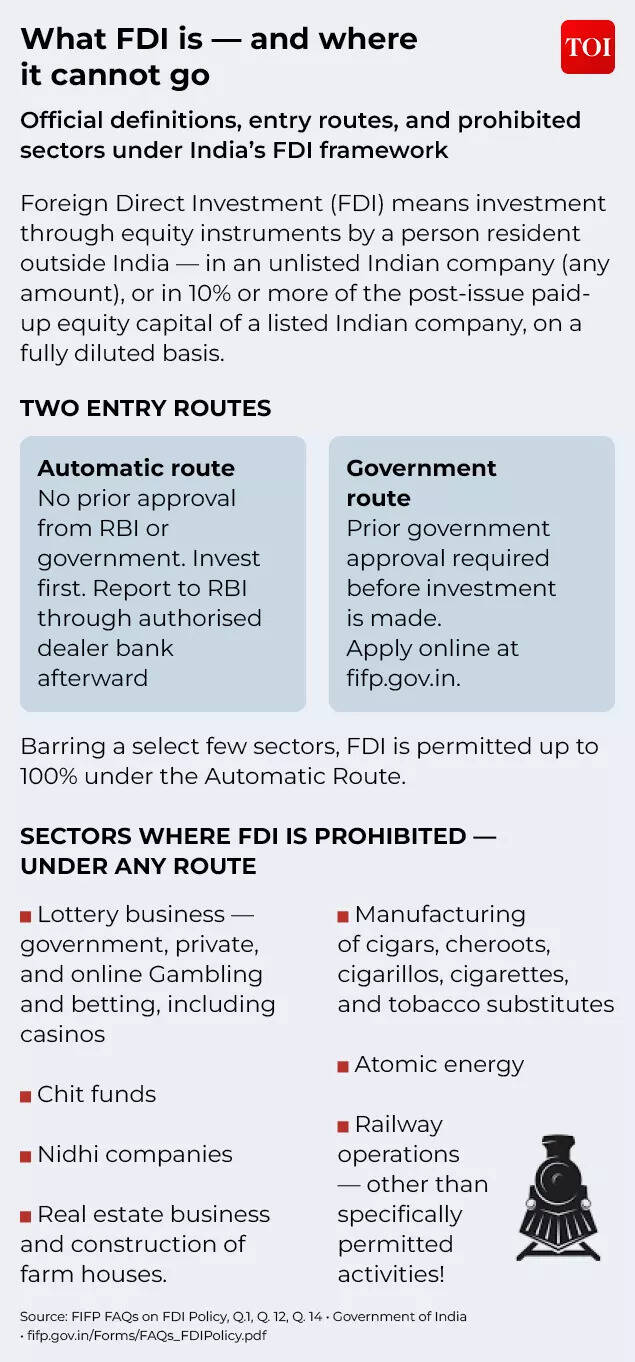
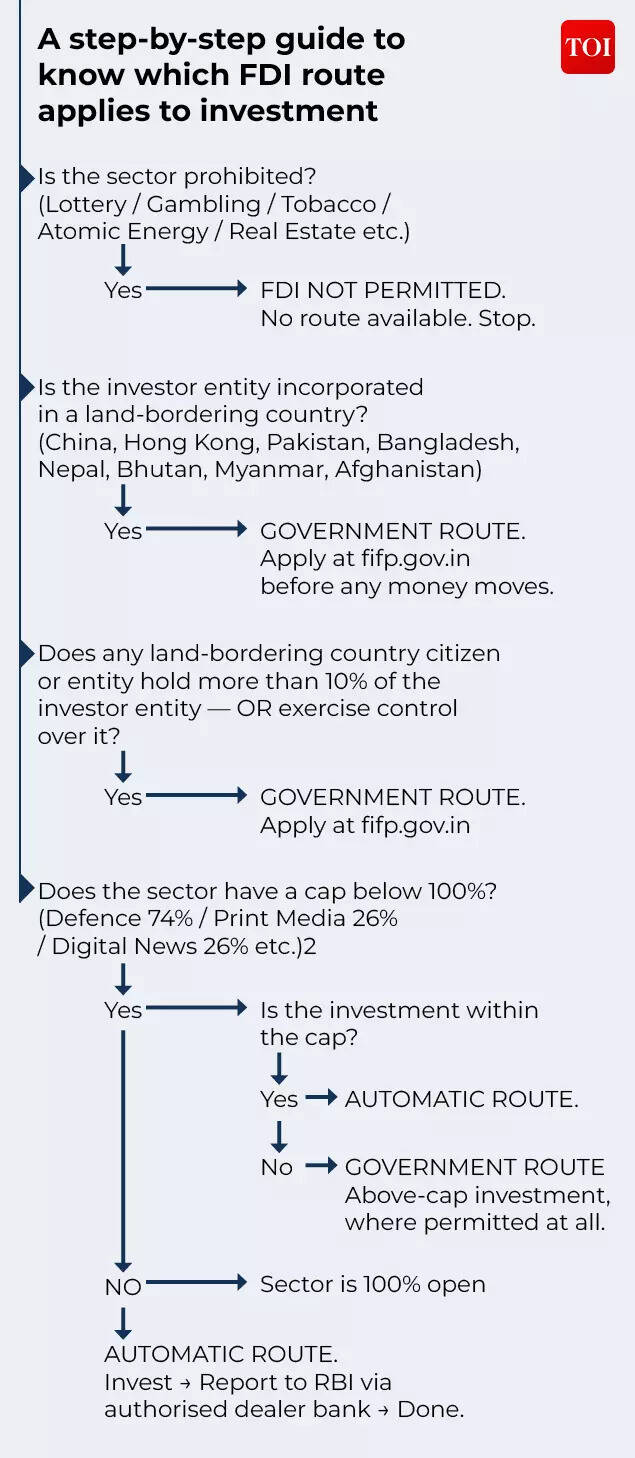
NEW DELHI: Nearly six years after India tightened scrutiny of foreign direct investment from countries sharing land borders, the government has initiated a recalibration of the framework governing such investments, allowing minority ownership structures routed through overseas entities to access the automatic route while retaining approval requirements for direct investments from neighbouring jurisdictions.The Union Cabinet on March 10, 2026 has approved an amendment to the policy that amends Press Note 3 of 2020 – the directive that had required any investment linked, however small, to a land-bordering country to pass through mandatory government approval – has been revised. The revision, labelled Press Note 2 of the 2026 Series, defines a threshold, introduces a time-bound approval window, and corrects several unintended consequences that had been frustrating Indian companies, foreign funds, and overseas professionals for nearly half a decade.

Watch

Diplomacy In New Avatar: Why Vikram Doraiswami Picked Chinese Name Wei Jiameng As India’s New Envoy

What the Cabinet actually decided

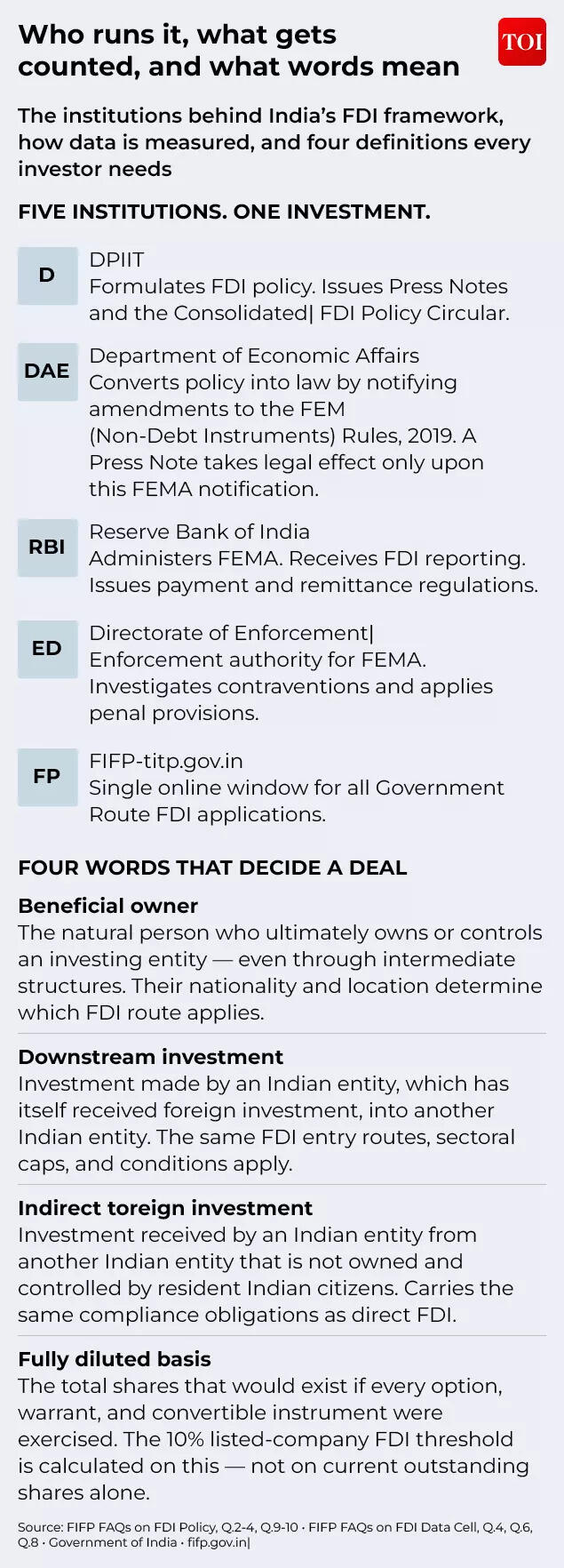
The Department for Promotion of Industry and Internal Trade (DPIIT) notified Press Note No. 2 (2026 Series) announcing two specific changes. The first is the incorporation of a definition of ‘Beneficial Owner’ –a term that Press Note 3 had used but left undefined, creating the interpretational fog that had complicated deals across the investment community for years. The new definition borrows from the Prevention of Money Laundering Rules, 2005. The threshold it establishes: investors with non-controlling beneficial ownership of up to 10 per cent from land-bordering countries may invest through the automatic route, subject to applicable sectoral caps and conditions. The 10 per cent figure comes from anti-money laundering regulations already used by banks to identify natural persons behind an investing entity.

-

The second change is a 60-day processing window for investment proposals in specified manufacturing sectors. The sectors are capital goods, electronic capital goods, electronic components, and polysilicon and ingot-wafer manufacturing. The condition is clear: majority shareholding and control of the Indian investee company must remain with resident Indian citizens or Indian entities owned and controlled by resident Indian citizens at all times.The amendment also corrects what lawyers and compliance professionals had long flagged as a drafting overreach in the 2020 directive. The original Press Note 3 contained the phrase ‘situated in’ –meaning that anyone physically located in a land-bordering country, regardless of their citizenship, was swept into the government approval requirement. An NRI with an Indian passport posted to a company’s Shanghai office found it difficult to hold ESOPs in an Indian startup. A US citizen living in Hong Kong found restrictions in directly investing in an Indian entity. These were never the intent of the 2020 policy. Press Note 2 removes that phrase, releasing a class of investors and employees who had been caught in the net by accident, not design.

-

Atul Pandey, Partner at Khaitan & Co, who advises on cross-border investments, described the amendment as “less a wholesale liberalisation and more a move from blanket caution to a more workable risk-based framework.” He said the biggest benefit is that it removes the “overhang that Press Note 3 had created for minority and non-strategic capital, especially where global funds, venture capital, and private equity structures had incidental exposure to land-border jurisdictions.In his assessment, Pandey told TOI, “The revisions are material because the policy now gives companies a more familiar and objectively understood benchmark for determining beneficial ownership instead of the earlier ambiguity that often led to inconsistent positions from banks, investors, and regulators.”But he added a measured caution: “Compliance is not frictionless yet: automatic-route cases still involve reporting to DPIIT, the 60-day window is limited to specified sectors, and implementation will ultimately depend on how the notified FEMA framework and authorised dealer banks apply these rules in practice.

Decline in Chinese FDI, expansion in bilateral trade

Between April 2000 and December 2025, China accounts for 0.32 per cent of cumulative FDI equity inflows into India – $2.51 billion of the $776.76 billion India received from 160 countries. It ranks 23rd among all investor nations, according to the DPIIT Fact Sheet updated to December 2025.The split around Press Note 3 tells the real story. In the two decades before PN3, Chinese FDI equity into India was $2.4 billion –0.45 per cent of the $522 billion India received. After PN3, it fell to $67.35 million between 2021 and 2024 – just 0.034 per cent of inflows in those four years. Year on year: $163.8 million in FY2019-20; $42.3 million in FY2023-24; $2.7 million in FY2024-25, according to CII blog. Trade is heading the other way. India’s trade deficit with China crossed the $100 billion mark for the first time during April–February FY2025-26. Commerce ministry data showed the gap widened to about $102 billion from $91.1 billion a year earlier, with imports rising over 15% to nearly $120 billion despite exports increasing around 38% to $17.5 billion. Earlier, India’s deficit with China has widened from $85 billion in FY2023-24 to $99.2 billion in FY2024-25 – imports up 11.52 per cent to $113.45 billion, exports down 14.5 per cent to $14.25 billion. Eight dollars spent in China for every one earned there. In April-January 2025-26, exports recovered 38.37 per cent to $15.88 billion; imports rose 13.82 per cent to $108.18 billion; deficit: $92.3 billion

The problem that needed solving

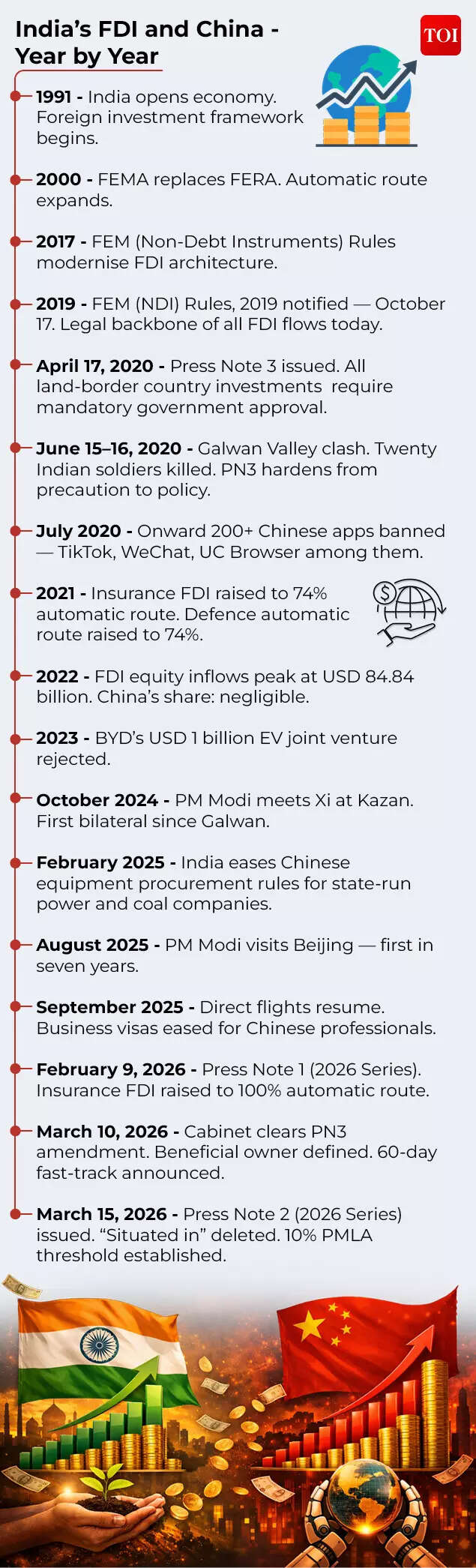
Press Note 3was introduced on April 17, 2020, under circumstances that were both specific and urgent. Equity valuations in India, as across the world, had collapsed under the shock of the Covid-19 pandemic. The government’s stated purpose was to prevent “opportunistic takeoversor acquisitions of Indian companies” during a period of acute financial vulnerability. The directive applied to seven countries sharing land borders with India: China, Bangladesh, Pakistan, Bhutan, Nepal, Myanmar, and Afghanistan. The practical target, given the economic and political context, was unambiguous.

-

Three weeks later, in June 2020, Indian and Chinese soldiers fought in the Galwan Valley. Any prospect of an early reversal of the investment curbs evaporated. India banned several Chinese mobile applications, including TikTok, WeChat, and Alibaba’s UC Browser. A 2023 proposalby BYD to invest $1 billion in an electric vehicle joint venture was declined, as reported by news agency Reuters in a report dated July 22, 2023.However, the 2020 directive did not in effect end up distinguishing between a Chinese state enterprise seeking a controlling stake in an Indian defence supplier and a Singapore-based pension fund with a handful of Chinese limited partners holding 3 per cent of its capital. Both, under the literal reading of PN3, required mandatory government approval for any investment in India. The processing time –with clearances needed from the ministries of Home Affairs, External Affairs, and DPIIT – ran to months, sometimes over a year.

The compliance questions that remain

Yashojit Mitra, Partner at Economic Laws Practice, who specialises in cross-border structuring, welcomed the clarity on beneficial ownership while flagging that the reform is “a mixed bag’ in operational terms. The PMLA-aligned definition “at least clarifies that the PMLA definitions and thresholds will be applicable and to that extent reduces ambiguity for multinational funds with complex shareholding structures,” he told TOI. But he cautioned that the Press Note 2 “continues to emphasise indirect ownership and control and the ability to exercise ultimate effective control over the investee entity — provisions that can be widely interpreted.On the multi-layer compliance requirement introduced under Para 3.1.1(c) of the new directive, Mitra noted that it “will need detailed legal and structural analysis before an investor decides to make the investment.” He also raised a practical concern: the reporting requirement introduced under Para 3.1.1(d)(ii) “has no finalised format, and therefore operational challenges, if any, on that will also need to be considered.” Most significantly, he pointed out that the Press Note2 ‘is to be effective from the date of the FEMA notification, which is not yet notified‘ – meaning the amendment has been announced but is not yet legally operative as of writing this report. Until the Foreign Exchange Management Act’s Non-Debt Instruments Rules are amended by the Reserve Bank, the existing PN3 framework technically continues.

The manufacturing signal

The sectoral specificity of the 60-day fast-track is the clearest signal of the reform’s strategic intent. The four categories — capital goods, electronic capital goods, electronic components, and polysilicon and ingot-wafer manufacturing — are not chosen at random. Each is a segment in which India’s manufacturing ambitions are directly constrained by its dependence on Chinese supply chains.India’s Production-Linked Incentive programme has committed tens of thousands of crores to build domestic capacity in electronics, solar energy, and advanced manufacturing. But PLI-backed factories for smartphone components, solar modules, and battery components sometimes depend on Chinese equipment, Chinese technical expertise, and in some cases, Chinese joint-venture partners. The tougher process to bring in Chinese minority capital and technology partnership was, by industry consensus, a structural handicap.Neha Aggarwal, Partner at Deloitte India, said the liberalisation “is to incentivise investments from private equity funds who were impacted with approval requirements and uncertainty of the outcomes.” She added that it “will also incentivise joint ventures with Indian businesses in some strategic sectors,” while noting that ‘the impact is dependent on stronger JV commitments.On a compliance related query to TOI, her assessment was direct, the revised framework “gives more investor confidence.”Pandey of Khaitan & Co went further, arguing that the impact on manufacturing and technology ‘could be particularly meaningful.’ He noted that for technology and deep-tech businesses specifically, “The clearer beneficial ownership test should make it easier for offshore fund structures and startup investors to assess whether a deal can proceed automatically or needs approval, which in turn should support funding velocity and cross-border collaborations.Several Chinese companies are keen to invest via the joint-venture route, but the government has been going slow due to lack of policy clarity on beneficial ownership. The cabinet decision is expected to clear the air for investors as well as the bureaucracy.

-

Industry representatives are upbeat. “Aligning the definition of beneficial ownership with the PMLA threshold of a 10% controlling stake provides investors with a clearer and more predictable compliance framework, which should boost confidence, particularly among PE and VC funds,” said Sunil Kumar, a partner at consulting firm EY India, quoted TOI.

What has not changed

The boundaries of the reform are as important as its contents, and the government went out of its way to make clear where they lie. Joint Secretary in the Department for Promotion of Industry and Internal Trade (DPIIT), Jai Prakash Shivahare, told reporters on March 11: ‘All the restrictions for investors from land bordering countries are still applicable. There is no relaxation so far as entities or investors in LBCs are concerned. This relaxation is only for entities in non-LBCs and having beneficial owners from LBCs below 10 per cent and non-controlling stake.’In plain terms, a company headquartered and controlled from China that wishes to directly invest in an Indian firm must still seek government approval through the existing process. Direct investments by Chinese-controlled entities into Indian companies continue to require government approval and are not eligible for the automatic route under the revised framework. The relaxation primarily benefits global investment vehicles with small, non-controlling Chinese exposure, rather than Chinese enterprises seeking controlling stakes or joint ventures. However, for certain sectors mentioned before in this article, there is an expedited mechanism for clearances.Shardul S. Shroff, Executive Chairman of Shardul Amarchand Mangaldas & Co, welcomed the 60-day mechanism but cautioned that its real-world reach may be narrower than it appears: ‘The benefit will apply only where the majority shareholding and control of the Indian investee entity remain with domestic entities at all times. Given this stringent requirement, the expedited route may have limited applicability.’ His colleague Rudra Kumar Pandey told PTI the 10 per cent exemption introduces ‘a pragmatic threshold’ but the exemption is available only where the investing entity is “not controlled by persons from land-bordering countries.India’s Industry body CII Director General Chandrajit Banerjee noted that India’s recalibration of its approach to Chinese investments marks an important moment in the evolution of India-China economic ties, adding “PN3 signals a pragmatic attempt to balance India’s strategic and security considerations with the economic opportunities that carefully structured investment from China could bring.”

A recalibration, not a reconciliation

The March 10 decision sits within a broader diplomatic trajectory. Prime Minister Modi met Chinese President Xi Jinping on the sidelines of the BRICS summit in Kazan in October 2024 — the first such bilateral meeting since Galwan. He visited Beijing in August 2025 for the first time in seven years. India and China have since resumed direct flights and eased visa procedures for Chinese business professionals. Restrictions on Chinese equipment procurement for state-run power and coal companies were also relaxed, according to a Reuters report in February 2026.The global trade context has added its own pressure. The tariff confrontation between the United States and China that intensified through 2025 has prompted a rethink in New Delhi about supply-chain strategy. An India overly dependent on any single economic partner –including the United States –is strategically vulnerable. A calibrated engagement with Chinese capital, on India’s terms and within India’s manufacturing priorities, fits a foreign policy posture that has always favoured strategic autonomy over alignment.Qian Feng, director of the Research Department at Tsinghua University’s National Strategy Institute, framed the change in this context, as quoted by state-run Global Times, arguing that the previous policy had “severely hampered the Make in India initiative” and that the revision ‘will boost the Make in India campaign.” For now, policymakers appear to be signalling a gradual transition from broad precautionary restrictions introduced during a period of crisis towards a more targeted risk-based framework designed to support long-term industrial growth while retaining strategic caution.


Source link

Evening news wrap: PM Modi speaks to Iranian president; US, Israel strike Iran’s Natanz nuclear facility again & more | India News


Evening news wrap: PM Modi speaks to Iranian president; US, Israel strike Iran's Natanz nuclear facility again & more
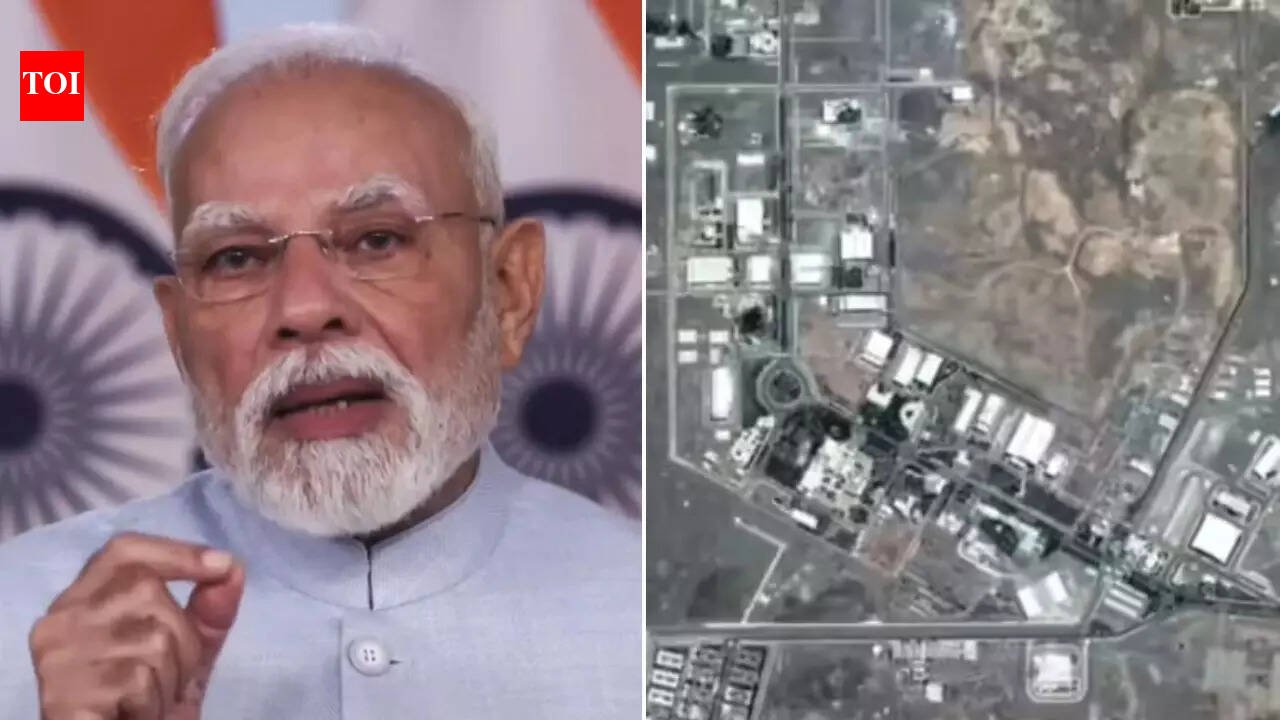
  • Prime Minister Narendra Modi spoke with Iranian president Masoud Pezeshkian and condemned attacks on critical infrastructure, stressing open and secure global shipping lanes.
  • US and Israel launched fresh strikes on Iran’s Natanz nuclear facility, with Tehran confirming the attack but reporting no radioactive leakage.
  • Mumbai Indians gear up for IPL 2026 with Rohit Sharma set to open, while team combinations including Shardul Thakur’s spot, remain under focus.
  • Indian refiners consider resuming Iranian crude imports after a temporary US sanctions waiver, amid supply concerns from Middle East disruptions.
  • Islamabad rejects US concerns over its nuclear arsenal, calling it defensive and indirectly pointing to India while dismissing threat claims.

Here are the top news of the day:

PM Modi speaks to Iran president, condemn attack on ‘critical infrastructure’

Prime Minister Narendra Modi held talks with Iranian president Masoud Pezeshkian, strongly condemning attacks on critical infrastructure amid the escalating Middle East crisis. He warned that such actions threaten regional stability and disrupt vital global supply chains.The Prime Minister also conveyed greetings on Eid al-Fitr and Nowruz amid the conflict, saying “we expressed hope that this festive season brings peace, stability and prosperity to West Asia.”Read full story

Natanz targeted again: US, Israel strikes Iran’s nuclear site, no radiation leak reported

United States and Israel carried out fresh strikes on Iran’s Natanz nuclear facility, further intensifying the ongoing conflict. Iran’s Tasnim news agency reported that the Natanz facility was targeted in the joint US-Israeli attack.It added that there were no immediate signs of radioactive leakage and residents in the surrounding area were not at risk.Officials described the attack as part of sustained assaults on the country’s infrastructure, noting that Natanz had already been targeted earlier this month during previous rounds of military action. Read full story

Watch

NUCLEAR LEAK Fears Rise After Natanz Strike As Iran Slams U.S-Israel Over ‘Criminal’ Attack

IPL 2026: Mumbai Indians eye strong 11, Rohit set to open

Mumbai Indians head into IPL 2026 as strong contenders, banking on a solid core of retained players and recent performances in global tournaments. Mumbai Indians entered the IPL 2026 auction with a purse of Rs 2.75 crore, the lowest among all ten teams.They had 5 spots to fill, including one overseas slot, after retaining a strong core of 20 players. Rohit Sharma remains the heart and soul of Mumbai Indians, having led the franchise to five IPL titles. He is the second-highest run-scorer in IPL history, with 7,046 runs in 272 matches, and will continue to open the innings with his experience and attacking approach. Read full story

Will India resume buying Iranian oil? Refiners eye crude return as US grants waiver

Indian refiners are considering resuming crude oil imports from Iran after the United States granted a temporary waiver on sanctions.Companies are currently awaiting clear guidance from the government and clarity on payment mechanisms before moving ahead with potential deals, Reuters reported.The 30-day waiver comes amid rising concerns over energy security due to disruptions in Middle East oil flows linked to the ongoing conflict. Read full story

Pakistan points to India after US calls Islamabad’s nukes a threat

Pakistan rejected US claims that its nuclear arsenal and missile capabilities pose a threat to America, while highlighting India in its rebuttal.Islamabad insisted its nuclear program is “centred on deterrence” with respect to its neighbour and nuclear-armed India.The Pakistani government also dismissed Israeli envoy to New Delhi Reuven Azar’s description of the country as a “rogue state.”Pakistani authorities defended the country against US intelligence chief Tulsi Gabbard’s assertion, saying, “Pakistan categorically rejects the recent assertion by a US official alleging a potential threat from Pakistan’s missile capabilities.” Read full story


Source link

TOISA 2025 Live: India’s finest athletes gather in Lucknow for grand celebration


Here are the nominees shortlisted for various categories by the illustrious TOISA jury, which includes icons like Abhinav Bindra, Mithali Raj and Leander Paes…

BADMINTON (MALE)
Lakshya Sen, Ayush Shetty, Kiran George, Chirag Shetty, Satwiksairaj Rankireddy

BADMINTON (FEMALE)
Tanvi Sharma, Unnati Hooda, Tressa Jolly, Gayatri Gopichand

CRICKET (MALE)
Shubman Gill, Abhishek Sharma, Ravindra Jadeja, KL Rahul, Varun Chakravarthy, Kuldeep Yadav

CRICKET (FEMALE)
Smriti Mandhana, Pratika Rawal, Jemimah Rodrigues, Deepti Sharma, Shafali Verma

ATHLETICS (MALE)
Neeraj Chopra, Animesh Kujur, Gulveer Singh, Sachin Yadav

ATHLETICS (FEMALE)
Parul Chaudhary, Rupal Chaudhary, Jyothi Yarraji, Pooja Singh

EQUESTRIAN
Ashish Limaye, Shruti Vora, Divyakriti Singh

HOCKEY (MALE)
Abhishek Nain, Harmanpreet Singh, Jugraj Singh, Amit Rohidas

HOCKEY (FEMALE)
Udita Duhan, Navneet Kaur, Mumtaz Khan, Rutuja Pisal

SHOOTING (MALE)
Samrat Rana, Ravinder Singh, Aishwary Pratap Singh Tomar, Anish, Varun Tomar, Rudrankksh Patil

SHOOTING (FEMALE)
Suruchi Inder Singh, Simranpreet Kaur, Esha Singh, Elavenil Valarivan, Sift Kaur Samra, Manu Bhaker

CHESS (MALE)
R Praggnanandhaa, Aravindh Chithambaram, P Iniyan, Nihal Sarin, Arjun Erigaisi

CHESS (FEMALE)
Divya Deshmukh, Koneru Humpy, R Vaishali, Nandhidhaa PV

ARCHERY (MALE)
Dhiraj Bommadevara, Abhishek Verma, Atanu Das, Prathamesh Fuge, Rishabh Yadav

ARCHERY (FEMALE)
Ankita Bhakat, Jyothi Surekha, Deepika Kumari, Prithika Pradeep

BILLIARDS/SNOOKER
Pankaj Advani, Aditya Mehta, Brijesh Damani

WEIGHTLIFTING (MALE)
Rishikanta Singh, Muthupandi Raja, Dilbag Singh, Lovepreet Singh

WEIGHTLIFTING (FEMALE)
Mirabai Chanu, Mehak Sharma, Bindyarani Devi

WRESTLING (MALE)
Sunil Kumar, Nitesh, Aman Sehrawat, Sujeet Kalkal

WRESTLING (FEMALE)
Antim Panghal, Manisha, Nisha Dahiya

SQUASH (MALE)
Abhay Singh, Saurav Ghosal, Velavan Senthilkumar, Mahesh Mangaonkar

SQUASH (FEMALE)
Anahat Singh, Joshna Chinappa, Dipika Pallikal Karthik, Tanvi Khanna

TABLE TENNIS (MALE)
Manav Thakkar, Sathiyan Gnanasekaran, Harmeet Desai, Payas Jain

TABLE TENNIS (FEMALE)
Manika Batra, Sreeja Akula, Diya Chitale, Ayhika Mukherjee

TENNIS (MALE)
Rohan Bopanna, Yuki Bhambri, Sumit Nagal

TENNIS (FEMALE)
Ankita Raina, Vaishnavi Adkar, Sahaja Yamalapalli

FOOTBALL (MALE)
Subhasish Bose, Sunil Chhetri, Vishal Kaith, Brison Fernandes, Gurpreet Singh Sandhu

FOOTBALL (FEMALE)
Soumya Guguloth, Grace Dangmei, Elangbam Panthoi Chanu, Manisha Kalyan, Pyari Xaxa

KABADDI
Sanju Devi, Pawan Sehrawat, Ritu Negi, Arjun Deshwal

BOXING (MALE)
Sachin Siwach, Hitesh Gulia, Pawan Bartwal, Ankush Panghal

BOXING (FEMALE)
Minakshi Hooda, Jaismine Lamboria, Nikhat Zareen, Pooja Rani

SAILING
Vishnu Saravanan, Zahaan Hemrajani, Abhimanyu Panwar, Ghashiayah A

COACH OF THE YEAR
Amol Majumdar (Cricket), Suresh Singh (Shooting), Ashok Kumar Rana (Shooting)

PARA ARCHERY (MALE)
Harvinder Singh, Vivek Chikara, Rakesh Kumar, Shyam Sunder Swami

PARA ARCHERY (FEMALE)
Sheetal Devi, Payal Nag, Jyoti Baliyan

PARA ATHLETICS (MALE)
Sumit Antil, Shailesh Kumar, Sandeep Kumar, Nishad Kumar

PARA ATHLETICS (FEMALE)
Simran Sharma, Preethi Pal, Ekta Bhyan, Deepthi Jeevanji

PARA BADMINTON (MALE)
Pramod Bhagat, Sukant Kadam, Krishna Nagar

PARA BADMINTON (FEMALE)
Mandeep Kaur, Manasi Joshi, Nithya Sre

PARA CHESS
Vaibhav Gautam, Samarth J Rao, Venkata Krishna Karthik K

PARA JUDO
Kapil Parmar, Avidha Sharma, Rahul Rajora, Kokila

PARA SHOOTING (MALE)
Bhat Amir Ahmad, Nihal Singh, Sandeep Kumar, Rudransh Khandelwal

PARA SHOOTING (FEMALE)
Mona Agarwal, Avani Lekhara, Rubi Kumari

EMERGING SPORTSPERSON
Tanvi Sharma (Badminton), Divya Deshmukh (Chess), Shree Charani (Cricket), Vaibhav Suryavanshi (Cricket)

PARA SPORTSPERSON OF THE YEAR
Sheetal Devi (Para Archery), Praveen Kumar (Para Athletics – High Jump), Preethi Pal (Para Athletics – Sprint), Sumit Antil (Para Athletics – Javelin)

PARA COACH OF THE YEAR
Dr. Satyapal Singh (Para Athletics), Subhash Rana (Para Shooting), Gaurav Khanna (Para Badminton), Sandhya Bharti (Para Taekwondo)

TEAM OF THE YEAR
India Women’s Cricket Team, India Men’s Cricket Team, India Men’s Hockey Team, India Men’s & Women’s Kabaddi Teams, India National Shooting Team, India Women’s Cricket Team for the Blind, India Squash Team, India Women’s Ice Hockey Team


Source link

India-Canada Relations: ‘Dots don’t always connect’: Canada police chief says no evidence linking threats to Indian government agents


Canadian law enforcement has found no evidence linking threats or criminal activity in the country to India, the Royal Canadian Mounted Police (RCMP) has said, amid improving diplomatic ties between the two nations.RCMP commissioner Mike Duheme said ongoing investigations have not established any connection between alleged intimidation or harassment cases and the Indian government.“We’re not seeing any connection right now with any foreign entity, based on the criminal information, the investigation that we have presently,” he said in an interview with CTV, reported ANI.

Watch

‘Failed For 40 Years’: Indian High Commissioner Slams Canada Over Terrorism Inaction

He added, “What we have in our holdings is we have people that are intimidating people, harassing people, but connecting the dots to a foreign entity, We don’t have that.”The remarks come months after a diplomatic row between India and Canada, triggered when former prime minister Justin Trudeau linked the killing of Khalistani separatist Hardeep Singh Nijjar to Indian agents, an allegation New Delhi had strongly denied.Duheme clarified that earlier statements in 2024 were based on the evidence available at the time but current findings do not indicate a foreign link. “Well, what I quoted in 2024 was based on the criminal investigation that we had at the time… what we’re seeing right now in transnational repression… the dots don’t always connect to a foreign entity,” he said.He also addressed concerns within South Asian communities following the return of Indian diplomats, reiterating that there is no evidence at present pointing to involvement by India.On criminal activities linked to the Bishnoi gang, Duheme said not all extortion cases can be attributed to the group and cautioned that some individuals misuse the gang’s name. He added that there is no confirmed link between such activities and the Government of India.

Poll

Do you think international cooperation can improve trust between countries?

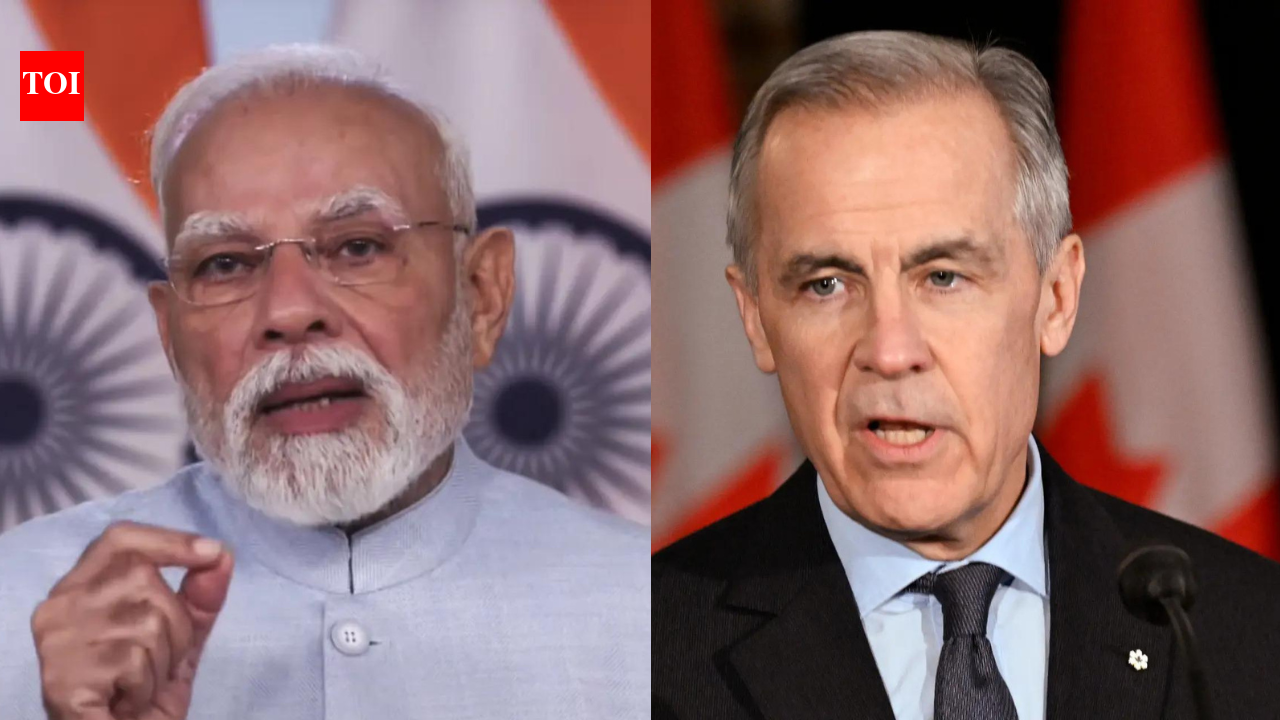
The RCMP chief emphasised the need for public cooperation in tackling such crimes. “We work closely with law enforcement from across the country to make sure that it’s a coordinated approach… if they see something, say something,” he said. The development comes shortly after Canadian prime minister Mark Carney visited India, signalling efforts by both countries to stabilise relations after tensions escalated in 2023.


Source link

Centre raises LPG allocation to 50% of pre-crisis level, prioritises food and hospitality sectors


Centre raises LPG allocation to 50% of pre-crisis level, prioritises food and hospitality sectors

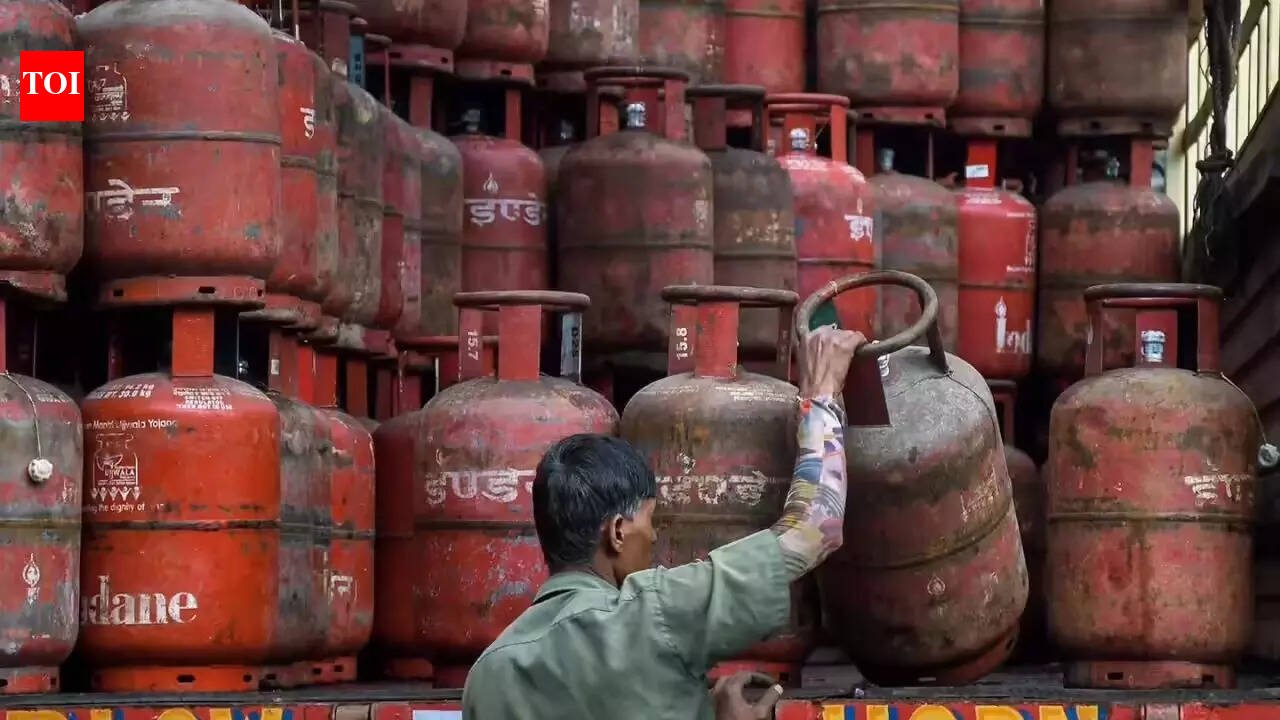
NEW DELHI: The Centre has increased gas allocation to states and Union Territories to 50 per cent of pre-crisis levels, with an additional 20 per cent supply to be implemented from March 23, according to a communication from the ministry of petroleum and natural gas.In a letter to all State and UT Chief Secretaries, Petroleum Secretary Dr Neeraj Mittal said the enhanced allocation aims to support key sectors, particularly those linked to food supply and public welfare.“I wish to now inform you that w.e.f 23.3.26 till further notification, another 20% is being allotted to the State, which would take the overall allocation to 50% of the pre-crisis level. The additional allocation of 20% shall be given on priority to the following sectors: restaurants, dhabas, hotels, industrial canteens, food processing/dairy, subsidised canteens/outlets run by state governments or local bodies for food, community kitchens, 5kg FTL for migrant labourers, along with measures to ensure no diversion…,” the letter read.The ministry said priority sectors for the additional allocation include restaurants, dhabas, hotels, industrial canteens, food processing and dairy units, subsidised canteens run by state governments or local bodies, community kitchens and 5kg free trade LPG for migrant labourers.“The additional allocation of 20% shall be given on priority to the following sectors – restaurants, dhabas, hotels, industrial canteen, food processing/dairy, subsidised canteens / outlets run by state governments or local boides for food, community kitchens, 5kg FTL for migrant laborers along with measures to ensure no diversion.”It also said all commercial and industrial LPG consumers must register with oil marketing companies before becoming eligible for allocation under the 50 per cent supply.“All commercial / industrial LPG consumers shall have to register with OMCs before they can be eligible to be allotted any commercial LPG from the overall 50% allocation. OMCs shall register such customers and keep a record of the sector they operate in the end-use of LPG and annual weight requirement of LPG of that customer in respective database(s).”Further, such consumers will be required to apply for piped natural gas connections with the city gas distribution entity in their respective areas and take steps to be ready for PNG supply to qualify for LPG allocation.“All commercial / industrial LPG consumers shall have to apply for PNG with the City Gas Distribution entity in their city as applicable and take all actions that will take them to a State of readiness for receiving PNG before they can be eligible to be allotted any commercial LPG from the overall 50% allocation.”India’s weekly LPG imports fell to 265,000 tonnes in the week to March 19, from 322,000 tonnes on March 5. West Asia inflows declined to just 89,000 tonnes in the week to March 19, the lowest share since Jan 2026, according to S&P Commodities At Sea (CAS).The report, however, added that alternative regional supplies increased to 176,000 tonnes, largely from the US, in the week to March 19, up from zero the previous week when West Asia accounted for 100% of imports.The report said Indian oil marketing companies are likely to import 2.2 million tonnes of LPG from the US in 2026. CAS data added that US LPG loadings destined for India are increasing, with volumes now surpassing those from traditional Gulf suppliers. India imports nearly 60% of its LPG requirement and about 90% of it comes from West Asia.


Source link

Meningitis B cases rise to 34 in Canterbury-linked UK outbreak; two dead – All you need to know | World News


Meningitis B cases rise to 34 in Canterbury-linked UK outbreak; two dead – All you need to know

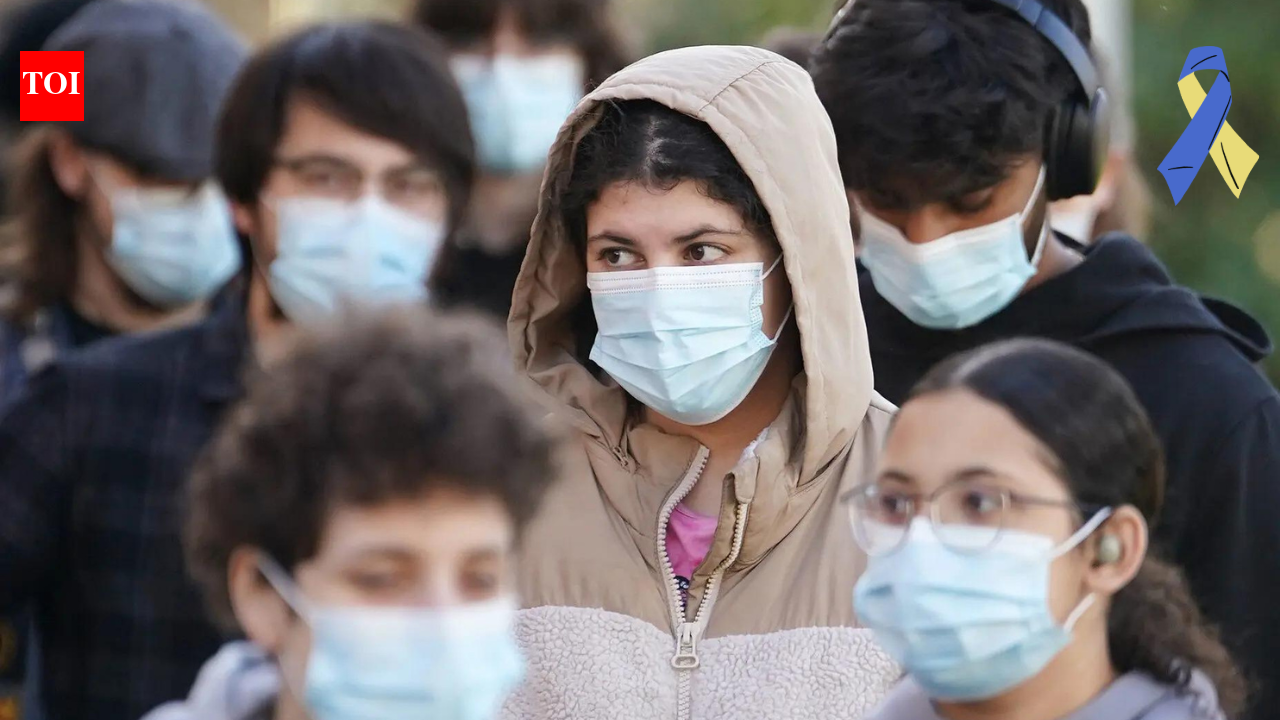
The number of meningitis B cases linked to an outbreak in Canterbury, UK, has risen to 34, with five new infections reported, British health authorities said on Saturday. The UK Health Security Agency (UKHSA) confirmed that the total number of confirmed and suspected cases has increased from 29 a day earlier, according to The Independent. The outbreak, centred around the University of Kent and a popular student nightclub, has already claimed two lives and triggered a large-scale vaccination drive.Officials have cautioned that “sporadic household cases” of meningitis B could appear outside the outbreak’s main area in Kent. The cluster, described by health chiefs as “unprecedented,” is largely tied to a “superspreader” event at a Canterbury nightclub. While the peak of the outbreak appears to have passed, authorities said new cases may continue to emerge. Dr Anjan Ghosh, Kent County Council’s public health director, said on Friday that the outbreak is likely to remain mostly within Kent, with only a few cases appearing elsewhere, “which can be easily contained.” Secondary cases could involve people who did not attend the nightclub but were infected by someone who did.The outbreak has triggered a targeted vaccination campaign at the University of Kent, where more than 400 students were already queuing by the clinic’s 9 am opening on Saturday. Some reported arriving as early as 5 am or 7 am to secure a spot. Many students were prepared for a long wait, wearing masks and heavy coats.One student noted, “To be honest it looks like it was a good job we got here early because the queue is very long now.”The vaccination drive aims to protect students from meningitis B, a serious bacterial infection that has already claimed two young lives in the Canterbury area.

What is Meningitis and how it spreads

According to the World Health Organization (WHO), meningitis is a serious infection of the meninges, the membranes covering the brain and spinal cord. It can be caused by bacteria, viruses, or fungi, though bacterial meningitis poses the greatest global risk. Common bacterial causes include meningococcus, pneumococcus, Haemophilus influenzae, and Group B streptococcus.Meningitis spreads mainly through close personal contact, via respiratory droplets or throat secretions. Some bacteria are carried harmlessly in the nose, throat, or gut, but can occasionally invade the body, causing serious illness. Children under five are particularly vulnerable, though teenagers and young adults are also at risk, as highlighted by the Canterbury outbreak.According to NHS, the viruses and bacteria causing meningitis can be passed through close contact with an infected person. This includes activities such as kissing, sharing drinks or vaping devices, or spending extended time together in the same home. In outbreak settings, crowded social venues like nightclubs can accelerate transmission, especially among teenagers and young adults.

Symptoms to watch out for

Meningitis symptoms can develop suddenly and may appear in any order. Common signs include:High temperature (fever)HeadacheNausea or being sickRash that does not fade when pressed (though a rash may not always appear)Stiff neckSensitivity to bright lightsDrowsiness or unresponsivenessSeizures


Source link

Assam assembly elections 2026: From eviction drives to NRC debate, issues set to dominate state poll campaign | India News


Assam assembly elections 2026: From eviction drives to NRC debate, issues set to dominate state poll campaign

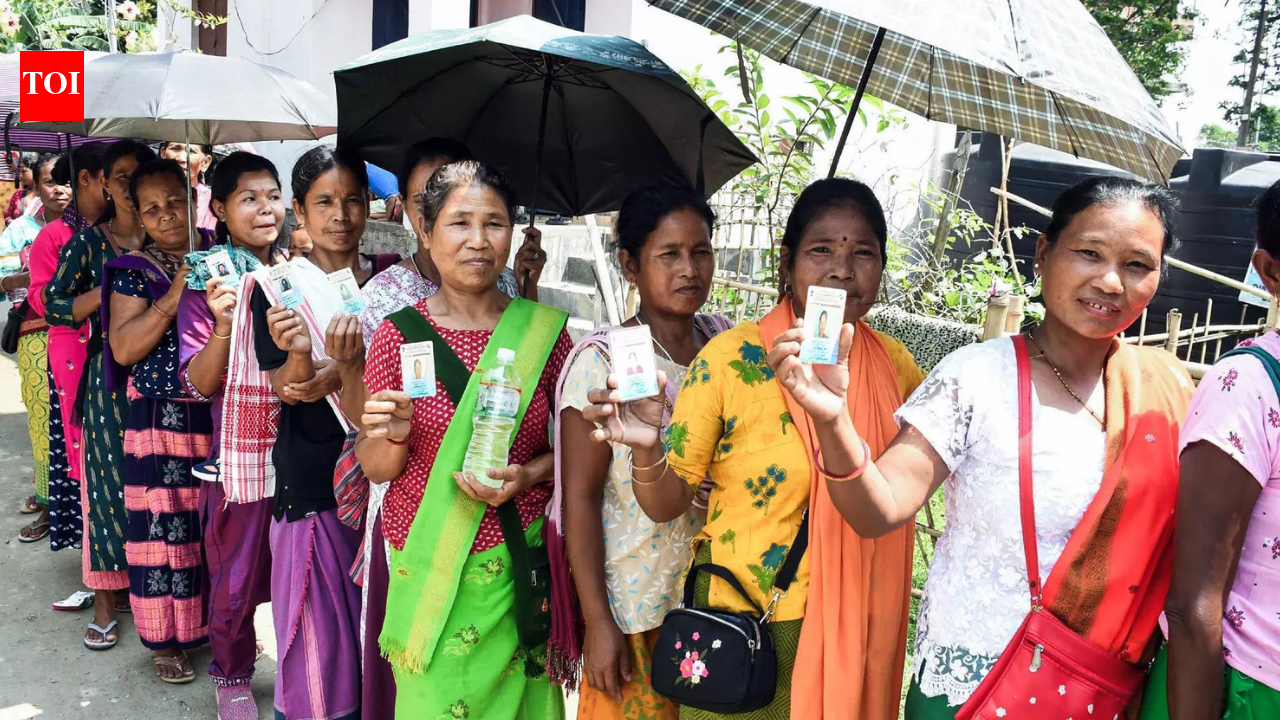
With the schedule for the Assam Assembly elections now announced, a range of key issues like eviction, infiltration, and development project is expected to dominate the campaign rhetoric of political parties in the run-up to the polls.The 126-member Assam Assembly currently has 64 legislators from the BJP. Among its allies, the Asom Gana Parishad (AGP) has nine MLAs, the United People’s Party Liberal (UPPL) seven, and the Bodoland People’s Front (BPF) three.In the opposition ranks, the Congress has 26 MLAs, followed by the All India United Democratic Front (AIUDF) with 15. The CPI(M) and an Independent each have one member in the Assembly.Eviction: The state government’s policy of evicting alleged encroachers, many of whom belong to the Muslim community, is expected to emerge as a key campaign issue, with both the ruling alliance and the opposition likely to raise it during the election campaign.Another major point of contention is the government’s crackdown on child marriage, which has led to numerous arrests and cases being filed under the Protection of Children from Sexual Offences (POCSO) Act. The ruling alliance is expected to project the measures as a significant step toward eliminating the social menace, while the opposition is likely to accuse the government of disproportionately targeting the Muslim community, as cited by PTI.The ruling alliance is also expected to highlight its efforts to reclaim forest land, satra and temple property, and other government land from alleged encroachment. The opposition, however, is likely to frame the drive as a humanitarian crisis, pointing to demolitions that have left many people homeless and forced to live on the streets, with some also losing their livelihoods.Infiltration: Illegal immigration is another long-standing issue in Assam that is likely to feature prominently in the election campaign. The matter has been central to state politics for decades and was a key factor behind the Assam Agitation and the subsequent signing of the Assam Accord, as cited by PTI.The BJP-led government maintains that it has taken steps to implement the provisions of the Accord. The opposition, however, is expected to highlight what it calls the government’s failure to fulfil promises of providing constitutional, legislative and administrative safeguards to protect and promote the cultural, social and linguistic identity of indigenous Assamese people.Two key aspects linked to the immigration debate, the updating of the National Register of Citizens (NRC) and the Citizenship Amendment Act (CAA), are also likely to feature prominently during the campaign. The ruling party is expected to argue that opposition to the CAA was misplaced, noting that only a limited number of Hindus from Bangladesh have applied for citizenship under the law.Development projects/welfare schemes: The state government is expected to highlight major development initiatives in Assam, particularly infrastructure projects in roads, railways, airports and waterways. It is also likely to showcase investments such as the Tata semiconductor unit and other agreements signed during the second edition of the ‘Advantage Assam’ business summit. The opposition, however, is expected to argue that development has been concentrated in select areas and has come at the cost of indigenous communities, alleging that their land has been acquired for such projects.The BJP and its allies are also likely to emphasise the state government’s welfare schemes for women, including the monthly financial assistance of Rs 1,250, support for women entrepreneurs and various health initiatives. With women making up nearly half of the electorate, the opposition is expected to counter by claiming that crimes against women have not declined and that the distribution of benefits has been uneven.The ruling alliance will also highlight its recruitment drive across government departments, which it says has resulted in the appointment of more than 1.6 lakh youths. In addition, it is likely to focus on welfare measures for tea garden workers, a sizeable voting bloc that traditionally supported the Congress but has largely shifted its allegiance to the BJP since 2016.Zubeen Garg’s death: Another issue that drew significant attention was the death of popular singer Zubeen Garg in Singapore in September 2025, followed by demands for justice in connection with his alleged murder. Opposition parties are expected to accuse the BJP-led government of lacking commitment to ensuring justice in the case. The ruling dispensation, however, is likely to point out that it constituted a Special Investigation Team (SIT), arrested the accused, and that the matter is currently before the court.


Source link

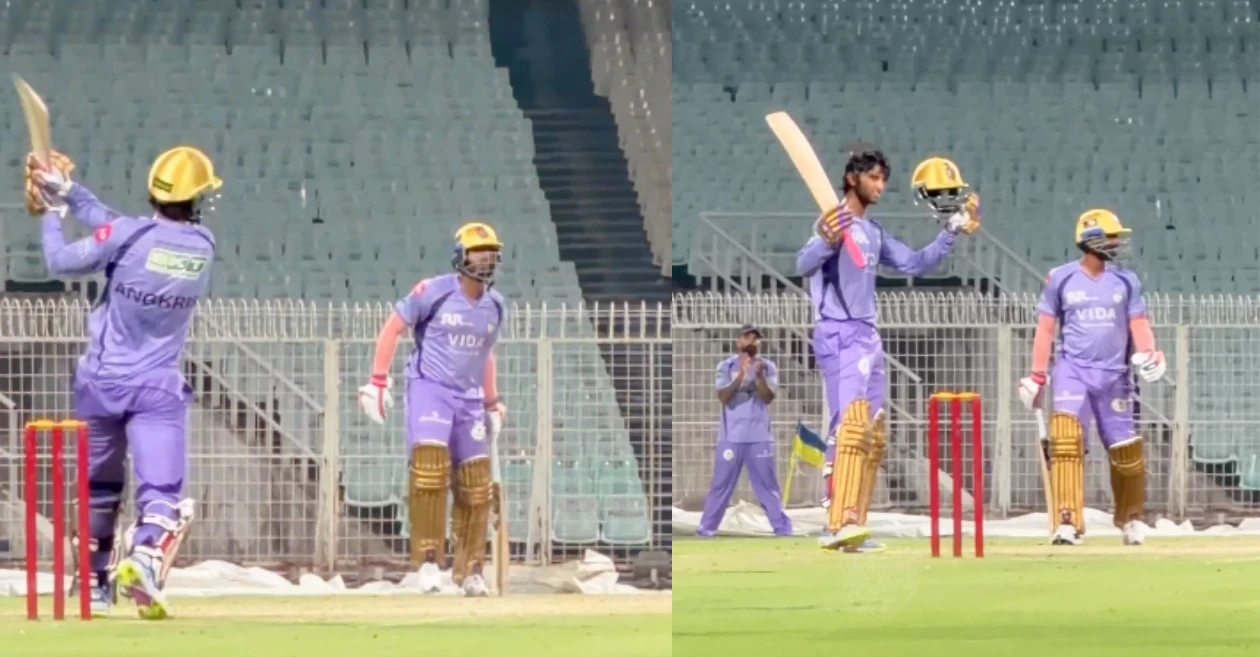
5 sixes, 9 fours! KKR young gun unleashes carnage with blistering ton ahead of IPL 2026


Just days before IPL 2026 gets underway, Kolkata Knight Riders (KKR) have found themselves buzzing with excitement – thanks to a stunning performance from their 21-year-old rising star, Angkrish Raghuvanshi.

Angkrish Raghuvanshi sends strong statement to opposition ahead of IPL 2026

In an intra-squad practice match at Eden Gardens, Raghuvanshi delivered a sensational unbeaten century that has not only caught the attention of the team management but also sent a warning to rival franchises.

Batting at his preferred No. 3 position, Raghuvanshi showcased a perfect blend of composure and aggression. His innings of 103* off just 55 balls was nothing short of spectacular, featuring nine fours and five massive sixes. It wasn’t just the numbers that impressed—it was the way he built the innings.

Instead of going all-out from the start, Raghuvanshi took his time to settle in, displaying maturity well beyond his age. He reached his half-century in 29 balls, carefully pacing his innings before shifting gears. Once set, he unleashed a flurry of attacking strokes, dominating the bowlers and taking complete control of the game.

The highlight of his innings came during a brutal over against express pacer Umran Malik, where Raghuvanshi smashed 23 runs. It was a defining moment – one that underlined his confidence and ability to take on even the fastest bowlers in the competition.

Also READ: IPL 2026 – KKR head coach Abhishek Nayar gives big update on Matheesha Pathirana’s availability

Selection headache for KKR as young star pushes for spot

While Raghuvanshi’s innings has given KKR a major boost, it has also created a tricky situation for the team management. With a squad packed with experienced names and overseas stars, finding a place for the young batter in the playing XI won’t be straightforward.

The No. 3 position, where Raghuvanshi looks most comfortable, is already a highly contested spot. Players like Finn Allen, Tim Seifert, Cameron Green and even Sunil Narine offer multiple options in the top and middle order. Add to that captain Ajinkya Rahane’s presence at the top, and the selection puzzle becomes even more complex.

However, Raghuvanshi’s willingness to adapt could work in his favour. He has previously expressed that he is ready to bat in any position for the team – a flexibility that could make him a valuable asset in different match situations.

For KKR, this is a good problem to have. Their middle order struggled for consistency last season, and Raghuvanshi’s ability to anchor the innings while also accelerating when needed could be exactly what the team has been missing.

The practice game also saw strong performances from others. Rinku Singh continued his fine touch with a quick 45, while Seifert added valuable runs. On the bowling side, Kartik Tyagi impressed with three wickets, and Blessing Muzarabani chipped in as well – offering positive signs for the team’s balance.

As KKR prepare to kick off their campaign against Mumbai Indians (MI) on March 29, the spotlight will firmly be on team selection. Whether Raghuvanshi makes the starting XI or not, one thing is clear – he has made a statement that cannot be ignored.

Also READ: Will Preity Zinta’s Punjab Kings punish Lockie Ferguson for missing early part of IPL 2026?


Source link

IPL MVPs since 2008: From Sachin Tendulkar to Sunil Narine, how the system works | Cricket News


IPL MVPs since 2008: From Sachin Tendulkar to Sunil Narine, how the system works
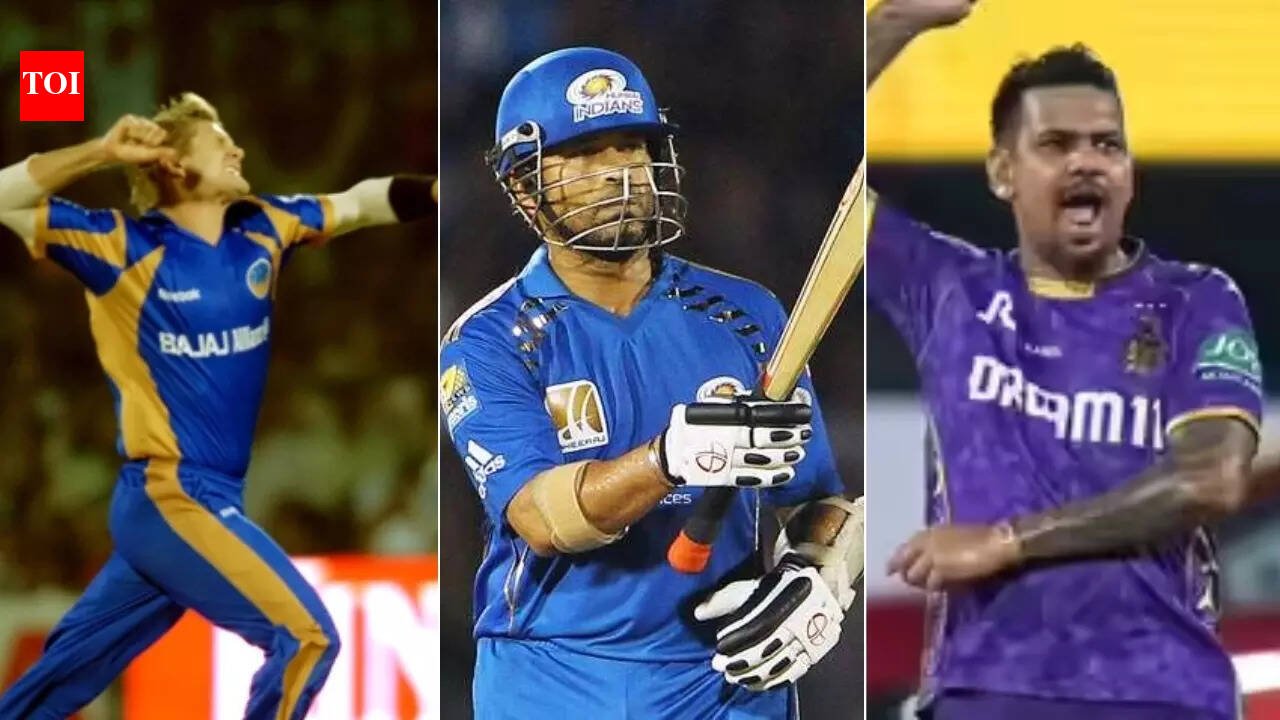
Shane Watson, Sachin Tendulkar, Sunil Narine

The Indian Premier League (IPL) 2026 season is scheduled to begin on March 28, with defending champions Royal Challengers Bengaluru (RCB) taking on Sunrisers Hyderabad (SRH) at the M Chinnaswamy Stadium.

How is the Most Valuable Player selected?

The league’s Most Valuable Player (MVP) is decided through a points system that measures a player’s overall contribution during the season. Players do not earn points for runs directly. Instead, each four earns 2.5 points and each six fetches 3.5 points. Bowlers receive 3.5 points per wicket and one point for every dot ball. Fielding efforts are also counted, with 2.5 points awarded for each catch and stumping. The player with the highest points total at the end of the season is named MVP.The concept was introduced in 2017, replacing the earlier Player of the Tournament award. Under this system, performance across batting, bowling and fielding is factored into a single points tally.The highest points recorded in a single IPL season stands at 450, achieved by Sunil Narine in the 2024 edition.Shane Watson was the first recipient of the Player of the Tournament award in 2008, playing a key role in Rajasthan Royals’ title win. He won it again in 2013 with the same franchise, becoming the first player to claim the honour twice. That season also marked the introduction of the points-based system. He remains one of three players to have won the award more than once.Among others, Kolkata Knight Riders players Andre Russell and Sunil Narine have won the award multiple times, with Narine holding the record with three wins in 2012, 2018 and 2024. Players such as Adam Gilchrist, Sachin Tendulkar, Chris Gayle, Glenn Maxwell, Virat Kohli, Ben Stokes, Jofra Archer, Harshal Patel, Jos Buttler and Shubman Gill have each won it once.Suryakumar Yadav of Mumbai Indians was named the Player of the Tournament (MVP) in the 2025 season.

Full list of MVPs from IPL 2008-2025

Year Player Team
2008 Shane Watson Rajasthan Royals
2009 Adam Gilchrist Deccan Chargers
2010 Sachin Tendulkar Mumbai Indians
2011 Chris Gayle Royal Challengers Bangalore
2012 Sunil Narine Kolkata Knight Riders
2013 Shane Watson Rajasthan Royals
2014 Glenn Maxwell Punjab Kings
2015 Andre Russell Kolkata Knight Riders
2016 Virat Kohli Royal Challengers Bangalore
2017 Ben Stokes Rising Pune Supergiant
2018 Sunil Narine Kolkata Knight Riders
2019 Andre Russell Kolkata Knight Riders
2020 Jofra Archer Rajasthan Royals
2021 Harshal Patel Royal Challengers Bangalore
2022 Jos Buttler Rajasthan Royals
2023 Shubman Gill Gujarat Titans
2024 Sunil Narine Kolkata Knight Riders
2025 Surya Kumar Yadav Mumbai Indians

Banner Insert


Source link