Breaking News
‘Dhurandhar: The Revenge’: Fans link Hamza’s passport DOB to 26/11 terror attacks, call it ‘peak detailing’ |


The excitement around ‘Dhurandhar: The Revenge’ intensifies as fans delve into a prop passport used by Ranveer Singh’s character, Hamza Ali Mazari. Observers are drawing connections between his birth date, November 26, 1979, and the tragic 26/11 Mumbai attacks. The film’s intricate narrative receives accolades for its depth, particularly highlighting director Aditya Dhar’s exceptional craftsmanship in storytelling.

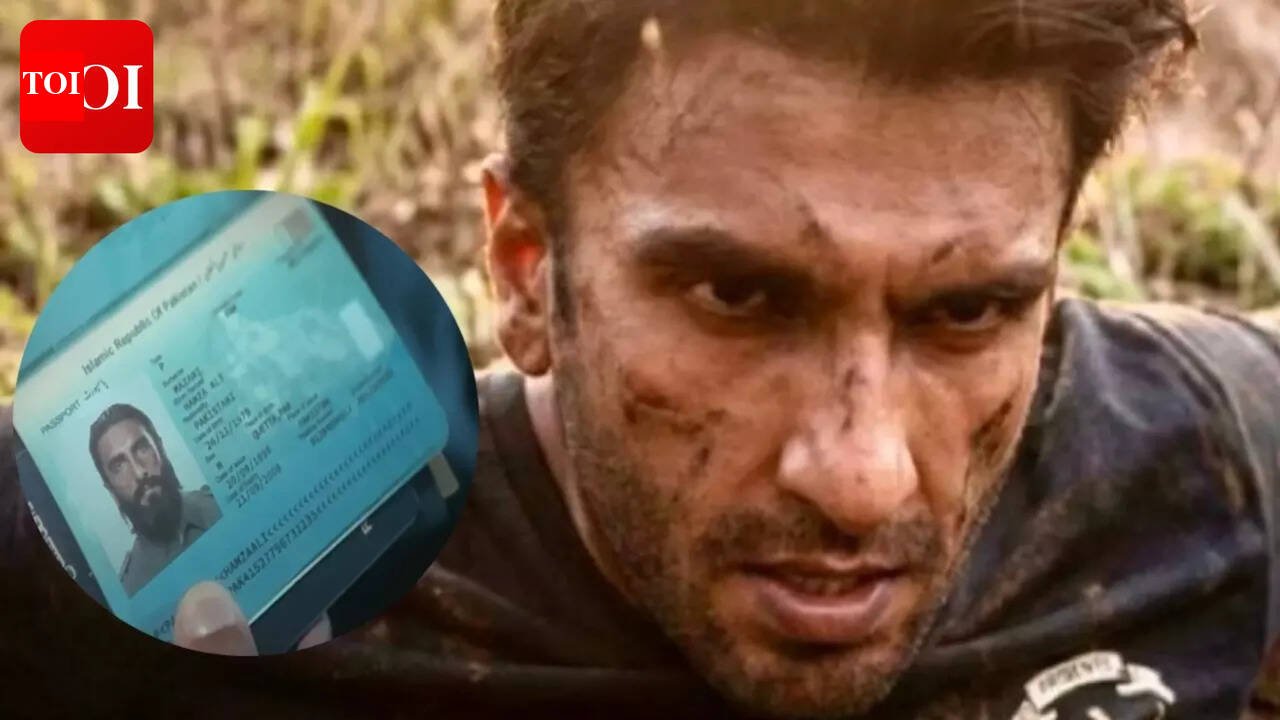
Fans of ‘Dhurandhar: The Revenge’ are now talking about more than just the performances and plot turns. A fresh wave of online discussion has focused on a small prop from the film that viewers believe carries a deeper meaning. The detail in question is the passport of Ranveer Singh’s character, Hamza Ali Mazari. A screenshot of the document went viral after viewers noticed the character’s date of birth is listed as November 26, 1979. That detail quickly drew attention because many linked it to 26/11, the date of the 2008 Mumbai terror attacks, and called it another example of the film’s layered writing.

‘Dhurandhar 2’ passport details go viral

As reported by Network18, the detail sparked reactions on X. Users began sharing screenshots of the passport and discussing what they saw as hidden references in the film. One user wrote, “See the date Hamza Ali Mazari was born 👀🤌🏻Another Peak Detailing by Aditya Dhar.” The post helped spark wider interest in the passport shown in the movie. Viewers connected the November 26 birth date to one of India’s darkest terror attacks. In 2008, multiple locations across Mumbai, including luxury hotels, a railway station, and a Jewish center, were targeted. The attacks killed more than 160 people and injured hundreds.

Watch

Dhurandhar 2 Has A Shah Rukh Khan Moment? Fans Go Crazy Over ‘Baazigar’s’ Entry In Ranveer’s Film

The passport detail didn’t stop there. Fans pointed to other dates on the same prop and suggested those, too, were carefully chosen. One user noted that the passport’s expiry date, September 21, 2008, coincided with a period when Delhi was on high alert following intelligence warnings of possible bomb blasts. Another observation focused on the issue date, September 20, 1998. Some users linked that date to reports that Indian security forces killed Abid Hussain, a suspect in the Chapnari massacre in Jammu and Kashmir, where 26 people were killed.

‘Dhurandhar 2’ fans praise Aditya Dhar detailing

These posts have driven a broader “peak detailing” conversation online, with users praising and lightly teasing director Aditya Dhar for imbuing even brief props with extra meaning. The reaction shows how closely audiences are watching the film and how even a passport has become part of the larger discussion.‘Dhurandhar: The Revenge’ follows undercover agent Jaskirat Singh Rangi, who moves through the criminal underworld under the alias Hamza Ali Mazari. The film charts his rise as the new Sher-e-Baloch and his hold over Lyari after Rahman Dakait’s death in the first film. The cast also includes Sanjay Dutt, R. Madhavan, Arjun Rampal, Sara Arjun, Danish Pandor, and Manav Gohil.

Source link

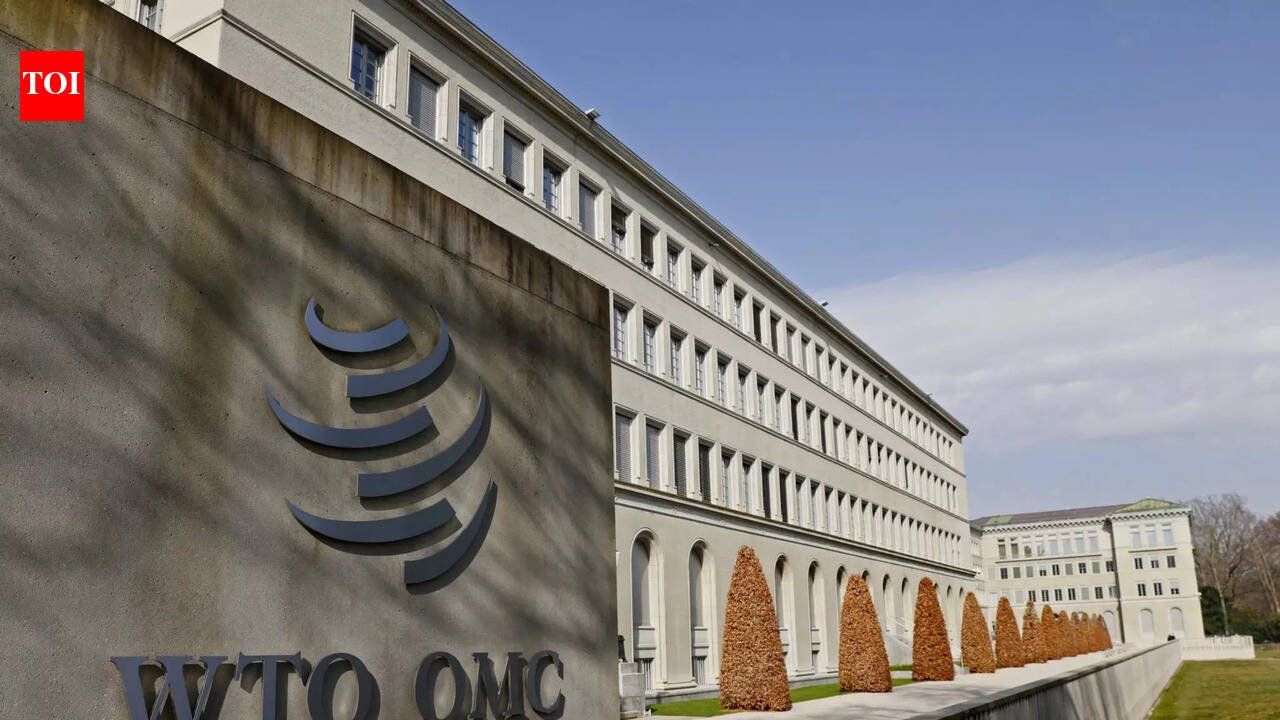
Nations all set for crucial discussions at WTO MC14, GTRI flags fault lines


Nations all set for crucial discussions at WTO MC14, GTRI flags fault lines

The upcoming World Trade Organisation (WTO) ministerial conference will discuss key issues such as agriculture, the 28-year moratorium on e-commerce transmissions, fisheries subsidies, and a China-led Investment Facilitation for Development (IFD) proposal. Trade ministers from 166 economies will meet in Yaoundé, Cameroon, from March 26 to 29 for the fourteenth ministerial (MC14), with limited outcomes expected due to ongoing divisions.Officials said the agenda will cover a wide range of contentious issues, including WTO reforms, agriculture, fisheries subsidies, and the continuation of the 28-year moratorium on customs duties on e-commerce transmissions. A China-backed proposal for an Investment Facilitation for Development (IFD) agreement will also be discussed, alongside the possibility of conversations around US tariffs.Commerce and industry minister Piyush Goyal will lead the Indian delegation at the meeting. Despite global trade exceeding $35 trillion, the WTO’s ability to frame and enforce rules remains under pressure. Differences between developed and developing countries across digital trade, farm support, subsidies and institutional reforms are expected to limit progress, making it likely that the conference will focus on extending existing arrangements rather than delivering new agreements.Here’s what the organisation will focus on during the meeting:1-E-Commerce MoratoriumThe e-commerce moratorium, which bans custom duties on electronics transmission, is expected to be a central point of debate. The United States and European Union are pushing for a permanent extension, while India and other developing nations are however opposing it, arguing that tariffs on digital trade are important for industrialisation, job creation and preserving policy space. A Global Trade Research Initiative (GTRI) report said, “India and developing countries oppose this, arguing tariffs remain essential for digital industrialization and job creation. Estimated revenue losses for developing economies will increase as business shifts to digital. For India, the issue is about preserving policy space and avoiding a widening digital divide, not just revenue loss. A key dispute at WTO is also definitional—there is no clarity on what constitutes “electronic transmissions” or whether services are included.Agriculture Agriculture remains another issue under the lens with India’s public stockholding (PSH) programme at the centre of discussions. India’s PSH system, which procures staples like rice and wheat at Minimum Support Prices (MSP) and supports food security, is considered trade-distorting under WTO rules due to the use of outdated 1986–88 reference prices that can inflate subsidy calculations. India argues that these structural inequities disadvantage developing countries, as developed members like the United States and the European Union retain the bulk of subsidy entitlements, and it is seeking a permanent solution for PSH along with stronger Special and Differential Treatment and greater flexibility for supporting small farmers. “This creates inflated subsidy estimates: for instance, a nominal Rs 10/kg support may be recorded even when the real support is only Rs 2, exposing India to breach limits despite minimal actual distortion,” the think tank said.In contrast, the US, EU, and exporters grouped under the Cairns Group oppose broad exemptions, warning they could distort trade and advocating instead for wider negotiations covering market access, subsidy reductions, and transparency. With deep divisions and no agreed negotiating text, a breakthrough at MC14 appears unlikely, and the 2013 Bali “peace clause” is expected to continue as a temporary safeguard while members defer substantive decisions to future talks.FisheriesTalks on fisheries subsidies are also likely to see limited movement. After the 2022 agreement on illegal fishing, negotiations have shifted towards addressing subsidies linked to overcapacity and overfishing. However, differences over balancing sustainability with livelihood concerns, particularly for small-scale fishers, remain unresolved. Turning to India, GTRI said that the country “has maintained that its support is aimed at small, artisanal fishers and has called for stronger Special and Differential Treatment provisions, including longer transition periods.“While developing countries view these provisions as essential for policy space and development, the United States and European Union have argued that major economies such as India and China should no longer benefit from broad flexibilities. India has strongly opposed any dilution, maintaining that development gaps remain significant.”Special and differential treatmentThe issue of Special and Differential Treatment (S&DT) is set to add to tensions, with developed nations pushing to limit such provisions while developing countries argue they remain essential for economic growth and transition. “The US and EU argue large economies like India and China no longer need broad S&DT benefits. They propose limiting S&DT mainly to least developed countries or making it conditional and time-bound.However, India strongly opposes any dilution, arguing that development gaps remain wide and that such flexibilities are still essential. It views S&DT as critical for industrial catch-up, livelihood protection and preserving policy space.Plurilateral agreementsPlurilateral agreements, particularly the proposed IFD pact backed by over 120 countries, are emerging as another point of contention. The agreement seeks to create a pre-investment appeal system to screen all investments through an independent body, but officials have flagged fundamental concerns, including whether investment falls within the WTO’s mandate. “India argues plurilaterals undermine the balance of interests in WTO negotiations between developed and developing countries. It warns such deals could sideline issues like farm subsidies and create a two-tier WTO dominated by major economies,” the GTRI report added.Dispute settlingThe WTO’s dispute settlement system also remains weakened, with the Appellate Body non-functional since 2019. While discussions on restoring the system are expected, differences over its structure are likely to persist. The think tank said that India is in favour of restoring a “fully functional two-tier system with a standing Appellate Body. It also seeks to ensure interpretations remain member-driven and within agreed mandates.Reforms at WTOReforms to the WTO’s decision-making process will also be discussed, especially whether to retain the consensus-based approach or adopt more flexible mechanisms to speed up negotiations. It added that countries like India and South Africa India, along with countries like South Africa, upholds consensus as the basis of a fair multilateral system, arguing that it ensures developing countries have an equal say and protects the process from being dominated by larger economies. It further cautions that weakening consensus could push development priorities to the margins, undermining key MFN and S&DT principles.MC14 is expected to be shaped by deep divisions across major issues including digital trade, agriculture, fisheries, development flexibilities, dispute settlement and institutional reform, leaving little room for compromise.The likely outcome is continuity rather than breakthroughs, with extensions of existing arrangements, reaffirmation of commitments and new work programmes.“For India, the ministerial will be about defending policy space, securing development priorities and building coalitions in an increasingly fragmented WTO,” the report added.Overall, MC14 highlights the WTO’s ongoing struggle to adapt to a changing global economy marked by rising tensions over power, technology and development interests.


Source link

Access Denied


Access Denied

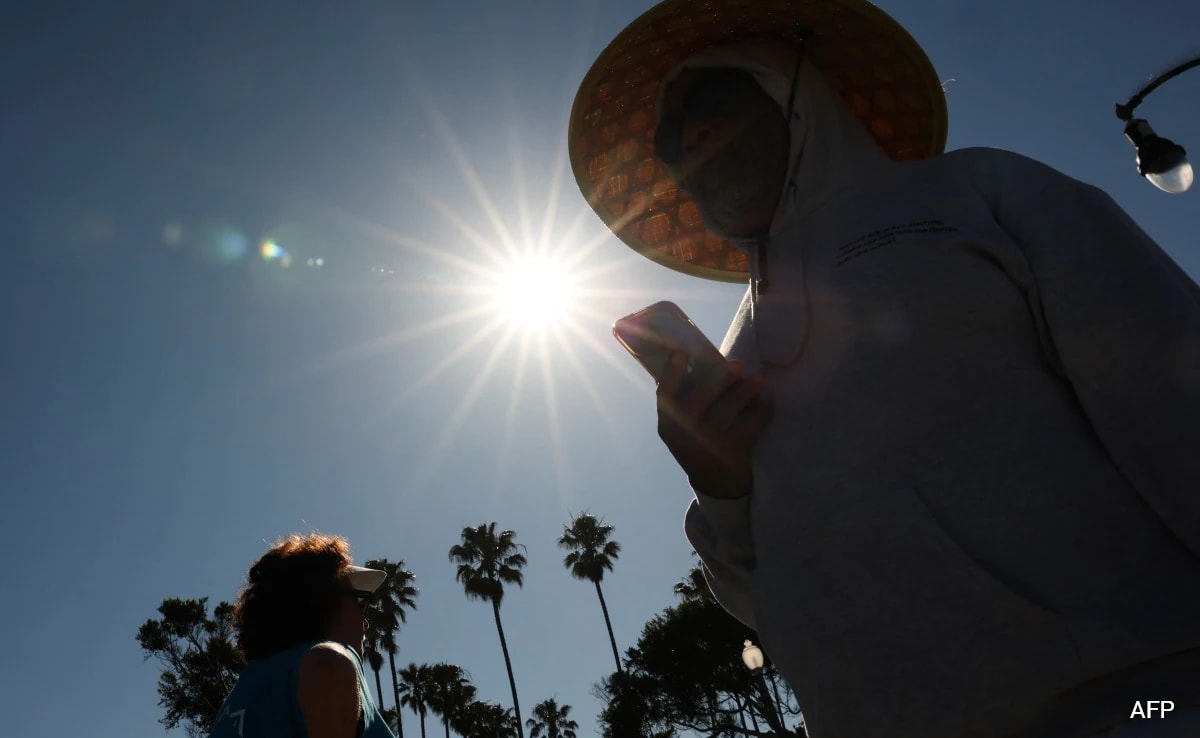
You don’t have permission to access “http://www.ndtv.com/world-news/once-in-500-years-event-us-sees-record-breaking-heat-wave-11247106” on this server.

Reference #18.77fdd417.1774087802.4c5755f9

https://errors.edgesuite.net/18.77fdd417.1774087802.4c5755f9


Source link

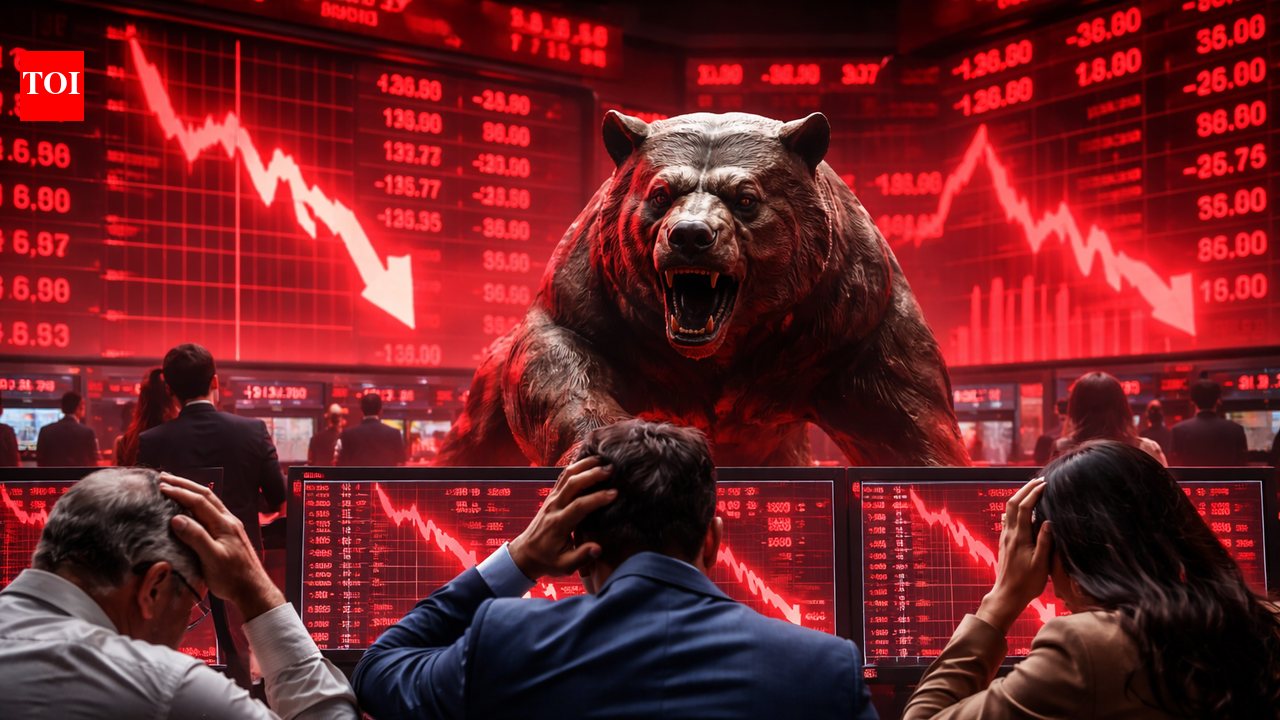
Dalal Street sees massive bloodbath as Middle East tensions intensify, what should investors do? Here’s what NSE’s Harish Ahuja says


Dalal Street sees massive bloodbath as Middle East tensions intensify, what should investors do? Here's what NSE’s Harish Ahuja says

Global markets have been on a bit of a roller-coaster ride lately, shocked by the ongoing Middle East conflict, which has now entered its fourth week. Just by Thursday, he sharp sell off wipped off Rs 12.87 lakh crore from investor’s wealth as Dalal Street witnessed a bloodbath. Going back further, ever since the crisis unfolded in the region, investors have lost over Rs 37 lakh crore as of March 19.As indices swing, investors are left staring at red screens and wondering whether to act or sit tight. The big question is what should you do? Make a move now, or wait for that golden opportunity. But amid the noise, a familiar reminder is making the rounds: market moves may be sharp in the short term, but reacting too quickly can often do more harm than good. Speaking on the volatility in global markets, Harish K Ahuja, head of sustainability, Power & Carbon Markets, Listing & Social Stock Exchange at the National Stock Exchange of India (NSE), has called on retail investors to stay steady and avoid reacting to short-term market swings.Commenting on recent trends, Ahuja said that the correction being witnessed is not restricted to India but is part of a broader global movement. “Most of the exchanges across the globe are seeing a correction of 7% to 10%. And this up and down is a part of the very market,” he said.He cautioned retail participants against panic-driven decisions during periods of uncertainty. “My suggestion to retail investors: don’t panic. Show the patience, you are an investor, not a trader,” he said.According to Ahuja, India’s economic fundamentals continue to remain supportive despite external pressures. “My understanding of the Indian market, India is growing. Indian fundamentals in terms of GDP growth, inflation, most of the indicators, be it industrial growth, electricity consumption, are very positive,” he stated.He also highlighted the strength and scale of India’s capital markets, pointing to strong participation levels and activity. “India has witnessed the largest number of IPOs in the world. We are one of the largest exchanges in terms of the number of unique investors and unique accounts,” he said.Ahuja highlighted that investing should be viewed with a long-term perspective rather than a daily trading mindset. “Investment means, for me, the definition of investment is once you buy a stock, at least for the next five to ten years, don’t watch the stock daily,” he said.Reiterating his outlook, he added that patience and an understanding of macroeconomic fundamentals are key to navigating volatility. “I think I am always positive about the market because I am a patient investor. Once you have patience, once you understand the fundamentals of the economy and the country as a whole, you should not panic.”He further indicated that investors who maintain discipline and focus on long-term horizons are more likely to withstand short-term geopolitical disruptions and benefit from market growth over time.


Source link

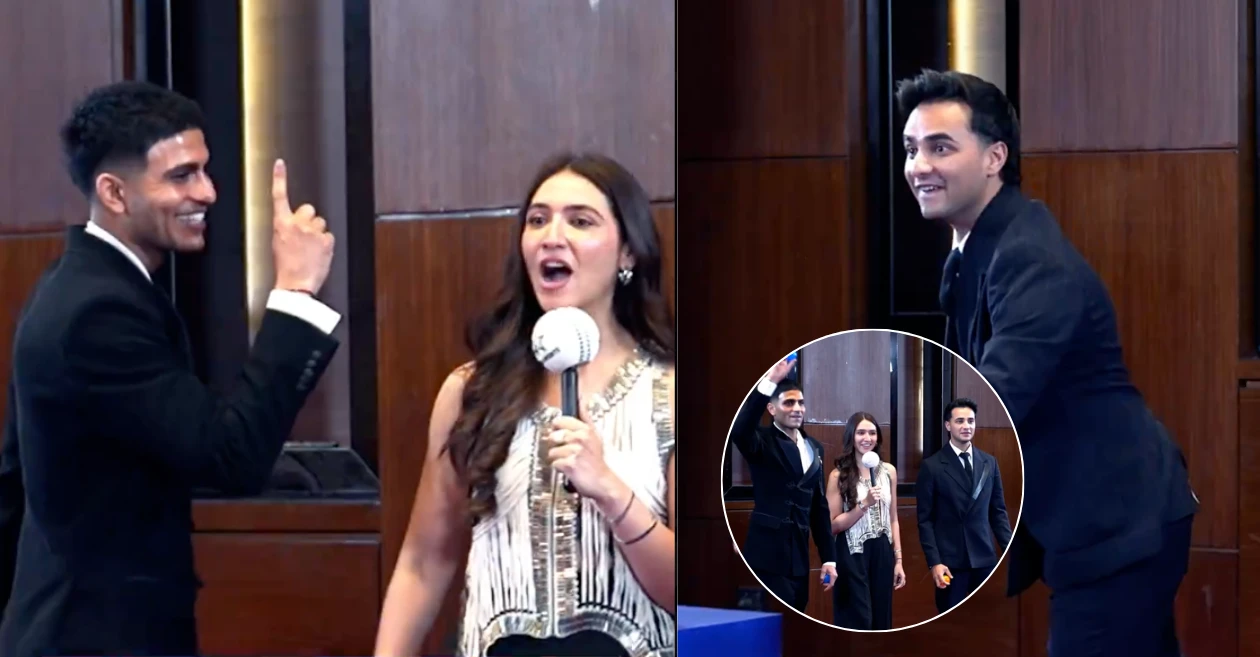
WATCH: Shubman Gill trolls Abhishek Sharma and SRH in fun segment with Sahiba Bali


With IPL 2026 around the corner, the competitive spirit is already building – but so is the fun. In a lighthearted segment by Star Sports during the BCCI Naman Awards, Gujarat Titans (GT) captain Shubman Gill and Sunrisers Hyderabad (SRH) opener Abhishek Sharma gave fans a glimpse of their off-field chemistry, mixing humour with a touch of rivalry.

Shubman Gill’s playful dig at Abhishek Sharma and SRH steals the show

The two cricketers, known to be close friends, were seen taking part in a fun challenge hosted by Sahiba Bali. What started as casual banter quickly turned into a viral moment when Gill dropped a cheeky one-liner about SRH’s long wait for another IPL title.

“SRH last tab jeeti thi jab ghar kacche aur dil sacche hote the,” Gill quipped.

The line, referencing SRH’s only IPL title win back in 2016, had everyone laughing – including Abhishek himself, who could only smile and shake his head at the jab. The moment quickly caught fire on social media, with fans loving the blend of humour and subtle rivalry.

Not only this, Gill also trolled Abhishek for getting out while attempting big shots. “Single double khel,” he added.

https://titter.com/StarSportsIndia/status/2035028223881617867/video/1

It was classic Gill – calm, composed and delivering the punchline with perfect timing. And while the comment was clearly made in jest, it also highlighted how competitive the IPL has become, where even friendly exchanges carry a hint of on-field intensity.

Also READ: Injury blow for Kavya Maran’s SRH – How many matches will Pat Cummins miss in IPL 2026?

Friendship meets rivalry as IPL 2026 approaches

What makes this interaction even more special is the bond between Gill and Abhishek. The two have grown up playing cricket together in Punjab, sharing dressing rooms and building a friendship that goes back to their early days in the Under-16 circuit.

But when the IPL begins, friendships take a backseat.

Gill, now leading Gujarat Titans, and Abhishek, a key figure in SRH’s batting lineup, have often found themselves on opposite sides of intense contests. Their teams have been regular competitors in recent seasons, with both pushing hard in playoff races.

Gill, in particular, will have plenty to prove this season. Since taking over captaincy duties, he has guided Gujarat Titans close to glory but hasn’t yet lifted the trophy. With a strong squad and renewed focus, IPL 2026 presents another opportunity to change that.

Abhishek, on the other hand, continues to grow as one of SRH’s most exciting batters. Known for his aggressive approach at the top, he will be looking to help his team break their title drought – and perhaps respond on the field to Gill’s playful jab.

TheIPL 2026 officially kicks off on March 28, with defending champions Royal Challengers Bengaluru (RCB) taking on SRH.

Also READ: IPL – Complete list of all SRH captains so far ft. Ishan Kishan


Source link

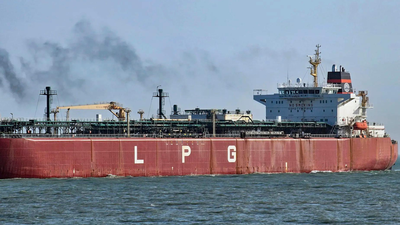
India’s oil, LPG lifeline: Two more tankers set to cross Strait of Hormuz – list of vessels that have arrived


High Risk Voyage: India LPG Tankers Set To Cross Strait Of Hormuz After Diplomatic Push By Modi Govt

ANI image

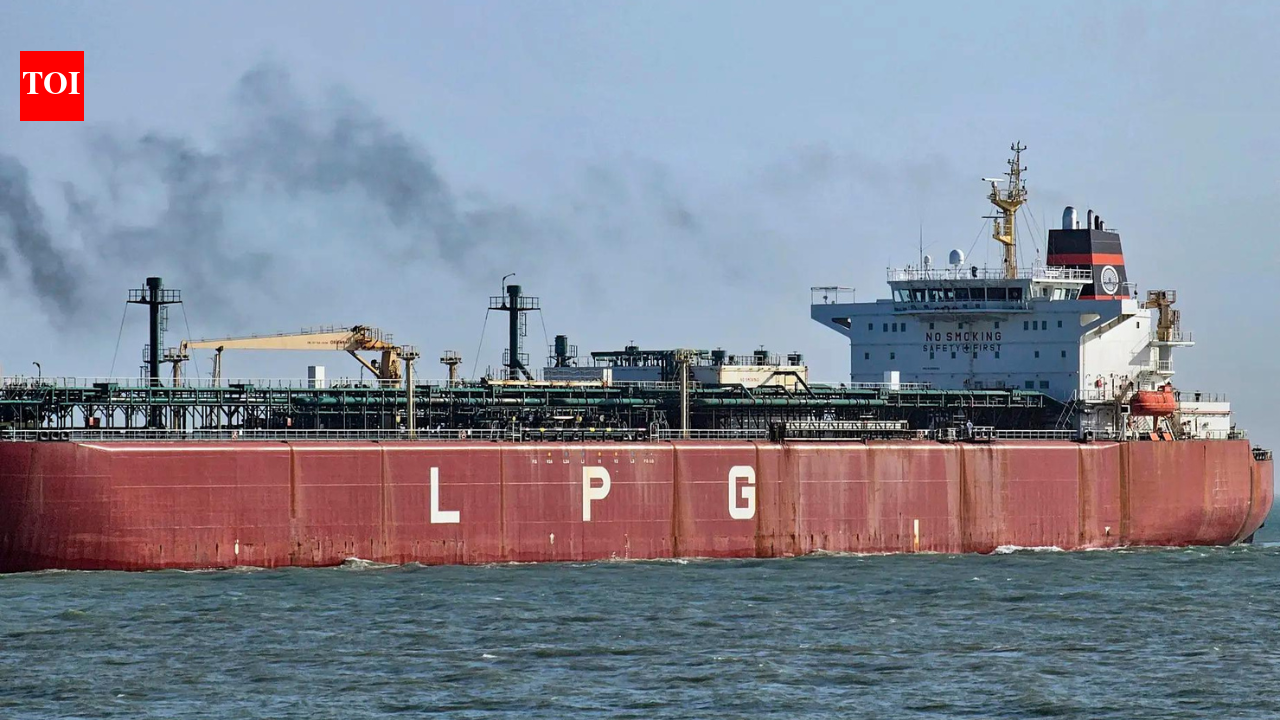
As India welcomed the arrival of three crude oil tankers at its ports that travelled through the Strait of Hormuz, two more vessels are scheduled to arrive in the coming days. The move signals cautious easing in the maritime movement of vessels despite ongoing tensions in the region.According to Reuters, two Indian-flagged LPG tankers, Pine Gas and Jag Vasant are preparing to sail through the Strait of Hormuz.

Watch

High Risk Voyage: India LPG Tankers Set To Cross Strait Of Hormuz After Diplomatic Push By Modi Govt

Both vessels are currently docked near the UAE’s Sharjah port and have indicated readiness to begin their journey, according to ship-tracking data.

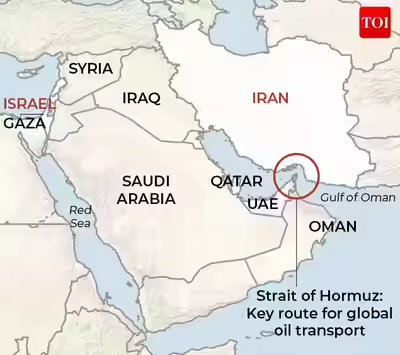
Strait of Hormuz

The two tankers could set sail in the coming days, marking a potential resumption of movement through one of the world’s most critical energy corridors. The Strait of Hormuz, which handles nearly 20% of global oil and liquefied natural gas flows, has seen significant disruption after Iran warned of possible attacks on vessels attempting to exit the Gulf. As a result, hundreds of ships have remained anchored, awaiting clarity on safe passage.According to shipping data and trade sources, no crude oil tankers transited the Strait of Hormuz in the past 24 hours, with hundreds of vessels anchoring in Gulf waters after Tehran warned of possible attacks on ships attempting to exit the region.Despite these risks, India has been actively engaging with stakeholders to ensure the safety of its fleet. External affairs ministry spokesperson Randhir Jaiswal emphasised the need for ‘safe and unhindered movement’ of Indian vessels.He highlighted that Prime Minister Narendra Modi is in discussions with global leaders to secure safe passage for Indian ships in the Gulf.

Ships that have already arrived in India

Three Indian-flagged vessels have completed their journey through the Strait of Hormuz in recent days.The latest arrival was the Indian-flagged tanker Jag Laadki, which was docked at Mundra port in Gujarat on Wednesday. It carried around 80,886 metric tonnes of crude oil sourced from the UAE. Earlier, MT Shivalik and MT Nanda Devi reached India’s shore. The two vessels together transported approximately 92,712 metric tonnes of LPG, ensuring a continued supply of essential fuel despite disruptions in maritime traffic.These successful transits came after Iran allowed Indian-flagged vessels to pass through the strait following diplomatic engagements. Authorities in India are closely monitoring the situation. The Directorate General of Shipping is coordinating with shipowners, agencies and Indian missions in the Gulf to manage risks and minimise disruptions.Ports across the country have also been advised to extend support measures, including concessions on charges to ensure smooth handling of cargo amid the evolving crisis.


Source link

IPL 2026: ‘He is absolutely fit’- Chopra slams Cricket Australia over Starc absence | Cricket News


IPL 2026: 'He is absolutely fit'- Chopra slams Cricket Australia over Starc absence
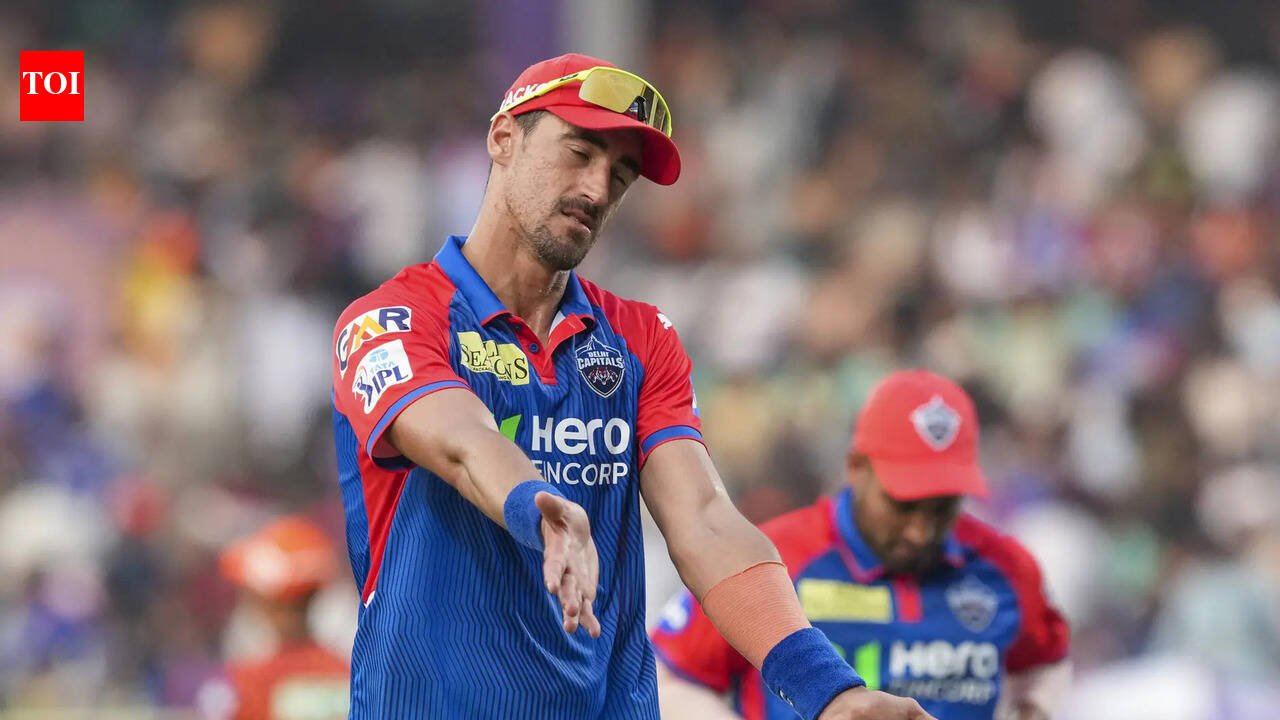
Delhi Capitals’ Mitchell Starc (PTI Photo)

Aakash Chopra has raised concerns over Cricket Australia’s reported decision to delay Mitchell Starc’s availability for IPL 2026, questioning the logic behind resting a fully fit player.Starc, who was expected to spearhead the bowling attack for Delhi Capitals, is likely to miss the initial matches due to workload management despite not playing any competitive cricket for nearly two months.In a video on his YouTube channel, Chopra expressed his confusion over the move, especially with other Australian quicks like Josh Hazlewood and Pat Cummins already sidelined due to injuries.“If Mitchell Starc is also not going to come at the start, what is Cricket Australia doing? You didn’t let Josh Hazlewood come, Pat Cummins isn’t coming, and now you have held back Mitchell Starc, even though he is absolutely fit. He has already said goodbye to T20Is. So what has he done in the last two months or so?” he said.Chopra pointed out that Starc has not featured in any matches since the 2025–26 Ashes and questioned the need to preserve him so early for the upcoming five-Test series against India.“He hasn’t played any cricket after the Ashes, but despite that, you have asked him to rest because a big Test season is coming up, in which there are five Test matches against India. That’s just before the next IPL. Why are you doing that now?” he observed.The former India batter also suggested that franchises may soon need to rethink their stance if players begin missing IPL matches despite being fit, simply as a precaution.Chopra also spoke about Lockie Ferguson, who is reportedly set to miss the start of IPL 2026 to spend time with his family.“I am thinking about Lockie Ferguson, and that’s a serious one. I don’t know whether he has an injury or not, but based on what I have read, he isn’t available for seven matches. He is saying he wants to spend some time with the family,” he said.Ferguson, who will represent Punjab Kings after being picked up for ₹2 crore, could miss a significant portion of the tournament, something Chopra believes franchises will need to take seriously.“He was available at the base price. He was bought for ₹2 crore. He is playing for New Zealand. Then he will go home and spend time with his family. It’s not a bad thing. Don’t judge anyone, but if you are leaving seven matches in the IPL after giving a commitment just because of that, then teams will have to realize that this is not right,” Chopra observed.Chopra added that there is a growing possibility of players opting for partial participation while earning pro-rata payments, though he clarified he was not accusing anyone of doing so deliberately.

Banner Insert


Source link

Albino, Bijoy gets national team call-up for Hong Kong clash | Goa News


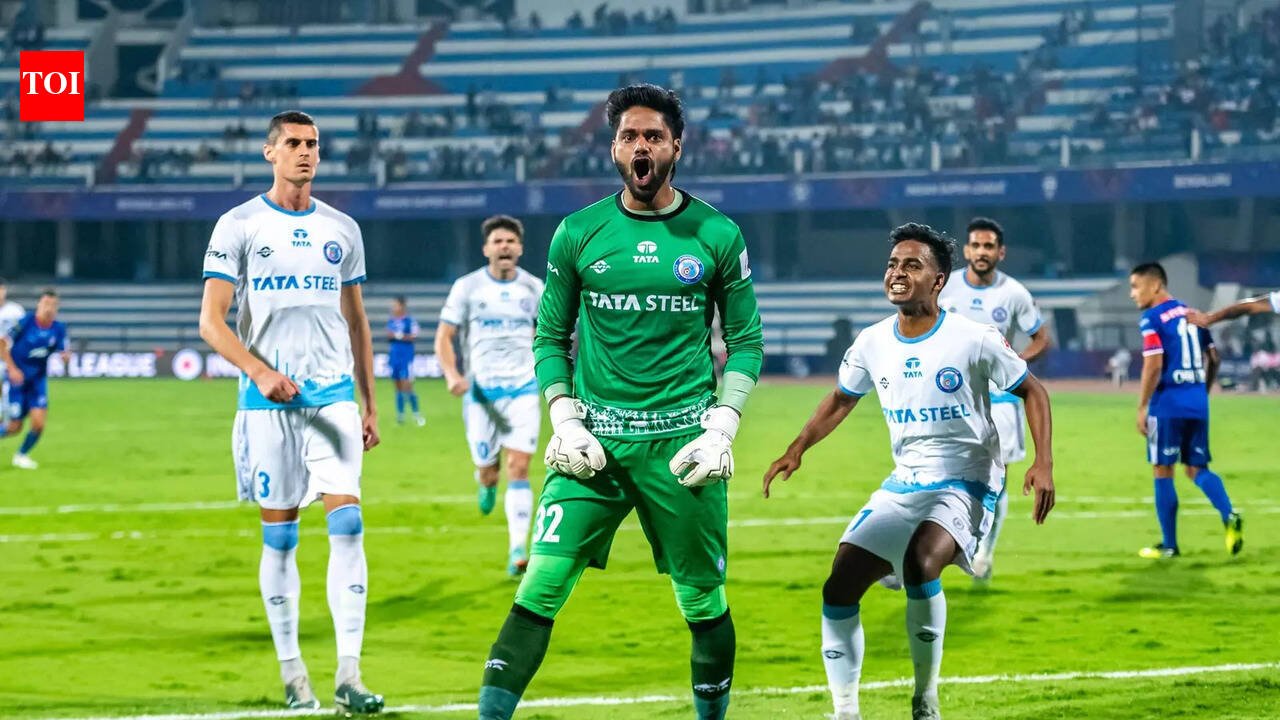
Albino Gomes will face competition from Gurpreet Singh Sandhu and Vishal Kaith for a starting role

Panaji: Coach Khalid Jamil has included goalkeeper Albino Gomes and defender Bijoy Varghese among the national team probables for India’s AFC Asian Cup 2027 qualifier against Hong Kong later this month.Despite being the highest ranked team, India will finish their campaign at the bottom of the four-team table after being winless in five matches so far. The concluding clash is against Hong Kong in Kochi on March 31.With nothing at stake in terms of qualification, Jamil was understood to be contemplating big changes with an eye on the future. However, according to sources, Bijoy (Punjab FC) and Albino (Jamshedpur) are the only two new faces in the squad.“Even if Khalid wanted to include some younger players, they are not available since India U23 will be playing (the tri-nation series) in Arunachal Pradesh,” said a senior official. “Most of the senior team players are from Mohun Bagan Super Giant and Bengaluru FC. More than 50% of the players are from these two clubs.”Impressive youngsters like Mohammed Sanan, Mohammed Aimen, Bikash Yumnam, Vibin Mohanan, Paramveer Singh, Mohammad Suhail and Suhail Bhat are all part of the India U-23 squad for the tri-nation series against Tajikistan and Bhutan.Albino and Bijoy have been consistent performers for their teams in the Indian Super League (ISL). While Bijoy has been an automatic choice for Punjab in defence, coach Owen Coyle has counted upon Albino’s efficiency in goal as Jamshedpur make a determined push for the ISL title.Albino, who has played at multiple clubs under Jamil, including Jamshedpur FC last season, will face competition from Gurpreet Singh Sandhu and Vishal Kaith for a starting role.Sources said the AIFF has already intimated clubs about the probables.The camp will kick off in Kochi on Monday as the ISL takes a break for the FIFA international window.


Source link

FPI profile: Foreign portfolio investors remain net sellers; withdrew Rs 35,475 crore from Dalal Street this week


FPI profile: Foreign portfolio investors remain net sellers;  withdrew Rs 35,475 crore from Dalal Street this week

Foreign portfolio investors continued to withdraw from Dalal Street this week, with net outflows amounting to Rs 35,475 crore, as Middle East tensions caused ripples across global markets and weakened investor sentiments. The persistent outflows indicate that foreign investors are adopting a more cautious stance amid an uncertain global environment, with elevated crude oil prices adding to concerns over inflation and economic stability.According to National Securities Depository Limited (NSDL) the selling trend remained consistent through the week. Monday saw the sharpest outflow at Rs 10,827 crore, followed by Rs 9,406.78 crore on Tuesday and Rs 4,376.02 crore on Wednesday. Markets were closed on Thursday on account of the Gudi Padwa festival, while Friday witnessed fresh selling worth Rs 10,965.74 crore. With this, total FPI net selling in March has climbed to Rs 88,180 crore so far, marking the highest monthly outflow recorded in 2026. The figures include transactions across exchanges after accounting for flows in primary markets and other segments. Market watchers pointed out that global cues have played a key role in shaping investor behaviour. Ongoing crisis in the Middle East, coupled with rising crude prices, have contributed to a risk-off approach among overseas investors. Vinod Nair, Head of Research at Geojit Financial Services, said, “Market sentiment remained cautious amid persistent Middle East tensions during the week, with elevated crude oil prices, and continued FII selling. Although the domestic equities saw a brief relief-led recovery on valuation comfort and short covering early in the week, the rally quickly reversed as renewed Middle East attacks pushed crude prices higher, reviving inflationary and macroeconomic concerns. Foreign Portfolio Investment (FPI) refers to investments made by overseas investors in financial assets such as equities, bonds and mutual funds in markets outside their home country. These investments are typically short-term and do not involve control over companies. FPIs are often described as “hot money” due to their high liquidity and ability to move quickly across markets, making them an important component of capital flows in emerging economies like India. In the country, such investments are regulated by the Securities and Exchange Board of India. The sustained withdrawals highlight the sensitivity of Indian markets to global developments, with investors continuing to track geopolitical events and movements in crude oil prices for signals on market direction.


Source link

Nvidia CEO does not agree with Anthropic CEO’s ‘doomsday AI layoffs’ prediction; but sees science fiction-like future for humans


Nvidia CEO does not agree with Anthropic CEO's 'doomsday AI layoffs' prediction; but sees science fiction-like future for humans

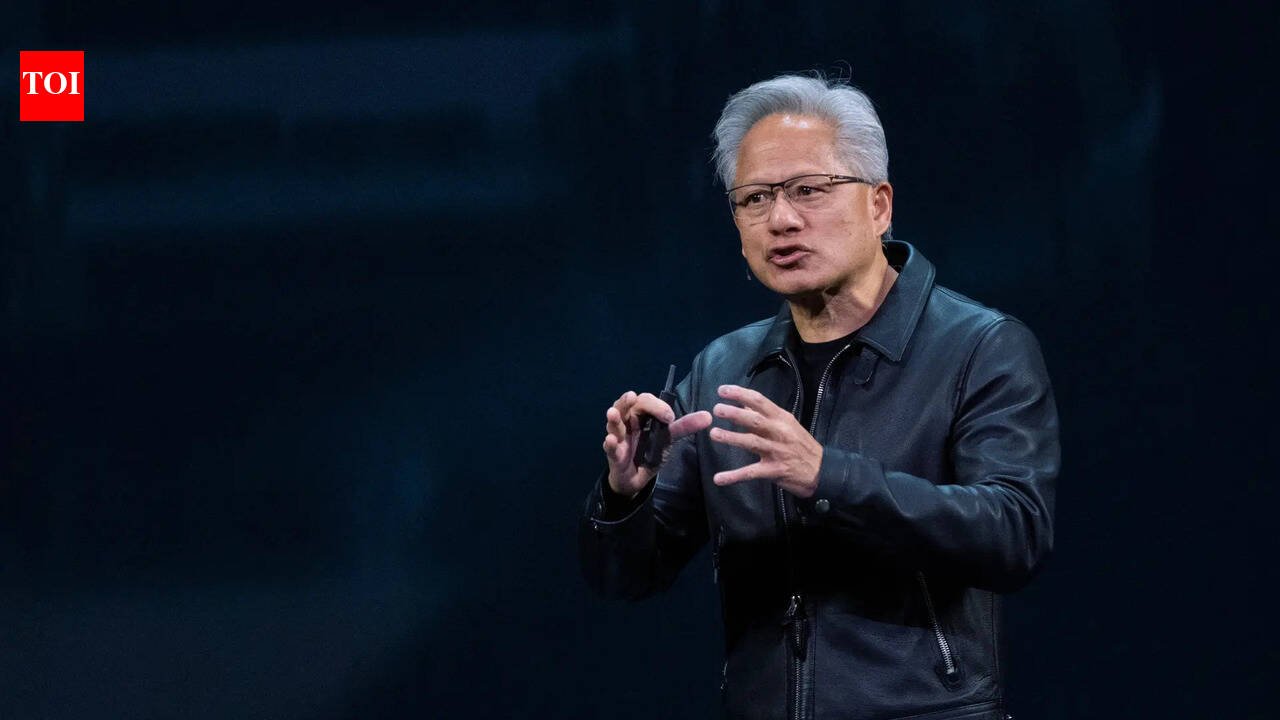
Nvidia CEO Jensen Huang has now dismissed the prediction about massive AI-driven unemployment countering warnings from tech leaders like Anthropic CEO Dario Amodei and AI pioneer Geoffrey Hinton. According to a report by Fortune, speaking in a December interview with podcast host Joe Rogan, Huang mentioned that he does not foresee a sudden spike in AI-related layoffs, though he acknowledged that the technology will reshape the job market. “If your job is just to chop vegetables, Cuisinart’s gonna replace you,” Huang remarked, suggesting that routine, repetitive tasks are most vulnerable. But he argued that roles requiring interpretation, judgment, or creativity—such as radiologists—will remain resilient.

Jensen Huang believes AI will create new industries

While rejecting ‘doomsday’ scenarios, Huang also revealed his vision of a future where AI will create completely new industries. Huang speculated about jobs like robot tailors, who design apparel for AI-powered robots. “You’re gonna have robot apparel, so a whole industry of—isn’t that right? Because I want my robot to look different than your robot,” he said. Huang added that new roles will emerge to build and maintain AI assistants, alongside industries that are difficult to imagine today.

Watch

India’s AI Rise Gets Global Push As UN Chief Praises Leadership, Nvidia CEO Predicts Job Surge

AI as a trillion-dollar market

At Nvidia’s GPU Technology Conference (GTC) this week, Huang emphasized that “physical AI,” particularly robotics, represents the company’s next trillion-dollar-plus market. His comments align with broader industry ambitions: Tesla CEO Elon Musk has made the Optimus robot central to Tesla’s future, predicting that work could become optional within 10 to 20 years as robotic labor drives the cost of work to zero.AI disruption is already measurable. A recent MIT study estimated that AI could adequately perform tasks equivalent to 12% of U.S. jobs, representing more than 151 million workers and over $1 trillion in wages at risk.Still, Huang believes the evolution of work will be gradual and transformative rather than catastrophic. Even his imagined role of robot clothesmaker, he admitted, may eventually be automated: “Eventually. And then there’ll be something else.”


Source link