Breaking News
Watch: Israeli strike in Beirut reduces building to rubble in seconds


Videos captured the moment an Israeli airstrike brought down an entire residential building in central Beirut early Wednesday, as strikes intensified across Lebanon, amid repeated Israeli warnings. The strike occurred around 5.30 am reported Aljazeera, flattening the structure and sending up a large cloud of dust and smoke.The video shows an enormous cloud of dust and smoke as the entire building comes down seconds after being hit by the missile.According to Aljazeerea the building had been targeted earlier this month. Israeli forces had previously struck its basement on March 12 and returned before dawn to level it completely.

Watch

ON CAM: Israeli Town In Ruins After Hezbollah Unleashes Rocket-Drone Attack On Nahariya

Residents had received prior warning. About 90 minutes before the strike, a message from the Israeli military spokesperson urged people to move at least 300 metres away from the site.The Beirut strike was part of a wider series of attacks across the capital. Multiple locations in central Beirut were hit in what appeared to be targeted strikes, involving smaller munitions aimed at specific apartments within residential buildings.At least three apartments were struck in downtown areas. According to Lebanon’s health ministry, six people were killed and 12 others injured in the overnight attacks.Authorities have not yet confirmed the intended targets of the strikes. However, the attacks are seen as part of a broader pattern of Israeli operations across Lebanon over the past two weeks, involving both large-scale and precision strikes.


Source link

Jasprit Bumrah’s A+ exit leaves Rs 2 cr gap, BCCI may revisit pay structure | Cricket News


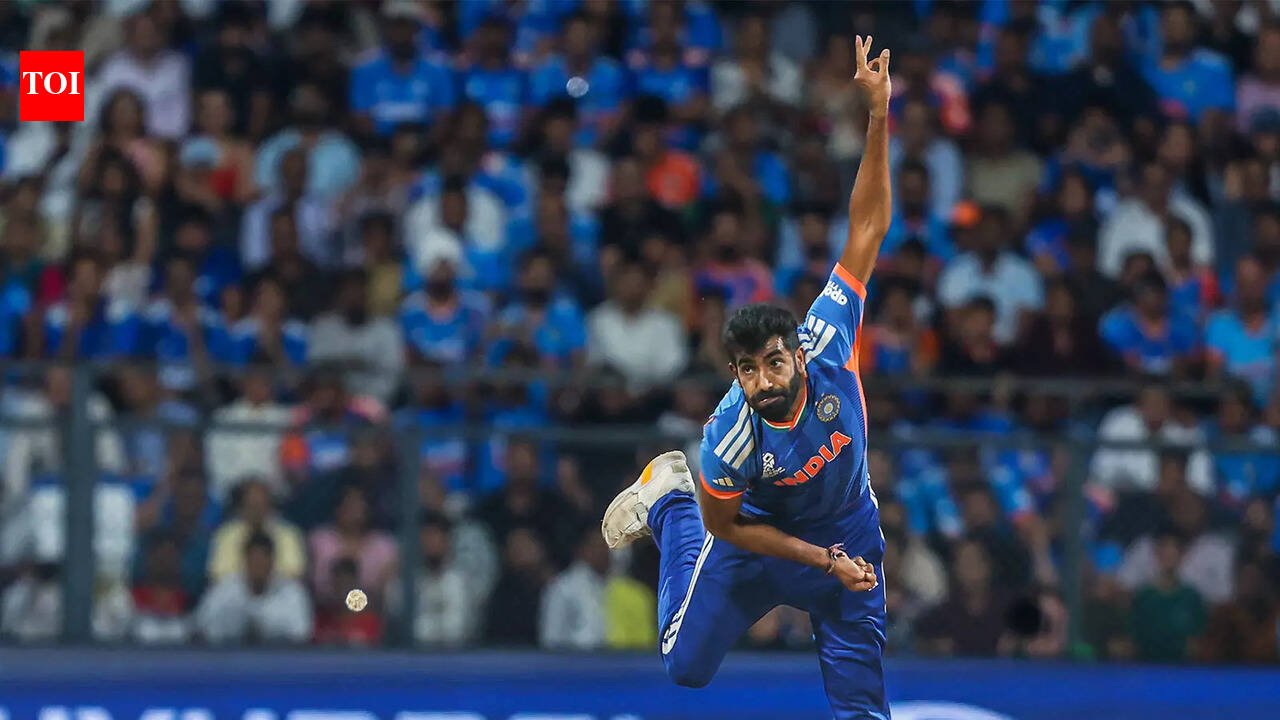
New Delhi: The Indian cricket board (BCCI) last month removed the A+ category from its players’ retainership system, citing there weren’t enough candidates to qualify for the gradation. However, TOI understands that the board may be compelled to revisit the valuation structure of the existing gradation of contracts to ensure consistent-performing players don’t lose money that they were receiving till last year. Top of the list is India’s premier fast bowler Jasprit Bumrah, who has consistently received the Grade A+ contracts since its inception for the 2018-19 season. It is learnt that the board hasn’t officially communicated the value of the contracts this season. As per the previous system, Grade A+ players got Rs 7 cr, while Grade A, B and C players received Rs 5 cr, Rs 3 cr and Rs 1 cr, respectively. BCCI, while announcing this year’s retainership, didn’t mention the amount for each category. It is learnt the players too have not yet been told officially about the worth of their contracts.

Watch

Rajasthan Royals captain Riyan Parag watches West Ham vs Man City in London

Grade A+ was reserved for players who commanded their place in all three formats and had a world ranking in the top 10 in any one format. Since Rohit Sharma and Virat Kohli retired from two formats, along with Ravindra Jadeja calling it quits from T20Is, the board was left with just Bumrah. The flashpoint with the current contract system stems from here because Bumrah, despite maintaining command over all three formats, was put in Grade A this year by default. At present, only Test and ODI captain Shubman Gill, Jasprit Bumrah and Ravindra Jadeja feature in Grade A. “The board is trying to figure out how Bumrah can be compensated. It is understandable that it will be unfair to slash his fees from Rs 7 cr to Rs 5 cr. There are some other players also who seem to have moved down a grade despite being performers. There could be a revision in the valuation of the contracts,” a BCCI source told TOI. The other name that is debated is India’s T20I vice-captain Axar Patel, who has been an integral part of the T20I and ODI set-up in the 2024-25 season. Axar has been given a Grade C contract, which was valued at Rs 1 cr till last year. India have tasted one of their most successful years in white-ball cricket in the 2024-25 season, for which the contracts have been awarded. Test cricket has seen lows at home and in Australia, with the high of levelling the five-Test series in England in between. TOI has accessed the official criteria which were devised when Grade A+ was introduced in 2018-19. As per the document, for a Grade A contract, a player must fulfil any two of the following four criteria: any two formats, automatic selection in the team, among the top 15 in world rankings, automatic selection in the Test team with 40 or more matches. A Grade B contract demands a player fulfil any two of the following criteria: any two formats, automatic selection in the team, among the top 20 in world rankings, automatic selection in the Test team with 60 or more matches. Interestingly, Axar was world No. 11 all-rounder in T20Is in 2025 and had also played a critical role in India’s triumph, which makes it two out of four for qualifying for Grade A or Grade B contracts. Even if the BCCI altered the criteria in the last three years, a minimum of a Grade B contract seemed viable. It will be interesting to see if the board has revised the criteria for this year as well. In addition to Bumrah and Axar, there are other players like KL Rahul, Mohammed Siraj, Hardik Pandya and Rishabh Pant who have been pushed to Grade B from Grade A. It must be noted that Rahul has been a consistent performer in Tests and ODIs, while Siraj and Pant had an exceptional Test tour of England. Pandya too has been a core member of India’s ODI and T20I sides. BCCI, historically, has considered the injury layoffs of players and has ensured players were not penalised for missing cricket due to injuries.

Banner Insert


Source link

Suryakumar Yadav reveals about how he was approached for India’s T20I captaincy role


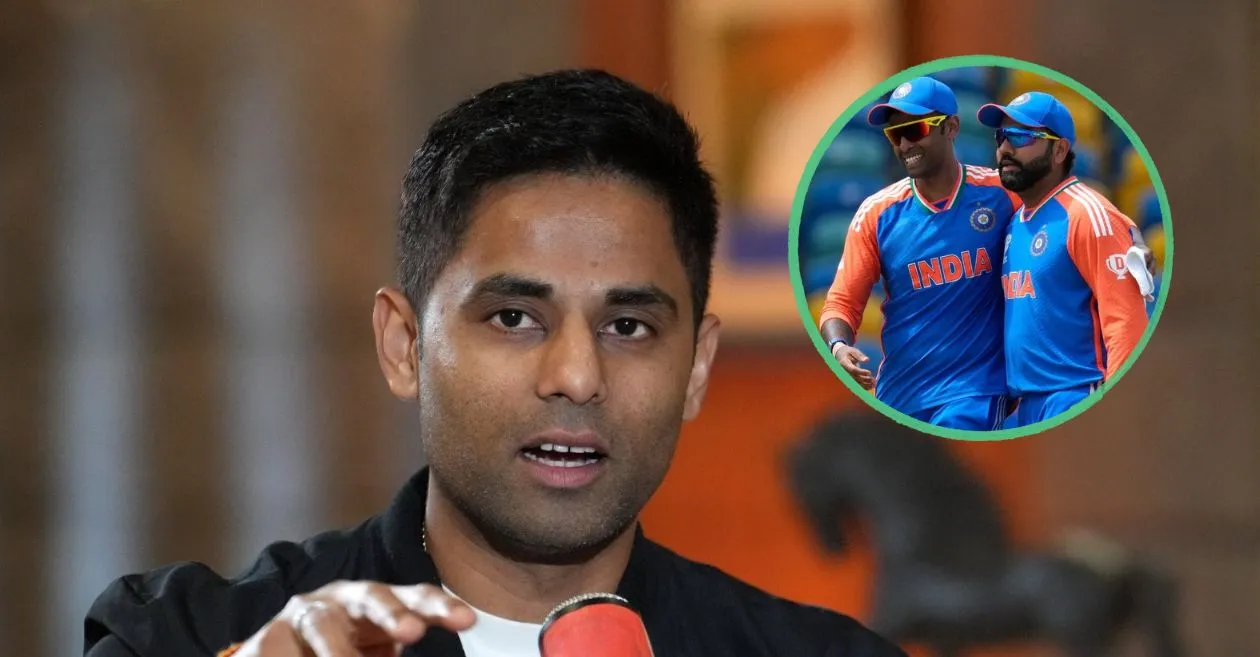
For over a year, the cricketing world operated under a singular assumption: that Suryakumar Yadav’s appointment as India’s T20I captain was a direct byproduct of the Gautam Gambhir era. Given their storied history at Kolkata Knight Riders, the narrative felt poetic, a mentor elevating his favourite soldier. However, in a refreshing display of transparency, the world’s top-ranked T20 batter has dismantled that theory, revealing a leadership transition that was far more collaborative and strategically calculated than previously believed.

The transition occurred during a pivotal crossroads for Indian cricket. Following the historic T20 World Cup 2024 triumph in Barbados, the ‘Golden Generation’ comprising Rohit Sharma, Virat Kohli, and Ravindra Jadeja stepped away from the format. While fans expected a seamless handover to then-vice-captain Hardik Pandya, the BCCI management had other plans, prioritizing long-term stability and a specific brand of fearless cricket.

How Suryakumar Yadav was offered India’s T20I captaincy?

Suryakumar’s journey to the captaincy didn’t involve a boardroom presentation or a formal interview. Instead, it was a high-stakes decision made by a think tank consisting of former BCCI Secretary Jay Shah, Chief Selector Ajit Agarkar, then-head coach Rahul Dravid, and the outgoing captain Rohit. Contrary to popular belief, Gambhir’s involvement was secondary to the foundation laid by his predecessors.

There was a time when Jay bhai, the BCCI secretary at that time, called me three or four days before the Sri Lanka series. He called me and told me that they were making me the captain of the T20 team going forward,” Surya stated to PTI.

Recalling the moment he received the news, Suryakumar noted that the call came just days before the Sri Lanka series. Jay Shah reached out directly to inform him that he was the chosen leader for the road ahead. However, ‘SKY’ was quick to recognize the silent architects of this move. He noted that while the formal announcement came through the Secretary, the vision was primarily driven by Rohit and Agarkar, who had spent months analyzing team dynamics. They sought a leader who mirrored Rohit’s selfless batting approach. By elevating Suryakumar, who wasn’t even the designated vice-captain at the time, the management signaled a move toward a meritocratic, high-impact leadership style.

But I was pretty sure that it was all being planned by Rohit bhai and Ajit bhai at that time. Gautam bhai came in later. They, along with Rahul sir, had discussed it with Jay bhai. Then they decided that I should lead India going forward,” he added.

Also READ: Mohammad Kaif picks India’s next T20I captain after Suryakumar Yadav

Surykumar leading India to the 2026 T20 World Cup defence

The gamble to bypass the traditional hierarchy has paid off in unprecedented fashion. Under Suryakumar’s stewardship, the Men in Blue have transformed into perhaps the most dominant T20 outfit in history. His captaincy style, a blend of tactical calm and aggressive intent has resonated with a younger squad, resulting in a staggering win percentage exceeding 80%. With 42 wins in his first 52 matches, SKY has turned India into a juggernaut that remains unbeaten in bilateral series.

The ultimate validation of this leadership shift arrived in 2026. Playing under the immense pressure of a home crowd, Suryakumar led India to a successful defense of their ICC Men’s T20 World Cup title. This feat made India the first nation to successfully defend the trophy, cementing a legacy that spans series victories in South Africa, Australia, and an Asia Cup title. As India look toward the next cycle, it is clear that the ‘Suryakumar Model’ of leadership rooted in the collaborative vision of Rohit and Agarkar is not just a temporary fix, but the blueprint for the future of Indian T20I cricket.

Also READ: “Next stop Olympic gold”: Suryakumar Yadav reveals LA 2028 dream after India’s T20 World Cup triumph


Source link

‘Disease in Indian cricket’: R Ashwin raises concerns over fan armies ‘ecosystem’ | Cricket News


'Disease in Indian cricket': R Ashwin raises concerns over fan armies 'ecosystem'

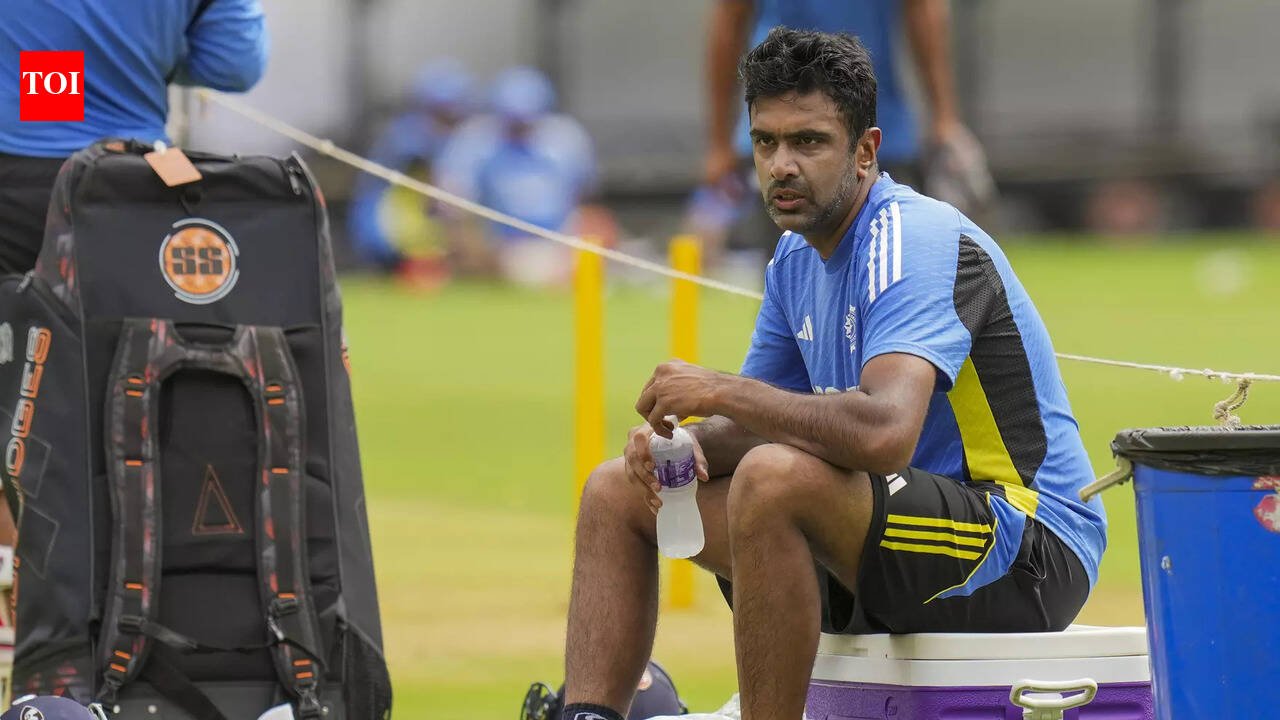
India’s spin great Ravichandran Ashwin has raised concerns over the growing influence of “fan armies” on social media, suggesting that some of these narratives may not be entirely organic. The veteran off-spinner described the trend as a “disease”, linking it to the rise of an intense, superstar-driven culture in Indian cricket.Ashwin’s remarks echo similar concerns voiced by Sunil Gavaskar and current India head coach Gautam Gambhir, both of whom have previously questioned the increasing focus on individuals over the team.

Watch

IPL 2026 should be audition for the next India T20I captain

While acknowledging that modern cricketers are building personal brands and managing their public image, Ashwin made it clear that such efforts cross a line when they come at the expense of fellow players.“There’s something of a disease going around right now. Many of the opinions that surface on social media through fan armies – I’ve heard them before, first-hand. Sometimes, I’ve heard these exact views at a breakfast or lunch table, only to see them later appear online under a different name. That’s when you start to wonder: how is this happening?” Ashwin said at the Revsportz Conclave in Kolkata.“I’m not saying players themselves are planting these opinions, but it is concerning. Is there some kind of orchestration? I can’t say for certain, but there does seem to be a structured ecosystem at play. Today, every player is an entrepreneur, and amplifying opinions externally can enhance brand value or improve PR. I understand that. But speaking negatively about another cricketer is something I would never do,” he added.According to Ashwin, the dominance of such narratives has begun to shift attention away from the game itself, with discussions increasingly revolving around individuals rather than cricketing substance.Drawing from personal experience, he pointed to the reaction he received after analysing the dismissals of India’s Test and ODI captain Shubman Gill. What began as a technical breakdown soon turned into criticism from sections of fans who accused him of targeting a specific player.“Where did this all begin? We started creating narratives around players. We built a superhero culture, almost cinematic in nature. Who even talks about cricket anymore? Hardly anyone focuses on the game itself,” Ashwin said.“Some time ago, I shared a Twitter thread explaining the technical reasons behind Shubman’s dismissals. For me, it’s always about the ‘what’ and the ‘why’, never the ‘who’. But it quickly turned into a comparison – why focus only on Shubman and not others? I wondered, do people even follow what I say? The problem is, we’ve shifted the conversation away from the essence of the game and made it about individuals,” he added.Meanwhile, the veteran off-spinner called time on his international career midway through the 2024-25 Border-Gavaskar Trophy after being omitted from the Perth Test. He announced his decision during the post-match press conference in Brisbane. With Washington Sundar preferred ahead of him, Ashwin recognised that the team was heading in a new direction. He finishes as India’s second-highest wicket-taker in Tests, behind Anil Kumble, having claimed 537 wickets in 106 matches.

Banner Insert


Source link

Splendour, spectacle, and the meaning of truth | Mumbai News


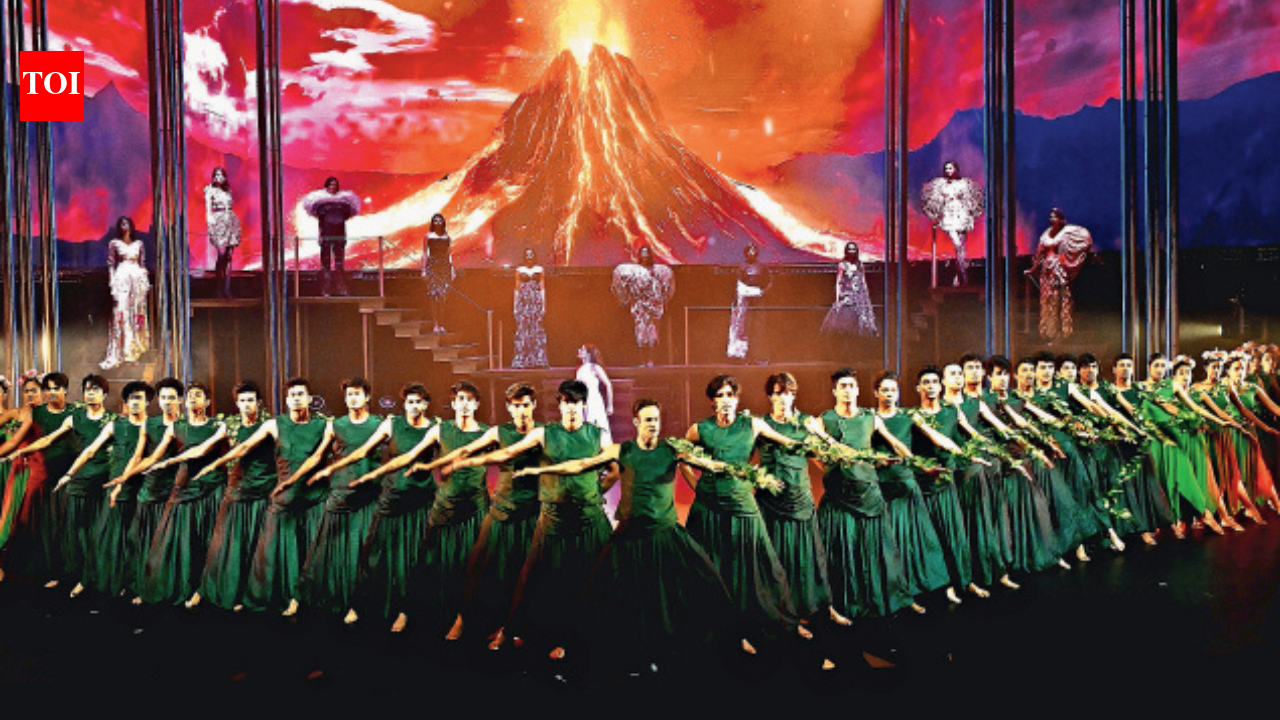
Inside the hushed, hallowed hall of Mumbai’s Jamshed Bhabha Theatre, a curious and quietly courageous thing occurred. A newspaper — that daily dispenser of declarations — invited its readers not merely to believe it, but to think with it. Not simply to consume truth, but to chase it. Tesseract: The Geometry of Truth arrived with the promise of spectacle, and spectacle it delivered — dancers dazzling, music mounting, light leaping across the stage like lightning in a philosophical storm. But what lingered long after the applause subsided was not simply the splendour. It was the suggestion beneath the shimmer: Truth is not a trophy handed down. Truth is a task taken up.

-

I went to the theatre with Joyce Arora, who for years worked in the marketing and sales team of the Indian Express — someone who understands the ecosystem of newspapers from the inside, the delicate dance between editorial ambition and the practical machinery that keeps a newsroom alive. Joyce is also the mother of two women who have become forces of nature in their own right — Malaika Arora and Amrita Arora.

.

Yet the Joyce I know is not one drawn to flashbulbs and fanfare. She, like me, prefers the anonymity of the audience — the quiet privilege of sitting unseen while ideas take the stage. The truth is we went for a friend. Our scribe friend from the Times of India, Vinay Mishra, had invited us. And insisted. And reminded. The sort of gentle persistence only journalists possess — the belief that a story matters enough to pursue. Joyce and I finally said yes because we trusted him. How lucky we are that we did. Because what Vinay brought us to witness was not merely a performance. It was a provocation. The evening opened with grace. Meera Jain stepped onto the stage to welcome the audience, her voice calm, composed, quietly compelling. Behind her stood Samir Jain, not rushing to speak but choosing instead to defer to the voice that carried the room. In a world where power so often clamours for centre stage, the moment felt quietly radical.Meera spoke of travel and theatre, of Broadway evenings and family journeys, of curiosity kindled across continents. It became clear that the inspiration for this ambitious production was born from experiences shared by the Jain family — the simple joy of watching stories unfold on stages across the world and the desire to bring that wonder home. And here is where the conversation becomes interesting. We live in an age addicted to accusation. Labels leap from lips faster than understanding. Someone is dismissed as elitist, someone else derided as entitled, another declared woke, another condemned as fascist. We fling these words like stones and call it discourse. But sitting in that theatre, listening to Meera Jain speak, something else came into focus. Yes, travel is privilege. Yes, exposure to global theatre is advantage. But what matters — what always matters — is what one chooses to do with privilege.The Jain family could have kept those experiences to themselves. They could have continued travelling, watching theatre abroad, enjoying it privately, quietly, comfortably. Instead, they chose to build something here. They chose to bring that inspiration back to Mumbai and share it with thousands of strangers. That decision transforms privilege into something rarer. It becomes a gift. And what a gift it was.

(Photo: Uma Kadam)

When the lights dimmed and the stage awakened, the theatre seemed to inhale collectively. Nearly a hundred dancers surged into motion — bodies blazing with purpose, patterns pulsing with precision. Screens shimmered like celestial windows, colours cascaded like cosmic confetti, and music rose with a rhythm that felt both ancient and urgent. At one electrifying moment, the chorus lifted a line into the hall: “Seek the light beyond the noise.” The lyric landed like a lighthouse beam cutting through fog. In an era overwhelmed by information — opinions, algorithms, accusations — clarity feels like a rare and radical act. Then the tempo softened. A quieter refrain floated through the theatre: “Listen to the silence between the seconds.” And suddenly the room stilled. The choreography throughout the performance was astonishing — dancers darting, dissolving, and reassembling like living constellations. At times they resembled philosophers circling each other in debate. At others, they became journalists wrestling with the restless roar of modern information. Technology amplified the vision — vast LED environments unfolding like digital galaxies, immersive soundscapes swelling and subsiding like philosophical tides. Yet the beating heart of the production remained unmistakably human.Breath. Bone. Body.Experience “Tesseract: The Geometry of Truth”, running from 16 to 22 March 2026 at NCPA Mumbai. Book here


Source link

‘At least 60% seats should be given without charge; flyers of same PNR should be seated together:’ DGCA to airlines


‘At least 60% seats should be given without charge; flyers of same PNR should be seated together:’ DGCA to airlines

NEW DELHI: Airlines will now have to offer at least 60% seats “on any flight” without any selection charge and passengers travelling on the same PNR — who are usually family members or the travelling in a group — will need to be seated together, “preferably on adjacent seats,” The Directorate General of Civil Aviation (DGCA) Wednesday issued these passenger-friendly directives, in a bid to address one of the biggest grouses of air travellers.Now, airlines have been asked to make available “minimum 60% of seats on any flight to be allocated free of charge to ensure fair access” and that “passengers travelling on the same PNR to be seated together, preferably on adjacent seats.How this is implemented remains to be seen as pre-booked seats can affect availability of passengers travelling on same PNR being seated together. The issue of people travelling in groups being seated separately if they do not pay extra for seat selection has been irking travellers across the world and not just in India. The US, for instance, has been grappling with this issue for years.Then US President Joe Biden had on February 5, 2023, said on X (former Twitter): “Some airlines charge extra to pick your seat, including for parents who want to sit next to their child on a plane. Congress should pass the Junk Fee Protection Act so we can crack down on these fees and give hard-working Americans just a little bit more breathing room.” In April 2024, the DGCA had mandated that airlines will have to ensure that young children are seated with at least one of their parents or guardians on flights without being required to pay extra for seat selection charge if travelling on the same PNR (booking reference). Following numerous complaints from passengers travelling in groups about being seated separately — especially from their children — if they choose not to pay extra for seat selection, the DGCA had two years back issued this directive to airlines: “Airlines shall ensure that children upto the age of 12 years are allocated seats with at least one of their parents/guardians, who are travelling on the same PNR and a record of the same shall be maintained.Going a step ahead for protecting consumer rights, the regulator has now directed that “carriage of sports equipment and musical instruments (should) be facilitated in a transparent and passenger-friendly manner, subject to applicable safety and operational regulations. Airlines shall also bring out clear, transparent policies for carriage of pets.” The DGCA has called for “strict adherence to passenger rights framework, particularly in cases of delays, cancellations and denied boarding; prominent display of passenger rights across airline websites, mobile applications, booking platforms, and airport counters; and clear communication of passenger entitlements in regional languages to ensure wider accessibility and awareness.”In a statement issued Wednesday, the aviation ministry said it “remains committed to enhancing passenger experience, ensuring transparency, reducing grievances and upholding the highest standards of safety across the aviation ecosystem.”


Source link

OpenAI CEO Sam Altman sends a ‘thanks note’ to software engineers with the message that ‘we plan to take your job’


OpenAI CEO Sam Altman sends a 'thanks note' to software engineers with the message that 'we plan to take your job'

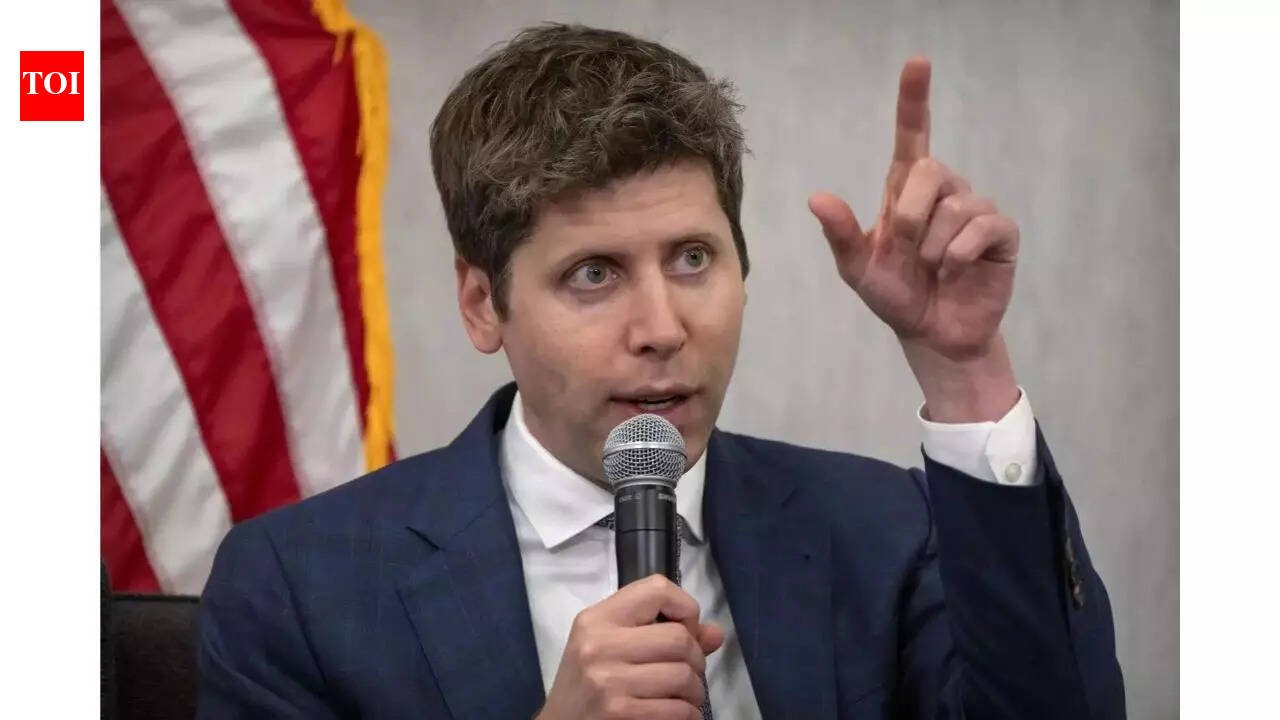
OpenAI CEO Sam Altman has shared a message on social media thanking software engineers who built complex systems before the rise of artificial intelligence (AI), while also highlighting how AI is changing the way coding is done. “I have so much gratitude to people who wrote extremely complex software character-by-character. It already feels difficult to remember how much effort it really took,” Sam Altman wrote in an X post, further adding “Thank you for getting us to this point”. The post has sparked discussion about the future of software engineers. While Altman did not directly say that AI will replace engineers, his comments underline a broader shift where automation is expected to take over parts of coding work. Many users called out the irony in Altman’s post, stating how he was thanking software engineers for their work while building AI tools that could ‘take away’ their jobs.

What users commented on Sam Altman’s post

Commenting on Sam Altman’s post, one user wrote: “Nothing says “you’re being replaced” quite like a heartfelt thank you from the guy doing the replacing.”“You’re welcome. Nice to know that our reward is our jobs being taken away,” commented a second user“As a geeky engineer, coding through trial and error was both my job and my hobby—and something I actually enjoyed. Thank you for destroying my joy. Thank you for spreading the idea that coding is hell and evil,” wrote a third.“Dear devs, You will lose your jobs forever and be forced to work in the coal mines. But you can rest easy knowing sam Altman is grateful,” said a fourth.

Workforce changes linked to AI

Last month, Block Inc. said it plans to cut nearly half of its workforce as more work becomes automated. Earlier this week, software company Atlassian announced job cuts affecting about 10% of its employees while increasing investments in AI. Industry analysts say AI tools are beginning to affect many white-collar jobs, including roles in software development and marketing, allowing companies to increase productivity while hiring fewer workers.Leaders at other companies have also discussed using AI to change workforce structures. Alex Karp previously said he wants to increase revenue significantly while reducing headcount, while Andy Jassy said the company expects its corporate workforce to shrink as AI tools become more widely used.


Source link

Zerodha founder Nithin Kamath says: I don’t use internet banking apps on my phone because …


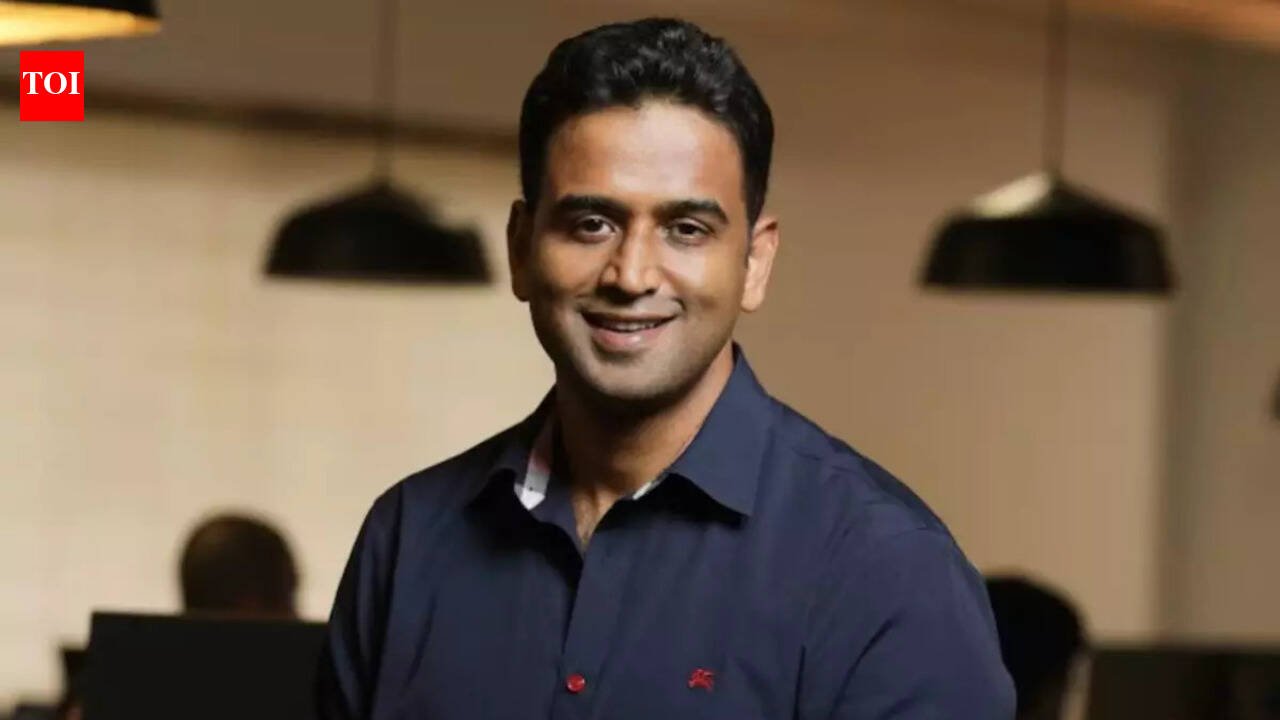
Zerodha co-founder and CEO Nithin Kamath has revealed that he does not use internet banking apps on his smartphone. The reason is a criticism on how Indian banks approach mobile security. In a post on X (formerly Twitter), Kamath said the mandatory permissions demanded by most banking apps simply do not make sense to him.“I don’t use net banking apps on my phone because the mandatory permissions they ask for make no sense,” he questioned, highlighting that requiring such “invasive device” access is actually contrary to global cybersecurity best practices.Kamath also pointed to a cybersecurity standard known as the Principle of Least Privilege (PoLP) – the idea that any app or system should only access what is strictly necessary to perform its function. “Why does a banking app need access to my SMS, phone, contacts, etc., in the name of security, when not seeking invasive device permissions is, in fact, the global benchmark for cybersecurity. This is called the Principle of Least Privilege (PoLP),” Kamath added.

Nithin Kamath says Zerodha ‘does the opposite’

The Zerodha chief also drew a quick contrast with how his own company has built its trading platform that does not ask for unnecessary permissions. He noted that Kite, Zerodha’s flagship mobile app, requests zero permissions from users which is a deliberate design choice.“Don’t do unto others what you don’t want done unto you,” Kamath said while describing it as a founding philosophy at Zerodha.“This is exactly why we’ve built Zerodha the way we have. Kite asks for ZERO permissions on mobile, for instance, and this is one of the big reasons why millions of people trust us. What has enabled us is SEBI’s mandatory strong two-factor authentication framework strike the right balance between security and privacy,” he added, noting that SEBI’s mandatory two-factor authentication framework if on-point for making it possible to build a secure platform without resorting to invasive data collection.


Source link

IPL 2026: Dwayne Bravo, Matthew Hayden and others to participate in CSK reunion at Chepauk


In what promises to be a nostalgic and electrifying curtain-raiser to the new IPL season, the Chennai Super Kings (CSK) are gearing up for a grand reunion event titled Roar ’26 at the iconic MA Chidambaram Stadium in Chennai on March 22. Known for their deep connection with fans and a legacy built on consistency, CSK are taking things up a notch this year by bringing together legends and current stars under one roof.

‘OG Super Kings’ to reunite for grand fan engagement

The event is scheduled from 4 pm to 9 pm IST and is being billed as much more than just a fan meet. It’s a celebration of CSK’s journey, a tribute to its loyal Yellow Army, and a rare opportunity to see different generations of players share the same stage again. From iconic match-winners to present-day heroes, the evening will blend cricket, entertainment and pure emotion.

One of the biggest highlights of the event will be a unique exhibition contest featuring the “OG Super Kings” squad against the current CSK lineup. Fans can expect high-energy moments as legends like Matthew Hayden, Dwayne Bravo, Suresh Raina, Muttiah Muralitharan, Murali Vijay and Subramaniam Badrinath return to Chepauk, a ground where they created countless unforgettable memories.

Interestingly, what adds an extra layer of intrigue is the fact that several of these legends are currently associated with rival franchises. Bravo is mentoring Kolkata Knight Riders (KKR), Hayden has taken up a role with Gujarat Titans (GT), while Muttiah Muralitharan is part of the Sunrisers Hyderabad (SRH) setup. Despite these professional commitments, CSK have reportedly coordinated with franchises to ensure their participation, underlining the emotional pull of the franchise.

While early buzz hinted at a major announcement during the event, CSK CEO Kasi Viswanathan has played down such speculation. “It is just a pre-launch for the season and an exercise in fan engagement. There is nothing more to read into it,” he clarified, while also revealing that nearly 19-20 former players are expected to be part of the celebration.

However, not every familiar face will be present. Veteran off-spinner R Ashwin, who started his IPL career with CSK, is likely to miss the event due to prior commitments.

Also READ: Sanjay Bangar picks the ideal batting order of CSK for IPL 2026

Star power, music and fan experience to define Roar ’26

Beyond cricket, Roar ’26 is shaping up to be a full-blown entertainment spectacle. Adding a cultural and musical dimension to the evening, Oscar-winning composer AR Rahman will deliver a special live performance, ensuring the atmosphere at Chepauk reaches a whole new level.

CSK have described the event in grand terms, emphasizing its immersive nature and emotional appeal. “The evening will witness the legendary Oscar award-winning music director AR Rahman delivering a special live performance, turning Chepauk into a pulsating arena of music and lights, filling it with celebration and immersive fan experiences, creating memories that last a lifetime,” read an official CSK statement.

With such a lineup, fans can expect a seamless blend of cricket nostalgia and world-class entertainment, making it one of the most unique pre-season events in IPL history.

Tickets for the event went live on March 15 and are available through multiple official platforms, including the CSK app, the franchises official website and District. The franchise has also issued a clear warning to fans, urging them to avoid unauthorized sellers and unofficial platforms to prevent any inconvenience.

Meanwhile, preparations for the IPL season are already in full swing. By the time the event takes place, new signings like Sanju Samson and Sarfaraz Khan have joined the CSK camp in Chennai. Samson’s arrival, in particular, has sparked conversations about the team’s future leadership, with MS Dhoni expected to play a mentoring role as the franchise plans ahead.

CSK will kick off their IPL 2026 campaign with an away match against Rajasthan Royals in Guwahati on March 30, before returning home to face Punjab Kings on April 3. With only the initial set of fixtures announced so far due to upcoming elections, anticipation around the season continues to build.

Also READ: Mohit Sharma reveals his all-time CSK playing XI ahead of IPL 2026



Source link

Africa Cup of Nations shocker: Senegal stripped of title as Morocco crowned after final chaos | Football News


Africa Cup of Nations shocker: Senegal stripped of title as Morocco crowned after final chaos
File pic: Fans celebrate the Senegalese team’s victory in the Africa Cup of Nations. (AP Photo)

In a stunning development that has rocked the football world, Senegal have been stripped of their Africa Cup of Nations title, with the Confederation of African Football (CAF) declaring Morocco champions following a dramatic review of the chaotic final.The decision comes nearly two months after Senegal’s 1-0 extra-time victory in Rabat, with CAF ruling that the match be recorded as a 3-0 forfeit win for Morocco after upholding an appeal by the Royal Moroccan Football Federation.Go Beyond The Boundary with our YouTube channel. SUBSCRIBE NOW!CAF stated that Senegal had effectively forfeited the match after players walked off the pitch in protest during the closing stages of regulation time. The ruling was based on Articles 82 and 84 of AFCON regulations, which mandate that a team leaving the field without the referee’s permission is deemed to have lost the match 3-0.Senegal’s football authorities have reacted furiously, calling the decision “unjust, unprecedented and unacceptable,” and confirmed they will appeal to the Court of Arbitration for Sport. “The Senegalese Football Federation condemns this decision, which brings African football into disrepute,” the federation said.Morocco, meanwhile, maintained that their appeal was strictly procedural. “It was never intended to contest sporting performance, but solely to request the application of the competition regulations,” the federation said.

Africa Cup of Nations final

File Pic: Senegal supporters protest after a controversial penalty was awarded to Morocco during the final. (AP Photo)

What happened in the chaotic final in RabatThe controversy stems from extraordinary scenes at the Prince Moulay Abdellah Stadium on January 18. With the final still goalless deep into stoppage time, referee Jean-Jacques Ndala awarded Morocco a late penalty following a VAR review for a challenge on Brahim Diaz.The decision sparked chaos. Senegal players walked off the pitch in protest, halting the game for nearly 20 minutes, while some supporters attempted a pitch invasion. Captain Sadio Mane eventually persuaded his teammates to return.When play resumed, Morocco failed to capitalise as Edouard Mendy comfortably saved Diaz’s attempted Panenka. The match went to extra time, where Pape Gueye scored what appeared to be the winning goal.However, CAF’s retrospective ruling has now wiped that result from the record books.Fallout, sanctions and global reactionThe aftermath has been explosive. Several Senegal players reacted angrily on social media, with defender Moussa Niakhate posting a photo with the trophy captioned “they’re mad.”FIFA president Gianni Infantino had earlier condemned the “unacceptable scenes,” stating that leaving the field and any form of violence “cannot be tolerated.”CAF had already imposed heavy fines on both federations for misconduct, while legal proceedings involving Senegalese supporters accused of hooliganism are ongoing.With Senegal now heading to sport’s highest legal body, the controversy is far from over, as one of African football’s most dramatic finals continues to spark debate across the globe.

Banner Insert


Source link