Breaking News
Lara Dutta and daughter return to Mumbai after being stranded in Dubai: ‘Posted the video because it could have been my last’ | Hindi Movie News


Lara Dutta is one of the Indian celebrities who was stuck in Dubai amid the conflict in the Middle East. The actress shared a video expressing her anxiety about being caught in the middle of tensions in West Asia. And now, she and her 14-year-old daughter have returned to Mumbai safely.

Lara Dutta talks about her ‘scary’ return journey to India from Dubai

In an interview with the Hindustan Times, Lara Dutta shared that she generally avoids posting such videos to prevent panic among her followers. The actress also opened up about her return journey. She said, “We lived just about 10 kms away from the Jebel Ali Port, which was being bombed every day. So we decided to take a chance, as I wanted to be with my husband and my family. We drove two hours to Fujairah, and just a day earlier, Fujairah port and the oil refinery had been bombed. It was scary; I am not going to lie about it.”

Lara Dutta Shares Terrifying Night In Dubai As Missiles Flash Overhead

Lara went on to add, “I was joking with my co-star Akshay Kumar that I felt like I was part of ‘Airlift 2’.”The actress shared that they could hear the explosions at the airport and hoped nothing would get hit. She added, “Hats off to the airlines as well. I am very sure my daughter is going to have some amount of trauma after this experience.”

Poll

Was it a wise decision for Lara Dutta to post her anxiety on social media?

Lara Dutta reveals why she posted a video on social media from Dubai

In the same conversation, Lara Dutta shared that there was a “personal reason” behind posting the video about being stuck in Dubai on social media. She said, “Maybe it sounds stupid to other people, but I was going to undertake, for me, what was going to be quite a dangerous journey back with my daughter alone.”The actress added that she had no idea what was going on on the other side, as these were really uncertain times. She expressed that no one had ever experienced something like that in the UAE. She added, “The reason that I wanted to put that video out was just a 1 percent thought in my head that it could possibly be the last thing that ever goes out.”

More about Lara Dutta

For those unaware, Lara Dutta has been living in Dubai since three years. She revealed that she moved to the Gulf country so her daughter could train with a renowned tennis coach based there. Meanwhile, her husband, Mahesh Bhupati, was in London for his work commitments.The actress is set to star in Ahmed Khan’s ‘Welcome to the Jungle,’ which Akshay Kumar leads. Meanwhile, Lara Dutta was not the only one who rushed to India due to the conflict in the Middle East. Celebs like Sonal Chauhan, Esha Gupta, Nargis Fakhri, Vishnu Manchu, and Ajith Kumar were also stranded in Dubai.


Source link

India’s Nobel Prize paradox: A long gap for laureates and why Mahatma Gandhi remains the most famous non-winner | India News


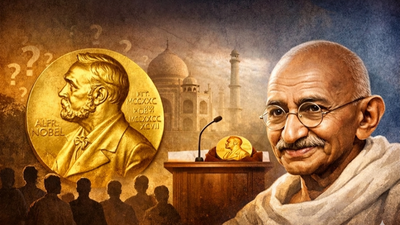
India’s Nobel Prize paradox: A long gap for laureates and why Mahatma Gandhi remains the most famous non-winner

Almost 130 years after Alfred Nobel’s death, the prize named after him continues to be among the world’s most coveted honours, recognising extraordinary achievements in fields such as physics, chemistry, medicine, literature, peace, and economic sciences.A widely recounted, though sometimes disputed, story about the Swedish businessman, chemist, and inventor of dynamite suggests that the idea of the Nobel Prize may have been born out of an unusual moment of introspection. In 1888, a French newspaper mistakenly published Alfred Nobel’s obituary, confusing him with his deceased brother, and reportedly described him as the “merchant of death” who had made a fortune “by finding ways to kill more people faster than ever before.” Disturbed by the prospect of leaving behind such a legacy, Nobel is believed to have reconsidered how he wished to be remembered.When Alfred Nobel died in 1896 in San Remo, Italy, his will directed that the bulk of his fortune be used to establish prizes for those who had “conferred the greatest benefit to humankind.” Since 1901, the Nobel Prizes have been awarded annually by institutions such as the Royal Swedish Academy of Sciences, the Karolinska Institute, the Swedish Academy, and the Norwegian Nobel Committee.Yet, despite its long and celebrated association with intellectual excellence, India has seen relatively few Nobel laureates in recent decades. While individuals of Indian origin continue to appear on the global stage, the country itself has experienced long gaps between Nobel recognitions.

India’s history at Nobel stage

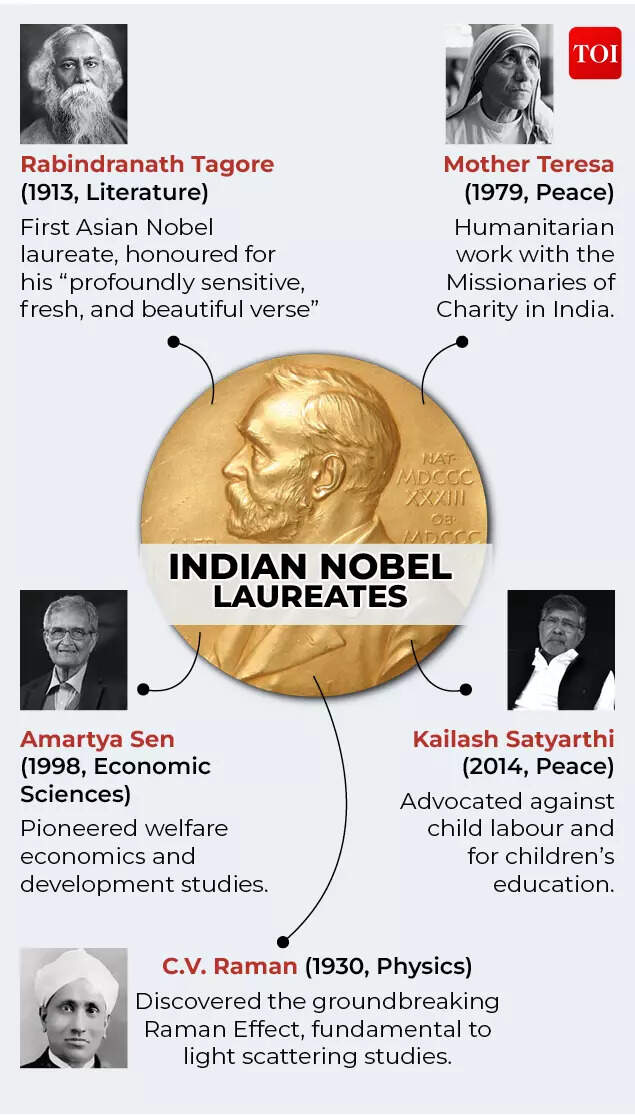
India’s first Nobel Prize was awarded in 1913 to Rabindranath Tagore for Literature. Rabindranath Tagore became the first Asian Nobel laureate, honoured for his “profoundly sensitive, fresh, and beautiful verse.” In science, C.V. Raman won the Physics Nobel Prize in 1930 for discovering the Raman Effect, a groundbreaking insight into light scattering.

Indian Nobel laureates

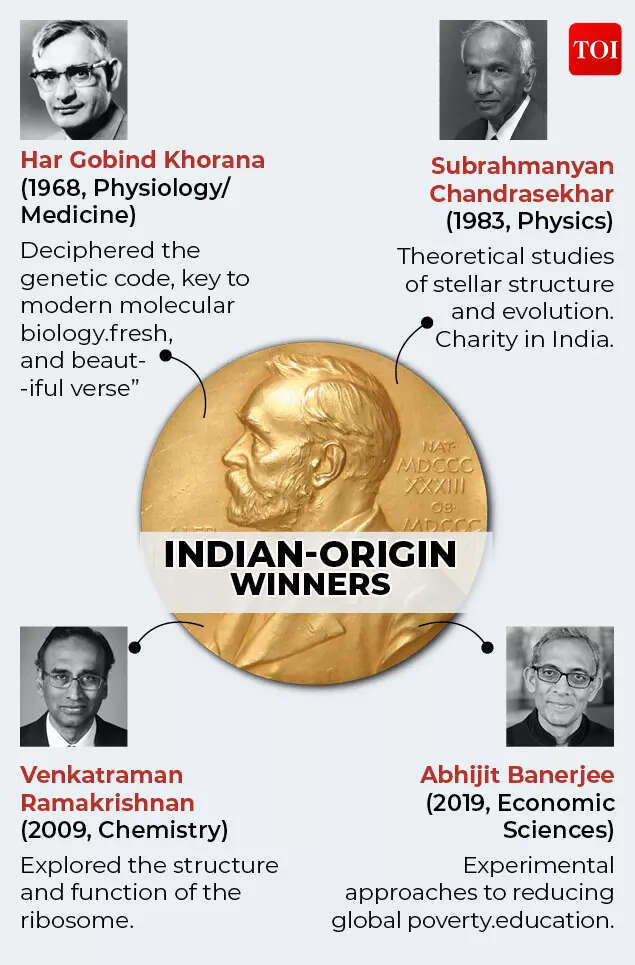
Hargobind Khorana (Physiology/Medicine, 1968), Venkatraman Ramakrishnan (Chemistry, 2009), and Kailash Satyarthi (Peace, 2014) are among other laureates who have brought global recognition to India. In addition, several Indian-origin scholars like Amartya Sen (Economics, 1998) and V.S. Naipaul (Literature, 2001) have been honoured for their contributions while affiliated abroad. Together, these achievements highlight India’s rich intellectual tradition.However, the intervals between such recognitions have often been long, prompting debate about the country’s research ecosystem, institutional support for fellowship, and the pathways through which groundbreaking work gains global visibility.
Nobel prize-Gfx2 (1) (1)

.

India’s last Nobel Prize in a science category was C.V. Raman in Physics, 1930. From 1930 to 2026, that makes it 96 years without a Nobel in Physics, Chemistry, or Physiology/Medicine.

Why Mahatma Gandhi remained the missing laureate – A case study

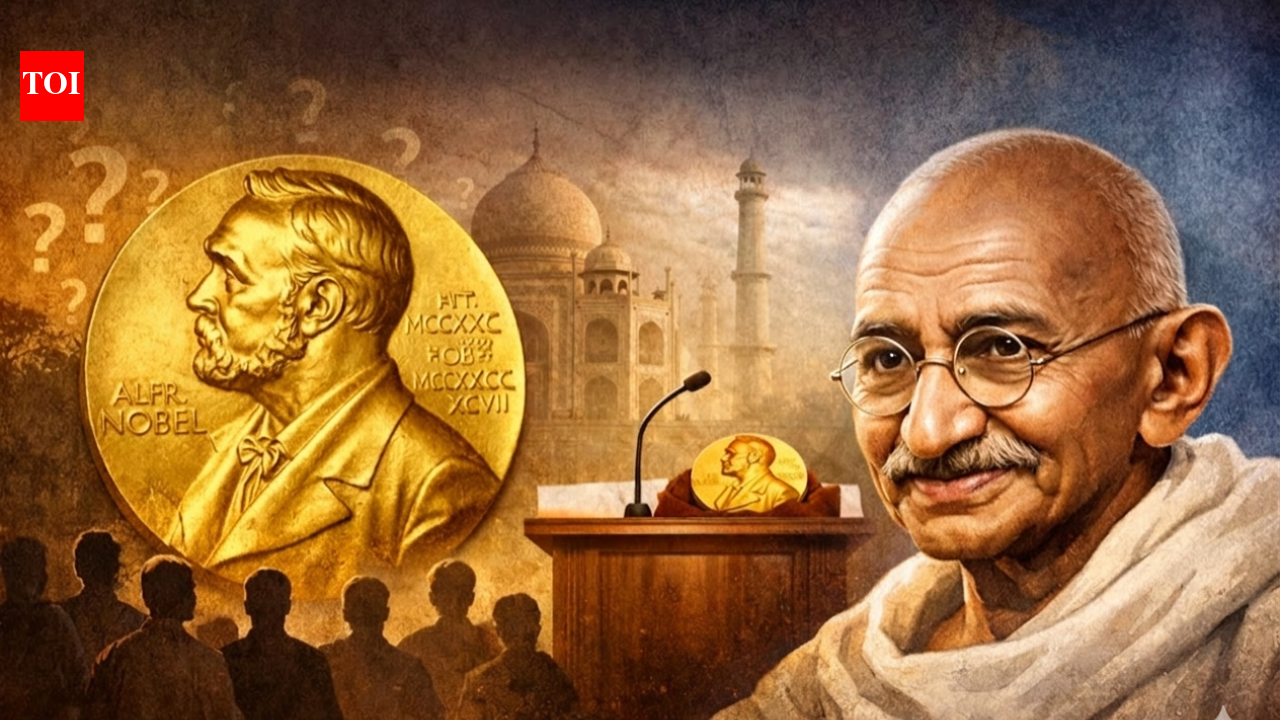
However, the prize seems to hold complex layers beyond recognizing achievement alone, as the story of Mahatma Gandhi illustrates. Widely revered as the most powerful symbol of non-violence in the 20th century, Gandhi pioneered satyagraha, a philosophy of peaceful resistance, first in South Africa and later during India’s struggle for independence.Mahatma Gandhi, affectionately known as Bapu, was nominated for the Nobel Peace Prize five times- in 1937, 1938, 1939, 1947, and shortly before his death in January 1948. Yet he was never selected for the recognition. Historians and Nobel scholars point to several reasons. Committee members admired him personally, but they were cautious about awarding the prize amid complex political conflicts, particularly the communal violence surrounding India’s partition. Some advisers questioned whether Gandhi’s efforts were primarily nationalist rather than universally applicable, while others interpreted statements he made in 1947 as less than strictly pacifist. Up to 1960, the Nobel Peace Prize was awarded almost exclusively to Europeans and Americans, and Mahatma Gandhi did not fit the traditional profile of laureates of that era.After his assassination, the Nobel Committee seriously considered a posthumous award, which was allowed under the rules at the time, but ultimately decided against it, citing that there was “no suitable living candidate.” Øyvind Tønnesson, Peace Editor from 1998–2000, wrote in his piece “Mahatma Gandhi: The Missing Laureate” that nobody had ever been awarded the Nobel Peace Prize posthumously. However, according to the statutes of the Nobel Foundation in force at that time, the prizes could, under certain circumstances, be awarded posthumously. This means it would have been possible to give Gandhi the prize.Mahatma Gandhi left no organization, property, or will, which complicated the practicalities of awarding the prize. Later, members of the committee publicly regretted his omission, and his legacy has often been invoked as a moral benchmark. When the Dalai Lama was awarded the Peace Prize in 1989, the committee chairman described it as “in part a tribute to the memory of Mahatma Gandhi.” Nelson Mandela also referred to Gandhi’s ideals as a guiding force in his own struggle against apartheid.

Why has India not produced frequent Nobel winners?

It is important to note that the absence of frequent Nobel wins does not necessarily translate into a lack of scientific or literary excellence or merit. However, it does raise a deeper and important question: why do some countries consistently produce Nobel laureates while others, despite immense intellectual potential, experience prolonged gaps?

How Someone Actually Wins a Nobel Prize | The Secret Selection Process Explained

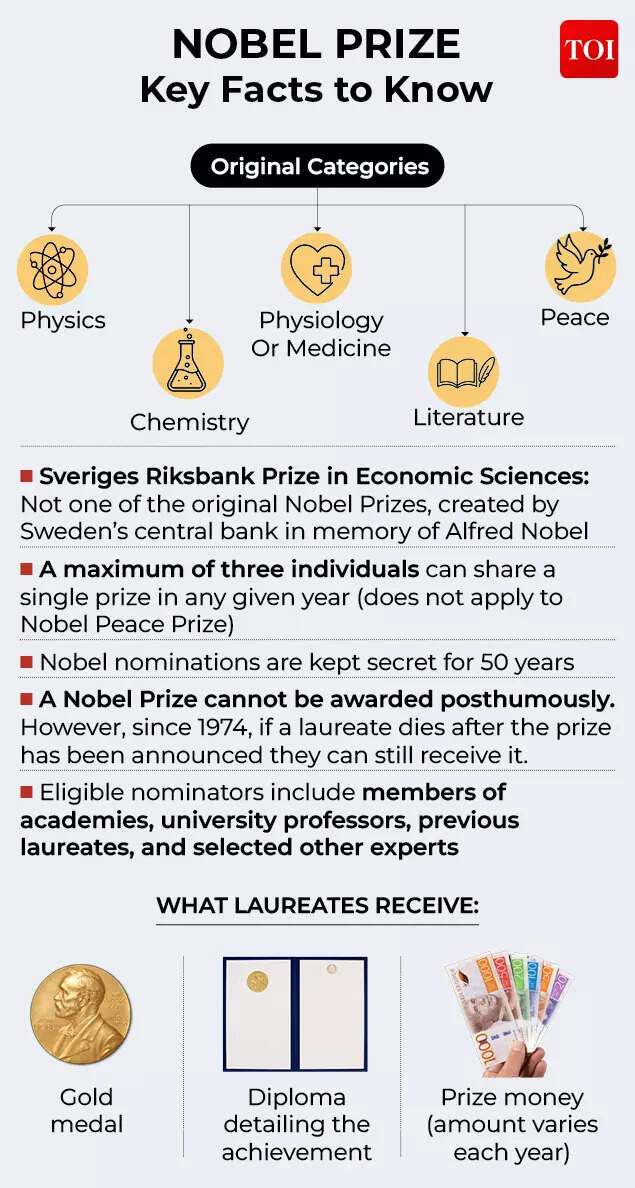
To understand this pattern, it is worth examining the structural, institutional, and cultural factors that may shape the journey from promising research to Nobel-winning discovery and external factors that might be at play. Nobel nominations are kept secret for years – The Norwegian Nobel Committee keeps all nominations confidential for 50 years, including details about who nominated them, how many people, and the names of all who were shortlisted. This means we often don’t know who was proposed or considered, making it impossible to judge how close India’s scholars or leaders came to winning in many cases. Mahatma Gandhi, for instance, was nominated multiple times before his death, but the public only came to know the details decades later from archival research.The Rule of Three – A Nobel Prize can be shared by up to three individuals, which excludes research teams, laboratories, or entire collaborative groups. Many groundbreaking discoveries can be the result of large team efforts, making it difficult to single out a few individuals as having made the highest contribution. As a result, many achievements by large research groups or think tanks may remain underrepresented. This is one reason why some major contributions from India or Indian-origin scientists may not have led to a Nobel Prize despite their significance. However, this rule does not apply to the Nobel Peace prize.
Nobel prize-Gfx3 (1)

Brain drain – According to a 2024 study by A. Shaji George and Dr. T. Baskar on brain drain in India, many skilled professionals are leaving the country due to limited opportunities and better prospects abroad. India has seen a steady exodus of talented researchers and scientists, many leaving in search of better funding, modern labs, and opportunities to collaborate internationally. With R&D investment at only ~0.64% of GDP and a limited number of academic positions, talented individuals often face difficult choices between pursuing their research dreams or seeking stability abroad. Overseas institutions appear to provide greater resources, better fellowships, access to global networks, and recognition, which can be felt to some as hard to achieve at home. Strengthening domestic research support and infrastructure could help retain this talent, allowing India’s brightest minds to thrive while boosting the country’s global scientific impact.The social safety with conventional career options – Choosing research as a career in India often comes with institutional and social concerns. PhD scholars have reported facing limited job opportunities, uncertain career paths, and modest funding or fellowships. In addition, parental or societal pressure for more stable employment can weigh heavily. Researchers also experience pressure to publish for placement rather than long-term innovation, which can compromise the pursuit of groundbreaking work. These challenges create a perception of instability, influencing career choices and sometimes prompting talented individuals to pursue more conventional or secure paths in other fields.Historical trend: Euro-American dominanceUp to 1960, most Nobel Prizes were awarded to Europeans and Americans. Early breakthroughs in physics, chemistry, medicine, and literature were concentrated in Western institutions, while research from countries like India had limited access to international networks and global visibility. The Nobel Peace Prize during this period was almost exclusively awarded to Western laureates, frequently raising questions about whether the horizon of the Norwegian Nobel Committee was too narrow to recognize contributions from non-Western and post-colonial nations.Excessive focus on publicationsDespite being globally ranked 3rd in research publications, it is paradoxical that India has seen a long gap in Nobel recognitions. PhD scholars in India often report that the work culture prioritizes publications, particularly in high-impact journals, over long-term innovation. As Bhargav Jyoti Bora and Anshid, two PhD scholars in chemistry, told TOI:“Here, the work is mainly focused on the publication. People are looking for better impact factor journals so that they can get jobs. Otherwise, there is no option for placement.”This pressure to publish for career survival can limit the pursuit of novel or risky ideas, which are often the foundation of globally recognized research. He contrasts this with the approach of many Nobel laureates:“If you look at people who have got the Nobel Prize, their entire career is based on one topic, or several aspects of one topic. All their students work on similar topics, which helps them create novel or Nobel-worthy ideas” they added.This focus on immediate career needs often limits deep, long-term exploration of a single research area.Limited funding and R&D expenditureLimited funding and infrastructure remain major bottlenecks. Tushar Goyal, a JRF researcher at Jawaharlal Nehru University, said while speaking to TOI that these challenges continue to hinder high-quality research.“Without financial support, many scholars become dependent on part-time jobs and gigs to meet their basic needs. It hampers their academic focus and research quality. India’s R&D expenditure is approximately 0.64% of GDP, significantly lower than in many research-intensive economies.The Non-NET fellowship, which provides Rs 8,000 per month for PhD students in central universities, was last revised in 2012. Despite significant increases in the cost of living, the fellowship amount has remained unchanged for the last 14 years,” he added.Another factor contributing to India’s relatively low R&D spending is the limited participation of the private sector. According to a written reply to a parliamentary question in the Rajya Sabha in 2025 by Jitendra Singh, minister of state (independent charge) for science and technology, the private sector accounts for only about 36% of India’s Gross Expenditure on Research and Development (GERD), whereas in several advanced economies, private industry contributes over 70% of total R&D spending.Anshid, a PhD scholar in chemistry, adds that “It is very difficult for faculties, especially new ones, to get funding. The research infrastructure is minimal in universities or institutes. Students have to struggle to get access to instruments or labs, wasting valuable research time.”Other students often face similar frustrations, making it harder to complete ambitious projects or pursue high-impact research.Collaboration often driven by resourcesAnother issue that emerged from conversations with researchers is the nature of research collaborations. They further highlighted how research-based collaborations, which should ideally foster shared knowledge and innovation, are often pursued for material support instead. Bhargav Bora observes:“Most collaborations are not for knowledge or field similarity, or even for gaining insights. The main purpose is access to instruments and funding. Ideally, collaboration should help in better understanding the field, then it will be beneficial for a better idea.”This practical approach can limit intellectual exchange, which is often essential for groundbreaking discoveries.Career uncertainty and societal pressureResearch in India can often feel like a precarious career choice. Limited job opportunities and uncertain career paths make it difficult for young researchers to plan long-term.PhD scholars also opened up on the societal and parental expectations that favour more stable professions. “There is pressure to choose a secure job,” one scholar said, adding that many researchers feel compelled to prioritise publications for placements rather than pursuing long-term innovative work.Together, these factors contribute to a sense of instability within the research ecosystem, shaping career choices and sometimes pushing talented individuals toward more conventional career paths.Cinema, often called the mirror of society, has also explored how the lives of scientists intersect with institutional and social pressures. Films like Ek Doctor Ki Maut (1990), a masterpiece of parallel cinema, directed by Tapan Sinha, portray how groundbreaking research can be met with apathy, indifference, and sheer skepticism. The film follows Dr. Dipankar Roy (played by Pankaj Kapur), who discovers a cure for leprosy but is ridiculed by the medical association and the scientific community for his claim that, as a side effect, the vaccine could treat women’s infertility. Bureaucratic hurdles further stall his work, and his passionate devotion to the discovery comes at the cost of neglecting other aspects of his life. In the film, he has set up a lab within his own home, highlighting his obsessive devotion to research and how such dedication can blur the line between professional pursuit and personal life and how bureaucratic, social, and institutional pressures can stifle scientific inquiry and groundbreaking discoveries.Outdated coursework and limited global exposure Many PhD programs in India still rely on outdated coursework, which may not fully align with current global debates or modern research methodologies. Tushar Goyal, JRF researcher at JNU and media educator, highlights another challenge, “Limited opportunities for international exposure and collaborations restrict integration into global academic networks. Without such exposure, even high-quality research can remain under-recognized internationally.Updating curricula and creating more pathways for international collaboration could help researchers gain skills, perspectives, and networks essential for achieving global visibility.The role of translation in global recognitionDitsa Mandal, a research scholar in Liberal Arts at IIT Hyderabad, observes that translation infrastructure also plays a crucial role in determining whether literary works gain global recognition. She notes, “Translation infrastructures are the most important criteria determining a work’s capability to travel—publishers willing to invest in certain kinds of works and languages, the presence of skilled translators, grants, representation in international book fairs, and academic promotion abroad all affect visibility. Literary works with limited translation funding may remain locally visible but not globally celebrated.”This insight underscores how structural support, not just literary merit, shapes the reach and recognition of works on the international stage.

Global recognition: How awards reflect research ecosystems

Awards like the Nobel Prize not only honor individual scholars but also signal the strength of a country’s research ecosystem. Tushar Goyal notes that such recognition lends credibility to both the researcher and their institution, reflecting long-term support, funding, and intellectual freedom. Factors like media coverage, translation, and international collaborations also play a critical role. Research published in widely accessible languages or circulated through global networks is more likely to be cited, discussed, and nominated for prestigious awards, highlighting the importance of international exposure and academic partnerships.

The road ahead

Who receives a Nobel Prize, and who does not, often remains a matter of speculation, as the Nobel Committee keeps nominations confidential for 50 years and many factors may shape the final decision. The decisions are complex and not always predictable. India’s journey with the Nobel Prize reflects a complex interplay of history, institutional structures, and global visibility. Yet it is not a story of failure; intellectual excellence continues to thrive through persistent inquiry, innovation, and resilience. From the literary contributions of Rabindranath Tagore to C. V. Raman’s discoveries on the scattering of light, India has produced thinkers whose work has had global impact. The country has long produced minds that have shaped global thought. Strengthening research ecosystems, maintaining robust scientific infrastructure, fostering meaningful collaboration, and valuing long-term dedication can help ensure that future Nobel-worthy discoveries reflect not only individual brilliance but also the country’s systemic strength on the global stage.


Source link

Middle East turmoil: After IndiGo and Air India, now Akasa Air to levy fuel surcharge – check details


Middle East turmoil: After IndiGo and Air India, now Akasa Air to levy fuel surcharge - check details

Akasa Air on Saturday announced that it will introduce a fuel surcharge ranging from Rs 199 to Rs 1,300 on domestic and international flight tickets booked from March 15, citing a sharp rise in aviation turbine fuel (ATF) prices amid escalating geopolitical tensions in the Middle East.In a post on X, the airline said the surcharge will apply to all bookings made from 00:01 hrs on March 15, 2026, and will not be applicable to tickets booked before that time. The airline said the additional charge will be levied per sector and will vary depending on the duration of the flight.

Akasa cites sharp rise in ATF prices

“There has been a significant increase in the price of aviation turbine fuel, driven by evolving geopolitical developments in the Middle East,” Akasa Air said in its statement.“As fuel represents a significant portion of airline operating costs, this impacts the cost of operations across the aviation industry,” it added.The airline said it remains focused on offering “warm and efficient customer service, reliable operations, and affordable fares while maintaining the highest standards of operational efficiency”, and added that it will continue to monitor the operating environment and review the fuel surcharge periodically.

Move follows Air India, IndiGo fare actions

Akasa’s decision comes after larger Indian carriers Air India Group and IndiGo also moved to pass on part of the fuel cost burden to passengers.Earlier, IndiGo said it will levy an additional fuel charge of Rs 425 to Rs 2,300 on all new domestic and international bookings made from 00:01 hrs on March 14, citing “the significant surge in fuel prices following the ongoing geopolitical issues”.IndiGo said IATA’s jet fuel monitor showed an over 85% rise in fuel prices for the region, adding that ATF represents a major share of airline operating costs.Air India Group had earlier introduced a fuel surcharge ranging from Rs 399 to $200 on flights beginning Thursday, saying that without the move, some services may not cover operating costs and could face cancellation.

Middle East conflict driving fuel cost pressure

The latest surcharge announcements come as the widening conflict in the Middle East continues to disrupt global oil supplies and push up jet fuel prices worldwide.Attacks on commercial shipping and oil infrastructure in the Gulf region, along with disruption through the Strait of Hormuz, have tightened supplies and driven a steep increase in fuel prices. Airlines are also facing added operational costs due to airspace restrictions and longer rerouted flights, which burn more fuel.Industry experts said long-haul international routes are likely to feel the greatest impact, though domestic fares may also remain under pressure if fuel prices stay elevated.With Akasa now joining Air India Group and IndiGo, Indian flyers are set to face higher ticket costs across more carriers as airlines respond to the sustained spike in fuel expenses.


Source link

TMC and BJP supporters clash in Kolkata hours before PM Modi’s rally | India News


TMC and BJP supporters clash in Kolkata hours before PM Modi’s rally

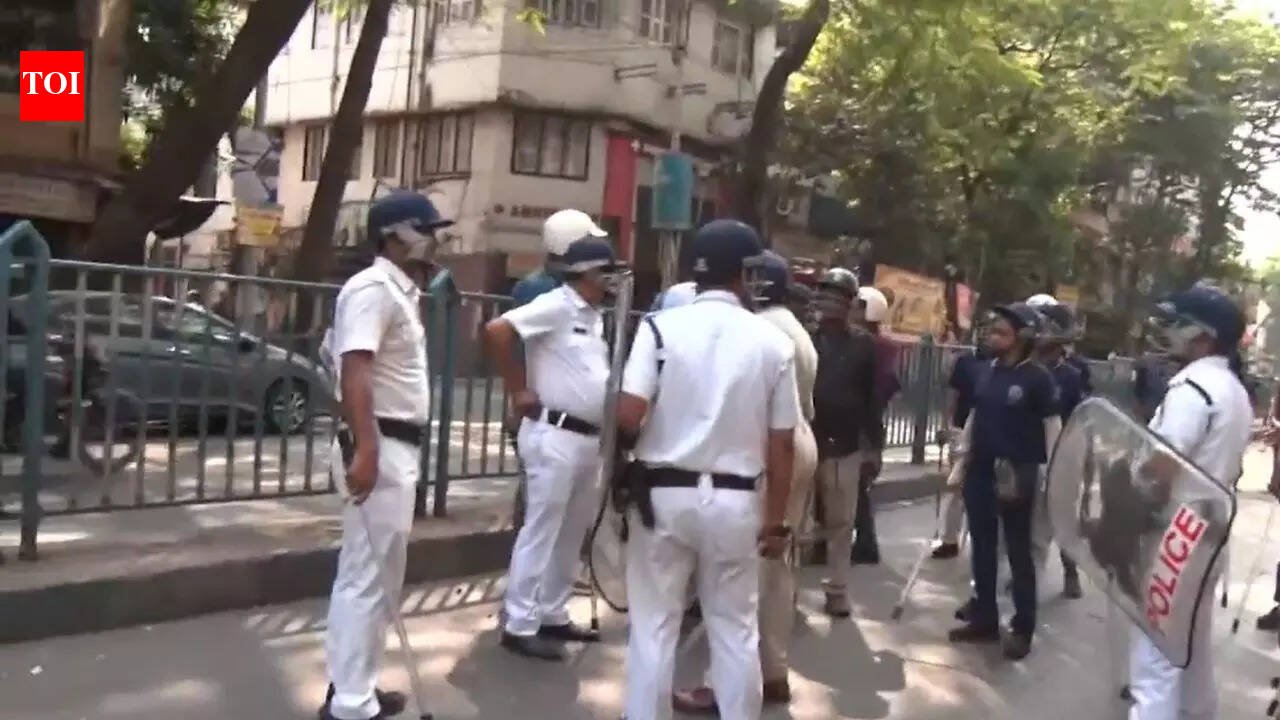
NEW DELHI: Clashes broke out between supporters of the TMC and the BJP near Girish Park in central Kolkata on Saturday, about 5 km from the Brigade Parade Ground where Prime Minister Narendra Modi is scheduled to address a rally later in the day. A police officer and a BJP leader were injured in the violence, officials said.The confrontation took place barely half an hour before Modi’s rally, which marks the culmination of the BJP’s statewide ‘Parivartan Yatra’ ahead of the West Bengal Assembly elections.

TMC Bid To Meet President Murmu Gets Snubbed By Rashtrapati Bhavan After Protocol Controversy

Amid the violence, allegations also surfaced that stones were thrown towards the residence of West Bengal minister Shashi Panja in the Girish Park area.According to eyewitnesses, supporters of both parties pelted stones at each other and raised slogans during the clash.BJP supporters alleged that the attack began while they were heading towards the rally venue and raising slogans in support of the prime minister.

Poll

Do you think political rallies contribute to public violence?

“Stones were thrown at us without any provocation. They also abused us,” a BJP activist told a Bengali news channel.The BJP claimed that several vehicles were damaged during the clash.Local TMC workers rejected the allegation and said BJP supporters had first hurled abuses and started pelting stones. They also alleged that stones were thrown at the residences of local TMC leaders during the incident.A large police contingent rushed to the spot and brought the situation under control.During his visit to West Bengal, the prime minister is also scheduled to unveil and lay the foundation stones of development projects worth more than Rs 18,000 crore.


Source link

The Hundred auction: Will Pakistan allow Abrar Ahmad to earn PKR 7 crore during bilateral commitment? | Cricket News


The Hundred auction: Will Pakistan allow Abrar Ahmad to earn PKR 7 crore during bilateral commitment?
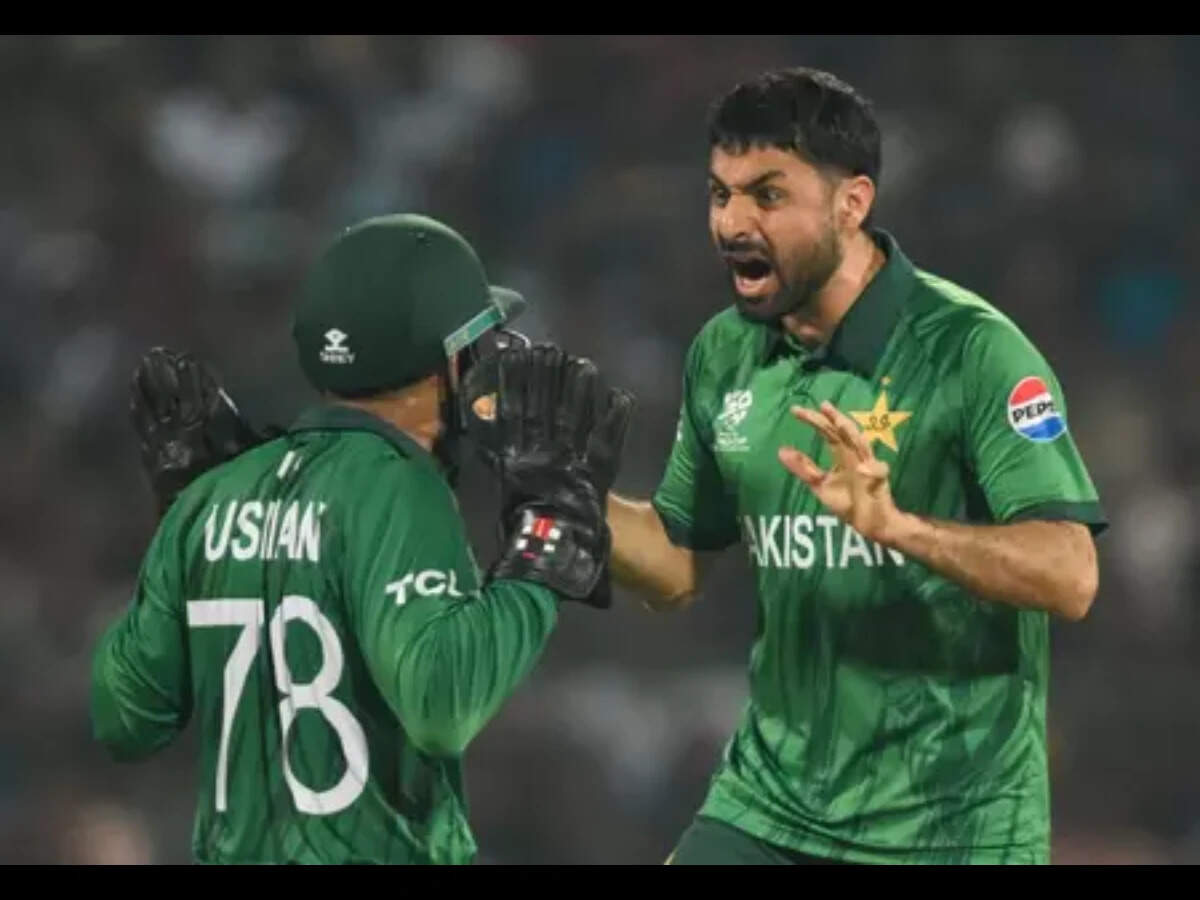
Pakistan’s Abrar Ahmed celebrates during the T20 World Cup. (AP)

NEW DELHI: In a rare instance of a Pakistani cricketer being picked by an Indian Premier League (IPL)-backed franchise, Abrar Ahmed‘s signing at The Hundred auction could leave the Pakistan Cricket Board (PCB) in a tricky spot, with the spinner’s availability potentially clashing with Pakistan’s bilateral tour commitments.Abrar was bought by Sunrisers Leeds, a franchise controlled by the owners of Sunrisers Hyderabad, for £190,000 (around PKR 7 crore) after a bidding war with Trent Rockets, making it the first Indian-owned franchise to sign a Pakistani player since 2009. No active Pakistani player had previously played for a Sunrisers-backed franchise in the IPL or the SA20.

BCCI VP Rajeev Shukla on Sunrisers Leeds controversy

However, the mystery spinner may not receive a No Objection Certificate (NOC) as the Pakistan national cricket team is scheduled to tour West Indies for a two-match Test series during the window of The Hundred.

Poll

Do you think Abrar Ahmed should prioritize playing in The Hundred over the Test series against West Indies?

Pakistan are due to play a two-match Test series against the West Indies. The tour is scheduled from July 15 to August 7 and features two Tests and a four-day warm-up match. Meanwhile, The Hundred will run for four weeks, starting on July 21 and ending on August 16.Before the auction, there was considerable scrutiny over whether the IPL linked franchises would bid for Pakistani players, despite all eight teams having earlier committed to making their selections solely on “performance, availability, and the needs of each team” ahead of the auction. The ECB and the franchises later issued a joint statement stressing that players cannot be excluded on the basis of nationality in The Hundred. However, TimesofIndia.com has learnt that the 27-year-old might not receive an NOC from the PCB.“He might not play The Hundred, given the fact that Pakistan is playing a two match Test series against West Indies,” a source tracking the development told this website.

'Shame on you SRH': Fans react after Kavya Maran's Sunrisers Leeds sign Pakistan's Abrar Ahmed for The Hundred

Sunrisers Leeds signed Pakistan’s Abrar Ahmed during The Hundred auction.

Abrar is not Pakistan’s leading spinner in Tests, with Noman Ali and Sajid Khan in the team. However, he will still need the green signal from PCB chairman Mohsin Naqvi.The amount Abrar would earn from The Hundred would easily place him among the top-eight highest earners in the Pakistan Super League (PSL).“It is a lot of money. His agent has put his name in the auction, which means he is confident of getting the NOC. He is also among the few current Pakistani cricketers who have a good relationship with the PCB chief. The chances of him playing in The Hundred are 50-50,” said a PCB source.Sunrisers Hyderabad head coach Daniel Vettori explained the reason behind the franchise’s bid for the 27-year-old.“Once we missed out on Adil Rashid, who was a priority early on, we obviously jumped into the overseas spinner category,” Vettori said after the auction. “There were four or five players we were looking at and Abrar was one of them. We are very pleased to get him.”

Abrar Ahmed might not play The Hundred, given the fact that Pakistan is playing a two match Test series against West Indies

A TOI source

Vettori also stressed that apart from Abrar, another Pakistani mystery spinner, Usman Tariq, was also on their radar.“We had planned for everyone who was in the auction. After we missed out on Adil Rashid, the priority was to get a spin bowler and we did not think that quality was available in the local market, so we had to go overseas. Rishad Hossain, Usman Tariq and Abrar Ahmed were all players on our radar.“It’s a bit of mystery. I do not think many English players have faced him and he recently played in that Australian series. The feedback from the Australian players was that he would be tricky to face, with a lot of variations and the ability to strike in the powerplay and also through the middle overs, which is a key requirement at Headingley. Spinners have been the ones who have really succeeded there. Having him there will make a big difference for us.Apart from Abrar, Usman Tariq was the other Pakistani cricketer who was acquired during The Hundred auction, bought by Birmingham Phoenix for £140,000 (about PKR 5.21 crore). Phoenix have no IPL connection. Pakistan pacer Haris Rauf, opener Saim Ayub and all rounder Shadab Khan went unsold. Seasoned left-arm seamer Shaheen Shah Afridi had earlier withdrawn from the auction. The only two Pakistan players in Wednesday’s women’s Hundred auction, Fatima Sana and Sadia Iqbal, also went unsold.

Banner Insert


Source link

‘Surviving loan by loan’: Pakistan’s wallet could take another hit from soaring oil prices


‘Surviving loan by loan’: Pakistan’s wallet could take another hit from soaring oil prices

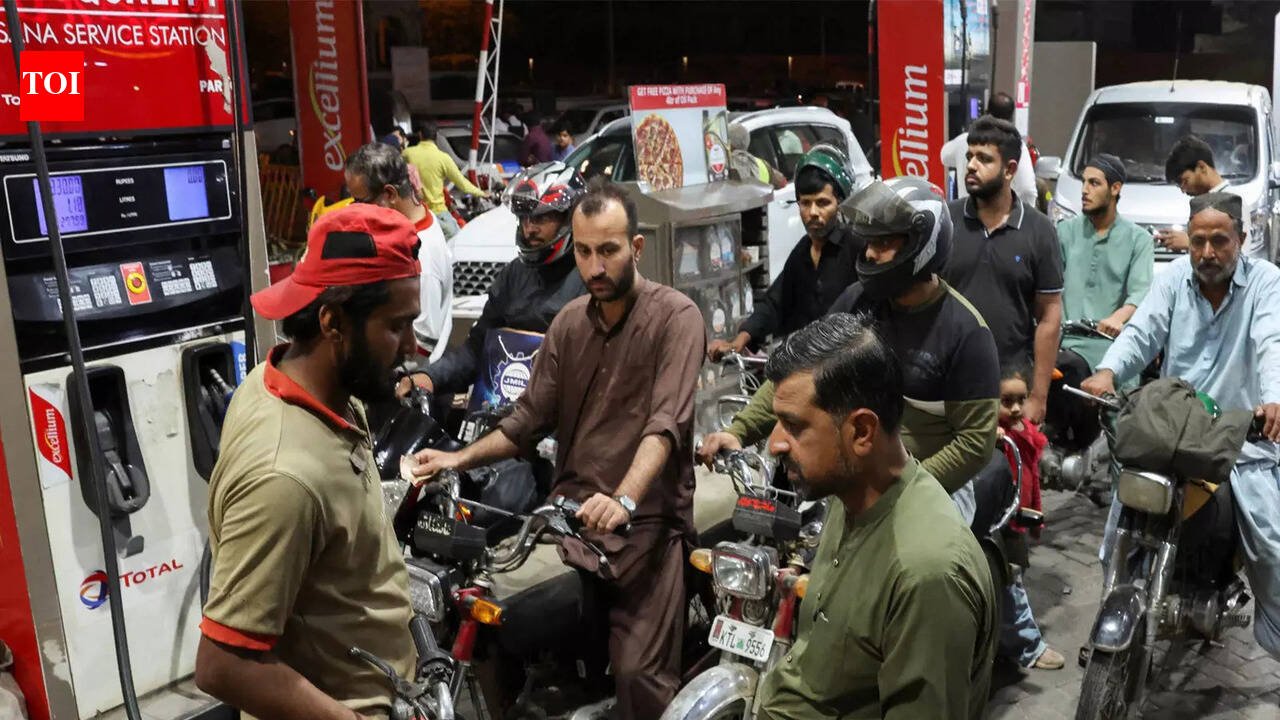
As the Middle East war continues to escalate, tensions are mounting for the South Asian nation of Pakistan. The country is facing an economic crisis as Iran has disrupted fuel shipments through the Strait of Hormuz, its main oil supply route. Pakistan relies on Saudi Arabia and the United Arab Emirates for over 85% of its crude oil, most of which passes through this single maritime corridor. Recent attacks on at least 16 ships, including tankers, have slowed traffic, leaving vessels stranded in Karachi, the nation’s key commercial port.The supply disruption has pushed fuel prices higher around the world. Pakistan’s finance minister Muhammad Aurangzeb had earlier predicted that the country could see its monthly oil import bill soar to a whopping $600 million as prices continue to jump.

Fuel Diplomacy: South Asian Neighbours Turn To India For Energy As War Disrupts Gulf Energy Routes

Rising oilcosts are affecting farmers preparing for the spring harvest. “The use of tractors and other agricultural machinery is unavoidable at most stages of cultivation and harvesting, and these largely run on diesel,” said Aamer Hayat Bhandara, a farmer from Punjab’s Pakpattan district. Agriculture accounts for over 23% of Pakistan’s gross domestic product and employs 37% of the labour force, making the sector particularly vulnerable to price shocks.At the same time, city residents are no stranger to the crisis. Diesel-powered rickshaws, taxis, and commuter vehicles have become more expensive to operate. “They could have gotten oil from Russia,” Muhammad Roshan, a rickshaw driver in Rawalpindi, told New York Times. “Why haven’t they explored that opportunity?”The government increased fuel prices by 20% onMarch 6 to curb hoarding, marking one of the steepest rises worldwide since the start of the US-Israeli war in Iran. The move has hit households hard, particularly in a country where nearly half the population lives in poverty, according to World Bank estimates.

‘Surviving loan by loan’

Economists warn of wider consequences if the crisis continues. “Pakistan is already bankrupt and surviving loan by loan,” said Kaiser Bengali, a Pakistani economist referring to IMF assistance. “Any prolonged disruption could topple its economy.”Retail activity ahead of Eid has slowed, with many customers prioritising essentials. “There is no such rush in the markets,” said Shabbir Ahmed, a clothing trader in Karachi.With energy supplies constrained and prices rising, Pakistan’s rural and urban populations are bracing for a challenging period ahead, where livelihoods, education, and traditional festivities are all being affected.

Dealing with the supply shock

Some schools are shifting to online learning, though many children lack access to laptops, tablets, or reliable internet. Families are cancelling trips for Eid al-Fitr, typically a time of celebration at the end of Ramadan. Ali Akbar, a real estate worker in Islamabad, said he is postponing a homecoming trip and considering moving his children to a school within walking distance. “Monthly transportation costs for them have already risen to $48 from $36 over the past week,” he said.Pakistan has attempted to mitigate shortages through domestic measures, including promoting solar power for electricity production and reducing official trips and the workweek. Authorities have also sought Saudi Arabia’s help to supply oil via Red Sea ports. Still, economists caution that cutting workdays may hurt daily-wage earners and middle-class families.As it economy suffers, the country is treading carefully on the diplomatic front as its economy suffers. The government has worked to bolster relations with the Trump administration while avoiding criticism of the United States’ strikes on Iran. To ease the energy crunch, Pakistan has asked Saudi Arabia to route oil shipments through its Red Sea ports.


Source link

Ahead of IPL 2026, Sun TV takes CSK to court – here’s the reason


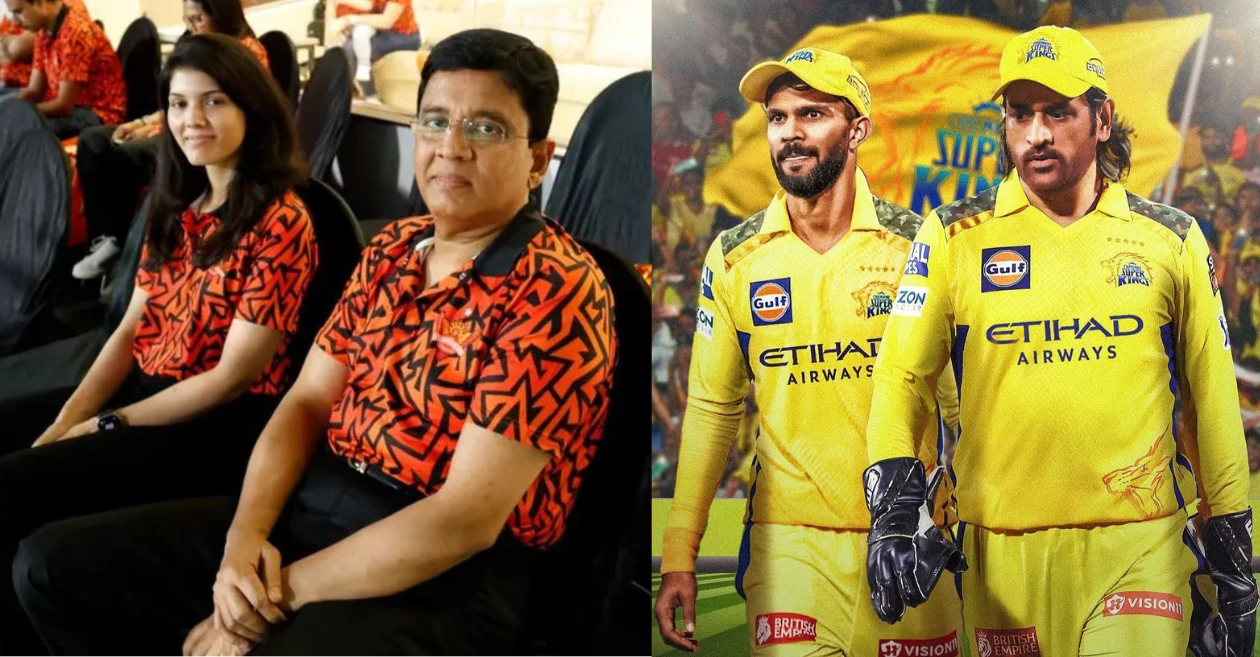
Just weeks before the start of the Indian Premier League (IPL) 2026 season, an unexpected off-field controversy has emerged between two of the tournament’s most prominent franchises. The media conglomerate Sun TV Network, which owns Sunrisers Hyderabad (SRH), has filed a copyright infringement case against Chennai Super Kings in the Madras High Court.

The dispute revolves around the alleged use of copyrighted music and dialogues from films starring Tamil superstar Rajinikanth. These films – including Jailer, Jailer 2 and Coolie – are produced by Sun Pictures, the film production arm of Sun TV, which holds the exclusive rights to their audio and music.

According to the lawsuit, CSK used portions of these copyrighted audio tracks in a promotional video for their IPL 2026 jersey launch without obtaining permission or securing a license from the rights holders.

The controversy began on March 1, 2026, when Chennai Super Kings unveiled their new jersey for the upcoming season through a promotional campaign on social media platforms such as Instagram, YouTube, Facebook and X (formerly Twitter).

The video featured several well-known audio elements from Rajinikanth’s blockbuster films, including the song “Hukum” from Jailer, “Hukum Reloaded” from Jailer 2, and the “Harbour Gang” background score from Coolie. These tracks were combined with iconic dialogues and background music to create a dramatic and cinematic introduction for the team’s new kit.

The music and sound effects were strategically used throughout the video to heighten the excitement around the campaign. One of the most notable scenes showed CSK veteran MS Dhoni arriving at the team camp, accompanied by powerful background music from the films.

Sun TV’s legal team argued in court that the rights to the music in these films are exclusively owned by the production company. Composer Anirudh Ravichander had reportedly signed agreements that assign all music rights to the producers, meaning Sun TV controls how the tracks can be used or licensed.

The company’s complaint states that CSK used these copyrighted elements without permission for a commercial campaign designed to promote merchandise sales, particularly their new IPL jersey priced at around ₹2,399.

“It is needless to state the influence that music from films involving Mr Rajinikanth and Mr Anirudh would have in aiding merchandise sales of a team based in South India, and more particularly Chennai,” the plaint stated.

What Sun TV is demanding in court?

In its legal filing, Sun TV has asked the court for several forms of relief against CSK. These include a permanent injunction preventing the franchise from using any songs, dialogues or background scores from Sun TV films in promotional content, stadium broadcasts, or social media posts without authorization.

The company has also demanded ₹1 crore in damages for the alleged copyright violation. In addition, the lawsuit seeks a directive requiring CSK to disclose the revenue generated from the promotional campaign that used the disputed audio tracks.

Also READ: IPL 2026 – KKR announces replacement for Mustafizur Rahman

During the preliminary hearing, senior counsel J. Ravindran, representing Sun TV, informed the court that CSK had already stopped using the songs after receiving an email from the broadcaster on March 1 objecting to their use. The franchise reportedly removed the original video and later uploaded a modified version without the copyrighted music.

Appearing for CSK, senior advocate P. S. Raman confirmed that the franchise had taken corrective action and removed the disputed audio tracks from the promotional video.

“We will file an affidavit to this effect,” Raman stated, assuring the court that the team would obtain proper licenses if they wished to use such music in the future.

The court has now directed CSK to submit a formal affidavit confirming that the songs are no longer being used without authorization. The matter has been scheduled for its next hearing on March 16.

Interestingly, the lawsuit does not only target the franchise itself. It also names three senior officials from Chennai Super Kings as defendants: CEO Kasi Viswanathan, finance head Avinash Sridharan, and content head Radhakrishnan Sreenivasan. Their inclusion indicates Sun TV’s intention to hold the management directly responsible for the alleged infringement.

The case has already caught the attention of the wider IPL ecosystem. According to reports, several other franchises have begun reviewing their own social media practices, as many teams regularly use popular songs and film audio in promotional content without always securing formal licensing.

For now, the legal battle adds an unusual subplot to the buildup for IPL 2026. While teams prepare for the season on the field, this dispute highlights the growing importance of intellectual property rights in the entertainment-driven world of modern cricket.

Also READ: Aakash Chopra picks his ideal playing XI of Sunrisers Hyderabad (SRH) for IPL 2026


Source link

‘We’re going to create … ‘: Suryakumar Yadav pens emotional note | Cricket News


'We're going to create ... ': Suryakumar Yadav pens emotional note
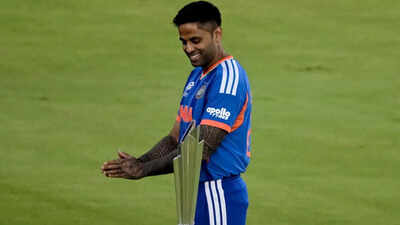
Suryakumar Yadav (AFP Photo)

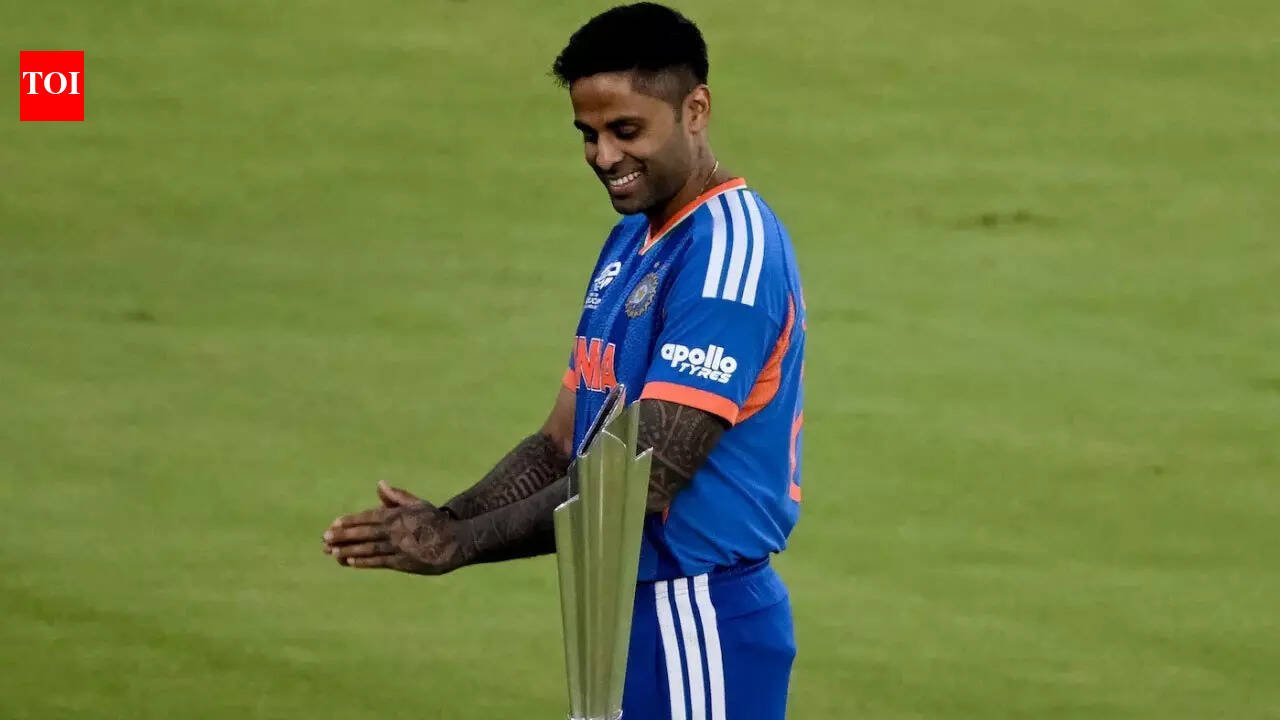
NEW DELHI: India’s T20I skipper Suryakumar Yadav marked a special milestone as he completed five years in international cricket. His journey with the national team began on March 14, 2022, when he made his debut against England at the Narendra Modi Stadium in Ahmedabad. Coincidentally, it was the same venue where he recently led India to their historic third ICC Men’s T20 World Cup title after defeating New Zealand earlier this week.“5 years ago, a dream turned into reality. Wearing the India jersey is a feeling I can still never fully put into words. Here’s to many more memories that we’re going to create, for team India,” he wrote on X.

Suryakumar Yadav receives grand homecoming after India’s T20 World Cup win

Suryakumar’s path to the international stage was far from straightforward. Unlike many cricketers who break through at a young age, he spent several years proving his credentials in domestic cricket and the Indian Premier League before finally earning a call-up to the national side. Once he got the opportunity, he made sure to make an immediate and lasting impact.One of the standout moments of his career came during the 2024 ICC Men’s T20 World Cup in the United States and the West Indies. As an important member of the squad, he played a key role in helping India end their long wait for a global ICC title.Since his debut, the Mumbai-born batter has emerged as one of the most destructive players in the shortest format. In 113 T20 Internationals, he has amassed 3,272 runs at an average of 36.35 while striking at an impressive rate of 162.94, numbers that reflect the flair and unpredictability he brings whenever he walks out to bat.His tally includes four centuries and 25 half-centuries. Among them, his explosive 117 against England in Nottingham on July 10, 2022, remains one of the most memorable innings of his career, reinforcing his reputation as an innovative and fearless T20 batter.Apart from his batting exploits, Suryakumar has also developed into a dependable leader for India in the format. In 52 T20 Internationals as captain, he has led the team to 40 wins while suffering only eight defeats, underlining the confident and attacking approach he brings to the role.

Banner Insert


Source link

Access Denied


Access Denied

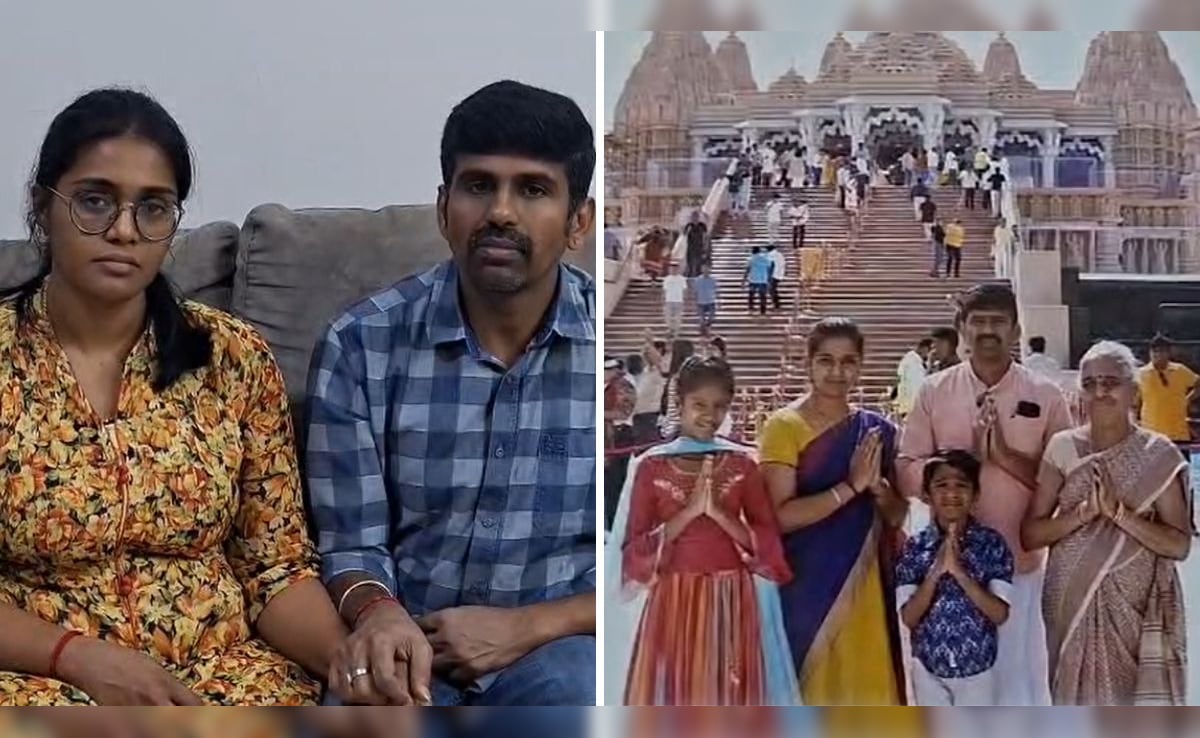
You don’t have permission to access “http://www.ndtv.com/world-news/israel-iran-us-war-strikes-on-dubai-mother-in-dubai-icu-rs-1-25-crore-bill-indian-man-wife-plead-for-help-11214178” on this server.

Reference #18.c7f5d217.1773478347.3b2c8e91

https://errors.edgesuite.net/18.c7f5d217.1773478347.3b2c8e91


Source link

VVS Laxman recounts his epic Eden knock in 2001: ‘Playing for India, mind becomes stronger than the body’ | Cricket News


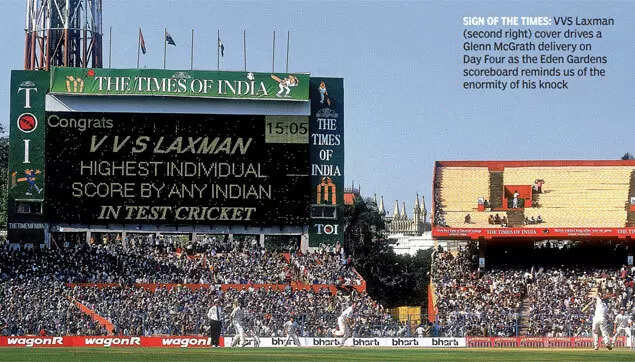
It’s been acclaimed as the knock of the century. No other innings evokes such fond memories and awe as VVS Laxman’s 281 at the Eden Gardens in 2001. The stylish Hyderabadi’s chutzpah and steely resolve allied beautifully in constructing a magnificent edifice that halted the bull run of Steve Waugh’s rampaging Aussies. Laxman vividly recounts that epic innings for TOI… Go Beyond The Boundary with our YouTube channel. SUBSCRIBE NOW!Your tally of 1415 runs is still a record for a domestic season. Did playing quality spinners in the Hyderabad nets help in countering Shane Warne better?My dream was always to win the Ranji Trophy for Hyderabad and the 1415 runs I scored in nine matches were really a by-product of trying to contribute towards that goal. Looking back, the 1999–2000 domestic season is very special to me. That season gave me a lot of confidence and reassurance about my game. The 353 I scored in the Ranji semis against Karnataka was another memorable moment because it demanded a lot of concentration, patience and the ability to stay focused for long periods.

EXCLUSIVE: Rahul Dravid on iconic Eden Gardens win against Australia in 2001

Coming into the Indian team after that season, naturally the confidence levels were quite high. But international cricket is always a different challenge especially when you are facing the quality bowling that Australia had at that time.

Poll

Was VVS Laxman's 281 innings at Eden Gardens the greatest innings in Test cricket history?

In Hyderabad, I was fortunate to face some very good spinners in the nets. Those sessions were extremely valuable because they helped me develop methods against quality spin. Of course, nothing can truly replicate the skill and variation of someone like Shane Warne but regularly facing quality spin certainly helped build the confidence and clarity needed to counter him in matches.Tell us how did physio Andrew Leipus manage to put you on the park?Two days before the Test my back went into a severe spasm and I could barely move. The credit for getting me on the field really goes to Leipus. He worked tirelessly through the night and early morning, giving me treatment, stretching the muscles and managing the pain. Even though I was probably only about 50–60 per cent fit, both Sourav and John Wright wanted me to play the Test. For the entire match I wasn’t physically comfortable. Every movement reminded me of the pain in my back, but when you are representing your country, you simply find a way to endure the pain and keep going and the mind becomes stronger than the body.Pain seems to get the best out of you. Eden and then Mohali…I wouldn’t say pain brought the best out of me, but those moments certainly tested my resolve. At Eden the situation demanded patience and belief especially while building that partnership with Rahul. In Mohali (against Australia, Oct 2010), the back pain made every movement difficult, but when you are so close to helping your team win, you somehow find the strength to keep going. I feel grateful that on both occasions I could contribute in a way that helped India.Since your early days too, the longer you stay at the wicket, better the run flow…Early in the innings my focus was always on giving myself time at the crease and understanding the conditions, the pace of the wicket and how the bowlers were operating. Once I spent some time in the middle, my footwork became more decisive and I could pick the length much earlier, which makes a big difference. When that happens, the mind becomes clearer and the shots you practice in the nets start coming naturally in the game. From there it’s about trusting your natural game and being a little more proactive once you are set.

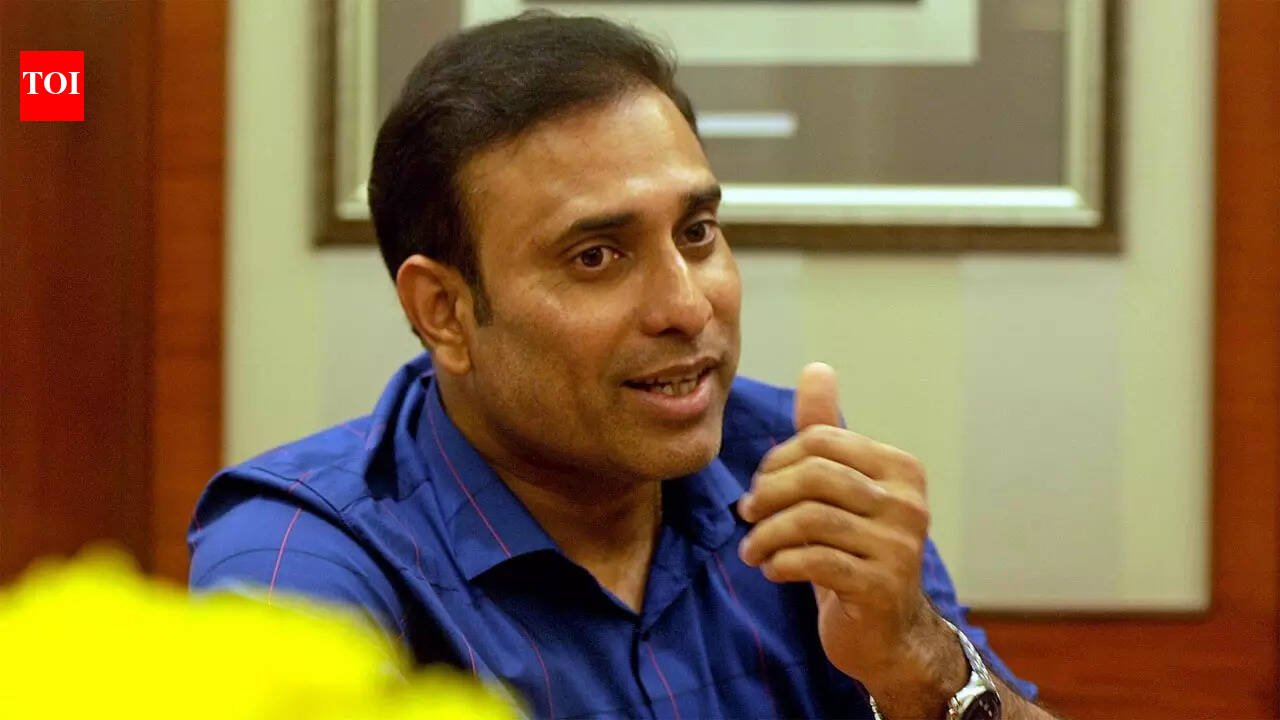
VVS Laxman

VVS Laxman (Getty Images)

Picking the length early is clearly the hallmark of your batting. Did you sense that it was your day?On that day even though we were under pressure, I felt I was seeing the ball well and my footwork was quite decisive, which helped me control my strokeplay. Picking the length early always gives you that extra bit of time to play your shots. But as a batsman you never really assume it’s going to be your day. The focus is simply on staying in the moment, being disciplined and building the innings session by session.In the first innings, Steve Waugh had fielders on the boundary to get you off strike and you were stroking the ball along the carpet…When you are in good rhythm you can still pierce the gaps along the ground and find the boundary. I was timing the ball really well at that stage and even though Steve Waugh had pushed a lot of fielders to the boundary, my focus was on placement. The idea was to stay positive, take most of the strike and continue building the innings without forcing anything.You and Rahul were involved in many partnerships for South zone. But here it was different. Rahul came down the order. Did he let it show at any point during that long partnership? And what were the mid-pitch conversations all about?Rahul and I had built some memorable partnerships right from our age group cricket. Just about a month before this Test, we had a 300-run stand for South zone against West in the Duleep Trophy. But here the situation was completely different. The match situation was quite grim and when he came in at No. 6, he was incredibly calm and professional. He understood exactly what the team needed and focused on the job at hand. Our conversations were mostly about staying patient, being proactive when the opportunity came and breaking the day into small passages. The key was to keep supporting each other and keep the scoreboard moving.The fifth-wicket partnership of 376 runs turned out to be pivotal…The immediate focus was on rebuilding the innings and batting time. Once Rahul and I settled in, the idea was to make the bowlers work hard and slowly wear them down. We tried to play to our strengths, rotate the strike and capitalise whenever they offered us an opportunity. As the partnership grew you could sense the pressure gradually shifting back onto Australia. Even after reaching our individual milestones, we never became complacent as the objective was to keep batting as long as possible and ideally get through the entire fourth day.

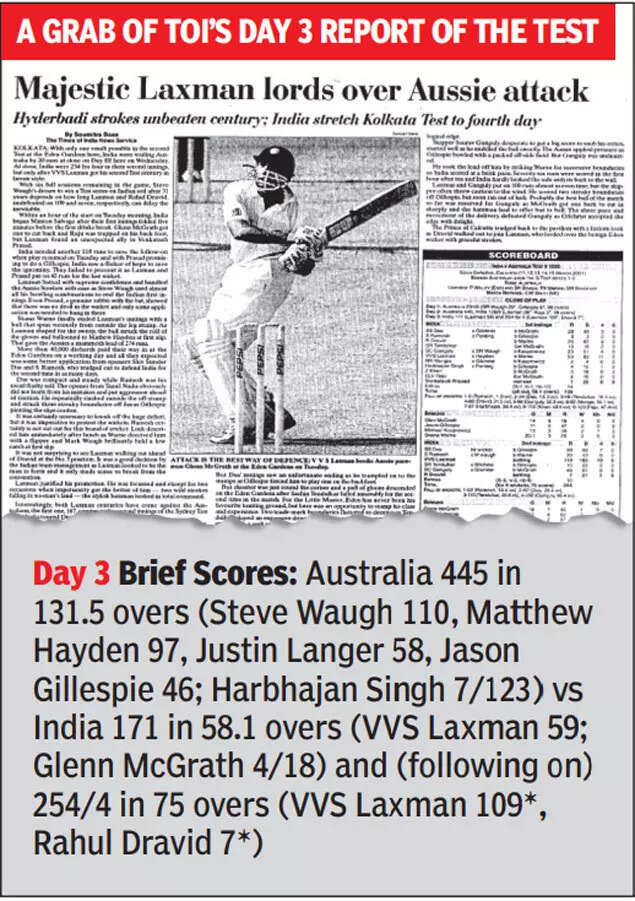
TOI's Day 3 Report of the Eden Test

Given both your physical condition, playing sessions was a steep climb. How did you break it down?Physically it was very demanding, especially in those conditions, but both of us understood how important that partnership was for the team. Both of us had the ability to bat for long periods but we tried to break the day into smaller phases. When you approach it that way it really helps because you are only focusing on the next passage of play. We kept encouraging each other and reminding ourselves that the longer we stayed there the more the pressure would shift back onto Australia.The second new ball on the fourth morning was crucial…We knew the bowlers would come hard at us. So, the second new ball was a very important phase of the game. Our plan was to stay very compact, play late and leave well outside off stump as much as possible. The idea was to see off that initial spell and not give them any early wickets. Once the shine went off and we got through that period, it allowed us to regain control and start building the innings again.And the pressure got to the Australians because boundary balls started flowing?When a bowling attack has to keep coming back for long spells without success it can be quite challenging. Once Rahul and I were set, we tried to capitalise whenever they slightly missed their lengths and converted those opportunities into boundaries. That gradually shifted the momentum in our favour.Did players carrying drinks rile the Aussies too?There was a lot of energy around the ground and in the dressing room. The players bringing drinks would sometimes pass on messages or encouragement from the team and the crowd at Eden Gardens was incredibly vocal. I think at times that enthusiasm probably irritated the Australians a little, but for us it was just part of the support we were getting. What the Eden Test did for Indian cricket?At that time Australia were such a dominant side so beating them after following-on was incredibly significant. That match was very special for Indian cricket because it reinforced the belief that we could come back from extremely difficult situations and still win a Test match. It showed the value of resilience, patience and belief in Test cricket. For us as a team it gave tremendous confidence going forward and proved that if we stayed mentally strong, we could compete with the very best teams in the world.

Since VVS Laxman was in good form in the first innings, when he scored a fluent half-century, coach John Wright and skipper Sourav Ganguly decided to swap his batting position with that of Rahul Dravid in the second innings on the third day. Laxman was promoted to No. 3, while Dravid moved down to No. 6 — a decision that would later become one of the most celebrated tactical moves in Test cricket history.
Banner Insert


Source link