Breaking News
New Zealand coaches to miss international assignments for PSL | Cricket News


New Zealand coaches to miss international assignments for PSL

Two assistant coaches of the New Zealand national cricket team, Luke Ronchi and Jacob Oram, have been allowed by New Zealand Cricket to take up coaching roles with Islamabad United in the 2026 edition of the Pakistan Super League starting March 26.Ronchi will serve as the head coach of the PSL franchise, while Oram will work alongside him as an assistant coach. However, since the tournament runs until late April, both coaches will miss New Zealand’s upcoming international assignments, including the series against South Africa national cricket team and the tour of Bangladesh national cricket team. New Zealand’s five-match T20I series against South Africa is scheduled to begin on March 15.

EXCLUSIVE: Rahul Dravid on iconic Eden Gardens win against Australia in 2001

New Zealand Cricket says it supports the move because it will help the coaches gain valuable experience in global leagues. Mike Sandle, performance manager at NZC, said the opportunity will benefit both the individuals and the national setup.“This is a great chance for Luke and Jake to further their coaching experience and grow their skills outside of the New Zealand cricket environment,” Sandle said, as quoted by Cricbuzz. “Just like our players, our coaches are in demand around the world, and we believe Luke and Jake will not only personally benefit from their time at the PSL, but they will also be able to bring back knowledge and IP that can aid the BLACKCAPS and NZC in the future.”During their absence, other coaches from the NZC system will step in. Jonny Bassett-Graham and Graeme Aldridge will assist head coach Rob Walter for the South Africa series, while Brendon Donkers will join the staff for the Bangladesh tour.Sandle added that the arrangement also creates opportunities for other coaches to gain international exposure.“One of the added bonuses of Luke and Jake heading to the PSL is the opportunity it affords other coaches in the NZC network,” Sandle said. “It will be great to have Jonny, Graeme and Brendon join the BLACKCAPS and I’m sure they will get a lot of out their time in the environment and the experience of working alongside our players and support staff.”


Banner Insert


Source link

CBI questions Anil Ambani’s son in Rs 228 crore bank fraud case | India News


CBI questions Anil Ambani's son in Rs 228 crore bank fraud case

NEW DELHI: CBI Friday questioned Jai Anmol Ambani in connection with their ongoing investigation into an alleged Rs 228 crore bank fraud involving Reliance Home Finance Ltd. (RHFL). The son of industrialist Anil Ambani appeared at the CBI head office in Delhi, where he was examined by investigating officers for around six hours. Following the lengthy session, officials directed him to appear again on Saturday for further questioning as the agency continues to probe the alleged financial irregularities, an agency spokesperson said.

.

The case, which was formally registered on Dec 6, 2025, names RHFL, Jai Anmol Anil Ambani, former CEO Ravindra Sudhalkar, and several public servants and individuals. The legal action originated from a complaint by Union Bank of India (formerly e-Andhra Bank) alleging criminal conspiracy, cheating, and criminal misconduct that resulted in a loss of Rs 228 crore. While the RHFL account was classified as a Non-Performing Asset (NPA) in Sept 2019, it was officially declared a “fraud” account on Oct 10, 2024, the agency said. The scope of the investigation extends beyond a single bank, as RHFL reportedly owed a total of Rs 5,572.3 crore to a consortium of 18 banks, financial institutions, and corporate bodies. Friday’s questioning follows a series of raids conducted on Dec 9, 2025, in Mumbai. Investigators previously searched the official premises of RHFL and the residences of both Ambani and Sudhalkar, seizing several incriminating documents.


Source link

Mayor: Fix digital info boards at every nullah being desilted | Mumbai News


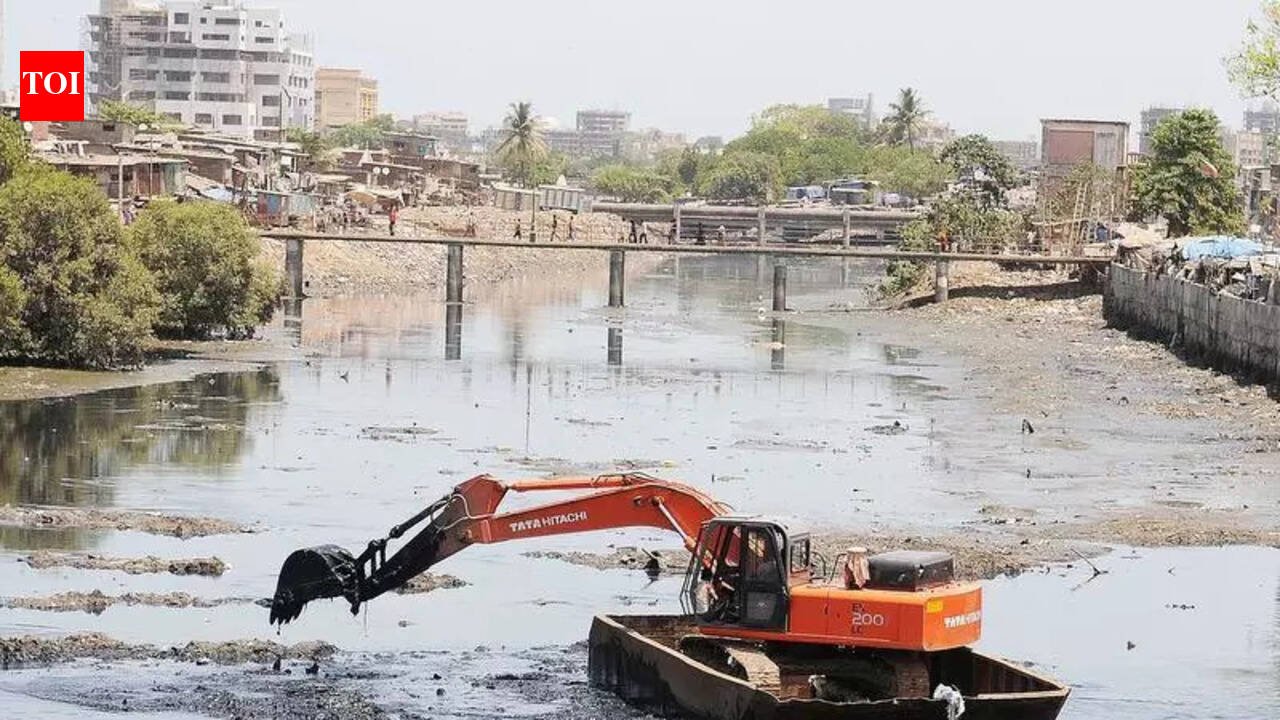
Mumbai: Mayor Ritu Tawde has directed the civic administration to install digital boards at each nullah site where desilting is being carried out that display information on its length and width, the quantum of silt removed, the duration of the work, the contractor’s name and the contact number of the engineer concerned.At a meeting to review nullah desilting work, she asked officials to ensure all dredged silt is moved out of the site within 48 hours. She sought that photos and videos be taken of all stages of the work —from desilting to disposal —to ensure transparency. While instructing officials to make sure that the quantifying of silt be done properly and a vehicle tracking system be installed on vehicles transporting silt, the mayor said such vehicles should also have tarpaulin covering. Desilting of major drains as well as minor ones in civic areas should be completed before the monsoon, she said, adding that public representatives and corporators need to be informed about every stage of work. Tawde said precautions should be taken to ensure that citizens residing along rivers or drains are not endangered during the monsoon and protective walls be constructed wherever necessary. If civic officials encounter difficulties at any stage, they should inform the corporators and get the problems resolved, she said, adding that floating garbage needs to be removed from time to time. She also pushed for keeping internal drains clean too. She directed officials to ensure all pre-monsoon drain cleaning is completed by May 31.BJP group leader in BMC Ganesh Khankar said 80% of desilting work is undertaken before the monsoon, 10% during rains, and the remaining thereafter. He said the elected body will keep a close watch on the desilting process. Khankar said the civic administration should depute one official to take care of all monsoon-related issues and that there should be no shifting of blame between departments.


Source link

No takers for Mithi cleanup, BMC open to amateurs’ bids | Mumbai News


Mumbai: With no contractor yet finalised for Mithi river’s desilting, which takes up to 90 days, the civic administration is now considering bids from even relatively inexperienced contractors, mayor Ritu Tawde said on Friday. An official said BMC has decided to drop the condition that bids from only experienced contractors with specific machinery will be accepted. Standing committee chairman Prabhakar Shinde said the civic administration has been asked to prepare a backup plan in case no firm comes forward by March 17, the new deadline for bid submission. “In such a scenario, BMC has been directed to carry out desilting using its own machinery and workforce to ensure the pre-monsoon schedule is not delayed,” said Tawde. She said BMC officials will closely monitor the work’s progress. Civic officials have reached out to contractors they know but haven’t got any favourable response yet. —Richa Pinto


Source link

GMR Sports expresses interest in AIFF commercial rights tender | Football News


Manisha of India scores a goal during the AFC Women’s Asian Cup Australia 2026 match between India and Chinese Taipei at Western Sydney Stadium on March 10, 2026 in Sydney, Australia. (Photo by Mark Metcalfe/Getty Images)

New Delhi: GMR Sports has expressed interest in the commercial rights tender floated by the All India Football Federation (AIFF) for the men’s and women’s football club competitions. FanCode and Capri Sports (part of Capri Global) are the other two parties that have also shown interest in the proposed 15+5-year commercial rights cycle.It is learnt that Capri Sports’ interest is in the women’s tournaments under the packages offered by the AIFF.

‘Indian cricket no less than Bollywood abroad’ | Bombay Sport Exchange

AIFF are hoping to sell the commercial rights for the competitions for a minimum of 15 years. If the bidders agree, it can be extended to 20 years.The commercial rights, part of AIFF’s Vision 2047, include two packages: Package A (Indian Super League and Federation Cup) and Package B (Indian Women’s League, Indian Women’s League 2 and possibly the Women’s Federation Cup).

Poll

Do you believe a 15+5 year commercial rights cycle will benefit Indian football?

GMR Sports are involved with multiple sporting properties: Delhi Capitals (IPL franchise), Dubai Capitals (ILT20 franchise), India Capitals (Legends League Cricket franchise), UP Yoddhas (Pro Kabaddi League franchise), Telugu Yoddhas (Kho Kho franchise), Seattle Orcas (Major League Cricket franchise), Southern Brave (The Hundred franchise), Hampshire Cricket, the Utilita Bowl stadium and the Rugby Premier League.After releasing the Request for Proposal (RFP) on March 2, interested parties were required to pay Rs 2.5 lakh for the tender document. The interested parties then attended the pre-bid conference on March 11.The last date for bid submissions is March 19 and the bids (technical and commercial) will be opened on March 20.AIFF’s previous attempt to sell the commercial rights found no takers in November. However, that came against the backdrop of uncertainty related to the ISL, which eventually started after a five-month delay on February 14.

Poll

Which company do you think will win the commercial rights tender from AIFF?

The 2025-26 ISL season is currently being played in a truncated format and needed intervention from the Sports Minister to get the ball rolling. All 14 teams agreed to play the season, which will witness 91 matches on a home-and-away basis.Earlier, global broadcast rights for the ISL were sold to FanCode for Rs 8.62 crore, which further sub-licensed them to the Sony Sports Network. Meanwhile, Kaleidoscope Production and Services (KPS Studios) was awarded the production rights, both global and domestic.

For the complete match list, venues, and timings, check the full IPL 2026 schedule, fixtures, and team-wise match dates here.
Banner Insert


Source link

IPL 2026 to be SHUTDOWN due to……


The LPG crisis in India has had a staggering effect on several operations across the country over the past few weeks; however, now the matter might have been escalated to an extent where it might affect the IPL 2026.

The Board of Control for Cricket in India (BCCI) have announced the upcoming IPL 2026 schedule for the first 20 matches, citing the upcoming elections in some of the states that also host IPL games. However, it seems a warlike situation in the Middle East is now having a restricting effect on the smooth conduct of the upcoming edition of the IPL.

The IPL is a very long tournament, and players, alongside their families, would be staying in India for a long time. Amid the crisis for the LPG, the Indian population are themselves struggling to meet their own needs and might not be in the right situation to treat their visitors with hospitality.

Your daily dose of cricket!

next

IPL 2026 to be affected by the LPG crisis in India

The US-Israel attacks on Iran and the retaliation of Tehran have shut the Strait of Hormuz, which is a key sea route through which India gets the majority of their LPG imports from the Middle Eastern countries like Qatar and Saudi Arabia.

Hence, the province of India, which is home to billions of people, is currently under a major crisis for LPG, which is largely used as cooking gas. According to a recent report on India Today, the IPL governing council is also monitoring the situation closely and might take some preemptive decisions.

“We cannot preempt the situation. We have to wait and watch. Everyone we have spoken to says things are under control. Hotels are saying the same, so we have to go by that for now,” the official was quoted as saying in the report.

As of now, everything is alright- BCCI said in their statement

The India Today report also went on to state that the situation right now is under control and might not be in any way for the smooth conduct of the IPL. However, the situation in the Middle East is getting worse over time and might have implications here.

“As of now, everything is alright. We will keep an eye on the situation. Why should we preempt and decide something now?” he said.

However, it seems clear that the organizers have sensed no immediate reasons to make changes to the IPL 2026 schedule or the arrangements.

“We will definitely act as per the situation. If the situation demands that we do something, we will take the necessary steps,” the official concluded.

Unavailability of Dubai airspace might hinder the arrival of overseas players for the IPL

Alongside the LPG situation, a number of other problems have also hindered the IPL 2026 preparations, as the arrival of overseas players who play a major role in the IPL has turned out to be a major issue due to the shutdown of the Dubai airbase, a major connecting stopover between faraway countries and India.

The players have already faced this situation before, when they were stuck in India and could not leave for home after the ICC T20 World Cup. South Africa and the West Indies were finally taken on a charter flight via Johannesburg.

Though the Australian and New Zealand airbases are unaffected, the players, coaches, broadcasters, and even some fans often use the Dubai route to fly into India. Moreover, during IPL 2026, their nation or the ICC would not be taking the responsibility to land them home; hence, charter flights would not be an option under that scenario.

ALSO READ: ‘Stephen Fleming will tell MS Dhoni that we’re dropping you?’ – CSK face massive dilemma before IPL 2026


Source link

Dubai news: ‘Evacuate the office?’ Standard Chartered responds to viral rumours in UAE emirate amid Iran vs US-Israel war


Dubai news: ‘Evacuate the office?’ Standard Chartered responds to viral rumours in UAE emirate amid Iran vs US-Israel war
Did Banks Start Leaving Dubai? Standard Chartered Issues Urgent Statement Amid Iran vs US-Israel War

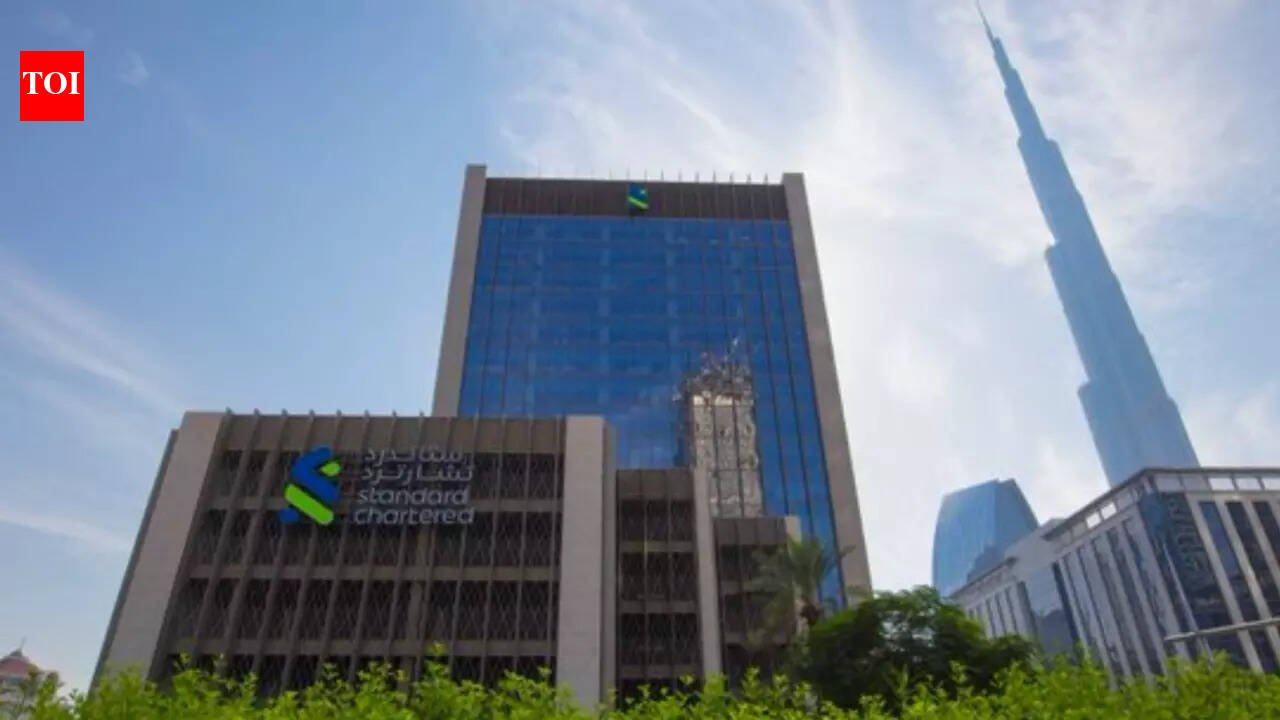
The intensifying geopolitical conflict between Iran, the United States and Israel is beginning to ripple through global financial markets, prompting international banks to reassess operations in the Gulf. At the center of the latest developments is Standard Chartered, which has moved to clarify reports suggesting that it evacuated staff from its offices in Dubai.The London-headquartered bank said that reports of a full evacuation of its Dubai offices were inaccurate. Instead, the bank confirmed that it had extended a precautionary work-from-home arrangement already in place, emphasising that its regional operations remain active and business continuity measures are functioning normally.The clarification came after multiple international media reports suggested that several global financial institutions were evacuating offices in the emirate amid rising security concerns linked to the ongoing Iran vs US-Israel war.

Rumours of evacuations spread across the banking sector in Dubai amid Iran vs US-Israel war

Earlier reports indicated that some international banks had begun moving employees out of physical offices in Dubai following warnings from Iranian officials that economic and financial targets associated with the US and Israel could become potential targets in the conflict. These warnings came after an attack on a Tehran administrative building linked to Bank Sepah, one of Iran’s major state-owned banks historically tied to military networks.Iranian officials subsequently warned that economic infrastructure connected to US and Israeli interests in the region could face retaliation. As a result, financial institutions operating in the Gulf began activating contingency plans designed to protect employees and maintain operations even if the security environment deteriorates.Several banks reportedly advised staff to temporarily work remotely or avoid office buildings in major financial districts. However, Standard Chartered moved quickly to clarify that these steps were precautionary rather than emergency evacuations.

Work-from-home arrangements extended amid Iran vs US-Israel war

According to the bank’s statement, employees in Dubai and the wider Middle East had already been operating under a flexible remote-working framework introduced during the early stages of the regional crisis. The extension of the arrangement was therefore described as a safety measure rather than a response to any specific threat to the bank’s facilities.Standard Chartered also stressed that its operations in the Gulf remain fully functional and that the UAE continues to be a key market for the bank’s global strategy. The clarification aims to reassure clients and investors that the institution’s regional presence remains stable despite the volatile geopolitical environment.

Why Dubai matters to global banks

Dubai has become one of the most important financial hubs in the Middle East over the past two decades, attracting global banks, investment firms, hedge funds, and wealth managers. Much of this growth has been driven by the rise of the Dubai International Financial Centre, often referred to as DIFC.Established in 2004, the DIFC has transformed Dubai into a regional financial powerhouse. By the end of 2025, the district hosted more than 290 banks, over 100 hedge funds, around 500 wealth management firms and more than 1,200 family offices and related entities.For international lenders like Standard Chartered, the UAE plays a strategic role in connecting markets across Asia, Africa and the Middle East. The bank generates a significant share of its income from operations in the region and has placed several senior executives in Dubai to oversee regional business expansion.

Wider corporate precautions across the Gulf amid Iran vs US-Israel war

Standard Chartered is not alone in implementing precautionary measures. Other international firms and financial institutions have also taken steps to protect staff as the regional conflict escalates. Some companies have instructed employees to work remotely, while others have allowed staff to temporarily relocate outside the region.Meanwhile, several global banks have reviewed business continuity plans to ensure operations can continue even if physical offices become inaccessible. In some cases, banks temporarily closed branches or limited on-site operations while shifting services to digital platforms. These measures highlight the increasing sensitivity of multinational corporations to geopolitical risk in the Middle East.The current crisis stems from the escalating confrontation between Iran and the U.S.–Israel alliance, which has triggered missile strikes, drone attacks, and military exchanges across the region. The conflict has already disrupted aviation routes, shipping lanes, and energy markets. Financial institutions, particularly those with large regional operations, have therefore been closely monitoring the situation to ensure the safety of employees and clients.Analysts say such precautionary measures are common during periods of geopolitical instability and do not necessarily indicate an imminent withdrawal of investment. Nevertheless, the situation has sparked concerns about how prolonged instability could affect Dubai’s reputation as a stable global financial hub.

Dubai’s safe-haven status under scrutiny amid Iran vs US-Israel

For years, Dubai has marketed itself as one of the safest and most business-friendly environments in the Middle East. Its political stability, world-class infrastructure and international regulatory frameworks have attracted hundreds of multinational firms. However, regional conflict has occasionally tested that reputation.Reports suggesting that global banks were evacuating offices sparked debate over whether geopolitical tensions could undermine the city’s status as a safe haven for global finance. Experts note that while short-term precautionary measures are common, the long-term fundamentals that support Dubai’s financial ecosystem remain strong.As the Iran vs US-Israel war continues to evolve, multinational corporations operating across the Gulf are likely to maintain heightened security protocols. Remote work policies, contingency planning, and staff relocation options are expected to remain part of corporate strategies until the geopolitical outlook stabilises.For now, Standard Chartered’s clarification highlights an important distinction: precautionary measures should not necessarily be interpreted as a corporate retreat from the region. Instead, they reflect the careful balancing act global companies must perform when operating in a region facing sudden geopolitical shocks. Despite the uncertainty, Dubai’s financial sector continues to function and major institutions remain committed to maintaining operations while prioritising the safety of employees.


Source link

‘Upset with girlfriend’, Maharashtra man hurls stones at passing train; arrested | Thane News


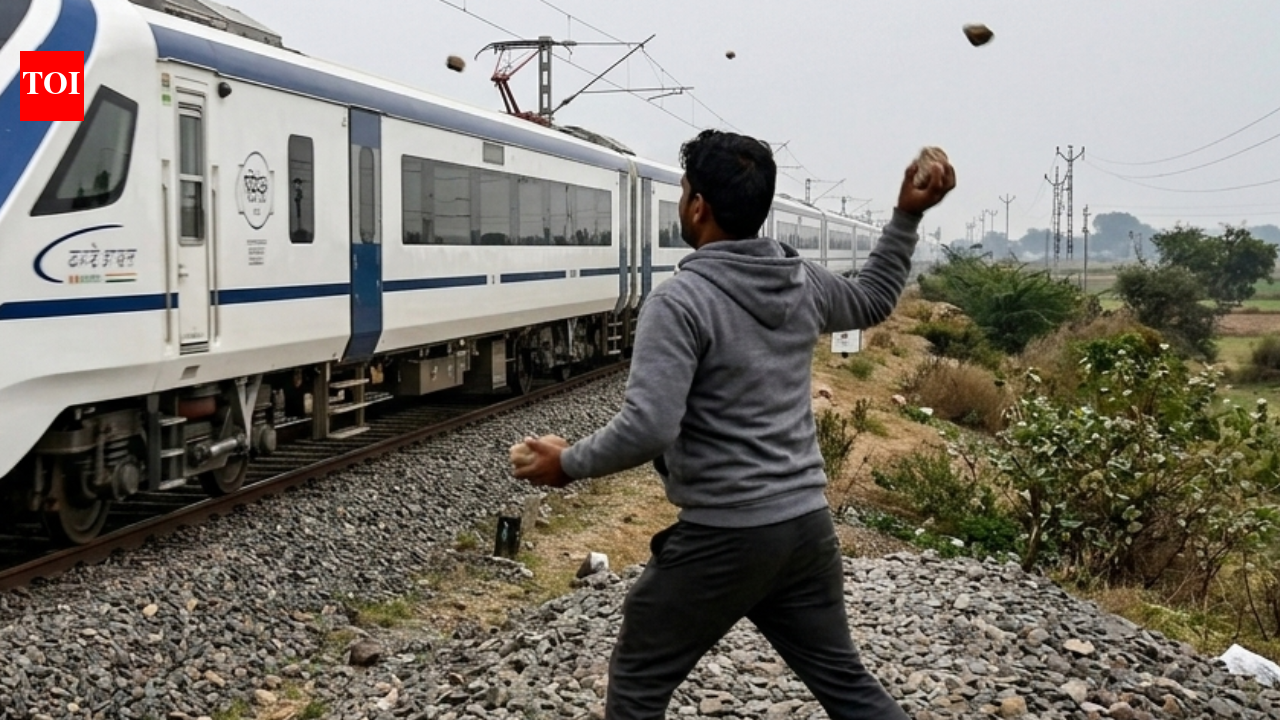
KALYAN: Reportedly upset over his girlfriend refusing to speak to him on the phone, a 23-year-old Kalyan man allegedly hurled stones at several coaches of a passing CSMT-Shirdi Vande Bharat Express between Thakurli and Kalyan stations on Friday. He was later arrested by Kalyan RPF and remanded in magisterial custody.The attack damaged the windowpanes of four coaches. Railway officials said no passenger was injured, although it caused panic among travellers. The suspect, Sunny Kamble, was detained in Kalyan after a team of Kalyan RPF and crime intelligence branch found his movement suspicious. During questioning, he admitted to pelting the train with stones. Officials said he claimed he had consumed drugs earlier in the day and decided to loiter near railway tracks. RPF invoked charges of endangering passenger safety and trespassing on railway premises under Railways Act.

Banner Insert


Source link

‘Upset with GF’, man hurls stones at train | Mumbai News


Kalyan: Reportedly upset over his girlfriend refusing to speak to him on the phone, a 23-year-old Kalyan man allegedly hurled stones at several coaches of a passing CSMT-Shirdi Vande Bharat Express between Thakurli and Kalyan stations on Friday. He was later arrested by Kalyan RPF and remanded in magisterial custody.The attack damaged the windowpanes of four coaches. Railway officials said no passenger was injured, although it caused panic among travellers. The suspect, Sunny Kamble, was detained in Kalyan after a team of Kalyan RPF and crime intelligence branch found his movement suspicious. During questioning, he admitted to pelting the train with stones. Officials said he claimed he had consumed drugs earlier in the day and decided to loiter near railway tracks. RPF invoked charges of endangering passenger safety and trespassing on railway premises under Railways Act. —Pradeep Gupta


Source link

Sleep disorders putting lakhs of Indians at risk: Doctors | India News


Sleep disorders putting lakhs of Indians at risk: Doctors
Insomnia affects nearly 37% of older adults

NEW DELHI: Doctors routinely check blood pressure, diabetes and cholesterol. But they rarely ask a question that may be just as important: how well are you sleeping? As the world marked World Sleep Day on March 13, experts warned that sleep disorders may be affecting millions of Indians and quietly increasing the risk of heart disease, diabetes and depression. New research suggests the problem is widespread. A 2025 systematic review in the Indian Journal of Public Health that analysed 100 studies involving nearly 68,000 people found that 25.7% of Indians suffer from insomnia, while obstructive sleep apnea (OSA) affects about 37.4%. Another 10.6% experience restless leg syndrome, a condition that disrupts sleep. Among patients with other illnesses, the burden is even higher. Nearly 48% were found to have sleep apnea and 32%, insomnia, suggesting sleep disorders may worsen chronic diseases. Experts estimate that about 52 million working-age Indians may have sleep apnea, including nearly 29 million with moderate-to-severe disease. Insomnia affects nearly 37% of older adults. Prof (Dr) J C Suri, director and head, Department of Pulmonary, Critical Care and Sleep Medicine at Sitaram Bhartia Institute of Science and Research, said lifestyle habits are worsening the problem. A survey of IT professionals in Hyderabad found 97% used electronic devices for at least an hour before bedtime, while 62% reported difficulty falling or staying asleep. “Sleep deprivation is perhaps the world’s biggest silent epidemic and has been worsening for decades, driven by our shift to a 24-hour society since the advent of electric lighting,” said Dr Vikram Sarbhai, president of the Indian Sleep Disorders Association. “Humans follow a circadian body clock that regulates sleep and wake cycles, making sleep essential for restoring brain and body functions.” He said healthy sleep depends not only on duration but also on quality and regular timing, which are increasingly being disrupted by modern lifestyles, shift work and technology use. Typically, adults in the age group of 18-45 years need 6-8 hours of sleep, those in 45-70 years group about 5-7 hours, and people who are 70 and above around 5 hours. These are estimates for individuals without alcohol or caffeine excess, toxic exposure, behavioural disturbances or medical conditions that affect sleep. The broader crisis may be even larger. A 2025 report by AGR Knowledge Services estimates that three out of five Indians are sleep deprived, with many turning to online remedies instead of seeking medical help. Prof (Dr) J C Suri said that poor sleep is closely linked to hypertension, heart disease, stroke, diabetes, obesity, depression and cognitive decline. Sleep deprivation is also emerging as a road safety risk. Studies by Central Road Research Institute found that about 40% of accidents on the Agra-Lucknow expressway were linked to driver fatigue. Despite these risks, India has no national policy mandating screening for sleep disorders among commercial drivers, unlike countries such as the United States, the United Kingdom and Japan. Experts say poor awareness and the absence of sleep medicine in most medical curricula mean many patients remain undiagnosed. Addressing sleep disorders, they say, could be a major but overlooked opportunity in preventive healthcare.


Source link