Breaking News
Middle East war risk: Iran threat to target US tech infrastructure in Gulf raises fears of global digital disruption


Middle East war risk: Iran threat to target US tech infrastructure in Gulf raises fears of global digital disruption

Escalating tensions in West Asia are casting a shadow over global technology networks, with experts warning that threats by Iranian forces to target US-linked digital infrastructure in the Gulf could expose billions of dollars of investments to conflict-related risks.On Wednesday, Iranian forces warned they could strike facilities linked to major technology companies including Google, Microsoft, Palantir, IBM, Nvidia and Oracle across the Middle East and Israel. The region hosts more than 70 operational data centres with an estimated 557-738 megawatts of live IT capacity, alongside 10 cloud regions run by Amazon Web Services, Microsoft Azure, Google Cloud, Oracle and Alibaba. Projects worth an additional $30 billion are also under development.Recent incidents have already highlighted the vulnerability of such infrastructure. Reports of a March 3 drone attack on two AWS facilities disrupted operations for businesses including Emirates NBD, Snowflake and Policybazaar UAE, while also affecting banking applications and stock market activity in the UAE. “Incidents of this scale typically generate tens of millions of dollars in combined operational losses when infrastructure repair, service downtime, and mitigation costs are included,” said Matvii Diadkov, technology investor and advisor to Gulf businesses. “Cloud operators must repair damaged equipment and restore systems, while customers absorb the cost of interrupted digital services.”Amid growing uncertainty, hyperscale cloud operators such as Microsoft Azure and AWS are exploring the possibility of shifting workloads from data centres in Dubai, Abu Dhabi and Oman to relatively safer hubs like India and Singapore, according to earlier reports. Industry executives say such disruptions could also have indirect effects on Indian firms that depend on globally hosted digital systems. “Consumer and FMCG firms such as HUL or Nestlé rely heavily on globally hosted ERP (enterprise resource planning), supply-chain, finance and analytics platforms,” said an executive at a global advisory firm. “Disruption to cloud availability or regional data-centre operations can interrupt forecasting, procurement, billing and distribution systems, with downstream effects in India.”The Gulf also serves as a critical conduit for global internet traffic, with about 90 per cent of Europe-Asia data flows passing through submarine cable routes supported by around 20 undersea cable systems and 13 active internet exchange points. “Undersea cables and regional network hubs represent latent risk, not because of constant attack, but because temporary outages or rerouting can degrade performance, increase latency and destabilise time-sensitive digital services across continents,” the same executive said.Experts caution that workforce and cyber-security challenges may add to operational vulnerabilities. Siddharth Vishwanath, partner and risk consulting leader at PwC India, said even traditional companies face exposure in a highly interconnected digital ecosystem. “What is at stake is service availability, data integrity and trust in shared digital platforms that underpin global commerce,” he said.Analysts also see the threats as a reminder of the growing geopolitical dimension of technology infrastructure. “US tech vendors should treat these threats as a signal that digital infrastructure is now part of geopolitical conflicts,” said Ashish Banerjee, senior principal analyst at Gartner. “They should ensure critical workloads can fail over to other cloud regions if disruptions occur.”Supply chain dependencies may further complicate the outlook. Diadkov noted that around one-third of global helium production is concentrated in Qatar, a key input for semiconductor manufacturing. “If supply from the region is disrupted, it could affect chip production, equipment repair, and the ability to build new semiconductor devices,” he said.


Source link

Is India-US trade deal on hold? Centre issues clarification


Is India-US trade deal on hold? Centre issues clarification

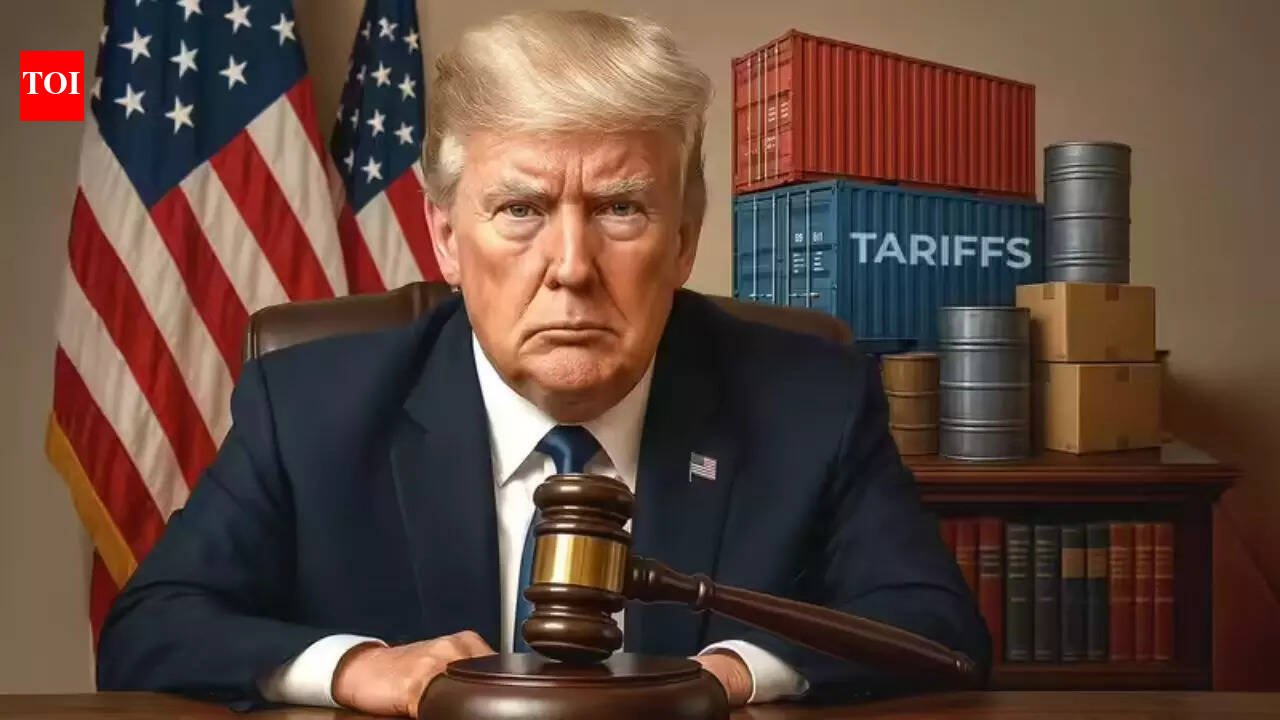
NEW DELHI: India on Friday denied reports that it was holding off bilateral engagement or delaying a trade deal with the United States, saying discussions between the two countries are continuing for a “mutually beneficial agreement.“We have noted a media report regarding ongoing trade talks with the US. It is denied that there is any hold off in bilateral engagement. It is reiterated that the two sides remain engaged for a mutually beneficial trade agreement,” the commerce ministry said in a statement.The clarification came after a Reuters report claimed that India may delay signing a trade deal with the United States for several months while adopting a “wait and watch” approach on tariff policy.According to the report, four government officials familiar with the matter said the timeline for finalising the agreement could slip by several months. However, the commerce ministry rejected the claim, reiterating that engagement between the two sides remains ongoing.The development comes amid fresh trade investigations launched by the administration of Donald Trump into “unfair trade practices” by around 60 economies, including India.The probe focuses on concerns such as forced labour in imports. The United States has also initiated separate investigations into excess industrial capacity among 16 major trading partners.Officials said the Section 301 investigation could potentially lead to new tariffs on several economies, including India, China, the European Union, Japan, South Korea and Mexico, as early as this summer.

What the report said?

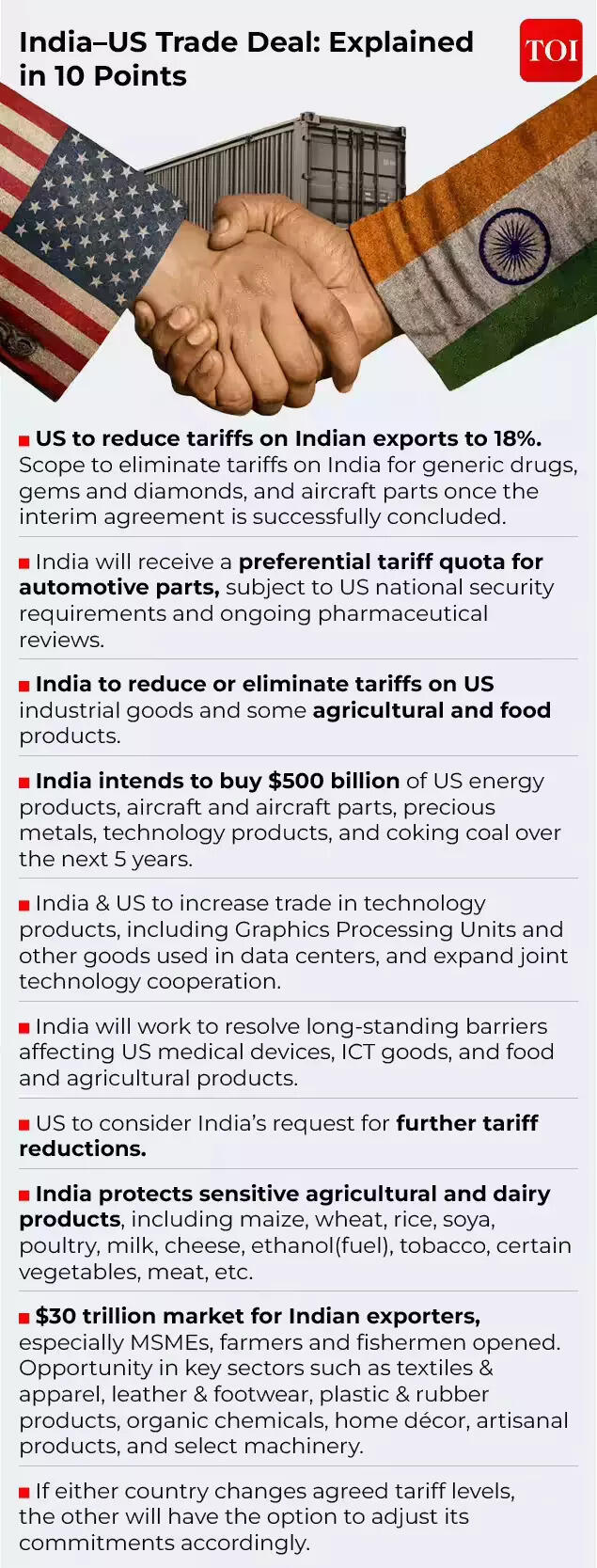
According to the report, negotiations lost momentum after the US Supreme Court struck down Trump’s tariffs in late February. Since then, there have been no substantive talks between the two sides, partly because Washington has been focused on the escalating conflict involving Iran.India had initially hoped to sign an interim trade deal in March, followed by a comprehensive agreement later in the year. The earlier understanding came after Trump agreed in early February to ease steep US tariffs on Indian imports in exchange for several commitments from New Delhi, including reducing purchases of Russian oil, lowering duties on American goods and pledging to buy $500 billion worth of US products.

,

However, India did not halt Russian oil imports, though purchases slowed somewhat. US officials are now urging New Delhi to increase imports to help ease the global energy crunch triggered by the ongoing conflict.“We are not in a hurry to sign any deal,” the source told Reuters. “The new investigation is a pressure tactic to force countries into signing deals after the court order. It’s a spanner in the works,” it addedThe report noted that India would largely adopt a “wait and watch” approach as US tariff policy evolves.Earlier, Trump had announced a 25% punitive tariff on India but later dropped it after saying New Delhi had agreed to curb Russian crude imports. India, however, only said it would diversify its supply sources. At one point, the overall tariff on Indian goods had reached about 50%, among the highest globally.

US expects India to honour commitments

Meanwhile, US Ambassador to India Sergio Gor said Washington expects countries that have negotiated trade deals with the United States to follow through on their commitments.“So we fully expect the nations that we’ve made deals with to honour those deals,” he said at the India Today Conclave on Friday.“I think India will do that because … it’s not just about honouring it – it’s a win-win situation,” he added.Following the Supreme Court ruling, the Trump administration imposed a temporary 10% tariff on imports from all countries until July 24.Under the earlier framework for an interim agreement, Indian exports to the United States were expected to face duties of around 18%. However, New Delhi is now left with a question on seeking clarity on whether Washington will return to that rate or apply a different tariff level.


Source link

Who is Vanshika Chadha? Meet T20 World Cup winner Kuldeep Yadav’s bride-to-be | Cricket News


Who is Vanshika Chadha? Meet T20 World Cup winner Kuldeep Yadav’s bride-to-be
Indian cricketer Kuldeep Yadav will marry his longtime partner Vanshika Chadha on March 14 in Mussoorie. The couple, childhood friends from Kanpur, saw their friendship grow into a lifelong relationship. Vanshika works at the Life Insurance Corporation of India and maintains a private life away from the spotlight. Wedding festivities begin March 13, with cricket stars like Virat Kohli expected to attend.

Preparations are in full swing in Mussoorie, Uttarakhand, for the wedding of Indian cricketer Kuldeep Yadav, who is set to marry his longtime partner Vanshika Chadha on March 14. While the wedding has attracted significant attention because of the star cricketer, many people are also curious about the bride and her background.

EXCLUSIVE: Rahul Dravid on iconic Eden Gardens win against Australia in 2001

Who is Kuldeep Yadav’s bride-to-be Vanshika Chadha?

Vanshika Chadha shares a long-standing bond with Kuldeep Yadav that dates back to their childhood. The two grew up in Kanpur and were friends long before their relationship developed into a lifelong partnership. Kuldeep hails from Lal Bungalow in Kanpur, while Vanshika is from the Shyam Nagar area of the city.Their friendship gradually turned into a serious relationship over the years. Despite Kuldeep’s fame in international cricket, Vanshika has largely remained away from the public spotlight and has maintained a private life.

What does Vanshika Chadha do?

Professionally, Vanshika Chadha works with the Life Insurance Corporation of India (LIC), one of India’s most respected financial institutions. According to reports, she holds an administrative or managerial role within the organisation.Unlike many partners of high-profile athletes, Vanshika has built a stable career outside the glamour and attention that often accompanies celebrity life. She is also known to keep a low public profile and is rarely seen on social media or at public events.While Kuldeep Yadav’s cricketing achievements have kept him in the limelight for years, Vanshika Chadha has chosen a quieter path. Very little is publicly known about her personal life, and she has stayed largely out of media attention.Those close to the couple say Vanshika has been a steady support system for Kuldeep throughout the ups and downs of his cricket career. Her preference for privacy has only increased public curiosity about the woman who will soon marry the Indian cricket star.The wedding celebrations are set to begin on March 13 with traditional Haldi and Mehendi ceremonies. The couple will tie the knot on March 14 in Mussoorie in the presence of close friends and family.Several prominent cricket personalities are expected to attend the ceremony, including Virat Kohli, Rohit Sharma, and Jasprit Bumrah, along with officials from the Board of Control for Cricket in India.Following the private mountain wedding, the couple will host a grand reception in Lucknow on March 17, which is expected to attract cricket stars, political leaders, and other prominent guests.

Banner Insert


Source link

Gold prices today: How much 18K, 22K and 24K gold cost in your city? Check prices for Delhi, Kolkata & more


Gold prices today: How much 18K, 22K and 24K gold cost in your city? Check prices for Delhi, Kolkata & more

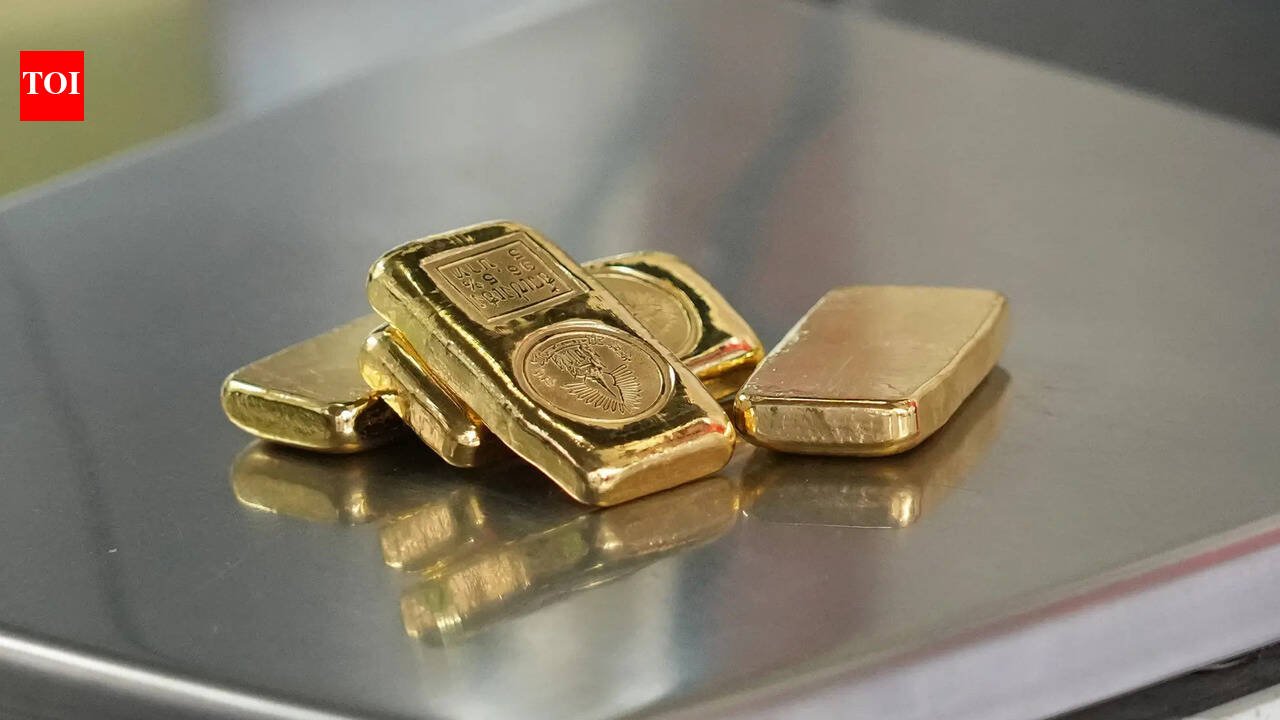
Gold prices slipped by Rs 992 to close at Rs 1.59 lakh per 10 grams in futures trade on Friday, following a weaker trend in international markets and a firmer US dollar. On the Multi Commodity Exchange, April gold contracts fell 0.62%, or Rs 992, to Rs 1,59,279 per 10 grams, with 7,891 lots changing hands. In global markets, Comex April gold futures fell nearly 1%, or $31.69, to $5,094.11 per ounce. Analysts pointed to the strengthening US dollar as a key factor pressuring the precious metal. “Gold is currently consolidating as markets balance macroeconomic headwinds with geopolitical risk,”Renisha Chainani, Head of Research at Augmont told PTI. Traders are also keeping a close eye on geopolitical developments in West Asia and macroeconomic signals that could influence the Federal Reserve’s policy decisions.Here’s how much gold costs in your city today:

Ahmedabad

24K gold in Ahmedabad is priced at Rs 16,129 per gram. 22K gold costs Rs 14,783 per gram, while 18K gold is Rs 12,098 per gram.

Bangalore

24K gold in Bangalore is priced at Rs 16,124 per gram. 22K gold costs Rs 14,780 per gram, while 18K gold is Rs 12,093 per gram.

Bhubaneswar

24K gold in Bhubaneswar is priced at Rs 16,124 per gram. 22K gold costs Rs 14,780 per gram, while 18K gold is Rs 12,093 per gram.

Chennai

24K gold in Chennai is priced at Rs 16,256 per gram. 22K gold costs Rs 14,900 per gram, while 18K gold is Rs 12,550 per gram.

Delhi

24K gold in Delhi is priced at Rs 16,139 per gram. 22K gold costs Rs 14,793 per gram, while 18K gold is Rs 12,108 per gram.

Hyderabad

24K gold in Hyderabad is priced at Rs 16,124 per gram. 22K gold costs Rs 14,780 per gram, while 18K gold is Rs 12,093 per gram.

Jaipur

24K gold in Jaipur is priced at Rs 16,139 per gram. 22K gold costs Rs 14,793 per gram, while 18K gold is Rs 12,108 per gram.

Kanpur

24K gold in Kanpur is priced at Rs 16,139 per gram. 22K gold costs Rs 14,793 per gram, while 18K gold is Rs 12,108 per gram.

Kolkata

24K gold in Kolkata is priced at Rs 16,124 per gram. 22K gold costs Rs 14,780 per gram, while 18K gold is Rs 12,093 per gram.

Mumbai

24K gold in Mumbai is priced at Rs 16,124 per gram. 22K gold costs Rs 14,780 per gram, while 18K gold is Rs 12,093 per gram.


Source link

Middle East crisis: Jaishankar holds fourth call with Iranian FM Araghchi since war began, discusses bilateral ties | India News


Middle East crisis: Jaishankar holds fourth call with Iranian FM Araghchi since war began, discusses bilateral ties
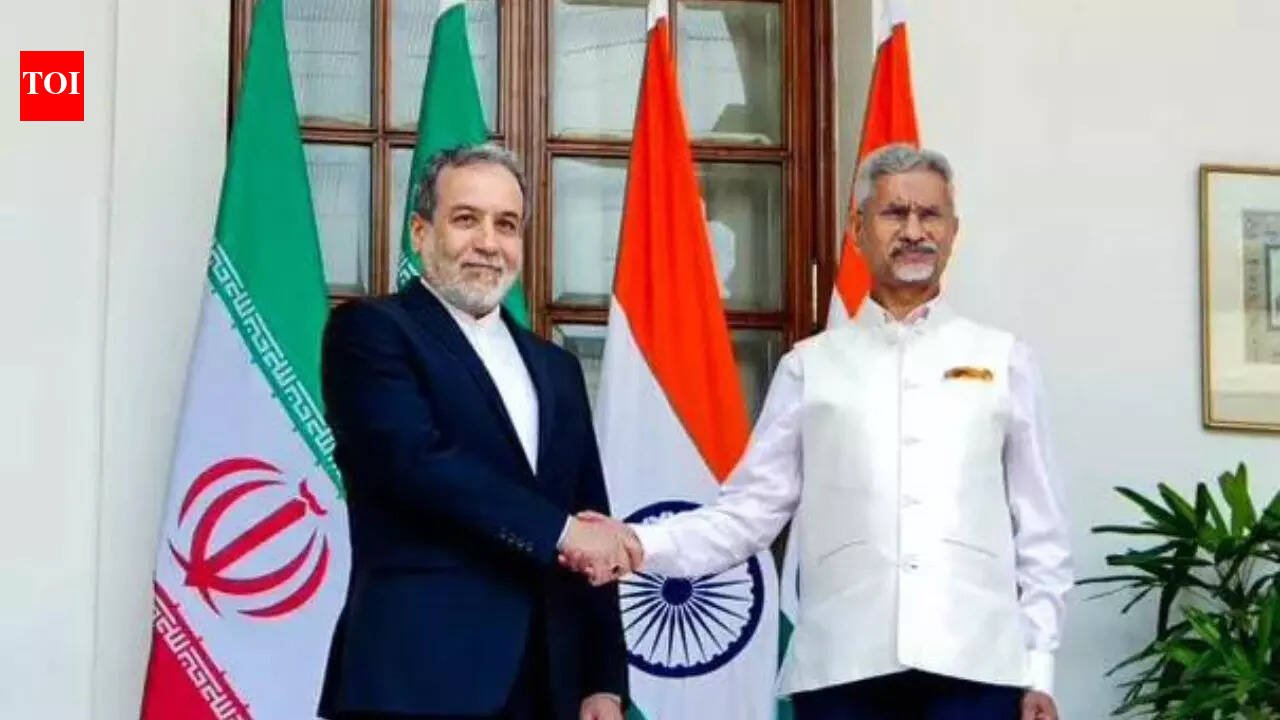
Iran FM Abbas Araghchi with S Jaishankar (Image/PTI)

NEW DELHI: External affairs minister S Jaishankar on Thursday held his fourth phone conversation with Iranian foreign minister Abbas Araghchi amid the ongoing tensions in the Middle East.In a post on X, Jaishankar said that the two leaders discussed bilateral ties and issues related to the BRICS grouping.“Had another conversation with Iranian FM Seyed Abbas Araghchi yesterday night. Discussed bilateral matters as also BRICS-related issues,” he wrote.The latest interaction follows a series of recent calls between the two ministers since the outbreak of the conflict in the region on February 28. Earlier this week, both leaders discussed the situation in the Strait of Hormuz, a critical shipping passage for global energy supplies.During that conversation, Jaishankar emphasised the importance of ensuring safe merchant shipping through the waterway, which connects the Persian Gulf to global trade routes.According to a readout from Iran’s foreign ministry, the two sides also discussed the impact of the ongoing conflict on maritime traffic in the region.The Iranian side said that the instability affecting shipping in the Persian Gulf was the result of “aggressive and destabilising actions” by the United States and called on the international community to hold Washington accountable.Iran’s foreign ministry said Araghchi also raised concerns about the consequences of US and Israeli military actions on regional stability and maritime security.Jaishankar, meanwhile, stressed the importance of maintaining and strengthening bilateral ties between New Delhi and Tehran. He also highlighted the need for continued consultations to help restore stability in the region.


Source link

Middle East crisis: 4 crew members killed after US refueling aircraft crashes in western Iraq


Middle East crisis: 4 crew members killed after US refueling aircraft crashes in western Iraq

Four out of six crew members were killed after a US refuelling aircraft crashed in western Iraq on Friday, US Central Command confirmed.According to the US military, the circumstances of the incident are under investigation. However, it rejected that the crash was a result of hostile fire or friendly fire.“At approximately 2 pm ET on March 12, a US KC-135 refueling aircraft went down in western Iraq. Four of six crew members on board the aircraft have been confirmed deceased as rescue efforts continue,” US military Central Command said.“The circumstances of the incident are under investigation. However, the loss of the aircraft was not due to hostile fire or friendly fire. The identities of the service members are being withheld until 24 hours after next of kin have been notified,” it added.The KC-135 tanker marks at least the fourth US military aircraft lost in the Middle East conflict, after three F-15E fighter jets were earlier shot down in a friendly-fire incident over Kuwait.The KC-135, a refuelling aircraft that has been in service for more than six decades, typically operates with a three-person crew, a pilot, a co-pilot and a boom operator responsible for refuelling other aircraft, according to the US Air Force.Some missions also require a navigator, and the aircraft is capable of carrying up to 37 passengers, an Air Force factsheet says.Earlier in the conflict, which began on February 28, Kuwaiti forces mistakenly shot down three American F-15E fighter jets, though all six crew members ejected safely, according to US Central Command. The incident took place amid active combat involving attacks by Iranian aircraft, ballistic missiles and drones, the command said at the time.


Source link

Mumtaz opens up on her interfaith marriage, talks about polygamy: ‘Marrying three-four times, how does it make you better?’ |


Veteran Bollywood star Mumtaz, whose birth name is Mumtaz Askari, was among the most popular actresses of the 1970s, known for films such as ‘Khilona’, ‘Do Raaste’, ‘Aap Ki Kasam’, ‘Tere Mere Sapne’, ‘Roti’ among others. Her onscreen pairing with Rajesh Khanna and some of their songs together continue to remain iconic. At the peak of her film career, she married businessman Mayur Madhvani in 1974 and stepped away from acting. In a recent interview, the veteran actor opened up about her interfaith marriage and how marrying a Hindu influenced certain aspects of her spiritual life. She also spoke about her deep faith in Hindu deities despite being born into a Muslim family.Mumtaz shared details about her personal beliefs and the spiritual practices she follows at home. She said in an interview with Sitaron Ka Safar, “My favourites are Lord Shankar and Lord Krishna. I believe in them deeply, even though I am a Muslim.”She went on to describe how devotion is part of her everyday routine. “Whenever I walk down the stairs in my house, there is an idol of Lord Ganesha, who is my favourite, and I bow at his feet. I also believe in Lord Shankar. Since childhood, I have always loved good-looking people, and I feel he is the most handsome god. So I love him. These are the two deities I especially believe in.”

Mumtaz’s Comeback Promise: ‘No Roles of the Elderly’

During the same conversation, Mumtaz also spoke about her interfaith marriage, noting that both she and her sister married Hindu men and have found happiness in their relationships. “I believe in both religions. I married a Hindu, and my sister also married a Hindu. We are both happy. My husband takes great care of me. I don’t understand why people keep talking about Hindu and Muslim divisions, I don’t believe in that.

Poll

Do you think personal faith and spirituality can coexist with cultural differences?

The actor also shared her personal views on polygamy, saying she strongly disagrees with the practice followed by some Muslim men. “I always say that I married a Hindu, and so did my sister, and we are very happy. Among Muslims, many men have married three or four times and then left their wives. How does that make Muslims better than Hindus? A man should not marry three or four times in the first place. I myself am Muslim, and I say this is wrong, to keep one wife and then marry another, and then a third. Have you ever thought about how possessive women are in relationships? This is one relationship where every woman is possessive. Leaving one and marrying another, how is that right? Isn’t that a sin?”She concluded by comparing it with what she sees among Hindus, adding, “In that sense, Hindus seem better, they usually marry once. Sometimes they may marry twice, but it’s not about easily leaving one person and moving on to another. That is wrong.”


Source link

Sunrisers Leeds’ X handle suspended amid controversy surrounding Abrar Ahmed signing in The Hundred 2026 auction


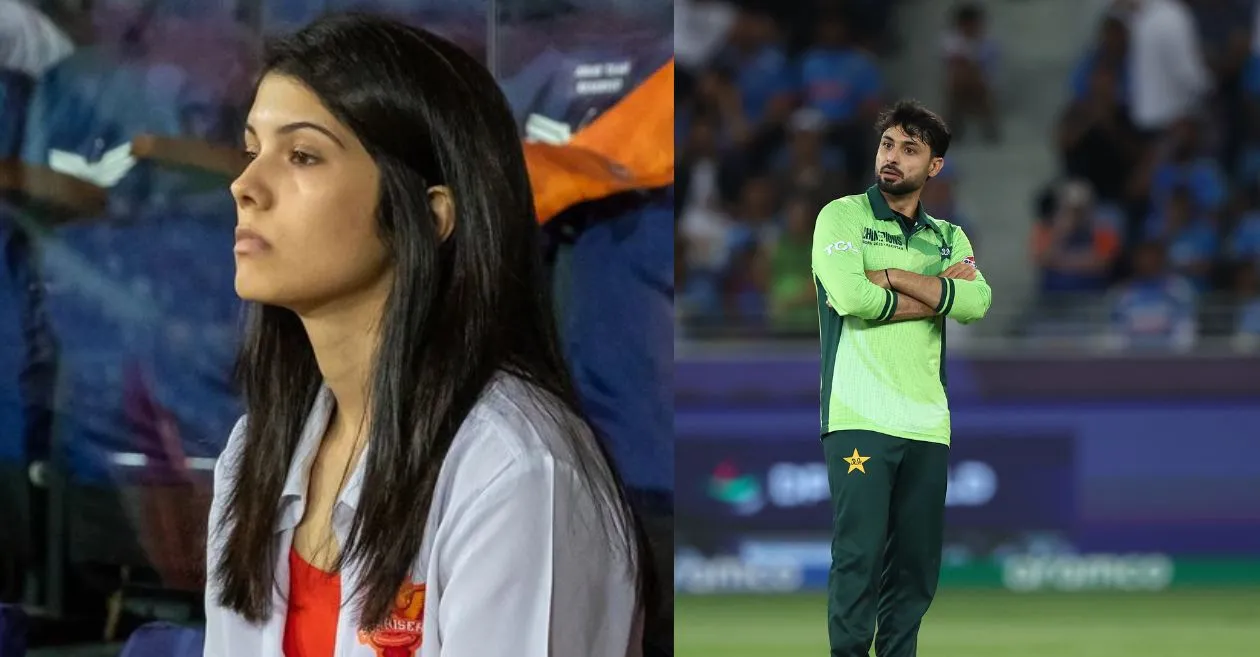
The 2026 edition of The Hundred was always destined to be a transformative chapter for English cricket, but few predicted the geopolitical firestorm ignited during this week’s Men’s Auction. In a move that sent shockwaves from Headingley to Hyderabad, Sunrisers Leeds, the franchise recently acquired in full by India’s Sun Group secured the services of Pakistan’s mystery spinner Abrar Ahmed for a staggering £190,000.

However, the celebratory atmosphere was short-lived. Within hours of the high-stakes bid, the franchise’s official X (formerly Twitter) handle was abruptly suspended. Visitors to the page are currently met with a cold, automated message: “Account suspended. X suspends accounts which violate the X rules.” While X has not released an official statement, the timing suggests a coordinated campaign of mass reporting following a surge of vitriolic backlash from a segment of the team’s international fanbase.

(Image source: X)

The signing of Abrar is more than just a tactical masterstroke by head coach Daniel Vettori; it is a direct challenge to a decades-long status quo. Since the 2008 inaugural IPL season, Pakistan players have been conspicuously absent from Indian-owned franchises across global leagues, from the SA20 to the ILT20, due to the deeply strained diplomatic relations between India and Pakistan.

Abrar’s entry into the Sunrisers Leeds roster marks a historic shift. He follows spinner Usman Tariq (Trent Rockets) as the second Pakistani player sold in the 2026 auction, but more significantly, he is the first to be signed by a team under 100% Indian ownership. Addressing the strategic logic behind the pick, Vettori noted that the team pivot was necessary after missing out on local favourite Adil Rashid. “Abrar was one of four or five guys we were looking at, very pleased to get him,” Vettori stated via ESPNcricinfo.

Also READ: ‘Shame on Kavya Maran’: Sunrisers owner faces backlash for signing Pakistan spinner Abrar Ahmed in The Hundred Auction

ECB’s stance amidst growing diplomatic friction

The controversy is further complicated by conflicting narratives surrounding the eligibility of Pakistani talent in the newly privatized Hundred. Prior to the auction, reports surfaced via the BBC suggesting that a senior ECB official had hinted that Indian-owned franchises would skip over Pakistan players to avoid political complications.

The ECB was quick to debunk these claims, asserting that the draft process remained strictly meritocratic, based on “performance, availability, and the needs of each team.” By completing a 100% takeover of the Leeds-based franchise—buying both the ECB’s 51% investment stake and Yorkshire CCC’s 49% share, the Sun Group has effectively tested the limits of this independence.

As the Sunrisers Leeds management works to restore their digital platform, the cricketing world watches closely. The suspension of their X account serves as a stark reminder that in the modern era, the boundary ropes of the cricket field offer little protection from the complex, often volatile world of digital geopolitics.

Also READ: The Hundred 2026 Auction: Complete list of sold players with their price


Source link

FM Sitharaman says Rs 1 lakh crore stabilisation fund will help govt face global headwinds


FM Sitharaman says Rs 1 lakh crore stabilisation fund will help govt face global headwinds

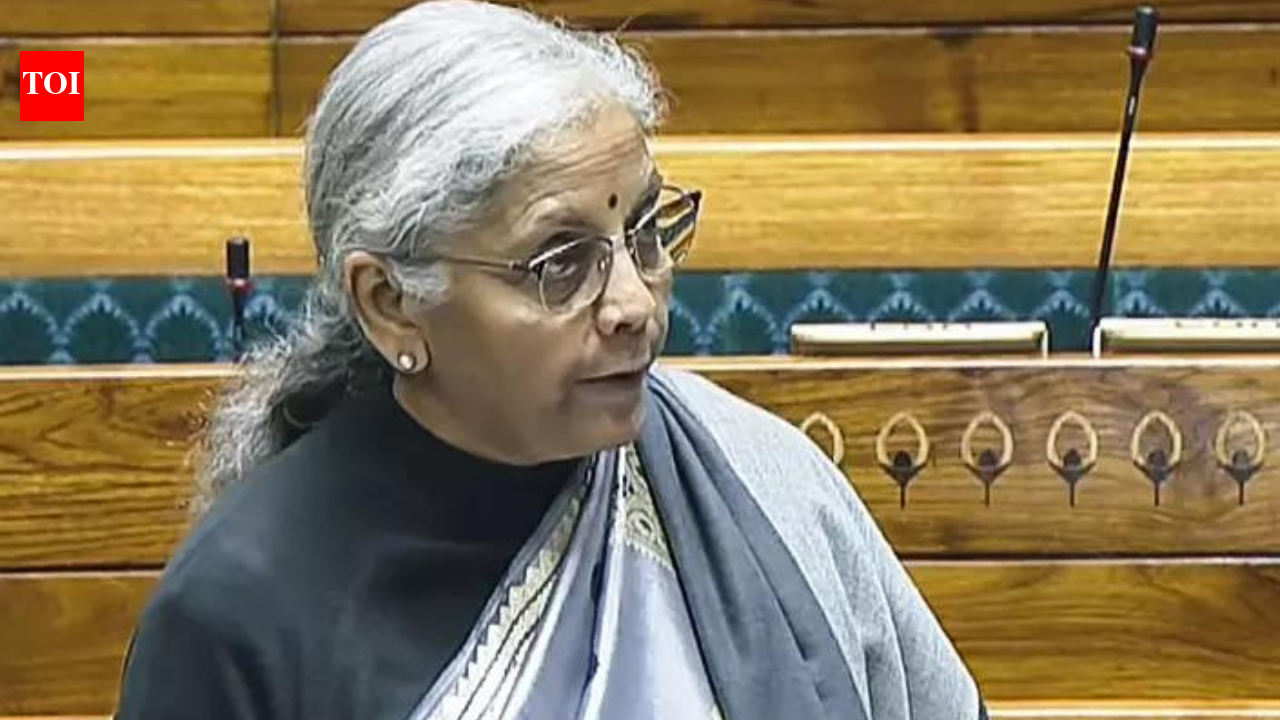
The Centre is setting up a Rs 1 lakh crore Economic Stabilisation Fund to strengthen its ability to manage external disruptions and maintain fiscal stability, finance minister Nirmala Sitharaman said on Friday.Intervening in the Lok Sabha during the debate on the second batch of supplementary demands for grants, she said the proposed fund is designed to function as a fiscal buffer in times of global uncertainty, including the present tensions in West Asia. “The Rs 1 lakh crore Economic Stabilisation Fund will give fiscal headroom to allow India to respond to global headwinds,” Sitharaman said, quoted PTI.The government has sought Parliament’s approval for additional gross expenditure of Rs 2.81 lakh crore for the ongoing financial year. With additional receipts of Rs 80,000 crore factored in, the net incremental cash spending is pegged at Rs 2.01 lakh crore.Sitharaman said the fiscal deficit for 2025-26 will stay within the Revised Estimates and remain aligned with the Budget projection of 4.4 per cent of GDP. She emphasised that the latest supplementary demands do not push total expenditure beyond the Budget Estimates for the year. “There is no increase in expenditure beyond the BE of 2025-26 due to the second supplementary,” she said, amid Opposition protests over concerns related to LPG availability.In the Revised Estimates, overall government spending for the current fiscal was scaled down to Rs 49.65 lakh crore from Rs 50.65 lakh crore indicated in the Budget. Data from the Controller General of Accounts shows that Rs 36.90 lakh crore had been spent up to January.Apart from the stabilisation fund, the supplementary demands include additional allocations of Rs 19,230 crore for fertiliser subsidy and Rs 23,641 crore under the Pradhan Mantri Garib Kalyan Anna Yojana. The government has also sought Rs 41,822 crore more for the defence ministry.The finance minister said sufficient financial provisions have been made to ensure fertiliser availability for farmers and asserted that there will be no shortage.


Source link

The silent fight behind success: Former junior India No. 2 Orijit Chaliha on athletes’ mental health struggles | Badminton News


The silent fight behind success: Former junior India No. 2 Orijit Chaliha on athletes’ mental health struggles
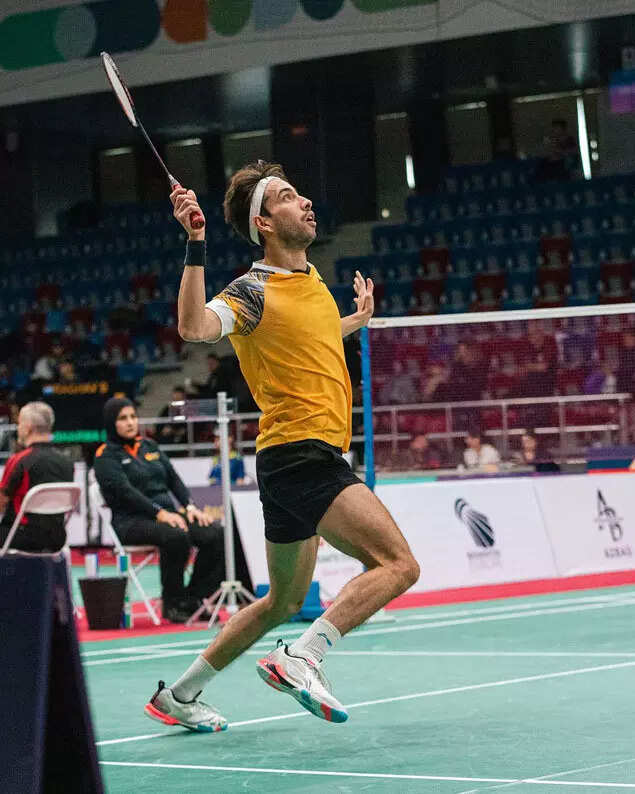
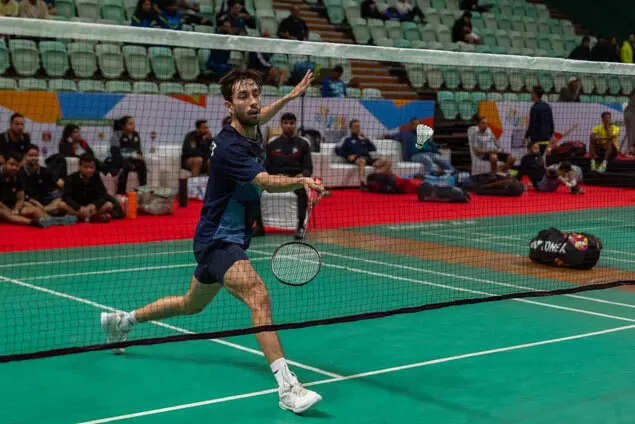
Orijit Chaliha, India Men’s Badminton Player

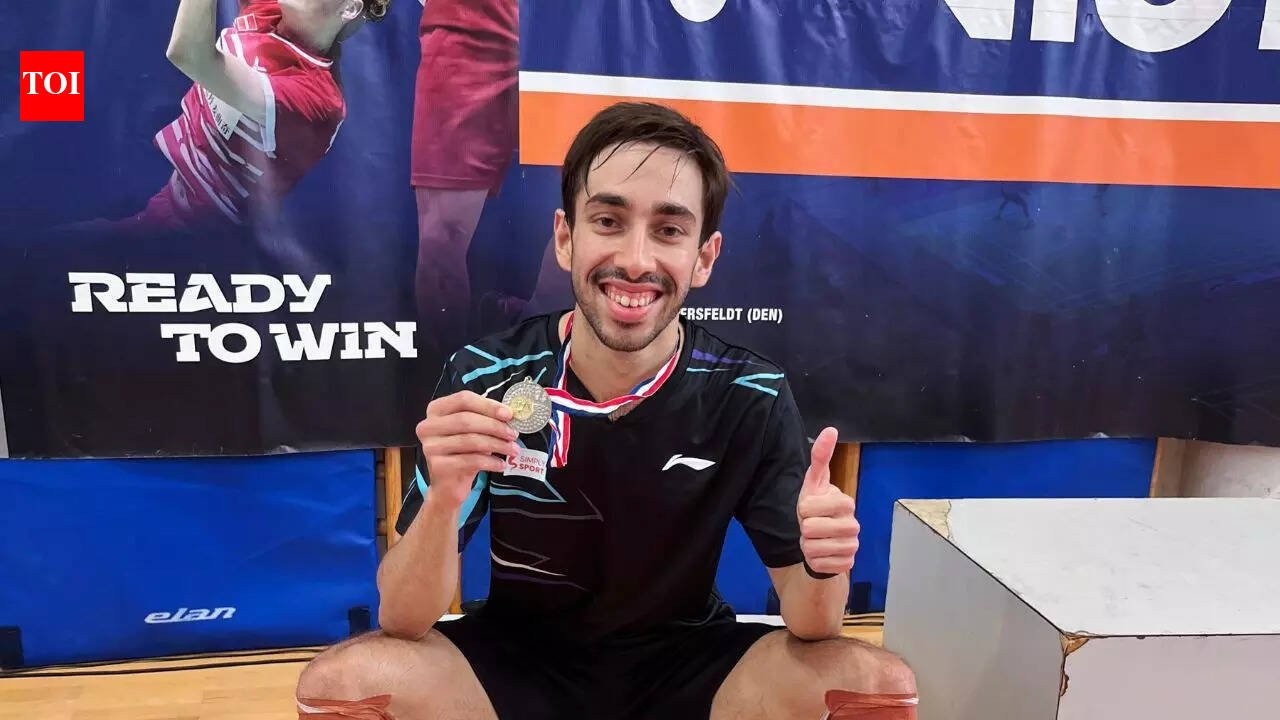
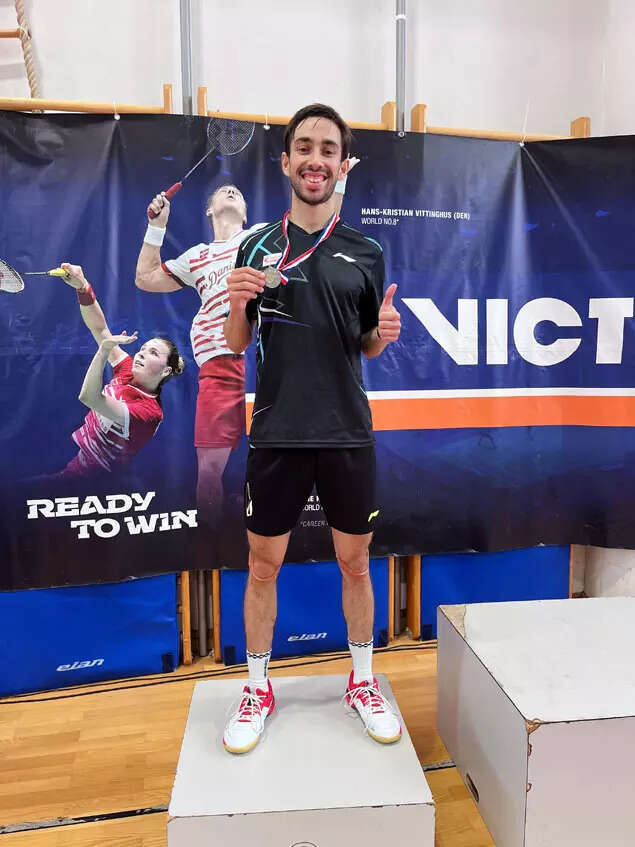
Behind the medals and victories, mental health plays a big part in an athlete’s life and career. Athletes are often admired for their strength and toughness, but many quietly face mental health challenges.Top athletes like Michael Phelps, Naomi Osaka, Tyson Fury, Serena Williams and Indian stars such as PV Sindhu, Virat Kohli and many others have been vocal about the mental side of their careers.A 2019 review by the International Olympic Committee (IOC) found that many top male athletes in team sports like hockey, football, cricket, and rugby face mental health challenges, including anxiety and depression. Nearly 45 % of these athletes reported experiencing such symptoms, showing that even elite players struggle with mental health. The review also found that some male athletes use substances like painkillers and opioids to manage pain, recover from injuries, or cope with stress from training and competition.In a conversation with Orijit Chaliha, an Indian men’s singles badminton player from Guwahati, Assam, the shuttler shed light on his struggles and why it’s important for athletes to prioritise mental health.The former Junior India No. 2, Chaliha is now ranked 20th in senior rankings, with a career-high national rank of 9 and a world ranking of 156.He won his first senior international medal, a silver, at the 2025 Victor Croatian International.Currently he is based in Bangalore, where he trains under Arvind Bhatt, a two-time national champion in men’s singles, at Simply Sport Badminton Academy.

Orijit Chaliha holds his silver medal at the Victor Croatian International.

Orijit Chaliha holds his silver medal at the Victor Croatian International.

Mental health in sports is finally getting the attention it deserves, and more athletes are speaking openly about their challenges. Orijit believes this change is helping normalise conversations about mental wellbeing. “More athletes are talking about their hardships and their journey, whether on YouTube, Instagram, or other platforms. This encourages others to open up as well,” Orijit told TimesofIndia.com in an exclusive chat. “Physical struggles were always highlighted, but mental struggles were considered taboo for a long time. That is changing now.” When asked if he had faced any mental challenges in his career, and how he dealt with them, Orijit opened up about his experiences.Orijit shared that he faced a major mental challenge in 2020, soon after moving from the U-19 circuit to the senior level. The constant routine of daily practice began to feel exhausting and repetitive, and he started experiencing burnout.“It reached a point where winning didn’t feel exciting and losing didn’t bother me either. I just lost the motivation to play,” he said.At the time, Orijit said he found it difficult to deal with those feelings, especially since many people believed that skipping practice could harm an athlete’s career.

Orijit Chaliha

Orijit Chaliha

Despite this pressure, he chose to take a break from badminton until he genuinely felt the desire to return, and he credits his support system for standing by him during that decision. Stepping away from the sport helped him see the bigger picture and reflect on his relationship with the game. “Eventually I made a bold decision to take a break from the sport and distance myself from it indefinitely and get back to it once I felt the desire to play again. I’m extremely fortunate to have a support system who supported this decision.“Being away from the sport helped me look at the bigger picture and separate myself from the everyday grind and look at things rationally. I found it difficult to do this while I was involved in the whole routine.” he said.After a few months of reflection, Orijit gradually regained his love for the game and slowly returned to practice at his own pace, with his motivation to compete eventually coming back.“When I returned to full-time training, I carried the lessons I had learned during that break,” he explained, adding that he now focuses on keeping practice both fun and challenging while paying attention to his mental wellbeing and trusting himself.

Orijit Chaliha

Orijit Chaliha

Orijit emphasised that accepting criticism and failure is key to professional growth. “At some point in your career, you realise criticism and failure are part of the process of becoming a champion. The better you play, the more people will notice your performance—it’s inevitable that some of it will be negative,” he explained.He added that criticism can even be seen as a privilege. “When people critique you, it shows you’re making an impact. Failures teach you what to improve, and using that feedback makes you a stronger player,” he said.When asked about the growing mental health support for athletes in India, Orijit said the system is slowly improving.“National centers, especially in badminton, now hire psychologists who travel with players for domestic and international tournaments. A few years ago, this was unseen. Now, players can talk to psychologists before and after matches, which is a huge step forward,” he said.When asked about how athletes handle pressure in India compared to other countries, he said there’s a noticeable difference.“Players in Western countries usually take criticism more easily, while in India and other Asian countries, athletes and their support teams are tougher on themselves. It’s stricter, but it also helps build resilience,” he said.

Orijit Chaliha

Orijit Chaliha

Orijit emphasised the importance of acceptance and preparation. “Pressure will always be there. It’s important to treat it as normal and find strategies that work for you. Take time off the court to think about situations that make you feel pressured and plan how you’ll handle them. Accepting pressure and preparing for it helps build resilience,” he said.When asked about staying motivated during low points, Orijit shared his personal mantra: “The only way is through.”He explained, “Whatever challenge comes your way, the only way to overcome it is by going through it. Every situation is a learning opportunity, and facing obstacles makes you stronger and a better athlete.”

Banner Insert


Source link