Breaking News
US-Iran war: How Strait of Hormuz closure impacts global oil supply – explained in 5 charts

US-Iran war: How Strait of Hormuz closure impacts global oil supply - explained in 5 charts
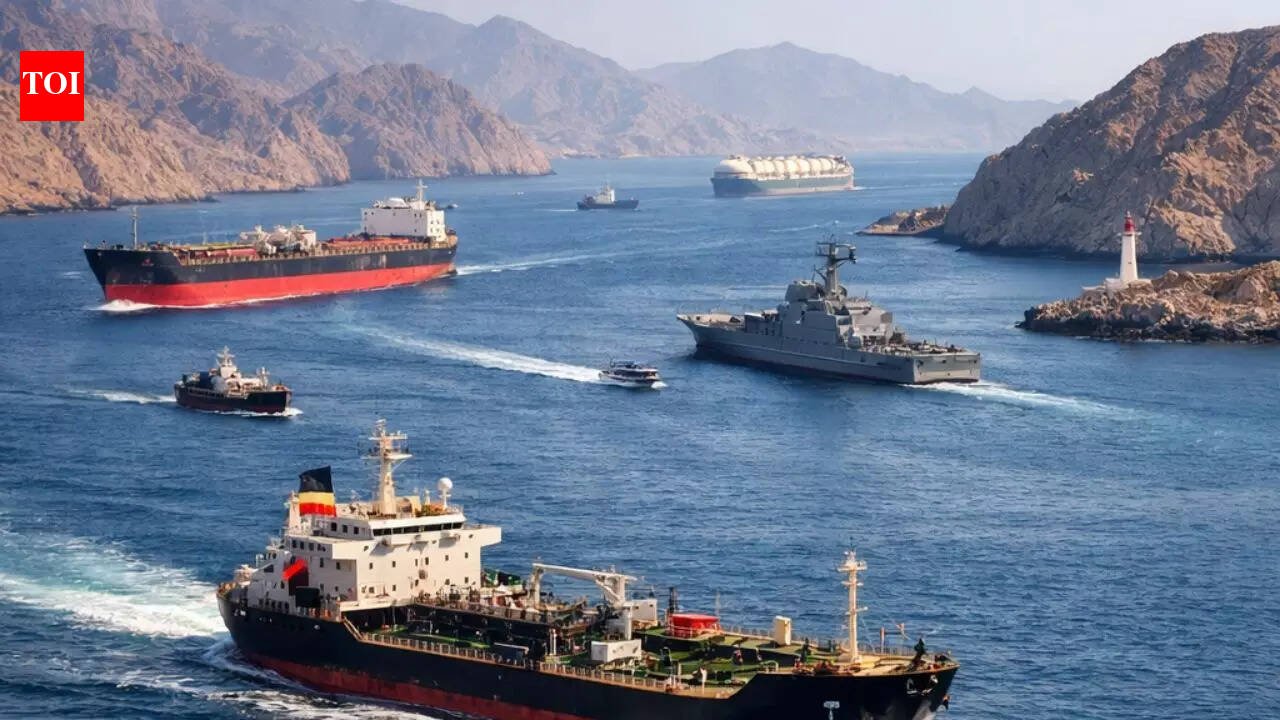
Representative AI image (Credit: Chatgpt)

The narrow waters of the Strait of Hormuz, a vital artery of the global energy system have become the epicentre of the latest shock to oil markets as the US-Israeli war on Iran escalates. Tankers are anchored, refineries are struggling to ship fuel, and some of the world’s biggest oil producers are cutting output as storage tanks fill up.The conflict has effectively blocked the strategic shipping route. With vessels avoiding the corridor due to security risks and energy infrastructure under attack, with several reports warning that the disruption could become one of the most serious supply shocks in decades.

‘Well, What Can I…’: Trump’s Startling Statement After Two Ships ‘Hit’ In Hormuz By Iran

As the crisis ripples through global markets, governments and energy agencies are scrambling to contain the fallout from releasing emergency oil reserves to imposing price caps and restricting exports, while businesses and consumers brace for rising energy costs.

The Strait of Hormuz

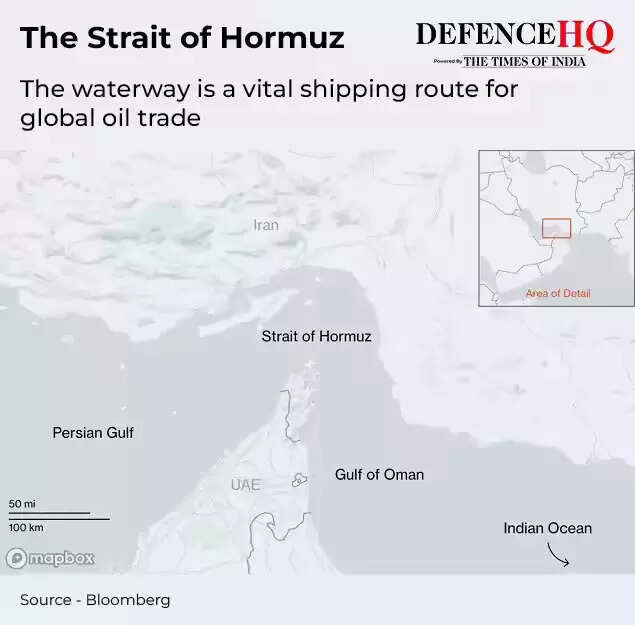
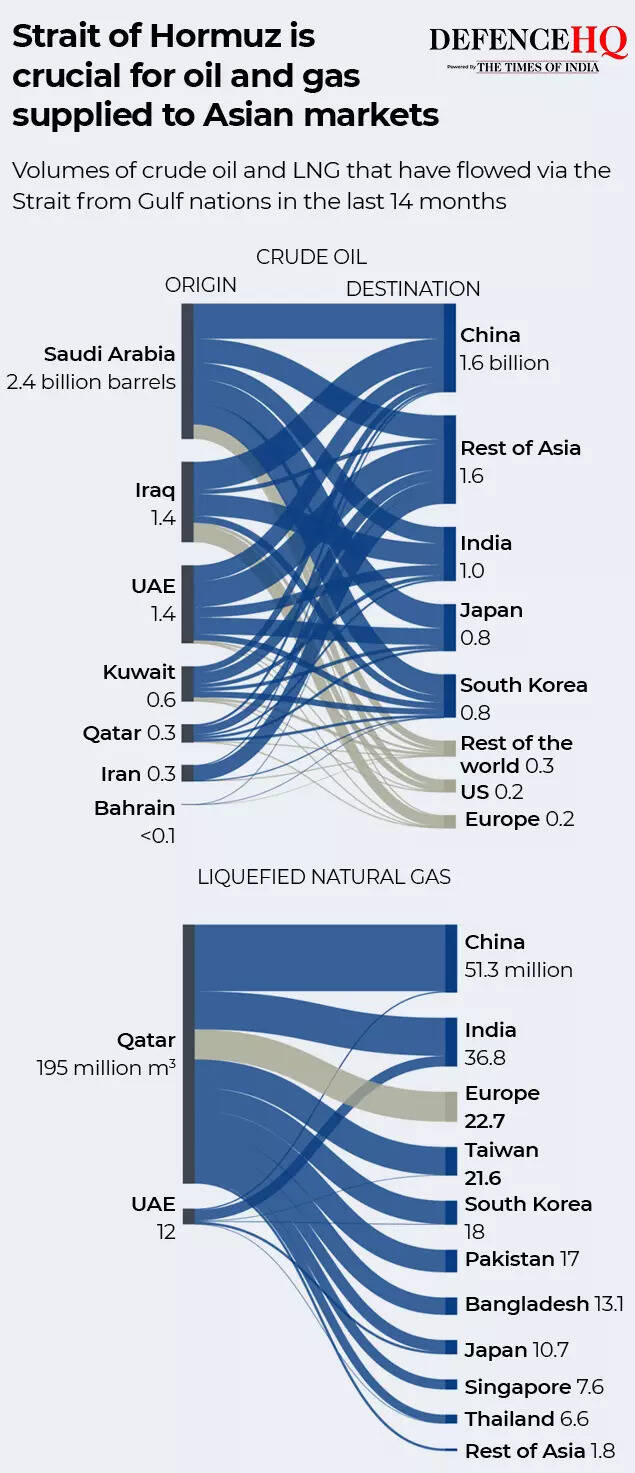
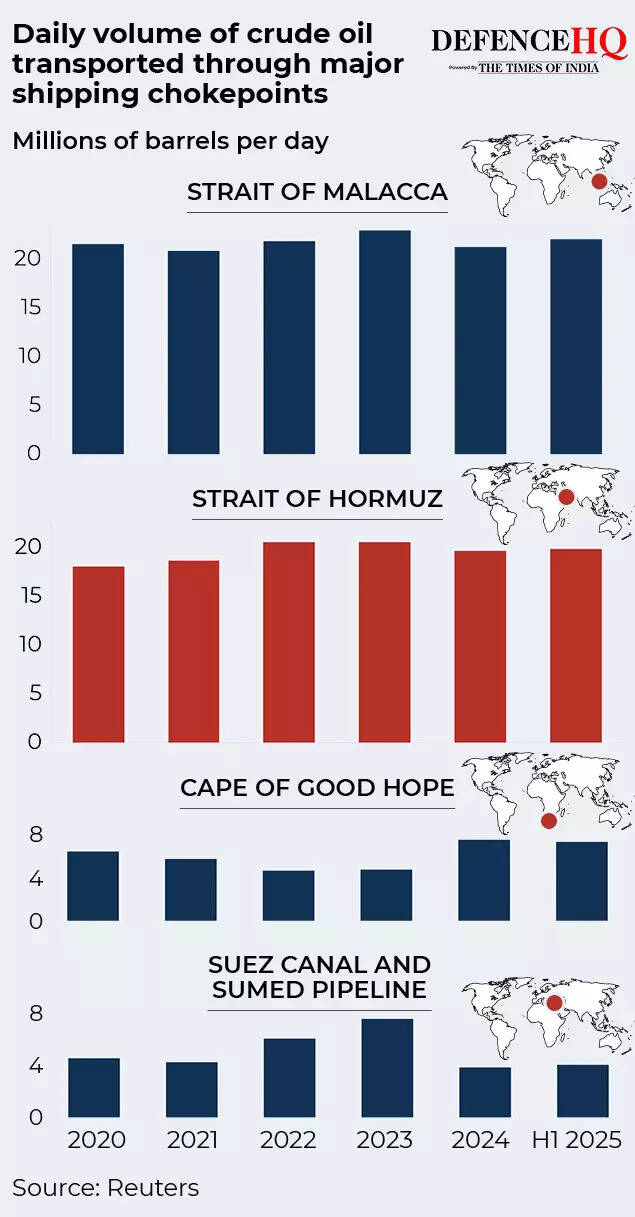
The Strait of Hormuz, located between Iran and Oman, is one of the most strategically important waterways in the world.The narrow shipping corridor normally carries about one-fifth of global oil and liquefied natural gas shipments. Tankers transport crude from major Gulf producers to markets across Asia, Europe and North America.But the escalation of the US–Iran conflict 2026 has effectively shut the route. Since the war began on February 28 with joint strikes by the United States and Israel on Iranian targets, tanker movement through the strait has slowed dramatically. Many vessels are avoiding the corridor entirely due to security risks, with several tankers already attacked since the conflict began. Hundreds of ships are currently anchored on both sides of the waterway as shipping companies and oil traders wait for signs that navigation through the strait may resume safely.
Strait of Hormuz

Strait of Hormuz

Oil producers forced to cut output

The disruption has quickly affected production across the Gulf.Top Middle East producers, including Saudi Arabia, Iraq and Kuwait have begun reducing output at their oilfields.With tankers unable to load crude for export, companies have been forced to divert oil into storage. However, storage facilities across the region are nearing capacity after nearly 10 days of shipping disruptions.Once storage tanks fill up, producers have little choice but to slow or halt production. This scenario threatens to tighten global oil supply sharply if exports do not resume soon.
,

Oil infrastructure and refineries under attack

The war has also damaged key energy infrastructure across the Gulf region. Some refineries have been directly hit during the conflict.The 380,000-barrel-per-day Sitra refinery operated by Bapco Energies in Bahrain was struck and declared force majeure earlier this week.Meanwhile, Saudi Aramco had shut its largest refinery at Ras Tanura which also hosts the kingdom’s biggest marine export terminal after a drone strike from Tehran.These disruptions have further limited the region’s ability to process and export fuel products.Kuwait’s massive Al Zour Refinery, which processes about 615,000 barrels per day and supplies jet fuel to Europe and Africa, has also been affected as shipping routes remain blocked. Even if hostilities ease soon, repairing damaged infrastructure and restarting production could take weeks.Tanker traffic through the strait has stopped, insurance costs have gone up, and big shipping companies have stopped crossing. Over 400 oil and product tankers are sitting still in the Gulf, and some vessel tracking shows that flows through Hormuz are much lower than usual.
,

Emergency oil reserves considered

With global supplies tightening rapidly, the International Energy Agency is preparing an emergency response.The agency is expected to recommend releasing around 400 million barrels of oil from strategic reserves, the largest such move in its history. Emergency stockpiles are designed to cushion the global economy from sudden supply shocks.However, the spare production capacity may not be enough to fully offset the disruption if the Strait of Hormuz remains closed.Until shipping resumes, refineries around the world will likely rely on existing inventories to continue producing fuel for transport, industry and power generation.
,

Oil and gas prices surge

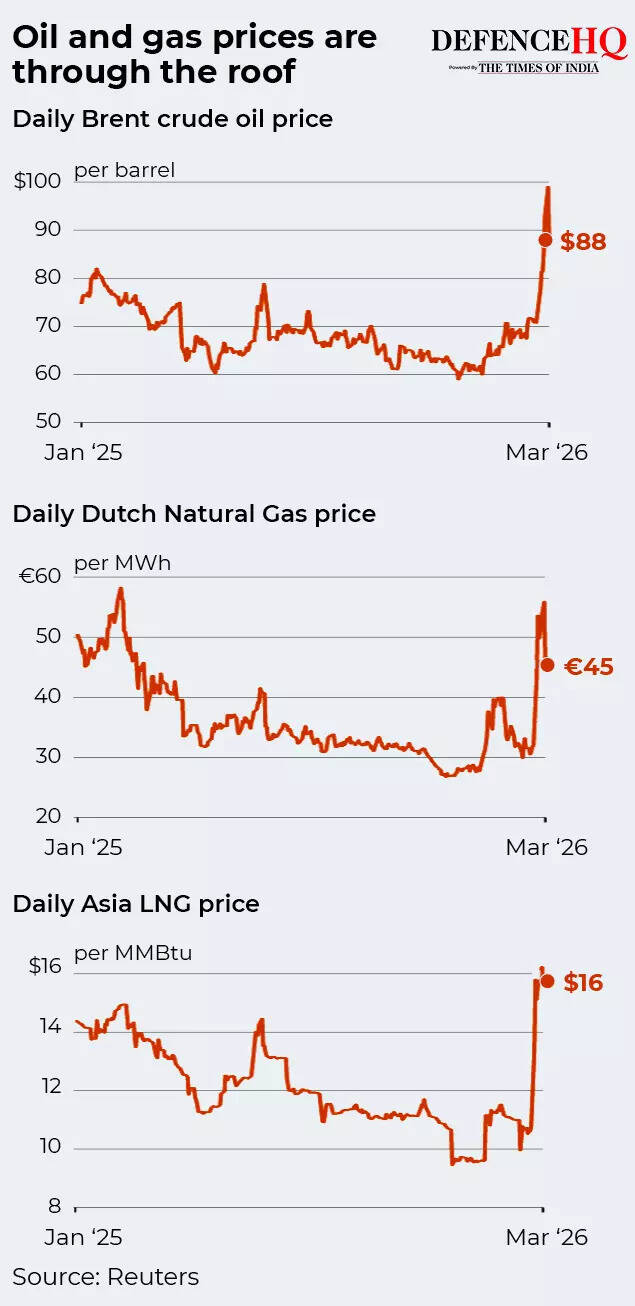
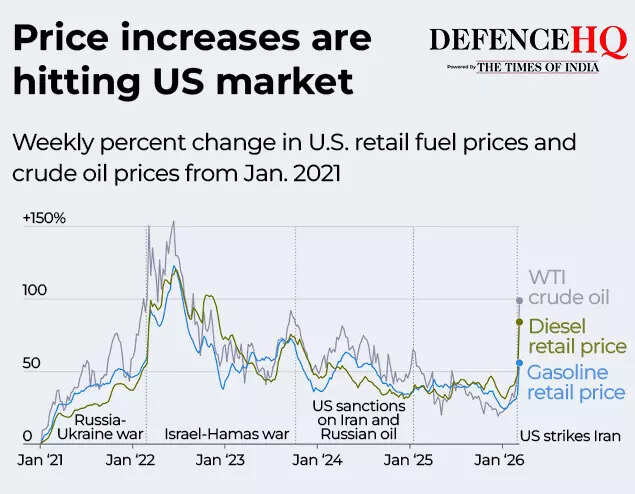
Energy prices have already surged sharply since the conflict began. Oil briefly climbed to about $119 a barrel earlier this week the highest level since 2022, as traders reacted to the supply disruption. Although prices later eased slightly, analysts warn that prolonged disruption could drive crude significantly higher.If supply losses persist, prices may rise until higher energy costs reduce demand, a process economists often describe as “demand destruction.” The impact is not limited to crude oil. Prices for gasoline, diesel, jet fuel, natural gas, petrochemicals, fertilisers and electricity have all risen sharply since the war began, according to Reuters reports.Shipping costs have also surged as insurers and freight operators price in the risk of attacks on vessels passing through the Gulf.
,

Asia faces the biggest risk

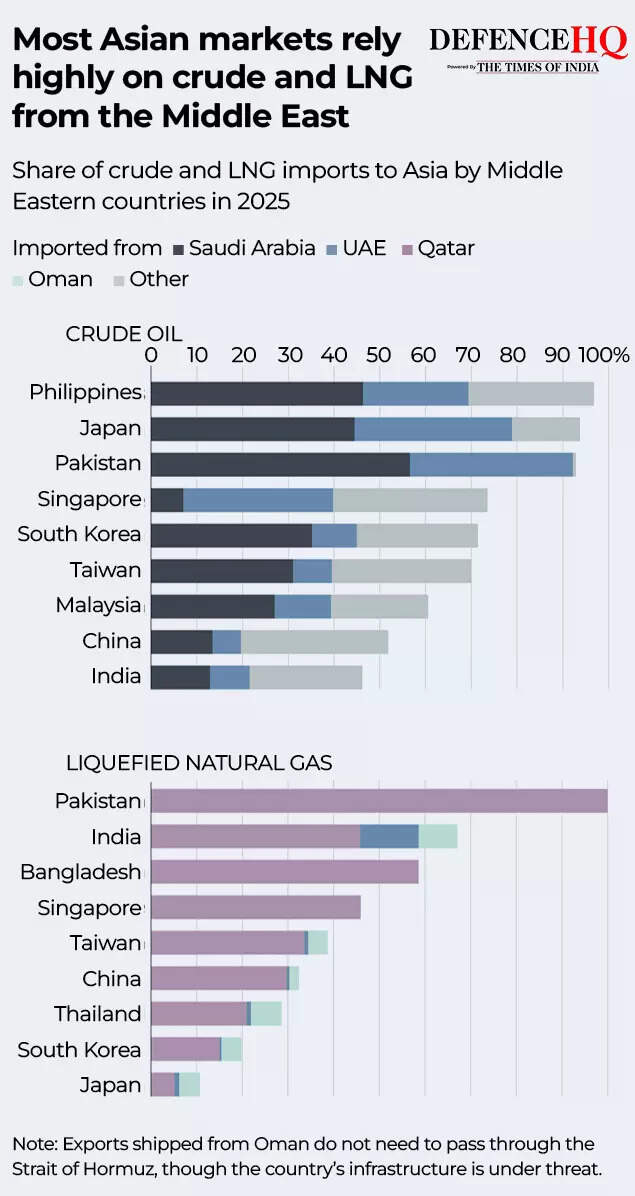
Asian economies are considered the most vulnerable to supply disruptions from the Strait of Hormuz. Many countries across the region rely heavily on imports of crude oil, liquefied natural gas and refined fuel from the Middle East.Only the Strait of Malacca, between Malaysia and Indonesia, sees more tanker traffic than Hormuz. With the Gulf corridor disrupted, governments across Asia are scrambling to manage the impact.
,

China has asked refiners to halt fuel exports to secure domestic supply. South Korea has imposed price caps on fuel for the first time in three decades.Meanwhile, Bangladesh has shut universities temporarily in an effort to conserve electricity and fuel.

Limited alternatives to bypass Hormuz

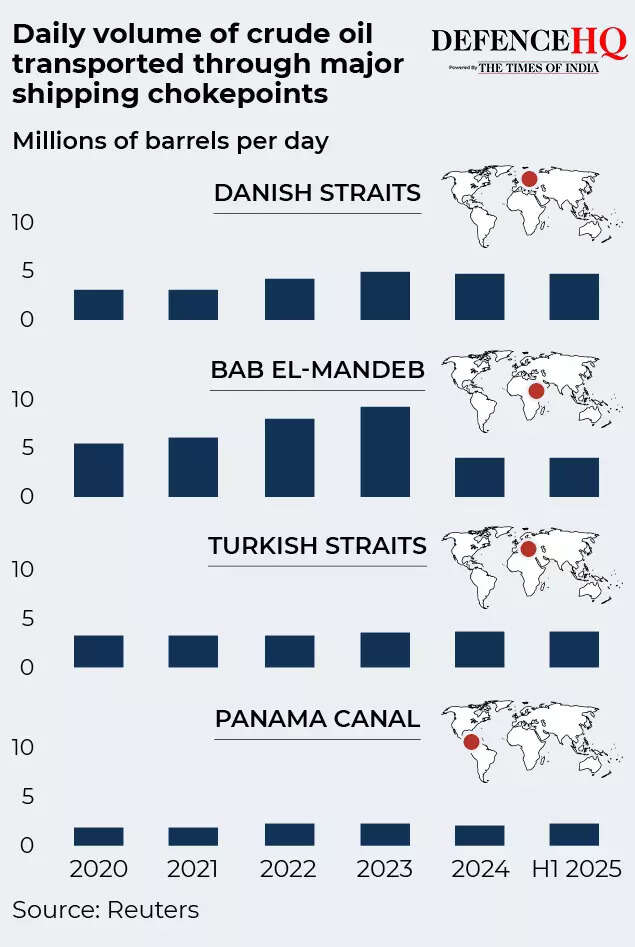
Some Gulf producers have limited options to bypass the strait using pipelines.Saudi Arabia has been pumping crude through its East-West pipeline to the Red Sea port of Yanbu. The pipeline can transport up to 5 million barrels per day.However, Yanbu has rarely loaded more than 2.5 million barrels per day, limiting its ability to fully replace exports through Hormuz.
,

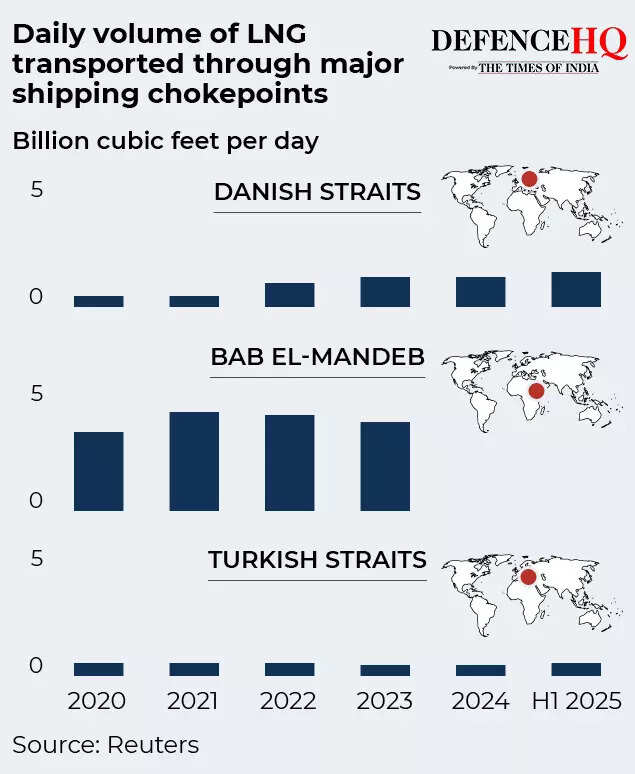
The United Arab Emirates also operates the Abu Dhabi Crude Oil Pipeline known as the “Habshan-Fujairah pipeline” which can carry about 1.5 million barrels per day from inland oilfields to the port of Fujairah on the Gulf of Oman.While these pipelines provide partial alternatives, they cannot fully replace the massive volumes that normally pass through the strait.Another sign of how messed up the market has become is that buyers are paying more for barrels that can load outside of Hormuz. The Wall Street Journal said that crude oil from Oman has gone up a lot compared to Dubai grades that are stuck on the wrong side of the chokepoint. Tankers are going to Yanbu and Fujairah instead. Petrobras says that Saudi Arabia is still keeping its promises by shipping through the Red Sea route, even though shipping costs have gone up a lot.
,

Rising costs for businesses and consumers

And as experts told Middle East Eye, the real squeeze may be more on refined products than on crude oil. Policymakers can point to crude oil still moving. But the economy as a whole depends on more than just oil prices. It also depends on several other factors.Higher fuel costs are pushing up inflation and increasing the cost of producing and transporting goods. Food prices are also rising as fertiliser and transportation costs climb.Farmers across the Northern Hemisphere, currently preparing for planting season, are facing higher input costs due to the spike in energy prices.Businesses across sectors from aviation to manufacturing are also seeing operating costs rise.

India among the vulnerable economies?

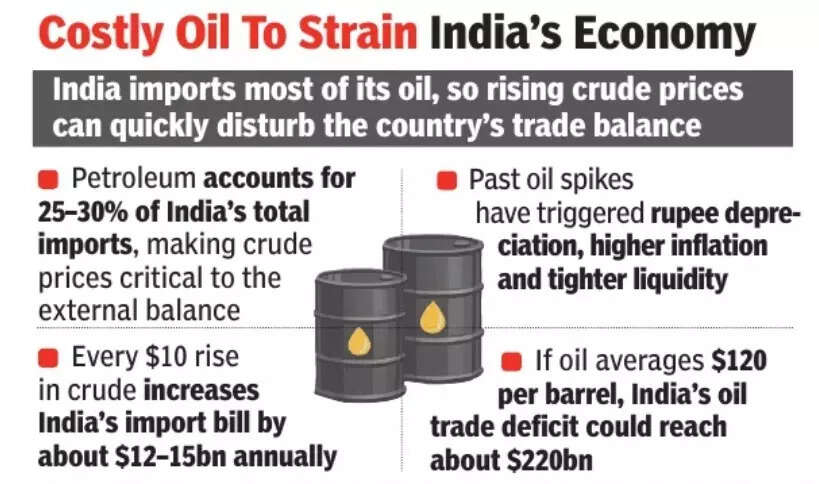
Among major economies, India is considered particularly vulnerable to an oil shock. The country imports nearly 90% of its crude oil and about half of its natural gas needs.More than 40% of India’s crude imports come from the Middle East, the region currently at the centre of the conflict.India’s oil reserves are estimated to cover only about 20 to 25 days of consumption. If high oil prices persist the country could face significant economic pressure. And a prolonged spike in oil prices could affect India’s growth, inflation and government finances.According to Reuters, economists said that an average crude price of $100 per barrel could widen India’s current account deficit to between 1.9% and 2.2% of GDP in the 2026-27 financial year.If oil prices rise to around $120 per barrel, the current account deficit could expand to roughly 3.1% of GDP.

,

Higher import costs have already pushed the rupee to record lows, forcing the central bank to sell dollars from its reserves to stabilise the currency.High oil prices could also increase government spending significantly. According to estimates by Mumbai-based Elara Securities, federal expenditure could rise by around 3.6 trillion rupees ($39 billion) next year if oil prices average $100 per barrel.India is targeting a fiscal deficit of 4.3% of GDP for the 2026-27 financial year. Maintaining that target while absorbing higher energy costs could force the government to cut spending in other areas such as infrastructure investment.
,

India’s economy is expected to grow more than 7% in the coming financial year. However, if oil prices remain close to $100 per barrel throughout the year, growth could slow to about 6.6% while inflation could rise to around 4.1% , according to a report by State Bank of India.

Energy supply chains under strain

Even if the conflict ends soon, restoring normal operations across the region’s energy infrastructure will take time. Damaged refineries will need repairs before they can resume full output, while other facilities may take weeks to restart.For instance, QatarEnergy’s LNG facilities could take several weeks to ramp up after a complete shutdown. Oilfields that have scaled back production will also require time to stabilise, and in some cases a loss of reservoir pressure could lead to a lasting drop in output.For now, global markets remain on edge as shipping firms, oil producers and governments closely monitor the situation for any signs that traffic through the strategic corridor could resume. Until then, the disruption risks keeping energy prices high and adding further strain to economies worldwide.


Source link

Big shift in India’s job market! Why fixed term employment is the new normal and what it means for employees


Big shift in India’s job market! Why fixed term employment is the new normal and what it means for employees
Fixed term employment is steadily emerging as a mainstream form of hiring. (AI image)

India’s world of work is changing. Businesses today operate in an environment marked by rapid technological shifts, evolving geopolitical dynamics, seasonal demand cycles, project‑based work and intense global competition. Geopolitical realignments, supply‑chain reconfiguration and cross‑border regulatory developments are influencing how organisations plan operations and deploy talent. At the same time, employees are increasingly open to diverse career paths that may include short‑term assignments, project roles or specialised engagements.Against this backdrop, fixed term employment (FTE) is steadily emerging as a mainstream form of hiring. Far from being an exception, it is now formally recognised and regulated under India’s new labour codes, particularly the Industrial Relations Code, 2020 and the Code on Social Security, 2020. Rather than creating a new concept, the labour codes acknowledge a reality that already exists in many sectors — and bring it within a clearer, more transparent legal framework.

What is fixed term employment?

In simple terms, fixed term employment means hiring an employee directly on the employer’s payroll for a clearly defined period, backed by a written contract. The contract specifies the start date and the end date, and the employment comes to an end automatically once the term expires.For example, a company may hire a software tester for a 12-month product implementation project, or a manufacturing unit may recruit additional technicians for a six-month peak production cycle. Once the period ends, the contract concludes by design.The labour codes formally define and recognise such arrangements, removing ambiguity around their legality.

Why fixed term employment matters in today’s economy?

India’s economy increasingly relies on time-bound projects and specialised skills. Infrastructure projects, digital transformation initiatives, expansion into new markets, compliance-led programmes and seasonal business spikes all require manpower for defined durations.Earlier, organisations often relied on contractor arrangements to meet these needs. The labour codes take a different approach – they encourage direct employment, even if the engagement is for a limited period.This shift supports a more formal labour market while allowing businesses to remain agile.

Understanding Fixed Term Employment

Equal treatment under the labour codes

One of the most important features of fixed term employment under the labour codes is parity of treatment. A fixed term employee is entitled to the same wages, working hours, allowances and statutory benefits as a permanent employee performing similar work. The only difference lies in the duration of the employment, not in the quality of protection.This means that a fixed term employee cannot be paid less simply because the contract is time-bound. Provident fund, ESI (where applicable), leave entitlements and other statutory benefits apply in the same manner, calculated proportionately. Consider a technology services company undertaking a time‑bound enterprise system migration for a large client, such as moving legacy applications to a cloud‑based platform. To support this programme, the company hires experienced project managers and solution leads on a nine‑month fixed‑term basis. These professionals are issued formal appointment letters clearly setting out the fixed duration of employment. During the contract period, they are paid wages and benefits comparable to permanent employees performing similar roles and are covered under applicable social security provisions, including provident fund. Once the migration project is completed and the systems are stabilised, the employment comes to an end automatically in line with the contract terms. This arrangement allows the organisation to access specialised capabilities for a defined period while providing employees with clarity, parity and statutory protection.

Gratuity and social security: A notable change

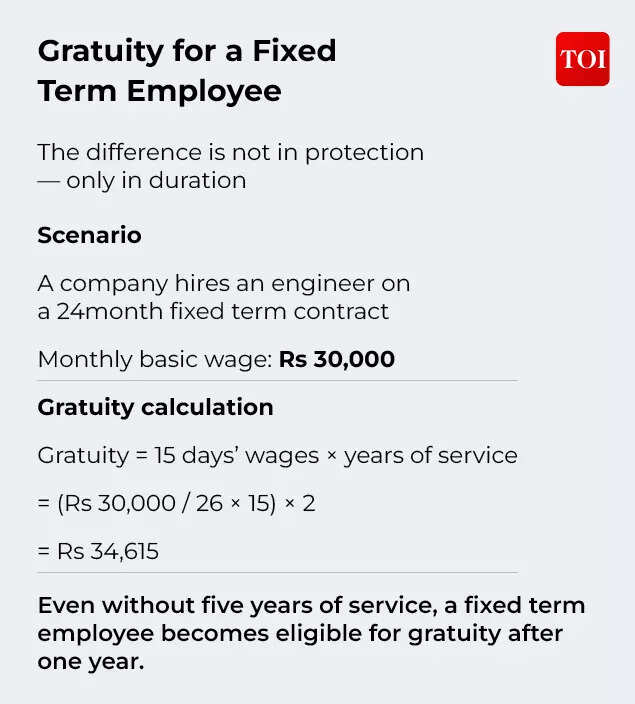
A significant reform under the Code on Social Security, 2020 relates to gratuity eligibility for fixed term employees.Traditionally, gratuity required five years of continuous service. Under the labour codes, fixed term employees become eligible for gratuity on a pro-rata basis after completing one year of service.This is particularly relevant for project-based roles that may last one to three years and were earlier outside the gratuity framework.For instance, an engineer hired on a two-year fixed term contract for a renewable energy project would now be eligible for gratuity at the end of the contract, proportionate to the period worked.

Gratuity for a Fixed Term Employee

Predictability for employers, transparency for employees

Fixed term employment introduces predictability into workforce planning. Employers know the duration of engagement upfront, while employees have clarity on tenure, compensation and benefits from day one.Importantly, the end of a fixed term contract does not amount to retrenchment under the Industrial Relations Code, as the employment ends by the “efflux of time” specified in the contract.This legal clarity reduces disputes and allows organisations to plan staffing needs more efficiently, especially in sectors affected by demand cycles.

Where fixed term employment is commonly used

Fixed‑term employment is prevalent across a wide range of sectors in India, including information technology and digital services, manufacturing and engineering, e‑commerce and logistics, infrastructure and construction, hospitality and tourism, as well as research, consulting and project‑based roles. These arrangements are commonly used to meet time‑bound business requirements, manage demand variability, or access specialised skills for defined periods. Importantly, the labour codes do not restrict fixed‑term employment to specific industries, allowing organisations across the economy to use this model as a flexible and compliant workforce option.Fixed term employment is not contract labour – It is important to distinguish fixed term employment from contract labour.A fixed term employee is directly employed by the organisation and works under its supervision and control. This is different from contract labour, where workers are engaged through a contractor.By encouraging fixed term hiring on the principal employer’s rolls, the labour codes promote greater accountability and reduce dependence on multi-layered contracting structures.

What it means for employees and employers

For employees, fixed‑term employment provides access to formal employment arrangements with full statutory benefits, along with opportunities to work on high‑impact assignments and well‑defined projects. It enables greater mobility across roles, organisations and industries, while offering clarity through transparent contractual terms and a clearly defined tenure. Many professionals today increasingly view fixed‑term roles as a practical way to build specialised skills, gain exposure to different sectors, or contribute to large and meaningful projects, without necessarily committing to long‑term employment.For employers, it enables workforce flexibility that can be aligned closely with business cycles, project timelines and evolving operational needs. It provides a compliance‑backed framework for short‑term hiring, allowing organisations to plan manpower requirements with greater certainty and discipline, rather than relying on informal or ad‑hoc arrangements. Fixed‑term roles also support better cost planning while reducing legal ambiguity around tenure‑based positions, as the duration and terms of employment are contractually defined from the outset. As organisations revisit compensation structures and workforce strategies in the context of the labour codes, fixed‑term employment is increasingly being viewed as a legitimate and deliberate workforce design choice, rather than an exception to standard employment models.

A gradual but steady shift

The labour codes do not mandate the use of fixed term employment. Instead, they create an enabling framework where such arrangements can be used responsibly and transparently.Over time, as state rules are finalised and organisations align their HR practices, fixed term employment is likely to coexist alongside permanent roles, each serving different business needs.Rather than replacing permanent employment, fixed term roles complement it — particularly in a fast-changing economy where not all work fits a one-size-fits-all model.Fixed term employment reflects a broader shift in India’s labour landscape: from informality to formalisation, from ambiguity to clarity, and from rigid structures to balanced flexibility.By recognising and regulating fixed term employment, the labour codes acknowledge modern work realities while ensuring statutory protections remain intact. As businesses and professionals adapt to this framework, fixed term employment is steadily becoming part of the new normal — structured, transparent and aligned with India’s evolving economy.(Puneet Gupta is Partner, People Advisory Services Tax at EY India)


Source link

US stocks tumble at open as oil prices touched $100 per barrel amid Iran conflict


US stocks tumble at open as oil prices touched $100 per barrel amid Iran conflict

US stock markets opened sharply lower on Thursday as surging oil prices and uncertainty stemming from the ongoing conflict involving the US, Israel and Iran weighed on investor sentiment.Shortly after opening bell, the Dow Jones Industrial Average fell 1.1 per cent to 46,879.09. The broader S&P 500 declined 1.0 per cent to 6,706.10, while the tech-heavy Nasdaq Composite dropped 1.3 per cent to 22,426.80.Energy markets remained volatile as crude prices surged amid fears of supply disruptions in the Middle East. Oil briefly crossed the $100 per barrel mark earlier in the day before retreating slightly by the time US trading began.International benchmark Brent crude rose 7.9 per cent to $99.23 per barrel, while West Texas Intermediate (WTI) gained 8.1 per cent to $94.33 per barrel.Market analysts said investors were increasingly worried about the economic implications of the escalating conflict.“Oil prices and also the uncertainty with respect to when the war will end” is weighing on markets, Adam Sarhan of 50 Park Investments told AFP.“The reality is that right now based on the facts that we know so far, there’s no end in sight and that’s the problem for investors,” he added.Energy markets have been under pressure since the US and Israel launched military operations against Iran on February 28.The crisis intensified after shipping through the Strait of Hormuz, a critical route that carries roughly one-fifth of the world’s energy supplies, face blockages, with the passage reportedly close to being blocked. Iran has also warned ships attempting to pass through the waterway.The conflict has intensified risks to energy infrastructure across the region. Iran has targeted oil facilities in key Middle Eastern producing countries, while US and Israeli strikes have focused on Iranian energy installations, heightening fears of prolonged disruptions to global oil supplies.


Source link

Shakti Mohan refused to be paid for ‘Padmaavat’ song, says Sanjay Leela Bhansali is very strict: ‘Even if you breathe…’ | Hindi Movie News


Dancer and choreographer Shakti Mohan who started out with ‘Dance India Dance‘ has come a long way after the reality show. Shakti has managed to create her own niche over the years. In a recent interview, Shakti opened up about landing her first big choreography opportunity with filmmaker Sanjay Leela Bhansali for the ‘Padmaavat‘ track featuring Ranveer Singh and Deepika Padukone. She also shared what it was like working with the renowned director, describing him as “very strict.”During a conversation with Hauterrfly, Shakti recalled how overwhelming the opportunity felt. She said, “My first song as a choreographer was with Sanjay Leela Bhansali. It was ‘Nainowale Ne’ from the film Padmaavat. There, I freaked out because I got the chance to work with Bhansali in my first song as a choreographer.”

Ahaan Panday Meets Sanjay Leela Bhansali — Bollywood’s Next Big Collaboration Finalised?

The choreographer also revealed that she chose not to take any payment for the project, considering it a priceless learning experience. “I refused to be paid for that song. I told him that ‘I should pay you because I’m learning from you.’ It was a big deal for me. So, when he spoke about money, I said, ‘Please, mat dijiye mujhe.‘ I will always do it for free for him because you are getting to work with such a genius.”

Poll

What aspect of Sanjay Leela Bhansali’s directing style do you think is most impactful?

Shakti went on to describe Bhansali’s intense work style, noting that everyone around him needs to stay alert on set. “Yes, he is very strict. Even if somebody breathes around him, he will turn and give them a look. For three hours, people would just hold their breath and stand beside him. He has a vision of each and everything, and even if the light is dim on one leaf, he has to correct it. Everyone has to be very patient for that process.Speaking about her experience working with Deepika, Shakti explained that most of their interaction happened directly on set due to the actor’s tight schedule. “My interaction with Deepika was directly on the set and there were no rehearsals because she was shooting all the time. We were teaching her dance steps on set. There was a dance sequence where she had to perform it on a stone in the middle of the lake while holding a bow and wearing a saree. It was so challenging. That had so many takes, but in the end, it was removed from the song, but the rest of the romantic bits were there.”


Source link

WATCH: Shivam Dube presents the T20 World Cup medal to his father in a heartfelt moment


In the high-octane world of international cricket, where statistics and strike rates often dominate the conversation, it is the quiet, human moments that truly resonate with fans. Following India’s historic triumph at the T20 World Cup 2026, all-rounder Shivam Dube has set social media ablaze, not with a towering six, but with a deeply personal gesture of gratitude.

Shivam Dube celebrates World Cup glory with father in touching medal moment

In a video that has since gone viral, Dube was seen placing his winner’s medal around the neck of his father, the man he credits for his meteoric rise in Indian cricket.

The footage captures a poignant exchange, Dube’s father, proudly donning the iconic blue Indian jersey, beams with pride as the gold medal rests against his chest. Accompanying the video was a caption that struck a chord with millions, where Dube simply referred to his father as his ‘real hero.’ This public acknowledgment serves as a reminder of the sacrifices made by families behind the scenes, long before the bright lights of the stadium are turned on. The post drew immediate attention from celebrities and teammates alike, with veteran actor Anil Kapoor and several cricketing legends leading the chorus of praise in the comments.

Here’s the video:

Dube’s vital role in India’s third T20I title

While the emotional homecoming has captured hearts, Dube’s performance on the field was the bedrock of his success. Throughout the 2026 campaign, he emerged as a versatile asset for captain Suryakumar Yadav. Emerging as India’s fourth-highest run-scorer, Dube amassed 235 runs across nine matches, boasting an impressive average of 39.16 and a blistering strike rate of 169.06. His ability to take down spinners in the middle overs proved decisive in high-stakes encounters against Pakistan and New Zealand.

However, it was his nerves of steel with the ball that arguably defined his tournament. Entrusted with the final over of a pulse-pounding semi-final against England, Dube held his ground despite the immense pressure. Reflecting on that moment via BCCI’s official channel, Dube admitted to the nerves, stating, “I knew the first two balls of the over would be crucial… bowling the final over of a World Cup semi-final is always challenging.” His five wickets over the course of the tournament may not tell the whole story, but his willingness to bowl in clutch situations made him an indispensable part of the squad.

Also READ: Anil Kumble names 2 greatest teams in the Indian Premier League (IPL)

From World Cup glory to the people’s champion

Dube’s journey back from the final in Ahmedabad further solidified his status as a people’s champion. Due to the unavailability of late-night flights following the grand finale on March 8, the World Champion was spotted traveling via train, a rare sight for modern-day cricketing superstars. This grounded approach has only added to the ‘Dube Mania’ sweeping the nation.

As the celebrations wind down, the focus now shifts to the domestic circuit. Dube is slated to join the Chennai Super Kings (CSK) for IPL 2026, where fans are eager to see if he can carry this golden form into the franchise season. For now, however, the image of a son honouring his father remains the defining snapshot of India’s World Cup glory.

Also READ: Hardik Pandya faces legal complaint for celebrating T20 World Cup title with girlfriend Mahieka Sharma while wearing Indian flag


Source link

Petroleum ministry asks state nodal agencies to prioritise LPG supply for railway kitchens | Mumbai News


Mumbai: The ministry of petroleum and natural gas advised state-level nodal agencies to prioritise the supply of 19kg commercial LPG cylinders to railway kitchens to ensure uninterrupted catering services on trains, amid concerns over cooking gas availability for pantry cars and base kitchens.As part of the coordination mechanism, contact details of state nodal agencies were shared with the Indian Railway Catering and Tourism Corporation (IRCTC), while the corporation also provided the phone numbers of its officials to the states to enable direct communication.Officials said the move aimed to improve coordination between LPG suppliers, state agencies and railway catering units so that supply-related issues could be addressed quickly.The directive followed reports of LPG shortages affecting pantry operations on several long-distance trains. Railway officials flagged that the situation was becoming serious and could worsen if immediate steps were not taken to streamline the supply of commercial cylinders used in railway kitchens.Due to the limited availability of LPG cylinders, railways also explored serving ready-to-eat meals on premium trains such as the Vande Bharat Express and the Rajdhani Express.Officials said the directive was expected to ease the situation in the coming days. “State-level nodal agencies were requested to facilitate the availability of 19kg cylinders for railway kitchens. With contact details shared between both sides, any supply bottleneck can be addressed promptly,” a senior railway official said.IRCTC serves nearly 17 lakh meals daily across the country through pantry cars, base kitchens and onboard catering units, with around 20% of the demand coming from the western zone. Officials said improved coordination was expected to help restore normal catering services soon.Licensees of catering units were also instructed to promptly inform IRCTC if cooking operations using LPG were discontinued at any unit so that alternative arrangements could be made.Railway officials said the move was intended to ensure seamless catering services to passengers despite possible fuel supply disruptions.


Source link

‘Strait of Hormuz will stay closed to pressure enemies’, says Khamenei amid global fuel crisis


'Strait of Hormuz will stay closed to pressure enemies', says Khamenei amid global fuel crisis

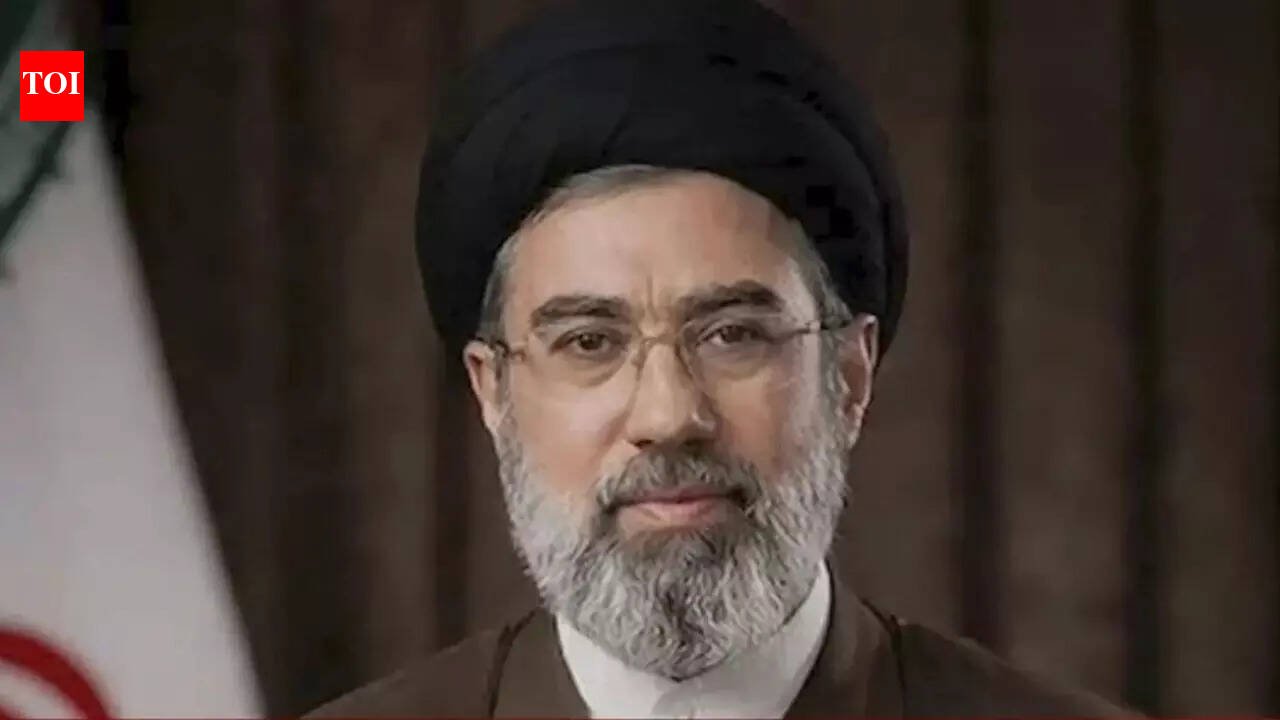
In his first public message since taking over as Iran’s supreme leader, Mojtaba Khamenei struck a defiant tone on Thursday, making it apparent that Tehran will continue targeting US interests in the Gulf and could keep the Strait of Hormuz closed as “leverage” in the escalating conflict.The message was delivered by a news anchor on Iranian state television, with Khamenei absent from the broadcast. According to an assessment by Israel, he was wounded during the war’s opening strikes.Khamenei vowed that Iran would continue fighting to avenge those killed in the conflict, including victims of attacks on civilian sites such as schools. Tehran, he said, would “obtain compensation” from its enemy in an apparent reference to the United States. If Washington refuses, Iran will “take from its assets” or destroy them to the same extent, he warned.Key messages from Khamenei’s statement

  • Khamenei said all US military bases in the region must be closed immediately, warning they would otherwise remain targets of Iranian attacks.
  • He insisted Iran wants constructive ties with its Gulf neighbours, saying Tehran’s strikes are aimed only at US bases operating from their territory.
  • The new supreme leader described the Strait of Hormuz as a strategic pressure point, saying its closure should be used to influence Iran’s adversaries.
  • He pledged that Iran would continue fighting to avenge the blood of its martyrs, from the former supreme leader killed earlier in the war to children who died in recent attacks.
  • Khamenei praised Iran’s armed forces for preventing the country from being “dominated or divided,” and announced financial and other support for people affected by the war.
  • He also called for unity among Iranians, urging citizens to set aside differences during the crisis.

The statement came as Iran’s attacks on tanker routes and energy facilities across the Persian Gulf rattled global markets, pushing oil prices back above $100 a barrel on Thursday.The conflict began on February 28 after strikes by the United States and Israel on Iranian targets, and there are few signs that the fighting is easing.Iran’s president has said military operations will continue until Tehran receives guarantees that it will not face another assault. Meanwhile, Donald Trump has promised to “finish the job,” even while claiming that Iran has been “virtually destroyed.”


Source link

From MS Dhoni’s death stare to T20 World Cup heroics: Axar Patel’s fielding transformation | Cricket News


From MS Dhoni’s death stare to T20 World Cup heroics: Axar Patel’s fielding transformation

NEW DELHI: Axar Patel was caught off-guard as Virat Kohli suddenly interrupted his post-match interaction with Hardik Pandya after a 2021 pink-ball Test. “Baapu tari bowling kamal che (Your bowling is great),” said Kohli, leaving Hardik and Axar in splits. The Gujarat all-rounder’s bowling has dismanted the opposition on many instances. However, the attribute that especially stood out in the T20 World Cup 2026 semi-final against England is Axar’s fielding, as the 32-year-old cricketer pulled off one stunner after the other.The Gujarat all-rounder accounted for three catches, especially grabbing the limelight for his excellent relay catch with Shivam Dube at the deep point boundary to send Will Jacks back to the pavilion.

EXCLUSIVE: Rahul Dravid on iconic Eden Gardens win against Australia in 2001

Axar ran to his left, retaining composure despite being close to the rope, throwing the ball towards Shivam Dube astutely. The 32-year-old cricketer had earlier pulled off an excellent running catch with a full-length dive to dismiss Harry Brook, drawing comparisons to Kapil Dev’s similar catch in the 1983 World Cup final. England bore the full brunt of Axar’s anger after being dropped for the match against South Africa, with many experts terming the all-rounder’s catches as a bigger determinant than Jasprit Bumrah’s spell in India’s seven-run win.“Axar’s fielding sessions are always intense and he pushes others to maintain the same level. He is a natural fielder and very self-motivated, taking the initiative to practice from different positions on his own,” said the Gujarat Ranji team’s former head coach Hitesh Majumdar, during an exclusive interaction with TimesofIndia.com.

Hardik Pandya, Axar Patel, and Sohum Desai

Hardik Pandya, Axar Patel, and Sohum Desai (Special arrangements)

Former India fielding coach R Sridhar has hailed Axar as someone who constantly pushes past his limits, maintaining curiosity and a learner’s mentality. The all-rounder enjoys enhanced calmness due to experience across different situations and has also benefitted from visualisation techniques. Keeping things simple while maintaining concise yet effective conversations have been a key attribute in Sridhar’s interactions with the Gujarat cricketer.MS Dhoni’s death stare The 32-year-old cricketer is one of the safest fielders in the world currently, drawing comparisons to Ravindra Jadeja. Interestingly, Axar once drew a ‘death stare’ from MS Dhoni as well as a look of frustration from Virat Kohli for his fielding during a September 2017 match against Australia in Bengaluru. The all-rounder reacted slowly while fielding at third man, with a lethargic return, allowing the Aussies to add two runs.Despite being a natural athlete, Axar wasn’t always a model professional, coming up with excuses to avoid gym training, which earned him the nickname of ‘Oscar’ from friends. The Gujarat cricketer also loved consuming junk which never reflected on his waistline. Former Team India Strength and Conditioning coach Soham Desai played a key role in propelling Axar to the next level, kickstarting a transformation process from 2018 which eventually came together around 2020-21.

Axar Patel, Jasprit Bumrah, and Hitesh Majumdar

Axar Patel, Jasprit Bumrah, and Hitesh Majumdar (Special Arragements)

“He was a very gifted and naturally fit athlete but lacked people who could help maximise his potential. Axar would somehow get injured every now and then with something or the other. There was a definite lack of structure which could propel long-term growth and excellence,” said Desai.“Growing up in Gujarat, Axar developed unhealthy eating habits, consuming items which don’t help in becoming a sportsperson at all. There were certain adjustments made in meal timings, volume of consumption and avoiding the wrong food items,” he added.Reduction in injuries from 80% to 10%The Strength and Conditioning coach further made certain alterations in Axar’s training and preparation, designing a sustainable template. The all-rounder’s injuries reduced drastically, from 70-80% to 5-10%, enabling him to put his best foot forward.“Fitness definitely has a vital impact on aspects like fielding which have athletic demands. Even if you look at Axar’s catches, it is anticipation as well putting the body in a position to pull off the catch,” he shared.

Axar Patel catch

Axar Patel dives to take the catch of England’s captain Harry Brook. (ANI Photo)

“We identified certain movements in the gym or muscle groups which can cause injuries, prempting that and working towards building resilience and robustness. The focus was on developing enough resilience to withstand load under fatigue or pressure closer to 30 when the natural prowess goes down,” added the Strength and Conditioning coach.Desai hailed Axar’s commitment levels, praising his mental strength in sticking to the process. The focus has constantly been on excellence and constant growth, following the tough path not taken by others. “The trophies and catches are simply a byproduct of the effort behind creating a foundation and fitness reserve which Axar never used to think about earlier,” he stated.

Banner Insert


Source link

‘We make lot of money’: Trump on rising oil prices, says stopping ‘evil empire Iran’ is of greater interest


'We make lot of money': Trump on rising oil prices, says stopping 'evil empire Iran' is of greater interest
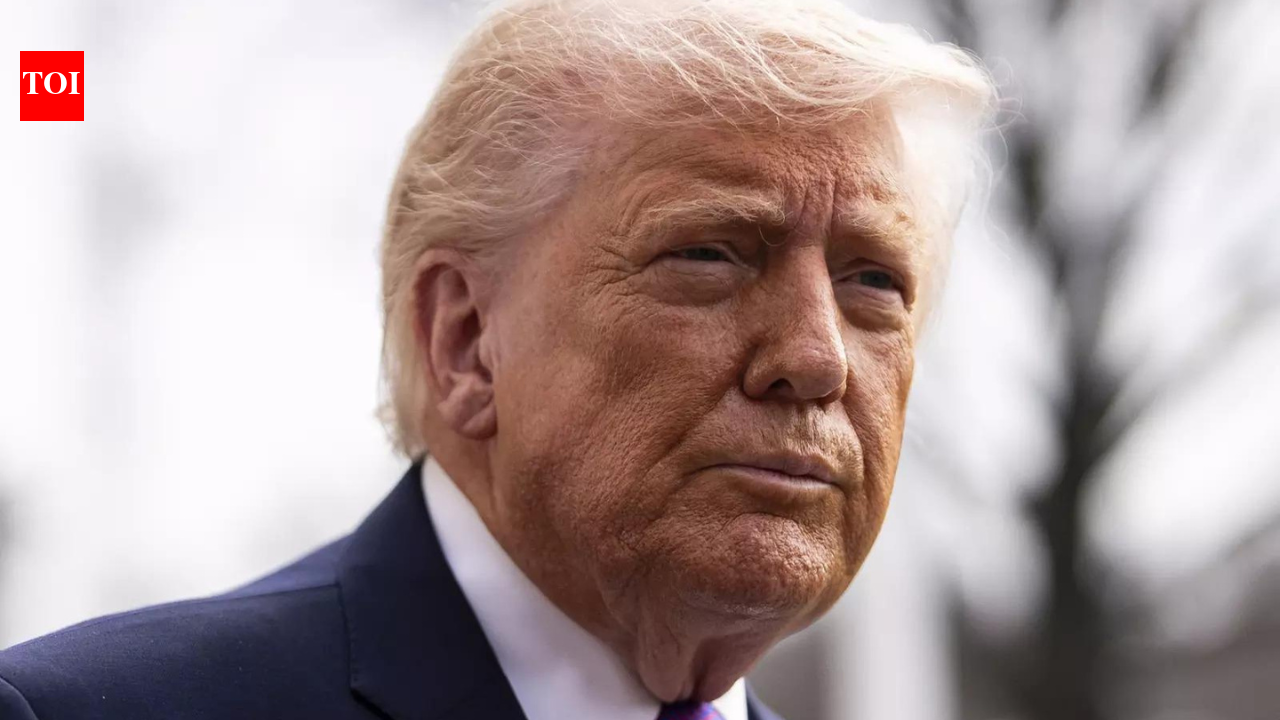
Donald Trump (File photo)

US President Donald Trump said his country could benefit economically from rising oil prices but added that preventing Iran from acquiring nuclear weapons remains his overriding priority. He called Iran an “evil empire” and warned that its nuclear ambitions could threaten the stability of the Middle East and beyond.“The United States is the largest oil producer in the world, by far, so when oil prices go up, we make a lot of money. BUT, of far greater interest and importance to me, as President, is stopping an evil Empire, Iran, from having Nuclear Weapons, and destroying the Middle East and, indeed, the World. I won’t ever let that happen! Thank you for your attention to this matter. President DONALD J. TRUMP,” he wrote on Truth Social.This comes as the conflict with Iran entered day 13. A day before, Trump had said that the war with Iran could end “soon”, claiming American forces have already inflicted massive damage on Tehran’s military capabilities. Speaking to Axios, Trump said there was “practically nothing left to target” in Iran. “Little this and that… Any time I want it to end, it will end,” Trump said, adding that the conflict was progressing faster than expected.Meanwhile, as the conflict continues, the US has reportedly spent at least $11.3 billion during the first week of its military campaign against Iran, according to a Pentagon estimate shared with Congress, The New York Times reported on Thursday. The figure represents the most detailed assessment so far of the conflict’s financial cost, as the war entered its 13th day with no clear end in sight.According to the report, the estimate covers only the cost of the initial phase of the operations and excludes several major expenses, including the deployment of additional troops, aircraft and naval forces to the region ahead of the strikes. Meanwhile, oil prices have already been soaring amid the conflict especially amid the blockage of the Strait of Hormuz, surging on Thursday, briefly beyond the $100 mark.The International Energy Agency said the Middle East conflict “is creating the largest supply disruption in the history of the global oil market”, a day after its member countries agreed to release 400 million barrels of oil from strategic reserves — the largest coordinated drawdown on record.Despite the move, concerns over constrained energy supplies persisted. The Strait of Hormuz, a critical shipping route that typically carries about one-fifth of the world’s crude, has effectively been shut following retaliatory attacks by Iran on vessels and neighbouring Gulf states.


Source link

Govt proposes to drop repeat virus tests on plasma-based medicines | India News


Govt proposes to drop repeat virus tests on plasma-based medicines

NEW DELHI: The Centre has proposed amending drug rules to stop repeating virus tests on medicines made from human plasma, saying the raw plasma used to produce these products is already screened for infections such as HIV and hepatitis before manufacturing begins.These medicines include albumin, intravenous immunoglobulin (IVIG), and clotting factors such as Factor VIII and Factor IX, which are used to treat immune disorders, severe infections and bleeding conditions such as haemophilia.Officials said the move aims to align India’s drug regulations with international pharmacopoeia standards. Global guidelines require pooled plasma to be tested for hepatitis B surface antigen, hepatitis C virus RNA and HIV antibodies before it is used for fractionation, and only plasma that tests negative is cleared for manufacturing plasma-derived medicines.Currently, plasma collected for manufacturing these medicines is first pooled and tested for viruses, including HIV, hepatitis B and hepatitis C. However, once medicines are produced from this screened plasma, the finished products are again tested for the same viral markers under existing rules. The government now proposes to remove this second round of testing.The health ministry has issued a draft notification seeking public comments on amendments to the Drugs Rules, 1945, which regulate the testing of blood-derived products. Dr Aseem Kumar Tiwari, Senior Director, Department of Transfusion Medicine, Medanta, Gurugram, said that surplus plasma collected from blood donors may be used by plasma fractionators to manufacture several life-saving medicines.“Plasma-derived medicinal products (PDMP) such as albumin, intravenous immunoglobulin (IVIG), and clotting factors like Factor VIII and Factor IX are widely used to treat immune disorders, severe infections and bleeding conditions such as haemophilia,” he said.He added that blood centres often generate surplus plasma after meeting patient needs, which can be supplied to specialised fractionation facilities where different proteins are separated to manufacture these medicines.Dr Tiwari said PDMPs undergo multiple safety checks before reaching patients. “Donated plasma is screened for infections such as HIV, hepatitis B, hepatitis C, malaria, and syphilis, and the manufacturing process includes viral inactivation steps to ensure safety,” he said.“These medicines, known globally as plasma-derived medicinal products, have not been linked to infection transmission because of stringent testing and viral inactivation during manufacturing,” he added.Officials say repeating the same viral tests at the finished product stage creates duplication not required under global practices. The proposed amendment seeks to rationalise testing requirements while maintaining strict safety checks at the plasma screening stage.The draft rules were issued after consultation with the Drugs Technical Advisory Board, and stakeholders have been given 30 days to submit comments before the amendment is finalised.


Source link