Breaking News
Monalisa Bhosle Wedding: Kumbh Mela girl Monalisa Bhosle marries boyfriend Farman Khan in Kerala after seeking police help amid family opposition |


Kumbh Mela girl Monalisa Bhosle marries boyfriend Farman Khan in Kerala after seeking police help amid family opposition
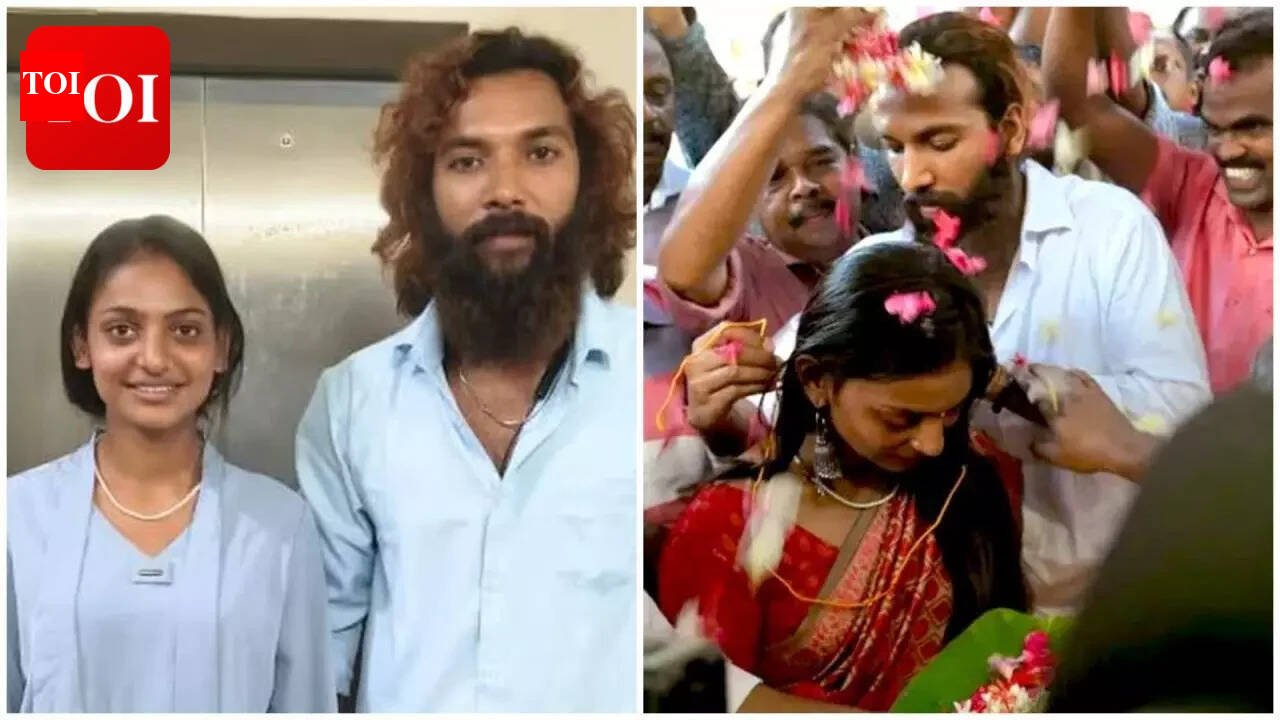
Monalisa Bhosle, who shot to internet fame during the Kumbh Mela in Prayagraj, has married her boyfriend Farman Khan in Kerala after approaching the police following opposition from her family. The couple tied the knot at the Nainar Temple.

Monalisa Bhosle, who shot to internet fame during the Kumbh Mela in Prayagraj, has married her boyfriend Farman Khan in Kerala after approaching the police following opposition from her family. The couple tied the knot at the Nainar Temple.

Approached police amid family opposition

The development comes days after Monalisa reportedly sought help at the Thampanoor Police Station, stating that her family was against the relationship and that her father was trying to take her back to their hometown against her wishes.According to police officials, Monalisa and Farman arrived at the station along with members of a film crew she was working with in Kerala. During the interaction, she reportedly told officers that she intended to stay with her partner and proceed with the marriage despite her family’s objections.A police officer was quoted as saying by India Today, “She insisted that she will not go with her father and made it clear that she plans to marry her boyfriend. Since she is a major, she has the right to make her own decisions.”Officials added that there was no need for police intervention as both individuals are adults. After the discussion, Monalisa left the station with her boyfriend and members of the film crew, while her father later returned to his hometown.

Wedding held at Nainar Temple

The couple later solemnised their marriage at the Nainar Temple in Thiruvananthapuram. Several political leaders were reportedly present at the ceremony, including V Sivankutty, MV Govindan and AA Rahim.Speaking at the venue, Rahim said the marriage reflected the constitutional right that allows individuals from different faiths to marry.“The Constitution allows people from different religions to marry. We came here to celebrate the couple,” he said.

‘Ours is a six-month love story’

After the wedding, Monalisa expressed happiness about the new chapter in her life and said the couple chose Kerala as the venue because they liked the state.Farman also spoke briefly about their relationship, saying, “Ours is a six-month love story, but it feels like sixty years. I am also an actor.”

From viral Kumbh Mela video to nationwide attention

Monalisa first drew attention during the Kumbh Mela in Prayagraj when a video of her selling rudraksha garlands was captured by a content creator and went viral on social media, turning her into an internet sensation. The Indore-based woman later travelled to Kerala for a film shoot. Police said the couple had been staying in Poovar near Thiruvananthapuram in connection with the project when the dispute with her family surfaced. Despite the initial resistance, Monalisa and Farman eventually went ahead with their wedding plans in the state.


Source link

Russian oil inflows to India rise 50% as Middle East conflict stalls Hormuz shipments


Russian oil inflows to India rise 50% as Middle East conflict stalls Hormuz shipments

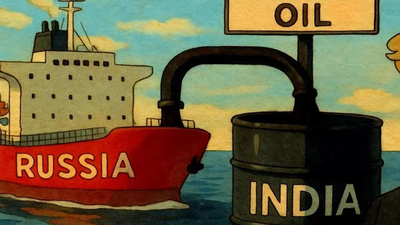
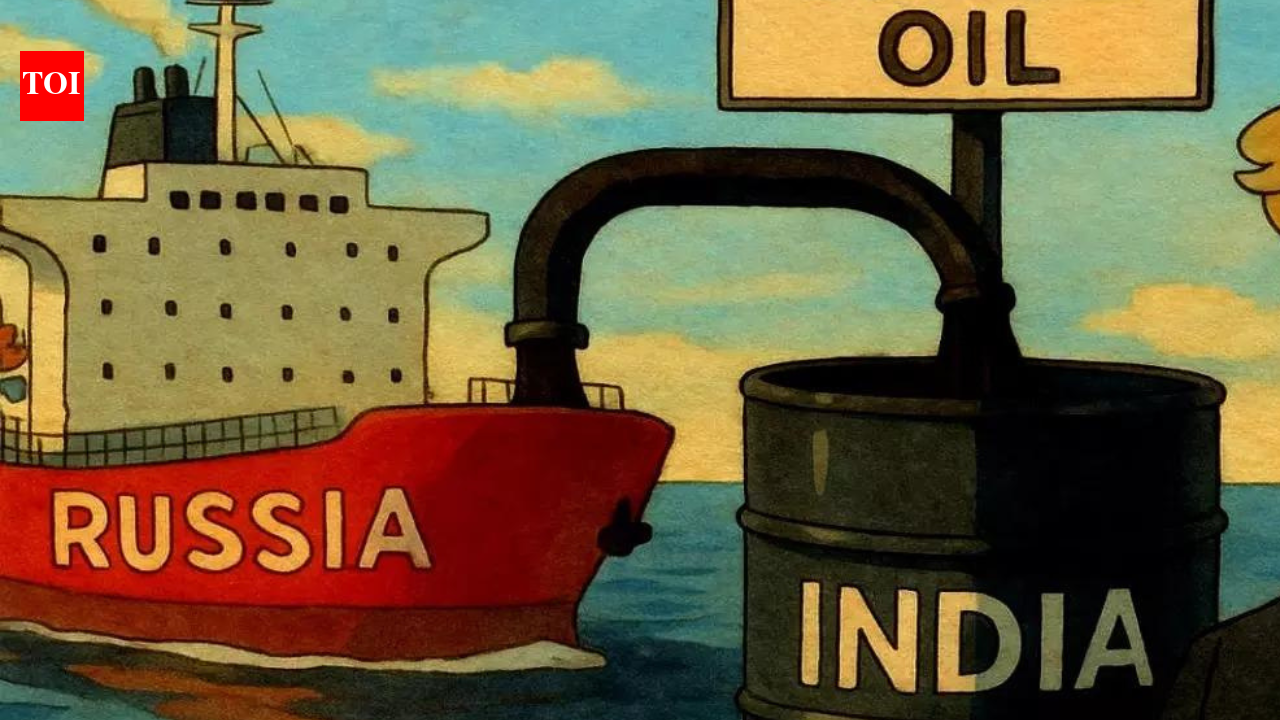
India’s purchases of Russian crude have surged about 50% in March as refiners move to secure alternative supplies amid disruptions to shipments from the Middle East due to the widening military conflict. Ship-tracking data showed imports rising to around 1.5 million barrels per day this month from 1.04 million bpd in February.India–the world’s third-largest crude importer — meets about 88% of its oil needs through imports. The country consumes nearly 5.8 million barrels per day, with 2.5-2.7 million barrels traditionally sourced from Middle East producers such as Saudi Arabia, Iraq and the UAE through the Strait of Hormuz, PTI reported.

India-Bound Ship Attacked In Hormuz, Crew Missing After Desperate Escape From Burning Vessel

The chokepoint also handles roughly 55% of India’s cooking gas (LPG) imports and 30% of liquefied natural gas supplies used for power generation, fertilisers, CNG and household consumption. With shipments through the strait largely disrupted, refiners have increasingly turned to Russian barrels to plug supply gaps.“India was expected to import around 2.6 million barrels per day of crude via the Strait of Hormuz in March. At the same time, we are seeing a notable pickup in Russian barrels.“Based on vessel tracking and credible market sources, incremental Russian crude imports in March could reach 1-1.2 million bpd (over and above the February volumes), which means the effective shortfall from Hormuz exposure narrows to around 1.6 million bpd,” said Sumit Ritolia, analyst at Kpler, quoted PTI.India’s refining sector has also helped cushion supply concerns. Net refined product exports averaged about 1.1 million bpd in 2025, and companies have intensified efforts to diversify crude sourcing from alternative suppliers.“Crude supply risk can be partially mitigated through diversification, and Russia flows. Refined product supply remains relatively comfortable,” Ritolia said, adding that LPG availability remains the key variable to watch in the coming weeks.India consumes nearly 1 million bpd of LPG, of which only 40-45% is produced domestically while the remaining 55-60% is imported. Around 80-90% of these imports typically transit through the Strait of Hormuz, making the supply chain particularly vulnerable to disruptions in the region.“Refineries can optimise LPG output by shifting feedstocks away from petrochemical production toward LPG recovery and by adjusting unit operations to maximise LPG yields,” he said. “That said, such optimisation can only provide marginal incremental supply and cannot materially reduce India’s reliance on LPG imports.”Even if domestic output rises by 10-20% through such optimisation, supply would still meet only about 47-50% of total demand, leaving a sizeable gap that must be bridged through imports. Ritolia noted that sourcing LPG from suppliers outside the Middle East is possible but involves longer voyage times, slowing replacement of disrupted cargoes.“The Strait of Hormuz is also a critical route for global LPG trade, and any disruption in the area immediately raises risks for LPG supply and shipping flows.“A large share of LPG exports from the Middle East — particularly from Qatar, Saudi Arabia and the UAE — passes through Hormuz, making the chokepoint vital for Asian importers,” he said. “India is one of the world’s largest LPG importers and relies heavily on Middle Eastern supply, meaning any disruption in the region could tighten availability for the country.”India’s LPG consumption is estimated at about 900-1000 kilo bpd, of which roughly 600 kbd is imported. Of these imports, nearly 80-90% originate from the Middle East, underscoring the strategic sensitivity of energy flows through the Hormuz corridor.


Source link

Asian Weightlifting Championships in India postponed due to Middle East conflict | More sports News


Asian Weightlifting Championships in India postponed due to Middle East conflict
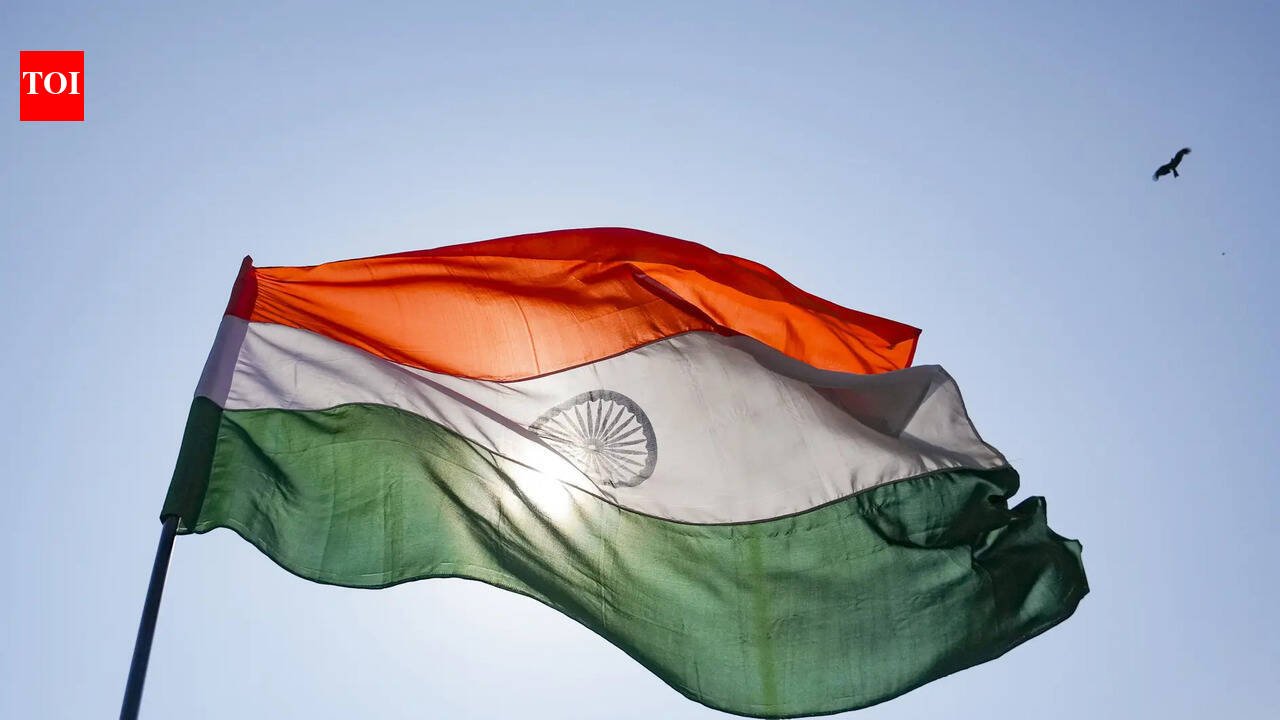
Indian flag (PTI Photo/Shailendra Bhojak)

The Asian Weightlifting Championships, which were set to take place in Ahmedabad from April 1 to 10, have been postponed due to the ongoing conflict in West Asia. Because of the situation affecting travel and safety in the Middle East and Gulf region, organisers decided to delay the tournament by more than a month. The competition will now be held from May 12 to 17, 2026 instead.

Jay Shah: Kapil Dev deserves more credit for 1983 World Cup triumph

The decision was announced by the Asian Weightlifting Federation (AWF), which said the change was made to ensure teams from different countries can travel and compete safely. Many flights and airspaces in parts of the Gulf region have been disrupted after the conflict began following US and Israeli strikes on Iran, making it difficult for some delegations to reach India.Explaining the decision, the federation said, “Due to the current situation affecting the Middle East and the Gulf region, the 2026 AWF Asian Senior Weightlifting Championships have been rescheduled.”The AWF added that the revised schedule was chosen to avoid travel problems and allow athletes and officials to participate without issues. “In order to ensure the safe and smooth participation of all delegations, the competition will now take place from 12 to 17 May 2026,” the statement said.With the new dates announced, organisers hope the delay will give participating nations enough time to manage travel arrangements and attend the continental event without disruption.


Source link

Binance founder Changpeng Zhao is not happy with the ‘rich list’ that ranks him above Bill Gates, says: Wish they can apply some common sense and …


Binance founder Changpeng Zhao is not happy with the 'rich list' that ranks him above Bill Gates, says: Wish they can apply some common sense and ...

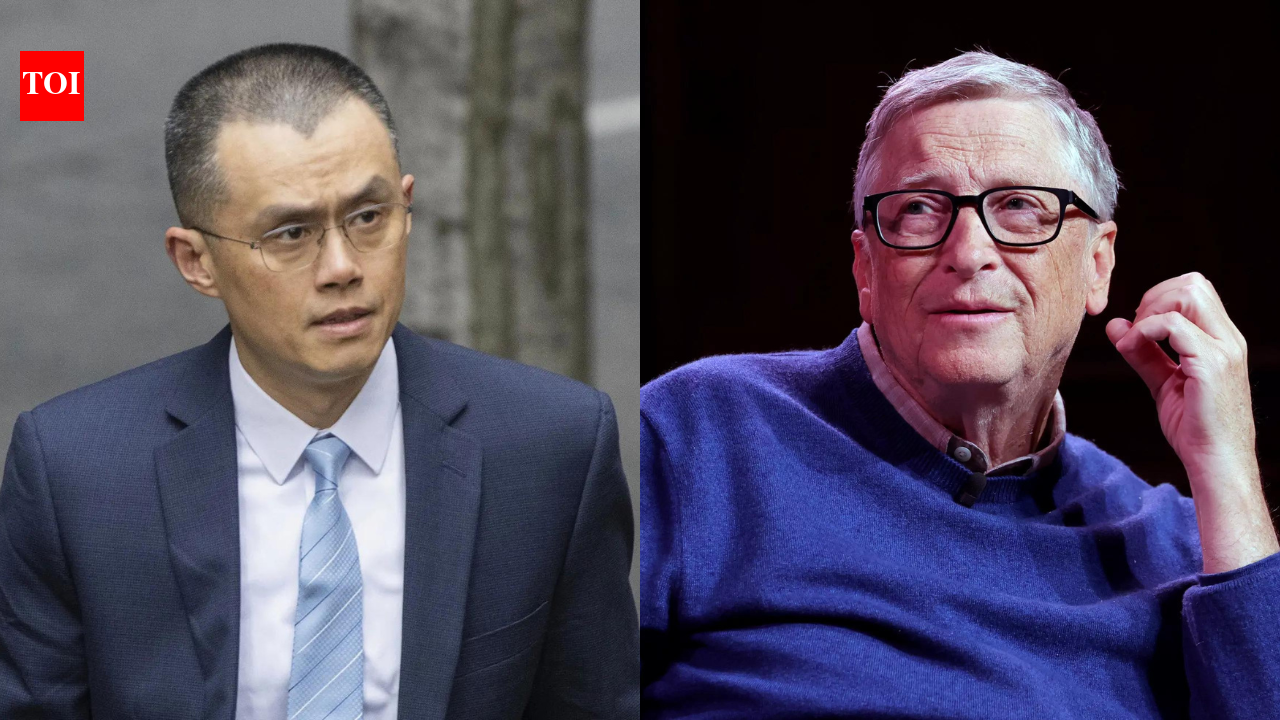
Changpeng Zhao (CZ) has questioned his ranking in Forbes’ latest global rich list. This comes after the Forbes Billionaires Index annual list placed the founder of the world’s largest cryptocurrency exchange, Binance, ahead of Microsoft co-founder Bill Gates. In the publication’s 2026 billionaire list, Zhao, also known as CZ, was ranked 17th with an estimated net worth of $110 billion, largely tied to his stake in the cryptocurrency exchange Binance and other digital asset investments. Zhao disputed the calculation, pointing to the sharp decline in cryptocurrency prices this year. In a social media post, he said the estimate did not align with market trends and suggested that the ranking methodology should use ”some common sense and basic logic.Replying to a post on microblogging site X (formerly Twitter) that included a chart showing how CZ surpassed Bill Gates’ net worth, the Binance founder wrote, “Didn’t read the Forbes article, but if you just look at the little chart 👇, you know it’s wrong. Crypto prices dropped by more than 50% in 2026 already. And my net worth went up? 🤷‍♂️Wish they can apply some common sense and basic logic.”

CZ on Forbes' Forbes Billionaires Index ranking

Commenting on CZ’s post, one user wrote, “From all the shorts during 10/10 makes sense.” Responding to this, CZ wrote: “Never shorted.”

What more did Binance founder CZ say about the Forbes global rich list ranking

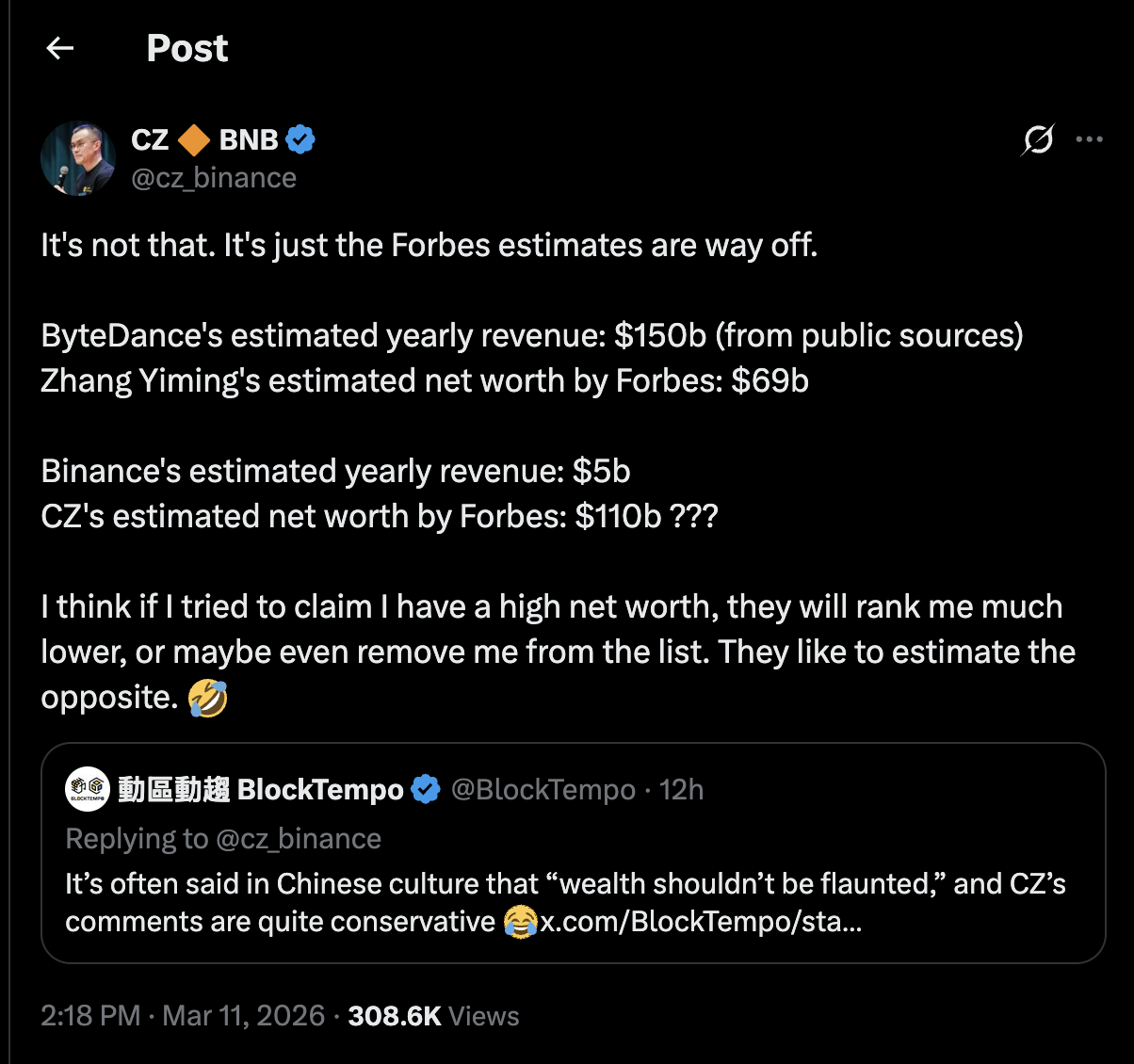
In response to CZ’s comments, another user wrote, “It’s often said in Chinese culture that “wealth shouldn’t be flaunted,” and CZ’s comments are quite conservative 😂”Replying to this, CZ wrote: “It’s not that. It’s just the Forbes estimates are way off. ByteDance’s estimated yearly revenue: $150b (from public sources). Zhang Yiming’s estimated net worth by Forbes: $69b. Binance’s estimated yearly revenue: $5b. CZ’s estimated net worth by Forbes: $110b ??? I think if I tried to claim I have a high net worth, they will rank me much lower, or maybe even remove me from the list. They like to estimate the opposite. 🤣”

CZ explains why Forbes Billionaires Index may be wrong

The Forbes report noted that CZ’s “net worth has skyrocketed to $110 billion, up $47 billion from last year, on the annual World’s Billionaire’s list. CZ now ranks as the 17th-wealthiest person on the planet, by our count, and one of just 20 people worth twelve figures. He is richer than Bill Gates.”The report also noted that some of Zhao’s smaller holdings declined over the past 12 months. The value of his estimated 1,400 bitcoins also fell by about 25%, to roughly $100 million. However, the portion believed to represent a large share of the BNB tokens in circulation remained largely unchanged, the report added.


Source link

Deceased man’s liver saves two lives in Mumbai | Mumbai News


Mumbai: A 38-year-old deceased Dombivli man’s liver saved two lives in the city: one of a 44-year-old man and another of a three-year-old child. Both suffered from severe liver disease.The donation happened at Asian Institute of Medical Sciences (AIMS). Among other criteria that made the transplant to a child possible was that the donor was under the age of 45. Most donors are elderly, and their livers cannot be transplanted into paediatric patients.The procedure happened at Gleneagles Hospital in Parel and lasted for 17 hours.Dr Anurag Shrimal, liver transplant director at the hospital, said the liver was carefully divided into two segments: the right trisection (larger portion) for the adult recipient and the left lateral segment (smaller portion) for the paediatric recipient.Nerul resident Master Charvik Ingle suffered from cryptogenic cirrhosis, which is a childhood liver disease with no known cause. The diagnosis was confirmed through a CT scan. Moreover, his height and weight were like that of a 1 to 2-year-old child, and he also had abdominal swelling caused by fluid accumulation.Charvik was listed on the deceased donor liver transplant waitlist in Dec. His father said that when doctors explained that a transplant was the only solution, it was a wait-and-watch situation for the family.Netaji Chavan (44) was diagnosed with liver cirrhosis in 2021. It came with ascites, jaundice, and severe muscle loss. Since then, he was on the brain-dead donor waitlist, with days when he could barely get out of bed, eat, or walk without feeling tired.“I almost lost hope after waiting for years. Living with liver disease was not just physically exhausting; it was also mentally draining. My body grew weaker while waiting for a transplant. It was frightening,” said Chavan.


Source link

IPL 2026 schedule announcement today: Date, time, Live streaming – All you need to know | Cricket News


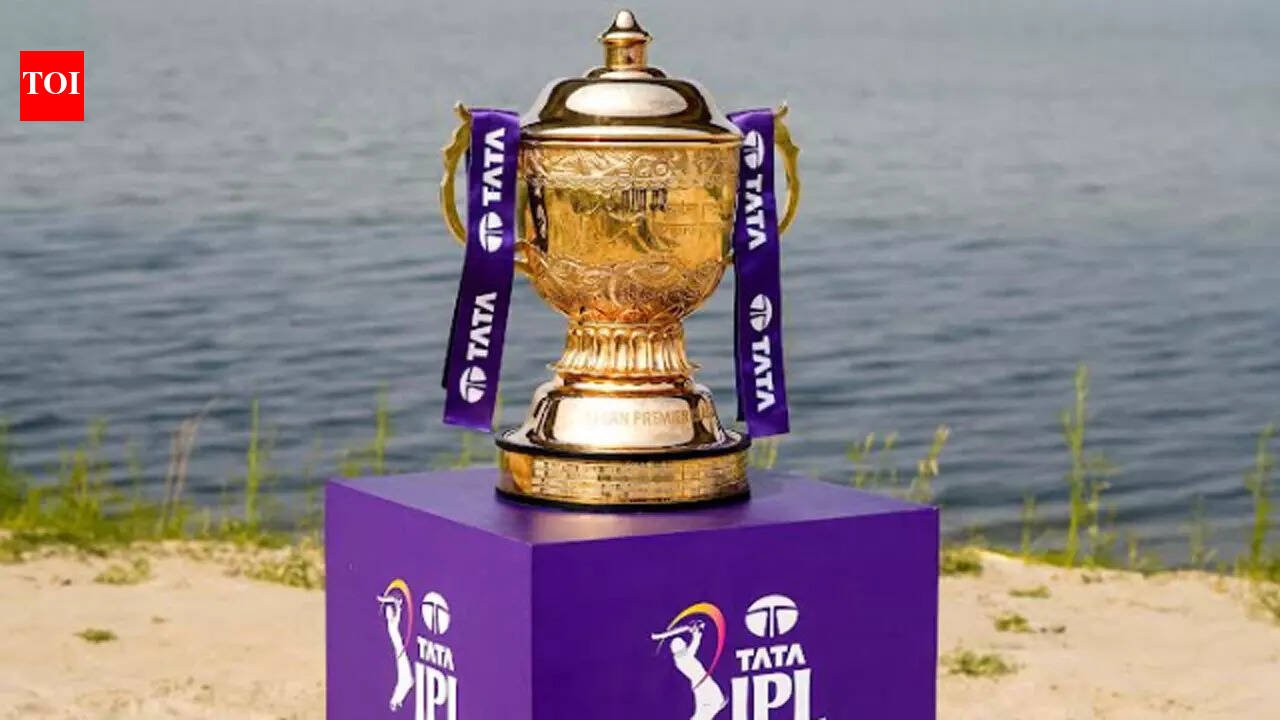
NEW DELHI: After the excitement of the ICC Men’s T20 World Cup, where Team India successfully defended their title, cricket fans have now turned their attention to the upcoming edition of the Indian Premier League (IPL).The 2026 season will mark the 19th edition of the tournament and is set to be the biggest IPL season yet, featuring 84 matches, compared to 74 games in the previous edition.

Gautam Gambhir reflects on India’s World Cup win and backing Sanju Samson in the tournament

Speaking about the schedule announcement, Devajit Saikia, secretary of the Board of Control for Cricket in India (BCCI), said the schedule for the first 20 days of the tournament will be released soon.“We will announce the first 20-day schedule of IPL in 2 or 3 days after considering the election dates in a few states and will announce the rest of the tournament schedule later,” Saikia told ANI.Also visit: IPL Schedule 2026 Live UpdateThe tournament schedule will be released in two phases due to the upcoming state assembly elections in Assam, West Bengal, Tamil Nadu and Kerala.

Poll

Are you excited for the upcoming IPL 2026 season?

IPL 2026 schedule announcement: Live streaming details

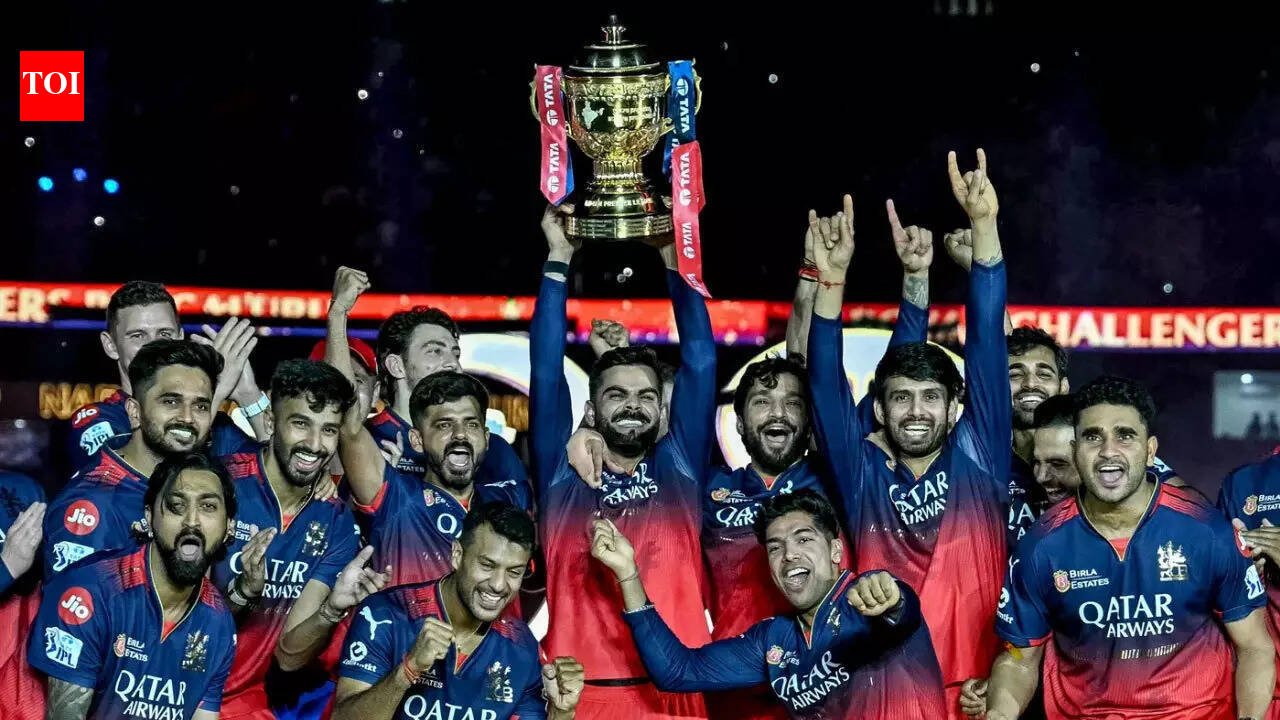
When will the IPL 2026 schedule be announced?The IPL 2026 schedule will be announced on Wednesday, March 11.What time will the IPL 2026 schedule announcement take place?The announcement will take place at 7:00 PM IST.Where can you watch the IPL 2026 schedule announcement?The live telecast of the announcement will be available on JioHotstar and the Star Sports Network.Who won the IPL 2025?Royal Challengers Bengaluru are the defending champions. They won their first title (IPL 2025 trophy) after defeating the Punjab Kings in the final.


Source link

Explained: After T20 World Cup glory, why Shivam Dube and his wife took a 3rd AC train ticket from Ahmedabad to Mumbai?


India’s triumphant T20 World Cup 2026 campaign created countless memorable moments, but one of the most unexpected stories after the final involved all-rounder Shivam Dube. Fresh from helping India lift the trophy, the cricketer chose a surprisingly simple way to return home—by traveling in a 3rd AC coach on the Ahmedabad-Mumbai Sayaji Express along with his wife Anjum Khan.

At a time when the entire nation was celebrating India’s victory, Dube’s quiet and low-key journey home captured the imagination of fans. It showed a different side of the star all-rounder -one driven not by glamour or convenience, but by a simple desire to return to his family as quickly as possible.

Why Shivam Dube chose a train journey after India’s T20 World Cup triumph?

The reason behind Dube’s unusual travel choice was largely practical. Following India’s emphatic win in the T20 World Cup final in Ahmedabad, the city witnessed a surge in travel demand. Thousands of fans, officials, and players were trying to leave the city at the same time, making flights extremely difficult to secure.

All flights from Ahmedabad to Mumbai were completely booked, leaving Dube with limited options. While traveling by road was possible, it would have taken significantly longer. To reach home faster, the all-rounder decided to board the early morning 5:10 am Ahmedabad-Mumbai Sayaji Express instead.

However, the urgency behind the decision went beyond convenience. Dube was eager to return home to his young children – his four-year-old son Ayaan and two-year-old daughter Mehwish. After spending weeks away during the tournament, he simply wanted to reunite with his family as soon as possible.

For Dube, the train offered the quickest solution, even if it meant traveling in a regular coach rather than the luxury arrangements international cricketers are often accustomed to.

Also READ: Rinku Singh remembers his late father with touching message following India’s T20 World Cup glory

Traveling incognito and the close call

While the plan to take the train solved the travel problem, it created another challenge – avoiding recognition. With India’s T20 World Cup triumph dominating headlines, the last thing Dube wanted was to be surrounded by crowds of fans inside a train.

To stay unnoticed, he and his wife came up with a simple disguise. Dube wore a cap, a face mask, and a full-sleeved T-shirt to conceal his identity. At the railway station, he remained inside the car until just five minutes before departure to avoid attracting attention before quickly boarding the coach.

Once inside the train, he took additional precautions. Dube climbed onto the top berth and covered himself with a thick brown railway blanket, hoping to remain unnoticed for the entire journey.

The plan almost fell apart when the ticket collector arrived to verify passengers. Upon seeing the name Shivam Dube on the reservation chart, the TC became curious and asked, “Shivam Dube? Woh kaun hai, cricketer?”

In a moment of quick thinking, Dube’s wife Anjum calmly responded, “No, no. Woh kahan se aayega?” [How will he come here?]

Her confident reply convinced the ticket collector, who moved on without asking further questions. The couple breathed a sigh of relief as the most nerve-racking moment of the journey passed without incident.

The rest of the eight-hour trip remained largely uneventful. Dube managed to remain unnoticed by other passengers, even stepping down briefly from the berth during the night to use the washroom.

However, he knew the final challenge awaited at Borivali station in Mumbai. Arriving in broad daylight could easily expose his identity to commuters or cricket fans.

To avoid any complications, Dube contacted local authorities before the train reached the station. The police, initially surprised to learn that a World Cup hero was traveling by train, arranged a police escort to help him exit the station safely.

With their assistance, Dube quietly left the station and headed home to reunite with his children.

While his performances in the tournament – scoring 235 runs at a strike rate of 169 – made headlines, it was this simple and humble journey that won hearts across the country. In an era of luxury travel and celebrity attention, Dube’s quiet train ride home became a touching reminder of how even cricketing heroes sometimes just want to get back to their families like everyone else.

Also WATCH: Ishan Kishan reacts after Kirti Azad questions Indian team’s temple visit following T20 World Cup 2026 triumph


Source link

From oilfield to kitchen flame: India’s crude oil and gas supply chain explained


Opposition Flags ‘Emergency Situation’, Slams Modi Govt as LPG Shortage Looms Amid West Asia War

AI image for representative purpose only

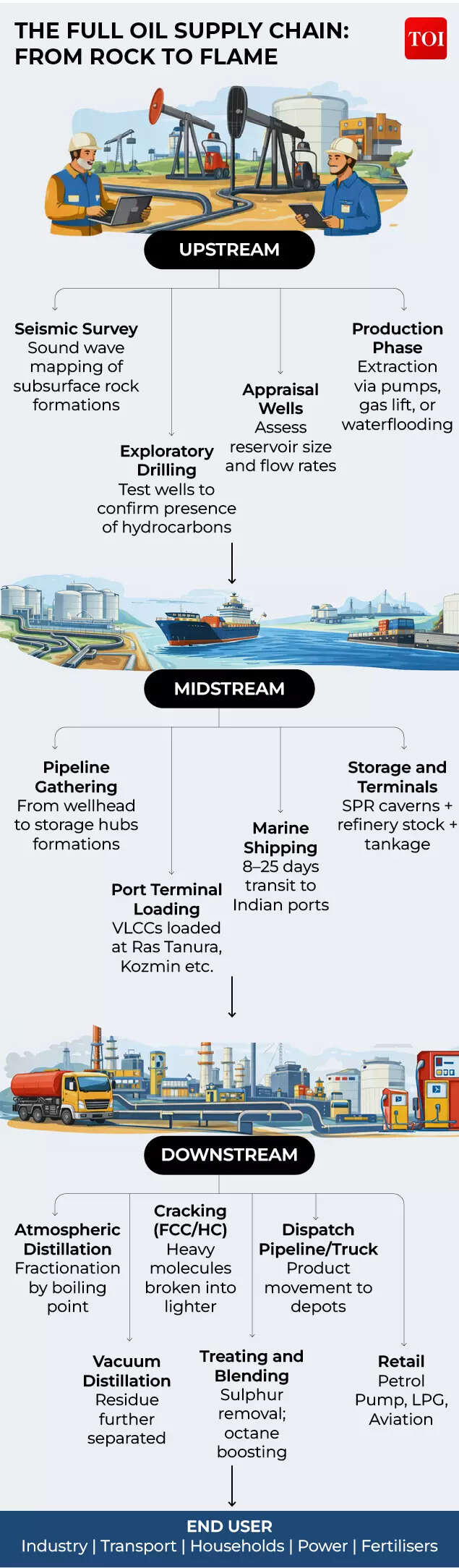
On any given morning in India, a quiet choreography of energy unfolds. In a Delhi kitchen, a blue LPG flame hisses beneath a pressure cooker. Hundreds of kilometres away, a freight truck hums along the Delhi–Mumbai Expressway, its engine burning diesel. At Bengaluru airport, a jet roars down the runway, rising into the sky on aviation turbine fuel.Different scenes, different fuels, but all trace back to the same source: crude oil drawn from deep beneath the earth’s surface, shipped across oceans in giant tankers, refined into usable fuels and distributed through one of the most complex industrial networks in the modern world.

Opposition Flags ‘Emergency Situation’, Slams Modi Govt as LPG Shortage Looms Amid West Asia War

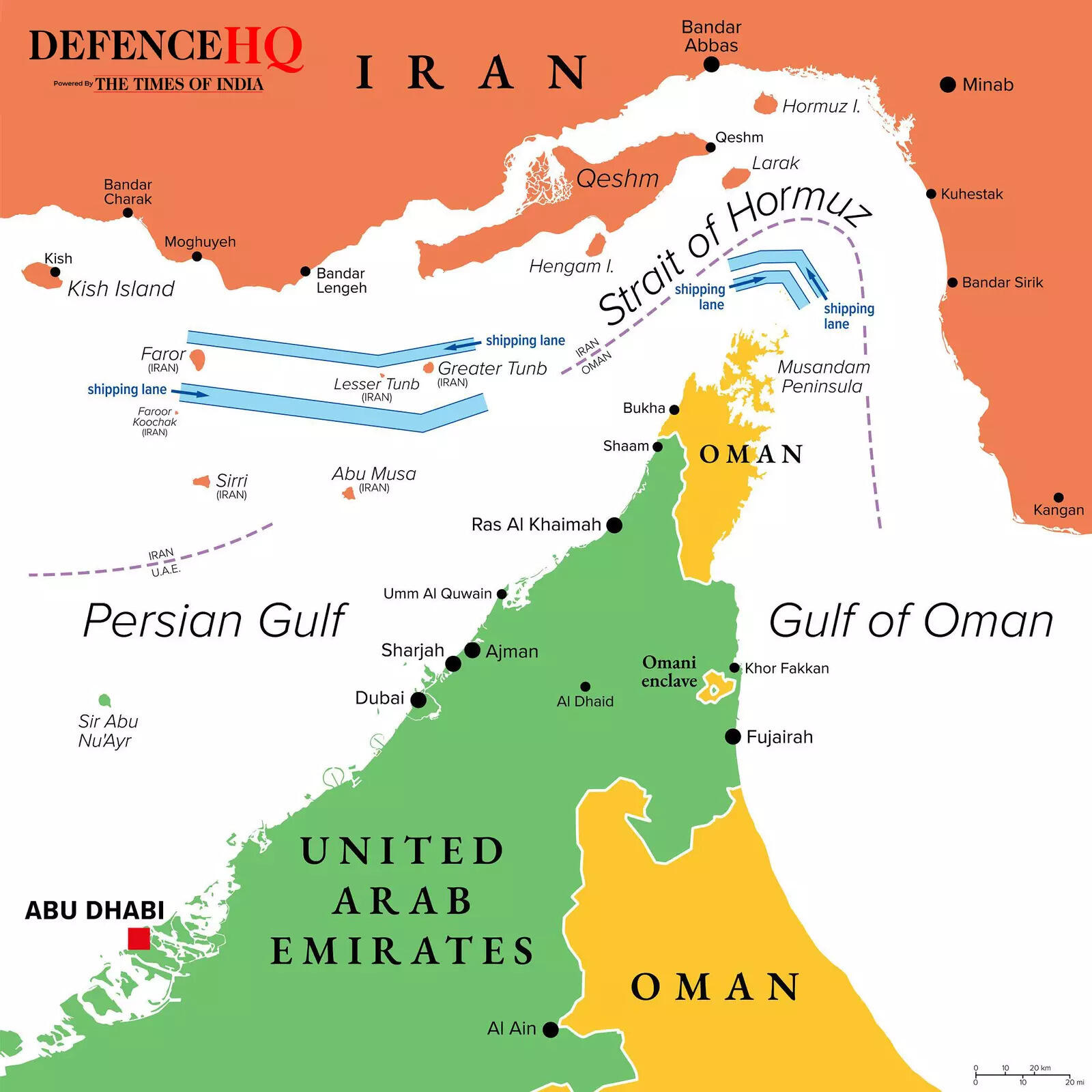
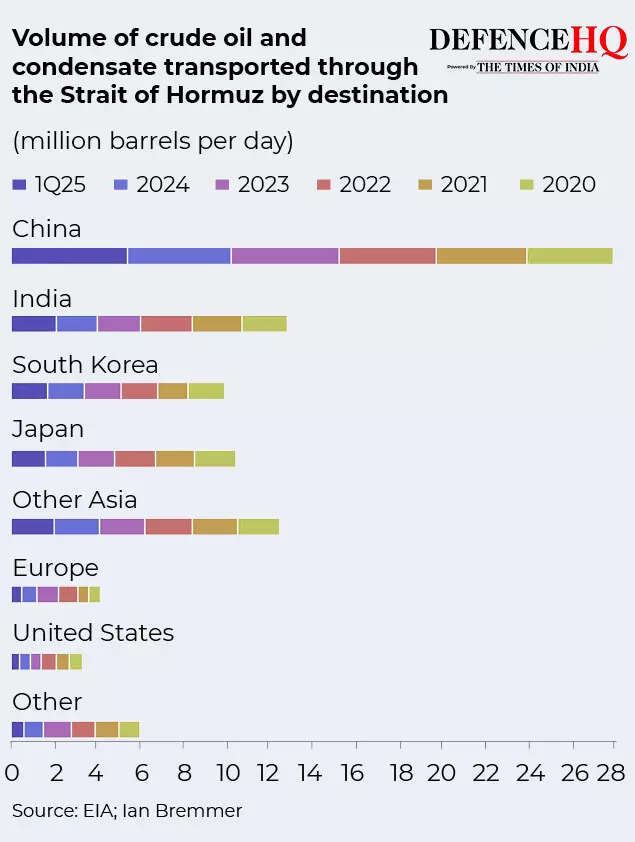
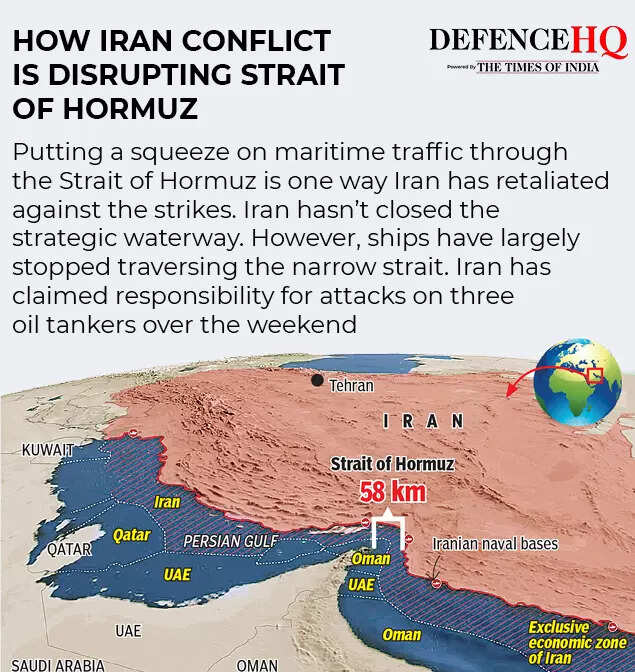
This vast chain, stretching from distant oilfields to households, highways and airports, is what the energy industry calls the oil and gas supply chain. India occupies a distinctive place within it. The country imports the bulk of the crude it consumes, yet it has built one of the world’s largest refining hubs, transforming that imported oil into fuels that power its economy and are shipped to markets across the globe.The Strait of Hormuz – the narrow waterway between Iran and Oman–remains a critical energy chokepoint, with more than 40% of India’s crude imports, and nearly half of its LNG and LPG shipments passing through the narrow waterway.

-

Earlier, TOI had reported on March 4 that officials, speaking on condition of anonymity, said India’s crude oil stocks were sufficient to meet demand for about 25 days, while inventories of petroleum products such as petrol and diesel could last another 25 days. They also noted that additional volumes held in strategic reserves could help cushion short-term supply disruptions. According to the officials, cooking gas stocks were adequate for 25-30 days, while liquefied natural gas supplies were available for roughly 10 days.According to the Petroleum Planning and Analysis Cell (PPAC), the government’s official oil and gas data agency, India consumed 21.05 million metric tonnes (MMT) of petroleum products in January 2026, a 2.5% increase over the same month a year earlier. Over the April–January period of FY2025-26, the country’s petroleum demand averaged about 5.43 million barrels per day.Government projections suggest demand will remain strong. The official estimate for FY2026-27 places India’s total petroleum product consumption at 250,790 thousand metric tonnes (TMT), equivalent to about 250.8 million tonnes for the year.

-

Behind those numbers lies a vast supply chain that spans global oil markets, maritime shipping routes, refineries, pipelines and distribution networks. Understanding how it works – and where it is vulnerable–requires starting at the basics.

The crude oil market: Benchmarks that shape India’s import bill

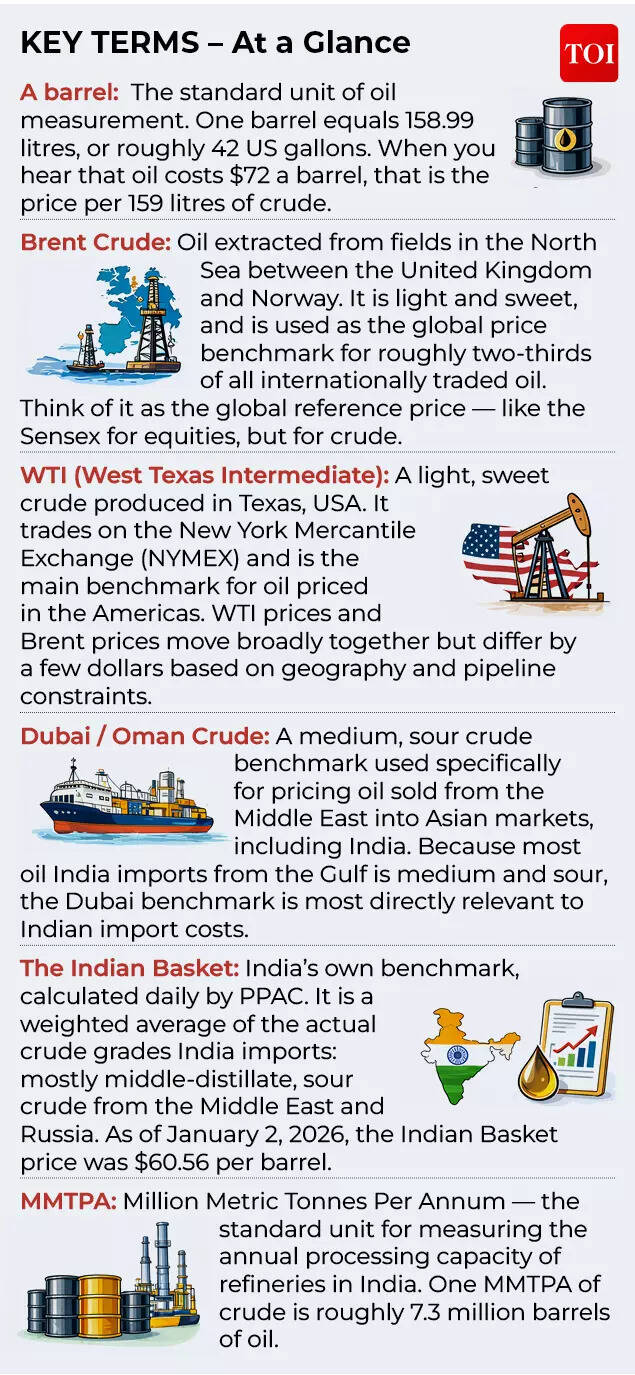
Crude oil is not a single uniform substance. It is a mixture of hydrocarbons formed from the compressed remains of ancient marine organisms over millions of years. Different oilfields produce crude with different chemical properties, and those differences affect both pricing and refining.Two characteristics define crude oil quality. The first is API gravity, a scale developed by the American Petroleum Institute that measures how heavy or light crude oil is relative to water. Higher API gravity indicates lighter crude, which typically produces more valuable fuels such as petrol and diesel during refining.The second property is sulphur content. Oil with low sulphur is called sweet crude, while high-sulphur oil is known as sour crude. Sweet crude requires less processing and generally commands a higher price.Because crude oil varies so widely in quality, global oil markets rely on benchmark prices that serve as reference points for contracts. The most widely used benchmarks are Brent crude from the North Sea, West Texas Intermediate (WTI) from the United States and Dubai/Oman crude, which is commonly used to price oil exported from the Persian Gulf to Asian markets.

-

India uses its own reference price called the Indian Basket, calculated daily by the Petroleum Planning and Analysis Cell. Unlike global benchmarks, the Indian Basket reflects the specific mix of crude grades processed by Indian refineries. According to PPAC’s official methodology, the basket consists of 78.71% sour crude, represented by the average of Dubai and Oman grades, and 21.29% sweet crude represented by Brent Dated.For FY2025-26, the Indian Basket averaged $63.08 per barrel in January 2026. The most recent price available from PPAC for February 2026 placed the basket at around $70.70 per barrel.These numbers matter far beyond oil markets. Because India imports most of its crude oil, fluctuations in global prices directly affect the country’s import bill, inflation and fiscal balances.

Import dependence: The structural reality

India’s domestic crude production meets only a fraction of national demand. Most of the oil processed in Indian refineries is imported.Major suppliers include Iraq, Saudi Arabia, Russia and the United Arab Emirates. The composition of these imports has shifted significantly in recent years. Following Western sanctions on Russia after the Ukraine war, Indian refiners sharply increased purchases of discounted Russian crude.

-

Despite diversification, the supply chain remains exposed to global shipping chokepoints. One of the most critical is the Strait of Hormuz, the narrow waterway between Iran and Oman through which roughly one-fifth of global oil trade passes every day.Disruptions in this corridor—whether geopolitical or military—can quickly affect shipping costs and fuel prices worldwide.India has attempted to mitigate this vulnerability by expanding the number of countries it imports crude from. According to government data, India now sources crude from around forty countries, compared with about twenty-seven countries a decade ago.

Refining: India’s industrial strength

If India’s oil story began and ended with imports, the country would simply be another energy-dependent economy. But the next stage in the supply chain changes that picture.India has built one of the world’s largest refining sectors. Crude oil arriving at Indian ports is processed in twenty-three refineries with a combined capacity exceeding 258 million tonnes per year, according to PPAC data.The refining process begins in a distillation column where crude oil is heated and separated into different fractions according to boiling point. Lighter molecules rise to the top of the column while heavier fractions remain lower in the tower.From this process emerge the fuels that power modern economies: LPG for cooking, petrol for vehicles, aviation turbine fuel for aircraft, diesel for trucks and trains, and heavier residues used to produce bitumen or fuel oil.India’s refining industry is highly sophisticated. Modern refineries employ complex units such as catalytic crackers and hydrocrackers that break heavy molecules into lighter fuels. The result is a higher yield of valuable products.The Jamnagar refinery complex in Gujarat, operated by Reliance Industries, is the largest refining hub in the world at a single location. Together with refineries operated by Indian Oil Corporation, Bharat Petroleum and Hindustan Petroleum, it forms the backbone of India’s petroleum supply system.This refining strength has also turned India into a major exporter of petroleum products. Refined fuels such as petrol, diesel and aviation turbine fuel are shipped from Indian refineries to markets across Asia, Africa and Europe.

What fuels India consumes

Official government projections provide a clear picture of how petroleum demand is distributed across products.According to the PPAC official estimate for FY2026-27, diesel remains the dominant fuel in India’s energy system. Diesel consumption is projected at 96,399 TMT, accounting for 38.4% of total petroleum product demand.Petrol follows at 44,877 TMT, representing 17.9% of consumption. LPG, the country’s primary cooking fuel, accounts for 34,692 TMT, or about 13.8% of total demand.Other products include aviation turbine fuel, naphtha used by petrochemical plants, bitumen for road construction and fuel oils used by industry.These figures reflect the structure of India’s economy. Diesel powers freight transport and agriculture, while petrol demand is driven by rising vehicle ownership, particularly the country’s vast fleet of two-wheelers.

LPG: The fuel of everyday life

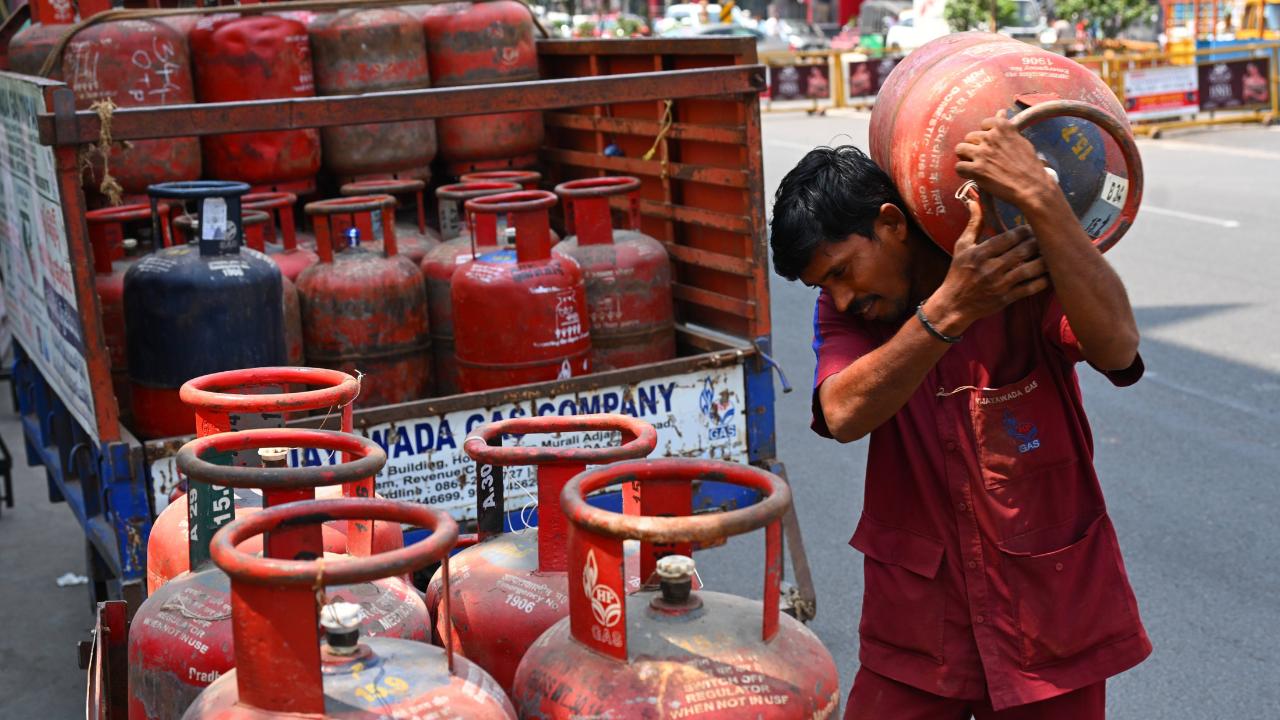
Among petroleum products, LPG occupies a unique position because it directly affects household life.Liquefied Petroleum Gas is a mixture of propane and butane gases separated during crude refining or natural gas processing. When compressed under moderate pressure, these gases liquefy, allowing them to be transported in cylinders.According to PPAC data, India consumed about 3.03 MMT of LPG in January 2026, a 7% increase over the same month a year earlier.

-

The scale of the LPG distribution system is enormous. As of January 2026, India had more than 33 crore active domestic LPG connections. Over 10 crore of these were provided under the Pradhan Mantri Ujjwala Yojana scheme designed to expand access to clean cooking fuel for low-income households.Imported LPG arrives at coastal terminals and is transported to bottling plants across the country. At these plants the gas is compressed into cylinders before being distributed through a nationwide network of dealers and delivery agents.Yet even within this sector, the data reveals changing patterns. Auto LPG—once used in three-wheelers and small vehicles—is declining as compressed natural gas becomes more widely available. At the same time, industrial demand for bulk LPG has surged, partly because it has become cheaper than liquefied natural gas for some applications.

Natural gas: promise and complications

Natural gas occupies a somewhat different place in India’s energy mix. It burns more cleanly than coal or oil and is widely used in fertiliser production, city gas networks, power generation and industry.However, transporting natural gas across oceans is complex. To ship it by sea, gas must be cooled to around minus 162 degrees Celsius, turning it into Liquefied Natural Gas. At the destination, LNG is warmed back into gas in a process known as regasification before being transported through pipelines.

-

India imports LNG through several coastal terminals, with the Dahej terminal in Gujarat among the largest.Despite expectations that natural gas demand will grow as India transitions toward cleaner fuels, the latest official data shows a more complicated picture. PPAC figures indicate that cumulative natural gas consumption during April–January FY2025-26 was about 4.4% lower than in the same period a year earlier.Higher LNG import prices and weaker industrial demand have contributed to this decline.

Ethanol blending: reducing oil dependence

One development that has significantly affected India’s fuel mix is ethanol blending in petrol.Ethanol, produced from sugarcane or grain, can be blended with petrol to reduce crude oil consumption and lower emissions. Government data indicates that ethanol blending reached 19.99% in January 2026, effectively achieving the national target of 20%.This milestone has important implications for India’s oil imports because each percentage point of ethanol blended into petrol reduces the amount of crude oil needed to produce that fuel.

The paradox of India’s energy transition

India has committed to achieving net-zero carbon emissions by 2070 and is rapidly expanding renewable energy capacity. Solar and wind power are growing quickly, and electric mobility is beginning to reshape parts of the transport sector.Yet oil demand continues to rise alongside economic growth. As incomes increase, vehicle ownership expands, aviation traffic grows and industrial output rises.This creates an unusual policy challenge. India must continue building refineries, pipelines and gas infrastructure to meet current demand even as it invests heavily in renewable energy systems that will eventually reduce dependence on fossil fuels.The result is an energy economy in transition–one that is simultaneously expanding fossil fuel infrastructure and preparing for a future where those fuels play a smaller role.

A price that affects every household

Global oil markets may appear distant from everyday life, but their effects are felt across the economy.Every increase in crude oil prices raises the cost of transport, electricity, fertilisers and cooking fuel. Every decline eases inflationary pressure.The price of a barrel of oil, set in global markets far from India’s shores, ultimately shapes the cost of living for millions of households.And as India’s economy continues to grow, the path from oilfield to kitchen flame will remain one of the most important supply chains in the country’s economic life.


Source link

Chinnaswamy set to host RCB’s IPL 2026 matches — but there’s a big twist | Cricket News


Chinnaswamy set to host RCB's IPL 2026 matches — but there's a big twist

NEW DELHI: The M. Chinnaswamy Stadium in Bengaluru is set to host matches in the upcoming Indian Premier League 2026 season, but there is a significant condition attached.The Board of Control for Cricket in India (BCCI) on Wednesday announced the schedule for the first phase of IPL 2026, which will run from March 28 to April 12. The 19th edition of the tournament will begin with defending champions Royal Challengers Bengaluru taking on Sunrisers Hyderabad at the Chinnaswamy Stadium in Bengaluru.

Gautam Gambhir reflects on India’s World Cup win and backing Sanju Samson in the tournament

However, the matches scheduled at the iconic venue are subject to approval from a government-appointed expert committee.“As three states are scheduled to undergo State Assembly elections during this period, the full schedule of the tournament will be announced once the poll dates are announced,” BCCI said in a release.A total of 20 matches will be played across 10 venues in the first phase — Bengaluru, Mumbai, Guwahati, New Chandigarh, Lucknow, Kolkata, Chennai, Delhi, Ahmedabad and Hyderabad.BCCI also clarified that the matches in Bengaluru will depend on a final safety clearance from the authorities.“The matches scheduled in Bengaluru are subject to clearance from the Expert Committee constituted by the Government of Karnataka. The committee will conduct a meeting and inspection of the M. Chinnaswamy Stadium on March 13, 2026, during which a full-scale mock demonstration of match-day arrangements will be carried out to assess the stadium’s preparedness for hosting IPL matches,” BCCI said.During the first phase, the tournament will feature four double-headers, with afternoon games starting at 03:30 PM IST and evening matches at 07:30 PM IST.

IPL 2026: Schedule

MATCH DATE DAY TIME VENUE
RCB vs SRH 28-Mar-26 Sat Evening Bengaluru
MI vs KKR 29-Mar-26 Sun Evening Mumbai
RR vs CSK 30-Mar-26 Mon Evening Guwahati
PBKS vs GT 31-Mar-26 Tue Evening Mullanpur
LSG vs DC 1-Apr-26 Wed Evening Lucknow
KKR vs SRH 2-Apr-26 Thu Evening Kolkata
CSK vs PBKS 3-Apr-26 Fri Evening Chennai
DC vs MI 4-Apr-26 Sat Afternoon Delhi
GT vs RR 4-Apr-26 Sat Evening Ahmedabad
SRH vs LSG 5-Apr-26 Sun Afternoon Hyderabad
RCB vs CSK 5-Apr-26 Sun Evening Bengaluru
KKR vs PBKS 6-Apr-26 Mon Evening Kolkata
RR vs MI 7-Apr-26 Tue Evening Guwahati
DC vs GT 8-Apr-26 Wed Evening Delhi
KKR vs LSG 9-Apr-26 Thu Evening Kolkata
RR vs RCB 10-Apr-26 Fri Evening Guwahati
PBKS vs SRH 11-Apr-26 Sat Afternoon Mullanpur
CSK vs DC 11-Apr-26 Sat Evening Chennai
LSG vs GT 12-Apr-26 Sun Afternoon Lucknow
MI vs RCB 12-Apr-26 Sun Evening Mumbai

The first double-header of the season is scheduled for April 4, when Delhi Capitals face Mumbai Indians in the afternoon at the Arun Jaitley Stadium in Delhi, followed by Gujarat Titans taking on Rajasthan Royals at the Narendra Modi Stadium in Ahmedabad.Rajasthan Royals will start their home campaign in Guwahati, where they will host Chennai Super Kings and Mumbai Indians. Punjab Kings, meanwhile, will play their early home matches at the PCA Stadium.As per the current plan, Royal Challengers Bengaluru will play five home matches in Bengaluru and two in Raipur. Punjab Kings will play four home games in New Chandigarh and three in Dharamsala, while Rajasthan Royals will split their home fixtures between Guwahati and Jaipur.However, the final confirmation for the Bengaluru matches will depend on the outcome of the inspection and clearance by the Karnataka government’s expert committee.


Source link

63-year-old retired senior bank clerk from Navi Mumbai loses Rs 27 lakh in digital arrest fraud by fake NIA official | Mumbai News


Navi Mumbai: A 63-year-old retired senior bank clerk from Khopoli, Raigad, was defrauded of Rs 26.4 lakh by a gang of cyber fraudsters, one of them posing as a National Investigation Agency (NIA) official, between Feb 11 and March 5.Sachin Hire, a senior inspector from Khopoli, stated that the fake cop contacted the complainant on WhatsApp on Feb 11 and placed him under ‘digital arrest’ by claiming that a mobile SIM card was taken in his name and obscene messages were sent from that SIM number. The caller even sent the complainant photos of documents claiming his involvement in the fraud case related to a banned outfit. The complainant was made to share his bank account details, claiming that it was necessitated for the RBI to verify his banking transactions for the allegations of his involvement in the fraud case.Hire said, “The complainant kept on receiving WhatsApp and video calls from different numbers of the cyber fraudster gang until March 5, and during this period, he was made to break his fixed deposit and transfer the money, including his retirement pension savings, to two bank accounts provided by the caller. The caller assured the complainant that the money he transferred was refunded to his bank accounts after RBI gave him a clean chit. But the caller became incommunicado as his mobile was continuously switched off. Realising that he was cheated, the complainant registered an FIR at Khopoli police station on Tuesday.”Acting on a complaint by the victim, Khopoli police booked the unidentified caller and the two bank account holders whose accounts the complainant was made to transfer the money to. The accused were booked under relevant sections of BNS, along with the Information Technology Act for the criminal offence of cheating by impersonation using computer resources or communication devices.


Source link