Breaking News
EXPLAINED | Why ICC penalised Arshdeep Singh: Rules, sanctions, punishment – All you need to know | Cricket News


EXPLAINED | Why ICC penalised Arshdeep Singh: Rules, sanctions, punishment - All you need to know
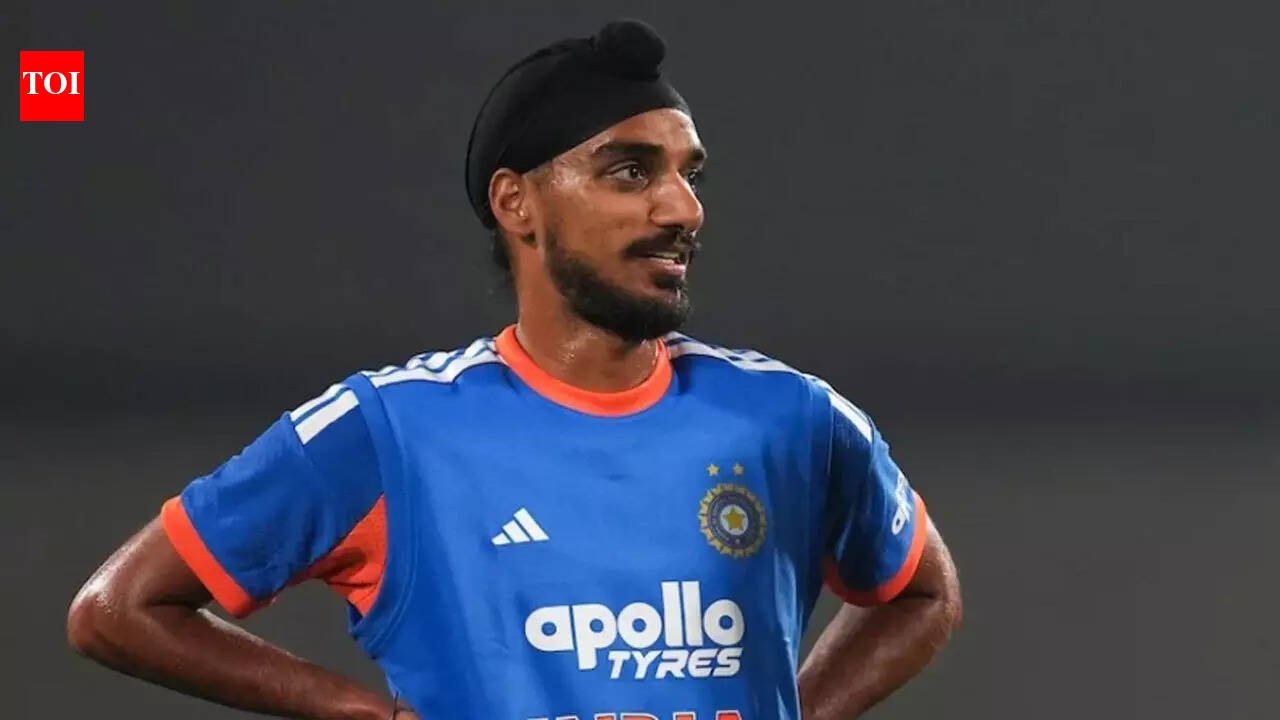
Arshdeep Singh (ICC Photo)

India pacer Arshdeep Singh has been fined 15 per cent of his match fee for throwing the ball “aggressively and inappropriately” at Daryl Mitchell during the final of the ICC Men’s T20 World Cup in Ahmedabad.In addition, one demerit point has been added to Arshdeep’s disciplinary record. It is his first offence within a 24-month period.

Sanju Samson opens up on T20 World Cup journey, and title win

Arshdeep was found to have breached Article 2.9 of the International Cricket Council (ICC) Code of Conduct for Players and Player Support Personnel, which relates to “throwing a ball (or any other item of cricket equipment) at or near a player in an inappropriate and/or dangerous manner during an International Match,” an ICC media release said on Tuesday.The incident occurred in the 11th over of New Zealand national cricket team’s innings when Arshdeep fielded the ball on his follow-through and hurled it back aggressively, striking the pads of the Black Caps vice-captain on Sunday.India defeated New Zealand national cricket team by 96 runs to become the first team to win three ICC Men’s T20 World Cup titles. The India national cricket team also became the first side to successfully defend the title and win the tournament on home soil.Arshdeep accepted the sanction proposed by Andy Pycroft of the ICC Elite Panel of Match Referees, eliminating the need for a formal hearing.The charge was levelled by on-field umpires Richard Illingworth and Alex Wharf, third umpire Allahuddien Paleker, and fourth umpire Adrian Holdstock.Level 1 breaches carry a minimum penalty of an official reprimand and a maximum fine of 50 per cent of a player’s match fee, along with one or two demerit points.

  • The offence related to Article 2.9 of the ICC Code of Conduct
  • The incident occurred in the 11th over of New Zealand innings
  • Arshdeep fielded the ball on his follow-through and threw it back aggressively at Daryl Mitchell
  • One demerit point was added to Arshdeep’s disciplinary record
  • This was Arshdeep’s first offence in a 24-month period
  • Arshdeep accepted the sanction proposed by match referee Andy Pycroft

What the rule says (ICC Code of Conduct)

  • Article 2.9 of the ICC Code of Conduct relates to throwing a ball or any cricket equipment at or near a player in an inappropriate or dangerous manner during an international match
  • The rule applies to players and player support personnel involved in international cricket.
  • Level 1 breaches carry a minimum penalty of an official reprimand.
  • The maximum penalty for a Level 1 offence is 50% of a player’s match fee.
  • The offence can also result in one or two demerit points being added to a player’s disciplinary record.
  • Demerit points remain on a player’s record for 24 months from the date they are imposed
  • If a player accumulates four or more demerit points within 24 months, they are converted into suspension points, which can lead to a match ban


Source link

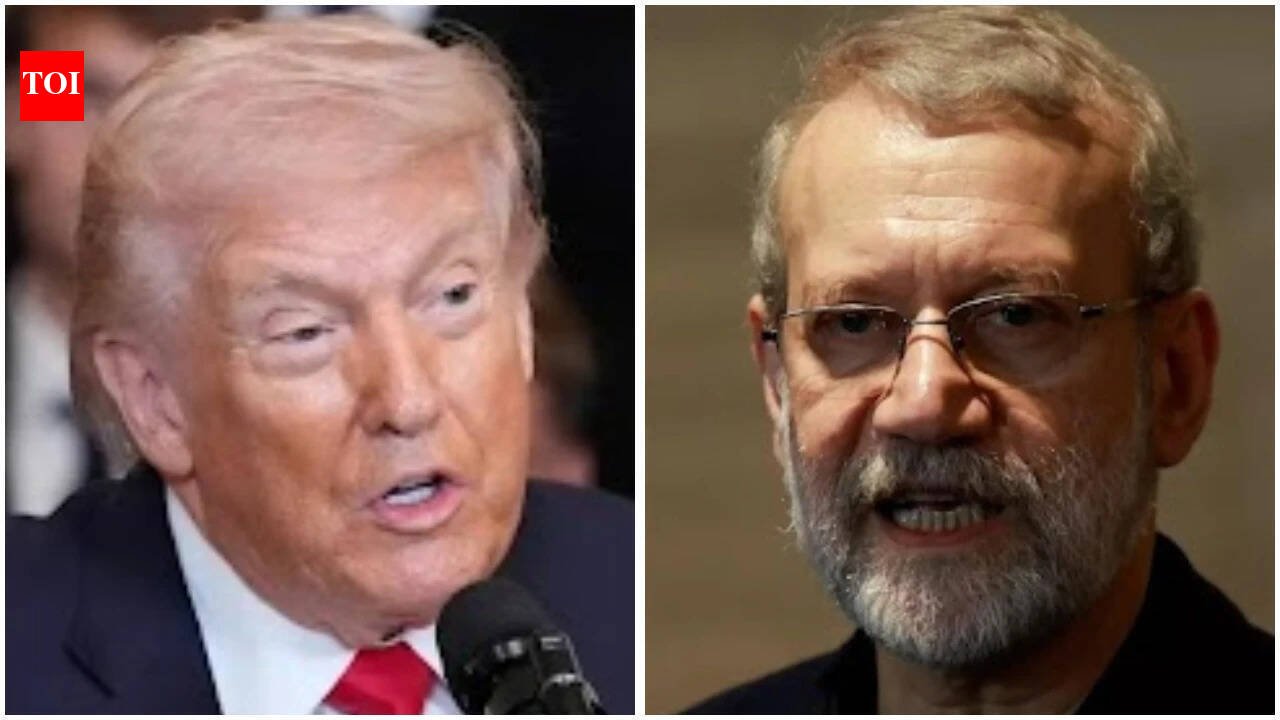
‘Don’t get eliminated yourself’: Iran warns Donald Trump, slaps down ’empty’ threats


'Don't get eliminated yourself': Iran warns Donald Trump, slaps down 'empty' threats

Iran warns Trump, slaps down ’empty’ threats

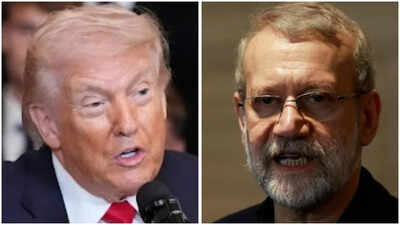
A senior Iranian security official issued a sharp warning to US President Donald Trump on Tuesday, dismissing his threats against Iran and cautioning him to “be careful not to get eliminated yourself”.Ali Larijani posted the message on X after Trump warned that the United States would hit Iran “twenty times harder” if Tehran disrupted oil flows through the Strait of Hormuz.“The sacrificial nation of Iran doesn’t fear your empty threats. Even those bigger than you couldn’t eliminate Iran. Be careful not to get eliminated yourself,” Larijani wrote.“Iran is not afraid of your empty threats. Even those greater than you could not eliminate the Iranian nation,” he added in a separate message.In another post, he wrote, “Strait of Hormuz will either be a Strait of peace and prosperity for all or will be a Strait of defeat and suffering for warmongers.”The exchange marks the latest escalation in the war that erupted after the United States and Israel launched strikes on Iran on February 28, killing the country’s Supreme Leader Ali Khamenei and triggering a wider regional conflict.

Iran intensifies regional attacks

Iran continued its military pressure across the Middle East on Tuesday, launching missile and drone attacks against Israel and several Gulf countries, reported news agency AP.Sirens warning of incoming missiles were heard in Dubai, while authorities in Bahrain said an Iranian strike hit a residential building in the capital, killing a 29-year-old woman and injuring eight others.Saudi Arabia said it intercepted two drones over its oil-rich eastern region, while Kuwait’s National Guard reported shooting down six drones.In Israel, air-raid sirens sounded in Jerusalem and explosions were heard in Tel Aviv as Israeli defence systems attempted to intercept incoming missiles, AP reported.Iran’s parliament speaker Mohammad Bagher Qalibaf signalled that Tehran was not seeking to end the conflict.“We are definitely not looking for a ceasefire,” Qalibaf wrote on X. “We believe that the aggressor should be punched in the mouth so that he learns a lesson so that he will never think of attacking our beloved Iran again.”

Strait of Hormuz disruption fuels oil fears

The conflict has also triggered major disruptions to global energy supplies.Iran has targeted shipping and energy infrastructure around the Strait of Hormuz, a critical waterway linking the Persian Gulf to the Gulf of Oman through which about 20 per cent of the world’s traded oil normally passes.Iran’s paramilitary Revolutionary Guard said it would not allow “the export of even a single liter of oil from the region to the hostile side and its partners until further notice,” according to AP.Attacks on merchant vessels near the strait have killed at least seven sailors, the International Maritime Organization said.The disruption has already pushed oil prices sharply higher. Brent crude surged to nearly $120 a barrel earlier this week before easing to around $90 on Tuesday, still about 24 per cent higher than before the war began on February 28, AP reported.

Trump warns of harsher US retaliation

Trump earlier warned that the United States would retaliate strongly if Iran attempted to block oil shipments through the Strait of Hormuz.“If Iran does anything that stops the flow of Oil within the Strait of Hormuz, they will be hit by the United States of America TWENTY TIMES HARDER than they have been hit thus far,” he wrote on Truth Social.Despite the growing tensions, Trump sought to play down fears that the war could drag on.The US president said the conflict would likely be “a short-term excursion,” although he has previously suggested it could last for a month or longer.Meanwhile, Israeli Prime Minister Benjamin Netanyahu vowed that Israel’s military campaign against Iran would continue.“Our aim is to bring the Iranian people to cast off the yoke of tyranny,” Netanyahu said during a meeting with Israeli health leaders. “There is no doubt that with the actions taken so far, we are breaking their bones,” he said, according to AP.

Conflict spreads across the region

The war has rapidly spread across the Middle East, drawing in multiple countries and armed groups.Israel has carried out attacks on the Iran-backed militant group Hezbollah in Lebanon, while militias aligned with Tehran have targeted US military bases in Iraq.On Tuesday, an airstrike hit the 40th Brigade of Iraq’s Popular Mobilisation Forces in the city of Kirkuk, killing at least five fighters and injuring four, according to officials cited by AP.Elsewhere, five members of Iran’s women’s national football team who were in Australia for a tournament when the war began have been granted asylum, Australia’s Home Affairs Minister said.Since the conflict began, at least 1,230 people have been killed in Iran, 397 in Lebanon and 11 in Israel, while seven US service members have also died, according to AP.


Source link

Evening news wrap: How has US-Iran war hit India? Pakistan announces crisis measures amid Middle East tension & more | India News


Evening news wrap: How has US-Iran war hit India? Pakistan announces crisis measures amid Middle East tension & more
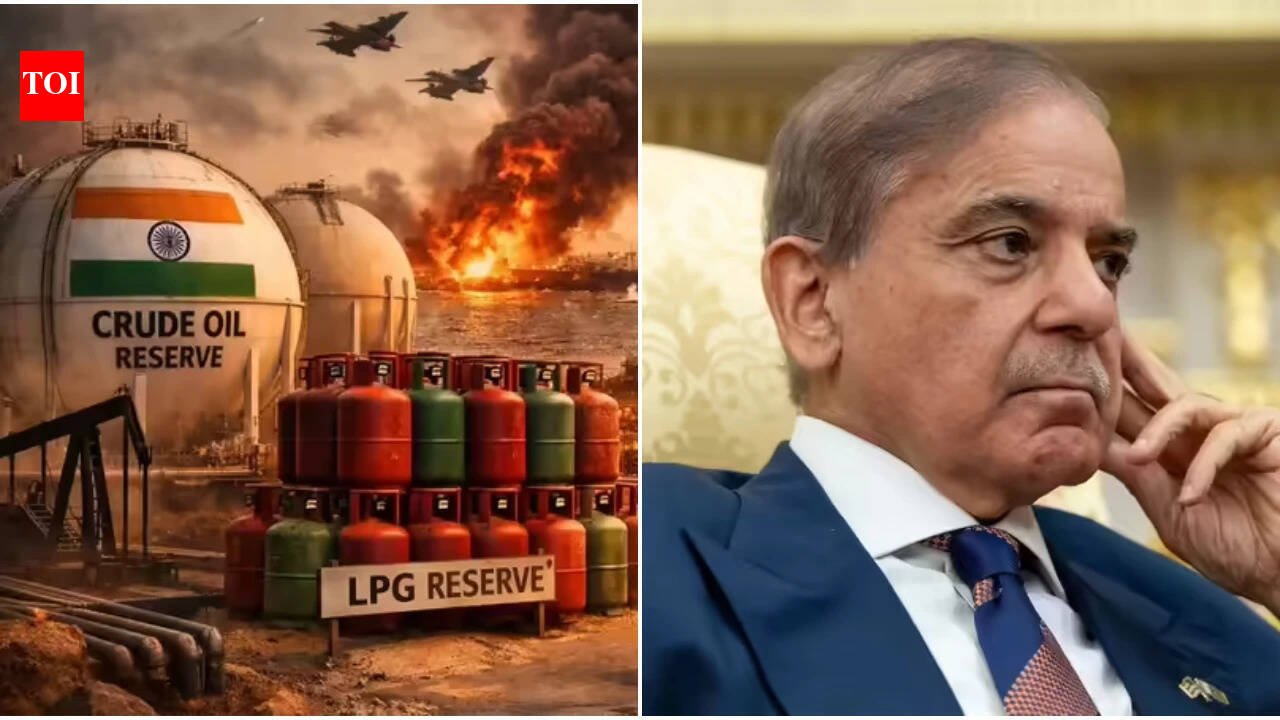
  • Strait of Hormuz blockade hits India’s 90 per cent oil, which makes up more than 60 per cent of LPG production. India has boosted its Russian oil purchase, has defied the IEA reserves call and has assured that there will be no petrol/diesel hikes.
  • Pakistan PM Sharif imposes drastic cuts—50 per cent fuel for govt vehicles, salary slashes, 50 per cent remote work, online classes—to combat fuel shortages from Iran war disruptions.
  • Iran’s Ali Larijani scoffs at Trump’s vow to hit 20 times harder if Hormuz oil is blocked as he remarked, “Don’t get eliminated yourself—we fear no empty threats”.
  • CJI Surya Kant warns that questioning the integrity of judicial officers will not be tolerated. This comes as a petition was filed regarding the pendency of claims in West Bengal SIR.
  • Cricketer Arshdeep Singh was fined 15 per cent of his match fee and given one demerit point for a Level 1 ICC breach after throwing the ball aggressively, hitting New Zealand’s Daryl Mitchell on the pads in the T20 World Cup 2026 final.

Here are the top 5 updates of the day:

How much has US-Iran war hit India’s oil, LPG, LNG supply?

India meets 90 per cent of its oil requirements through imports, which also constitutes 60 per cent of LPG/LNG production. The escalating West Asia tensions and closure of the Strait of Hormuz might affect this import, but officials vow no petrol/diesel hikes as India has boosted its Russian oil imports. India has also refused the IEA’s call on strategic reserve and has prioritised domestic production.Read the full story

Middle East heat reaches Pakistan: PM Shehbaz Sharif announces crisis measures

Amid the Middle East crisis and Iran war fallout pushing crude prices higher, Pakistan PM Shehbaz Sharif has announced emergency austerity measures. Fuel use for official vehicles will be cut by 50%, with 60% of government cars grounded. Cabinet members and lawmakers will forgo 25% of their salaries for two months, while non-essential spending and foreign travel are banned until June 2026. The government will shift to a four-day workweek with 50% work-from-home.Read the full story

‘Don’t get eliminated yourself’: Iran warns Trump, slaps down ’empty’ threats

In escalating Israel-Iran war, Iran’s security chief Ali Larijani slapped down President Trump’s threats to strike “20 times harder” and destroy Iran if it blocks Strait of Hormuz oil flows, posting on X.“Iran unafraid of empty threats—even greater powers failed to eliminate us. Take care not to be eliminated yourself!” he said.Trump had warned of “death, fire, fury” amid disruptions to 20% global oil, as US-Israel strikes pound Tehran while Iran eyes retaliation.Read the full story

CJI blasts petitioners for doubting integrity of judicial officers

Amid a TMC–ECI trust deficit over West Bengal’s electoral roll revision, the Supreme Court bench led by CJI Surya Kant rebuked pleas questioning cases before deputed judicial officers from Bengal, Odisha and Jharkhand, saying it would “not tolerate” doubts on the judiciary. The court asked the Calcutta HC Chief Justice to form an appellate bench for claims appeals, with the ECI bearing costs. Over 10 lakh claims are decided, 63 lakh pending.Read the full story

Arshdeep Singh penalised by ICC following India’s T20 World Cup triumph

India pacer Arshdeep Singh was fined 15% of his match fee and handed one demerit point for breaching ICC Code of Conduct Article 2.9 during the T20 World Cup 2026 final against New Zealand in Ahmedabad. Fielding off his follow-through in the 11th over, he aggressively threw the ball, which struck batter Daryl Mitchell on the pads. The ICC deemed the act inappropriate and potentially dangerous, marking Arshdeep’s first demerit point in 24 months.Read the full story


Source link

One terrorist killed, operation under way along LoC in J&K’s Nowshera | India News


One terrorist killed, operation under way along LoC in J&K's Nowshera

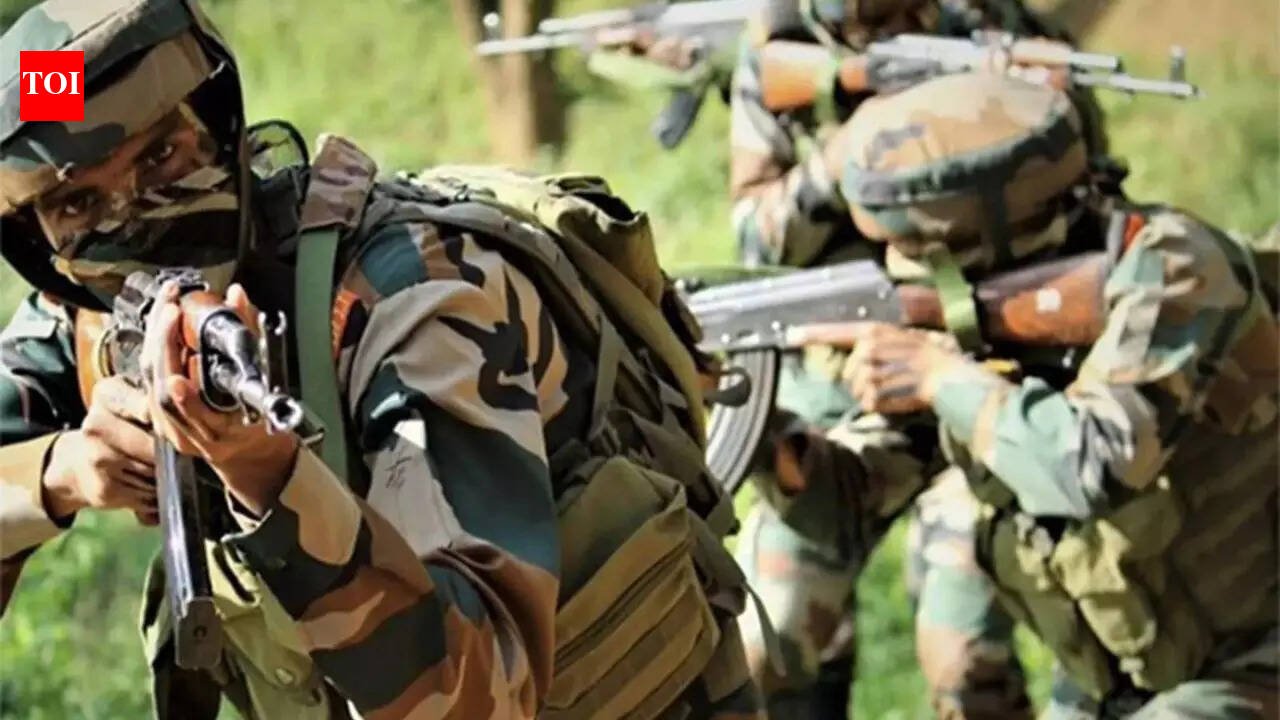
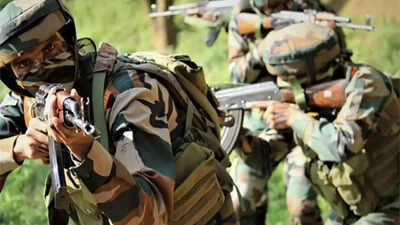
NEW DELHI: Indian Army troops foiled an infiltration attempt along the Line of Control in Jammu and Kashmir’s Jhangar sector of Nowshera on Tuesday, killing one Pakistan-sponsored terrorist, officials said.The Army’s White Knight Corps said the movement of two terrorists was detected near the LoC based on intelligence inputs from security agencies.In a post on X, the White Knight Corps said: “Acting on credible intelligence inputs by Intelligence Agencies, movement of two terrorist was detected in the general area of Jhangar, Noshwera along the LoC at around 3 pm on 10th March 2026.”

Poll

Which measure do you think is more effective in stopping infiltration?

It added: “Responding with swift and calibrated combat action, alert troops of #WhiteKnightCorps engaged swiftly, successfully foiling the infiltration attempt. In the ensuing engagement, one Pakistan Sponsored Terrorist was eliminated, effectively denying any breach of the LoC.”Security forces have launched a search operation to track the second terrorist who was part of the infiltration group.The Army said additional surveillance measures have been put in place across the sector.“Own troops have been reoriented to search for second terrorist and to ensure relentless domination of the area, supported by integrated ground and aerial surveillance. A robust operational posture and heightened alert continue across the sector,” the White Knight Corps said.


Source link

Kajol gets candid about career choices after 34 years in the film industry; says, ‘I was very stubborn and foolish’ | Hindi Movie News


Kajol reflects on her 34-year career, highlighting unconventional choices like her role in ‘Gupt’ and taking a sabbatical at her peak. She emphasizes making her own decisions and cherishes the love for her ‘eccentricities’. Currently, the actress is exploring scripts but hasn’t finalized any new projects, prioritizing working with relatable individuals. Read on to know more in detail.

Kajol recently opened up about her upcoming projects and also shared her views on taking a sabbatical during the peak of her career. The actress expressed she has been exploring several ideas and scripts; however, nothing is finalized as of now. Let’s take a look at what she had to say.

Kajol talks about her unconventional choices across 34 years in cinema

In an interview with Mid-Day, Kajol opened up about unconventional choices she made in her journey. She had played a negative role in the film ‘Gupt: The Hidden Truth’. Later, she stepped away from movies during the peak of her career. Talking about the same, Kajol said, “I feel I was very stubborn and foolish, and I was proved right, fortunately. But I see so many women doing this all the time without being given any awards for it. I have made my own decisions, and I stand by them. I am grateful that all my eccentricities have been loved.”

Kajol Reveals The Trick Behind Playing Challenging Parts

Kajol reveals if she has signed any project

In the same conversation, Kajol talked about her next projects. She revealed that she has not signed anything yet. The actress said, “I’m listening to a lot of scripts. I have two or three things that I’m working on. But I have nothing concrete to tell you.”The actress also opened up about choosing a project wisely. Apart from the story, the actress also gives importance to seeing who she is working with while signing a film. She said, “It’s important to me that I work with people whom I can relate to and talk to. You spend 50 days with people (on the set), and if you don’t like them, those 50 days can feel like 500!”

More about Kajol

The actress was last seen in the film ‘Sarzameen’, directed by Kayoze Irani. The movie also featured Prithviraj Sukumaran and Ibrahim Ali Khan in key roles.Kajol will feature in ‘Maharagni: Queen of Queens’, directed by Charan Tej Uppalapati. The film also stars Prabhu Deva, Naseeruddin Shah, Samyuktha, Jisshu Sengupta, Aditya Seal, Pramod Pathak, and Chhaya Kadam.


Source link

Mike Hesson explains Babar Azam’s omission from Pakistan ODI squad for Bangladesh tour


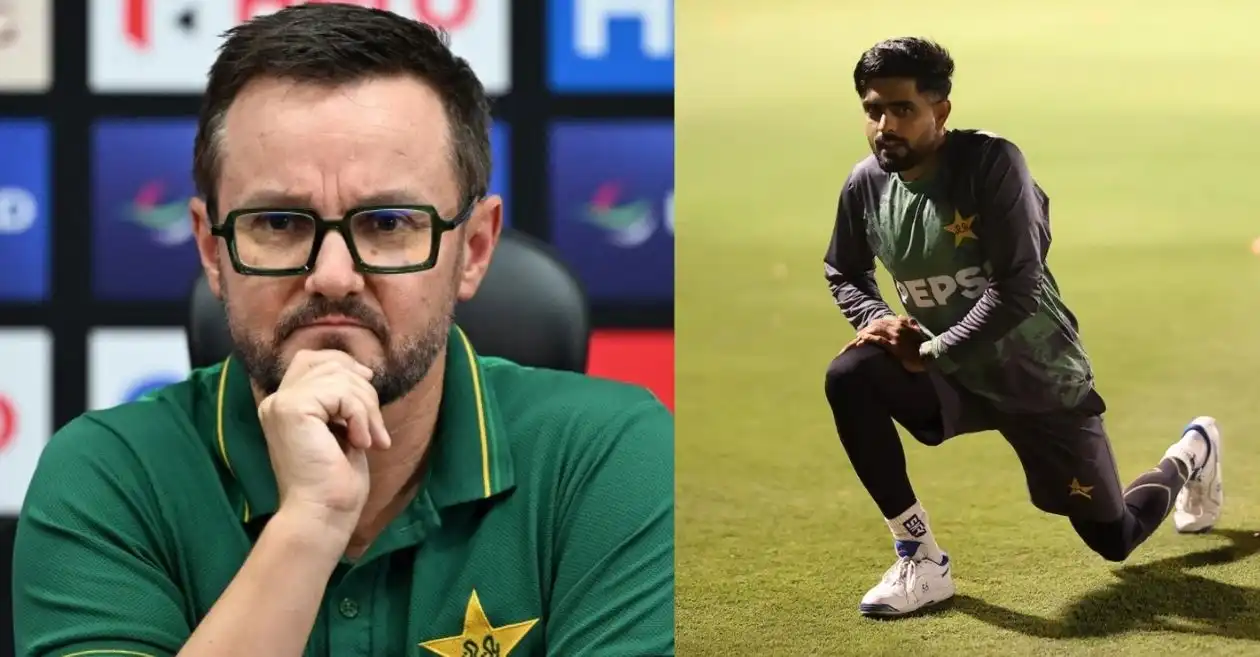
Pakistan white-ball coach Mike Hesson has addressed the growing debate surrounding Babar Azam’s absence from the ODI squad for the upcoming Bangladesh tour, starting March 11 in Dhaka. Pakistan’s squad announcement for the three-match ODI series created considerable buzz, largely because former captain Babar was not included in the lineup. The omission comes shortly after Pakistan’s disappointing campaign in the T20 World Cup 2026, prompting speculation that the team management could be moving in a new direction.

Mike Hesson opens up on Babar Azam’s absence in the ODI squad

Hesson has attempted to calm the conversation, emphasizing that the selections are more about experimentation and building depth than sidelining experienced cricketers. Speaking ahead of the Bangladesh tour, Hesson made it clear that the management does not view the squad changes as players being dropped. Instead, he described the series as an opportunity to assess emerging cricketers in the 50-over format, which Pakistan have played sparingly in recent months. According to Hesson, the intention is to create room for promising talents to showcase their abilities on the international stage.

“I wouldn’t say anyone was dropped. We just see this series as an opportunity to give these promising players a chance to prove themselves,” Hesson said during the pre-series press conference.

Several senior players miss out on the tour

Notably, Babar is not the only established name missing from the ODI squad. Pakistan have also left out Fakhar Zaman, who is currently dealing with an injury, along with Mohammad Nawaz and Naseem Shah.

The absence of these experienced players has paved the way for a number of fresh faces to enter the national setup. The selectors have handed opportunities to Abdul Samad, Maaz Sadaqat, Muhammad Ghazi Ghori, Saad Masood, and Shamyl Hussain, all of whom have impressed in domestic or junior-level cricket.

Their inclusion indicates that the management is eager to evaluate the next generation of Pakistani cricketers and build a stronger pool for the future.

Also READ: Pakistan name 6 uncapped players in ODI squad for Bangladesh tour, no place for Babar Azam

Sahibzada Farhan rewarded for strong performances

Among the players who have benefited from the shake-up is Sahibzada Farhan, who has been rewarded for his impressive performances in the recently concluded T20 World Cup 2026.

Farhan’s aggressive batting and consistency appear to have caught the attention of the selectors, earning him a place in the ODI squad. Hesson acknowledged that Farhan’s recent form made it difficult to ignore him when finalizing the team.

“Sahibzada Farhan has forced himself into the ODI squad because of his exceptional performances in T20s,” Hesson explained.

The coach also highlighted that players like Hussain and Sadaqat have been performing well in domestic competitions and youth-level cricket, making them worthy of a chance at the international level.

Also READ: Bangladesh name strong squad for the ODI series against Pakistan, Atif Hossain returns


Source link

Jewar airport connectivity: Delhi–Mumbai Expressway link with Noida International Airport gets fresh push; check details


Jewar airport connectivity: Delhi–Mumbai Expressway link with Noida International Airport gets fresh push; check details

The Union Cabinet has approved a revised capital cost of Rs 3,630.77 crore for the construction of a 31.42 km greenfield connectivity corridor linking the upcoming Noida International Airport at Jewar with the Delhi–Mumbai Expressway network, a move aimed at strengthening transport access to the airport and boosting logistics across the National Capital Region (NCR).The decision, taken by the Cabinet Committee on Economic Affairs chaired by Prime Minister Narendra Modi, will facilitate construction of the high-speed corridor connecting the Delhi–Faridabad–Ballabhgarh–Sohna spur of the Delhi–Mumbai Expressway to Jewar airport on Hybrid Annuity Mode across Uttar Pradesh and Haryana, according to an official statement.

India’s Biggest Airport At Jewar To Be Opened By PM Modi, UP CM Yogi Announces In Singapore

The project is expected to provide direct connectivity from South Delhi, Faridabad and Gurugram to the upcoming airport, improving regional mobility and supporting economic activity across the NCR.The proposed corridor will intersect key transport networks including the Eastern Peripheral Expressway, Yamuna Expressway and the Dedicated Freight Corridor (DFC), enabling multimodal transport integration and strengthening freight and passenger movement linked to the airport.According to the government, around 11 km of the project will be developed as an elevated highway, forming a crucial segment of the greenfield connectivity between the DND–Ballabhgarh Bypass and Jewar International Airport and linking it to the Delhi–Mumbai Expressway.The elevated stretch will pass through areas identified for high-density urban development under the Faridabad Master Plan 2031. The additional cost of the elevated section is estimated at Rs 689.24 crore, of which the Haryana government will bear Rs 450 crore, the statement said.The connectivity project comes as the Noida International Airport at Jewar moves closer to operational launch after receiving its aerodrome licence from the Directorate General of Civil Aviation (DGCA), clearing a major regulatory hurdle for starting flight operations.The development was confirmed by Rakesh Kumar Singh, chief executive officer of Noida International Airport Limited (NIAL) and the Yamuna Expressway Industrial Development Authority, PTI reported.NIAL nodal officer Shailendra Bhatia said the aerodrome licence has been issued under civil aviation rules and covers domestic passenger flights as well as cargo operations.Officials said the remaining operational deployment and arrangements are expected to be completed within about 45 days, adding that the airport infrastructure is now ready.“Receiving the aerodrome license is a key milestone in our journey. It reflects the strong collaboration with our partners and the rigorous work undertaken to ensure readiness for commercial operations. We are committed to delivering a modern, efficient and passenger-centric airport that will serve as a catalyst for regional economic growth,” Christoph Schnellmann, Chief Executive Officer of Noida International Airport, said in a statement.The airport is expected to be formally inaugurated by Prime Minister Narendra Modi, officials said.The aerodrome licence issued under Rule 78 of the Aircraft Rules, 1937 certifies that the airport meets regulatory requirements related to operational procedures, safety systems, infrastructure, navigation aids and emergency response standards mandated by DGCA.The approval follows a security clearance from the Bureau of Civil Aviation Security (BCAS) for domestic passenger operations as well as domestic and international cargo handling.Authorities said commercial flight operations will begin after the Aerodrome Security Programme (ASP) receives final approval from BCAS.“We look forward to receiving this approval in due course, following which airline schedules, ticket sales, and the formal inauguration will be announced closer to the launch of operations,” the airport said in a statement.The greenfield airport project in Jewar, Gautam Buddh Nagar, being developed under a public-private partnership (PPP) model, is expected to become one of the largest airports in the country once fully operational.In the first phase, the airport spans about 1,300 hectares and will include one runway and one terminal building with the capacity to handle around 1.2 crore passengers annually.Passenger services were originally scheduled to begin in September 2024.Operational readiness activities under the Operational Readiness Activation and Transition (ORAT) programme are currently underway to ensure systems, processes and personnel are fully prepared for the launch.A key milestone was achieved in December 2024, when IndiGo operated a validation flight using an Airbus A320, successfully testing the airport’s approach procedures, navigation aids and air traffic control systems.Airport authorities said major operational infrastructure has already been completed, and concessions have been awarded for services including ground handling, aviation fuel supply, cargo, retail, food and beverage, in-flight catering, mobility services and the airport hotel.Communication and navigation systems have also been commissioned by the Airports Authority of India, bringing the project closer to full operational readiness.


Source link

Centre sets up 3-member panel to tackle ‘LPG shortage’; steps up domestic production by 10% | India News


Centre Invokes Essential Commodities Act To Regulate LPG Supply Amid Iran War

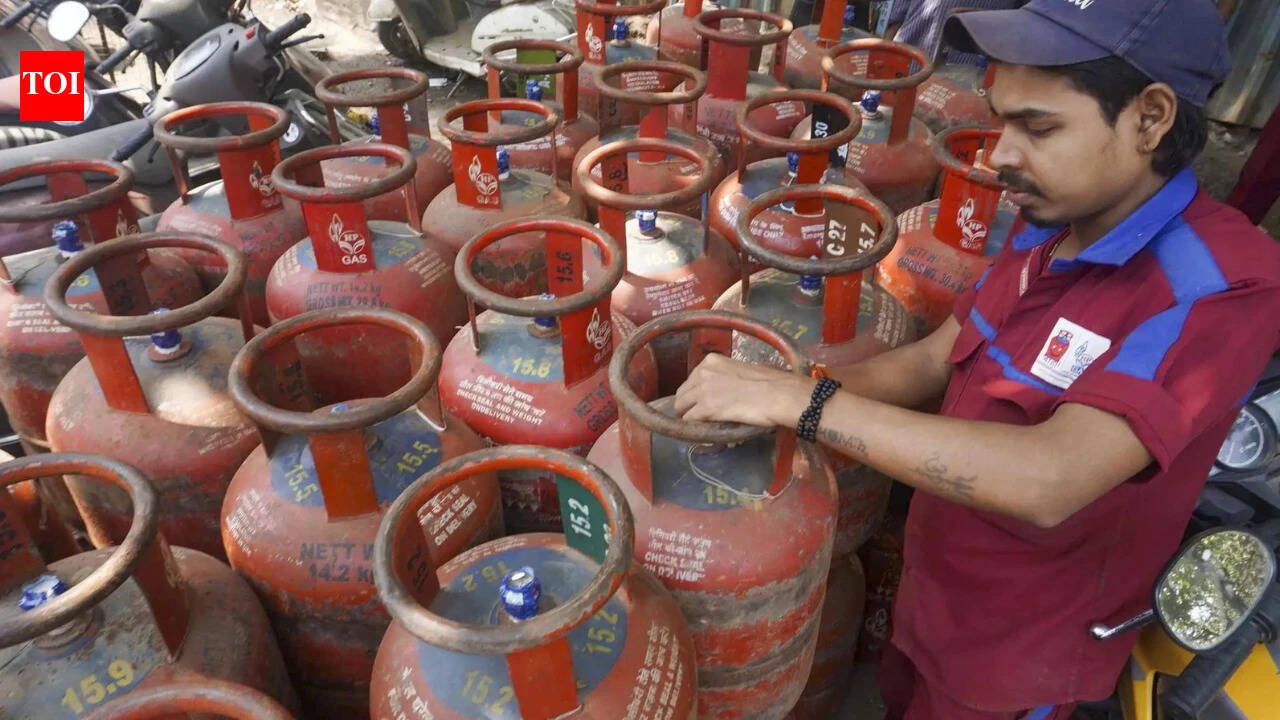
NEW DELHI: The Centre has constituted a three-member committee to address the ongoing LPG shortages that have severely affected the hospitality industry, following concerns raised amid the continuing crisis in the Middle East.According to government sources cited by news agency ANI, the new panel will assess the scale of disruption, consult hotel and restaurant industry associations, and reorganise supply distribution to meet genuine commercial requirements.

Centre Invokes Essential Commodities Act To Regulate LPG Supply Amid Iran War

The panel is comprised of executive directors from Indian Oil Corporation (IOC), Bharat Petroleum Corporation Limited (BPCL) and Hindustan Petroleum Corporation Limited (HPCL).The move comes after the Federation of Hotel and Restaurant Associations of India (FHRAI) wrote to the petroleum and natural gas minister, Hardeep Singh Puri, flagging “widespread disruption of LPG supply at the ground level” and urging immediate government intervention.In response, the three-member committee has been tasked with identifying the bottlenecks in commercial LPG availability and interacting directly with hospitality stakeholders to address their grievances.The officials said supply will be reprioritised where necessary to ensure continuity for essential commercial sectors such as hotels and restaurants.The Centre has already directed a 10 per cent ramp-up in domestic LPG production in recent days, while additional consignments of LPG and LNG are being sourced from multiple international suppliers to stabilise the situation.Government sources said India had faced a challenging period initially following the Iran–Israel conflict, but has since mitigated major supply risks due to its diversified oil sourcing strategy. Currently, around 70 per cent of India’s crude oil imports are sourced from regions outside the Strait of Hormuz, providing a strategic buffer against Middle East disruptions.Authorities added that Indian refineries are operating at full capacity and the country is better positioned than many others to recover swiftly once geopolitical tensions subside. No decision has been taken yet regarding restrictions on refined oil exports, the sources confirmed.


Source link

India slides down in 2026 Gender Equality in Chess Index rankings: How can it be improved? | Chess News


India slides down in 2026 Gender Equality in Chess Index rankings: How can it be improved?
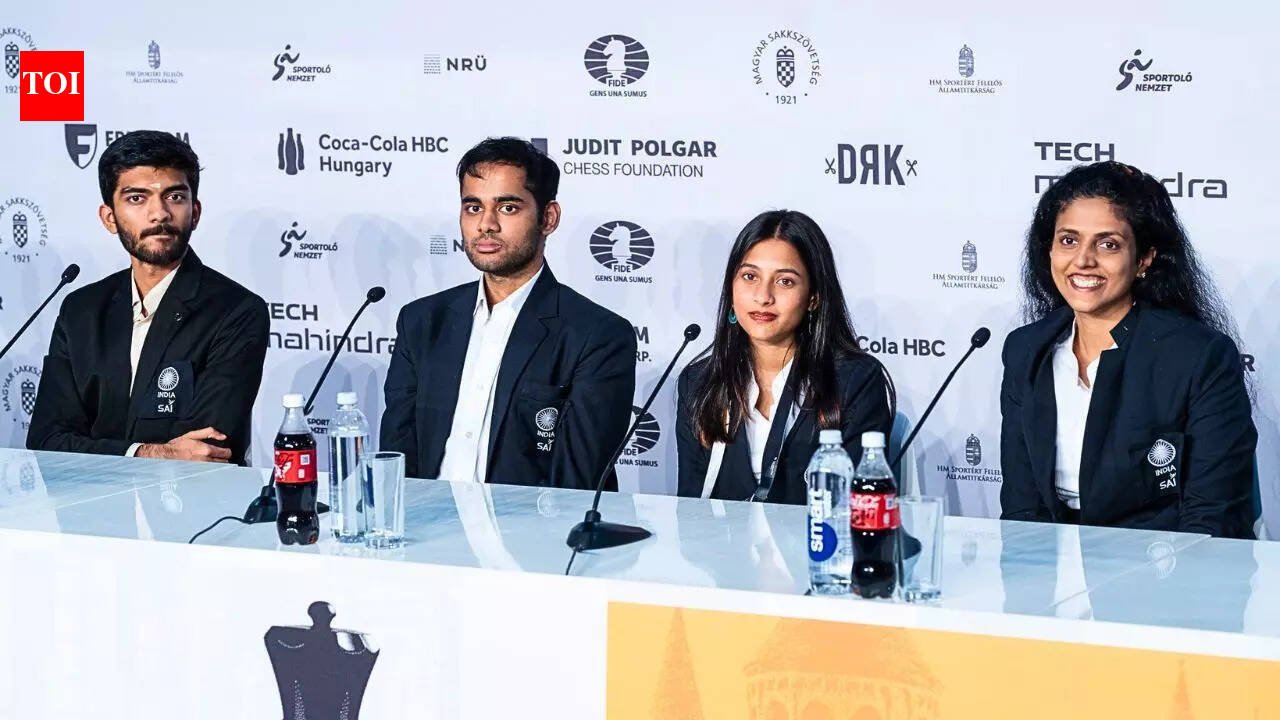
Gukesh Dommaraju, Arjun Erigaisi, Divya Deshmukh, and Harika Dronavalli (from left to right) (Photo by Maria Emelianova/Chess.com)

NEW DELHI: Last Sunday was International Women’s Day. Unless you’ve been on a total digital detox, your feed was likely buried under a mountain of Instagram stories and WhatsApp statuses celebrating the day. You probably liked a few, reciprocated a few wishes, and projected the vision of your values perfectly aligned with the cause.In keeping with the occasion, the FIDE Women in Chess Commission (WOM) and the University of Queensland published the 2026 Gender Equality in Chess Index (GECI) on Sunday. In this index, India has slipped one place to 25th in the global rankings since the inaugural 2023 edition.

From No Laptop to Chess World Cup Dreams: GM Pranesh M Exclusive Interview

In isolation, a one-place drop might not appear alarming. But in a country currently hailed as the fastest-growing chess powerhouse on the planet, this ranking points towards a deeper structural imbalance. While there are certainly worse-performing countries on the list, questions may arise as to why India isn’t near the top.

What is the Gender Equality in Chess Index (GECI)?

The Gender Equality in Chess Index is essentially an attempt by FIDE, the global chess body, to quantify gender balance across federations worldwide. The idea behind it is to measure where countries stand so they can improve.“When we created the GECI in 2023, we wanted to give federations a clear, evidence-based picture of where they stand on gender equality. You can’t improve what you don’t measure,” said Grandmaster (GM) David Smerdon, associate professor at the University of Queensland and the report’s lead author.
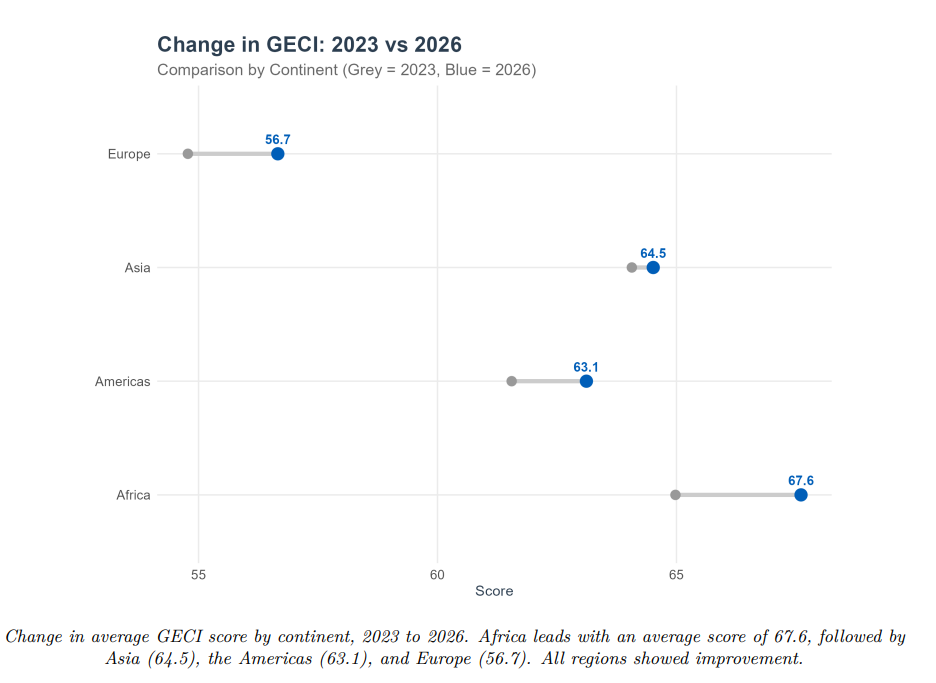
Change in GECI

Change in average GECI score by continent (Grahpic from GECI Report 2026)

The report uses FIDE’s global ratings database and youth championship participation records to build a composite score that reflects female participation, performance, and development pathways. According to the report, there are 1,446,605 active chess players worldwide, but only 238,716 are women, meaning female participation overall stands at just 16.5%.

How the rankings are measured

The GECI score is calculated using three key pillars:

  • Participation – the share of women among active rated players in a federation. (The closer the figure is to 50%, the more balanced the ratio between male and female players)
  • Performance – the strength gap between men and women based on average Elo ratings.
  • Progress – the proportion of girls representing a country in international youth championships.

In the 2026 release, India’s overall GECI score stands at 71.04, resulting in that single-place drop to 25th globally. However, when you look under the hood, the numbers tell a story of two different Indias.
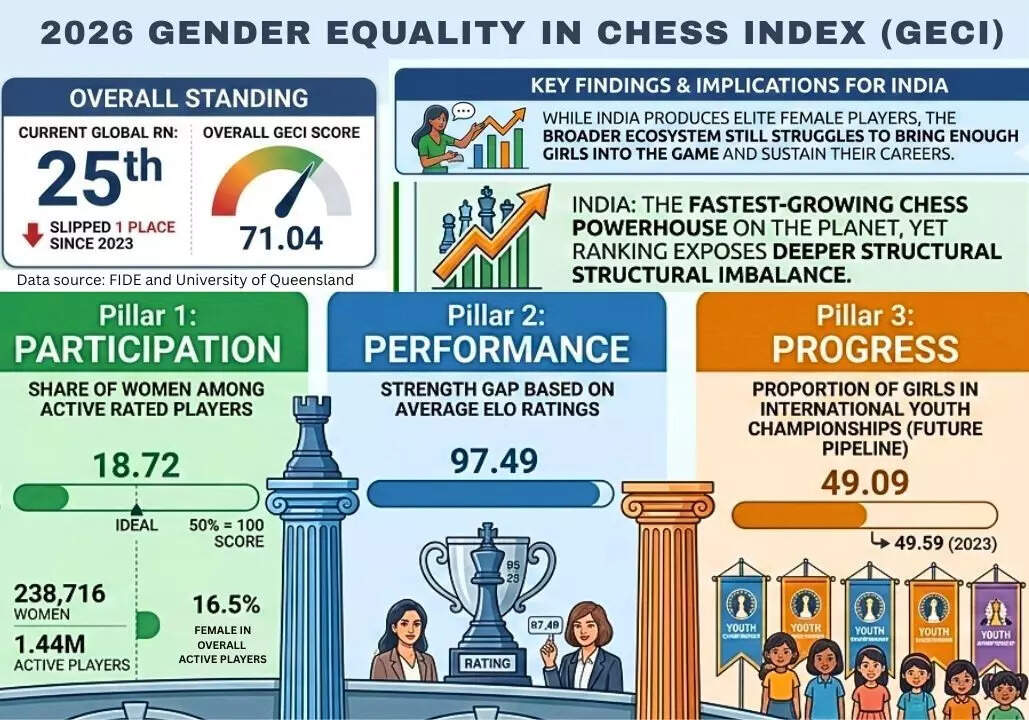
2026 GECI Report

India’s numbers in 2026 GECI Report

In Performance, India holds a staggering 97.49 (up from 88.31 in 2023), which proves that our elite women are world-class. Nevertheless, Participation lags at a meagre 18.72, and Progress, the metric for the next generation, saw a slight decline to 49.09.The metrics suggest that while India is phenomenal at producing top-rated female players, the broader ecosystem is still struggling to get girls to the board and keep them there.

Where is India lacking?

From Viswanathan Anand inspiring a generation to teenage prodigies dominating global tournaments, the country now boasts more than 90 Grandmasters. Yet, in a nation of more than a billion people, only four women have reached chess’s highest title and become a GM.As GM Harika Dronavalli explained, the issue begins long before players reach the elite level. “Girls are not pushed to pursue ambitious goals in the same way boys are. The talent is certainly there, but societal expectations often clip those wings early,” she told TimesofIndia.com.The drop-off is particularly visible during adolescence. Coach GM Srinath Narayanan, who has worked with several of India’s top female players, says many promising girls leave the game between 13 and 15 years of age.“Girls in India often face more pressure to prioritise academics or domestic responsibilities over sports. Chess demands sustained investment, time, travel and coaching, and families may hesitate to support girls long-term in such a career,” he explained.
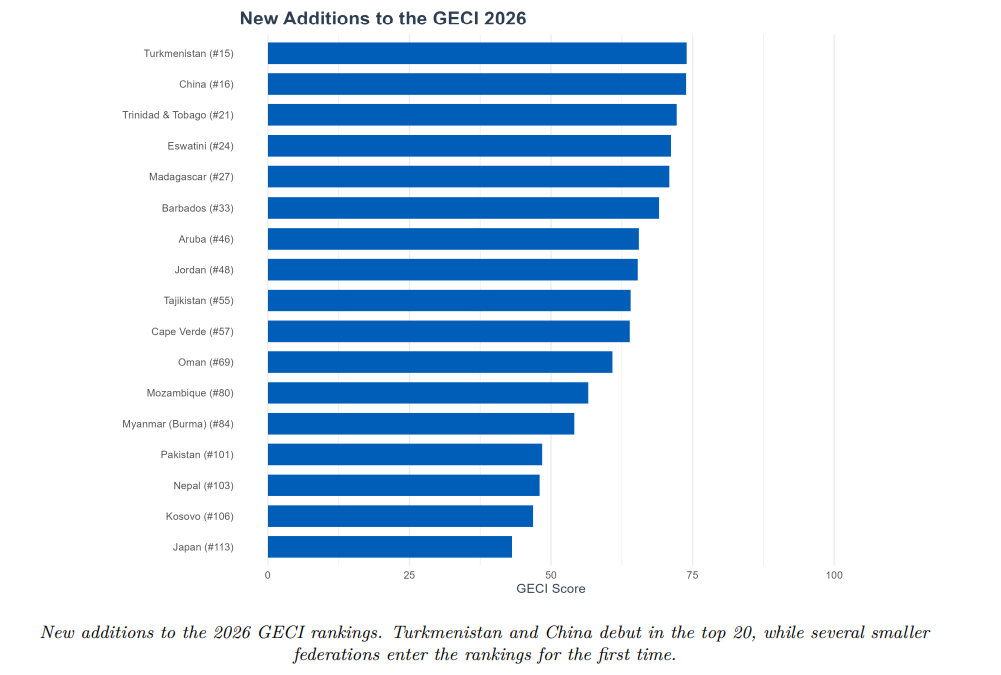
GECI Report 2026

New additions to the GECI 2026 report

Even those who remain in the system face structural challenges. International Master (IM) Vantika Agrawal reiterates that competing internationally, a crucial step toward earning Grandmaster norms, is far harder for female players.“It is financially challenging to play a lot of tournaments abroad,” she said. “Female players don’t get much opportunity to play with stronger players, which hampers their growth. And our society is still male-dominated. Women don’t get equal opportunities and support.”Young girls often compete in women-only events rather than stronger open sections, limiting exposure to tougher opposition during crucial development years.

What can India do to improve and close the gap?

While recently speaking to this website, India’s veteran Grandmaster Pravin Thipsay broke down the reality of ‘individualism’ within the Indian chess ecosystem.“There is no system in Indian chess which will produce champions. It is basically the efforts of the parents and the players that are in place. Players have spent a lot of time and energy, and parents have sacrificed their careers; only then have some emerged as champions,” he elaborated.“Just because three players are doing well, it doesn’t mean that after five years we will have another three or five players who will do the same. We cannot say it is like the Soviet school where one champion goes and another comes. Even in China, they have a continuous chain of players, particularly among the women. Whenever one generation is no longer strong, a different generation has already been coming through. These are things which do not happen here; what we have is the individual effort of a person.While some notable individuals have helped sow the seeds of chess culture in India, this growth has remained limited to certain pockets of the nation rather than expanding pan-India. And the movement may not reach its full potential without direct intervention from the All India Chess Federation (AICF). But how do they achieve this?

There is no system in Indian chess which will produce champions. It is basically the efforts of the parents and the players that are in place.

GM Pravin Thipsay

The GECI framework itself offers clues about the solution.First, female participation must increase at the grassroots level. Even a modest rise in the percentage of girls playing chess would significantly strengthen the talent pipeline.Second, exposure to stronger competition is essential. Coaches argue that talented girls should be encouraged to play in open events early in their careers.Third, the ecosystem needs financial backing, from travel grants and sponsorships to structured training programmes designed specifically for promising female players.
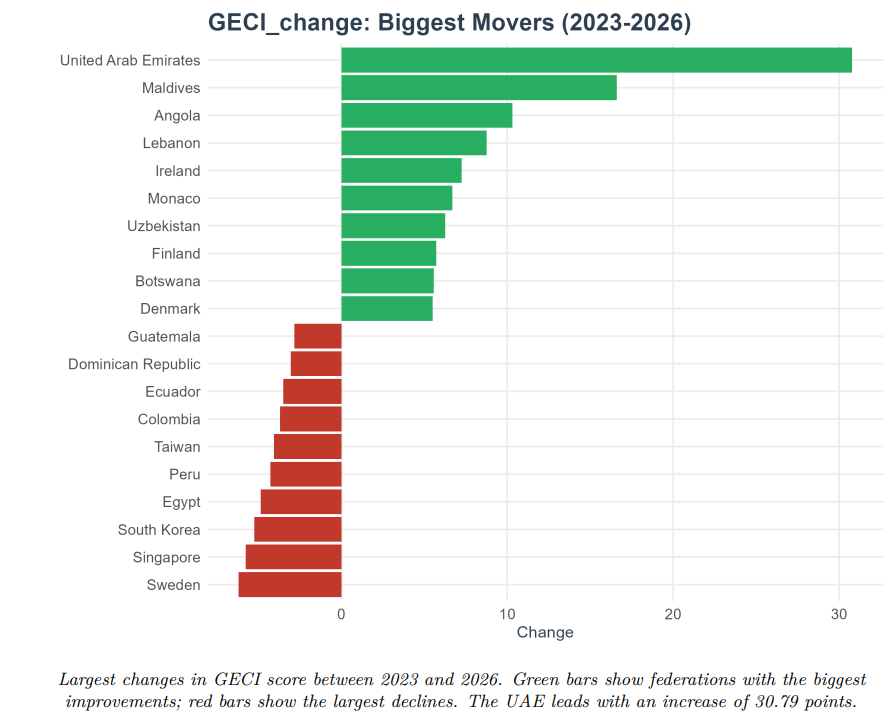
GECI Report

Biggest Moves in GECI Report 2026

In all, the UAE blueprint mentioned in the 2026 GECI report could prove highly effective.The UAE climbed 73 places in the rankings, from 77th in the last edition to 4th now, largely by dramatically increasing the number of girls sent to youth championships. The country boosted female participation in youth delegations from 12.5% to 43.75% in the “progress” indicator, demonstrating how targeted policy decisions can rapidly transform representation.Backed by their sports ministry and national councils, the UAE has institutionalised female chess through a specialised network of seven chess clubs with dedicated girls-only sections and two girls-only clubs. They have also made female representation mandatory in their governing body.By providing logistical support for families and embedding women in leadership roles, such as Secretary-General Dr. Maliha Mahmoud Al Mazmi, the federation has created a sustainable professional pipeline.READ ALSO: India gets its 93rd GM. Mother quit job for chess — the making of Aarav Dengla influenced by D Gukesh and Arjun ErigaisiFurthermore, the system is anchored by a year-round competitive calendar for girls, ranging from school-level events to national championships of all age categories. Away from the board, the federation has also invested in the inclusion of female international and national arbiters.For India, the lesson is simple. As the data shows, the country already has the talent. What it needs now is a system that keeps girls in the game long enough to create a sustainable model of development.

Source link

Inside Shivam Dube’s Mumbai home: Stunning interiors, private gym, luxury apartments, and family moments revealed |


Inside Shivam Dube’s Mumbai home: Stunning interiors, private gym, luxury apartments, and family moments revealed

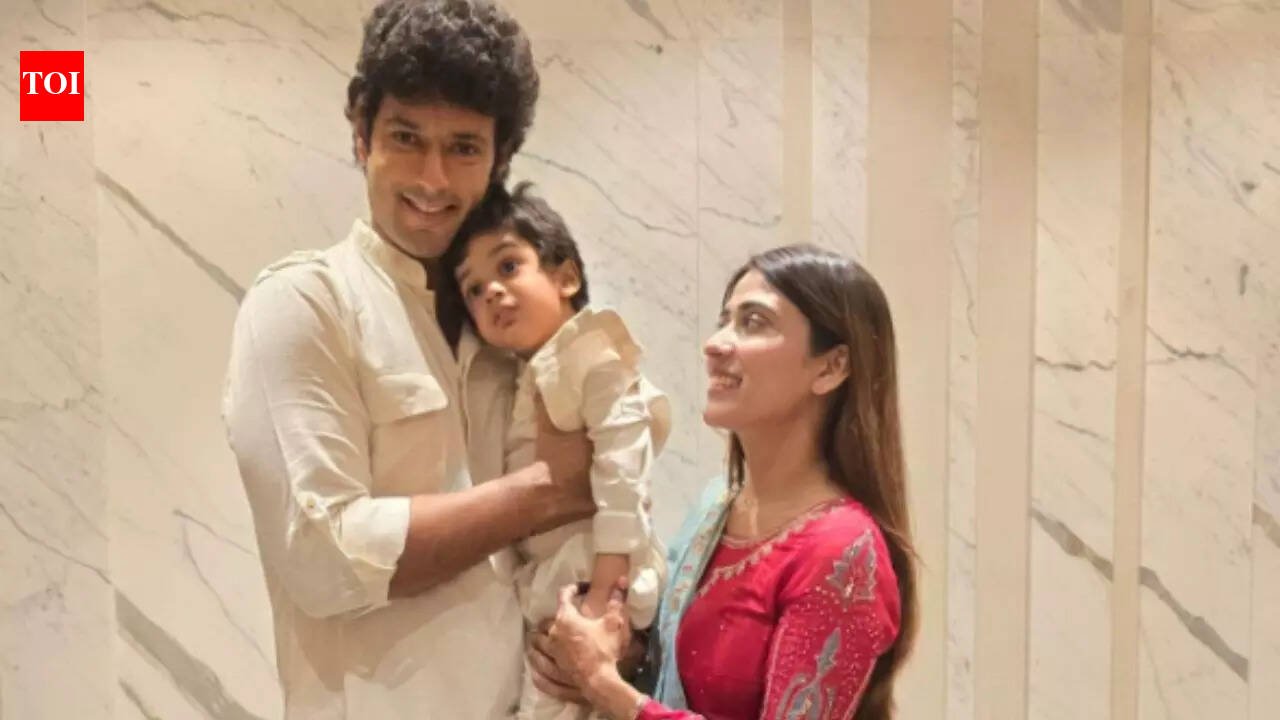
Shivam Dube’s life is a real-life rags-to-riches story. From being a young cricket enthusiast in Mumbai, Shivam Dube has emerged as one of India’s promising all-rounders. Born on June 26, 1993, Dube had to face financial issues in his life, but his determination and his family’s support took him to bigger heights. It is also said that the cricketer’s Mumbai house reportedly reflects his success and hard work. According to various media reports that are not confirmed independently by The Times of India, he has also invested in two luxury apartments at DLH Enclave, Andheri West, Mumbai, which are valued at Rs 27.50 crore. These are located on the 17th and 18th floors of the building, providing over 9,600 sq ft of space, including the balconies. Shivam Dube started making a name for himself in Indian cricket by participating in domestic matches for Mumbai, followed by matches in IPL for teams such as Rajasthan Royals, Royal Challengers Bangalore, and CSK. Dube’s debut as a T20 and ODI player was in 2019, after which he rose to popularity as a power hitter and a medium-pace bowler.

Shivam Dube’s Mumbai home: Spacious, modern, and family-friendly with luxury touches

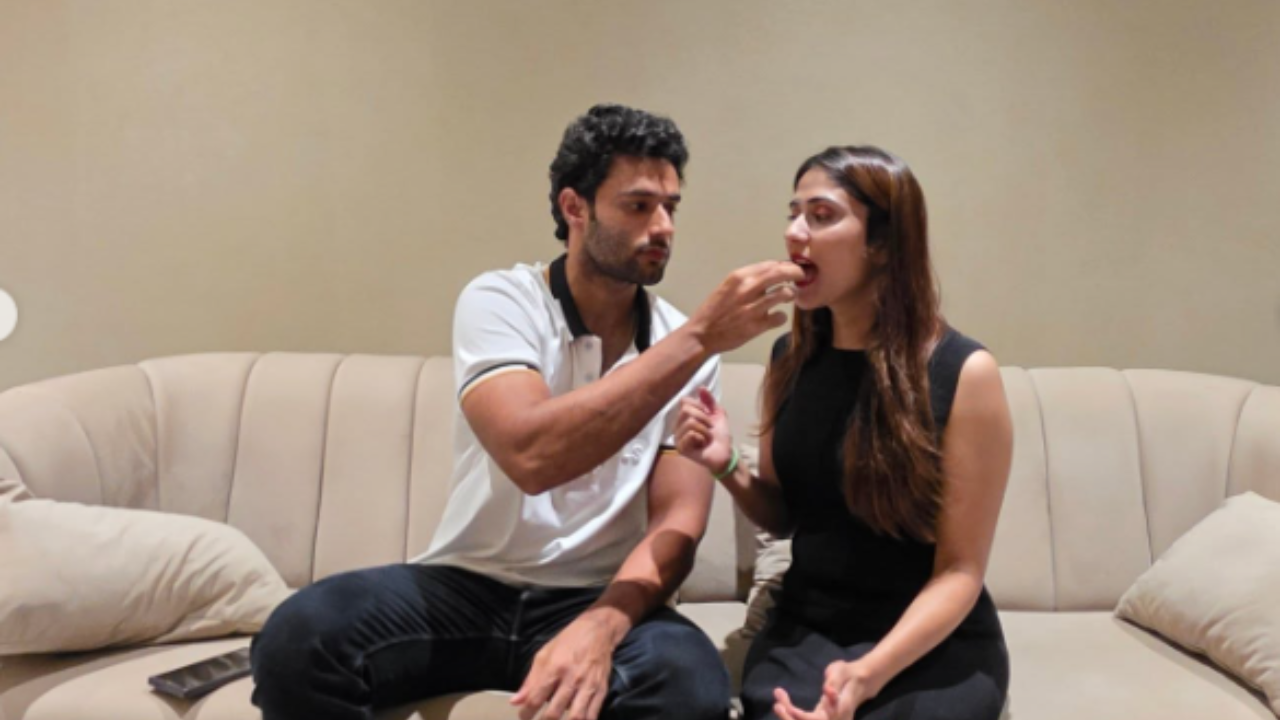
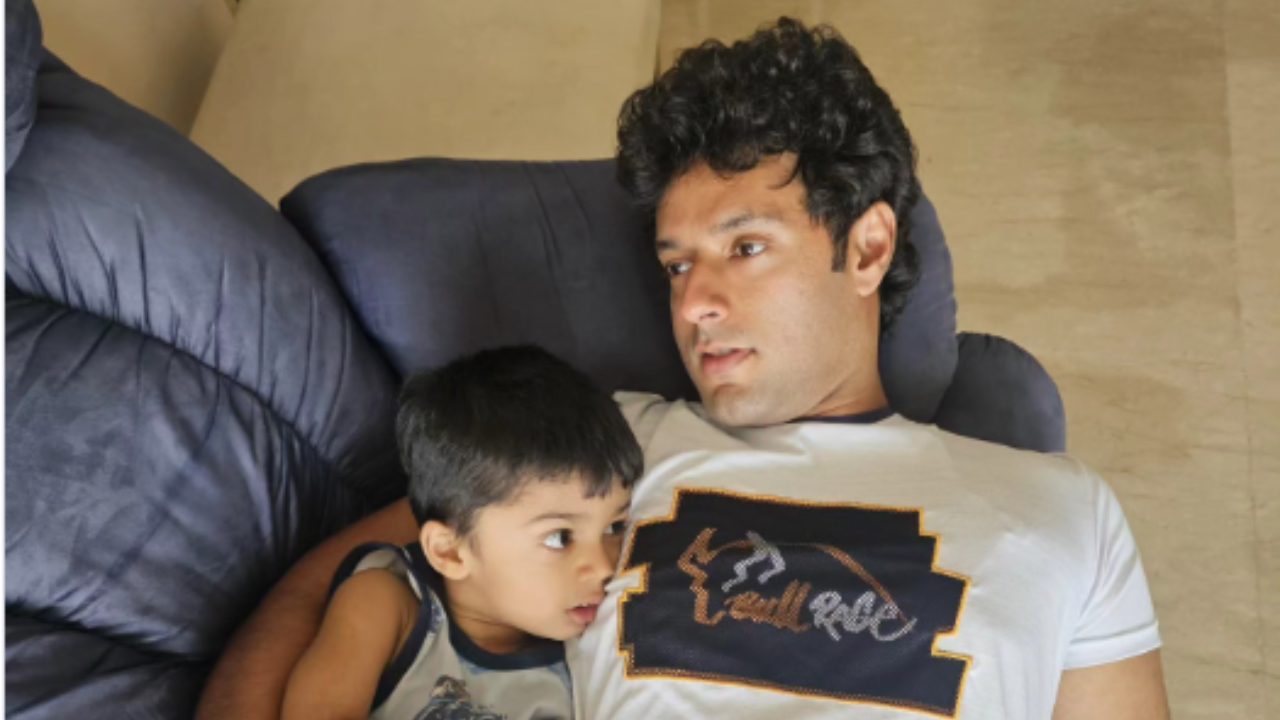
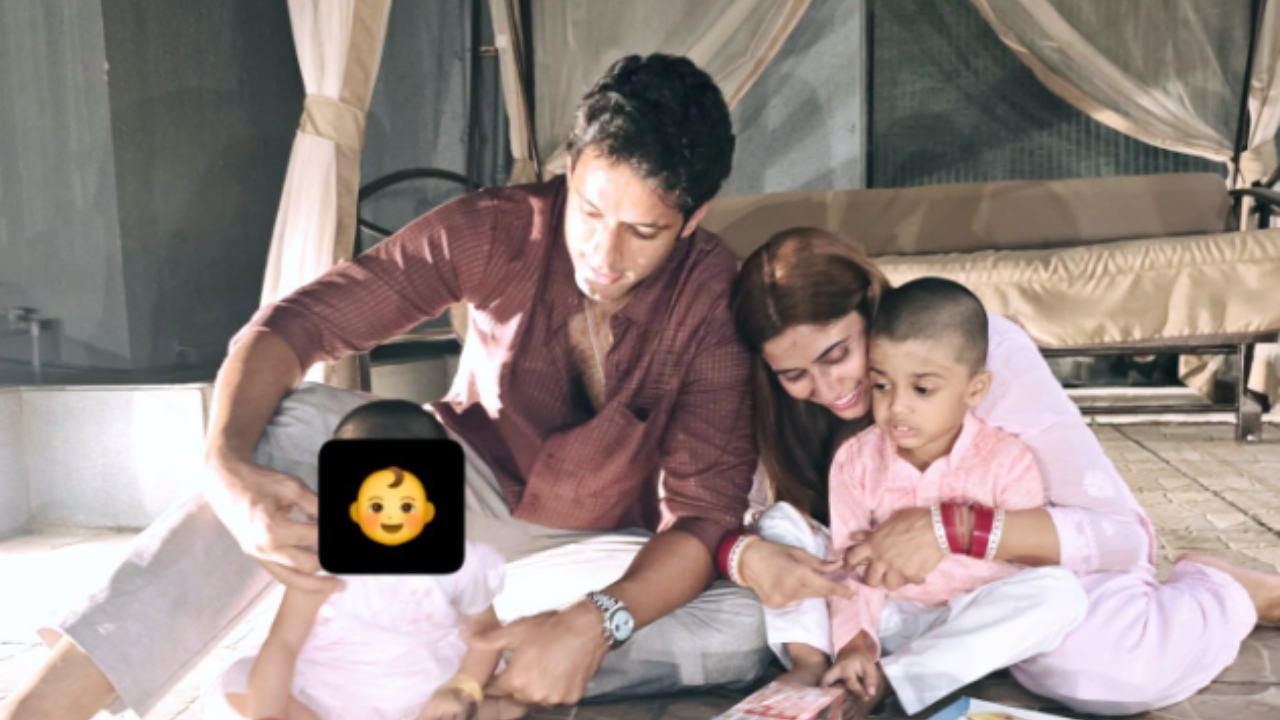
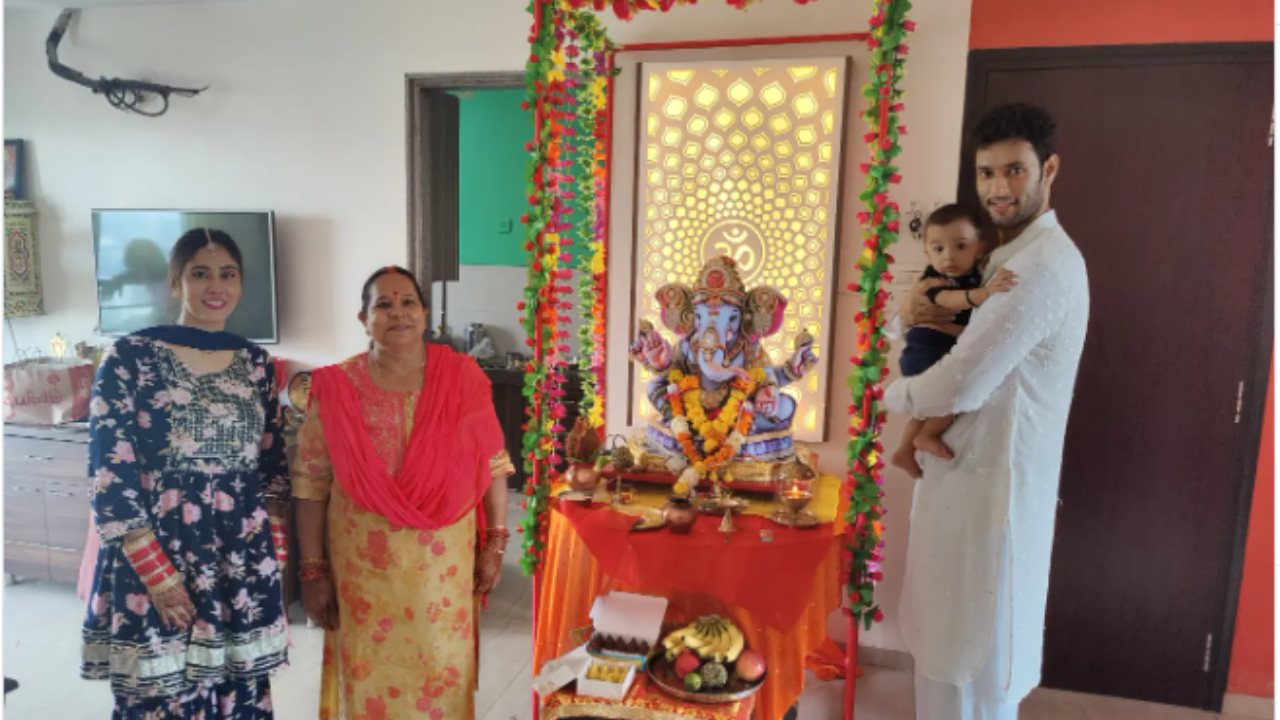
The residence of Shivam Dube in Mumbai, as claimed, is a wonderful blend of luxury and comfort. The interior of the house is spacious, luxurious, and at the same time, simple. It seems as if Shivam Dube has put a lot of thought into the interior of the house, ensuring a wonderful blend of luxury, comfort, and the requirements of the family. Personal gym, spacious balcony, and hi-tech security systems are some of the prominent features of the house. Dube’s family has clearly been a cornerstone of his life. His father, Rajesh Dube, a former wrestler, encouraged his cricketing journey, while his mother remained a steady presence at home. Shivam married Anjum in 2021, and their son was born in 2022.

Shivam Dube house tour

PC: Instagram

Shivam Dube house tour

PC: Instagram

Shivam Dube house tour

PC: Instagram

Shivam Dube house tour

PC: Instagram

Shivam Dube house tour

PC: Instagram

Shivam Dube’s home gym and luxury apartments

Fitness is something that is very important to Shivam, and this is quite obvious from his home gym, which is professional, yet personal at the same time. There are shock-absorbing rubber mats on the floor, which are great for high-impact exercises. There are also free weights, dumbbells, kettlebells, a multi-functional cable system, resistance bands, and medicine balls, along with a separate area for cardio and functional training, where battle ropes, skipping, and other activities can be performed. Large mirrors are also present, along with cricket-themed decor and quotes, giving off the impression that he loves his workouts, yet takes them very seriously.


Source link