Breaking News
How much has US-Iran war hit India’s oil, LPG, LNG supply? Top 10 points to know on petrol, diesel prices, LPG supply

How much has US-Iran war hit India’s oil, LPG, LNG supply? Top 10 points to know on petrol, diesel prices, LPG supply
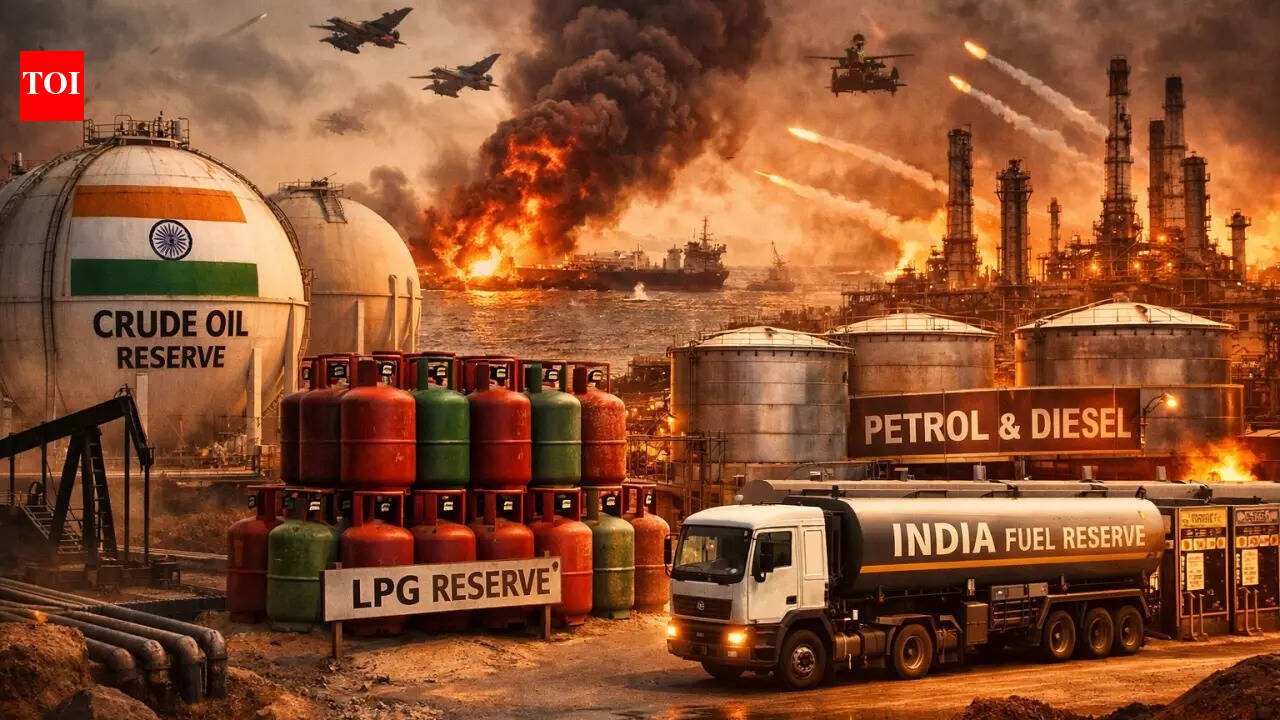
More than oil though, it is the disruptions in LPG imports from West Asia that are having an immediate impact. (AI image)

Oil, LPG, and LNG – the backbone of a growing Indian economy – have seen their supplies being hit due to the Middle East tensions and the closure of the Strait of Hormuz – a key maritime route. While the Donald Trump administration has claimed that the war with Iran may soon come to an end, energy and oil supplies have become an important flashpoint in the tensions. Brent crude prices rose to $120 on Monday, before falling to below $90 mark on Tuesday.From India’s standpoint, energy supplies have been affected by the conflict in West Asia. India imports nearly 90 per cent of its crude oil, while more than 60 per cent of LPG demand and over half of its liquefied natural gas requirements are met through imports, most of which originate from the Gulf region.

Crude Oil Rally Near 120 Dollars, Raises Big Question If India Can Survive Crisis With Russian Oil

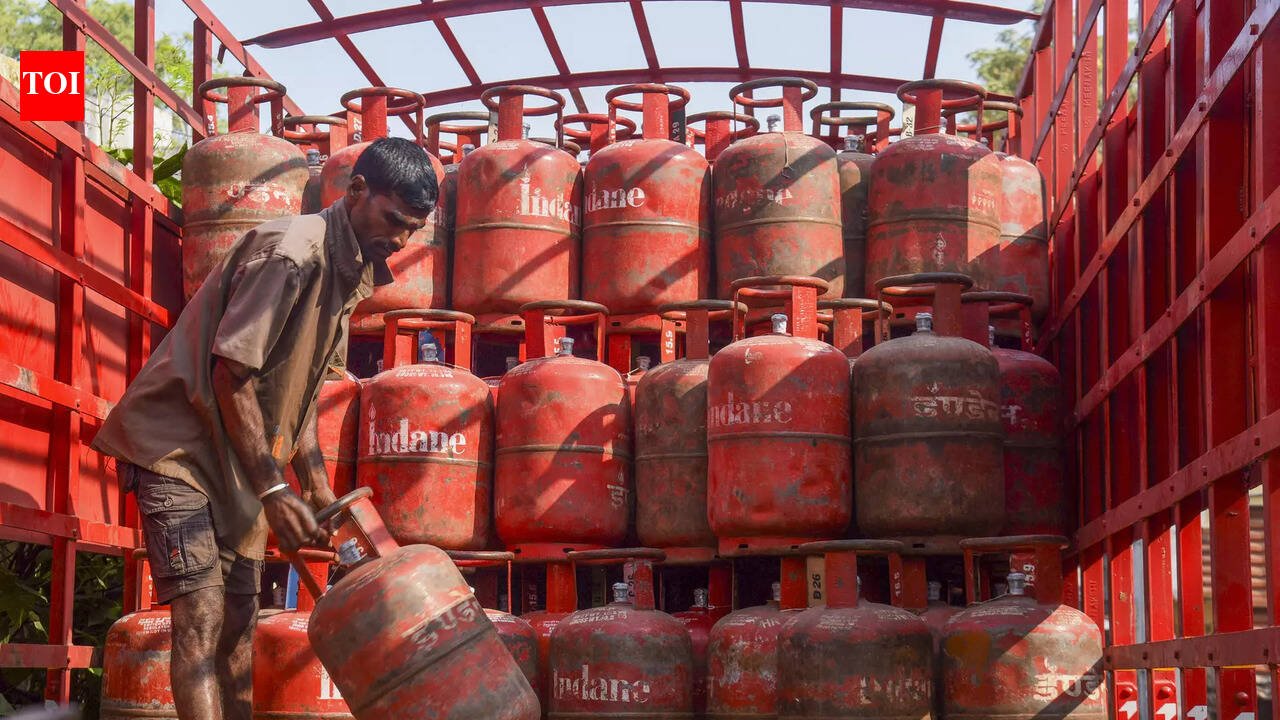
India, which is the world’s third-largest importer and consumer of oil, maintains underground strategic petroleum reserves with a capacity of 5.33 million tonnes. However, these reserves are currently filled to about 80 per cent.More than oil though, it is the disruptions in LPG imports from West Asia that are having an immediate impact. While domestic LPG supplies remain adequate, there are currently “restrictions” on the distribution of commercial cylinders.What is India’s energy situation amidst the UR-Israel-Iran war? We take a look:

  1. India steps up Russian crude oil buys

India has stepped up Russian crude oil procurement to make up for the consignments stuck in the Middle East. While the US has claimed granting a 30-day waiver to India for purchasing Russian crude, officials have said that India has never required approval from any country to procure Russian oil. Russia remained the country’s largest supplier of crude in February. India has broadened its crude supply base as part of its energy diplomacy, increasing the number of supplier countries from 27 to 40 across six continents. As a result, the country’s energy security is no longer dependent on a single maritime chokepoint such as the Strait of Hormuz. India currently holds more than 250 million barrels, or nearly 4,000 crore litres, of crude oil and refined petroleum products. These reserves provide a buffer equivalent to about seven to eight weeks of supply across the energy system.2. Petrol, Diesel prices not expected to riseEven though Brent crude prices climbed to their highest level since mid-2022 on Monday, government officials have indicated that there are no immediate plans to raise retail fuel prices in India. “We are nicely placed vis-a-vis crude. There is unlikely to be a rise in petrol and diesel prices in the foreseeable future, even if prices remain at $110-120 a barrel,” said a senior government official.3. India refuses IEA call on strategic reservesIndia will not take part in the International Energy Agency’s initiative to release strategic oil reserves aimed at easing global crude prices, according to senior government sources.“The crisis (that led to a rise in prices) is not our creation. Those responsible have to deal with it and create situations to ease (prices),” a government source told PTI, making it clear that India will not draw from its reserves. Officials noted that India’s strategic reserves are meant to be used only in the event of disruptions in supply.“Ours is an India first policy,” the source added.4. Emergency measuresIndia has activated emergency steps to redirect natural gas supplies from lower-priority users to critical sectors following disruptions in liquefied natural gas shipments through the Strait of Hormuz, according to a government notification.In response to disruptions in imported gas supplies stemming from the escalating conflict in West Asia, the government has revised the priority framework for allocating domestically produced natural gas. The updated policy places LPG production at the highest priority level, alongside compressed natural gas (CNG) and piped cooking gas.According to a gazette notification, the gas requirements of these sectors will be met in full before supplies are allocated to other users.The fertiliser sector has been assigned the second level of priority, with at least 70 per cent of its average demand over the past six months to be fulfilled.Gas supplies to tea plantations, manufacturing units and other industrial consumers have been placed in the third category. These sectors will receive up to 80 per cent of their average gas consumption over the previous six months, depending on operational availability, the notification said.5. LPG production to be stepped upThe government has directed oil refiners to step up the production of cooking gas for domestic consumers. The country currently has more than 33.1 crore LPG users.In a directive issued on Monday, the government instructed oil refiners, including petrochemical complexes, to maximise the production of C3 and C4 streams such as propane, butane, propylene and butenes that are produced, recovered, fractionated or otherwise available with them. These streams are to be channelled into the LPG pool for supply to state-run companies Indian Oil, Hindustan Petroleum and Bharat Petroleum. The LPG produced under this arrangement will be distributed exclusively to domestic consumers.6. LPG refill minimum waiting goes upOil marketing companies have extended the minimum waiting period for booking a domestic LPG refill from 21 days to 25 days. The move aimed at preventing hoarding and avoiding an artificial shortage of cooking gas cylinders.The change follows an earlier revision made just last week, when the minimum booking interval was increased to 21 days from the previous 15 days.While emphasising that oil companies maintain sufficient stocks, government officials have noted that the longer booking interval is intended to discourage panic-driven bookings by consumers.Officials said that a typical household consumes around six to seven domestic LPG cylinders of 14.2 kg in a year and usually requires a refill only after about 50 to 55 days. 7. India eyes alternate supply sources for LPGIndia is seeking alternative LPG supplies from countries such as the United States, Algeria, Norway and Canada. Officials have said that India has secured LPG supply agreements with several countries, but deliveries are taking longer due to extended transit distances and disruptions to shipping routes. Shipments are currently underway and are expected to improve supply availability for consumers in the coming days. They said the government is closely monitoring the evolving global energy situation and is taking steps to ensure stability in supply chains.8. Government prioritises LPG for essential sectorsThe petroleum ministry has also said that imported LPG supplies meant for non-domestic use are being prioritised for essential sectors such as hospitals and educational institutions. For other non-domestic users, including restaurants, hotels and various industries, a committee has been set up to review requests and determine allocation, the ministry said.9. Commercial LPG shortages hit eateries and industriesDisruptions in global oil and gas supplies have created difficulties for non-domestic LPG consumers such as restaurants and industrial units. With the government prioritising supply for household users, the distribution of commercial LPG cylinders has slowed, leaving hotels, restaurants and roadside eateries facing an uncertain situation.In Bengaluru, small and medium-sized eateries could be forced to shut operations by Tuesday as they are likely to run out of cooking gas, according to the Bangalore Hotels’ Association. The group said that only about 10 per cent of hotels and restaurants in the city received LPG deliveries on Monday. P C Rao, honorary president of the association, warned that the situation could disrupt food services across the city.A similar situation is unfolding in Mumbai, where the supply of commercial LPG cylinders has been halted since Sunday.10. Inflation hit for India?Finance Minister Nirmala Sitharaman informed the Lok Sabha that the recent increase in crude oil prices is not expected to cause a sharp spike in inflation. Referring to the Monetary Policy Committee’s report released in October, she noted that a 10 per cent rise in crude oil prices typically leads to an increase of about 30 basis points in inflation, with 100 basis points equal to one percentage point.

Source link

‘He always plays with intent’: R Ashwin hails Sanju Samson but rues his missed T20 World Cup hundreds | Cricket News


‘He always plays with intent’: R Ashwin hails Sanju Samson but rues his missed T20 World Cup hundreds

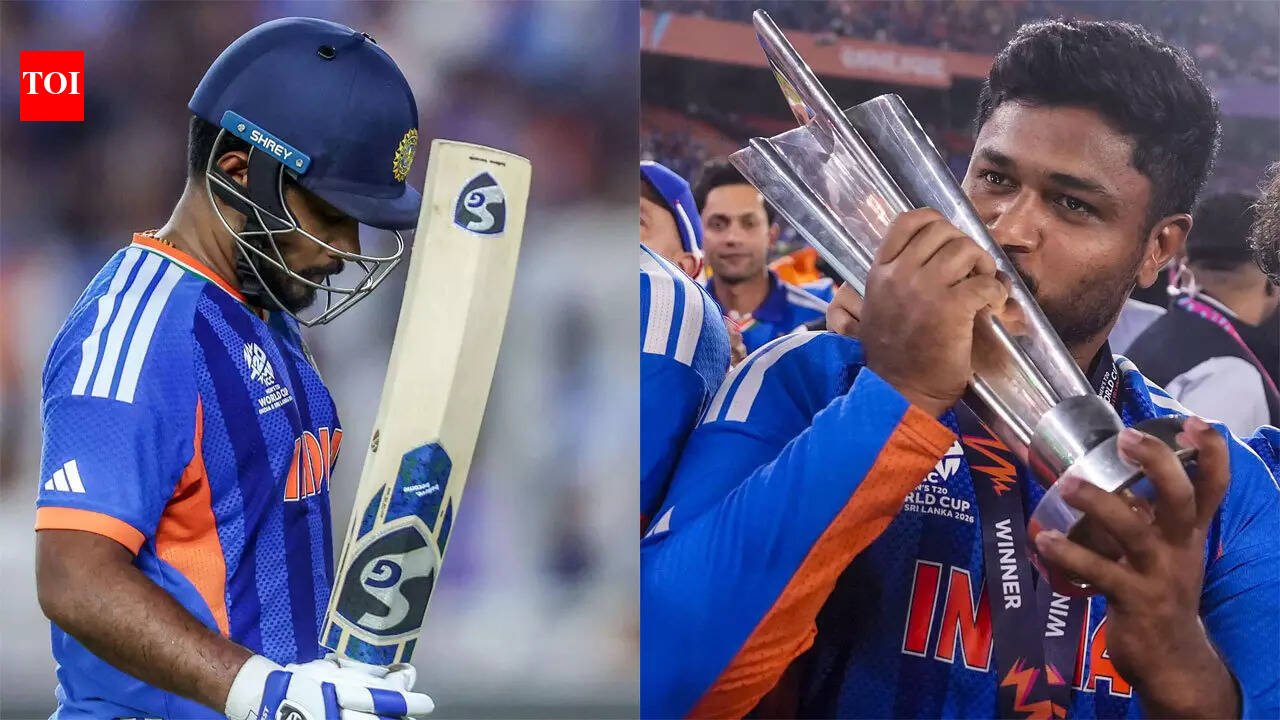
NEW DELHI: Former India spinner Ravichandran Ashwin has offered a fascinating take on Sanju Samson’s match-winning performances during India’s triumphant campaign at the ICC Men’s T20 World Cup 2026, claiming the star wicketkeeper-batter could easily have scored three centuries in the tournament.Go Beyond The Boundary with our YouTube channel. SUBSCRIBE NOW!Speaking in a video that has gone viral on social media, Ashwin said Samson came agonisingly close to historic milestones against the West Indies, England and New Zealand but chose to prioritise aggressive intent over personal records.

Sanju Samson opens up on T20 World Cup journey, and title win

“As an absolute lover of Sanju Samson, the cricketer and the batter, there should have been three centuries,” Ashwin said. “97 not out, I understand; it is possible that I can be a strict South Indian daddy as well. I am saying, two games, man. Almost got out on 90 runs. He can easily take 10 singles and score a century.”Ashwin, however, stressed that Samson’s refusal to slow down for personal milestones is exactly what makes him special.“But this guy doesn’t do it. He always plays with intent. He leaves his own milestone. And that’s something lovable about Sanju,” he added.ALSO READ: Team India Report Card: Perfect finish to a not-so-perfect T20 World Cup campaignSamson produced three defining innings during India’s title run. He smashed an unbeaten 97 against West Indies in the Super 8 stage and followed it up with identical scores of 89 against England in the semifinal and New Zealand in the final.Despite narrowly missing centuries, Samson’s fearless batting proved decisive as India went on to lift the trophy, with the Kerala batter also being named Player of the Tournament.


Source link

Pakistan Fuel Crisis: Middle East heat reaches Pakistan: PM Shehbaz Sharif announces fuel‑saving measures; work from home, salary cuts and more


Middle East heat reaches Pakistan: PM Shehbaz Sharif announces fuel‑saving measures; work from home, salary cuts and more

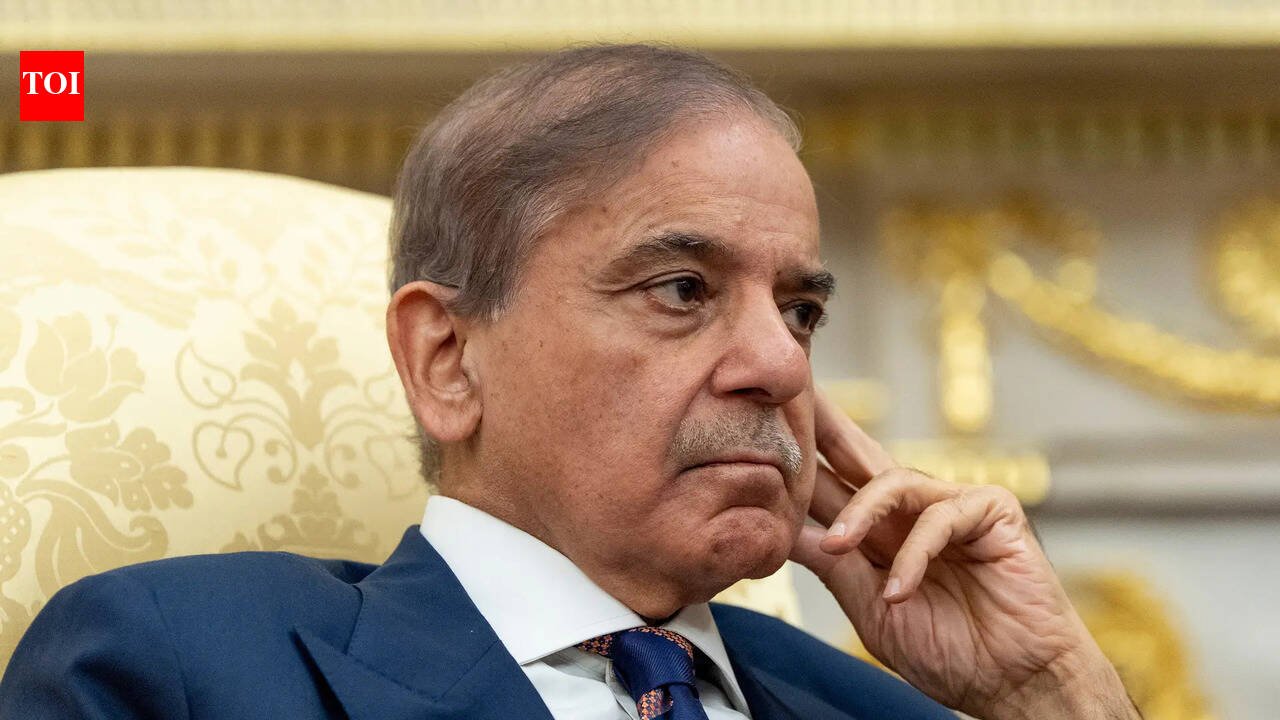
Global oil supplies are facing mounting pressure as the Middle East crisis continues to intensify, with disruptions rippling across several regions and the heat has reached Pakistan. In a bid to soften the hit, Pakistan PM Shehbaz Sharif has rolled out measures, running from cutting government spending and work from home guidelines, aimed towards saving fuel amid the ongoing supply disruptions due to the Iran war. Addressing the country, Sharif said that the measures were discussed during a meeting with federal and provincial authorities, adding that the government had been forced to take “difficult decisions” in light of the situation.

Conserving fuel

Among the key steps, the government will cut the fuel allowance for official vehicles by 50% for the next two months. Operational vehicles such as ambulances and public buses have been exempted from the reduction. Additionally, 60% of government vehicles across federal and provincial departments will be grounded during the same period, The Dawn reported.

Salary

Members of the federal and provincial cabinets will also forgo their salaries and allowances for two months. Lawmakers at both federal and provincial levels will see their salaries reduced by 25% during this time. Sharif further announced that BS-20 government officials earning more than Rs300,000 would give up two days’ salary, which he said would be used for the people. However, officials working in the health and education sectors have been exempted from this measure.

Reducing government spending

Pakistan’s government will also cut non-employee related expenditure by 20% during the fourth quarter across all federal and provincial establishments. In addition, government departments will not be allowed to purchase vehicles, furniture, air conditioners or other items until June 2026. Foreign travel by ministers, advisers and government officials has also been restricted. Such visits will only be permitted if they are “essential for the country’s interests”.

Workplace going online

Government offices, according to The Dawn, would shift towards teleconferencing and online meetings to save fuel. Official dinners and Iftar parties have been banned, while seminars and conferences will now be organised at government premises instead of hotels to reduce expenses. Changes have also been announced in the working structure of the public sector. Sharif said that, except for essential services, half of the workforce would work from home. Public sector offices will operate only four days a week, though the arrangement will not apply to the banking sector.

Online classes and holidays

The education sector will also be affected by the measures. All higher educational institutions will conduct online classes from March 16 to March 31. Meanwhile, schools will observe a two-week break beginning March 16.Sharif said the relevant instructions had already been issued to provincial governments for implementation.He also issued a warning to oil profiteers and hoarders, saying they should not attempt to exploit the situation. “Otherwise, the law will come into effect and action will be taken,” he said.Meanwhile, Pakistan’s finance minister Muhammad Aurangzeb cautioned that soaring crude prices could push the country’s oil import bill to around $600 million a month. His warning comes as global crude prices continue to swing amid escalating situation, crossing the $100 mark on Monday.With fuel costs climbing, Pakistan is also seeking relief on the petroleum levy from the International Monetary Fund, Petroleum minister Ali Pervaiz Malik confirmed.


Source link

Did Israel surprise US with strikes on Iran oil depots? White House reportedly sent ‘WTF’ message


“WTF” — The White House reacted surprisingly after Israel, one of the United States’ closest allies in the Middle East, struck Iranian oil facilities on Saturday. The attack by the Benjamin Netanyahu-led government was not anticipated by the Donald Trump administration, marking the first major disagreement between the two partners who carried out a joint military mission against the Khamenei-led regime in Tehran last week, according to a scoop by Axios.Washington’s concern was that Israeli strikes on Iranian oil depots, which serve ordinary people and not just the power centres, could eventually backfire strategically by rallying Iranians and strengthening public support for the current regime.

Iran Strikes America’s Biggest Military Base In Gulf; Explosions Rock Al Udeid Air Base In Qatar

Officials also feared that attacks on fuel depots could push oil prices higher, placing a heavier burden on ordinary people in the Islamic Republic, which could run counter to the interests of the Donald Trump administration in the United States.

Poll

Will Iran retaliate against the Israeli strikes on its oil infrastructure?

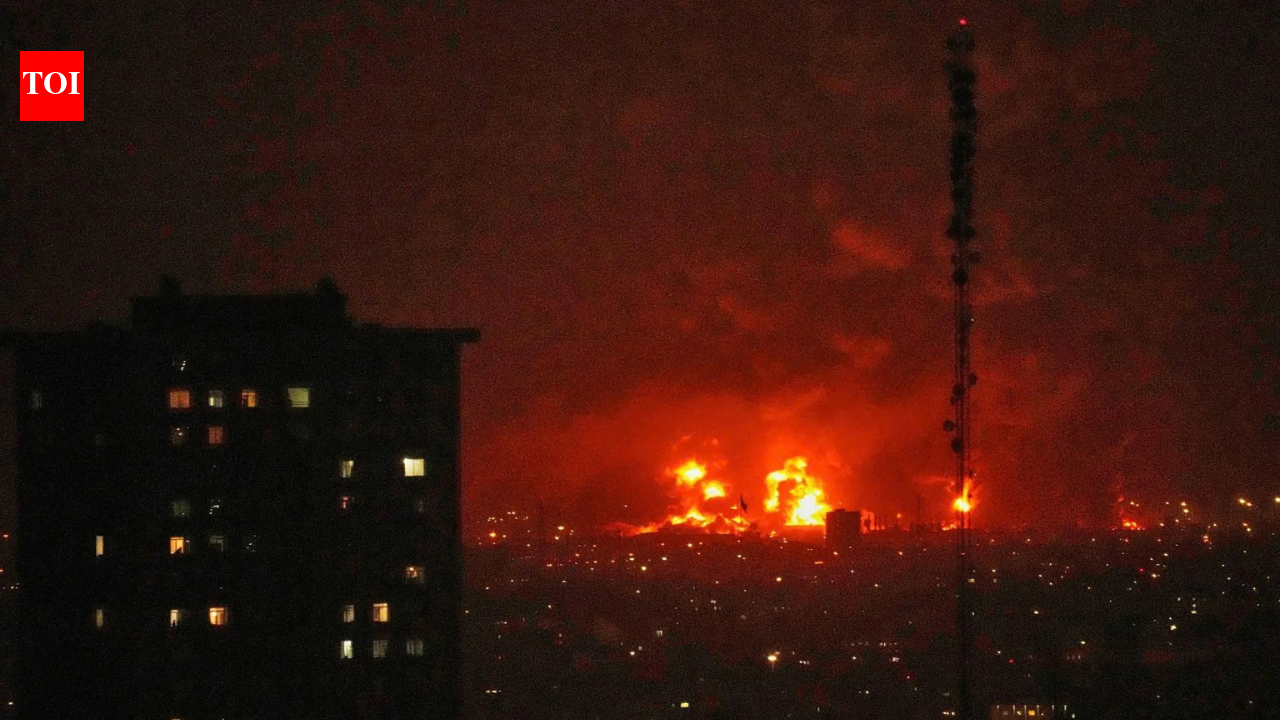
Israeli air force strikes on Saturday triggered large fires in Tehran, with flames visible from miles away and thick smoke covering parts of the capital.The Israel Defense Forces (IDF) said in a statement that the targeted fuel depots “are used by the Iranian regime to supply fuel to different consumers including its military organs.” An Israeli military official added that the strikes were also meant to send a message to Iran to stop targeting Israeli civilian infrastructure.Israeli and US officials said the IDF informed the US military before carrying out the strikes. However, a US official said the American side was surprised by how extensive the attacks were.“We don’t think it was a good idea,” a senior US official said. Another Israeli official said the message from Washington to Israel was “WTF”. The White House and the IDF did not comment on the matter.While the facilities targeted were not oil production sites, US officials are concerned that images of burning fuel depots could alarm global oil markets and push energy prices even higher.“The president doesn’t like the attack. He wants to save the oil. He doesn’t want to burn it. And it reminds people of higher gas prices,” a Trump adviser told Axios.Meanwhile, Iran warned it could respond if attacks on its oil infrastructure continue. The spokesman for Iran’s Khatam al-Anbiya headquarters, which oversees military operations, said Tehran has so far avoided targeting fuel and energy infrastructure in the region but may reconsider.He warned that if such strikes continue, Iran could launch similar attacks across the region and oil prices might reach $200 per barrel.Iranian parliament speaker Mohammad Bagher Ghalibaf also warned that if the attacks on infrastructure continue, Iran will retaliate “without delay.”A US official said the disagreement between Washington and Israel over the strikes is likely to be discussed at senior political levels between the two allies as the conflict continues.


Source link

Gujarat Titans appoint new batting coach ahead of IPL 2026


The Gujarat Titans are already making strategic moves ahead of the Indian Premier League (IPL) 2026 as the franchise continues to strengthen its backroom staff and squad structure. Since their debut in 2022, the Ahmedabad-based team has emerged as one of the most competitive sides in the tournament, winning the title in their inaugural season and maintaining a strong presence in subsequent editions.

With IPL 2026 scheduled to begin on March 28, franchises are fine-tuning their preparations, and Gujarat have taken a significant step by adding more experience to their coaching group. The team management has consistently focused on creating a balanced setup that blends experienced coaching minds with a stable playing core.

Under head coach Ashish Nehra, GT have developed a reputation for playing fearless cricket while maintaining a calm tactical approach. Their coaching unit already features experienced figures such as Vikram Solanki and Parthiv Patel, and the latest addition further strengthens the think tank as the franchise aims for another deep run in the upcoming IPL season.

Gujarat Titans announce appointment of new batting coach

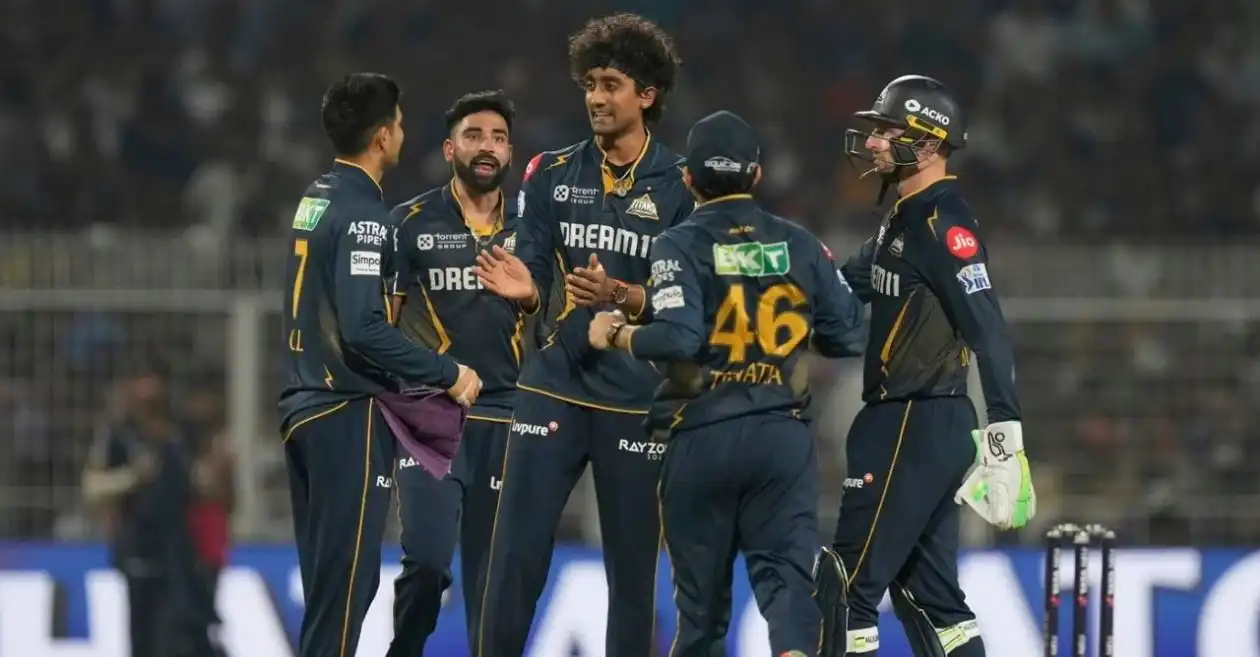
In a major development ahead of IPL 2026, the Titans have appointed former Australia opener Matthew Hayden as their new batting coach.

Hayden, widely regarded as one of the most destructive opening batters of his era, brings a wealth of international and franchise cricket experience to the role. The former left-handed batter enjoyed a remarkable international career with Australia and was known for his aggressive approach at the top of the order.

A two-time ODI World Cup winner and an ICC Hall of Fame inductee, Hayden has also enjoyed a successful stint in the IPL during his playing days. He represented Chennai Super Kings in 32 matches and played a key role in the team’s success during the early years of the league. Hayden finished as the tournament’s highest run-scorer in the 2009 season and later helped CSK win the IPL title in 2010.

Apart from his playing career, Hayden has gained coaching and mentoring experience in recent years. He previously served as a batting consultant for the Pakistan men’s team, where he worked closely with several international batters during ICC tournaments.

Also READ: Yellove reloaded: CSK unveil striking new jersey for IPL 2026 in grand style

A settled unit ready to dominate IPL 2026

One of Gujarat Titans’ biggest strengths heading into IPL 2026 is the stability of their squad. The franchise retained a league-high 20 players before the December 2025 mini-auction, indicating the management’s strong belief in their core group.

Led by captain Shubman Gill, GT have assembled a squad that combines international stars with exciting domestic talent. The team made only a few targeted additions during the auction, with West Indies all-rounder Jason Holder being the most notable signing for ₹7 crore. Holder’s presence is expected to strengthen both the middle order and the team’s death bowling options.

England’s Tom Banton was also brought in as a backup wicketkeeper-batter, adding flexibility to the squad. Meanwhile, rising Indian pacer Ashok Sharma joined the team after finishing as the leading wicket-taker in the 2025–26 Syed Mushtaq Ali Trophy.

The Titans’ core remains packed with match-winners, including Rashid Khan, Jos Buttler, Sai Sudharsan and Mohammed Siraj. With a settled squad, a strengthened coaching staff and a confident leadership group, Gujarat Titans appear well-positioned to mount another serious challenge for the IPL title.

Also WATCH: MS Dhoni breaks into hilarious dance while signaling wide during CSK practice ahead of IPL 2026


Source link

Parliament face-off: Centre, oppn clash as debate on no-confidence motion against Birla begins | India News


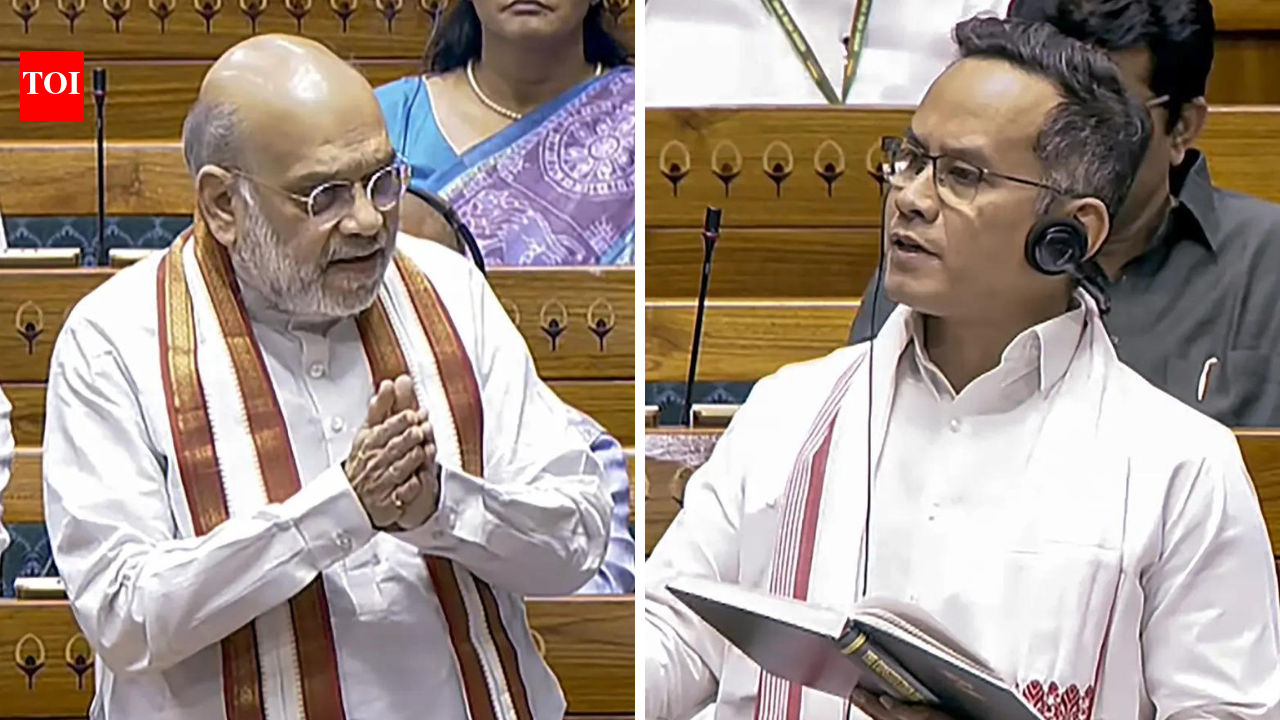
Gaurav Gogoi Questions Chair As Amit Shah Defends Speaker's Powers During No Confidence Debate

NEW DELHI: Lok Sabha on Tuesday witnessed a fiery showdown between the opposition and the treasury benches as the House took up the resolution seeking the removal of Speaker Om Birla.BJP MP Jagdambika Pal, who was in the Chair, granted permission for a 10-hour debate after Congress MP Mohammad Jawed read out the notice. The resolution was seconded by more than 50 MPs.

Gaurav Gogoi Questions Chair As Amit Shah Defends Speaker’s Powers During No Confidence Debate

However, opposition MPs raised objections over Pal chairing the House and said that the government had not appointed the Deputy Speaker for the last several years, creating a constitutional vacuum.Questioning Jagdambika Pal’s authority, Congress MP KC Venugopal said, “You were appointed by the Speaker of Lok Sabha.” He added that the House should elect a person who will preside over the proceedings during the resolution debate.The treasury benches countered the claims and cited constitutional provisions, law and House rules. Parliamentary affairs minister Kiren Rijiju said that the opposition’s claim was irrelevant as Pal was competent to preside over the Lok Sabha when the resolution was taken up.Rijiju said that a member of the panel of chairpersons can preside over the Lok Sabha when a resolution to remove the Speaker is being considered.“Jagdambika Pal, a member of the panel of chairpersons, can preside over the Lok Sabha when a resolution for the Speaker’s removal is taken up,” Rijiju said.‘Kiren Rijiju was the parliamentary affairs minister who interrupted the Opposition the most’In response, Congress MP Gaurav Gogoi said that “in future, when there will be research on parliamentary records, statistics will tell that Kiren Rijiju was the parliamentary affairs minister who interrupted the Opposition the most.”Union home minister Amit Shah also intervened and said, “I agree with you, Kiren Rijiju, as Parliamentary Affairs Minister, has interrupted the most. But we have also never seen such an irresponsible Opposition.”Gogoi reiterated his earlier point that the reason a chairperson from the panel selected by the Speaker presides during such debates is precisely because of the Speaker’s authority.He argued that allowing a panel member appointed by the Speaker to preside during the debate on a motion against the Speaker amounted to a “violation of the Constitution”.A total of 118 oposition MPs have signed the motion, alleging “partisan” behaviour by the Speaker after the Leader of the Opposition, Rahul Gandhi, was allegedly not allowed to speak in the House. Congress MP Jawed, reading the resolution, also mentioned that the Speaker falsely alleged that Opposition women MPs were planning a physical attack on the Prime Minister.According to sources, Union parliamentary affairs minister Kiren Rijiju will initiate the discussion on the resolution. BJP MPs Anurag Thakur, Nishikant Dubey, Ravi Shankar Prasad and Bhartruhari Mahtab will deliver remarks on the matter. Lok Janshakti Party (Ram Vilas) leader Chirag Paswan will also address the House during the discussion.Congress MPs Gaurav Gogoi, Manish Tewari, Deepender Singh Hooda and Jothimani will present their arguments in the Lok Sabha in favour of the resolution seeking the removal of the Lok Sabha Speaker.


Source link

Rahul Gandhi: ‘Kar diya na kaam’: BJP shares video of Rahul Gandhi praising Youth Congress’ ‘shirtless’ protest at AI Summit | India News


'Kar diya na kaam': BJP shares video of Rahul Gandhi praising Youth Congress' 'shirtless' protest at AI Summit

The Bharatiya Janata Party (BJP) on Tuesday criticised leader of opposition in Lok Sabha Rahul Gandhi over his remarks backing a protest by Youth Congress workers during the AI Impact Summit held at Bharat Mandapam in Delhi last month.A political row had erupted after Youth Congress workers held a “shirtless” protest against PM Modi during the AI Impact Summit.

Youth Congress Chief Uday Bhanu Chib Released By Court After Viral ‘Shirtless’ AI Summit Protest

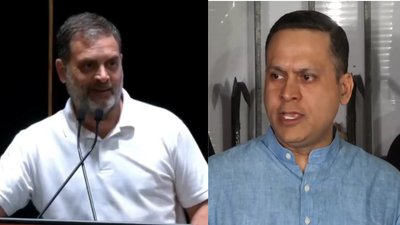
The row intensified after Rahul Gandhi on Monday backed the Youth Congress protest at the OBC Congress Women’s National Wing Convention, according to ANI.In a post on X, Amit Malviya shared a video of Rahul Gandhi in which he is saying, “Yaha pe abji jo summit hua tha. Kar diya kaam Youth Congress walo ne.”“Rahul Gandhi proudly declared, ‘Kar diya kaam Youth Congress walo ne’, after Youth Congress workers staged a naked protest to disrupt the prestigious AI Summit in Delhi, embarrassing India on a global platform,” Malviya said.“When the world’s leading technology experts, policymakers, and innovators were discussing the future of Artificial Intelligence, the Congress party thought the best way to represent India was through disruption and indecency. The irony is that even Jawaharlal Nehru, whom the Congress treats as its ideological fountainhead, once took a very different view about national character and loyalty,” he added.BJP MP Sambit Patra also criticised Rahul, calling him the architect of the Youth Congress’ “shirtless” protest.Addressing a press conference in the national capital, Patra said, “When the AI Summit was held at the Bharat Mandapam, where representatives from several nations came, Indian innovators held seminars. There was a wave saying, India is a shining star in the world of AI. However, Youth Congress leaders held a demonstration, and the BJP called it a topless, brainless and shameless protest. This was not a coincidence, but an experiment. Even then, we said that Rahul Gandhi was the architect behind it.”“Yesterday, Rahul Gandhi himself accepted it and laughed like a traitor. The country could read the Mir Jafar smile on Rahul Gandhi’s face when he proclaimed that we finished the AI summit. It was proved yesterday that Rahul Gandhi was the architect, the designer and the one in the driving seat of demeaning and defaming India. This came out of Soros’ garage and reached Rahul Gandhi’s residence,” he added.Meanwhile, the Patiala House Court reserved its order on the bail pleas of three Indian Youth Congress workers — Divyansh Girdhar, Bhudev Sharma and Kuber Meena — who are currently in judicial custody in connection with the AI Summit protest case.


Source link

Saudi Aramco: Strait of Hormuz crisis amid Iran war: Saudi’s Aramco CEO warns of ‘catastrophic consequences’ for oil markets


Strait of Hormuz crisis amid Iran war: Saudi's Aramco CEO warns of 'catastrophic consequences' for oil markets

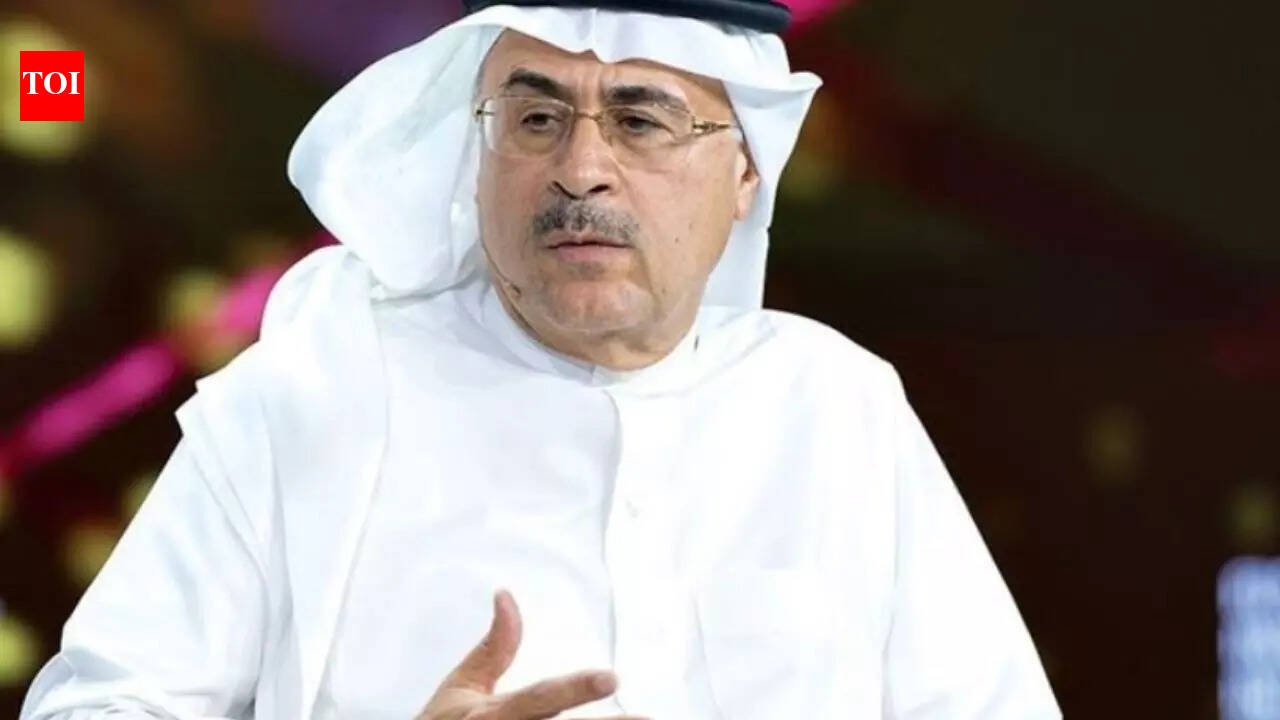
Saudi Arabia’s oil company Saudi Aramco, the world’s largest oil exporter, warned on Tuesday that the ongoing Iran war could have “catastrophic consequences” for global oil markets if shipping disruptions in the Strait of Hormuz continued.“There would be catastrophic consequences for the world’s oil markets and the longer the disruption goes on, the more drastic the consequences for the global economy,” Aramco chief executive Amin Nasser said, as quoted by Reuters.

Crude Oil Rally Near 120 Dollars, Raises Big Question If India Can Survive Crisis With Russian Oil

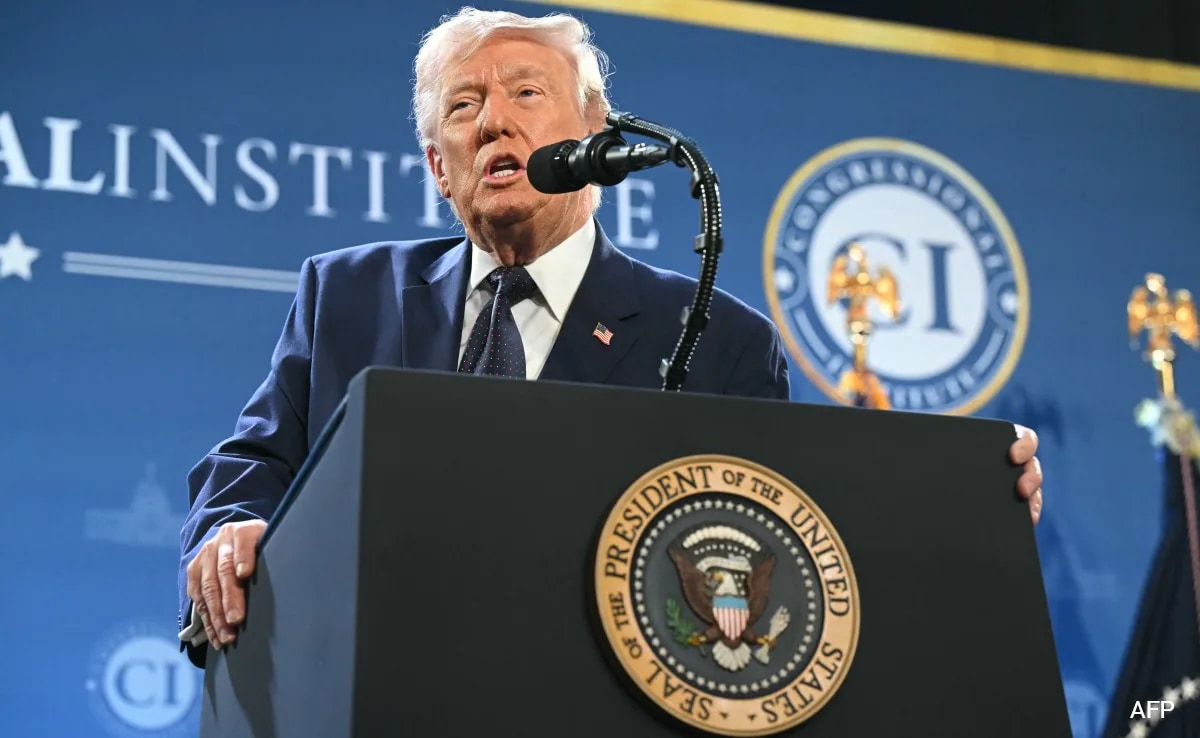
He said the disruption had already affected shipping and insurance sectors and could also impact industries such as aviation, agriculture and automobiles.Nasser said global oil inventories were already at a five-year low and warned that the crisis could lead to faster drawdowns if shipments through the strait did not resume.The comments came after Aramco reported a 12 per cent fall in its annual profit, mainly due to lower crude prices. The company also said it planned to repurchase up to $3 billion worth of shares in its first share buyback.Earlier, an Iranian drone attack targeted the Ras Tanura refinery in Saudi Arabia, one of the world’s largest oil export facilities owned by Aramco. Videos shared online showed thick black smoke rising from the site. The company said the refinery was temporarily shut down after the strike.Nasser also confirmed that a small fire broke out last week at Aramco’s Ras Tanura Refinery, the company’s largest refinery in the country, following an attack. He said the fire was quickly brought under control and the refinery was now in the process of restarting.Earlier on Tuesday, Iran’s paramilitary Islamic Revolutionary Guard Corps said it would not allow “one litre of oil” to be shipped from the Middle East if attacks by the United States and Israel continued.Responding to the threat, US President Donald Trump warned that the United States would strike Iran much harder if it blocked oil exports from the region.


Source link

Access Denied


Access Denied

You don’t have permission to access “http://www.ndtv.com/world-news/iran-war-us-military-told-donald-trump-on-iranian-ship-attacks-its-more-fun-to-sink-them-11193846” on this server.

Reference #18.e2a21ab8.1773135377.5b170de

https://errors.edgesuite.net/18.e2a21ab8.1773135377.5b170de


Source link

Iran war impact on India: LPG shortage concerns rise; which states may feel the heat?


Iran war impact on India: LPG shortage concerns rise; which states may feel the heat?

As tensions in West Asia escalate, some cities are beginning to see disruptions in the supply of commercial LPG cylinders used by restaurants, hotels and food businesses. Industry bodies say the impact is already being felt in cities such as Bengaluru, Mumbai and Chennai, where eateries rely heavily on commercial cooking gas for daily operations. Authorities have prioritised domestic LPG supplies for households to ensure that cooking gas remains available for residential consumers. However, this has tightened availability for commercial establishments in some areas. Amid disruptions to imported gas supplies due to the widening West Asia conflict, the government has revised the priority order for allocating domestically produced natural gas. Under the new arrangement, LPG production, along with CNG and piped cooking gas, has been placed at the top of the priority list and their requirements will be fully met first, according to a gazette notification cited by PTI.The government has formed a panel of three Executive Directors (EDs) of Oil Marketing Companies (OMCs) to examine requests for LPG supply from restaurants, hotels and other industries.

Karnataka

Karnataka deputy CM and State Congress President, DK Shivakumar, on Tuesday said that the state’s “entire hotel and commercial industry has been affected.” Hotel and restaurant operations in Bengaluru are likely to face disruption from March 10 after the supply of commercial gas cylinders came to a sudden halt, the Bangalore Hotels Association said on Monday. The association noted that the stoppage, linked to rising energy costs and supply constraints caused by the West Asia conflict, could force hotels to shut operations. “Since the gas supply has stopped, the hotels will be closed from tomorrow,” it said in a release, cited by PTI.It added that the hotel industry, considered an essential service, caters to common people, students and medical professionals who depend on hotels for daily meals, and the disruption could affect them until gas supplies return to normal. PC Rao, honorary president of the association, had earlier said, “Only about 10% of hotels and restaurants in Bengaluru received their LPG supply today. We have gas to keep our kitchens running only until Tuesday afternoon or evening.

Maharashtra

Mumbai is already seeing the impact. LPG dealers said that the disruption has already begun affecting the availability of cooking gas. Consumers who booked refills are now facing delays ranging between two and eight days. Furthermore, they added that the supply of commercial cylinders used by hotels and restaurants has been completely halted and eateries could enter crisis mode. LPG dealers further added that hotels and other commercial establishments may be forced to buy domestic cylinders from the black market. “This is illegal as well as dangerous,” they cautioned.Pune municipal commissioner Naval Kishor Ram had also told ANI earlier that while all 27 crematoriums in the city were operational, the 18 facilities that depend on Liquefied Petroleum Gas (LPG) will be temporarily shut due to a “break” in supply, in order to prevent a shortage. Ram said, “Crematorium systems have not been disturbed, or there are no breaks in this… We have around 27 crematoriums in the city, with all the facilities. LPG is used in 18 of them… Due to the break in the supply, we are discouraging the use of commercial LPG in these 18 places to prevent the shortage. But we do have other facilities.”

West Bengal

The ongoing conflict is also raising concerns over potential disruptions for restaurants and bakeries in Kolkata. Establishments that depend on LPG scrambled to explore alternative options on Monday after the Union Ministry of Petroleum and Natural Gas suspended the distribution of non-domestic LPG cylinders. Sources within the hospitality and food sectors cautioned that operations could soon be affected if the supply of commercial LPG continues to remain suspended.In response, the government has stepped in with a series of measures to manage the crisis, prioritising domestic cooking gas supplies for households over other sectors to ensure that daily life for citizens remains largely unaffected.

What government said?

  1. Directed refineries to ramp up LPG production: The government has asked oil refineries to increase output and divert the additional LPG specifically towards domestic consumption. “In light of current geopolitical disruptions to fuel supply and constraints on supply of LPG, the ministry has issued orders to oil refineries for higher LPG production and using such extra production for domestic LPG use,” the ministry said.
  2. Extended LPG refill booking cycle: The gap between LPG refill bookings has been increased from 21 days to 25 days to avoid hoarding/black marketing.
  3. Set up a committee to review supply to commercial users: A panel of three Executive Directors (EDs) of Oil Marketing Companies (OMCs) has been formed to examine requests for LPG supply from restaurants, hotels and other industries. “For LPG supply to other non-domestic sectors, a committee of three Executive Directors (EDs) of Oil Marketing Companies (OMCs) have been constituted to review the representations for LPG supply to restaurants/hotels/other industries.”

What triggered the sudden LPG shortage?

India’s annual LPG consumption stands at about 31.3 million tonnes, with the bulk, nearly 87%, used in household kitchens, while the remaining share goes to commercial users such as hotels and restaurants. A large portion of the country’s requirement, around 62%, is fulfilled through imports. However, the recent US and Israel attack on Iran and the disruption to the oil supplies flowing through Strait of Hormuz, a critical route for India’s LPG supplies, has raised concerns. Nearly 85–90% of the country’s LPG imports from nations such as Saudi Arabia pass through this corridor. Now, as the conflict intensifies, India is considering alternative sources for fuel imports, turning to regions like Russia and West Africa.


Source link