Breaking News
Warburg to list housing finance company purchased from Shriram


Warburg to list housing finance company purchased from Shriram

Mumbai: Warburg Pincus-backed housing finance company Truhome Finance ( formerly Shriram Housing) has filed draft papers with capital markets regulator SEBI to raise Rs 3,000 crore through an initial public offering.The IPO will comprise a fresh issue of equity shares of face value Rs 10 aggregating up to Rs 1,500 crore and an offer for sale of equity shares of face value Rs 10 aggregating up to Rs 1,500 crore, according to the draft red herring prospectus filed with SEBI. The offer for sale will be undertaken by promoter selling shareholder Mango Crest Investment, which plans to offload shares worth up to Rs 1,500 crore.Truhome Finance plans to use the net proceeds from the fresh issue to augment its capital base to support future capital requirements, including onward lending and general corporate purposes. The funds will also help the company comply with RBI’s capital adequacy norms as its business expands.The company said the proceeds are expected to be deployed over the financial years ending March 31, 2027 and March 31, 2028.JM Financial, IIFL Capital Services, Jefferies India and Kotak Mahindra Capital Company are the book running lead managers to the issue.Warburg Pincus completed its acquisition of Shriram Housing Finance (SHFL) from Shriram Finance and other sellers in December 2024 for approximately Rs 4,630 crore, marking a strategic shift in India’s housing finance sector.


Source link

Midnight missiles: Japan quietly deploys 1,000 km Type-12 launchers, China now within reach |


Midnight missiles: Japan quietly deploys 1,000 km Type-12 launchers, China now within reach

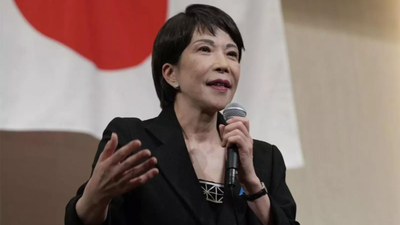
Japan has begun preparations to deploy its first batch of domestically developed long-range missiles, with launchers arriving at an army camp in Kumamoto Prefecture early Monday, officials said.The upgraded Type-12 land-to-ship missiles are set to be operational at Camp Kengun by the end of March, completing the initial deployment phase, chief cabinet secretary Minoru Kihara confirmed, AP reported.Army vehicles carrying the launchers and related equipment arrived past midnight in what was described as a highly secretive operation. The move drew criticism from local residents, with dozens gathering outside the camp, shouting “Stop long-range missile deployment!” and holding protest banners.“The prefecture has never been notified,” Kumamoto Governor Takashi Kimura told reporters. “It is extremely disappointing that we learned this from media reports.” In response, the regional defense bureau in Kyushu announced plans to invite local representatives for an equipment exhibit at the camp next week, ahead of the full deployment on March 31. No town hall meetings are planned.The defense ministry had moved up the deployment schedule by one year last year. Japan’s accelerated military buildup in the southwestern region comes amid rising tensions around Taiwan, claimed by China. The Type-12 missile, developed and produced by Mitsubishi Heavy Industries, has a range of about 1,000 km (620 miles), significantly extending the original 200 km (125 miles) range and capable of reaching mainland China.The missile is expected to be next deployed at Camp Fuji in Shizuoka later this year. Japan has deployed PAC-3 interceptors and midrange surface-to-air missiles on southwestern islands, including Okinawa, Ishigaki, and Miyako. Defense Minister Shinjiro Koizumi said last month that midrange SAMs will be deployed on Yonaguni Island, east of Taiwan, by March 2031.Japan’s prime minister Sanae Takaichi has indicated that any Chinese military action against Taiwan could trigger a Japanese military response. She plans to revise national security policy by year-end, boost Japan’s military capabilities with unmanned weapons and long-range missiles, and lift restrictions on lethal arms exports to strengthen the defense industry.


Source link

Justice topmost priority: Rekha Gupta to kin of man killed in Holi brawl | India News


Justice topmost priority: Rekha Gupta to kin of man killed in Holi brawl

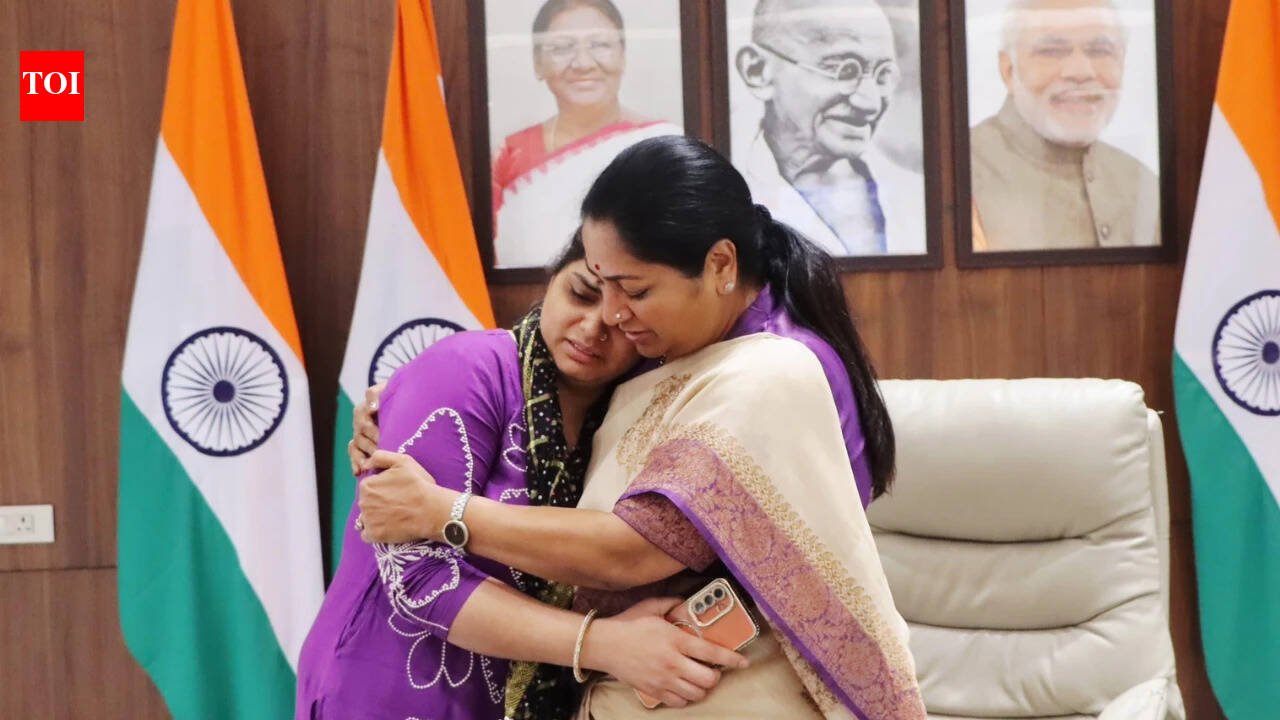
New Delhi, Delhi Chief Minister Rekha Gupta on Monday met the kin of a 26-year-old man who died in a Holi brawl in Uttam Nagar and said ensuring justice to the family is the “topmost priority” of her government.“Delhi government with complete sensitivity, responsibility and firmness stands with the affected family she said and added providing justice to them is topmost priority of her government,” she wrote on X.The Delhi Police has so far arrested 14 and apprehended two minors in connection with the killing of Tarun in a clash between two families on Holi in southwest Delhi’s Uttam Nagar.“The grief of Tarun’s family is profound and unbearable. Clear directions have been issued to ensure prompt legal action for strictest punishment to all the culprits in this heinous offence,” the CM said in her post.Gupta asserted that such inhuman incidents in Delhi would not be tolerated at any cost. PTI


Source link

Redevpt of K’vli colony to begin | Mumbai News


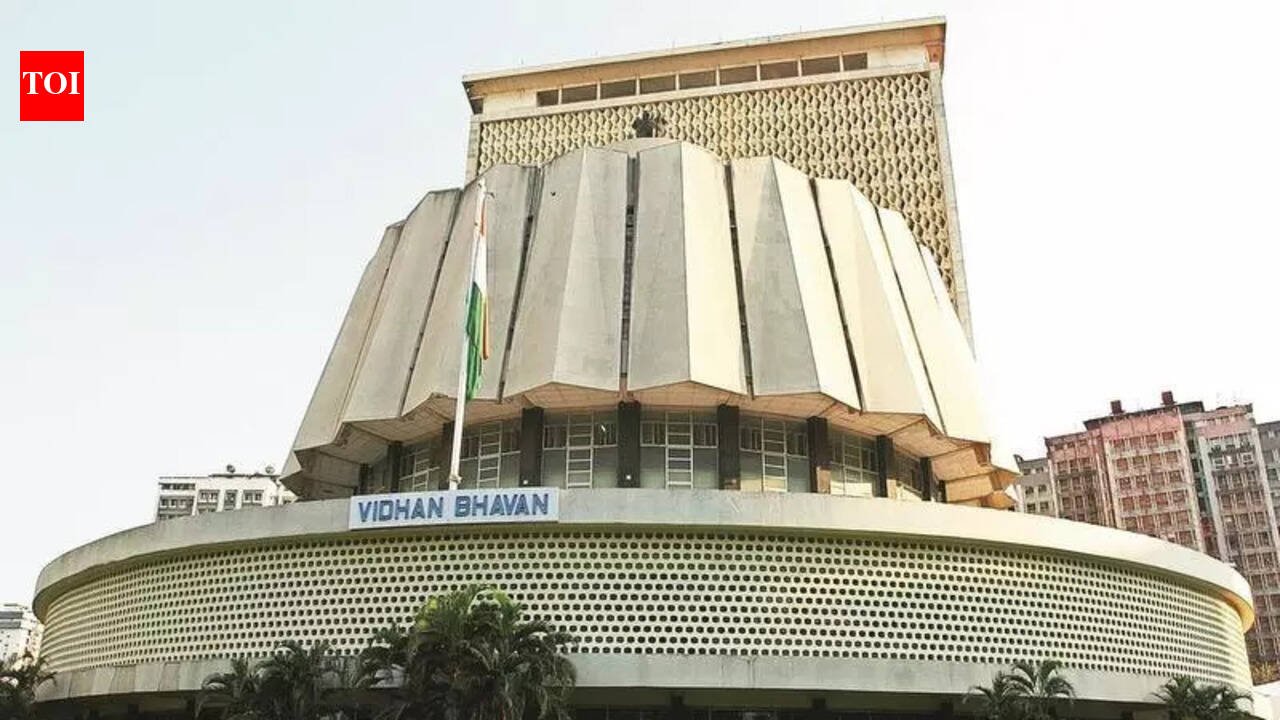
Mumbai: The redevelopment of MIG Mhada Colony, Kandivli, will begin in April, said minister Shambhuraj Desai in the legislative council on Monday. BJP’s Shrikant Bharatiya said the project had been stalled for 11 years. BJP’s Pravin Darekar asked that self-redevelopment be allowed. Desai said 310 of 318 tenants had been paid rent till March. He said govt will review the progress every quarter. TNN


Source link

NFL Trade News: Atlanta Falcons linked to $124M Miami Dolphins quarterback | NFL News


NFL Trade News: Atlanta Falcons linked to $124M Miami Dolphins quarterback
NFL Trade News: Atlanta Falcons linked to $124M Miami Dolphins quarterback (Image via Getty: Atlanta Falcons logo and Miami Dolphins logo)

ESPN’s Marcel Louis-Jacques reports the Miami Dolphins will release their longstanding quarterback, Tua Tagovailoa, after the start of the new league year [March 11 at 4:00 PM ET]. The move will result in an NFL record $99M in dead money against the salary cap.According to Spotrac, the 28-year-old signal caller signed a four-year contract worth $212M with Miami in 2024, which included a $42M signing bonus and $167M in guaranteed money. For the 2026 season, the quarterback was projected to earn a base salary of $39M, a $15M signing bonus, and a $250,000 workout bonus, while carrying a cap hit of $56M and a dead cap value of $99M. As of this publication, his career earnings are $124M.This blockbuster move leaves Tagovailoa with three landing spots: the Atlanta Falcons, the Minnesota Vikings, and the New York Jets. For now, it’s the QB room with the expected official release of $100M backup Kirk Cousins.

Falcons projected QB Tua Tagovailoa cost Miami $99M in dead money

A week before Tagovailoa’s blockbuster release announcement, ESPN’s Dan Graziano predicted that it would happen. Miami tried to negotiate trade talks with other NFL teams, but Graziano was skeptical. He was expecting the Dolphins to release the QB by the third day of the league year [when $3M of his 2027 salary would be fully guaranteed]. He predicted Miami would designate him as a post-June 1 release to help defray $99.2M in dead money. They released him two days before the start of the league year. This move cost Miami an NFL-record $99.2M in dead money.The Dolphins told NFL Insider Adam Schefter that the signal-caller’s release would be designated post-June 1, giving the franchise the opportunity to split the dead money over two years: $67.4M dead hit in 2026 and $31.8M dead hit in 2027.Now that he’s been released two days prior. This gives the Atlanta Falcons a green signal in case they want to sign him as backup.

Watch for Dolphins QB Tua Tagovailoa in Atlanta Falcons

ESPN’s Jeremy Fowler’s notebook contains, “Something an NFL head coach said to me, unsolicited: Watch for Tua in Atlanta.” The Falcons are set to release Kirk Cousins on the first day of the new league year, GM Ian Cunningham confirmed in February at the NFL Combine. Cousins is now an unrestricted free agent. Anyhow, this leaves an empty space for a quarterback looking to revamp his image after a 15-interceptions season. Having played for the same team for six seasons, he carries extensive experience. If he brings his lessons to a team needing to revamp its 8-9 record, their shared goals could turn the 2026 season into a year of redemption.But what would be his role there?

Tua Tagovailoa could become a bridge quarterback for Michael Penix Jr in Atlanta

Heavy Sports’ Shane Shoemaker reports Atlanta could be looking for a backup to Michael Penix Jr. or an eventual replacement, even if that comes on a short-term deal. Penix is currently rehabbing from ACL surgery.As per his recovery timeline, the 25-year-old Indiana alumnus is projected to return by Week 1 of the 2026 season. If he is not cleared, the Dolphins QB can serve as a bridge quarterback and play the first few games in place of Penix, then, when the 25 YO signal caller is cleared, he can step in and take over the starter QB’s role.CBS Sports’ John Breech reports that Penix is left-handed and so is Tagovailoa. So, bringing in another left-hander for a QB competition would be a plus for the Falcons. They would not have to make any major changes on the offensive side.

Kevin Stefanski may decide who the starting quarterback will be for the Atlanta Falcons

Atlanta’s President of Football, Matt Ryan, told CBS Sports that new head coach Kevin Stefanski, who coached the Cleveland Browns in 2025, would be choosing the starting quarterback for 2026. “Kevin’s responsibility is to be the head coach of the football team, and he’s going to let you know who our starters are and who our starters are not. It’s not my place to go in there,” Ryan said during Super Bowl week. So, if they sign Tagovailoa, Stefanski may have to decide between Penix and the Miami QB.The Alabama alumnus recorded 2,660 passing yards, 20 touchdowns, and 15 interceptions in the 2025 season. He has one Pro Bowl selection [2023].What remains to be seen is whether the Falcons sign him…


Source link

Abdul Razzaq: Shahid Afridi slapped Mohammad Amir during 2010 fixing scandal | Cricket News


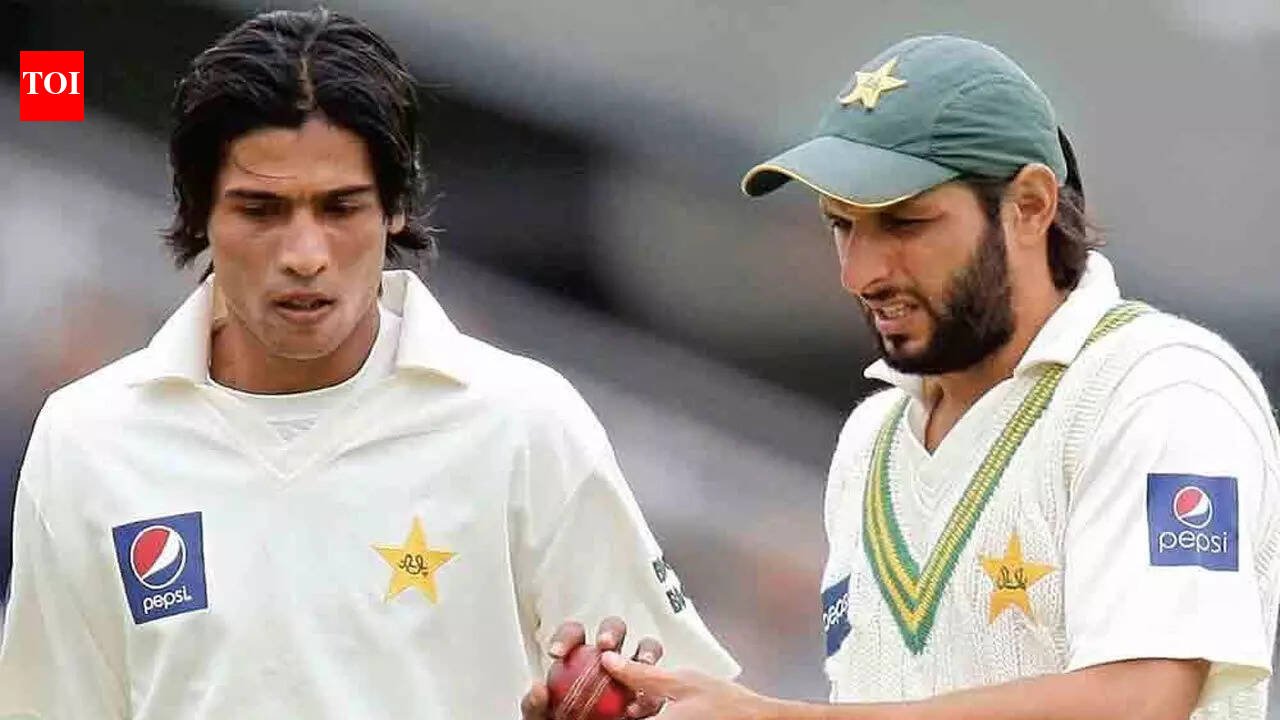
‘Shahid Afridi and Mohammad Amir (Image credit: AFP)

Former Pakistan all-rounder and national selector Abdul Razzaq has revealed how, by a twist of fate, the 2010 spot-fixing conspiracy first came to the attention of the team management during Pakistan’s tour of England. Razzaq also recounted how then captain Shahid Afridi slapped fast bowler Mohammad Amir after the young pacer initially denied involvement in the scandal.Speaking on a Pakistani television show, Razzaq said the plot behind the fixing during the 2010 Lord’s Test spot-fixing scandal was uncovered by a friend of his in London who repaired mobile phones part-time.

Ahmedabad erupts as Team India arrive at hotel after T20 World Cup win

“What happened was that Mazhar Majeed came to my friend and asked him to repair one of his phones. When my friend managed to get the phone working late at night, he found several messages between Mazhar and the three players detailing plans to spot-fix in the match,” Razzaq said.

Poll

Do you believe that the Pakistan Cricket Board acted quickly enough during the spot-fixing scandal?

Majeed was later jailed for conspiring with Pakistan Test captain Salman Butt and fast bowlers Mohammad Asif and Amir to spot-fix during the Test.According to Razzaq, his friend immediately showed him the messages, prompting him to inform Afridi, who was the senior-most player in the squad at the time.Afridi had stepped down as Test captain ahead of the series but remained the white-ball skipper.“Afridi called Amir, who was just 18 then, to his room and asked me to wait outside. I could hear Afridi getting angry and asking him to tell the truth. When he kept denying it, I heard a loud slap and rushed inside,” Razzaq recalled.“After that Amir broke down in tears and admitted to the conspiracy, and all hell broke loose,” he added.Razzaq said the scandal might not have spiralled if the Pakistan Cricket Board and team management had acted more swiftly.“Some senior players advised the team manager to fine the three players and send them home on disciplinary grounds before the ICC got involved,” he said.Eventually, Butt, Asif and Amir were banned by the International Cricket Council and later received jail sentences from a UK Crown Court.Butt and Asif never played for Pakistan again, although they were allowed to return to domestic cricket after completing their five-year bans.Amir, whose age and early confession were taken into account, returned to international cricket in 2016. He continued playing until the 2024 ICC Men’s T20 World Cup, although he had earlier stepped away from international cricket due to a self-imposed retirement between 2020 and 2024.


Source link

WATCH: Hardik Pandya’s sizzling celebration with girlfriend Mahieka Sharma post India’s T20 World Cup 2026 triumph


The air in Ahmedabad was electric on Sunday night as the Narendra Modi Stadium played host to a final for the ages. Under a canopy of roaring fans, India clinched the T20 World Cup 2026 title in a high-octane showdown against New Zealand. While the cricket was world-class, the post-match celebrations captured a different kind of magic. Among the sea of blue jerseys and falling confetti, one figure stood out, India’s star all-rounder, Hardik Pandya.

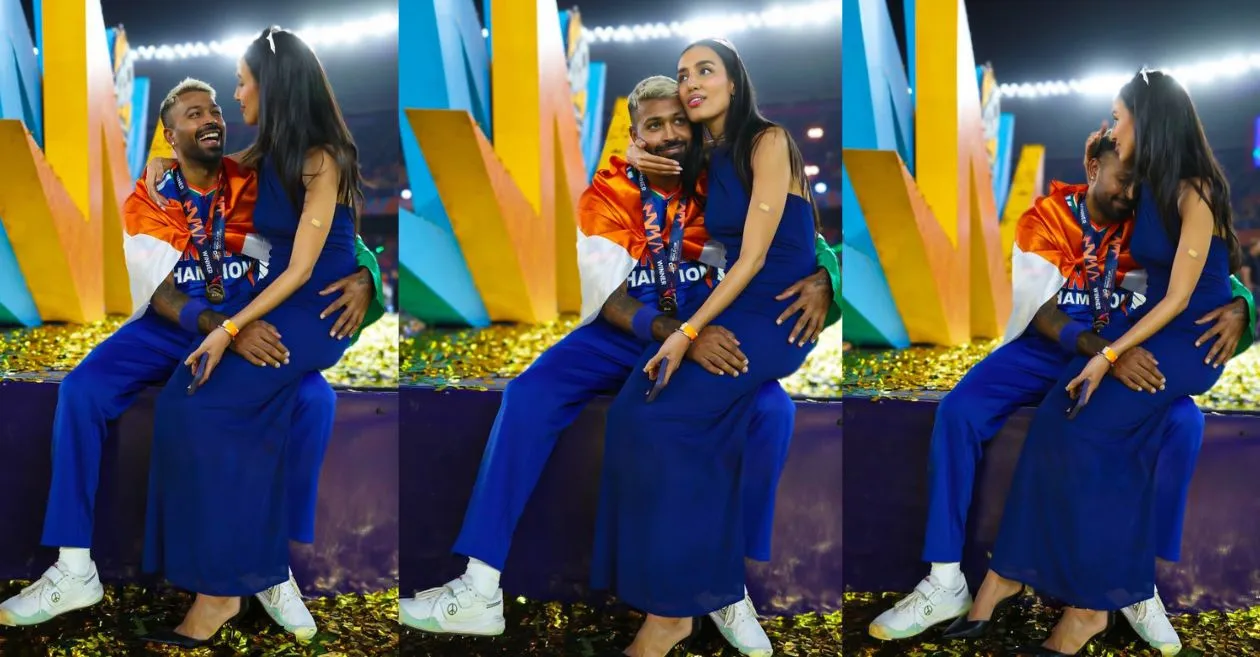
Pandya, instrumental in India’s clinical performance against the Kiwis, wasn’t just celebrating a professional milestone. As the final wicket fell and the fireworks illuminated the Gujarat sky, all eyes turned to the boundary ropes where Hardik was seen in a deeply emotional and ‘sizzling’ celebration with his girlfriend Mahieka Sharma. The chemistry between the two has been the talk of the town throughout the tournament, but the scenes following the trophy presentation took social media by storm.

Hardik Pandya’s adorable chemistry with Mahieka Sharma following India’s T20 World Cup win

The celebration went viral almost instantly when clips surfaced of the couple sharing intimate moments on the turf. In a video that has since garnered millions of views, Hardik and Mahieka were seen radiating joy, dancing together to the beat of the stadium’s victory anthems. The sizzling chemistry was undeniable as the couple shared multiple kisses in the heat of the moment, completely caught up in the euphoria of India becoming world champions.

One particular snippet that delighted fans showed the couple interacting with a supporter. While posing for a selfie with a lucky fan, Mahieka was seen affectionately kissing Hardik, a gesture she repeated after the photo was taken, showcasing their uninhibited bond. Mahieka has been a constant fixture in the stands throughout this World Cup campaign, often seen cheering passionately during Hardik’s explosive spells. This victory celebration in Ahmedabad felt like the culmination of a long, supportive journey for the duo.

Here are the visuals:

Also READ: T20 World Cup 2026 Awards: Full list of winners – From Jasprit Bumrah to Sanju Samson

Hardik credits his ladylove for success 

While the visuals spoke a thousand words, Hardik’s post-match comments added a layer of depth to their relationship. During a candid conversation on the field, with the winner’s medal still gleaming around his neck, Pandya was asked about his mindset leading up to the final. His response was a heartfelt tribute to Mahieka’s influence on his life and career.

“I had been saying the same thing from the beginning, that we are going to win. I even told Mahieka the same thing, ‘Don’t worry, we’ve got this.’ I want to play for the team for another ten years and win ten more titles,” Hardik remarked with his trademark confidence.

The most touching moment came when Hardik directly addressed the positive shift in his life since they began their journey together. He credited her presence as his lucky charm, stating, “Ever since Mahieka came into my life, everything has been going right. There has been win after win.”

Also READ: Explained: Why Gautam Gambhir thanked Rahul Dravid and VVS Laxman after India’s T20 World Cup 2026 title triumph?


Source link

India rules out releasing strategic oil reserves after IEA calls to cool prices


India rules out releasing strategic oil reserves after IEA calls to cool prices

India will not participate in the International Energy Agency’s (IEA) proposal to release strategic petroleum reserves to stabilise global oil markets, government sources said on Monday, even as crude prices surge amid the escalating Middle East conflict, reported PTI.The decision comes as G7 nations consider coordinated releases of emergency oil reserves to calm markets after crude prices climbed close to $120 per barrel, the highest level in about four years.

Crude Oil Rally Near 120 Dollars, Raises Big Question If India Can Survive Crisis With Russian Oil

India, the world’s third-largest oil importer and consumer, currently holds about 5.33 million tonnes of underground strategic petroleum reserves, though the storage is around 80% filled, according to officials.“The crisis (that led to a rise in prices) is not our creation. Those responsible have to deal with it and create situations to ease (prices),” a government source said, ruling out releasing Indian reserves.Officials said the reserves maintained by India are intended to be used only during actual disruptions in supply rather than to influence global market prices.“Ours is a India first policy,” the source said, PTI quoted.India is not a full member of the IEA and therefore does not have a binding obligation to follow the organisation’s calls for coordinated oil stock releases. The country currently participates as an associate member.Meanwhile, IEA executive director Fatih Birol is expected to discuss the issue with Indian authorities.India has previously taken part in coordinated releases of emergency oil reserves. In 2021, New Delhi joined a US-led initiative and released about 5 million barrels of oil from its strategic petroleum reserves (SPRs) to help stabilise global energy markets.Government sources also said India does not plan to curb exports of refined fuels, noting that the country currently has “reasonably” comfortable stocks of petrol, diesel and aviation turbine fuel (ATF).


Source link

From apology to choosing Mojtaba Khamenei: The growing rift between Iranian leadership


From apology to choosing Mojtaba Khamenei: The growing rift between Iranian leadership

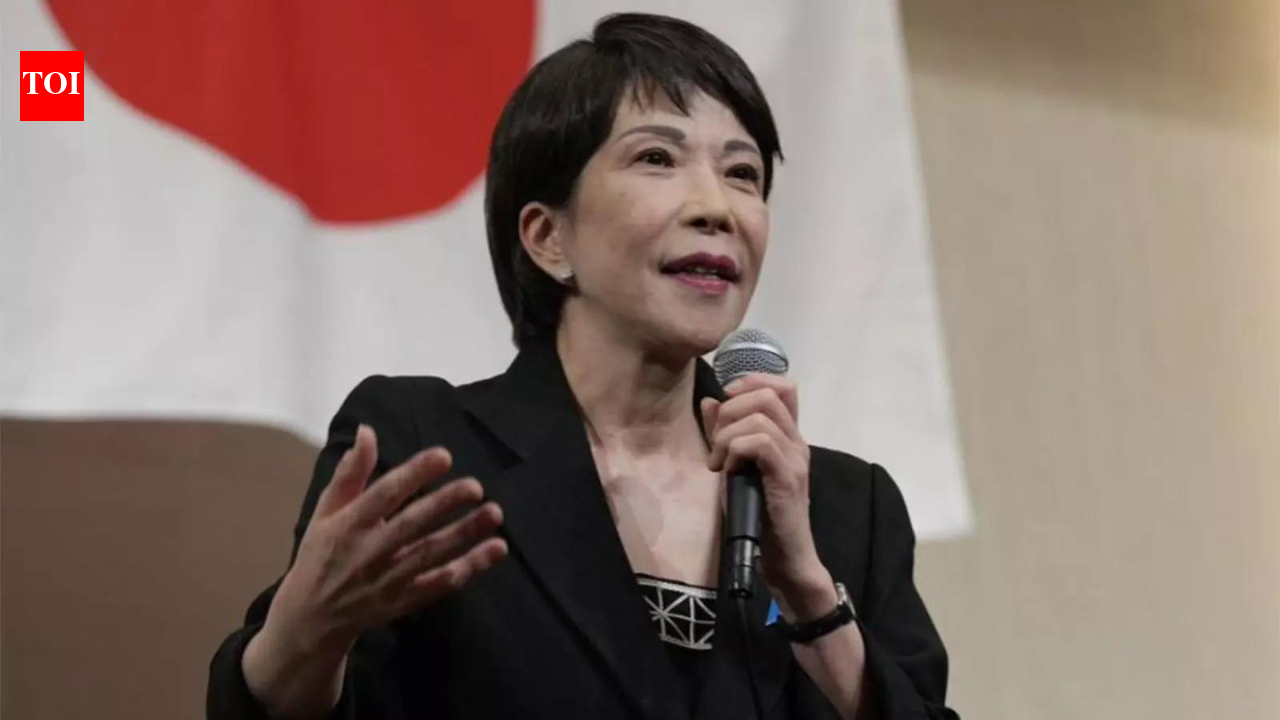
As the conflict involving the United States, Israel and Iran enters its second week, Iran’s leadership is showing visible signs of internal strain, even as officials continue to publicly reject calls from Washington for an “unconditional surrender” and vow to continue fighting.The divisions have come into sharper focus after the death of Iran’s supreme leader Ayatollah Ali Khamenei in a joint US-Israeli strike on February 28, an event that triggered a leadership transition and competing responses within Tehran’s political and security establishment.

Iran Issues Chilling Warning As Mojtaba Khamenei Takes Power; ‘IRANIANS MAY FACE…’ | Watch

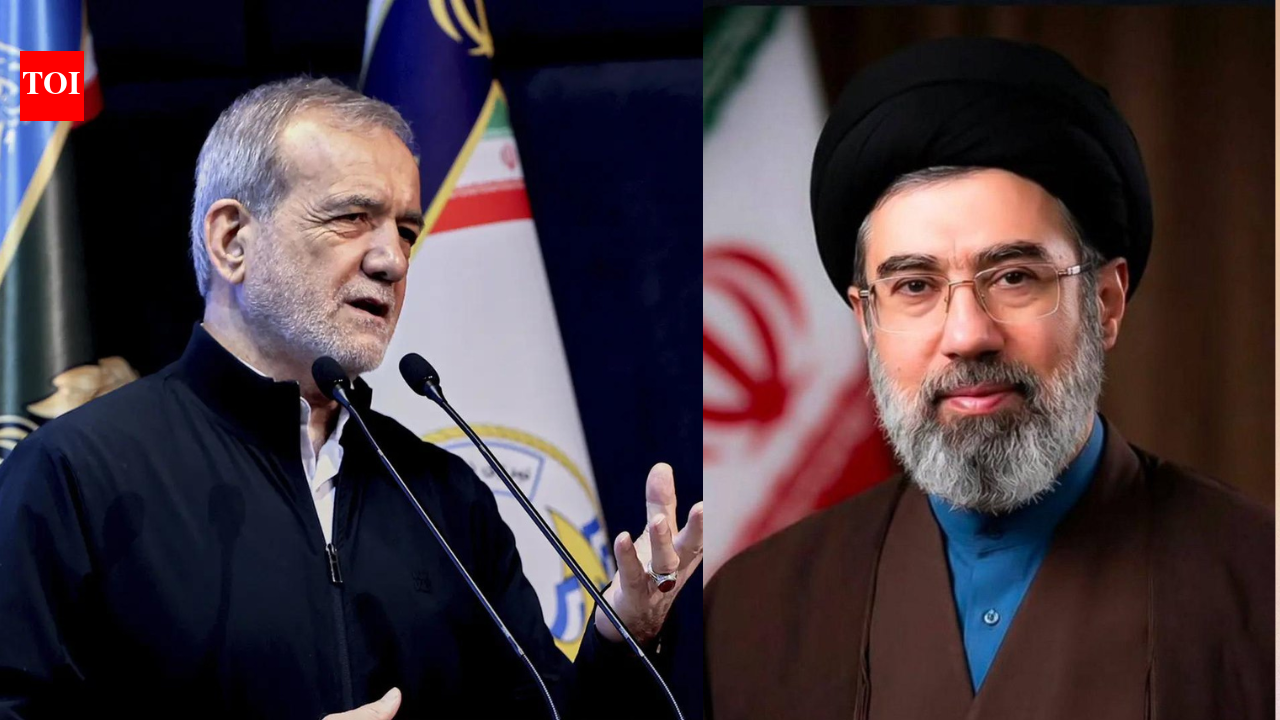
Three developments in the days since, Iranian President Masoud Pezeshkian’s apology to neighbouring countries, the appointment of Mojtaba Khamenei as the new supreme leader, and the growing influence of the Islamic Revolutionary Guard Corps, have highlighted the emerging fault lines between moderates, clerics and hardline security factions.

Apology that triggered backlash

Following Khamenei’s assassination, Iran formed a three-member interim leadership council under constitutional provisions to exercise supreme authority until a successor was selected. The council included Pezeshkian, judiciary chief Gholam-Hossein Mohseni-Ejei and senior cleric Ayatollah Alireza Arafi, according to AP. The leadership initially promised swift retaliation and launched missile and drone attacks on Israeli and American targets, as well as infrastructure such as airports, oil refineries and hotels in Gulf countries including Bahrain, Qatar, Saudi Arabia and the UAE.Divisions surfaced publicly on March 7 when Pezeshkian issued a pre-recorded state television address apologising for strikes that hit neighbouring states.“I personally apologise to neighbouring countries that were attacked by Iran. Our commanders, leaders and loved ones lost their lives due to the brutal aggression that took place,” he said. “We didn’t intend to violate neighbouring countries. As I have said many times, they are our brothers,” according to Reuters.The remarks prompted immediate criticism from hardliners and security officials.Parliament speaker Mohammad Bagher Ghalibaf said on X that “as long as the presence of US bases in the region continues, the countries will not enjoy peace.” Lawmaker Hamid Rasaei called Pezeshkian’s stance “unprofessional, weak and unacceptable,” arguing that countries hosting US bases should apologise instead.Mohseni-Ejei also contradicted the president, stating that regional states had allowed their territory to be used for attacks on Iran and declaring that “heavy strikes on those targets will continue.”The Revolutionary Guards issued their own warning that if “hostile actions continue, all military bases and interests” of the US and Israel across the region would be Iran’s “primary targets,” according to the Financial Times.Facing the backlash, Pezeshkian quickly revised his position. Later on March 7 he wrote on X that Iran “had not attacked our friendly and neighbouring countries; rather, we have targeted US military bases, facilities, and installations in the region.”In another state television appearance on March 8, he said his earlier remarks had been “misinterpreted by the enemy that seeks to sow division with neighbours.”

Mojtaba Khamenei’s appointment

A day later, Iran’s leadership transition took another contentious turn with the selection of Mojtaba Khamenei as the new supreme leader.According to The Economist, the move was strongly backed by hardline clerics and the IRGC but faced resistance from reformist and moderate figures who argued that the younger Khamenei lacked the senior clerical standing and political experience usually expected of the position.Critics also warned that elevating the son of the former leader contradicted the ideals of the 1979 Islamic Revolution, which overthrew the hereditary Pahlavi monarchy and rejected dynastic rule.Some figures within Tehran’s establishment had argued against quickly appointing a successor at all. Mohsen Sazegara, a founding member of the IRGC who later went into exile, told Bloomberg that a faction led by security council chief Ali Larijani preferred extending the interim council’s authority rather than rushing the succession process.

IRGC’s expanding role

Despite the objections, Mojtaba Khamenei’s longstanding ties with the Revolutionary Guards proved decisive. Bloomberg reported that he had built deep influence within IRGC command networks, including involvement in shaping senior appointments and security decisions.The war has also strengthened the Guards’ position within the political system. The Economist reported that the organisation is operating with unprecedented autonomy, in some cases overshadowing the traditional clerical leadership in directing military strategy.Reuters reported that senior ayatollahs urged the 88-member Assembly of Experts to accelerate its decision-making after Khamenei’s death, while Iran International said IRGC pressure on members intensified during emergency meetings.The outcome, analysts say, underscores where real authority lies during the conflict. “Wartime tends to clarify power structures, and in this case the decisive voice is not that of the civilian leadership but of the IRGC,” Middle East Institute fellow Alex Vatanka told Reuters.

Uncertain leadership during wartime

Even as Iran’s leadership remains united in rejecting US and Israeli demands, the debates over regional attacks, the leadership succession and the expanding role of the Revolutionary Guards suggest growing differences over how the war should be fought.With Iran continuing to face sustained military pressure from the US and Israel, Mojtaba Khamenei’s immediate challenge will be consolidating authority while navigating a conflict that has already exposed deep divisions within Tehran’s leadership structure.



Source link

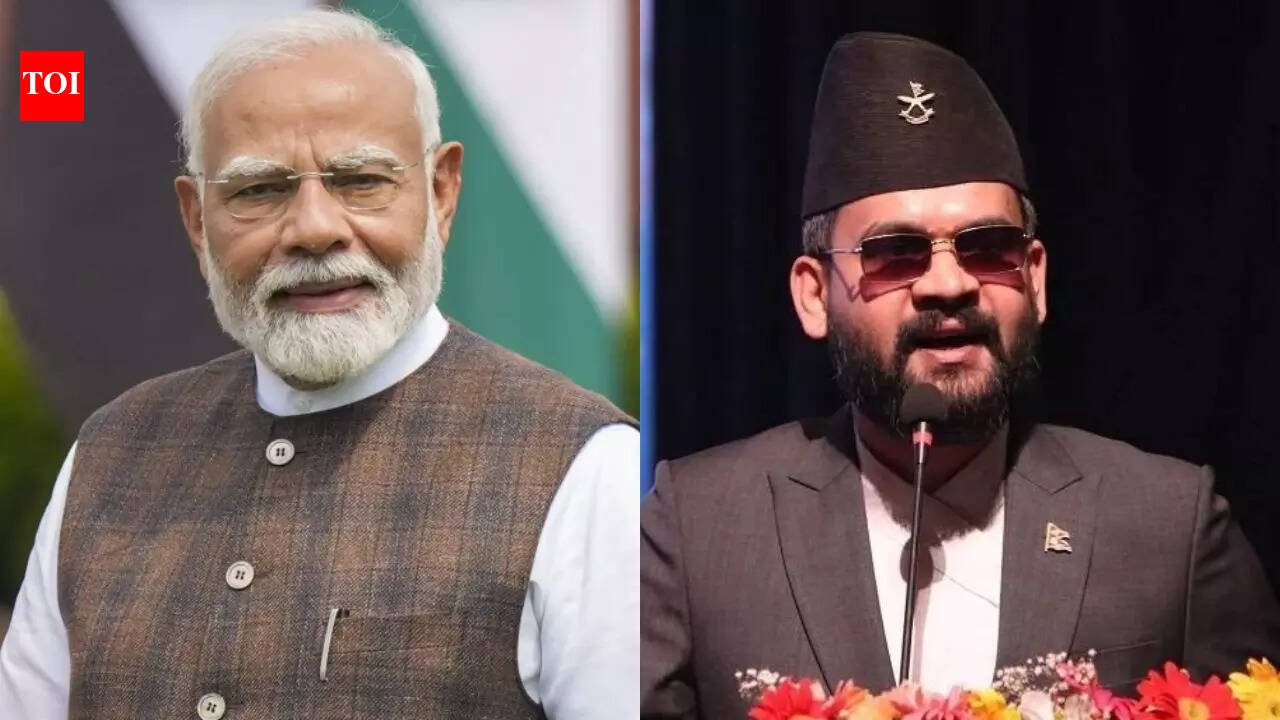
PM Modi speaks with Nepal’s newly elected youth leader Balendra Shah, Rabi Lamichhane | India News


PM Modi speaks with Nepal's newly elected youth leader Balendra Shah, Rabi Lamichhane

NEW DELHI: Prime Minister Narendra Modi on Monday spoke with Nepal’s newly elected leader Balendra Shah, who is set to become the Himalayan nation’s youngest Prime Minister.“Had warm telephone conversations with Mr. Rabi Lamichhane, Chairman of the Rastriya Swatantra Party (RSP) and Mr. Balendra Shah, Senior Leader of the RSP,” wrote PM Modi on X.PM Modi said he convyed India’s “commitment to work with them for mutual prosperity, progress and well-being of our two countries”. “Congratulated both leaders on their electoral victories and RSP’s resounding success in the Nepal elections. Conveyed my best wishes for their forthcoming new Government and India’s commitment to work with them for mutual prosperity, progress and well-being of our two countries. I am confident that with our joint endeavours, India and Nepal relations will scale new heights in the years ahead,” PM Modi further wrote.

Nepal Poll Results: India Watches Closely As Border Dispute And ‘Big Brother’ Charge Loom

Nepal’s political landscape witnessed a dramatic transformation, as newly elected youth leader Balendra “Balen” Shah unseated veteran politician and former Prime Minister KP Sharma Oli from his parliamentary stronghold. A structural engineer by profession who first rose to prominence as the mayor of Kathmandu, Shah has now made history four years later by becoming the youngest person ever to claim Nepal’s Prime Ministership.Contesting from Jhapa-5, the former rapper and capital city mayor defeated his long-time rival Oli by a resounding margin, the Election Commission of Nepal announced.Shah, a senior leader of the Rastriya Swatantra Party (RSP), secured 68,348 votes, nearly four times more than the 18,734 votes garnered by the 74-year-old Marxist leader.


Source link