Breaking News
Petronet: Petronet issues force majeure, LNG supply hit


Petronet issues force majeure, LNG supply hit

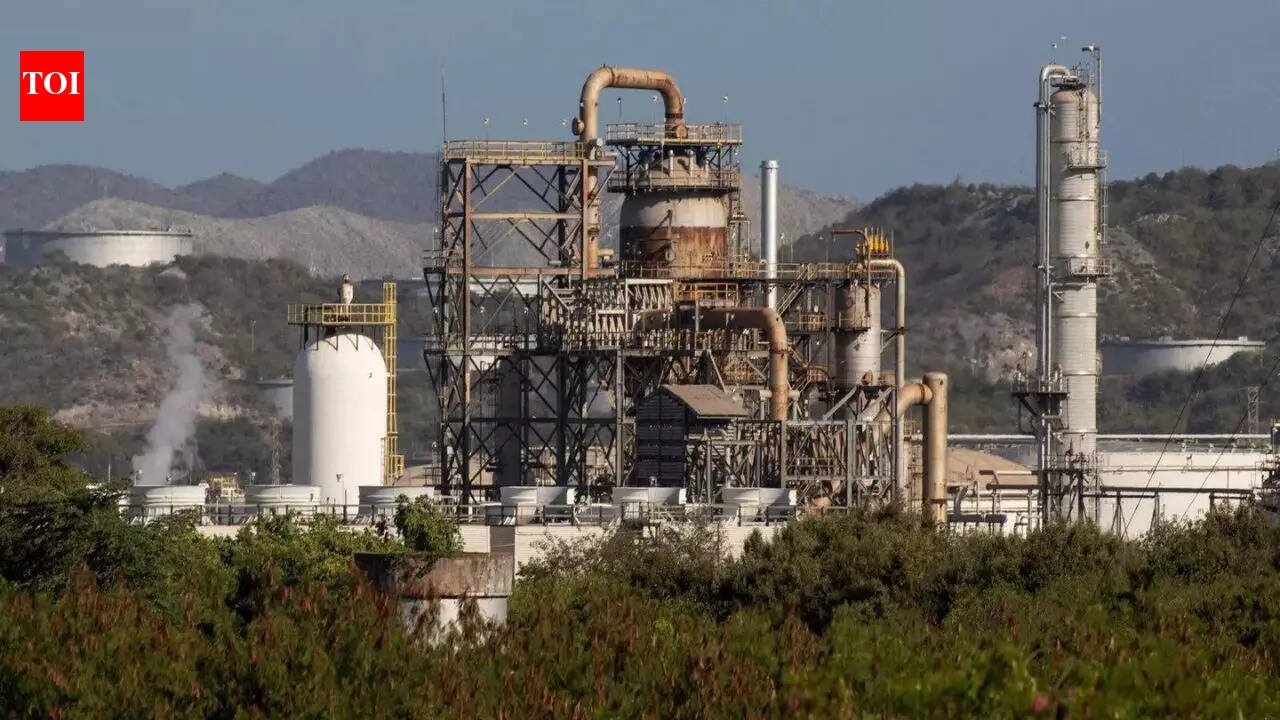
India’s top gas importer Petronet LNG has issued a force majeure notice to its supplier QatarEnergy and local buyers as its vessels are unable to reach Ras Laffan load port due to the crisis in West Asia, it said in an exchange filing on Wednesday.The US-Iran conflict has disrupted fuel shipments in the region. Transit through the Strait of Hormuz between Iran and Oman, which carries around one-fifth of oil consumed globally as well as large quantities of liquefied natural gas, has ground to a near-halt after some vessels in the area were hit.Due to the prevailing security situation and the material risks posed to maritime navigation, Petronet has issued a Force Majeure Notice to QatarEnergy for its LNG tankers Disha, Raahi, and Aseem, it said in the notice issued late Tuesday.Petronet has also issued force majeure to its customers GAIL (India), Indian Oil, and Bharat Petroleum.QatarEnergy has also issued a notice to Petronet “indicating a potential event of Force Majeure due to the hostilities prevailing in the region”, Petronet said.On Wednesday, Petronet stocks dropped 9.3% to end at Rs 281 on the BSE. During the day, it tanked 11.7% to Rs 273.Indian gas suppliers GAIL and Indian Oil Corp have already reduced gas supplies to industries including fertiliser plants. Sources familiar with the matter said lower gas supplies had already marginally hit production of some fertiliser companies including the Indian Farmers Fertiliser Cooperative and Kribhco Fertilizers.So far the companies have not announced any cuts in gas supplies for households or automobile sector.India imported 27 million tonnes of LNG in 2024/25, about half of its overall gas consumption, according to the govt data. The bulk of the LNG is imported from Qatar.
Source link

Rbi Governance Failures: RBI: Governance lapses behind financial failures


RBI: Governance lapses behind financial failures

MUMBAI: Warning that governance lapses-not a lack of knowledge-lie at the heart of many financial failures, RBI deputy governor J Swaminathan said institutions often ignore red flags because incentives discourage speaking up, allowing risks to fester until they erupt into crises.Delivering the keynote address at the 3rd International Finance and Accounting Conference (IFAC) at the Indian Institute of Management Jammu, Swaminathan said: “People knew what was going wrong, but they did not speak up. Or they spoke up, but no one listened. Or everyone noticed red flags, but incentives pushed them to look away.” Swaminathan stressed that leadership, not just technology or capital- will determine whether India achieves its 2047 aspirations of Viksit Bharat. Leadership in finance, he said, is about judgment and discipline. “It is about what you choose to reward, what you choose to question, and what you choose to fix early.”In his address, Swaminathan repeatedly cautioned that scale and speed in modern finance can become double-edged swords if not anchored in governance and discipline. Swaminathan pointed out that India’s financial system is operating in an era where products, platforms, and credit models can scale to millions within months. In such an environment, weaknesses are no longer contained – they are amplified. “Harm can scale quickly if design is poor, controls are weak, or incentives are misaligned,” he said.The deputy governor’s point was that technology acts as a force multiplier. A flawed underwriting model, an inadequately tested digital product, or a poorly aligned sales incentive does not merely affect a handful of customers-it can affect millions almost at the same time.


Source link

15% Universal Tariff: Tariff may be hiked to 15% this week: Scott Bessent


Tariff may be hiked to 15% this week: Scott Bessent
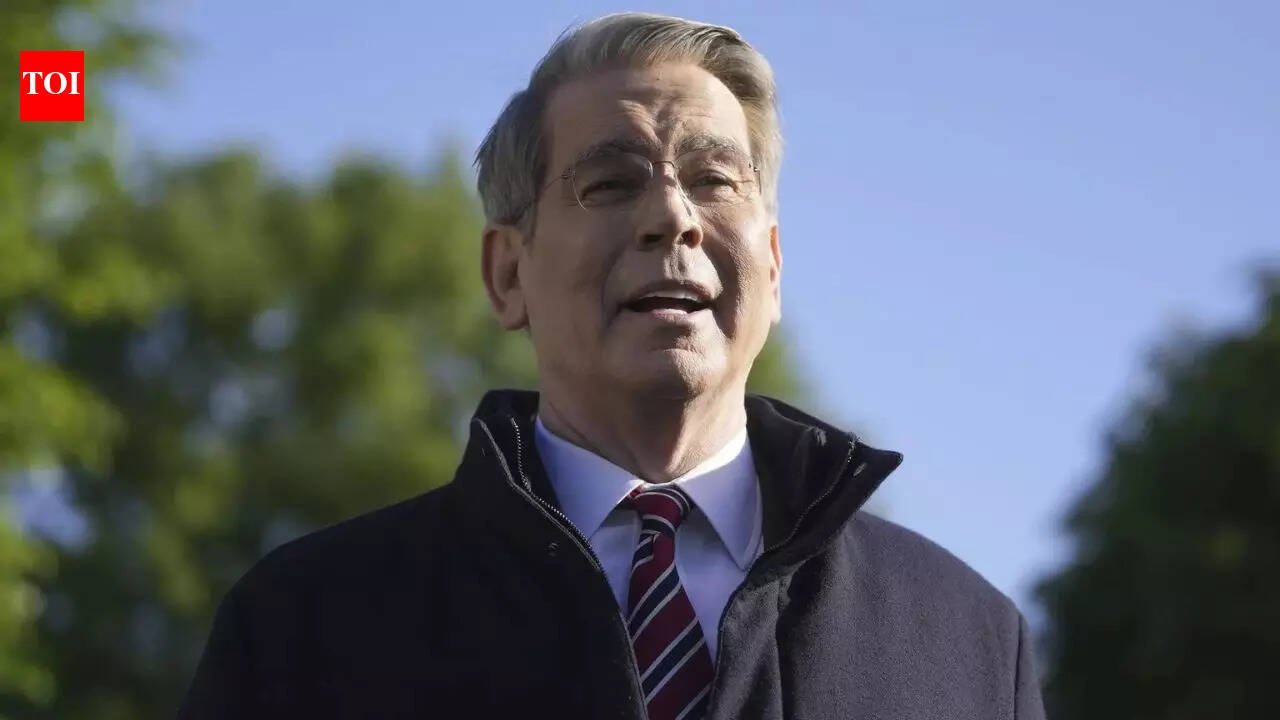
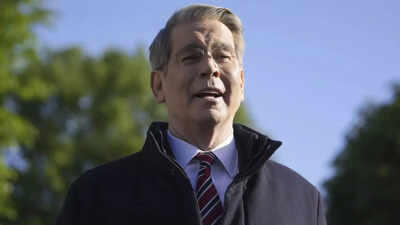
File photo: US treasury secretary Scott Bessent

US treasury secretary Scott Bessent said that President Donald Trump‘s plan to increase a 10% universal tariff up to 15% will likely be done this week. “That’s likely sometime this week,” Bessent said on CNBC in response to a question about when the increase to 15% would be implemented.Trump last month put a 10% universal levy in place after the Supreme Court invalidated most of his previous tariff regime. Bessent noted the authority for the new duties only allows for the measure to last 150 days. During that time, he said that US trade authorities will be looking at using other legislation to resurrect the tariff regime that had been in place prior to the high court’s ruling.“It’s my strong belief that the tariff rates will back to their old rate within five months,” Bessent said. “They are very slow moving, but they are more robust,” he said of the so-called sections 301 and 232 tariffs that are planned to replace the invalidated IEEPA duties.

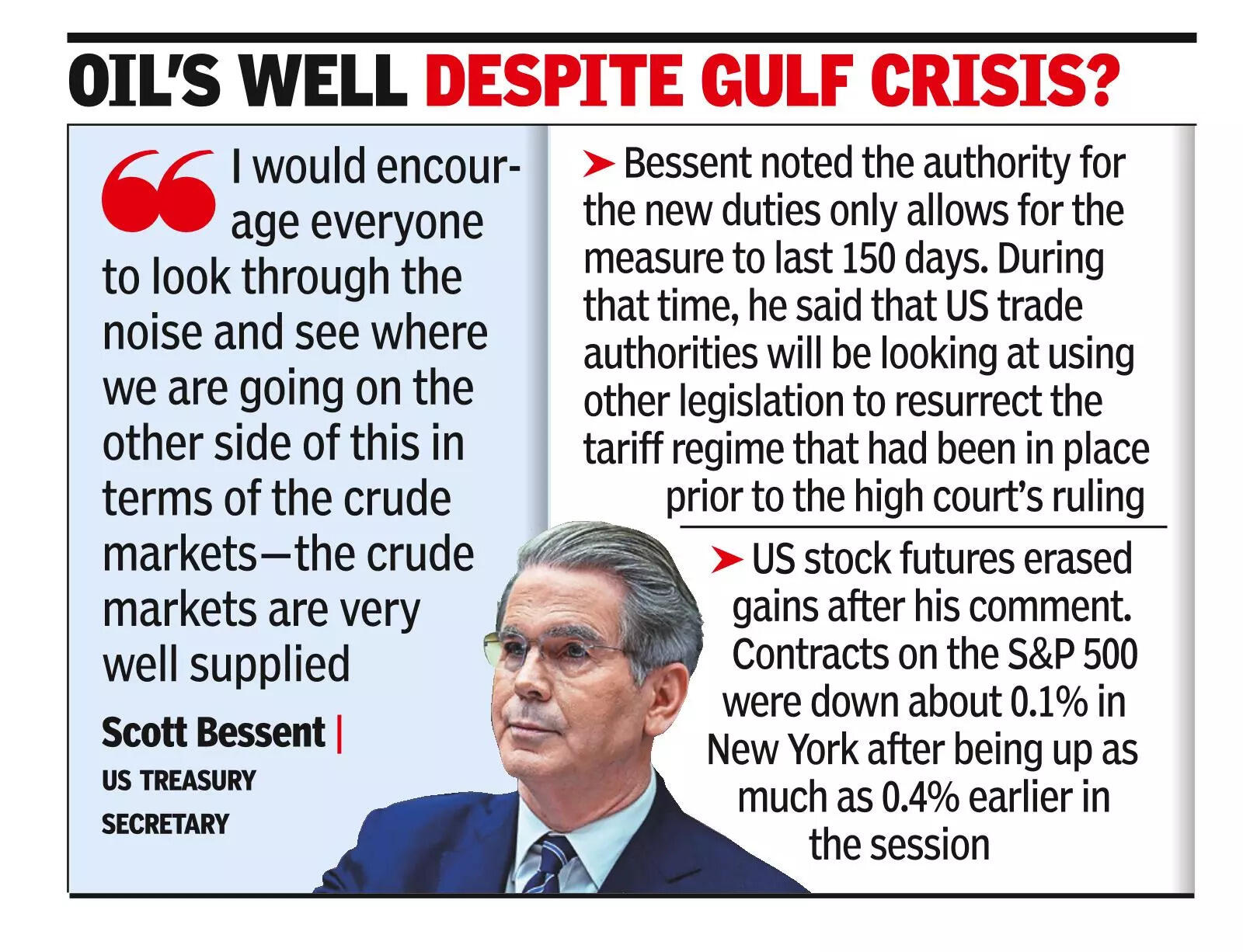
Oil's well despite Gulf crisis?

US stock futures erased gains after Bessent’s comment on the higher tariff. Contracts on the S& were down about 0.1% in New York after being up as much as 0.4% earlier in the session. The Treasury chief also played down the risk to the oil market from the US and Israeli war against Iran, saying that there’s ample global supply and that the Trump administration will be taking steps to support the sector.“I would encourage everyone to look through the noise and see where we are going on the other side of this in terms of the crude markets – the crude markets are very well supplied,” Bessent said. “There are hundreds of millions of barrels on the water away from the Gulf. But more importantly, we have a series of announcements that we’re going to be making.”He pointed to the previously announced plan for the US government to offer insurance for oil cargo ships when appropriate, and for the US Navy to provide safe passage through the Strait of Hormuz. Bessent highlighted China’s vulnerability to any cutoff of oil shipments from the Persian Gulf, saying more than 50% of their energy comes from that region. “They’ve probably been buying 95% of the Iranian crude. That’s obviously on hold right now.” Asked about Trump’s comment on Tuesday suggesting a trade embargo with Spain, and whether the Treasury chief would be responsible for that, Bessent said, “It would be a combination effort.” He didn’t specifically comment on whether such a sanction will be enacted.EU hopes 10% levy will stayMeanwhile, European Union expects that the US won’t increase its tariff on the bloc to 15%. The EU received assurances according to people familiar with the matter, who spoke on the condition of anonymity. Spokespeople for the US Trade Representative and the European Commission, which handles trade matters for the EU, declined to comment on the matter.


Source link

Crude Oil Prices: Middle East tensions: Oil companies may cushion impact of spike – report


Middle East tensions: Oil companies may cushion impact of spike - report

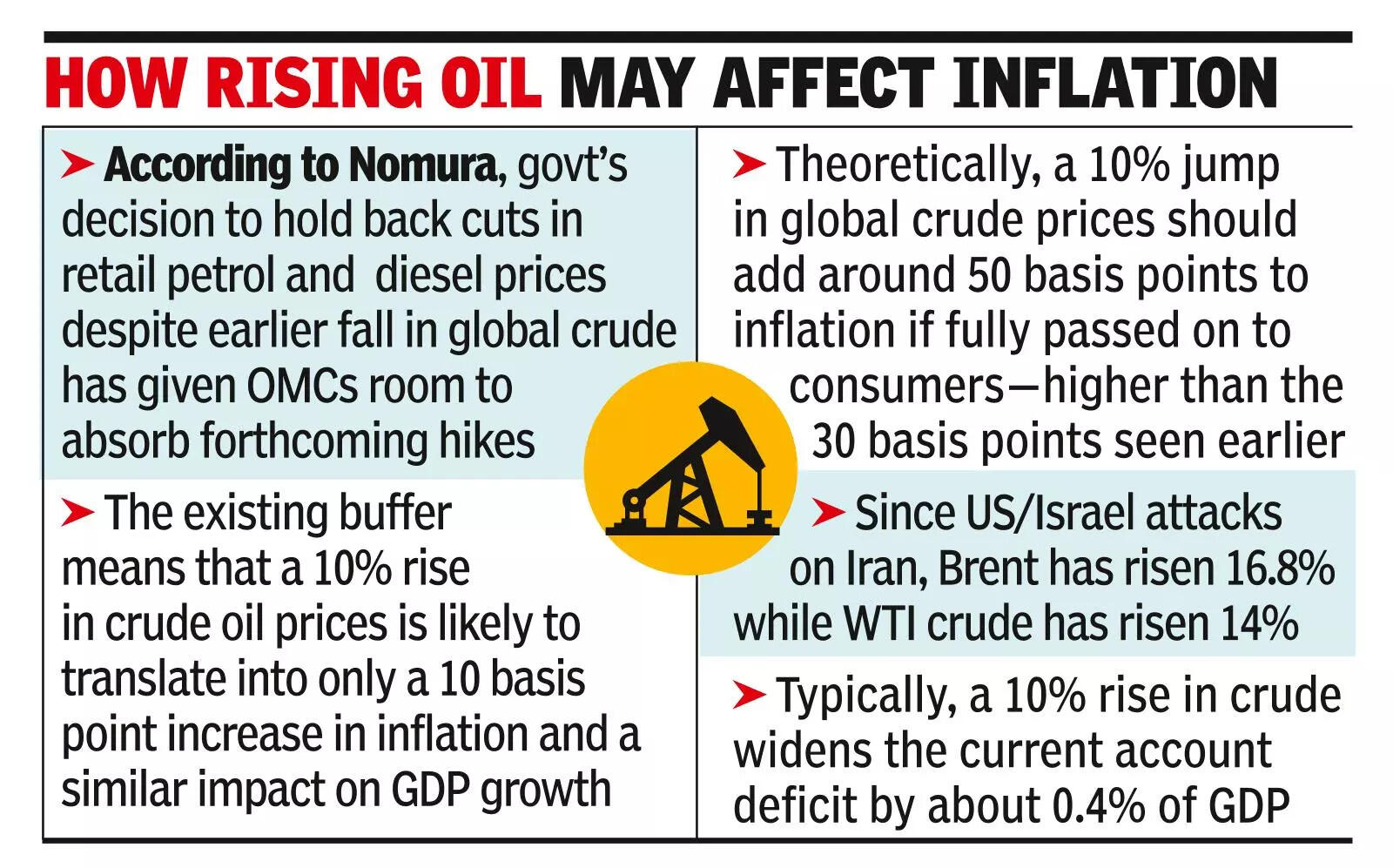
MUMBAI: The government’s decision to hold back cuts in retail petrol and diesel prices despite the earlier fall in global crude has given oil marketing companies (OMCs) room to cushion the impact of fresh spikes. According to a report by Nomura, this buffer means that a 10% rise in crude oil prices is likely to translate into only a 10 basis point increase in inflation and a similar impact on GDP growth.Theoretically, a 10% jump in global crude prices should add around 50 basis points to inflation if fully passed on to consumers – higher than the 30 basis points seen earlier. However, a full pass-through appears unlikely as OMCs are expected to absorb part of the increase through their margins. Since the US/Israel attacks on Iran, Brent crude has risen 16.8% while WTI crude has risen 14%.Beyond prices, a rising oil import bill poses risks to India’s macro stability. Typically, a 10% rise in crude widens the current account deficit by about 0.4% of GDP. Even so, the current account remains relatively well balanced and low by historical standards.

How rising oil may affect inflation

The bigger vulnerability lies in the capital account. A sharp fall in foreign investment flows amid global risk aversion has led to a sizeable balance of payments deficit. A combination of a wider current account gap and sustained foreign portfolio outflows could intensify pressure on the Indian rupee. As a twin-deficit economy, India’s equity markets are among the most vulnerable in Asia to prolonged supply disruptions. In the rates market, India and Korea are seen as the most negatively impacted.The Nomura report underlined that India’s heavy dependence on imported energy leaves it exposed to geopolitical shocks in the Middle East. The country imports over 85% of its oil needs, with nearly half of its crude shipments passing through the Strait of Hormuz. In FY25, Persian Gulf nations – including Iraq, Saudi Arabia, the UAE and Kuwait – accounted for nearly 46% of India’s crude imports. On inflation, the report drew a distinction between theoretical sensitivity and practical pricing realities. “The RBI estimates that a 10% increase in global crude oil prices leads to around 15 basis points drop in GDP growth and 30 basis points increase in inflation, but this is based on the old inflation series, while the new one has doubled the combined weightings of petrol and diesel (to 4.8% from 2.3%), which should also raise the sensitivity of CPI inflation to oil price changes, if fully passed,” it said. However, such a pass-through is rarely immediate. “Retail prices of petrol and diesel are unofficially pegged, with OMCs absorbing the impact through their balance sheets,” the report noted.


Source link

‘Planned to travel 31 countries’: Canadian Sikh on world bike tour dies in crash in Peru | Ludhiana News


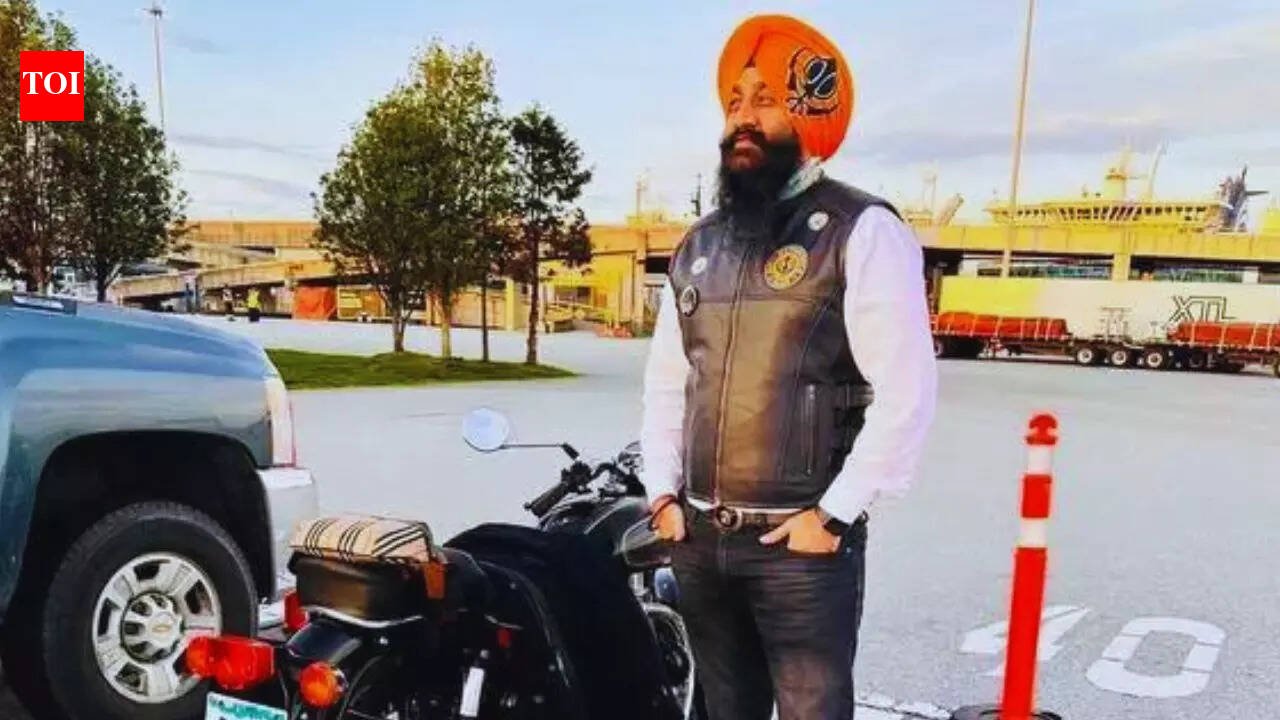
Punjab native Raghbir Singh Bharowal, 42, who lived in Surrey, Canada, has died in a motorcycle accident in Peru.

BATHINDA: Punjab native Raghbir Singh Bharowal, 42, who lived in Surrey, Canada, has died in a motorcycle accident in Peru.Raghbir, a father of three, was a regulated Canadian immigration consultant. He was on a solo motorcycle tour for the past few weeks, which he called ‘Flying Khalsa World Tour’.

Ludhiana: Canadian Sikh Dies In Peru, Family Worried In Dubai, Factory Owner Ends Life And More.

He last posted a small clip on social media from Peru three days ago after which all contact was lost with him.Surrey-based journalist Gurpreet Singh Sahota said that his family got worried when they couldn’t contact him for days and began making inquiries. On Tuesday, they learnt of his death.Raghbir’s father Pritam Singh Bharowal, who also lives in Surrey but is in Ludhiana now to attend a wedding, told TOI that the adventure-seeker left on the world tour on his Harley three months ago and planned to travel to 31 countries. Raghbir was to return to Canada for a few days before heading for Argentina, he said.“Three days ago, he called to inform us about his return to Canada but we couldn’t contact him after that. We contacted embassies and checked his GPS, which showed his last location in Trujillo city of Peru. We contacted Trujillo police, who informed us in the wee hours today that he had met with a fatal accident,” said Pritam Singh.Raghbir had migrated to Canada after doing his BTech in civil engineering from Guru Nanak Engineering college Ludhiana and pursued MTech from Windsor city in Ontario and subsequently got Canadian citizenship.Raghbir’s friend, Vancouver resident Gurwinder Singh, recalled that before moving out on his motorcycle tour, Raghbir and a number of his buddies gathered at the opening of a pizza store in Abbotsford city of British Columbia near Vancouver. “He regaled the group with videos and stories of his bike rides. We never thought that it would be our last meeting,” he said.


Source link

Quinton De Kock-Dewald Brevis confusion hands Tim Seifert a second chance


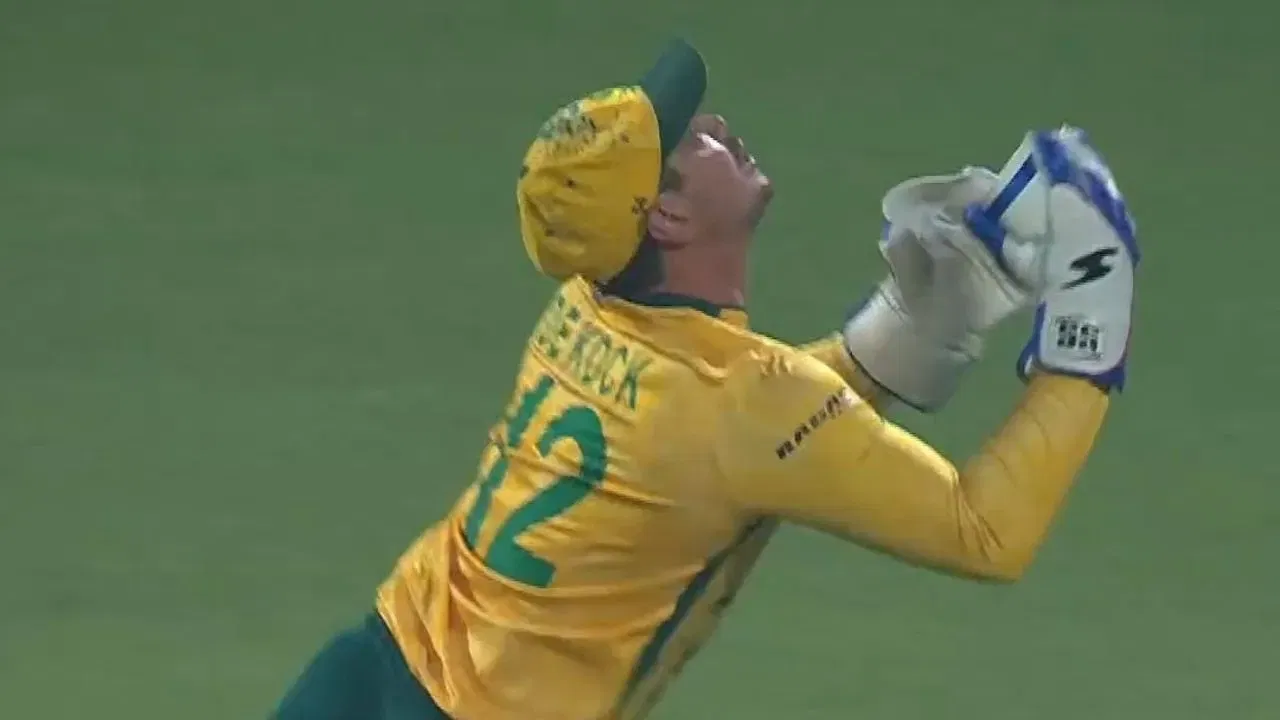
Quinton de Kock’s heart-out effort went in vain. They covered a good amount of ground to take a stunning catch. But in the end, it was a missed catch. After running near the boundary rope, from the keeping spot, the wicketkeeper threw his body into the air to catch the ball. If he were able to take the catch, then South Africa could have dismissed New Zealand opener Finn Allen early in the second innings.

Kagiso Rabada, the pacer, was hoping to watch a stunner. But he had turned his back as the ball bounced from the fingertips of de Kock. The incident happened in the second over of the second innings of the first semifinal of the ongoing T20 World Cup 2026 at the Eden Gardens in Kolkata.

Watch the effort made by Quinton de Kock

This was how the incident took place

The incident took place in the first over of Kagiso Rabada, and the second over of the second innings. New Zealand was then with only 12 runs, with their openers, Finn Allen and Tim Seifert on the crease. While Seifert was batting on 12, Allen had yet to score his first run of the night.

The catch miss perhaps mostly because of the confusion between Quinton de Kock and Dewald Brevis, as both of them went for the catch. Measuring the distance between the ball’s trajectory line and the position of the fielders, Brevis was nearer than the wicket keeper.

But it was Quinton de Kock who eventually went for the catch, and Brevis was then only a spectator. If the wicketkeeper was able to successfully pull off the stunner, then no one would blame him. But as the chance dropped, de Kock will have to take the responsibility for the action he took.

A moment of confusion between Quinton de Kock and Dewald Brevis resulted in the catch being missed

After the conclusion of the momentum, de Kock and Brevis exchanged some words with each other as well. It was not clear what they were told to each other, but the reaction of the bowler, Kagiso Rabada was describing the whole story. Under disappointment, he was shaking his head, and then turned back for the next delivery.

The drop catch can result in costing the match as well for the South Africa cricket team, who had been undefeated before the Semi-finals of the T20 World Cup 2026.

With an extra lifeline, both of the Kiwi openers registered a half-century each. Tim Seifert departed first, after scoring a well-earned 58 off 33 with seven 4s and a couple of 6s.

Before heading back towards the pavilion, for the first wicket stand, Allen and Seifert stitched a partnership of 117 runs, which took New Zealand on the doorstep to the Final of the T20 World Cup 2026.

South African bowlers tried their best to stop the openers, but their efforts mostly remained ineffective.

Read More: WATCH: Daryl Mitchell takes CONTROVERSIAL catch to dismiss Aiden Markram


Source link

MS Dhoni fined Rs 1000 after caught breaking traffic rules | Cricket News


MS Dhoni fined Rs 1000 after caught breaking traffic rules
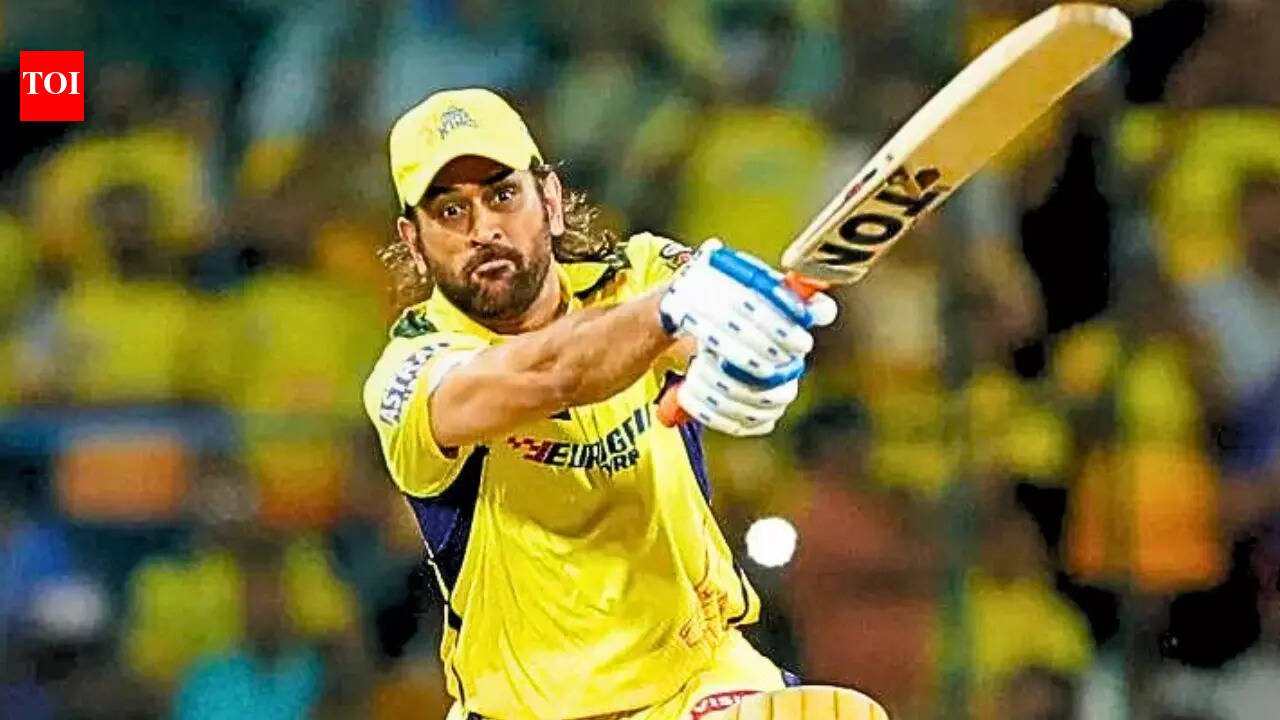
MS Dhoni (BCCI/IPL Photo)

Former Indian men’s cricket team captain MS Dhoni has been fined Rs 1000 for overspeeding in Ranchi after his car was caught breaking traffic rules near his home. The city’s automated traffic monitoring system recorded the vehicle going above the speed limit, and an e-challan was issued under Section 183 of the Motor Vehicles Act.

IPL 2026: RCB confirm their home venue for upcoming edition

Though it was a minor offence, anything involving the former India captain quickly grabs attention online.Also See: SA vs NZ Live Score T20 World Cup SemifinalThis comes shortly after another issue involving Dhoni. The Jharkhand State Housing Board recently sent him a notice over the alleged misuse of a residential plot on Harmu Road in Ranchi. Officials believe the land, which was meant only for housing, may have been used for commercial purposes. The property is where Dhoni once lived before moving to his current house on Ring Road.Meanwhile, Dhoni is focused on cricket again. With IPL 2026 around the corner, he has already started training with Chennai Super Kings. The team is hoping for a turnaround after a disappointing 2025 season, where they finished last with 10 losses in 14 matches.Now 44, Dhoni was retained under the uncapped player rule for Rs 4 crore. He may not bat high up the order anymore, but he still plays an important finishing role. There are reports suggesting that he may not play all the matches in CSK’s season this time.Last season, he scored 196 runs in 14 matches at a strike rate of 135.17, mostly in quick late-innings knocks. Beyond the numbers, his experience and leadership remain key as Chennai aim for a fresh start in IPL 2026.


Source link

Kp Sharma Oli: Nepal votes today: Pitted against Balen, Oli faces litmus test of 50-year-old career


Nepal votes today: Pitted against Balen, Oli faces litmus test of 50-year-old career
Pitted against Balen, Oli faces litmus test of 50-year-old career

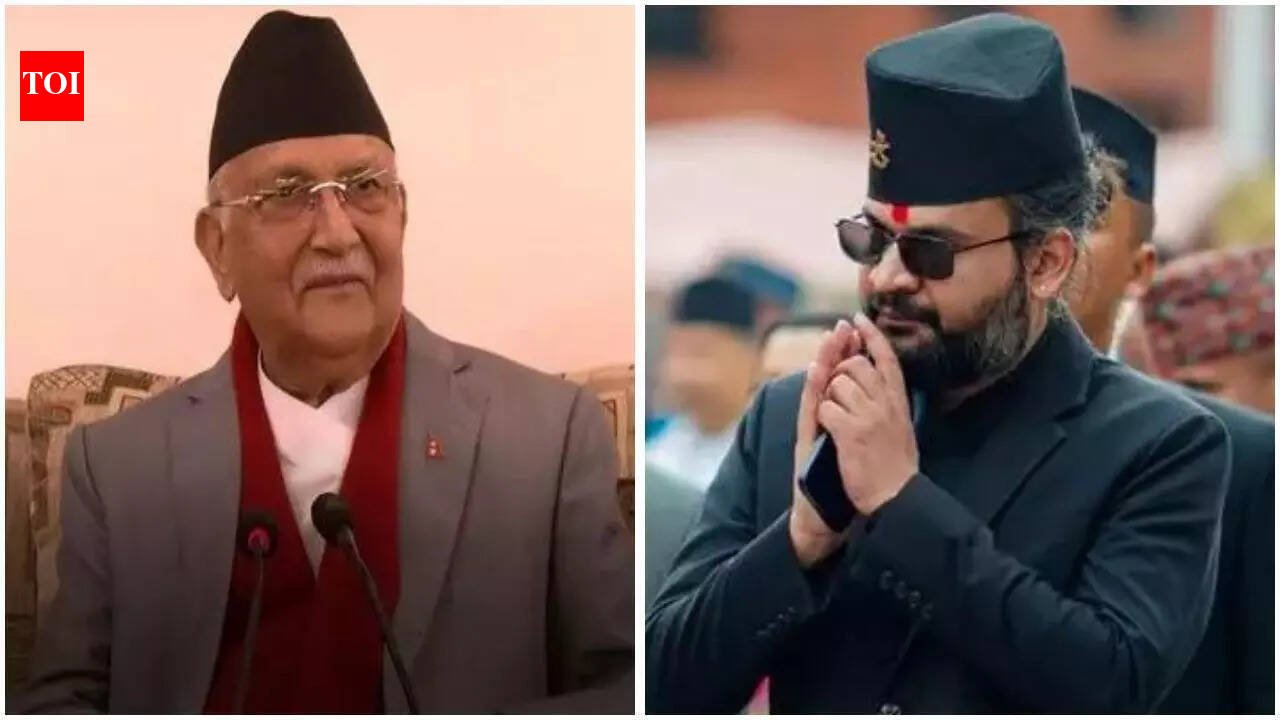
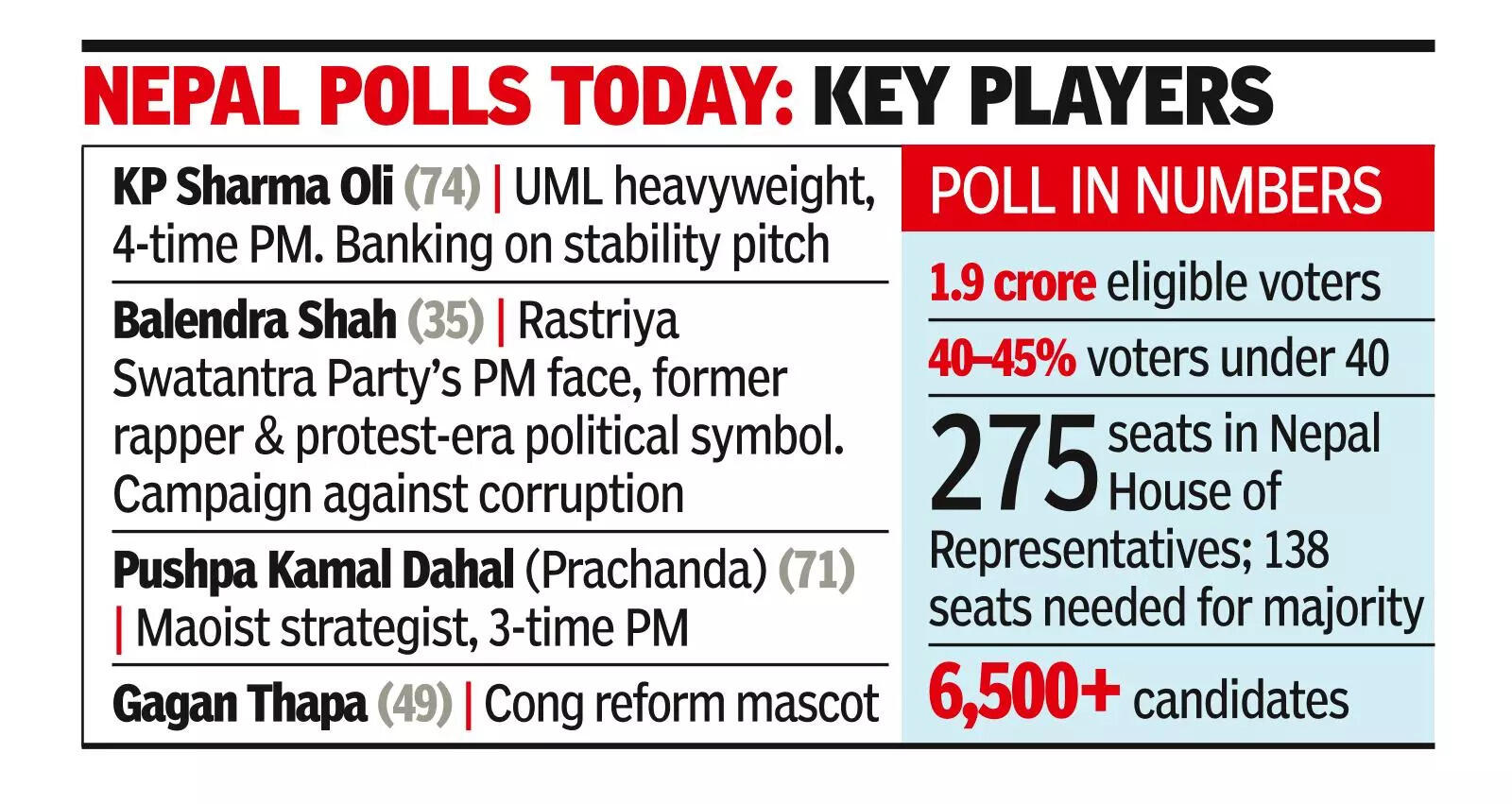
KATHMANDU: As Nepal votes on Thursday, a generational shift has reshaped the political mood in the Himalayan nation. In Kathmandu and other cities, many Gen Z voters – the cohort that toppled the KP Sharma Oli govt and propelled figures like the 35-year-old (Balen) into prominence – have grown impatient with Nepal’s traditional leadership. Yet Oli remains one of the most enduring faces of Nepal’s political establishment.Even after years of turbulence, Oli commands loyalty in Jhapa-5, the constituency along eastern Nepal’s border with India that has anchored his national career. This time though Balen has chosen to challenge him in a direct contest, as if to prove a point.Born in 1952, Oli came of age during Nepal’s Panchayat era, when political parties were banned — in 1970, as a teenage communist activist opposing the monarchy’s partyless system. Arrested in Oct 1973 for his role in the Jhapa rebellion and anti-monarchy activities, he spent 14 years in prison, four of them in solitary confinement. Decades later, the former dissident would become one of the most powerful figures in the very establishment he once fought.

Key players

Those years shaped his political instincts. “Leaders who came through Panchayat-era prisons developed a hard view of politics,” a political analyst told a Nepali daily in 2018. “They believed power had to be exercised decisively because they had seen how easily it could be suppressed.”After the 1990 People’s Movement restored multiparty democracy, Oli entered open politics through the Communist Party of Nepal (Unified Marxist-Leninist). In parliament, he quickly gained a reputation for blunt rhetoric and biting humour. A Kathmandu newspaper wrote in 2014 that Oli approached debate “as a contest of endurance and wit rather than quiet compromise”, often using sarcasm to unsettle opponents.Ever since, he has remained a prominent figure in Nepal’s unstable coalition politics.His national breakthrough came in 2015, when Nepal adopted a new constitution and relations with India deteriorated sharply. Protests along the southern border disrupted the flow of fuel, medicines and essential supplies into the landlocked country. The shortages lasted months and were widely seen in Nepal as an unofficial blockade by India. Oli cast the crisis as a question of sovereignty and national dignity, a message that resonated. The nationalist sentiment that followed helped a left alliance sweep the 2017 elections, bringing him back to office with a rare parliamentary majority.But the stability he promised proved short-lived. Facing dissent within his own party, Oli dissolved parliament in Dec 2020. Nepal’s Supreme Court reinstated it. In May 2021 he dissolved it again, triggering another constitutional confrontation that eventually forced him out of office at that time. “A leader who once spent years in prison resisting state authority was now accused of pushing constitutional limits to retain power,” a constitutional scholar wrote in 2021.Oli returned to office again in 2024 as part of a coalition government and was PM during the deadly Gen Z protests last Sept. Many in Nepal believed that his resignation after the protests would end his political career. Instead, Oli has returned to the ballot from Jhapa-5, a reminder of the resilience that has defined his five-decades-old career.A leader who survived prison, political upheaval and repeated challenges to his authority, he now faces voters who will decide whether the rebel who became the establishment still has a future in it.


Source link

Oxford Ashmolean Museum: Oxford museum set to return 500-year-old bronze statue taken from Tamil Nadu temple | India News


Oxford museum set to return 500-year-old bronze statue taken from Tamil Nadu temple
Ashmolean museum acquired the statue in 1967. In 2019, a French scholar flagged that its provenance was unclear, leading to a probe

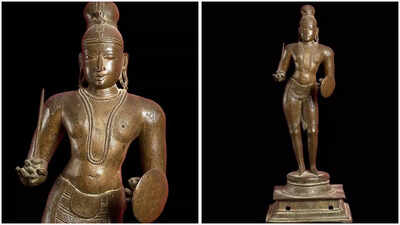
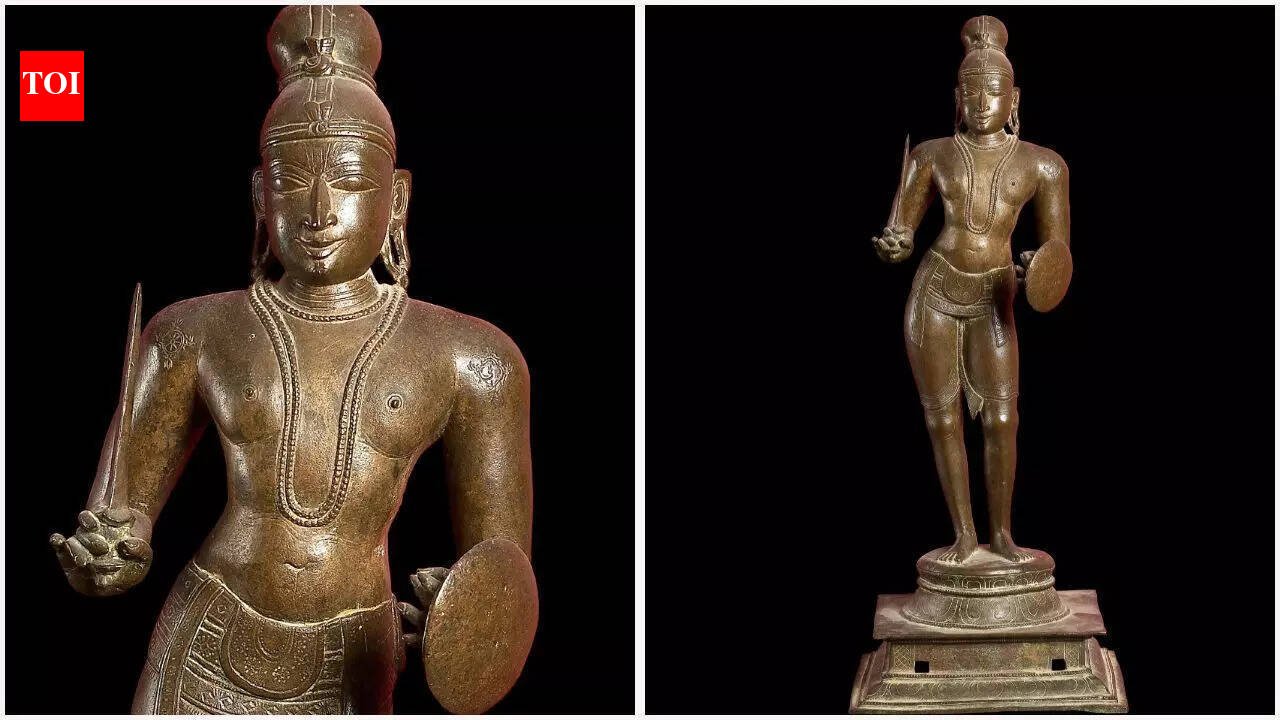
A 16th-century bronze statue of Saint Tirumankai Alvar, taken from a temple in Tamil Nadu, is among several Indian heritage items that are being returned to India from the UK.The Ashmolean Museum in Oxford acquired the 57.5cm tall statue of the South Indian Hindu saint in good faith in 1967 and had it on display. According to Sotheby’s, it was sold to the museum by the private collector, Dr J R Belmont (1886-1981). There is no information on how it entered his collection.However, in Nov 2019, a French scholar alerted the University of Oxford museum to research indicating that a photograph of the bronze had been taken in 1957 in the temple of Soundarrajaperumal temple in Thadikombu, a village in Tamil Nadu. This made the museum aware that its provenance was unclear, so the museum decided to investigate.Although no formal claim had been made, the Ashmolean wrote to the Indian High Commission on 16 Dec 2019, requesting further information and indicating the museum’s willingness to discuss its possible return.On 11 Feb 2020 a temple executive officer filed a police report noting that a modern replica had replaced the original bronze. The Indian High Commissioner then made a formal claim for return of the bronze on 3 March 2020.At request of Archaeological Survey of India (ASI), the museum commissioned metal analysis of the bronze and submitted results to inform a report on its provenance.Director of the Ashmolean Dr Xa Sturgis said: “The Ashmolean is pleased to see this important object returned to India and we are grateful to the Indian authorities and scholars who have helped establish its provenance. The museum and University of Oxford are committed to ethical collections practices and continued research into our collections, their origins and history.”


Source link

Oxford Ashmolean Museum: Oxford museum set to return 500-year-old bronze statue taken from Tamil Nadu temple


Oxford museum set to return 500-year-old bronze statue taken from Tamil Nadu temple
Ashmolean museum acquired the statue in 1967. In 2019, a French scholar flagged that its provenance was unclear, leading to a probe

A 16th-century bronze statue of Saint Tirumankai Alvar, taken from a temple in Tamil Nadu, is among several Indian heritage items that are being returned to India from the UK.The Ashmolean Museum in Oxford acquired the 57.5cm tall statue of the South Indian Hindu saint in good faith in 1967 and had it on display. According to Sotheby’s, it was sold to the museum by the private collector, Dr J R Belmont (1886-1981). There is no information on how it entered his collection.However, in Nov 2019, a French scholar alerted the University of Oxford museum to research indicating that a photograph of the bronze had been taken in 1957 in the temple of Soundarrajaperumal temple in Thadikombu, a village in Tamil Nadu. This made the museum aware that its provenance was unclear, so the museum decided to investigate.Although no formal claim had been made, the Ashmolean wrote to the Indian High Commission on 16 Dec 2019, requesting further information and indicating the museum’s willingness to discuss its possible return.On 11 Feb 2020 a temple executive officer filed a police report noting that a modern replica had replaced the original bronze. The Indian High Commissioner then made a formal claim for return of the bronze on 3 March 2020.At request of Archaeological Survey of India (ASI), the museum commissioned metal analysis of the bronze and submitted results to inform a report on its provenance.Director of the Ashmolean Dr Xa Sturgis said: “The Ashmolean is pleased to see this important object returned to India and we are grateful to the Indian authorities and scholars who have helped establish its provenance. The museum and University of Oxford are committed to ethical collections practices and continued research into our collections, their origins and history.”


Source link