Breaking News
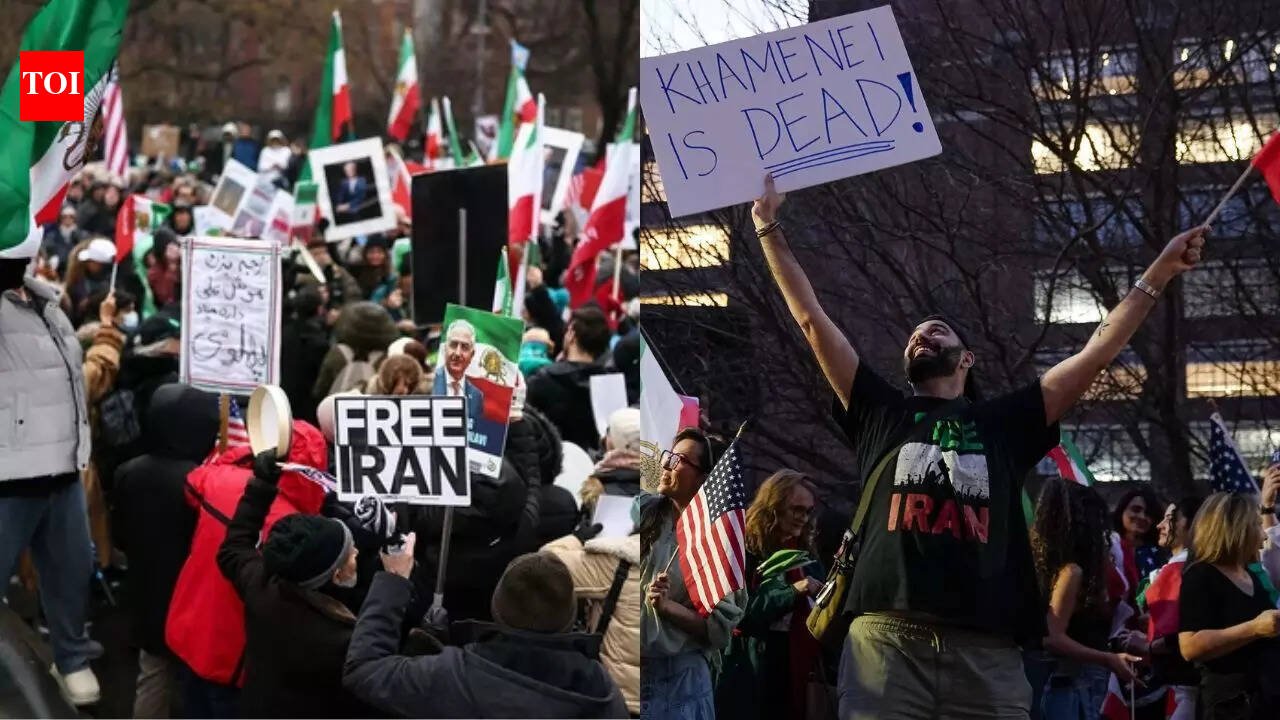
Khamenei dead, Iranians celebrate: Can protesters finally topple the regime?

Revealed: Khamenei's LAST MOVE Inside His Tehran Compound, A Secret Huddle - Then Came 30 Bombs

.

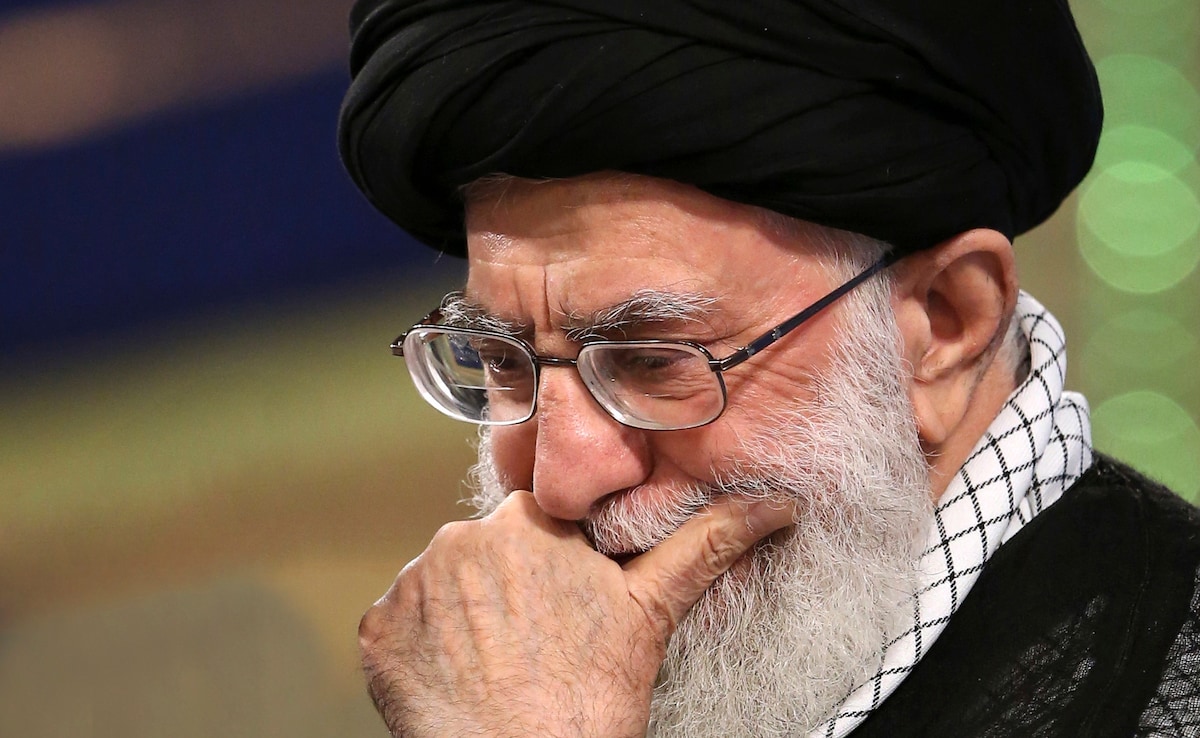
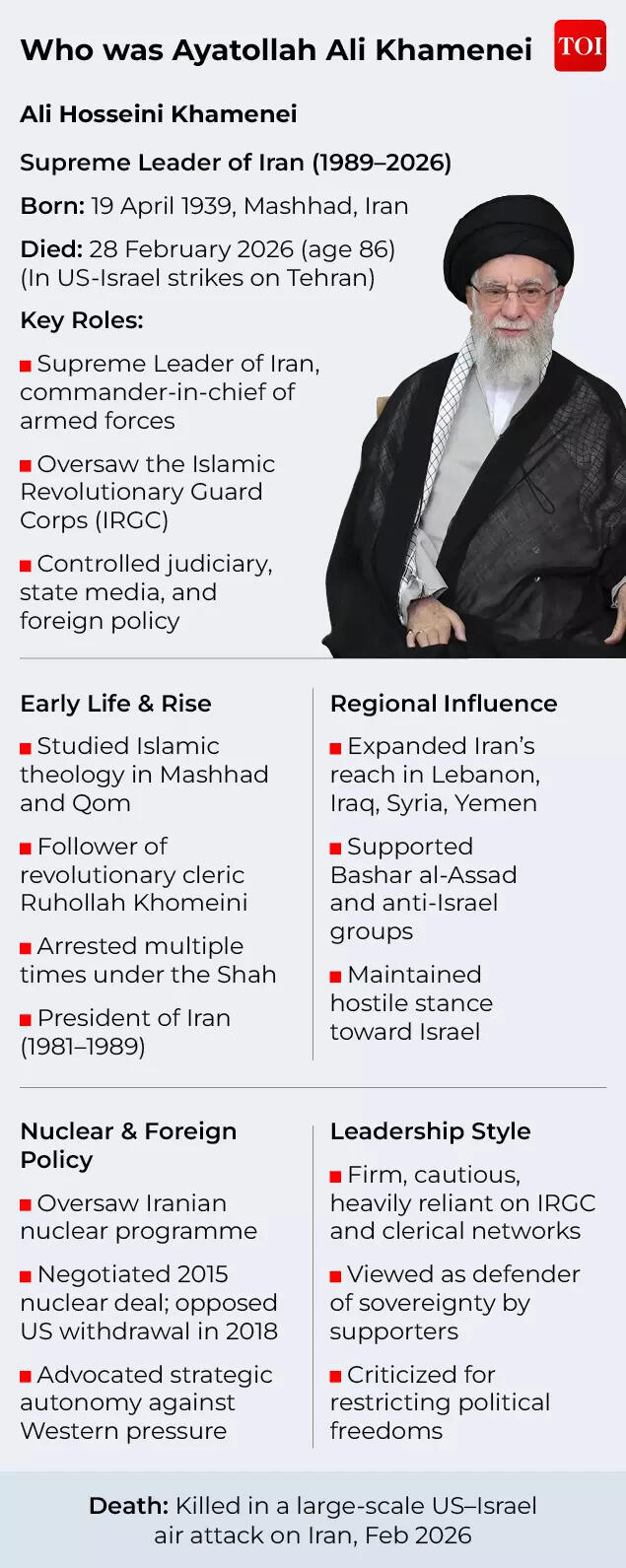
In the early hours of Sunday, March 1, Iranian state television confirmed what had been spreading in fragments the night before: Ayatollah Ali Khamenei, Iran’s supreme leader since 1989, was dead.

Driving the news

Iran’s Supreme Leader Ayatollah Ali Khamenei was killed in the opening wave of a coordinated US-Israeli campaign – an event that immediately triggered retaliatory Iranian missile fire across the region and set off dueling scenes inside Iran: celebration in some neighborhoods and mass mourning rallies in others.

Revealed: Khamenei’s LAST MOVE Inside His Tehran Compound, A Secret Huddle – Then Came 30 Bombs

  • President Donald Trump framed the killing as a historic opening for regime change, saying: “This is the single greatest chance for the Iranian people to take back their Country.”
  • Israeli Prime Minister Benjamin Netanyahu issued his own call to action, telling Iranians: “this is your time to join forces, to overthrow the regime and to secure your future.”
  • In Tehran, AFP reported both jubilation and grief: cheers on streets after early reports, then thousands in Enghlab Square chanting “death to America.”

Meanwhile, Iran’s military and political leadership signaled escalation – not surrender.
Ali (1)

.

Iran’s Revolutionary Guards vowed the “most ferocious” operation in history as explosions and sirens were reported from Gulf capitals and Israel amid new salvos.

Why it matters

Khamenei’s death is the biggest shock to Iran’s power structure since 1979 – and it collides with a central question the US and Israel are now effectively betting on: can popular anger translate into a takeover of the state, faster than the security apparatus can reassert control?The early indicators cut both ways:

  • The street mood is not singular. The New York Times described “large crowds” celebrating in Tehran and other cities, with chanting of “freedom, freedom” and rooftop shouts like “Khamenei went to hell,” even as some supporters privately mourned and others feared further strikes.
  • The regime still has procedures – and guns. Under Iran’s constitutional mechanism, an interim leadership council forms quickly, while the Assembly of Experts is supposed to select a new supreme leader.
  • The conflict is widening in real time. Iran’s retaliatory strikes on Israel and US-linked targets in the Gulf raise the odds that domestic politics will be shaped by wartime nationalism as much as anti-regime fervor.

In short: Even if many Iranians want the system gone, toppling it amid bombs, blackouts, and security crackdowns is a different kind of challenge.

Zoom in

What the streets are signaling

  • The Times’ reporting paints a rare glimpse of spontaneous, decentralized celebration under heavy constraint: landlines and cellphone service down, yet people still gathering, honking, dancing, and shouting “Woohoo, hurrah.”
  • One Tehran resident, identified by first name only, described a private-to-public pivot the moment the news hit. “Then we bolted outside and shouted from the top of our lungs and laughed and danced with our neighbors,” Sara told The New York Times.
  • But AFP also described the counter-mobilization: thousands of mourners in black at Enghlab Square chanting “death to America.” That matters because it hints the state can still summon loyalist crowds – and, more importantly, can still deploy the Basij and security forces to dominate public space when it chooses.

The Guards, the Basij, and the economics of control

  • If Khamenei was the regime’s face, the Islamic Revolutionary Guard Corps has long been its muscle and, increasingly, its wallet. The IRGC answers directly to the supreme leader, stands apart from the conventional military chain, and has expanded its reach through politics and business over decades, including large contracting operations and deep entanglement with strategic sectors. The Basij militia, under Guards control, has often been deployed to crush protests.
  • Here is the destabilizing twist: this war appears to have decapitated parts of that security elite. Iran’s judiciary confirmed that Ali Shamkhani, a top adviser, and General Mohammad Pakpour, the head of the Revolutionary Guards, were killed. Reuters separately reported that the strike was timed to real-time intelligence about a meeting involving Khamenei and senior aides.
  • A weakened command structure can create openings. It can also produce panic, paranoia, and overreaction. In the hours after Khamenei’s death was confirmed, the Revolutionary Guards vowed the “most ferocious” operation in history against Israel and US bases, according to AFP. That promise is not only meant for adversaries abroad; it is also a message to Iranians at home: we still exist, we still punish, we still decide

Between the lines

If a mass movement is going to “take over the regime,” it needs three things at once: organization, momentum, and splits inside the coercive apparatus.Right now, each is uncertain:

  • Organization: Celebrations and localized protests are not the same as a unified national opposition with command-and-control – especially amid internet disruptions and fear of retaliation
  • Momentum: The emotional release is real, but it may be short-lived if the next phase is mass arrests, curfews, and targeted violence by security services.
  • Elite splits: Reuters emphasizes the Revolutionary Guards’ entrenched political-economic power and their direct line to the supreme leader – suggesting the Guards could become the decisive kingmakers, or even the de facto rulers, if clerical authority weakens.

Academic analysis from The Conversation lands on a skeptical conclusion about a people-powered overthrow under bombardment. Donald Heflin, a veteran diplomat, argued: “I would be surprised if we saw a popular uprising in Iran that really had a chance of bringing the regime down.”That assessment also flags a darker possibility: the system survives – but hardens, with power shifting toward security hardliners rather than liberalizing.

What next

Alireza Arafi was named on Sunday as the jurist representative on Iran’s Leadership Council, the interim body responsible for carrying out the supreme leader’s duties until the Assembly of Experts selects a successor, the ISNA news agency reported.A cleric who also serves on the Guardian Council, Arafi will join President Masoud Pezeshkian and Chief Justice Gholamhossein Mohseni Ejei on the temporary three-member panel.Watch these near-term tells:

  1. Do protests spread from celebration to sustained occupation of public squares? A single night of euphoria doesn’t equal durable control of streets – especially if loyalist counter-rallies and forceful dispersals follow.
  2. Does the military fracture – or unify? Trump’s warnings and Iran’s retaliation cycle could push commanders to close ranks “rally-round-the-flag” style, even if some units privately resent the clerical order.
  3. Does the external war pause – or escalate? If missile exchanges intensify, domestic priorities may shift from regime change to survival and retaliation – and the regime may justify sweeping repression under emergency conditions.

Bottom line: Iranians in the streets can shake the regime – and the symbolism of Khamenei’s death is enormous – but “taking over” requires more than courage. It requires the regime’s coercive core to splinter, or be neutralized, faster than it can reorganize under a wartime banner.


Source link

Saudi Us Iran Strike: Riyadh’s secret plea: Saudi crown prince reportedly pressed US for military action against Iran


'WILL GO ALL-OUT': Saudi Leads Arab Fury As Missiles Bombard 5 Gulf States Amid Iran Vs Israel-War

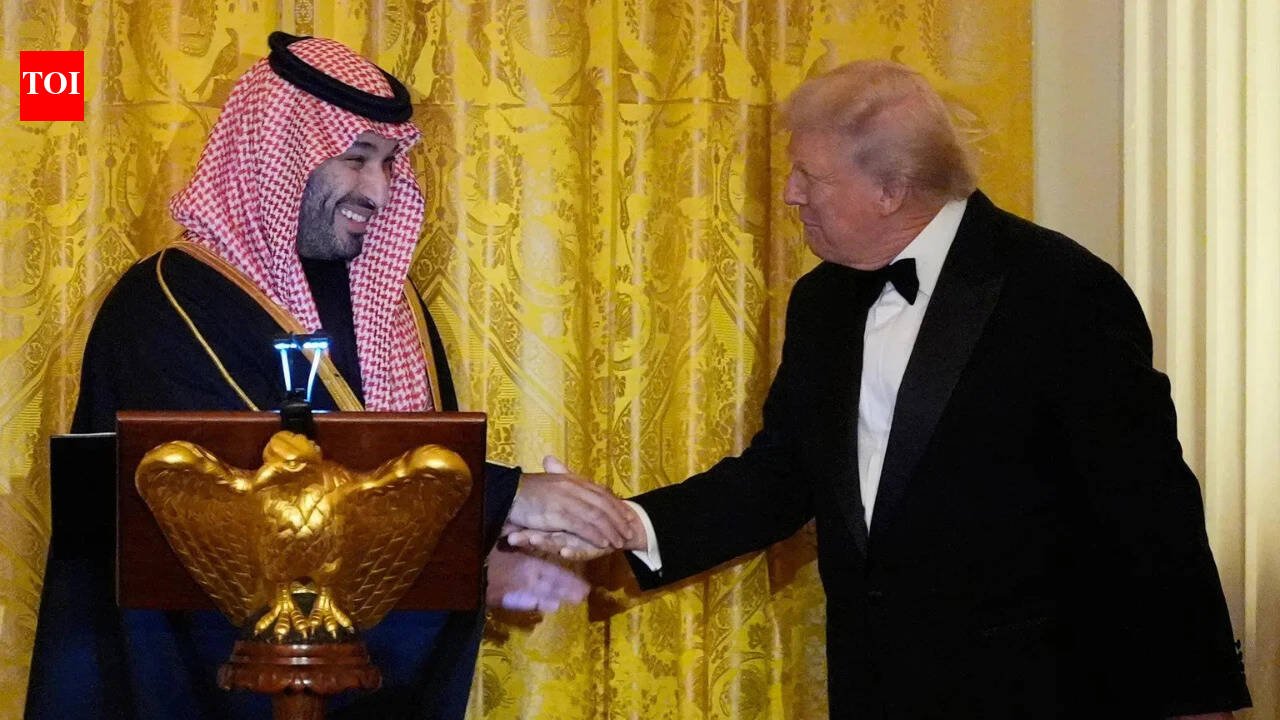
As Iran mourns the death of its Supreme Leader, Ayatollah Ali Khamenei, fresh details have surfaced about Saudi Arabia’s alleged behind-the-scenes role in the US strike on Iran. A report by The Washington Post claims that Saudi Crown Prince Mohammed bin Salman held multiple private calls with US President Donald Trump, urging him to launch military action against Tehran.Citing four people familiar with the matter, the report said that even as Riyadh publicly backed a diplomatic solution, the crown prince privately pressed Trump to act. The US, with Israel’s support, subsequently carried out strikes in Iran that resulted in Khamenei’s death.

‘WILL GO ALL-OUT’: Saudi Leads Arab Fury As Missiles Bombard 5 Gulf States Amid Iran Vs Israel-War

After negotiations between US envoy Steve Witkoff, Trump’s son-in-law Jared Kushner, and Iranian officials, Saudi Arabia publicly stated that it would not permit its airspace to be used for strikes on Iran. This announcement followed reported phone conversations between the crown prince and Iran’s President Masoud Pezeshkian.However, in his conversations with US leaders, Mohammed bin Salman reportedly argued that failing to strike Iran immediately would allow Tehran to grow stronger and more dangerous. He is said to have warned that Iran now commands one of the largest military footprints in the Middle East since the 2003 US invasion of Iraq.His brother, Saudi Defence Minister Khalid bin Salman, echoed these concerns during closed-door meetings with US officials, cautioning about the potential consequences of inaction.According to the report, US intelligence assessments had indicated that Iran was unlikely to pose an immediate threat to the United States over the next decade. Despite its adversarial stance toward Tehran, Washington had until then refrained from launching a full-scale strike.The Saudi leader is currently performing a delicate diplomatic balancing act.The Saudi crown prince is torn between protecting his nation’s sensitive oil industry from Iranian attacks and managing a deep-seated rivalry with a country he considers his primary regional enemy, according to the sources cited by The Washington Post.This tension is the latest chapter in a long-standing power struggle. The two nations—Sunni-led Saudi Arabia and Shiite-led Iran—have spent years competing for influence, often clashing through indirect “proxy wars” across the Middle East.


Source link

President Murmu to launch free pink mobility card for women in Delhi | India News


President Murmu to launch free pink mobility card for women in Delhi

The Delhi government will launch a Pink National Common Mobility Card (NCMC) on Monday, aimed at providing free bus travel to women in the national capital and enabling seamless access to multiple public transport systems through a single smart card.The scheme will be formally launched by President Droupadi Murmu at a programme titled “Sashakt Nari, Samriddh Delhi” at the Indira Gandhi Indoor Stadium, according to a statement.At the same event, the President will also formally launch a scheme to provide two free LPG cylinders annually to all ration card-holding families in Delhi on the occasions of Holi and Diwali.According to Chief Minister Rekha Gupta, the benefit will be provided through Direct Benefit Transfer (DBT).An amount equivalent to the prevailing price of one LPG cylinder will be credited to the Aadhaar-linked bank account of the head of the family in whose name the ration card has been issued, the statement stated.It stated that the scheme is expected to cover approximately 1.55 million ration card-holding families to ease the financial burden of cooking fuel expenses and enable families to celebrate festivals with dignity and comfort.Gupta said the Pink Card would allow women residents of Delhi to travel free of cost on Delhi Transport Corporation (DTC) buses, while also being usable for paid travel on the Metro, Regional Rapid Transit System (RRTS) and other public transport services.She said the initiative is designed to make public transport more accessible and digital, while reducing daily travel costs for women and improving access to education, employment and healthcare.Under the scheme, three types of mobility cards will be issued — Pink for eligible women residents, Blue for general commuters and Orange for monthly pass users, the statement stated.In the first phase, Pink and Blue cards will be rolled out, with the Orange card to follow later, it added.The Delhi Transport Corporation has authorised Hindon Mercantile Limited (MufinPay) and Airtel Payments Bank Limited to issue the cards, it stated.The cards will be integrated with the existing Automatic Fare Collection System across Delhi’s public transport network, it stated and added the Pink Card will be provided free of cost, with expenses borne by the Delhi government.As per the statement, around 50 centres, including District Magistrate and Sub-Divisional Magistrate offices and selected DTC locations, will be set up for card issuance. Minimal documentation will be required to ensure a simple and transparent process.Each Pink Card will be linked to the beneficiary’s mobile number and Aadhaar to verify age, gender and Delhi residency, it stated.The Pink Card will replace the existing paper-based pink tickets, offering touch-free travel, digital records of journeys and improved transparency in revenue accounting, it mentioned.It added that selected women beneficiaries will be handed over the Pink NCMC cards at the launch event, marking a key step towards a more integrated and women-friendly public transport system in the capital.

‘Prachand’ Moment: President Murmu Flies in Indigenous Combat Helicopter Near India-Pak Border


Source link

Access Denied


Access Denied

You don’t have permission to access “http://www.ndtv.com/world-news/iran-news-iran-israel-4-dead-in-fresh-iran-strikes-on-israels-beit-shemesh-in-response-to-khameneis-killing-11154470” on this server.

Reference #18.14f63717.1772373653.279d8bc

https://errors.edgesuite.net/18.14f63717.1772373653.279d8bc


Source link

Israel-US strike on Iran: PCB confirms ODI match cancelled in Abu Dhabi amid Middle East tensions | Cricket News


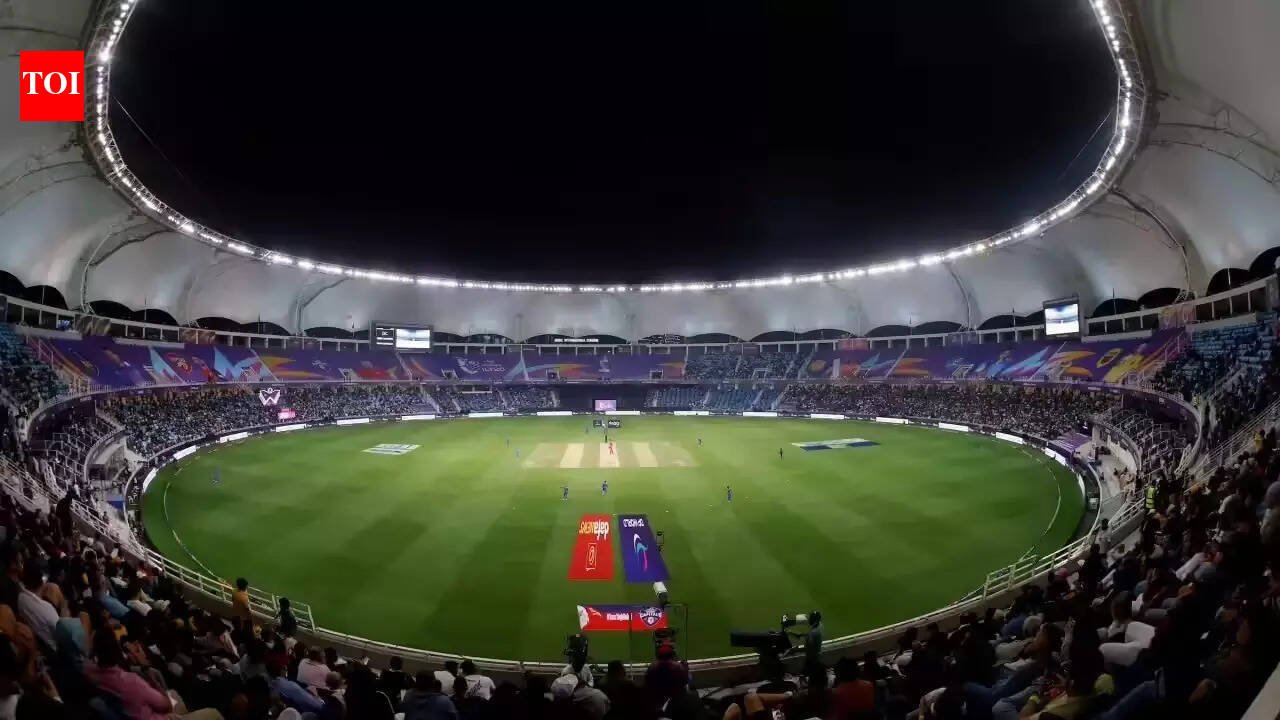
Dubai cricket stadium (File photo)

The second unofficial one-day match between Pakistan Shaheens and England Lions in Abu Dhabi, scheduled for Sunday, was called off after security concerns in the region intensified“The safety and security of our teams and staff is our top priority,” the ECB said in a statement.“Tomorrow’s second ‌50-over game between England Men’s Lions and Pakistan Shaheens in Abu Dhabi will no longer go ahead, and we ‌are delaying the departure of England Women for their proposed trip to Abu Dhabi next week.”.Pakistan Cricket Board also confirmed that the match scheduled for the day had been cancelled and that players and team officials were told to stay inside their hotel as a precaution.The move followed advice from the England and Wales Cricket Board amid the situation in Abu Dhabi.“There will be no practice session as well and the team has been advised to remain indoors,” the PCB said in a statement, adding that the safety and security of players and support staff remains the top priority.The PCB remains in contact with the ECB and is monitoring developments.A decision on the remaining matches will be taken after the Middle East airspace reopens. The board will decide whether the Shaheens squad should return to Pakistan or continue with the series, depending on the security situation.The disruption comes after coordinated military strikes by the United States and Israel on Iran on February 28. Tehran responded with missile fire across parts of the Gulf, leading several countries to close or restrict their airspace.The United States and Israel carried out the offensive on Saturday, with US President Donald Trump urging the Iranian public to remove its leadership.The strikes led to airspace closures in parts of the Gulf and affected international airlines, including Emirates and Air India.Air India said it has cancelled all flights to and from major Gulf cities — Abu Dhabi, Dammam, Doha, Dubai, Jeddah, Muscat, Riyadh and Tel Aviv — until further notice.Dubai International Airport has suspended operations indefinitely due to airspace restrictions following the missile strikes.


Source link

T20 World Cup 2026: Dewald Brevis shine South Africa’s emphatic win over Zimbabwe


In their last Super 8 match of the ICC Men’s T20 World Cup 2026, South Africa secured a convincing five-wicket victory over Zimbabwe at the iconic Arun Jaitley Stadium in Delhi. Chasing a competitive target of 154, the Proteas reached the finish line in just 17.5 overs, thanks largely to a dazzling knock from Dewald Brevis. The young star’s explosive innings tilted the contest firmly in South Africa’s favour, underlining their championship credentials.

Sikandar Raza steers Zimbabwe to a competitive total

Zimbabwe captain Sikandar Raza won the toss and elected to bat first, hoping to capitalize on favourable afternoon conditions. However, early breakthroughs by South Africa’s pace attack kept the scoring in check during the powerplay. Zimbabwe managed 45 runs in the mandatory overs but lost crucial wickets at regular intervals.

Tadiwanashe Marumani departed early, bowled by Kwena Maphaka for 7. Brian Bennett showed intent with a quick 15, but his stay was cut short by Anrich Nortje. Dion Myers struggled to accelerate and fell to George Linde, leaving Zimbabwe at 66/3.

The innings found stability through Sikandar Raza, who played a captain’s knock of 73 off 43 deliveries. His innings was laced with powerful stroke play, including 8 fours and 4 sixes that kept the scoreboard ticking. Raza formed useful partnerships, notably adding 38 runs alongside Myers and later stitching a crucial 39-run stand with Clive Madande.

Madande’s unbeaten 26 off 20 balls added valuable late runs, pushing Zimbabwe to 153/7 at the end of 20 overs. South Africa’s bowlers shared the spoils, with Maphaka and Corbin Bosch claiming two wickets ecach while Nortje, Linde and Lungi Ngidi chipped in effectively. The Proteas maintained pressure through disciplined bowling and sharp fielding, restricting Zimbabwe to a modest total on a batting-friendly surface.

Dewald Brevis ignites South Africa’s run chase

South Africa’s chase began on a shaky note. Quinton de Kock fell cheaply for a duck, dismissed by Sikandar Raza in the opening over. Captain Aiden Markram also struggled for fluency and was bowled by Raza for 4, leaving the Proteas at 14/2.

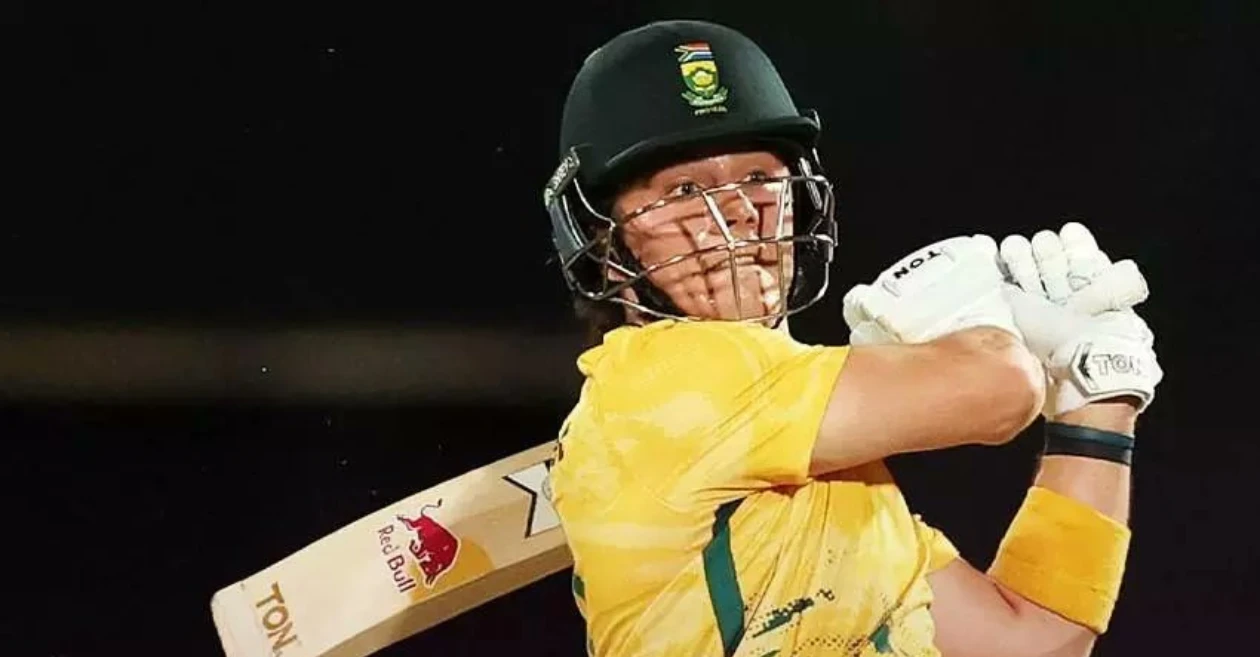
Ryan Rickelton and Brevis then steadied the innings with a crucial partnership for the third wicket. Rickelton contributed a solid 31 off 22 balls before falling to Brad Evans. However, it was Brevis who stole the spotlight with an electrifying 42 off just 18 deliveries, striking at an astonishing rate of 233.33.

Brevis’ innings was packed with innovation and power. He dismantled Zimbabwe’s bowling attack with fearless stroke play, targeting both pace and spin. His aggressive approach during the middle overs shifted momentum decisively. Even after David Miller’s dismissal for 22, the required rate remained comfortably within reach.

Raza attempted to pull Zimbabwe back into the contest with figures of 3/29, but the damage was already done. Tristan Stubbs remained composed with an unbeaten 21, while Linde provided the finishing touch with a quickfire 30 not out. Their unbroken 53-run stand ensured South Africa crossed the line with 13 balls to spare.


Source link

Access Denied


Access Denied

You don’t have permission to access “http://www.ndtv.com/world-news/i-am-truly-not-worthy-how-khamenei-responded-after-becoming-iran-s-supreme-leader-in-1989-11154410” on this server.

Reference #18.34a21ab8.1772372207.408adbd

https://errors.edgesuite.net/18.34a21ab8.1772372207.408adbd


Source link

‘Very disturbing’: Thousands of Indians stuck in Iran and Gulf as Middle East conflict escalates | India News


‘Very disturbing’: Thousands of Indians stuck in Iran and Gulf as Middle East conflict escalates

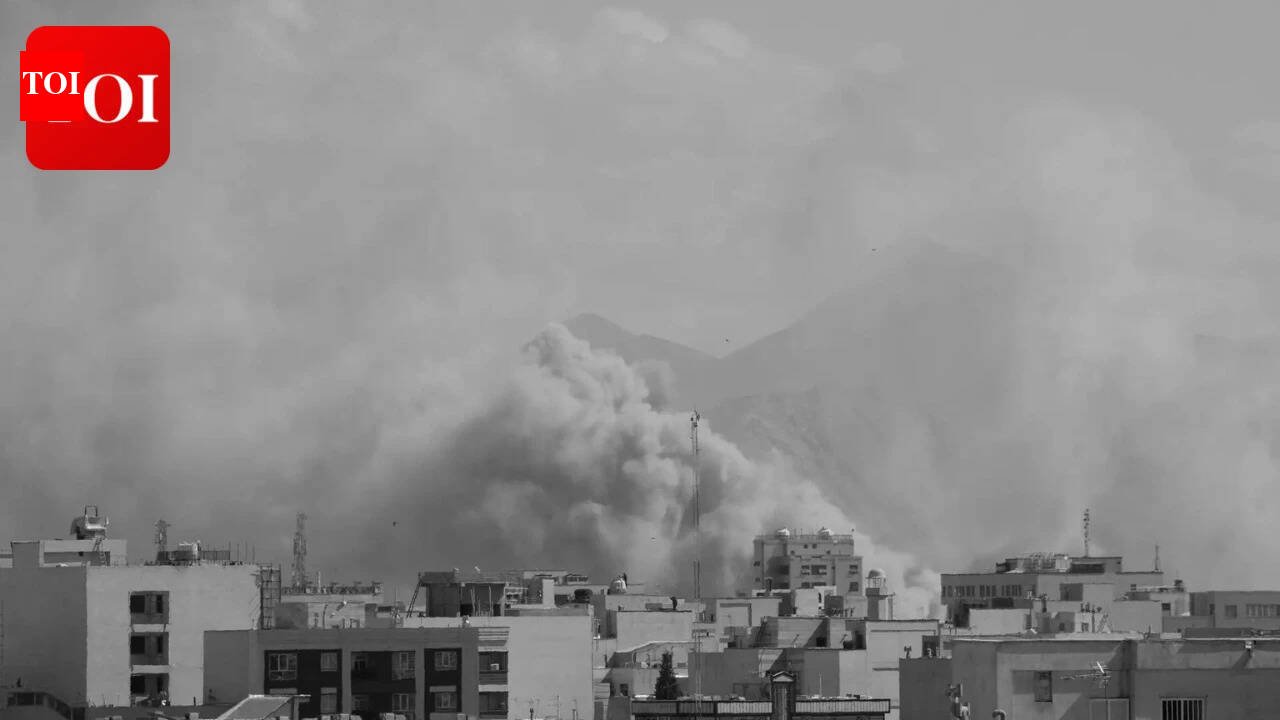
Strikes in Iran (AP photo)

The Middle East is plunged into turmoil following joint US-Israel missile strikes on Iran, which killed Supreme Leader Ayatollah Ali Khamenei, triggering retaliatory attacks and widespread instability across the region. The conflict has disrupted air travel, forced airport closures, and prompted India to issue urgent advisories urging its citizens in Iran, Israel, and Gulf countries, including the UAE, to exercise utmost caution.

Indian students in Iran

Around 3,000 Indian students are said to stuck in Iran, including nearly 2,000 from Jammu and Kashmir. About 1,100–1,200 remain in conflict zones. Nasir Khuehami, National Convenor of the Jammu and Kashmir Students Association, told ANI that a formal request has been sent to PM Modi for immediate evacuation. “This morning, we saw that after the conflict between Iran and Israel, in which Israeli forces attacked Iran, our citizens there, especially Indian students and Indian citizens who have studied and worked there for many years, are very worried... Their families, particularly those in the Kashmir Valley, are very frightened, anxious, and in distress. The number of students from the Kashmir Valley is the highest. There are around 3,000 Indian students, and among them, around 2,000 Kashmiri students… Still, our 1100-1200 students are there… They want us to evacuate them immediately… Today, we wrote a letter to PM Modi, in which we requested him to launch a full-fledged evacuation operation so that our stranded citizens can be evacuated immediately. The Government of India should open diplomatic channels and raise the issue with their counterparts,” he said.Till then, students have been advised to move to safer locations and stay indoors, by the MEA.Follow live updates on the situation in Iran, Middle East

Students plead to government

Several Indian students stuck in Iran shared their ordeal, urging Indian government to help evacuate.Ayesha, an Indian student, stranded in Iran said that she was forced to stay to avoid failing her exams. “We all are cut off from the internet. We are hearing bomb sounds every 15 minutes. It is very disturbing here. When our embassy gave us the advisory to leave Iran, our university didn’t cooperate. They said if you leave, you will fail… Universities, hospitals, and everything is closed for 15 days right now. We are very thankful to the embassy; we are in contact with them... They are also helpless right now because the airspace is banned here from every country. We are not able to evacuate,” she said.Another Indian student in Tehran made a plea to the Indian government for immediate evacuation. She said, “I am an Indian student and currently I’m in Tehran. The situation here feels really bad and uncertain. We really don’t know what’s going to happen next. We are very grateful that the Government of India and the Ministry of External Affairs are in discussions regarding our safety, but in times like these, speed matters a lot. I am not even able to speak properly because air strikes are happening and the situation is getting worse for us. We request a quicker and clear evacuation as soon as possible. Please do not wait for the situation to get worse. Just help us. Please get us out of here as soon as possible.”“Air strikes since morning, we are stuck,” said an Indian student in Iran urging India to start evacuation.

Indians stranded in UAE and Gulf countries

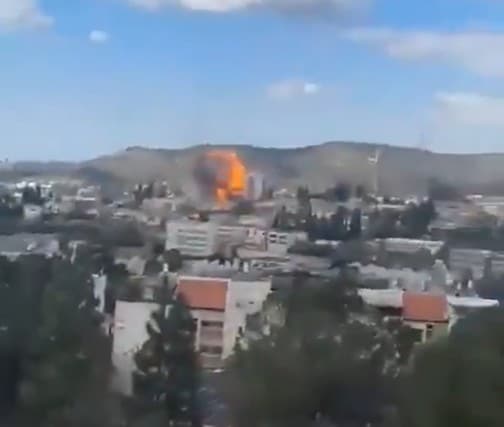
Several travellers from Madhya Pradesh had gone to Dubai and Sharjah for tourism and business purposes when the crisis erupted. In the UAE, over 700 people from Madhya Pradesh, including former MLA and BJP leader Sanjay Shukla, are unable to return due to cancelled flights and temporary airport shutdowns.Shukla shared a video on social media showing smoke from explosions kilometres away and appealed to PM Narendra Modi for assistance, adding that his son is also stranded with him. Former Depalpur MLA Vishal Patel and other travellers are similarly waiting for the situation to normalise before returning to India.Also read: Oil tanker hit near Oman in Strait of Hormuz; 15 Indians evacuated

Government response and advisories

The Ministry of External Affairs (MEA) has issued urgent advisories for Indians in the conflict-hit region. Indian embassies in Tehran and Tel Aviv have established 24×7 helplines and are coordinating with local authorities. Assam’s government is in touch with the MEA to track residents from the state who are living or stranded in West Asia and gather information on their status.Meanwhile, in its official stance, India urged restraint, dialogue, and protection of civilian lives amidst escalating hostilities.

Aviation and maritime precautions

Airlines have been instructed to monitor airspace advisories and reroute or cancel flights as needed. The Ministry of Ports, Shipping, and Waterways has also warned Indian seafarers to exercise extreme caution in Iranian waters and nearby regions. Companies and maritime stakeholders are being asked to report the status of Indian crew members to authorities promptly.Meanwhile, air travel disruption continues as tensions escalate in the Middle East, affecting flights to and from the region, prompting aviation ministry to issue advisory. “In view of airspace restrictions arising from geopolitical developments in the Middle East, a total of 350 flights operated by Indian domestic carriers have been cancelled on 01.03.2026. Passengers are advised to check their flight status with the concerned airlines and remain in close coordination with them for any required assistance. The Ministry of Civil Aviation is in close coordination with airlines, airport operators and other stakeholders to proactively monitor the situation and facilitate necessary passenger support.,” it said.


Source link

‘Extremely critical’: Former India coach pins hopes on Jasprit Bumrah and Varun Chakaravarthy | Cricket News


'Extremely critical': Former India coach pins hopes on Jasprit Bumrah and Varun Chakaravarthy
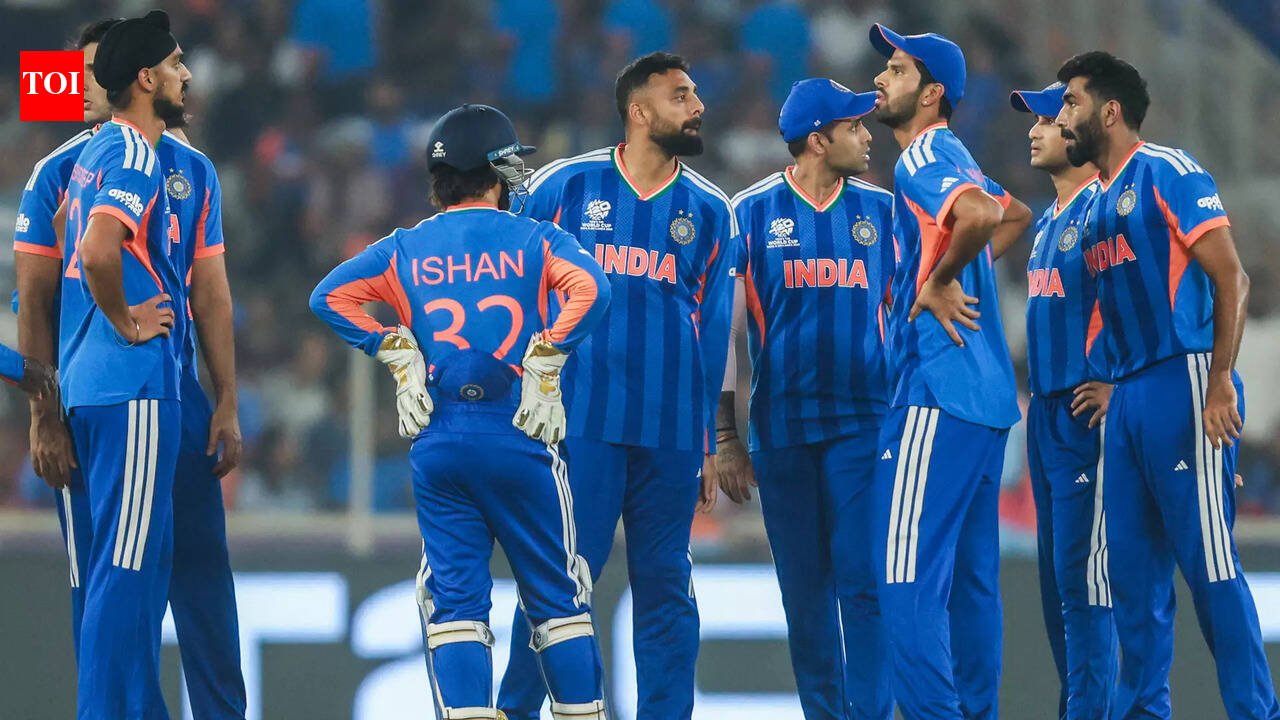
India’s Varun Chakaravarthy with his teammates (ANI Photo)

As India brace for a knockout Super 8 showdown against the West Indies in Kolkata, former batting coach Sanjay Bangar has underlined the need for discipline with the ball against a Caribbean side known for fearless strokeplay.The contest revives memories of their 2016 T20 World Cup semi-final meeting in Mumbai and carries similar high stakes. Analysing the challenge on JioHotstar, Bangar pointed to the unpredictable nature of T20 cricket and the attacking mindset of West Indies batters.

India vs West Indies: Greenstone Lobo predicts fate of do-or-die World Cup clash

“In T20 cricket, you have to be open to getting hit because batters will come hard at you. There are times when they may get off to a rollicking start and could be 60 without loss. But with that aggressive style and focus on boundaries, they can quickly slip to 84 for 4 as well, within the space of 20-odd runs.”India will look towards experienced campaigners such as Jasprit Bumrah and Varun Chakaravarthy to curb the power-hitting threat and seize momentum through timely breakthroughs. Bangar emphasised that clarity in execution would be decisive.“That’s why I believe the Indian team should stick to their bowling plans and make smart use of their wicket-taking options. The use of Varun Chakaravarthy and Jasprit Bumrah against them is going to be extremely critical,” Bangar added.He also offered technical advice for Chakaravarthy, who has seen a slight dip in returns during the Super 8 phase, particularly after his spell against Zimbabwe.“I thought he was slightly short against the Zimbabwe batters. The majority of his deliveries were back of a length, and many of the boundaries scored came from that area. So, I think it would be better for him to push the ball slightly fuller and try to hit the stumps. That has been one of Varun Chakaravarthy’s strengths; if the batsman misses, he is either trapped leg before wicket or bowled.”Bangar further broke down how Chakaravarthy could counter the in-form Shimron Hetmyer.“Hetmyer looks to target long-on or the mid-wicket region, with a large share of his runs coming in that region. So, bowling those googlies from off-stump to the fourth-stump line, slightly wider outside off, would mean that if he tries to go across the line, there is always a wicket-taking opportunity for Varun Chakaravarthy,” Bangar added.Hetmyer has been West Indies’ standout performer, amassing 221 runs in six innings at an average of 44.20 and a strike rate of 182.64, including two half-centuries. Meanwhile, Chakaravarthy remains India’s leading wicket-taker in the tournament with 11 scalps at an average of just over 13, despite a quieter Super 8 stretch.With a semi-final place at stake, India’s ability to blend patience with precision in their bowling plans could define the outcome of this high-pressure encounter.


Source link

Israel army destroys two Iranian jets ready to take off — watch


Israel army destroys two Iranian jets ready to take off — watch

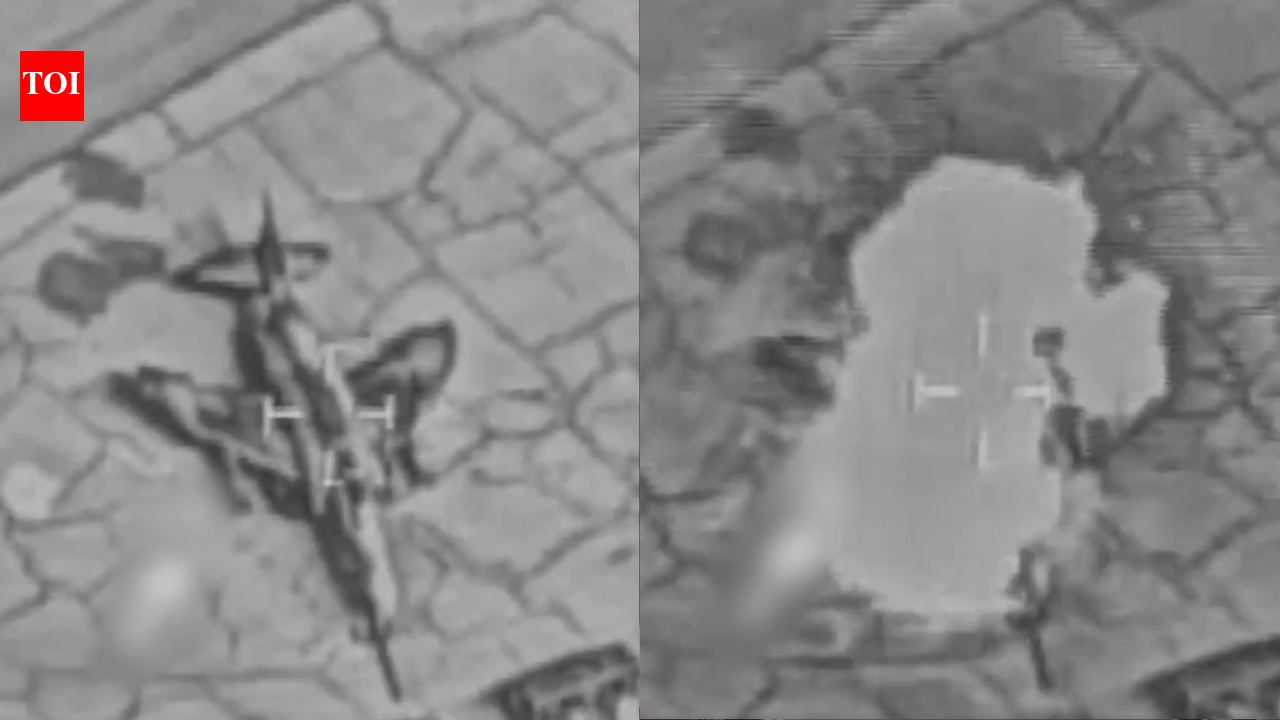
The Israel Defense Forces (IDF) said on Sunday that it destroyed two Iranian fighter jets that were ready to take off from Tabriz airport in western Iran, as hostilities between the two countries continue to escalate.In a statement posted on X, the IDF said the aircraft targeted were F-4 and F-5 fighter jets positioned for immediate departure.The military also shared a video on X showing what looks like precision strikes hitting the two aircraft, followed by explosions. “The Air Force attacked two ready-to-take-off F5 and F4 fighter jets of the Iranian terrorist regime,” the IDF said.It went on to say it continues to attack on what it called “Iranian terrorist regime in order to harm the regime” to eliminate threats to state of Israel. “Air Force aircraft recently attacked two ready-to-take-off F5 and F4 fighter jets of the Iranian terrorist regime at an airport in Tabriz, western Iran. The attack was carried out in order to harm the activities of the Iranian Air Force and to deepen the damage to the regime’s defense systems. The IDF continues to attack the infrastructure of the Iranian terrorist regime in order to harm the regime and thwart threats to the rear of the State of Israel,” the post said. The attacks began early Saturday after Israel and the US carried out joint strikes in Iran calling it Operation Epic Fury. This strike marks the latest in a series of exchanges between Israel and Iran following recent air raids and retaliatory missile attacks. Military analysts say targeting aircraft on the ground can significantly affect operational readiness, particularly when tensions remain high across multiple fronts.There was no immediate comment from Iranian authorities on the reported strike at Tabriz airport.


Source link