Breaking News
‘Crumbling empire’: What Khamenei said about US in his last public speech

'Crumbling empire’: What Khamenei said about US in his last public speech

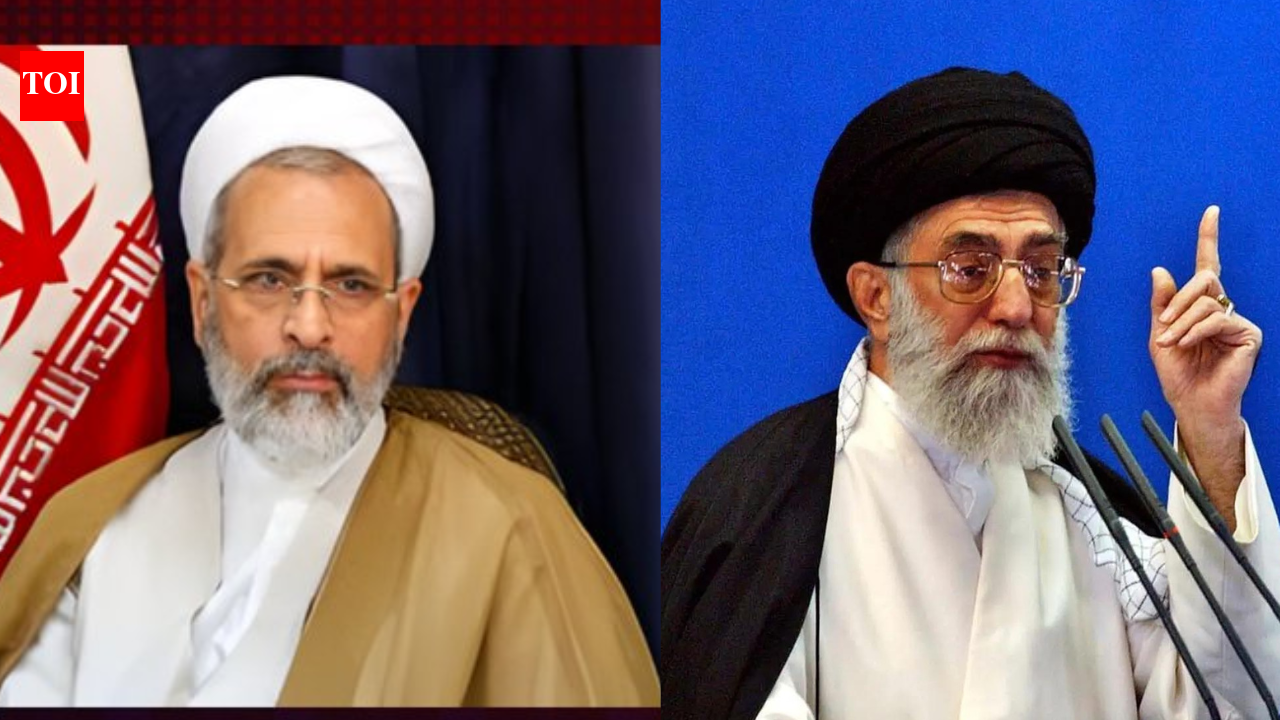
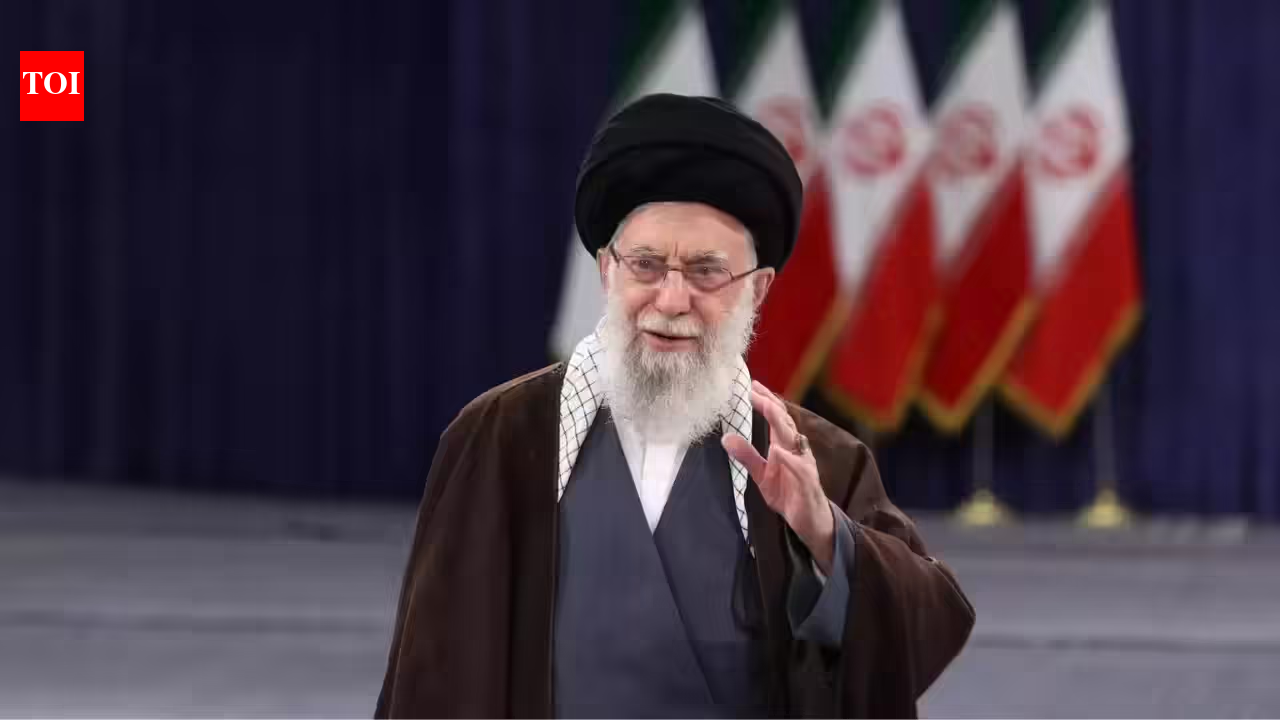
As Iran and much of the world reels from the killing of Supreme Leader Ayatollah Ali Khamenei in joint US–Israel strikes early Sunday, his final public speech has come under spotlight. Delivered on February 17, just over ten days ago, Khamenei’s address included sharp warnings against the United States and Israel, reflections on unrest inside Iran, and references to Iran’s history.He directly criticised the US, calling it a “crumbling empire” and asserting that America was in decline. “It’s a system that is truly in decline. It’s an empire that’s heading toward a collapse,” he said. He rejected pressure over Iran’s defence capabilities and nuclear programme, adding: “The problem we have with the United States is that they want to devour Iran, and the Iranian nation is preventing them. The Islamic Republic stands in their way.” On American threats, he added pointedly: “You, too, won’t be able to do such a thing,” referring to eliminating the Islamic Republic.

‘TRY IT, WE GO ALL-OUT’: Khamenei’s Big Dare To Trump, Tehran Signals ‘TOTAL WAR’ | Watch

Follow live updates on aftermath of Khamenei’s death hereThe speech was delivered in East Azerbaijan Province, on the eve of the anniversary of the 1978 Tabriz uprising, when protests against the Shah had erupted. “Over the course of time during the era of the Revolution, whenever I have traveled to Tabriz or other cities in Azerbaijan, I’ve felt that there was a particular distinction – a certain superiority – in the feelings, outlook, and perspective of these people. It’s something that is seen less frequently elsewhere. That very event which took place on the 29th of Bahman, 1356 (Feb. 18, 1978), is a historical marker that mustn’t be forgotten at all,” he said, in what became his final public speech. He also spoke of a more recent episode of unrest, roughly 40 days prior, which he described as a “coup attempt.” He alleged that foreign intelligence agencies, including those of the US and Israel, had orchestrated the unrest to target sensitive military and governmental sites. “My dear ones! What took place was a ‘coup’ that was defeated,” Khamenei said. “It wasn’t the case that a group of young or old people became angry somewhere… No, it was much more than that. It was a coup attempt, but this coup was crushed under the feet of the Iranian nation.” He claimed security forces, the Basij, the IRGC, and ordinary citizens had foiled the plot, preventing the seizure of key institutions, including the national broadcaster IRIB.
.

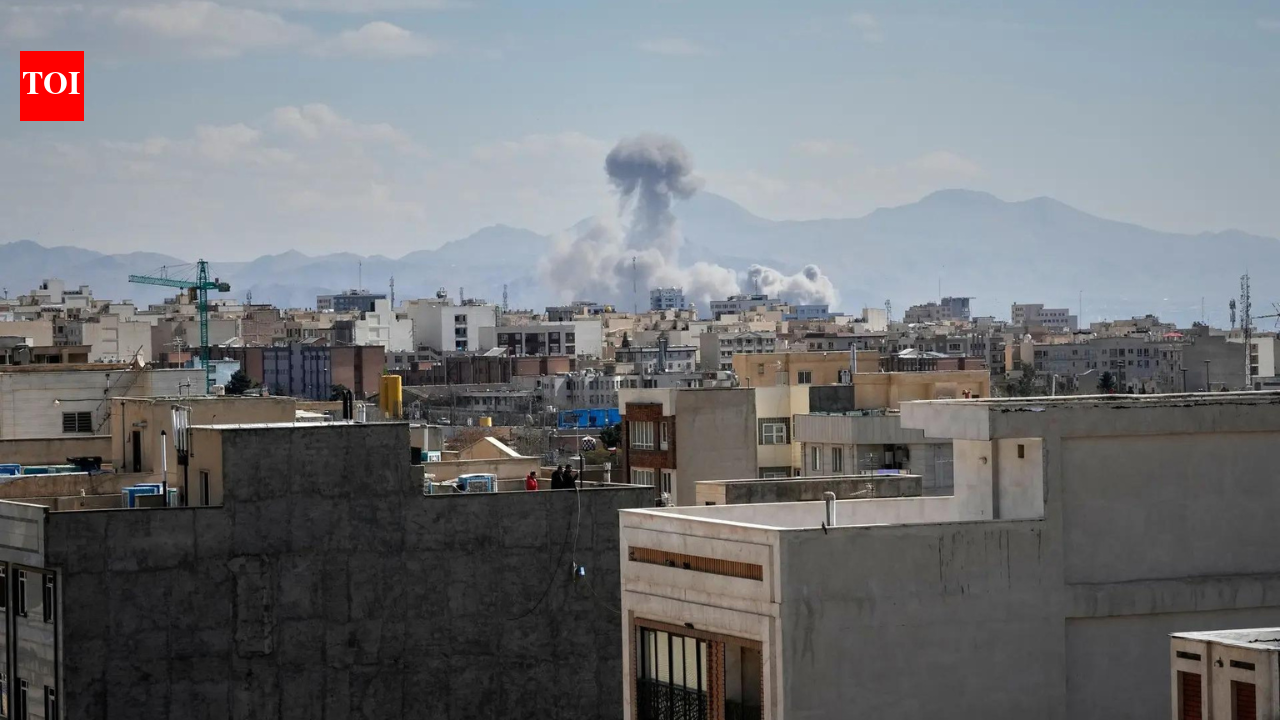
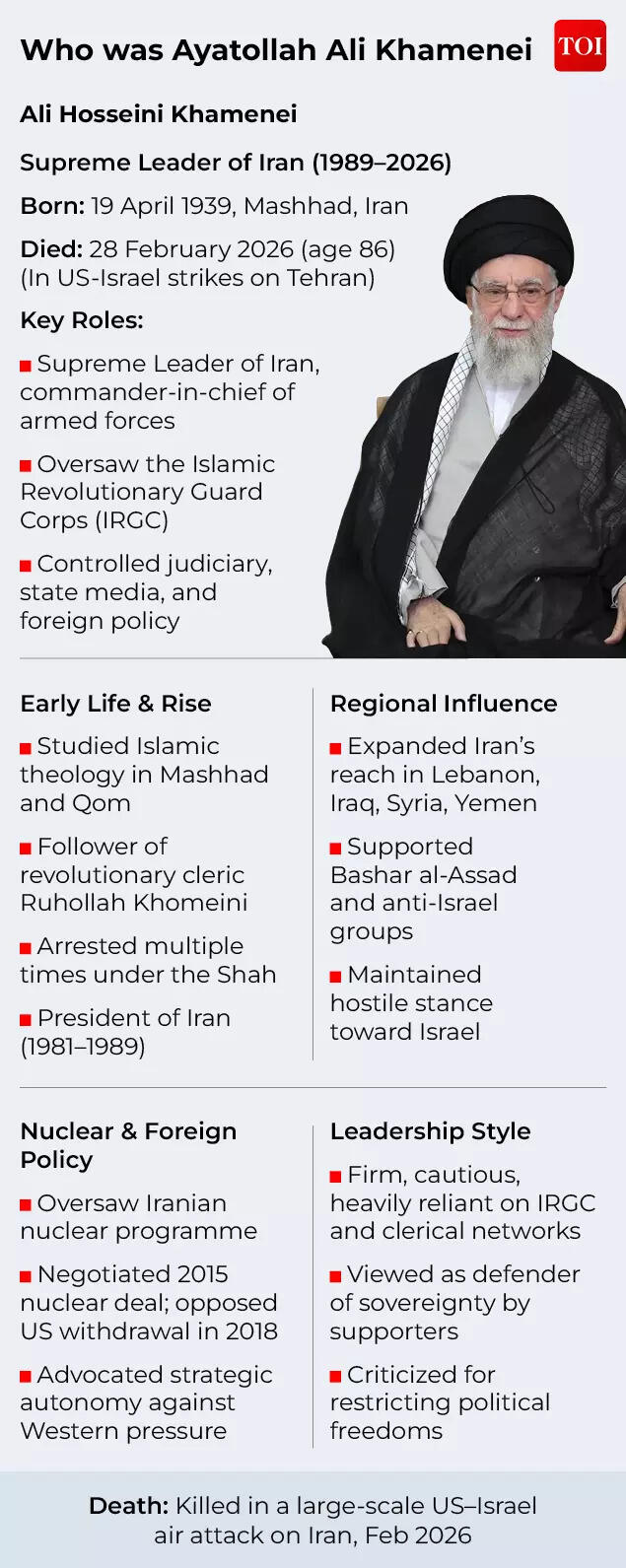
Iran’s Supreme Leader Ayatollah Ali Khamenei, 86, was killed in a precise US–Israel airstrike on his central leadership compound in Tehran, the Israeli Defence Forces confirmed. The operation, targeting Khamenei and senior officials, ended decades of his rule, during which he commanded Iran’s armed forces, oversaw domestic repression, and directed regional proxy networks. Iranian authorities acknowledged the strike, with transitional oversight assigned to the president, judiciary chief, and a Guardian Council jurist.


Source link

3 found dead in Surat flat: Family including their 9-year-old daughter die by suicide; here’s what unfolded before tragedy | Surat News


The deceased were identified as Balmukund Khetan, his wife Priyanka Khetan, and their nine-year-old daughter Bhavya Khetan

SURAT: Days after a mass suicide shocked Surat, the man accused of pushing the Khetan family to the brink has been arrested in Delhi. Vaibhav Rungta was detained after police recovered a three-page suicide note and recorded testimonies in the case. Three members of a family — including a share trader, his wife and their elder daughter — died by suicide at their apartment in the posh Vesu locality.The incident came to light after the victim left behind a suicide note alleging prolonged harassment by a man, police said. The deceased were identified as Balmukund Khetan, his wife Priyanka Khetan, and their nine-year-old daughter Bhavya Khetan. The family lived at Happy Elegance society. The couple’s younger daughter, Pathvi (7), survived. According to police, on Tuesday evening Priyanka called her father, Sanjay Agrawal, a textile trader, and informed him that Khetan had consumed pesticide. When Agrawal rushed to the apartment, he found all four family members unconscious. Neighbours alerted emergency services, and medical teams reached the spot. Khetan was declared dead, while the other three were shifted to a private hospital, where Priyanka and Bhavya later succumbed during treatment. Police recovered a suicide note in which Khetan alleged harassment by Rungta. The note claimed that Rungta had used Khetan’s credit card to purchase clothes, a mobile phone and other items, withdrawn cash, and borrowed a two-wheeler that was never returned. When Khetan reportedly demanded repayment and the return of the vehicle, Rungta allegedly threatened and harassed him. Based on a complaint filed by Agrawal, Vesu police registered a case of abetment to suicide and criminal intimidation and launched an investigation. During the probe, police also found that Khetan had mentioned his pet dog in the suicide note, expressing concern about its future and suggesting arrangements for its rehabilitation. Investigators further learnt that Rungta visited the victim’s residence after learning about the incident.

Banner Insert


Source link

Former Pakistan cricketers react after Men in Green knocked out of T20 World Cup 2026


Pakistan’s campaign at the ICC Men’s T20 World Cup 2026 came to a dramatic yet painful end on Saturday night, as the Men in Green were knocked out despite defeating Sri Lanka at the Pallekele International Cricket Stadium.

In a match filled with explosive batting, tense calculations, and last-over drama, Pakistan did what they could — but not enough. The shortfall in net run rate ultimately denied them a semi-final berth, leaving fans and former cricketers fuming back home.

Batting brilliance but margin heartbreak

Coming into the crucial Super Eights clash, Pakistan needed more than just a win. Sitting third in Group 2, they had to beat Sri Lanka by a significant margin to leapfrog New Zealand on net run rate.

Asked to bat first by Sri Lankan skipper Dasun Shanaka, Pakistan responded with intent. The new opening pair of Sahibzada Farhan and Fakhar Zaman unleashed an attacking masterclass, stitching together a stunning 176-run stand.

Zaman smashed 84 off just 42 deliveries, peppering the boundary ropes with nine fours and four towering sixes before falling in the 16th over. Farhan, however, carried on to complete a magnificent century — 100 off 60 balls — a knock that blended elegance with power. Pakistan finished with a formidable 212/8 in 20 overs. The equation was clear: restrict Sri Lanka to 147 or below to secure a semi-final spot.

Sri Lanka’s reply kept Pakistan alive in the contest but alive in anxiety too. The hosts kept chipping away, and with the qualification equation tightening, every run became crucial. Eventually, Sri Lanka crossed the 147 run mark without getting all out and hence denying Pakistan a chance to book a place in the semis. Though Pakistan ended up winning the contest but it was a victory on paper and a defeat in reality.

Ahmed Shehzad questions direction

Former Pakistan opener Ahmed Shehzad did not mince his words on social media. He expressed frustration over what he described as a lack of progress under the current setup.

Shehzad criticised the constant shuffling of the batting order and alleged that team selections were influenced by external pressures rather than cricketing logic. He pointed out that promises of building a strong middle order had failed to materialize, calling the last three years a period of stagnation instead of growth.

“Pakistan is officially out of the World Cup. We supported you when you backed youngsters in the Asia Cup. You promised a strong middle order, but everything changed, not for balance, but to adjust your own people and bow to social media pressure. Three years of this setup, and still no progress. How much more time do you need? We’re not improving. We’re falling,” Shehzad wrote on X as quoted by Geonews.

Mohammad Yousuf and Shahid Afridi demand accountability

Former captain Mohammad Yousuf used sharp sarcasm to sum up the mood. Reflecting on bold pre-tournament claims about reaching the final, he likened the campaign to “the final moments of a sinking ship,” urging serious introspection while hinting that domestic leagues might soon shift public focus.

“We were loud and clear in declaring we were headed for the finals. Turns out, they meant the final moments of a sinking ship. Do we even have enough life jackets, or is this just another Titanic? No worries! #PSL is around the corner, and this embarrassment will soon be forgotten as pride rises again,” Yousuf said.

Meanwhile, ex-skipper Shahid Afridi called for structural reform. He questioned how a cricket-loving nation of over 240 million people continues to struggle at the highest level. Afridi demanded accountability from management and administrators, insisting that Pakistan must rediscover its competitive edge.

“This is a moment to reflect on the future of cricket in Pakistan. How is a nation of our population producing just eleven subpar players at the highest level? Who will take responsibility for restoring the pride and standard of Pakistan national cricket team?,” wrote Afridi.

Also READ: Fans erupt as Sahibzada Farhan outduels Dasun Shanaka but Pakistan’s semifinal dream ends in T20 World Cup 2026

Shoaib Akhtar raises questions on selection

Former speedster Shoaib Akhtar echoed similar concerns on a television show, criticizing recent team combinations. He pointed out that players like Saim Ayub could have offered balance, and questioned why natural roles were ignored earlier in the tournament. According to Akhtar, the strong performances of Fakhar, Farhan, and Abrar Ahmed in this match exposed earlier selection flaws.

“Pakistan’s management looks completely clueless. Today’s team selection only confirmed that the XI picked over the last 15 days was wrong. There was one clear error — Saim Ayub should have played instead of Khawaja Nafay. Saim could have contributed with the ball as well. This selection showed that when you pick the right players for the right roles, they perform. Fakhar Zaman is a natural opener, yet he wasn’t played earlier. Today, Farhan, Fakhar and Abrar all delivered. That tells you everything,” Akhtar said on Tapmad.

Also READ: T20 World Cup 2026: Final-over wide triggers debate in Pakistan vs Sri Lanka Super 8 clash


Source link

Israel-US strike on Iran: PCB confirms ODI match cancelled in Abu Dhabi amid Middle East tensions | Cricket News


Israel-US strike on Iran: PCB confirms ODI match cancelled in Abu Dhabi amid Middle East tensions
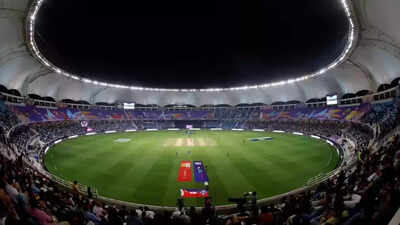
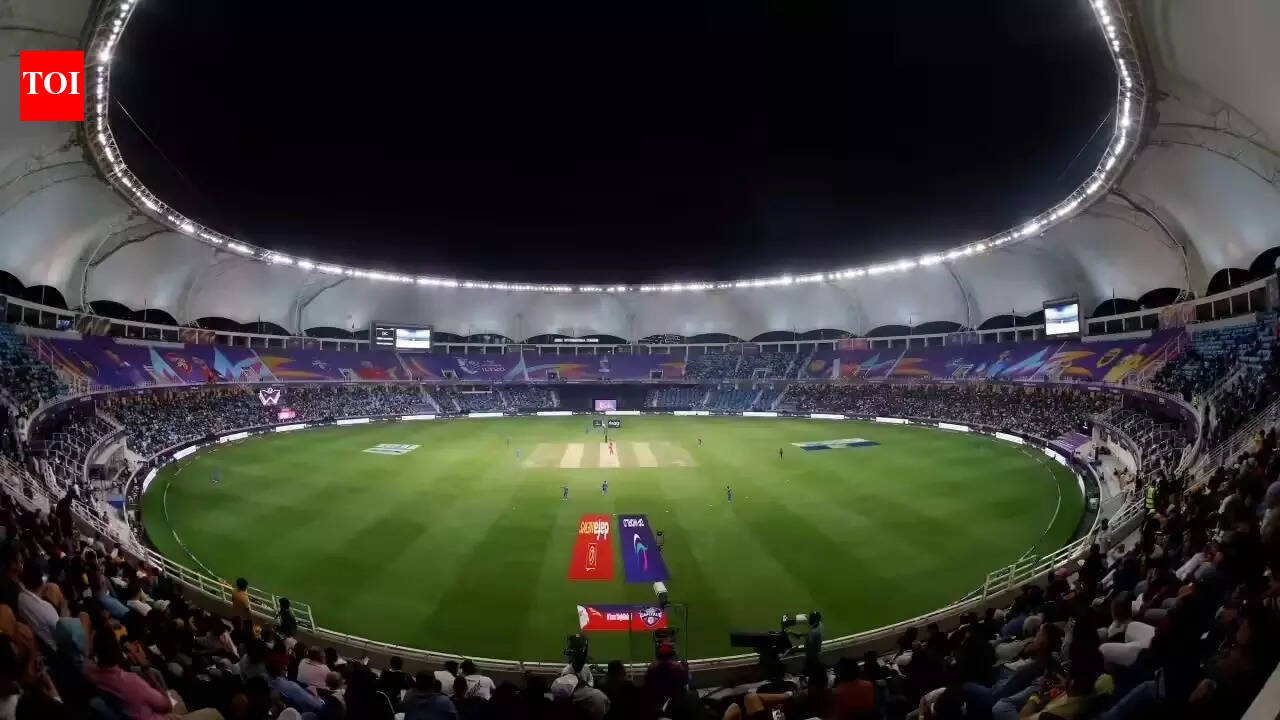
Dubai cricket stadium (File photo)

The second unofficial one-day match between Pakistan Shaheens and England Lions in Abu Dhabi, scheduled for Sunday, was called off after security concerns in the region intensified“The safety and security of our teams and staff is our top priority,” the ECB said in a statement.“Tomorrow’s second ‌50-over game between England Men’s Lions and Pakistan Shaheens in Abu Dhabi will no longer go ahead, and we ‌are delaying the departure of England Women for their proposed trip to Abu Dhabi next week.”.Pakistan Cricket Board also confirmed that the match scheduled for the day had been cancelled and that players and team officials were told to stay inside their hotel as a precaution.The move followed advice from the England and Wales Cricket Board amid the situation in Abu Dhabi.“There will be no practice session as well and the team has been advised to remain indoors,” the PCB said in a statement, adding that the safety and security of players and support staff remains the top priority.The PCB remains in contact with the ECB and is monitoring developments.A decision on the remaining matches will be taken after the Middle East airspace reopens. The board will decide whether the Shaheens squad should return to Pakistan or continue with the series, depending on the security situation.The disruption comes after coordinated military strikes by the United States and Israel on Iran on February 28. Tehran responded with missile fire across parts of the Gulf, leading several countries to close or restrict their airspace.The United States and Israel carried out the offensive on Saturday, with US President Donald Trump urging the Iranian public to remove its leadership.The strikes led to airspace closures in parts of the Gulf and affected international airlines, including Emirates and Air India.Air India said it has cancelled all flights to and from major Gulf cities — Abu Dhabi, Dammam, Doha, Dubai, Jeddah, Muscat, Riyadh and Tel Aviv — until further notice.Dubai International Airport has suspended operations indefinitely due to airspace restrictions following the missile strikes.


Source link

Vijay Deverakonda shields Rashmika Mandanna from crowds during Hyderabad temple visit – Watch Video | Telugu Movie News


Vijay Deverakonda shields Rashmika Mandanna from crowds during Hyderabad temple visit - Watch Video
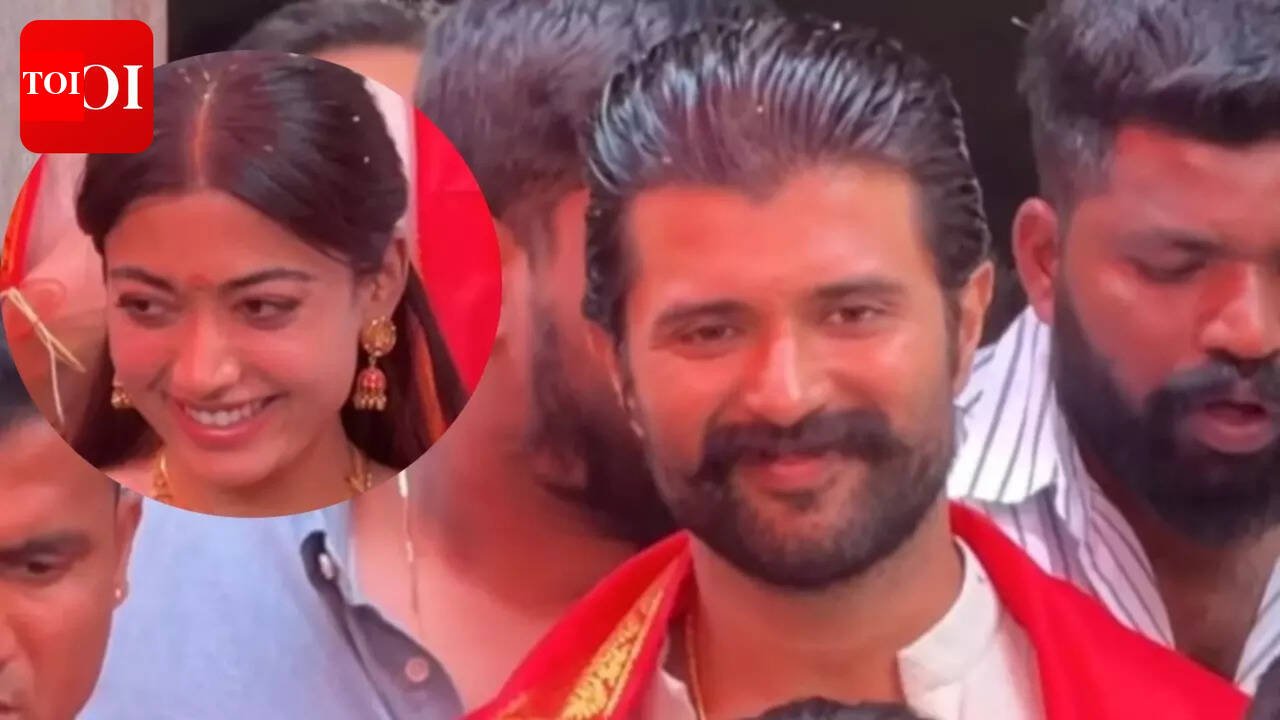
Newlyweds Vijay Deverakonda and Rashmika Mandanna visited a Hyderabad temple. Vijay protected Rashmika from a large crowd. Videos of his caring gesture went viral. The couple is distributing sweets and food across India. A grand reception is planned for them in Hyderabad on March 4th. Celebrations continue nationwide.

A quiet temple visit turned into a heart-melting moment for fans as newlyweds Vijay Deverakonda and Rashmika Mandanna stepped out together in Hyderabad. The couple, who recently got married in Udaipur, looked calm and happy as they sought blessings. However, what attracted all eyes was how Vijay Deverakonda softly held Rashmika‘s hand and led her through the heavy crowd. He remained firmly behind her, amid the pushing and shoving, keeping her well on the path ahead. The videos quickly went viral, and fans praised his protective and caring nature.

Temple visit filled with love and protection

Rashmika looked gorgeous in her silk saree with beautiful gold embroidery while Vijay donned a kurta. A very large crowd was keen to look at the newlywed couple. They shared a lively and peppy atmosphere as they greeted fans and media, struck a pose, and gave out sweets. But Vijay never left Rashmika’s hand. He expertly maneuveed through the sea of people, guiding her through.

Wedding celebrations continue across India

Even as these videos trended, the couple began preparing for the next phase of their celebrations. As a gesture of thanks, they arranged sweet distribution and annadanam in temples across more than 20 cities. From Hyderabad and Chennai to Delhi and Coorg, trucks filled with sweets were sent to share their happiness with fans. The idea, they said, was to celebrate their marriage with the entire country through prayer, food, and love. Their message made fans feel personally included in their big moment.

Grand Hyderabad reception loading

The celebrations are far from over. A chic reception is being organized for the star couple in Hyderabad on the 4th of March, and all the possible arrangements are being made. People from her family, film fraternity friends, and a few special invitees will grace the occasion.


Source link

Who is Ayatollah Alireza Arafi? Iran’s interim Supreme Leader after Khamenei’s death


Iran State TV's Shock Announcement On Khamenei: 'Joins Highest Kingdom, Drinks Nectar Of Martyrdom'

Iran has appointed Ayatollah Alireza Arafi as its interim Supreme Leader, a pivotal step in the country’s leadership transition following the death of longtime leader Ayatollah Ali Khamenei in joint US–Israeli airstrikes on Tehran early Saturday.Arafi, a senior cleric and a long-time insider in Iran’s religious and political hierarchy, now faces the challenge of steering the Islamic Republic during a period of heightened regional tensions and internal uncertainty. Click for live updates

Iran State TV’s Shock Announcement On Khamenei: ‘Joins Highest Kingdom, Drinks Nectar Of Martyrdom’

Arafi’s rise within the clerical establishment

Arafi, born in 1959 in Meybod, Yazd province, comes from a clerical family and has spent decades within Iran’s theological and bureaucratic institutions. He studied in Qom, Iran’s principal seminary city, under prominent religious scholars and earned the rank of mujtahid, qualifying him to issue independent Islamic legal rulings.His career accelerated under the late Supreme Leader Khamenei, who appointed him to key roles over the years. These included Friday prayer leadership in Meybod and later in Qom itself, positions that signalled trust from the top leadership. Arafi also chaired Al-Mustafa International University, a key institution for training clerics from Iran and abroad, and in 2019 was appointed to the powerful Guardian Council, the constitutional body that vets legislation and candidates. CFR notes that Arafi’s mix of administrative and theological positions places him firmly within the core of Iran’s clerical elite, and that his elevation maintains continuity within the existing structure of religious authority.

Constitutional path to leadership

Under the Iranian Constitution, the supreme leader must be a senior Shia cleric chosen by the Assembly of Experts, an elected body of religious scholars. Following Khamenei’s death, Tehran will first establish an interim leadership council to carry out key functions pending the Assembly’s selection of a new supreme leader, according to the Middle East Institute. Arafi’s appointment comes amid competing names discussed in public and state media as potential successors to Khamenei, including figures from both hard-line and more pragmatic clerical factions. But his positions in the Guardian Council and Assembly of Experts gave him institutional leverage when the succession decision was made.

Arafi’s view and role

Arafi has spoken publicly about the role of seminaries and clerics in promoting a politically engaged version of Shi’a Islam, emphasising solidarity with the oppressed and an international outlook. As he put it in previous remarks: “Seminaries (in Iran) need to be from the people, in solidarity with the downtrodden, be political [Islamist], revolutionary, and international (in approach).”Observers note that while Arafi has extensive experience within Iran’s religious bureaucracy and enjoys strong establishment credentials, he lacks an independent political base outside those institutional structures, a factor that may shape how he leads during a period of both external conflict and internal uncertainty.

A crucial transition in Tehran

Khamenei, who ruled Iran for nearly 37 years, was killed late on February 28, 2026, in a joint US–Israeli strike, triggering a succession process and nationwide mourning. Arafi’s rise marks only the second transition of supreme leadership since the 1979 Islamic Revolution, a moment that will test Iran’s political framework and its ability to maintain cohesion under challenging conditions.As Arafi steps into Iran’s highest office, international attention will focus on how he balances religious authority with geopolitical pressures and domestic stability in the months ahead.


Source link

India to shape global growth in coming decade: Shaktikanta Das


India to shape global growth in coming decade: Shaktikanta Das
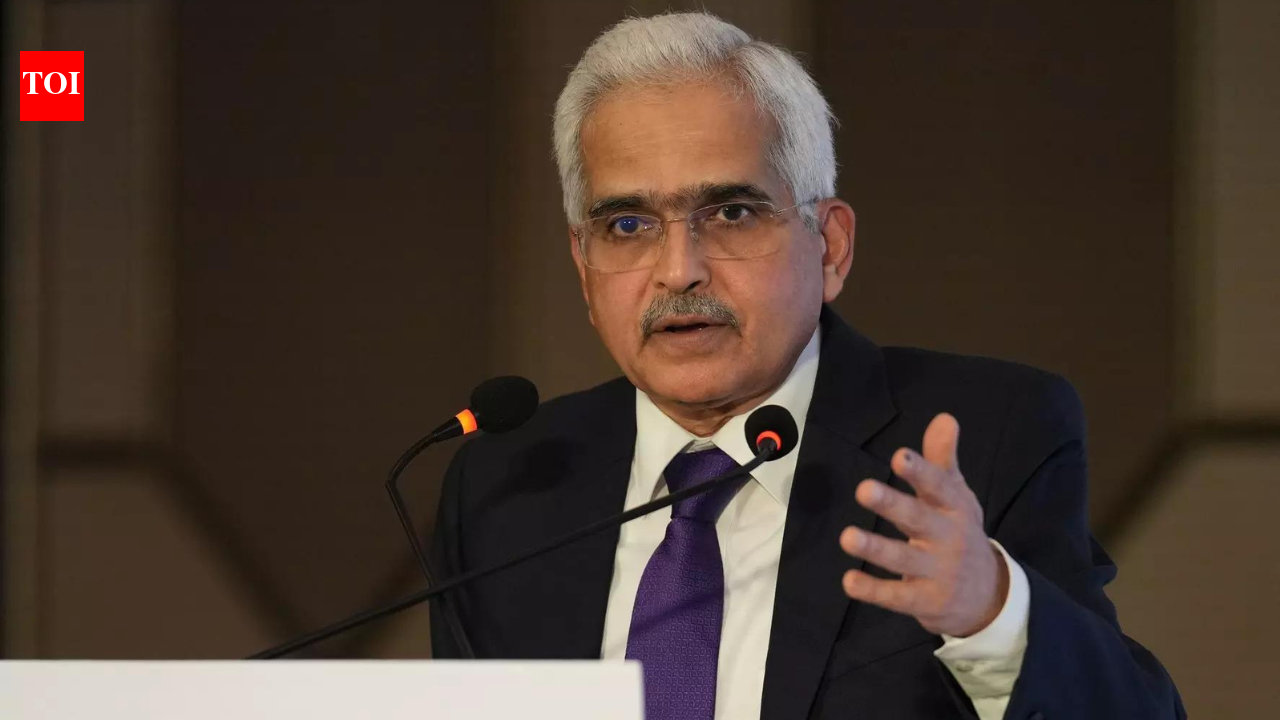
Former RBI governor Shaktikanta Das (File photo)

MUMBAI: Former RBI governor Shaktikanta Das said that in the next decade, the Indian economy will be determining the shape of global growth.“The coming decade will not be one where India simply participates in global growth, but one where India shapes it,” he said, framing macroeconomic stability and inflation control as compatible with sustained high growth.Delivering the keynote address at the Business Today Banking & Economy Summit, Das, who is currently principle secretary 2 to the prime minister, set out a forward-looking roadmap for India, arguing that the country is moving from recovery to global influence.On fiscal policy, Das signalled continued consolidation alongside elevated public investment. India has moved down its fiscal glide path from the pandemic peak, with central government debt targeted to decline towards 50 (±1) per cent of GDP by 2031. At the same time, capital expenditure has risen sharply. The approach, he suggested, reflects a model where consolidation does not come at the expense of growth.Trade policy, he said, has undergone a structural shift. Recent agreements mark a “paradigm shift” in India’s external engagement, positioning the country in the “central circle of global trade.” Negotiating from what he described as a position of strength, India is expanding its footprint through FTAs even as global trade conditions remain uncertain.Technology and digital public infrastructure form another pillar of the forward strategy. Das spoke of “India Stack 2.0” as “a more nuanced, intelligent, AI-driven and globally scalable evolution,” indicating a move towards sovereign AI capacity and AI-enabled public platforms that extend beyond payments into credit, commerce and governance.On energy, he said ambition has moved into execution. With 50% of installed electricity capacity already from non-fossil fuel sources, India is targeting 5 million metric tonnes of green hydrogen annually by 2030. The transition, he argued, is now about competitiveness and resilience, not just climate commitments.The call to action was directed at policymakers, financial institutions, industry leaders and investors. “A ‘Developed India’ – Viksit Bharat – is not just a destination on a calendar; it is a commitment we make today for our future generation,” he said. He sharpened the message with a balancing metaphor: “We have to run a ‘marathon and a sprint simultaneously’, maintaining macroeconomic and financial sector stability while aggressively expanding the new frontiers of growth,” said Das.Even as he listed domestic strengths, Das flagged external risks. The global economy, he said, is navigating “persistent geopolitical fragmentation, supply-chain realignments and uneven economic momentum,” with risks “firmly tilted to the downside.” Elevated public debt and widening fiscal deficits in major economies could tighten global financial conditions, increasing capital-flow volatility for emerging markets.He also recalled India’s earlier vulnerabilities, noting that the country had grappled with a “twin balance sheet” problem of stressed banks and over-leveraged corporates. The turnaround since then, he said, has transformed the financial system into “a fluid and dynamic engine of growth,” supported by stronger bank balance sheets, deleveraged corporates and households that remain net financial asset holders.According to Das the growth opportunities lie in deeper trade integration, AI-led productivity gains and a manufacturing resurgence spanning electronics, semiconductors, defence and green energy. The expansion of digital public infrastructure and retail participation in capital markets adds to domestic financial depth.


Source link

‘Was lying in pool of blood’: YouTuber Saleem Wastik stabbed in Ghaziabad, in critical condition | Noida News


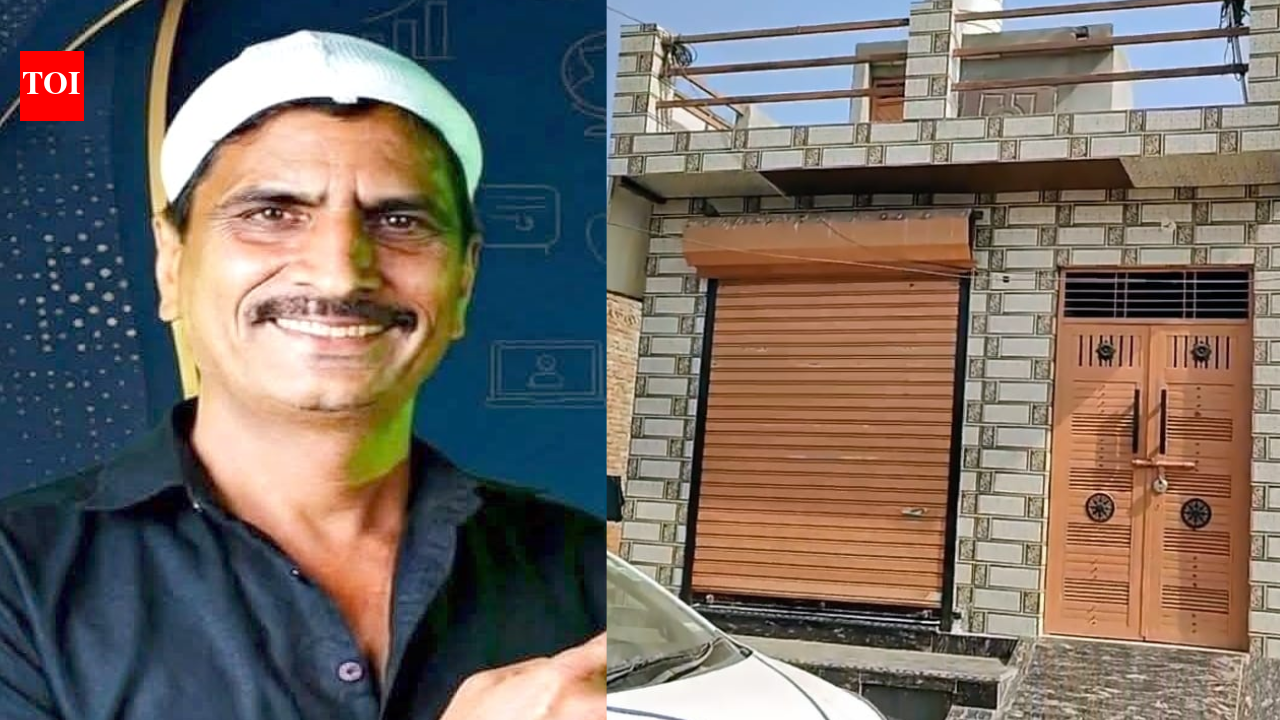
GHAZIABAD: Two men wearing helmets barged into the office of a 55-year-old man and stabbed him multiple times on Friday. He was rushed to a nearby hospital, which referred him to GTB hospital in Delhi. He is in a critical condition. The victim, Saleem Wastik, is a businessman and a YouTuber who often posts videos on social media on religious practices.

Noida : SUV Rampage, Transformer Explosion, Traffic Alerts & More

He lives with his family in a two-storeyed house at Ali Garden, Loni and uses the ground floor of his residence as his office. In several media interviews and talks, he has questioned orthodox ideas. Loni ACP Siddharth Gautam said around 6am, they were informed by Wastik’s neighbour that he had been stabbed and was lying in a pool of blood in his office. A police team reached the spot and took him to a nearby hospital. He was later referred to GTB hospital. “He received multiple knife injuries to his abdomen and throat and is critical,” the ACP said.He added that an initial investigation has revealed that two people came on a bike and parked it outside Wastik’s office. They were wearing helmets. The men asked some children who were loitering outside the office to go home. They, then, went into the office where Wastik was sitting on his chair. They started beating him and later stabbed him multiple times with a knife. When his family members came running, the men fled.“We have formed teams to nab the men. One of the teams is reviewing CCTV footage from nearby areas. Police are questioning the neighbours as well,” Gautam said.Wastik’s son, Usman, told the cops in his complaint that he suspects five people to be behind the attack. ACP Gautam said an FIR has been registered at Loni police station naming the men for attempt to murder and common intention under BNS.Saleem’s friend Ehsaan said, “Saleem questions religious fundamentalism and some people do not like it.”

Banner Insert


Source link

AUS-W vs IND-W: Alyssa Healy and Beth Mooney tons power Australia past 400-run mark in 3rd ODI


In a fitting finale to Alyssa Healy’s glittering ODI career, Australia registered their second highest-ever total against India in the third and final match of the series against India at Bellerive Oval in Hobart on Sunday, March 1.

Alyssa Healy’s masterclass lights up Hobart

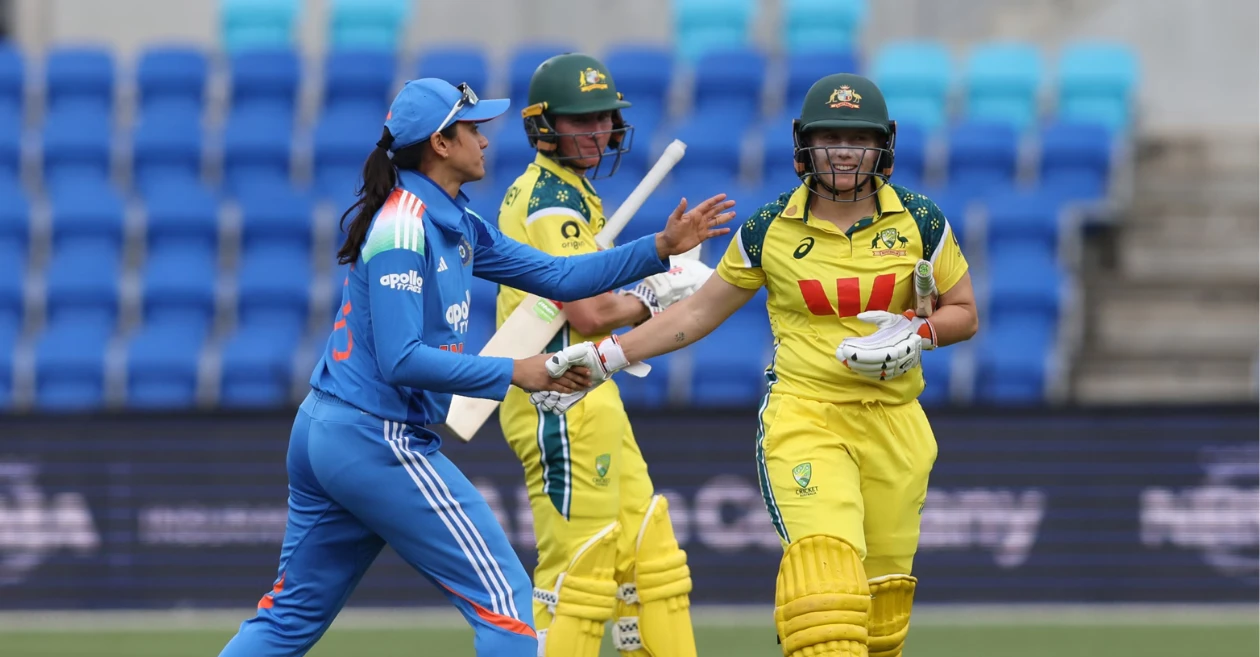
Walking out to a guard of honour from the Indian team, Healy produced an innings for the ages in her final ODI appearance.

After Phoebe Litchfield’s departure for 14, caught by Shree Charani off Kashvee Gautam, Healy found an able partner in Georgia Voll. The pair added 104 runs off 91 deliveries for the second wicket, with Healy accelerating rapidly while Voll contributed a solid 62 off 52 balls before falling to Sneh Rana.

Record partnership between Healy and Beth Mooney

The true carnage began when Beth Mooney joined her long-time opening partner at the crease. With Australia at 136 for 2 in the 22nd over, the two most experienced batters in the lineup unleashed an assault that left the Indian bowling attack in tatters .

Healy and Mooney plundered 145 runs off just 92 deliveries, with Healy doing the bulk of the scoring – contributing 100 runs during the partnership while Mooney rotated strike efficiently with 44 off 49 balls at that stage. The Australian captain brought up her century off 79 balls and continued her onslaught, eventually falling for 158 off 98 deliveries in the 37th over, caught in two minds attempting a reverse sweep off Sneh Rana.

Her innings included 27 fours and two sixes, a masterclass in controlled aggression that demonstrated exactly why she will be remembered as one of the game’s all-time greats.

After Healy’s departure at 281 for 3 in the 37th over, Annabel Sutherland provided quick support to Mooney, adding 47 runs off 33 deliveries before falling to Deepti Sharma for 23. Ashleigh Gardner (4 off 5) and Tahlia McGrath (2 off 4) fell cheaply, but Georgia Wareham’s late cameo of 12 off 5 balls and Nicola Carey’s explosive unbeaten 34 off just 15 deliveries ensured Australia finished with a flourish.

Carey’s innings was particularly devastating, featuring 4 fours and a six as she added 54 unbeaten runs off just 25 balls with Mooney, who had by then settled into her anchor role.

Also WATCH: Mitchell Starc cheers as Alyssa Healy signs off with an ODI century against India

Mooney’s century caps perfect tribute to Healy

Beth Mooney’s unbeaten 106 off 101 balls was the perfect complement to Healy’s fireworks. The left-hander played the anchor role to perfection, rotating strike effectively during the middle overs before opening up in the final phase. She remained unbeaten when the innings closed, having faced 101 deliveries and struck 10 boundaries.

The partnership between Mooney and Healy underscored the remarkable understanding the pair have developed over years of opening together – an understanding that will now end in ODIs but leaves behind a legacy of match-winning stands .

Manwhile, India’s bowlers endured a difficult afternoon on a true Bellerive surface. Teenager Shree Charani was the most expensive, conceding 106 runs off her 10 overs while picking up two wickets – those of McGrath and Wareham. Sneh Rana provided the breakthrough wickets of Voll and Healy, finishing with 2 for 66 off 10 overs .

Renuka Singh (1 for 64) and Kashvee Gautam (1 for 83) also picked up wickets but at considerable cost, while Deepti Sharma’s 10 overs disappeared for 90 runs. The Indian attack simply had no answer to Australia’s depth and quality on a day when Healy was determined to sign off in style.

Australia’s total of 409 for 7 represents the eighth-highest total in women’s ODI history. The innings featured three fifty-plus scores – Healy’s 158, Mooney’s unbeaten 106, and Voll’s 62 – demonstrating the extraordinary depth in Australian women’s cricket as they prepare for the one-off Test against India starting March 6 in Perth.

Also WATCH: Alyssa Healy receives Guard of Honour from India players in her final ODI


This article was first published at WomenCricket.com, a Cricket Times company.


Source link

Iran strikes Gulf states, even mediator Oman – why its strategy could backfire


Iran strikes Gulf states, even mediator Oman – why its strategy could backfire

Iran on Sunday expanded its response to US-Israeli strikes by targeting Gulf Arab states, including Oman and the United Arab Emirates, in what analysts say is an attempt to pressure Washington but one that risks driving the region closer to the United States.According to CNN, Iran launched missiles and drones at Israel and at civilian locations such as hotels and airports in several Middle Eastern countries that host US military bases. Oman said that its Duqm commercial port was targeted, despite Muscat having mediated talks between the US and Iran just last week. The strikes suggest that, for Iran, “everything is on the table,” Hasan Alhasan, senior fellow for Middle East policy at the International Institute for Strategic Studies, told CNN.“There’s a very clear message… that no one is safe, that mediation doesn’t offer protection, and that exchanges of mutual assurances or pledges not to allow airspaces or territories to be used militarily against Iran are ineffective either,” Alhasan said.He added that Iran’s approach appears aimed at increasing pressure on Gulf governments so they, in turn, push the US administration to bring the conflict to an early end.Iran’s calculus, he said, is to “ratchet up the pain on the Gulf states, in order to compel them to apply pressure on the Trump administration to bring a quick end to the war.”However, Alhasan cautioned that the strategy could prove counterproductive. It remains unclear how much leverage Gulf states hold over Washington.“It’s quite clear that the US has a mind of its own, and it’s acting in close concert with the Israelis. And I think what Iran’s strategy may end up doing, in fact, is pushing the Gulf states into closer alignment with the US, rather than the other way around,” he said.

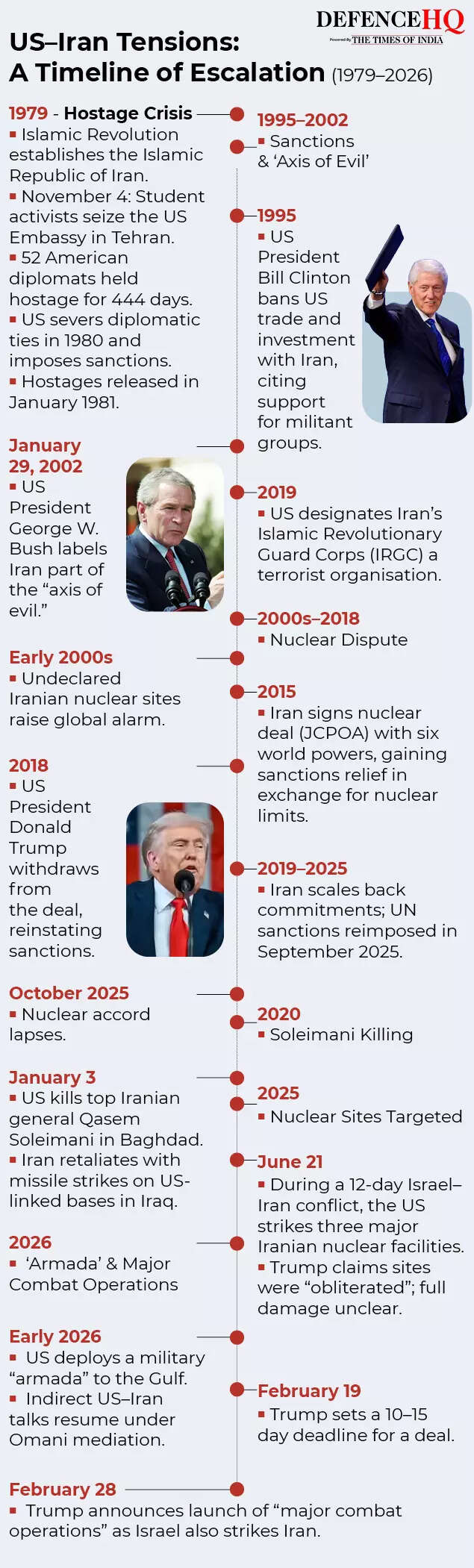
Iran conflict timeline

He further noted that while Gulf countries favour de-escalation, large-scale civilian casualties could force them “to start considering options up the escalation ladder.” Meanwhile, Anwar Gargash, an adviser to the UAE president and former state minister for foreign affairs, said Iran had “missed its target” with attacks on Arab Gulf states. “Your war is not with your neighbors, and through this escalation,” Gargash wrote Sunday on X.“Return to your senses, to your surroundings, and deal with your neighbors with reason and responsibility before the circle of isolation and escalation widens, ” he said.The UAE, which in recent years had sought to ease tensions with Iran, was among the countries hit, with Dubai, the country’s commercial hub, particularly affected by missiles and drones, AP reported.The developments mark a widening of the conflict beyond US, Israel and Iran, placing Gulf states, many of which host US military facilities, in a more direct line of fire, even as they publicly call for restraint.

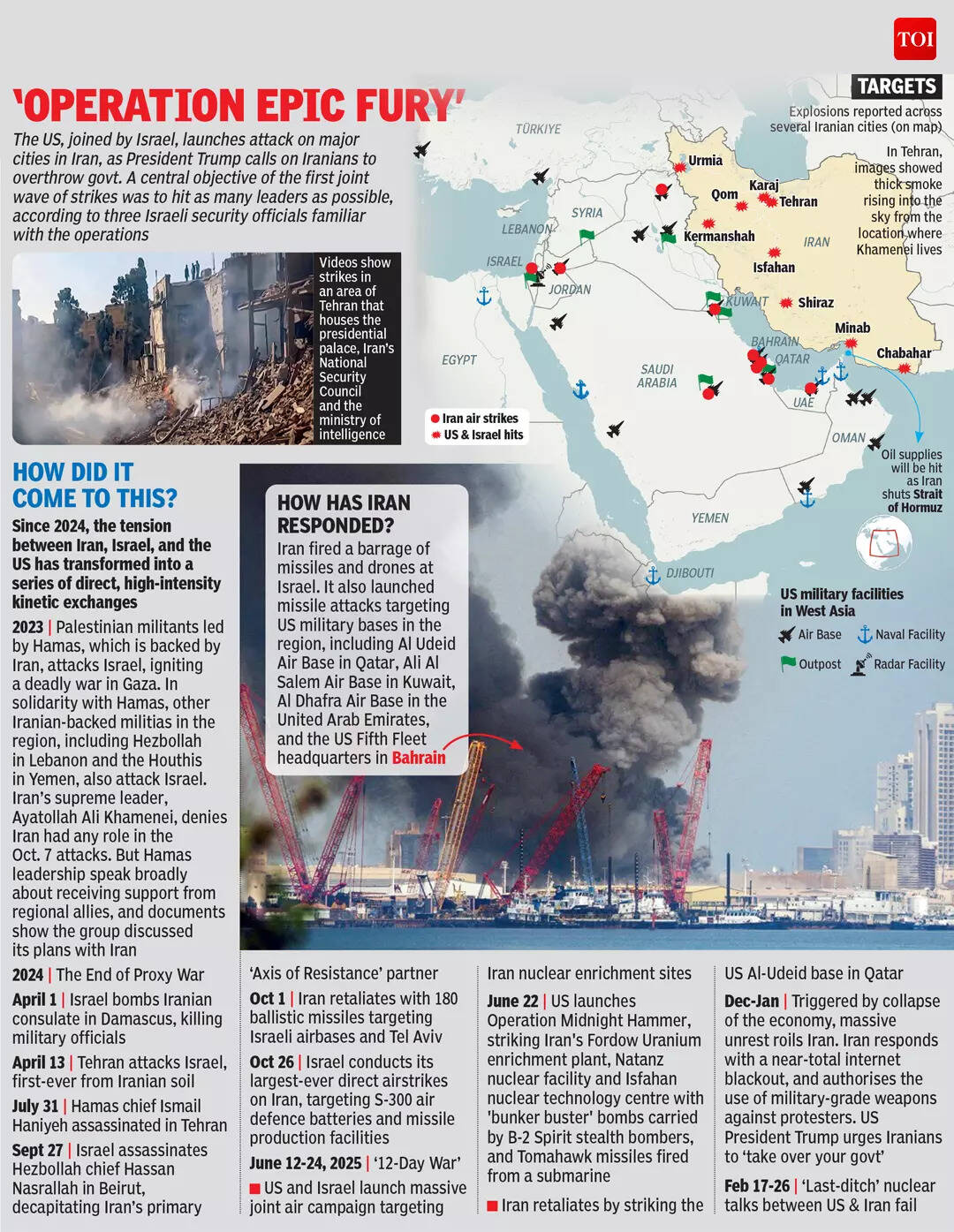
Op Epic Fury

It comes as on early Saturday, US-Israel conducted joint raids in Iran, what was called Operation Epic Fury, which killed Iran’s supreme leader Ali Khamenei and Iran’s top military and security commanders.


Source link