Breaking News
RBI curbs net open positions of banks in forex markets


RBI curbs net open positions of banks in forex markets

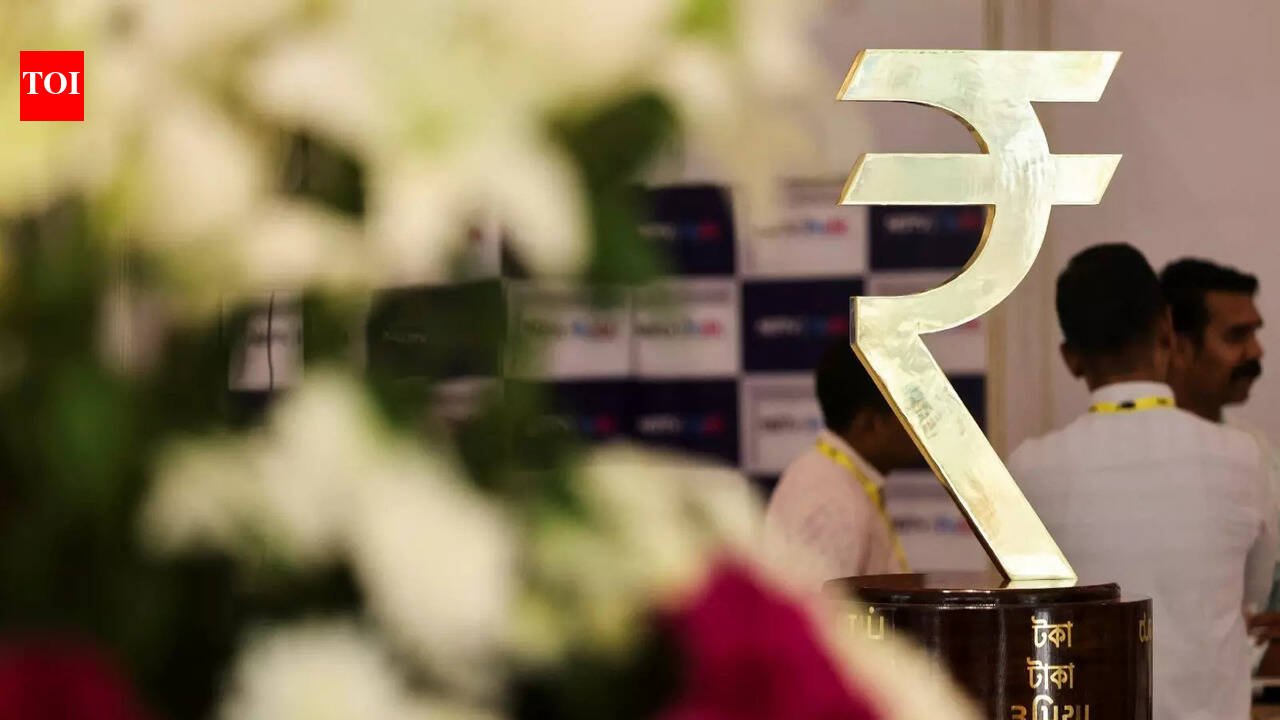
MUMBAI: For the first time in nearly 15 years, the RBI has placed curbs on the size of bets that banks can take in the currency markets, taking away powers, hitherto, vested with bank boards. The move comes at a time when the rupee is under pressure due to a combination of sales by foreign institutional investors, a rise in the oil import bill, and the overhang of tariffs and visa curbs on exports.RBI’s direction on Friday caps banks’ net open position in rupee at $100 million, effective April 10, 2026, citing “market conditions.” Hitherto, the net open position limit was fixed by the boards of banks.Bankers said that while speculation helps provide liquidity in the forex market, in volatile times, when markets are one-sided, such bets can be self-fulfilling.Post-2013, banks set their own Net Overnight Open Position Limits (NOOPL) up to 25% of Tier I/II capital, with RBI reserving discretion to impose market-driven caps. In Dec 2011, RBI had curbed net open position limits in currency trading by 75% for some banks and 50% for top banks. The move had come after the domestic currency weakened by as much as 20%.

Poll

What do you think is the primary reason for the RBI to impose these new betting limits?

Incidentally, RBI had in Jan issued draft directions on calculating net open position and capital charge for foreign exchange risk, inviting comments from stakeholders. The central bank had proposed the new rules to come into effect from April 1, 2027. The new norms also seek to remove the separate calculation for offshore and onshore net open positions.


Source link

Steel, auto, chemicals to gain from more LPG flow


Steel, auto, chemicals to gain from more LPG flow

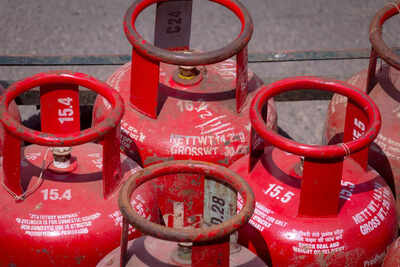
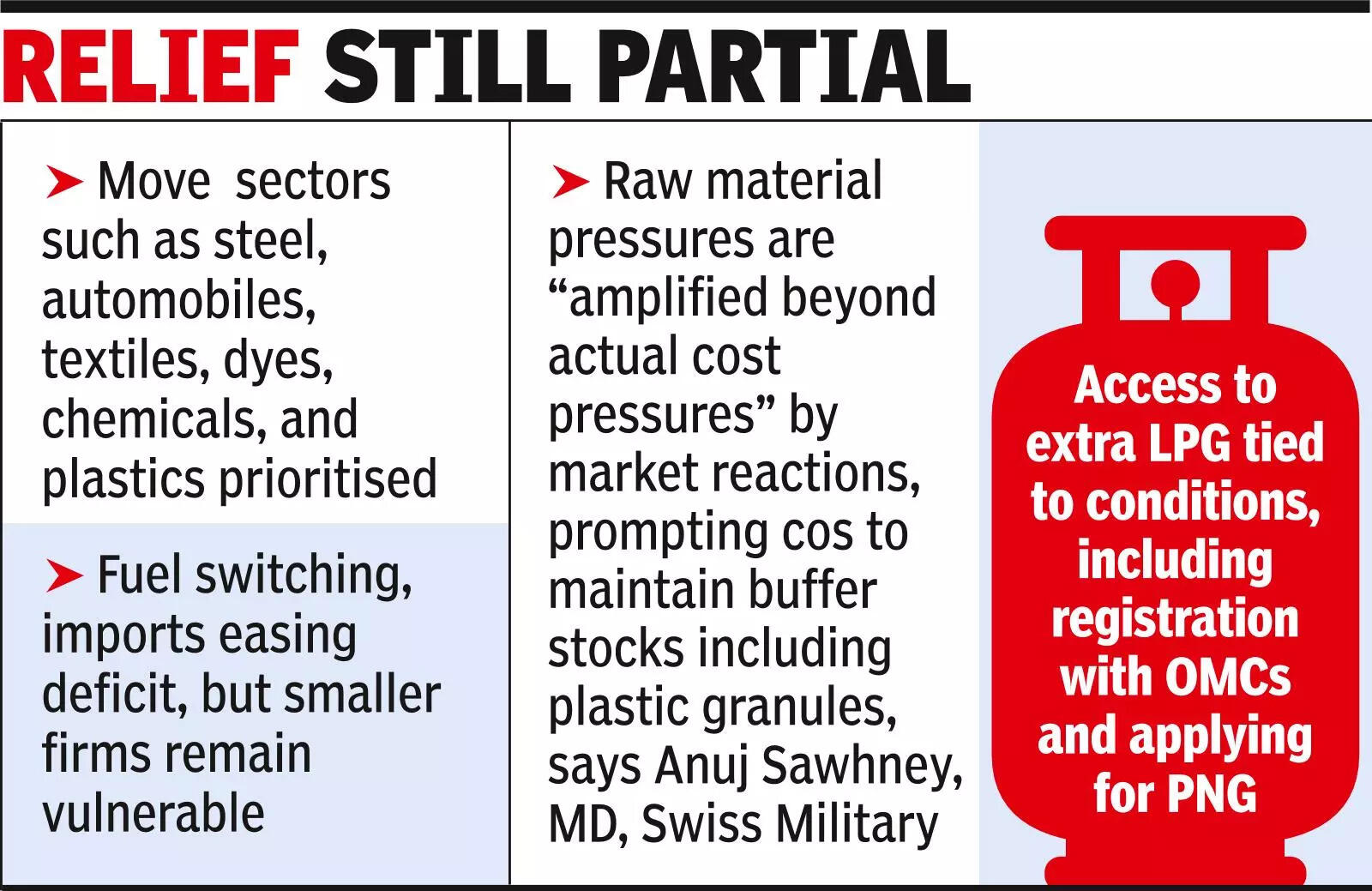
The govt on Friday moved to cushion key industries from the ongoing gas supply disruption, boosting commercial LPG allocations by 20% to reach 70% of pre-crisis levels. The extra supply will prioritise labour-intensive sectors such as steel, automobiles, textiles, dyes, chemicals, and plastics, which are critical for broader economic activity.The move is aimed at stabilising industrial operations, said Prashant Vasisht, senior vice president (corporate ratings) at ICRA, adding that increased domestic LPG production and alternative imports have “reduced the deficit, providing some comfort.”

Watch

Centre Pushes PNG: LPG Supply May Be Stopped Where Pipelines Are Available

Pankaj Chadha, chairman of engineering exports body EEPC India, said the measure will help steel mills, particularly smaller units, maintain production. “Steel is a key segment of the engineering goods sector, and its shortage could severely impact the production chain. The additional LPG allocation should minimise supply bottlenecks and ensure steady output,” he added.

Steel, auto, chemicals to gain from more LPG flow

To Reach 70% of Pre-Crisis Levels | Move To Prioritise Labour-Intensive Sectors

The garment sector, however, sees the step as partial relief but doubts it will meet even half of its near-term demand. Yarn processing, crucial for garment production, is largely gas-powered. Supply to hundreds of units in Tiruppur has been cut for 10 days, affecting around 1 lakh employees. The shortage has disrupted the credit cycle and risks favouring well-capitalised buyers, while costs for raw materials, including polyester yarn, and transportation have increased. Alexander Neroth, director of NC John Garments, said, “Freight and raw materials costs have risen substantially, making it difficult to get yarns processed.”The gas shortage started with the West Asian conflict and the near-closure of the Strait of Hormuz to commercial shipping, prompting the government on March 12 to curtail commercial LPG allocations to 20%. Since then, allocations have gradually increased to 70% of pre-crisis levels.Access to the additional 20% is conditional. Industrial users must register with oil marketing companies such as Indian Oil Corporation, HPCL, and BPCL, and apply for piped natural gas connections with city gas distribution entities to qualify. Process industries and units relying on LPG for specialised heating needs, where natural gas cannot substitute, will get priority.Manufacturers across sectors are adapting to the shortage with various measures to maintain production. Ajay Singhania, MD of EPACK Durable, noted that LPG and piped gas shortages had cut production by nearly 50% over the past three weeks. “We have initiated interim measures like partial fuel-switching across processes, but these come with efficiency and cost trade-offs. For the consumer durables sector, where demand is seasonal, consistent energy availability is critical to ensure timely production,” he said.Auto component makers, particularly forging and casting units, continued production with some shifting to in-house solar powered electrical heating. A Chennai-based exporter said the transition to renewable energy helped in navigating the situation with relative ease, even as inventories have fallen from 15–20 days to 2–3 days. Smaller firms, he added, are feeling the strain due to heavier dependence on LPG.(With contributions from Reeba Zachariah, G Balachandar, Vaitheeswaran B and Asmita Dey)


Source link

Rupee breaches 94, worst fiscal year fall in over a decade


Rupee breaches 94, worst fiscal year fall in over a decade

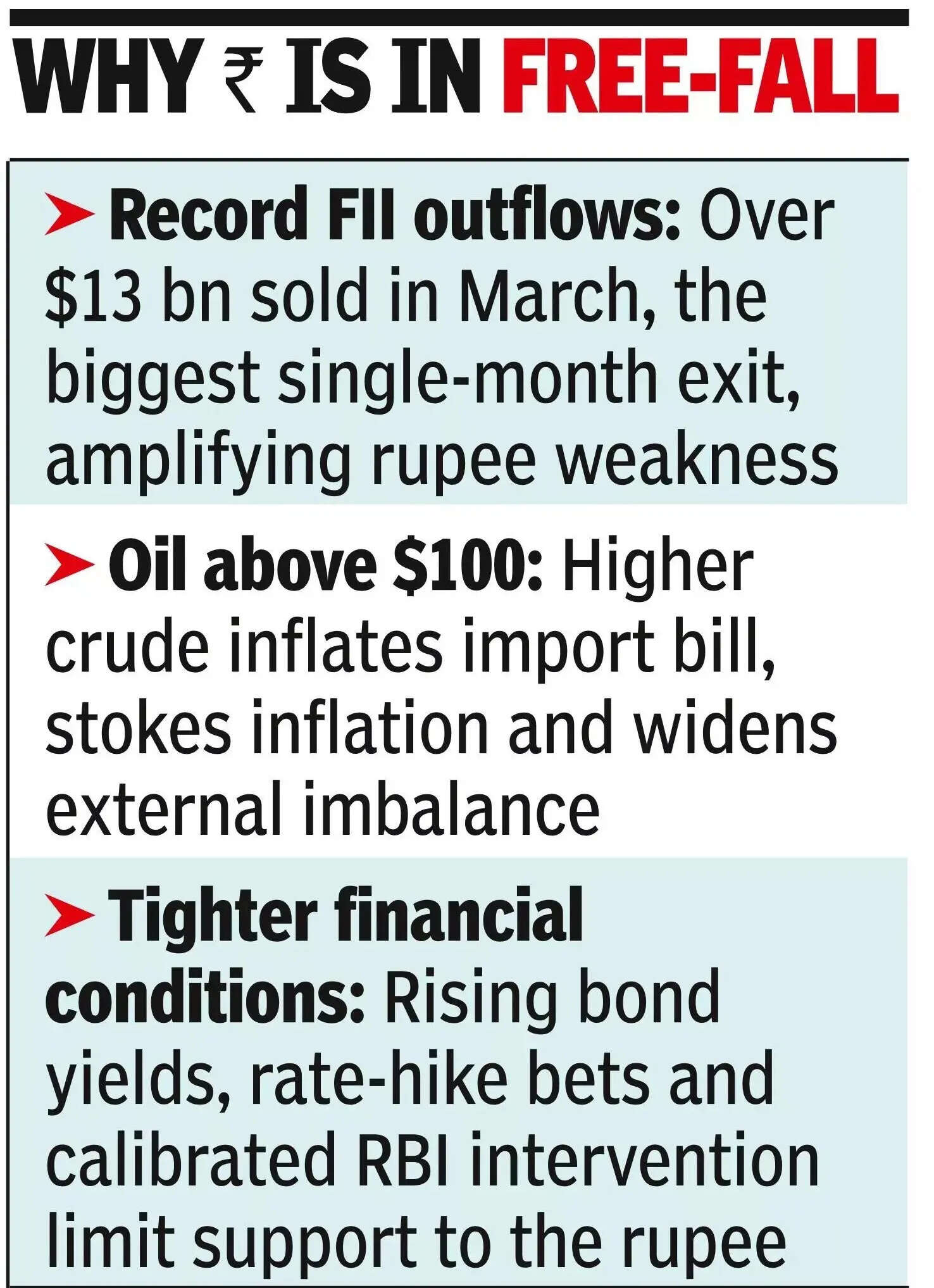
MUMBAI: The rupee breached the 94 level for the first time to close at 94.81 per dollar after hitting a record low of 94.84, declining about 4% since late Feb and 11% in the current fiscal year, marking its worst financial year performance in over a decade.Many analysts are forecasting that oil prices will remain above $100 per barrel for several weeks, pushing up the import bill and inflation. Dealers said that pressure on the rupee has been driven more by heavy foreign investor selloffs than by the West Asia conflict, with outflows crossing $13 billion this month, an all-time high.

Re breaches 94, worst fiscal year fall in over a decade.

“More than the West Asia war the pressure on rupee is from heavy sell off by the FIIs, which has already crossed more than 13 billion dollars this month. Which itself is an all time record. In case of de-escalation there would be a correction of at least 2%. Also there is an expectation of $4.4 billion dollars inflows from the Mitsubishi-Shriram Finance deal . This will severely boost the falling Rupee,” said KN Dey, a forex consultant.Domestic equity markets declined sharply, while benchmark bond yields rose to multi-month highs, reflecting tightening financial conditions. Foreign investors accelerated outflows from domestic equities and bonds amid heightened concerns over inflation, currency weakness, and external imbalances.Growth forecasts have been revised downward, while expectations of interest rate hikes over the next year have strengthened. Govt has cut excise duty to keep fuel prices under check, but the move is expected to put pressure on the fiscal deficit and increase borrowing.

Poll

How concerned are you about the impact of rising inflation on the economy?

Despite some signals of de-escalation, the currency remains under pressure amid sustained global uncertainty. “The rupee is expected to trade in a weak range of 93.25–94.25, with downside bias likely to persist until clear progress in Iran peace talks emerges,” said Jateen Trivedi, analyst with LKP Securities.


Source link

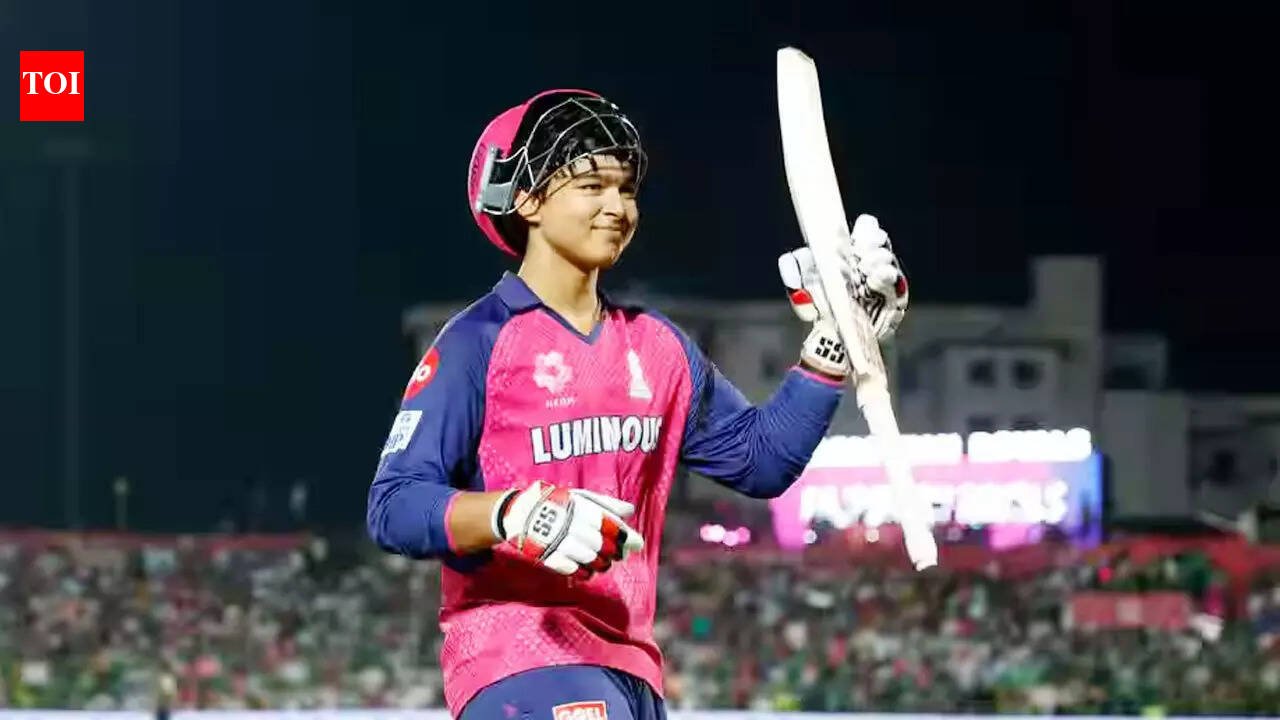
When 13-year-old Vaibhav Sooryavanshi smashed a 157kph ball for straight six | Cricket News


Vaibhav Sooryavanshi (Image credit: BCCI/IPL)

A single shot in a trial session changed everything for Vaibhav Sooryavanshi — a fearless straight six off extreme pace that left seasoned scouts stunned and marked the arrival of a rare talent.Vaibhav Sooryavanshi turned 15 on March 27, 2026, and is now eligible for an India cap under updated ICC rules. Over the past two years, few young cricketers have generated as much buzz as the teenage prodigy, who has dominated age-group cricket and transitioned seamlessly into senior-level competition.Go Beyond The Boundary with our YouTube channel. SUBSCRIBE NOW!His meteoric rise was underlined during the IPL mega auction in 2024 when Rajasthan Royals secured him for Rs 1.1 crore. The investment paid off almost instantly, as Sooryavanshi lit up IPL 2025 with fearless strokeplay, including a 35-ball century — making him the youngest T20 centurion and the second-fastest in IPL history after Chris Gayle.

Watch

Everything is special about Vaibhav Suryavanshi: Vikram Rathour

But the origins of his stardom trace back to a trial session in Talegaon, Maharashtra, in 2024 — the day he announced himself in extraordinary fashion.The six that changed everythingNarrating the moment, Royals’ director of cricket Zubin Bharucha, speaking to The Cricket Monthly, recalled the disbelief that followed, revealing how he had urged the franchise to “put Rs 10 crore aside” ahead of the auction, convinced of the teenager’s rare talent.During the trial, Bharucha expected a conventional contest between a young batter and a left-arm quick. “The first ball to a right-hander had jagged back in… I’m thinking… the ball will probably move away and beat him outside off.”Instead, Sooryavanshi lofted it over extra cover for six. “I was like, ‘What am I seeing?’ I couldn’t even process it,” Bharucha admitted.What followed was even more remarkable. Facing sidearm throwdowns clocked at extreme pace (157-158 kmph), the youngster displayed composure beyond his years. “I told Vaibhav they’d be quick. He just said, ‘Haan sir, no problem.’”Then came the defining blow. “One of the sidearmers hit the deck hard, and Vaibhav hit it straight over the sightscreen for six… it measured 157 kph! That’s not normal. Not even for the best.”From unknown to unmissableThe Royals management needed little convincing after hearing Bharucha’s account. Though he had suggested setting aside Rs 10 crore, the franchise secured Sooryavanshi for a fraction of that amount.

Poll

Should franchises invest heavily in young players like Sooryavanshi?

His IPL debut only reinforced the hype — a first-ball six and a record-breaking century at just 14 years and 32 days. Bharucha summed it up best: “You’re looking at something incredible… don’t miss this chance.”From a quiet village in Bihar to the biggest stage in T20 cricket, Sooryavanshi’s journey has been nothing short of extraordinary — and it all began with one audacious six off blistering pace.


Source link

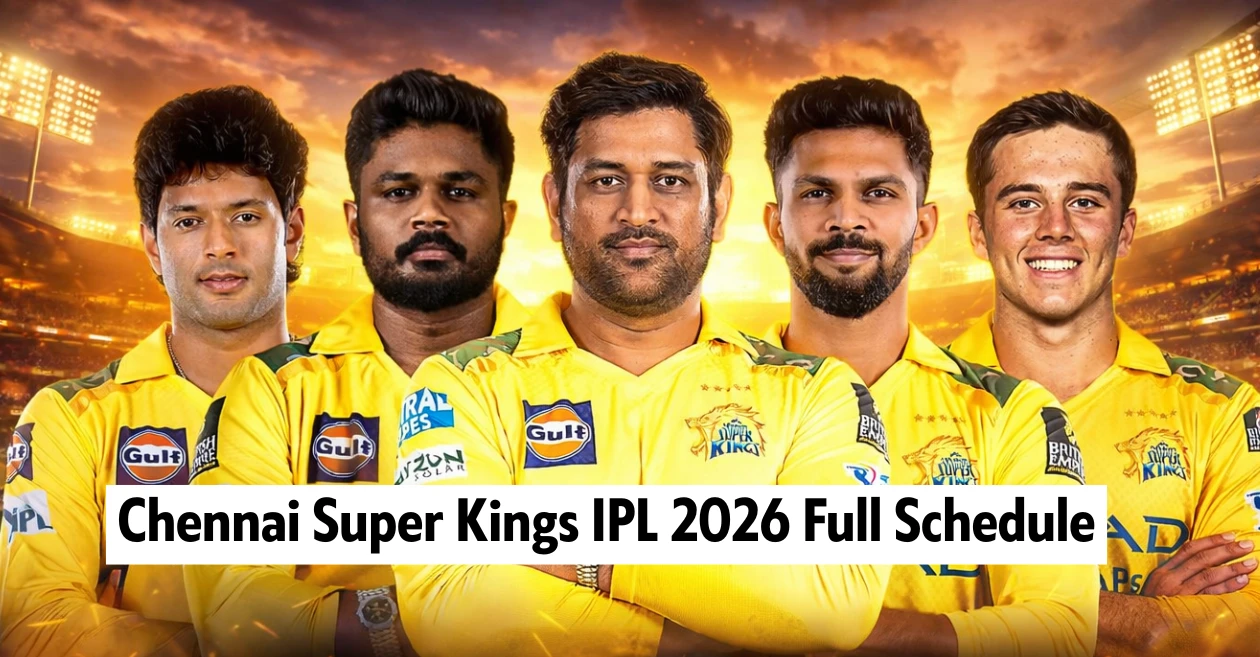
Chennai Super Kings IPL 2026 Full Schedule: Date, Time & Venues of CSK matches


Chennai Super Kings (CSK) begin their IPL 2026 journey with an away clash against Rajasthan Royals (RR) in Guwahati on March 30, before returning to their fortress, the MA Chidambaram Stadium in Chennai, for their first home game against Punjab Kings (PBKS) on April 3. As always, CSK’s campaign promises a blend of big-ticket clashes, strategic scheduling, and strong home advantage, all of which could shape their push for another title.

One of the biggest highlights of the season will be the iconic rivalry with Mumbai Indians (MI). The two sides will meet twice in what is widely considered the IPL’s “El Clasico.” The first encounter is set for April 23 at the Wankhede Stadium, followed by the return leg at Chepauk on May 2. Both matches are evening fixtures, ensuring high-intensity contests under lights at two of cricket’s most electrifying venues. Interestingly, CSK will face Royal Challengers Bengaluru (RCB) only once this season, with that clash scheduled for April 5 in Bengaluru – making it a rare single meeting between two of the league’s most popular teams.

As the tournament progresses, CSK’s schedule begins to tilt in their favour. The final phase of the league stage is particularly advantageous, with three of their last four matches set to be played at Chepauk. They host Lucknow Super Giants (LSG) on May 10, Sunrisers Hyderabad (SRH) on May 18, and Gujarat Titans (GT) on May 21, while their only away fixture in this period is against LSG in Lucknow on May 15. This home-heavy finish could play a crucial role in their playoff qualification hopes, especially given CSK’s strong record at Chepauk.

CSK will also need to adapt to varying conditions during the season, particularly in their two afternoon matches. They travel to Ahmedabad to face the Titans on April 26 and host LSG on May 10, with both games starting at 3:30 PM IST. Afternoon fixtures often demand different strategies due to heat and pitch behavior, making adaptability key.

On the team front, captain Ruturaj Gaikwad has confirmed a new opening combination, with Sanju Samson set to partner him at the top. Samson, who joined CSK in a high-profile trade that saw Ravindra Jadeja move to the Royals, comes into the season in outstanding form after being named Player of the Tournament in the ICC T20 World Cup 2026.

The squad also features the ever-reliable MS Dhoni, alongside exciting additions like Dewald Brevis and Ayush Mhatre. With a balanced mix of pace options such as Khaleel Ahmed, Mukesh Choudhary and Jamie Overton, and a strong spin unit led by Noor Ahmad, Rahul Chahar, Shreyas Gopal and Akeal Hosein, CSK appear well-equipped for the season.

With a favourable finish, marquee clashes, and a refreshed squad, CSK will once again be aiming to stay true to their legacy – consistency, composure, and a strong push for the IPL 2026 title.

Also READ: Ravichandran Ashwin predicts CSK’s top batter in IPL 2026

CSK IPL 2026 Full Schedule

  • March 30 – Rajasthan Royals vs Chennai Super Kings – Guwahati – 7:30PM IST
  • April 3 – Chennai Super Kings vs Punjab Kings – Chennai 7:30PM IST
  • April 5 – Royal Challengers Bengaluru vs Chennai Super Kings – Bengaluru – 7:30PM IST
  • April 11 – Chennai Super Kings vs Delhi Capitals – Chennai – 7:30PM IST
  • April 14 – Chennai Super Kings vs Kolkata Knight Riders – Chennai – 7:30PM IST
  • April 18 – Sunrisers Hyderabad vs Chennai Super Kings – Hyderabad – 7:30PM IST
  • April 23 – Mumbai Indians vs Chennai Super Kings – Mumbai – 7:30PM IST
  • April 26 – Gujarat Titans vs Chennai Super Kings – Ahmedabad – 3:30PM IST
  • May 2 – Chennai Super Kings vs Mumbai Indians – Chennai – 7:30PM IST
  • May 5 – Delhi Capitals vs Chennai Super Kings – Delhi – 7:30PM IST
  • May 10 – Chennai Super Kings vs Lucknow Super Giants – Chennai – 3:30PM IST
  • May 15 – Lucknow Super Giants vs Chennai Super Kings – Lucknow – 7:30 PM IST
  • May 18 – Chennai Super Kings vs Sunrisers Hyderabad – Chennai – 7:30PM IST
  • May 21 – Chennai Super Kings vs Gujarat Titans – Chennai – 7:30PM IST

Note: IST= GMT+ 5:30 hrs

Also READ: SWOT analysis of Chennai Super Kings – CSK’s report card ahead of IPL 2026


Source link

‘We saw tanks on the road’: How playing chess amid regional conflict feels | Chess News


‘We saw tanks on the road’: How playing chess amid regional conflict feels
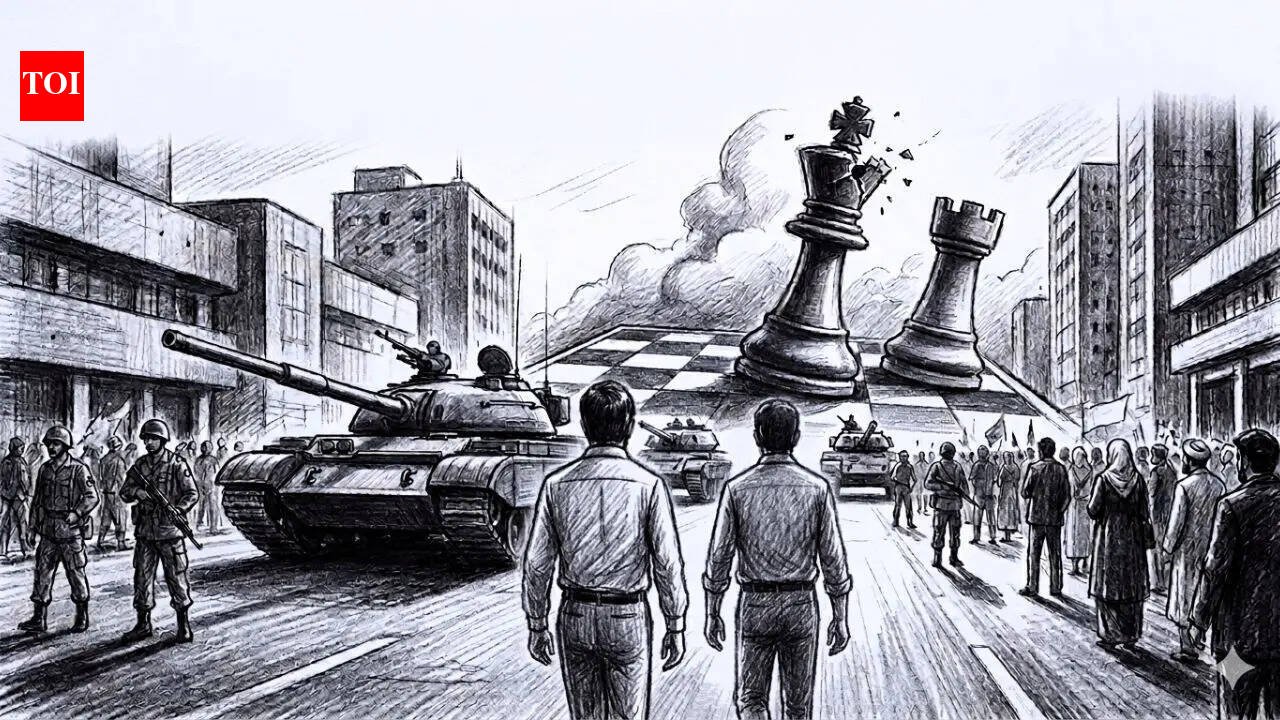
Visual representation of Pravin Thipsay’s experience (AI-generated Photo)

NEW DELHI: Cyprus, an island country in the eastern Mediterranean Sea, will be home to some of the best classical chess over the next fortnight as it hosts both the Open and Women’s categories of the 2026 Candidates tournament starting March 28. Serving as the only path to a World Championship match, the tournament has carried the weight of months of mounting anticipation from the global chess community. Yet, the air surrounding the event is heavy, with its iteration marred by pre-tournament uncertainties trailing the regional tension in the Middle East.The anxiety has already claimed a high-profile participant. India’s veteran Grandmaster Koneru Humpy withdrew from the Women’s tournament just days before the opening ceremony. Concerns have radiated elsewhere; World No. 2 Hikaru Nakamura raised alarms over the lack of stable power supply in the area, while the recent cancellation of a World Series of Poker (WSOP) event in the region due to safety risks cast a shadow over FIDE’s planning.

Watch

From No Laptop to Chess World Cup Dreams: GM Pranesh M Exclusive Interview

In response, the International Chess Federation (FIDE) issued a ‘Safety & Logistics FAQ’ five days before the start, dismissing the risks as “extremely low and overstated”. But for the players, the board is never truly isolated from the world.How does it feel to calculate grand strategies when you know a global tension is brewing just outside the walls?In September 1978, a young Pravin Thipsay, decades away from becoming India’s third Grandmaster, landed in Tehran alongside former national champion Mohamed Rafiq Khan. They were there to play, but the Iran they entered was a country exhaling its last breaths of monarchy.
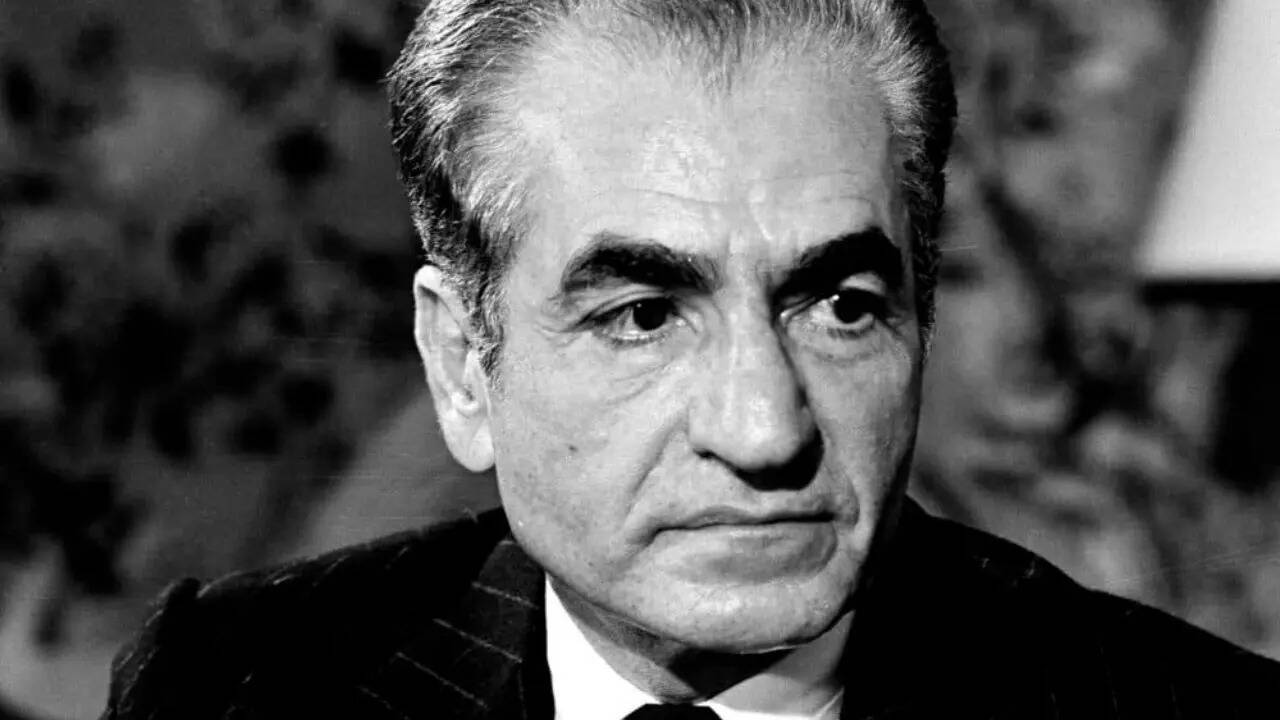
Shah Mohammad Rezhotoa Pahlavi (AP Photo)

Shah Mohammad Rezhotoa Pahlavi (AP Photo)

The pro-Western monarchy of Shah Mohammad Reza Pahlavi was crumbling under the weight of massive civil resistance. On September 8, 1978, a day known as “Black Friday”, the military opened fire on protesters in Tehran, leaving hundreds dead and marking a point of no return for the regime.“Well, when I was young, and I was in Iran during Shah’s regime, and it was after September 8, 1978, when the students had done demonstrations,” Thipsay told TimesofIndia.com. “So when we actually entered the city, we saw tanks on the road, there were other problems, but what was important was that we saw tanks on the road, and it was disturbing for a day or so.”In the 1970s, the chess world was a smaller, more insular fraternity. Players travelled to distant lands with little more than a pocket set and a few letters of introduction. There were no smartphones, no social media feeds to provide minute-by-minute updates on troop movements.“We found it a little bit strange, but also there was no access to news, and we were going to Iran for the first time,” Thipsay recalled. “Nothing much was known to us. I was also very young. There were Russians and Americans playing, other Filipinos, other players. So I think we lived in our own world.”

We found it a little bit strange, but also there was no access to news, and we were going to Iran for the first time

Pravin Thipsay, Indian Grandmaster

The tournament was hosted in Tehran’s Olympic Village. “It was very far from the city, and where there was restricted entry, and we rarely went out,” he explained. This physical separation was compounded by a total linguistic and digital blackout. “We did not get any news of the outside world because in those days, 1978, nobody spoke English in Iran, and the newspapers were all in the Iranian language. So we couldn’t really get any information. There’s no television,” he told this website.Today, players are hyper-connected; they monitor geopolitical shifts as closely as they do opening novelties. But in 1978, that was not the same.“Even when I had gone to a World Junior, I did not have any way of contacting my parents by phone. I just wrote some letters. I never got answers back because it took a lot of time,” Thipsay noted.
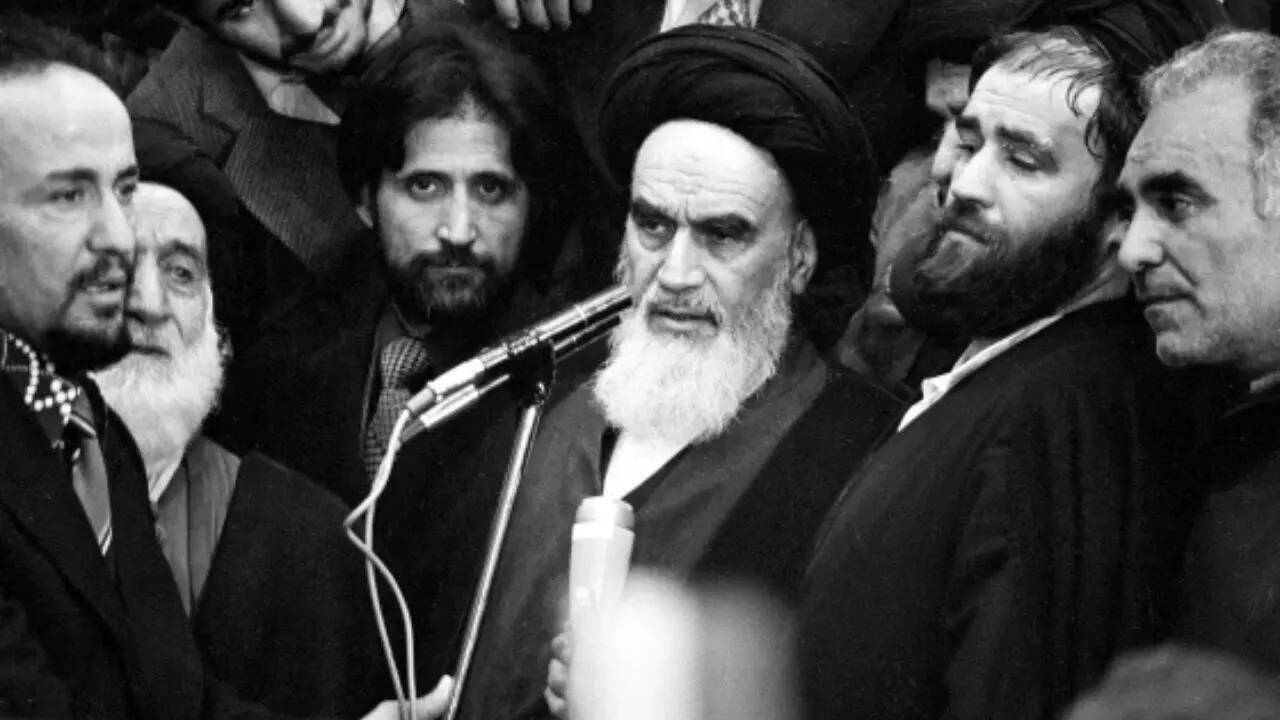
Ayatollah Khomeini (AP Photo)

Ayatollah Khomeini (AP Photo)

In the weeks following the tournament, the Iranian Revolution would accelerate, eventually leading to the Shah’s exile in January 1979 and the rise of the Islamic Republic under Ayatollah Khomeini. “There was no direct violence seen before us, and the tanks were just there to control, prevent the mobs from gathering,” the 66-year-old said. “I think I looked at it, it did not really affect me at that time. I don’t know if it will not affect me today or if it will not affect other players, but that’s how the only experience I have, we just played a tournament.”While the revolution did not penetrate the Olympic Village, the elements did. “We didn’t do very well because it was very cold,” Thipsay admitted. “I think that’s the main reason. It was surprisingly quite cold at nights.”ALSO READ: Koneru Humpy Exclusive after Candidates pull-out: ‘Would FIDE hold tournaments in Kashmir?’The Iranian players, however, must have felt the weight of the coming storm. Under the new regime that followed, chess would eventually be banned for several years, deemed “un-Islamic” before being reinstated in the late 1980s. But in the autumn of 1978, the silence between the locals and the foreigners painted a clear picture of a global dilemma as Thipsay concluded, “We, myself and Rafiq Khan or the Russians, the Americans, Filipinos did not get affected by that. And the Iranians, if they got, we don’t know, but they never discussed those things with us.”

Source link

‘Laanat hai zindagi par’: Yograj Singh’s sharp jibe at Rohit Sharma, Virat Kohli | Cricket News


'Laanat hai zindagi par': Yograj Singh's sharp jibe at Rohit Sharma, Virat Kohli
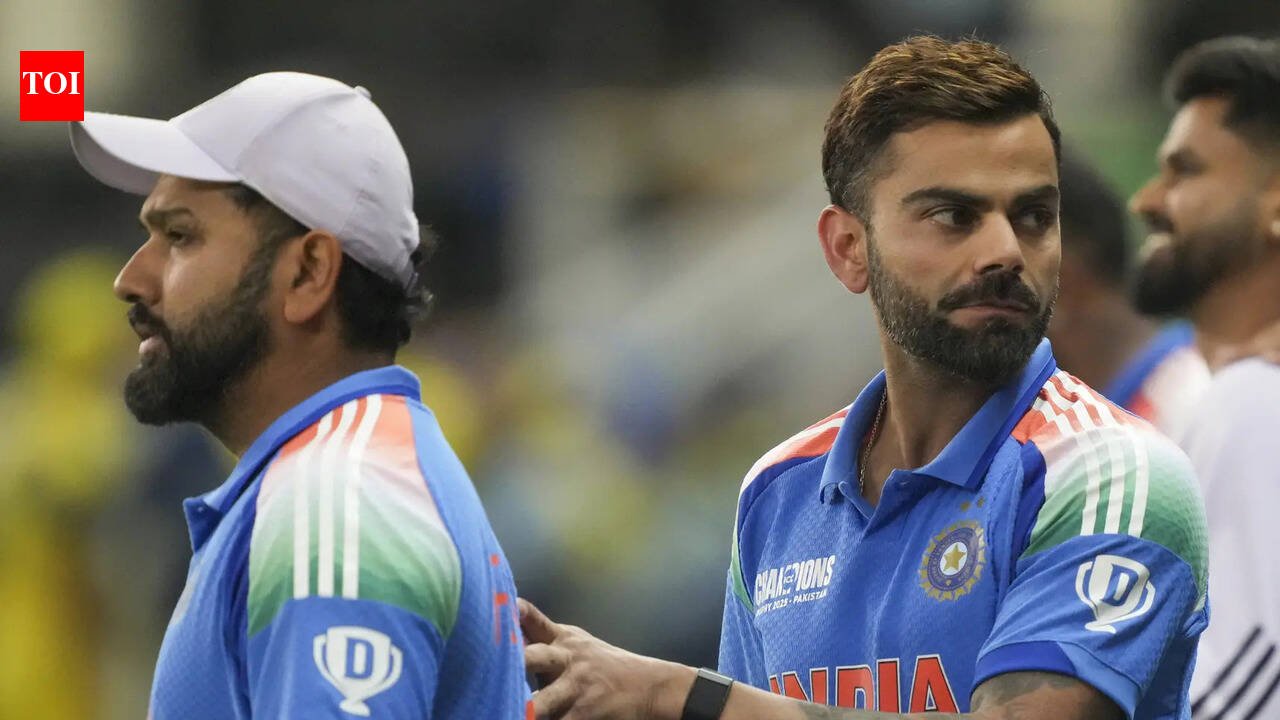
India’s Rohit Sharma, Virat Kohli (PTI Photo/Arun Sharma)

Former India cricketer Yograj Singh has stirred a fresh debate around longevity and relevance in Indian cricket, taking a sharp dig at Virat Kohli and Rohit Sharma amid growing conversations around age and retirement.With both Kohli and Rohit now active only in one format after stepping away from T20Is following India’s 2024 World Cup triumph and retiring from Test cricket last year, discussions around their future have intensified as IPL 2026 begins. Yograj, however, dismissed such talk in his trademark blunt style, urging players to let performance do the talking.“Rohit Sharma and Virat Kohli are young cricketers and they want to quit. Laanat hai zindagi pe. Make the world realise that you are the best, that you are indispensable. Even if you are fifty years old and still scoring a double hundred, no one will drop you. So this age factor is very funny in this country,” Yograj Singh said in an interview with Inside Sports.His comments come at a time when debates around senior players have extended beyond Kohli and Rohit to MS Dhoni as well. Questions have been raised about Dhoni’s role at Chennai Super Kings, with some suggesting he should be used as an Impact Player, while others believe he should continue as a regular and bat higher up the order.Interestingly, Yograj, who has often been critical of Dhoni in the past, especially over his son Yuvraj Singh’s career, had only praise for the former India captain this time. He strongly opposed calls for Dhoni’s retirement and backed him to continue playing for years.“He (Dhoni) is still playing and should keep on doing so for the next 10 years. Because he has proved his fitness with the right discipline and dedication. I still see his forearm, amazing man. Who the hell are people to tell him to retire? No. As far as cricket is concerned, hats off to him,” Yograj added.At 44, Dhoni has gradually transitioned into a more limited on-field role, often arriving late in the innings to provide quick runs, while also taking on mentoring responsibilities within the squad. With Chennai Super Kings bringing in Sanju Samson, who could take over wicketkeeping duties, Dhoni’s role may evolve further this season.


Source link

EC seeks report on Mamata’s ‘provocative’ remark from CEO | India News


EC seeks report on Mamata’s ‘provocative’ remark from CEO

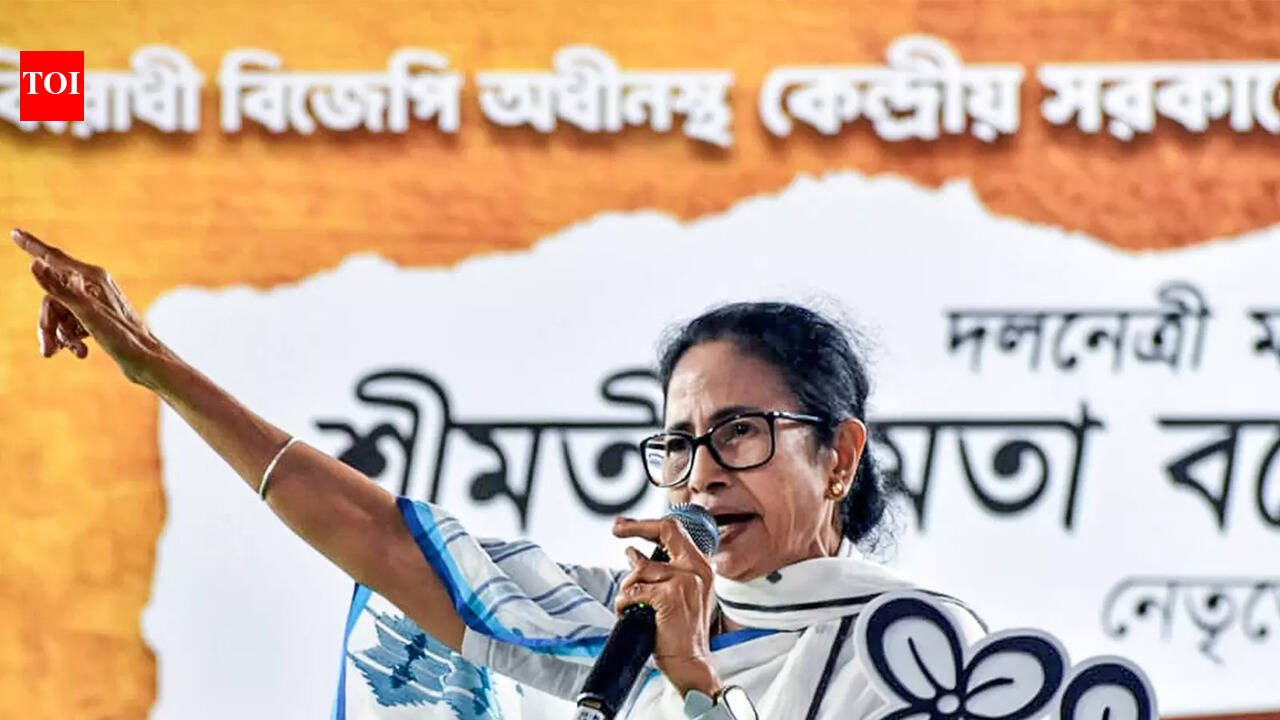
NEW DELHI: Election Commission Friday sought a report from the West Bengal chief electoral officer on the recent statement by chief minister Mamata Banerjee at a public meeting in Naxalbari, Darjeeling, allegedly instigating local women to be at polling booths and use household kitchen items to deal with “necessary situations”.With her statement seen as a provocation to TMC women workers and supporters to launch attacks at polling stations in rural areas, posing a risk to the central armed police forces deployed there, of facing criminal charges were they to intervene and stop them, EC will examine if the statement amounts of provocation and interferes in discharge of duties by poll and security personnel. If so, whether it merits action for violation of the model code and other laws including BNS and the RP Act.In video footage from her public meeting in Naxalbari Wednesday, Mamata can be heard as saying, “The women of West Bengal will have to take special initiative this time to protect polling booths from morning on polling days. If you want peace in West Bengal for five years, you will have to protect the booths for a day and prevent outsiders from electoral manipulations. Come out on the streets with whatever you have at home”.Meanwhile, an FIR has been lodged against those accused in the incident of violence that occurred Thursday at Basanti Bazar, Baruipur police district, in which several persons, including police personnel, were injured. The accused have been arrested.EC had earlier suspended Inspector Avijit Paul, in-charge of Basanti PS, for having failed to make adequate police arrangements in spite of having prior information regarding public programme of two political parties. Further, CAPFs had been made available for the last few days. Despite this he did not requisition CAPF. “This reflects serious negligence and dereliction of duty on his part,” EC had observed.


Source link

ED chargesheets Anil aide in RCom laundering case | India News


ED chargesheets Anil aide in RCom laundering case

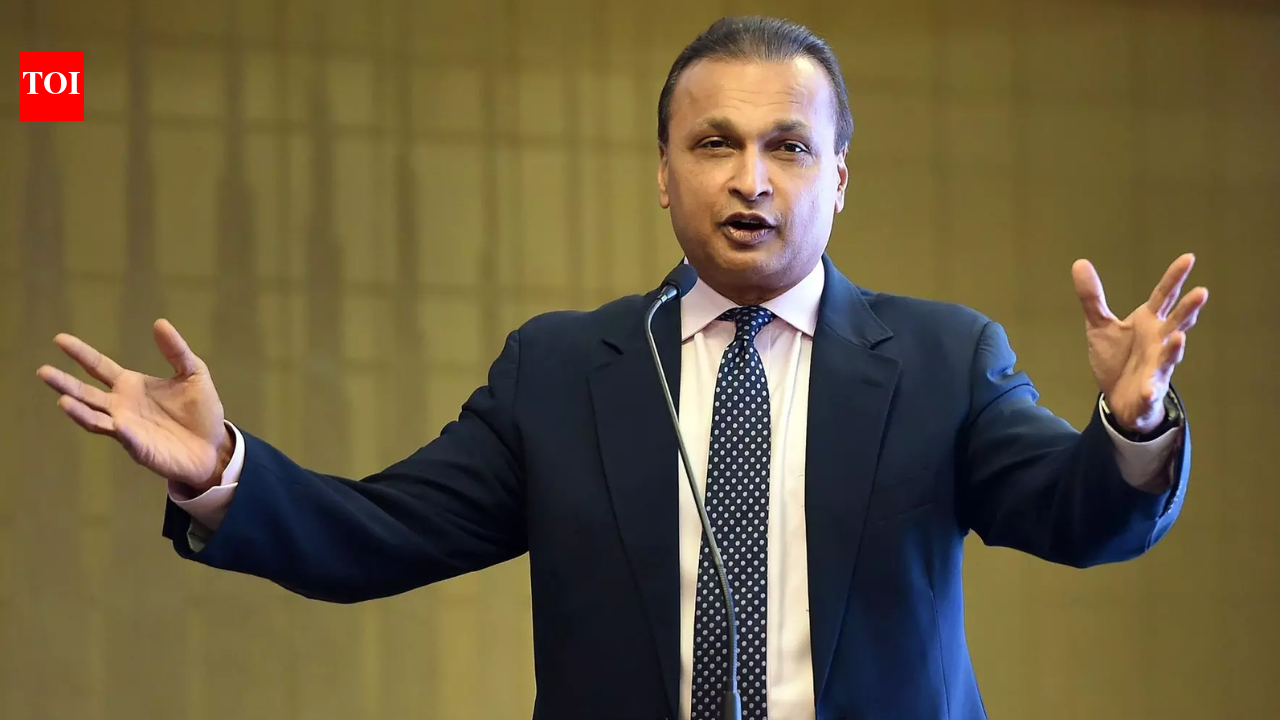
NEW DELHI: Enforcement Directorate has filed a prosecution complaint (chargesheet) before a special court here against Punit Garg, a close associate of Anil Ambani, in a money laundering probe against Reliance Communications (RCom).RCom, Ambani, his close associates and some family members are under investigation in the purchase and sale of an apartment worth over Rs 70 crore in Manhattan, New York. Sources said the chargesheet has mentioned Vaishali Jairam Mane, besides Garg, as an accused. Mane was an RCom employee based in the US. ED had questioned Ambani and his son in this case earlier.The probe agency has established a money trail of funds allegedly siphoned off from RCom and transactions layered through several related shell entities. One of the shell companies was used to fund foreign education of Garg’s children from the alleged proceeds of crime siphoned off from bank loans RCom had received from an SBI-led consortium.Later, the Manhattan apartment was sold for $8.3 million and the money was “remitted from the USA under the guise of a sham investment arrangement with a Dubai-based entity controlled by a Pakistan-linked individual, without the knowledge or consent of the resolution professional”. Dubai-based Azco Real Estate Brokers LLC is also under investigation.Garg was arrested on Jan 29 at the ED headquarters where he was called for interrogation relating to the Manhattan apartment and funding of over $40,000 towards college fees of his children, besides using the rental income of over $36,000 from the apartment to pay for expenses of his daughter.


Source link

Pilots of VIP charters can now refuse to fly in unsafe conditions | India News


Pilots of VIP charters can now refuse to fly in unsafe conditions

NEW DELHI: Pilots flying VVIPs, including Z-plus category SPG protectees, Lok Sabha speaker, Rajya Sabha deputy chairperson, cabinet ministers, Chief Justice of India, CMs and governors have now been empowered to put their foot down and refuse to fly if it is not safe to do so for any reason.Following the death of Maharashtra deputy CM Ajit Pawar and four others in a small plane crash this Jan, the Directorate General of Civil Aviation (DGCA) Friday issued a new set of “guidelines for carriage of central, state and other dignitaries by aircraft”.“…flight crew (should not be) subjected to undue pressure for undertaking a flight which may impact safety of operations. Any last-minute changes to the planned flight due to VIP requirements should be coordinated through the organisation’s management only, and not directly with the crew,” the new rules said.Besides, the guidelines also said that only well-maintained planes or choppers, with last reported defects rectified, and very experienced pilots will operate such flights.Noting that VVIPs “use air travel frequently for electioneering and other purposes in (small) aircraft” and choppers, DGCA said, “Analysis of earlier accidents/incidents associated with aircraft operations to/from airstrips/temporary helipads and during election flying has often revealed violation of instructions and safety was jeopardised. It is essential that adequate measures are taken by all concerned to ensure the highest standards of safety for operation of such flights.The move aimed at insulating pilots from pressure as politicians often insist on flying for public meetings, even in fading light.A charter operator for decades said, “These new rules make it possible for us to say no to VIPs to operate flights if it is not safe to do so. In my several years, I have myself gotten into trouble for pointing out it may not be safe to operate due any reason like weather. Now while we are responsible for aircraft maintenance and getting landing approvals, the onus for a safe flight lies with everyone on board the plane. This new rulebook makes that amply clear.Now issuing the new directives for DGCA has also mandated twin-engine aircraft with minimum two crew and good operational capability for VVIPs.It has also said that 24 hours before flying, state govts, PSUs, aircraft operators and the pilots must ensure the existence of a suitable helipad or air strip for landing. Besides, district authorities need to issue a landing permission or no-objection certificate before aircraft lands on a remote or uncontrolled airport or helipad. State and district administration have to facilitate information on the conditions for a helipad or an airstrip condition along with the coordinates, security, fire and rescue arrangement.


Source link