Breaking News
‘Sinister agenda’: CPI(M) fires back at Rahul, Kharge; accuses Congress of helping BJP | India News


'Sinister agenda': CPI(M) fires back at Rahul, Kharge; accuses Congress of helping BJP
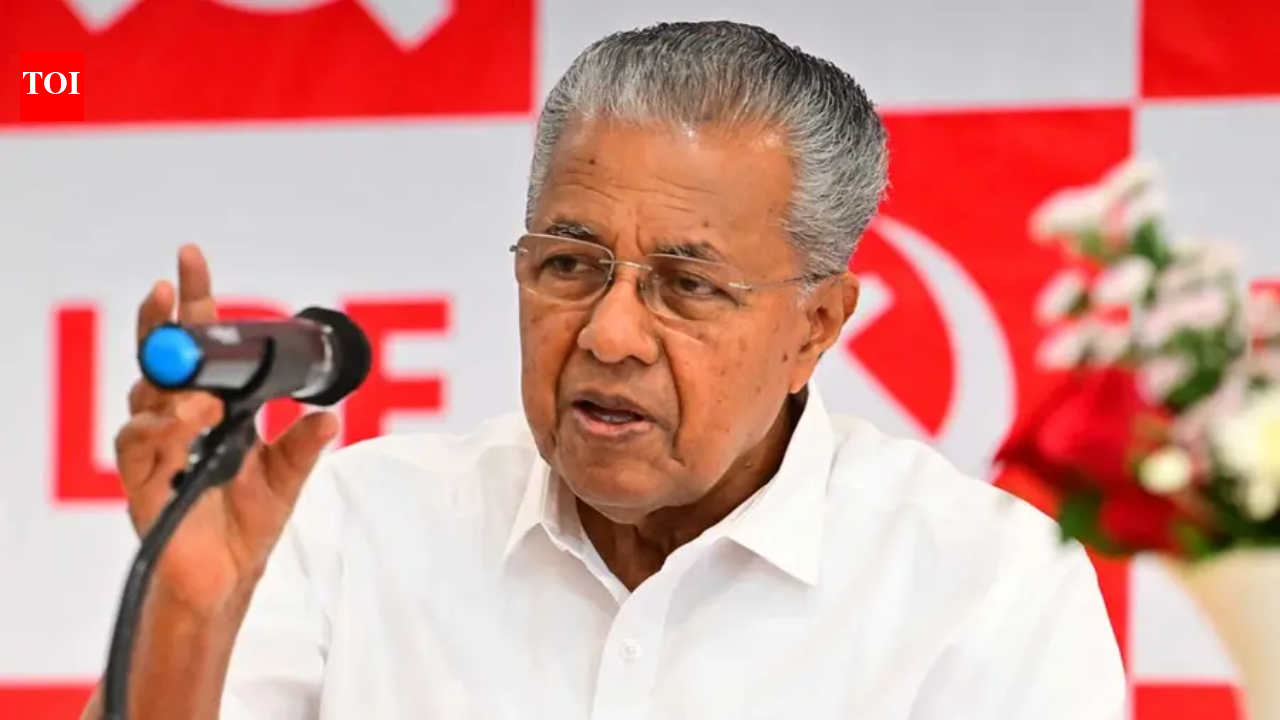
Kerala chief minister Pinarayi Vijayan

NEW DELHI: The Communist Party of India (Marxist) on Thursday launched a sharp counterattack on Congress leaders Rahul Gandhi and Mallikarjun Kharge over their criticism of the party in poll-bound Kerala, accusing the Congress of targeting the Left for electoral gains while going soft on the BJP.In a strongly worded statement, the CPI(M) said the Congress was reneging on its claim of fighting communal-authoritarian forces and had instead become “a feeder organisation for the BJP.”The CPI(M) Polit Bureau also strongly disapproved of what it called the “provocative statements” made by Rahul Gandhi and Kharge against Kerala chief minister Pinarayi Vijayan and the secular credentials of the party.“Such canards are being spread by them to secure cheap electoral gains in the Assembly elections. By targeting the CPI(M) instead of the BJP, the Congress leaders are reneging on their claim of fighting communal-authoritarian forces. The people of Kerala will see through this sinister agenda,” CPI(M) said in a statement.The response came after Rahul Gandhi and Kharge launched a broadside against the ruling Left Democratic Front (LDF) while kicking off the United Democratic Front’s (UDF) campaign for the Kerala elections from Kozhikode on Wednesday.Gandhi alleged that there was an understanding between the LDF and the Bharatiya Janata Party (BJP) in the state.“There are actually only two sides fighting here in Keralam. One is the UDF alliance, and the other is the partnership between the BJP and the LDF. The UDF unites people, listens to them, and embraces and empowers them. The LDF and their hidden partner divide people and crush them,” he said while addressing the campaign through video conferencing.He also referred to cases filed against opposition leaders and questioned why similar action had not been taken against the Kerala Chief Minister.Gandhi said he himself had around 40 cases and had been questioned by the Enforcement Directorate for five consecutive days, and alleged that the lack of similar action against Vijayan “despite corruption cases” was evidence of a BJP-LDF understanding.Responding to the allegations, the CPI(M), which is also a constituent of the INDIA bloc along with the Congress, said the Congress should introspect on why many of its leaders in different states had joined the BJP.“It is a well-known fact that the present BJP Chief Minister of Assam held important portfolios in the earlier Congress government. In Tripura, the entire Congress leadership joined the BJP in 2018 in order to defeat the Left Front. Many ministers in the Union government and Members of Parliament belonging to the BJP were earlier prominent leaders in the Congress. The Congress became a feeder organisation for the BJP,” the statement said.The party further accused the Congress of allying with minority fundamentalist forces in the state.“Even in these elections, the Congress is allying with minority fundamentalist forces. The Congress-League-BJP nexus has been exposed in various elections in Kerala, including the recently concluded local body elections,” it said.Kerala will go to the polls on April 9 and votes will be counted on May 4. The Congress-led UDF is seeking to unseat the ruling LDF.


Source link

Shubman Gill joins criticism of Impact Player rule, says ‘It takes the skill out’ | Cricket News


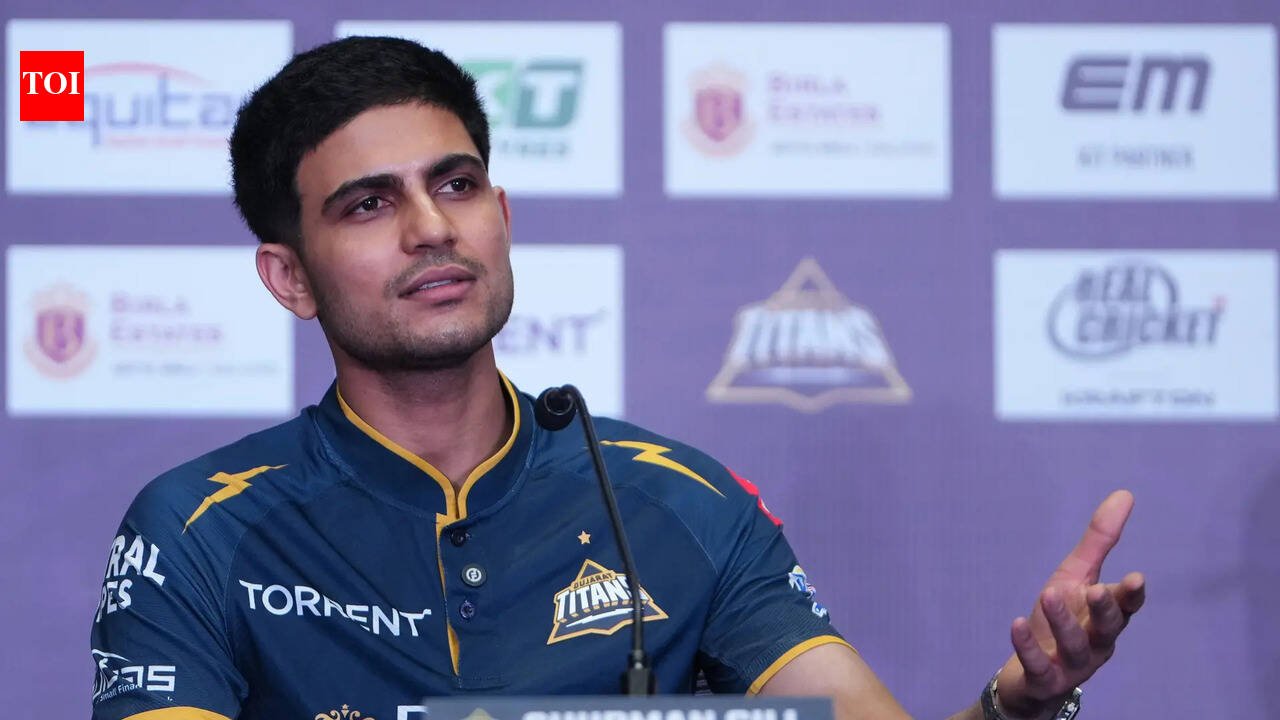
Shubman Gill joins criticism of Impact Player rule, says ‘It takes the skill out’
Gujarat Titans’ captain Shubman Gill (AP Photo/Ajit Solanki)

Gujarat Titans captain Shubman Gill has joined the growing list of Indian players voicing concerns over the Impact Player rule in the Indian Premier League, stating that it “takes the skill out of the game.” Gill’s remarks come shortly after similar criticism from players like Rohit Sharma, Hardik Pandya and Axar Patel. During the IPL captains’ meeting held in Mumbai, a majority of team leaders, including Gill, reportedly pushed for a review of the rule, which was first introduced by the BCCI in 2023 and has since been extended until at least 2027. Speaking a day after the meeting, Gill was clear in his stance against the regulation, which allows teams to introduce an extra batter or bowler at any point during a match. “Personally for me, I don’t think there should be an impact player. I think cricket in general is an 11 players’ game and on wickets where we play on the grounds that we play, adding an extra batsman is I think it takes the skill out of the game,” Gill said. He further explained that the traditional balance of the sport is being affected, especially in pressure situations where teams are expected to adapt with limited resources. “There’s a certain skill in the game that you need to have. When you have a certain amount of batters and if a couple of your batters get out, there’s an amount of skill that you need to have to still get the scoreboard moving and get your team to a good score.” Gill also argued that the rule is making matches more predictable and less competitive, particularly on batting-friendly surfaces. “With that one extra player, it’s making the game more one-dimensional and it’s taking a little bit of the skill out of the game. Chasing 180 on a challenging wicket or 160 on a challenging wicket is for me, it’s personally way more exciting than chasing 220 on a flat wicket,” he added. Despite the criticism from several players, the rule is set to remain in place for the foreseeable future, with any potential review expected only after the 2027 season. “It’s gonna be there till 2027. It’s something that we also spoke about in the captain’s meeting yesterday. I understand it makes the game a bit more entertaining, but let’s see. It’s there. It’s up to them what the BCCI is going to do, they’re gonna take their decision, but personally I don’t like it,” Gill said.


Source link

BMC suspends staffer for 3 days over negligence in Metro 3 tunnel damage | Mumbai News


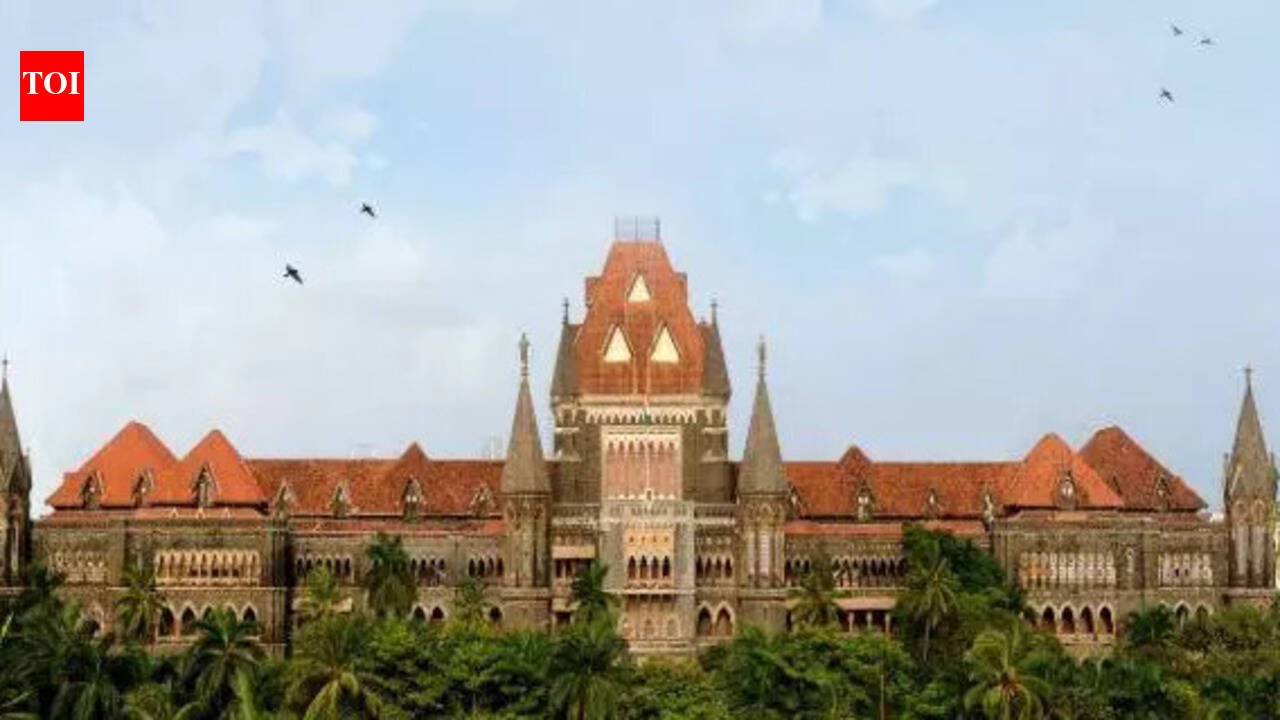
Mumbai: The BMC’s A ward has suspended a junior overseer (JO) for alleged negligence in failing to take action or inform senior officials after an unauthorised borewell was dug on a state govt plot, damaging a section of the underground Mumbai Metro Line 3 tunnel near Chhatrapati Shivaji Maharaj Terminus earlier this month.A civic official said the JO, in whose jurisdiction the incident occurred, neither initiated legal proceedings nor alerted superiors and other departments concerned, despite being aware of the development. “He has been suspended for three days from March 25 for dereliction of duty,” the official said.The plot where the borewell was dug falls under the deputy director of the state sports department, and the work was being carried out by a contractor appointed by the department. Civic officials said the borewell was dug without BMC’s permission. “We approached the police, but since an FIR had already been registered, no separate complaint was filed,” the official added.Police have invoked multiple provisions of the Bharatiya Nyaya Sanhita along with the Metro Railway (Operation and Maintenance) Act, 2002. Section 125 of the BNS pertains to negligent acts endangering human life or safety, while Sections 324(5) and 326(b) relate to mischief causing damage to property, including critical public infrastructure. Section 78 of the Metro Act deals specifically with damage to Metro railway property and acts that could compromise operational safety.


Source link

US-Iran war impact: India’s crude imports from Russia near all time highs; will such high numbers continue?


US-Iran war impact: India’s crude imports from Russia near all time highs; will such high numbers continue?
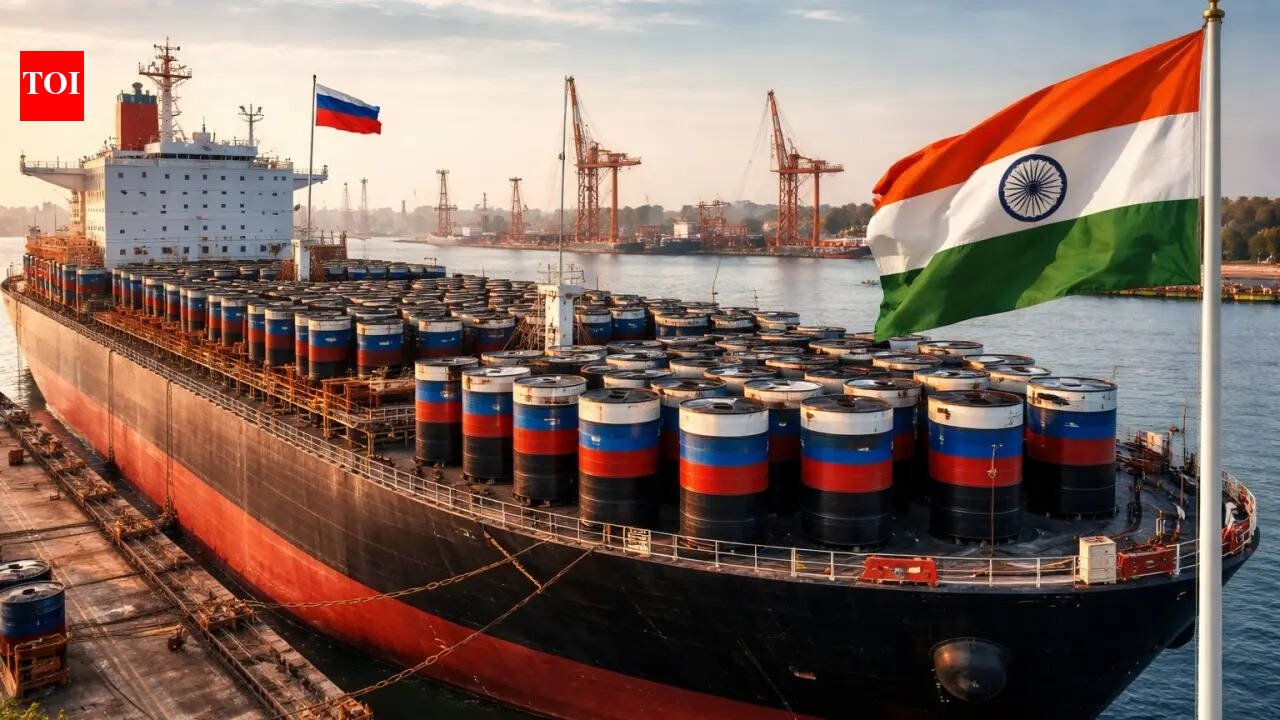
Historically, India’s highest monthly purchases of Russian crude have been around 2.0-2.1 Mbd since the Russia-Ukraine war began in 2022. (AI image)

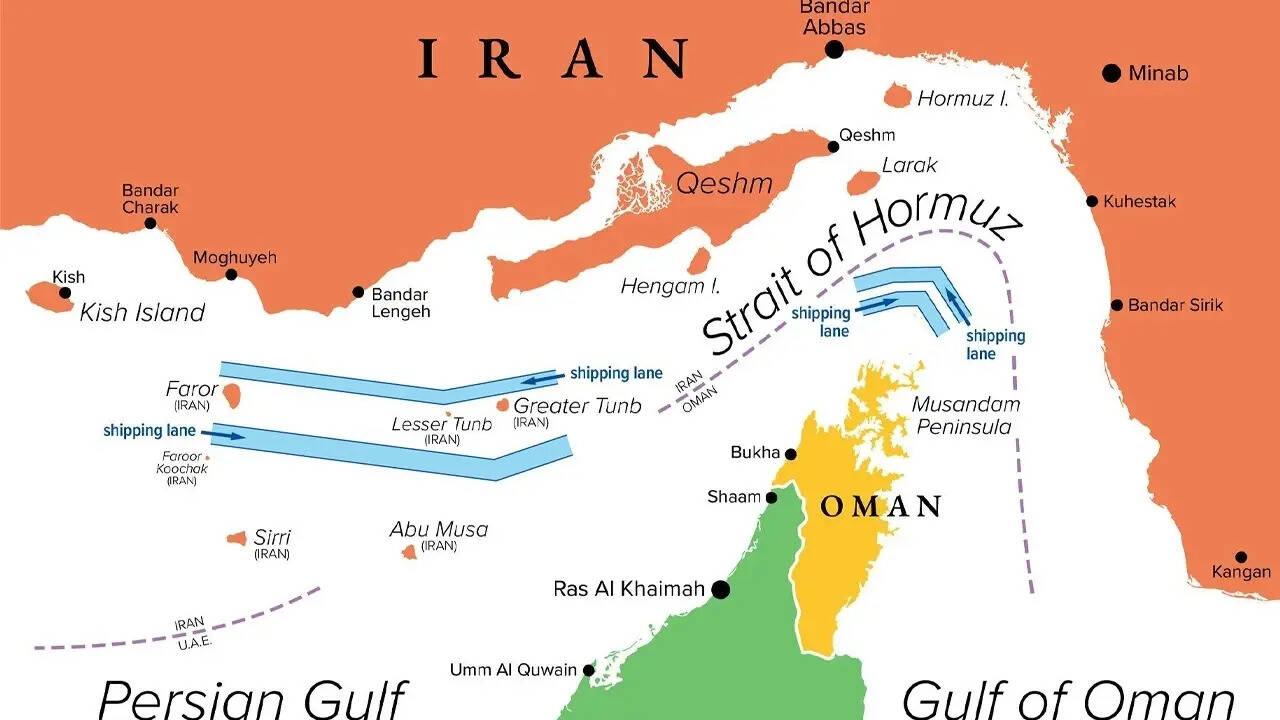
Russian crude has emerged as a major player amid the US-Iran war – global crude oil supply is badly affected via the Strait of Hormuz, Middle East countries are finding it difficult to export oil and global crude oil prices have risen dramatically. The situation has had major implications for India – a country that imports almost 90% of its crude oil.There was a time after the Russia-Ukraine war began in 2022 that Russia had begun to contribute approximately 35-40% of India’s crude oil imports. Come early 2026, sanctions forced India’s procurement of Russian crude to drop. But March 2026 presents a very different picture.The inflows of Russian crude oil have risen sharply since the US-Iran war began and imports via the Strait of Hormuz were disrupted. In fact, crude imports from Russia are now nearing lifetime monthly highs!The Donald Trump administration has given a 30-day waiver for purchase of Russian crude to keep global oil prices stable. It’s important to note that India has never stopped buying crude oil from Russia, however imports dropped drastically after sanctions on Russian oil majors.

Strait of Hormuz

“We source crude from wherever supplies are available, competitively priced and deliverable, and we will continue to do so,” a government source told TOI earlier this month. The source also said that the declaration of a 30-day waiver by the US appears to be for the consumption of their domestic audience.

When India Became A Big Importer of Russian Oil

For decades, India has mainly imported crude oil from the Middle East, especially from countries like Iraq, Saudi Arabia and the UAE. The decision has been driven by proximity, long‑term contracts and stable shipping routes.After the Russia–Ukraine war began in 2022, Western sanctions pushed Russian oil out of European markets. This is when India started importing large volumes of Russian crude – and a big factor driving this decision was the availability of crude that suited Indian refineries at such steep discounts.This helped India reduce its oil import costs and diversify its supply network. However, in late 2025 and early 2026, India scaled back Russian oil purchases amid US trade negotiations and pressure linked to tariffs and sanctions compliance. In August 2025, the Donald Trump administration imposed a 25% penalty tariff on India for its crude oil buys from Russia. The US called these imports an indirect financing of the war against Ukraine. Within months two Russian crude oil majors, Lukoil and Rosneft, were sanctioned making it difficult for Indian refiners to buy Russian crude, leading to a gradual decline in imports. But that has changed now.

The Re-emergence Of Russian Oil

An analysis by Kpler, a global real-time data and analytics provider suggests that India has so far purchased around 45–50 million barrels of Russian crude since the start of the Middle East conflict. The figure may even be higher, given that April figures are not confirmed as yet. The trendline suggests March procurement is likely to reach around 1.8–2.0 Mbd, which would make it one of the strongest months for Russian crude intake since India began ramping up purchases after the start of the Russia-Ukraine war. This compares with a pre-conflict run rate closer to around 1.0 Mbd, Sumit Ritolia, Lead Research Analyst, Refining and Modelling at Kpler tells TOI.Historically, India’s highest monthly purchases of Russian crude have been around 2.0-2.1 Mbd since the Russia-Ukraine war began in 2022.Hence, the biggest takeaway is that the current spurt in purchases of Russian crude oil is now nearing peak monthly trends seen before India started dialling down on Moscow’s crude. For Sumit Ritolia, what stands out is the speed of the rebound: as Middle Eastern supplies via Hormuz dried up, Indian refiners were able to lift Russian purchases by close to around 0.8–1.0 Mbd, helping cushion the disruption without materially affecting refinery runs so far.Sourav Mitra, Partner – Oil & Gas at Grant Thornton Bharat points out that India bought the most Russian crude in a single month in May 2023, when imports reached about 66 million barrels, 2.1 million bpd. “The recent rise in March 2026 is expected to be as high, at around 60 million barrels. This implies that the ongoing conflict in West Asia has pushed India’s purchase of Russian crude oil closer to its previous all-time high,” Mitra tells TOI.

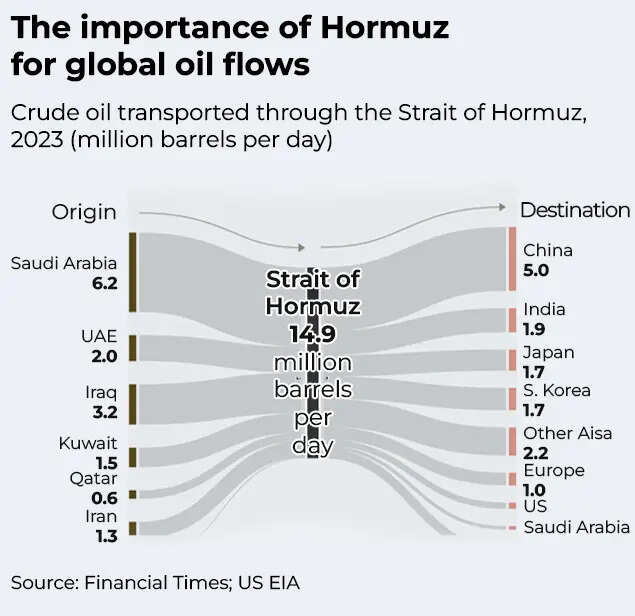
Importance of Hormuz for global oil flows

India vs China: The Russian Crude Factor

Experts note that since China has more reserves, it is structurally less exposed to the Strait of Hormuz oil supply shock.Kpler data and analysis suggests that compared with China, India is currently buying similar to slightly higher absolute volumes of Russian crude in March, depending on the month, but Russia’s role in India’s crude slate has become much more critical in the current environment. China continues to take substantial Russian volumes as well, supported by both seaborne crude and pipeline imports, while India’s recent increase has been more directly linked to replacing lost Middle Eastern barrels. “In other words, India and China remain the larger structural buyers of Russian crude overall, but India’s current surge is more pronounced from a substitution and energy-security standpoint,” says Sumit Ritolia.India usually imports 5-5.5 million bpd of crude oil vis-à-vis China’s import of about 11 million bpd.Sourav Mitra says that in 2025, China ramped up crude oil imports to 11.5 million bpd to augment its stockpiles. Russia accounted for 18% of total Chinese crude oil imports in 2025. China’s import of Russian seaborne crude oil surged to almost 2 million bpd in February as India scaled back the import of Russian Urals in February. In the first two months of 2026 alone, Russia’s shipments of crude to China rose about 40 % y-o-y.“Since oil prices are high and China has enough inventory, it’s likely to cut its oil purchases. Shifting of sanctions policies and rising demand from other countries could moderate Russia’s shipments to China in the coming months. However, Russian oil may remain one of China’s preferred choices due to the stability and scale it provides in uncertain times,” he says.

India’s Energy Security & Resilience

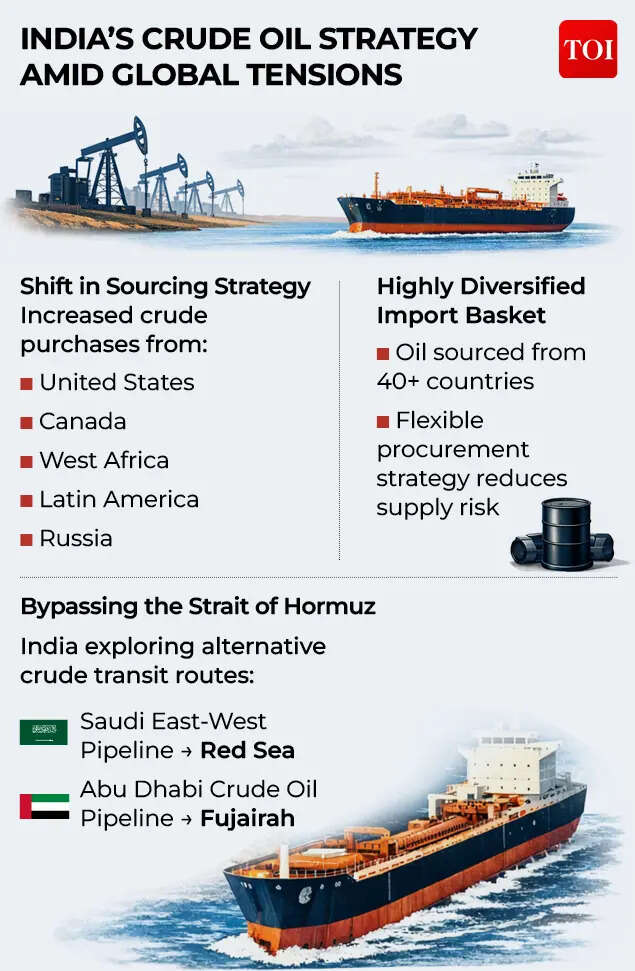
India remains structurally exposed to disruptions in the Strait of Hormuz, having historically sourced around 50% of its crude imports via the route. The ongoing conflict has therefore impacted both crude and LPG flows into the country. “Since the US eased restrictions on incremental purchases of Russian crude, Indian refiners have significantly ramped up intake. Pre-conflict, India was importing around 2.6-2.7 Mbd of Middle Eastern crude which was largely via Hormuz and around 1.0 Mbd of Russian crude. Post-conflict, the flows via Hormuz have sharply declined, but Russian imports have increased to around 1.9–2.0 Mbd, effectively offsetting a large portion of the disruption,” says Sumit Ritolia.Also, as Kpler notes, Middle Eastern producers are partially rerouting supplies via pipelines that bypass Hormuz. The most notable is Saudi Arabia’s East-West (Yanbu) pipeline and the UAE’s Habshan–Fujairah pipeline. These flows have provided incremental relief, allowing India to continue sourcing some volumes from the region despite maritime constraints.

India’s crude oil strategy amid global tensions

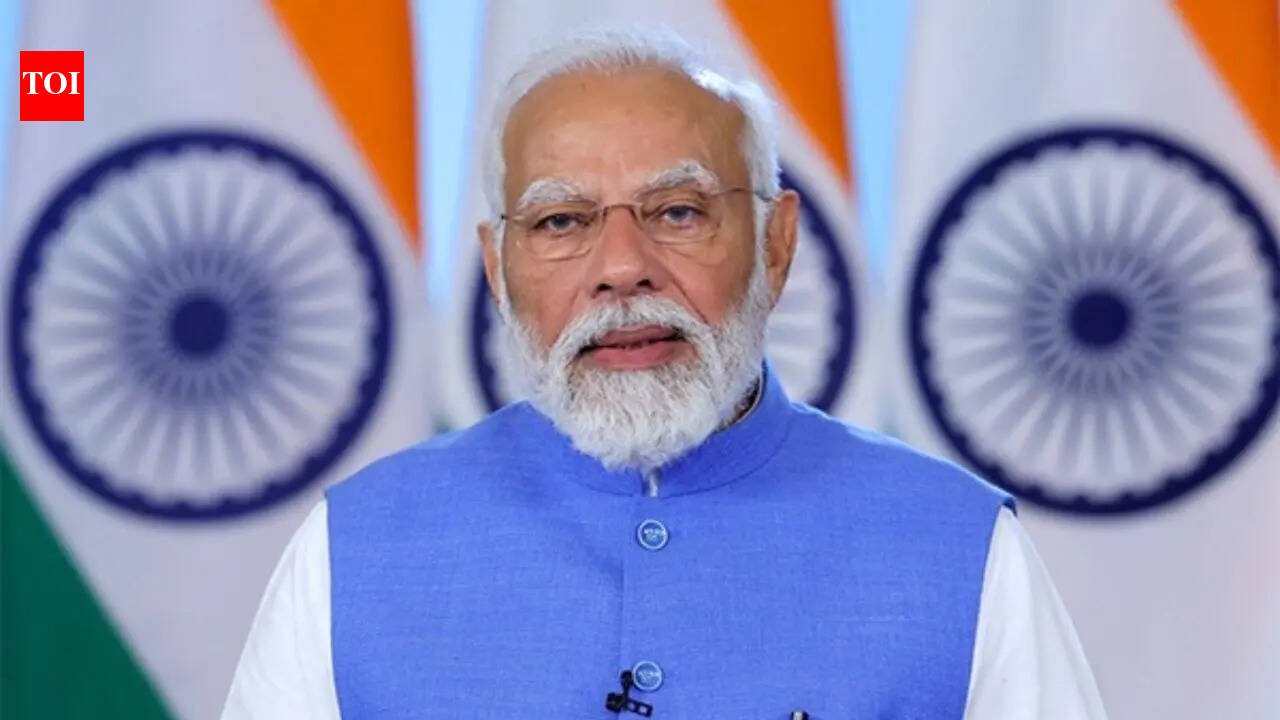
Overall, India’s total crude imports are currently down by around 800 kbd as of date compared to January or February 2026 levels. However, according to Kpler this has not yet materially impacted refinery runs, which remain broadly stable. Refiners have drawn down commercial inventories (excluding strategic petroleum reserves) to sustain throughput, while product exports continue to track near historical norms. What seems to be working in India’s favour is its diversified crude import basket. As PM Narendra Modi said in Parliament: In the last 11 years the number of countries from which India gets oil has increased from 27 to over 40.“Despite the situation at the Strait of Hormuz, India is today receiving more crude oil from its 41-plus suppliers across the world than what was previously arriving through the Straits. High volumes available in international markets — especially from the western hemisphere — have more than compensated for any disruption. Every Indian refinery is running at over 100% utilisation. Crude oil supplies for next 60 days have already been tied up by Indian Oil companies. There is NO supply gap,” the Ministry of Petroleum & Natural Gas has clarified today.Experts note that the trend of reduced Russian crude since late 2025 has reversed.“With shipping risks rising and Middle Eastern supplies becoming uncertain, Indian refiners have quickly increased Russian crude imports again to ensure energy security and uninterrupted refinery operations. The crude procurement is well diversified with supplies coming from US, Venezuela and West African countries,” says Sourav Mitra.Looking ahead, Russian crude is expected to remain the backbone of India’s import slate, with March likely marking one of the highest intake months since June 2025, Ritolia tells TOI. This trend is expected to continue into April, he says.The expert also points to potential for opportunistic purchases of Iranian barrels, particularly cargoes that are already on water, although no significant flows to India have been observed yet in vessel tracking data. Also, India is expected to start receiving Venezuelan barrels from April onwards, and that would help to arrest some of the crude supply risk, he adds.However, despite resilience so far, some moderation in refinery throughput is emerging, with runs estimated to decline by around 5–8% going forward, with crude runs around 5.2 to 5.3 million b/d, notes the Kpler expert.“That said, domestic product supply remains well balanced, and India is relatively better positioned than other Asian exporters. With countries like China and South Korea curbing exports, India could continue to play a key role in supplying refined products to East and Southeast Asia,” he adds.To sum it up, experts are of the view that India has managed to cushion the impact of Strait of Hormuz-linked oil supply disruptions for now by increasing Russian crude oil imports.“While some pressure on runs is expected, the system remains resilient, with no immediate risk to domestic fuel supply and continued strength in product exports,” Ritolia concludes.

Source link

PM Modi to attend G7 summit in France from June 15-17, focus on global economy and Hormuz security | India News


PM Modi to attend G7 summit in France from June 15-17, focus on global economy and Hormuz security

NEW DELHI: Prime Minister Narendra Modi will attend the upcoming G7 summit in France from June 15 to 17, with his participation confirmed during high-level diplomatic engagements on the sidelines of the G7 Foreign Ministers’ Meeting.External affairs minister S Jaishankar held talks with French minister for Europe and foreign affairs Jean-Noël Barrot at the Abbaye des Vaux-de-Cernay, where both sides welcomed PM Modi’s confirmation for the Évian Summit scheduled for mid-June.The two ministers underlined India’s role in the G7’s ongoing work, particularly in addressing major macroeconomic imbalances, strengthening international partnerships, and advancing global solidarity frameworks.Discussions also focused extensively on the evolving situation in the Middle East. Both sides agreed to maintain close coordination, especially in ensuring the security of the Strait of Hormuz, a critical global energy corridor, according to the Embassy of France in India.


Source link

‘One-sided, unfair’: Iran formally conveys its response to US 15-point proposal for de-escalation, leaves diplomacy door open


'One-sided, unfair': Iran formally conveys its response to US 15-point proposal for de-escalation, leaves diplomacy door open

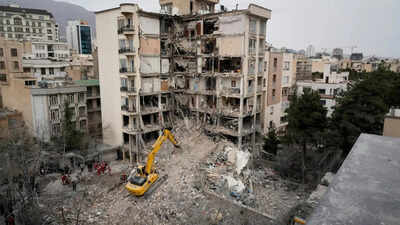
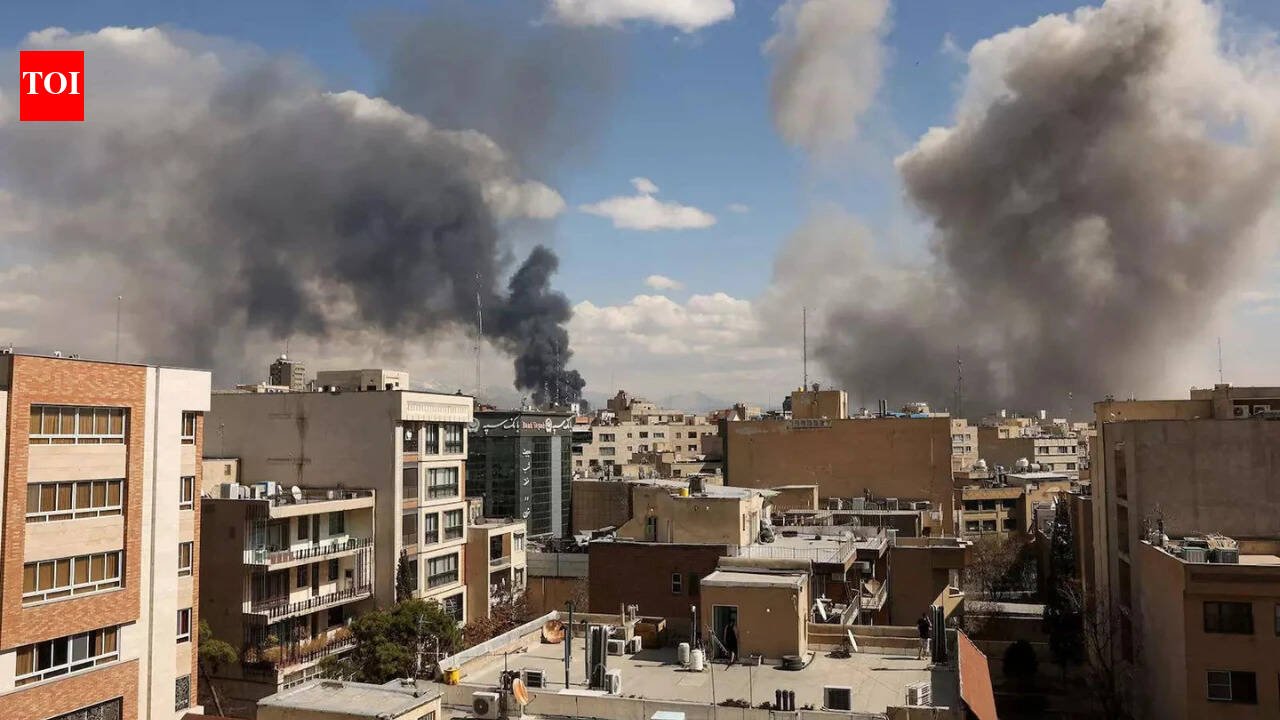
Damage in Tehran (AP file photo)

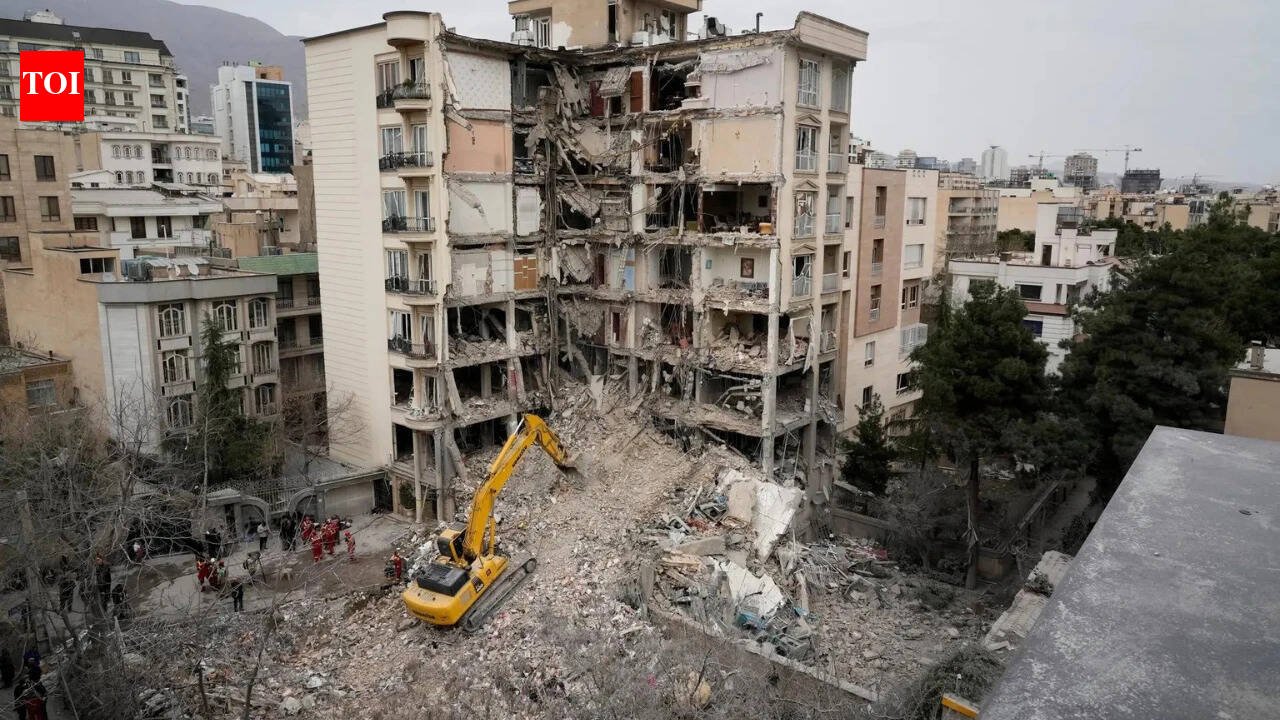
Iran on Thursday officially conveyed its reponse to Pakistan on the US 15-point proposal for de-escalation talks, calling it one sided and unfair.“Iran’s assessment is that it is “one-sided and unfair”, serving only US, Israel interests,” reported Reuters quoting a senior Iranian official, confirming that the proposal “was ​reviewed in detail on ⁠Wednesday night ‌by senior Iranian ​officials ​and the representative of ⁠Iran’s Supreme Leader”.The official further criticised the US proposal, arguing that it effectively asks Iran to give up its defensive capabilities without offering a clear or credible pathway for sanctions relief. “In brief, the proposal suggests that Iran would relinquish its ability to defend itself in exchange for a vague plan to lift sanctions,” he said, adding that the ‌proposal lacked the minimum requirements for success.He further indicated that diplomatic engagement remains distant, noting the absence of any concrete framework for talks.He said there was “still no arrangement for ⁠negotiations, and no plan for talks appears realistic at this stage”, while Turkey and Pakistan were trying to help “establish common ground between Iran and the United States and reduce differences”.This comes a day after Iran had already publicly rejected US 15-point proposal on possible de-escalation talks in Pakistan or turkey, countering with their own 5 demands. Iran had said that any ceasefire will happen only on its own terms and timeline.It laid out key conditions, including a halt to attacks, guarantees against future conflict, war reparations, and recognition of its rights over the Strait of Hormuz, while ruling out negotiations until these are met.Meanwhile, the US proposal included curbs on Iran’s nuclear and missile programmes in exchange for sanctions relief, but Iran has dismissed it as unrealistic on Wednesday too. With continued strikes between Iran and Israel and disruptions to global energy flows, the situation remains tense.


Source link

Give Rs 80,000 compensation to man who fell of train while seated near door, Bombay high court orders railways | Mumbai News


Mumbai: Bombay high court has directed the railways to grant Rs 80,000 compensation to a man who fell off a running train while sitting near the door.The Central Railway said no compensation could be awarded as it was a “self-inflicted injury”, which under the rules excludes compensation.The passenger, Rohidas Kumavat, was travelling by Guwahati Express train from Manmad to Jalgaon. When the train was entering Jalgaon station, he said, “due to the rush, his hands slipped” and he fell from the running train, leading to a head and shoulder injury. The train had no halt at Jalgaon.Justice Jitendra Jain, said long-distance trains have no display board about halts, “if a person boards a train and train does not have halt at the railway station where he wants to de-board, no fault can be attributed to such a passenger”.But Justice Jain said, “It is advisable to wait till the train halts at the next railway station and pay necessary fine for travelling beyond the destination for which the ticket was purchased,'” adding, “I am conscious that at that point of time, a human being may take steps to risk the life, but it is at that point of time that test of mental balance is tested. This is required in the larger interest of the dependents of the passenger. The railway authorities should introduce a public announcement system like that in Vande Bharat train, in all the trains to reduce such incidents.'”The Supreme Court said in 2010 if a person sitting or standing near the door accidentally falls down, it would not be a case of suicide, self-inflicted injury, criminal act, etc.The HC said it was possible the passenger thought the train would halt at Jalgaon and, on realising it wasn’t, an attempt to alight would naturally lead to “some injury”.Justice Jain said he could have waited for the next railway station to de-board the moving train, but at that point of time, a person loses his mental balance and in panic tries to de-board the moving train without there being any intention of “self-inflicted injury”.“No person in such a situation would do any act to impose upon him ‘self-inflicted injury’ and in some cases, it is also possible that he may go unscathed,” added the HC.


Source link

Family of Harish Rana donates his corneas, heart valves | Delhi News


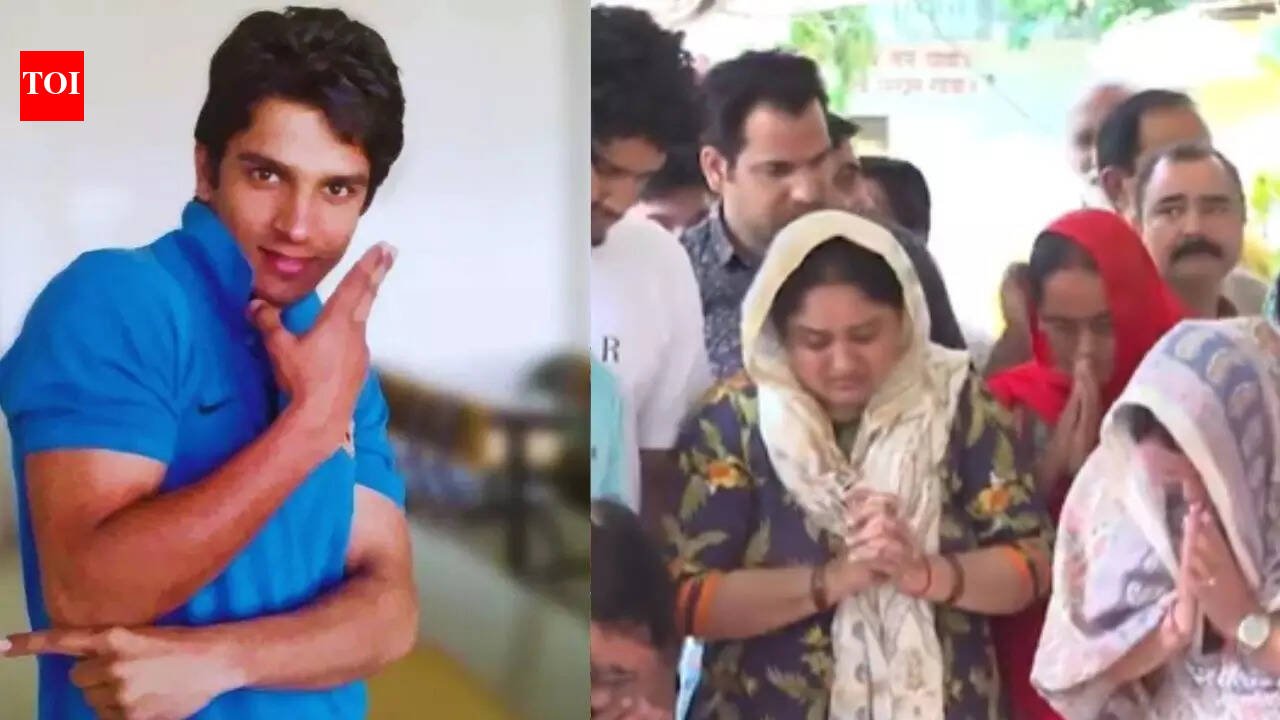
The final rites of Harish Rana, the first individual in India to be legally granted passive euthanasia, were performed in the national capital following his death at All India Institute of Medical Sciences.

NEW DELHI: The final rites of Harish Rana, the first individual in India to be legally granted passive euthanasia, were performed in the national capital following his death at All India Institute of Medical Sciences.The family donated his corneas and heart valves, according to news agency ANI.

Watch

Harish Rana Cremated After India’s First Passive Euthanasia Patient Dies Ending 13 Years Of Coma

Rana, 31, had been under specialised medical care for an extended period and died on Tuesday, marking a significant moment in India’s legal and medical landscape.In an official statement, AIIMS confirmed that Rana died at 4.10 PM at the institute.“Harish Rana passed away at 4.10 PM on 24th March 2026 at AIIMS, New Delhi. He was under the care of a dedicated team of doctors and was admitted to the Palliative Oncology Unit (IRCH), led by Dr. (Prof.) Seema Mishra, HoD, Onco-Anaesthesia. AIIMS extends its heartfelt condolences to his family and loved ones during this difficult time,” the press release said.Earlier this month, in a landmark ruling, the Supreme Court of India permitted passive euthanasia for Rana, a Ghaziabad resident who had been in a persistent vegetative state for more than a decade.A bench of Justices JB Pardiwala and KV Vishwanathan allowed the withdrawal of clinically assisted nutrition and hydration (CANH). Rana had remained in a vegetative state since suffering an accidental fall from a building in 2013.Passive euthanasia refers to the withdrawal or withholding of life-sustaining treatment to allow a patient with no reasonable prospect of recovery to die naturally.Expressing profound sadness while delivering the judgment, the court noted that all stakeholders, including the patient’s family and medical boards assessing his condition, agreed that continuing aggressive medical support would serve no meaningful purpose.The bench also highlighted the absence of a comprehensive law on end-of-life care and urged the Union government to consider legislation in line with principles laid down in the Common Cause v. Union of India (2018) case.“The prolonged absence of comprehensive legislation on end-of-life care has compelled this Court, time and again, to step in to fill the vacuum,” the court said.It added that a dedicated law in this area would bring greater clarity and certainty to such emotionally complex issues.


Source link

IPL 2026 [WATCH]: Virat Kohli jokingly calls Venkatesh Iyer ‘Allan Donald’ during RCB’s net practice


Pre-season training camps are usually all business, drills, fitness sessions, tactical discussions, and plenty of hard work behind closed doors. But every now and then, a moment sneaks out that captures the spirit of a dressing room better than any press conference ever could. That is exactly what happened at Royal Challengers Bengaluru’s pre-season nets, when a short clip posted on RCB’s official social media stopped cricket fans in their tracks.

Venkatesh Iyer’s move to RCB and what he brings to the table

Venkatesh Iyer was picked up by RCB for ₹7 crore at the IPL 2026 auction, having previously been a key part of the Kolkata Knight Riders setup. In his time with KKR, he played 62 matches and scored 1,468 runs as a left-handed batter, averaging a strike rate of 137.32 with one century and 12 fifties to his name.

But what has always made Iyer interesting is that he is not just a batter. His ability to bowl at a decent pace and contribute with the ball adds a layer of flexibility that any T20 side values. RCB head coach Andy Flower has already highlighted Iyer’s all-round utility as crucial to the team’s balance, and going by the nets footage, Iyer seems to be taking that responsibility seriously.

Virat Kohli terms Iyer as Allan Donald

Iyer was seen bowling in the nets and nailing a precise yorker that sends the off-stump flying. Standing nearby and watching it unfold is none other than Virat Kohli, who reacts immediately with a grin and drops a reference that no Indian cricket fan would miss. Kohli called out to Iyer saying “Venkateshwar, tu toh Allan Donald bana hua hai” — comparing him to the South African pace legend right there in the middle of a practice session.

Here is the video:

Also READ: SWOT analysis of Royal Challengers Bengaluru: RCB’s report card ahead of the IPL 2026

RCB to kick off IPL 2026 campaign against SRH

For those unfamiliar with the name, Allan Donald is widely regarded as one of the most fearsome fast bowlers to ever play the game. The South African, nicknamed “White Lightning,” terrorized batters throughout the 1990s and early 2000s with his searing pace, accuracy, and ability to generate sharp bounce on any surface. He took 330 Test wickets and was instrumental in South Africa’s rise as a cricketing powerhouse after their return to international cricket.

So when Kohli, a man who has faced the best bowlers in the world across formats, casually drops that name while watching a net session, it is not something you brush aside. It was clearly said in good humour, but the underlying point was clear: Iyer was bowling with genuine pace and precision, enough to earn a reaction from one of cricket’s most competitive minds.

RCB begin their title defence against Sunrisers Hyderabad this Saturday at the M. Chinnaswamy Stadium in Bengaluru, and if the energy coming out of their pre-season camp is anything to go by, the defending champions are going into IPL 2026 in a very good headspace indeed.

Also READ: Ruturaj Gaikwad signals new opening pair for CSK in IPL 2026


Source link

Gulf crisis: One Indian killed, another injured in Abu Dhabi after missile debris falls


Gulf crisis: One Indian killed, another injured in Abu Dhabi after missile debris falls

An Indian national was among two people killed after debris from a ballistic missile intercepted by UAE air defence systems fell in Abu Dhabi on Thursday, said Abu Dhabi Media Office. Another Indian national was also injured in the incident.

Watch

Iran Missile Debris Kills Two In Abu Dhabi; 2 Others Injured, Car Damages; Shockwaves In UAE

Abu Dhabi confirms deaths and injuries

In a post on X, the Abu Dhabi Media Office said the fatalities occurred “as part of the ongoing follow-up to the previously reported incident caused by falling debris following the successful interception of a ballistic missile by air defence systems”.The statement said the incident “has resulted in the deaths of two individuals of Pakistani and Indian nationality, and in injuries ranging from serious to moderate sustained by three individuals of Emirati, Jordanian, and Indian nationality”.

Debris fell on Sweihan Street after interception

Earlier, Abu Dhabi authorities had said they responded to an incident involving falling debris on Sweihan Street after a ballistic missile was successfully intercepted by air defence systems.The Abu Dhabi Media Office had said, “Abu Dhabi authorities have responded to an incident involving falling debris in Sweihan street, following the successful interception of a ballistic missile by air defence systems. The incident resulted in the deaths of two unidentified individuals, three injuries, and damage to a number of cars. Further updates will be provided in due course”.Emergency services were deployed immediately after the debris struck a busy stretch, damaging several vehicles and injuring people in the area.

Authorities urge public to rely on official information

The Abu Dhabi Media Office urged people not to circulate unverified reports.“The public is advised to obtain information only from official sources and to avoid spreading rumours or unverified information,” the statement further said.

UAE air defences responding to Iranian threats

Earlier in the day, the UAE ministry of defence said its air defences were responding to incoming missile and drone threats from Iran.In a statement shared on X, the ministry said, “UAE air defences are currently responding to incoming missile and drone threats from Iran. MOD asserts that the sounds heard are the result of the Air Defence Systems intercepting missiles and drones”.

Wider toll rises amid continuing attacks

The total death toll in the UAE had risen to 11 after the latest strike-related debris incident.UAE ministry of defence said earlier on Wednesday that since the start of the conflict, UAE air defences had intercepted 357 ballistic missiles, 15 cruise missiles and 1,815 UAVs.166 people had been injured till Wednesday, with casualties including several foreign nationals, among them Indians.


Source link