Breaking News
T20 World Cup: Zimbabwe stuck in India amid closure of airspace in Middle East | Cricket News


T20 World Cup: Zimbabwe stuck in India amid closure of airspace in Middle East
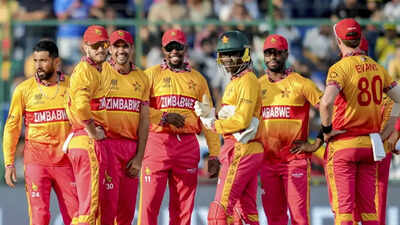
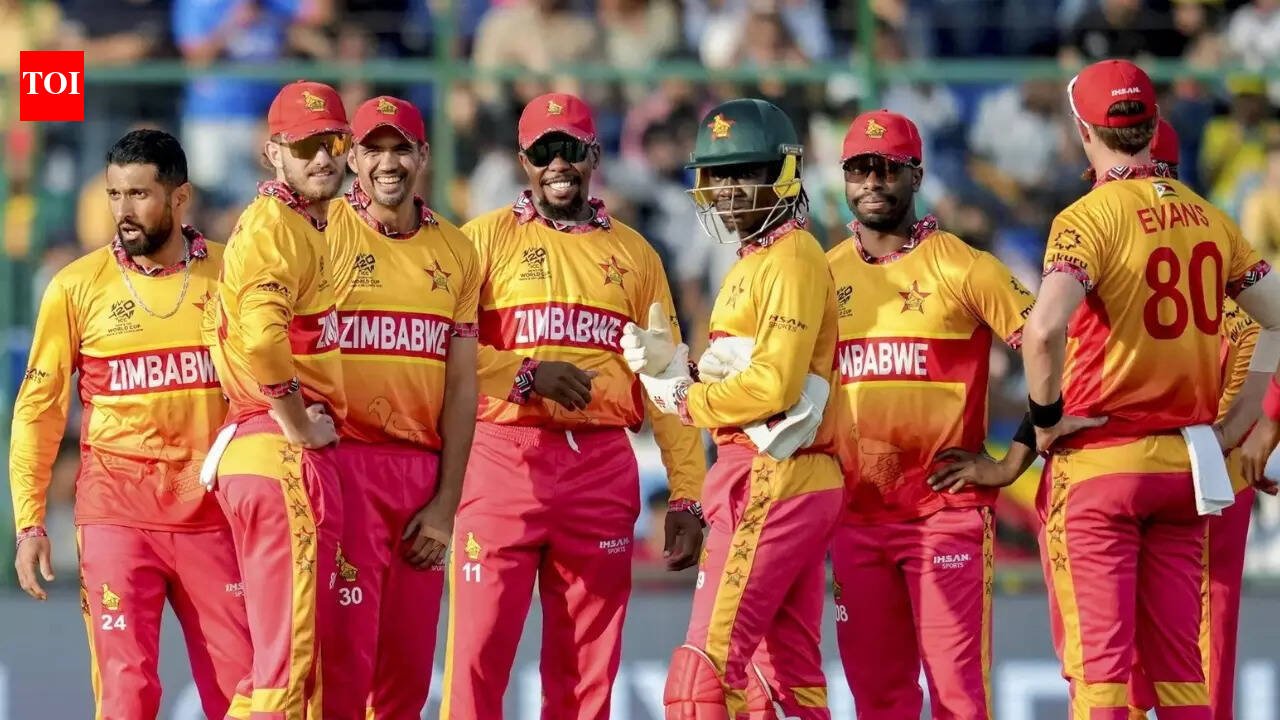
Zimbabwe players celebrate after the wicket of South Africa’s captain Aiden Markram during the ICC Men’s T20 World Cup 2026 cricket match between Zimbabwe and South Africa, at Arun Jaitley Stadium in New Delhi. (PTI Photo)

TimesofIndia.com in New Delhi: Already out of the T20 World Cup semi-final race, Zimbabwe readied for the dead rubber against South Africa in New Delhi on Sunday. As they went through their paces on a hot Saturday afternoon a day prior, their focus shifted to their phones and news channels by the evening.After the US and Israel’s airstrikes on Iran and their counter-attack on US military installations around the Gulf, it has affected the airspace in the global business hub of Dubai. Zimbabwe were due to fly out through that region on their way back home after a positive tournament.“You still believe that the focus is on the game. At the end of the day, it is on the back of everyone’s minds. You know you’re going home, when you’re going home, how you’re going home, the conversations are happening in the groups. No clarity on travel plans, focus on game since,” said Zimbabwe coach Justin Simmons after their 5-wicket loss to South Africa.As a result, Zimbabwe and their travelling fans are forced to look at alternative routes. The team was due to leave in three batches, revealed Simmons, but have no clarity as things stand. One of the players in the squad, Graeme Cremer, lives in Dubai. The team and their fans are considering the possibility of flying for Ethiopia’s capital, Addis Ababa, and then taking their onward journeys.South Africa, meanwhile, have more days left in India. They will now fly to Kolkata for the semi-final against New Zealand. The reality of the world outside, though, is not lost on the Proteas contingent.“Obviously it comes up in every conversation, so you can’t wish it away because it’s there. We’ve just got to try and nail our yorkers. So whilst it’s (in) conversations, we’ve managed to just move that aside,” said South Africa coach Shukri Conrad after they kept their unbeaten run going.“And obviously our manager, together with the ICC, we firmly believe that all the right decisions will get made. All our focus is on Kolkata and playing New Zealand on Wednesday,” he added.On Saturday, ICC, headquartered in Dubai, had issued a statement clarifying that they were monitoring the developing situation. “The International Cricket Council (ICC) is closely monitoring the evolving situation in the Middle East and has activated comprehensive contingency plans to safeguard the travel, logistics and well-being of all stakeholders associated with the ICC Men’s T20 World Cup 2026, currently underway in India and Sri Lanka,” said the statement.“While the crisis in the Middle East has no direct bearing on the conduct of the tournament, the ICC acknowledges that a significant number of personnel – including players, team management, match officials, broadcast teams, and event staff – rely on Gulf hub airports, particularly Dubai (DXB), as key transit points for onward travel to their home countries upon concluding their commitments at the event,” it continued.As of Sunday, Indian airlines have cancelled 350 international flights due to the disruptions caused by the escalating conflict in the GUlf region.“In view of airspace restrictions arising from geopolitical developments in the Middle East, a total of 350 flights operated by Indian domestic carriers have been cancelled on 01.03.2026,” the civil aviation ministry said in a post on X at 1634 hours on Sunday.


Source link

Khamenei dead, Middle East on edge: What will be the implications of Trump’s ‘Epic fury’ on stock markets, gold & oil?


Khamenei dead, Middle East on edge: What will be the implications of Trump’s ‘Epic fury’ on stock markets, gold & oil?
Experience shows markets often come to view geopolitical disruptions as temporary. (AI image)

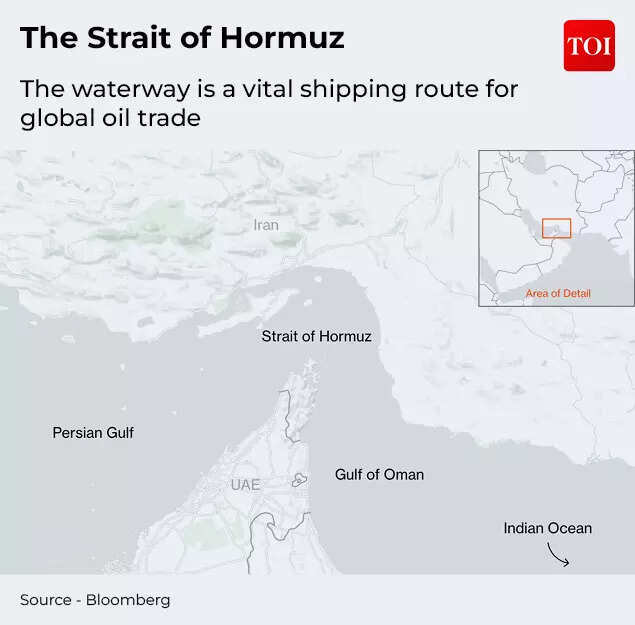
The global markets are in for a phase of enhanced turmoil and uncertainty! The ongoing tensions in the Middle East after US and Israel’s strikes on Iran and Ali Khamenei’s death may have investors running for cover – looking for an asset class that is safer.During the night of February 27–28, the United States and Israel carried out joint aerial strikes on Iran as part of “Operation Epic Fury.” Statements by President Trump openly referring to regime change suggest that the confrontation could evolve into a prolonged campaign rather than remain a limited exchange, say market analysts at Franklin Templeton Institute.What does the situation mean for stock markets, energy markets (oil), gold and other asset classes? Here’s what Franklin Templeton Institute analysts have to say:From a market perspective, the key uncertainty is whether the conflict remains confined to direct military engagement or expands into disruptions affecting energy supplies and logistics networks, which would sustain a higher and more persistent risk premium.At the centre of the ongoing uncertainty from a global market and trade perspective is the Strait of Hormuz. While a complete blockade would carry severe consequences for Iran itself, the country has the capability to disrupt maritime traffic through tactics such as vessel harassment, seizures, drone activity, cyber operations, or the use of proxy forces.

Strait of Hormuz

Strait of Hormuz

The most immediate economic impact is expected in energy markets, where crude oil and natural gas prices are likely to move higher, they say. Such actions, feel analysts, will keep geopolitical risk premiums at high levels. In 2024, approximately 20 million barrels per day moved through the Strait of Hormuz, which is around one-fifth of global petroleum liquids consumption. Even a limited interference – which can be caused by delays, rerouting, or isolated seizure – can push prices higher through increased risk perception well before any actual shortages emerge.

US Iran War: Why Strait Of Hormuz Closure Is India’s Worst Nightmare | Explained

Liquefied natural gas should not be overlooked in this context. Qatar has the world’s third-largest LNG export capacity, and roughly one-fifth of global LNG shipments pass through the Strait of Hormuz, largely consisting of Qatari exports. As a result, shipping risks in the region affect gas markets as significantly as oil markets.Also Read | US-Israel strikes on Iran: How will India be hit by Strait of Hormuz closure? ExplainedShipping expenses have already begun to rise, with insurance costs acting as a major driver. Insurers have started issuing cancellation notices and revising war-risk premiums for voyages in the Gulf region. Some routes have reportedly seen premium increases of up to about 50%, while earlier periods of tension recorded rises exceeding 60% on important trade corridors. These developments effectively tighten supply conditions even when production levels remain unchanged.The possibility of the conflict spreading across the region is increasing. Franklin Templeton Institute analysts are of the view that across global financial markets, the immediate response to such shocks is usually driven by adjustments in risk perception rather than by underlying economic changes. “The initial market reaction for this type of event would typically see Treasury yields move lower and equities lower—mostly a risk-premium repricing. Impacts on activity/earnings may be delayed and uneven. The US dollar reaction is not guaranteed; gold tends to benefit while bitcoin has been trading like a risk asset (i.e., down with equities), reinforcing that it’s not typically a reliable hedge/diversifier in geopolitical drawdowns,” say Franklin Templeton Institute analysts.However, they note that experience shows markets often come to view geopolitical disruptions as temporary. Initial spikes in risk premiums are frequently followed by the realization that the overall effect on corporate profitability is limited. The duration of the conflict, developments in shipping and insurance costs, and the eventual resolution will be more important than the initial headlines.“We would not yet label this a clean buy-the-dip setup—duration, shipping/insurance mechanics, and the endgame matter more than the first headline,” they say.From an investment perspective, the near-term outlook favours sectors linked to energy markets, as well as companies benefiting from higher shipping and insurance costs, along with defence-related industries, the analysts say. At the same time, caution is warranted toward emerging markets that depend heavily on energy imports and toward cyclical sectors sensitive to fuel and logistics costs, including airlines and certain industrial segments.“For protection, we prefer oil upside/volatility structures and selective gold exposure over broad equity shorts—the path will be driven more by shipping/insurance reality than by the new cycle,” they conclude.


Source link

‘No one will get IPL contracts if…’: Ex-India cricketer’s message before West Indies clash | Cricket News


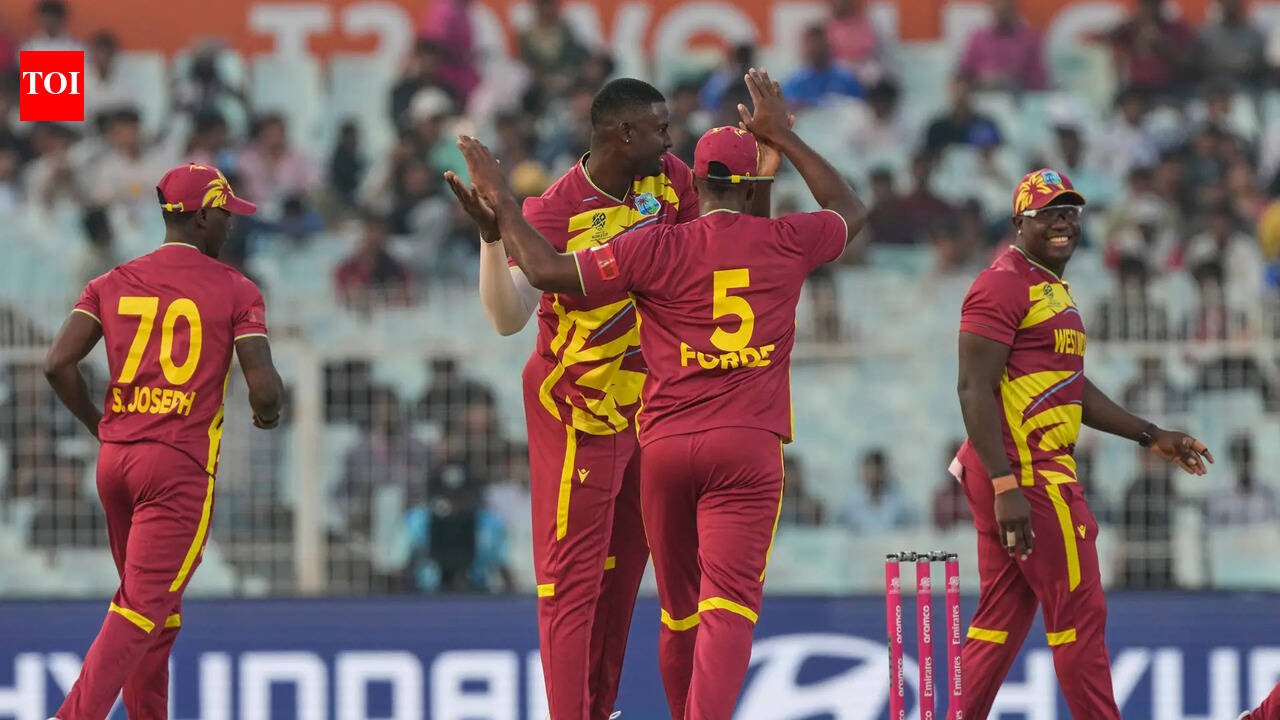
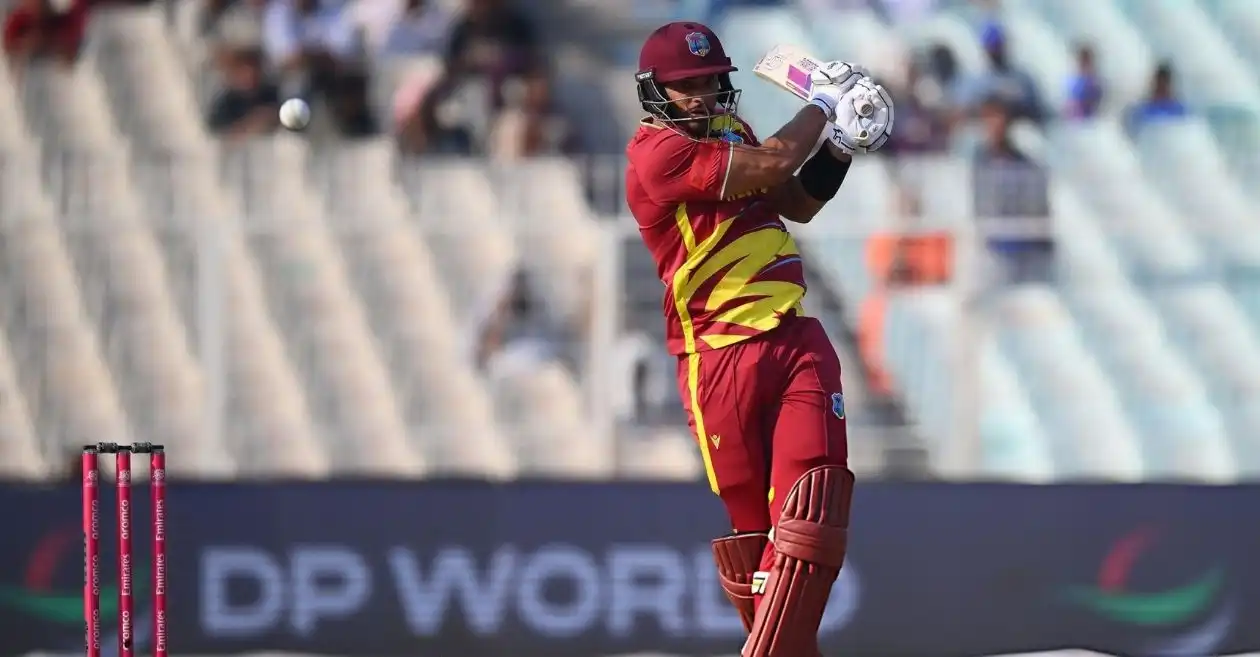
West Indies’ Jason Holder (AP Photo/Bikas Das)

With India gearing up for a decisive Super 8 encounter against the West Indies at Eden Gardens on Sunday, former cricketer Manoj Tiwary delivered a light-hearted yet pointed message to the Men in Blue. He joked that a failure to overcome the Caribbean side in their ICC T20 World Cup clash could even impact their future IPL prospects.The upcoming fixture is effectively a knockout, with the winner sealing a semi-final berth and the loser heading home. Both sides sit on two points from two matches in the Super Eight stage. Each recorded commanding victories over Zimbabwe but were outplayed by South Africa, making this contest a straight shootout for qualification.

India vs West Indies: Greenstone Lobo predicts fate of do-or-die World Cup clash

During a discussion on Cricbuzz, Tiwary backed India to bounce back strongly, pointing to their recent batting fireworks.“India have scored 256 in their last match, so from that position, they should go through. There is no pressure at all. The expectation would be to score over 200 and defeat the West Indies easily. If they can’t defeat the West Indies, no one will get IPL contracts,” Tiwary said with a smile on his face.Former India opener Virender Sehwag, who was part of the same panel, struck a more measured tone. He reminded fans that no side can be underestimated in a global event.“It can happen; it is not as if we are invincible and cannot lose to anyone. The other team is also here to play and win. You had one bad day; you lost that day to South Africa. Then we have defeated Zimbabwe, and now if we defeat the West Indies, we will qualify with a laugh,” Sehwag said.He also reflected on the intense public reaction that followed India’s defeat to South Africa.“Our country is quite emotional; they get emotional quite quickly. After losing just one match, people were reacting as if we lost the World Cup,” he added.With England, New Zealand and South Africa already through to the semi-finals, the final spot will be determined in this high-pressure showdown between India and the West Indies.


Source link

T20 World Cup 2026: Here’s why Brandon King is not playing today’s IND vs WI Super 8 match


The Super 8 clash between India and West Indies at Eden Gardens in Kolkata has all the ingredients of a high-stakes knockout. With South Africa already sealing their semifinal berth from Group 1, this encounter has effectively turned into a virtual quarterfinal. It is a straight winner-takes-all contest, with the victorious side booking the final remaining semifinal spot of the ICC Men’s T20 World Cup 2026.

For both teams, the equation is simple yet daunting. India have carried strong momentum into the Super 8 stage, while West Indies have shown flashes of brilliance but struggled with consistency. The pressure of a do-or-die contest adds an extra layer of intensity, especially given the rich history between the two cricketing giants. Eden Gardens, known for its electrifying atmosphere, is expected to be packed, with fans bracing themselves for a thriller.

Why Brandon King is not playing today’s match?

West Indies skipper Shai Hope confirmed at the toss that there has been one change in the playing XI. Spinner Akeal Hosein has come in for Brandon King. While Hope did not explicitly mention the exact reason behind King’s omission, the move appears to be a tactical one. With the Eden Gardens surface traditionally assisting spinners as the game progresses, West Indies seem to have opted for an additional spin option in Hosein. The left-arm spinner not only provides control in the middle overs but is also capable of contributing valuable runs lower down the order.

King, on the other hand, has endured a disappointing campaign. The aggressive opener has struggled to find rhythm in this tournament, failing to convert starts and putting the top order under pressure. Given the magnitude of this clash, the team management may have felt the need to make a bold call.

“It’s a do or die game today. This is what we play for – to play against big teams, best teams. One change, Akeal Hosein comes in for Brandon King,” said Hope at the toss.

Also WATCH: Sikandar Raza cleans up Aiden Markram with a carrom ball stunner in ZIM vs SA T20 World Cup 2026 clash

India stick with winning combination

India, meanwhile, have decided to back their settled combination. Captain Suryakumar Yadav confirmed that there are no changes to the side. The management’s decision signals confidence in the balance of the team, especially with both pace and spin departments delivering in crunch situations. With big names like Jasprit Bumrah leading the pace attack and Varun Chakaravarthy adding mystery spin, India appear well-equipped for the Kolkata conditions.

Playing XI of both teams

West Indies: Shai Hope (c and wk), Roston Chase, Shimron Hetmyer, Rovman Powell, Sherfane Rutherford, Romario Shepherd, Jason Holder, Matthew Forde, Akeal Hosein, Gudakesh Motie, Shamar Joseph

India: Sanju Samson (wk), Abhishek Sharma, Ishan Kishan, Suryakumar Yadav (c), Hardik Pandya, Tilak Varma, Shivam Dube, Axar Patel, Arshdeep Singh, Varun Chakaravarthy, Jasprit Bumrah

Also READ: T20 World Cup 2026: Dewald Brevis shine South Africa’s emphatic win over Zimbabwe


Source link

Auto demand stays firm as carmakers report higher February sales, strong retail momentum drive growth


Auto demand stays firm as carmakers report higher February sales, strong retail momentum drive growth

India’s automobile industry sustained its growth momentum in February, with leading carmakers reporting higher dispatches to dealers as steady consumer demand supported sales across passenger vehicles and utility segments.Leading automakers Maruti Suzuki, Tata Motors Passenger Vehicles, Mahindra & Mahindra and Hyundai posted an increase in vehicle dispatches last month, reflecting continued strength in the domestic market, PTI reported.Car market leader Maruti Suzuki India said its domestic passenger vehicle sales rose to 1,61,000 units in February compared with 1,60,791 units in February 2025.Sales in the mini car segment, comprising Alto and S-Presso, increased marginally to 10,238 units from 10,226 units a year earlier. However, the compact car category, including Baleno, Celerio, Dzire, Ignis, Swift and WagonR, declined to 66,386 units last month against 72,942 units in the year-ago period.Utility vehicle sales, covering Brezza, Ertiga, e-Vitara, Fronx, Grand Vitara, Invicto, Jimny, Victoris and XL6, rose to 72,756 units compared with 65,033 units in February 2025.Maruti Suzuki Senior Executive Officer for Marketing and Sales Partho Banerjee said the company has been calibrating production to reduce waiting periods across models.He noted that the automaker reported record sales of 2.14 lakhs in February while operating at over 100 per cent capacity, with a new manufacturing line expected to become operational in April and additional volumes likely from May onwards.“Domestic wholesales reached an all-time high of 1.64 lakh for the month of February, and retail sales grew by 12 per cent to 1.51 lakh units. Besides, the network stock is low at 12 days, with 7 days in transit,” he said.Banerjee added that the company’s mid-SUV sales have doubled from last year, increasing market share in the segment from 12.8 per cent to 19 per cent.Responding to a query on the impact of the ongoing war in the Middle East, Maruti Suzuki Senior Executive Officer Corporate Affairs Rahul Bharti said: “We are closely monitoring the situation. However, our exposure to the Middle East as an export region is not very high. This year it accounts for about 12.5 per cent of our total exports.”“In fact, as we export to nearly 100 countries, we have ensured that our portfolio is well diversified and inherently de-risked. It is in times like these that the depth of leadership truly comes through. We are not just increasing exports; we are expanding them in a broad-based manner, ensuring that we remain de-risked at the same time,” he added.Tata Motors Passenger Vehicles reported a 34 per cent rise in passenger vehicle dispatches at 62,329 units last month compared with 46,435 units in the year-ago period.Mahindra & Mahindra said domestic utility vehicle sales increased 19 per cent to 60,018 units in February against 50,420 units a year earlier.M&M CEO, Automotive Division, Nalinikanth Gollagunta said the February performance reflected “robust customer demand across the portfolio”.Hyundai Motor India reported a 10 per cent year-on-year rise in domestic sales to 52,407 units last month.The company’s MD and CEO Tarun Garg said, “We kicked off 2026 on a high note, achieving our highest-ever monthly sales in January, and the momentum continues in February”.Toyota Kirloskar Motor said domestic sales rose 16 per cent to 30,737 units compared with 26,414 units in February 2025.Executive Vice President, Sales-Service-Used Car Business, Sabari Manohar said demand remained strong across the company’s product portfolio.Kia India reported a 10 per cent increase in sales to 27,610 units last month against 25,026 units in February 2025.In the two-wheeler segment, Hero MotoCorp reported a 45 per cent year-on-year rise in dispatches to dealers at 5,16,968 units compared with 3,57,296 units.


Source link

T20 World Cup: Sikandar Raza restores Zimbabwe’s pride, albeit in losing cause | Cricket News


T20 World Cup: Sikandar Raza restores Zimbabwe's pride, albeit in losing cause
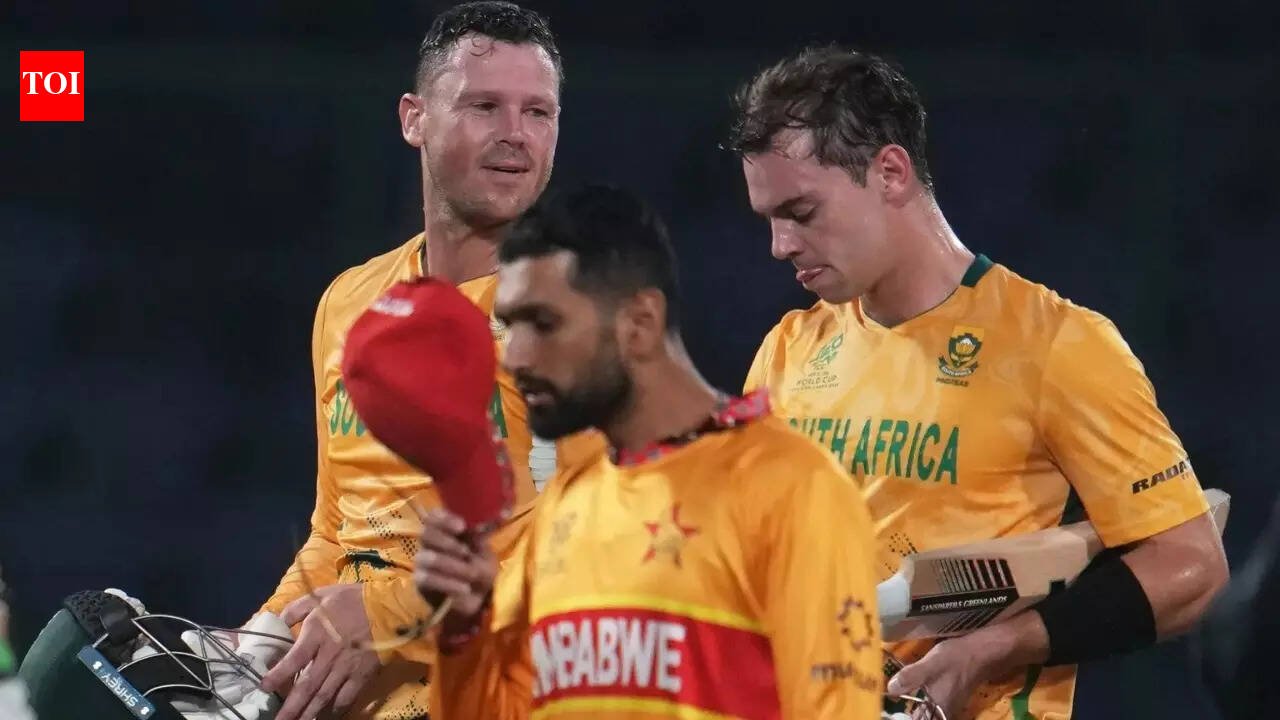
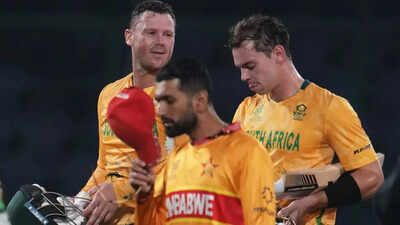
South Africa’s Tristan Stubbs and George Linde walk off the field, after winning the T20 World Cup cricket match between South Africa and Zimbabwe, as Zimbabwe’s captain Sikandar Raza wears the cap, in New Delhi, India, Sunday, March 1, 2026. (AP Photo)

TimesofIndia.com in New Delhi: “Even though there are bruises, we will look to win and earn respect,” said Zimbabwe skipper Sikandar Raza before facing India in the T20 World Cup Super Eight. But then they were hammered for 256 runs, just days after being wacked around for 254 runs by West Indies. Despite going for 510 runs in two matches, on the eve of the contest against South Africa, Zimbabwe bowling consultant Courtney Walsh reiterated that their achievements – beating Sri Lanka and Australia in the group stage – cannot be ignored. “We wanted to make a statement here and I think the performance showed itself,” he said.A day later, Zimbabwe restored their pride and respect by pushing the Proteas at the Arun Jaitley Stadium in New Delhi which witnessed nearly 20,000 spectators on a hot Sunday afternoon. Following their 5-wicket win, South Africa have maintained their unbeaten run in the tournament. They will now approach the semi-final against New Zealand, to be played at the Eden Gardens in Kolkata on March 4, with seven consecutive wins.

India land in Kolkata for do-or-die WI clash | Semi-final spot on the line

Raza, rather fittingly, led Zimbabwe’s effort in creating yet another upset in the competition. He scored 73 from 43 balls, laden with eight fours and four sixes, taking the side to 153/7, before chipping in with 3/29 from his four overs, including a first-over strike to dismiss Quinton de Kock and adding to South Africa’s troubles with wickets of Aiden Markram and Dewald Brevis.Even though South Africa lost four wickets in the first 10 overs, they remained ahead of the scoring curve, producing 93 runs at the halfway mark. With Brevis falling not long after, Zimbabwe possibly had reason to believe. Was another upset in the offing? Were Zimbabwe on the cusp of beating their ‘big brother’?Those faint hopes were dashed by Tristan Stubbs (unbeaten 21 off 24) and George Linde (unbeaten 30 from 21 balls), stitching an unbroken stand of 53 runs from 43 balls.Earlier, Raza’s sublime ball-striking stood out in an otherwise ordinary batting display by Zimbabwe. Zimbabwe captain Raza hammered 73 off 43 balls while the other batters struggled to find the same flow against high quality pace.The batters, barring Raza, tried to attack the likes of Kwena Maphaka, Anrich Nortje and the in-form Lungi Ngidi but were unsuccessful.Brief Scores:Zimbabwe: 153/7 in 20 overs (Sikandar Raza 73; Kwena Maphaka 2/21).South Africa: 154/5 in 17.5 overs (Ryan Rickelton 31, Dewald Brevis 42, George Linde ; Sikandar Raza 3/29)


Source link

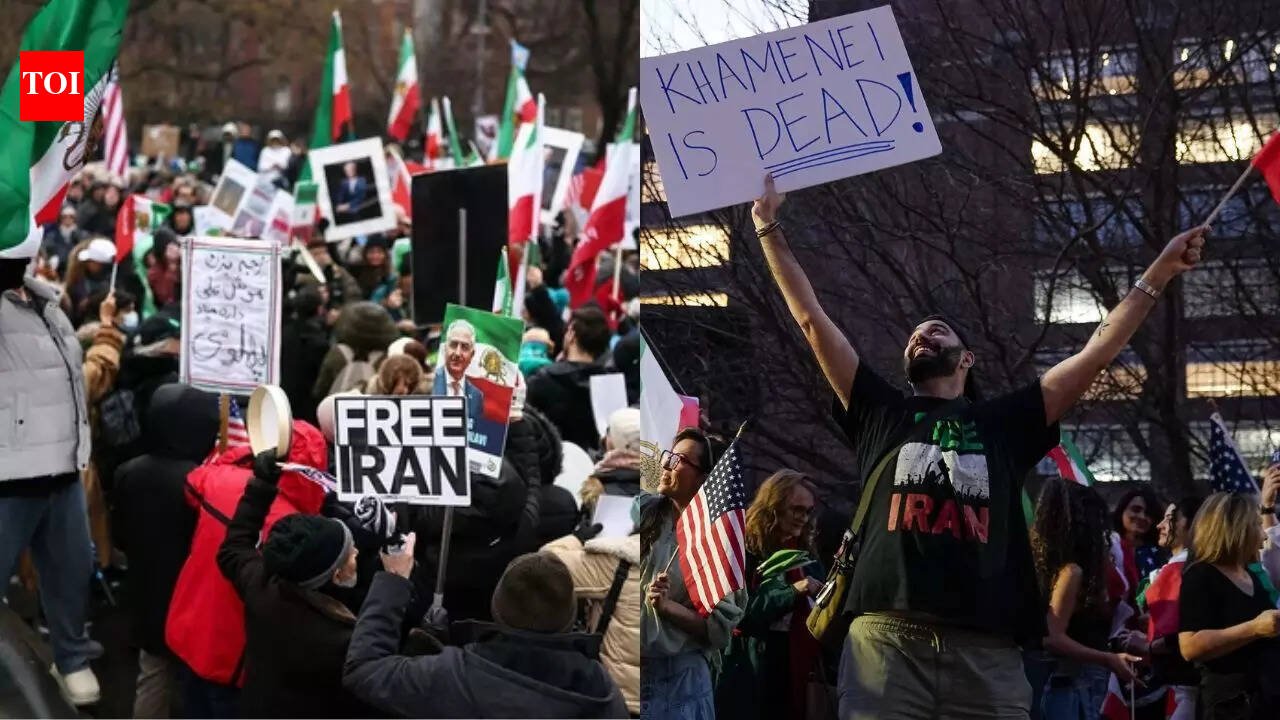
Khamenei dead, Iranians celebrate: Can protesters finally topple the regime?


Revealed: Khamenei's LAST MOVE Inside His Tehran Compound, A Secret Huddle - Then Came 30 Bombs

.

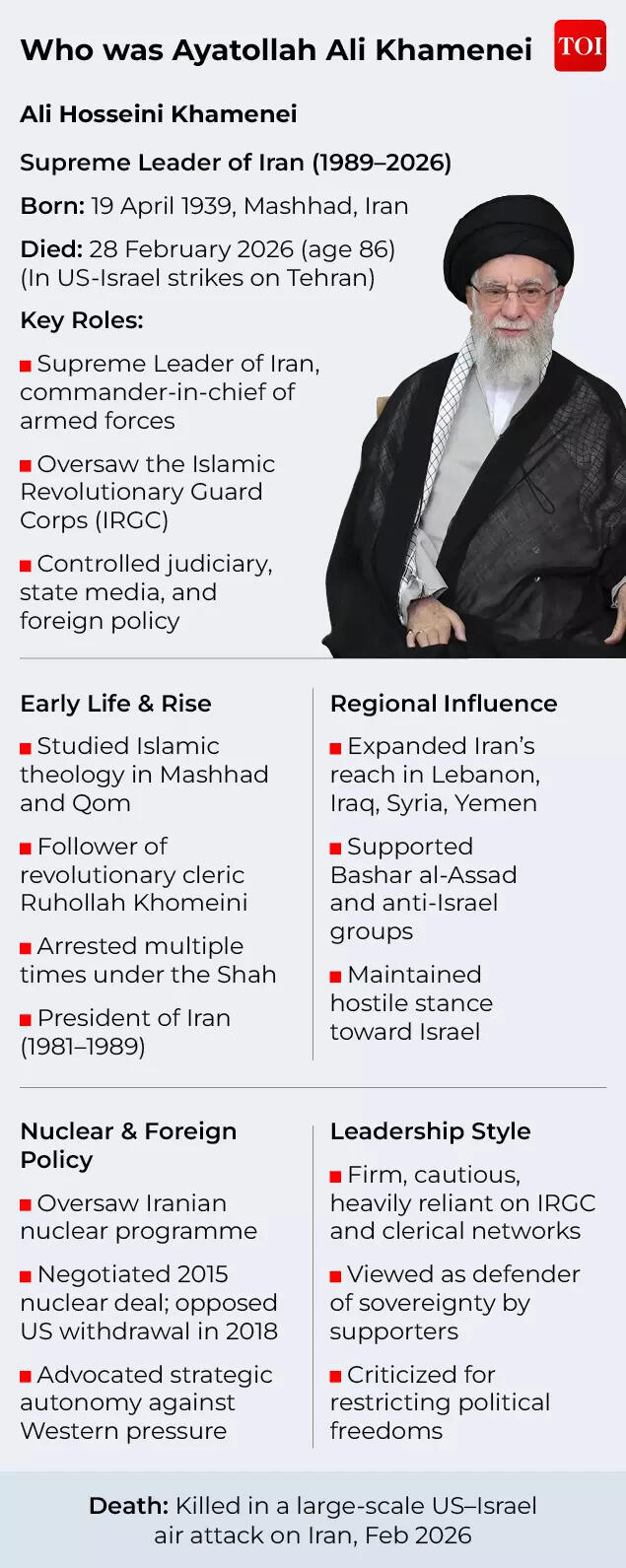
In the early hours of Sunday, March 1, Iranian state television confirmed what had been spreading in fragments the night before: Ayatollah Ali Khamenei, Iran’s supreme leader since 1989, was dead.

Driving the news

Iran’s Supreme Leader Ayatollah Ali Khamenei was killed in the opening wave of a coordinated US-Israeli campaign – an event that immediately triggered retaliatory Iranian missile fire across the region and set off dueling scenes inside Iran: celebration in some neighborhoods and mass mourning rallies in others.

Revealed: Khamenei’s LAST MOVE Inside His Tehran Compound, A Secret Huddle – Then Came 30 Bombs

  • President Donald Trump framed the killing as a historic opening for regime change, saying: “This is the single greatest chance for the Iranian people to take back their Country.”
  • Israeli Prime Minister Benjamin Netanyahu issued his own call to action, telling Iranians: “this is your time to join forces, to overthrow the regime and to secure your future.”
  • In Tehran, AFP reported both jubilation and grief: cheers on streets after early reports, then thousands in Enghlab Square chanting “death to America.”

Meanwhile, Iran’s military and political leadership signaled escalation – not surrender.

Ali (1)

.

Iran’s Revolutionary Guards vowed the “most ferocious” operation in history as explosions and sirens were reported from Gulf capitals and Israel amid new salvos.

Why it matters

Khamenei’s death is the biggest shock to Iran’s power structure since 1979 – and it collides with a central question the US and Israel are now effectively betting on: can popular anger translate into a takeover of the state, faster than the security apparatus can reassert control?The early indicators cut both ways:

  • The street mood is not singular. The New York Times described “large crowds” celebrating in Tehran and other cities, with chanting of “freedom, freedom” and rooftop shouts like “Khamenei went to hell,” even as some supporters privately mourned and others feared further strikes.
  • The regime still has procedures – and guns. Under Iran’s constitutional mechanism, an interim leadership council forms quickly, while the Assembly of Experts is supposed to select a new supreme leader.
  • The conflict is widening in real time. Iran’s retaliatory strikes on Israel and US-linked targets in the Gulf raise the odds that domestic politics will be shaped by wartime nationalism as much as anti-regime fervor.

In short: Even if many Iranians want the system gone, toppling it amid bombs, blackouts, and security crackdowns is a different kind of challenge.

Zoom in

What the streets are signaling

  • The Times’ reporting paints a rare glimpse of spontaneous, decentralized celebration under heavy constraint: landlines and cellphone service down, yet people still gathering, honking, dancing, and shouting “Woohoo, hurrah.”
  • One Tehran resident, identified by first name only, described a private-to-public pivot the moment the news hit. “Then we bolted outside and shouted from the top of our lungs and laughed and danced with our neighbors,” Sara told The New York Times.
  • But AFP also described the counter-mobilization: thousands of mourners in black at Enghlab Square chanting “death to America.” That matters because it hints the state can still summon loyalist crowds – and, more importantly, can still deploy the Basij and security forces to dominate public space when it chooses.

The Guards, the Basij, and the economics of control

  • If Khamenei was the regime’s face, the Islamic Revolutionary Guard Corps has long been its muscle and, increasingly, its wallet. The IRGC answers directly to the supreme leader, stands apart from the conventional military chain, and has expanded its reach through politics and business over decades, including large contracting operations and deep entanglement with strategic sectors. The Basij militia, under Guards control, has often been deployed to crush protests.
  • Here is the destabilizing twist: this war appears to have decapitated parts of that security elite. Iran’s judiciary confirmed that Ali Shamkhani, a top adviser, and General Mohammad Pakpour, the head of the Revolutionary Guards, were killed. Reuters separately reported that the strike was timed to real-time intelligence about a meeting involving Khamenei and senior aides.
  • A weakened command structure can create openings. It can also produce panic, paranoia, and overreaction. In the hours after Khamenei’s death was confirmed, the Revolutionary Guards vowed the “most ferocious” operation in history against Israel and US bases, according to AFP. That promise is not only meant for adversaries abroad; it is also a message to Iranians at home: we still exist, we still punish, we still decide

Between the lines

If a mass movement is going to “take over the regime,” it needs three things at once: organization, momentum, and splits inside the coercive apparatus.Right now, each is uncertain:

  • Organization: Celebrations and localized protests are not the same as a unified national opposition with command-and-control – especially amid internet disruptions and fear of retaliation
  • Momentum: The emotional release is real, but it may be short-lived if the next phase is mass arrests, curfews, and targeted violence by security services.
  • Elite splits: Reuters emphasizes the Revolutionary Guards’ entrenched political-economic power and their direct line to the supreme leader – suggesting the Guards could become the decisive kingmakers, or even the de facto rulers, if clerical authority weakens.

Academic analysis from The Conversation lands on a skeptical conclusion about a people-powered overthrow under bombardment. Donald Heflin, a veteran diplomat, argued: “I would be surprised if we saw a popular uprising in Iran that really had a chance of bringing the regime down.”That assessment also flags a darker possibility: the system survives – but hardens, with power shifting toward security hardliners rather than liberalizing.

What next

Alireza Arafi was named on Sunday as the jurist representative on Iran’s Leadership Council, the interim body responsible for carrying out the supreme leader’s duties until the Assembly of Experts selects a successor, the ISNA news agency reported.A cleric who also serves on the Guardian Council, Arafi will join President Masoud Pezeshkian and Chief Justice Gholamhossein Mohseni Ejei on the temporary three-member panel.Watch these near-term tells:

  1. Do protests spread from celebration to sustained occupation of public squares? A single night of euphoria doesn’t equal durable control of streets – especially if loyalist counter-rallies and forceful dispersals follow.
  2. Does the military fracture – or unify? Trump’s warnings and Iran’s retaliation cycle could push commanders to close ranks “rally-round-the-flag” style, even if some units privately resent the clerical order.
  3. Does the external war pause – or escalate? If missile exchanges intensify, domestic priorities may shift from regime change to survival and retaliation – and the regime may justify sweeping repression under emergency conditions.

Bottom line: Iranians in the streets can shake the regime – and the symbolism of Khamenei’s death is enormous – but “taking over” requires more than courage. It requires the regime’s coercive core to splinter, or be neutralized, faster than it can reorganize under a wartime banner.


Source link

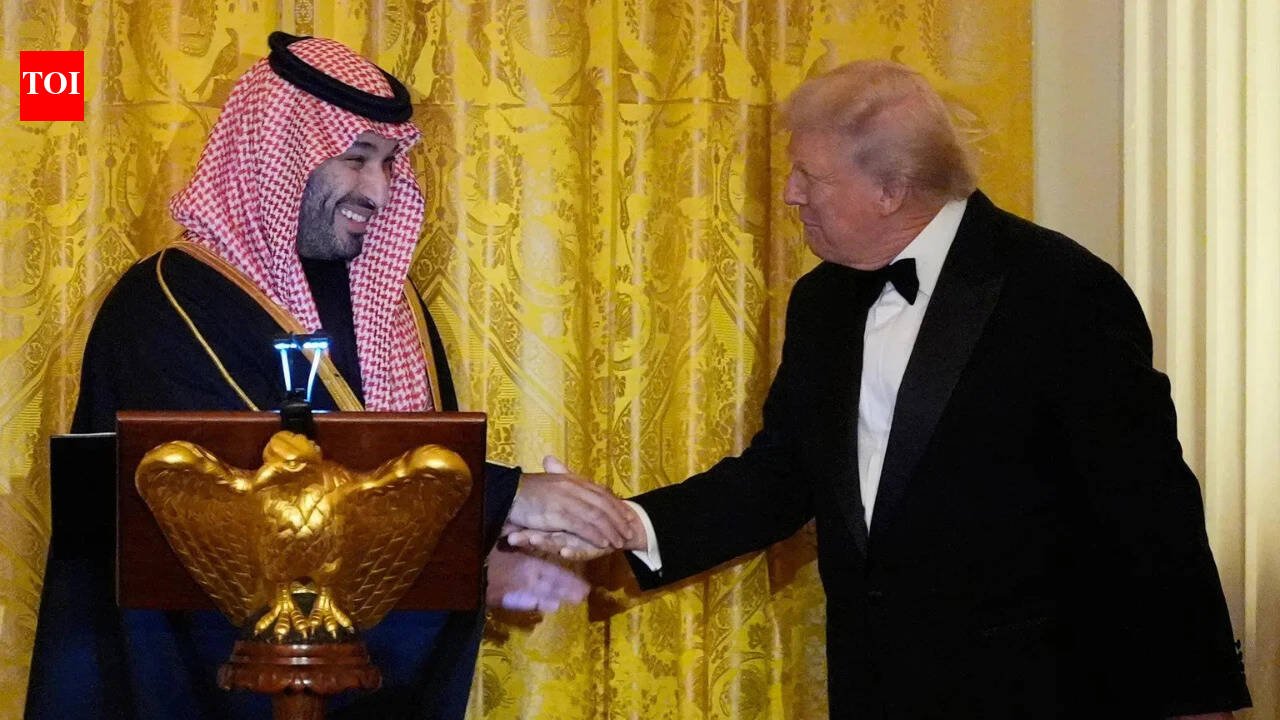
Saudi Us Iran Strike: Riyadh’s secret plea: Saudi crown prince reportedly pressed US for military action against Iran


'WILL GO ALL-OUT': Saudi Leads Arab Fury As Missiles Bombard 5 Gulf States Amid Iran Vs Israel-War

As Iran mourns the death of its Supreme Leader, Ayatollah Ali Khamenei, fresh details have surfaced about Saudi Arabia’s alleged behind-the-scenes role in the US strike on Iran. A report by The Washington Post claims that Saudi Crown Prince Mohammed bin Salman held multiple private calls with US President Donald Trump, urging him to launch military action against Tehran.Citing four people familiar with the matter, the report said that even as Riyadh publicly backed a diplomatic solution, the crown prince privately pressed Trump to act. The US, with Israel’s support, subsequently carried out strikes in Iran that resulted in Khamenei’s death.

‘WILL GO ALL-OUT’: Saudi Leads Arab Fury As Missiles Bombard 5 Gulf States Amid Iran Vs Israel-War

After negotiations between US envoy Steve Witkoff, Trump’s son-in-law Jared Kushner, and Iranian officials, Saudi Arabia publicly stated that it would not permit its airspace to be used for strikes on Iran. This announcement followed reported phone conversations between the crown prince and Iran’s President Masoud Pezeshkian.However, in his conversations with US leaders, Mohammed bin Salman reportedly argued that failing to strike Iran immediately would allow Tehran to grow stronger and more dangerous. He is said to have warned that Iran now commands one of the largest military footprints in the Middle East since the 2003 US invasion of Iraq.His brother, Saudi Defence Minister Khalid bin Salman, echoed these concerns during closed-door meetings with US officials, cautioning about the potential consequences of inaction.According to the report, US intelligence assessments had indicated that Iran was unlikely to pose an immediate threat to the United States over the next decade. Despite its adversarial stance toward Tehran, Washington had until then refrained from launching a full-scale strike.The Saudi leader is currently performing a delicate diplomatic balancing act.The Saudi crown prince is torn between protecting his nation’s sensitive oil industry from Iranian attacks and managing a deep-seated rivalry with a country he considers his primary regional enemy, according to the sources cited by The Washington Post.This tension is the latest chapter in a long-standing power struggle. The two nations—Sunni-led Saudi Arabia and Shiite-led Iran—have spent years competing for influence, often clashing through indirect “proxy wars” across the Middle East.


Source link

President Murmu to launch free pink mobility card for women in Delhi | India News


President Murmu to launch free pink mobility card for women in Delhi

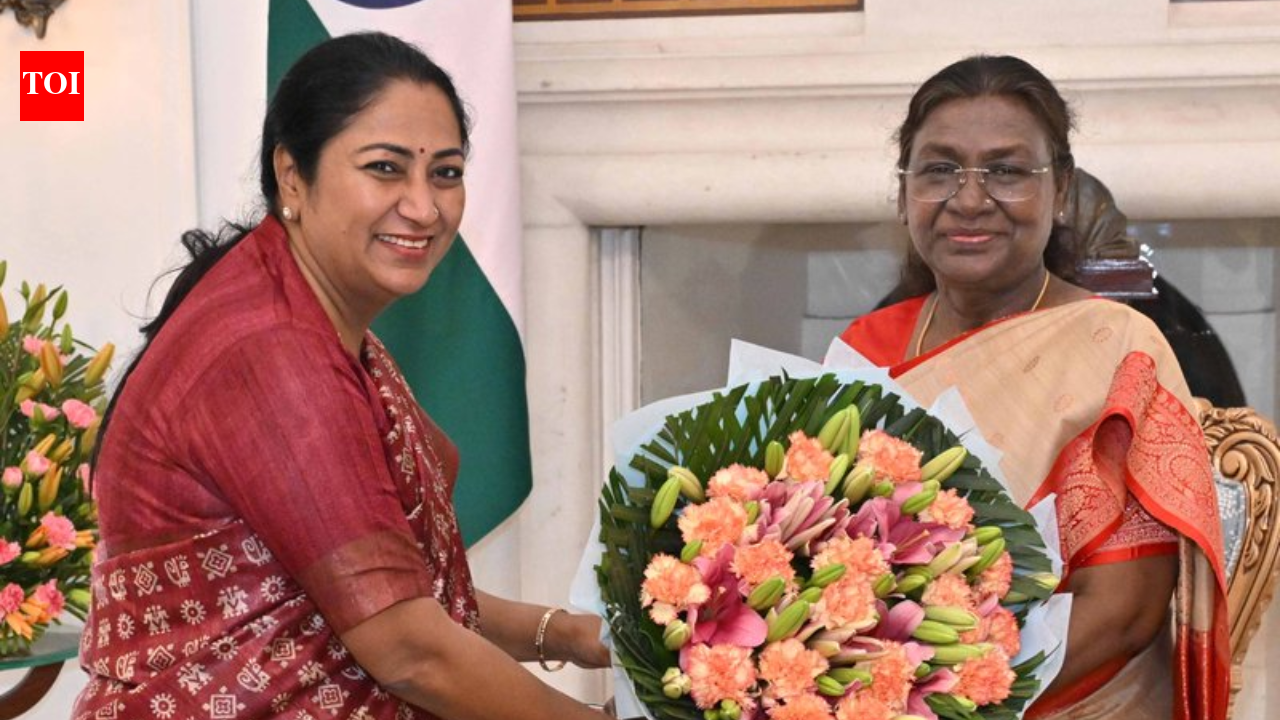
The Delhi government will launch a Pink National Common Mobility Card (NCMC) on Monday, aimed at providing free bus travel to women in the national capital and enabling seamless access to multiple public transport systems through a single smart card.The scheme will be formally launched by President Droupadi Murmu at a programme titled “Sashakt Nari, Samriddh Delhi” at the Indira Gandhi Indoor Stadium, according to a statement.At the same event, the President will also formally launch a scheme to provide two free LPG cylinders annually to all ration card-holding families in Delhi on the occasions of Holi and Diwali.According to Chief Minister Rekha Gupta, the benefit will be provided through Direct Benefit Transfer (DBT).An amount equivalent to the prevailing price of one LPG cylinder will be credited to the Aadhaar-linked bank account of the head of the family in whose name the ration card has been issued, the statement stated.It stated that the scheme is expected to cover approximately 1.55 million ration card-holding families to ease the financial burden of cooking fuel expenses and enable families to celebrate festivals with dignity and comfort.Gupta said the Pink Card would allow women residents of Delhi to travel free of cost on Delhi Transport Corporation (DTC) buses, while also being usable for paid travel on the Metro, Regional Rapid Transit System (RRTS) and other public transport services.She said the initiative is designed to make public transport more accessible and digital, while reducing daily travel costs for women and improving access to education, employment and healthcare.Under the scheme, three types of mobility cards will be issued — Pink for eligible women residents, Blue for general commuters and Orange for monthly pass users, the statement stated.In the first phase, Pink and Blue cards will be rolled out, with the Orange card to follow later, it added.The Delhi Transport Corporation has authorised Hindon Mercantile Limited (MufinPay) and Airtel Payments Bank Limited to issue the cards, it stated.The cards will be integrated with the existing Automatic Fare Collection System across Delhi’s public transport network, it stated and added the Pink Card will be provided free of cost, with expenses borne by the Delhi government.As per the statement, around 50 centres, including District Magistrate and Sub-Divisional Magistrate offices and selected DTC locations, will be set up for card issuance. Minimal documentation will be required to ensure a simple and transparent process.Each Pink Card will be linked to the beneficiary’s mobile number and Aadhaar to verify age, gender and Delhi residency, it stated.The Pink Card will replace the existing paper-based pink tickets, offering touch-free travel, digital records of journeys and improved transparency in revenue accounting, it mentioned.It added that selected women beneficiaries will be handed over the Pink NCMC cards at the launch event, marking a key step towards a more integrated and women-friendly public transport system in the capital.

‘Prachand’ Moment: President Murmu Flies in Indigenous Combat Helicopter Near India-Pak Border


Source link

Access Denied


Access Denied

You don’t have permission to access “http://www.ndtv.com/world-news/iran-news-iran-israel-4-dead-in-fresh-iran-strikes-on-israels-beit-shemesh-in-response-to-khameneis-killing-11154470” on this server.

Reference #18.14f63717.1772373653.279d8bc

https://errors.edgesuite.net/18.14f63717.1772373653.279d8bc


Source link