Breaking News
US-Iran war sends shockwaves! Most crude via Strait of Hormuz heads to China, India – how vulnerable are they after closure?


US-Iran war sends shockwaves! Most crude via Strait of Hormuz heads to China, India - how vulnerable are they after closure?
Any interruption to navigation in the Strait of Hormuz poses a serious threat to international oil trade flows.

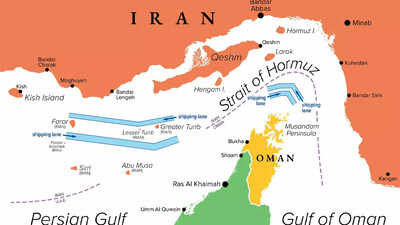
Strait of Hormuz closure has sent shockwaves in global markets and with no signs of the US-Israel-Iran war de-escalating, oil prices have been climbing up. The expanding conflict in Iran has brought tanker movement through the Strait of Hormuz to a standstill, sending oil prices sharply higher and underscoring the strategic significance of the vital maritime corridor to global energy markets.The Strait of Hormuz forms the narrow entrance to the Persian Gulf and handles roughly 20% of the world’s oil shipments. Vessels passing through the channel, which has Iran along its northern edge, transport crude and gas from Saudi Arabia, Kuwait, Iraq, Qatar, Bahrain, the United Arab Emirates and Iran. A large share of these exports is destined for Asian economies – and India is particularly seen as vulnerable. Hence, any interruption to navigation in the Strait of Hormuz poses a serious threat to international oil trade flows.

Importance of Strait of Hormuz for global shipping

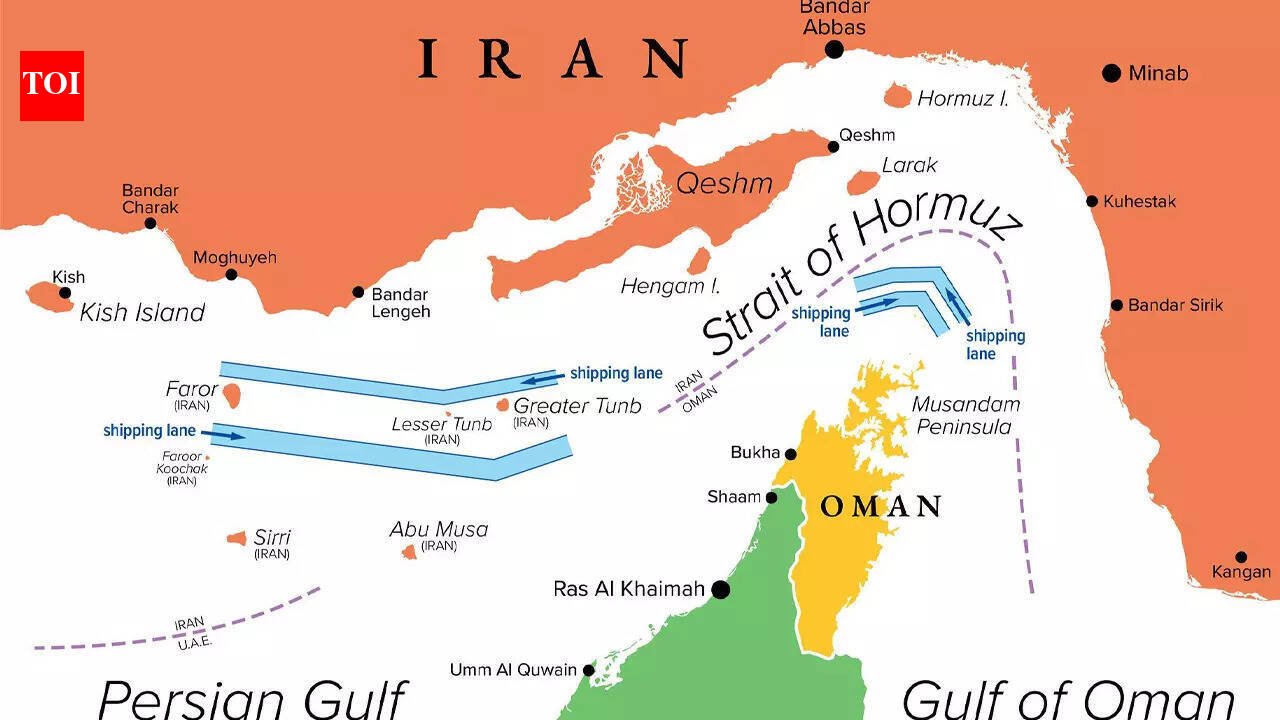
The Strait of Hormuz is a curved channel that narrows to roughly 33 kilometers, or 21 miles, at its tightest stretch. It serves as the link between the Persian Gulf and the Gulf of Oman, providing ships access onward to global sea routes.Also Read | India’s energy security exposure to Middle East: How much oil, LPG, LNG reserves do we have? Although portions of the strait fall within the territorial waters of Iran and Oman, it is regarded as an international passage open to vessels from all nations. The United Arab Emirates, which includes the skyline-dominated city of Dubai, lies close to this strategic corridor.
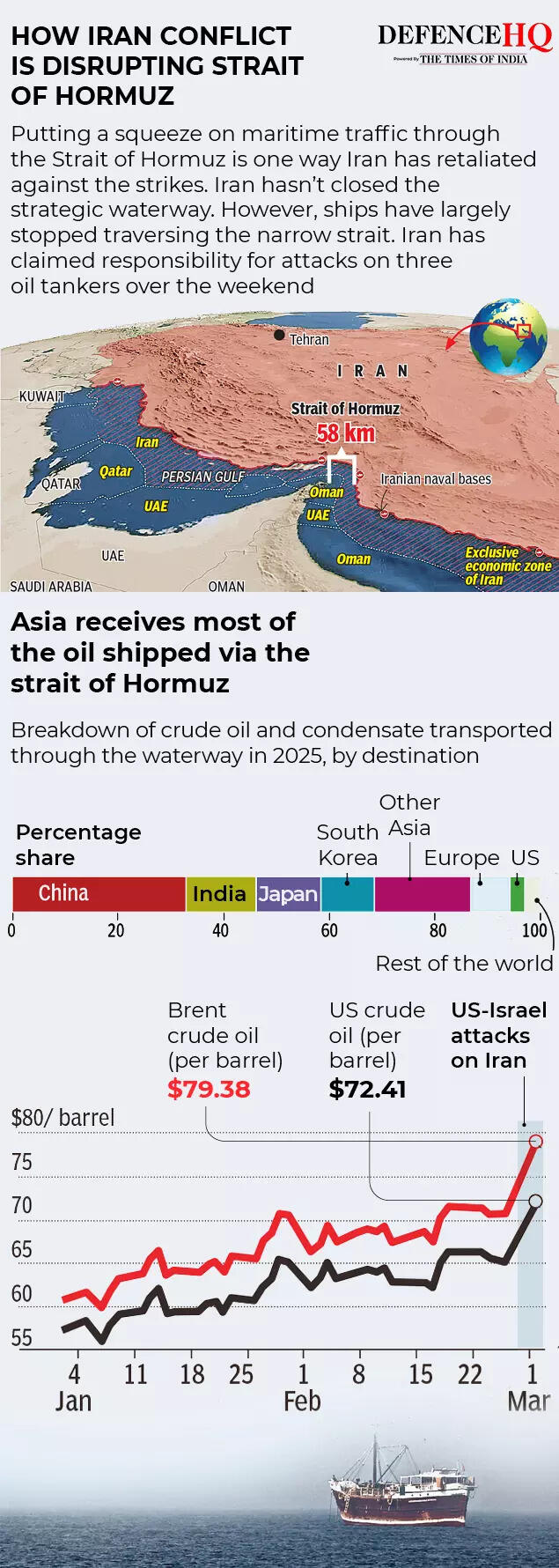
How Iran conflict is disrupting Strait of Hormuz

For centuries, the Strait of Hormuz has played a central role in commerce, with goods such as ceramics, ivory, silk and textiles traveling from China through the region. In contemporary times, it functions as a key transit point for massive tankers transporting oil and gas from Saudi Arabia, Kuwait, Iraq, Qatar, Bahrain, the UAE and Iran. Most of these energy supplies are shipped to Asian destinations, including China, which remains Iran’s only significant oil buyer.“The scale of what is at stake cannot be overstated,” Hakan Kaya, senior portfolio manager at investment management firm Neuberger Berman told AP. He noted that a limited disruption lasting one or two weeks could likely be managed by energy companies. However, a complete or near-complete shutdown extending for a month or longer would drive crude prices, “well into triple digits” and push European natural gas rates “toward or above the crisis levels seen in 2022.”Although Saudi Arabia and the UAE operate pipelines that can bypass the strait, the US Energy Information Administration notes that “most volumes that transit the strait have no alternative means of exiting the region.”Also Read | 1970s-style oil shock loading? Crude may hit $100 if Strait of Hormuz shuts amid Middle East tensions – what it meansIran has already targeted multiple vessels in the Strait of Hormuz and warned ships against attempting to cross, effectively bringing traffic through the waterway to a halt.“The Strait of Hormuz is closed,” declared Iranian Brig. Gen. Ebrahim Jabbari, an adviser to the paramilitary Revolutionary Guard, warned that any vessel attempting to transit the passage would be set ablaze.
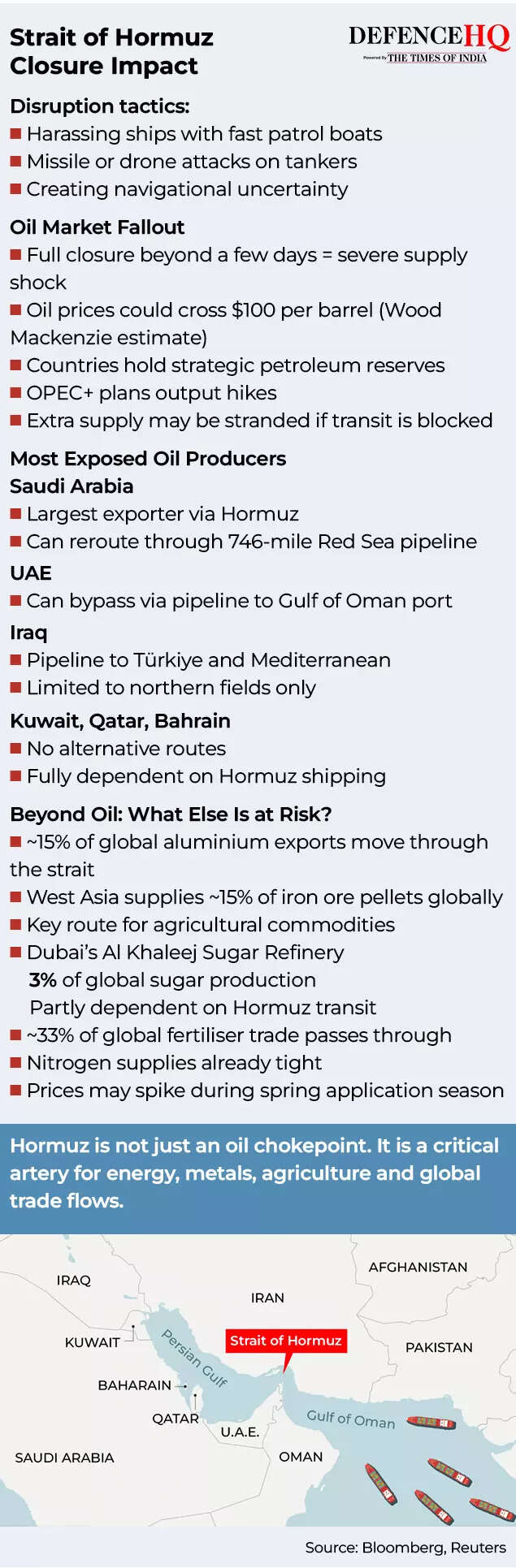
Strait of Hormuz Closure Impact

Major global shipping lines have released advisories confirming the suspension of operations in the region. Danish shipping giant Maersk, the world’s largest container carrier, announced on Sunday that it would pause all vessel transits through the Strait of Hormuz until further notice. Other major operators, including Hapag-Lloyd, CMA-CGM and MSC, issued similar statements.Data from Clarksons Research, a firm that monitors global shipping activity, indicate that roughly 3,200 vessels, which is about 4% of worldwide shipping tonnage, are currently idle within the Persian Gulf.
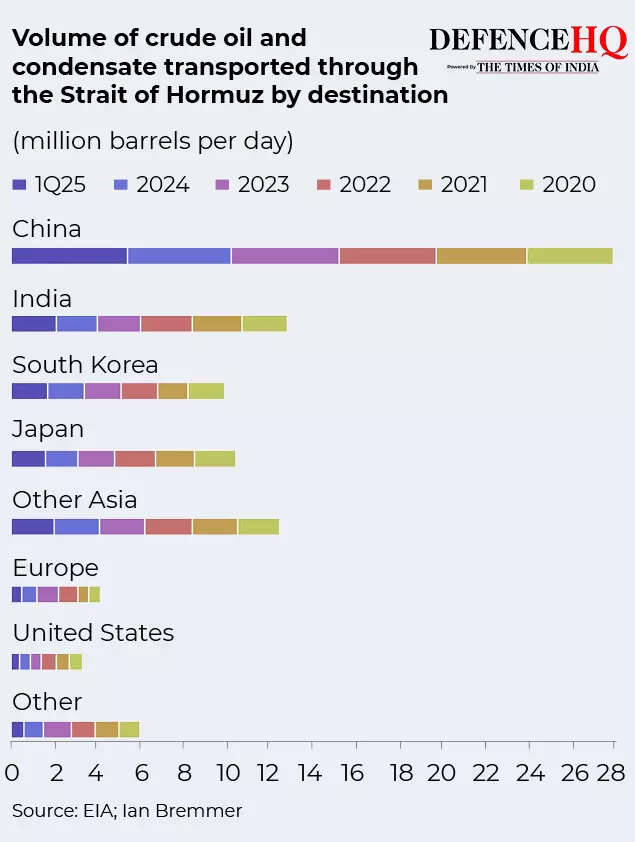
Volume of crude oil and condensate transported via Hormuz by destination

Trump Reaction & Insurance

US President Donald Trump on Tuesday said on social media that he has directed the United States’ development finance agency to offer political risk insurance for vessels transporting oil and other cargo through the Persian Gulf, describing the coverage as being available “at a very reasonable price.”Political risk insurance is designed to shield companies from financial setbacks arising from political instability, government interventions or acts of violence.Also Read | US-Israel-Iran war hits oil supplies: How India is preparing for the economic falloutHe added that the US Navy would provide escorts for oil tankers navigating the Strait of Hormuz if required. The Navy currently maintains a presence in the region that includes at least eight destroyers and three littoral combat ships. These vessels have previously been deployed to accompany commercial shipping in both the Persian Gulf and the Red Sea.

India and China dependence

On the oil, LPG, LNG and trade front, India is vulnerable to the impact of Strait of Hormuz closure. A big chunk of the oil that flows through the Strait of Hormuz every day is headed to China and India. However, the vulnerabilities to the closure of the Strait of Hormuz differ significantly between India and China.
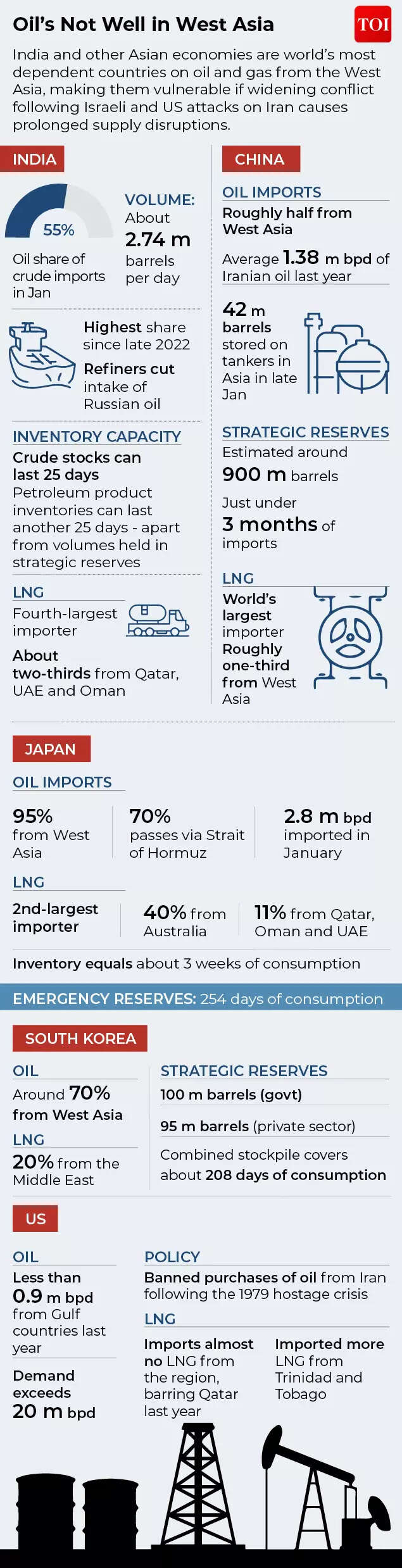
Oil’s Not Well in West Asia

According to global real-time data and analytics provider Kpler, approximately 2.5 to 2.7 million barrels per day of India’s crude imports move through the Strait of Hormuz, primarily sourced from Iraq, Saudi Arabia, the UAE and Kuwait. Incidentally, in recent months, refiners have reduced part of their Russian intake, leading to a higher share of Middle Eastern barrels in the overall import mix. This shift has increased India’s short-term vulnerability to any disruption affecting transit through Hormuz.Shipping data from Kpler shows that Russian crude cargoes remain present in the Indian Ocean and Arabian Sea, including supplies held in floating storage. If inflows from the Gulf were to tighten, Indian refiners would likely be able to redirect purchases toward Russian grades with relative speed. Russia has already said that it is ready to help meet India’s energy needs.Although India has broadened its oil procurement basket, Gulf-origin crude oil continues to offer a logistical edge since voyage time is roughly 5 to 7 days compared with 25 to 45 days for shipments arriving from the Atlantic basin.India also relies on imports for about 80 to 85% of its LPG consumption, with most of these supplies coming from Gulf producers and passing almost entirely through the Strait of Hormuz. In contrast to crude oil, India does not hold strategic LPG reserves on a comparable scale, leaving LPG supply chains more vulnerable from a logistics standpoint if disruptions occur.For now, the government has said that India is in a ‘comfortable position’ with regards to its energy security with supplies of petrol, diesel and strategic reserves available to meet needs.
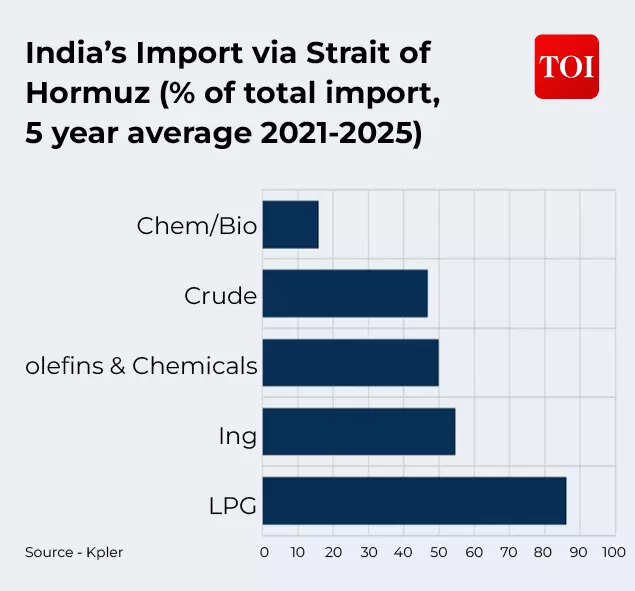
India's import via Strait of Hormuz

China is the largest energy-importing country globally, which might suggest it would be especially exposed to rising crude oil and natural gas prices triggered by the conflict involving Israel, the United States and Iran.However, according to a Reuters column by Clyde Russell, the situation is likely to play out differently. China’s extensive crude reserves provide a substantial buffer against sudden price increases, reducing the risk that energy-driven inflation affecting other economies would significantly impact it.In the event of an extended disruption to Middle Eastern oil supplies, Chinese refiners could potentially benefit by increasing exports of refined fuels. Should export-focused refineries in parts of Asia, including India and Singapore, face constraints due to limited crude availability, China would be positioned to process oil from its stockpiles and ship out products such as diesel and gasoline, capitalising on elevated fuel prices, the analysis says.China also holds additional strategic advantages. It continues to be the main buyer of discounted Russian crude that is under sanctions and remains the likely destination for Iranian oil shipments that managed to leave the Strait of Hormuz before the recent Israeli and US strikes.


Source link

Double Murder In Tirunelveli: Double murder rocks Tirunelveli: 2 hacked to death outside tea shop in Tamil Nadu; 5 injured, heavy police deployed | Madurai News


TIRUNELVELI: Two, including a guest worker, were hacked to death and five others sustained injuries in Perumpathu village, located on the Kalakkadu-Ervadi road near Nanguneri in Tirunelveli district, during the late hours of Monday.According to police sources, a gang entered Perumpathu village and hacked seven people who were standing outside a tea shop. As a result, the severely injured Trinath Kata of Odisha, currently residing in Nanguneri, and John Mark of Perumpathu village died on the spot.Ganesan of Veerankulam, Saskiumar of Puliyankulam, and Nelson, Prabhakaran, and Ramasamy of Perumpathu sustained hack injuries and were admitted to Tirunelveli Medical College Hospital for further treatment.Soon after the incident, people of the village staged a road roko, demanding that the police arrest the assailants.Nanguneri police registered a case and secured six persons in connection with the incident. Further investigation is underway.A tense situation prevailed in the village, and heavy police deployments were made to curtail further escalation.Additional director general of police (ADGP) Law and Order Maheshwar Dayal, South Zone IG Vijayendra S Bidari, DIG Tirunelveli Range G Saravanan, and district superintendent of police V Prassanna Kumar reached the spot and held talks about the incident.


Source link

Fakhar Zaman to miss Pakistan’s ODI tour of Bangladesh – here’s the reason


Pakistan’s preparations for the upcoming Bangladesh tour have suffered a major blow as experienced batter Fakhar Zaman has been ruled out of the three-match ODI series. The setback comes at a time when Pakistan are already trying to regroup following their disappointing exit from the ICC Men’s T20 World Cup 2026.

Why Fakhar Zaman will not tour Bangladesh?

The 35-year-old picked up the injury during Pakistan’s final Super 8 match of the T20 World Cup 2026 and will now undergo rehabilitation at the National Cricket Academy (NCA) in Lahore as he works toward regaining full fitness.

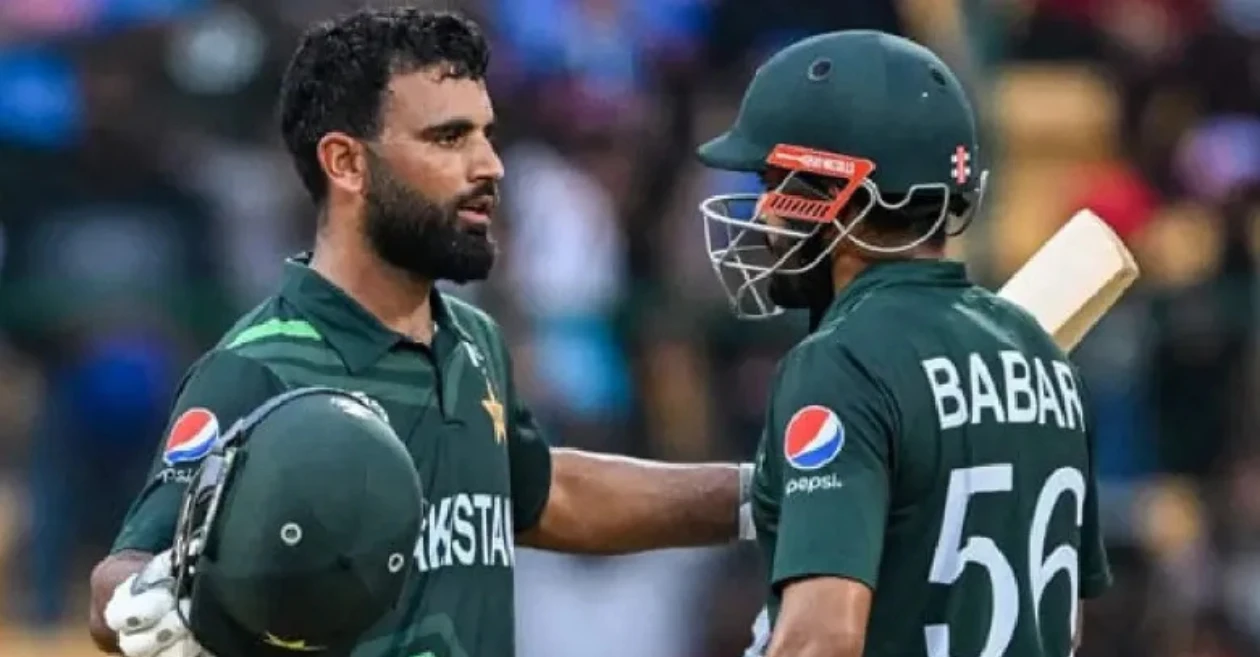
Fakhar sustained the injury while playing a remarkable innings against Sri Lanka on February 28 at the Pallekele International Stadium. In what turned out to be a high-pressure encounter, the aggressive opener delivered a sensational knock of 84 runs off just 42 balls. Batting with trademark flair, he smashed nine boundaries and four towering sixes, giving Pakistan a strong platform. Although Pakistan managed to win the match, the victory came too late to keep their World Cup campaign alive. Despite the disappointment of the early exit, Fakhar’s fearless innings stood out as one of the highlights of Pakistan’s final outing in the tournament.

Interestingly, Fakhar had a limited role throughout the competition. He featured in only two matches during the World Cup campaign, missing the group-stage games against the Netherlands, USA, India, and Namibia. He returned to the playing XI during the Super Eight stage, scoring 25 runs against England before producing his explosive half-century against Sri Lanka. Unfortunately, his injury during that innings has now forced him to miss the Bangladesh series.

Fakhar’s absence will undoubtedly leave a gap in Pakistan’s top order. Over the years, the left-hander has established himself as one of the team’s most dependable ODI batters. In 92 ODIs, he has scored 3,861 runs at an impressive average of 45.42 and a strike rate of over 93. His record includes 11 centuries, with his most memorable knock being the unbeaten 210 against Zimbabwe in 2018. Fakhar is also fondly remembered for his match-winning century in the 2017 Champions Trophy final against India, which remains one of the defining moments of Pakistan’s white-ball cricket history.

Also READ: Will PCB sack him? Pakistan captain Salman Ali Agha responds after T20 World Cup debacle

Who will replace Fakhar Zaman in Pakistan’s ODI squad?

Meanwhile, the Pakistan squad is scheduled to depart for Dhaka on March 9. The team will have a practice session on March 10 before the series begins. All three matches are set to take place at the Sher-e-Bangla National Stadium in Dhaka on March 11, 13, and 15.

With Fakhar unavailable, the Pakistan Cricket Board (PCB) is expected to name a replacement soon. One of the leading contenders is Sahibzada Farhan, who recently enjoyed a remarkable T20 World Cup campaign. The talented opener finished as the tournament’s highest run-scorer, breaking Virat Kohli’s long-standing record with 383 runs in six innings at an impressive average of 76.60 and a strike rate exceeding 160. His performances have put him firmly in contention for a place in the ODI side as well.

Farhan’s domestic record also strengthens his case. In 72 List-A matches, he has scored 2,926 runs at an average of 41.80, showing the consistency needed for the 50-over format. If selected, he could get a valuable opportunity to cement his place in Pakistan’s ODI setup.

Also READ: Shahid Afridi blasts next potential captain of Pakistan after T20 World Cup 2026 exit amid leadership crisis debate


Source link

6 Vastu tips to keep in mind while designing a 3-BHK apartment


6 Vastu tips to keep in mind while designing a 3-BHK apartment

Designing a 3 BHK apartment is less about space and more about the life that space will facilitate. A home shapes the way a family sleeps, earns, speaks, and grows. It shapes the emotional cycles, the patterns of decision-making, and even the financial stability of a family, all without their conscious awareness. While most people design homes for looks and functionality, very few people think about the impact of space on inner stability and future momentum. A 3 BHK home is often a symbol of a phase of expansion, where one’s career, identity, and responsibilities are all expanding. At this point, Vastu is no longer just a tradition or a superstition; it is a way of creating a space that facilitates steadiness, clarity, and emotional balance. From a trauma-informed design perspective, spaces that feel in harmony help the nervous system unwind, and an unwound mind makes better long-term decisions. Sometimes the friction we attribute to personality is actually inherited emotional residue. The way a home is structured can quietly amplify it or soften it. Here are six Vastu tips that go beyond the superficial. Nehaa Goyal, DNA astrologer, Tarot and numerology Reader & Trauma-Informed Empowerment Coach shares her views.1. A clear and welcoming entranceThe entrance of a home sets the emotional tone of the home. A home entrance that is well-lit and clutter-free, as per Vastu tips, facilitates the natural flow of positive energy into the space. From a psychological perspective, the first few steps that one takes into a home determine whether one’s body feels like relaxing or whether it feels like being on guard. A dark and cluttered entrance can create a subtle sense of tension, while a clean and open entrance can facilitate ease and openness. When people feel psychologically open, they feel more clear-headed and more confident in their responses to opportunities. A home should feel welcoming the moment one steps inside.

Your Home’s Energy Is At Risk | Shubham Sharma Shows Vastu Mistakes Destroying Your Prosperity

2. A steady primary bedroomThe primary bedroom, which should be in the southwest corner of the house as per Vastu, should be a steady and organized room. The primary bedroom is generally the domain of the primary decision-makers of the house. If the primary bedroom is unorganized and stimulating, it causes irregular sleep patterns. Irregular sleep patterns cloud one’s judgment, and judgment is what leads to financial and life decisions. A steady and organized primary bedroom translates to clarity, emotional stability, and planning for the future. Financial security is not just about money; it is about making balanced decisions.3. A balanced, efficient kitchenThe kitchen, representing health and vitality in Vastu, should be located in the southeast corner. However, the kitchen not only represents health and vitality but also affects the daily patterns of energy. A cluttered or inefficient kitchen often results in irregular eating patterns, which can, in turn, affect health and productivity. In many Indian households, food is often an emotional aspect, and the kitchen reflects the patterns of care in the household. When food is not chaotic but organized, life becomes more organized, and discussions remain calm. Steady energy leads to steady progress.

Image: Canva

4. Children’s rooms that promote growthChildren absorb the meaning of what’s around them well before they understand the power of ambition. Their rooms should be designed to feel spacious, well-lit, and treated with dignity. Vastu recommends that children’s rooms be located in directions that are conducive to learning, such as west or northwest. Study areas should be bathed in plenty of sunlight and remain clutter-free. When a child’s environment is both defined and expansive, it subtly translates to confidence. Over time, this psychological feeling of expansion translates to independence and self-confidence. The impact of a physical space on growth is more profound than most families understand.5. Shared spaces that encourage connectionThe living room is the pulse of every home, where family energy converges and radiates. By being designed in a manner that is spacious and balanced, this area influences the way families communicate, make decisions, and connect. By arranging furniture in a manner that encourages easy eye contact, families can engage in meaningful conversations, while a congested space or too much screen time in the living room usually translates to a lack of communication and patience. Effective communication affects all aspects of family life, from resolving conflicts to managing finances. Families who feel comfortable sharing space usually make more informed and thoughtful decisions.6. Clutter-free zones for forward motionThe power of a clutter-freezone is often overlooked in Vastu. A cluttered corner and an overflowing storage bin create a subtle stagnation. Psychologically, clutter represents postponed decisions and muddled thoughts. A cluttered environment translates to a cluttered mind, and a cluttered mind translates to a stalled life.The physical world can be cleansed to cleanse the mind, and a clear mind translates to forward motion.A 3-BHK apartment is a significant milestone. It should represent success and, more importantly, sustain it.

  • Better sleep translates to better judgment.
  • Better nourishment translates to better health.
  • When children feel expansive, ambition follows suit.
  • Sharper communication translates to sharper decision-making.
  • Less clutter means more momentum.

Space is not passive. It is a subtle catalyst for progress or a hindrance to it.Informed design transforms a house into a home, a launching pad for stability, progress, and purposeful living.


Source link

Senior Journalist and Padma Bhushan awardee HK Dua passes away at 88 | India News


Senior Journalist and Padma Bhushan awardee HK Dua passes away at 88

Senior journalist and Padma Bhushan awardee HK Dua passed away in New Delhi on Wednesday at the age of 88, his family said, according to The Tribune. He had been admitted to a private hospital three weeks ago and had been unwell. His cremation will be held at 12 noon on March 5 at the Lodhi Road Crematorium.Dua was the former Editor-in-Chief of The Tribune and served as media adviser to former Prime Ministers HD Deve Gowda and Atal Bihari Vajpayee. He also represented India as Ambassador to Denmark.He led The Tribune from 2003 to 2009 and was credited with enhancing the newspaper’s national standing and editorial credibility. Over a distinguished career spanning several decades, Dua held senior editorial positions at The Indian Express, The Times of India and Hindustan Times.In 2009, he was nominated to the Rajya Sabha, where he participated in debates on media freedom and public policy. He was conferred the Padma Bhushan in 2008 in recognition of his contributions to journalism.Congress MP Manish Tewari expressed grief over Dua’s demise, recalling him as “an editor when being an editor still mattered.”In a post on X, Tewari said Dua stood by his convictions, refused to compromise editorial independence, and never sought favour from political leaders or media proprietors. He described him as a warm and unpretentious individual who spoke his mind with clarity and integrity. “Sad to learn about the passing away of Sh HK Dua. He was an editor when being an editor still mattered. Editor in Chief of Times of India, Hindustan Times, Indian Express & The Tribune he chose to live by his convictions rather than become a lackey of the owners and kowtow to Politician’s for advertisement’s. Media Adviser to Prime Minister Late Sh. Atal Behari Vajpayee, Indian Ambassador to Denmark & nominated to the Rajya Sabha by Prime Minister Late Dr. Manmohan Singh. A very warm human being and totally unpretentious he knew how to call a spade a spade,” Tewari wrote on ‘X’.


Source link

Inside Trump’s second-term military playbook: Strikes, raids and global interventions


Inside Trump’s second-term military playbook: Strikes, raids and global interventions
US President Donald Trump (AP photo)

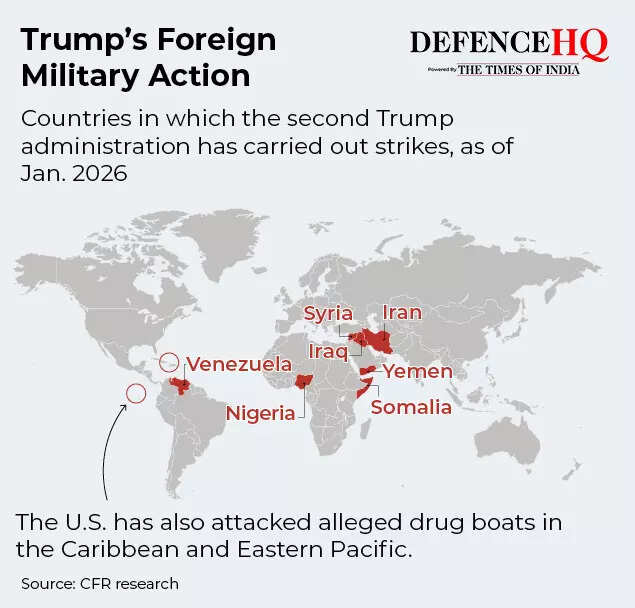
Though he campaigned against the foreign entanglements of past presidents, President Donald Trump has shown little hesitation in deploying American military power during his second term. Since returning to the White House in 2025, Trump has authorised a string of operations stretching from the Middle East and Africa to Latin America.The interventions range from counterterrorism strikes in Somalia and Iraq to a dramatic commando raid that captured Venezuelan leader Nicolás Maduro, and most recently, a major US-Israel military campaign against Iran.While the White House insists its actions align with a narrower definition of national interest, critics argue the growing list of operations suggests a far more interventionist posture.US–Israel war against IranThe most dramatic escalation came on February 28, when the United States and Israel launched coordinated strikes across Iran targeting military installations and senior leadership.One strike hit a compound in Tehran housing the offices of the ayatollah, the Iranian presidency and the national security apparatus. The attack killed Supreme Leader Ali Khamenei, sending shockwaves across the region.Iran retaliated swiftly. Missiles were fired at Israeli targets and US military facilities across the Middle East. One strike on a base in Kuwait killed four American service members.Tehran also widened the battlefield by hitting civilian infrastructure in Gulf states, including the Fairmont hotel in Dubai and Kuwait International Airport, signalling an unprecedented expansion of the conflict.

Defence HQ

Trump’s foregn military action

Trump has warned the campaign could continue for weeks. According to the president, the operation aims to destroy Iran’s missile arsenal, cripple its naval forces, prevent the country from acquiring nuclear weapons and dismantle its network of regional proxies.Officials in Washington have offered conflicting signals on whether the United States would accept a new Iranian leadership or push for the collapse of the Islamic Republic altogether.Tensions had been rising since January 2026, when the Iranian government violently suppressed widespread protests. Trump initially threatened intervention but later softened his tone while negotiations continued.Talks mediated by Oman in Geneva and Muscat appeared close to a breakthrough on February 26, with mediators claiming Iran was ready to halt uranium enrichment.Just two days later, however, US and Israeli aircraft struck Iran. Trump later said Tehran posed a direct threat to “core [US] national security interests.”Venezuela: The capture of MaduroIn one of the most dramatic episodes of Trump’s second term, US forces launched a daring operation on January 3, 2026, extracting Venezuelan president Nicolás Maduro from Caracas.The mission, dubbed Operation Absolute Resolve, involved US special forces and law enforcement officers storming Maduro’s heavily guarded compound.Roughly seventy-five Venezuelan and Cuban guards were killed during the raid. Maduro and his wife were flown to New York, where he now faces narcoterrorism charges.The long-term US military presence in Venezuela remains uncertain. Secretary of State Marco Rubio has outlined a three-phase plan designed to pressure the remaining regime figures, including interim president Delcy Rodríguez, into complying with US demands.Washington is seeking sweeping reforms to Venezuela’s oil sector, the removal of advisers from China, Cuba, Iran and Russia, and the release of political prisoners.Initially, the White House framed the campaign as a counter-narcotics mission. Beginning in September 2025, US forces targeted suspected drug trafficking vessels in the Caribbean before expanding operations into the Pacific.Throughout the buildup, officials insisted the United States was not pursuing regime change. Yet at a press conference announcing Maduro’s capture, Trump openly linked the mission to Venezuela’s vast oil reserves.Iran: Strikes on Nuclear FacilitiesThe war with Iran did not begin in February. It followed an earlier escalation in June 2025.On June 12, the International Atomic Energy Agency declared Iran was breaching its nuclear commitments and could reach weapons-grade uranium enrichment within two weeks.The following day, Israeli Prime Minister Benjamin Netanyahu launched a sweeping campaign against Iranian nuclear and military targets.Ten days later, the United States joined the offensive.On June 22, US B-2 stealth bombers dropped bunker-busting munitions on underground nuclear facilities at Fordow and Natanz, while a US submarine fired cruise missiles at Isfahan.Trump later declared that Operation Midnight Hammer had “completely and totally obliterated” Iran’s enrichment infrastructure.A subsequent US intelligence assessment offered a more cautious conclusion, suggesting the strikes delayed Iran’s nuclear programme by only a few months rather than eliminating it entirely.Syria: Retaliation after deadly attackIn December 2025, US Central Command launched Operation Hawkeye Strike after an attack near Palmyra killed two American soldiers and a civilian interpreter.The operation targeted more than seventy ISIS sites across central Syria, including weapons depots and infrastructure.Trump blamed ISIS for the attack and vowed “serious retaliation.”Defence Secretary Pete Hegseth described the campaign as “a declaration of vengeance”, promising the United States would continue to “hunt” and “kill” its enemies.US forces later expanded the campaign on January 10, 2026, striking thirty-five additional ISIS positions.Despite the strikes, the episode highlighted the complex security environment in Syria. Syrian officials later revealed the attacker was a member of their own security forces who had been facing dismissal over extremist views.Nigeria: US bombs ISIS targetsThe United States also expanded its counterterrorism operations in Nigeria, where jihadist violence has plagued the country’s northern regions for years.In October 2025, Trump redesignated Nigeria as a Country of Particular Concern under the International Religious Freedom Act, citing attacks against Christian communities.Nigeria’s government rejected the characterisation, arguing militant groups routinely target civilians regardless of religion.On December 25, Trump announced that US forces had struck sixteen ISIS-linked targets in Sokoto state using guided missiles.The strikes were conducted in coordination with the Nigerian government, and both sides signalled the possibility of additional operations.Somalia: Intensified counterterrorism campaignAnother major theatre of operations has been Somalia, where the Trump administration significantly expanded US military activity.Beginning in February 2025, American forces intensified strikes against al-Shabaab, an al-Qaeda affiliate, and ISIS-Somalia, a smaller offshoot operating in the country’s north-east.According to the Washington-based think tank New America, the United States conducted 126 operations in Somalia during 2025, killing nearly two hundred militants.The campaign represents a dramatic escalation. In that single year, the US carried out more operations than during the combined administrations of George W. Bush, Barack Obama and Joe Biden.Trump officials say the objective is to eliminate terrorist groups capable of threatening the United States and its allies.Yet the long-term impact remains uncertain. Al-Shabaab continues to gain ground against Somali government forces and has pushed closer to the capital, Mogadishu.Iraq: Precision strike against ISIS leaderThe Trump administration also maintained pressure on ISIS in Iraq.On March 13, 2025, US Central Command conducted a precision air strike in Al Anbar province, killing Abdallah “Abu Khadijah” Makki Muslih al-Rifai, the group’s second-in-command.The militant was widely regarded as one of the most dangerous ISIS leaders, overseeing global operations and financing.General Michael Kurilla, then commander of CENTCOM, said the strike was part of ongoing efforts to dismantle organisations that “threaten our homeland and US, allied, and partner personnel in the region and beyond.”Trump praised the operation on Truth Social, describing it as another example of his “peace through strength” doctrine.The strikes form part of Operation Inherent Resolve, the anti-ISIS campaign launched in 2014 after the group seized large parts of Iraq, including Mosul.Yemen: Escalation against the houthisUS military operations also intensified in Yemen, where Iran-backed Houthi rebels have targeted shipping in the Red Sea and launched attacks against Israel.Following Trump’s return to office, CENTCOM launched Operation Rough Rider in March 2025, dramatically expanding air strikes against Houthi positions.The campaign deployed two US carrier strike groups and large amounts of airpower.While the strikes degraded the Houthis’ drone and missile capabilities, they did not stop the group’s attacks on shipping lanes.The operation also came at a high cost. Houthi retaliation destroyed several US Reaper drones, and two advanced fighter aircraft were lost at sea while operating from a carrier.Congressional estimates place the cost of the campaign at more than $1 billion before the White House abruptly ended it in May 2025.Houthi attacks later subsided after a Gaza ceasefire was announced in October 2025.A narrower doctrine or expanding power?The Trump administration’s 2025 National Security Strategy argues that previous presidents defined US interests too broadly, leading to overextension abroad.The document states that “the affairs of other countries are our concern only if their activities directly threaten our interests.”Yet Trump’s growing list of military interventions suggests a broader interpretation of what constitutes such a threat.For supporters, the approach reflects the president’s belief in decisive force and deterrence.For critics, it signals a presidency increasingly willing to wield military power across the globe.


Source link

Why the ‘win the semifinal, win the trophy’ trend matters in India vs England clash | Cricket News


Why the 'win the semifinal, win the trophy' trend matters in India vs England clash
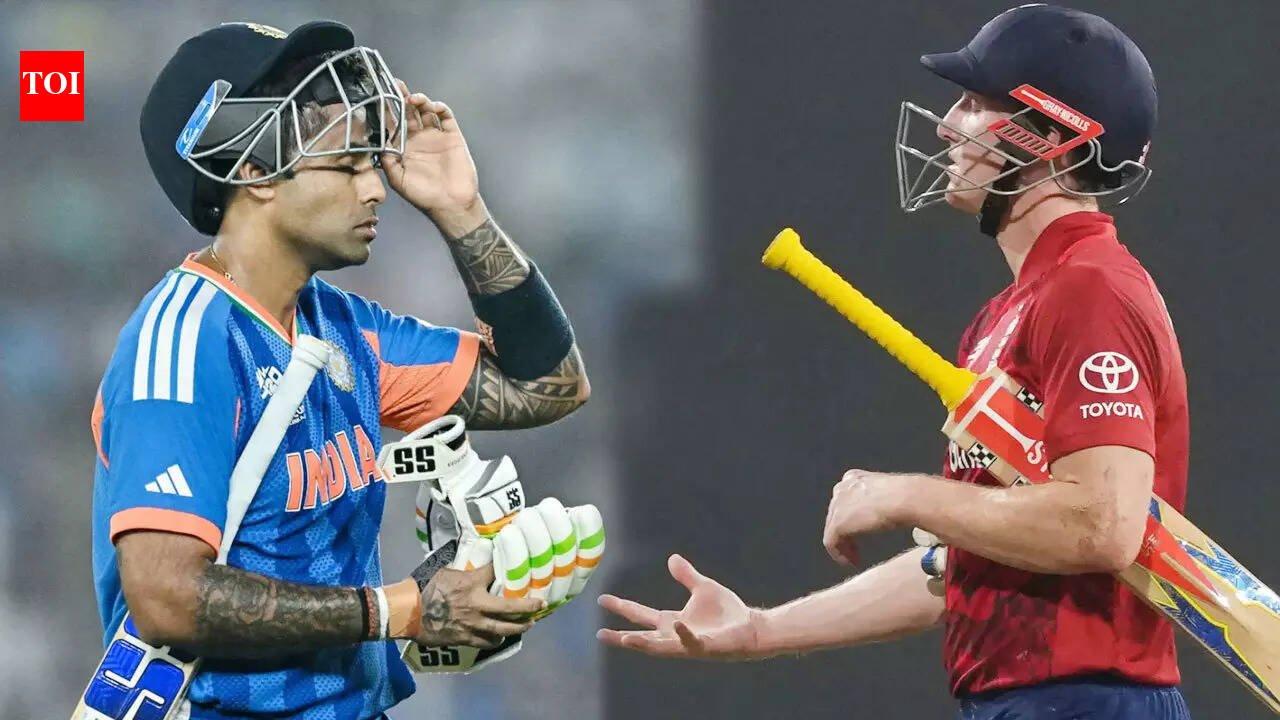
Suryakumar Yadav and Harry Brook (Image credit: Agencies)

India and England have each lifted the T20 World Cup twice, and their rivalry in the semifinals has been perfectly balanced so far — one win apiece. Interestingly, on both occasions, the team that won the semifinal went on to clinch the title.Now, as the two heavyweights prepare for their third semifinal meeting in three editions at Mumbai’s iconic Wankhede Stadium on Thursday, history beckons. The winner will have a shot at becoming the first nation to claim the ICC Men’s T20 World Cup title three times. Alongside India and England, only the West Indies boast two trophies.

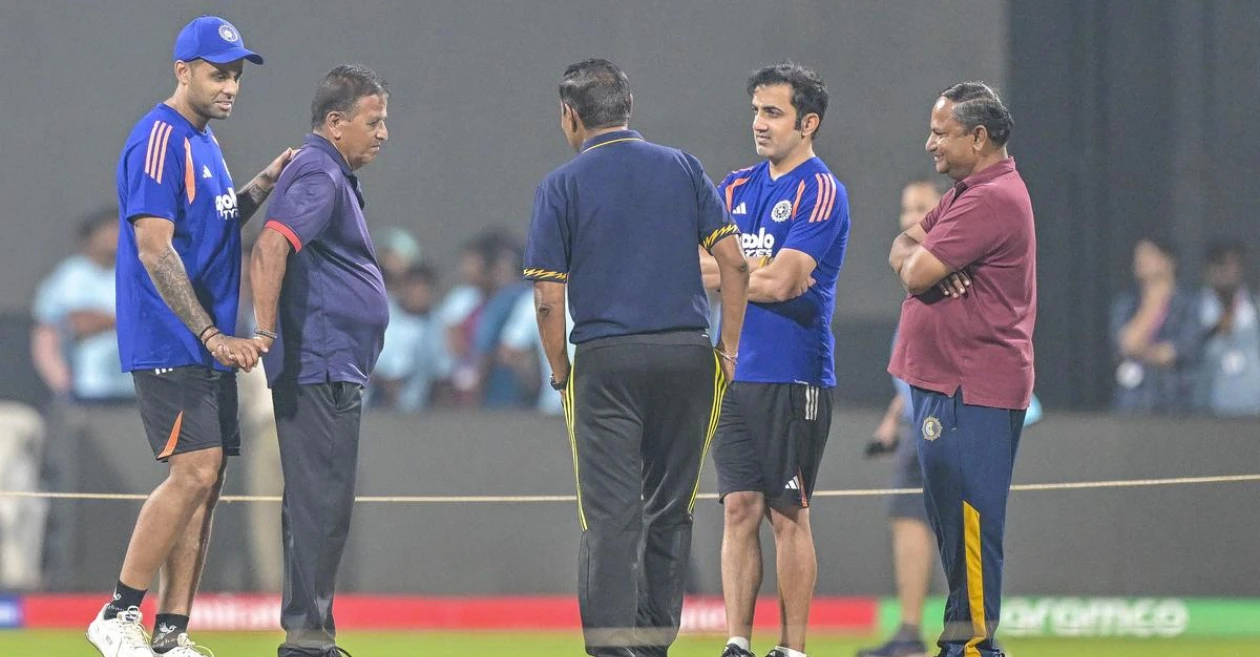
India arrive for final net session before T20 World Cup semifinal

England triumphed in the 2022 semifinal, crushing India by 10 wickets before defeating Pakistan in the final. India returned the favour in 2024, overcoming England in the last four and then edging South Africa in a tense summit clash to secure their second crown.Who prevails this time? While conditions and numbers may slightly favour India, England’s big-match temperament makes them equally formidable.Overall, the two sides have met 29 times in T20Is, with India winning 17 and England 12. India are chasing further milestones — becoming the first team to defend a T20 World Cup title and the first host nation to lift the trophy.Their contests have rarely lacked intensity, and Thursday promises to be no different, with both teams expected to go all out.The journeys to the semifinals have been contrasting. England were the first to qualify, finishing unbeaten in Group 2 of the Super 8s with five consecutive wins. India, meanwhile, suffered a defeat to South Africa and only sealed their spot with a dramatic must-win victory over the West Indies.Earlier in the league stage, India topped Group A with a flawless record, while England finished second in Pool C after a loss to the Caribbean side.Though the semifinal will write a fresh script, memories at Wankhede add emotional weight for the hosts — from MS Dhoni’s iconic six to seal the 2011 ODI World Cup to Sachin Tendulkar’s teammates carrying him on their shoulders in celebration.India’s campaign has been defined by different match-winners stepping up at crucial moments. Abhishek Sharma struck his maiden fifty of the tournament in the Super 8s, while Sanju Samson’s unbeaten 97 in the must-win clash against West Indies proved decisive. Skipper Suryakumar Yadav set the tone early with a brilliant 84 against USA, and contributions from Tilak Varma, Ishan Kishan and Hardik Pandya have strengthened the batting unit. Suryakumar leads the scoring charts for India with 231 runs, followed by Ishan with 217.The bowling attack has been equally collective. Jasprit Bumrah, Arshdeep Singh, Varun Chakravarthy, Axar Patel, Hardik and Kuldeep Yadav have all chipped in with key breakthroughs, with Chakravarthy leading the wicket tally with 12 scalps. No single player has dominated consistently — but that shared responsibility has powered India’s run.England’s story mirrors that pattern. They too have relied on collective effort rather than individual brilliance. Phil Salt, Jacob Bethell, Will Jacks and captain Harry Brook have delivered vital contributions, even as Jos Buttler searches for top form. Brook tops their scoring list with 228 runs. With the ball, Adil Rashid has been their standout performer, claiming 11 wickets so far.The Wankhede pitch is expected to assist seamers early before settling into a batting-friendly surface. With hot and sunny conditions forecast and dew likely later in the evening, the toss could play a role, tempting captains to bowl first.Both teams appear settled after seven matches and are unlikely to tinker with their combinations. For India, that means another opportunity for Sanju Samson to build on his momentum.With over 35,000 fans expected to pack the stands, Wankhede will be a cauldron of noise. Under the lights, in front of a roaring home crowd, the side that holds its nerve will march into the final in Ahmedabad.Probable playing XIs:India: Sanju Samson (wk), Abhishek Sharma, Ishan Kishan, Suryakumar Yadav (c), Tilak Varma, Hardik Pandya, Shivam Dube, Axar Patel, Arshdeep Singh, Varun Chakaravarthy, Jasprit BumrahEngland: Phil Salt, Jos Buttler (wk), Harry Brook (c), Jacob Bethell, Tom Banton, Sam Curran, Will Jacks, Liam Dawson, Rehan Ahmed, Jofra Archer, Adil Rashid.


Source link

Pakistan Strike Afghanistan: Afghanistan’s Bagram airbase damaged by ‘multiple strikes’ from Pakistan; see satellite images


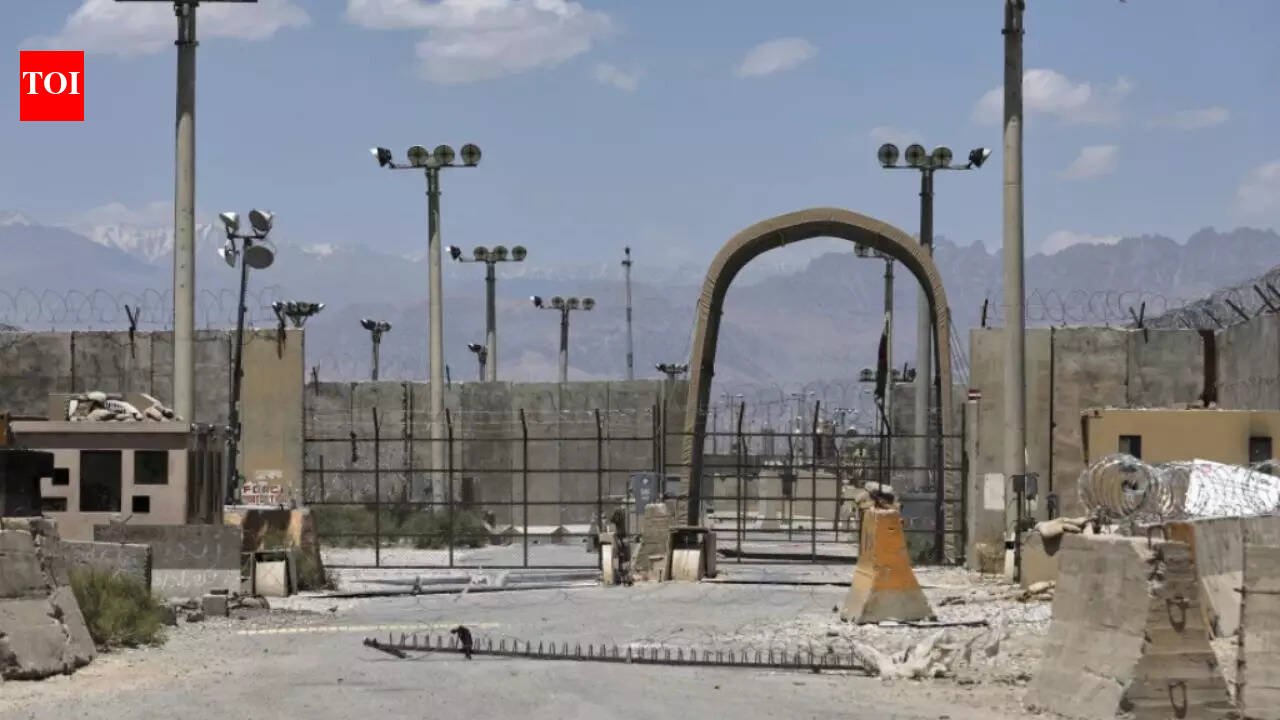
Bagram Airbase in Afghanistan (AP photo)

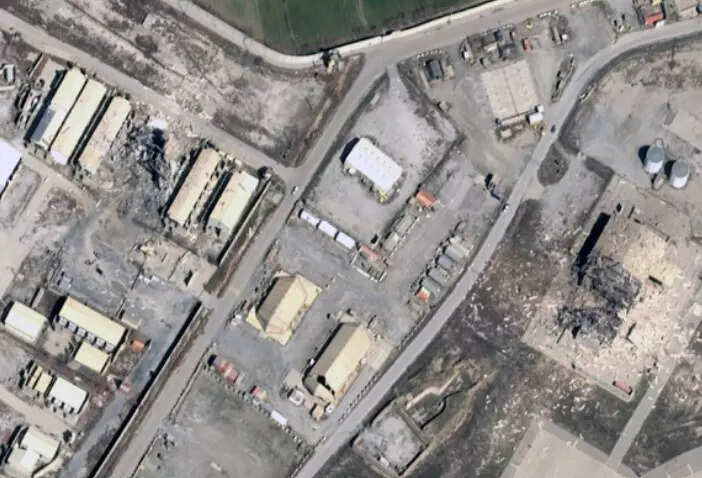
Pakistan carried out airstrikes on Bagram air base in Afghanistan on Sunday, marking a major escalation in renewed fighting between Pakistan and the Taliban government. A Pakistani military official, speaking on condition of anonymity to New York Times, confirmed that “multiple strikes” were conducted to destroy equipment and supplies. Afghan officials too confirmed there had been an attack on the base. Satellite images from Bagram also confirm the strikes.

Still Reeling From India’s Strikes, Pakistan’s Nur Khan Air Base Hit Again By Taliban Drones

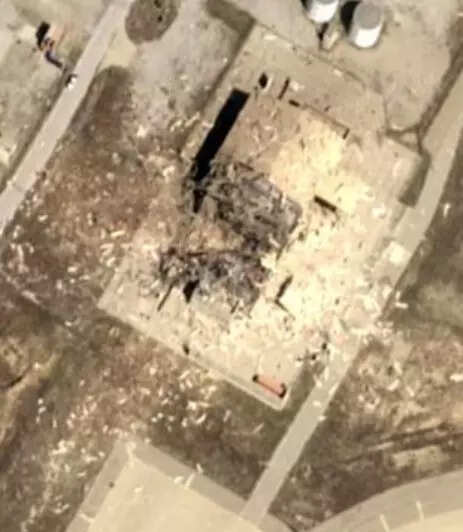
Residents in Bagram town said they heard at least two explosions shortly after 6 am on Sunday, while some said they also heard the sound of at least one jet.Afghanistan’s defence ministry called the strike an “aerial assault” but did not say how much damage was caused. Satellite images show that at least one aircraft hangar and two large warehouses in the northern part of the base were destroyed.

Screenshot 2026-03-03 152203

.

New York Times photoBagram air baseBagram air base is seen as a key military site. It was the main centre of the 20-year US war in Afghanistan before American forces withdrew in 2021.The air base is about 25 miles north of Kabul and has Afghanistan’s longest runway at 11,800 feet. The Taliban took control of the base in 2021 after US forces left. Trump has made it clear he wants the air base, writing on Truth Social last Semptember, “If Afghanistan doesn’t give Bagram Airbase back to those that built it, the United States of America, BAD THINGS ARE GOING TO HAPPEN!!!”

Screenshot 2026-03-03 153157

.

New York Times photoPakistan-Afghaistan conflictOver the past week, Pakistan has launched airstrikes on Afghan military targets. Pakistani officials have described the campaign as an “open war” against the Taliban government. Pakistan says it launched the strikes because the Taliban government is giving safe haven to Tehreek-e-Taliban Pakistan (TTP), also known as the Pakistani Taliban which killed hundreds of Pakistani security personnel. Afghan officials have denied supporting the group and launched retaliatory strikes against Pakistan.


Source link

T20 World Cup 2026: Wankhede pitch under spotlight ahead of IND vs ENG semifinal


All eyes will be on Mumbai as defending champions India gear up to take on England in the second semifinal of the ICC Men’s T20 World Cup 2026 at the iconic Wankhede Stadium on Thursday, March 5. With a coveted spot in the final at Ahmedabad’s Narendra Modi Stadium up for grabs, the stakes couldn’t be higher. Naturally, much of the attention has shifted to the pitch – the crucial 22-yard strip that could ultimately shape the outcome of this blockbuster knockout encounter between two cricketing powerhouses.

Wankhede pitch raising eyebrows

There is already a sense of curiosity surrounding the Wankhede surface. During India’s fielding session under the floodlights on Tuesday evening, the pitch remained covered, leaving players and observers guessing about what conditions might unfold on match day. According to reports, the strip currently appears greener than what is typically seen at Wankhede – even by first-class standards, let alone a T20 International.

The unusual grass cover is largely due to the rising temperatures Mumbai has experienced over the past couple of weeks. Groundstaff have deliberately retained more grass to prevent the surface from drying out too quickly or breaking up. The key question now is how much of that grass will be trimmed before Thursday’s game begins.

Interestingly, while India head coach Gautam Gambhir took a brief look at the pitch before it was covered, none of the Indian players inspected it closely. That might indicate the team is content to assess the conditions on match day itself, perhaps drawing lessons from the two matches already played on this very surface earlier in the tournament.

This red-soil wicket previously hosted England’s clash against West Indies on February 11 and the Italy versus Nepal match the following day. On both occasions, the pitch appeared to offer some assistance to spinners, particularly as the games progressed and the surface began to slow slightly.

What Wankhede surface usually offers?

Historically, the Wankhede Stadium has been synonymous with thrilling T20 contests. Its proximity to the Arabian Sea means that the sea breeze often becomes a factor, influencing both swing and dew conditions during evening matches.

The pitch typically offers a balanced contest between bat and ball. Batters enjoy the true bounce and pace that allows them to play their shots freely once they settle in. The relatively short square boundaries – measuring around 62 and 64 meters – also encourage aggressive stroke play, making high-scoring encounters quite common.

Fast bowlers often get some assistance early on, especially with the new ball, which can move both in the air and off the surface. As the match progresses, spinners tend to come into the picture during the middle overs, with the pitch occasionally offering a bit of grip and turn.

Statistics also reflect Wankhede’s reputation as a batting-friendly venue. The average first-innings total here stands at around 197. Interestingly, teams chasing have enjoyed slightly more success, winning five of the nine T20 Internationals played at the venue – suggesting that bowling first could offer a small tactical advantage.

Also READ: Arjun Tendulkar-Saaniya Chandhok Pre-Wedding – Yuvraj Singh, Irfan Pathan And Others Attend Glittering Mehendi-Sangeet Ceremony

India holds an emphatic record at Wankhede

Team India has enjoyed considerable success at Wankhede over the years. In seven T20Is played at the venue, the hosts have recorded five wins and just two defeats.

One of the most memorable games here came on February 2, 2025, when India posted a massive 247 for 9 against England. That match witnessed a breathtaking innings from Abhishek Sharma, who hammered 135 runs off just 54 balls – the highest individual score ever recorded at the ground.

England, in reply, crumbled under pressure and were bowled out for just 97, marking their lowest T20I total at Wankhede. Mohammed Shami starred with the ball, picking up 3 wickets for 25 runs as India secured a crushing 150-run victory. Notably, fast bowlers claimed 12 of the 19 wickets that fell in that match, highlighting the early help available for pacers at this venue.

Among Indian players, Virat Kohli holds the record for the most runs at Wankhede in T20Is, scoring 197 runs in just three matches. Meanwhile, Shami leads the wicket charts with five scalps from two appearances.

As India and England prepare for another high-voltage encounter at this historic venue, the pitch – and how it behaves under pressure – could well play a decisive role in determining who advances to the T20 World Cup 2026 final.

Also READ: T20 World Cup 2026 – Former CSK star names 3 England players as threat to India in the semi-final clash


Source link

Former Pakistan captain who beat India in 2017 Champions Trophy final in line to become head coach | Cricket News


Former Pakistan captain who beat India in 2017 Champions Trophy final in line to become head coach

Former Pakistan skipper Sarfaraz Ahmed is on the verge of taking charge as the head coach of Pakistan’s Test side, with the role lying unoccupied for nearly five months. In the interim, Azhar Mahmood oversaw the team during the recent Test tour of South Africa.As reported by Geo News, Sarfaraz is expected to assume the position ahead of Pakistan’s upcoming two-match Test series against Bangladesh in May. He is currently with the Pakistan Shaheens in the UAE, where they are engaged in T20 and one-day fixtures against the England Lions. An official confirmation from the board is anticipated shortly.

India arrive for final net session before T20 World Cup semifinal

Sarfaraz’s growing credentials as a coach were strengthened after he guided Pakistan’s Under-19 side to an Asia Cup title. During that campaign, several supporters reportedly approached PCB chairman Mohsin Naqvi, urging him to entrust the senior red-ball team to the former captain.Pakistan presently sit fifth in the World Test Championship standings, following their drawn home series against South Africa in October. Their next assignment in the cycle begins on May 8, when they host Bangladesh for a two-Test contest.In his playing days, Sarfaraz featured in 54 Tests, amassing 3,031 runs with four centuries and 21 half-centuries. He led Pakistan in 13 of those matches, securing four victories, including a famous win at Lord’s against England in 2018. His most recent Test appearance came against Australia in Perth in 2023.Across white-ball formats, he represented Pakistan in 117 ODIs, scoring 2,315 runs with two hundreds and 11 fifties, and played 61 T20Is, compiling 818 runs. As captain, he achieved notable success, most prominently steering Pakistan to the 2017 Champions Trophy title. He also led the side at the 2019 ODI World Cup, where Pakistan narrowly missed out on a semi-final berth despite winning five of their nine league matches. In T20 internationals, he maintained an impressive win rate of 78.37 per cent as skipper.


Source link