Breaking News
NGMA Mumbai showcases Nandalal Bose’s legacy in landmark exhibition | Mumbai News


Mumbai’s National Gallery of Modern Art unveils ‘Colours of Swades,’ a major exhibition celebrating Nandalal Bose’s art from March 9 to April 9. Featuring the iconic Haripura Panels and his work on India’s Constitution, the show highlights art’s role in nation-building. Digital reconstructions bring rural India to life, offering a unique experience.

The National Gallery of Modern Art (NGMA), Mumbai, has opened a special exhibition – ‘Colours of Swades: From Haripura to the Constitution’, celebrating the artistic legacy of modern Indian art pioneer Nandalal Bose. The curated showcase, on view from March 9 to April 9, 2026, marks the first time NGMA Mumbai is presenting a dedicated showcase on the influential artist.The exhibition brings together two defining bodies of Bose’s work — the celebrated Haripura Panels of 1938 and his artistic contribution to the original manuscript of the Constitution of India. A disciple of Abanindranath Tagore and later the principal of Kala Bhavana at Visva-Bharati University in Santiniketan, Bose played a crucial role in shaping a distinctly Indian visual language in the twentieth century. His immense contribution to Indian art was recognised with the Padma Vibhushan.A highlight of the exhibition is the display of the iconic Haripura Panels, created for the Indian National Congress session in Haripura under the guidance of Mahatma Gandhi. Executed in bold lines and luminous colours inspired by folk traditions, the panels depict scenes of everyday rural life — farmers, artisans, musicians, women at work and village festivities — celebrating the vitality and dignity of India’s villages.Speaking about the exhibition, Nidhi Choudhari, Director of NGMA Mumbai, said the show traces the artistic and intellectual journey of one of the foremost pioneers of Indian modern art. She says, “This show traces the artistic and intellectual journey of Nandalal Bose, one of the foremost pioneers of Indian modern art. It is particularly special for us at NGMA Mumbai, because the Haripura Panels of 1938 are being displayed here for the first time. The exhibition brings together two defining moments in Bose’s practice – the Haripura Panels that celebrate the vitality of rural India, and his work on the illustrations and visual design of the Constitution of India. Together, these works remind us that during the freedom movement, art was not merely decorative; it played a profound role in shaping the imagination and identity of the nation.” Reflecting on the significance of Bose’s place in Indian art, she adds, “Nandalal Bose occupies a foundational place in the story of Indian modern art. Instead of borrowing from Western academic traditions, he turned inward, drawing inspiration from Ajanta murals, folk traditions, temple sculpture and the rhythms of everyday rural life. In doing so, he created a visual language that was so rooted in Indian civilisation yet profoundly modern in its expression.The exhibition also explores Bose’s contribution to the visual aesthetics of the Constitution. Working with students from Kala Bhavana, he designed intricate borders and illustrations that accompany the constitutional text, tracing India’s civilisational journey through references to the Indus Valley civilisation, the Ramayana, the Mughal era and the freedom movement.Curated by Shruti Das, Deputy Curator at NGMA Mumbai, the exhibition highlights the intersection of art, culture and nation-building. She said the Haripura Panels represent a landmark moment in Indian art history, noting that Bose created 77 panels depicting potters, weavers, farmers, musicians and wrestlers, bringing art into a public space while drawing inspiration from indigenous traditions such as Kalighat painting, Patachitra and the murals of Ajanta. “The curatorial approach was conceived as a bridge between two important moments in India’s cultural and political history. By bringing these two bodies of work together, the exhibition highlights Bose not only as a master artist but also as a cultural visionary who translated the spirit of India into a powerful visual language. The Haripura Panels represent a landmark moment in modern Indian art. Created at the request of Mahatma Gandhi for the 1938 Congress session, Bose produced seventy-seven panels depicting everyday village life – potters, weavers, farmers, musicians and wrestlers. These works celebrated the dignity and rhythm of rural India and brought art directly into a public space. Artistically, they are significant because they rejected colonial academic naturalism and instead drew inspiration from indigenous traditions such as Kalighat painting, Patachitra and the murals of Ajanta,” she says.Adding a contemporary dimension, the exhibition features immersive digital reconstructions that recreate Haripura village as it might have appeared in 1938. Using AI-assisted animation developed with Mumbai-based filmmaker Ebyug Akhil, the scenes from the panels are brought to life, offering visitors an engaging and experiential way to explore the artworks.Colours of Swades: From Haripura to the Constitution is on display at NGMA Mumbai, Sir Cowasji Jahangir Public Hall, Fort, from 11 am to 7 pm daily (Mondays closed). Entry is free.


Source link

Losing muscle with age? New Indian guidelines warn of a hidden health risk | India News


Losing muscle with age? New Indian guidelines warn of a hidden health risk

NEW DELHI: India’s doctors are raising the alarm over a little-known condition that could quietly rob millions of older people of their mobility and independence: sarcopenia, or age-related muscle loss.To tackle the problem, the Geriatric Society of India has released the country’s first “Indian Guidelines for the Evaluation and Management of Sarcopenia.” The recommendations, developed by experts across multiple specialties including geriatric medicine, orthopaedics, endocrinology, physiotherapy and nutrition, aim to help doctors detect and treat muscle loss early — before it leads to falls, disability and loss of independence.

Must-try strength training exercises for maximum muscle growth

Sarcopenia, which literally means “loss of flesh,” refers to the gradual decline in muscle mass, strength and physical function with ageing. Doctors say it is often overlooked but can significantly increase the risk of fractures, hospitalisation and even death.The concern comes as India’s population ages rapidly. By 2050, the country is expected to have around 319 million people aged 60 and above, more than one-fifth of the population. Experts warn that without preventive steps, sarcopenia could become a major public health challenge.Studies suggest the condition affects 8–18% of older adults living in the community, rising to 25–40% among hospitalised elderly patients, with higher risk among people with chronic diseases such as diabetes.Dr O.P. Sharma, who led the guidelines, stressed that muscle health is central to healthy ageing. “Strength preserves dignity. Early detection saves independence,” he said, noting that sedentary lifestyles, poor nutrition and chronic illnesses are accelerating muscle loss among seniors.The guidelines advise doctors to look for warning signs such as weak grip strength, slower walking speed and difficulty getting up from a chair. Screening tools like the SARC-F questionnaire can help identify people at risk, particularly in primary care settings.Experts say the encouraging news is that sarcopenia can often be prevented or slowed with simple lifestyle measures. Strength-training exercises two to three times a week, adequate protein intake and correcting vitamin D deficiency are among the key recommendations. Doctors also advise including protein sources such as dal, paneer, soy and pulses, especially in vegetarian diets.Dr Raju Vaishya of Indraprastha Apollo Hospitals said awareness about muscle health remains low. “India is a sarcopenic nation,” he said, citing poor nutrition, inactivity and ageing as key drivers.Dr Randeep Guleria said the guidelines aim to bring muscle health into routine medical care. “They bridge science with clinical wisdom, making sarcopenia visible in everyday practice,” he said.Doctors say early detection and treatment could help millions of seniors remain mobile, independent and healthier for longer, easing the growing healthcare burden of an ageing population.


Source link

India vs New Zealand T20 World Cup 2026 final: Reserve day, overs rule and who lifts the trophy if it rains


With defending champions India set to take on New Zealand in the ICC Men’s T20 World Cup 2026 final at the Narendra Modi Stadium in Ahmedabad on Sunday (March 8), cricket fans across the globe are eagerly anticipating a blockbuster summit clash. However, as with any major outdoor sporting event, weather remains a topic of discussion.

Is there a reserve day for the T20 World Cup 2026 final?

Yes, the International Cricket Council (ICC) has designated a reserve day for the T20 World Cup 2026 final to ensure that weather interruptions do not unfairly impact the outcome of the championship match.

The final is scheduled for Sunday with the reserve day kept for Monday, March 9. This contingency plan ensures that every effort will be made to complete the match and crown a deserving winner on the field.

What happens if rain interrupts the match?

If rain interrupts play on the scheduled day, match officials will first try to finish the game on the same day by extending the playing window.

ICC regulations allow for an additional 90 to 120 minutes of extra time on the original day to make up for delays caused by bad weather. This buffer gives umpires and organizers some flexibility to restart play once conditions improve.

However, if the match still cannot be completed on March 8, the action will simply continue on the reserve day rather than starting from the beginning.

That means the game will resume from the exact point where it stopped. The number of runs scored, wickets lost, and overs bowled will all remain unchanged. Essentially, the match continues like a paused game rather than being restarted.

To maximize the available playing time on the reserve day, officials may even start the match earlier than the scheduled 7:00 pm IST time.

Minimum overs needed to decide the winner

Unlike group-stage matches, knockout games in the T20 World Cup have stricter rules for a valid result.

During the league stage, a match could produce a result if each team managed to bat for at least five overs. However, in the final, the requirement is higher.

For the T20 World Cup 2026 final, both teams must bat a minimum of 10 overs each for the match to produce an official result.

If rain reduces the number of overs but still allows both teams to face at least 10 overs, the Duckworth Lewis and Stern (DLS) method will be used to adjust the target and determine the winner.

But if the match cannot reach the 10-over-per-side minimum – even after using the reserve day – the game will unfortunately have to be abandoned.

What if the T20 World Cup final is completely washed out?

The biggest question fans often ask during rain-threatened finals is: who wins the trophy if no play is possible?

According to ICC rules for the T20 World Cup, if the final cannot produce a result across both the scheduled day and the reserve day, the title will be shared between the two finalists.

In that situation, India and New Zealand would both be declared joint champions of the T20 World Cup 2026.

This rule ensures that neither team is unfairly penalized by weather conditions during the tournament’s most important match.

Even if not a single ball is bowled across the two days, both teams would still lift the trophy as co-winners.

Weather outlook for Ahmedabad on match day

The good news for fans is that early weather forecasts for Ahmedabad appear promising.

So far, the semi-finals of the tournament were completed without any rain interruptions, and organizers remain hopeful that the final will also take place under clear skies.

Also READ: India or New Zealand? Brad Haddin picks the winner of T20 World Cup 2026

With the Narendra Modi Stadium expected to host more than 130,000 spectators, weather conditions will be closely monitored throughout the weekend.

For the massive crowd expected at the stadium and the millions watching around the world, the message is reassuring: every effort will be made to complete the final.

The presence of a reserve day provides an entire additional day to finish the match if needed. Only if rain completely prevents play across both days will the trophy be shared.

India enter the final as defending champions, having edged past England in a thrilling semi-final at Mumbai’s Wankhede Stadium. Meanwhile, New Zealand secured their spot after a commanding nine-wicket victory over South Africa, highlighted by Finn Allen’s record-breaking 33-ball century.

Also READ: India’s win-loss record at the Narendra Modi Stadium ahead of T20 World Cup 2026 final


Source link

Maharashtra anti-conversion bill: Marriage to be held invalid if force, deceit, inducement used to convert | Mumbai News


Marriage to be held invalid if force, deceit, inducement used to convert

MUMBAI: Maharashtra’s proposed anti-conversion law will render marriages conducted through inducement, deceit or coercion null and void, say sources. In such cases, any blood relative of the affected parties may file a complaint with the district magistrate, who will inquire into the details and then refer the matter to the local police for appropriate action against those involved, the sources said.The draft law, to be called the Maharashtra Freedom of Religion Act 2026, was cleared by the cabinet on Thursday and will be put before the ongoing legislative session. The sources did not provide clarity on situations where a woman who is not under the age of consent enters an inter-religious marriage with her willingness but with her family opposed to it.Sources said a govt-appointed panel examined Article 25 of the Constitution, which gives freedom of religion, while preparing the draft. The panel examined past SC orders pertaining to this, mainly where it mentioned the protection of individuals from conversion through coercion, inducement and fraudulent or illicit means, along with seminal laws enacted by other states, before finalising the draft law.The new law, once passed, will have an arrest provision with maximum punishment up to seven years and a fine, sources said. They added that the offender will include all those involved in the forcible or deceitful conversion process.The inter-religion marriage was one of the topics raised aggressively by BJP leaders for long, which they termed as ‘love jihad’ by connecting it with the minority community marrying girls from the majority community.Sources stated that the Constitution and Supreme Court orders pertaining to freedom of religion also talk about protecting it and allowing the state to adopt the required safeguards for protection of religion by not allowing forcible conversion, which would be ensured via the state’s proposed anti-conversion law. A source said that a marriage that takes place via conversion with deceitful act, inducement and coercion will be null and void and any blood relatives of the affected “victim” can file a case with the district magistrate who will inquire into the details before reaching a conclusion about whether the marriage had taken place with forcible or deceitful conversion. The magistrate will accordingly refer the matter to the local police, who will then register the FIR for further action in accordance with the new law.


Source link

‘I think that’s why I didn’t play those two matches’: Axar Patel on not playing every game in this T20 World Cup | Cricket News


'I think that’s why I didn’t play those two matches': Axar Patel on not playing every game in this T20 World Cup
India’s Axar Patel (AP Photo/Rafiq Maqbool)

MUMBAI: Wankhede Stadium’s North Stand gave Axar Patel a rousing ovation as he settled into his fielding position at long-off. The applause was well-deserved. Within a span of about 40 minutes, Axar had produced game-changing fielding efforts that will be etched in Indian cricket folklore, much like Kapil Dev’s catch in the 1983 World Cup final and Suryakumar Yadav’s effort in the 2024 T20 World Cup summit clash.The 32-year-old had already taken one catch to dismiss Phil Salt when he produced the moment that lifted the team’s spirits and energised the crowd. It began with Jasprit Bumrah deceiving Harry Brook with a slower delivery with the first ball of his spell. The England captain skied the ball, which looked set to land safely in the deep cover region. Stationed inside the ring, Axar believed he could reach it. Sprinting back with his eyes fixed on the ball, he judged the trajectory perfectly and flung himself forward to complete a superb diving catch inches above the ground.

India in T20 World Cup final: Small contributions which had HUGE impact

The second effort came in the 14th over and swung the match decisively in India’s favour. Jacob Bethell and Will Jacks had stitched together a threatening 77-run stand off 39 balls for the fifth wicket.Jacks sliced a full toss from Arshdeep Singh towards deep point, and once again the ball hung in the air. Axar, patrolling the boundary, sprinted across, held his balance and, just as he seemed to lose control, lobbed the ball to Shivam Dube before crossing the boundary, reducing England to 172/5.In between those efforts, Axar also used his guile with the ball, slowing the pace to dismiss Tom Banton, who had been scoring at a strike rate of over 350. He could have taken another blinder at long-off to dismiss Bethell as he neared his century, but the chance slipped and went over the boundary.India’s fielding had been a concern in the T20 World Cup, with 13 dropped catches before the semifinal. But led by Axar, the team produced a sharp display in the field, holding on to every chance — a positive sign heading into Sunday’s final against New Zealand in Ahmedabad.Asked which of the two catches he cherished more, Axar responded with humour, saying the “ball had decided to chase me”. He added that Brook’s catch was difficult but Jacks’s dismissal was more crucial as it broke a dangerous partnership.Axar may not carry the aura of some of his teammates and has occasionally been overlooked. He had to hand over the T20 vice-captaincy to Shubman Gill during the 2025 Asia Cup and was benched for two matches in this tournament at his home venue, the Narendra Modi Stadium, against the Netherlands and South Africa.Yet Surya’s deputy has always been a team man. He spent those games in the dugout carrying drinks, cheering his teammates and waiting patiently for his chance — something he has done throughout his career. Axar has taken eight wickets with his leftarm spin in six matches at an economy rate of 8.09, the second-best among Indian bowlers after Bumrah’s 6.62.The Gujarat allrounder has also had to wait to play an ICC tournament on home soil, having missed the 2023 World Cup due to injury. With Axar now certain to feature in Sunday’s final, he is eager to play in front of his home crowd — with his son watching him live “for the first time”.“I think that’s why I didn’t play those two matches (as I had to play the final), because it is very important for me,” Axar said. “I have been waiting for many years to play in front of my family on my home ground. It’s a very proud moment. After two years, I will be playing on home ground — and that too in an ICC World Cup final.”On social media trolls calling the Ahmedabad stadium “jinxed”, Axar replied with a smile: “I didn’t play that game (the 2023 World Cup final), so now I think the jinx will be broken!”


Source link

D Gukesh apologises to fans; Indian chess stars slip in rankings — what’s going wrong? | Chess News


D Gukesh apologises to fans; Indian chess stars slip in rankings — what’s going wrong?
India’s top chess Grandmasters suffering from poor form at the moment

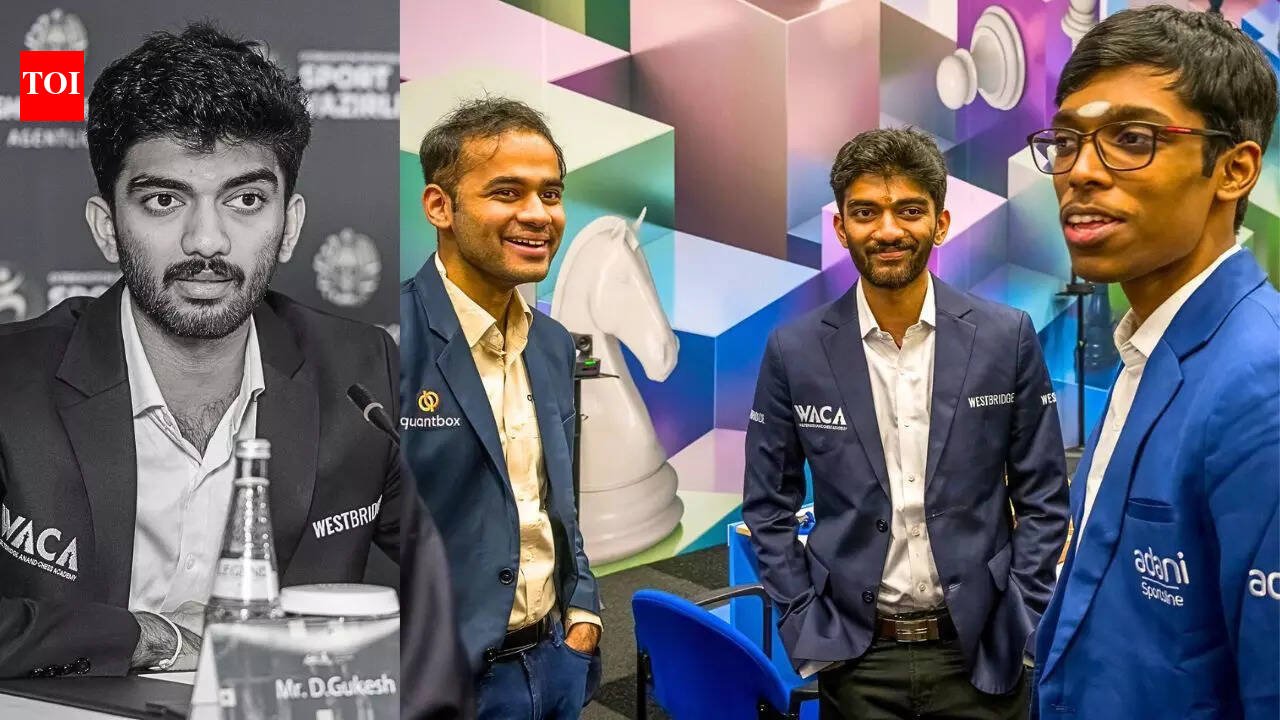
NEW DELHI: When Grandmaster (GM) Gukesh Dommaraju paused in the middle of the Prague Masters to apologise to fans, the moment felt unusually raw and emotional.“I really appreciate all the fans coming here every day. But I want to apologise to them. This tournament has been tough for me, and on some days I just want to be left alone,” the youngest-ever world chess champion said. “I generally make sure to give autographs and photographs after the game, but I haven’t been in a great mood here.”The admission carried weight, especially for a player who has only been navigating the highs and lows of being a world champion for less than 24 months.

Inside the Life of Belarus’s Top Chess Player Amid Russia-Ukraine Turmoil | Denis Lazavik Exclusive

Champions rarely reveal vulnerability so openly, almost never during tournaments. Yet this apology struck a chord across the chess world as it seemed to hint at something deeper.Indian chess, which has enjoyed a golden phase in recent times, is currently undergoing an alarming dip at the top of the pyramid.For example, the first FIDE rating list of 2026 in January featured three Indian GMs, Arjun Erigaisi, Rameshbabu Praggnanandhaa, and Gukesh, in the top 10.Two months later, in March, the scenario changed drastically. Erigaisi and Praggnanandhaa have slipped out of the top 10, while Gukesh, occupying the 10th spot in the latest rating list, risks losing more points after a difficult run (only one win in 10 rounds) in Prague.
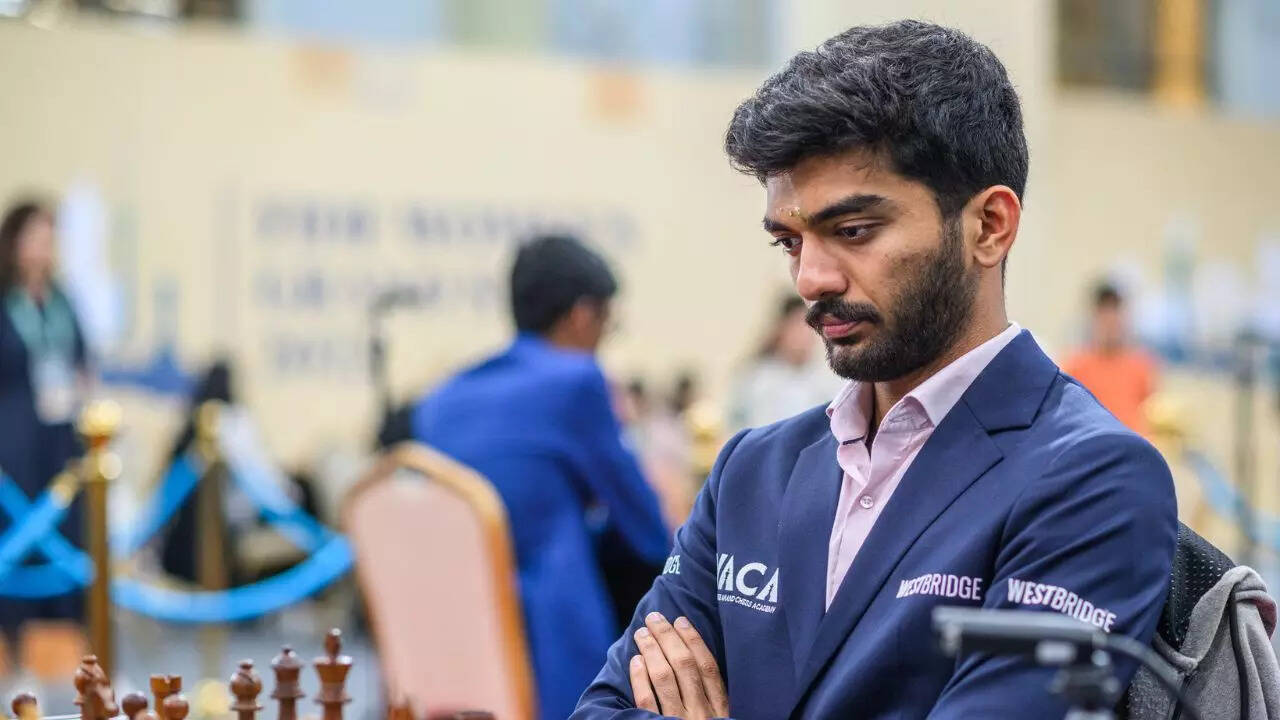
D Gukesh (Photo by Michal Walusza/FIDE)

D Gukesh (Photo by Michal Walusza/FIDE)

At a time when the chess calendar is heading toward a crucial phase, with the Candidates Tournament followed by the World Chess Championship, the dip has prompted questions.Is this just a temporary fluctuation? Or are there deeper issues affecting India’s brightest talents?Does the current dip in form for Indian top grandmasters sound alarm bells?“Of course, it’s a matter of concern,” veteran Grandmaster Pravin Thipsay told TimesofIndia.com during an exclusive interaction.“When players who were approaching or crossing 2800 suddenly drop by 40 or 50 points, it certainly deserves serious attention.”The reasons, according to Thipsay, are complex but interconnected.

Playing too much chess

Ironically, one of the biggest factors behind the slump could be the sheer volume of chess the young stars are playing.“The first reason, in my opinion, is that they are simply playing too much,” Thipsay explained. “Because they have become very strong, they receive a lot of invitations. Naturally, they end up playing far more tournaments than most players usually do.”He continued, “Top players often receive appearance fees that can be higher than the prize money itself. Earlier, they played mainly for prizes. Now, the starting money becomes a major factor. Financially, it can be difficult to refuse invitations.”Relationships with organisers also play a role. “Many organisers supported these players when they started out in their careers. Naturally, players feel obliged to accept those invitations,” he added.
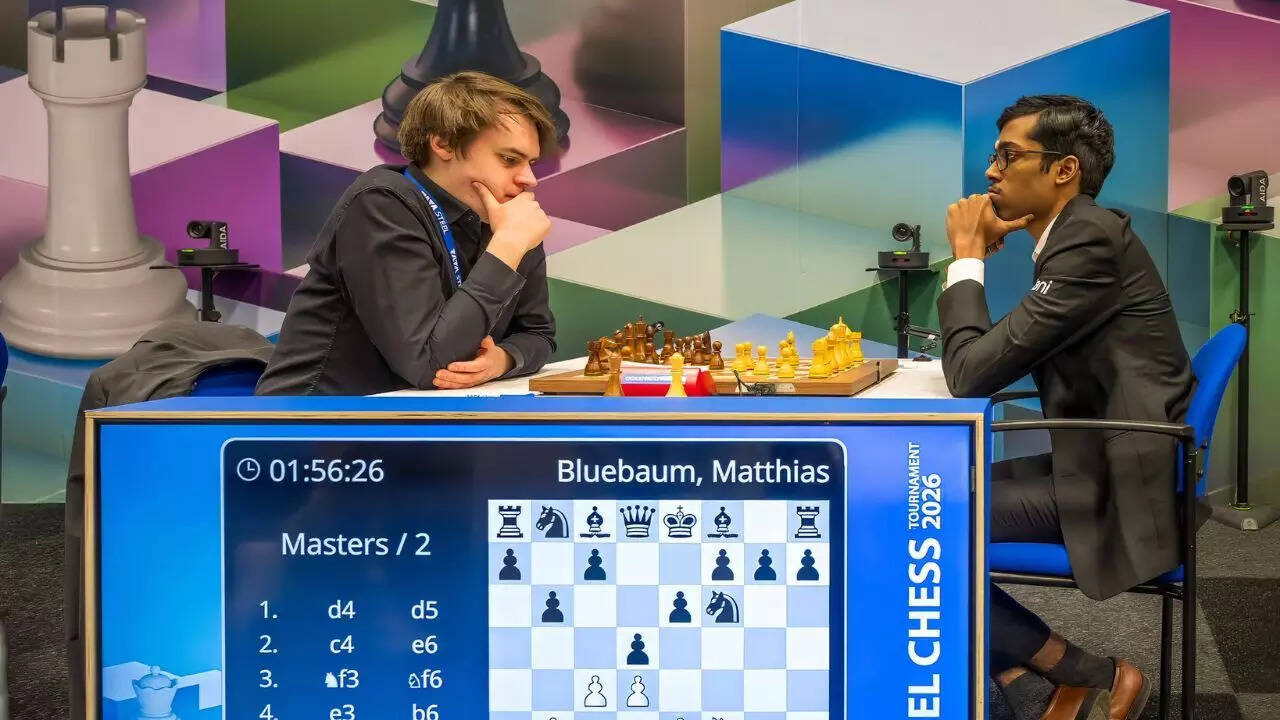
Praggnanandhaa R against Matthias Blübaum (Photo by Frans PeetersTata Steel Chess)

Praggnanandhaa R against Matthias Blübaum (Photo by Frans Peeters/Tata Steel Chess)

What follows next is a relentless tournament schedule. From classical tournaments to online events such as Titled Tuesdays and Freestyle Friday, the calendar rarely allows breathing space.Grandmaster Shyam Sundar M, whose relentless contribution through coaching has gifted India multiple GMs in recent times, echoes the same concern about the modern schedule.“The top 10 fluctuates frequently, not just for Indians,” Shyam Sundar added. “Players today compete in classical tournaments, rapid, blitz, Chess960 team events and many other competitions. Without enough breaks, it’s natural that results will fluctuate.”The consequence, he explains, is that players often arrive at the most important tournament not fully refreshed.

Stardom and distractions

Another factor, Thipsay believes, lies in the unique status Indian chess players enjoy at home.“The social status of Indian players today is much higher than what players like Nodirbek Abdusattorov, Alireza Firouzja or Fabiano Caruana experience in their countries,” he said.In India, chess stars have become celebrities. And recently, this idea was put into perspective by FIDE itself when they put out a social media post comparing Instagram follower counts of the Candidates. And unsurprisingly, two of the top three were Indians.“They receive huge media attention, encouragement, and financial offers. Endorsements and brand collaborations bring good money, but they also take a lot of your time and mental energy,” Thipsay added.These commitments may appear minor compared to the rigours of professional chess; but over time, they can shift focus. “Financial rewards outside chess can become a distraction and may hamper concentration,” Thipsay told this website.

The closed circuit problem

Another factor shaping modern chess is the structure of tournaments themselves. Today’s leading players often compete repeatedly against the same small group of elite opponents in closed events.“Since the days of Garry Kasparov, the top players have mostly played among themselves in elite events,” Thipsay stated. “Even Anatoly Karpov played many open tournaments against ordinary players. That tradition has largely disappeared.”The result is a tight competitive ecosystem.
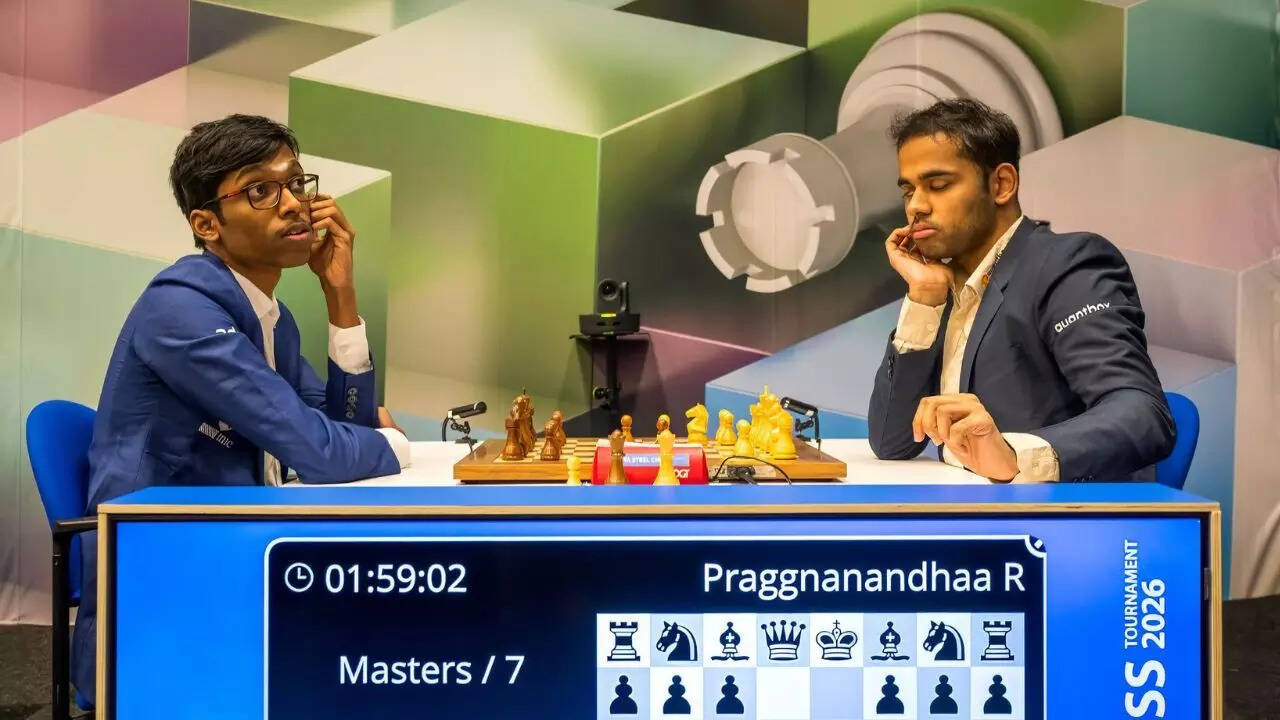
Arjun Erigaisi vs Praggnanandhaa R (Photo by Frans Peeters/Tata Steel Chess)

Arjun Erigaisi vs Praggnanandhaa R (Photo by Frans Peeters/Tata Steel Chess)

“When you play the same opponents repeatedly, you become very familiar with their styles. Preparation becomes about guessing what your opponent will play rather than discovering new ideas.”In contrast, open tournaments force players to think independently, which the top stars are lacking these days.“When these players rose rapidly in 2022 and 2023, they were playing many Swiss tournaments. You faced unknown opponents, unpredictable positions, and that sharpened their creativity. New strategic ideas won’t come to you if you are playing the same players, again and again. So that’s very serious.”

The engine era dilemma

According to Thipsay, the overwhelming role of computer preparation has subtly changed how players think.“Today, many players buy enormous amounts of prepared material from analysts or trainers. Often, these analysts are not strong players themselves; they simply run engines and provide computer suggestions,” he revealed. “A human process is different. You understand the position, identify strategic ideas, analyse tactics, and then reach a logical decision. With engine preparation, you are given the move, but you may not understand why it works.”He cites a famous remark by José Raúl Capablanca, adding, “Almost 100 years ago, Capablanca once said: ‘The best way to win is the easiest way.’ But the easiest path is different for every player.”When players follow computer lines that do not suit their style, problems emerge. “You might know that the engine says a move is best, but you have not truly grasped the idea behind it,” the veteran GM added.

Losing their natural strengths

Thipsay feels the Indian trio’s distinctive styles have slightly faded in recent months.“Praggnanandhaa was once one of the most dangerous attacking players, but he isn’t getting many attacking positions now. Gukesh was phenomenal defensively, as his accuracy in events like the Olympiad was extraordinary.”He believes opponents are now adapting.“Rivals are preparing specific strategies to complicate games. Meanwhile, Arjun and Gukesh have lost some accuracy, and Praggnanandhaa some initiative.”However, all is not lost as Thipsay remains optimistic.
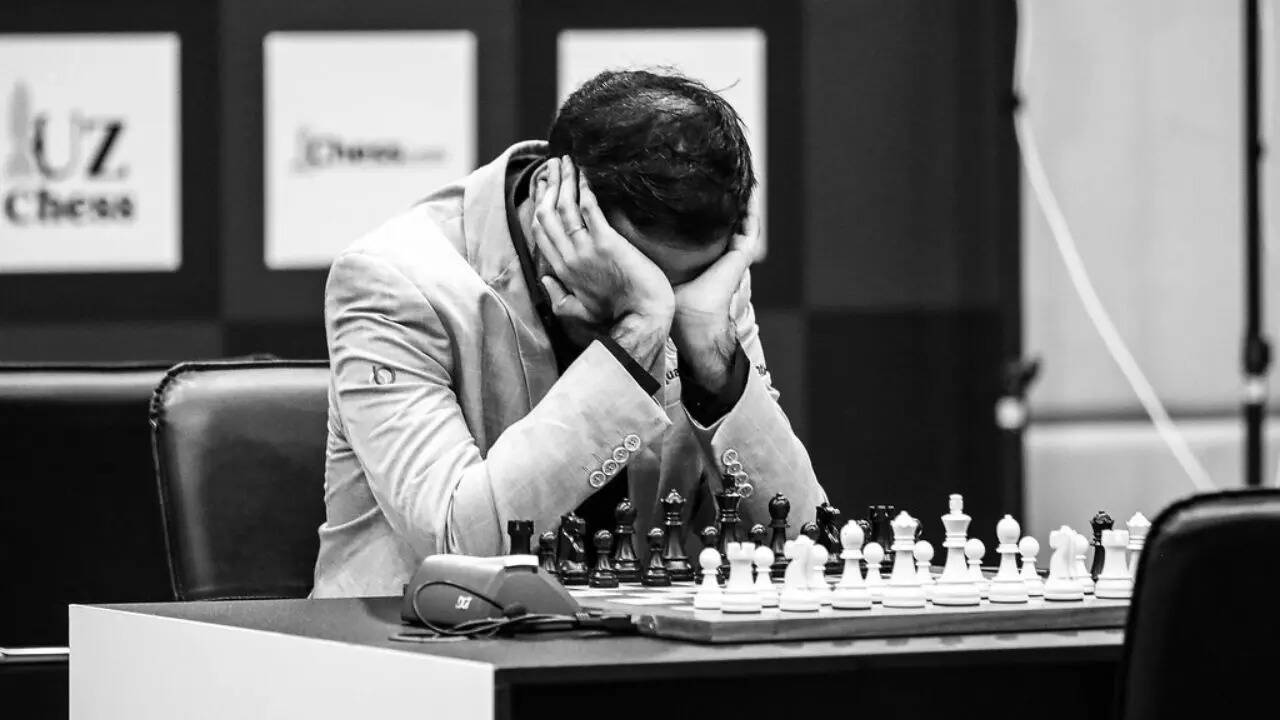
Arjun Erigaisi (Photo by Mukhammadbobur Makhmarayimov)

Arjun Erigaisi (Photo by Mukhammadbobur Makhmarayimov)

“If these players return to playing their natural games and perhaps include more open tournaments, the situation can change quickly,” he added.Shyam Sundar, on the other hand, cautions against reading too much into short-term dips.“Sometimes players experiment with their games as well,” he added.“For example, Gukesh himself has spoken about trying new things after becoming world champion. When players experiment, results can suffer temporarily even though the quality of chess remains strong.“When players are competing across formats and experimenting with ideas, you will naturally see ups and downs in results. But that doesn’t mean the players have suddenly become weaker.”

If these players return to playing their natural games and perhaps include more open tournaments, the situation can change quickly

GM Pravin Thipsay

Coach Shyam Sundar insists Indian players still command immense respect globally. In fact, according to him, the temporary dip might even serve as motivation.“Wherever you go, when someone faces an Indian player, they know they have to be fully prepared. That respect hasn’t changed,” added the 33-year-old.

The bitter truth about Indian chess

Beyond individual performance, the structure of Indian chess itself raises some alarm bells. “Indian chess has always been very individualistic. None of these champions has been created by a system,” Thipsay, who became a GM in 1997, admitted.Unlike the Soviet model that produced legends such as Mikhail Tal and Kasparov, India’s success stories often emerge from personal and family effort.“Parents sacrifice careers, invest time and resources, and players build themselves through sheer dedication,” 66-year-old Thipsay added. “Just because three players reach the top 10 today does not mean we will automatically produce three more in ten years.”READ ALSO: India gets its 93rd GM: Mother quit job for chess — the making of Aarav Dengla influenced by D Gukesh and Arjun ErigaisiThat model makes sustained dominance difficult, as Thipsay said, “Out of millions who play online chess, only about 36,000 players in India are registered for AICF over-the-board tournaments.”For now, India’s chess revolution continues to be powered by extraordinary individuals. Whether it can evolve into a system capable of producing champions generation after generation remains the bigger game still to be won.



Source link

Delhi Uttam Nagar Murder: ‘We apologised but she did not listen’: Vehicles torched, roads blocked in Delhi after man killed in Holi colour dispute | Delhi News


NEW DELHI: Anger spilled onto the streets of southwest Delhi’s Uttam Nagar on Friday as protesters blocked a major road for hours, vehicles were set ablaze and traffic ground to a halt following the death of a 26-year-old man who was beaten during a Holi clash.Members of Hindu outfits, including Bajrang Dal and Vishwa Hindu Parishad, gathered in large numbers beneath the Uttam Nagar East Metro station, sitting on the road and raising slogans while demanding strict action against those accused in the killing.

Delhi: Holi Killing, Sisters Found Dead, Heat Spike & More

Amid the rising tension, a car and a motorcycle parked in JJ Colony were also set on fire. Meanwhile, heavy police deployment has been made across the area, with additional officers and paramilitary personnel stationed to prevent any escalation. Drones were also deployed to monitor the protest site and identify those blocking the road.

Man killed over Holi colour dispute

The unrest follows the death of Tarun, 26, who succumbed to injuries after a violent clash between two families during Holi celebrations in JJ Colony on Wednesday. According to police, the dispute began when coloured water from a balloon splashed onto a woman, triggering a heated argument that quickly spiralled into a physical fight.Speaking to TOI, Tarun’s uncle, Tek Chand, said their relative, an 11-year-old girl, was playing Holi on the terrace when she threw a water balloon at her father standing below. The balloon fell onto the road and splashed water on a woman from the neighbouring family, who, according to Tarun’s family, belonged to a different community. “We apologised, but she didn’t listen and called her relatives, picking up a fight with us,” he said.Tek Chand claimed the matter was initially settled. About an hour later, Tarun was returning on his bike after playing Holi with a friend. A group of 15-20 people, according to Tek Chand, stopped him and allegedly assaulted him with iron rods, bricks, stones and other objects.


Source link

Dera Sacha Sauda: Punjab and Haryana high court acquits Dera chief Ram Rahim in journalist Ram Chander Chhatrapati murder case | Chandigarh News


Punjab and Haryana high court acquits Dera chief Ram Rahim in journalist Ram Chander Chhatrapati murder case

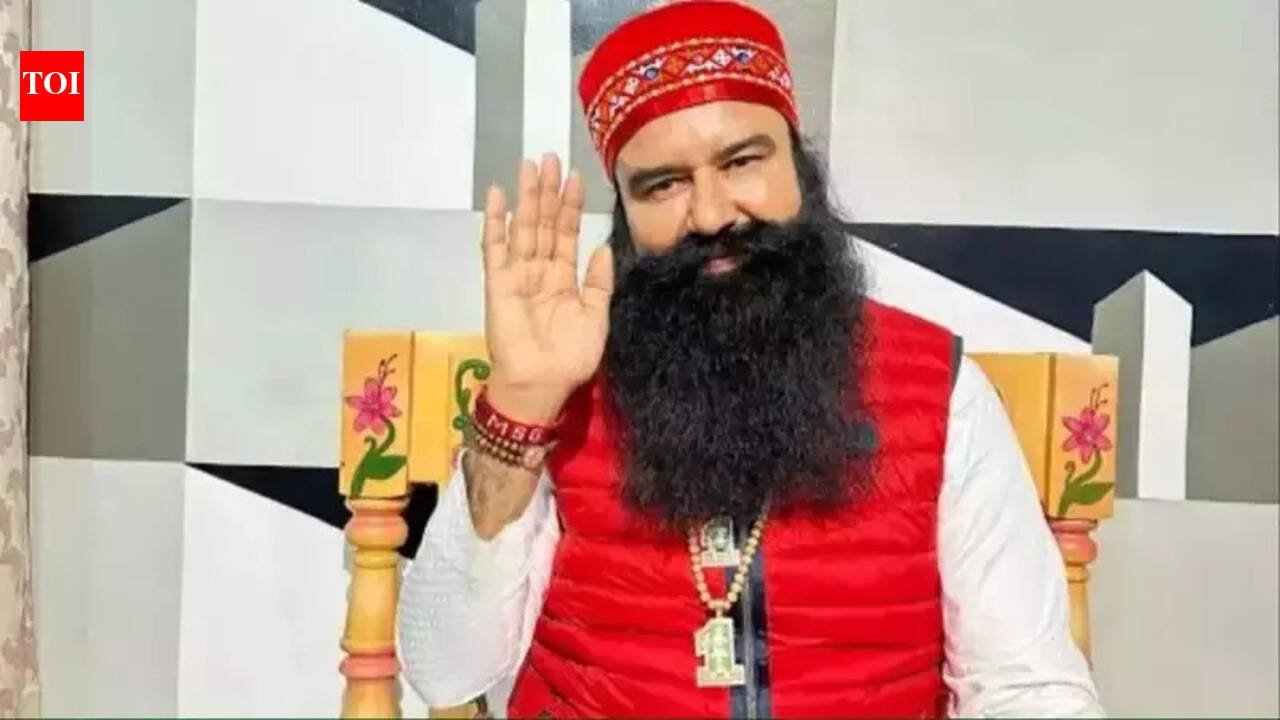
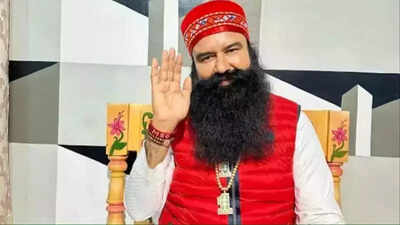
CHANDIGARH: In a major setback to the CBI, the Punjab and Haryana high court on Saturday acquitted Gurmeet Ram Rahim, the controversial head of Sirsa based Dera Sacha Sauda, in connection with the journalist Ram Chander Chhatrapati murder case. Division bench comprising Chief Justice Sheel Nagu and Justice Vikram Aggarwal passed these orders while allowing the appeal of Dera Chief. The bench, however, has upheld the conviction of three other accused in this case.The operative part of the judgement was pronounced in the open court. However, the detailed copy of the judgement was not available till the filing of this case.On January 17, 2019, the special CBI court Panchkula had sentenced the self-styled godman and three others to life imprisonment and imposed a fine of Rs 50,000. They were sentenced for the 2002 murder of Sirsa-based journalist Ram Chander Chhatrapati, the editor of ‘Poora Sach’ newspaper.Aggrieved from the orders, the Dera Chief had challenged the conviction before the HC claiming that he has been falsely implicated by the CBI in this case as the first charge sheet against other accused, Nirmal, Kuldeep and Krishan Lal had already been filed and none of them had named the appellant to be involved in the conspiracy, therefore there was no other circumstance left with the CBI to introduce the overhearing of conspiracy. “It is a matter of fact that the appellant was not at all named in the first charge sheet filed by State Police in 2002. Krishan Lal was tortured by the CBI Officials. The name of the Dera chief was thereafter included as an accused by way of revenge. The eyewitness version of the conspiracy was created by senior CBI officer, M Narayanan for the present case in the form of Khatta Singh,” the counsel for Dera chief had submitted. It was also submitted that the version of Khatta Singh that the conspiracy was hatched only in his presence and that he did not disclose about the same to anyone stands falsified by the admission of IO, M Narayanan in his cross examination.Counsel further stated that the Dera chief has been convicted only by stating that he had a motive against the deceased and he nursed a grudge against the deceased as he was publishing an evening newspaper by the name ‘Poora Sach’ and had been actively reporting against Dera. “The investigating agency however, failed to prove by leading even an iota of evidence that the appellant ever read the said newspaper. As per the prosecution’s own story, the newspaper being published by the deceased was an evening newspaper and it only reported the news which had already been published by the morning newspapers. There was thus, no question of the appellant, having any grudge against the deceased,” the dera chief had submitted. The CBI, as well as the counsel representing the deceased journalist’s family had strongly opposed the Dera Chief’s plea. Finally hearing all the parties, the HC in September last year had reserved its verdict in the matter.The Dera chief is incarcerated in Rohtak’s Sunaria jail since August 2017 after he was sentenced to 20 years in jail for rapes of two female devotees.


Source link

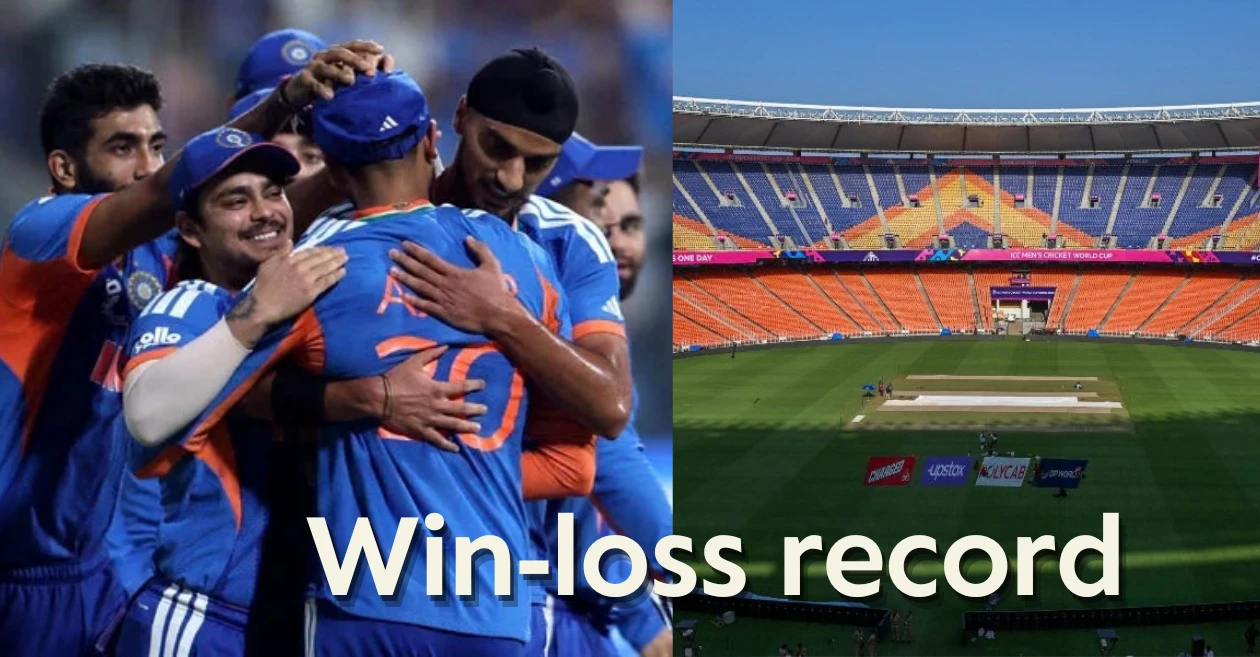
India’s win-loss record at the Narendra Modi Stadium ahead of T20 World Cup 2026 final


As defending champions India prepare to face New Zealand in the ICC Men’s T20 World Cup 2026 final, the hosts will take the field with strong confidence drawn from their impressive record at the Narendra Modi Stadium in Ahmedabad. The iconic venue, located on the banks of the Sabarmati River and known as the world’s largest cricket stadium, has been a successful hunting ground for the Men in Blue in the shortest format of the game.

India have played nine T20 Internationals at the stadium and have won seven of them, losing only thrice. With a win percentage of 70 percent, the statistics underline India’s dominance at the venue where Sunday’s summit clash will be played.

The venue has witnessed several memorable Indian victories. One of the most historic moments came in February 2023, when India produced a record-equalling 168-run win against New Zealand. The match remains the largest margin of victory in T20 International history, a statistic that will undoubtedly add psychological pressure on the Black Caps ahead of the final.

Key matches in India’s T20I history at the venue

India’s journey in T20 Internationals at the Narendra Modi Stadium (then Motera Stadium) began on December 28, 2012, when they defeated Pakistan by 11 runs in a closely contested match.

The stadium gained further prominence during March 2021, when it hosted a five-match T20I series between India and England. India won three of those five matches, strengthening their record at the venue.

However, the most memorable game came in February 2023 against New Zealand. India posted a massive 234 for 4, thanks to a spectacular innings from Shubman Gill, who smashed an unbeaten 126 off 63 balls. The Indian bowlers then produced a clinical performance to bowl New Zealand out for just 66, sealing the historic victory.

The Narendra Modi Stadium has also witnessed impressive bowling displays. Hardik Pandya’s 4 for 16 in that same match remains the best bowling figures in T20 Internationals at the venue.

More recently, India played at the stadium during the 2026 T20 World Cup group stage, where they defeated the Netherlands by 17 runs. Shivam Dube’s explosive 66 from 31 balls helped India post 193 for 6, while Varun Chakravarthy’s 3 for 14 ensured a comfortable victory.

Narendra Modi Stadium Pitch Report

The pitch in Ahmedabad generally provides good bounce and carry, which helps batters score freely early in the innings. As the match progresses, the surface tends to slow down slightly, bringing spinners into play during the middle overs.

In night matches, dew can also influence the game, often making chasing easier. However, teams winning the toss will carefully consider the pitch conditions before deciding whether to bat or bowl first.

Individual records at the Narendra Modi Stadium

Several Indian players have produced standout performances at the venue over the years.

Virat Kohli currently holds the record for the most runs at the stadium in T20 Internationals, scoring 258 runs in six matches.

Among bowlers, Shardul Thakur leads the wicket tally with eight wickets in five matches at the ground.

For New Zealand, the venue brings mixed memories. While they suffered their heaviest T20I defeat here in 2023, several players from that match – including Mitchell Santner, Glenn Phillips, and Daryl Mitchell – are part of the current squad and will be determined to deliver a stronger performance this time.

Also READ: IND vs NZ – ICC names the umpires and match referee for T20 World Cup 2026 final

High stakes as India and New Zealand prepare for the  T20 World Cup 2026 final

India’s 7-3 record at the Narendra Modi Stadium provides them with a statistical edge going into the final. However, their defeat against South Africa earlier in the tournament highlighted that even strong teams can struggle on this surface, particularly against quality pace bowling.

New Zealand enter the final with strong momentum after their dominant nine-wicket victory over South Africa in the semi-final. Opener Finn Allen’s record-breaking 33-ball century powered the Black Caps to an emphatic win and demonstrated their batting firepower.

With both teams boasting powerful lineups and balanced bowling attacks, the stage is set for an exciting finale.

The T20 World Cup 2026 final begins at 7:00 pm IST on Sunday, with the toss scheduled for 6:30 pm. A packed crowd of more than 130,000 spectators is expected at the Narendra Modi Stadium, where cricket fans hope to witness another historic chapter in the sport’s global showpiece event.

Also READ: Sanju Samson breaks silence on missing two centuries in T20 World Cup 2026 with epic response


Source link

Shots fired at social media influencer Nadeem ‘Baba’ Khan’s house in Thane, no injuries reported | Thane News


Shots fired at social media influencer’s house in Thane

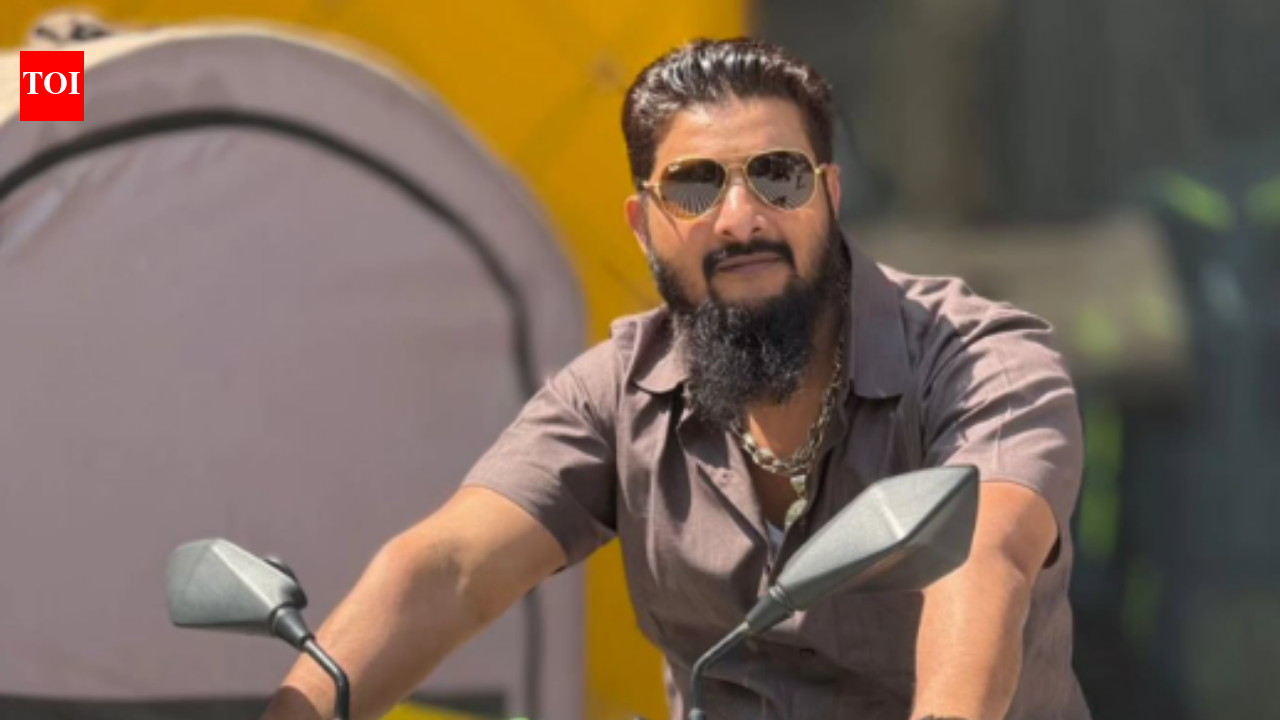
THANE: Unidentified assailants opened fire outside the residence of a social media influencer in Maharashtra’s Thane district early Saturday morning, police said. The incident took place around 4am in Mumbra. While no one was injured, a car belonging to the influencer, Nadeem “Baba” Khan, sustained minor damage in the firing, officials said to news agency PTI. “Two rounds were fired at Khan’s house. Fortunately, there were no casualties,” a senior Thane City Police officer said, adding that a case has been registered under relevant provisions of the Bharatiya Nyaya Sanhita (BNS) and the Arms Act. A video circulating on social media purportedly shows Khan confronting the attackers. In the clip, he also claims that he had earlier submitted a memorandum to police alleging threats to his life, but no action was taken. Police said they are verifying these claims and examining CCTV footage from the area to identify those involved in the shooting.

Banner Insert


Source link