Breaking News
International Womens Day: International Women’s Day: Female auto drivers on wheels of change | India News


International Women's Day: Female auto drivers on wheels of change

Shirin Ansari: Female auto driver from Mumbai

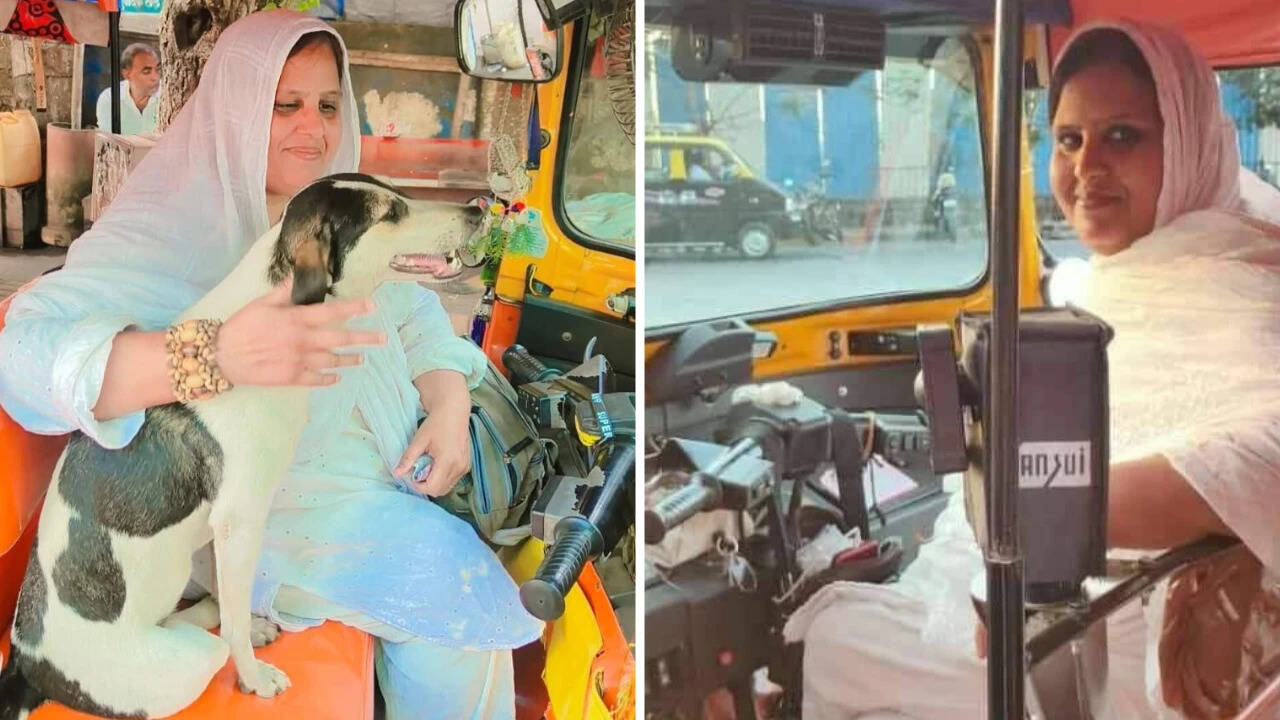
Picture this: It’s a rainy day in Mumbai. In the chaotic, wet streets of Mumbai, you stretch out your hand to call an auto as one pulls up in front of you. Rushed to save yourself from the moist drizzles, you quickly sit inside. Right when you look up at the driver’s seat to tell ‘auto waale bhaiya’ about your destination, you witness something which is not accounted as a common sighting. A figure in hijab, smiling at you as she says, “This auto wale is not a bhaiya, it’s a didi.”This is not just an imaginary scenario but a reality shaping itself not just in Mumbai but across the streets of different Indian cities.Driving the handlebars of the auto rickshaw is Shirin Ansari, the ‘Dabangg Lady’, navigating through not just the heavy traffic, but a labyrinth of societal scorn.
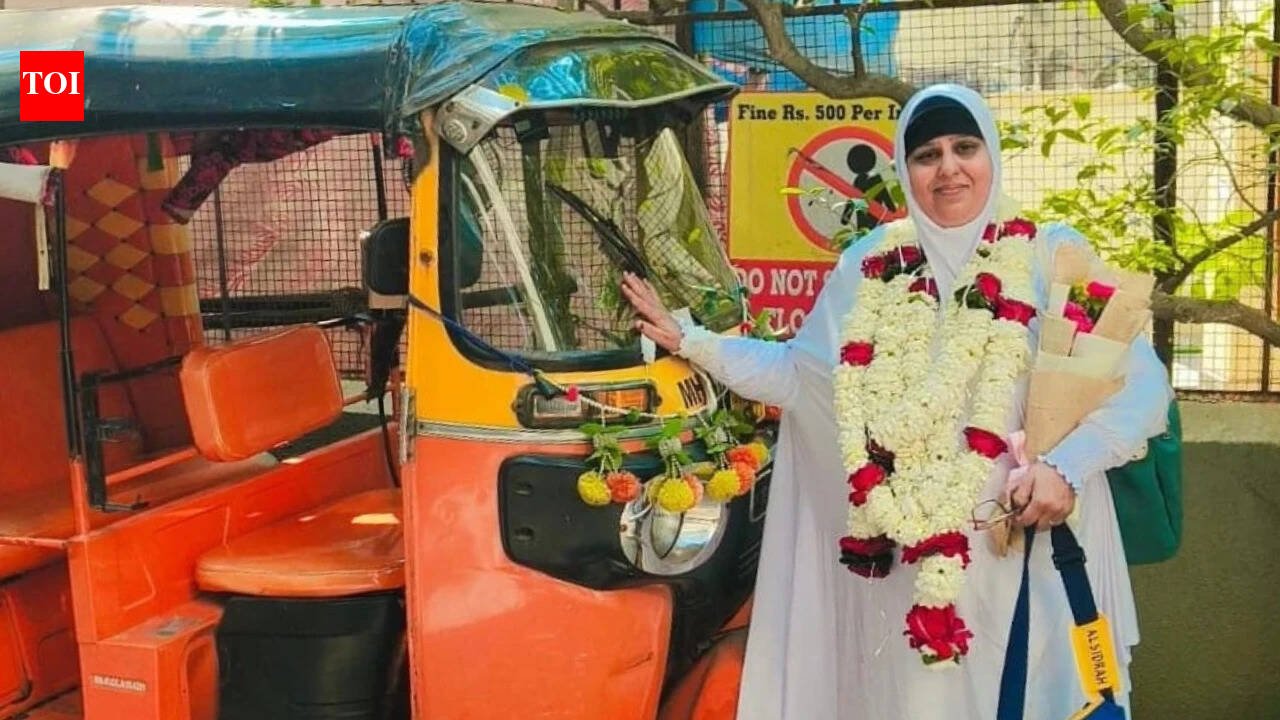
Auto driver Shirin Ansari with her auto

It’s been eight years since she first revved up her own auto, the three-wheeled orange beast she owns. Although the vehicle was originally intended for her injured son, it seemed the machine clearly had a different owner in mind all along, an owner that would go on to achieve destinations on the road and milestones in Ansari’s life.

Poll

Should more government programs be initiated to support women in transportation?

Shirin’s story, and those of hundreds like her, are driving the wheels of change. These women aren’t just ferrying passengers; they’re dismantling gender fortresses, one kilometre at a time, in a profession where men have long held the throttle. However, it would be unfair to mention pioneers like Shila Dawre in Pune, the Limca World Record holder, who has been recognised and listed as India’s first female auto driver. With just Rs 12 in her pocket, she had taken the steering of her life as she later went on to become a successful entrepreneur, founding her own travel company, Vighnaharta Tourism, in Pune.Operated as an auto-driver for over 13 years, paving the way for future generations of women to enter unconventional, male-dominated careers in public transport, she has also been honoured by the President of India as one of the “First Ladies” of the country, a title given to women who were the first to set a milestone in their respective fields.Bottom line? When we generally mention professions from the white-collar jobs like doctors and CEOs, to something like driving an auto rickshaw, our mind automatically imagines a man holding the spot. But these women are going that extra mile, quite literally, to change that idea.By reclaiming these spaces, they are dismantling gender norms and redefining what it means to celebrate womanhood in the modern world.

The ‘Dabang Lady’ Of Mumbai

Shirin is not your regular auto driver. She is practically a celebrity now.The respect and recognition she has earned surely includes the “auto-driver brothers” and the locals. However, it also extends to some prominent Bollywood figures. That’s how her job also landed her a role in a movie.Fame knocked unexpectedly: director Leena Yadav, widely popular for feminist movies like Parched, spotted her lit-up orange rickshaw en route to the hospital. She then roped her into a film with Jacqueline Fernandez.“I was nervous, I told her, don’t act. But she was very kind to me, and she said don’t worry, we will teach you that,” Shirin marvels, recalling the khichdi fed with love on set, and the first time she found out that she would be working with Jacqueline Fernandez.Television personalities like Archana Puran Singh, when learnt about her, was also drawn to come and meet her.
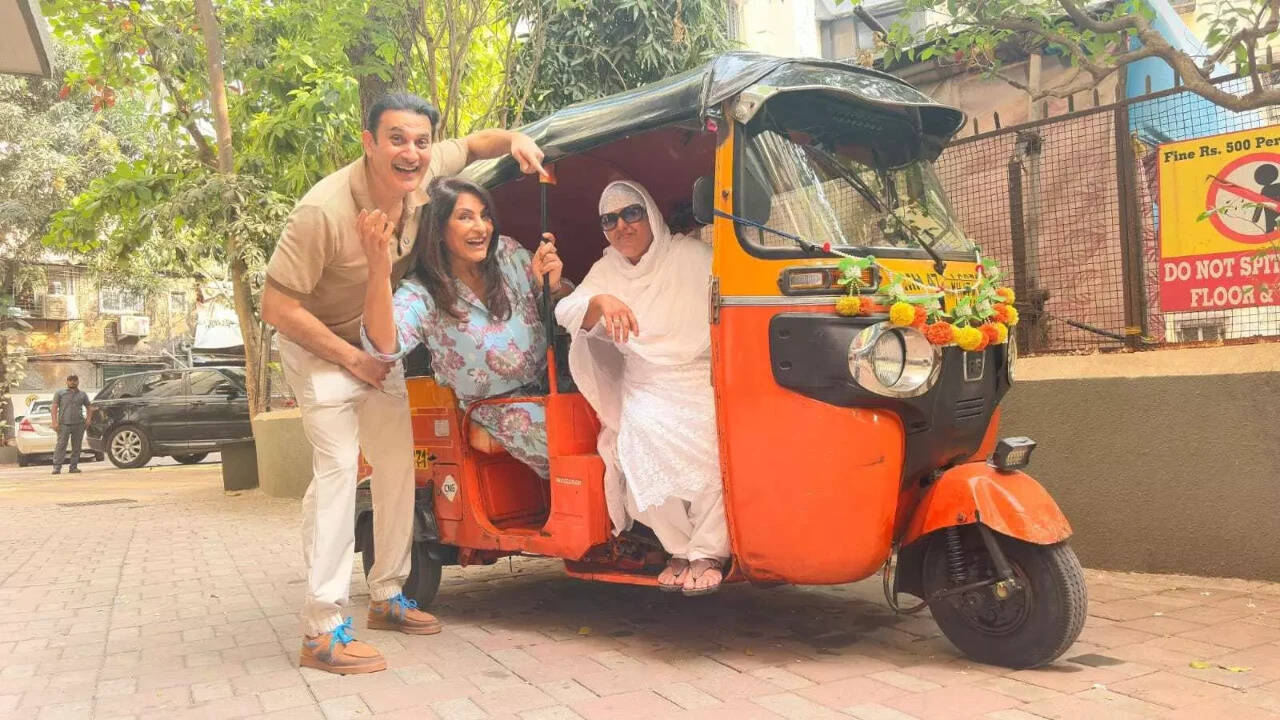
Archana Puran Singh meets with female auto driver Shirin Ansari

However, it was not all hunky dory for her when it all started.Divorced fifteen years ago following a marriage strained by the shadow of triple talaq, she became a single mother to three children.Drawing from her hard-earned savings, she took out a Rs 4.5 lakh loan to purchase an auto-rickshaw. Though she initially bought the vehicle for her son, she had no way of knowing it would eventually become her own lifeline.“I was so tense,” she recounts in her candid interview. “The auto sat idle for two months while I struggled to pay the weekly EMIs.”Before taking the wheel, she had supported her family as a hospital patient attendant and even ventured into business with a biryani stall. However, that dream ended in financial loss after the stall was shut down during BMC raids.Pushed by mounting financial pressure and the steady encouragement of her friends, she finally decided to take the driver’s seat herself.
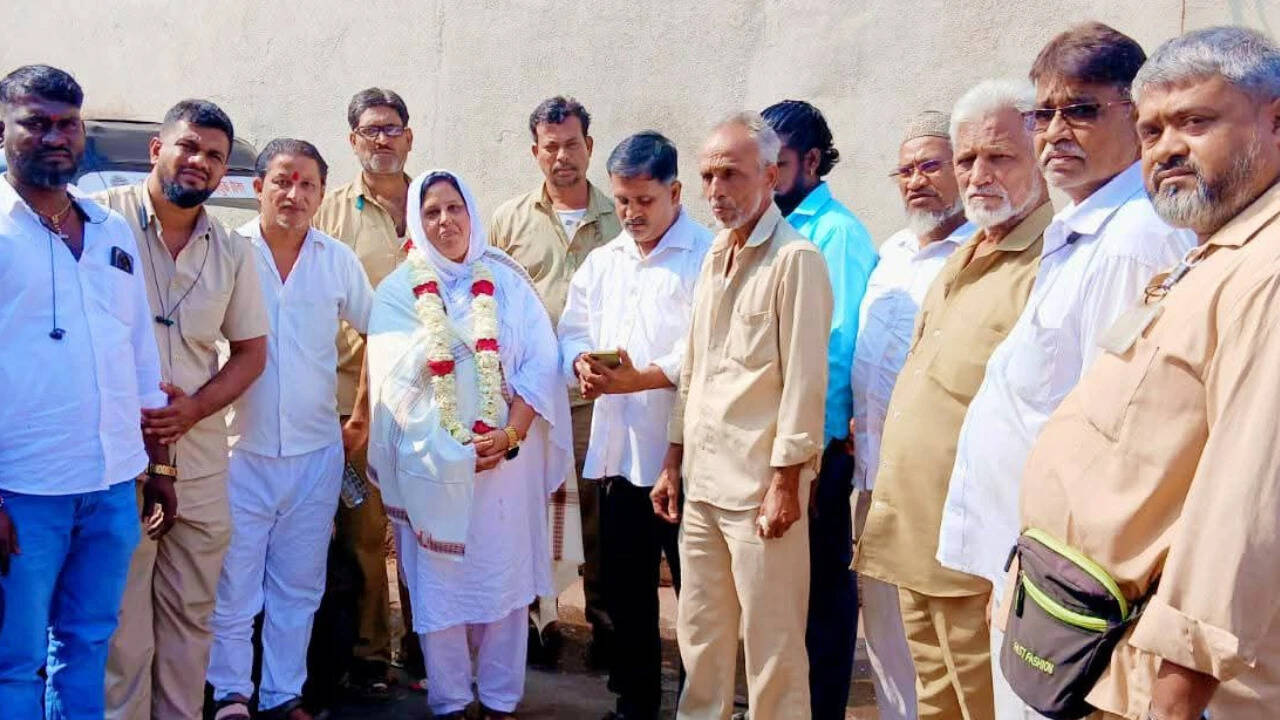
Shirin Ansari welcomed by her auto driver brothers

Female auto driver Shirin Ansari shares her ‘auto driver brothers’ welcome and respect her with garland

Though she began as a hesitant driver, her bravery didn’t go unnoticed. When she went to claim her official permit, the officers present broke into cheers; they were witnessing a milestone, as she became the first woman in her region to be granted a commercial driving license for the vehicle.Now, she clocks 12-14 hours daily, from 7 AM to 10 PM, with no midday breaks.“I drive by rules—no signal jumping, no wrong turns, sticking to the rules and my principles. Police salute me,” she beams, passengers clapping, college students queuing for selfies and stories.Shirin’s “Dabang Lady” moniker? Born from collar-grabbing showdowns with eve-teasers who mistook her for easy prey.“They tried fun; I beat back,” she laughs, her auto a rolling testament to soft power laced with steel.

Women in male-dominated field

Shirin’s personal journey from a struggling single mother to a local celebrity is part of a much larger, national shift in India’s workforce.While she once felt “tense” about her idle vehicle, she is now among the pioneers breaking into the informal transport sector—a field where women accounted for only about 12 per cent of all driving licenses as of 2020.This movement is particularly significant in states like Karnataka, where women comprise barely 6 per cent of professional drivers as per “The Rise of Feminine Leadership Edition-II” by Ms Chhavi Mathur.By taking the wheel, women like Shirin are doing more than just earning a fare, they are asserting their “right to the city,” reclaiming public roads that have historically been treated as male-dominated spaces.Research shows that family stressors, such as widowhood, divorce, or a male breadwinner losing their job, are often the primary triggers for women entering this profession. However, this path to independence is paved with significant financial risk.In a study of Chennai drivers, it was found that 93 per cent of women carried outstanding loans for their vehicles, often averaging over Rs 1.41 lakh. While the work offers a way to fund their children’s education and improve their status at home, many remain vulnerable to economic dips, such as those seen during the COVID-19 lockdowns, when some drivers were left unable to pay rent for months.
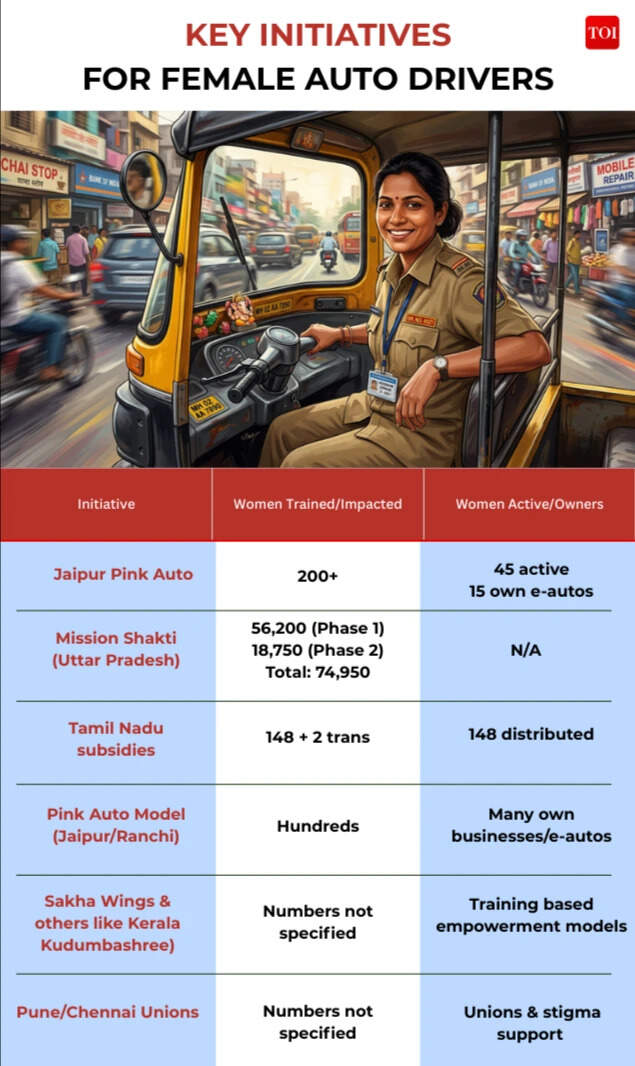
Key Initiatives

Beyond individual survival, these drivers are acting as “catalysts of social transformation”.When a woman drives an auto, it changes the way the city functions and feels. Many female passengers report an “added sense of security” when they see a woman behind the wheel, especially during late-night commutes. This creates a safer urban network and fosters a “sisterhood” of mutual support among the drivers themselves.Despite these benefits, the “grit” required is immense.Some women in cities like Pune report needing to adopt a “masculine attitude” and more assertive behaviour just to survive the social stigma and harassment they face on the road.As Shirin puts it, “When I used to drive a rickshaw, many people used to look at me in a bad way. Many people tried to shake hands with me. Many people used to sit in a rickshaw and have fun with me.”“Why should I do this? There are many ways to do it. Then I grabbed their collar and beat them. That’s how I got the name, Dabang Lady,” she added.

Gears of change: Programs backing women drivers

To support this rising tide of female leadership, government and institutional programs are beginning to provide the necessary “gears” for change. These initiatives move beyond just giving out licenses; they focus on building a sustainable ecosystem for women in transport.

  • Mission Shakti (Uttar Pradesh) trained over 56,200 women in its first phase and an additional 18,750 in the second phase to drive electric auto-rickshaws.
  • In Tamil Nadu, the government recently distributed auto-rickshaws to 148 women and two transgender persons under a specialised state subsidy scheme.
  • The “Pink Auto” initiative in Jaipur and Ranchi has trained hundreds of women, with many eventually owning their own businesses and e-autos, providing them with long-term income stability.
  • Organisations like Sakha Consulting Wings and Kudumbashree emphasise that training must go beyond driving to include “soft skills,” vehicle maintenance, and digital navigation tools like Google Maps.

For this movement to last, cities must invest in “Pink Auto Stands” that include proper lighting, CCTV, and public toilets to ensure driver safety.Shirin’s story of solidarity, symbolised by the garlands gifted by fellow rickshaw drivers, stands in stark contrast to the invisible walls many others face.

‘Job reduces chances of marriage’

An attempt to document another female auto driver’s story brought forth the other side of this reality.An auto driver from Delhi, who did not wish to be named, kept her face covered in fear of being recognised. Despite assurances of anonymity, she became reluctant to share her story.She explained that since she was unmarried, she was unwilling to let her identity come out.Though initially eager to share her journey, her brother intervened, ‘denying’ her permission to speak to TOI. “Because I’m not married yet. What if this becomes a problem someday? Apart from my family, meaning my mom, dad, brother and sister-in-law, no one knows that I drive a rickshaw.”Her response reveals a painful reality.For many unmarried women in this profession, driving remains a secret to protect their “image” and marriage prospects. They are caught in a gender paradox, skilled and willing to navigate the city, yet tethered to the permissions of male family members.In public spaces, they must pay a “character tax”, with their morals questioned simply for working outside the home.While International Women’s Day celebrates the strides women have made in reclaiming public space, many are still waiting for the movement to reach them and allow them to live on their own terms.


Source link

Kareena Kapoor Khan defends Deepika Padukone in 8-hour shift debate: ‘You should have that freedom to say ‘This is what I want” |


Bollywood star Kareena Kapoor Khan, swooped in to defend fellow B-town actress and mom Deepika Padukone in the heated 8-hour shift debate that seemed to divide the industry. The actress and mom of two, shared her own experience on balancing work and personal commitments while raising her two boys, Taimur and Jeh. Defending Deepika’s alleged decision to step away from a big-ticket project following the birth of her first child, daughter Dua, Kareena said that women in the film industry should have the freedom to set boundaries and come to an understanding with the director and producers, well in advance.

Kareena Kapoor Khan on shooting the ‘Buckingham Murders’

The actress, who shot the ‘Buckingham Murders’ while raising her two boys, shared that detailed planning that the team was ‘kind enough’ to accommodate. Recalling the shooting process, she said to the Hollywood Reporter India, “For that, I had to be away in London for about 35 days. We divided the shoot in such a way that I went and came back twice. We had Diwali in between, so we planned it in such a way.”

Kareena Kapoor Khan on work-life balance

Bebo, however, noted, “I just feel like everything needs to be really well planned and you have to be very clear right from the beginning. I’m also lucky that I would say, ‘This is what I can do. This is because I have 2 children. I need to come back. You need to shoot other portions while I come back to visit them. And then I come back and I finish the rest of the shoot’. So they were kind enough to understand that.”

Kareena Kapoor Khan credits partnership with Saif Ali Khan

The actress also highlighted the importance of support within a marriage. Giving her husband due credit, she said that managing her film career with Saif Ali Khan’s, often requires coordination. “If you’re in a marriage and both partners are working, there has to be an understanding. We can’t both be working and leave the children alone,” she said.

Kareena Kapoor Khan on making sacrifices

She also shared that this balancing act can sometimes mean turning down professional opportunities. “It is a little bit of sacrifice,” she said and added, “of time, or a film, or maybe saying ‘no’ sometimes to a film, particularly, because in that time zone, he’s (your husband) is working…”She then went on to express her full support for her ‘Singham Again’ co-star’s alleged choice to prioritise motherhood and set a work schedule. “As a woman, if you want to give time to your children, you should have the freedom to say ‘This is what I want. I can only work this number of hours’,” she said. However, she did conclude that while these seem acceptable conditions, they must be said, “Before a film starts.”Kareena won praise over the years, for being among the few Bollywood actresses who continued working during her pregnancies and even headed back to the sets to take up work commitments soon after her sons’ births. The star has been seen juggling her time between the film sets, her home and even gym and yoga sessions. She has previously also opened up about her partnership with Saif to raise her two young boys.


Source link

T20 World Cup 2026: New Zealand’s road to the final under Mitchell Santner


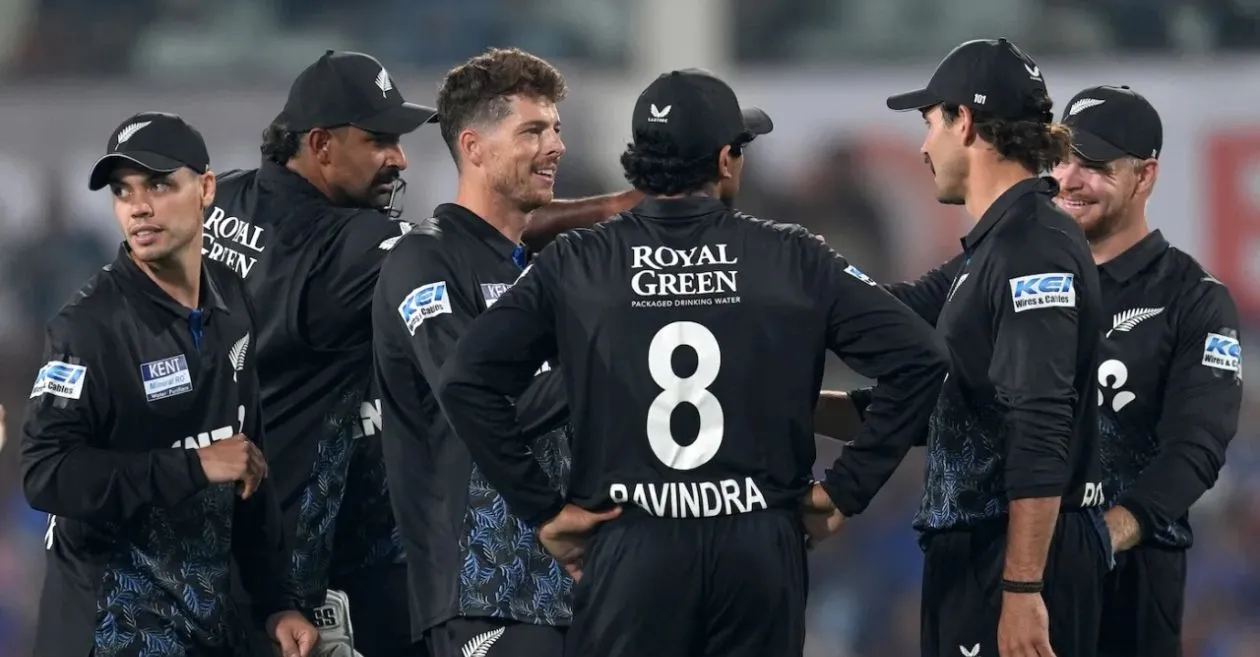
In a tournament defined by tactical brilliance and ice-cold composure, New Zealand have punched their ticket to the final of the ICC Men’s T20 World Cup 2026. Under the shrewd leadership of Mitchell Santner, the Black Caps have once again proven why they are the most consistent knockout-stage contenders in world cricket. With six wins in eight matches, New Zealand’s journey has been a masterclass in collective effort and strategic execution.

Stepping into the captaincy role full-time following the Kane Williamson era, Santner has infused the team with a bowling-first mindset and middle-order aggression. The Kiwis will now walk out at the Narendra Modi Stadium in Ahmedabad on March 8, 2026, to face defending champions India in a high-stakes rematch of their growing white-ball rivalry.

New Zealand navigates Group D with flare

New Zealand enjoyed a strong start in the group stages held in Chennai and Ahmedabad, finishing near the top of Group D despite a minor hiccup against the Proteas.

Tim Seifert guides Kiwis past Afghanistan

The campaign opened with a tricky chase against Afghanistan in Chennai. After the Afghans posted a competitive 182/6, Tim Seifert took control. His Player of the Match performance of 65 off 42 balls combined with two crucial catches behind the stumps, anchored the chase. New Zealand reached the target with 13 balls to spare, winning by five wickets and setting a positive tone for the tournament.

Clinical 10-wicket victory over UAE

New Zealand’s second match was a display of absolute dominance. The bowlers restricted the UAE to 173/6, but it was the opening duo that stole the show. Seifert was unstoppable once again, smashing an unbeaten 89* off just 42 deliveries. The Black Caps chased down 174 without losing a single wicket, finishing the game in just 15.2 overs.

A setback against South Africa

In a high-stakes clash at Ahmedabad, New Zealand faced their first defeat. Despite a solid team effort to post 175/7, South Africa’s Marco Jansen proved too much to handle with his 4/40. The Proteas chased the target comfortably with 17 balls to spare, handing Santner’s men a seven-wicket loss.

Glenn Phillips powers New Zealand past Canada

The Kiwis bounced back immediately in their final group game. After Canada posted 173/4, Glenn Phillips produced a masterclass in aggressive batting and elite fielding. Phillips smashed 76* off 36 balls and took three sensational catches, guiding New Zealand to an eight-wicket victory and securing their spot in the Super Eights.

Also READ: New Zealand skipper Mitchell Santner issues bold warning to Team India ahead of T20 World Cup 2026 final

Resilience in the Super Eights

The Super Eight stage in Colombo was a test of patience and skill, as New Zealand battled both elite opposition and the weather.

Rain spoils Pakistan encounter; Rachin Ravindra dismantles Sri Lanka

The highly anticipated clash with Pakistan ended in a No Result due to rain, splitting the points. However, the Kiwis made up for it against hosts Sri Lanka. Batting first, New Zealand struggled to 168/7, but Rachin Ravindra turned the game with the ball. After contributing 32 with the bat, Ravindra took 4/27 to dismantle the Sri Lankan lineup, securing a massive 61-run win.

England edges out the Kiwis

In their final Super Eight match, New Zealand posted a modest 159/7. England’s Will Jacks played a decisive knock to take the game away in the final over, as the defending 2022 champions won by four wickets. Despite the loss, New Zealand’s superior net run rate and previous win ensured their passage to the semi-finals.

The semi-final masterclass: Finn Allen’s dominating century

The semi-final at Eden Gardens saw a rematch against South Africa, and this time, New Zealand left nothing to chance. South Africa was restricted to 169/8 thanks to a disciplined New Zealand attack.

What followed was one of the greatest knocks in World Cup history. Finn Allen tore the Proteas bowling attack apart, smashing a breathtaking 100 off just 33 deliveries. His century powered New Zealand to the target in a staggering 12.5 overs, securing a nine-wicket win and a ticket to the final.

One step away from the glory of maiden T20I title

New Zealand enters the final as a team that has found its peak at the right time. Under Santner’s astute captaincy, they have balanced the explosive power of Allen and Seifert with the all-round brilliance of Ravindra. Having dismantled South Africa in the semi-final, the Black Caps are now ready to face the Indian juggernaut in Ahmedabad, seeking redemption for past heartbreaks and a place in the history books.

Also READ: T20 World Cup 2026 Prize Money Breakdown: From Champions to Runner Ups to Group Stage Teams


Source link

‘Conscious decision’: Ex-Bengal governor says reasons for resignation will remain confidential till ‘right time’ | India News


'Conscious decision': Ex-Bengal governor says reasons for resignation will remain confidential till 'right time'

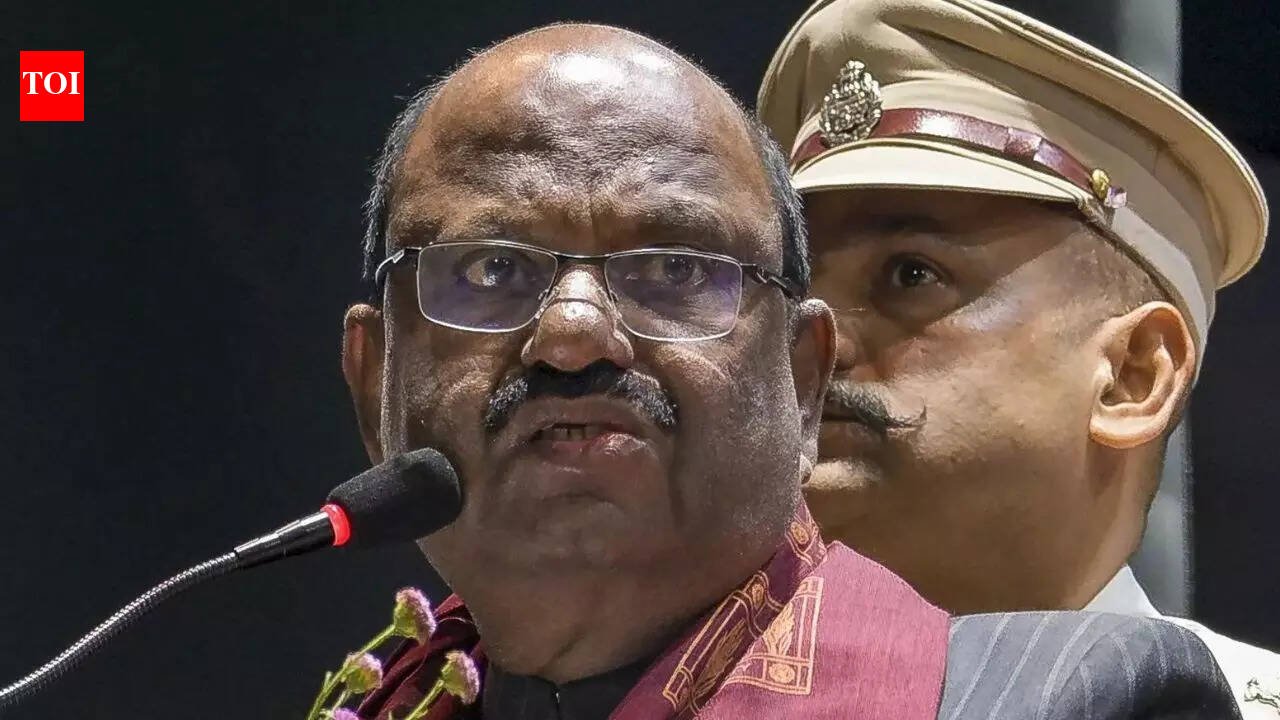
NEW DELHI: CV Ananda Bose, who stepped down as West Bengal governor after a sudden resignation, said on Sunday the move was a “conscious decision,” even though he remained tight lipped about the reasons for his exit.Bose said the reason behind his resignation will “remain confidential till the right time comes”.Speaking to reporters at the Kolkata airport, Bose told news agency PTI that he, however, would return to Bengal to cast his vote.Bose, a native of Kerala, had shifted his voting base to Bengal barely a week before tendering resignation from his office.“I took a conscious decision to put in my papers, the reasons of which will remain confidential till the right time arrives,” Bose said.“The rules of this game include knowing when it ends,” he added.Bose avoided a direct response when asked to comment on the angst expressed by President Droupadi Murmu on alleged protocol violations and tribal deprivation in the state.“The President is very experienced, balanced and an extremely dignified person. She must have had her reasons for saying what she said. But I am no one to comment on what the President said,” the ex-Bengal governor said.President Droupadi Murmu on Saturday expressed strong displeasure after TMC-ruled West Bengal government changed the venue of an event she was supposed to attend. Later, the row over last-minute venue change in President Murmu’s Santhal event escalated, with Prime Minister Narendra Modi slamming the TMC government in the state and claiming that they were against tribal communities.Bengal chief minister Mamata Banerjee hit back at the BJP for “using” the President to “malign” the state, advising Murmu to “not indulge in politics”. Earlier, Murmu had flagged concerns over venue change accusing the state administration of choosing a place where “Santhal people can’t go”.


Source link

India women cricket team back Indian cricket men’s team ahead of T20 World Cup final 2026 | Cricket News


From one World Cup winner to another: India women back men's team ahead of T20 World Cup final
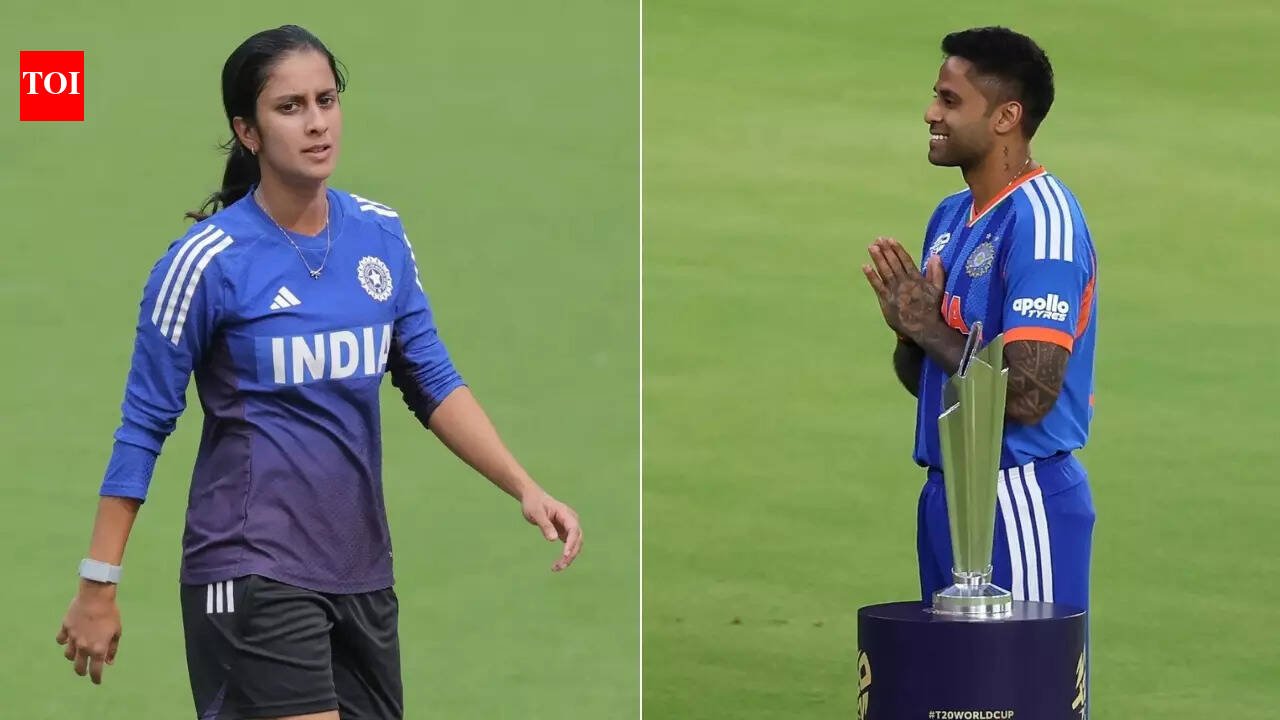
Jemimah Rodrigues, Suryakumar Yadav

Members of the Indian women’s team, along with head coach Amol Muzumdar, have sent their wishes to India ahead of the final of the ICC Men’s T20 World Cup against New Zealand at the Narendra Modi Stadium on Sunday evening.The men’s team, led by Suryakumar Yadav, will look to achieve several milestones in the final. India are aiming to become the first host nation to win the T20 World Cup, the first team to defend the title, and the first side to win the tournament three times.

Extra trains and poojas: How India is preparing for T20 World Cup final

Last November, the women’s team secured their first ICC title when they defeated the South Africa women’s team by 52 runs in the final of the ICC Women’s Cricket World Cup 2025 at the Dr. DY Patil Stadium.Ahead of the men’s final, the women’s team expressed support through a video shared by the Board of Control for Cricket in India Women on X. The video featured Muzumdar, Jemimah Rodrigues, Deepti Sharma and Sneh Rana sending their wishes to the men’s team. The caption read: “From one Team India that clinched a World Cup at home to the other going for World Cup glory at home tonight.”“I would like to wish everyone all the very best. In Narendra Modi Stadium, there will be a huge crowd. Fantastic ambience to play the World Cup Finals,” Muzumdar said.“All the best men in blue for the World Cup Finals. We all are supporting you. Go get it,” Deepti Sharma said, while Jemimah Rodrigues added, “Let’s bring this home. We are rooting for you.”India have reached the final of the T20 World Cup for the fourth time, the most by any team. Out of the nine previous finals, six have been won by the team chasing. Of the other three, India won two — in 2007 and 2024 — both in matches decided in the final over.


Source link

250 million barrel buffer: How much oil does India have and how long will it last


250 million barrel buffer: How much oil does India have and how long will it last

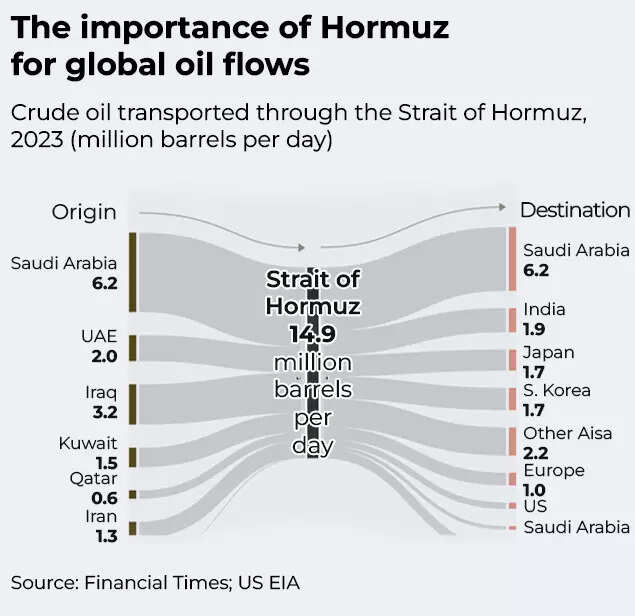
As tensions in the Middle East enter their second week, concerns are rising over whether India’s energy supplies are sufficient. According to a recent government report, the country has more than 250 million barrels of crude oil and petroleum products in reserve, enough to meet demand for nearly two months. The combined reserves, estimated at around 4,000 crore litres, provide coverage for seven to eight weeks across the country’s energy supply chain.The reserves are spread across multiple storage points, including underground strategic caverns located in Mangalore, Padur and Visakhapatnam. Additional volumes are held in above-ground storage tanks, pipelines and offshore vessels as part of the wider distribution network, the report mentioned, as cited by ANI. It also pushed back against claims that the country holds only about 25 days of reserves, stating that the broader supply chain stockpile significantly extends the country’s buffer. It also highlighted a major shift in the way crude oil is imported with procurement now diversified across 40 countries, compared with 27 nations a decade ago, with the strategy described as being “anchored in national interest”.Although the Strait of Hormuz remains one of the world’s most important oil transit routes, the report notes that only around 40% of India’s crude imports pass through the narrow waterway. The majority, about 60%, reaches India through other routes, with supplies coming from Russia, West Africa, the Americas and Central Asia.

Importance of Strait of Hormuz

“The days when India’s energy security rose and fell with conditions in a single maritime chokepoint are over,” the document states, adding that any disruption in one corridor would lead to a “managed sourcing adjustment, not a supply emergency”.Russia continues to be India’s biggest crude supplier as of February 2026. The report notes that despite geopolitical pressure in recent years, India has maintained purchases while complying with the G7 price cap rules.“India has never depended on permission from any country to buy Russian oil. India is still importing Russian oil even in February 2026, and Russia is still India’s largest crude oil supplier,” the document says.It also mentions a recent 30-day waiver from the US Treasury allowing continued purchases of Russian oil, saying the move “removes a friction that was never in anyone’s interest to sustain” and acknowledges India’s contribution to stabilising global energy markets.On the domestic front, India’s ethanol blending programme has also reduced dependence on crude imports. The 20% blending initiative now replaces roughly 44 million barrels of crude oil every year.Meanwhile, the country’s refining capacity has expanded to 258 million metric tonnes per annum, exceeding domestic consumption levels estimated between 210 and 230 million metric tonnes per annum.The report says this capacity enabled Indian refiners to supply fuel to Europe when sanctions on Russian crude created shortages in that market. It notes that “Indian refiners do not depend on a fixed slate from a fixed origin,” highlighting the sector’s flexibility in sourcing crude.Data cited from the Petroleum Planning and Analysis Cell shows that retail fuel prices in the country have remained largely stable over the past four years. Between February 2022 and February 2026, petrol prices in Delhi fell by 0.67%. Over the same period, prices increased by 55% in Pakistan and by 22% in Germany.To maintain stable prices, public sector oil companies absorbed significant financial losses. The report states that these firms bore losses of Rs 24,500 crore on petrol and diesel and about Rs 40,000 crore on LPG.It concludes that decisions in the sector are assessed on the basis of “affordability, availability, and sustainability”, while also noting that no fuel pump outlet in the country has run dry over the past twelve years.


Source link

New Zealand’s top wicket-taker Rachin Ravindra makes heads turn — now with his bowling | Cricket News


New Zealand's top wicket-taker Rachin Ravindra makes heads turn — now with his bowling
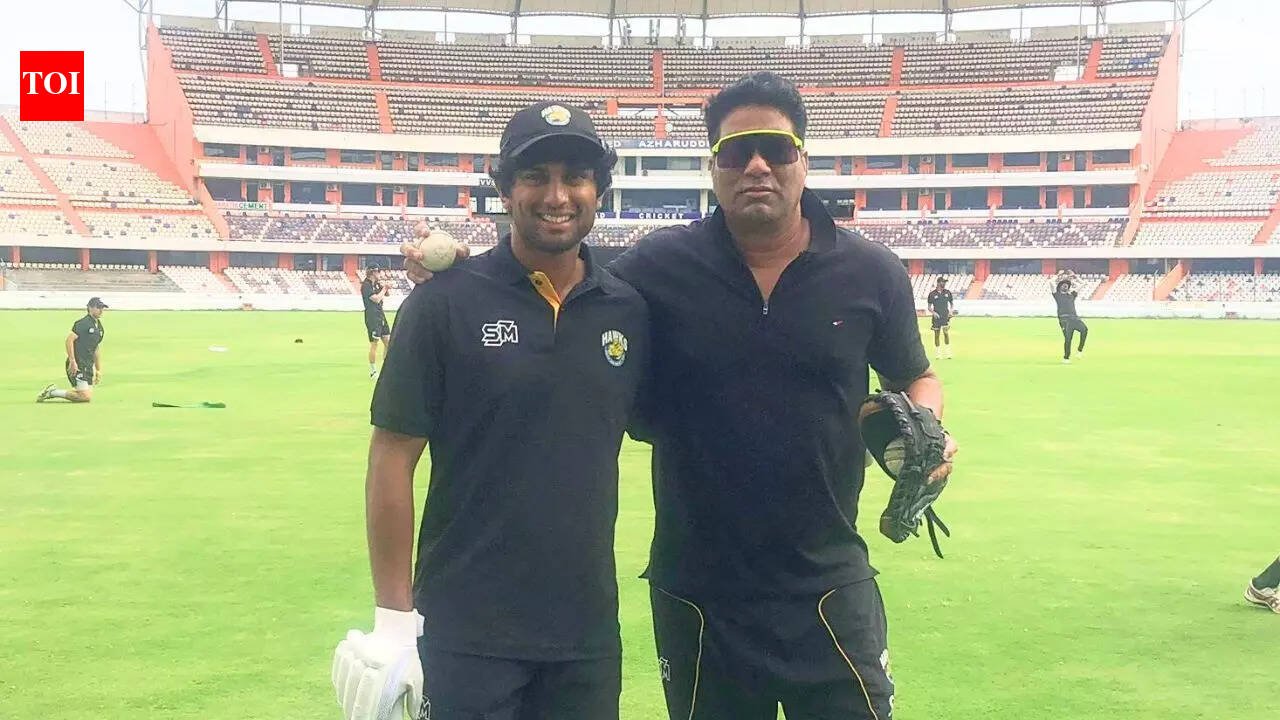
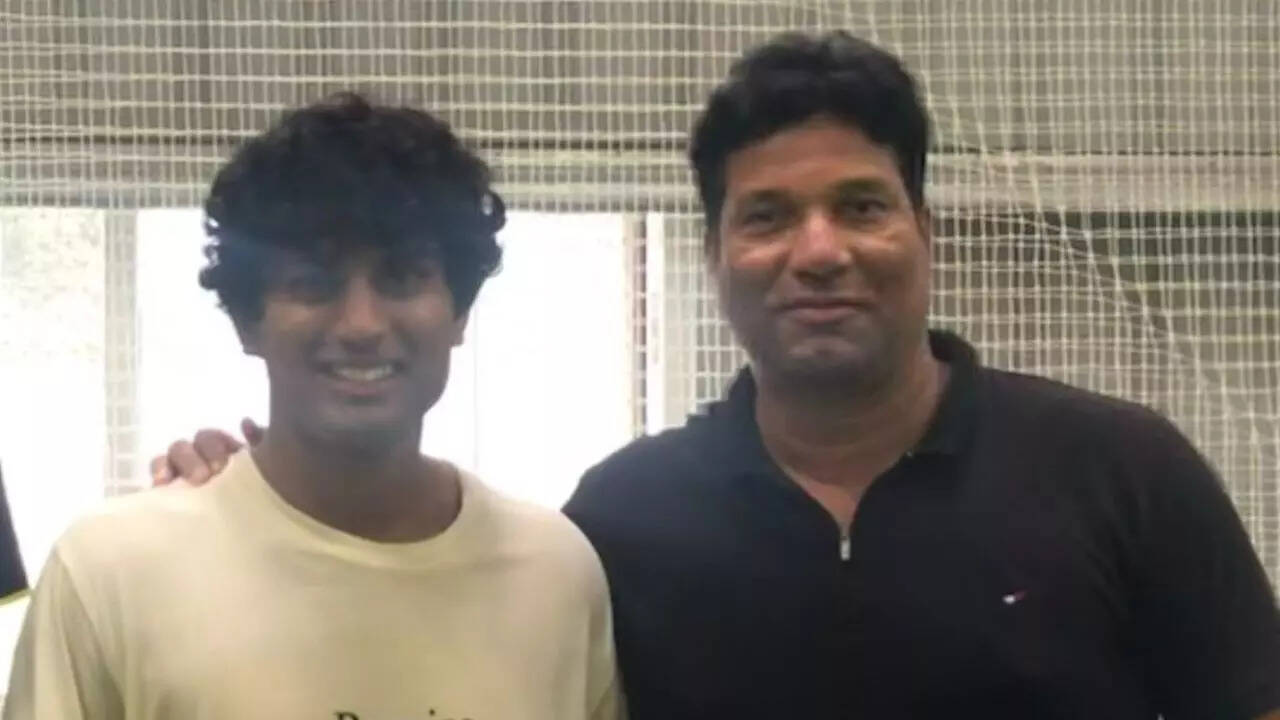
Syed Shahabuddin with Rachin Ravindra (Special Arrangements)

NEW DELHI: Do you still remember what happened to New Zealand all-rounder Rachin Ravindra in IPL 2024? Spin chewed his batting up and spat it out. And the situation became so severe that Chennai Super Kings (CSK) were forced to drop him mid-way through the season. As they say, time is the best healer. And for Ravindra, it has surely become one. Spin, once Ravindra’s archnemesis, has inflicted the same pain on batters who have padded up to face the Kiwi during this T20 World Cup, with his fingers doing all the talking with the ball.

Can India erase bad memories in Ahmedabad with T20 World Cup title? Pressure will be key!

Emerging as his team’s top-wicket taker (11) in this edition, Ravindra is now seeing things differently. While his batting pedigree initially dominated the limelight, two more dismissals in the final against India will be enough to make him New Zealand’s joint highest wicket-taker in an edition of the tournament. A single dismissal will result in Ravindra surpassing Daniel Vettori as the Black Caps’ most successful spinner in a T20 World Cup campaign. If we broaden the scale a bit, the left-arm finger spinner has accounted for 11 dismissals in 8 matches at an economy rate of 6.88, trailing the edition’s most successful spinners Varun Chakaravarthy and Adil Rashid by just two wickets.

‘Impact, role similar to Yuvraj Singh in WC 2011’

While Ravindra’s heroics may have caught the opposition and fans by surprise, Sriram Krishnamurthy, the global head coach of CSK academy, certainly isn’t one of them. Krishnamurthy, who has worked extensively with the 26-year-old cricketer, highlighted his bowling as one of the standout aspects from the beginning, terming it as something which came very naturally.

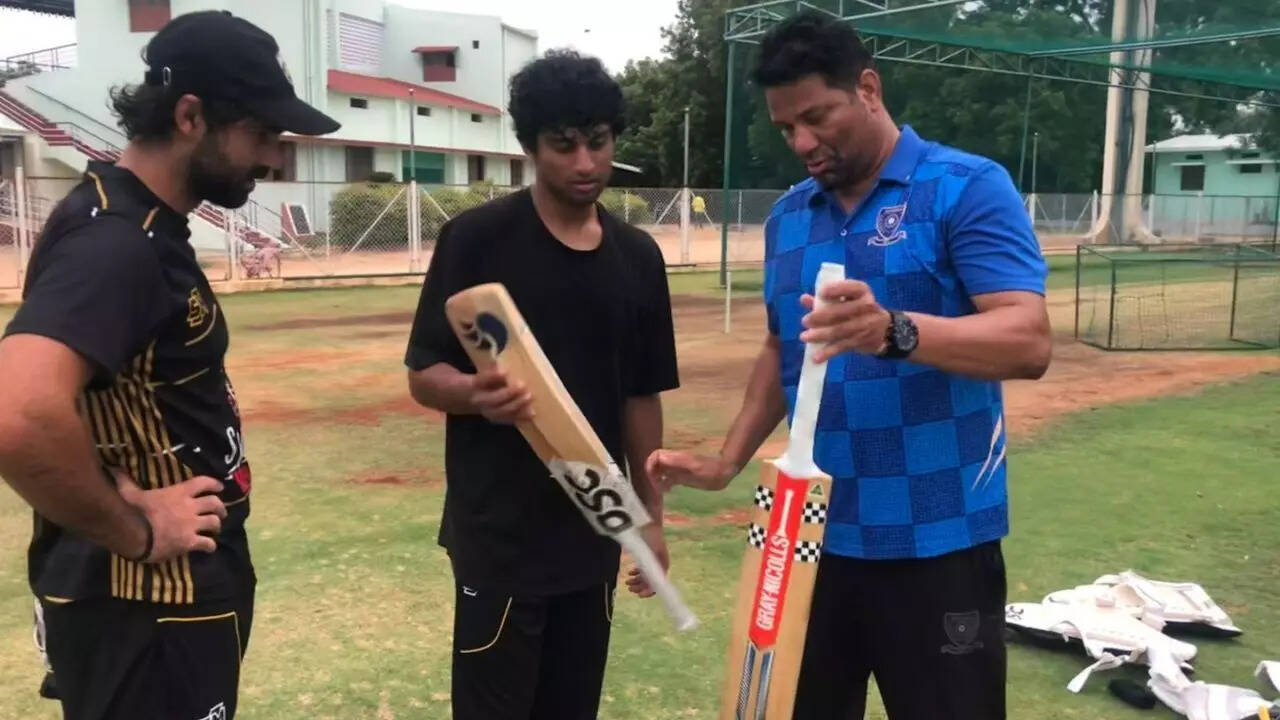
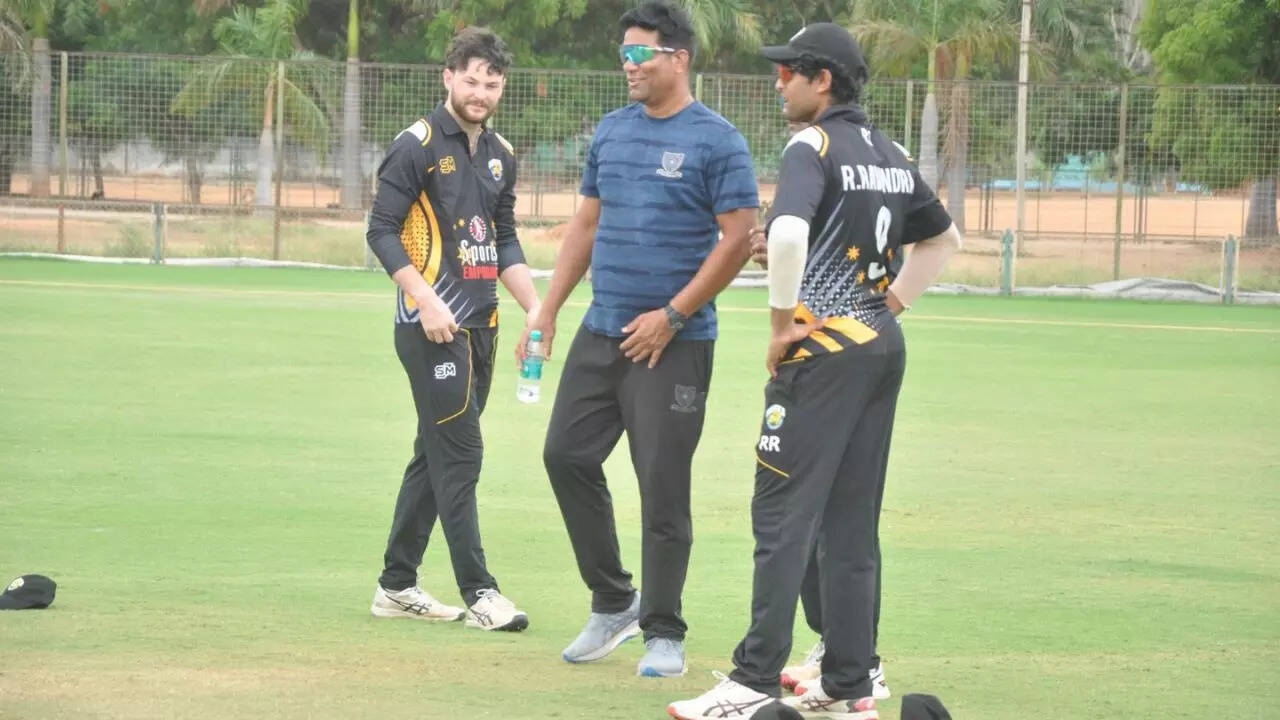
Syed Shahabuddin during a training session with Rachin Ravindra

Syed Shahabuddin during a training session with Rachin Ravindra (Special Arrangements)

“Rachin is very good at reading the game. He’s not someone who bowls a lot during practice sessions. Yet, when he takes the ball, you know he’ll be able to do some special things. Rachin has excelled with the ball in the MLC and the Hundred, which makes his current performances no surprise. New Zealand captain Mitchell Santner has used him very well,” said Sriram during an exclusive interaction with TimesofIndia.com.“Every spell of Rachin has left an impact. One of the most noteworthy aspects has been the manner in which he has struck against left-handed batters, being a lefty spinner in an unfavourable match-up, which especially stood out in the semi-final against South Africa with David Miller’s dismissal. I don’t think many people would disagree that his impact and role has been similar to that of Yuvraj Singh in the 2011 World Cup,” he added.Ravindra has provided an edge to the New Zealand bowling attack, with his shrewd gameplay and quality preparation, which first reflected in the opener against Afghanistan in Chennai. The 26-year-old all-rounder was handed the ball in the 18th over, which could have backfired massively. However, Rachin kept the ball well out of the batters’ reach from the onset, and was duly rewarded with the dismissal of dangerman Gulbadin Naib off his second delivery. The New Zealand cricketer has observed Ravindra Jadeja closely at CSK, resulting in valuable inputs.

‘Hard grind in Hyderabad before T20 WC 2026’

Another significant factor behind Rachin’s current success is an intense one-month camp in Hyderabad before the T20 World Cup, where the all-rounder worked extensively on hitting the right areas and variations. The New Zealand cricketer trained under ex-Andhra Pradesh captain Syed Shahabuddin, who urged him to bowl stump-to-stump and as per the field placements.“Ravindra can be lethal with assistance from the wicket, considering his consistency. I had encouraged the CSK team management to give him more opportunities with the ball but he hardly got one to two overs. Santner and the New Zealand think-tank is showing great belief in Ravindra’s bowling, which has proved to be a game-changer,” shared Shahabuddin.

Syed Shahabuddin with Rachin Ravindra

Syed Shahabuddin with Rachin Ravindra (Special Arrangements)

While the fingerspinner has impressed with his high-impact gameplay, he once lacked agility and speed which hampered effectiveness. Former New Zealand coach Glenn Pocknall played a key role in enabling Ravindra to bowl at a quicker pace and deliver longer spells by developing his strength. The all-rounder showcased great dedication, training for six hours a day.“I first saw Rachin bowl at 15 and was deeply impressed by his unbelievable control and aura. It is very challenging to face him on flat wickets as well as turning tracks because he can spin the ball hard and into the wicket. Ex-New Zealand spinner Jeetan Patel has guided him extensively and I fully expect Rachin to pose a threat against India,” shared Pocknall.

‘Varun Chakaravarthy would’ve picked 15 wickets playing in Sri Lanka’

Chakaravarthy’s personal coach AC Prathiban praised Ravindra’s tactical astuteness, highlighting the lack of room for batters as well as the crafty use of angles to exploit the longer ends of the ground. However, Prathiban also directed focus towards New Zealand playing a lot of matches in Sri Lanka, where the advantage of bigger boundaries comes into play.

Syed Shahabuddin during a training session with Rachin Ravindra

Syed Shahabuddin during a training session with Rachin Ravindra

“Jasprit Bumrah and Varun would have picked 15 wickets at least if the Indian team had bowled as much in those conditions. Mishits were going for sixes during the semi-final at the Wankhede. However, credit to Rachin for doing his homework,” stated Prathiban.Ravindra revealed a desire to make a batter’s life as hard as possible during an interaction after New Zealand secured a spot in the final, which the Indian juggernaut will be well wary of.


Source link

Lpg Cylinder Price Hike: ‘We are poor, Rs 60 hike a lot’: Public raises concerns over LPG cylinder price increase; check city-wise rates | Delhi News


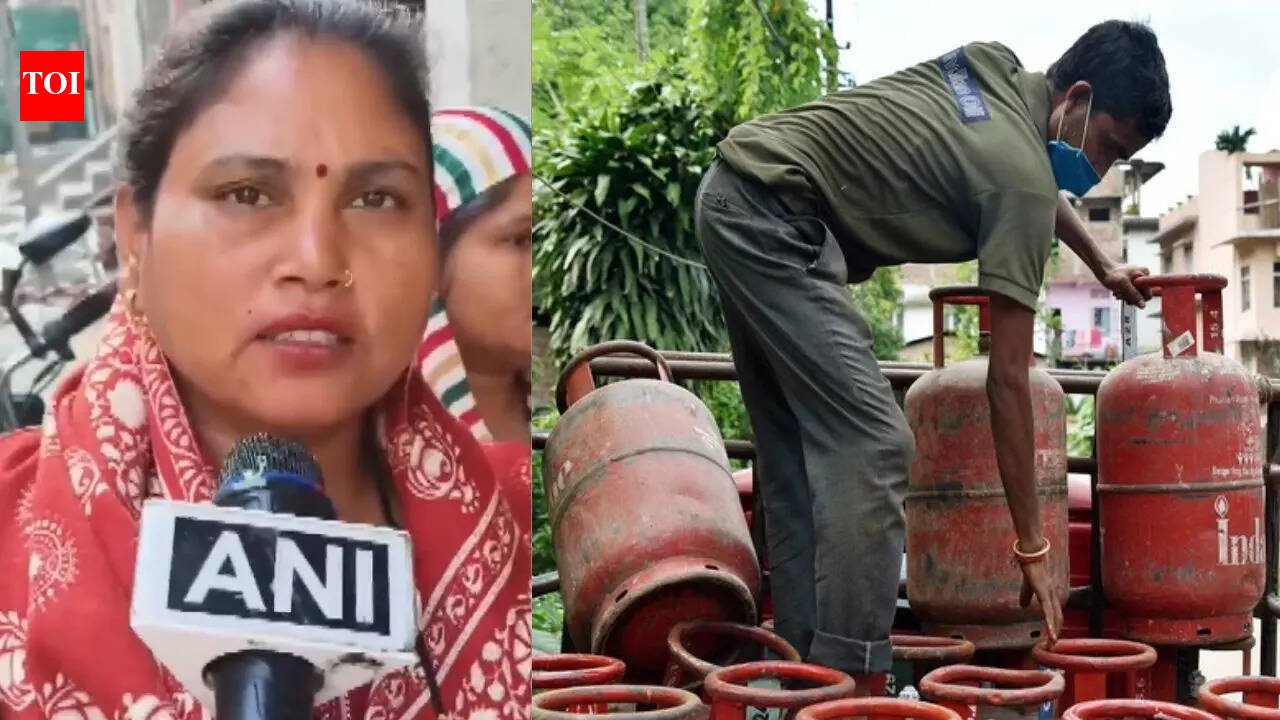
NEW DELHI: An increase in domestic LPG cylinder prices by Rs 60 on Saturday has sparked concerns among the public, with many expressing concerns about the difficulty of managing household budgets. Domestic LPG cylinder prices have been increased with effect from Saturday, March 7, with the cost of a 14.2-kg household cooking gas cylinder rising by Rs 60 across the country. The price of a 19-kg commercial LPG cylinder has also been raised by Rs 115.

LPG Cylinder Price Rise Heats Up Inflation Debate As Opposition Targets Modi Government

A resident of Delhi, Anita, spoke to about how the increase makes it difficult to live in the national capital. “Our cylinder does not last for a month. Poor people have to face a lot of problems. We use up two cylinders in a month,” she said.Another resident voiced concern over the rising costs, suggesting that the hike in LPG prices could be a precursor to increases in petrol and diesel prices.“Today, the prices of the LPG cylinder have increased; soon, the prices of petrol and diesel will also rise. It will affect the common man,” she said. Salma, who is also a resident of Delhi, spoke about how the Rs 60 is a significant amount for lower-income families. “We are poor. Rs 60 is a lot for us. We earn all day long to eat at night,” she stated. In the Moradabad area of Uttar Pradesh, a local raised concerns about the price increase, stating that this can cause a lot of problems. “Rs 60 have increased in the price of the cylinder. There are a lot of problems,” she said. “I went to get the cylinder. Rs 60 have increased… The expenses will be more than the income if there is inflation,” another resident said. According to sources, the price of a 14.2-kg domestic LPG cylinder in Delhi has been increased from Rs 853 to Rs 913. In Mumbai, the price has risen from Rs 852.50 to Rs 912.50. In Kolkata, the rate has gone up from Rs 879 to Rs 939, while in Chennai it has increased from Rs 868.50 to Rs 928.50. The revised prices came into effect immediately on Saturday.The hike also applies to commercial LPG cylinders used by businesses. In Delhi, the price of a 19-kg commercial cylinder has risen from Rs 1,768.50 to Rs 1,883. In Mumbai, the rate has increased from Rs 1,720.50 to Rs 1,835. Similarly, in Kolkata, the price has gone up from Rs 1,875.50 to Rs 1,990, while in Chennai it has climbed from Rs 1,929 to Rs 2,043.50.Earlier, the price of a domestic LPG cylinder had remained unchanged since April 2025, when the non-subsidised rate in Delhi stood at Rs 853. The latest revision marks a significant increase for both household consumers and commercial users who rely on LPG for daily operations.(With agency inputs)


Source link

David Miller questions ICC after England receive early charter flight following T20 World Cup 2026 exit


South Africa’s experienced batter David Miller has stirred controversy after publicly questioning the International Cricket Council (ICC) over what he believes to be unequal treatment regarding charter flight arrangements following teams’ exits from the T20 World Cup 2026. Miller’s comments came on social media after reports suggested that England were provided a charter flight earlier than both South Africa and the West Indies, despite being eliminated from the tournament later than the two teams.

The situation has gained attention within the cricketing community, especially as global travel schedules have been disrupted due to the ongoing USA-Israel vs Iran conflict, prompting the ICC to arrange special charter flights to help teams return home safely after their campaigns.

David Miller questions timing of England’s departure

The debate began after a report from ESPNcricinfo revealed that England were scheduled to depart via charter flight on Saturday, while South Africa and the West Indies were expected to leave a day later. The arrangement surprised many fans and players because both the Proteas and the Caribbean side had already been eliminated earlier in the tournament.

Reacting to the report on Instagram, Miller openly questioned the ICC’s decision.

He wrote that it was ‘funny’ England could leave immediately despite being knocked out after South Africa and the West Indies. According to Miller, both teams had been waiting for clarity about their travel plans while England’s departure appeared to be arranged quickly.

His comment quickly attracted attention from fans and members of the cricket fraternity, with many debating whether the scheduling decision was simply logistical or indicative of preferential treatment.

Daren Sammy backs Miller’s frustration

West Indies head coach Daren Sammy soon joined the discussion, backing Miller’s concerns in the comment section of the same post. Sammy responded humorously but pointedly, asking Miller to repeat the issue ‘a little louder for those in the back.’

Miller continued the conversation by suggesting that England’s charter flight appeared to be organised swiftly while other teams were still waiting.

He claimed the West Indies had already been waiting around seven days for a confirmed charter flight, while South Africa had been waiting for several days as well. His comments hinted at frustration among teams whose travel arrangements were yet to be finalised.

Also READ: Ahmedabad braces for India vs New Zealand T20 World Cup 2026 final as police announce special traffic plan

Timeline of eliminations adds to controversy

The timeline of eliminations has further fueled the debate. The West Indies were knocked out of the tournament on March 1, ending their campaign earlier than several other teams. South Africa exited three days later, following their defeat in the semi-finals.

England, meanwhile, were eliminated shortly afterward when India defeated them in a dramatic second semi-final to secure their place in the final.

Because England were technically eliminated later, Miller’s remarks questioned why they were able to depart earlier while the teams knocked out beforehand were still awaiting travel confirmation.

Also READ: T20 World Cup 2026 Final: Broadcast, Live Streaming details: When and where to watch in India, Pakistan, USA, UK & other countries


Source link

Market recap: Mcap of 8 of top-10 most valued firms wipes out Rs 2.81 lakh cr; State Bank biggest laggard


Market recap: Mcap of 8 of top-10 most valued firms wipes out Rs 2.81 lakh cr; State Bank biggest laggard

Dalal Street ended last week in red with eight of India’s ten most valuable companies together losing Rs 2,81,581.53 crore in market value. State Bank of India emerged as the biggest laggard during the period. The broader market also saw heavy selling pressure. The BSE benchmark index dropped 2,368.29 points, or 2.91%, over the week. “Markets ended the holiday-shortened week with steep losses as escalating geopolitical tensions in West Asia and a sharp spike in crude oil prices weighed heavily on investor sentiment,” Ajit Mishra, SVP, Research, Religare Broking Ltd, said. Among the top-10 firms by market capitalisation, only two, Reliance Industries and Infosys, managed to register gains. The remaining eight companies saw their valuations shrink. State Bank of India recorded the sharpest decline, with its market capitalisation falling by Rs 53,952.96 crore to Rs 10,55,567.27 crore. Private sector lenders also faced sizeable losses. ICICI Bank’s valuation fell by Rs 46,936.82 crore to Rs 9,40,049.82 crore, while HDFC Bank’s market capitalisation declined by Rs 46,552.3 crore to Rs 13,19,107.08 crore. Larsen & Toubro also witnessed a notable fall in value, with its market capitalisation sliding by Rs 45,629.03 crore to Rs 5,43,208.36 crore. Financial services firm Bajaj Finance saw its valuation contract by Rs 28,934.56 crore to Rs 5,91,136.03 crore. Meanwhile, Tata Consultancy Services (TCS) lost Rs 28,492.44 crore in market value, taking its total market capitalisation to Rs 9,25,380.15 crore. Consumer goods major Hindustan Unilever registered a decline of Rs 26,350.67 crore, bringing its market capitalisation down to Rs 5,23,042.51 crore. Telecom operator Bharti Airtel also posted a marginal drop of Rs 4,732.75 crore to Rs 10,67,120.50 crore. In contrast, Reliance Industries added Rs 14,750.39 crore to its market value, pushing its valuation to Rs 19,01,583.05 crore. Infosys too ended the week in positive territory, with its market capitalisation rising by Rs 3,459.99 crore to Rs 5,30,546.54 crore. Reliance Industries retained its position as India’s most valued company, followed by HDFC Bank, Bharti Airtel, State Bank of India, ICICI Bank, TCS, Bajaj Finance, Larsen & Toubro, Infosys and Hindustan Unilever.


Source link