Breaking News
Not Shahid Afridi or Shoaib Akhtar: The Last Pakistan Star to Play an IPL Final | Throwback | Cricket News


Not Shahid Afridi or Shoaib Akhtar: The Last Pakistan Star to Play an IPL Final | Throwback
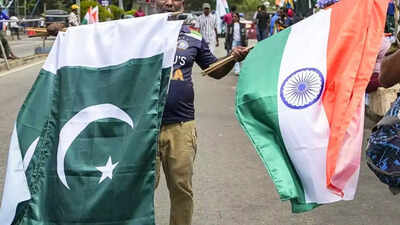
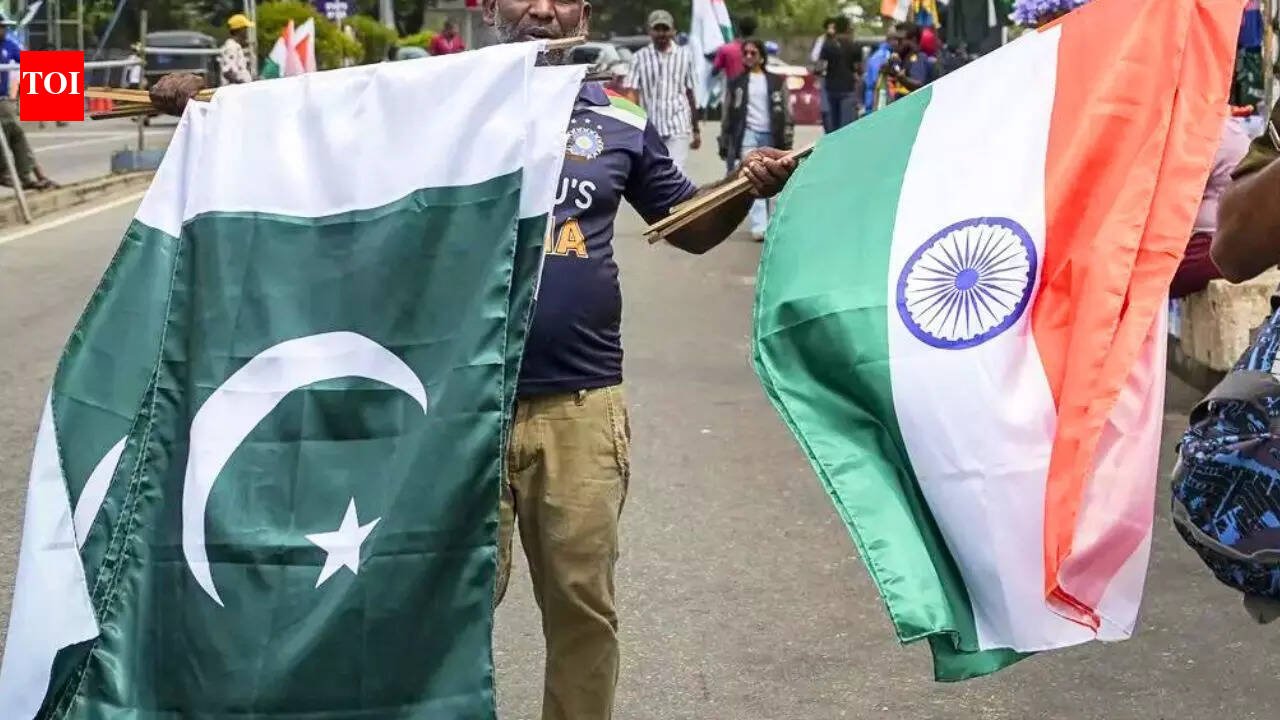
India and Pakistan flags (PTI Photo)

NEW DELHI: In the humid, electric air of the DY Patil Stadium on June 1, 2008, a tall, lanky left-armer with an action that looked like a tangle of limbs stood at the non-striker’s end. The scoreboard read 163 for 7. One ball remained. The Rajasthan Royals needed one run to win the inaugural Indian Premier League.As Sohail Tanvir scurried across the pitch to complete that final, historic run, he wasn’t just sealing a victory for Shane Warne’s “underdogs”; he was unknowingly bringing the curtain down on an era.

EXCLUSIVE: Rahul Dravid on iconic Eden Gardens win against Australia in 2001

He was the last player from Pakistan to effectively “finish” an IPL game. Since that night, the border has grown taller, the cricket grounds quieter, and the presence of Pakistani talent in the world’s richest league has shifted from a vibrant reality to a ghost of “what if.”

What did happen after the IPL 2008 final?

The 2008 IPL season was a carnival of cross-border camaraderie. Shahid Afridi was the icon for Deccan Chargers, Shoaib Akhtar was steaming in for the Kolkata Knight Riders, and Misbah-ul-Haq was the middle-order backbone for Bangalore.But it was Sohail Tanvir who became the face of Pakistani success in India. Sporting the first-ever Purple Cap, Tanvir had dismantled lineups with his “wrong-footed” delivery, finishing the season with 22 wickets, including a staggering 6/14 against Chennai Super Kings.
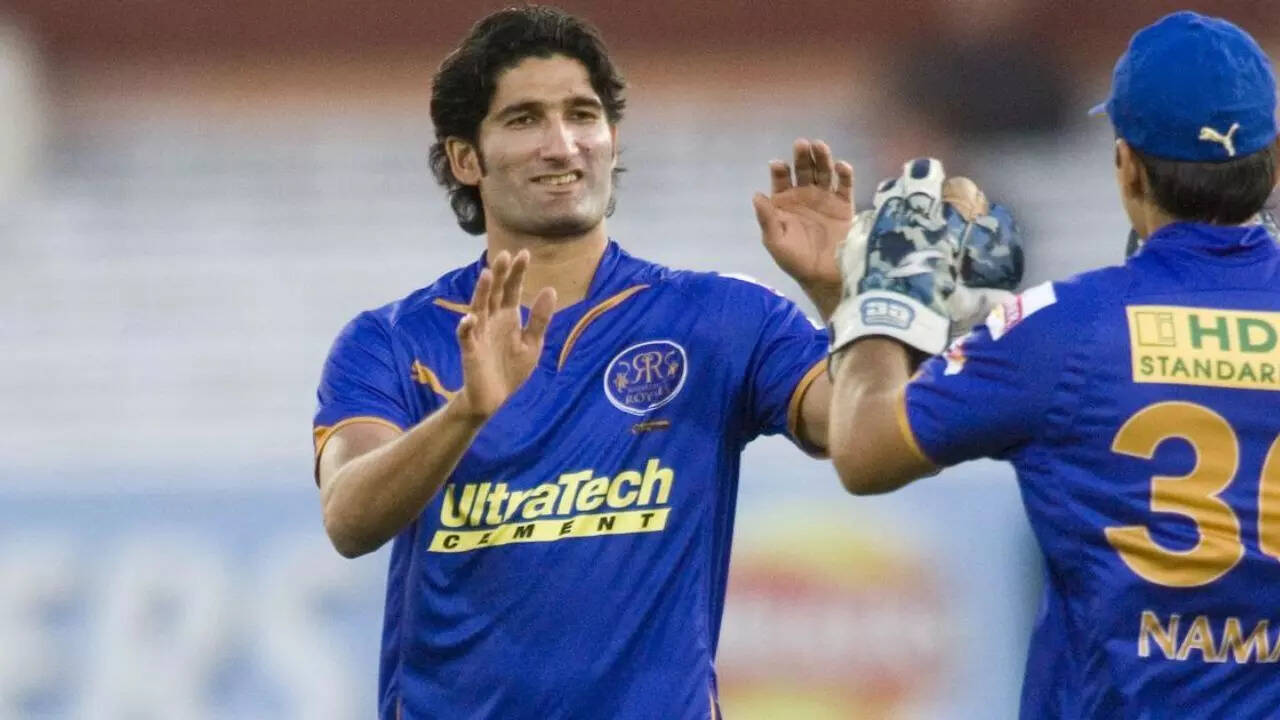
Sohail Tanvir (IPL Photo)

Sohail Tanvir (IPL Photo)

When the 2008 final concluded, there was every expectation that the 2009 season would see even more stars from Lahore and Karachi under the IPL lights. However, the geopolitical landscape shifted violently on November 26, 2008. The Mumbai terror attacks changed everything. In the immediate aftermath, the Indian government suspended bilateral ties, and the BCCI, citing “security concerns”, decided not to include Pakistani players in the 2009 auction.What was initially thought to be a one-year cooling-off period became a permanent lockout. The “No-Objection Certificates” (NOCs) from the Pakistan Cricket Board became harder to obtain, and the appetite of IPL franchises to bid for players who might be denied visas vanished.

The case of Azhar Mahmood

While Tanvir was the last player to play in that original 2008 cohort, the “last Pakistani” to actually feature in the IPL is a technicality that belongs to Azhar Mahmood.Mahmood, a former Pakistan international, managed to play for Kings XI Punjab (2012–2013) and Kolkata Knight Riders (2015). However, he didn’t do so as a Pakistani. Having moved to the UK and secured a British passport, he entered the auction as an English player.
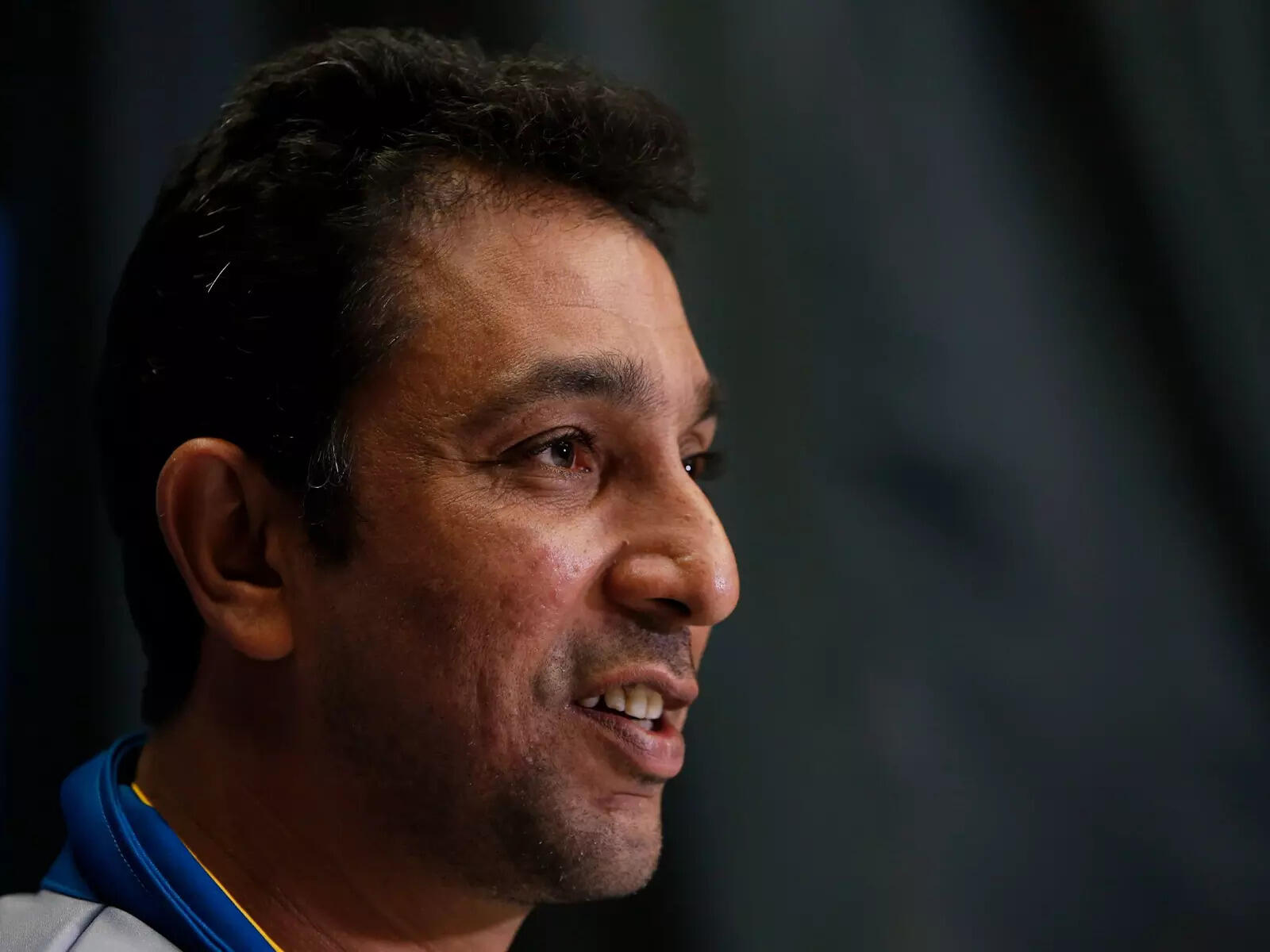
Azhar Mahmood ends his coaching stint with Pakistan's Test side

Azhar Mahmood (ANI Photo)

His presence was a bittersweet reminder of what was missing. While he performed admirably, the league lacked the raw pace of a Wahab Riaz or the modern-day brilliance of a Babar Azam. Mahmood’s stint was a legal workaround, but the political ban on players representing the Pakistan national team remained absolute.

Why it happened

The exclusion isn’t found in any official “rulebook” of the IPL. There is no written clause that says “No Pakistanis Allowed.” Instead, it is a combination of two powerful forces:For a franchise to invest millions in a player, they need a guarantee that the player can actually enter the country. Given the volatility of India-Pakistan relations, the risk of a player being denied a visa at the eleventh hour is too high for team owners.
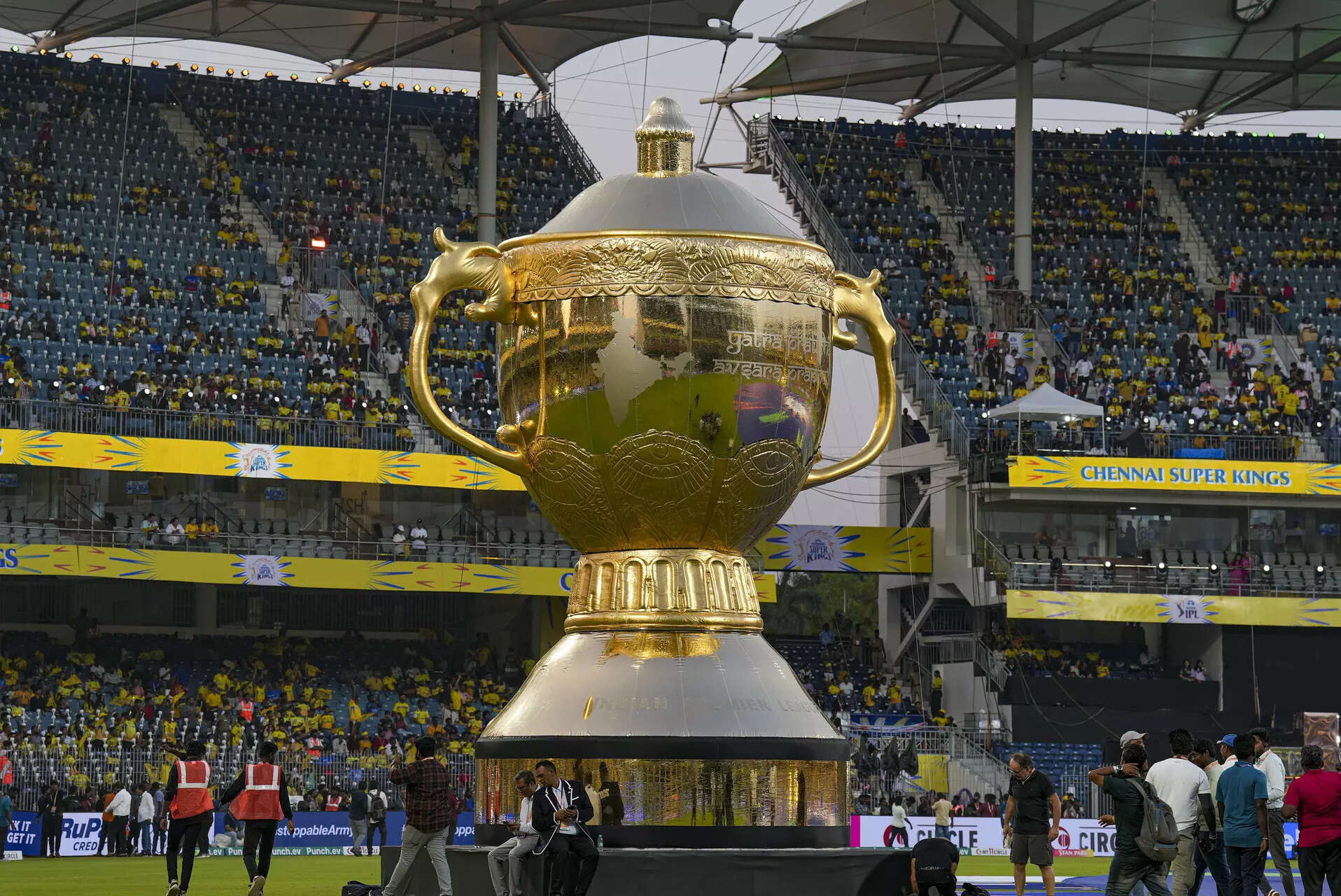
Chennai: A replica of the IPL trophy during the opening ceremony of Indian Premi...

The trophy of Indian Premier League (IPL) (PTI Photo/R Senthilkumar)

Public Sentiment and Commercial Risk Franchises are brands. In an era of heightened nationalism, owners have often been wary of the “backlash” that could come with signing a Pakistani player, fearing it could alienate local fanbases or lead to protests at stadiums.In 2010, there was a brief moment of hope when several Pakistani stars were included in the auction pool. However, in a move that became a major controversy, not a single franchise placed a bid for any of them. The “silent snub” effectively signalled that the IPL had moved on.

The 2026 “Shadow Ban” and global expansion

As we stand in March 2026, the situation has become even more complex. The IPL is no longer just a two-month tournament in India; it is a global ecosystem. IPL owners now own teams in South Africa (SA20), the UAE (ILT20), the USA (MLC), and the Caribbean (CPL).This expansion has led to what players like Azhar Mahmood have recently called a “Global Shadow Ban”. However, recently, The Hundred 2026 auction in England saw a massive debate as Indian-owned franchises like Sunrisers Leeds (owned by the Sunrisers Hyderabad group) finally broke the trend by picking Abrar Ahmed.
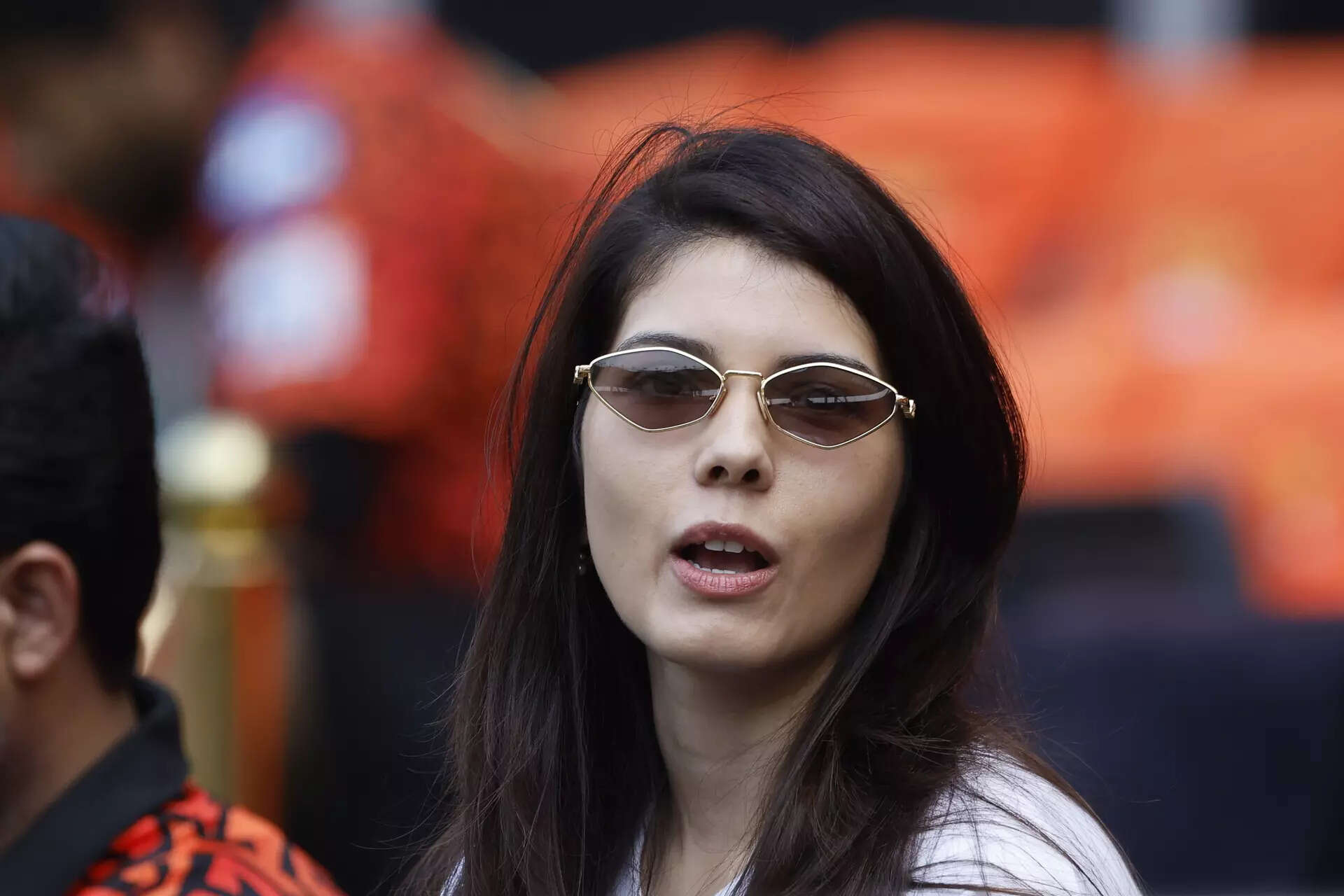
2025 IPL - Sunrisers Hyderabad v Rajasthan Royals

Kavya Maran, co-owner and head of Sunrisers Leeds (Photo by Pankaj Nangia/Getty Images)

However, the backlash was immediate. On social media, fans criticised the franchise owners for “funding” talent from across the border, even in a foreign league. This highlights the current status: Sohail Tanvir is now a retired veteran, coaching and commentating. His Purple Cap sits as a relic of a brief, beautiful window where sport briefly transcended the map.The last ball of the 2008 IPL didn’t just win a trophy; it ended a chapter of history. Until the political climate undergoes a seismic shift, the Pakistani presence in the IPL will remain confined to YouTube highlights of Shoaib Akhtar’s roar at Eden Gardens and Sohail Tanvir’s winning run in Navi Mumbai.

Banner Insert


Source link

‘Certainly does not help peace’: Zelenskyy says US easing of Russian oil sanctions could hand Moscow $10 billion for war


‘Certainly does not help peace’: Zelenskyy says US easing of Russian oil sanctions could hand Moscow $10 billion for war

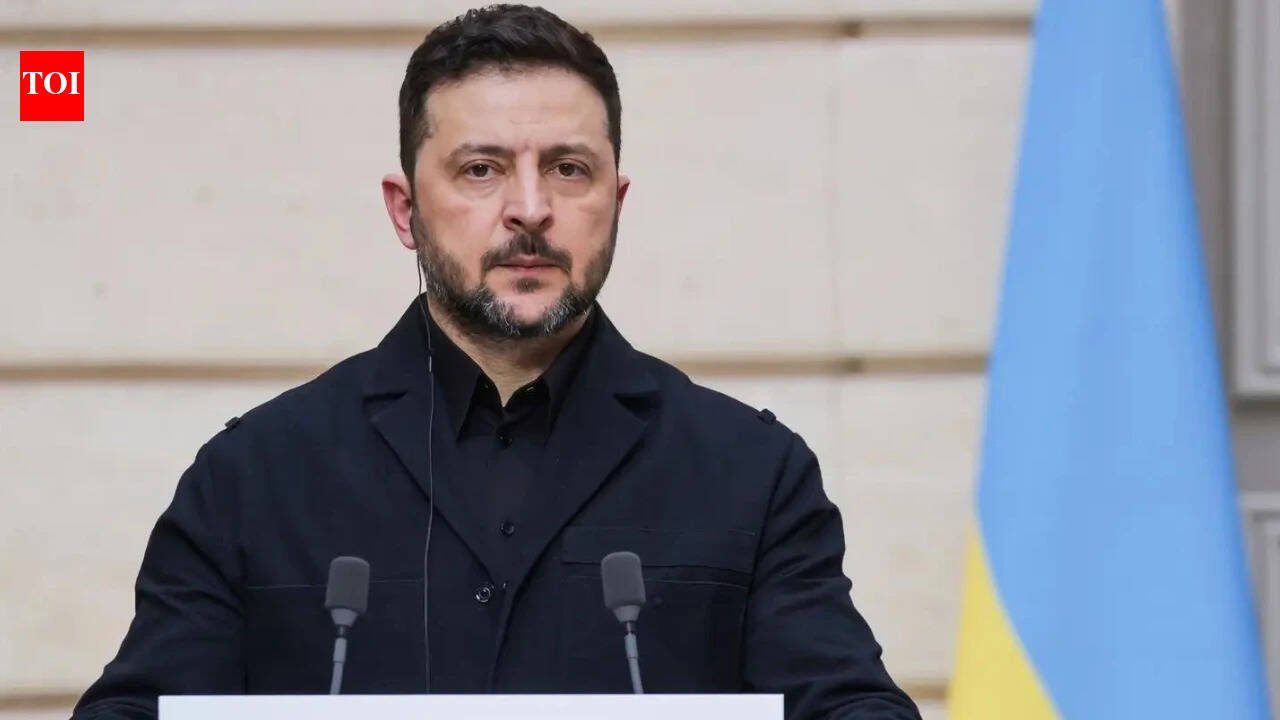
File photo: Ukrainian President Zelenskyy (Picture credit: AP)

Ukrainian President Volodymyr Zelenskyy on Friday said a US decision to temporarily ease sanctions on Russian oil sales could hand Moscow about $10 billion in extra revenue, warning the move would directly undermine efforts to end the war in Ukraine.“This one concession alone by the United States could give Russia about $10 billion for the war. This certainly does not help peace,” Zelenskyy said at a press conference in Paris alongside French President Emmanuel Macron, as per news agency AFP.Zelenskyy’s remarks came after Washington announced a 30-day licence allowing countries to buy Russian oil and petroleum products already stranded at sea, a measure the US says is aimed at cooling global energy prices that have surged after the war involving Iran.

Zelenskyy, Macron push back against US move

Backing Kyiv’s concerns, Macron said Russia was “mistaken” if it believed the Middle East conflict would reduce international pressure on Moscow.“Today Russia may believe that the war in Iran will offer it respite. It is mistaken,” Macron said during the joint press conference.He added that G7 leaders had made clear earlier this week that rising oil prices “must under no circumstances lead us to reconsider our sanctions policy towards Russia”.The French leader’s remarks reflected growing unease in Europe that the temporary sanctions relief could strengthen Russian President Vladimir Putin at a time when oil prices are already elevated because of the Middle East crisis.

US says waiver is temporary and meant to calm markets

The US Treasury issued a 30-day licence valid through April 11 for the delivery and sale of Russian crude oil and petroleum products that had already been loaded on vessels by March 12.US treasury secretary Scott Bessent said the short-term step was intended to “stabilize global energy markets” and “increase the global reach of existing supply” after oil prices spiked above $100 a barrel in the wake of the war on Iran.As per Reuters, Washington said the move would not provide significant financial benefit to the Russian government. The measure followed an earlier US waiver issued on March 5 specifically for India to allow purchases of Russian oil already stuck at sea.The sanctions easing comes as the US and the International Energy Agency also move to release large emergency oil stocks to contain soaring prices.

Paris talks focus on pressure on Russia

Zelenskyy’s 12th visit to France since Russia’s full-scale invasion in 2022 was aimed at increasing pressure on Russia, particularly by targeting Moscow’s so-called “shadow fleet” of tankers used to move oil in breach of sanctions.The talks in Paris were also overshadowed by concern that the Middle East war has derailed US-brokered efforts to revive peace negotiations between Kyiv and Moscow.German Chancellor Friedrich Merz also criticised the US move on Friday, saying that “easing sanctions now, for whatever reason, is wrong”, according to AFP.The Kremlin, meanwhile, said the Paris meeting would obstruct the peace process and argued that trying to put pressure on Russia was “absurd”.

Wider war and fresh battlefield strain

The debate over sanctions comes as the war in Ukraine continues to intensify. A Russian strike in eastern Ukraine on Friday killed three people on a bus near Kupiansk, where Russian forces are trying to recapture ground.Zelenskyy’s visit also came amid new political friction in Europe, with Hungary blocking a key 90-billion-euro EU loan package for Ukraine as well as a fresh round of sanctions on Russia.The dispute is tied in part to the damaged Druzhba pipeline, which supplies Russian oil to Hungary and Slovakia and which Kyiv says was hit by Russian strikes earlier this year.The temporary US oil waiver, announced against the backdrop of surging global energy prices and disruptions in the Strait of Hormuz, has therefore opened a fresh fault line between Washington and its European allies, even as Kyiv warns it risks fuelling the very war the West says it wants to end.


Source link

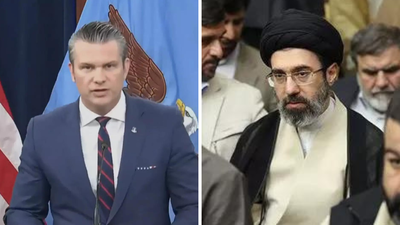
‘Wounded and likely disfigured’: How US reacted to Iran’s Supreme Leader Mojtaba Khamenei’s first statement


'Wounded and likely disfigured': How US reacted to Iran's Supreme Leader Mojtaba Khamenei's first statement

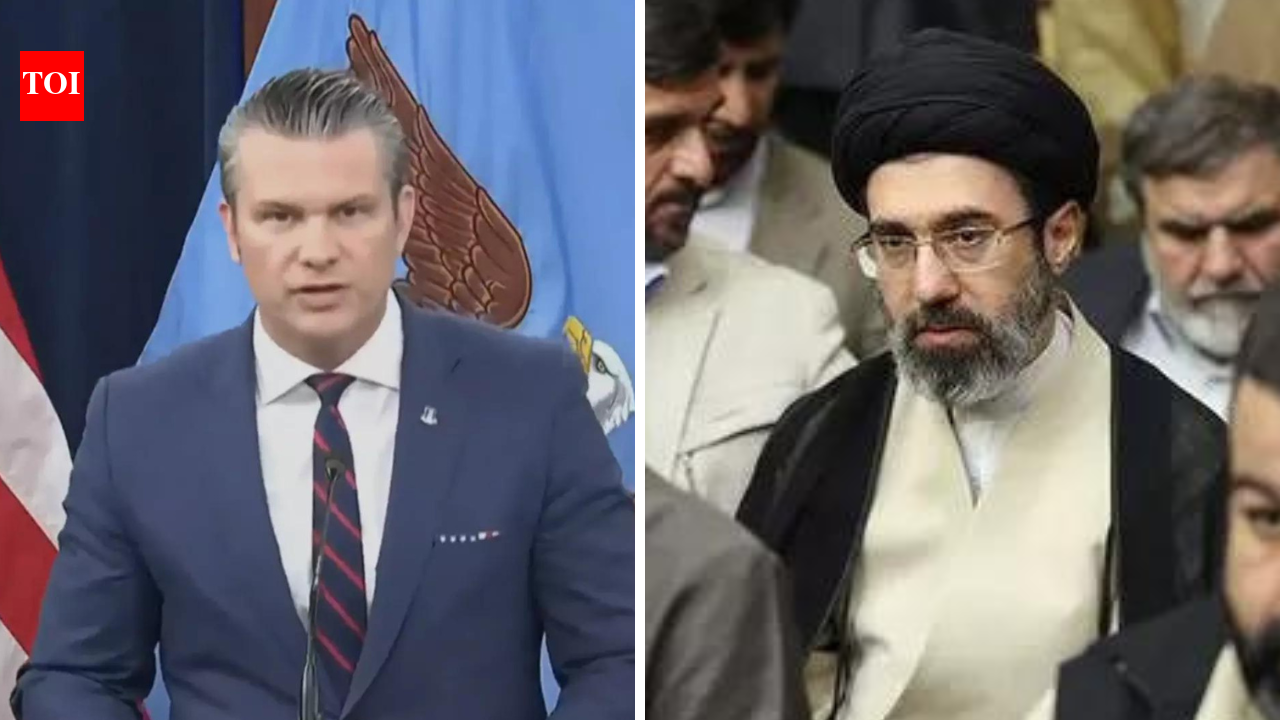
US secretary of war Pete Hegseth on Friday claimed that the newly appointed Supreme Leader of Iran Mojtaba Khamenei is wounded and “likely disfigured” after being critically wounded in an air strike.In a press briefing on the ongoing conflict with Iran, Hegseth reacted to Mojtaba’s first statement amid the war, saying the absence of a voice or video message was telling.“We know the new so-called not-so-supreme leader is wounded and likely disfigured,” Hegseth said.“He put out a statement yesterday – a weak one actually – but there was no voice and no video. It was a written statement. He called for unity. Apparently, killing tens of thousands of protesters is his kind of unity. Iran has plenty of cameras and plenty of voice recorders. Why a written statement? I think you know why. His father is dead. He’s scared, he’s injured, he’s on the run, and he lacks legitimacy. It’s a mess for them. Who’s in charge? Iran may not even know,” he added.During the press briefing, Hegseth also ridiculed, Mojtaba’s warning that Iran should continue using Strait of Hormuz as leverage in the conflict. Hegseth said that Iran has been “exercising sheer desperation in the Straits of Hormuz,”“We have been dealing with it, and don’t need to worry about it,” he said.“Of course, for decades, Iran has threatened shipping in the Strait of Hormuz. This is always what they do, hold the strait hostage,” he added.Earlier on Thursday, Iranian state TV broadcast what it claimed to be his first statement since coming into power in an attempt to cover up his condition. The statement, read out by a news anchor, said Iran would not hesitate to “avenge the blood of Iranians” who had been killed, and vowed to continue attacks on Dubai and block off the vital Strait of Hormuz.The new Iranian leader said Iran would not hesitate to retaliate for the killing of Iranian civilians. He specifically referenced the attack in the southern Iranian city of Minab, where a missile strike destroyed a girls’ school.In his remarks, the new Iranian leader also thanked Iran’s network of allied armed groups across the Middle East. He said the “resistance” movement in Yemen and armed groups in Iraq would continue to play a role in the war against Iran’s adversaries.Mojtaba Khamenei, the son of Iran’s former supreme leader, assumed power after his father, Ali Khamenei, was killed in joint US-Israeli strikes on February 28.Meanwhile, soon after the statement, several media reports claimed that was in a state of coma after being critically wounded in an air strike.Sources told The Sun that Mojtaba Khamenei, 56, the second son of Iran’s late Supreme Leader Ayatollah Ali Khamenei, lost one leg and suffered serious stomach or liver damage. The source said Mojtaba Khamenei was under intensive care at the Sina University Hospital in Tehran’s historic quarter after a section of the building was sealed off and surrounded by massive security. He said he was not a medic but knew members of the hospital’s trauma team who told him Mojtaba was in “very serious” condition under the care of Mohammad Reza Zafarghandi.Meanwhile, Yousef Pezeshkian, the son of Iranian President Masoud Pezeshkian and a government adviser, said that the new supreme leader is “safe and sound”.


Source link

Energy shock jolts Asian equities as AI-led rally leaves South Korea most exposed


Asian equity markets are facing heightened volatility after geopolitical tensions in the Middle East triggered sharp swings in oil prices and global risk sentiment, exposing uneven vulnerabilities across the region, according to a report by Moody’s Analytics.The report said the conflict sent “shock waves through global financial markets”, with Brent crude briefly surging to around $120 per barrel during early Asian trading before easing back toward $90. Equity markets whipsawed in response, but the reaction in Asia -“especially in South Korea– was more severe”.Trading halts were triggered on the KOSPI on March 4 and March 9 after the benchmark index dropped more than 8%, forcing temporary suspensions. Although equities have recovered some ground, the report noted that “trading conditions are unsettled, and investor sentiment is fragile”.

AI-driven surge left valuations stretched

Moody’s said the turbulence followed a strong rally in January and February led by technology-heavy markets such as South Korea and Taiwan, fuelled by optimism around artificial intelligence.Gains were concentrated in sectors linked to semiconductor demand, particularly memory chips where South Korean firms hold dominant global positions. By early 2026, the benchmark index had “nearly tripled relative to early 2025”, leaving valuations stretched and markets vulnerable to sudden risk-off moves.The geopolitical shock proved to be “exactly such a trigger”, the report said, as investors reassessed elevated valuations amid rising macroeconomic uncertainty.

Energy dependence amplifies downside risks

Developed Asian markets remain particularly sensitive to commodity price shocks because of their reliance on imported energy. Moody’s said economies such as South Korea, Japan and Taiwan import most of the oil and gas they consume, making them vulnerable to inflation risks and potential policy tightening if energy costs remain elevated.Foreign investors, aware of this sensitivity, sold South Korean equities, adding downward pressure. The report observed that “with valuations inflated by the AI-driven rally, South Korean equities recorded some of the steepest declines across the region”.Elsewhere in Asia-Pacific, equity declines were more contained. China and India saw pullbacks broadly in line with normal market swings, supported by structural buffers such as lower foreign investor participation and, in China’s case, capital controls.

Volatility set to stay elevated

Moody’s expects market volatility to remain high in the near term. Realised volatility across most Asia-Pacific markets has moved close to the upper end of historical ranges, comparable to levels seen during earlier episodes of global trade tensions.Under its baseline scenario, the report assumes the Middle East conflict will be limited in duration and commodity flows will eventually normalise, allowing oil and gas prices to fall back toward pre-conflict levels.However, it warned of downside risks if tensions persist. Sustained high energy prices could inflict greater economic damage across the region and trigger sharper equity sell-offs, particularly in markets where AI-driven optimism had already pushed valuations to elevated levels.


Source link

139 crore widening work begins for 5-lane Padi rail over bridge in Chennai | Chennai News


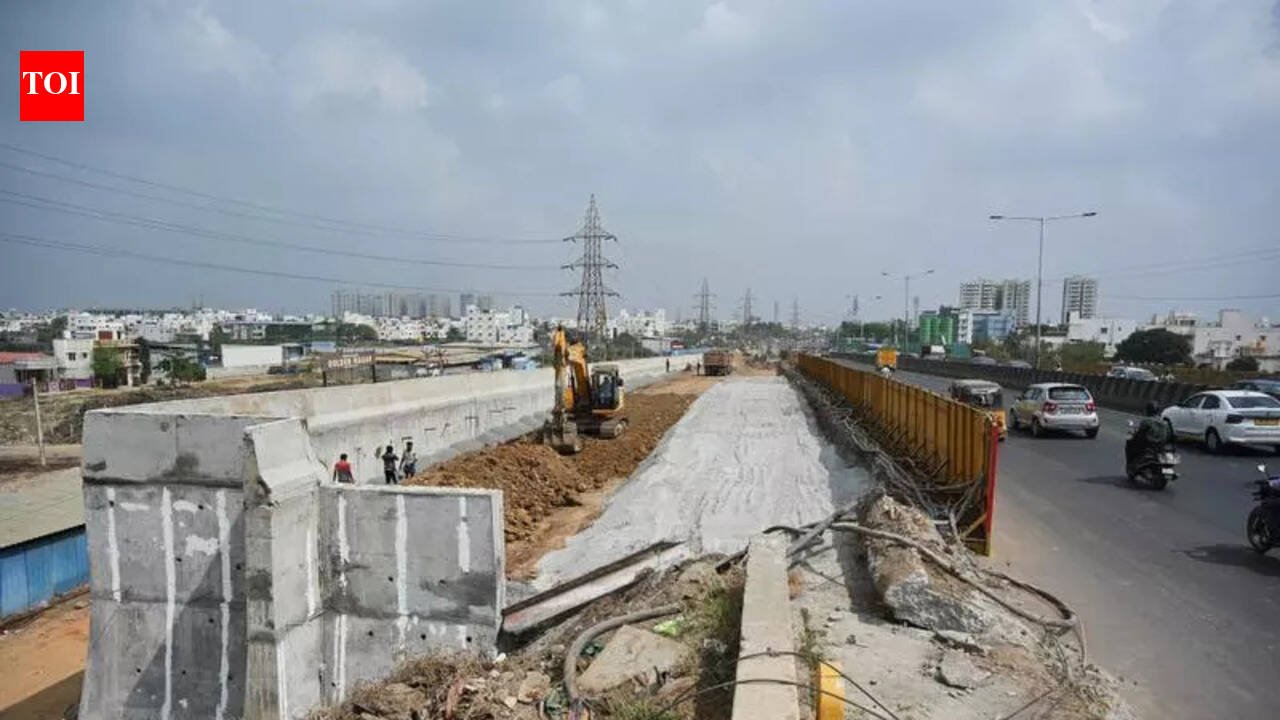
Chennai: The state highways department has begun major widening works at the Padi rail overbridge (ROB) on Jawaharlal Nehru Salai (Inner Ring Road).The ongoing work, worth 139 crores, will expand the existing three-lane bridge into a dual five-lane structure and widen the narrow approach stretch towards Padi, a long-standing traffic bottleneck on the corridor.Highways chief engineer Jawahar Muthuraj said the department will lay the portions of road and place girders within their land. “The stretch crossing the railway tracks will be done by Southern Railway. They are sourcing the girders from their yard in Arakkonam,” he said, adding that some electrical line shifting is also involved.The width will increase from 27m to 53m, including footpaths on both sides. The approach road and adjoining stretches are also being widened to five lanes with a central median to streamline traffic movement. “The work will be completed by April,” he added.The ROB, located between Villivakkam and Korattur railway stations, currently forms a choke point on the Inner Ring Road. While most stretches of the arterial corridor from Manali to Guindy have five lanes on either side, the 1.1-km stretch near Padi narrows sharply, reducing to just two lanes near the railway station and leading to frequent traffic snarls and accidents.The highways is also building two U-shaped service roads beneath the Villivakkam ROB for 14 crore. The 7.5m wide roads will allow vehicles to take U-turns towards North Korattur and Padi without entering the busy junction.Once built, the service roads are expected to ease congestion near the North Korattur signal and allow light vehicles to bypass the intersection. The National Highways Authority of India is expanding other stretches of the Inner Ring Road as well.


Source link

BAN vs PAK [WATCH]: Tawhid Hridoy plucks a spectacular catch to remove Sahibzada Farhan during 2nd ODI


The cricketing world witnessed a moment of pure athletic brilliance at the Shere Bangla National Stadium in Dhaka during the high-stakes 2nd ODI between Bangladesh and Pakistan on Friday, 2026. As the two Asian giants clashed in a pivotal encounter of the series, the spotlight shifted from the bat to the field, courtesy of a jaw-dropping effort from Bangladesh’s rising star, Tawhid Hridoy.

Tawhid Hridoy produces a sensational catch to dismiss Sahibzada Farhan in Second ODI

The momentum of the match took a dramatic turn in the 18th over of the Pakistani innings. Sahibzada Farhan, who had looked composed during his 46-ball stay at the crease, was beginning to shift gears alongside the middle order. However, the experienced Taskin Ahmed had other plans.

On the fourth delivery of the 17.4 over, Taskin bowled a full-length ball that angled sharply into the off-stump. Looking to break the shackles with a big hit, Farhan attempted a wild slog over the leg side. The execution, however, was far from perfect. The ball caught the outer half of the bat, slicing high into the overcast Dhaka sky toward the deep third region.

While the ball seemed to be hanging in the air forever, Hridoy tracked it with the precision of a hawk. Running a considerable distance and maintaining his gaze despite the swirling winds, Hridoy reached the ball just in time. He plucked the leather out of the air and, showing immense awareness of the boundary ropes, tumbled over safely to complete a catch that left the Mirpur crowd in a frenzy. Farhan departed for 31 (including two boundaries), leaving Pakistan at 121/2 and giving the Tigers a much-needed breakthrough.

Here’s the video:

Also READ: Explained: Why the Bangladesh vs Pakistan ODI series matters for World Cup 2027 qualification?

Pakistan falters in the end of the 1st innings against Bangladesh

Despite Hridoy’s brilliance in the field and the disciplined bowling of Mehidy Hasan Miraz—who delivered a masterful spell of 10 overs, returning figures of 2/34—Pakistan displayed remarkable resilience. The foundation of their innings was laid by an explosive opening stand, highlighted by Maaz Sadaqat’s blistering 75 off 46 balls, which included six towering sixes.

As the innings progressed into the final ten overs, the Pakistani middle order capitalized on the platform. Salman Agha played a crucial anchor role, scoring a well-paced 64 off 62 deliveries, laced with seven boundaries and two maximums. He was ably supported by the veteran Mohammad Rizwan, whose steady 44 kept the scoreboard ticking during the middle overs.

By the 43rd over, Pakistan had reached 259/7, scoring at a healthy run rate of 6.02. Although Bangladesh managed to spark a late collapse by dismissing Hussain Talat and Abdul Samad, the visitors still looked well on course to breach the 300-run mark. However, Bangladesh applied sustained pressure in the closing stages, preventing Pakistan from accelerating. Power-hitters Faheem Ashraf and Shaheen Shah Afridi also failed to make an impact, and the final overs of Powerplay 3 turned into a nightmare for the visitors, who were eventually bowled out for 274 in 47.3 overs.

Also READ: Nahid Rana, Tanzid Hasan Tamim shine as Bangladesh crush Pakistan in the first ODI


Source link

‘No one can exclude us’: Iran hits back at Trump’s ‘Skip FIFA World Cup’ remark | Football News


‘No one can exclude us’: Iran hits back at Trump's 'Skip FIFA World Cup' remark
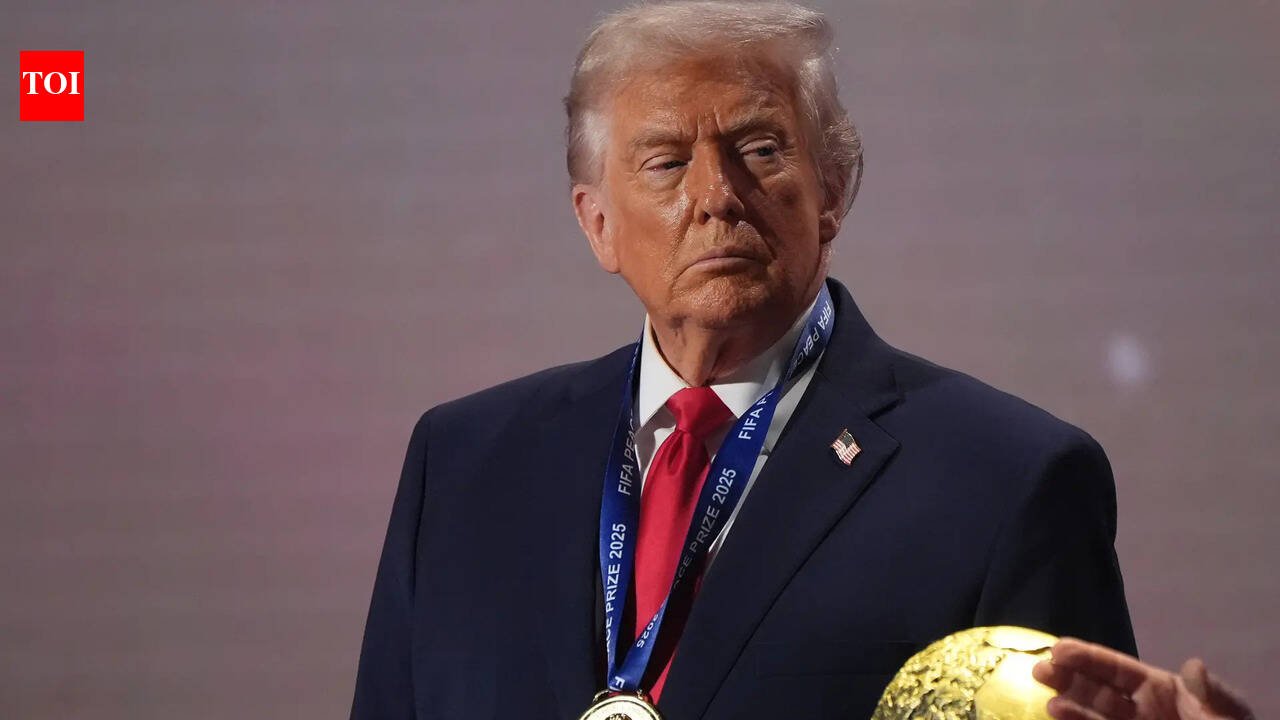
FILE – President Donald Trump stands on stage next to the FIFA World Cup after receiving the FIFA Peace Prize during the draw for the 2026 soccer World Cup at the Kennedy Center in Washington, Dec. 5, 2025. (AP Photo/Jacquelyn Martin, File)

Iran has insisted that no one can prevent its national team from participating in the upcoming 2026 FIFA World Cup, responding strongly to comments made by US President Donald Trump regarding the team’s safety in the United States, Canada & Mexico.The Iranian national football team issued a statement on social media on Thursday after Trump warned that the players’ “life and safety” could be at risk in the US, which is one of the three co-hosts of the tournament alongside Canada and Mexico.

Trump raises safety concerns

Trump’s remarks came just two days after he reportedly assured FIFA president Gianni Infantino that Iranian players would be welcomed at the World Cup despite ongoing tensions in the Middle East.Posting on his Truth Social platform, Trump said: “The Iran National Soccer Team is welcome to the World Cup, but I really don’t believe it is appropriate that they be there, for their own life and safety”.His comments came amid heightened geopolitical tensions following a war triggered by US-Israeli strikes on February 28, which has raised concerns over Iran’s potential participation in the tournament.

Iran responds strongly

In response, Iran’s national team said the World Cup is governed by FIFA and not by any single country or individual, adding that the team had earned its place in the tournament through strong performances as quoted by AFP.“The World Cup is a historic and international event and its governing body is FIFA, not any individual or country,” the statement said.The team also stressed that Iran had qualified on merit, pointing to its impressive performances during the qualification campaign.“Iran’s national team, with strength and decisive victories achieved by the brave sons of Iran, was among the first teams to qualify for this major tournament,” the statement further added.

Questions raised over host responsibilities

Iran also suggested that if the host nation cannot ensure safety for participating teams, its role as host should be questioned. “Certainly no one can exclude Iran’s national team from the World Cup,” read the statement, adding, “The only country that can be excluded is one that merely carries the title of ‘host’ yet lacks the ability to provide security for teams participating in this global event.”The statement appeared to be a direct response to Trump’s warning about safety concerns.

Trump reassures safety for the tournament

Later, Trump posted another message emphasising that the United States is ready to host the global event safely. “The United States of America looks very much forward to hosting the FIFA World Cup. Ticket sales are ‘through the roof!’”Despite the political tensions surrounding Iran’s participation, FIFA has not indicated any plans to alter the qualification status of the team.

Banner Insert


Source link

McKinsey realises the risk of rapid adoption of AI after hackers gain access to 46.5 million employee chat messages, 728000 ‘sensitive files’ and …


McKinsey realises the risk of rapid adoption of AI after hackers gain access to 46.5 million employee chat messages, 728000 ‘sensitive files’ and ...

McKinsey & Company rushed to patch a serious security flaw in its internal AI platform after a cybersecurity researcher gained access to tens of millions of employee chat messages and hundreds of thousands of sensitive files – all within two hours. According to a report by The Financial Times (via CodeWall), the target was Lilli, the management consultancy’s in-house AI platform used daily by its 40,000 employees to plan strategy, analyse data, and build project plans and client presentations.Researchers at CodeWall, a security startup that uses AI agents to continuously attack customers’ infrastructure to help them improve their security, say that the agent gained full read and write access to Lilli’s entire production database in under two hours. McKinsey’s security team was alerted to CodeWall’s findings at the end of February. The firm patched the identified vulnerabilities.According to CodeWall, the AI agent accessed:

  • 46.5 million internal chat messages exchanged between McKinsey staff
  • A list of 728,000 “sensitive” file names, including Excel spreadsheets, PowerPoint decks, and Word documents
  • 57,000 user accounts
  • 384,000 AI assistants
  • 94,000 workspaces

CodeWall accessed ‘intellectual crown jewels’

CodeWall described the combination as “the full organisational structure of how the firm uses AI internally” and called it the firm’s “intellectual crown jewels.” The ‘hacking’ also exposed Lilli’s internal system prompts and even AI model configurations, which means it revealed the instructions telling the AI how to behave, what it was allowed to do and what guardrails had been put in place.

What McKinsey has to say about the ‘breach’

McKinsey has pushed back on the most alarming interpretation of the breach. Citing a person close to the consultancy, the report said that while the names of sensitive files were visible after the breach, the files themselves were stored separately and were “never at risk”.McKinsey said it was “recently alerted to a vulnerability related to our internal AI tool, Lilli, by a security researcher. We promptly confirmed the vulnerability and fixed the issue within hours”.“Our investigation, supported by a leading third-party forensics firm, identified no evidence that client data or client confidential information were accessed by this researcher or any other unauthorized third party. McKinsey’s cyber security systems are robust, and we have no higher priority than the protection of client data and information that we have been entrusted with,” the was quoted as saying.

How CodeWall breached McKinsey AI

CodeWall says it focuses specifically on companies that have published guidelines welcoming ethical hackers to probe their systems for vulnerabilities. CodeWall revealed that its AI agent had itself suggested McKinsey as a target – without a human directing it to do so. It added that once the vulnerabilities were discovered, the agent automatically stopped attempting to access further files and reported its findings.“In the AI era, the threat landscape is shifting drastically — AI agents autonomously selecting and attacking targets will become the new normal,” the company said.


Source link

Access Denied


Access Denied

You don’t have permission to access “http://www.ndtv.com/education/cbse-class-10-board-exam-2026-ends-heres-when-to-expect-results-how-to-check-11210932” on this server.

Reference #18.c4f5d217.1773407598.185afd4f

https://errors.edgesuite.net/18.c4f5d217.1773407598.185afd4f


Source link

Access Denied


Access Denied

You don’t have permission to access “http://www.ndtv.com/world-news/israel-iran-war-breaches-bottom-line-of-morality-china-slams-iran-school-strike-11211012” on this server.

Reference #18.34a21ab8.1773406462.a0f9d8

https://errors.edgesuite.net/18.34a21ab8.1773406462.a0f9d8


Source link