Breaking News
Iran-Israel-US ‘triangle trap’: Decoding India’s stance amid rising Middle East tensions | India News


Iran-Israel-US 'triangle trap': Decoding India's stance amid rising Middle East tensions

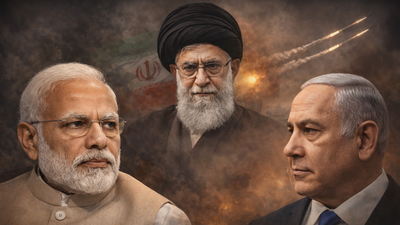
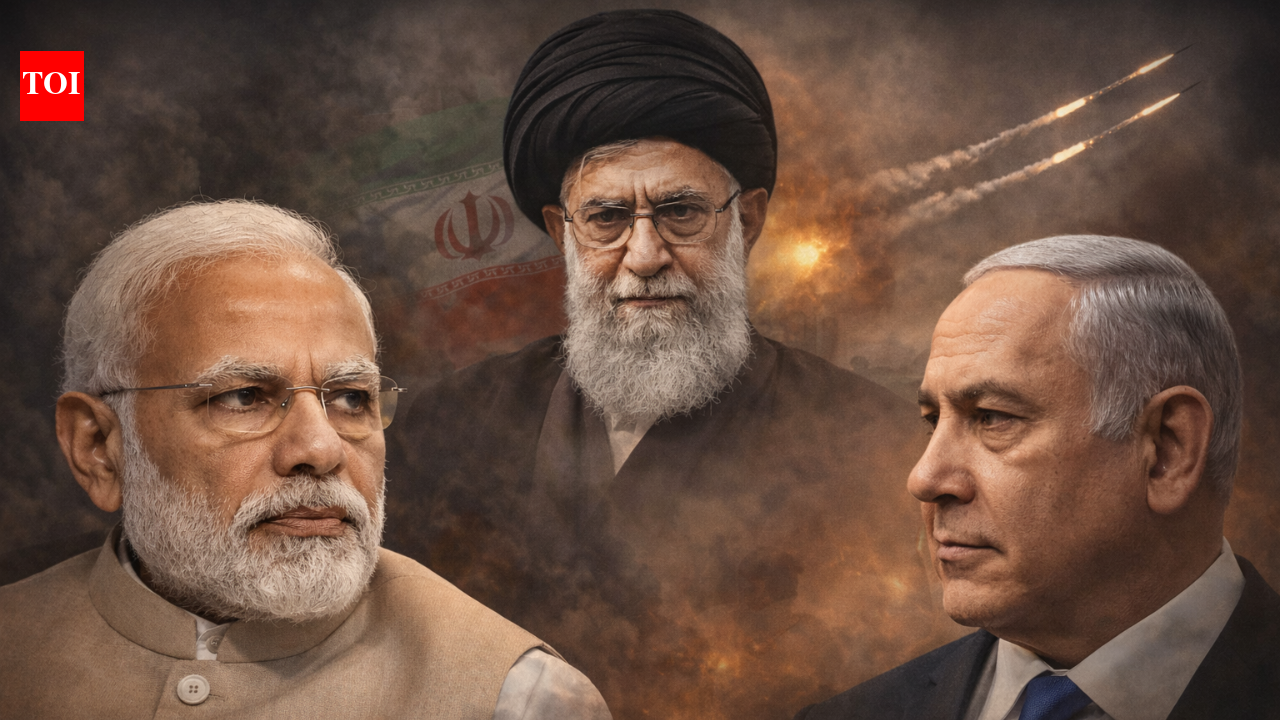
Is New Delhi recalibrating its approach to West Asia? The question has resurfaced after India’s notably cautious response to the latest escalation involving Iran. When the United States and Israel launched strikes on Iran on February 28, triggering retaliatory missile attacks across the region, several global powers reacted swiftly. India, however, avoided taking a clear position on Tehran.In the crucial hours after the escalation, Prime Minister Narendra Modi did not directly comment on Iran. His first response came nearly a day later and focused instead on attacks on the United Arab Emirates. Subsequent conversations with leaders across the Gulf emphasised respect for their territorial integrity and the need for de-escalation, but again avoided directly naming Iran. Even after the death of Iran’s Supreme Leader Ali Khamenei was confirmed, New Delhi stopped short of condemning the killing, offering only a condolence gesture days later.Experts describe this cautious approach as deliberate and calculated. “India’s policy has been very careful. Its interests are far more aligned with the US than Iran. That explains why it condoled and did not condemn Khamenei’s killing, even though it was a clear violation of international law,” said JNU professor Rajan Kumar. He noted that even though both India and Iran are BRICS members, New Delhi chose restraint over confrontation, highlighting the delicate balancing act in play.

How (When) India reacted on Iran war

28 Feb: US-Israel attack Iran

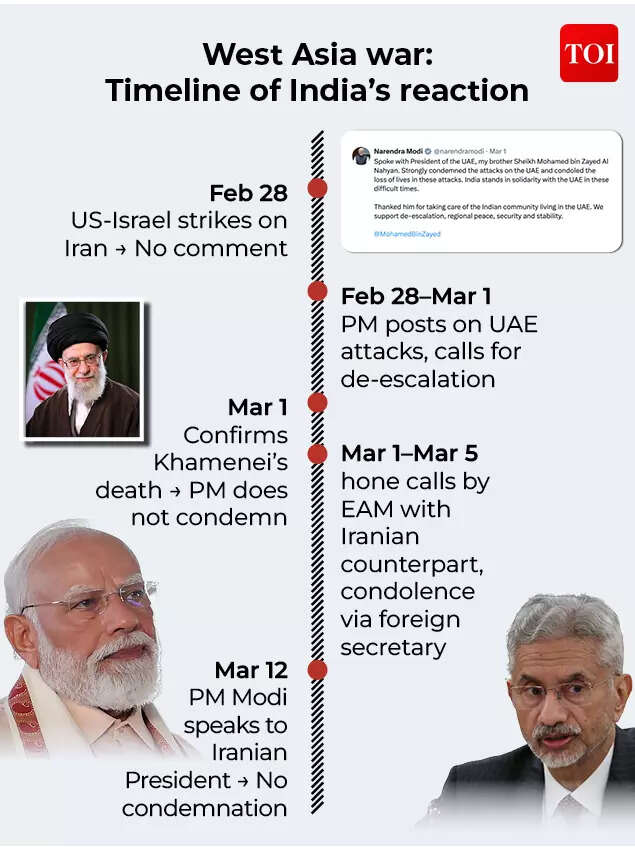
The United States and Israel launch strikes on Iran amid negotiations between Washington and Tehran over its nuclear programme.Iran retaliates with missile and air attacks across the region, targeting military sites in Israel as well as US bases in Bahrain, Saudi Arabia, Qatar, the United Arab Emirates and Iraq.Prime Minister Narendra Modi makes over 15 posts on his social media X after the news of the war breaks out, but none of it on Iran situation.

March 1: Khamenei’s death confirmed

By midnight early March 1, the news that Iran Supreme Leader Ayatollah Khamenei is killed in the strikes gets confirmed.India, again, sees no reaction on breach of Iran’s sovereignty or the killing of its Supreme Leader Khamenei, even as its long-standing friend Russia is quick to condemn it in strong words, with President Vladimir Putin calling it a “cynical violation of law”.The first post by PM Modi comes on March 1, his 25th on his X account, at 11.26pm. The post condemns “attack” on the UAE. The Prime Minister was referring to Iran’s retaliatory strikes on US military bases in UAE, which had led to one death. However, he did not directly name Iran in his post.By midnight, PM Modi makes another post where he informs that he had a conversation with Israeli PM Benjamin Netanyahu, whom he had two days before the war broke out. In the post, the PM again makes no mention of Iran, but calls for “early cessation of hostilities”.In a series of posts by the next day, PM Modi speaks to the leaders of Bahrain, Saudi Arabia, Jordan, Oman, Kuwait, Qatar, condemning any violation of their territorial integrity. The PM was again referring to the strikes on US military bases in these nations by Iran in retaliation. India’s reaction to Khamenei’s death came five days after the incident. Foreign secretary Vikram Misri signed the “condolence” book in the Iranian embassy on behalf of the government. MEA dismissed this “delay” argument saying that the book was signed by India the first day it was opened, which was on March 5. However, MEA’s clarification failed to explain why the government itself took five days after the incident to formally convey its condolences.PM Modi’s reaction to Iran came only on March 12 when he spoke to Iranian president. The wording of the post was clear: “The safety and security of Indian nationals, along with the need for unhindered transit of goods and energy, remain India’s top priorities.” No condemnation or solidarity.
-

India did not condemn the death, neither did the PM or EAM make any direct comments on the killing. Then what explains this refusal to condemn the killing?Experts have termed it a “very cautious and very careful” move.“India’s policy has been very cautious and very careful. Its interests are much more aligned with US than Iran. Maybe that’s why it condoled and not condemned Khameinei’s death, while it was Khamenei’s death which was actually a violation of international law, said JNU professor Rajan Kumar, an international relations expert.“In fact, both Iran and India are members of Brics, still India chose not to condemn the attack,” he said.

Why historical Iran ties make current restraint notable

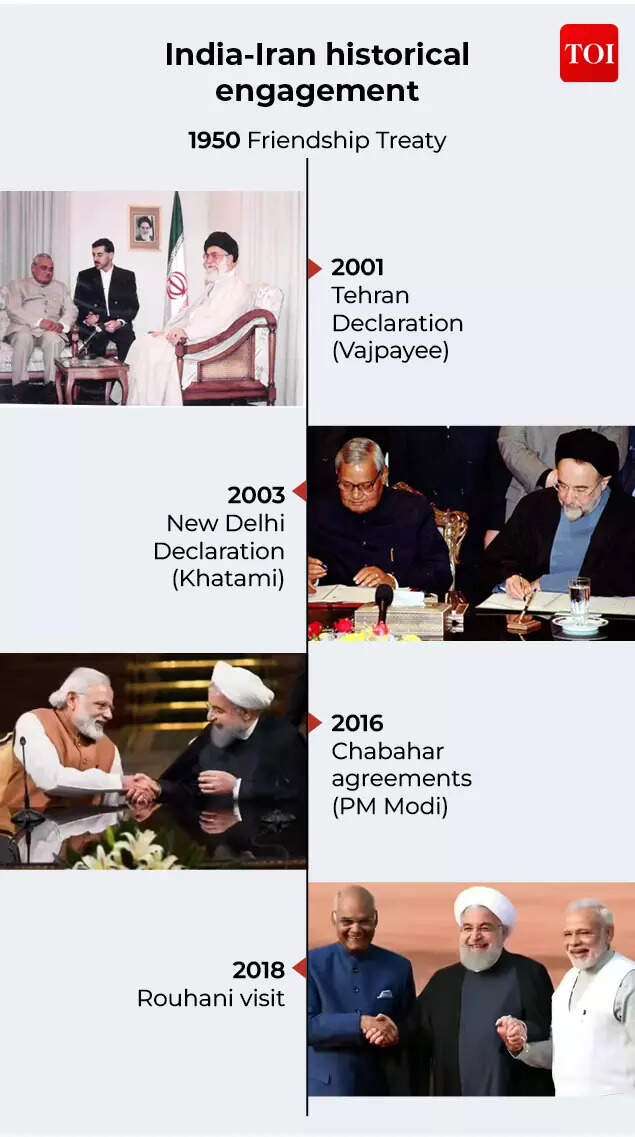
India’s historically close engagement with Iran makes this caution notable. The two countries share civilisational links stretching back centuries, which have shaped a modern partnership built on trade, culture and strategic cooperation. Diplomatic ties were formalised with a Friendship Treaty in 1950, and successive governments in New Delhi invested in maintaining strong political engagement with Tehran.Leaders from the Bharatiya Janata Party (BJP) were also central to strengthening these ties in the past. Prime Minister Atal Bihari Vajpayee’s visit to Iran in 2001 led to the signing of the Tehran Declaration, marking a new phase of strategic cooperation. This was followed by Iranian President Seyyed Mohammad Khatami’s visit to India in 2003 and the New Delhi Declaration, which expanded political and economic engagement between the two countries.Under Prime Minister Narendra Modi, the relationship continued to see high-level outreach. Modi’s 2016 visit to Iran resulted in multiple agreements and the trilateral transit pact with Afghanistan centred on the development of Chabahar Port, a project seen as strategically important for India’s connectivity to Central Asia. Iranian President Hassan Rouhani’s visit to India in 2018 further reinforced cooperation in connectivity and trade.
-

So, what explains this shift away from Iran?

Analysts point to a mix of immediate security concerns and long-term economic dependencies that have pushed New Delhi to adopt a more cautious posture in the current West Asia crisis.A major factor is the safety of the large Indian diaspora across the Gulf. References to the Indian community appeared consistently in Prime Minister Modi’s statements on the unfolding conflict. There are over one crore Indians who work and live in Gulf nations, external affairs minister S Jaishankar informed the Parliament on Monday. This, he said, makes the West Asia war even more concerning for India. He informed that India has already lost two of its mariners, with one missing in the current situation. “We are committed to supporting the Indian community at this time,” Jaishankar said in the Parliament.Moreover, India is significantly dependent on Gulf supplies, especially in energy sector. The key economic concerns include:Oil: India exports nearly 40% of crude oil from Gulf. In 2025, it sourced around $70 billion crude oil and petroleum products from West Asia.LNG needs: The country is heavily dependent on West Asia for LNG requirements. It sourced liquefied natural gas or LNG worth $9.2 billion from West Asia, which is around 68.4% of its total LNG imports.LPG: LPG imports from West Asia were $13.9 billion in 2025, making up 46.9 % of India’s total LPG purchases. Cities such as Bengaluru, Mumbai and Chennai are seeing disruptions in commercial LPG supplies as authorities prioritise domestic cooking gas for households.

Recent closeness towards Israel

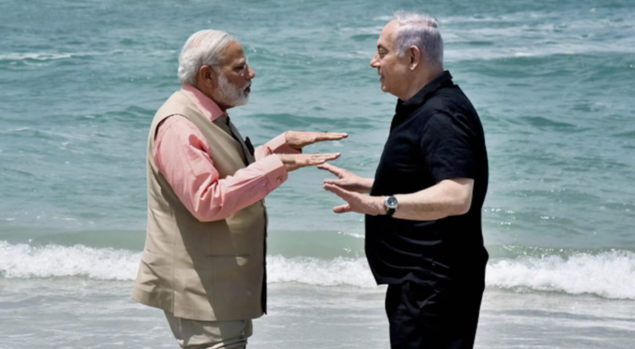
For decades after independence, India’s policy on Israel and Palestine was cautious. New Delhi supported the Palestinian cause and often voted with Arab countries in international forums, even voting against Israel’s admission to the United Nations. At the same time, India recognised Israel in 1950 and maintained limited contact while presenting itself as neutral. India later became the first non-Arab country to recognise the State of Palestine in 1988 and established diplomatic relations with Israel in 1992 after consultations with Yasser Arafat, leader of the Palestine Liberation Organization.Relations with Israel began expanding gradually after the Cold War, particularly in defence and trade. However, earlier governments often kept the relationship relatively low-key to avoid upsetting Arab partners or appearing to move away from India’s traditional support for the Palestinian cause.A more visible shift came after Narendra Modi became prime minister in 2014. Under his government, India’s ties with Israel grew more open and politically prominent. Defence cooperation increased and bilateral trade expanded, with both countries emphasising shared security concerns and technological cooperation.In 2017, PM Modi became the first Indian prime minister to visit Israel, marking a symbolic turning point in the relationship. During the trip, he was warmly received by Israeli prime minister Benjamin Netanyahu, and images of the two leaders walking together on Ogla beach became widely circulated, highlighting the new warmth in ties.
-

PM Modi’s 2017 Israel visit: PM with Israeli counterpart at Ogla beachThe closeness between the two governments has continued in recent years to a point where PM Modi was in Israel merely two days before Israel attacked Iran with the US.Referring to Israel as the “fatherland” and India as the “motherland”, PM Modi’s visit came at a time when Israel faced intense international criticism over its military campaign in Gaza, which has killed more than 60,000 Palestinians according to various estimates. “The timing of it was clearly wrong. The policy makers did not expect that to happen very soon. That sent a very wrong optics from a balanced policy perspective,” professor Rajan said.The war has also drawn renewed scrutiny of Netanyahu’s leadership, with critics and some international legal bodies describing him as responsible for alleged war crimes.The shift under PM Modi reflects both ideological and strategic factors. The Bharatiya Janata Party has long been seen as more openly supportive of Israel than previous governments. At the same time, India sees Israel as a key partner in defence technology, intelligence cooperation and innovation. As a result, India’s West Asia policy today attempts to balance closer ties with Israel while continuing to express support for Palestinian statehood.
-

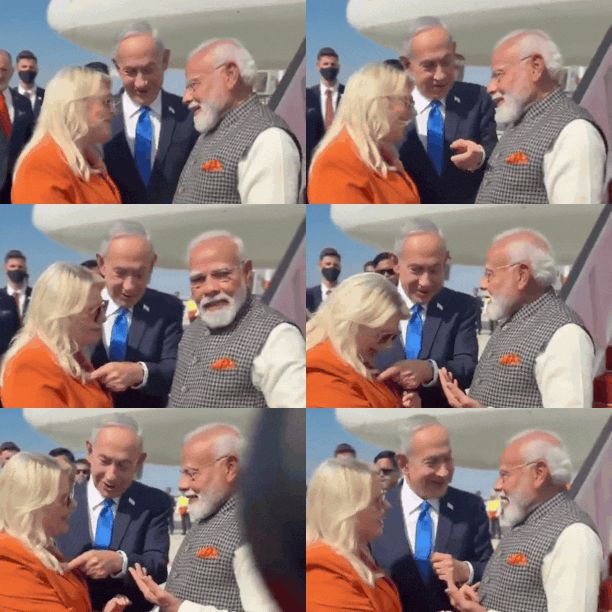
PM Modi’s 2026 Israel visit: Netanyahu pointing out ‘saffron match’ between PM Modi and SaraHowever, professor Rajan said that India’s policy is not “completely determined by Israel”, rather, currently, it is more concerned about “offending” the US.“India’s policy is not completely determined by Israel. Yes, Israel is an important partner but in the past also we have pursued our ties with Israel without damaging our relations with other countries,” he said.“India is primarily concerned about offending the US. At this time, it would not like to offend the Trump administration. And that’s exactly why it is not issuing any statements condemning of killing of Khamenei,” he said.

So, is there a shift?

Rajan Kumar, a professor at JNU, who teaches international relations said that currently, there is no shift in India’s policy towards the Middle East. Rather, he said, that the shift might happen after the war is over.“At the moment, I don’t see any shift happening. It is a continuation of policy where India’s preferred partner was United States and Israel. But at the same time trade ties were linked with many other countries in the region,” he said.“So, a shift is not apparent at the moment, but it might happen after the outcome of the event. Because if India thinks that Iran remains an important part and if the regime survives, it will pursue a different strategy. But if US wins, which is very unlikely, if the regime survives, resistance persists, it will have a different strategy. Now, India is pursuing a wait-and-watch policy in West Asia,” he added.However, he added that there was a need for India to go for a policy of multipolarity, rather than unipolarity under the influence of Israel and the US.Experts argue that India should embrace multipolarity in West Asia, rather than a unipolar tilt toward Israel and the US. While Israel is a valuable partner, destabilizing relationships with other West Asian countries could jeopardize India’s economic and security interests in the region.“India should pursue multipolarity, rather unipolarity under the influence of Israel and US in West Asia. Although we have good ties with Israel, we cannot de-stabilise our ties with other West Asian countries, for the reason that our economic and security interests are aligned there,” he said.


Source link

Evening news wrap: Govt urges calm on LPG supply; 2 Indians killed, 10 injured in Oman attack and more | India News


Evening news wrap: Govt urges calm on LPG supply; 2 Indians killed, 10 injured in Oman attack and more
  • The government has urged citizens not to panic buy LPG as tensions in West Asia disrupt global energy routes and raise supply concerns.
  • US President Donald Trump claimed Iran is “about to surrender”, escalating rhetoric as the Middle East conflict intensifies.
  • Two Indian nationals were killed and 10 others injured in an attack in Sohar, Oman, the MEA confirmed.
  • Four crew members died after a US KC-135 refuelling aircraft crashed in western Iraq during the ongoing Middle East conflict.
  • The BCCI said it has no authority to intervene after Sunrisers signed Pakistan spinner Abrar Ahmed in The Hundred.

Here are the top 5 stories of the day

Govt urges calm over LPG supply amid Hormuz tensions

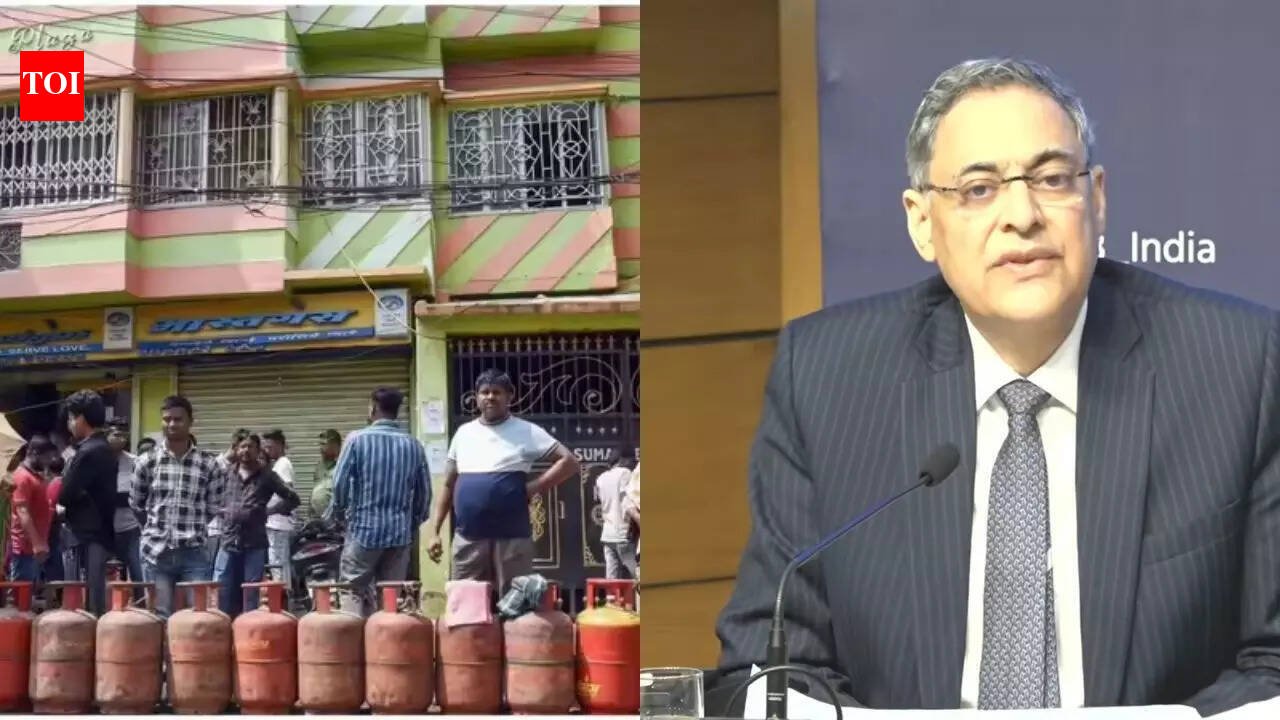
The government has asked consumers not to queue outside LPG distributors or resort to panic buying despite concerns over supply disruptions linked to the Strait of Hormuz crisis. Officials said domestic LPG production has increased by 30 per cent since March 5 and that no distributor has reported a supply dry-out so far. Authorities added that refineries are operating at full capacity while action is being taken against hoarding and black marketing. Read full story

As LPG Shortage Panic Spreads, Centre Urges Citizens Not To Hoard Cylinders And Opt For PNG

Trump claims Iran is ‘about to surrender’ amid escalating conflict

US President Donald Trump told G7 leaders that Iran is “about to surrender”, according to reports citing officials familiar with the conversation. The remarks came as Washington continued military operations against Iran and tensions escalated across the region with missile and drone strikes. The US military also said the USS Abraham Lincoln carrier strike group continues to support ongoing operations in the conflict zone. Read full story

Two Indians killed, 10 injured in attack in Oman’s Sohar city

Two Indian nationals were killed and 10 others injured in an attack in Sohar city in Oman, the Ministry of External Affairs said. Additional Secretary (Gulf) Aseem R Mahajan confirmed that five injured Indians have been discharged while five others are receiving treatment in local hospitals. The Indian mission in Oman is coordinating with local authorities and the company involved to assist those affected. Read full story

Four US crew members killed after refuelling aircraft crashes in Iraq

Four of six crew members aboard a US KC-135 refuelling aircraft were killed after the plane crashed in western Iraq, US Central Command confirmed. The US military said the circumstances of the crash are under investigation but ruled out hostile or friendly fire. The incident marks another aircraft loss during the ongoing Middle East conflict. Read full story

BCCI says it cannot intervene after Sunrisers sign Abrar Ahmed

The BCCI has clarified it cannot intervene in the controversy surrounding Sunrisers signing Pakistan spinner Abrar Ahmed in The Hundred. Vice-president Rajeev Shukla said the league is played overseas and therefore falls outside the board’s jurisdiction. The signing has triggered criticism on social media, but the franchise has not yet issued a formal statement. Read full story


Source link

West Bengal highway scare: Portion of NH-19 guard wall collapses in Memari; carriageway damaged | Kolkata News


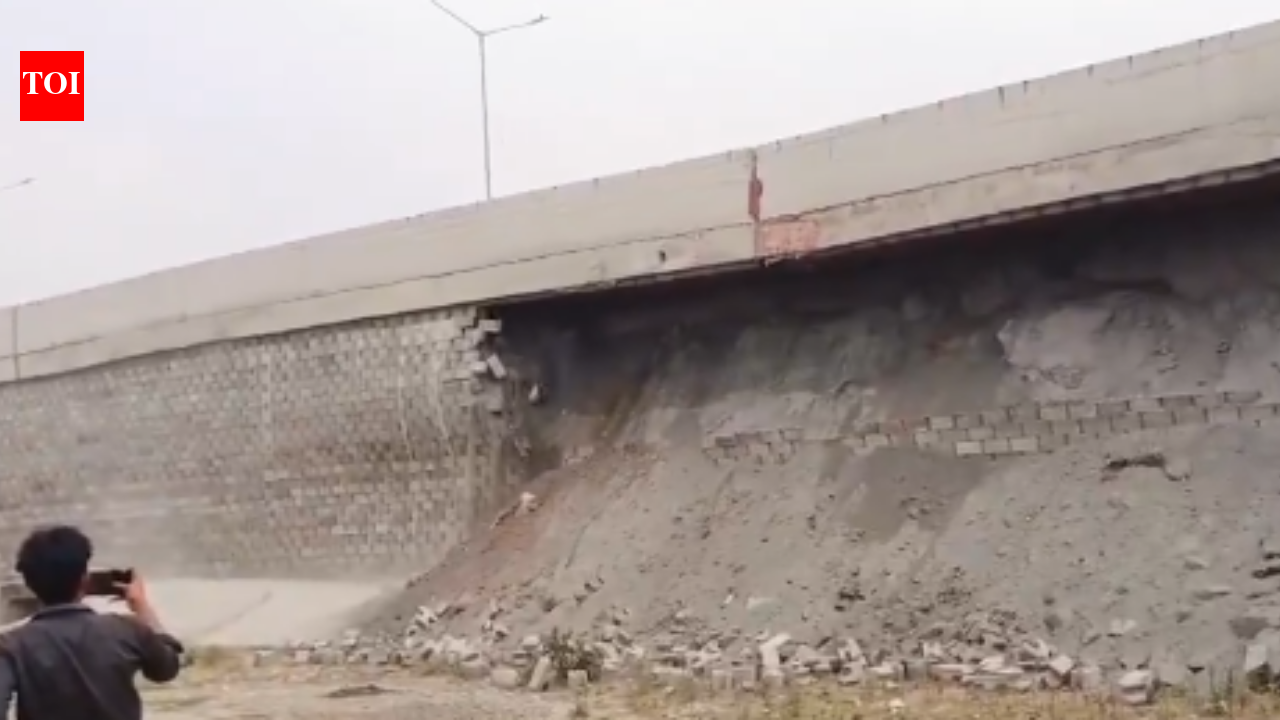
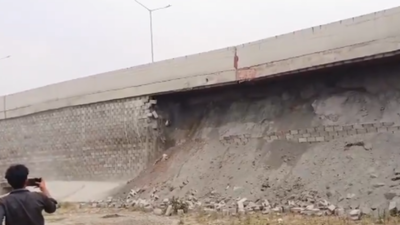
Portion of NH-19 guard wall collapses in Memari

BURDWAN: A portion of the guard wall along National Highway-19 collapsed in the Sordanga area of Memari in East Burdwan district on Wednesday at 9.50am. A part of the carriageway was also affected. No casualties were reported.Traffic movement was closed temporarily in the affected lane, causing inconvenience to commuters. Locals said the highway expansion work was completed only a few months ago. Traffic DSP Ashish Mondal said a side lane of the flyover collapsed and a portion of the third lane was also damaged.


Source link

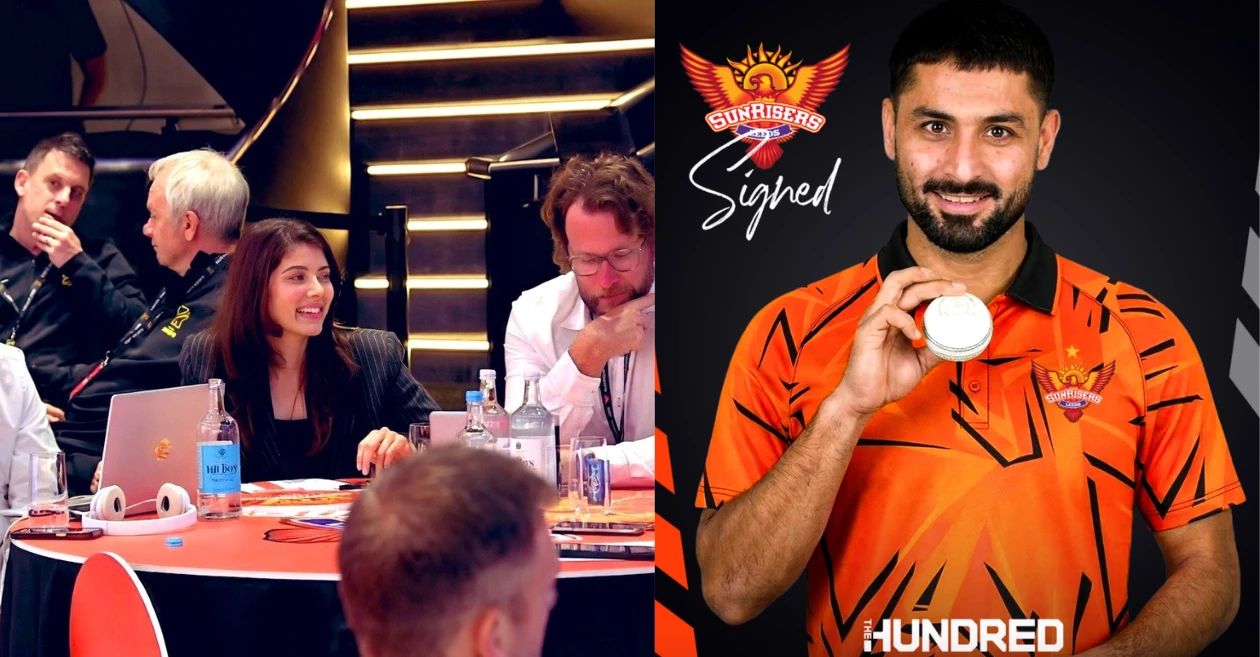
Amid Kavya Maran backlash, Daniel Vettori explains Sunrisers’ decision to sign Abrar Ahmed in The Hundred Auction 2026


The signing of Pakistan spinner Abrar Ahmed by Sunrisers Leeds during the 2026 auction of The Hundred has sparked a wave of debate and criticism, particularly among Indian cricket fans. The franchise, owned by Chennai-based Sun Group – which also runs the Sunrisers Hyderabad IPL team—came under scrutiny after securing the mystery spinner for £190,000 (around ₹2.34 crore).

Much of the backlash was directed at franchise co-owner Kavya Maran, who was present at the auction and raised the paddle during the bidding process. The reaction on social media was intense, with several fans questioning the decision and even calling for boycotts. Adding to the drama, the official X (formerly Twitter) account of Sunrisers Leeds was reportedly suspended shortly after the announcement.

Amid the controversy, Sunrisers Leeds head coach Daniel Vettori has now explained the reasoning behind the move, stressing that the decision was purely based on cricketing needs rather than any off-field considerations.

Why Kavya Maran’s Sunrisers Leeds targeted Abrar Ahmed?

According to Vettori, the decision to pursue Abrar Ahmed was made only after the franchise failed to secure their primary spin target during the auction in London.

“Once we missed out on Adil Rashid, who was a priority early on, then we obviously jumped into the overseas spinner market. There were four or five guys we were looking at, and Abrar was one of them. Very pleased to get him,” Vettori stated after the conclusion of the auction.

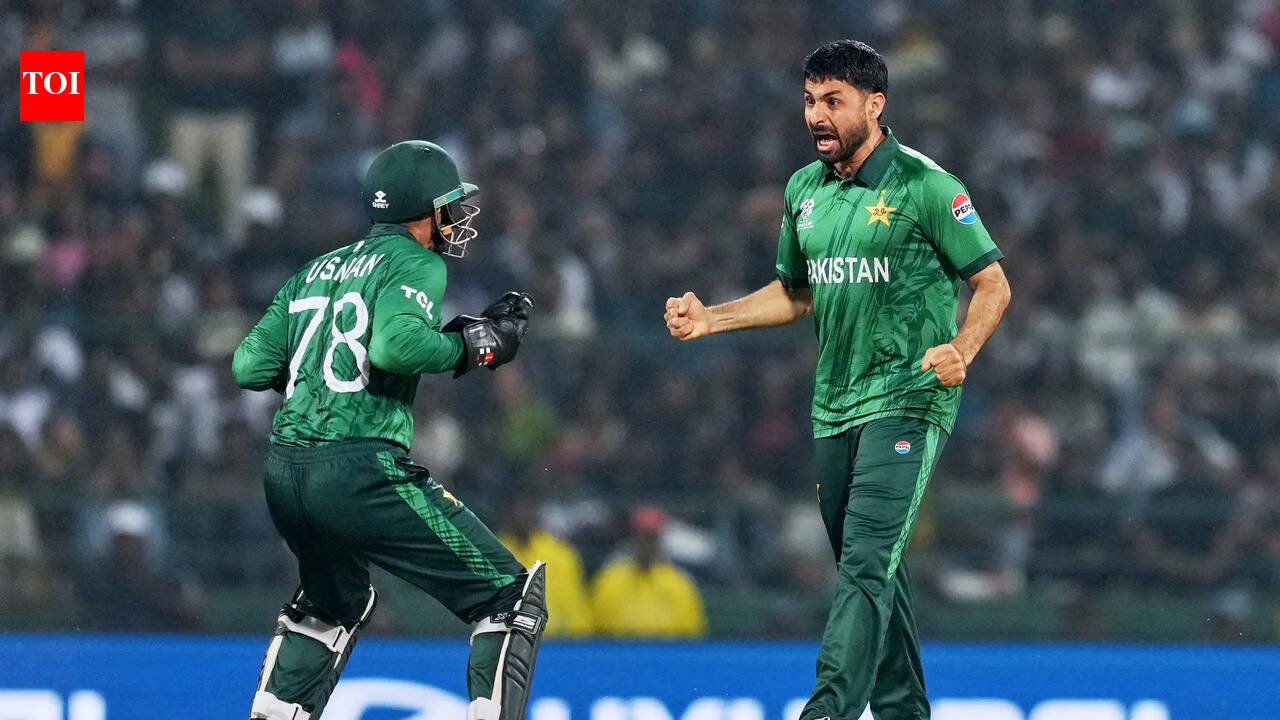
The coaching staff had identified several overseas spin options, including Bangladesh spinner Rishad Hossain and fellow Pakistani mystery spinner Usman Tariq, before ultimately deciding to bid aggressively for Abrar.

Before the auction, there had been speculation that the four franchises with Indian ownership might avoid picking Pakistani players due to political tensions between India and Pakistan. Pakistani cricketers have not played in the Indian Premier League (IPL) since 2008, and IPL-linked teams have generally avoided signing them in other global leagues as well.

However, Vettori made it clear that such considerations never influenced the team’s strategy.

“We just planned for everyone who was in the auction. There wasn’t a discussion about not picking Pakistan players. It was simply a matter of who was the best option available,” Vettori explained.

He further confirmed that the franchise ownership never instructed the coaching staff to avoid Pakistani players.

“We came into the auction with every player available to us. As soon as this option was available there were a number of very good spinners from international teams that were an option, but Abrar was a priority,” he told BBC Sport.

Before the auction, the England and Wales Cricket Board had also reminded franchises of their anti-discrimination responsibilities amid reports of a possible informal “shadow ban.” The ECB and all eight teams later released a joint statement saying selections would be based on “performance, availability, and the needs of each team.”

Also READ: ‘Shame on Kavya Maran’ – Sunrisers owner faces backlash for signing Pakistan spinner Abrar Ahmed in The Hundred Auction

Tactical reasons behind the signing of Abrar Ahmed

Vettori also highlighted that Abrar Ahmed’s bowling style made him an attractive option for Sunrisers Leeds, particularly considering the conditions at Headingley Cricket Ground.

“It’s a bit of a mystery. I don’t think many English players have seen him much. He recently played against Australia, and the feedback from the Australian players was that he’s tricky to face, with a lot of variations and the ability to strike in the powerplay and through the middle overs,” Vettori said.

The former New Zealand captain believes that spinners often play a decisive role at Headingley, making Abrar’s skill set especially valuable for the team.

“Spinners have been the ones who succeed there. Having someone like Abrar could make a big difference for us,” he added. “A lot of variations and an ability to strike in the powerplay, and still through the middle stages, which I think is a key requirement at Headingley.”

Abrar entered the auction with a base price of £75,000, but a bidding contest between Sunrisers Leeds and Trent Rockets eventually pushed his price up to £190,000, making him the most expensive Asian player in the 2026 Hundred auction.

He was also the second Pakistani player sold during the auction, after Usman Tariq was picked up by Birmingham Phoenix for £140,000. Several other Pakistan stars—including Haris Rauf, Shadab Khan and Saim Ayub – went unsold, while fast bowler Shaheen Shah Afridi withdrew before the auction began.

Despite the criticism online, the Sunrisers Leeds management remains confident in their decision. Vettori reiterated that the team is focused on building a strong squad capable of challenging for the title.

Sunrisers Leeds, captained by Harry Brook, also added players such as Ryan Rickelton, Zak Crawley, Matt Potts, and Dan Lawrence during the auction. The squad already features notable names like Brydon Carse, Mitchell Marsh and Nathan Ellis.

The 2026 season of The Hundred will run from July 21 to August 16, featuring 34 men’s and 34 women’s matches.

Also READ: The Hundred 2026 Auction – Complete list of sold players with their price


Source link

Who next after Suryakumar Yadav? IPL 2026 should be an audition for next T20I captain | Cricket News


Who next after Suryakumar Yadav? IPL 2026 should be an audition for next T20I captain
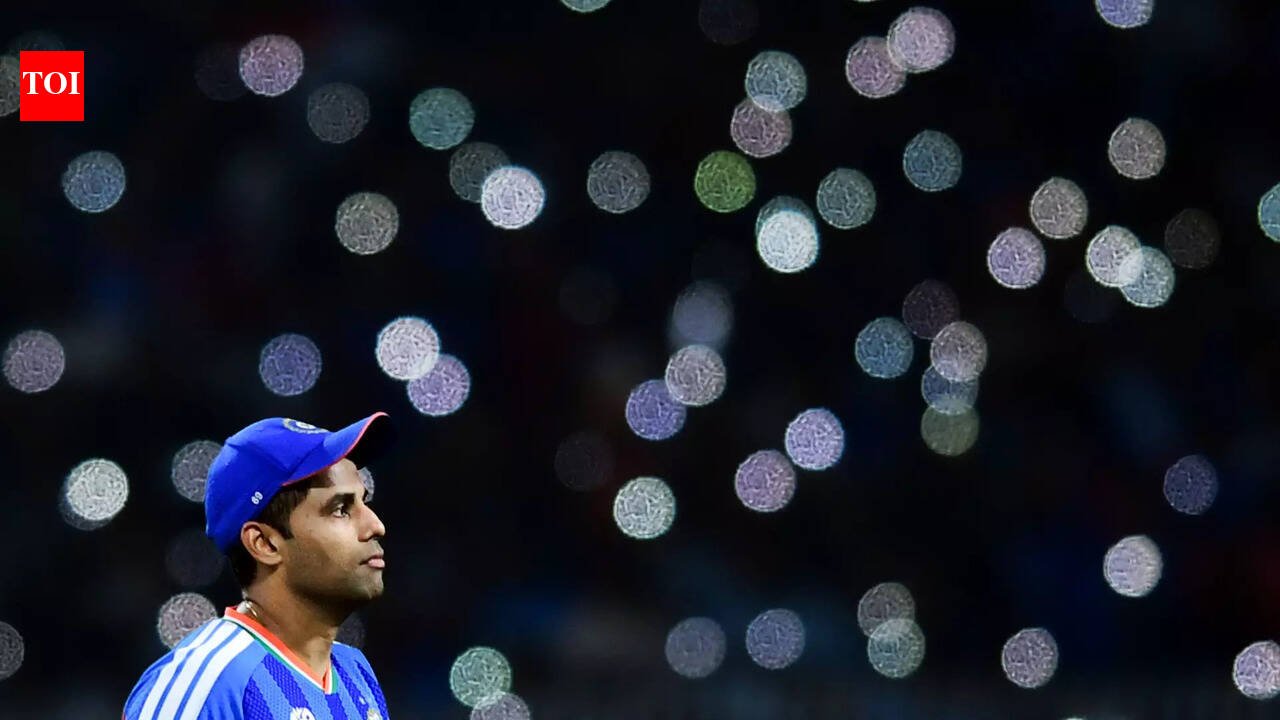
Indian skipper Suryakumar Yadav during the ICC Men’s T20 World Cup 2026. (ANI Photo)

NEW DELHI: With back-to-back T20 World Cup titles in the bag, India have emerged as a powerhouse in cricket’s shortest format. The talent waiting in the wings is also immense. In two years, the Indian cricket team will be gearing up for two big events, the LA Olympics and the 2028 T20 World Cup.And when it comes to picking the 15-member squad, there is no rocket science in selecting a side largely based on form. The greatest example of that approach is Ishan Kishan. Since making his comeback after a two-year hiatus, the southpaw has set the stage on fire.

Ahmedabad erupts as Team India arrive at hotel after T20 World Cup win

He was picked in the Indian team after scoring a century in the final of the Syed Mushtaq Ali Trophy and guiding Jharkhand to the title. In 13 games since his return, the 27-year-old has amassed 532 runs at a strike rate of 207. His 317 runs in the recently concluded T20 World Cup was the third-highest after Pakistan’s Sahibzada Farhan and teammate Sanju Samson.But the real question is who will replace an ageing Suryakumar Yadav as India’s next T20I skipper. The answer could come from the 2026 Indian Premier League (IPL) – just as it did with head coach Gautam Gambhir’s successful stint with the Kolkata Knight Riders (KKR).The IPL is the world’s best T20 league. Unlike the T20 World Cup, it is an even platform and all 10 teams are equally strong. So the selectors will have to keep their eyes open to see who can lead India because picking a T20I squad with the amount of talent available is a no brainer, but choosing the right captain will not be easy.Who are the contenders?

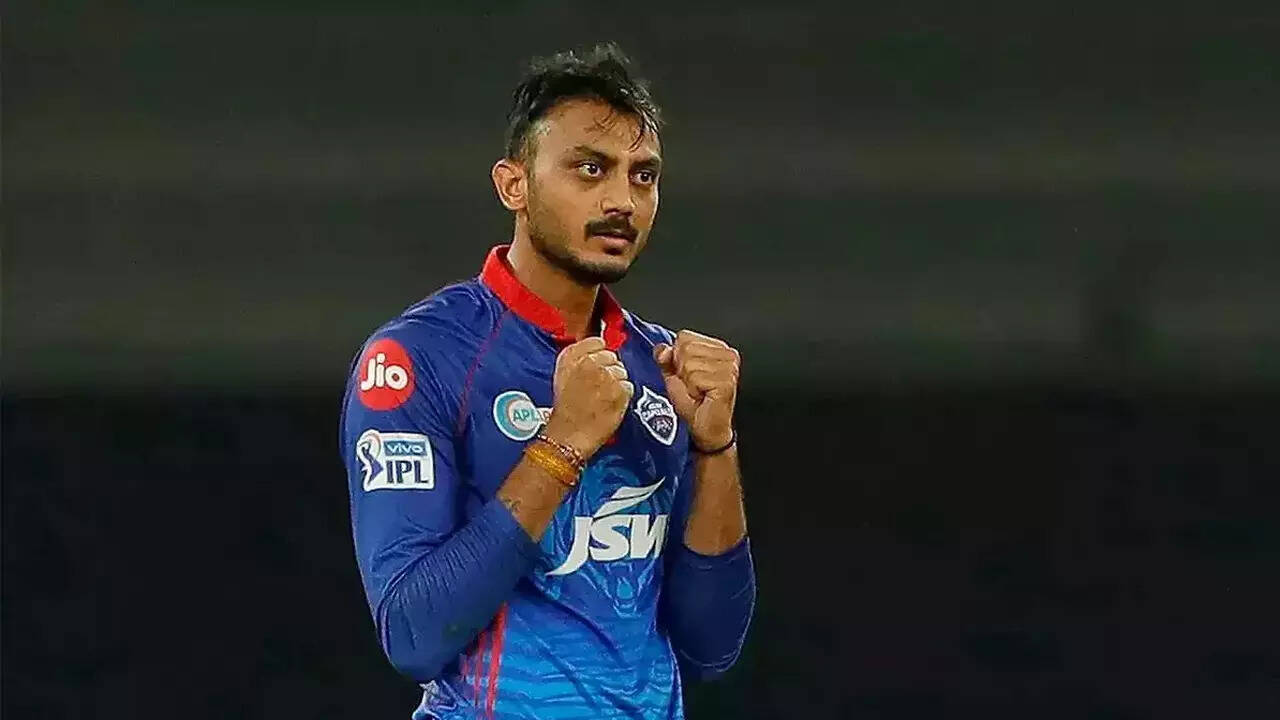
Axar Patel

Axar Patel leads Delhi Capitals in the IPL.

Out of the 10 IPL teams, eight franchises have appointed Indian players as their captains. KKR are yet to announce their next captain, whereas Pat Cummins will lead Sunrisers Hyderabad.Chennai Super Kings (CSK) are captained by Ruturaj Gaikwad, who has not been in the national team’s scheme of things since he led India to the 2023 Asian Games gold medal in Hangzhou.Reigning champions RCB’s skipper Rajat Patidar is yet to make his international debut in the T20I format.Mumbai Indians’ captain Hardik Pandya, who was tipped to take over from Rohit Sharma after the 2024 World Cup triumph, was not given the captaincy armband because of fitness issues. But come IPL 2026, he will be captaining India’s current T20I skipper Suryakumar Yadav.Axar Patel, 32, has always been the proverbial bridesmaid in Indian cricket. He was first appointed vice-captain after the 2024 T20 World Cup, then replaced by Shubman Gill, and was again anointed as deputy to Surya before the 2026 World Cup. Axar can be a good option but for that Delhi Capitals will have to win the trophy.

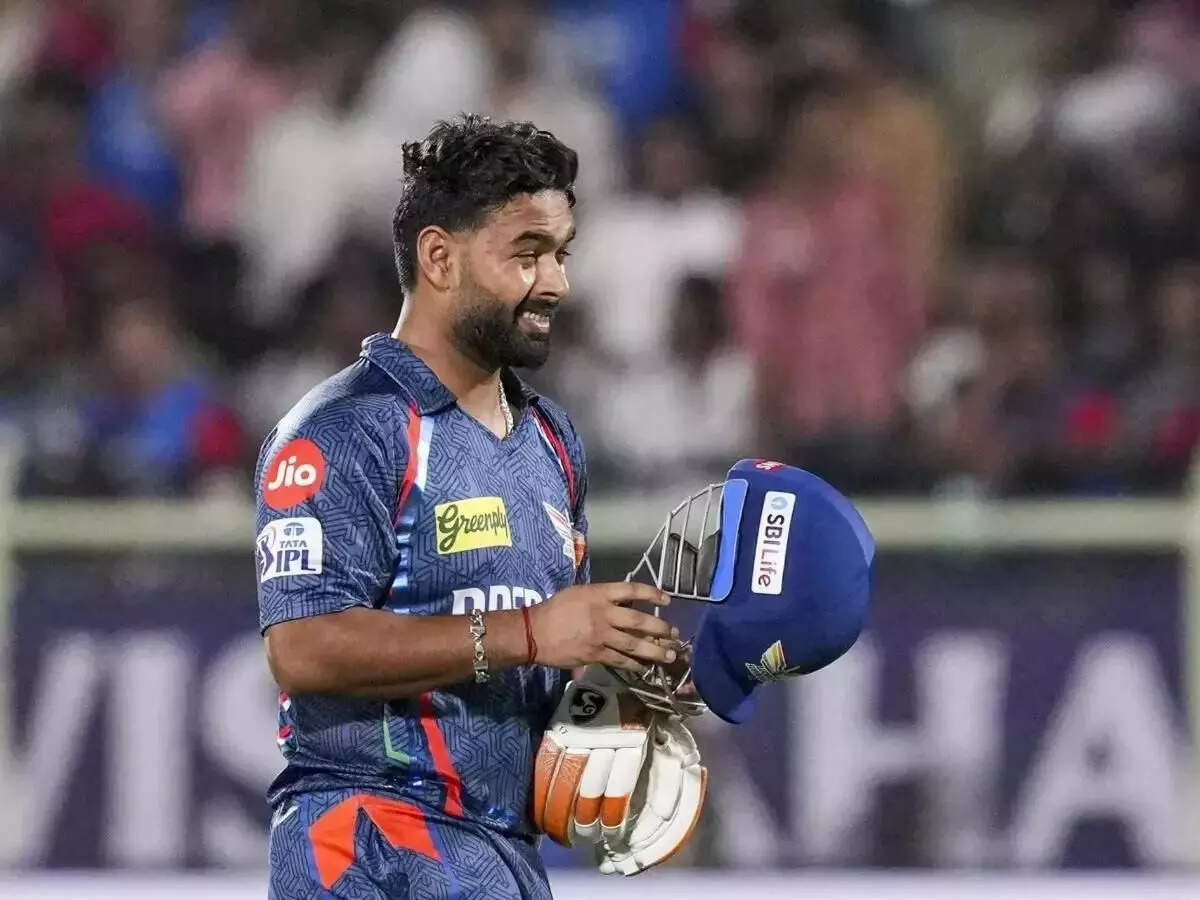
Rishabh Pant

Lucknow Super Giants’ Captain Rishabh Pant

Riyan Parag, 24, led Rajasthan in the absence of Sanju Samson during IPL 2025. But the youngster will first have to cement his place in the national team. There is no doubt that his ability to bowl could make him a permanent face in the Indian team in the next cycle. His name also came up for selection when Washington Sundar got injured.28-year-old Rishabh Pant, too, will be looking to reinvent his T20I form, both with the bat and as captain for Lucknow Super Giants. The southpaw has fallen off the radar and with Sanju Samson and Ishan Kishan in top form, Pant might have to wait for his chance in this format.Then there are Gujarat Titans’ Shubman Gill and Punjab Kings’ Shreyas Iyer. Both have shown a pedigree of leadership. Gill is the current captain of India’s ODI and Test sides, whereas Iyer led KKR to the IPL title in 2024 and Punjab Kings to the final in IPL 2025.

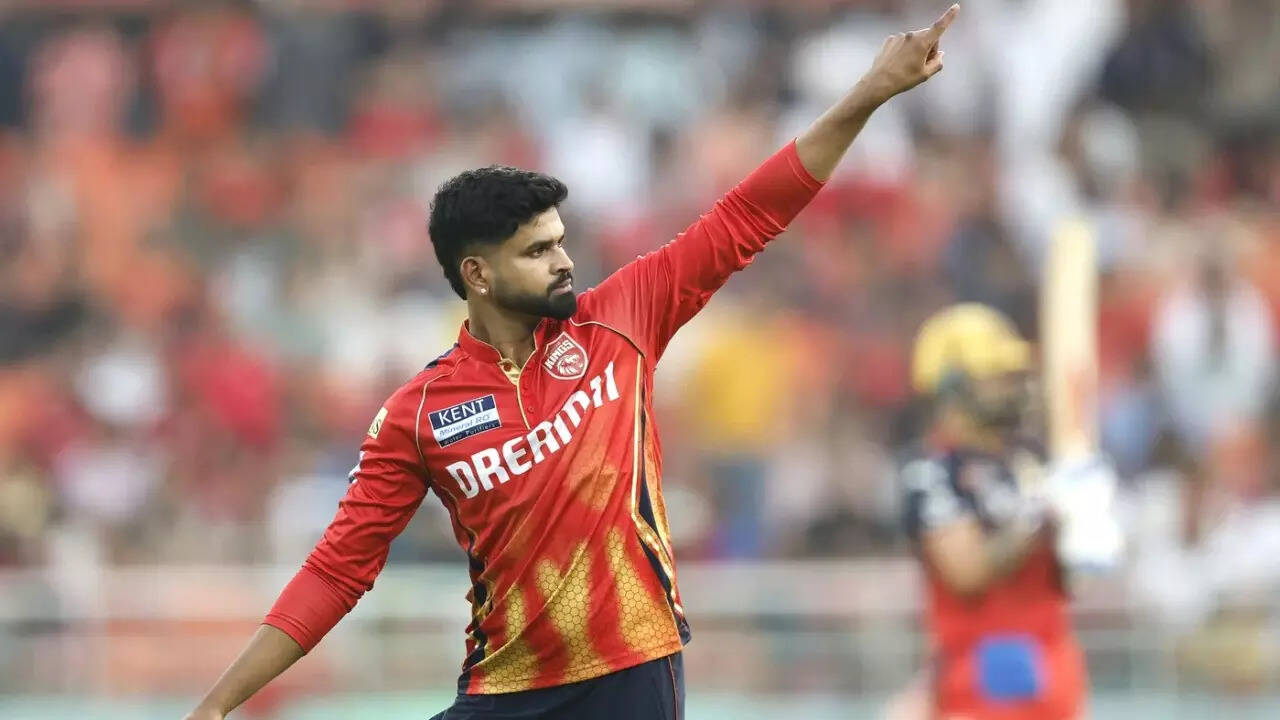
Shreyas Iyer

Shreyas Iyer (IPL Photo)

Shubman was tipped as the next poster boy of Indian cricket and a successor to Suryakumar Yadav. But he was surprisingly dropped from India’s T20 World Cup squad citing team combination. Shreyas travelled with the team during the New Zealand series that preceded the T20 World Cup as cover for injured Tilak Varma, but he did not get the chance to play. In an ideal world, Shreyas would be the right man to lead India at the LA Olympics and the T20 World Cup.Sanju Samson is another option the selectors must consider. The 2026 T20 World Cup champion has led Rajasthan Royals in the IPL and is currently oozing confidence after his Player of the Tournament performance.The IPL has long been India’s biggest laboratory for T20 cricket. Just as Gambhir’s IPL success opened the door to the national coaching job, IPL 2026 could quietly shape India’s next T20I captain. In a tournament where pressure, tactics and leadership are tested every night, the selectors might just find the man who will lead India into the next cycle.

Banner Insert


Source link

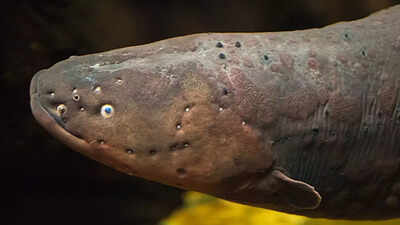
This fish can generate powerful electric shocks, hunt prey, and navigate murky waters |


This fish can generate powerful electric shocks, hunt prey, and navigate murky waters
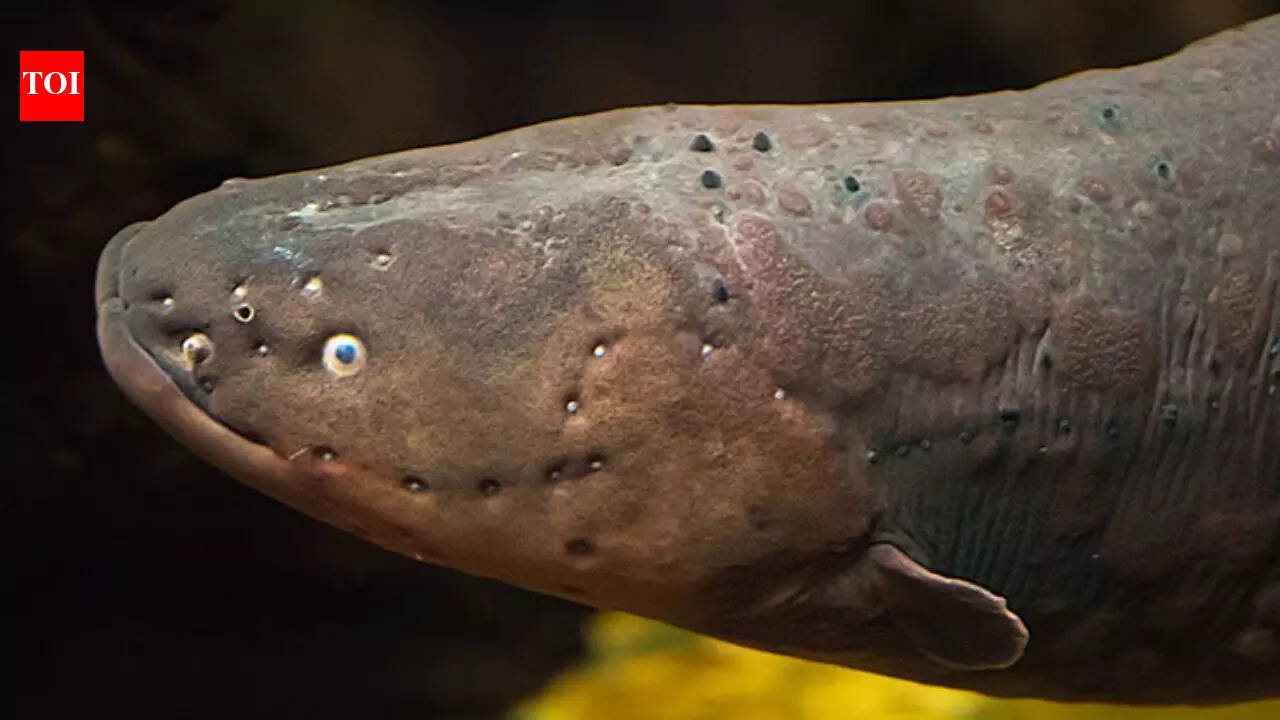
PC: National History Museum

Electric eels are something else. Snake-like fish, long and cylindrical, glide through murky waters. They can deliver a shock that’ll make you jump or freeze. People have been fascinated by them for centuries. For a long time, scientists thought there was just one species. But now it seems there are actually three: Electrophorus electricus, E. varii, and E. voltai. These eels can grow over 2.5 metres, tipping the scales at more than 20 kilograms. And most of their body? Filled with organs that produce electricity. Weird, right? They’re not “true” eels either, but knifefishes, closer to catfish and carp.

Electric eels: how their bodies work like living batteries

It looks as if electric eels are like, well, batteries. Scientists say they have these special muscle cells called electrocytes stacked inside them. Each cell has a positive and a negative side. When triggered, zap, an electric pulse shoots into the water. They have three main organs that make electricity at different strengths. Strong shocks from the main and part of the Hunter’s organ are for defence or stunning prey. Weak pulses, from the Sach’s and the other half of Hunter’s organ, help them find their way or chat with other eels. Apparently, E. varii can generate up to 860 volts. That’s like, almost four times a UK plug.

Eels’ murky world and deadly tricks

Electric eels like murky, slow-moving waters. Pools, swamps, oxbow lakes, basically the Amazon and Orinoco rivers in northern South America. They’re not great at seeing, relying on electrolocation instead. They breathe air too, surfacing roughly every ten minutes. Makes sense. Oxygen levels in their waters can get really low. And in the dry season? Pools shrink, predators circle. Shocks come in handy then, deterring caimans or even jaguars. You wouldn’t want to mess with one.Their negative end stays in the water, creating a full circuit. Zap. Full power. Pretty clever. And sometimes, eels hunt in groups, corralling prey and delivering coordinated shocks. It’s like teamwork. You might not expect such a strategy from something that looks like a wriggly snake.

Could electric eels really be dangerous

Could an electric eel kill a person? Experts say it’s theoretically possible. Multiple shocks could stop a heart or make someone drown. But it seems they’re not aggressive. Mostly defensive. Still, the idea that this fish could literally stop your heart is… unnerving.Other fish make electricity too, mostly weak pulses to sense their environment. Only a few, like stargazers, certain catfish and rays, can really shock. Even some fish mimic eels, like the bluntnose knifefish, pretending to be electric to scare predators away. Clever survival trick, apparently.

Electric eels: Feeding, nesting and inspiring science

Eels breed in dry or early wet seasons. Males build bubble nests, females lay eggs, up to 1,200 in a season. Their diet? Mostly fish, but crabs, insects, even small mammals can make the menu. They might be shocking, but they’re not monsters.People have wondered if eels could power batteries. Not really. They recharge slowly and can’t produce continuous high-power electricity. But scientists are inspired. Lab-grown eel tissue could one day create flexible, tiny bio-batteries for things like pacemakers.


Source link

BCCI breaks silence after Sunrisers sign Pakistan spinner Abrar Ahmed in The Hundred | Cricket News


BCCI breaks silence after Sunrisers sign Pakistan spinner Abrar Ahmed in The Hundred
Pakistan’s Abrar Ahmed, right, celebrates (AP/PTI)

Board of Control for Cricket in India (BCCI) vice-president Rajeev Shukla has clarified that the board has no authority to intervene in the controversy surrounding the Sunrisers franchise signing Pakistan spinner Abrar Ahmed for the upcoming season of The Hundred.The franchise, which is owned by Sun TV Network, has been facing heavy criticism across social media platforms after acquiring Abrar during the players’ auction. Many users in India have voiced their anger over the decision, citing the prevailing national mood. Franchise owner Kavya Maran has also been targeted online, while the official X (formerly Twitter) account of Sunrisers Leeds was reportedly suspended amid the backlash.

EXCLUSIVE: Rahul Dravid on iconic Eden Gardens win against Australia in 2001

Despite the growing criticism, the franchise has not yet issued an official statement. On Friday, however, Shukla made it clear that the matter does not fall under the BCCI’s jurisdiction since the tournament is played outside India.“This is not at all concerned with the IPL. It’s an overseas league. This is not in our domain. We cannot do anything. They have to take a call,” Shukla told news agency ANI on Friday afternoon.During Thursday’s auction, Abrar, currently ranked the world No.3 bowler in T20 Internationals, was bought by the franchise for £190,000 (approximately USD 255,000). At the auction table, head coach Daniel Vettori and Maran were seen placing the successful bid, beating competition from the Trent Rockets.

Sunrisers management explains decision to sign Abrar Ahmed

Following the signing, Vettori explained that the team targeted Abrar after missing out on England spinner Adil Rashid, who had already been drafted by another side. He also mentioned that Pakistan spinner Usman Tariq had been part of the franchise’s plans earlier, but once Abrar was secured, the management decided against pursuing another spinner.Indian investment in The Hundred expanded significantly in October 2025, with four teams in the competition receiving backing from Indian owners. Since then, speculation had circulated suggesting that franchises with Indian ownership might avoid signing Pakistani players. Sunrisers’ move to acquire Abrar effectively dispelled those rumours.In fact, only two Pakistani cricketers were picked during the men’s Hundred auction this year: Abrar and Tariq. Nevertheless, Sunrisers’ decision has triggered strong reactions in India, with many fans urging the franchise to reconsider the signing.

Backlash not the first controversy involving an IPL-linked franchise

This is not the first instance of an IPL-linked franchise drawing criticism for a foreign signing. Earlier this year, Kolkata Knight Riders faced backlash after including Bangladesh pacer Mustafizur Rahman in their squad. The criticism intensified following reports of violence against Hindus in Bangladesh. Eventually, the situation cooled after the BCCI intervened and directed KKR to release the left-arm pacer.The fallout from that episode also affected international cricket. Bangladesh later declined to travel to India for the ICC Men’s T20 World Cup, forcing tournament organisers to replace them with Scotland national cricket team in the 20-team competition, which was ultimately won by the India national cricket team.

Banner Insert


Source link

‘No need to queue outside LPG distributors’: Govt says avoid panic buying | India News


'No need to queue outside LPG distributors': Govt says avoid panic buying
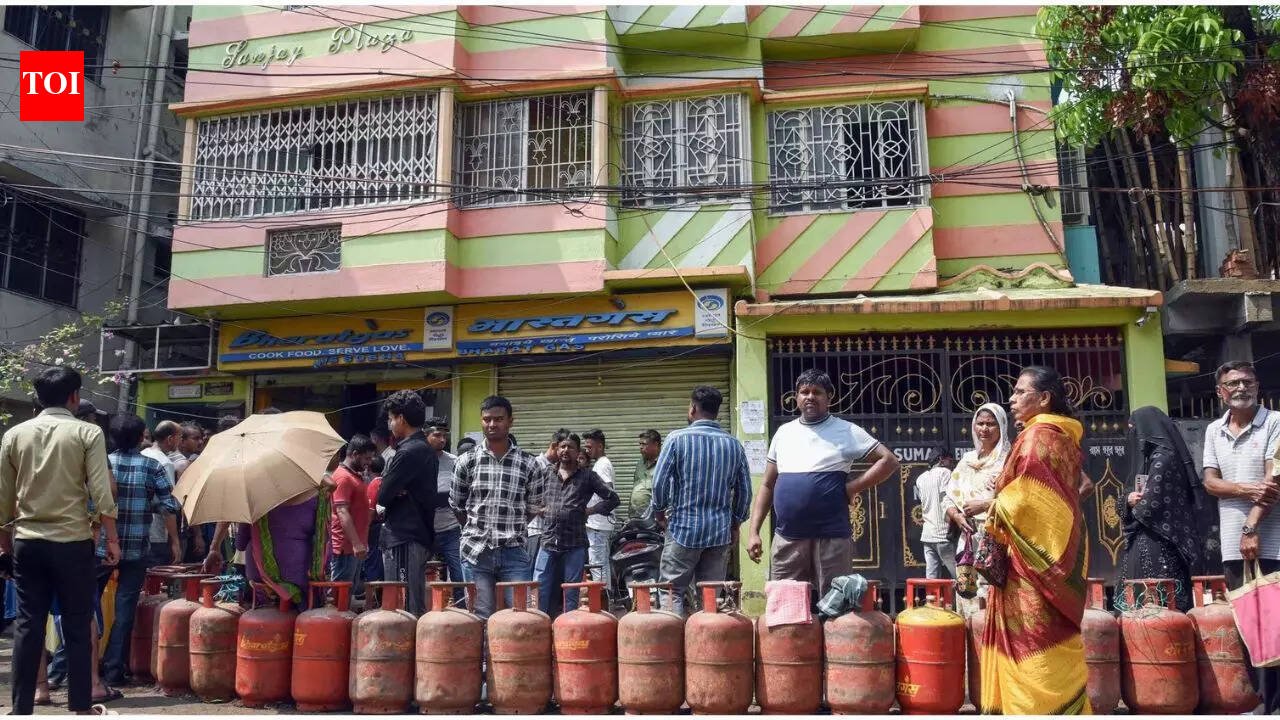
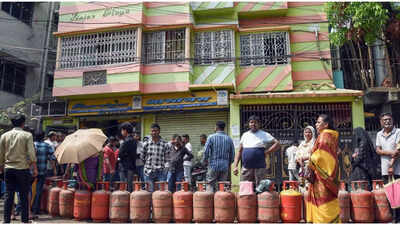
People wait in a queue outside a gas agency to refill the LPG cylinders amid reports of a nationwide shortage of LPG, in Kolkata on Friday. (ANI photo)

NEW DELHI: The government on Friday held a joint inter-ministerial briefing for the third consecutive day to address panic over LPG supplies amid the raging war in West Asia and Iran’s choking of the Strait of Hormuz, which has tightened global energy supplies.The government said there was no need to queue outside LPG distributors and urged consumers to book cylinders online, citing data showing that online bookings rose to 83 per cent in March from 71 per cent in February.Addressing the concerns over the supply squeeze of the LPG cylinders, both commercial and domestic, the central government assured the “uninterrupted supply to households,” claiming that domestic LPG output was up 30 per cent compared to March 5.The ministry, responsible for looking petroleum and natural gases, said LPG supplies are also being provided to hospitals and educational institutions. “Uninterrupted supply to domestic households has been ensured. Similarly, LPG supplies are also being provided to hospitals and educational institutions. Domestic production of LPG has increased by 30 per cent as of today; compared to March 5, our refineries are currently producing 30 per cent more LPG,” said Sujata Sharma, joint secretary in ministry for petroleum and natural gases, during a press brief.Calling LPG as an “issue of concern” after closure of Strait of Hormuz, the joint secretary however said “a dry-out has not been reported by any of the 25,000 distributors”. “LPG is an issue of concern for us, especially as the majority of our imports come through the Strait of Hormuz. Closure of the strait is a matter of concern. However, a dry-out has not been reported by any of the 25,000 distributors. I would urge the people of the country not to trust rumours and not to indulge in panic buying,” Sujata Sharma said.She also said that the government was taking action against people indulging in black marketing and hoarding of the LPG.On the commerical cylinders, the shortage of which has primarily hit food businesses, the central government said supply of it have been placed “at the disposal of the State Governments to facilitate priority distribution”. “Regarding commercial cylinders, these have been placed at the disposal of the State Governments to facilitate priority distribution. We are requesting the State Governments to determine the priority criteria and ensure that these commercial cylinders effectively reach the intended consumers,” she added.The joint secretary also addressed concerns over the crude oil, saying all the country’s refineries “are currently operating at 100% capacity or higher”. “As far as crude oil is concerned, we possess a refining capacity of 258 million metric tons. We are self-sufficient in the production of petrol and diesel; consequently, there is no need to import these fuels into India. All our refineries are currently operating at 100% capacity or higher. The refineries hold adequate inventories of crude oil, and furthermore, supplies are being consistently maintained,” she said.The government said that supply of PNG (Piped Natural Gas) to domestic consumers and CNG (Compressed Natural Gas) is being ensured without any interruptions or cuts. “Given this situation, there is absolutely no need for panic…Furthermore, regarding commercial consumers in our major urban cities and centers, many of whom are currently facing difficulties due to their reliance on LPG supplies, the government of India is making every effort to address their concerns. We appeal to all such commercial consumers to contact their local CGD (City Gas Distribution) network provider or their designated dealer to obtain a PNG connection,” Sharma said.“Petrol and diesel are available in adequate quantities at all petrol pumps… Regarding LPG, I would like to state that this remains a matter of concern for us. Nevertheless, despite this situation, no dry out has been reported at any of our 25,000 distributors. I would like to appeal to all fellow citizens not to give credence to rumors and to refrain from engaging in panic buying,” she further added.


Source link

Oman Attack: 2 Indians killed, 10 injured in Iranian drone attack in Oman, says MEA


2 Indians killed, 10 injured in Iranian drone attack in Oman, says MEA

NEW DELHI: Two Indian nationals were killed and 10 others injured in an attack in Sohar city in Oman, the Ministry of External Affairs said on Friday.Speaking about the incident, Additional Secretary (Gulf) Aseem R Mahajan said that a total of 11 people were injured, including 10 Indians. Five of the injured have already been discharged from hospital, while the remaining five are receiving treatment.“There has been an unfortunate incident in Muscat. Sohar city in Muscat city Muscat attack incident 2 Indian nationals died 11 injured 10 are Indian 5 discharged 5 receiving medication,” Mahajan said.According to the MEA, Indian authorities are in touch with Omani officials regarding the incident and are monitoring the situation. Officials said assistance is being extended to the affected Indian nationals.

Poll

Do you think drone attacks pose a significant threat to civilians?

Meanwhile aljazeera in a report said that 2 foreign national were killed in a drone attack quoting Oman’s state news agency. The report said, ” Friday morning one of the drones hit the al-Awahi Industrial Area, killing two foreign nationals and injuring others..”More details awaited.


Source link

Monalisa Husband: Who is Farman Khan, husband of Monalisa Bhosle? Couple ties the knot in Kerala temple amid family objections | Hindi Movie News


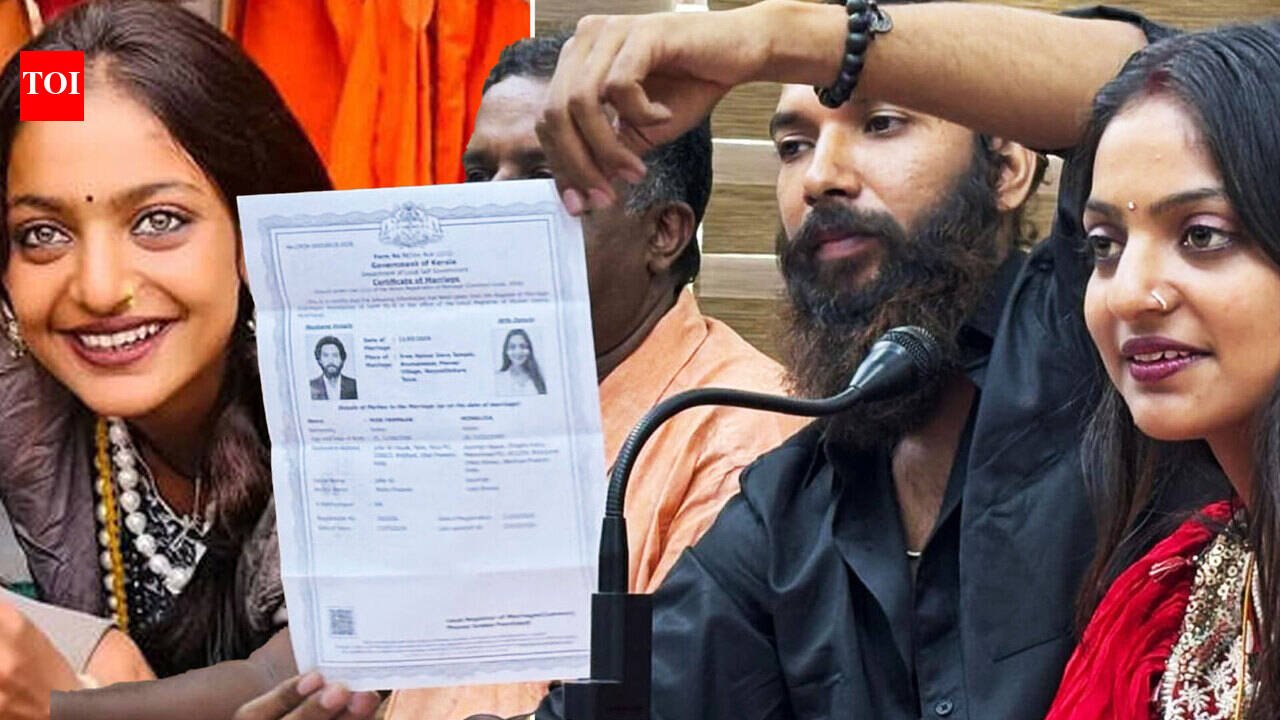
Internet personality Monalisa Bhosle, who first grabbed national attention during the Maha Kumbh Mela in Prayagraj, has once again made headlines after marrying actor-model Farman Khan. The couple reportedly exchanged vows at a temple in Kerala. Their marriage quickly became a talking point online, with photos and videos from the ceremony spreading widely across social media platforms.The wedding reportedly took place despite strong resistance from both families. Following the ceremony, the couple approached the Kerala Police seeking protection. Images circulating online show Monalisa dressed in a traditional red saree with sindoor, while Farman appeared in a white dhoti-kurta. The simple yet emotional ceremony has since drawn attention from fans and the public alike.

Mahakumbh Girl Monalisa Marries Farman Khan In Kerala, Rejects Love Jihad Charges Amid Family Row

Poll

What do you think of Monalisa's rise to fame at the Maha Kumbh Mela?

Who is Farman Khan?

Farman Khan is an actor and model from Maharashtra who has worked in regional cinema and modelling assignments. Reports suggest that he first connected with Monalisa on Facebook around a year and a half ago. What began as a casual online interaction gradually turned into a romantic bond, eventually leading the couple to take their relationship forward despite several obstacles.The couple’s relationship reportedly faced strong opposition because they come from different religious backgrounds. Monalisa’s father was particularly against the match and allegedly attempted to arrange her marriage with someone else. However, the couple chose to continue their relationship despite the pressure and remained committed to each other.As stated by Money Control, amid the family disagreement, Monalisa and Farman travelled to Thiruvananthapuram where they sought protection from the police authorities. Soon after, they decided to solemnise their relationship in a quiet ceremony at the Arumanoor Nainar Temple located in Poovar. Reports claim that a few local leaders and well-wishers were present to bless the couple during the intimate wedding.Interestingly, Farman recently revealed that it was Monalisa who first confessed her feelings and proposed to him. He admitted that he initially declined the proposal but later agreed to start dating her. Over time, their bond strengthened, eventually leading them to take the big step of marriage.

Monalisa’s rise to viral fame

For those unfamiliar with her story, Monalisa became an overnight internet sensation during the Prayagraj Maha Kumbh Mela. She was seen selling rudraksha garlands at the event when her striking features, particularly her grey eyes, caught the attention of visitors and social media users. The moment quickly went viral, turning her into a widely recognised face online.Since then, Monalisa has continued to remain in the public eye. There were also reports suggesting that she had travelled to Kerala for a film shoot shortly before the wedding took place, which added further curiosity around the sudden temple ceremony.


Source link