Breaking News
‘Surviving loan by loan’: Pakistan’s wallet could take another hit from soaring oil prices


‘Surviving loan by loan’: Pakistan’s wallet could take another hit from soaring oil prices

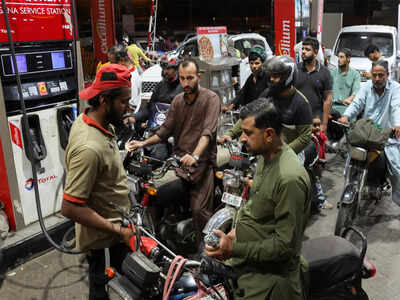
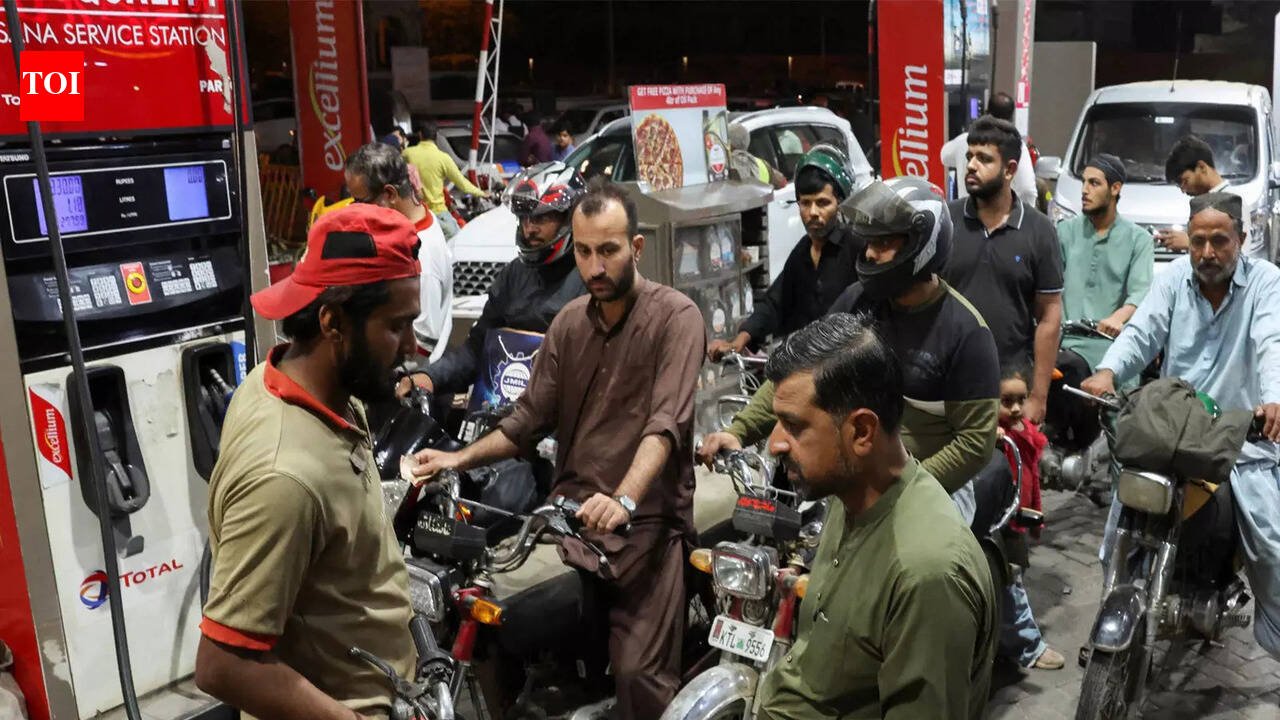
As the Middle East war continues to escalate, tensions are mounting for the South Asian nation of Pakistan. The country is facing an economic crisis as Iran has disrupted fuel shipments through the Strait of Hormuz, its main oil supply route. Pakistan relies on Saudi Arabia and the United Arab Emirates for over 85% of its crude oil, most of which passes through this single maritime corridor. Recent attacks on at least 16 ships, including tankers, have slowed traffic, leaving vessels stranded in Karachi, the nation’s key commercial port.The supply disruption has pushed fuel prices higher around the world. Pakistan’s finance minister Muhammad Aurangzeb had earlier predicted that the country could see its monthly oil import bill soar to a whopping $600 million as prices continue to jump.

Fuel Diplomacy: South Asian Neighbours Turn To India For Energy As War Disrupts Gulf Energy Routes

Rising oilcosts are affecting farmers preparing for the spring harvest. “The use of tractors and other agricultural machinery is unavoidable at most stages of cultivation and harvesting, and these largely run on diesel,” said Aamer Hayat Bhandara, a farmer from Punjab’s Pakpattan district. Agriculture accounts for over 23% of Pakistan’s gross domestic product and employs 37% of the labour force, making the sector particularly vulnerable to price shocks.At the same time, city residents are no stranger to the crisis. Diesel-powered rickshaws, taxis, and commuter vehicles have become more expensive to operate. “They could have gotten oil from Russia,” Muhammad Roshan, a rickshaw driver in Rawalpindi, told New York Times. “Why haven’t they explored that opportunity?”The government increased fuel prices by 20% onMarch 6 to curb hoarding, marking one of the steepest rises worldwide since the start of the US-Israeli war in Iran. The move has hit households hard, particularly in a country where nearly half the population lives in poverty, according to World Bank estimates.

‘Surviving loan by loan’

Economists warn of wider consequences if the crisis continues. “Pakistan is already bankrupt and surviving loan by loan,” said Kaiser Bengali, a Pakistani economist referring to IMF assistance. “Any prolonged disruption could topple its economy.”Retail activity ahead of Eid has slowed, with many customers prioritising essentials. “There is no such rush in the markets,” said Shabbir Ahmed, a clothing trader in Karachi.With energy supplies constrained and prices rising, Pakistan’s rural and urban populations are bracing for a challenging period ahead, where livelihoods, education, and traditional festivities are all being affected.

Dealing with the supply shock

Some schools are shifting to online learning, though many children lack access to laptops, tablets, or reliable internet. Families are cancelling trips for Eid al-Fitr, typically a time of celebration at the end of Ramadan. Ali Akbar, a real estate worker in Islamabad, said he is postponing a homecoming trip and considering moving his children to a school within walking distance. “Monthly transportation costs for them have already risen to $48 from $36 over the past week,” he said.Pakistan has attempted to mitigate shortages through domestic measures, including promoting solar power for electricity production and reducing official trips and the workweek. Authorities have also sought Saudi Arabia’s help to supply oil via Red Sea ports. Still, economists caution that cutting workdays may hurt daily-wage earners and middle-class families.As it economy suffers, the country is treading carefully on the diplomatic front as its economy suffers. The government has worked to bolster relations with the Trump administration while avoiding criticism of the United States’ strikes on Iran. To ease the energy crunch, Pakistan has asked Saudi Arabia to route oil shipments through its Red Sea ports.


Source link

Ahead of IPL 2026, Sun TV takes CSK to court – here’s the reason


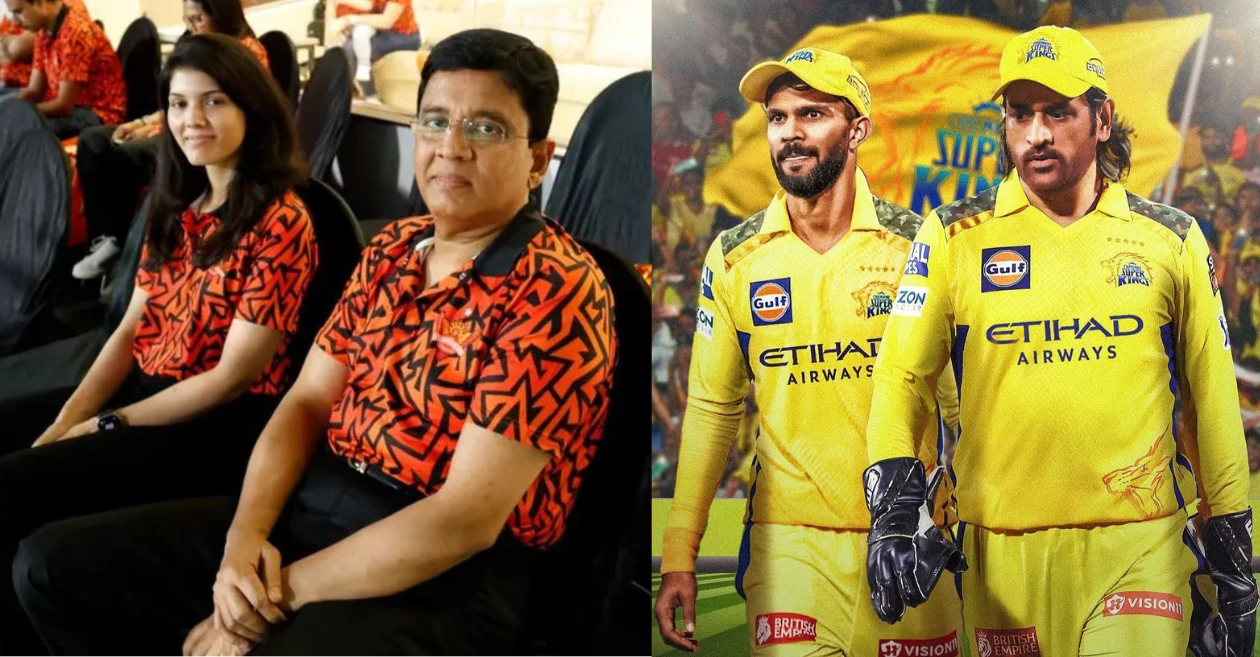
Just weeks before the start of the Indian Premier League (IPL) 2026 season, an unexpected off-field controversy has emerged between two of the tournament’s most prominent franchises. The media conglomerate Sun TV Network, which owns Sunrisers Hyderabad (SRH), has filed a copyright infringement case against Chennai Super Kings in the Madras High Court.

The dispute revolves around the alleged use of copyrighted music and dialogues from films starring Tamil superstar Rajinikanth. These films – including Jailer, Jailer 2 and Coolie – are produced by Sun Pictures, the film production arm of Sun TV, which holds the exclusive rights to their audio and music.

According to the lawsuit, CSK used portions of these copyrighted audio tracks in a promotional video for their IPL 2026 jersey launch without obtaining permission or securing a license from the rights holders.

The controversy began on March 1, 2026, when Chennai Super Kings unveiled their new jersey for the upcoming season through a promotional campaign on social media platforms such as Instagram, YouTube, Facebook and X (formerly Twitter).

The video featured several well-known audio elements from Rajinikanth’s blockbuster films, including the song “Hukum” from Jailer, “Hukum Reloaded” from Jailer 2, and the “Harbour Gang” background score from Coolie. These tracks were combined with iconic dialogues and background music to create a dramatic and cinematic introduction for the team’s new kit.

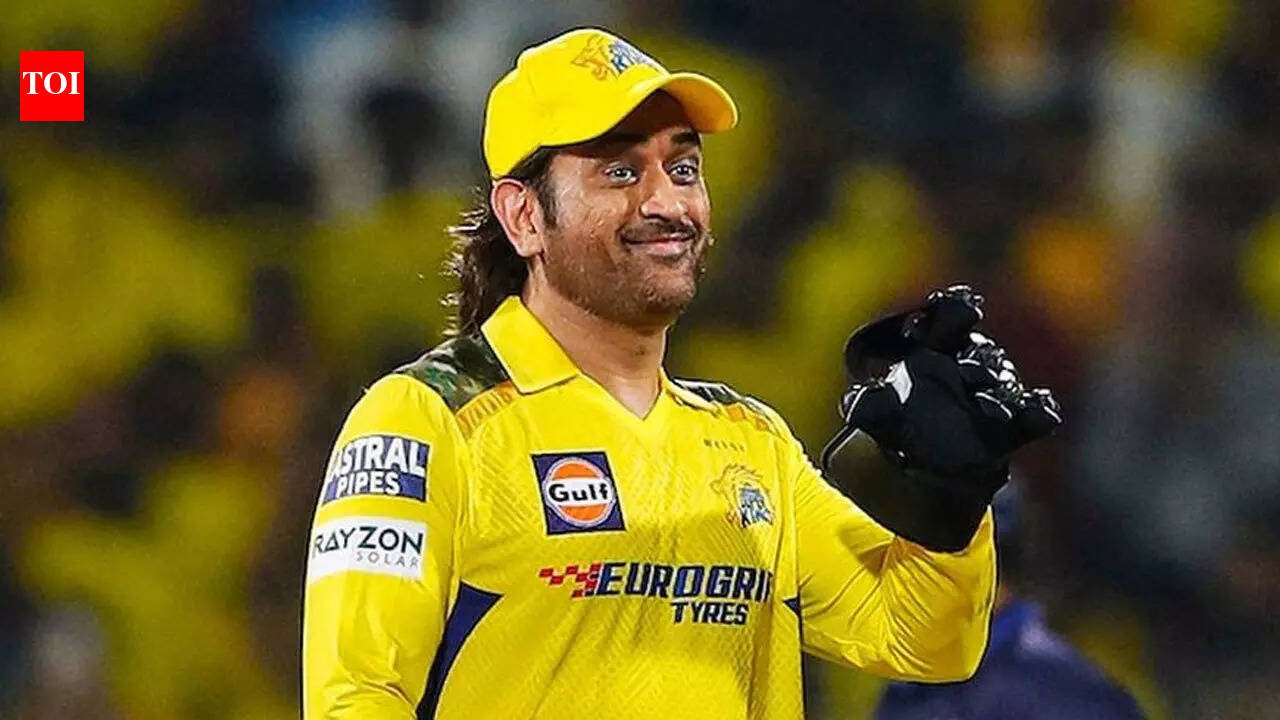
The music and sound effects were strategically used throughout the video to heighten the excitement around the campaign. One of the most notable scenes showed CSK veteran MS Dhoni arriving at the team camp, accompanied by powerful background music from the films.

Sun TV’s legal team argued in court that the rights to the music in these films are exclusively owned by the production company. Composer Anirudh Ravichander had reportedly signed agreements that assign all music rights to the producers, meaning Sun TV controls how the tracks can be used or licensed.

The company’s complaint states that CSK used these copyrighted elements without permission for a commercial campaign designed to promote merchandise sales, particularly their new IPL jersey priced at around ₹2,399.

“It is needless to state the influence that music from films involving Mr Rajinikanth and Mr Anirudh would have in aiding merchandise sales of a team based in South India, and more particularly Chennai,” the plaint stated.

What Sun TV is demanding in court?

In its legal filing, Sun TV has asked the court for several forms of relief against CSK. These include a permanent injunction preventing the franchise from using any songs, dialogues or background scores from Sun TV films in promotional content, stadium broadcasts, or social media posts without authorization.

The company has also demanded ₹1 crore in damages for the alleged copyright violation. In addition, the lawsuit seeks a directive requiring CSK to disclose the revenue generated from the promotional campaign that used the disputed audio tracks.

Also READ: IPL 2026 – KKR announces replacement for Mustafizur Rahman

During the preliminary hearing, senior counsel J. Ravindran, representing Sun TV, informed the court that CSK had already stopped using the songs after receiving an email from the broadcaster on March 1 objecting to their use. The franchise reportedly removed the original video and later uploaded a modified version without the copyrighted music.

Appearing for CSK, senior advocate P. S. Raman confirmed that the franchise had taken corrective action and removed the disputed audio tracks from the promotional video.

“We will file an affidavit to this effect,” Raman stated, assuring the court that the team would obtain proper licenses if they wished to use such music in the future.

The court has now directed CSK to submit a formal affidavit confirming that the songs are no longer being used without authorization. The matter has been scheduled for its next hearing on March 16.

Interestingly, the lawsuit does not only target the franchise itself. It also names three senior officials from Chennai Super Kings as defendants: CEO Kasi Viswanathan, finance head Avinash Sridharan, and content head Radhakrishnan Sreenivasan. Their inclusion indicates Sun TV’s intention to hold the management directly responsible for the alleged infringement.

The case has already caught the attention of the wider IPL ecosystem. According to reports, several other franchises have begun reviewing their own social media practices, as many teams regularly use popular songs and film audio in promotional content without always securing formal licensing.

For now, the legal battle adds an unusual subplot to the buildup for IPL 2026. While teams prepare for the season on the field, this dispute highlights the growing importance of intellectual property rights in the entertainment-driven world of modern cricket.

Also READ: Aakash Chopra picks his ideal playing XI of Sunrisers Hyderabad (SRH) for IPL 2026


Source link

‘We’re going to create … ‘: Suryakumar Yadav pens emotional note | Cricket News


'We're going to create ... ': Suryakumar Yadav pens emotional note
Suryakumar Yadav (AFP Photo)

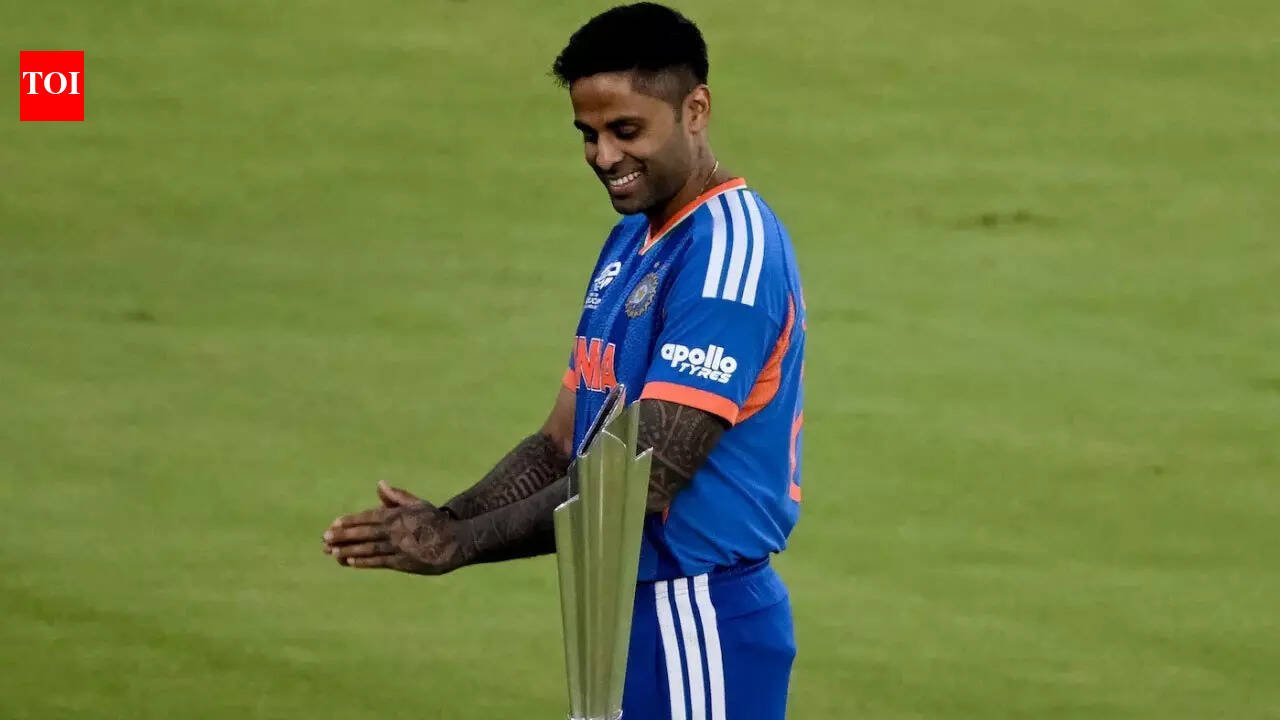
NEW DELHI: India’s T20I skipper Suryakumar Yadav marked a special milestone as he completed five years in international cricket. His journey with the national team began on March 14, 2022, when he made his debut against England at the Narendra Modi Stadium in Ahmedabad. Coincidentally, it was the same venue where he recently led India to their historic third ICC Men’s T20 World Cup title after defeating New Zealand earlier this week.“5 years ago, a dream turned into reality. Wearing the India jersey is a feeling I can still never fully put into words. Here’s to many more memories that we’re going to create, for team India,” he wrote on X.

Suryakumar Yadav receives grand homecoming after India’s T20 World Cup win

Suryakumar’s path to the international stage was far from straightforward. Unlike many cricketers who break through at a young age, he spent several years proving his credentials in domestic cricket and the Indian Premier League before finally earning a call-up to the national side. Once he got the opportunity, he made sure to make an immediate and lasting impact.One of the standout moments of his career came during the 2024 ICC Men’s T20 World Cup in the United States and the West Indies. As an important member of the squad, he played a key role in helping India end their long wait for a global ICC title.Since his debut, the Mumbai-born batter has emerged as one of the most destructive players in the shortest format. In 113 T20 Internationals, he has amassed 3,272 runs at an average of 36.35 while striking at an impressive rate of 162.94, numbers that reflect the flair and unpredictability he brings whenever he walks out to bat.His tally includes four centuries and 25 half-centuries. Among them, his explosive 117 against England in Nottingham on July 10, 2022, remains one of the most memorable innings of his career, reinforcing his reputation as an innovative and fearless T20 batter.Apart from his batting exploits, Suryakumar has also developed into a dependable leader for India in the format. In 52 T20 Internationals as captain, he has led the team to 40 wins while suffering only eight defeats, underlining the confident and attacking approach he brings to the role.

Banner Insert


Source link

Access Denied


Access Denied

You don’t have permission to access “http://www.ndtv.com/world-news/israel-iran-us-war-strikes-on-dubai-mother-in-dubai-icu-rs-1-25-crore-bill-indian-man-wife-plead-for-help-11214178” on this server.

Reference #18.c7f5d217.1773478347.3b2c8e91

https://errors.edgesuite.net/18.c7f5d217.1773478347.3b2c8e91


Source link

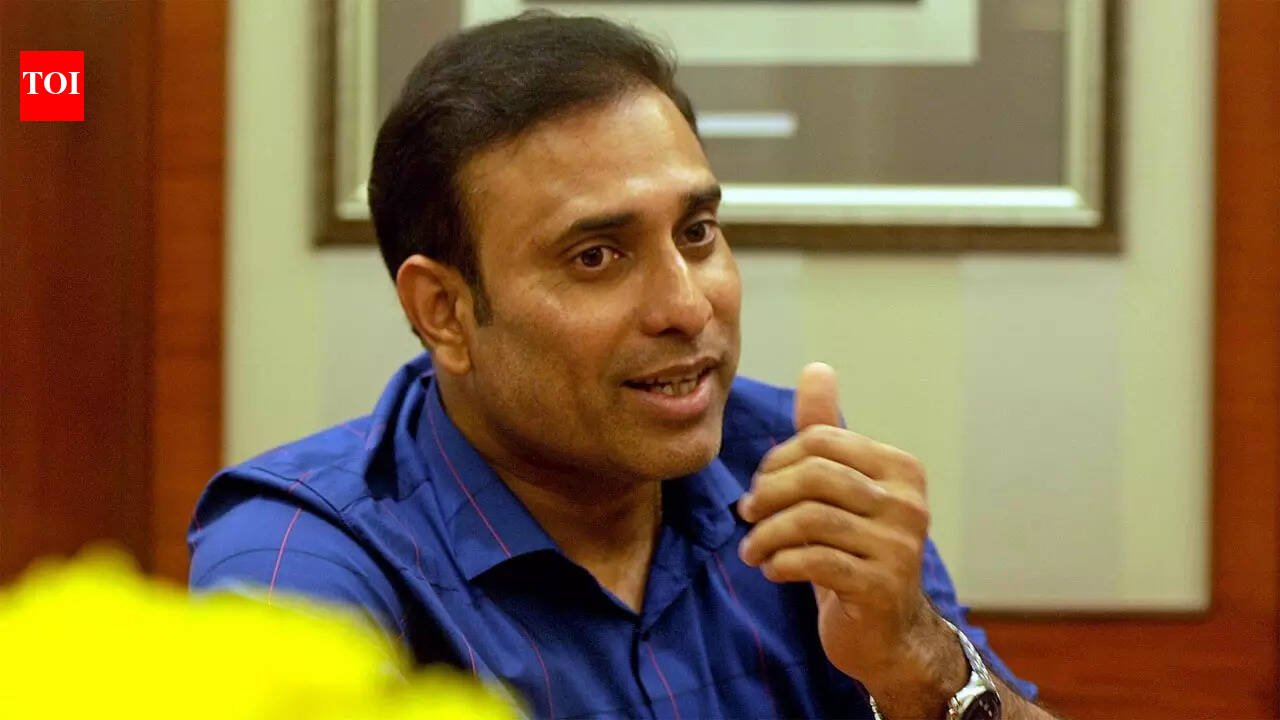
VVS Laxman recounts his epic Eden knock in 2001: ‘Playing for India, mind becomes stronger than the body’ | Cricket News


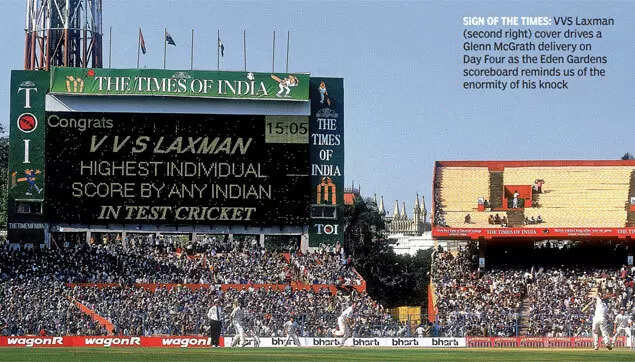
It’s been acclaimed as the knock of the century. No other innings evokes such fond memories and awe as VVS Laxman’s 281 at the Eden Gardens in 2001. The stylish Hyderabadi’s chutzpah and steely resolve allied beautifully in constructing a magnificent edifice that halted the bull run of Steve Waugh’s rampaging Aussies. Laxman vividly recounts that epic innings for TOI… Go Beyond The Boundary with our YouTube channel. SUBSCRIBE NOW!Your tally of 1415 runs is still a record for a domestic season. Did playing quality spinners in the Hyderabad nets help in countering Shane Warne better?My dream was always to win the Ranji Trophy for Hyderabad and the 1415 runs I scored in nine matches were really a by-product of trying to contribute towards that goal. Looking back, the 1999–2000 domestic season is very special to me. That season gave me a lot of confidence and reassurance about my game. The 353 I scored in the Ranji semis against Karnataka was another memorable moment because it demanded a lot of concentration, patience and the ability to stay focused for long periods.

EXCLUSIVE: Rahul Dravid on iconic Eden Gardens win against Australia in 2001

Coming into the Indian team after that season, naturally the confidence levels were quite high. But international cricket is always a different challenge especially when you are facing the quality bowling that Australia had at that time.

Poll

Was VVS Laxman's 281 innings at Eden Gardens the greatest innings in Test cricket history?

In Hyderabad, I was fortunate to face some very good spinners in the nets. Those sessions were extremely valuable because they helped me develop methods against quality spin. Of course, nothing can truly replicate the skill and variation of someone like Shane Warne but regularly facing quality spin certainly helped build the confidence and clarity needed to counter him in matches.Tell us how did physio Andrew Leipus manage to put you on the park?Two days before the Test my back went into a severe spasm and I could barely move. The credit for getting me on the field really goes to Leipus. He worked tirelessly through the night and early morning, giving me treatment, stretching the muscles and managing the pain. Even though I was probably only about 50–60 per cent fit, both Sourav and John Wright wanted me to play the Test. For the entire match I wasn’t physically comfortable. Every movement reminded me of the pain in my back, but when you are representing your country, you simply find a way to endure the pain and keep going and the mind becomes stronger than the body.Pain seems to get the best out of you. Eden and then Mohali…I wouldn’t say pain brought the best out of me, but those moments certainly tested my resolve. At Eden the situation demanded patience and belief especially while building that partnership with Rahul. In Mohali (against Australia, Oct 2010), the back pain made every movement difficult, but when you are so close to helping your team win, you somehow find the strength to keep going. I feel grateful that on both occasions I could contribute in a way that helped India.Since your early days too, the longer you stay at the wicket, better the run flow…Early in the innings my focus was always on giving myself time at the crease and understanding the conditions, the pace of the wicket and how the bowlers were operating. Once I spent some time in the middle, my footwork became more decisive and I could pick the length much earlier, which makes a big difference. When that happens, the mind becomes clearer and the shots you practice in the nets start coming naturally in the game. From there it’s about trusting your natural game and being a little more proactive once you are set.

VVS Laxman

VVS Laxman (Getty Images)

Picking the length early is clearly the hallmark of your batting. Did you sense that it was your day?On that day even though we were under pressure, I felt I was seeing the ball well and my footwork was quite decisive, which helped me control my strokeplay. Picking the length early always gives you that extra bit of time to play your shots. But as a batsman you never really assume it’s going to be your day. The focus is simply on staying in the moment, being disciplined and building the innings session by session.In the first innings, Steve Waugh had fielders on the boundary to get you off strike and you were stroking the ball along the carpet…When you are in good rhythm you can still pierce the gaps along the ground and find the boundary. I was timing the ball really well at that stage and even though Steve Waugh had pushed a lot of fielders to the boundary, my focus was on placement. The idea was to stay positive, take most of the strike and continue building the innings without forcing anything.You and Rahul were involved in many partnerships for South zone. But here it was different. Rahul came down the order. Did he let it show at any point during that long partnership? And what were the mid-pitch conversations all about?Rahul and I had built some memorable partnerships right from our age group cricket. Just about a month before this Test, we had a 300-run stand for South zone against West in the Duleep Trophy. But here the situation was completely different. The match situation was quite grim and when he came in at No. 6, he was incredibly calm and professional. He understood exactly what the team needed and focused on the job at hand. Our conversations were mostly about staying patient, being proactive when the opportunity came and breaking the day into small passages. The key was to keep supporting each other and keep the scoreboard moving.The fifth-wicket partnership of 376 runs turned out to be pivotal…The immediate focus was on rebuilding the innings and batting time. Once Rahul and I settled in, the idea was to make the bowlers work hard and slowly wear them down. We tried to play to our strengths, rotate the strike and capitalise whenever they offered us an opportunity. As the partnership grew you could sense the pressure gradually shifting back onto Australia. Even after reaching our individual milestones, we never became complacent as the objective was to keep batting as long as possible and ideally get through the entire fourth day.

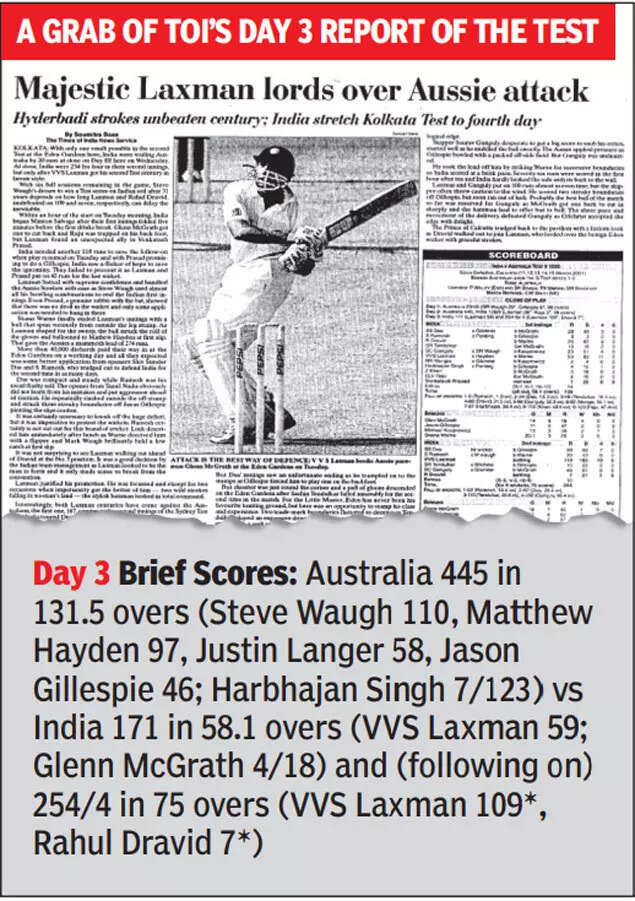
TOI's Day 3 Report of the Eden Test

Given both your physical condition, playing sessions was a steep climb. How did you break it down?Physically it was very demanding, especially in those conditions, but both of us understood how important that partnership was for the team. Both of us had the ability to bat for long periods but we tried to break the day into smaller phases. When you approach it that way it really helps because you are only focusing on the next passage of play. We kept encouraging each other and reminding ourselves that the longer we stayed there the more the pressure would shift back onto Australia.The second new ball on the fourth morning was crucial…We knew the bowlers would come hard at us. So, the second new ball was a very important phase of the game. Our plan was to stay very compact, play late and leave well outside off stump as much as possible. The idea was to see off that initial spell and not give them any early wickets. Once the shine went off and we got through that period, it allowed us to regain control and start building the innings again.And the pressure got to the Australians because boundary balls started flowing?When a bowling attack has to keep coming back for long spells without success it can be quite challenging. Once Rahul and I were set, we tried to capitalise whenever they slightly missed their lengths and converted those opportunities into boundaries. That gradually shifted the momentum in our favour.Did players carrying drinks rile the Aussies too?There was a lot of energy around the ground and in the dressing room. The players bringing drinks would sometimes pass on messages or encouragement from the team and the crowd at Eden Gardens was incredibly vocal. I think at times that enthusiasm probably irritated the Australians a little, but for us it was just part of the support we were getting. What the Eden Test did for Indian cricket?At that time Australia were such a dominant side so beating them after following-on was incredibly significant. That match was very special for Indian cricket because it reinforced the belief that we could come back from extremely difficult situations and still win a Test match. It showed the value of resilience, patience and belief in Test cricket. For us as a team it gave tremendous confidence going forward and proved that if we stayed mentally strong, we could compete with the very best teams in the world.

Since VVS Laxman was in good form in the first innings, when he scored a fluent half-century, coach John Wright and skipper Sourav Ganguly decided to swap his batting position with that of Rahul Dravid in the second innings on the third day. Laxman was promoted to No. 3, while Dravid moved down to No. 6 — a decision that would later become one of the most celebrated tactical moves in Test cricket history.
Banner Insert


Source link

Strait‑up chokehold of Hormuz: How Iran turned Middle East war into a global oil supply shock


Strait‑up chokehold of Hormuz: How Iran turned Middle East war into a global oil supply shock

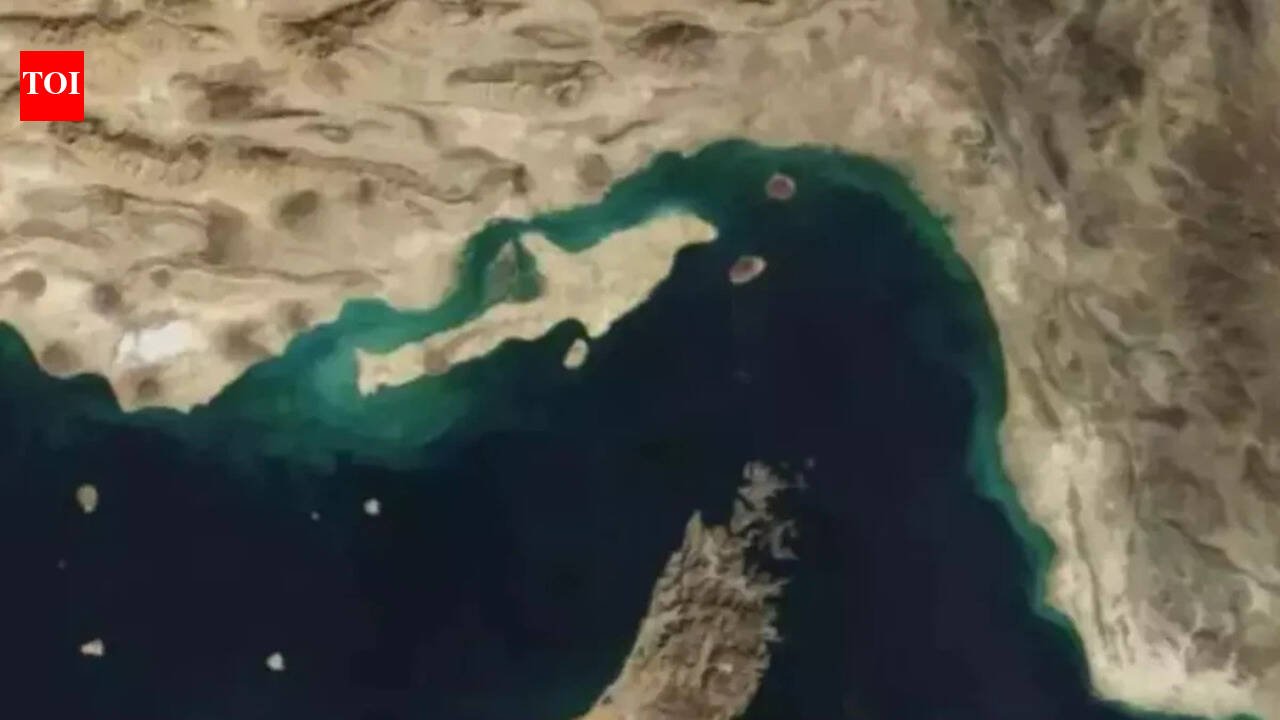
Before the US and Israel even launched strikes, Iran had a plan ready, and it didn’t solely rest on conventional firepower. The country has been quietly preparing to turn the Strait of Hormuz, a vital artery for the world’s oil supply, into a strategic lever, according to sources cited by Reuters. Any disruption to the vital passage ripples instantly through global energy markets.Iran’s approach builds on lessons from the 1980s “Tanker War” during the Iran-Iraq conflict, when attacks on ships turned the Gulf into a dangerous corridor, requiring US naval escorts. Today, the country has far more sophisticated, cost-effective options, including missile and drone arsenals capable of threatening shipping over a wide area. Recent strikes demonstrate how quickly Iran can disrupt movement without laying mines.“Iran is outgunned — there is no way it can defeat them in a direct confrontation,” said Ali Vaez, Director of the International Crisis Group’s Iran Project. Following a 12-day war last June, Tehran explored ways to extend any future conflict “in time and space.” Vaez told Reuters, “If Iran takes the global economy hostage, Trump would blink first.”

‘Goal is to create economic pain’

According to the sources, the Islamic Revolutionary Guards Corps (IRGC) had long prepared for a clash with Washington and Tel Aviv. The plan was activated on February 28, after Supreme Leader Ayatollah Ali Khamenei died on the first day of the conflict. Rather than confronting superior forces head-on, Iran aims to inflict economic and military pressure on the United States by targeting oil flows and striking US positions across the Gulf.“This is asymmetric warfare par excellence, in which Iran achieves outsized, even global effects through a small number of attacks that impose painful costs,” said Michael Eisenstadt of the Washington Institute. “The goal is to create economic pain, further undermining support for the war in the United States and increasing pressure on Washington to end it.”Tehran is dispersing attacks across the region using drones and low-cost missiles, tactics once carried out by proxies in Iraq, Yemen, Syria, and Lebanon. This decentralised “Mosaic” strategy spreads command and control to withstand any attempt to remove Iran’s leadership. Even after Khamenei’s death, Parliament Speaker Mohammad Baqer Qalibaf and national security chief Ali Larijani continue to direct operations from Tehran.Vaez criticised the US response as lacking preparation, saying Washington failed to anticipate drone attacks, shipping disruptions, and evacuation needs. While the United States could severely weaken Iran, a complete defeat would require a large-scale land invasion involving up to a million troops, a level of commitment it has shown little appetite for.For Iran, survival is the immediate objective. Beyond that, Tehran seeks to show that coercion, whether military, economic, or diplomatic, cannot force compliance. By controlling the Strait of Hormuz and expanding the battlefield far beyond its borders, Iran is betting it can outlast a militarily superior opponent.


Source link

MS Dhoni’s last IPL season? Ex-cricketer makes big prediction | Cricket News


MS Dhoni's last IPL season? Ex-cricketer makes big prediction
MS Dhoni (Image credit: BCCI/IPL)

NEW DELHI: Former India all-rounder Irfan Pathan believes the upcoming edition of the Indian Premier League could be the “last time” fans see MS Dhoni playing for Chennai Super Kings.As the IPL 2026 season approaches, discussions around Dhoni’s retirement have once again gathered momentum.

Gautam Gambhir reflects on India’s World Cup win and backing Sanju Samson in the tournament

Speculation intensified after CSK traded Sanju Samson from Rajasthan Royals, a move that many believe could allow the veteran to further reduce his on-field role while continuing to mentor the team.“CSK is incomplete without MS Dhoni. This season might be the last time we see him in the yellow jersey and it’s tough to imagine CSK and the IPL without him,” Irfan said on JioHotstar’s ‘Game Plan’.“As soon as the IPL comes around, we start seeing Mahendra Singh Dhoni again, which means he is fully prepared for it, and he is looking very fit as well,” he added.The 44-year-old joined the CSK camp in Chennai earlier this month and has been training with the squad led by captain Ruturaj Gaikwad.Pathan said Dhoni’s role could increasingly focus on guiding the team and helping develop the next generation of leaders within the side.“This season, Dhoni will play an important role in bringing everyone together. I’m not sure how many games he will play. But his presence in the dressing room will help a lot.“Sanju will benefit because he will be part of the leadership group as well. Ruturaj Gaikwad is the leader. But as a group, two or three guys are being groomed for the future. That is where MS Dhoni comes in. I hope he makes a difference.“Questions about his fitness, batting position, and whether he will play all games will still come up. The CSK team management will take it step by step. They will definitely look to give him a perfect farewell by lifting their sixth IPL trophy.”Dhoni has featured in 278 IPL matches across two franchises — CSK and Rising Pune Supergiant during the 2016 and 2017 seasons when CSK were suspended — scoring 5,439 runs in the tournament.Last season, he was mostly seen in brief cameo roles during the death overs, scoring 196 runs from 13 innings.CSK CEO Kasi Viswanathan, however, has stated that the veteran will be available for the full season and is expected to play “all matches” in the 2026 campaign.Pathan also feels the time has come for younger players to gradually take on more responsibility within the franchise.“We have seen him take responsibility for a number of years now, but I think this is the time for the baton to pass on to the likes of Ayush Mhatre, Dewald Brevis, Shivam Dube and Ruturaj Gaikwad, who is a young captain as well.“CSK’s ideology has changed. It will be key for the youngsters to learn from MS Dhoni’s experience, and for him to take the players ahead alongside him. It is a very exciting team on paper. In terms of six-hitting ability and intent, I am really looking forward to seeing the fearlessness from this young CSK side.”The trade between CSK and Rajasthan Royals means Ravindra Jadeja has returned to his former franchise, while Rajasthan have also parted ways with Jos Buttler.Former India cricketer and coach Sanjay Bangar believes Rajasthan’s younger players must now step up following the departure of two experienced batters.“First they let go of Jos Buttler, and now there is no Sanju Samson as well. The young batsmen in the team will have to take the lead,” Bangar said.“It will be a good start for Riyan Parag, playing three games at home. He will get home support in Guwahati as a local boy, coming here for the first time as a full-time captain. He will definitely want to perform well in front of his home fans, but it won’t be easy for the Rajasthan Royals.”Former India opener Abhinav Mukund also raised concerns about Sunrisers Hyderabad’s early fixtures and the availability of their captain Pat Cummins.“SRH have some difficult games coming up at the start, and you don’t know whether Pat Cummins is fully available or not. They haven’t made any statement yet, so we’ll have to wait for that because he has been a lynchpin for them,” he said.SRH will begin their campaign against defending champions Royal Challengers Bengaluru on March 28 before travelling to face Kolkata Knight Riders on April 2 and returning home to take on Lucknow Super Giants on April 5.

Banner Insert


Source link

Access Denied


Access Denied

You don’t have permission to access “http://www.ndtv.com/education/ncert-judicial-corruption-chapter-iit-gandhinagar-ends-ties-with-michel-danino-after-supreme-court-order-11214092” on this server.

Reference #18.c4f5d217.1773478260.31317554

https://errors.edgesuite.net/18.c4f5d217.1773478260.31317554


Source link

Iran strike on UAE’s Fujairah port oil terminal triggers huge fire


Iran strike on UAE's Fujairah port oil terminal triggers huge fire

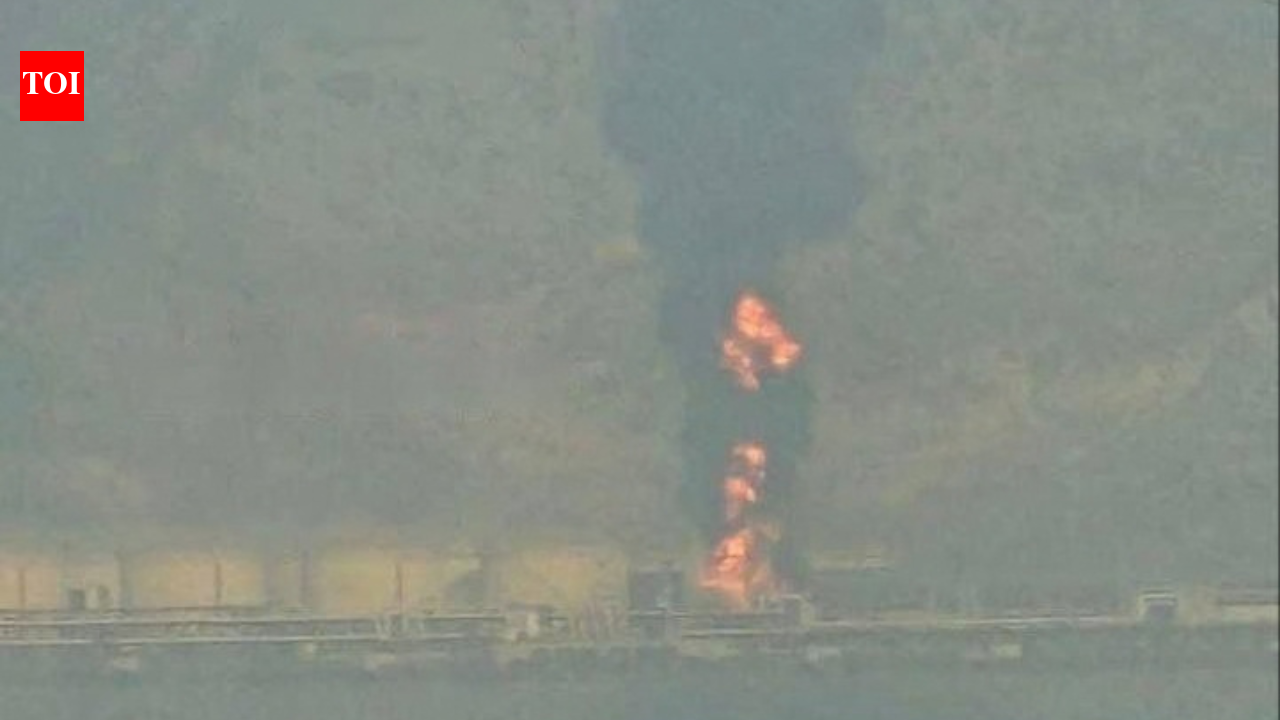
The UAE once again bore the brunt of the Middle East crisis as Iran reportedly struck oil storage facilities at the port of Fujairah on Saturday, triggering a massive blaze at the strategic oil terminal, according to reports cited by Türkiye Today.A fire broke out at oil storage facilities in Fujairah following the drone strike. The port, one of the world’s largest oil storage and bunkering hubs, was reportedly hit by multiple drones.

Dubai Financial Centre Bombed; Smoke Engulfs Towers Near Burj Khalifa As Iran Hammers UAE

The Port of Fujairah is located outside the Strait of Hormuz on the Gulf of Oman, making it a strategically important energy hub that allows oil exports to bypass the strait.Watch: Inside Iran’s war tunnel- huge collection of drones displayed under Khamenei’s images The Port of Fujairah holds major strategic, economic and security importance for the United Arab Emirates and global energy markets, largely because of its location outside the Strait of Hormuz. As the largest port on the UAE’s eastern coast and the world’s second-largest bunkering hub, it serves as a crucial outlet for Gulf oil, allowing shipments to bypass potential bottlenecks in the strait.


Source link

Salman Ali Agha and Mehidy Hasan Miraz react to the run-out controversy after Pakistan’s emphatic win over Bangladesh in 2nd ODI


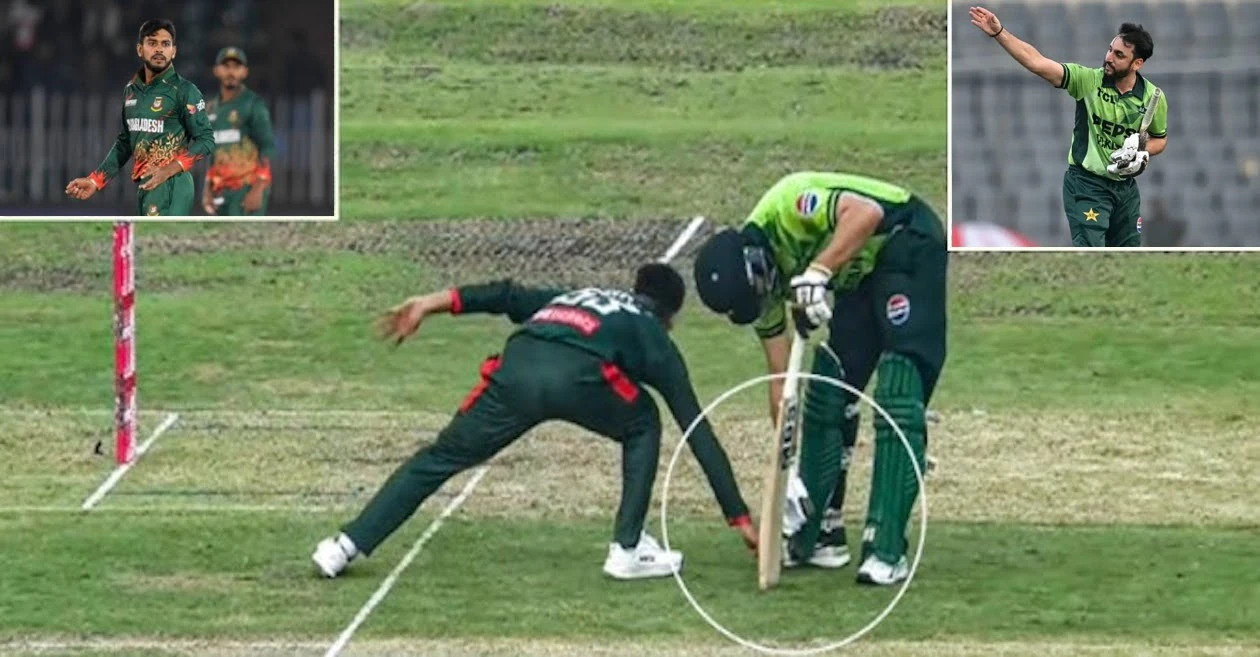
The second ODI between Bangladesh and Pakistan at the Sher-e-Bangla National Cricket Stadium in Mirpur was memorable for more than just the result. Pakistan registered a commanding 128-run victory, but the match also produced one of the most debated moments of the series – an unusual run-out involving Pakistan batter Salman Ali Agha and Bangladesh skipper Mehidy Hasan Miraz.

The incident, which took place during Pakistan’s innings, sparked heated exchanges between players and quickly became the centre of discussion among fans and experts. After the match, both captains addressed the controversy and explained their perspectives on what happened.

Mehidy Hasan Miraz defends his decision to run out Salman Agha

Bangladesh captain Mehidy Hasan Miraz stood by his actions during the post-match presentation, insisting that he simply reacted to the situation while trying to prevent a possible run.

“He was away from the wicket, and I was just looking for the ball. If you miss, he would go for the run. So I was just thinking like that,” Mehidy explained.

The Bangladesh skipper further elaborated on what was going through his mind at that moment in the 39th over of Pakistan’s innings.

“My intention was only to stop the ball and save a potential run. He was outside the crease and I was just going towards the ball. If I had missed the ball, he could have easily taken a run, so I decided to throw at the stumps,” he said.

The quick reaction from Mehidy resulted in Agha being run out, a dismissal that briefly shifted the momentum of the match. Following the incident, Pakistan lost several quick wickets, with their batting lineup collapsing towards the end of the innings.

However, Bangladesh could not capitalize on that momentum. Reflecting on the overall match, Mehidy admitted that his side needed to improve their batting performance after being bowled out for just 114 runs while chasing a revised DLS target.

Salman Agha reflects on the incident

Pakistan captain Salman Ali Agha, who had played a crucial knock of 64 runs off 62 balls, offered a more measured view while speaking after the match. Although he acknowledged that Mehidy’s action was within the laws of cricket, he suggested he personally would have handled the situation differently.

“I think sportsman spirit has to be there,” Agha said. “What he [Mehidy] has done is in the law. I think if he thinks it’s right, it’s right, but if you ask me my perspective, I would have done differently. I would have gone for sportsman spirit. We haven’t done this [type of thing] previously, we would never do that in the future as well.”

Agha also explained why he had stepped out of his crease in the first place. According to him, he believed the ball had already become harmless after hitting both his pad and bat.

“Actually, the ball hit on my pad and then my bat,” Agha explained. “So I thought he can’t get me run-out now, because the ball already hit on my pad and my bat. I was just trying to give him the ball back. I was not looking for the run or anything like that, but he already decided [to make the run-out].”

The moment also saw Agha visibly frustrated on the field, throwing his gloves and helmet to the ground and engaging in a brief exchange with Bangladesh wicketkeeper Litton Das. Looking back, the Pakistan captain admitted that his reaction was driven by emotion in the heat of the moment.

“It was just heat-of-the-moment kind of stuff,” Agha admitted. “If you ask me what would I have done, I would have done things differently. But it was everything, whatever happened after that, it was in the moment.”

Also WATCH: Salman Agha loses cool after unusual run out by Mehidy Hasan Miraz in BAN vs PAK 2nd ODI

Speaking about the verbal exchange with Litton Das, Agha offered a candid reflection.

“I can’t remember what I was saying and I can’t remember what he was saying. I’m sure I wasn’t saying nice things, and I’m sure he wasn’t saying nice stuff as well. But it was just heat of the moment, so we are fine.”

When asked whether he had spoken to Mehidy after the match, Agha responded with a hint of humor while acknowledging that emotions were still fresh.

“I haven’t yet, but don’t worry, I’ll find him,” Agha said with a wry smile.

He later added: “I haven’t spoken to him yet, but we will. Don’t worry, we are fine.”

Despite the controversy, Pakistan delivered a dominant performance to level the three-match ODI series 1-1. After posting 274 runs, they bundled Bangladesh out for 114 while chasing a rain-adjusted target of 243 in 32 overs.

With the series now tied, the third and final ODI – scheduled for March 16 in Mirpur – promises a thrilling decider, with both teams eager to settle the contest on the field.

Also READ: Sunrisers Leeds’ X handle suspended amid controversy surrounding Abrar Ahmed signing in The Hundred 2026 auction


Source link