Breaking News
Market recap: Mcap of top-10 firms erodes Rs 4.48 lakh crore; SBI, HDFC Bank see sharpest fall


A sharp sell-off in equities last week led to a significant erosion in the market value of the country’s most valuable companies, with the top 10 firms together losing Rs 4.48 lakh crore. Banking heavyweights State Bank of India and HDFC Bank saw the steepest decline in their valuations during the period. The fall in company valuations mirrored the broader weakness in the stock market. During the week, the BSE Sensex slumped by 4,354.98 points, a drop of 5.51%, while the NSE Nifty declined by 1,299.35 points, or 5.31%. The downturn came as rising crude oil prices heightened concerns about inflation and global economic stability amid the widening conflict in West Asia. “The primary driver behind the market weakness was the sustained rise in crude oil prices following the escalating conflict between Iran, the United States and Israel. Brent crude surged past USD 101 per barrel, raising concerns over India’s fiscal position and inflation outlook,” Ajit Mishra – SVP, Research, Religare Broking Ltd, said. Among the companies, State Bank of India recorded the largest drop in market capitalisation, which fell by Rs 89,306.22 crore to Rs 9,66,261.05 crore. HDFC Bank also registered a notable decline, with its valuation shrinking by Rs 61,715.32 crore to Rs 12,57,391.76 crore. Bajaj Finance witnessed a reduction of Rs 59,082.49 crore in its market value, taking its capitalisation to Rs 5,32,053.54 crore. Tata Consultancy Services (TCS) also saw a sharp fall, with Rs 53,312.52 crore wiped off its valuation, bringing it down to Rs 8,72,067.63 crore. ICICI Bank’s market capitalisation declined by Rs 42,205.04 crore to Rs 8,97,844.78 crore, while Bharti Airtel’s valuation dropped by Rs 38,688.78 crore to Rs 10,28,431.72 crore. Reliance Industries, the country’s most valued company, also registered a fall, with its market capitalisation slipping by Rs 33,289.88 crore to Rs 18,68,293.17 crore. The market value of Life Insurance Corporation of India (LIC) decreased by Rs 31,245.49 crore to Rs 4,88,985.57 crore. Infosys lost Rs 24,230.96 crore in valuation, taking its market capitalisation to Rs 5,06,315.58 crore. Hindustan Unilever recorded a decline of Rs 15,401.57 crore, pushing its market value down to Rs 5,07,640.94 crore. Despite the broad decline, Reliance Industries continued to hold the top position among India’s most valued firms. It was followed by HDFC Bank, Bharti Airtel, State Bank of India, ICICI Bank, TCS, Bajaj Finance, Hindustan Unilever, Infosys and LIC.


Source link

From Bridgerton balls to fake shaadis: How theme parties are the new rage | India News


From Bridgerton balls to fake shaadis: How theme parties are the new rage

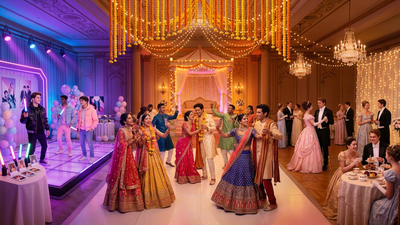
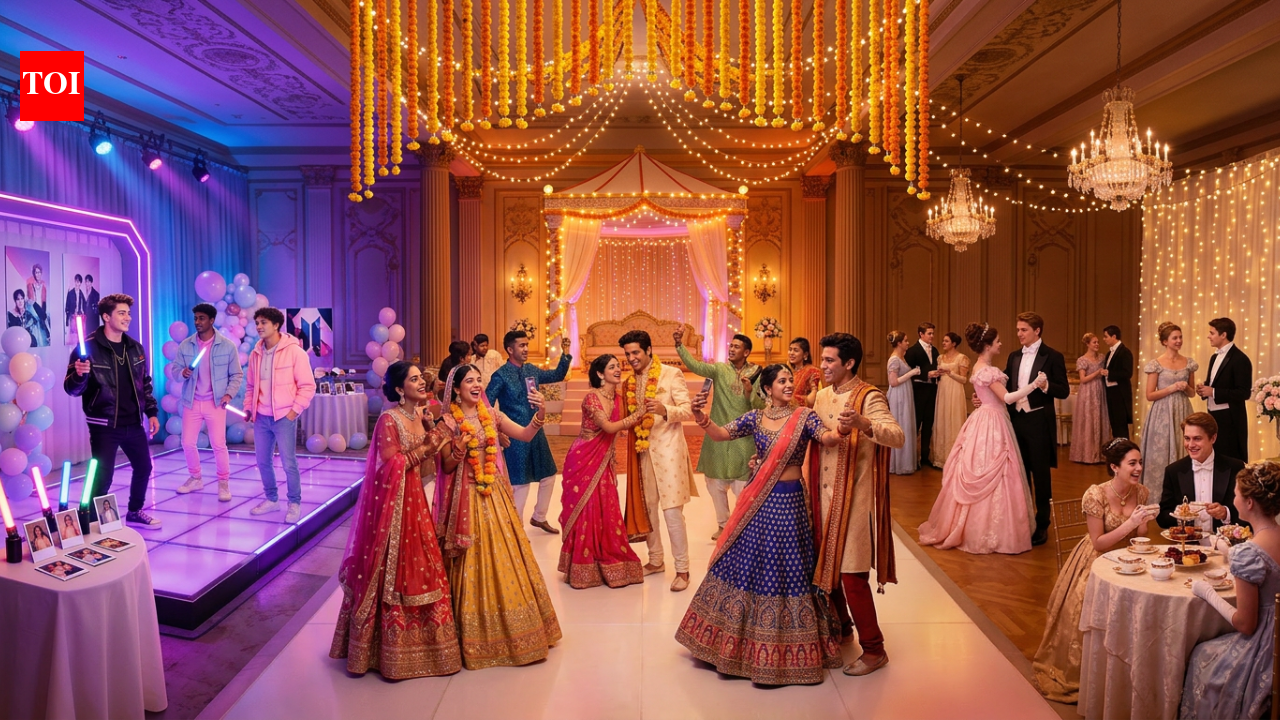
The modern social scene has undergone a seismic shift and theme parties have begun dominating the plains. It is not just an evening anymore; it is Bridgerton evening or a Swiftchella now.There is seldom a party invite that does not follow a theme. On the flip side, there are also hardly any popular themes that are not followed in the parties. It is turning out to be an ecosystem that is mutual, co-dependent and either way, widely popular.But what led to theme parties even becoming a thing? What is making these parties so popular? And why are more and more people driven to become a part of these events?

First, the basics: what are theme parties?

At its core, a theme party is a gathering built around one clear idea – and that idea dictates everything from the dress code and décor to the music, menu and even how guests behave through the night. Unlike a regular house party where the vibe is left to chance, a themed evening arrives pre-scripted.You decide in advance whether the room will feel like a Bridgerton ball, a Squid Game arena, a fake wedding, or a “I don’t have anywhere to wear this.”The stress of overdressing or underdressing gets replaced with the joy of dressing as a specific character or aesthetic, which is oddly more liberating than turning up as yourself.Ultimately, theme parties have become a more domesticated version of Met Gala but cheaper, closer and more personal.The same world-building and cosplay energy that once required large venues and official passes is now happening in living rooms, neighbourhood bars and small venues, driven by fans rather than studios.

How did theme parties become a rage?

The immediate answer is social media, but the fuller story sits in a humble collaboration of technology, psychology and marketing strategy. Event designers and marketers have been moving steadily towards designing the core themes to be immersive, personalised and “Instagrammable”.From the brand side also, this is not accidental, but a deliberate move to let the audience get involved to the best extent possible.As Prerna Bansal, Founder of Zero2One Marketing, points out, “The theme party boom isn’t a trend that happened to brands. For the smartest ones, it’s a trend they engineered. The modern consumers don’t want to be advertised to, they want to participate,” and theme parties are the clearest expression of that.People aren’t just watching Bridgerton or The White Lotus, they’re becoming them, right down to the colour palette, playlist and menu.Seeing this from the experiential marketing perspective, agencies observed that themed events deliver higher recall and stronger emotional engagement than regular campaigns.As Bharat Subramanian of Big Trunk Communications puts it, “When a party or event is designed around a clear narrative whether it is a film launch, a streaming show, or even a product category it allows audiences to step into the brand’s universe rather than just see an advertisement.”Divya Aggarwal of Impresario Entertainment notes,”Formats like Fake Shaadi nights, Bollywood Shaadi celebrations, or even Taylor Swift listening parties work because they transform passive fandom into collective participation. It allows people to inhabit a moment together, dress the part, sing along, and recreate the world they love.”

The psychology: why do people love them?

Underneath the glitter and props is a set of very real psychological needs that theme parties quietly meet.Social platforms have bridged the gap between what was once the great divide of fans and celebs. We now see the artists daily in our feeds, share in their private jokes, and receive carefully curated behind-the-scenes access.As trainee clinical psychologist Yukta Sharma says, “Because you can see them in a similar fashion to a close friend online, you can trick your brain into thinking they actually are just as close as a friend.”For mentally adding the audience to the artist’s “closer circle,” themed fan events or cup-sleeve gatherings just add to that. When you walk into a themed party full of people who share that same friendship-like bond with an artist, the connection suddenly feels validated and real.Social identity theory helps explain the rest.Sharma during her research on fandom interactions found how the “in-group effect” kicks in when you are no longer just an individual, but part of the “we”. “There is also this high, in a way, people get at these events called collective effervescence. It’s like that feeling of electricity or energy or a group buzz that happens when everyone focuses on the same thing, like singing the same lyrics at the same time,” Sharma says.She further adds, “There is actual research that proves that when people experience a live event together, their brainwaves actually start to sync up, especially when they are focused on the same music or movements.”The freebies, food and drinks are a bonus, but the real draw is that they transform a one-sided bond into “a giant oneness.”For attendees like Rini, the appeal is both emotional and developmental.She says theme parties are about “new experiences, meeting new people and learning new things,” and believes they “help me do better as a person and for society” by shifting her perspectives on others.“Because I don’t wanna miss anything,” she says about her preference to attend the large ticketed events and adds that she is willing to pay even for unofficial ones as long as they are safe, seeing them as experiences that “make new changes” in her life.

The marketing brain behind the décor

From a marketer’s eye, theme parties are not just cute fan moments but also unpaid campaigns. The principle at play is the experience economy where consumers are paying in money, time and creative effort to inhabit a brand world voluntarily.When Bridgerton designs its lavender-and-gold palette, or Squid Game designs instantly recognisable green tracksuits, they are, in Bansal’s words, “creating ready-made party blueprints.”Communication professional Tonmoyee Kashyap describes how campaigns are now built to be “themeable.” From the first mood-board, teams choose strong identities, distinct colour palettes and recognisable icons specifically so they can be remembered and recreated later in fan content.User-generated content (UGC) becomes the engine.“When people restage a campaign shot in their own homes or parties and post it on social media, they ultimately end up using certain keywords, either about the brand or while recalling the campaign or event. Social listening tools then pick up the spikes in conversation, hashtags and keyword mentions, allowing brands to measure how much “voice of share” is coming from these organic recreations,” Kashyap says.She adds, “This, in turn, helps extend the campaign’s life cycle. While every campaign has a defined timeline. But such organic conversations keep it relevant and present in people’s minds for longer.”This is where ROI thinking comes in.Kashyap points out that in brainstorming rooms, marketers are constantly asking what the return will be, in terms of reach, engagement, conversions. Themeable experiences make that math compelling.Earned media from themed gatherings doesn’t require ad spends yet delivers credibilityKashyap says, “When you pay for something, say, an influencer promoting it, you get visibility. But when people organically post about a party you’ve organised, such as a team gathering where attendees share their own stories, it carries far more credibility. In that sense, earned media builds greater trust. That’s one of the key reasons why these kinds of team parties are raging right now.”Data from themed parties feeds back into strategy.Bansal highlights, every hashtag, product purchase and Pinterest board tells studios which characters, aesthetics and story elements have the deepest lifestyle resonance. That shapes everything from merchandise lines and sequel strategies to how marketing budgets are allocated. For digital-first creators, the logic is similar.Filmmaker and creator Hrutul Patel sees projects like immersive shows, not as one-off performances, but as “larger IP ecosystems.”“The idea is to create a space where music, storytelling, philosophy and immersive visuals come together to form a larger narrative world. The audience is surrounded by the story from all six sides, making them feel like participants inside the narrative rather than spectators watching a performance,” he says.Brands are also investing in the last mile: local organisers. Patel notes how his immersive concert adapted as it travelled from Ahmedabad and Surat to Mumbai, Bengaluru and soon Pune and Delhi. The core narrative stayed intact, but the stage and experience were tweaked for each city’s venue and audience rhythm.Collaboration with local teams ensured “creative integrity” while making the show accessible.The result was not just strong turnouts but deeper engagement and word-of-mouth that helped the universe he’s building feel less like a product and more like a movement.

Keeping the conversation alive between seasons

For streaming platforms and sports leagues, the months between releases or matches are a dangerous quiet zone: subscribers drift, attention splits, and competitors move in.Strategists like Neelima Burra from Luminous says when brands collaborate with communities and local organisers, “evolve from events into shared cultural experiences that sustain engagement long after the headline moment has passed.”This keeps conversations alive between big tentpole events and turns the d-days or season drops into just one high point in a longer arc of engagement. In other words, the show that exists only on a screen risks being forgotten; the show that also lives in someone’s living room, bar, or wedding-themed party sticks longer.For independent creators like Patel, the same principle holds. His long-running music challenge created a continuous dialogue with listeners. Between chapters of his concerts, the themes continue to circulate through songs, philosophical ideas and fan conversations.

Where does this go next?

Theme parties are becoming the new norm. It is not just a passing trend but a deeper shift in how fans interact with entertainment. It is also becoming the focal point of how marketing is being designed.Now promotions are not designed after the release but are actively integrated in the concept design. It builds worlds that are easy to inhabit, and trust that fans will do much of the amplification themselves.Brands now invest in building worlds that can be brought to life and experiences that are emotionally rich but also reproducible – in outfits, in playlists, in recipes, in ritualsPsychology attributes it to para-social bonds and fandom communities becoming more than hobbies, they are evolving as the new support systems.And for fans, it means that the distance between screen and street keeps shrinking. What was once a poster on a bedroom wall is now a full room transformed for a night, a friendship circle built on shared emotional investment, and a party that doesn’t end when the credits roll. At this point, the stronger question may not be “Why are theme parties such a rage?” but “Which world will you be stepping into next – and who will you bring along?”



Source link

Mumbai megablock: Trans-harbour train services between Thane and Vashi/Nerul to remain suspended | Mumbai News


MUMBAI: The Central Railway Mumbai division will operate a megablock on its Trans-Harbour Line between Thane and Vashi / Nerul stations today to carry out various engineering and maintenance works.The block will be in place on the up and down Trans-Harbour lines between Thane and Vashi/Nerul stations from 11.10am to 4.10pm.During the block period, up and down Trans-Harbour services will remain suspended between Vashi/Nerul and Thane stations.Down line services for Vashi/Nerul/Panvel departing from Thane between 10.35am and 4.07pm, and up line services for Thane departing from Panvel/Nerul/Vashi between 10.25am and 4.09pm, will remain cancelled.


Source link

Ram Gopal Varma reveals Aditya Dhar was inspired by his films for ‘Dhurandhar’: ‘All go back to something they’ve seen’ |


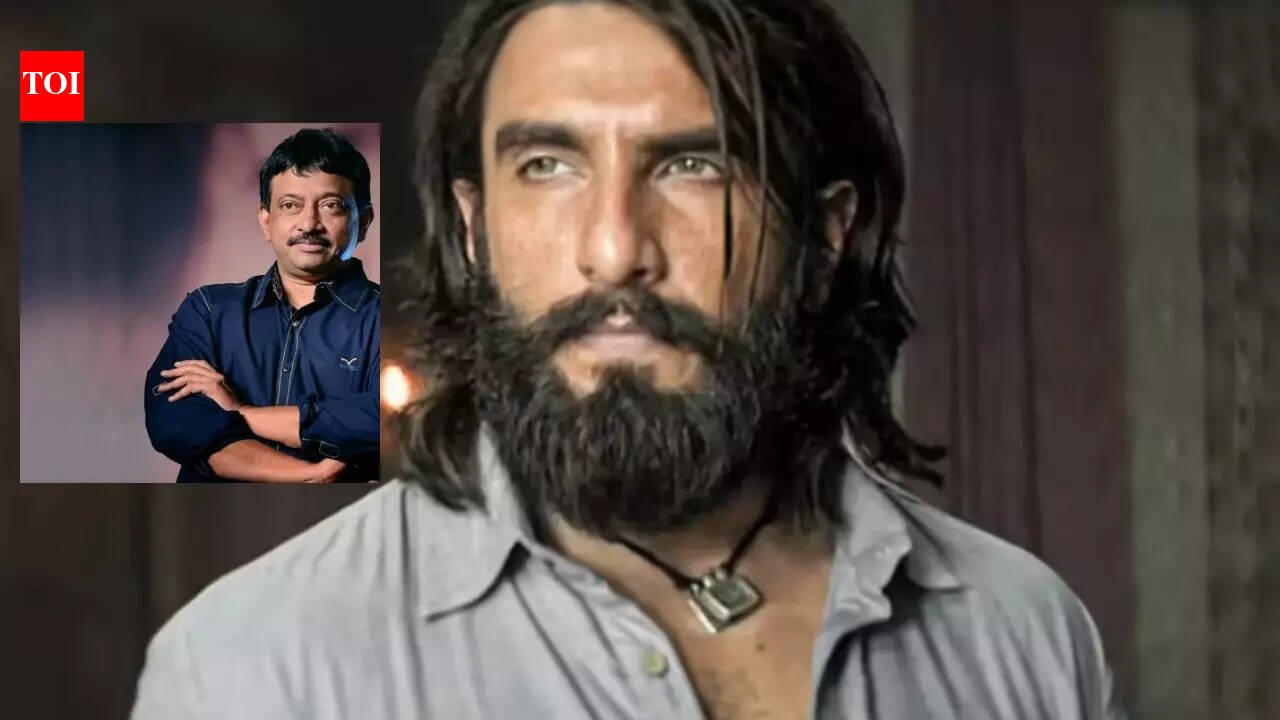
Filmmaker Ram Gopal Varma recently spoke about the inspiration behind the crime action film ‘Dhurandhar,’ directed by Aditya Dhar and starring Ranveer Singh, which emerged as one of the biggest Hindi hits of 2025. Many movie lovers noticed similarities between the film’s narrative style and some of Ram Gopal Varma’s cult crime films. In particular, audiences pointed out similarities with ‘Satya’ and ‘Company’ that are two films that shaped the portrayal of the Mumbai underworld in Hindi cinema.During a conversation with DNA India, RGV shared his thoughts on how filmmakers often draw inspiration from earlier works.

RGV Says Ranveer Singh’s Dhurandhar Sequel Might Rewrite Pan-India Box Office Power Game

RGV on how filmmakers get inspired

According to Ram Gopal Varma, it is natural for filmmakers to be influenced by films they admire.Ram Gopal Varma said, “See, whether Aditya Dhar did it consciously or not, eventually, all filmmakers will go back to something they’ve seen, or they got inspired by, and they’re bound to be influenced.”The filmmaker noted that such influences are not unusual. He added that many iconic films in cinema history were themselves inspired by earlier classics.This creative process, he said, allows filmmakers to reinterpret familiar ideas in new ways.

Ram Gopal Varma admits his own inspirations

During the conversation, Ram Gopal Varma also revealed that several of his own films were influenced by other well-known movies.Ram Gopal Varma said, “For me, Shiva was inspired by Bruce Lee’s Return of the Dragon and Sunny Deol’s Arjun. Satya was a bit of The Godfather and The Goodfellas. So likewise, when I spoke to Aditya, he told me, ‘I was mainly influenced by Satya and Company, and then I mixed them, and put some patriotism’. That was his first idea.”

RGV calls Dhurandhar a ‘game changer’

Ram Gopal Varma also praised ‘Dhurandhar’ for its impact on the film industry. Taking to X (formerly Twitter), the filmmaker recently described the movie as a pathbreaking success. He wrote, “Whenever a pathbreaking and monstrous hit like #dhurandhar comes, the industry people will wish to ignore it because they will feel threatened by it due to their inability to match its standards.”Ram Gopal Varma further commented on how the film could challenge existing filmmaking trends. He added, “So they will think of it as a nightmare, which will vanish when they wake up in their own films. This is even more true of all the so-called pan-India biggies, which are right now under various stages of production.” Ram Gopal Varma continued to praise the film in his posts, stating, “To that extent #dhurandhar will actually be like a HORROR film for all those makers who believed in the earlier template.” In another post, he added, “#Dhurandhar will be like a HORROR FILM for all those FILM MAKERS who do not have the ability to make a film with such BRILLIANCE, INTELLIGENCE, INTEGRITY, and CRAFT.”Following the success of ‘Dhurandhar’, the makers are now preparing to release its sequel, ‘Dhurandhar: The Revenge’ scheduled on March 19, while paid preview screenings are planned for March 19.


Source link

From Rahul Dravid to Shubman Gill: BCCI unveils list of winners for Naman Awards


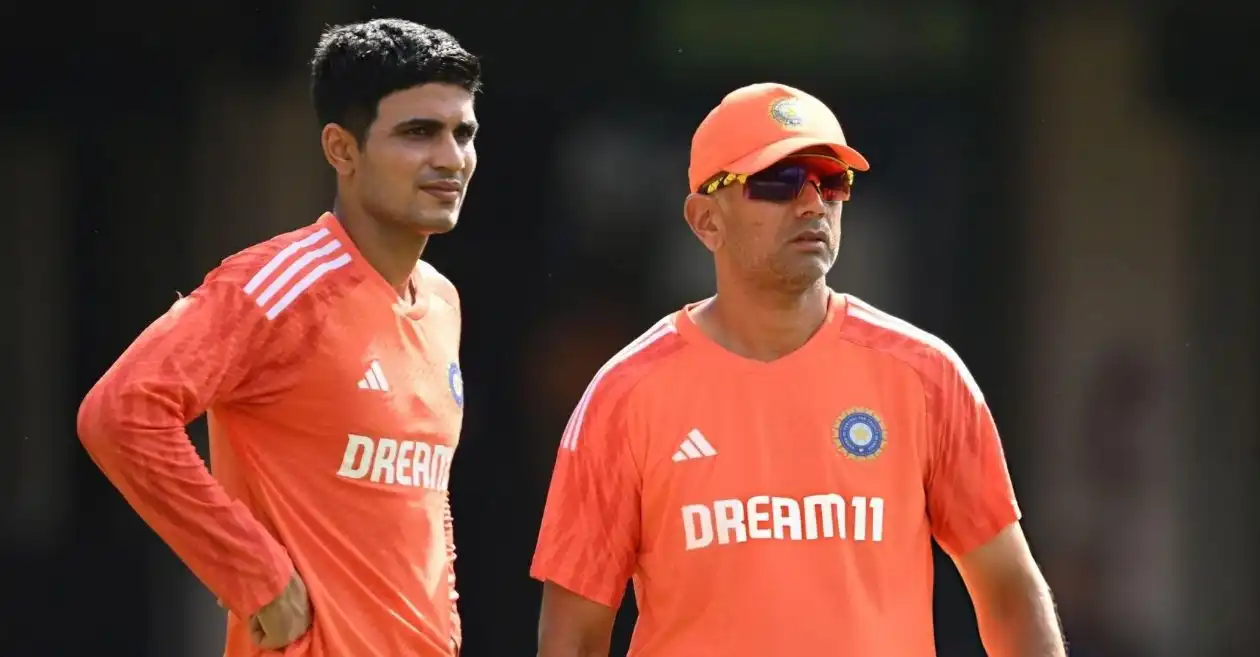
The Board of Control for Cricket in India (BCCI) has revealed the winners of the prestigious Naman Awards ahead of the ceremony scheduled for Sunday, March 15. The annual awards celebrate outstanding performances and long-standing contributions to Indian cricket across international, domestic, and junior levels. This year’s list features legendary figures such as Rahul Dravid and Roger Binny being honoured with the Col. C.K. Nayudu Lifetime Achievement Award, while current India captain Shubman Gill headlines the international honours.

Rahul Dravid and Roger Binny honoured with lifetime achievement award

Two stalwarts of Indian cricket, Dravid and Binny, will be presented with the Col. C.K. Nayudu Lifetime Achievement Award for their immense contribution to the game.

Dravid’s legacy stretches far beyond his glittering playing career. Known for his impeccable technique and composure at the crease, he amassed more than 24,000 international runs and established himself as one of India’s greatest Test batters. After retirement, Dravid played a crucial role in shaping the next generation of Indian cricketers. As the Head of Cricket at the National Cricket Academy, he mentored several young players who later became mainstays of the national side. He also guided India’s Under-19 team to the ICC U19 World Cup title in 2018. Later, as the head coach of the senior men’s team, Dravid oversaw a historic moment in 2024 when India ended a long ICC trophy drought by lifting the T20 World Cup in Barbados.

Meanwhile, Binny’s contribution dates back to India’s historic 1983 World Cup triumph. The former all-rounder was the leading wicket-taker in that tournament and played a key role in helping India secure its maiden World Cup title. Binny was also part of the Indian side that won the 1985 World Championship of Cricket. After his playing days, he served as the 36th President of the BCCI from 2022 to 2025.

Mithali Raj recognised for transforming women’s cricket

Former India captain Mithali Raj will receive the BCCI Lifetime Achievement Award for Women. Widely regarded as one of the greatest batters in women’s cricket, Mithali holds the record for the most runs in women’s One-Day Internationals with 7805 runs at an impressive average of 50.68.

Her influence extends beyond statistics. Mithali played a pivotal role in raising the profile of women’s cricket in India and inspired an entire generation of young players to pursue the sport professionally.

Shubman Gill and Smriti Mandhana headline international honours

India’s Test and ODI captain Gill will receive the prestigious Polly Umrigar Award for the Best International Cricketer (Men) for the 2024-25 season. This marks the second time Gill has earned the honour, reflecting his growing stature as one of India’s leading batters.

Among women cricketers, Smriti Mandhana has once again been recognised for her consistency and brilliance with the bat. She will receive the Best International Cricketer (Women) award for the fifth time in her career. Mandhana also topped the charts as the highest run-scorer in women’s ODIs during the 2024-25 season.

Other international honours include Deepti Sharma being named the highest wicket-taker in women’s ODIs, while Harshit Rana and Shree Charani were awarded the Best International Debut in the men’s and women’s categories respectively.

Domestic and junior stars also recognised

The Naman Awards also shine a spotlight on standout performers in domestic cricket. Mumbai’s Ayush Mhatre will receive the Lala Amarnath Award for the Best All-Rounder in domestic limited-overs competitions for the 2024-25 season. Vidarbha’s Harsh Dubey, who enjoyed a remarkable Ranji Trophy campaign, will receive the Lala Amarnath Award for the Best All-Rounder in the Ranji Trophy.

Several young talents were recognised across age-group tournaments, including Ira Jadhav, Shafali Verma, Vicky Ostwal and Yashbardhan Singh Chauhan, among others. The Mumbai Cricket Association was also honoured for the Best Performance in BCCI Domestic Tournaments during the 2024-25 season.

Also READ: Kuldeep Yadav ties the knot with longtime girlfriend Vanshika in grand Mussoorie ceremony

Special felicitation for India’s ICC trophy-winning teams

The ceremony will also celebrate a golden period for Indian cricket, with the felicitation of five ICC trophy-winning teams: the Women’s Under-19 World Cup 2025 champions, the Men’s Under-19 World Cup 2026 winners, the Champions Trophy 2025 champions, the Women’s World Cup 2025 champions, and the Men’s T20 World Cup 2026-winning team.

Complete list of BCCI Naman awards

Award Winner
Highest Wickets in One Day Internationals 2024-25 Women Deepti Sharma
Highest Run-Getter in One Day Internationals 2024-25 Women Smriti Mandhana
Best International Debut in 2024-25 Women Shree Charani
Best International Debut in 2024-25 Men Harshit Rana
Best International Cricketer in 2024-25 Women Smriti Mandhana
Polly Umrigar Award Best International Cricketer in 2024-25 Men Shubman Gill
Col. C.K. Nayudu Lifetime Achievement Award Rahul Dravid and Roger Binny
BCCI Lifetime Achievement Award for Women Mithali Raj
Jagmohan Dalmiya Trophy Best Woman Cricketer Jr Domestic 2024-25 Ira Jadhav (Mumbai)
Jagmohan Dalmiya Trophy Best Woman Cricketer Sr Domestic 2024-25 Sr Women One Day Shafali Verma (Haryana)
Jagmohan Dalmiya Trophy Highest Wicket-Taker U16 Vijay Merchant Trophy 2024-25 Elite Group Yashbardhan Singh Chauhan (Madhya Pradesh)
Jagmohan Dalmiya Trophy Highest Wicket-Taker U16 Vijay Merchant Trophy 2024-25 Plate Group Kishan Sarkar (Tripura)
Jagmohan Dalmiya Trophy Highest Run Getter U16 Vijay Merchant Trophy 2024-25 Elite Group Shanthanu Singh (Uttar Pradesh)
Jagmohan Dalmiya Trophy Highest Run Getter U16 Vijay Merchant Trophy 2024-25 Plate Group Pritam Raj (Bihar)
M.A. Chidambaram Trophy Highest Wicket-Taker U19 Cooch Behar Trophy 2024-25 Elite Group Hemchudeshan J (Tamil Nadu)
M.A. Chidambaram Trophy Highest Wicket-Taker U19 Cooch Behar Trophy 2024-25 Plate Group Arkajit Roy (Tripura)
M.A. Chidambaram Trophy Highest Run Getter U19 Cooch Behar Trophy 2024-25 Elite Group Nitya J Pandya (Baroda)
M.A. Chidambaram Trophy Highest Run Getter U19 Cooch Behar Trophy 2024-25 Plate Group Ragavan Ramamoorthy (Pondicherry)
M.A. Chidambaram Trophy Highest Wicket-Taker U23 Col C K Nayudu Trophy 2024-25 Elite Group Vicky Ostwal (Maharashtra)
M.A. Chidambaram Trophy Highest Wicket-Taker U23 Col C K Nayudu Trophy 2024-25 Plate Group Dipjyoti Saikia (Assam)
M.A. Chidambaram Trophy Highest Run Getter U23 Col C K Nayudu Trophy 2024-25 Elite Group Macneil H N (Karnataka)
M.A. Chidambaram Trophy Highest Run Getter U23 Col C K Nayudu Trophy 2024-25 Plate Group R Jashwanth Shreeram (Pondicherry)
Madhavrao Scindia Award Highest Wicket-Taker Ranji Trophy 2024-25 Elite Group Harsh Dubey (Vidarbha)
Madhavrao Scindia Award Highest Wicket-Taker Ranji Trophy 2024-25 Plate Group Suchith J (Nagaland)
Madhavrao Scindia Award Highest Run Getter Ranji Trophy 2024-25 Elite Group Y V Rathod (Vidarbha)
Madhavrao Scindia Award Highest Run Getter Ranji Trophy 2024-25 Plate Group Snehal Kauthankar (Goa)
Lala Amarnath Award Best All-Rounder Domestic Limited Overs 2024-25 Ayush Mhatre (Mumbai)
Lala Amarnath Award Best All-Rounder Ranji Trophy 2024-25 Harsh Dubey (Vidarbha)
Best Performance in BCCI Domestic Tournaments 2024-25 Mumbai Cricket Association
Best Umpire in Domestic Cricket 2023-24 Ulhas Gandhe (Vidarbha)

Also READ: Mohammad Kaif picks India’s next T20I captain after Suryakumar Yadav


Source link

‘I have no interest’: BMC removes red-blue beacon from Mumbai mayor Ritu Tawde’s car | Mumbai News


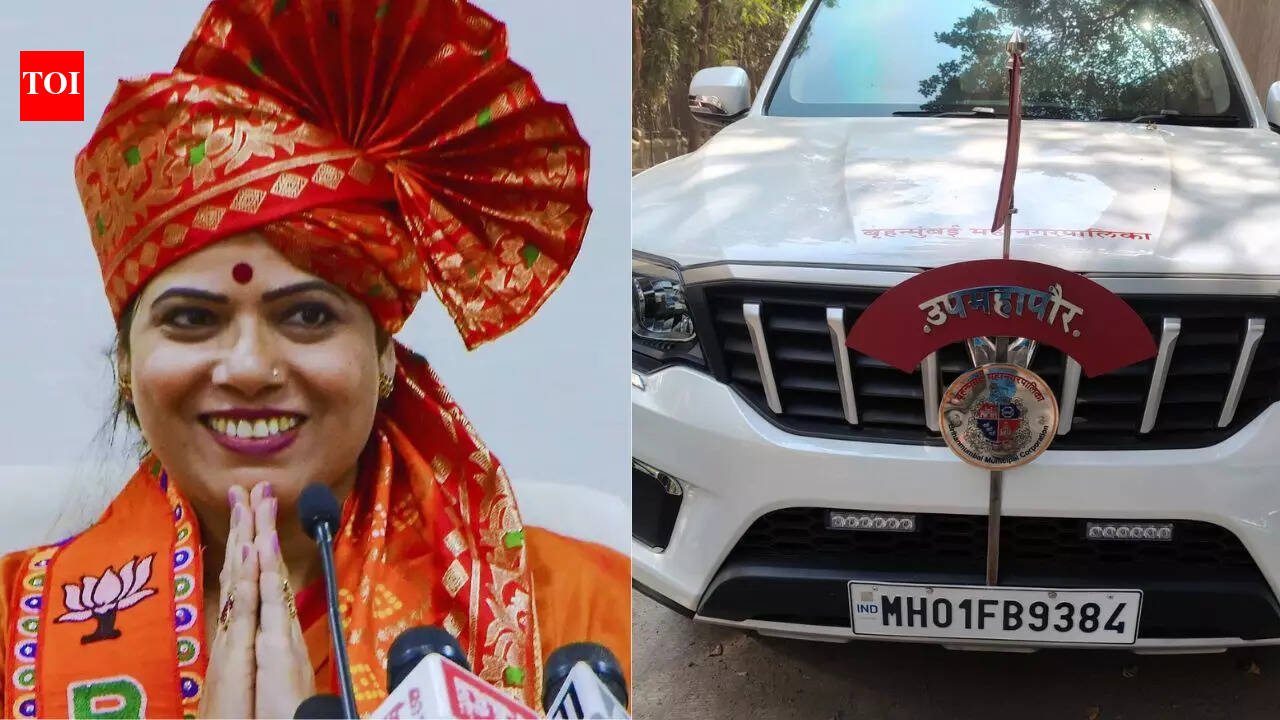
The BMC on Saturday, March 14, removed the red and blue flashing lights installed on the official vehicle of Mumbai Mayor Ritu Tawde and the escort vehicle accompanying her, following a controversy over their use.

MUMBAI: The BMC on Saturday removed the red and blue flashing lights installed on the official vehicle of Mumbai Mayor Ritu Tawde and the escort vehicle accompanying her, following a controversy over their use. The issue first surfaced on social media. On March 11, an X post by the handle “मुंबईचा शिवसैनिक” (@shivsainik007) questioned whether the mayor’s vehicle had permission to install police-style red and blue lights. The post included a picture of the mayor’s car showing the lights. The matter escalated on March 13 when RTI activist Anil Galgali wrote to the mayor objecting to the use of the lights. In his letter, Galgali said, “It has been noticed that unauthorised use of red and yellow lights is being made on the official vehicle as well as the escort vehicle. As per the instructions issued by the Central Government, the use of such lights has been restricted and is permissible only for specific emergency services. This matter should be taken seriously and necessary action should be taken immediately.” The controversy centred on flashing red and blue lights mounted on the front of the mayor’s official car, as well as an escort Scorpio vehicle fitted with similar police-style lights that was seen accompanying it. The escort vehicle typically carried the mayor’s personal assistants and protocol officer. Responding to the issue, Tawde said she had no interest in using a beacon on her vehicle and described the matter as an administrative lapse. “As mayor, I have no interest in a red beacon car. This is a mistake of the administration. I have also told the BMC commissioner that while providing an official vehicle to the mayor, the administration should have checked what was permissible. What is my mistake? I will use the vehicle provided to me, and if there were rules around it, they should have been followed,” she said, adding that she does not give importance to the criticism raised by the opposition.Chief minister Devendra Fadnavis, responding to the controversy, said that upon inquiry he found that the red beacon was not mounted on the roof of the vehicle but on the bonnet.“The mayor cannot be blamed for this. Our earlier decision clearly states that no one should use a red beacon, and the mayor is fully aware of this. She is being targeted without reason, which is not right,” he told mediapersons. A civic official confirmed that similar flashing lights had been installed on the vehicles of the mayor, the deputy mayor, and the leader of the house, and that all of them were removed on Saturday. The controversy also triggered political criticism. Leader of the Opposition and former Mumbai mayor Kishori Pednekar of the UBT Shiv Sena said the development went against the Centre’s move to end VIP culture. “VIP culture was ended by Prime Minister Narendra Modi and the central government, but the Mayor of Mumbai could not resist the allure of VIP culture. Has the mayor become bigger than the Prime Minister and the Chief Minister?” she questioned. The use of such lights on official vehicles has been restricted since May 1, 2017, when the central government prohibited the display of red beacons and other symbols such as name plates, insignia and flags on government or hired vehicles, except for authorised emergency services. Following that decision, the red beacon was removed from the Mumbai mayor’s official vehicle during the tenure of then mayor Vishwanath Mahadeshwar.UBT MLC Milind Narvekar also took to X on the issue where he questioned, “What’s really going on against the newly elected mayor?.”


Source link

Trump’s forced labour probe: China faces closest scrutiny; what does it mean for India?


Trump’s forced labour probe: China faces closest scrutiny; what does it mean for India?

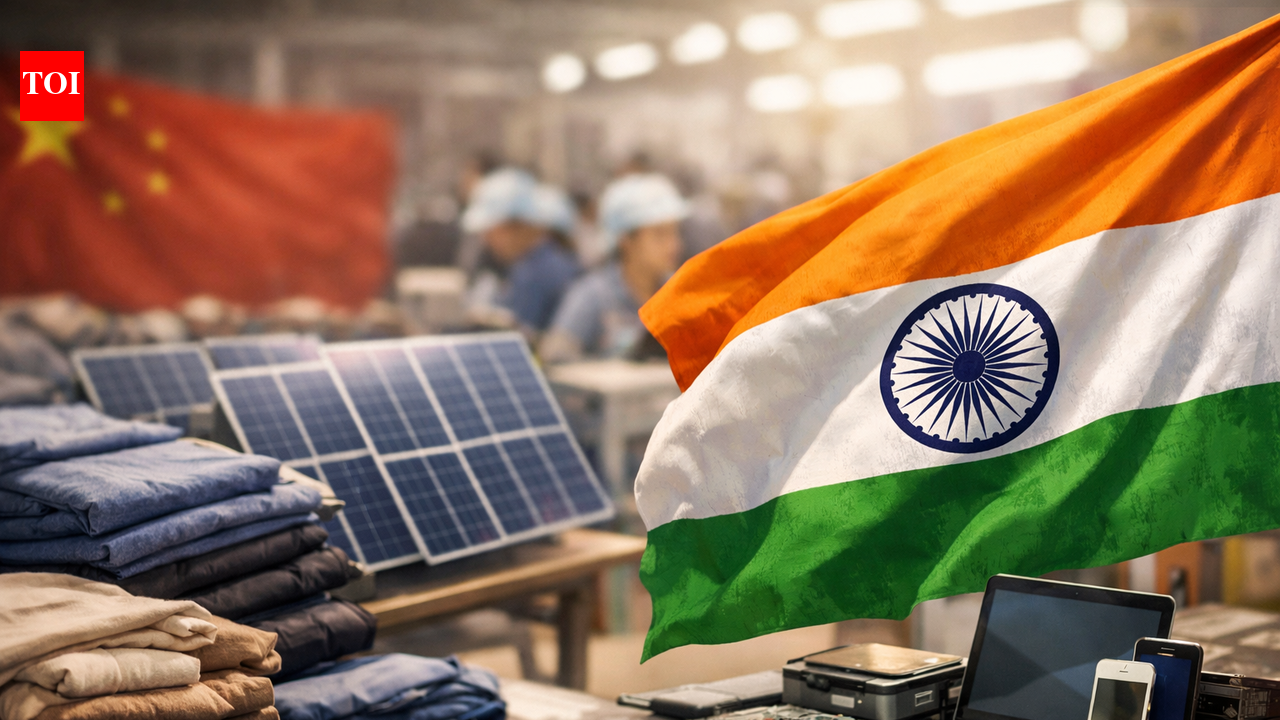
India’s exports of solar panels, electronics and garments may come under closer scrutiny after the United States launched a fresh trade investigation into the presence of forced labour in global supply chains, a report by the Global Trade Research Initiative (GTRI) has said.Earlier on March 12, the United States Trade Representative (USTR) announced the probe under Section 301 of the Trade Act of 1974 covering 60 economies. These include India, China, the European Union, the United Kingdom, Japan, Canada, Australia, Mexico, Brazil, Vietnam, Bangladesh, Cambodia and Pakistan. It marks the second Section 301 investigation initiated by Washington this month.About the probe:The inquiry will look at whether goods made using forced labour are entering international supply chains. “It will look at two situations: where forced labour is used directly in production, and where countries import inputs made with forced labour from other countries and use them to produce goods that are later exported to the United States.”Officials will also study whether advanced economies have adequate legal frameworks and enforcement systems to prevent goods made with forced labour from being imported or sold within supply chains.The GTRI report noted that according to Washington, such goods can still disrupt markets even if they pass through third countries before entering global trade, as lower production costs can give them an unfair price advantage over legitimate producers. “The US argues that if such goods enter international trade through third countries, they can still distort markets by lowering production costs and undercutting legitimate producers.China under lensChina is expected to feature prominently in the investigation because of long-standing allegations regarding labour practices involving Uyghur and other Muslim minorities in the Xinjiang Uyghur Autonomous Region.Governments and human-rights groups have alleged that labour-transfer programmes move workers into farms and factories connected to export-oriented industries. China has rejected these claims, stating that the programmes are designed to create employment opportunities and provide vocational training.Investigations in the past have linked labour programmes in Xinjiang to industries such as cotton farming, textiles, garment production, tomato processing and the manufacturing of polysilicon used in solar panels.The controversy earlier prompted the United States to implement the Uyghur Forced Labor Prevention Act, under which goods linked to Xinjiang are presumed to have been produced with forced labour unless importers can demonstrate otherwise.Because of these concerns, several Chinese products have been identified as high risk in global supply chains. These include cotton and cotton textiles, with Xinjiang accounting for around 20% of global cotton production, along with polysilicon used in solar panels. At the same time, products like tomato paste, processed foods, garments, fabrics, electronics components, cables, peppers and garlic have also drawn scrutiny.The investigation is also expected to review labour practices in countries such as Myanmar and North Korea, where forced labour allegations linked to state authorities or armed groups have persisted for years.

How is India at risk?

While India bans forced labour under the Bonded Labour System (Abolition) Act, 1976, its export sectors could still be drawn into the investigation due to their dependence on imported inputs from China. According to the GTRI report, several industries may be affected:

  • Solar equipment exports from India to the United States often rely on imported polysilicon or solar cells that originate from Chinese supply chains previously questioned over alleged forced labour links in Xinjiang.
  • Electronics manufacturers in India also depend heavily on Chinese components, cables and sub-assemblies. If these parts are traced back to regions associated with labour-transfer programmes, they could come under scrutiny during the investigation.
  • In the textiles and garments sector, Indian producers frequently use yarns and fabrics sourced from China. These inputs could face tighter traceability requirements if linked to cotton originating from Xinjiang.

“Because the United States is a major market for solar equipment, electronics and garments, Indian exporters may face higher compliance costs and stricter documentation requirements as US authorities demand detailed proof of the origin of inputs used across supply chains,” the report said.Section 301The forced labour probe follows another Section 301 investigation announced by the USTR on March 11. That inquiry is examining whether industrial policies in 16 economies have led to excess manufacturing capacity that harms US industries. India has been named in both probes.The report said the United States appears to be relying more on trade investigations after legal rulings constrained earlier tariff strategies. It added that the move may also be aimed at discouraging countries from walking away from trade deals negotiated during the Trump administration after those agreements lost value following the US Supreme Court’s February 20 ruling.


Source link

No captaincy for Virat Kohli, Watson snubbed in Dinesh Karthik’s all-time RCB XI | Cricket News


No captaincy for Virat Kohli, Watson snubbed in Dinesh Karthik's all-time RCB XI
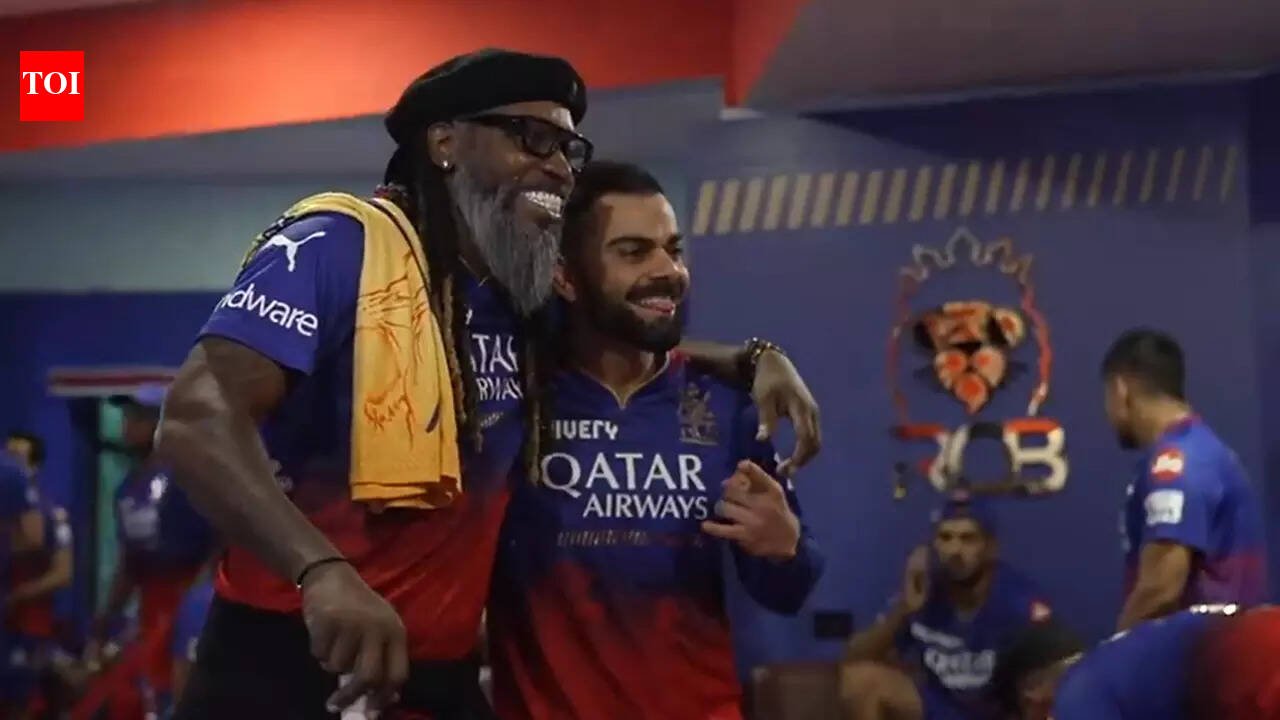
Chris Gayle with Virat Kohli during his visit to the RCB dressing room in Bengaluru (Photo: Video grab)

As the Indian Premier League gears up for another blockbuster season, Royal Challengers Bengaluru remain one of the most talked-about teams in the competition. After finally lifting their maiden IPL title last season, RCB will head into IPL 2026 as defending champions with a strong squad and renewed confidence.Ahead of the new season, RCB’s batting coach and former wicketkeeper-batter Dinesh Karthik revealed his all-time Royal Challengers Bengaluru playing XI, featuring several legendary players who have represented the franchise over the years.

IPL 2026 should be audition for the next India T20I captain

Dinesh Karthik’s all-time RCB Playing XI

Chris Gayle, Faf du Plessis, Virat Kohli, Rajat Patidar (Captain), AB de Villiers, Jitesh Sharma (Wicketkeeper), Krunal Pandya, Harshal Patel, Mohammed Siraj, Yuzvendra Chahal, Josh Hazlewood

Why Virat Kohli not being captain is a surprise

Virat Kohli’s exclusion as captain is bit surprise for the fans because of his long and historic association with RCB.

  • Kohli captained RCB from 2013 to 2021, one of the longest captaincy tenures in IPL history.
  • He led the team in around 140–143 matches, winning 66 games and losing 70, with four matches ending without a result.
  • His captaincy win percentage was around 48%

Under Kohli’s leadership, RCB reached the IPL 2016 final, which remains one of their best campaigns. That season also saw Kohli produce arguably the greatest individual IPL season ever, scoring 973 runs, still the record for most runs in a single IPL edition.

Chris Gayle: The most destructive RCB batter

One of the first names in Karthik’s XI was Chris Gayle, whose impact at RCB between 2011 and 2017 transformed the franchise’s batting identity.Chris Gayle was one of the most dominant players in the history of Royal Challengers Bengaluru. During his stint with the franchise, Gayle played 85 matches and scored 3163 runs at an average of over 41, smashing five centuries and 19 half-centuries. His most iconic knock came in 2013 when he blasted an unbeaten 175 against Pune Warriors, which still stands as the highest individual score in IPL history. Alongside Virat Kohli and AB de Villiers, Gayle formed one of the most feared batting trios in the league, often referred to as RCB’s golden-era lineup, capable of dismantling any bowling attack on their day.

Why Shane Watson did not make the XI

The omission of Shane Watson also surprised some fans, considering his reputation as a world-class all-rounder. However, Watson’s RCB stint came late in his IPL career and his numbers for the franchise were relatively modest. Watson had far more success with Rajasthan Royals and Chennai Super Kings, which likely influenced Karthik’s decision to leave him out.

Rajat Patidar named captain

One of the most notable choices in Karthik’s XI was naming Rajat Patidar as captain instead of long-time skipper Virat Kohli. Karthik explained that Patidar’s leadership and recent performances played a major role in his decision.“He’s the most successful captain, let’s start there. As a batter, the impact he has given in the short time he has played for RCB has been phenomenal. He is such a key player for RCB. In fact, I’ll go a step ahead and say that he would be my captain,” Karthik said on Cricbuzz.While acknowledging Kohli’s long and successful stint as RCB captain, Karthik said Patidar’s title-winning leadership gave him the edge.

Karthik praises Krunal Pandya’s impact

Karthik also highlighted the contribution of Krunal Pandya, especially for his performance during the championship-winning season.“If RCB has the trophy today, it is largely due to how well he bowled in that final and the Man of the Match performance he had against CSK. He played such a pivotal role last year,” Karthik said.

RCB’s Bowling setup

Harshal Patel and Yuzvendra Chahal earned their spots in the bowling attack primarily due to their outstanding records with Royal Challengers Bengaluru. Chahal remains one of the most successful spinners in the franchise’s history, while Harshal’s wicket-taking ability made him a standout performer during his time with the team. Josh Hazlewood was included at No. 11 following his impressive performances in the IPL 2025 season, where he played a key role with the ball. Meanwhile, Dinesh Karthik opted for Mohammed Siraj as Hazlewood’s new-ball partner ahead of former RCB bowlers Vinay Kumar and Sreenath Aravind, explaining that Siraj’s selection was based largely on the sheer volume of wickets he has taken for the franchise over the years.After ending their long wait for the IPL trophy last season, Royal Challengers Bengaluru will now aim to defend their title in the upcoming season.

Banner Insert


Source link

Sachin Tendulkar on Eden 2001: Steve Waugh’s mighty Aussies, Laxman-Dravid magic, and his ‘out-of-the-box’ spell | Cricket News


Sachin Tendulkar on Eden 2001: Steve Waugh's mighty Aussies, Laxman-Dravid magic, and his 'out-of-the-box' spell
India scripted one of Test cricket’s greatest turnarounds at the Eden Gardens in 2001 (Image credit: X)

Twenty-five years after India scripted one of Test cricket’s greatest turnarounds at the Eden Gardens in 2001, legend Sachin Tendulkar revisits the drama of that unforgettable match against Australia. In this interview, the batting great recalls the buzz around Steve Waugh’s seemingly invincible side, the dressing-room belief after the Mumbai defeat, and the magic of VVS Laxman and Rahul Dravid’s epic partnership. Tendulkar also reflects on his own surprise spell on the final day, when his “out-of-the-box” bowling helped break Australia’s resistance. He explains how that famous victory trans -formed India’s confidence and why the Eden Test still ranks among the greatest wins of his career.There was a certain buzz before that series wasn’t there? The Aussies landed here having won 15 Tests in a row.

EXCLUSIVE: Rahul Dravid on iconic Eden Gardens win against Australia in 2001

Yes, there was a lot of buzz before Australia got to India, as they had beaten everyone convincingly. I was playing in the Duleep Trophy in Pune for West Zone against East. I was asked by the media if I thought we could beat Australia. My answer was yes. I said it because they had never been put in a pressure situation. So, if we are able to put them in a pressure situation, we need to see how they respond.Did you prepare differently for the series?Nothing specific. I just kept everything normal, because I was playing well and I had scored runs in the Duleep Trophy. I was in a good frame of mind. In fact, in the first Test at Wankhede, I scored 76 and 67.Despite your contributions in Mumbai, the team lost inside three days. What was the mood when you travelled to Kolkata?When we went to Kolkata, the team was determined to fight back. Going one down in a three-match series is never a good feeling. So, we were all prepared and determined to win that Test and go to Chen -nai one-all and pin them down there. But our first innings wasn’t that great. But I remember VVS Laxman got 59.Tell us about watching that Laxman-Dravid partnership from the dressing room, especially on Day Four.Because VVS batted so well in the first innings, it was decided by coach John Wright, captain Sourav Ganguly and a couple of seniors in the dressing room that he would bat at No.3 in the second innings. And VVS just batted magnificently, as did Rahul. Day Four was a special day for us. From where we started in the morning to where we got in the evening, everything had transformed. The thought process was different, and there was a lot of excitement in the air. We felt that if we could score quickly on the morning of Day Five, and put Australia in, knowing how Australians approached all the matches, we knew they would go for the total and play aggressively and positively. And that is how it happened.What was so special about that partnership?It’s very easy to go out there, play a flamboyant innings and come back to the dressing room. But at Eden, time was also of the essence. If we had scored runs quickly and given Australia time, I don’t know if it would have worked. Apart from building a big total, occupying the crease was important too. So, they occupied the crease for a long duration. Batting for a long period of time isn’t just about physical endurance; it is also about mental endurance, how long you are able to concentrate and not give them a chance. I thought the way both of them batted was simply amazing. And we reached a point where there could only be one winner. I had said before the series started that it would be nice to see how Australia respond when they are put under pressure. And Rahul, VVS and Harbhajan, all three were responsible for the Indian team to be in that position on Day Five. And from there on, we capitalised.

VVS Laxman and Rahul Dravid (AFP Photo)

Take us through Day Five, final session. Sourav Ganguly brings you on to bowl. Was it only for a change of ends? Watching the sequence of events on YouTube today, did he say, ‘just one over’? You eventually bowled 11 and picked up three vital wickets.Harbhajan was bowling really well. But, for some reason, we were struggling to pick wickets for a while. When you put a team in for just over two sessions, you can’t just expect them to get out eas -ily. If a pair batted for some time, you felt a partnership was building, and the result won’t go in our favour. We had to pick wickets at frequent intervals. I remember Sourav asking me, ‘Why don’t you bowl from this end?’ I have seen videos too where Sourav is talking to me. But it was never about me coming on for just one over. I bowled frequently during that period in Test cricket and before that too, and would provide the odd breakthrough regularly. I started bowling from the pavilion end and got two crucial wickets.You generally bowled leggies to right-handers and off-spin to left-handers, especially in white-ball cricket. But you got Matthew Hayden and Adam Gilchrist, two attacking lefties, with full-pitched leggies. What was the thought behind that?Yes, those two guys were actually responsible for Australia beating us in the first Test, as they had a big partnership and scored hundreds. I managed to get both out LBW as they tried to sweep and missed.That googly to Warne. If anyone had to pick it, it had to be a champion leggie like him. But you disguised it perfectly. When did you think of bowling a googly?I’ve always believed that when someone like me comes on to bowl, I should be constantly experimenting and not be predictable. I should be doing different things, out-of-the-box things, not be a regular bowler. I’ve always believed in catching the batter off guard. Warney’s was a prize wicket for me. I don’t think he picked me, and neither did he expect me to get so much turn from my googly. Bhaji was bowling incredibly well. We just needed someone to support him. We were trying, but things were not going in our favour. But those three wickets helped us get back on track and end the game on a winning note.What did that Eden win do to Indian cricket?Our confidence levels just shot through the roof. When we went to Chen -nai, although it was a new game, we felt we had the upper hand. We felt that 70% of the series would belong to us. And, despite Hayden’s unbelievable form in that series, we were able to put up a total in the first innings and put Australia under pressure again. Again, thanks to Bhaji there, who picked a lot of wickets. Rahul and I both scored runs again. I scored a hundred, and we won the series. Wins like the one we had at Eden make a huge difference. There is no medicine like a victory. It’s a tonic that energises you. The memories stay with you forever. But it also helps the next generation. You know, when they are watching us on television, the younger generation gets inspired.Where do you rank the Eden win among the many great wins you have had in your career?Among the top victories. If you take any victory in any part of the world, Eden Gardens 2001 would be discussed and always talked about.

Banner Insert


Source link

Farah Khan: Akshaye Khanna was ‘not nice on set,’ stayed irritable over hair loss, reveals Farah Khan | Hindi Movie News


Farah Khan revealed on Ranveer Allahbadia’s podcast that working with Akshaye Khanna in the ’90s left her traumatised due to his irritability over hair loss. She said he changed after Dil Chahta Hai. Farah recently praised him for Dhurandhar and recalled how others rejected his Tees Maar Khan role before he took it.

Akshaye Khanna is getting the attention he deserves from his role in Aditya Dhar’s ‘Dhurandhar’. With more eyes on him now, people are watching his funny and real acting in Farah Khan’s crazy movie ‘Tees Maar Khan’ again. It failed at the box office when it came out, but over time it became a fan favorite and part of pop culture. Social media clips of his scenes often tag Farah, and she praises him there. But she recently said their early work together was tough, she even skipped projects with him back then.

Farah Khan traumatised after working with Akshaye Khanna

On Ranveer Allahbadia’s podcast, Farah Khan shared: “In the ’90s, I did a couple of movies with Akshaye, and after that I was traumatised. Because he used to be a different person. Yes, introverted, but not a nice person on set. Whenever I heard that Akshaye Khanna was in a film, I used to say, ‘I don’t have the dates.’” She added that the actor was dealing with hair loss at the time, which kept him in a bad mood.

Akshaye Khanna dominates Dhurandhar wave; Farah Khan’s “deserves an Oscar” remark fuels frenzy

Akshaye Khanna irritable over hair loss

“I think at that time he himself had said that he was losing his hair. He was constantly irritable. He used to throw things and say, ‘What kind of dialogue is this?’ He used to be that kind of person.” But Farah noted her view shifted during their work on Farhan Akhtar’s ‘Dil Chahta Hai’. She couldn’t turn it down since it was her cousin Farhan’s first time directing.

Poll

Did you enjoy Akshaye Khanna's performance in 'Tees Maar Khan' despite its initial box office failure?

Akshaye Khanna changes after ‘Dil Chahta Hai’

She shared, “He had completely changed by then. He had reconciled with his hair. In ‘Dil Chahta Hai’, he became very chill. Before that, if there was water or rain in a scene, he would always wear a cap, like see every rain song of his, such as in Taal. But after Dil Chahta Hai, something changed. And he is a brilliant dancer, if you watch ‘Koi Kahe Kehta Rahe,’ he is dancing better than Aamir and Saif.”

Farah Khan praises Akshaye Khanna today

Farah noted that they now enjoy a great bond. She even rang up Akshaye Khanna right after seeing Dhurandhar to praise him. “I called him and then I went to his Alibag house. What I like about him is that he is not about the fluff, he is about the work. He enjoys acting.”

Akshaye Khanna gets ‘Tees Maar Khan’ role

During the chat, Farah also disclosed that Aatish Kapoor’s part in ‘Tees Maar Khan’, which Akshaye took on, had been passed up by others first. “Many people said no to that role. First Sharman Joshi turned it down because he was doing Ferrari Ki Sawaari at the time. And Akshaye Khanna was the last person you would think of for that role because it’s such a zany, cracked comedy, he had to go completely hamming.”


Source link