Breaking News
‘Culture erased’: New Hindu temple in Dallas sparks backlash, netizens claim ’18th temple in the DFW area alone’ | World News


The ongoing immigration diatribe aimed at Indian-Americans and Hindus has found a fresh flashpoint online in a recent X post. A self-described nationalist account recently took to the social media app to rant about another ‘massive’ Hindu temple rising in Dallas. They claimed the temple was the ’18th’ temple in the Dallas-Fort Worth area alone and added that the flood ‘never stops’, alleging a growing cultural shift. “Temples everywhere, neighbourhoods transformed, schools completely changed, culture erased. This isn’t random. It’s 100% coordinated,” wrote the account that goes by Info Battle Maiden.

Watch

‘Culture Erased’ Claim Sparks Row Over Hindu Temple In Dallas Fort, Targets Indian Community Online

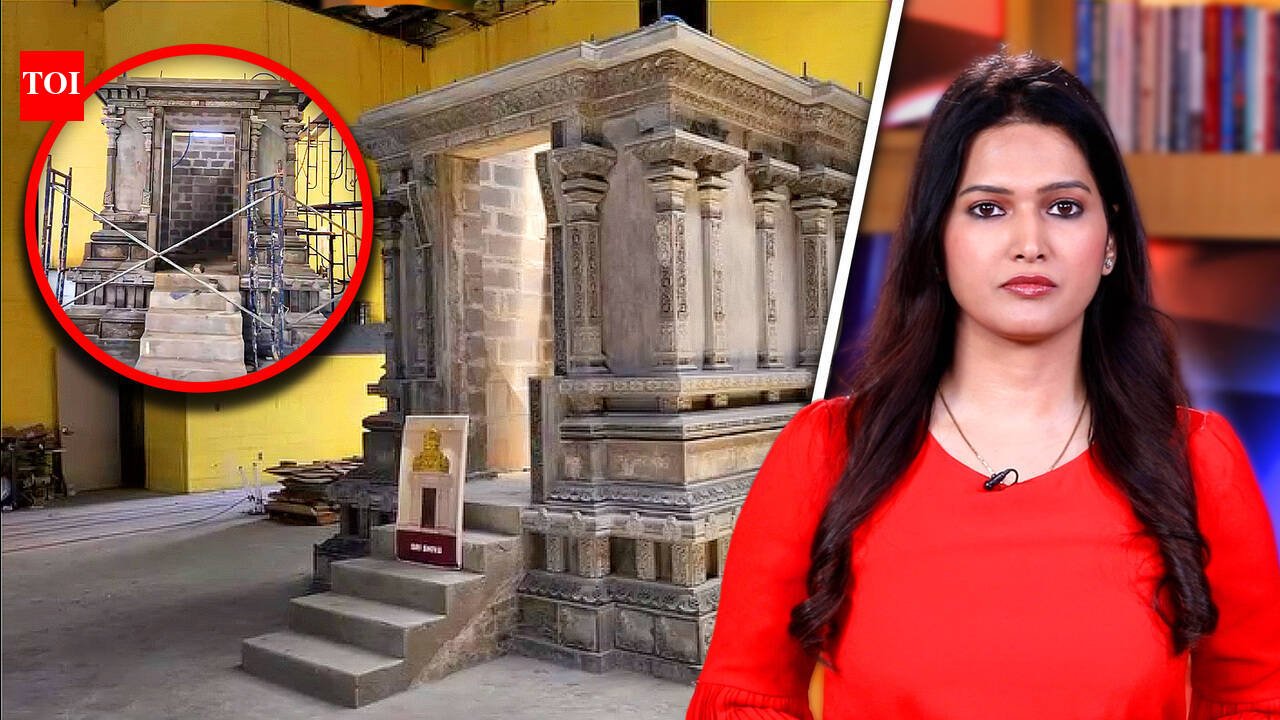
The video, sourced from the Sri Ganesha Temple’s website featured 3D renders and on-site granite carvings of the 20,000 square foot temple set to open in late 2026 in Plano, a city located in the Dallas-Fort Worth metroplex. The post quickly gained traction online with numerous netizens mocking the Hindu culture and practices.

Poll

What do you think is the primary reason for rising tensions over Hindu temples?

“We can’t allow demon worship in this country. We will pay dearly if we do,” wrote one user on X. “These are immigration conduits for Hindu priests! With this new temple they will import a hundred Hindu priests and their families!” claimed another. “People need to start calling them out on their caste beliefs, a big part of Hinduism. It’s anti-American and anti-Democratic. Buddhism took the good parts and got rid of the bad parts of Hinduism, but don’t tell Indians that!” trolled one. Plano is one of the US’s fastest-growing South Asian hubs. The DFW area has over a dozen major Hindu temples, considering the Indian-American population in the area is more than 235,000, roughly 3 per cent of the total population with larger concentrations in suburbs like Plano, Frisco and Lewisville, where Indian-run businesses, cultural centres and communities have flourished in recent years. However, the post follows the larger rising anti-Indian and anti-Hindu rhetoric in America, where the fear of ‘losing’ their own cultural landscape has made numerous Americans target other communities online. A 2022 research by the Network Contagion Research Institute at Rutgers University documented a pattern where social media was systematically weaponised to target Hindu communities by bots and geopolitical players. It also warned Hindu communities to be cautious since hate online often tends to slip into the physical world. Specifically, in the DFW area, tension has surfaced in multiple instances. From comedian Alex Stein mocking the Hindu culture in a Plano city council meeting to right-wing influencer Kaylee Campbell accusing Indian-Americans of conducting a housing scam in Frisco and Plano, numerous complaints have been raised in the region by the citizens, highlighting a larger unrest regarding the presence and visibility of Indian-Americans.


Source link

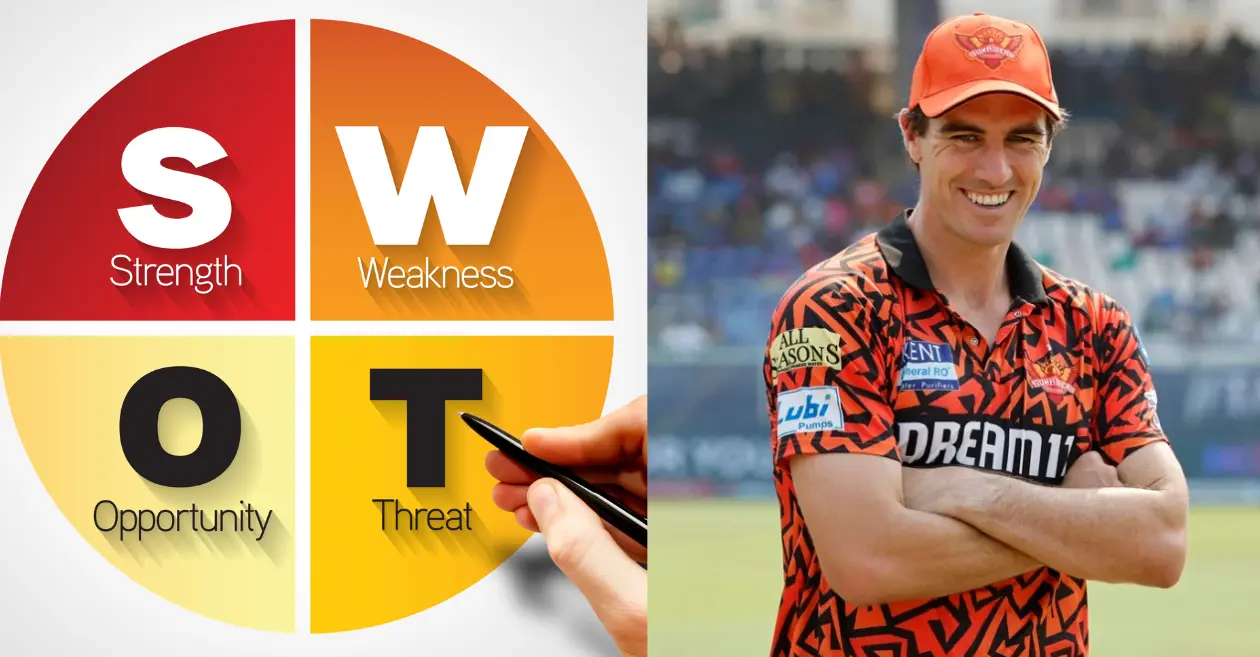
SWOT analysis of Sunrisers Hyderabad: SRH’s report card ahead of the IPL 2026


The Sunrisers Hyderabad (SRH) enter the IPL 2026 season as one of the most unpredictable yet feared franchises in the league. Known for their ‘Orange Fire’ and a legacy of producing world-class bowling attacks, the team’s identity underwent a radical transformation last year. Under the leadership of Pat Cummins and the tactical guidance of head coach Daniel Vettori, SRH pivoted toward an ultra-aggressive, boundary-or-bust batting philosophy. While this approach shattered multiple scoring records, it also led to significant inconsistency, resulting in a sixth-place finish in 2025 and a failure to make the playoffs.

As the 2026 season kicks off on March 28 against defending champions Royal Challengers Bengaluru (RCB), the primary question remains: Can SRH temper their raw power with enough tactical maturity to lift their first trophy since 2016? With a squad bolstered by high-profile auction signings like Liam Livingstone and a core of retained stars, the expectations in Hyderabad have never been higher.

SRH’s road to redemption: Fixing the 2025 fragility

The 2025 campaign was a rollercoaster for SRH fans. The team started and ended the season with historic totals, but a mid-season slump exposed a lack of a Plan B. When flat decks weren’t available, the top order’s refusal to drop anchor often led to catastrophic collapses. For 2026, the management has signalled a shift toward a more balanced smarter, not just harder approach.

A significant storyline heading into the opener is the leadership. With Cummins nursing a back injury that may see him miss the initial phase, Ishan Kishan has been tipped to lead the side, with the top-ranked T20I batter Abhishek Sharma as his deputy. This young, Indian leadership core represents a new era for the franchise, one that seeks to combine the fearless nature of the ‘Orange Army’ with the consistency required to navigate a grueling two-month tournament.

SRH’s SWOT analysis for IPL 2026

To understand if SRH is truly a title contender, we must break down the squad’s structural integrity through a detailed SWOT analysis.

Strengths

  • A historic batting engine: SRH possesses arguably the most destructive top four in the competition. The left-right combination of Travis Head and Abhishek Sharma is a nightmare for bowlers in the Powerplay. Following them are Ishan Kishan and Heinrich Klaasen, the latter being widely regarded as the best spin-hitter in world cricket. This quartet can effectively end a game within the first ten overs.
  • Middle-order reinforcements: The acquisition of Liam Livingstone for ₹13 crore is a masterstroke. He provides the “X-factor” that was missing last year, offering both brute force in the death overs and a handy bowling option (both leg-spin and off-spin).
  • Emerging domestic core: Players like Nitish Kumar Reddy and Harsh Dubey have evolved from prospects into pillars. Reddy’s ability to stabilize an innings provides the glue that the all-out-attack unit desperately needs.

Weaknesses

  • Vacant leader in pace attack: The trade of Mohammed Shami to Lucknow Super Giants has left a massive void. While Cummins brings authority, the supporting cast of Harshal Patel, Jaydev Unadkat, and Shivam Mavi has been inconsistent. The lack of a genuine, 145km/h+ wicket-taker to partner with Cummins could hurt them on batting-friendly tracks.
  • Inexperienced spin department: Following the release of Adam Zampa, SRH is banking heavily on Zeeshan Ansari and Harsh. While Harsh comes off a stellar domestic season (69 wickets in the Ranji Trophy), the lack of a seasoned, international-level specialist spinner could be a liability during the middle-over squeeze on slowing pitches.

Also READ: SWOT analysis of Royal Challengers Bengaluru: RCB’s report card ahead of the IPL 2026

Opportunities

  • The Rise of Harsh: Dubey represents the biggest internal opportunity. If he can replicate his domestic form on the IPL stage, he solves two problems at once: providing a reliable left-arm spin option and lengthening the batting order at No. 8.
  • Tactical evolution: IPL 2025 was a learning curve. The opportunity in 2026 lies in innings management. If SRH can learn to grind out 170 on difficult surfaces rather than always swinging for 250, they become a much harder team to beat in the knockout stages.
  • Ishan Kishan’s leadership: This is a golden chance for Kishan to cement his legacy. Leading a star-studded side could propel him back into the national spotlight and provide SRH with a long-term Indian captaincy option.

Threats

  • Structural dependence on form: Because the squad is so heavily skewed toward batting, a simultaneous slump for Head and Abhishek could leave the bowling unit overexposed. SRH lacks the “defensive” bowling depth that teams like GT or RCB currently boast.
  • Injury concerns: With Cummins already managing a back issue and Mavi’s history of setbacks, the fast-bowling resources are thin. One more injury to a key pacer could derail their entire campaign.
  • The ‘one-Dimensional’ trap: Rival teams have spent the off-season studying SRH’s aggression. If teams employ “pace-off” tactics or heavy-duty spin early, SRH must prove they can adapt, or they risk being “solved” just as they were mid-way through last year.

Also READ: IPL 2026: Here’s how to book tickets for Mumbai Indians’ home matches


Source link

IPL 2026: Ishan Kishan to lead SRH, Abhishek Sharma also gets new role | Cricket News


IPL 2026: Ishan Kishan to lead SRH, Abhishek Sharma also gets new role

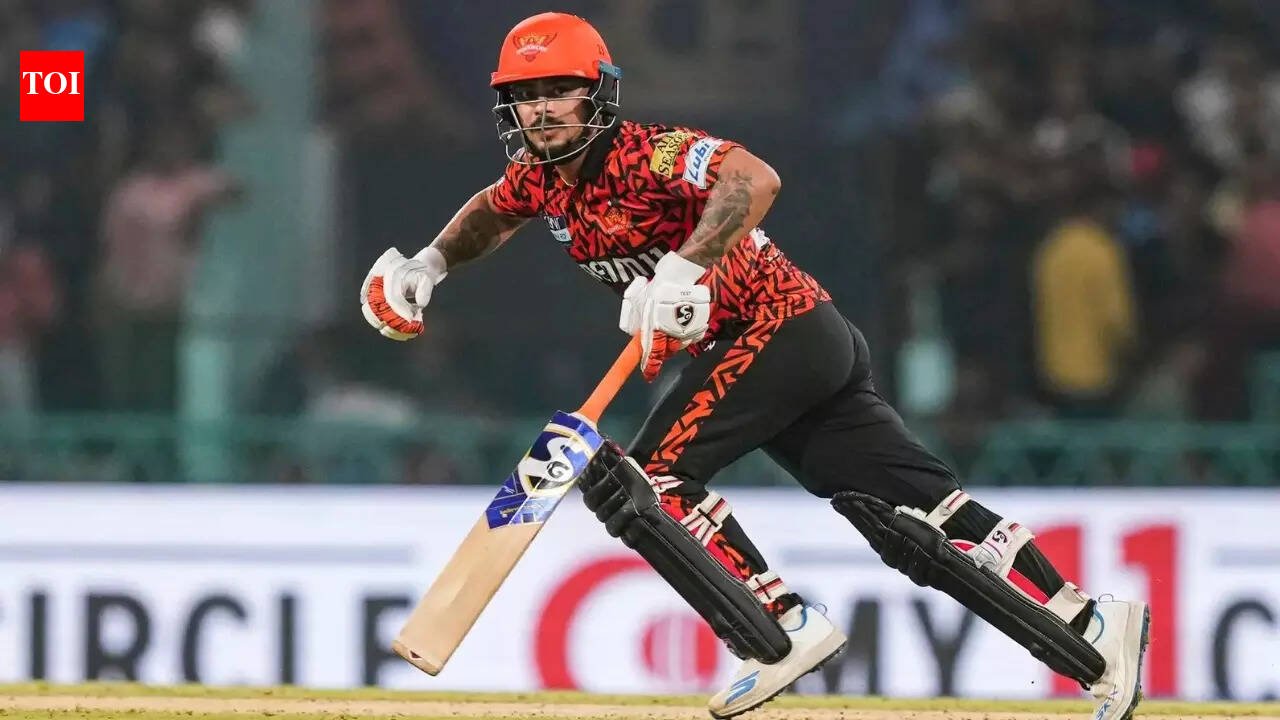
NEW DELHI: Sunrisers Hyderabad on Wednesday confirmed that Ishan Kishan will lead the franchise, while Abhishek Sharma will be his deputy in the upcoming IPL season until the full-time captain Pat Cummins returns from injury.“Pat Cummins will miss a few games while recovering from injury. Until he recovers, Ishan Kishan will be the captain and Abhishek Sharma will be the vice-captain,” the franchise informed through a post on social media.

Watch

IPL 2026 should be audition for the next India T20I captain

TimesofIndia.com was the first to report that Kishan will lead the side in the absence of Cummins. Kishan has established himself as one of the most explosive wicketkeeper-batters in the IPL. Across 119 matches in the tournament, playing for three franchises, including Sunrisers Hyderabad, he has scored 2,998 runs from 112 innings at an average of 29.10 and a strike rate of 137.64. His tally includes one century, 17 half-centuries, 288 fours and 134 sixes, underlining his aggressive batting style.Behind the stumps, Kishan has also contributed with 59 catches and five stumpings. In the 2025 season, his first after being picked for Rs 11.25 crore in the auction, he scored 354 runs in 14 matches at a strike rate of 152.58, including a century and a fifty.Ishan’s stocks are on a bull run at the moment. The 27-year-old has had a brilliant T20 World Cup campaign, where he became the toast of the nation for his performances, initially as a top-order batter and then at No. 3 when Sanju Samson returned to the Playing XI. Kishan finished as India’s second-highest run-scorer in the T20 World Cup with 317 runs in nine innings at an average of 35.22 and a strike rate above 193.

Banner Insert


Source link

Access Denied


Access Denied

You don’t have permission to access “http://www.ndtv.com/world-news/china-blasts-colonial-australia-new-zealand-over-rights-concerns-11232906” on this server.

Reference #18.c7f5d217.1773838742.5121f9d4

https://errors.edgesuite.net/18.c7f5d217.1773838742.5121f9d4


Source link

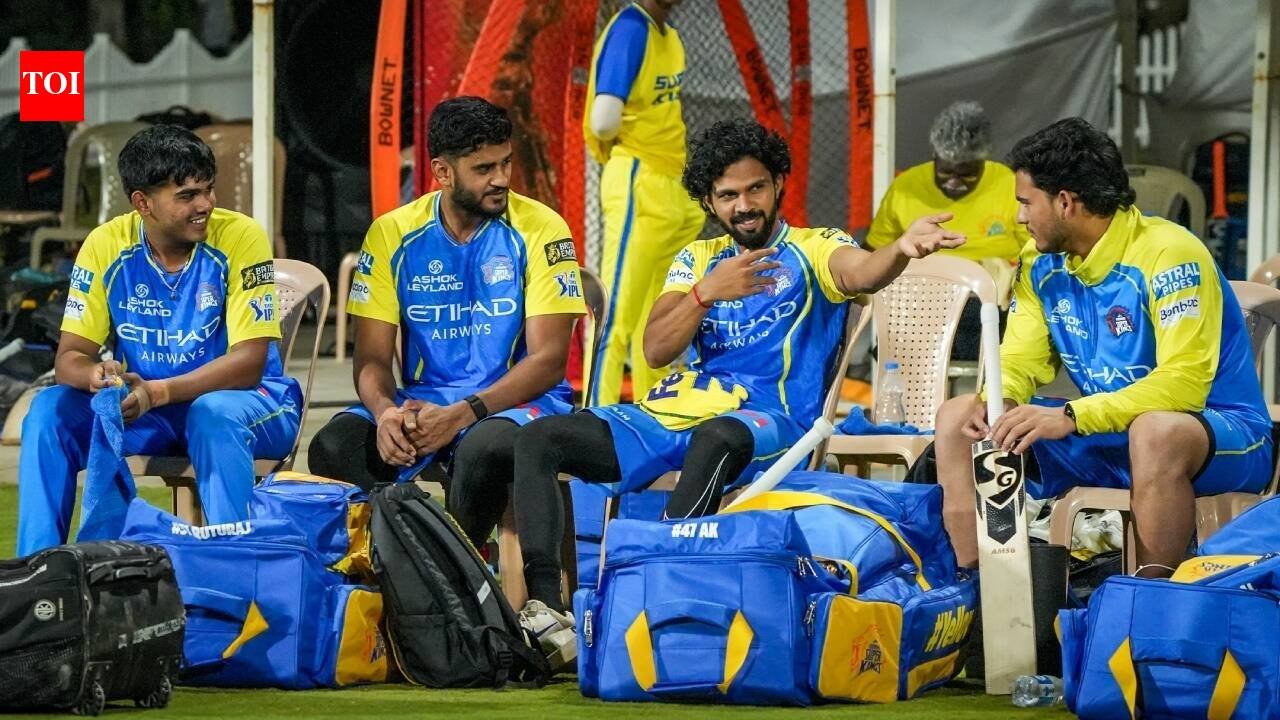
IPL 2026 Build-up Live Updates: Virat Kohli lands in Bengaluru; CSK camp in full swing with eyes on Sanju Samson


Rahul batted at No. 4, a position decided before the season started, in most games last season, but a course correction occurred after 11 league matches. The change in position reaped instant rewards as Rahul hit an unbeaten 65-ball 112 against the Gujarat Titans. However, it came in a losing cause as the Shubman Gill-led unit overhauled the 200-run target with ten wickets in hand, and an over to spare.

Rahul was the Delhi Capitals’ leading run-getter last year, scoring 539 runs in 13 games. Rahul’s strike rate was 149.72, which marked his best since the 2018 edition.

Delhi Capitals have started preparations for the upcoming season, and the multiple preparatory camps featuring Indian players have already happened in Delhi and Hyderabad. The coaching staff, led by head coach Hemang Badani and Director of Cricket Venugopal Rao, has shifted focus to the IPL after fulfilling their commitments for The Hundred. More clarity on roles will emerge when captain Axar Patel links up with the squad.


Source link

Lord’s marks collaboration with CMET to develop AI-based breast cancer detection device | India News


Lord’s marks collaboration with CMET to develop AI-based breast cancer detection device

Lord’s Mark Industries Limited has entered into a Technology Transfer Agreement with the Centre for Materials for Electronic Technology (CMET) to manufacture an AI-powered, radiation-free Breast Screening Wearable Device for early detection of breast cancer.India ranks third globally in new breast cancer incidence after China and the US, with the disease accounting for over 26% of all female cancers in the country. The global breast cancer market was valued at USD 4,882.14 million in 2024 and is projected to reach USD 12,880.85 million by 2035 at a CAGR of 9.22%1 . Grand View Research highlights2 diagnostics as the dominant segment driven by early detection demand, while Future Market Insights estimates the screening and diagnostics market at USD 5.05–5.86 billion in 2025, expected to reach USD 10.5–11.36 billion by 2033–20353.The wearable integrates high-precision thermal sensors with AI-driven temperature mapping to identify early-stage abnormalities in a non-invasive, radiation-free manner. The partnership combines CMET’s R&D expertise with Lord’s Mark’s manufacturing scale and distribution strength, accelerating indigenous med-tech innovation.Key features and advantages

  • Convenient and infrastructure-light: Usable in comfortable settings with minimal setup across hospitals, clinics, community centers, and homes.
  • Non-radiative and painless: Eliminates radiation exposure and discomfort, improving screening compliance.
  • Advanced thermal sensors: High-precision temperature mapping powered by AI-driven analytics for real-time insights
  • Privacy-first design: Discreetly wearable under clothing, ensuring dignity and user comfort.
  • Early abnormality detection: Identifies early-stage thermal irregularities to support timely medical evaluation
  • Portable and scalable: Lightweight, mobile solution enabling deployment across urban and underserved regions alike.

The device represents a significant advancement over traditional mammography by eliminating radiation exposure and discomfort, expanding access beyond hospital settings, and delivering reliable AI-driven detection insights.With this initiative, Lord’s Mark reinforces its long-term commitment to advancing accessible, AI-led healthcare solutions, positioning itself at the forefront of scalable preventive diagnostics in India.Sachidanand Upadhyay, Managing Director, Lord’s Mark Industries Limited, commenting on the partnership with CMET, said: “This collaboration marks a defining step in our journey to build globally competitive, indigenous healthcare technologies. By integrating CMET’s scientific expertise with Lord’s Mark’s manufacturing strength, we are enabling a new paradigm in preventive diagnostics—non-invasive, AI-driven, and truly accessible. Our vision is to reduce barriers to early detection and empower women across India with safer, smarter screening solutions. This is not just a product initiative; it is a commitment to scalable, impact-led healthcare innovation.”With this initiative, Lord’s Mark Industries Limited says it aims to strengthen its focus on technology-led healthcare manufacturing, with an emphasis on intelligent, inclusive and impact-driven solutions designed to make early detection safer, simpler and more accessible. The company plans to commercialise the product for large-scale breast cancer screening in India and, over time, expand its availability to international markets through its growing global network. According to the company, the effort is also positioned as part of a broader ambition to take an India-developed healthcare technology to the world.Lord’s Mark Industries Limited says it aims to make the screening solution affordable so that more women in India and abroad can access regular testing. According to the company, the initiative is also intended to support greater awareness around breast cancer and highlight the role of early detection in improving treatment outcomes. The company adds that it expects the product to be available for commercial use globally by the end of the year.For more information, visit the website.References: Disclaimer – The above content is non-editorial, and TIL hereby disclaims any and all warranties, expressed or implied, relating to it, and does not guarantee, vouch for or necessarily endorse any of the content.


Source link

‘Why have you stopped paying?’ Punjab to seek water royalty from Rajasthan; Mann claims Rs 1.44 lakh crore dues since 1960 | India News


‘Why have you stopped paying?' Punjab to seek water royalty from Rajasthan; Mann claims Rs 1.44 lakh crore dues since 1960

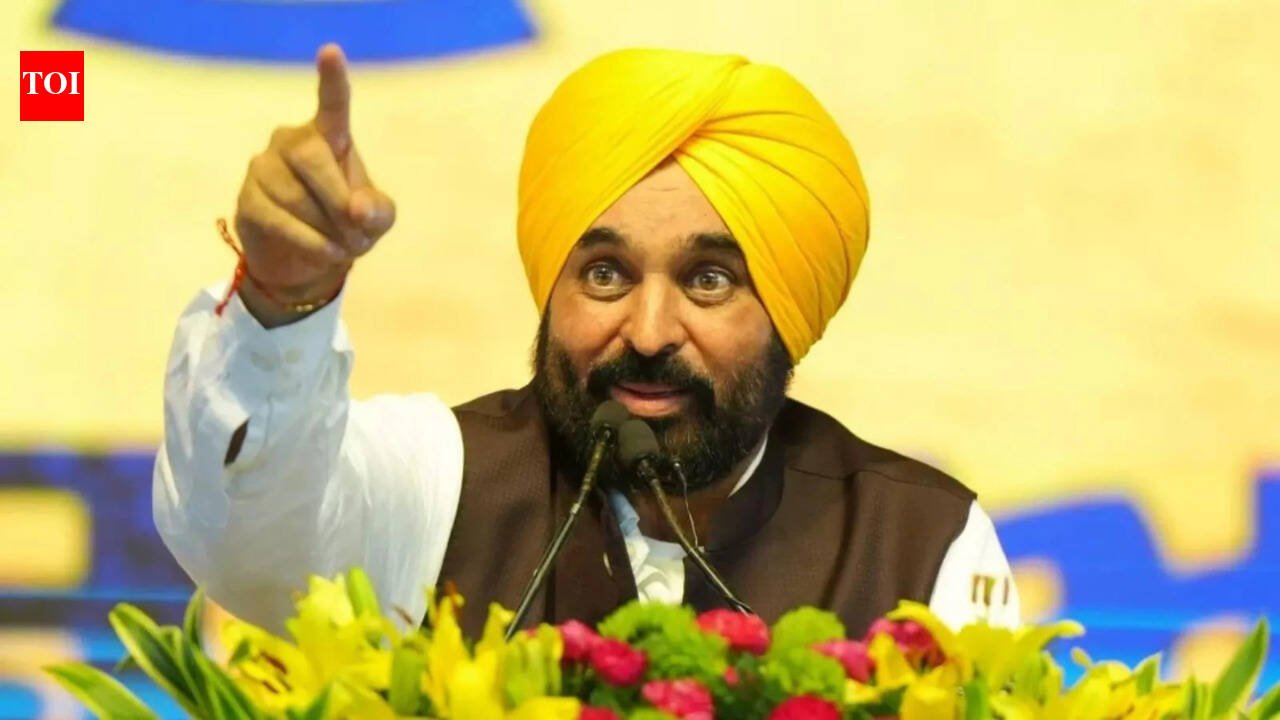
NEW DELHI: Punjab chief minister Bhagwant Mann on Wednesday said his government will seek royalty from Rajasthan for supplying it water, claiming that an unpaid amount of Rs 1.44 lakh crore has accumulated since 1960 under an old arrangement dating back to a 1920 tripartite agreement.

Mann cites 1920 pact, says Rajasthan still gets 18,000 cusecs

Addressing the media, Mann referred to a 1920 tripartite agreement involving the British government, the state of Bahawalpur (now in Pakistan) and the then Maharaja of Bikaner, under which Rajasthan began receiving water.He said Rajasthan is currently getting 18,000 cusecs of water through the Rajasthan feeder.According to Mann, the 1920 agreement provided for a fee to be paid for the water supplied.“Rajasthan paid royalty till 1960. But it stopped paying money thereafter, and Punjab also stopped demanding the same,” Mann said, as quoted by news agency PTI.

Punjab calculates Rs 1.44 lakh crore outstanding

The Punjab chief minister said his government has now worked out the unpaid amount.“We have worked out an outstanding figure of Rs 1.44 lakh crore, calculated at old rates, which is pending since 1960. If they (Rajasthan) say there was no agreement with us, they should not take the water they are getting under the 1920 agreement,” Mann said.He also questioned why Rajasthan had continued to receive water without paying for it.“You (Rajasthan) are taking 18,000 cusecs of water from us. So why have you stopped paying money for 66 years?” he added.

Punjab writes to Rajasthan, plans to involve centre

Mann said the Punjab government has formally written to the Rajasthan government and is seeking discussions on the issue.“The 1920 agreement has not been terminated yet. We will demand royalty (from Rajasthan),” he said.He added that Punjab would also take up the matter with the Centre.


Source link

Boney Kapoor, Janhvi Kapoor, Khushi Kapoor move to Madras HC over Sridevi’s Chennai property: Report |


A property owned by the late actress Sridevi on Chennai’s East Coast Road (ECR) has been at the centre of a legal battle for nearly a year. Recent reports state that her husband Boney Kapoor, along with daughters Janhvi Kapoor and Khushi Kapoor, have approached the Madras High Court after an additional district court in Chengalpattu refused to dismiss a civil suit concerning a 4.7-acre parcel of land that had been purchased by the actress. The dispute traces back to 2025, when Boney Kapoor first moved court alleging that three individuals had laid claim to the property. Since then, the matter has remained under judicial consideration.According to The Hindu, on Monday, March 16, Justice TV Thamilselvi agreed to hear the Kapoor family’s petition on March 26 and extended an interim order that stays the trial proceedings in the case. The report notes that three individuals, MC Sivakami, her sister MC Natarajan, and their mother Chandrabhanu—have claimed rights over a portion of the land owned by Sridevi. They have also sought to cancel four sale deeds through which the actress and her sister had acquired the 4.7-acre property.

Boney Kapoor Drops 26 Kg Without Gym: Emotional Journey Behind the Transformation

Responding to the claims, Boney Kapoor had told the court in 2025 that Sridevi had purchased the land in 1988. He also explained that the property originally belonged to M.C. Sambanda Mudaliar, who had three sons and two daughters, and that the land had been divided among the family members in 1960.

Poll

Do you think long-delayed property disputes should be resolved faster in court?

In their petition, the Kapoor family contended that Chandrabanu’s marriage to M.C. Chandrasekaran, said to be the original owner of the property—took place while his first marriage was still legally valid, rendering the second union void under laws that prohibit bigamy. They further alleged that this crucial detail had not been disclosed by the plaintiffs. According to the publication, the Kapoor family stated, “Such suppression of a vital and legally relevant fact constitutes a deliberate attempt to mislead this court and amounts to fraud, vitiating the very foundation of their claim. The third respondent (Ms. Chandrabanu) was fully aware that her marriage on February 5, 1975, was contracted during the subsistence of his (Chandrasekaran’s) prior and legally valid marriage to M.C. Banumathi.”The family also pointed out that they have held the property for nearly 38 years and questioned how a lawsuit seeking to cancel sale deeds executed in 1988 could be filed only in 2025. They further argued that no objections were raised while M.C. Chandrasekaran was alive; he passed away in 1995. Additionally, they noted that M.C. Sivakami and M.C. Natarajan had reached adulthood in 1995 and 1999, respectively.Meanwhile, the plaintiffs have maintained that the Kapoor family has neither the legal nor moral authority to call them illegitimate or question their parents’ relationship. They claim that the 1988 sale deeds themselves were invalid and have accused the family of fraudulently obtaining a ‘patta’—a revenue record that establishes land ownership, for the property in 2023.The plaintiffs further stated that they only discovered the property and the alleged “illegal transactions” linked to it in 2023, after which they filed the case in 2025. After hearing both sides, the additional district court on December 1, 2025 refused to dismiss the plea filed by Boney Kapoor and his family, stating that the issue required a full trial. This decision prompted the Kapoor family to approach the Madras High Court through the present civil revision petition.


Source link

Big boost! Cabinet clears Rs 33,660 crore BHAVYA scheme to build 100 plug-and-play industrial clusters; check details


Big boost! Cabinet clears Rs 33,660 crore BHAVYA scheme to build 100 plug-and-play industrial clusters; check details

The Union Cabinet has approved the Bharat Audyogik Vikas Yojana (BHAVYA), a Rs 33,660 crore central sector scheme to develop 100 investment-ready plug-and-play industrial parks across the country, in a move aimed at accelerating manufacturing growth and employment generation.The scheme will be implemented over a six-year period from FY 2026-27 to FY 2031-32, with industrial clusters planned near urban centres to improve connectivity and investor access. The government will provide financial support of up to Rs 1 crore per acre for park development.Projects under BHAVYA will be undertaken in partnership with state governments, central public sector undertakings and private developers, and will be selected through a challenge-mode process, according to official details.The industrial clusters will incorporate underground utility corridors, green-energy integration and logistics planning aligned with PM GatiShakti principles, while also focusing on ease-of-doing-business reforms to create globally competitive industrial ecosystems.The initiative is expected to facilitate the creation of around 34,000 acres of investment-ready industrial land at competitive rates. Eligibility norms prescribe a minimum park size of 100 acres, with relaxation to 25 acres in northeastern and hilly regions.The government expects the programme to support Atmanirbhar Bharat and Make in India goals, while generating significant employment opportunities for youth through expansion of industrial capacity.


Source link

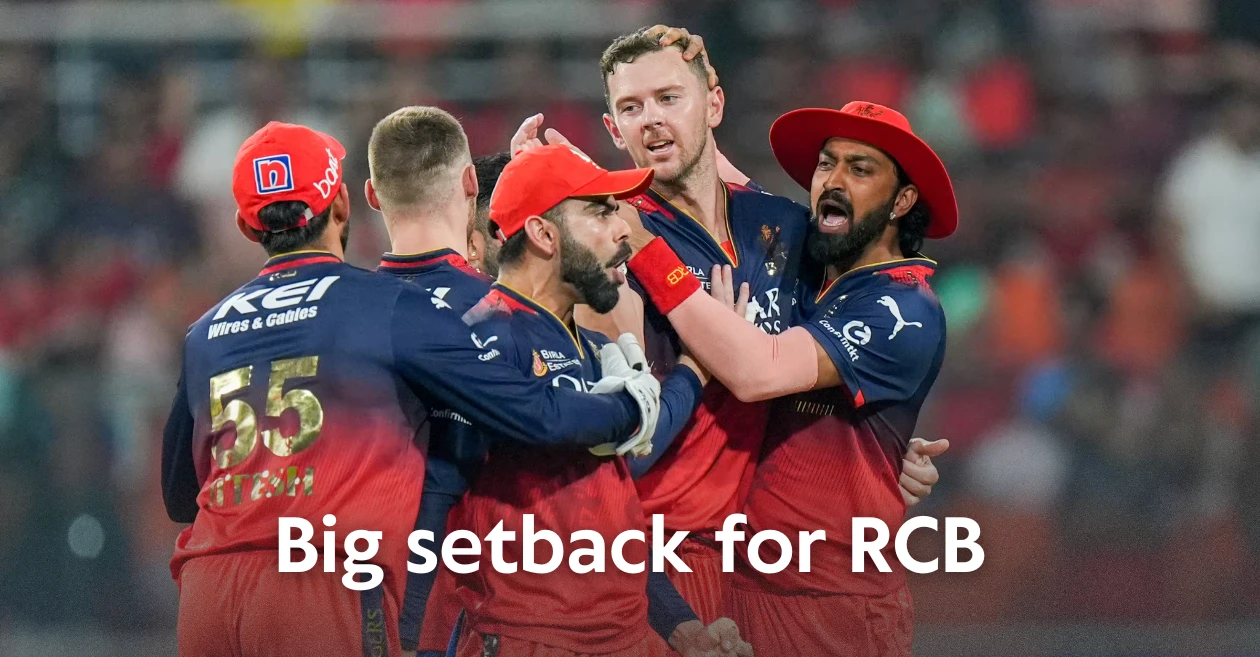
Big setback for RCB: How many matches will Josh Hazlewood miss in IPL 2026?


The Royal Challengers Bengaluru (RCB)’s IPL 2026 campaign hasn’t even begun, and they’re already dealing with a major setback. Star Australian pacer Josh Hazlewood, one of the architects of their historic 2025 title win, is set to miss a few matches of the season due to ongoing injury concerns.

For a team that finally broke its title drought last year, this isn’t just a minor absence – it’s a disruption to the very core of their bowling attack. Hazlewood has been a reliable figure for RCB, especially in high-pressure moments, and his absence will be felt right from the opening game.

He has officially been ruled out of RCB’s first two fixtures:

  • The season opener against Sunrisers Hyderabad on March 28 at the M. Chinnaswamy Stadium.
  • The much-anticipated clash against Chennai Super Kings on April 5, also in Bengaluru.

Both games are high-profile encounters, and missing a bowler of Hazlewood’s calibre in these early stages could test RCB’s squad depth immediately.

The reason behind his absence lies in a frustrating injury phase that has kept him out of action for months. The 35-year-old has been sidelined since November 2025 after suffering a hamstring injury, which was later complicated by an Achilles tendon issue during recovery. These setbacks forced him to miss major international assignments, including the Ashes 2025-26 and the 2026 T20 World Cup.

Currently, Hazlewood is undergoing rehabilitation in Sydney under the supervision of Cricket Australia’s medical team. He is expected to travel to India only after receiving full fitness clearance, meaning RCB fans will have to wait a little longer to see him back in action.

RCB’s bowling puzzle: Who steps up in Hazlewood’s absence?

Hazlewood’s absence isn’t just about missing a player – it’s about losing a proven match-winner. In IPL 2025, he played a crucial role in RCB’s title-winning run, picking up 22 wickets in just 12 matches at an impressive average of 17.55. Whether it was striking early in the powerplay or delivering pinpoint accuracy in the death overs, Hazlewood brought control and consistency to the attack.

Without him, RCB will need to rethink their bowling combinations, especially against strong teams like SRH and CSK in the opening fixtures.

Also READ: Dinesh Karthik lists RCB’s top 5 IPL moments, 2024 thriller vs CSK among best

The immediate responsibility is likely to fall on experienced Indian seamer Bhuvneshwar Kumar, who could take charge with the new ball. Known for his swing and discipline, Bhuvneshwar has the experience to handle pressure situations, but he will need support.

Among overseas options, Sri Lanka’s Nuwan Thushara and New Zealand’s Jacob Duffy are strong contenders to fill Hazlewood’s spot. Both bring unique skill sets- Thushara with his slingy action and yorkers, and Duffy with his ability to hit consistent lines.

If Hazlewood’s recovery takes longer than expected, RCB might even explore temporary replacements.

Interestingly, RCB are not alone in dealing with such concerns. Sunrisers Hyderabad (SRH) are also expected to be without their pace spearhead Pat Cummins for the opening game due to a back injury. This means the IPL 2026 opener could see both teams missing their premier Australian quicks – adding an unusual twist to what is already a highly anticipated clash.

Also READ: Abhishek Sharma or Ishan Kishan – Who will captain SRH in Pat Cummins’ absence in initial phase of IPL 2026?


Source link