Breaking News
‘India can end ongoing war’: RSS chief Mohan Bhagwat calls for global harmony as Middle East tensions escalate | India News


'India can end ongoing war': RSS chief Mohan Bhagwat calls for global harmony as Middle East tensions escalate
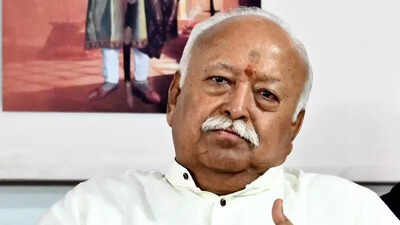
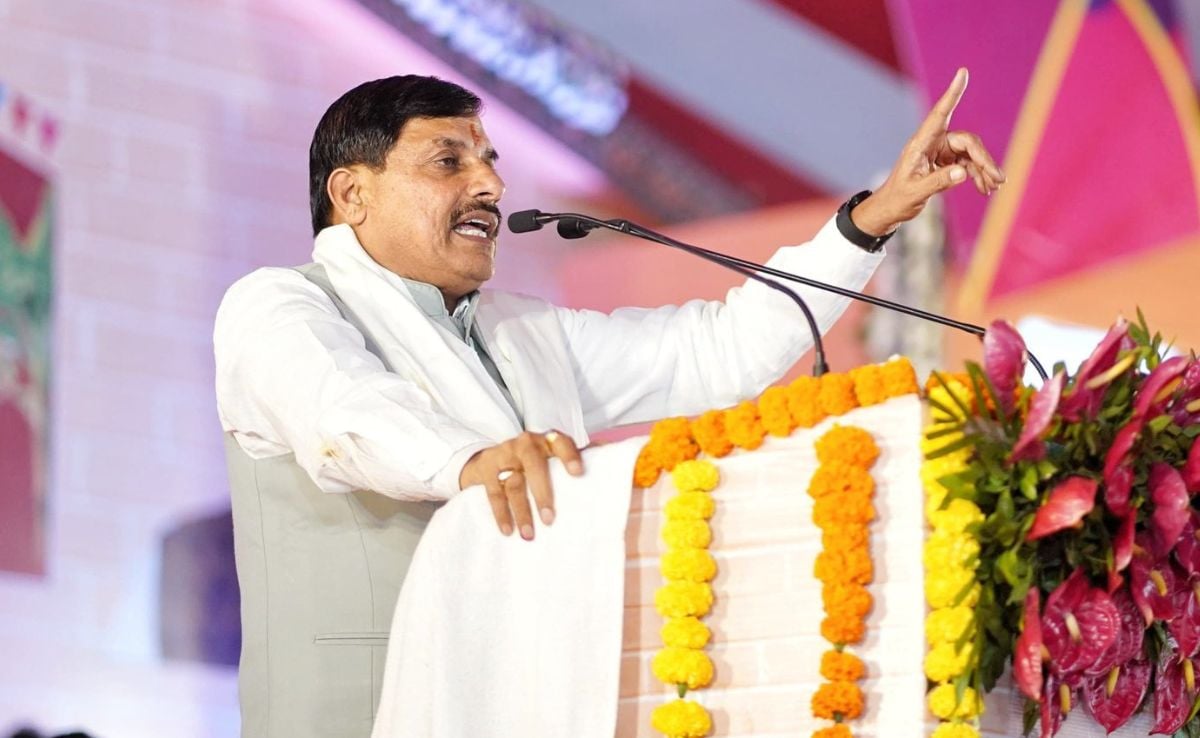
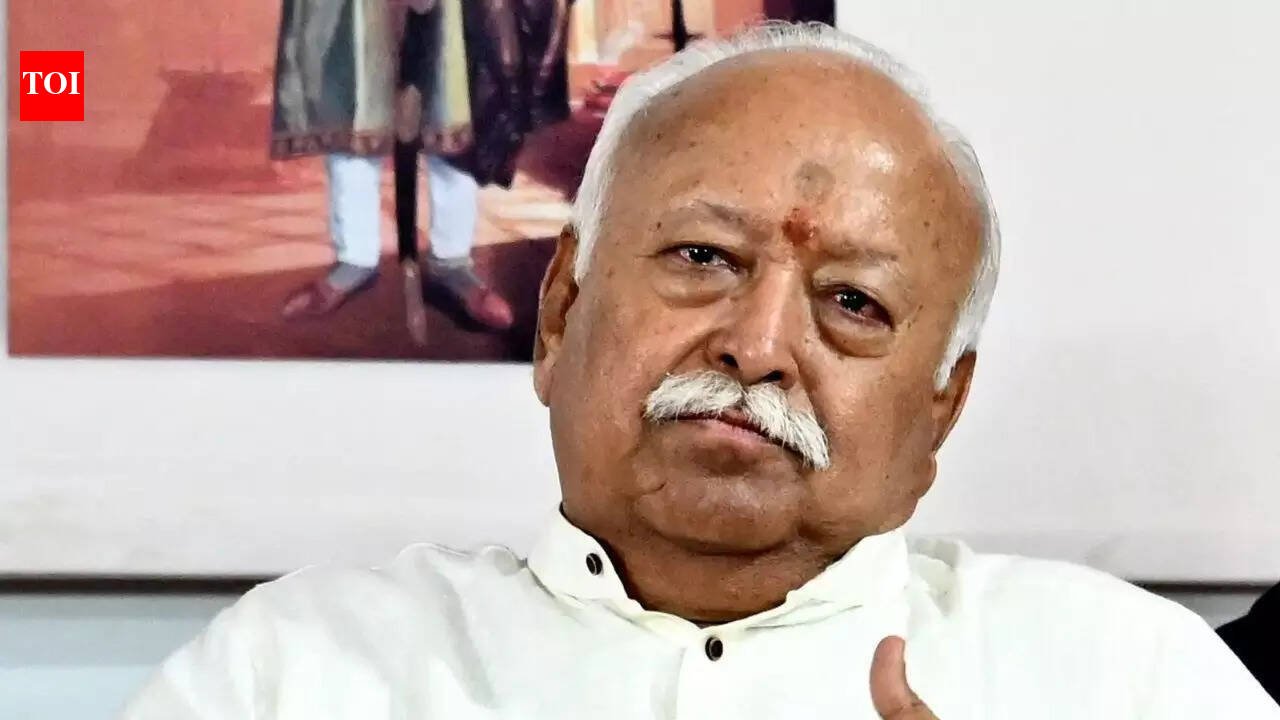
RSS chief Mohan Bhagwat (File photo)

NEW DELHI: RSS chief Mohan Bhagwat on Friday said that “India can bring an end to the ongoing war” amid the escalating conflict in the Middle East.Speaking at a gathering in Nagpur, Bhagwat said that voices from different countries are recognising India’s role in promoting peace.“Several countries saying only India can bring an end to ongoing war,” Bhagwat said.Bhagwat was addressing an event after laying the foundation stone for the Vidarbha prant office of the Vishwa Hindu Parishad (VHP). He also spoke about the root causes of global conflicts and the need for a shift towards harmony.

Watch

‘Military Conflict Cannot Solve Issues’: PM Modi Warns World, Calls For End To Iran And Ukraine Wars

He said that selfish interests and the desire for dominance are the main reasons behind wars across the world. “War is result of selfish interest; world needs harmony, not conflict,” Bhagwat said.Providing a broader context, he said that the world has tried various approaches to resolve conflicts for nearly 2,000 years, but many challenges remain. He also pointed out that religious intolerance, forced conversions and ideas of superiority and inferiority continue to exist.Bhagwat highlighted that India’s traditional philosophy promotes unity and interconnectedness. He said that Indian thought is based on the idea that everyone is connected and even modern science is slowly moving towards this understanding, according to the news agency PTI. He stressed that lasting peace cannot be achieved through power struggles, but through unity, discipline and adherence to dharma. According to him, dharma should not remain limited to scriptures but must be reflected in daily conduct.Drawing a contrast between India and other parts of the world, Bhagwat said, “India follows the law of humanity, others believe in survival of the fittest.”Bhagwat added that India has a responsibility to help restore balance in the world. “People of India follow the law of humanity, but the rest of the world follows the law of the jungle. It is our job to restore balance in the stumbling world by giving it the foundation of dharma,” he said.


Source link

Dhurandhar 2: Dhurandhar The Revenge’: Raj Arjun gets emotional for Sara Arjun and says, ‘She took care of me like a ‘Dhurandhar’ |


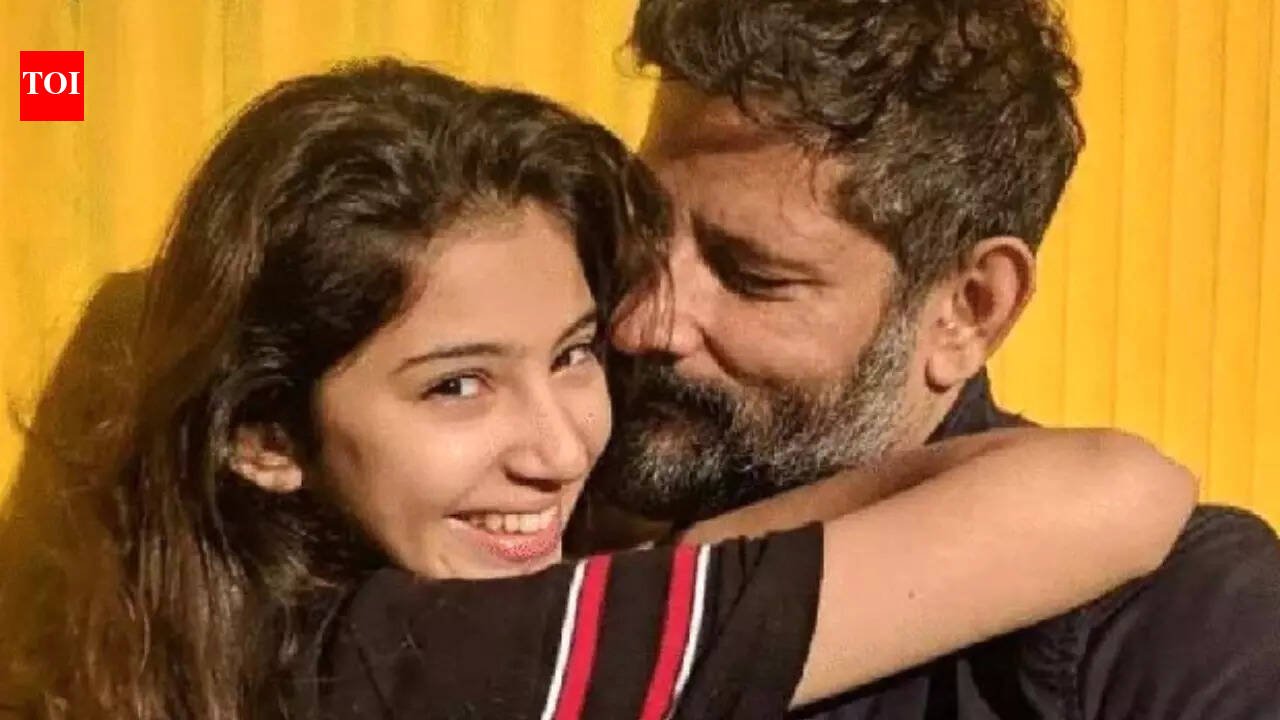
Sara Arjun grabbed the audience’s hearts with her stunning performance opposite Ranveer Singh in the superhit ‘Dhurandhar.’Raj Arjun recently shared an emotional account of his bond with his daughter, Sara Arjun, and speaking at Kommune India’s SpokenFest, the actor reflected on how Sara has shaped both his personal and professional journey over the years.Dhurandhar: The Revenge Movie Review

Watch

Dhurandhar 2 Hit With Major Cuts: Key Scenes Removed Ahead of Release

Raj Arjun says Sara Arjun held his soul

Recalling the moment Sara entered his life, Raj Arjun said, “In 2005, a soul came into my life. I had heard that daughters are a blessing, and I got to live that blessing too.” He further added, “If this soul hadn’t come into my life, I wouldn’t have been this person or this artist today.” Talking about the struggles he faced, he shared, “Year after year, she was growing up while I was struggling, but she didn’t just hold my finger; she held my soul.” He also revealed how deeply she supported him emotionally, saying, “She took care of me like a Dhurandhar.”

Fatherhood beyond roles and responsibilities

Raj Arjun spoke about the evolving dynamics of fatherhood and how he balanced multiple roles in Sara’s life: “Sometimes you have to be the wind beneath her wings. I did that too and stayed hopeful.”See More: ‘Dhurandhar 2 The Revenge’ Movie Review and Release Live Updates: Ranveer Singh starrer mints over Rs 50 crore from preview shows

‘Secret Superstar’ became a turning point

Raj Arjun also revealed how Sara indirectly changed the course of his career. He recalled an incident from 2016 when he accompanied her to casting director Mukesh Chhabra’s office. Sharing the moment, he said, “She held Mukesh’s hand and dragged him outside. She turned her destiny towards me, and I bagged a role in Secret Superstar,” he added. “She would explain things to me, hold me, and brighten up my world.” As Sara Arjun continues to shine, Raj Arjun expressed immense pride in her achievements. “When that daughter is spreading her light in the world, being a Dhurandhar, she shares that spotlight with me too.” Summing up his emotions, he added, “People say daughters hold their father’s hand and move forward, but I reached my destination holding my daughter’s hand. This brightness of my life is called Sara.”Sara Arjun, who made her Bollywood film debut with ‘Dhurandhar’, reprises her role as Yalina in ‘Dhurandhar: The Revenge.’ Meanwhile, Sara Arjun is also familiar to the South audiences for her performances in ‘Ann Mariya Kalippilaanu’ and ‘Ponniyin Selvan.’

Watch

Dhurandhar 2 Hit With Major Cuts: Key Scenes Removed Ahead of Release


Source link

‘Team UDF is Team Keralam, people ready for change’: Rahul Gandhi’s message ahead of Kerala polls | India News


'Team UDF is Team Keralam, people ready for change': Rahul Gandhi's message ahead of Kerala polls

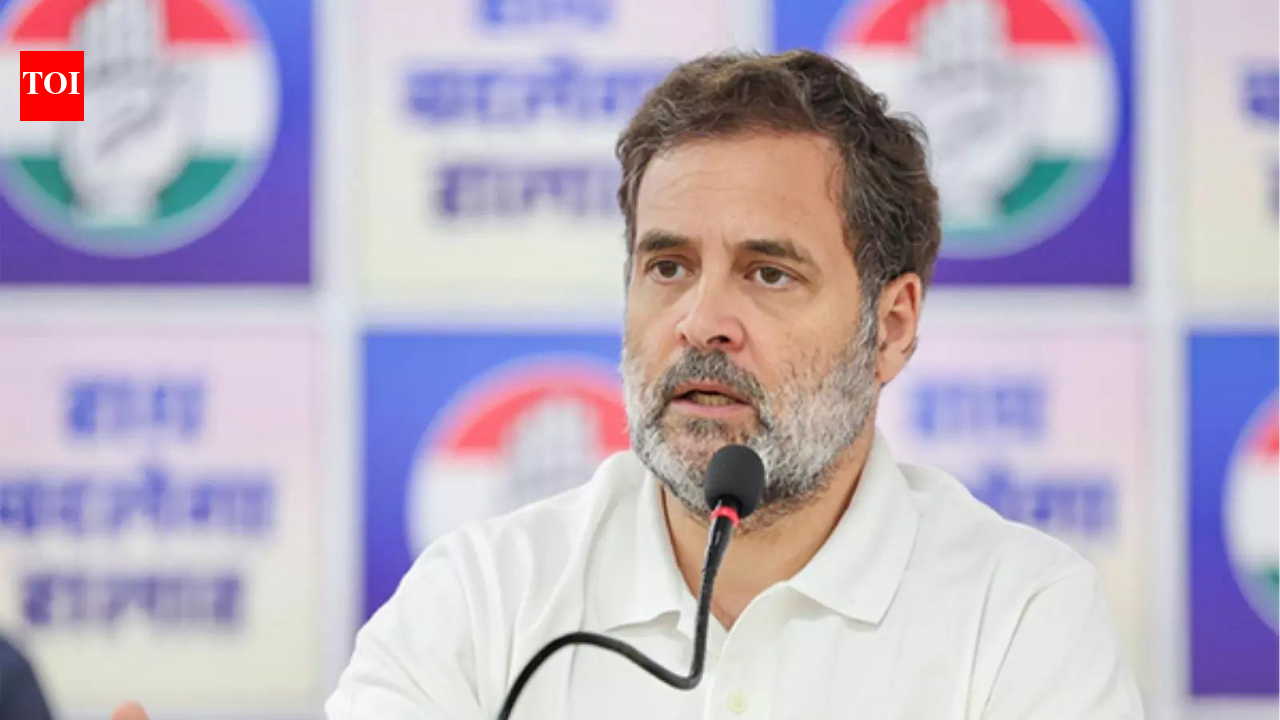
NEW DELHI: Leader of opposition Rahul Gandhi on Fruday pitched the Congress-led United Democratic Front (UDF) as a unified and people-centric alliance ahead of the Kerala assembly elections, saying the coalition represents both experience and fresh leadership rooted in local realities.“Each candidate reflects the voice, the aspirations and the trust of the people of Keralam. This is a collective of experienced leaders and young change-makers – a strong team of men and women who understand the intricacies of the constituencies they represent,” Rahul said in a post on X.

Watch

Kerala Assembly Polls: Left’s Final Fortress at Stake As LDF Tries To Hold On Kerala Bastion

“For me, Keralam is home and the people of Keralam are family. I owe a great debt to the people for everything they have taught me and for the love and warmth they have embraced me with – I will always be your partner,” it added.Projecting the election as a moment of political shift, Rahul said, “The message from Keralam is clear — the people are ready for change, they seek a government that listens, understands, and delivers with honesty.”He also expressed confidence in the UDF’s prospects, saying, “Along with the coming UDF government, I will do everything to help build a better future for this beautiful state. Keralam will win. UDF will lead.”Kerala will go to the polls on April 9 to elect a new 140-member Assembly, with results scheduled for May 4. The contest has largely crystallised into a three-way battle between the CPI(M)-led Left Democratic Front (LDF), the Congress-led UDF, and the BJP-led National Democratic Alliance (NDA).The LDF, led by Chief Minister Pinarayi Vijayan, is seeking a rare third consecutive term, banking on its governance record over the past decade. The BJP, under state president Rajeev Chandrasekhar, is attempting to regain ground after losing its only seat in Nemom in 2021.While the outgoing Assembly was dominated by the Left with 99 seats against the UDF’s 41, the opposition is hopeful that shifting political currents and localised anti-incumbency could narrow the gap. Nearly 35 constituencies saw victory margins of less than 10,000 votes in the last election, making them key battlegrounds this time.


Source link

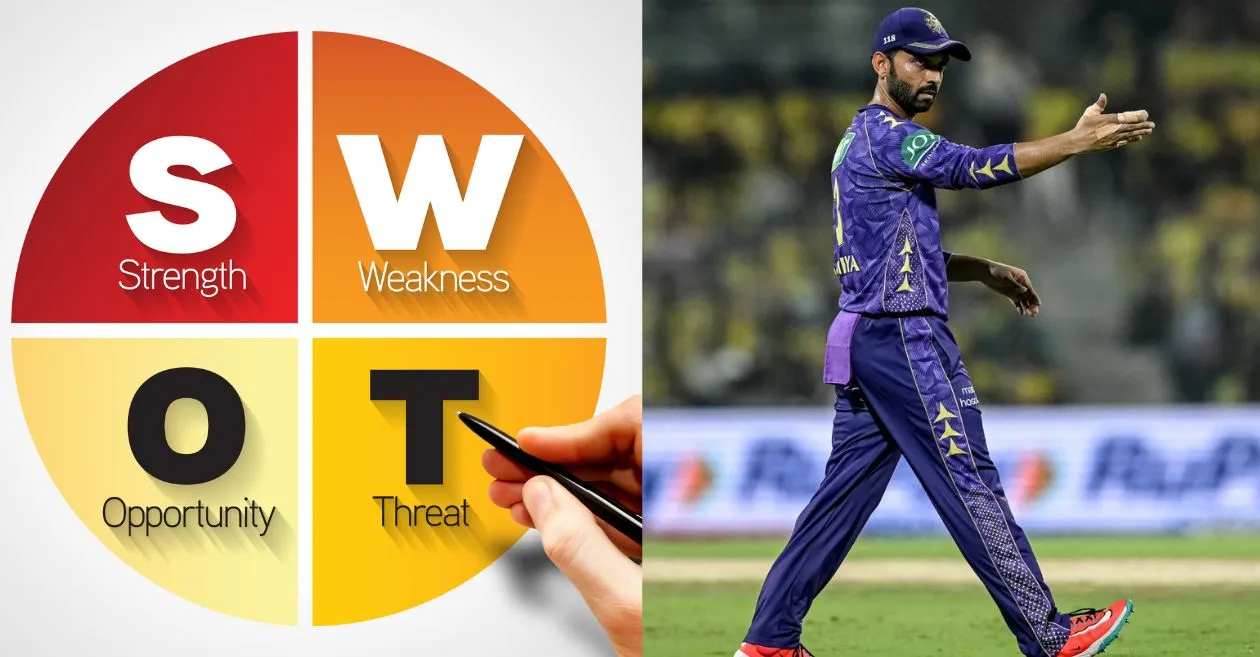
SWOT analysis of Kolkata Knight Riders: KKR’s report card ahead of the IPL 2026


The Indian Premier League (IPL) 2026 is knocking at the door, and for the Kolkata Knight Riders (KKR), the air at Eden Gardens is thick with a mix of anxiety and ambition. After a storied history that includes three titles, the Men in Purple and Gold find themselves at a crossroads. The 2025 season was a bitter pill to swallow, a defensive campaign that saw the defending champions slump to an 8th-place finish, plagued by inconsistent opening stands and a pace attack that leaked runs like a sieve.

However, the KKR management hasn’t sat idle. Entering the 2026 season, there is a palpable “New Era” energy. With a massive squad overhaul, the appointment of Abhishek Nayar as head coach, and record-breaking signings like Cameron Green (₹25.20 crore), the franchise is desperate to erase the memories of last year. But the question remains: Can a team built on explosive firepower overcome the structural cracks that appeared just twelve months ago?

KKR’s 2025 hangover: Can an in-form batting unit spark a resurgence?

To understand KKR’s 2026 prospects, one must look at the scars of 2025. Last year, KKR’s biggest undoing was its top-order instability. Unlike their 2024 championship run where Phil Salt and Sunil Narine dismantled bowling attacks, the 2025 season saw a rotating door of openers who failed to provide a single 50-run stand for most of the tournament. Only Ajinkya Rahane (390 runs) showed consistency, but his solo efforts weren’t enough to mask a middle order that often collapsed under the slightest pressure.

Fast forward to 2026, and the narrative has shifted toward pure aggression. The recruitment of New Zealand’s Finn Allen and Tim Seifert, fresh off a blistering T20 World Cup 2026 campaign, signals a return to the high-risk, high-reward philosophy. Allen, who recently smashed the fastest century in T20 World Cup history, brings the kind of intimidation KKR lacked last year.

The strategy is clear: overwhelm the opposition with a batting lineup that doesn’t stop. With Rahane providing the anchor at No. 3 and the multi-dimensional Green at No. 4, KKR finally has a spine. If Rinku Singh can rediscover his finisher aura without the pressure of rebuilding every innings, KKR’s batting might just be the most feared in the league. The bounce back isn’t just a hope; it’s a mathematical probability based on the sheer volume of T20 runs this new-look squad has accumulated in the winter.

KKR’s SWOT analysis for IPL 2026

Success in the IPL is rarely about having the best eleven players; it’s about how those pieces fit under pressure. Here is the comprehensive breakdown of the Kolkata Knight Riders ahead of the 2026 season.

Strengths

  • Nuclear top order & versatility: KKR enter 2026 with an embarrassment of riches at the top. The combination of Finn Allen, Tim Seifert, and the legendary Sunil Narine allows the management to toggle between an all-out attack or a balanced aggression approach depending on the target.
  • Elite spin mastery: The spin department remains the team’s heartbeat. The duo of Varun Chakaravarthy, fresh off a 13-wicket haul in the recent World Cup and Narine remains the most difficult eight-over block to navigate in the league.
  • Eden gardens specialists: With the addition of Rachin Ravindra as a versatile all-round option, KKR have further strengthened its ability to choke opposition teams on the spin-friendly, traditional home tracks in Kolkata.

Weaknesses

  • Fragile pace battery: The pace department is a major concern following a string of injury bugs. With Harshit Rana and marquee signing Matheesha Pathirana sidelined just before the season, the burden falls on the less experienced Vaibhav Arora, Akash Deep, and the often expensive Umran Malik.
  • Finishing depth anxiety: There is a heavy, almost singular reliance on Rinku as the specialist finisher. Following Andre Russell’s departure, KKR lacks a proven Indian enforcer in the lower order who can consistently strike at a 200+ rate if Rinku or Rovman Powell fails to fire.
  • Death over control: Without Pathirana’s yorkers and Russell’s experience, KKR’s ability to restrict top-tier batters in the final four overs remains a glaring structural crack that could be exploited by aggressive finishers.

Also READ: SWOT analysis of Royal Challengers Bengaluru: RCB’s report card ahead of the IPL 2026

Opportunities

  • Green impact: The acquisition of Green for ₹25.20 crore is a generational opportunity. As the most expensive foreign player in history, his ability to bowl “heavy-ball” spells and bat anywhere in the top four provides KKR with unprecedented tactical flexibility.
  • Coaching & leadership Reset: The promotion of Abhishek Nayar to Head Coach, supported by a brain trust including Dwayne Bravo and Shane Watson, offers an opportunity to build a modern T20 culture defined by the tactical flexibility that was missing in 2025.
  • Scouting resurgence: With a fresh cycle, KKR have the chance to unearth the next domestic superstar from their new crop of youngsters, potentially finding a long-term successor to the aging legends in their squad.

Threats

  • Leadership skepticism: The biggest threat remains the uncertainty surrounding on-field captaincy. While the franchise has backed Rahane, his perceived tactical passivity during the 2025 slump could be a liability against high-pressure units like Mumbai Indians or Gujarat Titans.
  • The Wankhede jinx: KKR start their 2026 campaign at the Wankhede Stadium, a venue where they have historically struggled, winning only 2 out of 11 games. A poor start in Mumbai could trigger a spiral effect, putting immense pressure on the high-priced recruits early on.
  • Evolution of competition: With other heavyweights like MI and RCB also undergoing massive, data-driven rebuilds, the margin for error in 2026 is slimmer than ever. KKR cannot afford the mid-season identity crisis that derailed their previous campaign.

Also READ: SWOT analysis of Sunrisers Hyderabad: SRH’s report card ahead of the IPL 2026


Source link

Mamata vs EC: Bengal government moves Calcutta high court against transfers of IAS, IPS | India News


Mamata vs EC: Bengal government moves Calcutta high court against transfers of IAS, IPS
West Bengal CM Mamta Banerjee, CEC Gyanesh Kumar

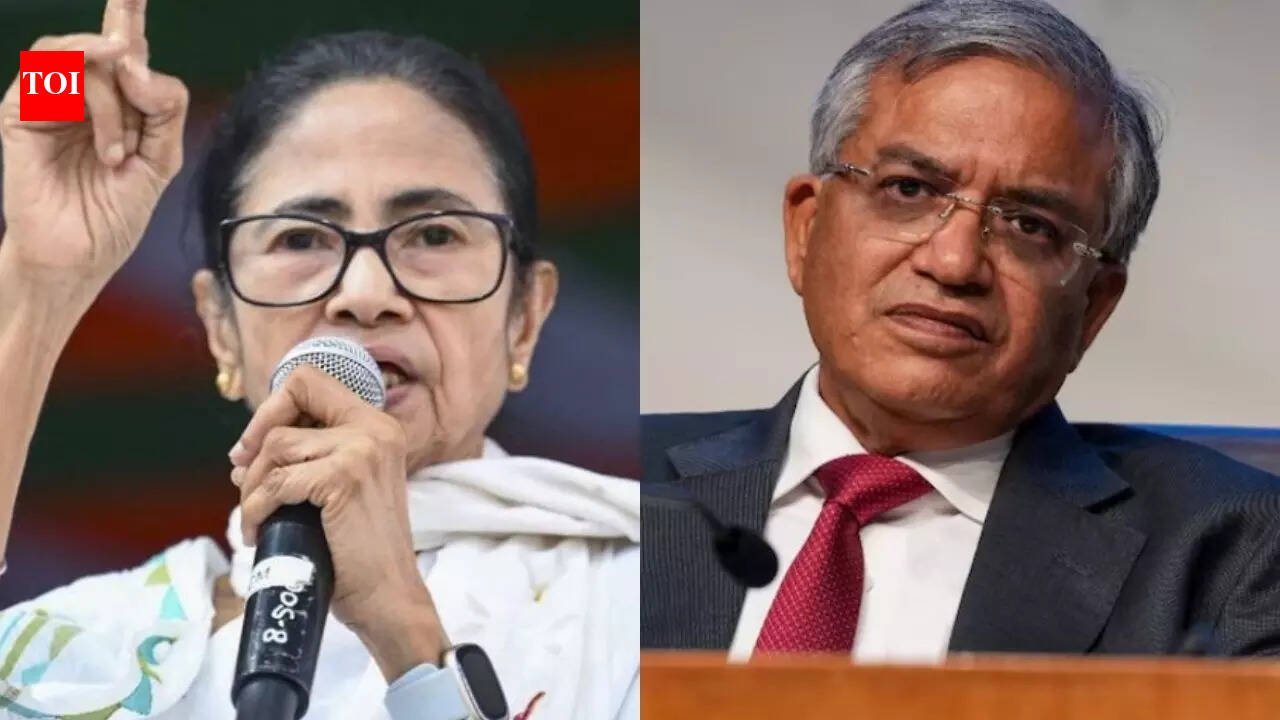
Trinamool Congress on Friday approached the Calcutta High Court challenging the transfer of several IAS and IPS officers in West Bengal by the Election Commission of India after the announcement of assembly polls.The petition filed by TMC leader and lawyer Kalyan Banerjee names Chief Election Commissioner Gyanesh Kumar as a respondent. The plea questions the EC’s decision to transfer officers without consulting the state government. The matter is likely to be heard early next week.The Election Commission had transferred a large number of senior officials, including the chief secretary, home secretary and director general of police, within hours of announcing the assembly elections on March 15.West Bengal Chief Minister Mamata Banerjee criticised the move on Thursday, calling it “an undeclared emergency” and a “deliberate design to seize control of Bengal through coercion and institutional manipulation”. “What we are witnessing is nothing short of an undeclared emergency, driven by political vendetta, not democratic principles,” she said.Banerjee later wrote to CEC Kumar, urging the EC to refrain from such “arbitrary, unilateral and biased” action. “EC has crossed all boundaries of decency and constitutional propriety. Since the commencement of the so-called Special Intensive Revision, the ECI has acted with apparent bias, showing little regard for ground realities or the well-being of the people,” the chief minister wrote.The Election Commission on Thursday paused some of its inter-state transfer orders for senior police officers. Bidhannagar CP Murlidhar Sharma and Siliguri CP Syed Waquar Raza, who were earlier asked to move to Tamil Nadu, have been told to wait. Transfer orders for Barrackpore CP Praveen Tripathi and Howrah CP Akash Magharia to Tamil Nadu, as well as Birbhum SP Amandeep’s move to Karnataka, have also been put on hold.Elections for the 294-member West Bengal Assembly will be held in two phases on April 23 and 29, with counting scheduled for May 4.


Source link

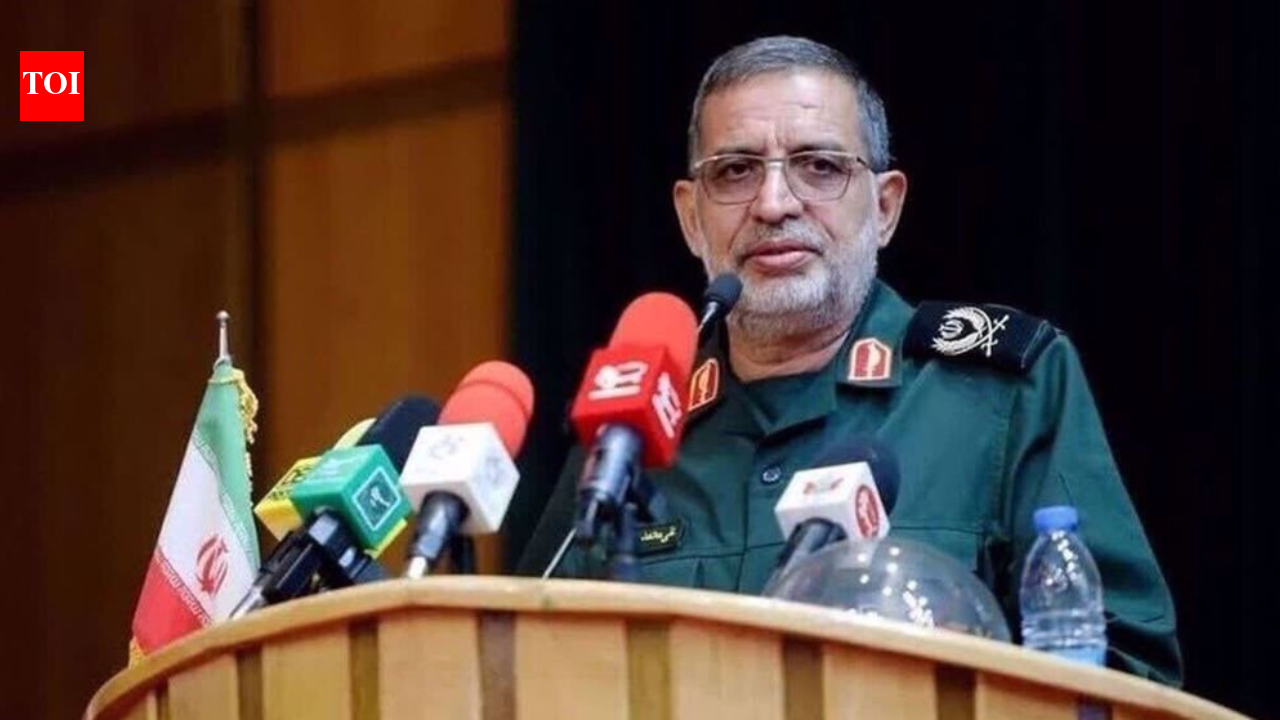
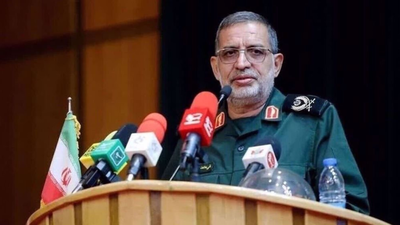
IRGC spokesperson Ali Mohammad Naini killed in strikes soon after issuing defiant warning to US-Israel


IRGC spokesperson Ali Mohammad Naini killed in strikes soon after issuing defiant warning to US-Israel

Iran’s Revolutionary Guard spokesperson Ali Mohammad Naini was killed in joint US and Israeli strikes, Iranian state media reported on Friday. His death came hours after he issued a defiant warning challenging US naval claims in the Gulf.Naini “was martyred in the criminal cowardly terrorist attack by the American-Zionist side at dawn”, the IRGC said in a statement, as quoted by news agency AFP

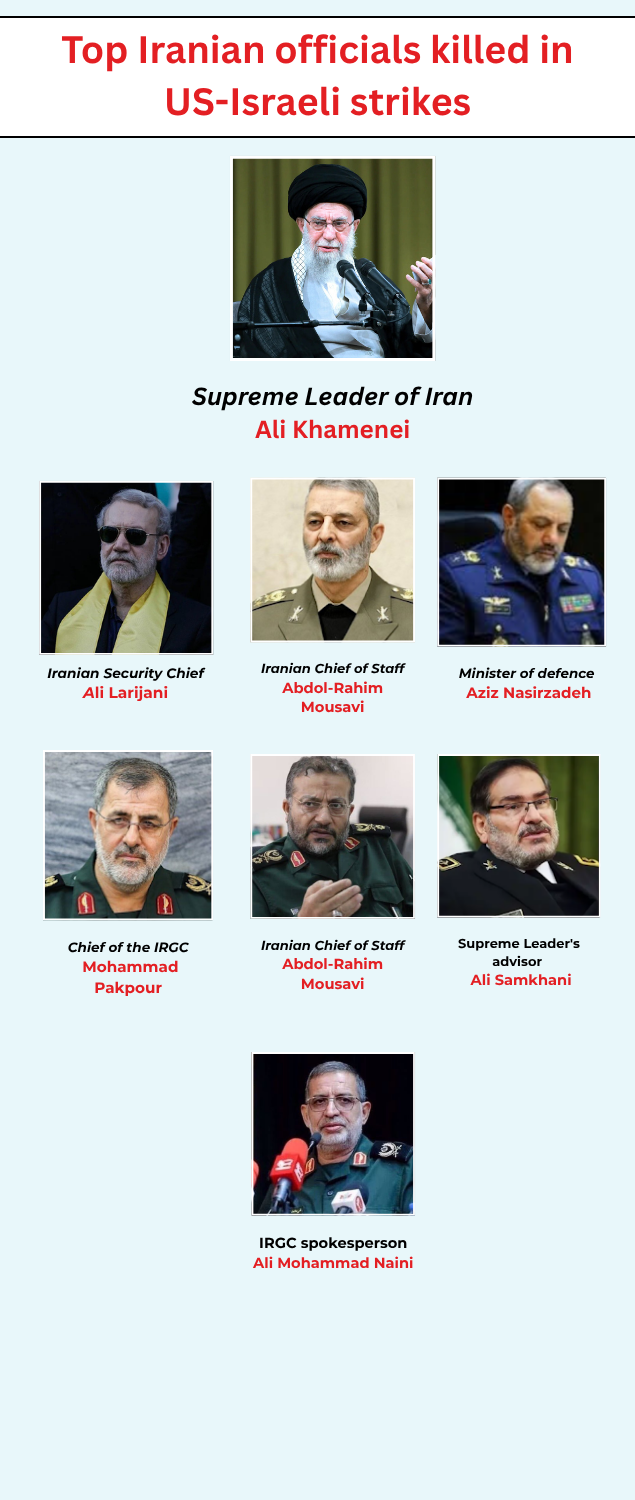
Top Iranian officials killed in US-Israeli strikes

The brigadier-general had openly mocked Donald Trump’s assertion that Iran’s navy had been destroyed, daring Washington to deploy ships into the Persian Gulf. He had also insisted Iran continued producing missiles despite ongoing strikes.“Didn’t Trump say that Iran’s navy has been destroyed? If so, let him send his ships into the Persian Gulf if he dares,” Naini was quoted as saying by the semi-official Tasnim news agency.

Watch

Thousands Gather At Ali Larijani’s Funeral, Take Chilling Anti-US Pledge | Watch

“Our missile industry deserves a perfect score… and there is no concern in this regard, because even under wartime conditions we continue missile production,” Guards spokesman Ali Mohammad Naini said, quoted by the Fars news agency.The developments follow a series of US–Israeli strikes that have eliminated several senior Iranian figures since the death of Ayatollah Ali Khamenei on 28 February. On Thursday, the Israel Defense Forces confirmed the killing of Intelligence Minister Esmaeil Khatib in Tehran, alleging his involvement in suppressing the 2022–23 Mahsa Amini protests and directing operations abroad. Earlier this week, security chief Ali Larijani and Basij leader Gholamreza Soleimani were also killed. President Pezeshkian condemned the deaths, vowing resilience. Foreign Minister Abbas Araghchi insisted Iran’s political system remains robust, stating that despite leadership losses, its institutional structure continues to function effectively.Tensions have escalated further after Israel targeted Iran’s South Pars gas field, prompting retaliatory strikes and raising fears of a broader energy crisis. Oil prices surged sharply amid concerns over supply disruptions, particularly through the strategically vital Strait of Hormuz, a key route for global energy shipments.A Kuwaiti oil refinery was struck by Iranian drones early on Friday, while sirens across Israel warned of incoming fire. At the same time, Israeli strikes triggered explosions over Tehran as the country marked the Persian New Year.As the conflict, now approaching its third week, continues to unsettle the global economy, Iran has maintained pressure on Gulf energy infrastructure. Kuwait reported that two waves of drone attacks hit the Mina Al-Ahmadi refinery, igniting a fire that emergency crews were working to contain. The facility, capable of processing around 730,000 barrels of oil daily, had already sustained damage in a previous strike.Elsewhere, air defences in Dubai intercepted incoming projectiles, with loud blasts heard across the city during Eid al-Fitr celebrations. In Bahrain, debris from an intercepted missile caused a warehouse fire, while Saudi Arabia said it had downed several drones aimed at its Eastern Province.


Source link

Budget basics simplified: TOI explains receipts, expenditure, deficits, borrowing, and parliamentary approvals for understanding of govt finances | Mumbai News


On Budget day, TOI breaks down key terms and concepts, helping readers quickly understand how govt finances, spending, and deficits are structured and explainedWhat are receipts?Receipts show the money the govt receives. This includes the money the govt earns, and money it obtains through borrowings or loan recoveries from states.What do Capital Receipts entail?Capital Receipts are funds that either reduce the govt’s assets or increase its debts. This includes money from sale of assets such as shares in public sector companies, and money received through borrowings or recovery of loans.What is the relation between Revenue Receipts & govt’s assets or debts?Revenue Receipts are the money the govt collects without affecting its assets or debts. These include earnings from taxes and other sources.What does Capital Expenditure mean?Capital Expenditure is spending that leads to the creation of assets or reduction of liabilities. This includes money used to build infrastructure.What is termed as Revenue Expenditure?Revenue Expenditure is govt spending that does not create assets or reduce liabilities. This includes salaries, pensions, subsidies, interest payments, and administrative expenses.How is Net Borrowing calculated?Net Borrowings refer to the total amount the govt borrows in a year after subtracting repayments of existing loans.What is unpaid debt called?Outstanding Debt is the total amount borrowed by the govt in the past that remains unpaid. The figure for a year indicates the debt outstanding at the end of that year.Why Fiscal Deficit matters?Fiscal Deficit occurs when the govt’s expenditure exceeds its receipts. It shows how much the govt needs to borrow during the year. If receipts exceed expenditure, there is a surplus.Difference between revenue and receiptsRevenue Deficit is the difference between revenue expenditure and revenue receipts. It indicates how much the govt needs to borrow for non-capital (non-asset-creating) expenses.What is Effective Revenue Deficit?Effective Revenue Deficit is the revenue deficit minus grants given for the creation of capital assets.How is Primary Deficit calculated?Fiscal deficit minus interest payments. It shows the borrowing requirement excluding the interest obligations.What is the main account for govt expenditures?Consolidated Fund of India contains all govt receipts and is the main account from which govt expenditures are madeWhat expenditure needs Parl nod?Voted Expenditure includes spending that must be approved by Parliament through the Demands for GrantsWhat does Finance Bill include?Finance Bill is introduced along with the Budget and contains the govt’s taxation and financial proposals for the coming yearWhat does Appropriation Bill authorise?Appropriation Bill authorises the govt to withdraw money from the Consolidated Fund. It is passed after the Demands for Grants are approved


Source link

TOISA 2025: University, academies, infrastructure drive new sports culture in UP | More sports News


TOISA 2025: University, academies, infrastructure drive new sports culture in UP
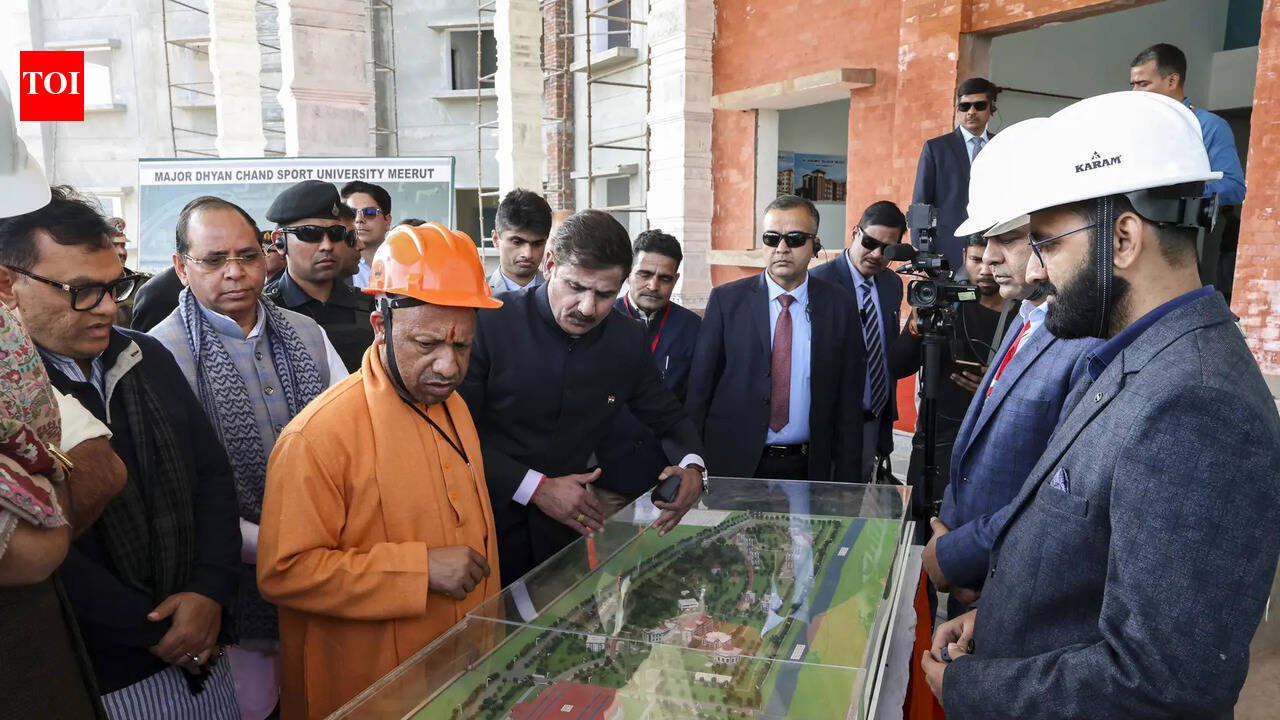
Uttar Pradesh CM Yogi Adityanath during an inspection visit to review work at Major Dhyan Chand Sports University. (PTI Photo)

Uttar Pradesh is stepping up its ambition to become a major sporting hub, with the government led by Yogi Adityanath rolling out a wide-ranging plan focused on world-class infrastructure, education and grassroots development. At the centre of this push is a strong emphasis on building a sporting culture across the state through a network of universities, colleges, academies and modern facilities.The flagship project in this vision is the upcoming Major Dhyan Chand State Sports University in Meerut, which is in its final phase of construction and expected to be fully operational by May. Spread across nearly 100 acres in the Sardhana region, the university is being developed in two phases, with an investment of over Rs 450 crore. The first phase, costing Rs 250 crore, is nearing completion, while the second phase will see an additional Rs 200 crore infusion.Sports university to anchor UP’s visionThe sports university, named after hockey legend Major Dhyan Chand, is being positioned as the epicentre of Uttar Pradesh’s sporting ecosystem. The academic session has already begun, with temporary classes being conducted at Sardar Vallabhbhai Patel Agricultural University in Meerut. From the upcoming academic year, the institution will shift to its permanent campus.ALSO READ: UP’s big push for sporting excellence, rewards and jobs power athletes’ riseIt will offer diploma, degree and postgraduate programmes across 12 sports, including traditional disciplines, along with research-oriented courses. The Chief Minister has emphasised the importance of hiring top faculty and involving former athletes as coaches to ensure practical, high-performance training. The aim is to develop a world-class institution that contributes to India’s sporting success on the global stage.Expanding network of colleges and academiesBeyond the university, the state is working to strengthen its sports education network by establishing at least one sports college in each division. Currently, institutions such as Guru Gobind Singh Sports College in Lucknow, Veer Bahadur Singh Sports College in Gorakhpur, and Major Dhyan Chand Sports College in Saifai form the backbone of this system, with plans underway to add more.The government is also extending support to private academies to nurture talent at the grassroots level. Uttar Pradesh already boasts strong training ecosystems, including the renowned Gaurav Khanna Excellia Badminton Academy in Lucknow, a key centre for para badminton excellence under national coach Gaurav Khanna. Additionally, several tennis academies across the state offer world-class facilities, including grass, clay and hard courts.Infrastructure boost to fuel sporting ambitionsInfrastructure development remains a key pillar of the state’s strategy. In Lucknow, an international-standard shooting range is being revived, while a long-pending velodrome project has also received fresh approval. Both facilities are being developed at the Guru Gobind Singh Sports College complex, further enhancing the city’s sporting credentials.With improved infrastructure and institutional support, Uttar Pradesh is now aiming to host major events. The state Olympic association is planning bids for the National Youth Games and, subsequently, the National Games, signalling growing confidence in its capabilities.From stadiums and academies to education and employment pathways, Uttar Pradesh’s multi-pronged approach is steadily shaping a robust sporting culture. With sustained investment and policy backing, the state is positioning itself as a key contributor to India’s future sporting success.

Banner Insert


Source link

Access Denied


Access Denied

You don’t have permission to access “http://www.ndtv.com/india-news/rs-125-crore-a-day-madhya-pradeshs-debt-belies-performer-state-title-11242202” on this server.

Reference #18.adf5d217.1773998261.1053db4f

https://errors.edgesuite.net/18.adf5d217.1773998261.1053db4f


Source link

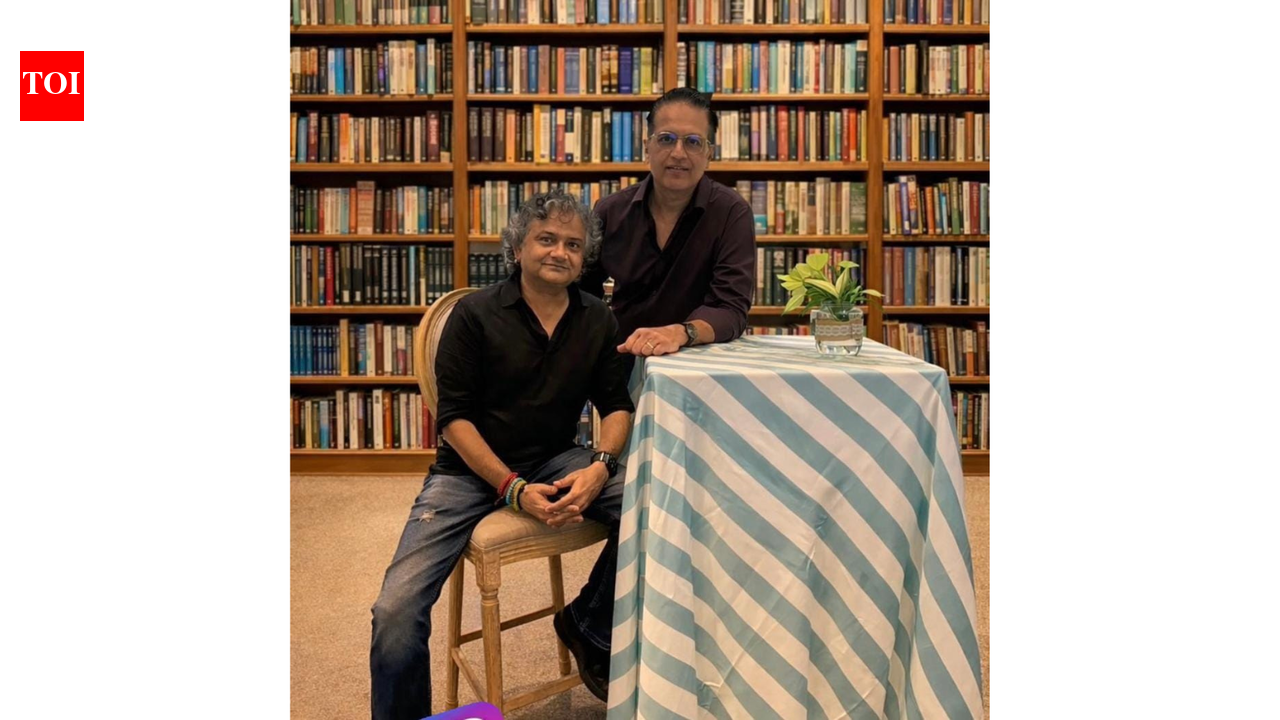
Ajit Menon & Anil Verma: From Corporate Careers to Pioneering India’s Cinematic Storytelling |


Sometimes, the most interesting stories are written by people who choose to change the direction of their own lives. A few years ago, Ajit Menon was working in corporate boardrooms, shaping strategy and leading teams at senior levels. At the same time, Anil Verma was building a career in India’s advertising industry, creating campaigns and establishing a reputation in the field. Both had stable careers that many spend years striving towards. Then something unexpected happened — they chose to step away. Not because their careers were failing, but because they wanted to focus on storytelling. The decision surprised friends and colleagues; leaving a corporate or advertising career to become a writer is not a common move. But Ajit and Anil decided to pursue writing more seriously. Both authors come from middle-class families where discipline and hard work shaped their upbringing. Like many Indians, they spent their early years building stable careers and fulfilling responsibilities. Writing remained a personal interest – until they chose to give it more time and attention. Five years later, that decision has evolved into a collaborative partnership in India’s publishing space. The duo has written four books, published by leading publishing houses. Their works have also featured in Top 15 Must-Read lists for two consecutive years. Their writing has drawn attention for its cinematic style. Written in simple English, their stories move with the pace of film narratives — visual scenes, dialogue-driven storytelling, and chapters that often end on moments of tension. Many readers say their books feel like watching a film unfold. As Ajit explains, “In a world where attention spans are shrinking, storytelling must evolve. We write cinematically so that readers remain engaged.” Some have compared their partnership to that of Salim Khan and Javed Akhtar, combining complementary strengths. Beyond novels, they also work on screenplays, songs and music, often shaping stories with potential for screen adaptation. Their work spans genres — crime fiction, thrillers, courtroom drama, paranormal, horror, slice-of-life and espionage. Their latest novel, The Dealer — part of the six-part Panther’s Ghosts series — explores global espionage and geopolitical intrigue, with ambitions of building a long-form franchise. For two writers who stepped away from established careers, their journey continues to evolve — with future stories likely to move beyond print into visual media.


Source link