Breaking News
Former batter picks the ideal top-order of Chennai Super Kings (CSK) for IPL 2026


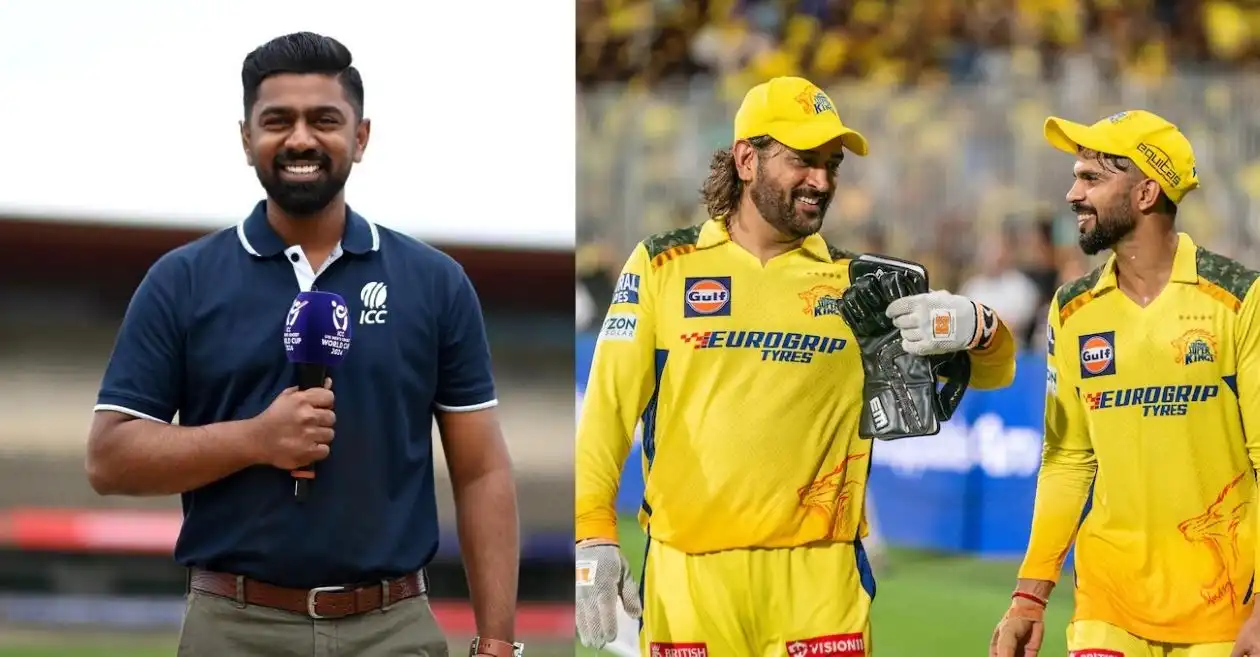
With the Indian Premier League (IPL) 2026 set to kick off on March 28, discussions around team combinations have begun to intensify. Chennai Super Kings (CSK), coming off a disappointing campaign last season, are under the spotlight as experts and former players weigh in on how the franchise can turn things around. Former India batter Abhinav Mukund has now shared his views on CSK’s ideal top order, suggesting a fresh and aggressive approach to fix their long-standing powerplay struggles.

CSK looking for redemption after back-to-back setbacks

The Super Kings endured a forgettable IPL 2025 season, finishing at the bottom of the points table with just four wins in 14 matches. The struggles were not limited to one department, but their top-order inconsistency stood out as a major concern. Even in IPL 2024, the franchise failed to qualify for the playoffs, raising questions about their evolving strategy in a fast-changing T20 landscape.

Recognizing these issues, CSK made bold moves ahead of the IPL 2026 auction. Their focus shifted towards injecting youth and dynamism into the squad. One of the biggest talking points was the acquisition of Sanju Samson, a move that generated significant buzz among fans and experts alike.

Solid opening pair for IPL 2026

Mukund believes CSK must rethink their approach at the top and prioritize aggressive intent in the powerplay. He has backed Samson and young talent Ayush Mhatre to open the innings for the franchise in IPL 2026.

According to Mukund, the powerplay has become the defining phase in modern T20 cricket, and teams can no longer afford slow starts. He pointed out that CSK’s opening partnerships and powerplay scores have been among the weakest in recent seasons, often putting them on the back foot early in games.

Mukund emphasized that a minimum of 60 runs in the first six overs is now essential, and players like Samson and Mhatre have the skillset to achieve that consistently. While Mhatre showed promise during his time with Mumbai, Mukund acknowledged that he faced some challenges on South African pitches but still remains a highly explosive option.

“This is Ruturaj Gaikwad’s team. He wants these sort [aggressive] of players. Last couple of seasons, they’ve had the worst opening partnerships, worst powerplay scores. They were behind the eight ball in terms of how they started. I think the games changed to a powerplay game, where 60 is a bare minimum. I think they’ve gone there and biggest thing to address is the opening pair and they’ve got Sanju before the auction. So, Sanju and Mhatre open for me,” said Mukund on ESPNcricinfo.

Also READ: IPL 2026: Did MS Dhoni change his jersey number? Here’s what we know

Ruturaj Gaikwad at No. 3

Mukund also suggested that skipper Ruturaj Gaikwad should slot in at No. 3, a position that allows him to anchor the innings while still maintaining tempo. He believes this combination aligns with Gaikwad’s leadership vision of building a more aggressive and fearless batting unit. However, this approach could lead to difficult selection decisions. Mukund noted that if Samson and Mhatre open, it might leave players like Urvil Patel on the sidelines, highlighting the depth and competition within the squad.

“I still think Mhatre will be as explosive as ever. He opened for Mumbai. He struggled a little bit on the South African pitches. But, if you’ve got Mhatre in the side and Rutu wants to bat three, unfortunately, Urvil Patel misses out,” Mukund added.

Also READ: Mohit Sharma reveals his all-time CSK playing XI ahead of IPL 2026


Source link

LPG crisis: India turns to US to secure supplies as Strait of Hormuz disruptions continue to bite; shipments rise


LPG crisis: India turns to US to secure supplies as Strait of Hormuz disruptions continue to bite; shipments rise
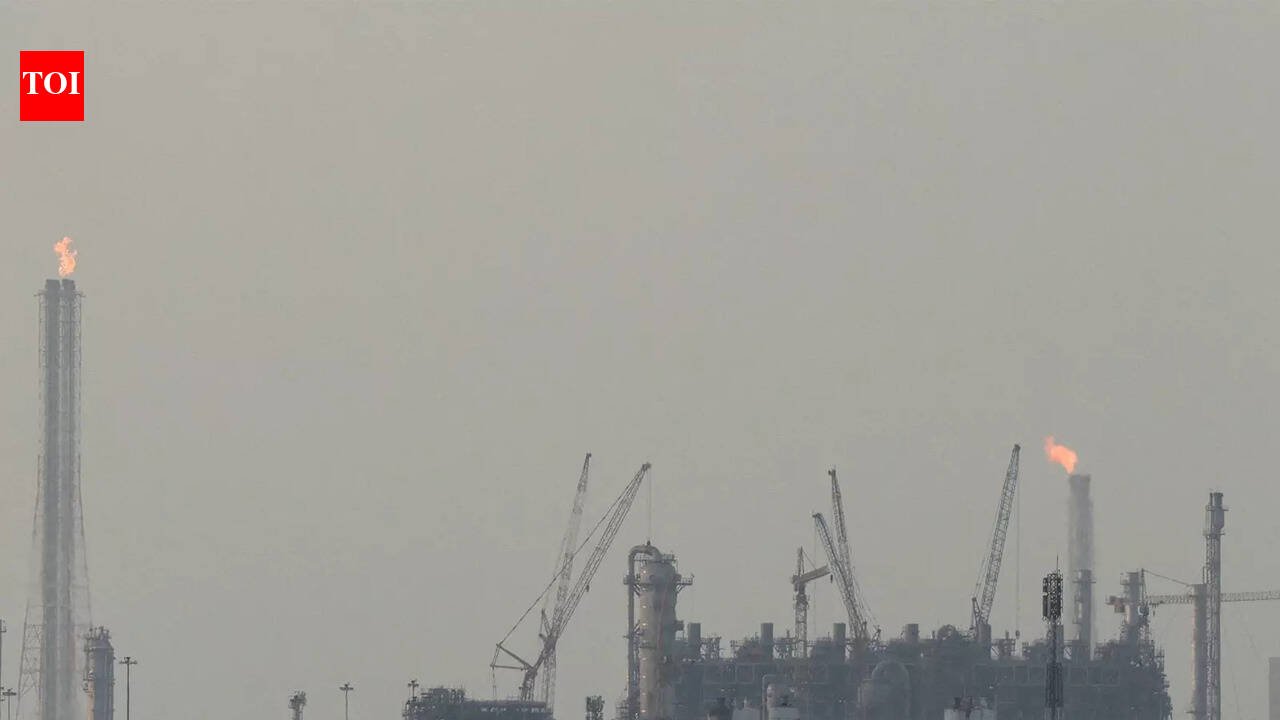
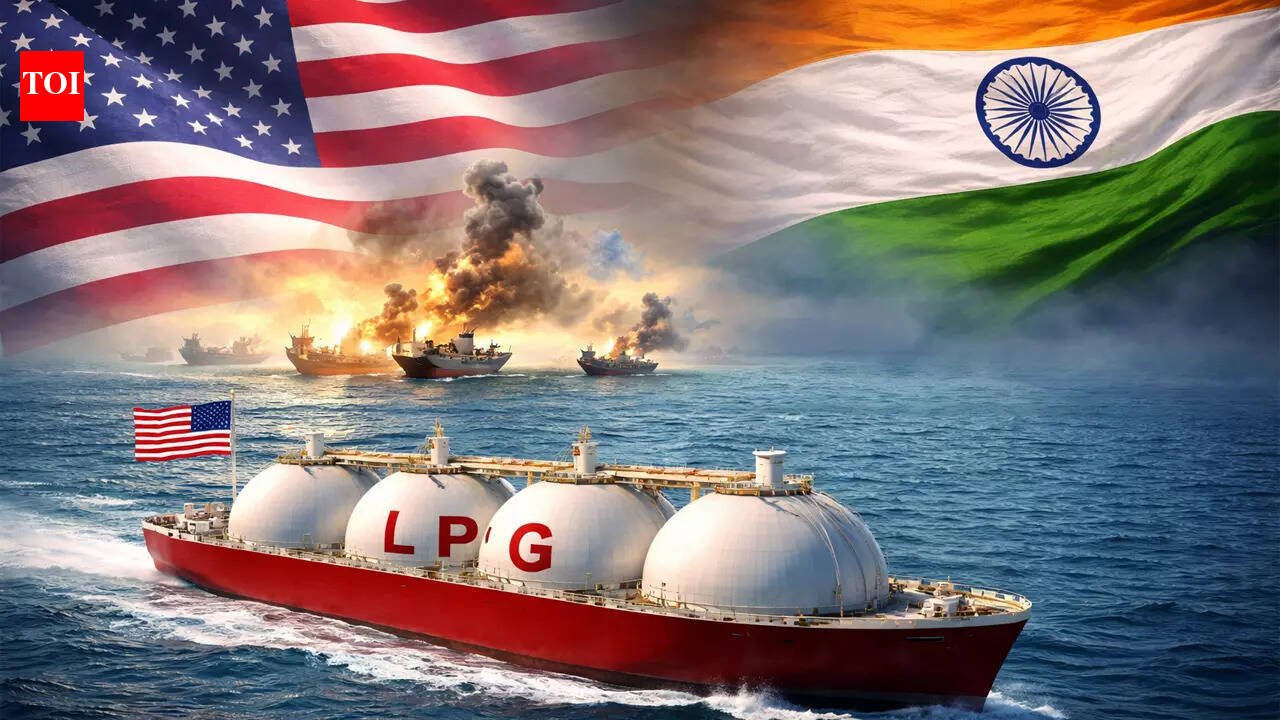
There is a chance that North American LPG will gain a stronger foothold in the Indian import mix. (AI image)

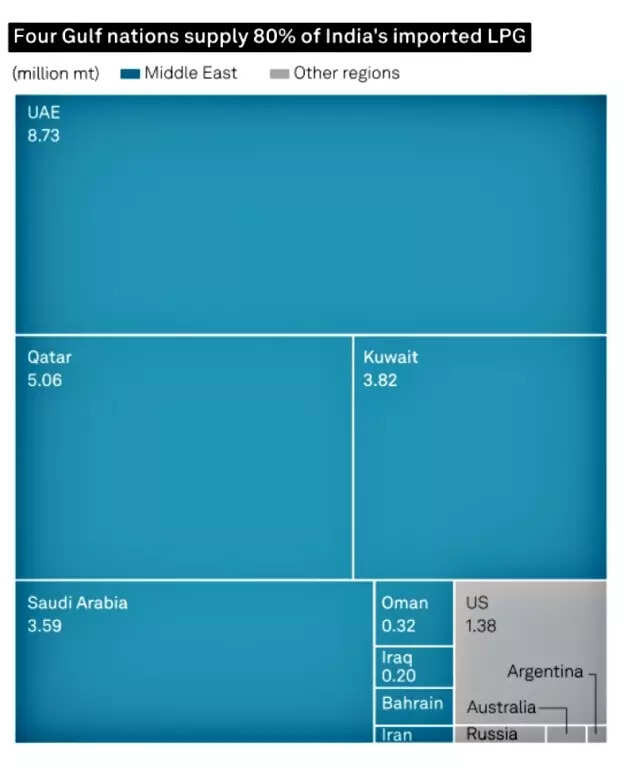
India is turning to the US to mitigate its ongoing LPG supply crisis as the war rages on in the Middle East. India gets around 60% of its LPG needs from the Gulf region, and more than crude oil, it is the disruption in liquified petroleum gas supply through the Strait of Hormuz that has got the government scrambling to secure stocks.As per an S&P Global Energy report, India is moving to broaden its sources of LPG imports, stepping up refinery output and intensifying diplomatic engagement as it works to maintain a steady supply of cooking fuel for households and essential services such as hospitals and educational institutions amid the ongoing Middle East conflict.

India turns to US for LPG supplies

Analysts at S&P Global Energy noted that the global LPG market is currently grappling with a shortage of cargoes, as disruptions in the Middle East have temporarily affected the Strait of Hormuz that accounts for nearly 30 per cent of global LPG supply. This has tightened overall availability and reduced the pool of spot cargoes.Anmol Bhushan, associate director for LPG at S&P Global Energy CERA, said, “India is increasingly turning to the US for LPG as geopolitical tensions reshape global trade flows.”

Four Gulf nations supply 80% of India's imported LPG

Four Gulf nations supply 80% of India’s imported LPG (Source: S&P Global Energy)

According to the expert, if the Middle East war conflict continues for a longer duration, there is a chance that North American LPG will gain a stronger foothold in the Indian import mix. “Recent trade patterns show rising US volumes moving into India”, he says.

Securing Passage Through Strait of Hormuz

With nearly 60 per cent of its LPG needs met through the Gulf region, the government has taken urgent steps to secure alternative supplies. It is also encouraging the use of substitutes such as kerosene and coal in restaurants and other non-priority segments to reduce pressure on limited availability.“The silver lining is the ongoing diplomatic dialogue between Iran and India. This engagement helped enable Indian-flagged LPG carriers to transit the region, setting a positive precedent,” said Charles Kim, associate director for LPG at S&P Global Commodities at Sea. “Continued cooperation could support the passage of additional Indian-linked ships, keeping vital supply routes workable for India and offering some relief to the broader market.”Two state-owned LPG carriers have safely navigated through the Strait of Hormuz, a critical route that handles around 90 per cent of the country’s LPG imports from the Middle East.

LPG flows from Middle East & US

  • Two state-owned LPG carriers, VLGCs Shivalik and Nanda Devi, successfully crossed the Strait of Hormuz and arrived in India during the week. Each vessel carried around 46,000 mt of LPG, taking total supplies delivered to over 92,000 mt for the domestic market.
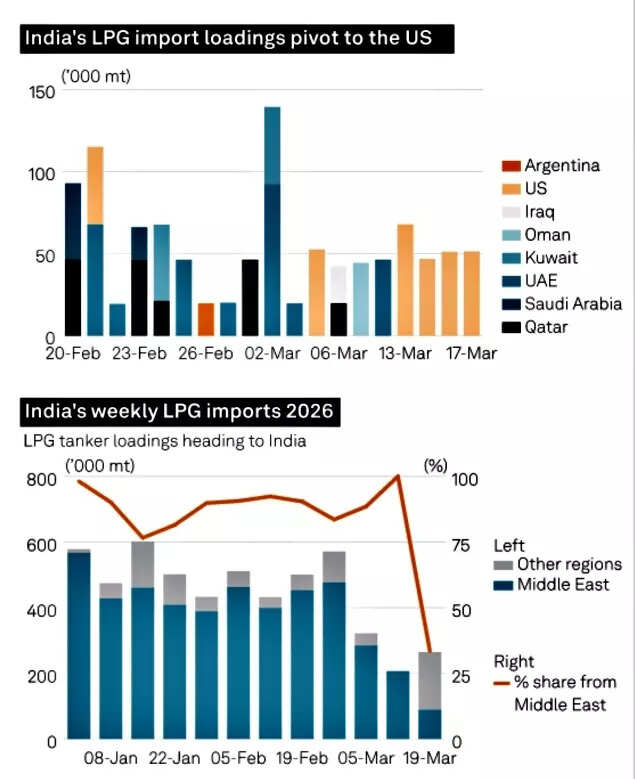
  • Shipments of US-origin LPG to India have been rising, with volumes now exceeding those sourced from traditional Gulf suppliers, according to CAS data.
  • India’s weekly LPG imports declined to 265,000 mt in the week ending March 19, down from 322,000 mt on March 5, as per CAS data.
India's LPG import loadings pivot to US

India’s LPG import loadings pivot to US (Source: S&P Global Energy)

  • Supplies from the Middle East dropped sharply to 89,000 mt, accounting for just 34 per cent of total imports, the lowest share since January.
  • In contrast, alternative regional supplies increased to 176,000 mt during the same period, compared to zero in the previous week when the Middle East had accounted for all imports.
  • Indian oil marketing companies have secured a term contract for 2.2 million mt of US-origin LPG for 2026, equivalent to roughly four VLGC shipments per month. In the first two months of 2026 alone, India imported close to 480,000 mt of US LPG, translating to about 11 VLGC cargoes.
  • India has also rolled out emergency measures and ramped up domestic production to cushion households and businesses from potential LPG shortages, while also fast-tracking the shift toward piped natural gas.
  • Reliance Industries is operating at full capacity at its Jamnagar refining and petrochemical complex to boost LPG output for the domestic market.
  • Domestic production currently meets about 41 percent of India’s LPG requirement, with the remainder being sourced through imports, according to petroleum ministry officials.
  • The oil ministry has revised booking cycles to 25 days in urban areas and up to 45 days in rural regions to ensure a more balanced distribution.
  • State governments have intensified enforcement efforts to curb hoarding and black marketing of petrol, diesel and LPG.


Source link

‘Direct consequences on economy’: Indian envoy to UK on Strait of Hormuz disruption amid Iran war


'Direct consequences on economy': Indian envoy to UK on Strait of Hormuz disruption amid Iran war

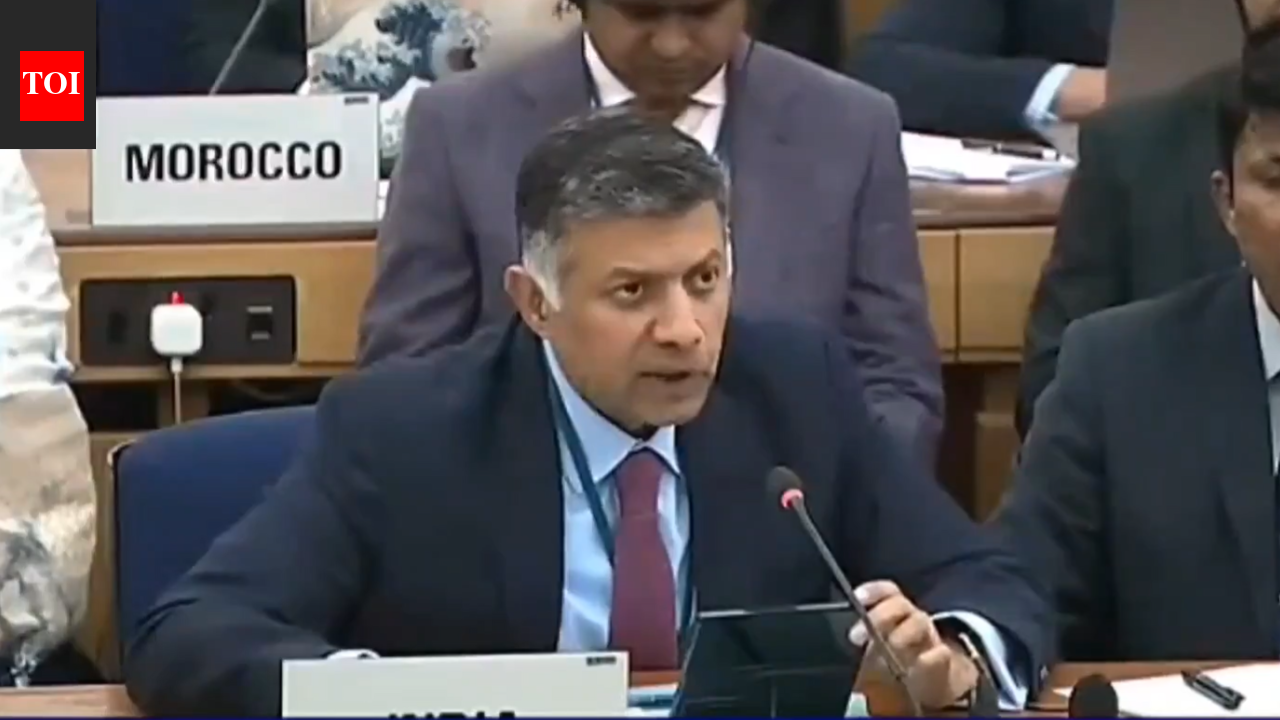
India has condemned attacks on commercial shipping in the Strait of Hormuz, calling them “unacceptable,” as the International Maritime Organization (IMO) urged coordinated action to safeguard civilian vessels in the Gulf region.Addressing the 36th extraordinary session of the IMO Council in London on Thursday, Vikram Doraiswamy, India’s ambassador to the UK, emphasised New Delhi’s commitment to maritime security, freedom of navigation, and the safety of all seafarers.“India remains deeply concerned about the evolving situation and continues to call for de-escalation through dialogue and diplomacy, with utmost restraint and priority being given to the safety of civilians,” he said.Condoling the loss of innocent lives, including three Indian seafarers, Doraiswamy asserted that attacks on commercial shipping and civilian maritime infrastructure endanger lives and are unacceptable. “Targeting of commercial shipping and attacks on civilian maritime infrastructure is unacceptable. Such attacks have resulted in the loss of innocent lives, injuries, and heightened risks, including to seafarers. India is among the top three seafarer-supplying nations, contributing approximately 13 per cent of the global seafaring workforce. We remain deeply concerned about the safety and welfare of all seafarers,” Doraiswamy added. He also noted India’s 24×7 helpline for affected seafarers and the role of the Information Fusion Centre, Indian Ocean Region (IFC-IOR), hosted by the Indian Navy, in coordinating rescue efforts and sharing information. He added, “We reiterate that targeting commercial shipping, endangering civilian crews, and impeding safe and free navigation through international waterways, including the Strait of Hormuz, are unacceptable. The exercise of navigational rights and freedom by merchant and commercial vessels in accordance with international law must be respected.”The ambassador went on to say, “At present, 24 Indian flagged vessels are operating the Persian Gulf region, including 22 vessels west of the Strait of Hormuz with 611 Indian seafarers on board and two vessels east of the Strait of Hormuz, with 47 seafarers on board” Further he reflected on the critical importance of Strait of Hormuz for the country saying, “ India’s energy, security and trade are critically dependent on the safe and unimpeded passage through the Strait of Hormuz. Any disruption, obstruction or closures of these vital waterways have direct consequences for India’s economy and for global energy and humanitarian supply chains.”The IMO Council condemned threats and attacks on merchant vessels, including attempts to close the Strait of Hormuz, citing UN Security Council Resolution 2817. The Council adopted a decision encouraging the establishment of a maritime safety corridor to facilitate voluntary evacuation of ships from high-risk areas. It called for an internationally coordinated approach to maritime security and urged member states to ensure continuous provision of essential supplies, water, food, and fuel, to ships unable to leave the region.IMO secretary-general went on to emphasise the need for decisive action, saying, “Let it be the responsibility of each and every one of us to demonstrate that inaction is not an option, that words alone are not sufficient. Together, we can drive the change required to protect the wellbeing of those who have no voice and safeguard the principle of freedom of navigation.”The session was attended by more than 120 member states, including all 40 Council members. The Middle East conflict has heavily affected shipping through the Strait of Hormuz. Currently, 24 Indian-flagged vessels are operating in the Persian Gulf, with 611 Indian seafarers west of the Strait and 47 east of it.This session follows growing international concern over maritime safety as attacks in the Gulf threaten both trade and energy supply chains.


Source link

Asian stocks today: Markets mixed, oil falls to $107 as Iran war risks persist; US Futures up


Asian stocks today:  Markets mixed, oil falls to $107 as Iran war risks persist; US Futures up

Asian markets showed a mixed performance on Friday, following modest losses on Wall Street and a retreat in oil prices after a sharp spike triggered by escalating Iran-Israel tensions.Oil had a volatile session on Thursday, with Brent crude briefly hitting $119 per barrel after Iranian attacks on Gulf energy facilities followed Israel’s strike on a key Iranian natural gas field. In early Friday trading, Brent fell 1.6% to $106.90 per barrel, while benchmark US crude dropped 2% to $93.63 per barrel. The decline came after Israeli prime minister Benjamin Netanyahu said he would hold off on further attacks on Iran’s gas field at the request of US president Donald Trump.The conflict, now in its third week, has disrupted energy supply, particularly through the Strait of Hormuz, a crucial waterway between Iran and Oman, and has heightened global inflation concerns. US treasury secretary Scott Bessent suggested that Washington might ease sanctions on Iranian oil already at sea to help stabilize prices.In regional equity markets, South Korea’s Kospi rose 0.6% to 5,798.23, while Hong Kong’s Hang Seng fell 0.6% to 25,340.43. China’s Shanghai Composite gained 0.2% to 4,013.16. Japan’s Nikkei 225 was closed for a holiday. Australia’s S&P/ASX 200 dropped 0.5%, and Taiwan’s Taiex was down 0.2%.Wall Street posted modest losses on Thursday, with the S&P 500 down 0.3% to 6,606.49, the Dow Jones Industrial Average losing 0.4% to 46,021.43, and the Nasdaq down 0.3% at 22,090.69. Shares of US memory chip maker Micron Technology fell 3.8% despite better-than-expected quarterly results, although the stock has risen roughly 330% over the past year amid a global memory shortage.Precious metals recovered from earlier dips, with gold rising 2.6% to $4,727.20 per ounce and silver gaining 4.2% to $74.22 per ounce. Currency movements saw the US dollar strengthen to 158.38 Japanese yen from 157.76 yen, while the euro traded slightly lower at $1.1558, down from $1.1589.The easing of oil prices helped stabilize markets, but analysts said uncertainty remains as the Iran-Israel conflict continues to impact energy supplies and global financial sentiment.


Source link

TOISA 2025: UP’s big push for sporting excellence, rewards and jobs power athletes’ rise | More sports News


TOISA 2025: UP’s big push for sporting excellence, rewards and jobs power athletes’ rise
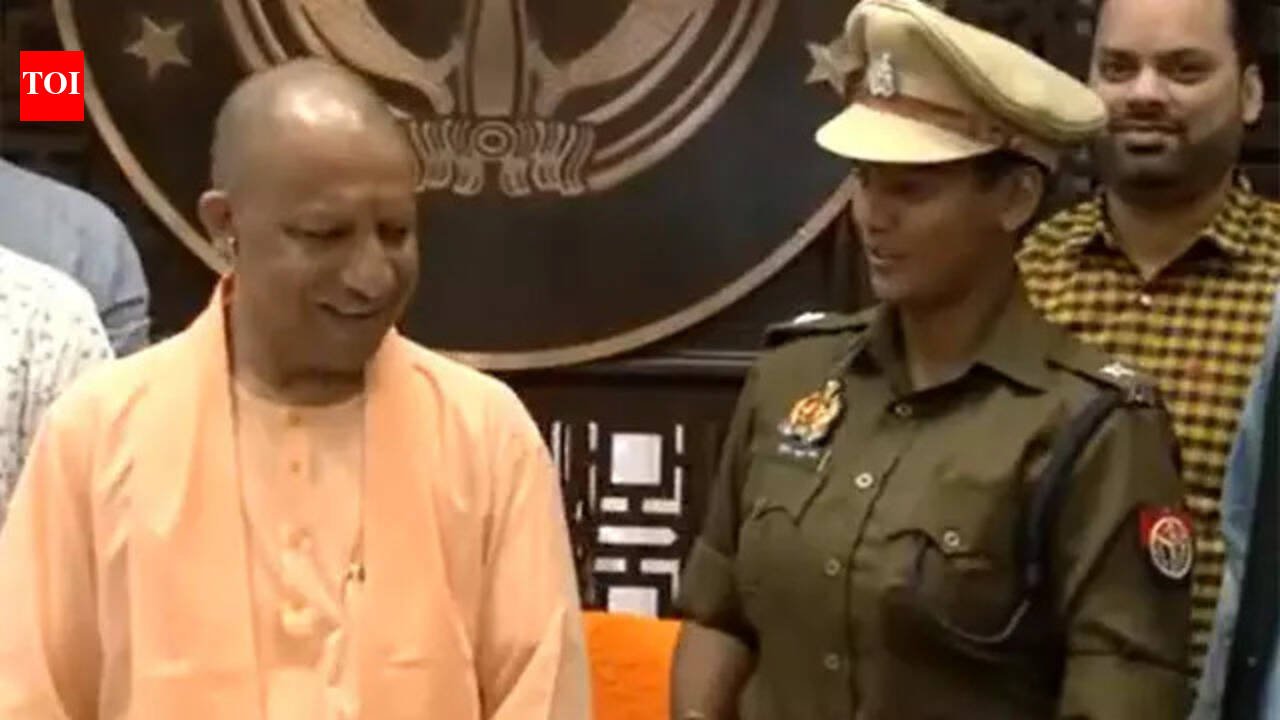
CM Yogi Adityanath with cricketer Deepti Sharma (Video grab)

Uttar Pradesh has stepped up its efforts to emerge as a major sporting hub, with the government led by Yogi Adityanath rolling out one of the most ambitious incentive structures for athletes in the country. The state’s focus is clear — encouraging youth to pursue sports as a serious career option rather than just a recreational activity.At the heart of this push is a comprehensive monetary rewards scheme for medal winners across international and national competitions. The government has announced a whopping Rs 6 crore for an individual Olympic gold medallist from the state, along with Rs 4 crore for silver and Rs 2 crore for bronze. Team event winners are also generously rewarded, with Rs 3 crore for gold, Rs 2 crore for silver and Rs 1 crore for bronze.Massive rewards aimed at inspiring the next generationThe incentive structure extends beyond the Olympics to other major international events such as the Asian Games and Commonwealth Games. Athletes winning individual gold medals in these competitions will receive Rs 3 crore, while silver and bronze medallists will be awarded Rs 1.5 crore and Rs 75 lakh respectively.At the national level too, the state has ensured recognition for excellence. Individual gold medallists will receive Rs 6 lakh, silver winners Rs 4 lakh and bronze medallists Rs 2 lakh. For team events, the rewards stand at Rs 2 lakh for gold, Rs 1 lakh for silver and Rs 50,000 for bronze.This structured approach aims to build a strong pipeline of athletes from grassroots to elite levels, ensuring that talent is both identified and rewarded consistently.Job security and long-term support for athletesBeyond financial incentives, the Uttar Pradesh government has also prioritised post-career security for sportspersons through job provisions in various state departments. Since Yogi Adityanath took office, more than 500 athletes have been given government jobs, mostly in the police department. International medallists are often recruited as gazetted officers, underlining the state’s commitment to recognising sporting excellence.Prominent examples include India women’s cricketer Deepti Sharma, who was appointed as a DSP in the UP Police after her standout performances, and track star Parul Chaudhary, who also serves in a similar role. The policy has provided athletes with both financial stability and social recognition.Interestingly, the state’s support has extended beyond its own athletes as well. After the Tokyo Olympics, Olympic champion Neeraj Chopra was honoured by the UP government despite not being from the state, reflecting its broader commitment to celebrating sporting success.The state’s growing sporting ecosystem will also be on display during the upcoming The Times of India Sports Awards, set to be held in Lucknow on March 21, 2026. Athletes from Uttar Pradesh feature prominently among the nominees, with 15 names — including 13 athletes and two coaches — earning recognition across disciplines such as athletics, cricket, hockey, shooting and para sports.From cricketers like Deepti Sharma and Kuldeep Yadav to track and field athletes such as Gulveer Singh, Sachin Yadav, Parul Chaudhary and Rupal Chaudhary, the state’s representation underlines the impact of sustained policy support.

Banner Insert


Source link

Qatar Lng Export: Iran hits Ras Laffan facility: Qatar’s 17% LNG capacity gone, $20bn loss; which countries will be impacted?


India May Face Rising Gas Prices And Energy Supply Risks After Qatar's Ras Laffan LNG Hub Strike

QatarEnergy says Iranian missiles hit Ras Laffan Industrial City, causing “extensive damage”

Iran’s unprecedented attacks on Qatar’s gas facilities would significantly dent the Gulf state’s liquefied natural gas (LNG) export capacity and result in losses running into billions of dollars, according to Qatar’s state minister for energy affairs, Saad al-Kaabi.“I never in my wildest dreams would have thought that Qatar would be — Qatar and the region — in such an attack, especially from a brotherly Muslim country in the month of Ramadan, attacking us in this way,” Kaabi, who is also the CEO of state-owned QatarEnergy, one of the facilities targeted by Iran, told Reuters.

Watch

India May Face Rising Gas Prices And Energy Supply Risks After Qatar’s Ras Laffan LNG Hub Strike

Also Read: Amid attacks, gas prices spike as countries look to secure suppliesThe Iranian strikes on oil and gas facilities in the region came in response to Israeli attacks on the Islamic Republic’s gas infrastructure.17% LNG export capacity ‘knocked out’Kaabi said the attacks have “knocked out” 17% of Qatar’s LNG export capacity, a development that could result in an estimated $20 billion in annual revenue losses. He added that, due to the repairs required, LNG output of 12.8 million tonnes would be “sidelined” for three to five years.He further stated that two of Qatar’s 14 LNG trains and one of its two gas-to-liquids (GTL) facilities were damaged in the strikes.The scale of the damage is such that the entire region has been set back “10 to 20 years,” the minister added.Beyond LNGThe impact extends well beyond LNG, with Qatar’s condensate exports likely to fall by around 24%, while liquefied petroleum gas (LPG) could decline by 13%. Helium output is expected to decrease by 14%, and naphtha and sulphur by 6% each.Rebuilding the damaged units would cost around $26 billion, Kaabi said.Force majeure on contracts for up to five yearsFollowing damage to the two LNG trains, QatarEnergy is likely to declare force majeure on LNG supplies to Italy, Belgium, South Korea and China for up to five years.LNG train S4 supplies Italy’s Edison and Belgium’s EDFT, while Train S6 delivers to South Korea’s KOGAS, EDFT and Shell in China.American oil major ExxonMobil holds a 34% stake in LNG train S4 and a 30% stake in Train S6.Earlier attacks on QatarEnergy’s Ras Laffan production hub, which was also targeted on Wednesday, had already forced the company to declare force majeure on its entire LNG output.Why Ras Laffan matters – and how India is impactedAccording to a Financial Times report, under normal conditions, Ras Laffan accounts for around 20% of the world’s LNG supply.Also Read: How Iran’s strikes on Qatar’s Ras Laffan, world’s largest LNG hub & other Middle East oil & gas infra, will impact IndiaAround 40% of India’s LNG requirements are met by Qatar.⁠India is a big importer of LPG and LNG and relies heavily on supplies from Middle Eastern countries such as Qatar, Saudi Arabia and the UAE. Hence, any supply disruption, whether it is due to passage threats in the Strait of Hormuz or closure of gas facilities in this region, has important ramifications for India.Why is Iran attacking Gulf statesThe current phase of the conflict began with joint US-Israel strikes across Iran on February 28. Tehran responded by targeting Israel and Gulf states hosting US military bases, including Qatar.Iran has also effectively disrupted traffic through the Strait of Hormuz, a crucial waterway through which roughly 20% of the world’s oil supply passes.US President Donald Trump has repeatedly claimed that Iran has been “decimated” and is seeking a ceasefire, even as Iranian leaders have firmly rejected such assertions and ruled out any potential truce.


Source link

Florida Covid Fraud: Florida man loses US citizenship over $3.8 million Covid-19 relief fraud scheme; may face deportation


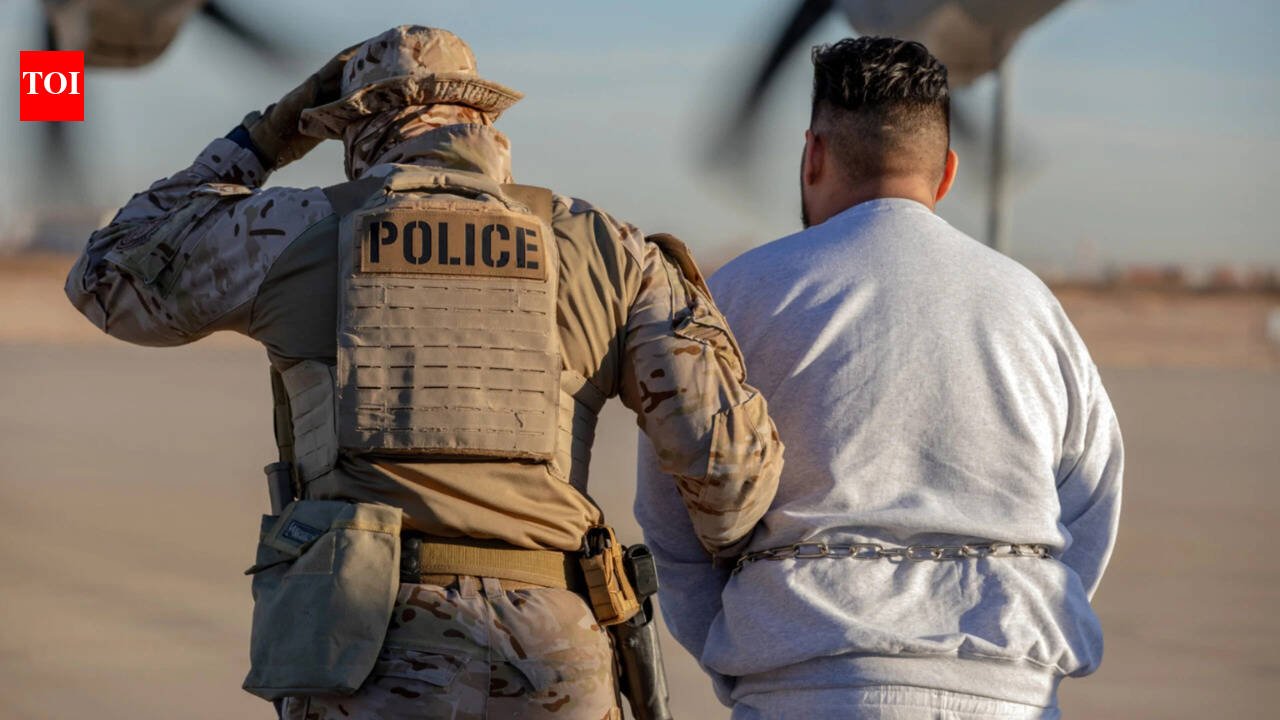
A man living in Florida has been stripped of his United States citizenship after being convicted in a multi-million dollar Covid-19 fraud case, according to a federal court ruling.The decision was issued by a US judge who found that the man, 25-year-old Joff Stenn Wroy Philossaint, had obtained his citizenship unlawfully and later took part in a large fraud scheme linked to pandemic relief funds. The case involves about $3.8 million in fraudulent claims connected to government aid programmes introduced during the Covid-19 pandemic.Prosecutors said the man gave false details to get loans and aid meant for struggling businesses. These programmes were set up to help companies and workers during lockdowns. Instead, he used the money for himself.The fraud involved multiple applications submitted using fake or misleading details. The man lied about business operations and financial losses to qualify for the aid. The scheme continued until it was detected by investigators.The US Department of Justice (DOJ) brought the case as part of a crackdown on pandemic-related fraud. Since 2020, federal agencies have investigated thousands of cases involving misuse of relief funds, including false loan applications and identity fraud.

Watch

‘Go Back To Your Hell’: US President Targets 19 Non-European Nations In New Immigration Suspension

In addition to the fraud conviction, the court reviewed how the man originally became a US citizen. Judges found that he had not been fully truthful during the naturalisation process. Under US law, citizenship can be revoked if it was obtained through false statements or concealment of important facts.Based on these findings, the court ordered that his citizenship be cancelled. This process is known as denaturalisation, and it removes the legal status of citizenship and can lead to further immigration action, including possible deportation.


Source link

Sophie Devine’s all-round show powers New Zealand to emphatic win over South Africa in 3rd Women’s T20I


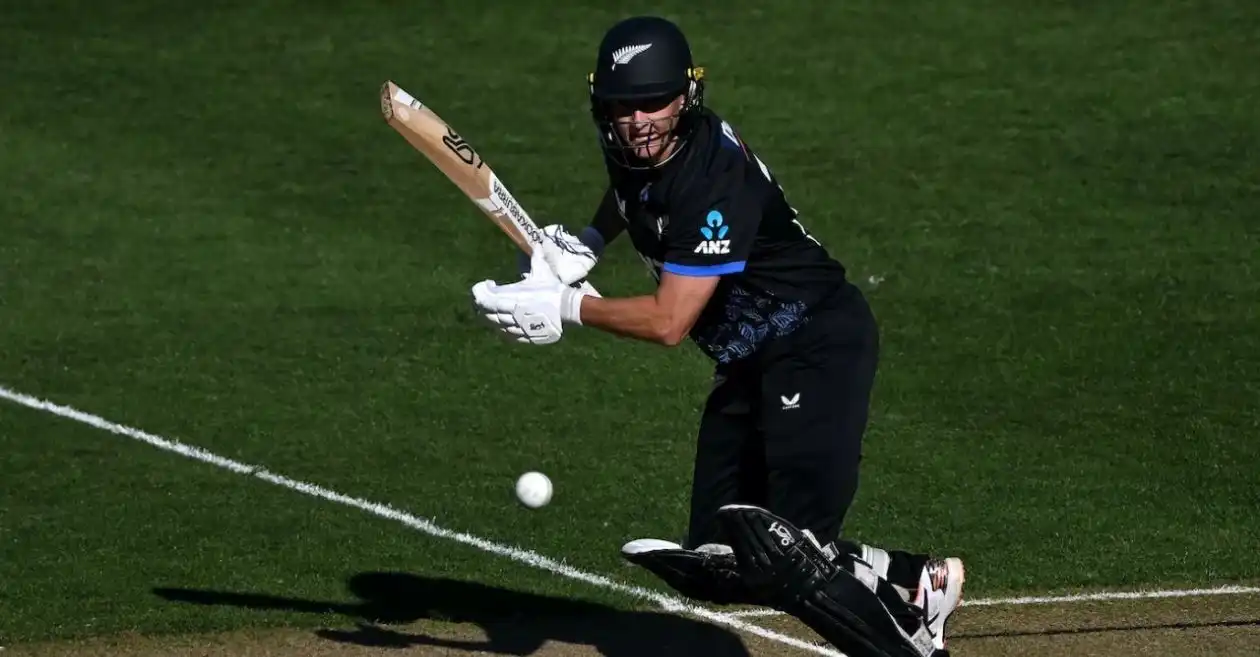
In a contest that ebbed and flowed before tilting decisively in the hosts’ favour, New Zealand Women delivered a composed and clinical performance to seal a six-wicket victory over South Africa Women in the third T20I at Eden Park. Chasing a competitive total, it was a captain’s knock from Sophie Devine, complemented by a disciplined bowling effort earlier, that ensured the White Ferns crossed the line with confidence and control.

South Africa post competitive total despite early setbacks

After winning the toss and opting to bat, South Africa Women endured a shaky start as both Sune Luus and Tazmin Brits fell cheaply, leaving the visitors under pressure in the powerplay. However, Laura Wolvaardt anchored the innings with a steady 37 off 39 balls, stabilizing the innings alongside Annerie Dercksen.

Dercksen injected much-needed momentum with an aggressive 27 off 18 balls, striking boundaries at crucial intervals. Later, Kayla Reyneke provided a strong late flourish, smashing 34 off just 20 deliveries, including three sixes, to push South Africa to a respectable 149/7 in their 20 overs.

New Zealand’s bowling unit shared the workload effectively. Devine led from the front with two key wickets while maintaining control, while Suzie Bates also chipped in with two scalps in a tidy spell. Jess Kerr and Rosemary Mair contributed with one wicket each, ensuring the visitors never fully broke free.

Also READ: West Indies vs Australia, Women’s T20I Series: Schedule, Squads, Broadcast and Live Streaming details

Sophie Devine leads the chase with authority

In response, New Zealand Women began briskly, with Georgia Plimmer finding the boundary early before falling. Isabella Gaze added a quick 17, setting the tone for the chase. However, it was the partnership between Amelia Kerr and Devine that laid the foundation.

Kerr played a composed hand of 30 off 28 balls, rotating strike efficiently and keeping the scoreboard ticking. At the other end, Devine took charge, displaying her trademark aggression and timing. Her 55 off 38 balls, featuring six fours and a six, dismantled the South African bowling attack and put New Zealand firmly in control.

Even after Devine’s dismissal, Maddy Green ensured there were no late hiccups, finishing unbeaten on 34 off 25 balls. New Zealand comfortably reached 152/4 in 18.4 overs, sealing the chase with eight balls to spare.

South Africa’s bowlers found it difficult to stem the flow of runs once Devine settled in. Ayanda Hlubi and Nonkululeko Mlaba managed to pick up a wicket each, while Annerie Dercksen also contributed with a breakthrough. However, the lack of sustained pressure allowed New Zealand to dictate terms throughout the chase. Despite some disciplined spells from Ayabonga Khaka, the bowlers couldn’t break the crucial partnerships at key moments, which ultimately proved costly.

Also READ: Beth Mooney’s explosive innings powers Australia to dominant win over West Indies in Women’s T20I opener

This article was first published at WomenCricket.com, a Cricket Times company.


Source link

‘Destiny got me here’: Samson on Dhoni as CSK drops 1st Sanju-MSD video | WATCH | Cricket News


'Destiny got me here': Samson on Dhoni as CSK drops 1st Sanju-MSD video | WATCH
MS Dhoni and Sanju Samson (Agency Image)

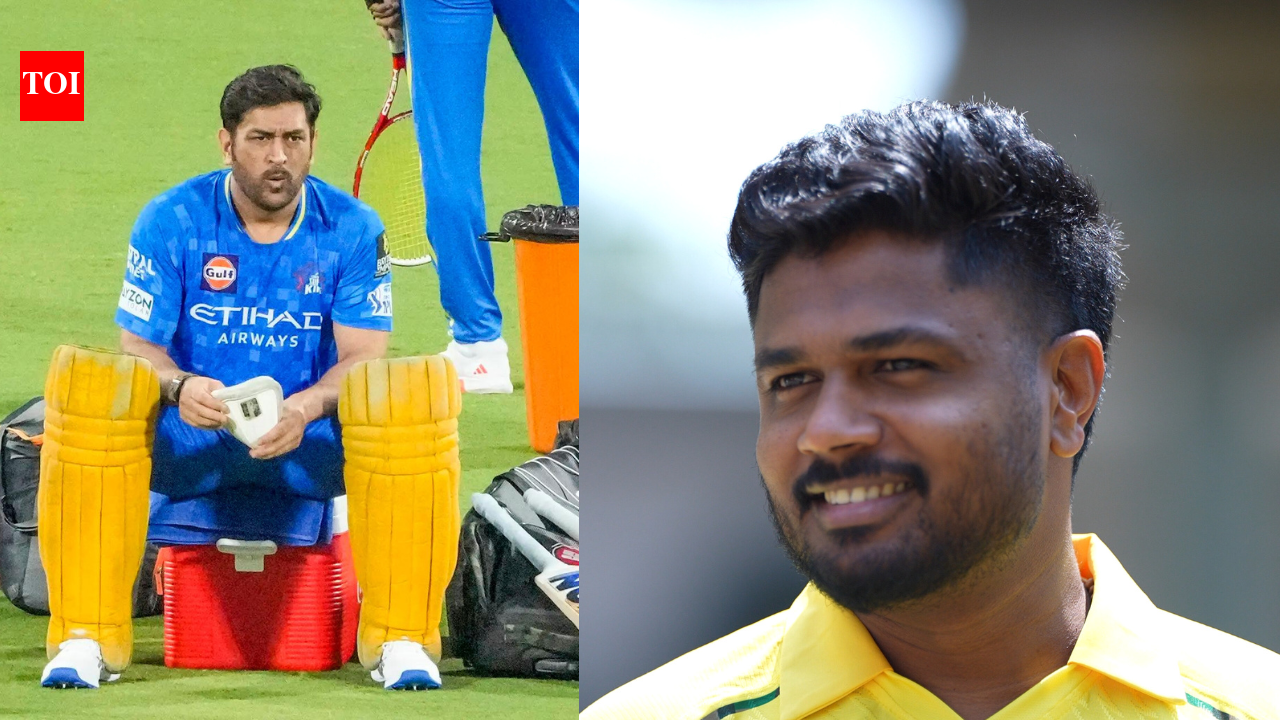
Chennai Super Kings recently shared a special video capturing the first interaction between MS Dhoni and Sanju Samson, offering fans a glimpse into a moment that has been years in the making.In the clip, Samson is seen chatting with Dhoni, while his voice plays in the background, reflecting on how much this moment means to him. “After that, we used to meet at the IPL and there used to be a huge crowd in front of the stadium. There were 5-10 people here and 5-10 people there. I used to think that this is not enough. I have to see it alone. I had such a desire. Destiny has got me to come and play with him in one dressing room. Like that couple of months, I am very very excited. Definitely very genuinely excited to meet him and interact with him. Sit, have breakfast with him, practice with him, play match with him, move out. Just thinking about it makes me very happy.”The moment carries added significance as Samson begins a new chapter in his IPL journey. After being the face of Rajasthan Royals for over a decade and representing the franchise across 11 seasons, he has now moved to CSK ahead of IPL 2026. The trade saw the Royals receive Sam Curran and Ravindra Jadeja in return.Samson’s arrival comes on the back of a remarkable run with the Indian team. He played a key role in India’s triumph at the ICC Men’s T20 World Cup 2026, where he was named Player of the Tournament.His campaign was nothing short of extraordinary. After struggling for form and even being benched earlier in the tournament, Samson returned in the Super 8 clash against Zimbabwe and turned things around in stunning fashion. He followed it up with three successive half-centuries, scoring 97* against West Indies in a virtual quarter-final, 89 against England in the semi-final, and 89 against New Zealand in the final, anchoring India’s innings throughout.In just five innings, Samson amassed 321 runs, surpassing Virat Kohli’s record of 319 runs in the 2014 edition for the most runs by an Indian in a T20 World Cup. He also set a new record for the most sixes in a single World Cup, smashing 24.Along the way, he broke several other milestones, including records for most runs in consecutive innings for India, most runs in T20 World Cup knockout matches, and the highest score by an Indian in both a T20 World Cup final and in a chase.Now, as Samson prepares to share the dressing room with Dhoni in CSK colours, the excitement is evident. What once felt like a distant dream for the cricketer has now turned into reality, setting the stage for one of the most talked-about partnerships of IPL 2026.

Banner Insert


Source link

HDFC Bank shares down 7.5% in just two days after Atanu Chakraborty’s resignation; what’s the outlook?


HDFC Bank shares down 7.5% in just two days after Atanu Chakraborty’s resignation; what’s the outlook?

HDFC stock price today: Shares of HDFC Bank, the country’s largest private sector lender, dropped a further 2 per cent to hit an intraday low of Rs 781 on the BSE on Friday. The drop followed a similar 2 per cent fall in its American Depositary Receipts (ADRs) listed on the New York Stock Exchange, indicating continued weakness after the stock had already tumbled about 5 per cent in Thursday’s session, briefly erasing nearly Rs 1 lakh crore in market value.With the latest slide, the stock has fallen around 7.5 per cent over the past two trading sessions. The sustained pressure on ADRs points to ongoing investor unease after the sudden resignation of chairman Atanu Chakraborty, despite efforts by the bank’s management and board to reassure stakeholders.

HDFC Bank shares slide after Atanu Chakraborty’s resignation

The sharp selloff on Thursday saw the bank’s market capitalisation shrink by nearly Rs 1 lakh crore at one point. The decline was triggered by Chakraborty’s exit, in which he stated that certain “happenings and practices” within the bank over the past two years were not aligned with his personal values and ethics.In response, chief executive and managing director Sashidhar Jagdishan said the board had urged Chakraborty to reconsider his decision and explain his concerns. He added that “every board member” had attempted to convince him to withdraw his resignation or provide further clarity, but he chose not to do so.The bank moved quickly to ensure continuity, appointing Keki Mistry, former CEO of HDFC, as interim part-time chairman with approval from the Reserve Bank of India. Following the development, the lender also held a conference call to address investor concerns.Speaking to analysts a day after the unexpected resignation, interim chairman Keki Mistry said there was “no power struggle within the bank” and emphasised that the board had not experienced any major differences of opinion during its meetings.“None of us are aware of the issues raised by Chakraborty in [his] letter,” Mistry said, adding that matters related to governance had not been discussed within the board.He reiterated that the leadership team remains aligned and dismissed any notion of internal conflict. The management team continues to function cohesively, he said, again noting that governance concerns had not been a subject of board deliberations.Mistry added, “I would never remain on the board if there were any issues with governance,” while asserting that the institution remains “very very strong on ethics.”

HDFC Bank shares: What experts feel

Despite the sharp market reaction, some analysts believe the correction may present an opportunity rather than indicate deeper structural concerns.Deven Choksey said the decline has brought the stock into a “deep value” zone, though he acknowledged that recent developments could lead to some valuation discounting.Ishan Tanna of Ashika Capital told ET that the situation as tactical rather than structural, viewing the chairman’s resignation as a potential buy-on-dips opportunity. He added that the bank’s long-standing track record of strong processes provides reassurance.Tanna also pointed to management commentary suggesting the issue stems from differences in value systems rather than regulatory or compliance concerns, indicating that it reflects differing perspectives rather than any underlying regulatory problem.(Disclaimer: Recommendations and views on the stock market, other asset classes or personal finance management tips given by experts are their own. These opinions do not represent the views of The Times of India)


Source link