Breaking News
Row erupts in Mumbai civic body after AIMIM chairperson displays husband’s photo in ward office; taken down later | Mumbai News


AIMIM’s M East ward committee chairperson Khairunnisa Akbar Hussain faced controversy after displaying her husband’s photograph in her office

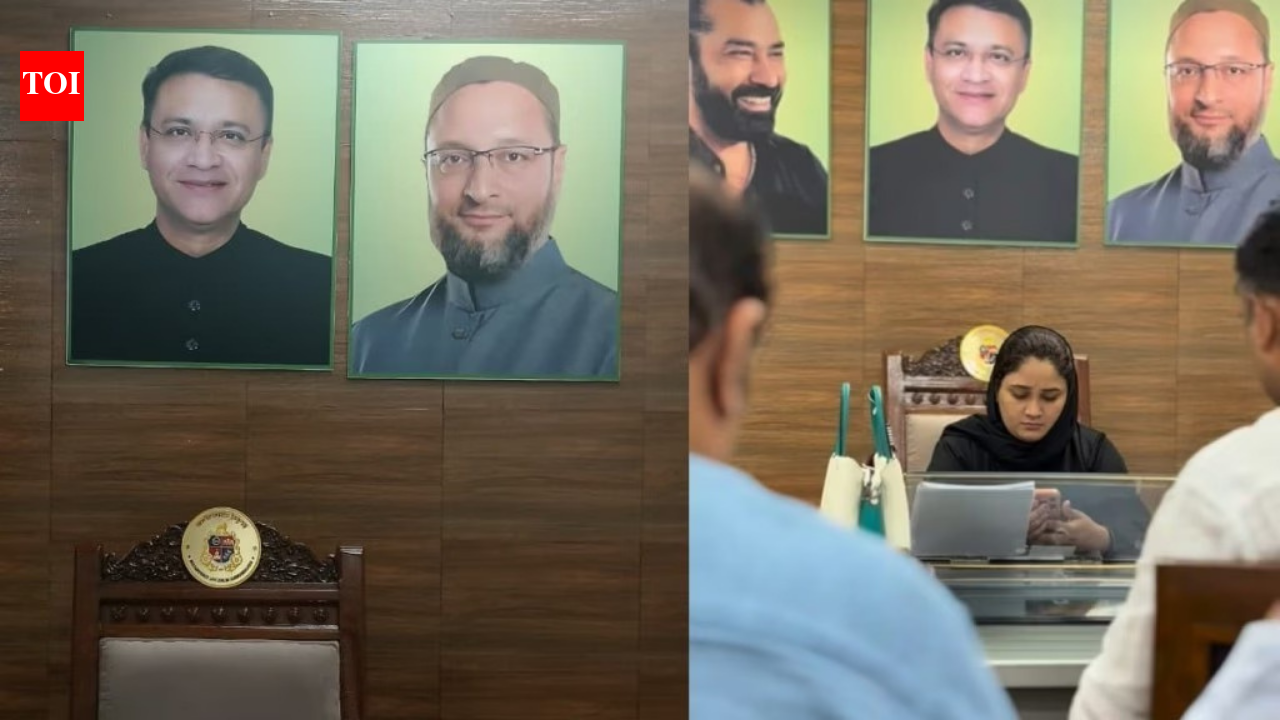
MUMBAI: The AIMIM, which for the first time secured a ward committee chairperson’s post in the civic polls, landed in a controversy in M East ward after chairperson Khairunnisa Akbar Hussain put up her husband’s photograph in her office situated in the M East ward office. The photo was displayed alongside that of AIMIM president Asaduddin Owaisi. The BJP objected to the move, following which the photograph of her husband, Akbar Hussain, was removed.AIMIM netas said the chairperson was unaware of the issue and had the picture taken down as soon as it was brought to her notice. Vijay Ubale, the AIMIM leader in the BMC and also a corporator from M East ward, said, “On Friday, when the photo of her husband was spotted in her cabin, she was requested to remove it.”When contacted, Khairunnisa, a corporator from the Cheetah Camp area, said that she feels that the issue is being blown out of proportion. “My husband has always been politically active and previously also contested the assembly elections. His photograph was put up in the office by the party workers, and as soon as the matter was brought to my notice, I ensured it was removed,” she said.


Source link

IPL 2026: KKR injury woes worsen, Akash Deep also ruled out | Cricket News


IPL 2026: KKR injury woes worsen, Akash Deep also ruled out

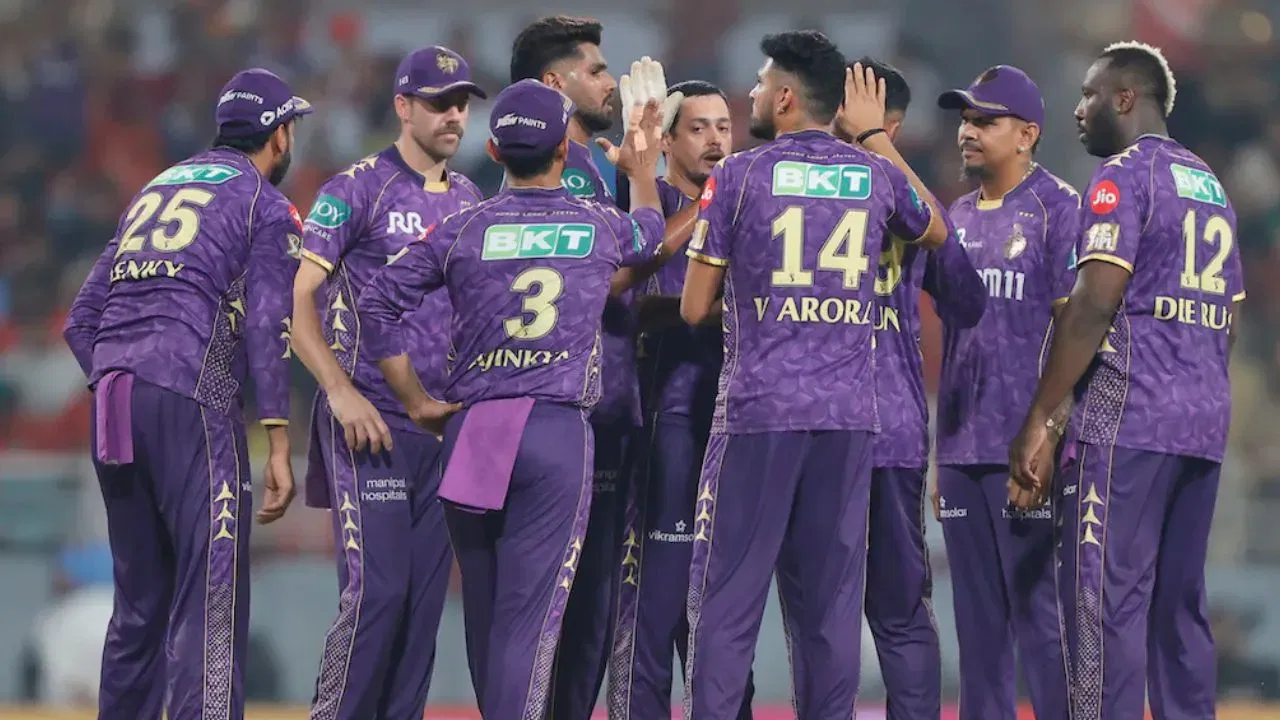
NEW DELHI: Kolkata Knight Riders (KKR) continue to face the injury woes in their pace bowling as India pacer Akash Deep was ruled out of the upcoming Indian Premier League (IPL), Cricbuzz reported on Saturday.Akash Deep has not reported for the Kolkata Knight Riders camp, which has been underway in Kolkata since March 18, as per the Circbuzz report.Earlier, Harshit Rana was also ruled out of the season due to the injury that he had sustained during a warm-up match ahead of the recently concluded T20 World Cup.Meanwhile, pacer Matheesha Pathirana is expected to miss the early stages for the KKR.

Watch

IPL 2026 should be audition for the next India T20I captain

Speaking at KKR’s pre-season press conference, Abhishek Nayar stated that Pathirana is undergoing rehab with the Sri Lankan Cricket Board and is expected to be match fit around mid-April.“The latest update that we know is he’s obviously with the Sri Lankan cricket board and they took out his rehab. And the latest communication that we’ve had is, hopefully, somewhere mid-April is when they feel he’ll be match fit. That’s what we know as of now,” he said.Earlier, Bangladesh left-armer pacer Mustafizur Rahman was also released by the KKR following BCCI directives amid heightened India-Bangladesh tensions.The issue escalated to the extent that Bangladesh pulled out of the T20 World Cup refusing to play in India, with Scotland coming in as replacement.

Poll

Do you agree with the BCCI's decision to release Mustafizur Rahman?

KKR are set to kick their IPL 2026 campaign off against the Mumbai Indians on March 29 at the Wankhede Stadium in Mumbai. The three-time champions will then face Sunrisers Hyderabad on April 2 at Kolkata’s Eden Gardens, before facing off against last year’s finalists, Punjab Kings, on April 6, also at Eden Gardens.In their fourth IPL match, KKR will face Lucknow Super Giants on April 9 at Eden Gardens.

Banner Insert


Source link

After delay, Mumbai-Ahmedabad bullet train’s tunnel-boring machines to arrive in city tomorrow | Mumbai News


Two Tunnel Boring Machines for the Mumbai-Ahmedabad bullet train project have arrived

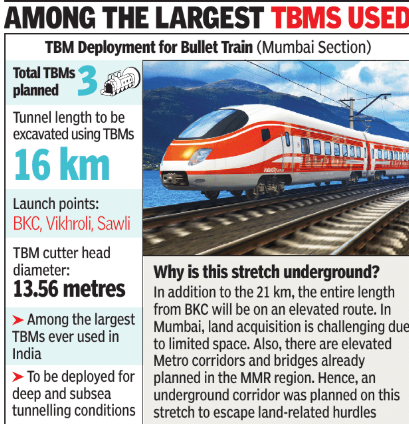
MUMBAI: Two Tunnel Boring Machines (TBMs) for the underground stretch of the Mumbai-Ahmedabad bullet train project are set to arrive at Jawaharlal Nehru Port on Monday, marking a breakthrough after months of delays linked to geopolitical factors that held up consignments in China.Officials said the shipment includes the remaining components of the first TBM-whose cutter head reached Mumbai around Sept 24, 2025-as well as the complete set of parts for the second machine.Sources said, “The consignment left China in early March, reached Chennai port, and was dispatched for Mumbai on March 18.”

Mumbai-Ahmedabad bullet train underground work to begin soon

Mumbai-Ahmedabad bullet train underground work to begin soon

With both TBMs now arriving, work on the underground package can move forward. Boring is expected to begin in about three months after assembly and testing. The machine is equipped with a mixshield configuration, designed to cut through complex geology, and will be deployed for the 20.37-km underground section between Bandra Kurla Complex (BKC) and Shilphata, which includes a challenging 7-km subsea tunnel beneath Thane Creek.The development comes amid a broader easing of economic engagement between India and China. The Centre recently relaxed certain investment norms for firms with limited Chinese shareholding, signalling a calibrated approach to improving business ties even as strategic safeguards remain in place. Officials indicated that such measures have helped smooth project-linked clearances and logistics.The TBMs, though procured from German firm Herrenknecht, were manufactured at its Guangzhou facility and remained stranded at a Chinese port earlier this year without formal clearance. The delay emerged as a major concern for the timelines of the Rs 1.08 lakh crore high-speed rail corridor.The matter was taken up through diplomatic channels, with the railways ministry coordinating with the external affairs ministry. Sources said the issue was also flagged during Prime Minister Narendra Modi’s interaction with Chinese President Xi Jinping on the sidelines of the Shanghai Cooperation Organisation summit in Aug 2025.The underground package, being executed by Afcons Infrastructure Ltd, involves a complex stretch between Bandra Kurla Complex and Shilphata. The bullet train project, India’s first high-speed rail corridor, is designed for speeds of up to 320 kmph, with the Mumbai underground section seen as one of its most challenging components.The tunnel will run at depths ranging from 25 to 65 metres below the surface, dipping to as much as 114 metres beneath Parsik Hill near Shilphata. NHSRCL plans to deploy two TBMs initially, with an option of using a third if required to meet deadlines. The tunnelling will create a single-tube passage carrying both up and down tracks of the bullet train.


Source link

Oil Price: Oil prices: Hormuz supply shock widens gap between future and physical fuel


Oil prices: Hormuz supply shock widens gap between future and physical fuel

The Iran war has entered its fourth week and global oil markets are showing a clear split with actual fuel supply prices are rising much faster than widely tracked oil futures. Brent crude, the global benchmark, has jumped over 50% to around $112 a barrel following the near-complete closure of the Strait of Hormuz and attacks on energy infrastructure in the Middle East. But the cost of physical oil, which is refined into petrol, diesel and jet fuel, has risen even more sharply as supplies become harder to secure. Refiners in Asia are now paying steep premiums above Brent to source cargoes from far-off regions, highlighting the shortage. But the impact is not limited to oil markets!Trucking companies are facing higher fuel bills, some parts of the shipping industry are cutting back on purchases, and airlines in Europe have warned that rising jet fuel prices, now above $200 a barrel, will be passed on to passengers, Bloomberg reported. The gap between futures prices and physical oil costs is partly due to steps taken by the countries to control price rises, including releasing emergency stockpiles. However, the broader impact on the global economy appears stronger than what futures markets suggest. Commenting on US oil markets, Jeff Currie, chief strategy officer of energy pathways at Carlyle Group Inc told Bloomberg, “You look at the paper markets, they’ve entirely disconnected from the physical markets…We’re dealing with an enormous supply shock.” There are concerns that prices could rise further if the conflict continues. Goldman Sachs Group Inc. and Citigroup Inc. have said oil futures may cross the previous record of $147.50 set in 2008 in the coming weeks. Such a large and lasting gap between futures and real prices is unusual. The disruption has been described by the International Energy Agency as the biggest oil supply shock ever. Goldman estimates that about 17 million barrels per day flowing through the Persian Gulf are being affected. In the past two weeks, Brent has come close to $120 a barrel twice, a level last seen in 2022, further piling pressure on the US government to act. US treasury secretary Scott Bessent said that the country could consider another release from its reserves, even after a major recent drawdown. He also announced waiving sanctions on Iranian oil currently in transit for a month till April 19. Other steps to manage prices include moves involving Russian oil shipments at sea, while speculation continues about possible US intervention in futures markets, something Bessent has denied. At the same time, high market volatility has made trading more expensive, limiting activity and keeping futures prices somewhat in check, though not enough to offset supply shortages. “The US has almost exhausted the arsenal for stopping prices from rising, given this degree of uncertainty, if the strait isn’t opened and the uncertainty of physical damage isn’t removed,” Christof Ruhl, global advisor at Crystol Energy and a former BP Plc economist, said in a Bloomberg TV interview. “So there isn’t much they can do.” Signs of strain are visible across the economy. Shipping companies are adding fuel surcharges, while some buyers are delaying large fuel purchases due to price swings. In the US, petrol prices are nearing $4 per gallon and diesel has crossed $5. In Germany, a heating oil seller said people are buying only “when absolutely necessary,” and airlines have cancelled some flights as fuel costs rise. “Movements in energy markets feed through to our cost base almost immediately,” said Pavel Kveten, Chief Executive Officer at Girteka Logistics, one of Europe’s top trucking companies. Fuel makes up about 30% of the firm’s transport costs, he said. The rush for available crude is also pushing up regional prices. Oman crude has crossed $162 a barrel, while Murban crude from the United Arab Emirates has moved above $145. Asian buyers have increased purchases of US oil to the highest level in three years as they look to replace disrupted Middle Eastern supplies.Meanwhile in the Middle East, there are no clear signs of easing. Iranian officials are said to be reluctant to discuss reopening the Strait of Hormuz as they deal with ongoing attacks, a person involved in high-level contacts with Tehran told Bloomberg. “We see little relief for the deepening energy crisis as more energy facilities come under fire,” RBC Capital Markets LLC analyst Helima Croft said in a note. “Administration officials have spent considerable manhours working to convey to market participants that the disruption will be short-lived as the war will soon wind down. Yet nothing points to a limited engagement at this juncture.”


Source link

Mohsin Naqvi-led PCB under scanner, Kirsten exposes ‘constant outside noise’ | Cricket News


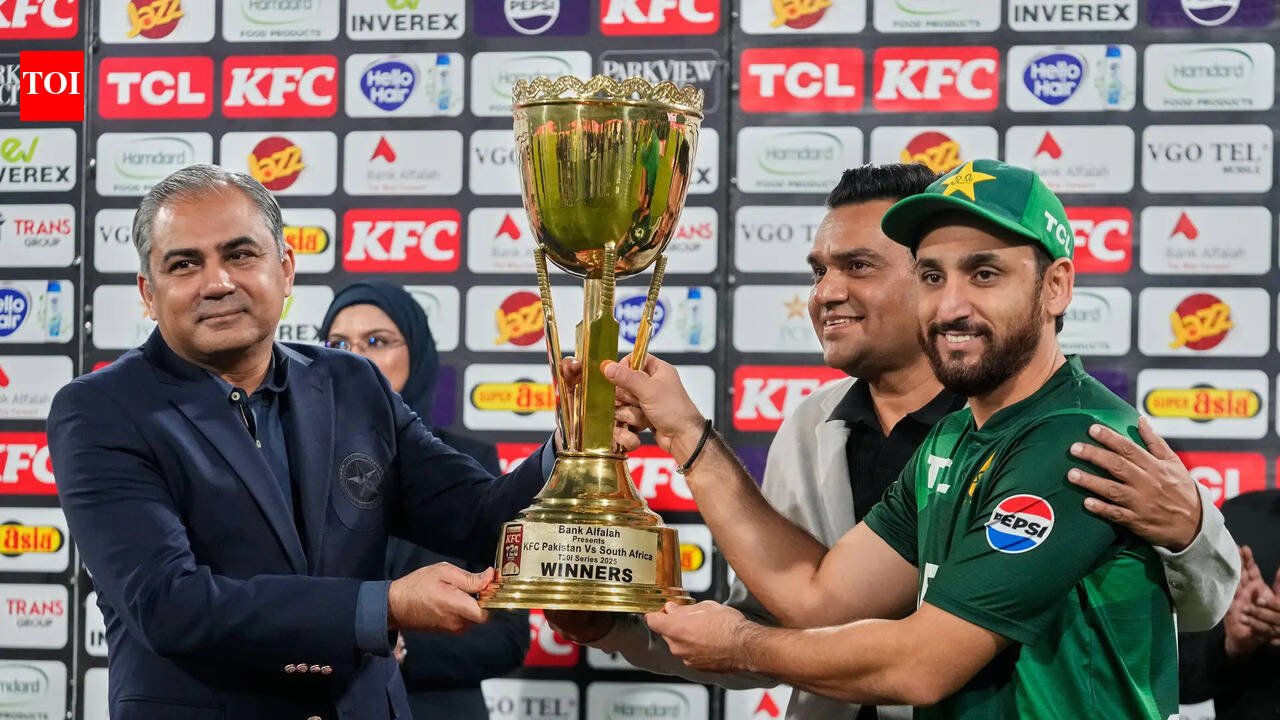
Pakistan’s Salman Ali Agha, right, receives trophy from Pakistan’s Cricket Board Chairman and Interior Minister Mohsin Naqvi (AP Photo)

Former Pakistan head coach Gary Kirsten has opened up on his brief and turbulent stint with the national side, revealing that excessive interference from the Pakistan Cricket Board (PCB) played a major role in his early exit.Kirsten, who was appointed in April 2024 on a two-year deal, stepped down from his role as head coach of Pakistan’s ODI and T20I teams within just six months. His resignation came abruptly, barely a week before Pakistan were scheduled to tour Australia for an ODI series.

Watch

Jay Shah calls 2019 to 2026 as Indian cricket’s golden period

In the immediate aftermath of his departure, the PCB handed over additional responsibilities to Test coach Jason Gillespie, who was asked to oversee the white-ball leg of the Australia tour. However, Gillespie too parted ways with the setup a few months later, adding to the instability within the coaching structure.Reflecting on his experience, Kirsten pointed to the constant external involvement in team affairs as the most challenging aspect of the job.“The thing that surprised me more than anything was the level of interference. I don’t think I have ever seen it at that level before. Did it surprise me? I don’t know, but it was significant,” Kirsten said while speaking to talkSPORT Cricket.He explained that such an environment made it extremely difficult for a coach to implement plans or build a stable working relationship with players.“It is quite difficult for a coach to come and formulate a way that you can work with the players when there is just this constant noise from the outside. It was tough, just this constant noise from the outside and a lot of punitive actions around poor performance and stuff like that,” he added.

Poll

Do you think Jason Gillespie is a good choice to lead the ODI and T20I teams?

Kirsten also highlighted how coaches often become easy targets when results do not go a team’s way, describing it as a counterproductive approach.“As a coach, you are the lowest hanging fruit when the team isn’t going well, so let us get rid of the coach or let us put a restriction on the coach because that is the easiest thing to do when the teams are performing and that is kind of counterproductive in my view,” Kirsten said.

Banner Insert


Source link

EX-RR spinner writes off KKR from IPL 2026 title race


Former India all-rounder Ravichandran Ashwin made a bold prediction on the Kolkata Knight Riders’ future in the upcoming IPL 2026 season, which will begin on March 28. Mentioning the tagline of the franchise, which is ‘Korbo Lorbo Jeetbo re (Will do, will fight, will win)’, Ashwin mentioned that the team will definitely fight in the IPL 2026, but will they be able to win? The veteran has doubts.

After multiple injuries and early setbacks in the form of Bangladesh pacer Mustafizur Rahman, the franchise’s early plans for the tournament have been dented. Ashwin predicted that KKR’s lack of depth in the bowling department could restrict them from claiming their fourth IPL title in 2026.

Ravichandran Ashwin’s massive prediction on KKR’s future in IPL 2026

In his YouTube video, the ex-cricketer explained that KKR’s two out of three titles came under Gautam Gambhir’s leadership and one came with Shreyas Iyer. As both of them are no longer part of the team, chances to qualify for the playoffs decreased significantly.

Your daily dose of cricket!

next

The franchise made massive shuffles as soon as the team needed eight points in the points table in the previous season. Along with making changes in the squad, the management appointed Abhishek Nayar as their new head coach to replace Chandrakant Pandit.

“Korbo is there, Lorbo is there, but I don’t think Jeetbo is there. KKR won the title three times, twice under Gautam Gambhir and once under Shreyas Iyer. Now that I think about it, with Shreyas Iyer, you had a qualifying opportunity that went to another team. Shreyas Iyer’s captaincy history is compelling. KKR’s loss ended up being PBKS’ gain,” Ravichandran Ashwin said on his YouTube channel.

Circumstances hit the team’s original plans hard ahead of the IPL 2026 session

The Purple brigade went to the mini auction with a large purse. They bought Australia all-rounder Cameron Green, Bangladesh pacer Mustafizur Rahman, and Sri Lanka seamer Matheesha Pathirana for hefty fees.

They had to release Rahman from the squad as per BCCI instructions. Later, it was reported that Harshit Rana, one of the integral parts of the team, was ruled out of the IPL 2026 because of injury reasons. Pathirana is also uncertain for the tournament, as he is yet to receive a No-Object Certificate from Sri Lanka Cricket (SLC).

Ashwin’s concerns for the bowling attack

To fill up a spot, the Knight Riders roped in Zimbabwe pacer Blessing Muzarabani. Ashwin believes that, without Rana and Rahman, and an uncertain Pathirana, the team lacked power in their bowling attack, which will benefit the opposing teams and will eventually halt the Kolkata-based team’s trophy-winning plans.

“After the auction, I had said that KKR’s bowling attack is solid. But now, Mustafizur Rahman is not there. Pathirana’s injury is there, Harshit Rana has been ruled out.”

“KKR has the Blessing of Blessing Muzarabani, I am happy for him because he has worked hard and I am excited to see them, but with all the injuries plaguing them, somebody has to do the heavy lifting. I can’t see anyone who can do that,” Ashwin also added.

Read More: Not Rishabh Pant! These 3 players could power LSG to IPL 2026 glory


Source link

Home on wheels, freedom on call | India News


Home on wheels, freedom on call

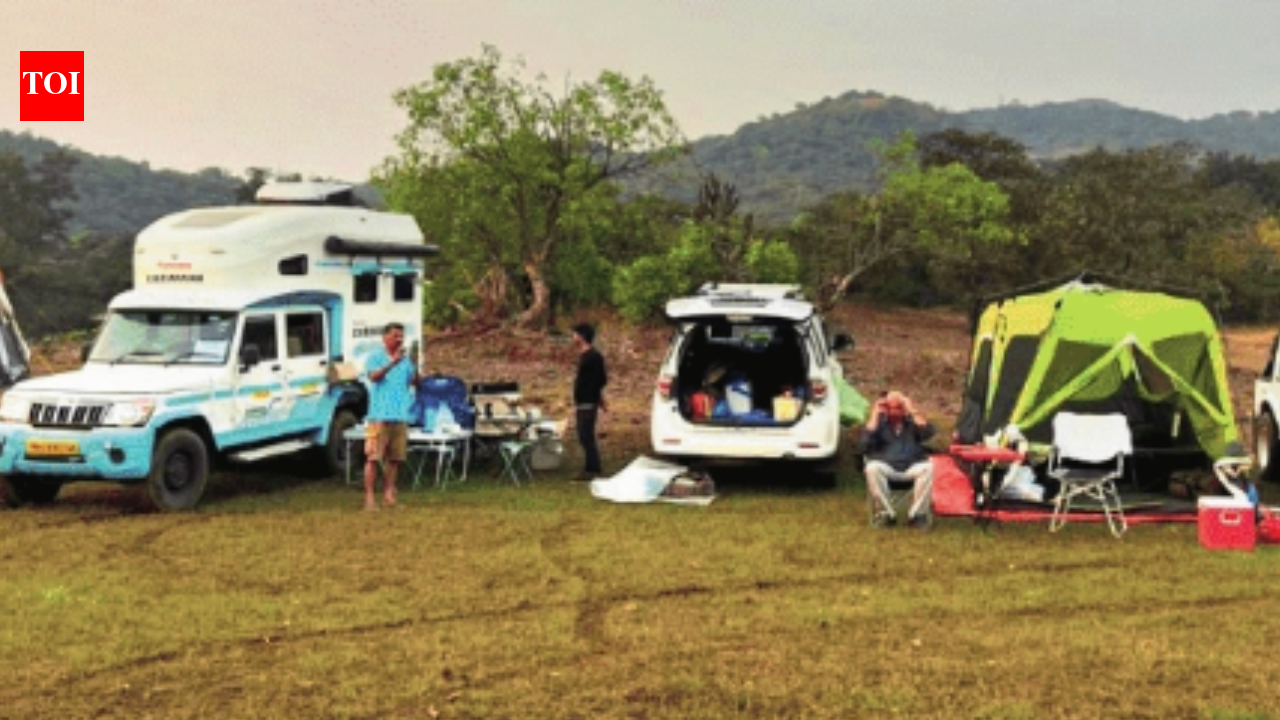
Caravan tourism is seeing a surge in popularity, driven by a growing tribe who skip hotels and over-curated experiences in favour of travel at their own pace, giving up room service for spontaneityJust after sunrise, somewhere between the misty curves of Igatpuri and the Sahyadri ridges, Vaibhav Surve unlatches the door of his caravan and steps out, barefoot. There is no hotel corridor, no reception desk, no buffet timing to worry about, only the gently undulating hills stretching into the distance, birdsong breaking the silence and a kettle on the boil inside a compact kitchen on wheels.“You wake up to nature in its raw, untouched form,” Surve says of his Dec road trip with friends. “That’s something a hotel room can never offer.”Across India, a small but growing number of travellers is discovering caravan tourism — specifically the joys of unhurried, immersive travel. This form of tourism, or unwinding, is not new around the world, but is finding fresh traction in India, led largely by urban explorers from Maharashtra who have forsaken crowded resorts, rigid itineraries and over-curated experiences.From sunrise drives along the Konkan coast to offbeat halts in the jungles of Tadoba or the winding ghats of Goa, caravans are offering something rare in modern travel: control. You decide where to stop, how long to stay, and when to move on. Depending on place and proposed circuit, it takes between Rs 12,000 and Rs 15,000 per day to rent a caravan. It’s not cheap, but that freedom is addictive, for those who can afford it.Muted promotion, growing marketThis surge in interest is happening despite poor and patchy promotion by govts. Policies exist, incentive schemes are announced, but on the ground, awareness is still largely driven by word of mouth, social media and early adopters.“Mumbai is emerging as a major market for caravans,” says Prateek Athalye of The Vacay Vans, one of Maharashtra’s better-known caravan providers. “Travellers are opting for everything — from raw camping to luxury city-tocity journeys. After six years of managing vans, I’ve seen how rising awareness alone is driving strong demand.”That demand cuts across age groups. Young professionals want road trips without the hassle of hotel bookings. Families want safety, hygiene and flexibility. Elderly travellers appreciate having their bed, toilet and kitchen always close at hand. Women travellers and pet owners, often underserved by conventional travel options, find caravans liberating.Akshay Mhadik, who recently travelled in a rented caravan, calls it “the perfect blend of adventure and home-like comfort.” He recalls a spacious bed, a compact kitchen for quick meals and the luxury of choosing a destination on a whim. “If you’ve ever dreamed of picking a spot on the map and heading there without worrying about hotels or packing light, this is the way to go,” he says.Why Maharashtra fits the caravan dreamMaharashtra is well suited for caravan tourism because of its 720km coastline, dense forests, heritage towns, wine trails, highways and hill ranges.Pre-pandemic, in 2018-19, the state recorded 12.4 crore visitors, translating into roughly 3.1 crore travelling groups annually. Industry estimates suggest that catering to even 1% of this market would require around 1,725 caravans — enough to generate nearly Rs 465 crore annually in rental revenues at current rates.The state govt has rolled out a caravan tourism policy with incentives aimed at attracting private players and young en-trepreneurs. But industry insiders say execution remains uneven, leaving much of the momentum to the private sector.The private sector is brimming with ideas to ramp up caravan travel, but hamstrung by lack of finance options, says Rahul Soman, director, Wacation On Wheels (WOW), which started caravan rentals in Maharashtra in 2016, the first to do so. “Individual investors are now willing to invest in caravans, since the Mahindra Caravahn is being offered with a bank finance option. But the business as such still does not fit into any of the finance schemes of financial institutions.The organic growth of the market is such that WOW Caravans is setting up a network of dedicated parking spots at tourist locations across the state. This will give all caravan operators access to amenities — such as hygienic sewage disposal facilities, and water and power supply — at scenic parking locations, near lakes, beaches, forests, forts, hillsides or riverbanks. “However, funding to set up this caravan eco-system is hard to come by without collateral,” Soman says.Another state that’s seeing an interest in caravan holidays is Rajasthan, which, enthusiasts say, offers freedom, raw beauty, and cultural immersion. Aman Verma, who recently rented a caravan to travel the state, recalls evenings spent around campfires, listening to folk music and seeing Kalbeliya dances. Waking up to the golden hues of the Thar Desert near Jaisalmer, or spending nights under a star-studded sky felt truly magical, he adds.“We savoured local sweets and explored havelis,” Verma says. “Our caravan became a cosy home on wheels, letting us pause wherever the scenery called — whether it was wild camping in quiet desert spots, near ancient temples, or pulling over for spontaneous chai with hospitable locals, who shared stories. Rajasthan in a van or caravan isn’t just travel — it’s living the rhythm of India’s royal, colourful heart, one open horizon at a time,” says Verma, who has a YouTube travel channel.Private initiativesOne of the biggest initiatives in the caravan sector has come from private player Campervan Group, which has inked MoUs with the Tamil Nadu govt, committing Rs 185 crore over the next three to five years to develop caravan infrastructure and entrepreneurs. The project is also expected to create 300 direct entrepreneurs and nearly 3,000 indirect jobs.Industry-watchers believe Maharashtra could be next. With Mumbai’s large base of road-trip enthusiasts and the state’s natural advantages, similar partnerships could unlock economic value, if policy intent translates into action.Campervan also recently announced a nationwide CARS (Caravahn-As-Rental-Service) entrepreneurship programme, with a simple idea: to turn caravan tourism into a structured industry, not just a niche travel fad.Founder and director K M Vandhan says the goal was to establish caravan tourism as a large-scale industry in India. The company has contributed to state tourism policies and to the drafting of the national AIS 207 Trailer Caravan Guidelines, now awaiting notification.To support operators and travellers, Campervan has also built Travelkeet, a booking platform that connects caravan renters with operators and safe parking locations — from farmhouses and homestays to resorts and private land. Agri-tourism, in particular, is seen as a win-win, giving farmers an extra income stream.‘Not just the destination’For travellers like Surve, however, the appeal of caravan tourism remains deeply personal. “It’s not just about the destination,” he says. “It’s about waking up with the hills, sharing meals under open skies, and feeling like a part of the landscape.”In a country racing towards faster, flashier tourism, caravan travel is quietly arguing for something slower, softer — and perhaps more meaningful. And on India’s long highways, that argument is finding more listeners by the day.


Source link

War stretches flights, crews, and wallets | India News


War stretches flights, crews, and wallets

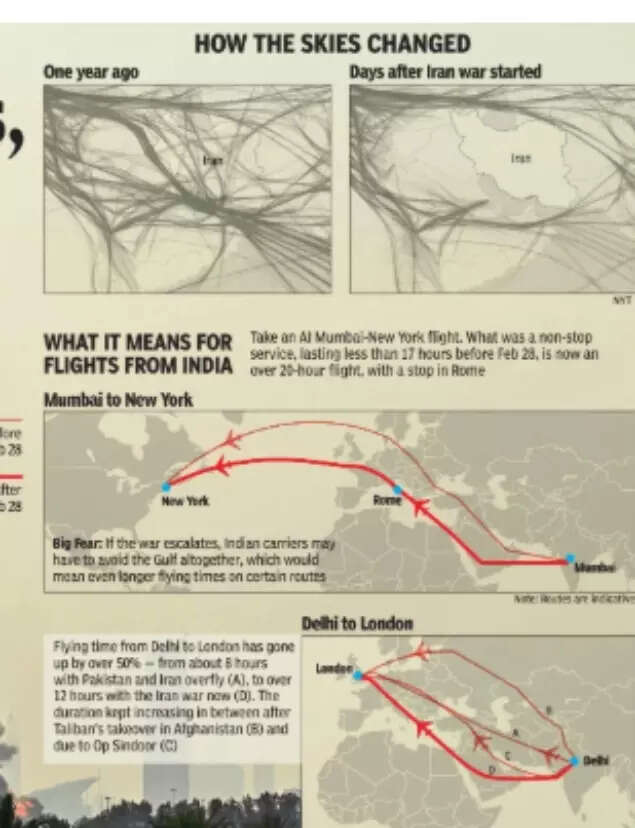
Passengers seated to the (right or left) can see the pyramids of Giza.” Fatigued pilots of Air India operating flights to and from the West now often make this announcement on clear visibility days while overflying Egypt on the excruciatingly longer routes imposed by the US-Israel war against Iran.Since Feb 28, going west — except to the west coast of North America — from India means overflying Arabian Sea while steering clear of Pakistan (for Indian carriers) and Iranian airspace (for all); then turning right from over Oman en route to Muscat, Saudi Arabia or beyond, via Cairo, to Europe, UK and North America. It’s the same route on the way back. The war-zone air traffic corridor covering the airspaces of Afghanistan (starting with Pakistan for Indian carriers), Iran, Iraq, Lebanon, Jordan, Israel bears a deserted look with almost all planes flying below this passage. The usable corridors in the region, like parts of Saudi Arabia, are seeing the war affect them, too.The impact: Air India Delhi-London non-stop flying time has increased 50% from about eight hours — when both Pakistan (for Indian carriers) and Afghanistan airspace used to be open — to over 12 hours now after the Iran war. Its Mumbai-New York 13-14-hour non-stop has become a onestop via Rome with the travel time close to 21 hours now. IndiGo uses wide body aircraft of Norway’s Norse Atlantic airline, which completely bypass West Asia per the EU regulator’s advice. They fly over the Arabian Sea right up to Africa, and then turn right to fly north to Cairo and beyond. Same route on return for all.Since Feb 28, the Iran war has led to passengers facing a sharp rise in airfares and drastic fall in travel options with the Big Three — Emirates, Qatar Airways, and Etihad — out of the picture for now. Airlines have seen their operating costs skyrocket, fewer lucrative Gulf flights, and fatigued pilots at the controls of their widebody aircraft. Here’s how it is impacting different stakeholders:

.

Indian operatorsShrunk Network: They used to have between 400 and 500 daily flights between India and the West, a number that has sharply fallen since Feb 28 due to the closure of airports in Bahrain and Doha, even as those in UAE stay sporadically open and offer slots. Only a few places, like parts of Saudi, and Muscat, have regular flights and overflying these days in the region.Half of IndiGo’s 300 daily international flights were to the West and that has shrunk to a handful now. Air India Express had 110 daily West Asia connections, which is now down to 50 “ad hoc” connections. Air India had 254 scheduled weekly West Asia flights and that’s dropped to 30-40. Akasa and SpiceJet have also seen a reduction in their Gulf flights.Escalating operating costs: Since the Iran war began, aviation turbine fuel (ATF) prices have effectively risen every time the rupee hits a new low, which is a daily feature now. It currently costs about $817 per kilo litre (kL) in both Delhi and Mumbai — up from about $779 last month. But the INR-to-USD exchange rate has gone from Rs 91 to Rs 93.30. So have all dollar-denominated costs — like lease rentals and maintenance — escalated.To top it all, routes have got much longer, which means burning much more of that costly fuel. A Boeing 787 burns about five tonnes of fuel every hour and a B777 about 7.5 tonnes. If flying time goes up by two hours, there’s an extra 10-15 tonnes burnt per flight. At $817 per tonne for international flights of domestic carriers, and the rupee at 93.30 to a dollar, the extra expense on fuel alone works out to Rs 80,000 per hour. Air India has 358 weekly flights to the West — covering Europe, UK and North America — which are still operating.Indian operators upload much more fuel than usual from India these days so that aircraft can return home with passengers — instead of getting stuck — in case of escalated fighting in West Asia. More fuel means a heavier plane. And heavier the plane, more is the fuel burn.“At current operating costs, it does not make sense to operate the West flights. We are doing so as a commitment to keep our flyers connected. Flying aircraft has always meant defying nature, with heavy metal tubes kept airborne. Now, after the Iran war, they are defying economics, too,” said a senior official. Airlines’ pleas to govt for some relief on ATF excise or VAT have been futile so far.The impact is staggering for all, more so the Maharaja. The AI Group, IndiGo and Akasa have imposed a fuel surcharge, ranging from Rs 199 to $200, on their flights. Insurance costs for flights to West Asia have soared by as much as Rs 30-40 lakh for a narrow-body return trip and Rs 90 lakh to Rs 1 crore for a wide-body round trip.Fatigued crewWith aircraft flying much longer routes to and from the West, Air India sought — and got — exemption from flight duty time limitation rules for its crew from the Directorate General of Civil Aviation (DGCA). The regulator has now allowed its pilots to fly up to 11.5 hours, which means two pilots can operate longer flights without the need for a third one that would allow them to rest in turn en route. Pilots have been flying the longer routes from last April itself, when Pakistan airspace was closed during Operation Sindoor. The Iran war has further stretched the already long routes.AI’s Boeing 787 Dreamliner pilots are worst hit as that aircraft’s cockpit seat allows limited recline due to a safety issue. “We are pushing our body to the limit of human endurance,” is what a B787 pilot had to say, a sentiment echoed by others. “Imagine sitting in an uncomfortable office chair for 11.5 hours straight and being present 100% for the entire duration as we are flying close to a war zone with GPS jamming and spoofing all the way from the airspaces close to Pakistan to beyond Turkey. Airlines should be asked to increase pilot availability. God forbid, if something goes wrong, just blame the pilot. That’s the usual script.”Both AI and DGCA are aware of the difficulties, which they blame on extraordinary circumstances. AI has converted 30 B777 pilots to the Dreamliner and they are expected to start flying in two months.“We have formally sought coordinated flight time (FT) and flight duty period (FDP) exemptions from DGCA. These ex-emptions are intended to be used only till the current Middle East airspace restrictions are in effect and are critical for maintaining schedule integrity and minimise passenger inconvenience… All such exemptions are supported by safety risk assessments and will be applied strictly in accordance with approved conditions,” AI senior VP (flight ops), Capt Manish Uppal, said in a mail recently to pilots.Turbulence hits passengersWhen the Iran war broke out, passengers were forced to shell out enormous amounts to fly to their destinations, and India was no exception. An Indian student, who had come to Delhi from Ireland in mid Feb for his grandfather’s last rites, paid Rs 1.8 lakh for a one-way ticket to return to college.Many people are holding on to their bookings on Emirates, Etihad, Qatar Airways for this summer. If the war does not end quickly and those airlines don’t restore flights soon thereafter, airfares on other options will defy gravity in the approaching summer travel months that begin from early April in India.Adding capacityGulf carriers have historically carried a significant chunk of traffic between India and the rest of the world via their mega hubs like Dubai, Doha, and Abu Dhabi. The sudden unavailability of the Big Three has created a vacuum, with passengers who’d already booked on them for travel post Feb 28 now looking for alternatives and, thus, chasing the same limited options as those making fresh bookings.Air India is adding as many extra flights to the West as possible. Lufthansa deployed its 500-seater Airbus A380 instead of the 280-seater A350 on Munich-Delhi and Munich-Mumbai routes apart from increasing frequency between Chennai and Frankfurt. SWISS will operate a second daily service between Delhi and Zurich during March 19-24. Lufthansa is weighing the option of getting more group airlines to India. Only Lufthansa, SWISS and ITA now fly to India; there are other group carriers that do not as of now, including Austrian, Brussels Airlines, Discover, and Eurowings.

Watch

India May Face Rising Gas Prices And Energy Supply Risks After Qatar’s Ras Laffan LNG Hub Strike

Away from flights, some ways in which war’s hurting India…Medical devices : Rising medical-grade plastic, freight and gas costs are threatening medical supplies like syringes, hospital disposables. Prolonged disruption could trigger production cuts and price hikesPharma: Shortage of propane has led to shutdowns at drug plants across states. Output of some essential medicines hitFertilisers: LNG disruption is affecting ammonia and urea production ahead of kharif seasonRestaurants/catering: Commercial LPG shortages are pushing up costs and disrupting operationsACs: LPG and petrochemical shortages are hurting air-conditioner production just before the summer seasonAutomobiles: Costlier components, gas shortages are straining auto production


Source link

Divers to search reefs for rallyist | India News


Divers to search reefs for rallyist

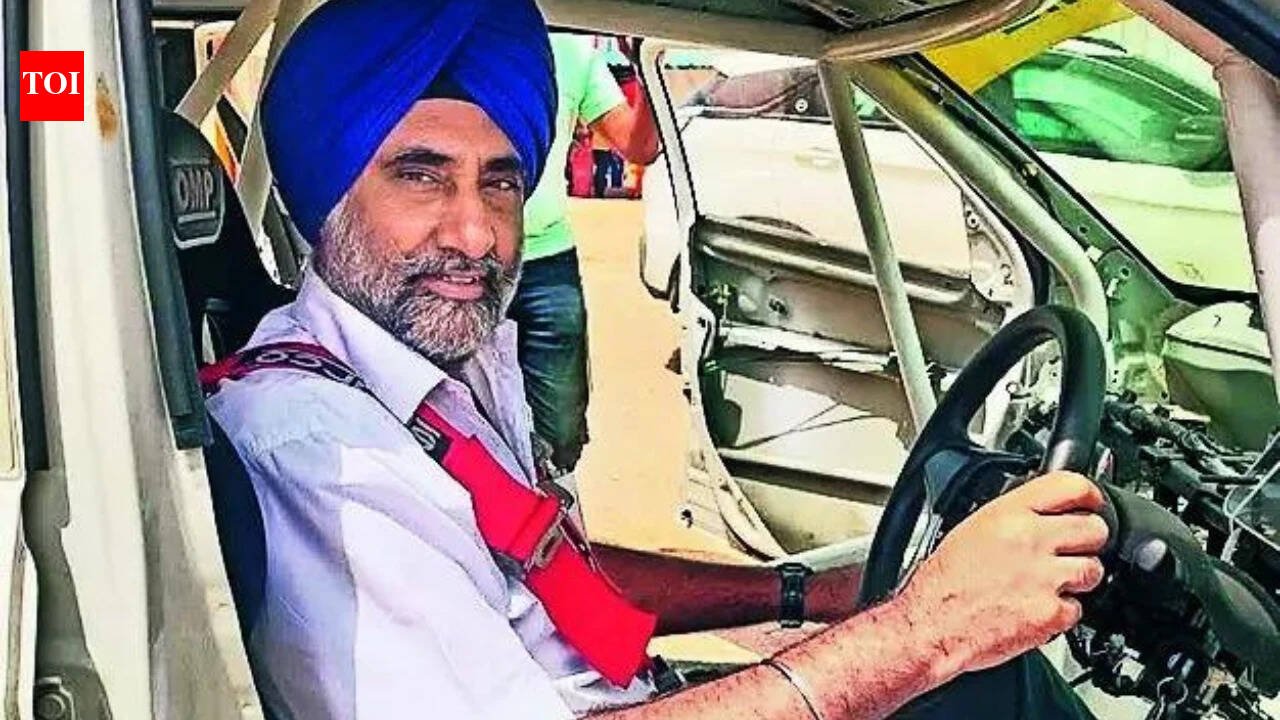
CHANDIGARH: The search and rescue operation for ace Indian rally driver Hari Singh, 59, continued for a second day on Friday with rescuers now confining their efforts to a section of coral reefs near Vaavu Atoll in the Maldives where the speedboat mishap occurred on Thursday, reports Sukhmani Kooner.Specialised dive teams will look for them on Sunday. Hari Singh’s son, who had rushed to the Maldives to oversee the rescue efforts, is returning to India to be with his mother and sister. Singh’s close friends have stayed back in the Maldives and are coordinating with Maldivian authorities and the Maritime Rescue Coordination Centre. Colleagues, friends and batchmates are in shock. Raj Kapoor, director of Federation of Motor Sports Clubs of India, said Singh was exceptional, be it as a champion driver or his transition to his role in the JK Tyre Motorsport programme.


Source link

MI’s playing XI for IPL 2026: Rohit to open, will Shardul Thakur make it to the 11? | Cricket News


MI's playing XI for IPL 2026: Rohit to open, will Shardul Thakur make it to the 11?

Five-time IPL champions Mumbai Indians (MI) head into IPL 2026 as one of the favourites to lift the title, especially after several of their players impressed in T20 World Cup 2026. Last season, MI reached Qualifier 2, where they lost to Punjab Kings by five wickets.Mumbai Indians entered the IPL 2026 auction with a purse of Rs 2.75 crore, the lowest among all ten teams. They had 5 spots to fill, including one overseas slot, after retaining a strong core of 20 players. Their main buy was wicket-keeper batter Quinton de Kock for Rs 1 crore. Arjun Tendulkar was traded, Reece Topley and Mujeeb Ur Rahman were released.

Watch

Jay Shah calls 2019 to 2026 as Indian cricket’s golden period

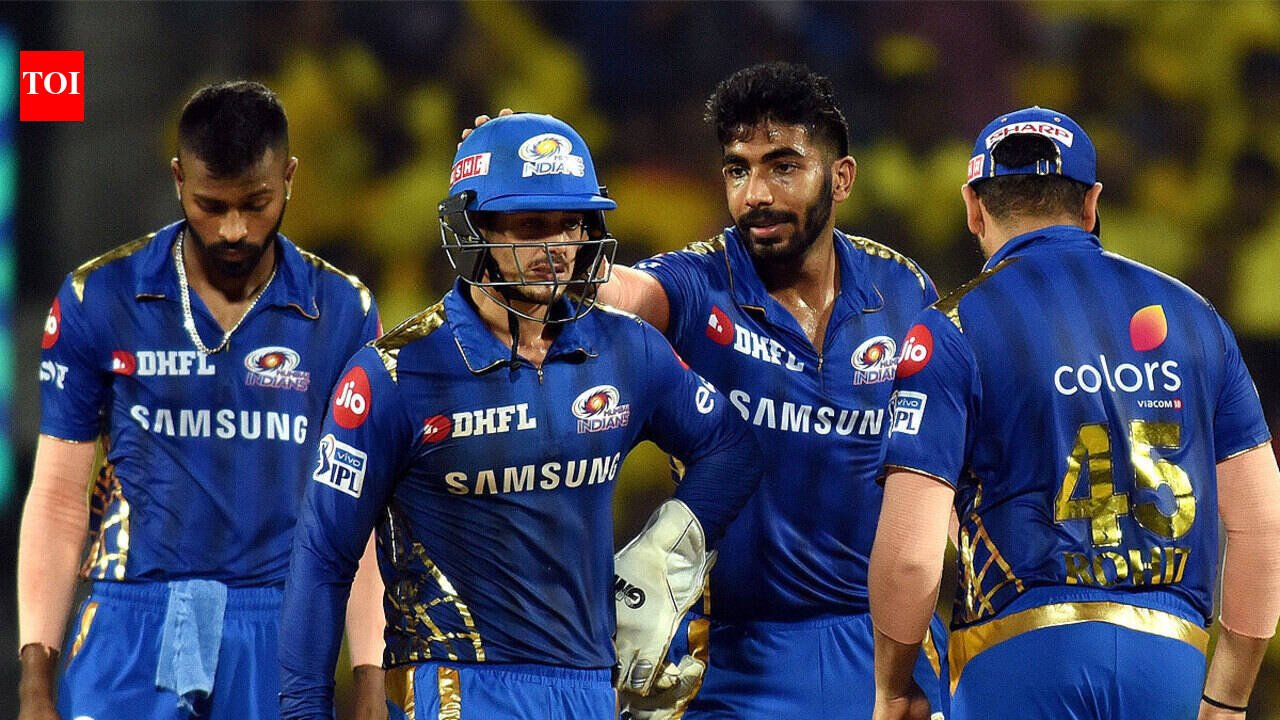
Here’s a look at Mumbai Indians’ strongest predicted playing XI for IPL 2026:Rohit Sharma: Rohit Sharma remains the heart and soul of Mumbai Indians, having led the franchise to five IPL titles. He is the second-highest run-scorer in IPL history, with 7,046 runs in 272 matches, and will continue to open the innings with his experience and attacking approach. However his role as impact player will be the talking point this season. Quinton de Kock (WK): After Ryan Rickelton partnered Rohit last season, MI have brought back Quinton de Kock for Rs 1 crore in the IPL 2026 mini-auction. Given his experience with Mumbai in 2019-2021, he was a key figure in their success, scoring 529, 503, and 297 runs in respective seasons. He is the frontrunner to open alongside Rohit.Tilak Varma: Tilak Varma is in outstanding form in T20 cricket, following a solid T20 World Cup 2026 campaign. He will be a key player at No. 3 considering his match winning performance against Pakistan in Asia Cup 2025.Suryakumar Yadav: Suryakumar Yadav was sensational in IPL 2025, scoring 717 runs and emerging as the MVP of the IPL. Despite a relatively quiet T20 World Cup, MI will rely on him to bounce back strongly and anchor the middle order.Will Jacks: Will Jacks is in red hot form with both bat and ball in T20 cricket. He enjoyed a brilliant T20 World Cup 2026, winning four Player of the Match awards. However, MI could consider alternatives of Sherfane Rutherford depending on the match conditions and playing XI match ups, who was traded form Gujarat Titans ahead of Mini auction.Hardik Pandya (C): Captain Hardik Pandya will look to continue his strong form from recent tournaments, including the Asia Cup and T20 World Cup. In IPL 2025, Hardik Pandya displayed elite all-round form, he became the first captain to take a 5-wicket haul in IPL history (5/36), and with bat he maintained a stike rate of 160+Naman Dhir: Naman Dhir was one of MI’s breakout stars in IPL 2025. Retained via RTM for Rs 5.25 crore, he scored 252 runs in 12 innings at a stunning strike rate of 182.60, establishing himself as a reliable middle-order option.Mitchell Santner: Mitchell Santner provides balance with his left-arm spin and lower-order batting. After leading his team to the T20 World Cup final, he will bring a valuable experience and control in the middle overs.Deepak Chahar: Deepak Chahar will play a crucial role with the new ball. Known for his swing bowling, he is particularly effective in the powerplay. Last season, he picked up 11 wickets in 14 matches. Although he hasn’t played many cricket after IPL 2025, his pace and swing in powerplay remains vital.Jasprit Bumrah: The irreplaceable Jasprit Bumrah continues to be MI’s bowling spearhead. Whether in the powerplay, middle overs, or death, he delivers consistently. He picked up 18 wickets in 12 matches last season. After successfull campaign in T20 World Cup 2026, he comes back with the same form for Mumbai.Trent Boult: Trent Boult was exceptional in IPL 2025, taking 22 wickets in 16 matches and finishing as MI’s leading wicket-taker. His ability with the new ball makes him a key asset once again in IPL 2026.Impact Player: Shardul ThakurShardul Thakur returns to Mumbai Indians after being traded from Lucknow Super Giants for Rs 2 crore. The Mumbai-based all-rounder adds depth to the pace attack, having taken 13 wickets in 10 matches in IPL 2025. He could be the first choice impact sub of Mumbai Indians considering his all round performance.

Poll

Do you think Mumbai Indians have a strong enough team to win their next IPL title in 2026?

MI’s predicted XI for IPL 2026

  • Rohit Sharma
  • Quinton de Kock (WK)
  • Tilak Varma
  • Suryakumar Yadav
  • Will Jacks
  • Hardik Pandya
  • Naman Dhir
  • Mitchell Santner
  • Deepak Chahar
  • Jasprit Bumrah
  • Trent Boult
  • Shardul Thakur (IMP)
Banner Insert


Source link