Breaking News
‘Petrol Shortage League’: Pakistan’s PSL trolled after league reduced to two venues | Cricket News


'Petrol Shortage League': Pakistan's PSL trolled after league reduced to two venues
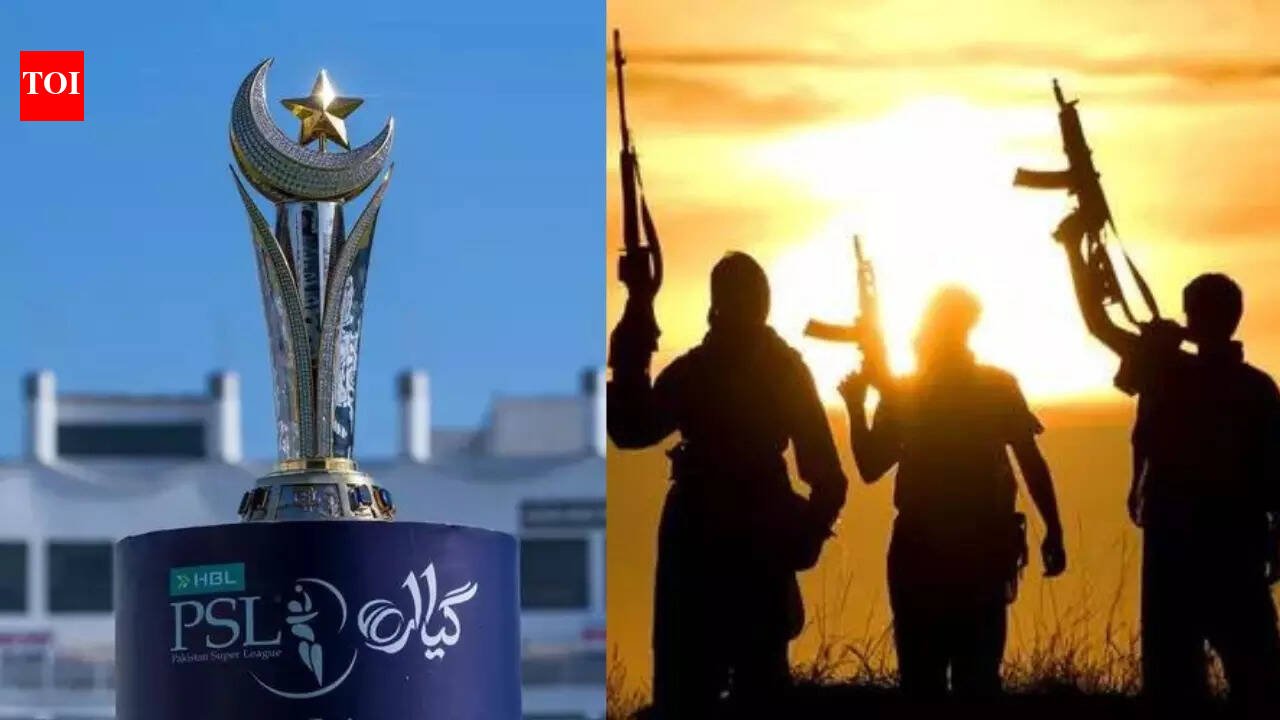
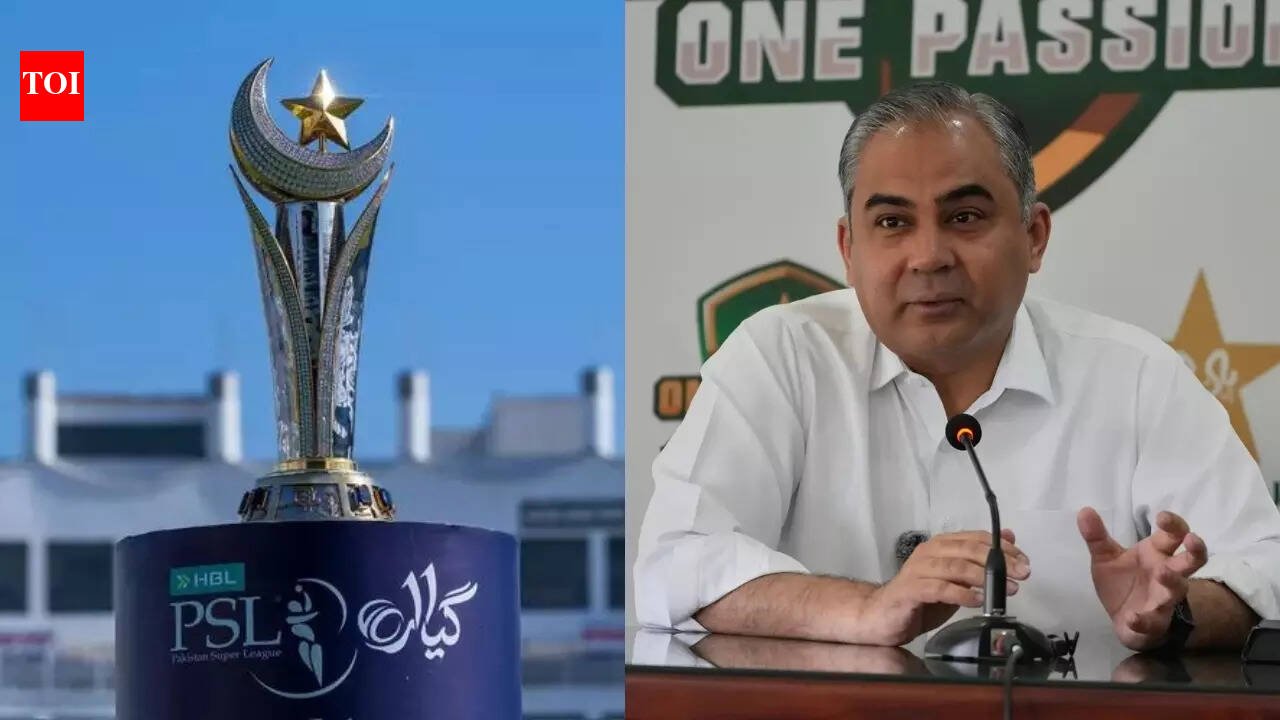
PSL trophy (l), and PCB chief Mohsin naqvi

The Pakistan Cricket Board (PCB) has revised the schedule for the 11th edition of the Pakistan Super League (PSL), reducing the scale of the tournament after consultations with the government over austerity measures.Under the new plan, the number of host cities has been cut from six to two, with all matches now set to be played in Lahore and Karachi.The decision has drawn reactions from a section of fans on social media, with many criticising the reduced arrangements. The changes come amid an ongoing oil crisis, which has impacted planning for the tournament.

Watch

T20 World Cup: India humiliate Pakistan again

Apart from limiting venues, the PCB has also cancelled the opening ceremony and decided to hold matches behind closed doors in an effort to reduce costs. The league has also seen player exits, with some cricketers moving to the Indian Premier League as injury replacements.Some fans mocked the situation online.Iceland Cricket also posted a message on X. “The PSL is coming up and that is very exciting for many millions of cricket fans. We have always wondered what PSL stands for and it turns out it means Petrol Shortage League,” the post read.A user replied to the post by calling it the “Paisa shortage league.”The PSL is being held alongside the IPL this year after it could not take place in its usual window due to the T20 World Cup 2026. Players such as Zimbabwe’s Blessing Muzarabani and reportedly Sri Lanks’s Dasun Shanaka have left the PSL to join IPL teams as replacements.With higher earnings available in the IPL, players have opted for those opportunities.The changes, including fewer venues, no opening ceremony and matches without spectators, come at a time when the league continues to compete with other T20 tournaments.

Banner Insert


Source link

EXCLUSIVE: Less than a week before IPL starts, Mumbai Indians star Jasprit Bumrah reaches BCCI CoE | Cricket News


EXCLUSIVE: Less than a week before IPL starts, Mumbai Indians star Jasprit Bumrah reaches BCCI CoE
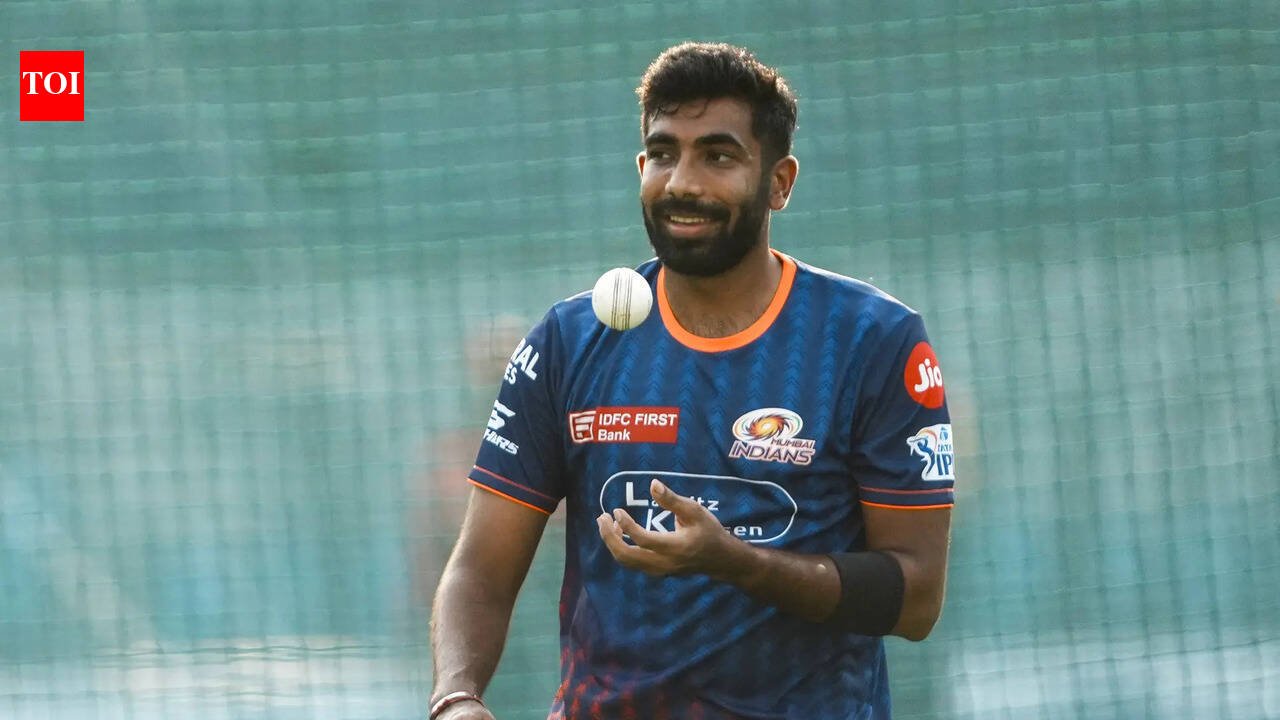
Mumbai Indians’ Jasprit Bumrah during a practice session ahead of an Indian Premier League match against Royal Challengers Bengaluru at the Wankhede Stadium in Mumbai. (PTI)

Less than a week before IPL 2026 gets underway, India and Mumbai Indians seamer Jasprit Bumrah has checked into the BCCI Centre of Excellence (CoE). It is not certain whether it is for an injury-related issue or routine checks, but TimesofIndia.com can confirm he is at the facility in Karnataka and has not yet joined the five-time champions’ camp.Last week, MI head coach Mahela Jayawardene revealed the four MI players in India’s T20 World Cup-winning camp were allowed an extended break. India had won the T20 World Cup by beating New Zealand in the final on 8 March.

Watch

Hardik Pandya & Kieron Pollard Address MI Fans in Aamchi Mumbai

“Every year, our aim is to get there (win the IPL trophy). But I know it’s a long season. So pre-season will start the way we usually start, working hard, getting new boys into the setup. And with our (T20) World Cup guys, we’ve given them a bit of an extended break so that they will join us next weekend. The overseas guys also flew in home and then they will join us. But they’ll have a good one week training with us before the first game,” the Sri Lankan had said during the closing ceremony of the MI Junior season at the MIG Cricket Club Ground.Mumbai Indians will play their first match of IPL 2026 against the Kolkata Knight Riders (KKR) at the Wankhede Stadium on March 29.

Banner Insert


Source link

‘Jan-jan ki sarkar’: Uttarakhand CM Dhami celebrates ‘4 saal bemisaal’ of development and heritage | India News


'Jan-jan ki sarkar': Uttarakhand CM Dhami celebrates '4 saal bemisaal' of development and heritage

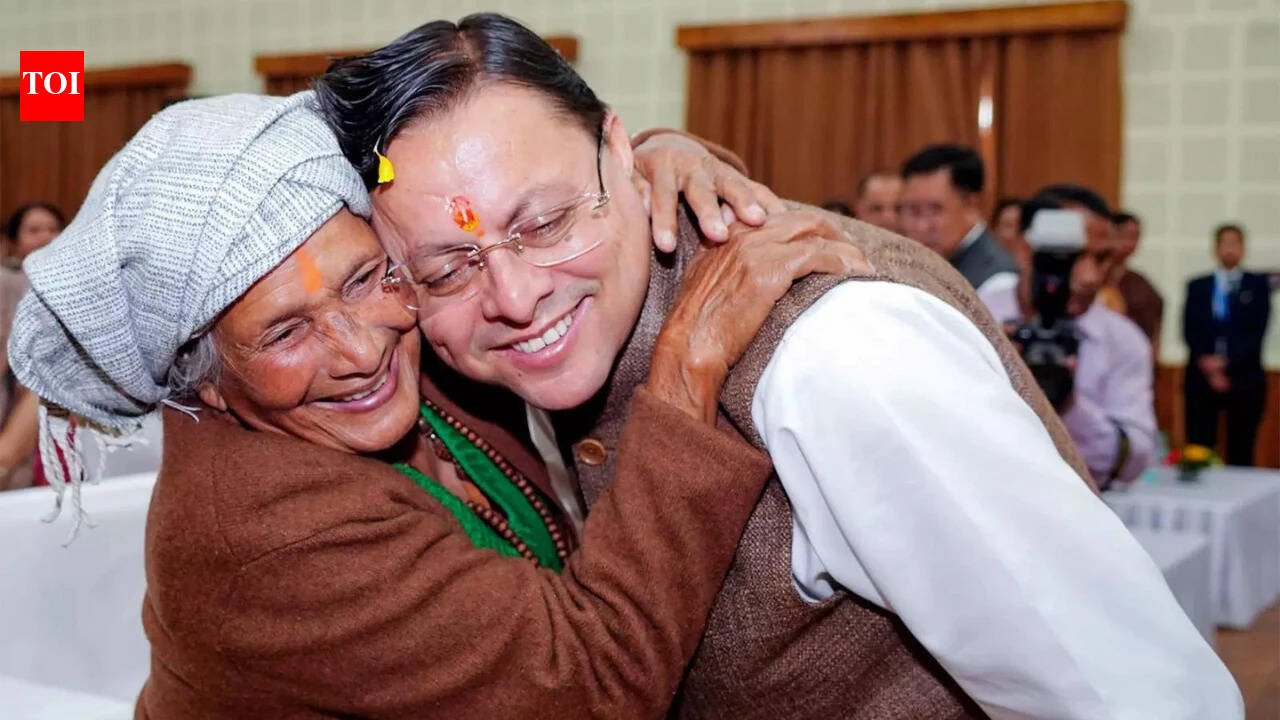
NEW DELHI: Uttarakhand Chief Minister Pushkar Singh Dhami on Monday marked four years of his Bharatiya Janata Party (BJP) government, emphasising its guiding mantra of Development as well as Heritage while fulfilling the dreams of the statehood agitators and the aspirations of the state’s 1.25 crore residents.

जन-जन की सरकार 4 साल बेमिसाल राज्य आंदोलनकारियों के स्वप्न को साकार करते हुए, सवा करोड़ प्रदेशवासियों की आशाओं और आकांक्षाओं के अनुरूप हमारी सरकार आदरणीय प्रधानमंत्री श्री @narendramodi जी की प्रेरणा और मार्गदर्शन में सशक्त, समृद्ध और आत्मनिर्भर उत्तराखण्ड निर्माण की दिशा में… pic.twitter.com/uALzWVsAKF – Pushkar Singh Dhami (@pushkardhami) March 23, 2026

In a post on X, CM Dhami wrote, “Government of the People 4 Unparalleled Years Fulfilling the dreams of the state agitators, in line with the hopes and aspirations of over 1.25 crore residents of the province, our government, under the inspiration and guidance of the Prime Minister Narendra Modi, is continuously working towards building a strong, prosperous, and self-reliant Uttarakhand. With better coordination between economy and ecology, we are committed to the sustainable development of Devbhoomi Uttarakhand and the welfare of its residents, guided by the mantra of ‘Development as well as Heritage’.”On Sunday, CM Dhami highlighted the state’s development achievements over the past four years.He said his government has taken historic and visionary steps to make Uttarakhand a leader in all fields, promoting growth, good governance, and prosperity.In a post on X, CM Dhami wrote, “Over the past four years, we have taken several historic and visionary decisions to make Uttarakhand a leader and number-1 in every field, through which new dimensions of development, good governance, and prosperity are being established.”On Saturday, defence minister Rajnath Singh lauded Uttarakhand chief minister Pushkar Singh Dhami’s leadership abilities, calling him “Dhurandhar Dhami.”Addressing a public gathering here on the completion of four years of the Uttarakhand government, the defence minister expressed pride and confidence in the government led by CM Dhami and attributed the state’s growth to him.“This gathering has been organised to mark the completion of Pushkar Dhami’s four-year tenure. During the elections, I had told him that the BJP would win under his leadership, and the BJP achieved a clear majority. I had said in a meeting once, ‘Our Dhami is not ordinary, he is Dhakad Dhami… now, he should be called Dhurandhar Dhami. Uttarakhand has secured a leading position in the country across several sectors,” he said.Singh also reminisced about his tenure as the chief minister of Uttar Pradesh, during which the state of Uttarakhand was formed.“The land of Uttarakhand is the land of the Gods (Devbhoomi). I also served as the Chief Minister of Uttarakhand for 10-12 days. It was during my tenure as the Chief Minister of Uttar Pradesh that Uttarakhand was created. Uttarakhand is a land of faith, spirituality, culture, and sages; it is revered as a place of penance,” the Defence Minister said. (ANI)


Source link

From 48-hour ultimatum to 5-day pause: Trump cites ‘productive’ US-Iran talks, halts strikes on energy infrastructure


From 48-hour ultimatum to 5-day pause: Trump cites ‘productive’ US-Iran talks, halts strikes on energy infrastructure

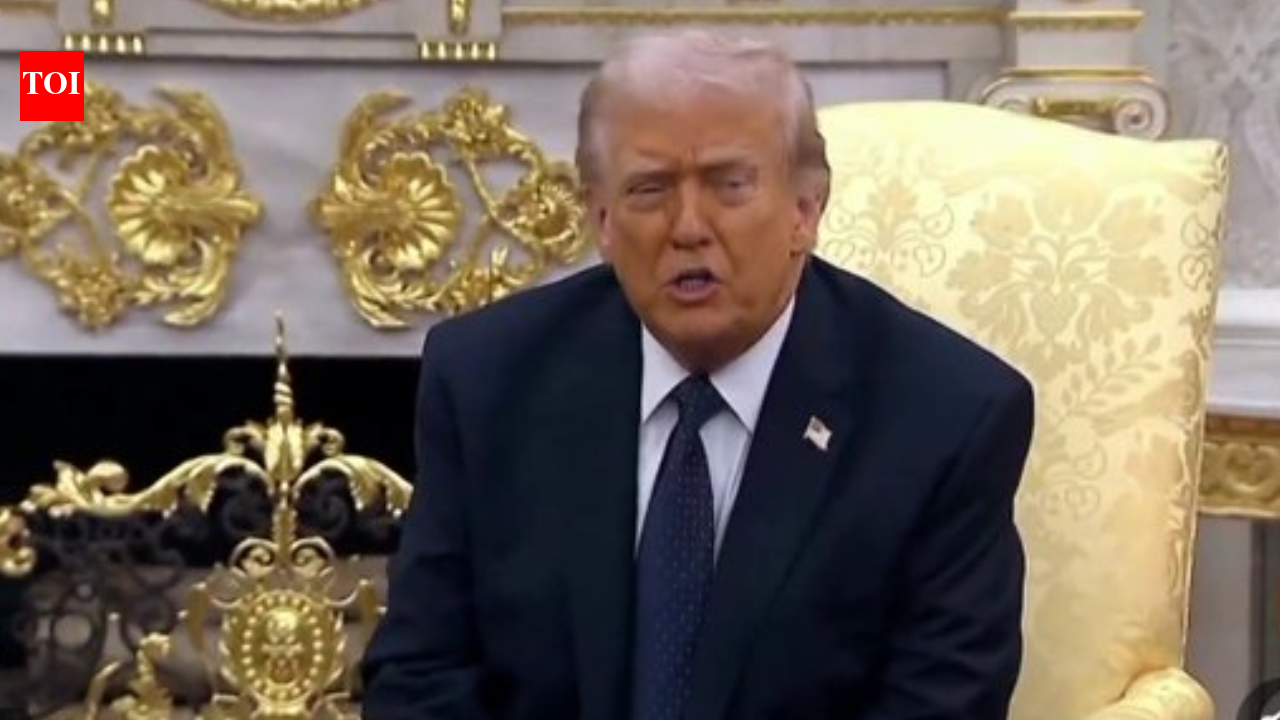
US President Donald Trump on Monday said the United States and Iran have held “very good and productive” talks over the past two days and announced a five-day pause on planned military strikes, signalling a possible de-escalation in the ongoing conflict.In a post on Truth Social, Trump said: “I am please to report that the United States of America, and the country of Iran, have had, over the last two days, very good and productive conversations regarding a complete and total resolution of our hostilities in the Middle East. Based on the tenor and tone of these in depth, detailed, and constructive conversations, witch will continue throughout the week, I have instructed the Department of War to postpone any and all military strikes against Iranian power plants and energy infrastructure for a five day period, subject to the success of the ongoing meetings and discussions. Thank you for your attention to this matter!”Meanwhile, Iranian embassy in Kabaul said, “Trump backs down from attacking energy infrastructures after iran’s firm warning.”The announcement comes a day after Trump issued a 48-hour ultimatum to Iran, warning of strikes on its energy infrastructure if Tehran failed to fully reopen the Strait of Hormuz.“If Iran doesn’t fully open, without threat, the Strait of Hormuz, within 48 hours from this exact point in time, the United States of America will hit and obliterate their various power plants, starting with the biggest one first!” Trump said earlier.Following the ultimatum, Iran said the Strait of Hormuz would remain open to all shipping except vessels linked to its “enemies,” referring to the United States and Israel.“We are ready to cooperate with the International Maritime Organization (IMO) to enhance maritime safety and protect seafarers in the Gulf. Ships not linked to Iran’s ‘enemies’ can transit the strait by coordinating security and safety arrangements with Tehran,” Iran’s permanent representative to the IMO, Ali Mousavi, was quoted as saying.“Diplomacy remains Iran’s priority. However, a complete cessation of aggression, along with the rebuilding of mutual trust and confidence, is essential. The Israeli and US attacks against Iran are at the root of the current situation in the Strait of Hormuz,” he added.The conflict has intensified in recent weeks, with Iran disrupting traffic through the Strait of Hormuz in response to joint US-Israeli strikes on February 28. Tehran has also launched attacks on Israeli territory and targeted Gulf states hosting US military bases.Iran’s Unified Combatant Command has warned that any attack on its energy infrastructure would trigger retaliatory strikes across the region. According to Iranian media, it said that if Iran’s facilities are targeted, “all energy infrastructures belonging to the U.S. in the region will be targeted.”The situation has entered a more volatile phase, with Israel confirming that Iran has deployed long-range missiles for the first time. Israeli military chief Eyal Zamir said two ballistic missiles with a range of 4,000 kilometres were launched towards the US-UK military base on Diego Garcia.“These missiles are not intended to strike Israel. Their range reaches European capitals – Berlin, Paris, and Rome are all within direct threat range,” Zamir said.The conflict has resulted in rising casualties, with more than 2,000 people reported killed in Iran since US and Israeli strikes began, while Iranian attacks have claimed at least 15 lives in Israel. Recent missile strikes hit southern Israeli cities including Dimona and Arad, injuring several civilians.Israeli Prime Minister Benjamin Netanyahu said the country would continue its military operations, stating, “This has been a very difficult evening in the battle for our future.”“We are determined to continue striking our enemies on all fronts,” he added.


Source link

BTS make historic comeback with Seoul concert, new album ‘ARIRANG’: Fans call it ‘so awesome’ | K-pop Movie News


After years of anticipation, BTS is finally back, and this time, they didn’t just return; they exploded onto the scene. Their latest album, ‘ARIRANG’, shattered records, and their comeback concert in Seoul turned into a worldwide event, with millions tuning in. It’s not just another show; this was one of the biggest moments in music for 2026.BTS Fans, also known as ARMY, absolutely took over Seoul. Streets packed, light sticks everywhere, cheers so loud you could feel them. The seven of them, together on stage for the first time in almost four years, made the whole city feel alive. For a lot of people, this wasn’t just a concert. It felt like coming home.

Watch

BTS Meets Baseball: V’s Perfect First Pitch And Shohei Ohtani’s Cameo Send ARMY Wild

BTS comeback, with a bang

Back in 2022, BTS hit pause right at the peak of their global fame. The reason? South Korea’s mandatory military service. Every member: RM, Jin, Suga, J-Hope, Jimin, V, and Jung Kook, had to enlist, one after another.The group stopped performing as a whole, but that didn’t mean they disappeared. Each member went off and did their own thing: solo albums, projects, you name it. Even then, BTS never really left the charts. They kept breaking streaming records and stayed right at the top, even without group activities.Their last big show before the break, in Busan, felt more like “see you soon” than “goodbye.” Fans always knew they’d come back.And they did. On March 21, 2026, BTS stormed back onto the stage at Seoul’s Gwanghwamun Square. This was their first time performing together since finishing military service, and the city went wild. Over 260,000 people showed up in person, and millions more watched live on Netflix. Seoul just turned into a huge party, with fans everywhere, singing, waving their light sticks. The city had to close roads, and security was everywhere, just to keep up with the crowds.RM started things off with a simple, “We’re back.” That’s all it took: instant, deafening cheers, people crying, everyone feeling that sense of reunion after all these years.

Fans’ reaction to BTS big return

The whole event, ‘BTS The Comeback Live: ARIRANG’, was a spectacle. Gwanghwamun Square looked incredible, with lights and visuals lighting up the historic backdrop. The city turned purple, the color of BTS fandom. The setlist jumped between new tracks and old favorites, so fans got the best of both worlds. Even with a few hiccups, as RM had to sit out parts of the show because of an ankle injury, the energy never dropped.But the real story? The fans. The crowd brought all the emotion.Per popular outlets, Some people called the show “awesome.” Others just said it was “unreal” and “worth every second of the wait.” Fans came in from all over, Mexico, Japan, Europe, just to see it happen in person.According to The Guardian, there was Atsumi Shioya, just 18, who flew in from Shizuoka, Japan, with her mom, Ayako, a ballet pianist. They grabbed what tickets they could: impossible to get, since they sold out in minutes. Ayako managed to snag one, but Atsumi came anyway, just to be there. “Their voices, their dances. I think I’ll cry if I see all seven performing,” Ayako said, waiting for the show to start.Adelina Gainanova, 24, from Russia, found BTS before she ever set foot in Korea, and now she lives there. Seeing them live was “just amazing,” she said. She couldn’t believe how organized everything was, either.Then there’s An So-young, 41, an English teacher from Cheongju, about 110km from Seoul. She was still trying to process everything after the show. What stuck with her was a moment during “Body to Body,” when the traditional “arirang” melody suddenly appeared, clear as day. “The album is called Arirang,” she said. “So I’d been wondering how they’d include it.”

The spectacular comeback: All about it

BTS’s comeback concert wasn’t the only big thing happening. The band dropped their new album, ‘Arirang’, at the same time. It’s their first major album in almost six years, and fans didn’t waste a second. Per the New York Post, nearly four million copies were sold on day one. It shot straight to the top of the streaming charts, everywhere.‘Arirang’ isn’t just an album, it’s a statement. Named after a classic Korean folk song, it mixes up modern pop, hip-hop, and all kinds of experimental sounds, but still has that unmistakable Korean heart. Fourteen tracks, blending old and new, and during the concert, they played songs like ‘Body to Body’, ‘Hooligan’, and ‘Swim’ live for the first time, right alongside their classics like ‘Dynamite’ and ‘Butter’.During the show, per Euro News, member J-Hope admitted they had moments of doubt during the hiatus, wondering if fans would still remember them. That vulnerable confession felt real, and it resonated strongly, making the reunion feel even more meaningful. Jimin echoed the sentiment, saying they had always trusted that their sincerity would reach their audience. And they did! The night in Seoul stood as a testament to that.


Source link

MS Dhoni’s witty reply to Sivakarthikeyan’s ‘Play till 60’ question wins hearts


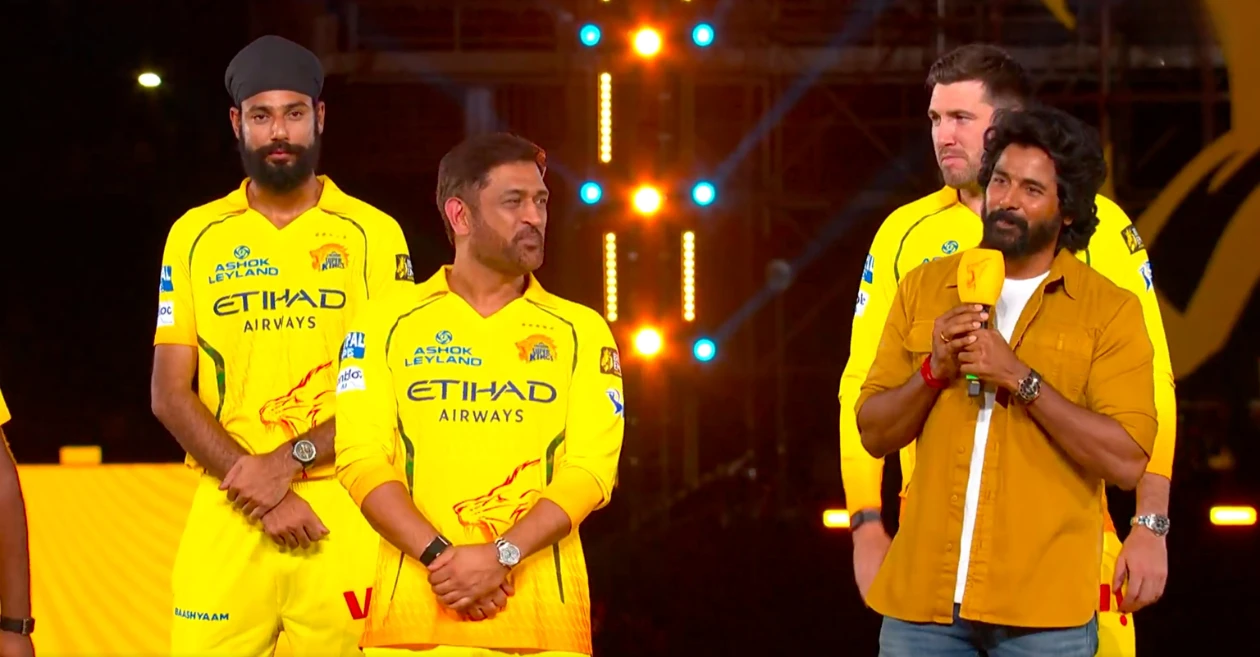
For years, one question has followed MS Dhoni wherever he goes – how long will he continue playing? On Sunday evening at Chennai Super Kings’ (CSK) grand ‘Roar 2026’ event at the MA Chidambaram Stadium, that familiar curiosity resurfaced once again. This time, it came from Tamil superstar Sivakarthikeyan, and as expected, Dhoni responded in a way only he can – calm, witty, and instantly memorable.

MS Dhoni’s humour steals the show at CSK’s ‘Roar 2026’ event

As the crowd cheered loudly, Sivakarthikeyan playfully suggested, “You can play till 60 also, Sir,” tapping into the emotions of millions of fans who never want to see Dhoni step away from the game. The remark drew huge applause from the packed stadium, reflecting just how deeply fans still believe in their beloved “Thala.”

Dhoni, however, stayed true to his understated style. With a slight smile, he replied, “It’s very difficult.” But the moment didn’t end there. As the actor continued to insist, praising his fitness and longevity, Dhoni delivered the line that quickly went viral: “It’s on the way down, it’s not on the way up… I can try.”

The crowd erupted in laughter and cheers. It was vintage Dhoni – honest yet humorous, acknowledging reality while still leaving a small window of hope. The exchange wrapped up with Sivakarthikeyan smiling and saying, “We have got the answer,” perfectly capturing the mood of the moment.

Here’s the video:

Dhoni’s legacy in franchise cricket

The light-hearted exchange was more than just a viral moment – it was a reflection of Dhoni’s journey and his unique bond with fans. Over the years, he has built a legacy that goes far beyond statistics, becoming the emotional core of Chennai Super Kings (CSK).

Since the IPL began in 2008, Dhoni has been synonymous with CSK, leading the franchise through highs, setbacks and comebacks. Even during the two seasons when CSK was suspended, he continued to lead from the front with Rising Pune Supergiant (RPS) before returning to Chennai and restoring the team’s dominance.

Under his leadership, CSK has lifted five IPL titles, cementing its place as one of the most successful teams in the league’s history. Although he handed over captaincy to Ruturaj Gaikwad ahead of the 2024 season, Dhoni remains the heartbeat of the side – guiding, mentoring, and inspiring both players and fans.

His numbers for CSK are equally impressive. In 272 matches, he has scored 5,314 runs, making him one of the franchise’s all-time greats. Only Suresh Raina sits ahead of him in the run charts. But beyond the numbers, it’s Dhoni’s composure, leadership, and ability to deliver in crucial moments that define his legacy.

Also READ: ‘Before the legacy, there were these two’ – CSK inducts Suresh Raina and Matthew Hayden into inaugural Hall of Fame

The ‘Roar 2026’ event also saw Dhoni celebrating the next generation of stars, as he honoured T20 World Cup 2026 winners Sanju Samson and Shivam Dube, along with U-19 World Cup-winning captain Ayush Mhatre. It was a symbolic passing of the torch – acknowledging the future while still cherishing the present.

As CSK gear up for IPL 2026 under Gaikwad’s leadership, fans know that every appearance from Dhoni now carries special meaning. His witty reply may have downplayed expectations, but it also carried a subtle truth – his journey is closer to its end than its beginning.

Yet, for the yellow army, even that hint of “I can try” is enough to keep the hope alive. Because with Dhoni, it has never just been about how long he plays – it’s about the moments he creates every time he steps onto the field.

Also WATCH: Suresh Raina turns back the clock with a towering six off Noor Ahmad, leaves MS Dhoni amused at CSK Roar ’26


Source link

Candace Owens dragged into explosive Charlie Kirk text leak controversy as Joe Kent faces mounting scrutiny


Candace Owens dragged into explosive Charlie Kirk text leak controversy as Joe Kent faces mounting scrutiny
Claims have emerged that Joe Kent leaked Charlie Kirk’s private messages to Candace Owens through an internal chain involving Turning Point USA figures. The texts, sent shortly before Kirk’s death, revealed tensions over donor pressure and political direction. Kent denies leaking them, but the controversy has intensified scrutiny and sparked backlash across conservative and pro-Israel circles.

The scandal of Joe Kent and Candace Owens has intensified after their allegations that they were associated with a leak of personal messages of Charlie Kirk. What started as a mere speculation has now become a wider discussion of trust, intentions and responsibility on the right wing. The purported messages have cast fresh doubts on what Kirk went through during his last days, as well as unveiling internal strains. The chain of custody of the leak is now being posited to be in some way checked by those in the know, and those who have access to the leak are now more on the spot. With the emerging details, the situation is no longer a rumour, but a serious test of credibility, and there may be political and reputational repercussions in all directions.

Leak claims ignite political storm around Joe Kent and Candace Owens

During a recent media appearance, Rabbi Pesach Wolicki laid out a sequence that has since gained traction. According to him, the screenshots originated within a private WhatsApp group before being passed along through multiple hands. The path allegedly ran from Turning Point USA spokesman Andrew Kolvet to Joe Kent, and ultimately to Candace Owens. Kolvet himself later confirmed the authenticity of the messages, stating he shared them with officials “to leave no stone unturned.”The texts, sent roughly two days before Kirk’s death, paint a complicated picture. They reportedly show him venting frustration over donor pressure and internal disagreements. One message claimed he had lost a major financial backer after refusing to cancel Tucker Carlson. Another line suggested deeper tensions, with Kirk writing that “Jewish donors play into all of the stereotypes,” while also weighing whether to bring Owens into the conversation as a counterbalance.Kent has publicly rejected accusations that he leaked the material, even as the claims gain momentum. He has instead framed the messages as “data points” tied to broader questions surrounding Kirk’s death. Still, the renewed attention comes at a difficult moment, as Kent already faces scrutiny over separate allegations involving classified information.Conservatives and pro Israel people have responded in various ways ranging to concern to overt anger. The last thing people expected was to see the personal issues of Kirk, who was always considered a good ally. Meanwhile, the messages have been abused by Owens and her supporters to advance larger agendas and aggravate an already tense situation.


Source link

Hormuz blocked, Yanbu rises: Saudi’s inland pipeline keeps oil flowing


Hormuz blocked, Yanbu rises: Saudi's inland pipeline keeps oil flowing

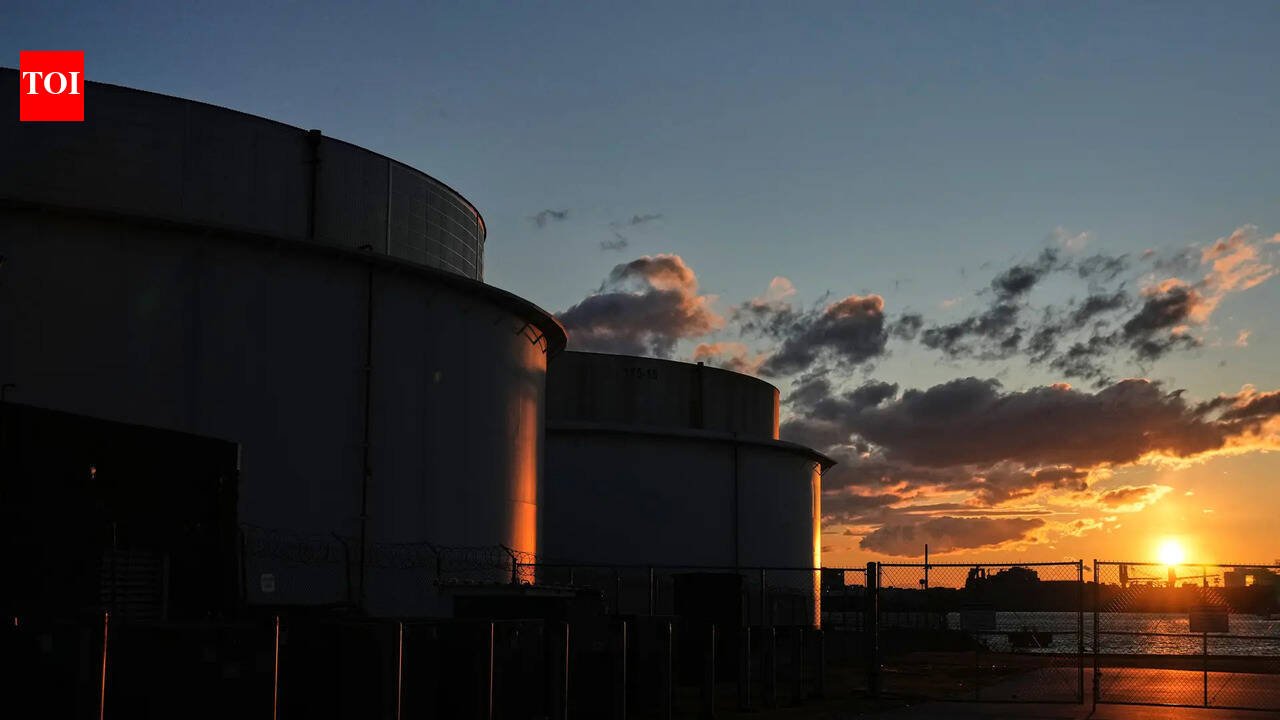
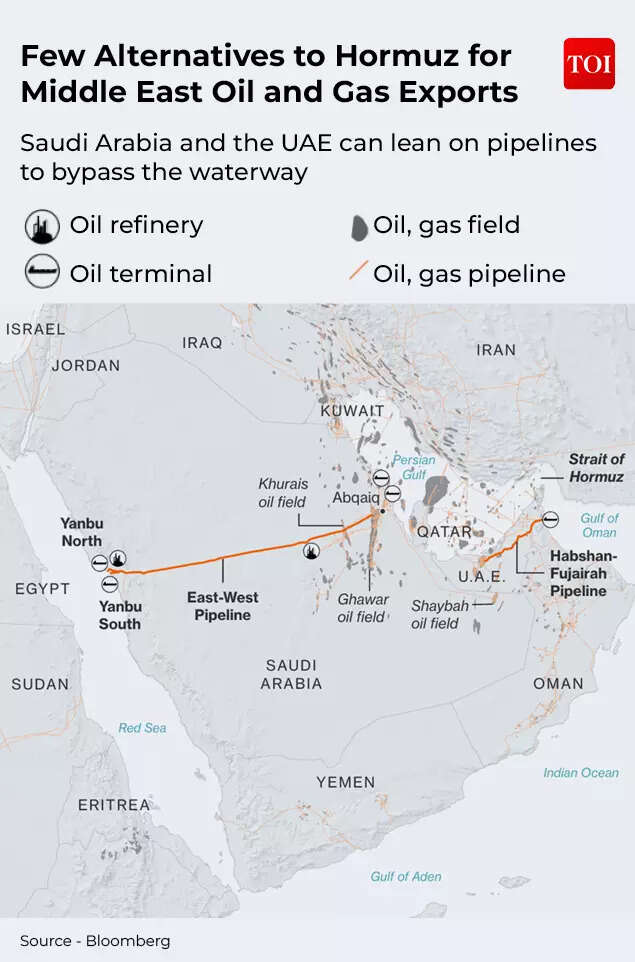
The Middle East conflict continues to squeeze global energy supplies as the war drags on, sending ripples of concern across markets worldwide. Against this uncertain backdrop, Saudi Arabia, appears long prepared for a worst-case scenario like this. The kingdom has effectively pressed the “contingency plan” button after the Strait of Hormuz was disrupted following US and Israeli strikes on Iran, moving swiftly to keep its oil exports flowing even as tensions continue to climb.At the centre of this preparation is a 1,200-kilometre East-West pipeline, built in the 1980s, running across the Arabian Peninsula from the country’s eastern oil fields to the Red Sea port of Yanbu, Bloomberg reported. The route, originally designed as a backup to Hormuz, has quickly taken a front seat as the crisis intensifies.

Watch

Hormuz Under Siege: Iran Taxes Global Shipping Route, Imposes Massive $2 Million Toll As Passage Fee

Within hours of the escalation, Saudi Arabia began rerouting crude through this inland corridor. Yanbu, a relatively low-profile industrial port compared to the Gulf coast hubs, has now become the main export point, with a growing number of oil tankers assembling offshore to load shipments as more vessels arrive each day.State-owned Saudi Aramco is now operating under pressure to scale up flows through this alternative route. Crude exports from Yanbu have reached a five-day rolling average of 3.66 million barrels, according to Bloomberg ship-tracking data, around half of the kingdom’s pre-conflict export levels.

‘Global economy is better with the line in operation’

The importance of the pipeline lies in its ability to offset the impact of the Hormuz closure. Everyday, roughly 20 million barrels or about one-fifth of global oil consumption, typically pass through the strait. With that route disrupted, producers across the region have faced constraints, but Saudi Arabia has retained an alternative outlet that allows it to continue moving crude to market.“The East-West pipeline is looking like a strategic masterstroke right now,” Jim Krane, the Wallace S. Wilson Fellow for Energy Studies at Houston’s Rice University told Bloomberg. “The entire global economy is better off with the line in operation.”The current reliance on the pipeline marks a return to a system conceived during earlier regional conflicts. Initially developed during the Iran-Iraq war in the 1980s, the East-West pipeline was intended to reduce dependence on Gulf shipping lanes. Over time, it has been expanded and adapted, eventually reaching a capacity of around 5 million barrels per day in the 1990s, with further enhancements allowing higher throughput in times of crisis.

.

Saudi Aramco, which operates a highly integrated global logistics network, has had to pivot quickly. The company began contacting customers as soon as hostilities began, requesting that vessels be redirected to Yanbu. Saudi tanker operator Bahri issued similar instructions to shipowners, helping coordinate the sudden shift in export flows. By March 4, Aramco confirmed it had begun ramping up pipeline operations, and within days, international buyers, including a major Indian refiner, had started securing cargoes from Yanbu.The scale of the rerouting has been significant. By March 10, at least 25 supertankers were heading towards the Red Sea port. Shipping sources indicate that Bahri was paying rates exceeding $450,000 per day to secure enough vessels to service Yanbu. Despite the high costs, the number of ships bound for the port has continued to rise, reflecting the urgency to maintain supply chains. At times last week, Yanbu was loading more than 4 million barrels per day.“The mere existence of an alternative route helps calm markets by reassuring buyers that not all the region’s exports are trapped,” says Carole Nakhle, chief executive officer of energy consultancy Crystol Energy Ltd. “That said, it’s not a risk-free alternative. If Yanbu and the East-West system were to come under sustained pressure, that would mark a serious escalation,” Bloomberg cited the expert.That risk has already been highlighted. Iran’s strike on the Samref refinery in Yanbu, a joint venture between Saudi Aramco and Exxon Mobil Corp, came just days into the escalation. This followed Israeli strikes on Iran’s largest gas production and processing facilities, prompting Tehran to retaliate with attacks on energy infrastructure across the Gulf.The East-West pipeline itself has previously been targeted, including as recently as 2019, and remains exposed in the event of further tit-for-tat strikes. Saudi Arabia’s eastern production facilities have also faced attacks, and the Ras Tanura refinery, the country’s largest, was temporarily shut down. Aramco has at times reduced crude production by as much as 2.5 million barrels per day, resulting in lost revenue despite higher oil prices.

Yanbu at center of outflows

Yanbu itself has now moved to the centre of Saudi Arabia’s export operations. Historically overshadowed by the eastern Gulf coast, from Jubail to Ras Tanura, where Aramco shipped its first crude cargo in 1939, the Red Sea port is now handling the bulk of the kingdom’s export activity. Refineries and petrochemical plants in Yanbu, though less prominent, are currently serving as a critical interface between Saudi production and global buyers.The pipeline feeding Yanbu originates near Abqaiq on the eastern coast, where it connects to major oil fields. From there, it crosses desert terrain and climbs to elevations exceeding 1,000 metres over the Hijaz mountains before reaching the Red Sea. Alongside crude exports, around 2 million barrels transported through the pipeline are directed to domestic refineries along the western coast, which continue producing refined products such as diesel for export.

A lifeline with risks

The idea of an alternative route dates back to the late 1970s and early 1980s, when concerns over Hormuz first intensified. A 1980 report in the Mideast Report described the planned pipeline as a safeguard against the “strategic yet vulnerable Strait of Hormuz, which could eventually come under Iranian guns.” Since then, successive expansions and upgrades have turned it into a core component of Saudi Arabia’s export infrastructure.However, the Red Sea route is not entirely without risk. Vessels travelling to and from Yanbu must still pass through the Bab El-Mandeb Strait, another critical chokepoint linking global shipping lanes between the Mediterranean and Asia. In recent years, this area has seen intermittent attacks from Houthi militants, raising concerns about potential disruptions to maritime traffic.“The Houthis now have a veto on Saudi oil exports via the Bab al-Mandab,” says Rice University’s Jim Krane. “If they decide to back Iran by shutting another critical chokepoint, oil markets will gyrate even more wildly.”The broader implications of Hormuz being blocked are now becoming clear. The war has triggered a global energy shock, with commodity prices rising across sectors. Brent crude has climbed to its highest levels since Russia’s 2022 invasion of Ukraine, up 55% in the three weeks since the conflict began, closing at $112.19 per barrel on Friday.Over the longer term, the crisis is likely to reshape energy strategies across the Middle East. Countries are increasingly evaluating alternative export routes and infrastructure resilience. Oman has been positioning its port of Duqm as a regional hub, with plans for large-scale storage capacity. The United Arab Emirates operates a 1.5 million-barrel-per-day pipeline to Fujairah in the Gulf of Oman, bypassing Hormuz, though that terminal has itself come under repeated attacks in recent weeks.


Source link

Terror threat rocks Pakistan’s PSL: Foreign players asked to ‘withdraw immediately’ | Cricket News


Terror threat rocks Pakistan's PSL: Foreign players asked to 'withdraw immediately'

The 11th edition of the Pakistan Super League (PSL), set to begin on March 26, faces uncertainty after a warning was issued by the Tehrik-e-Taliban Pakistan (TTP) to foreign players against participation in the tournament. The Jamaat-ul-Ahrar faction of the group has advised overseas players to withdraw from the tournament, citing security concerns.The development comes a day after the league was reduced to a closed-door event at two venues, Karachi and Lahore, amid the ongoing West Asia situation and related security issues.A Pakistan-based X handle ‘Islamabad Post’ shared a statement attributed to the TTP faction Jamaat-ul-Ahrar, which warned foreign players to “prioritize your personal security and withdraw from the tournament immediately.”“Today, the people of Pakistan, specifically those in Khyber Pakhtunkhwa and Balochistan are enduring unprecedented hardships due to systemic military oppression and state-led violence. While our streets are marked by the funerals of our loved ones and our mothers mourn the disappearance of their sons, the organized spectacle of the Pakistan Super League (PSL) serves as a cruel mockery of our suffering. Hosting such festive displays while entire regions bleed is an act of ‘rubbing salt into our wounds’ that we categorically reject,” the statement said.It further read, “We wish to convey a clear and urgent message to all participants of the PSL, especially the foreign players: The current internal security and political landscape of the country is volatile and precarious. In a climate where military operations and civil unrest dominate significant portions of the territory, the safety of international athletes cannot be guaranteed. Given these dire circumstances, we strongly advise you to prioritize your personal security and withdraw from the tournament immediately.The group said it is not opposed to cricket but questioned the timing of the tournament. “While we are not inherently opposed to healthy sporting activities, we refuse to tolerate the state’s hypocrisy. It is unacceptable to promote an image of ‘normalcy’ through cricket matches in one part of the country while state-sponsored atrocities continue unabated in another. We will not allow the blood of the oppressed to be overshadowed by the lights of a stadium, nor will we permit the dignity of our people to be.compromised for the sake of political optics,” the statement read.A Jamaat-ul-Ahrar spokesperson later confirmed the warning in a conversation with The Sunday Guardian. “We want to advise the relevant cricket boards not to send their players to Pakistan. If something happens to them, it will not be our responsibility. We have already warned,” he said.When asked whether this meant preventing matches from taking place, he added, “Yes, we will do our best to ensure that the matches do not happen and the players do not play.”This year’s PSL features several overseas players, including David Warner, Steve Smith, Moeen Ali, Devon Conway and Adam Zampa. Their participation is part of efforts to bring international players back to the league.On Monday, Steve Smith arrived in Pakistan to join Multan Sultans and is set to make his debut in the tournament after a recent Big Bash League campaign.Meanwhile, the league will be played without spectators as Pakistan deals with a fuel crisis. PCB chief Mohsin Naqvi confirmed that all matches will be held behind closed doors and restricted to two venues.The tournament is scheduled to run from March 26 to May 3.

Banner Insert


Source link

PM Modi on Middle East war; lists key steps taken on oil & LPG – warns of lasting fallout


PM Modi on Middle East war; lists key steps taken on oil & LPG - warns of lasting fallout
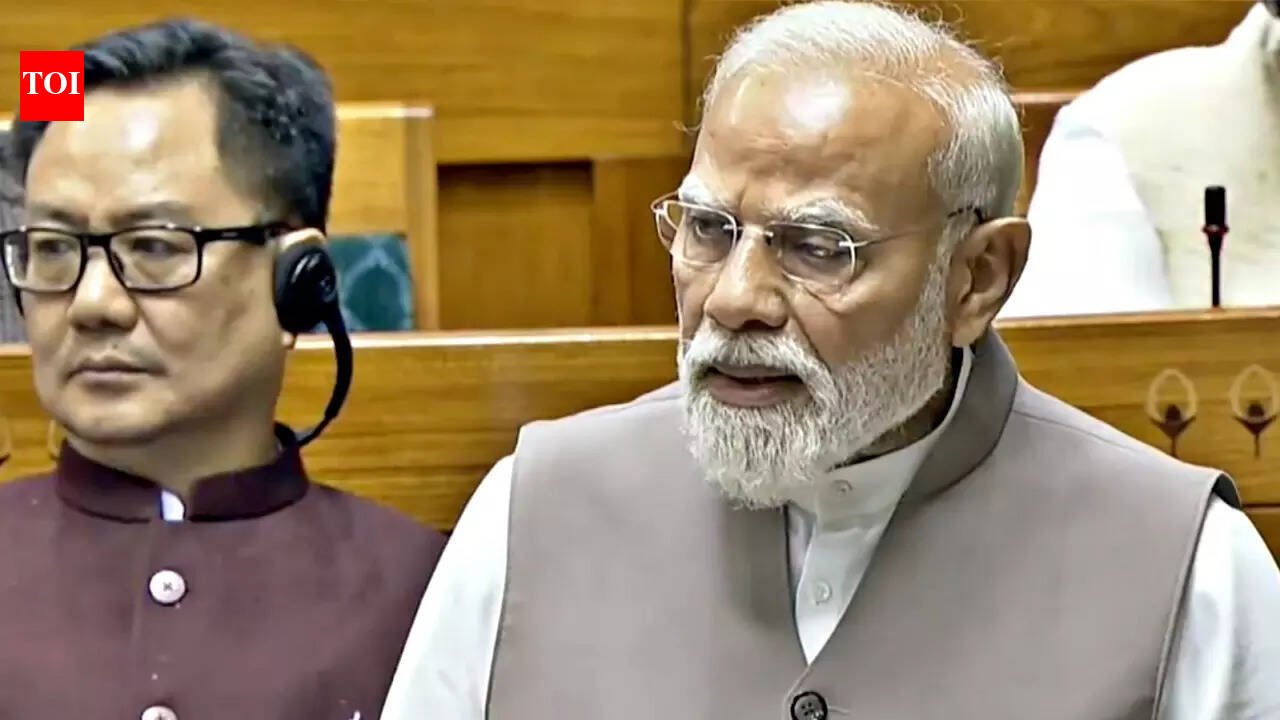
“The West Asia war set unprecedented challenges for India too,” he said.

Prime Minister Narendra Modi on Monday described the situation in the Middle East as “worrisome,” noting that it is significantly affecting the global economy as well as people’s livelihoods. “The West Asia war set unprecedented challenges for India too. The West Asia conflict zone is an important route for India’s trade with other nations,” he said.Speaking in the Lok Sabha on the ongoing developments in the region, he emphasised that protecting Indian citizens remains the government’s foremost concern during such conflicts. He added that the Centre is alert, responsive and prepared to provide all necessary assistance.PM Modi also spoke of India’s crude oil, LPG, and LNG situation, stressing on steps taken to manage the ongoing crisis and benefits of diversification.

LPG, Crude Oil Supply: PM Modi lists steps taken

“The current situation in West Asia is worrisome. This crisis has been going on for more than three weeks, having a very adverse impact on the global economy and on people’s lives. The entire world is urging all parties to resolve this crisis as quickly as possible,” Modi said. PM Modi pointed out that cargo movement through the Strait of Hormuz has been challenging since the conflict began, but the government is taking steps to ensure that supplies of gas and fuel face minimal disruption. “We all know that India imports 60 per cent of its LPG needs. Due to uncertain supply, the government is prioritising domestic supply. LPG production in the country is also being increased,” he said.

  • PM Modi said the government has remained focused on minimising public hardship amid disruptions in LPG supply caused by the ongoing West Asia crisis, while assuring that authorities are alert, empathetic and ready to extend all possible support.
  • He added that India has been diversifying its energy sources, with imports now coming from 41 countries compared to 27 earlier, to strengthen resilience against such disruptions.
  • He added that the rise in ethanol blending has helped reduce crude oil imports by 4.5 crore barrels annually.
  • The government, he said, is in continuous engagement with suppliers worldwide to secure oil and gas from all possible sources.
  • He further highlighted that India currently maintains strategic petroleum reserves of over 53 lakh metric tonnes and is working to expand this capacity to more than 65 lakh metric tonnes. The reserves with oil companies is separate.

“Due to ethanol blending, we are saving the import of about 4.5 crore barrels of oil every year. Similarly, railway electrification is also bringing great benefits. If such large-scale railway electrification had not happened, an additional 180 crore litres of diesel would have been required every year.We have also expanded the metro network. In 2014, the metro network was less than 250 km, which has now increased to more than 1100 km,” he said.Also Read | LPG crisis: Argentina emerges as key alternative supplier; shipments more than double in just first three months of 2026“We are in constant dialogue with all our global partners to ensure the safety of our maritime corridors. As a result of such efforts, many of our ships stranded in the Strait of Hormuz have recently returned to India… In the last 11 years, our refining capacity has increased significantly. The government is in constant contact with suppliers from different countries. The effort is to ensure that oil and gas supplies continue from wherever possible...further secure India’s future… The Indian government has also established an inter-ministerial group. This group meets daily, and our input is fully integrated. And this group also continuously works on necessary solutions. I am confident that with the combined efforts of the government and industry, we will be able to better cope with the current situation,” he added.Through its diplomatic engagements with Iran India has managed to secure the safe transit of some LPG and crude tankers, and more are expected in the coming days. India has also stepped up LPG procurement from the US and Argentina, as per reports. Russian crude has come to the rescue with several million barrels of oil procured since the start of the US-Iran war to fill the supply gap from the Middle East.PM Modi said India must be ready for prolonged repercussions arising from the US-Israel-Iran conflict. “Because of this war, the difficult global situation may continue for a long time. Therefore, we must remain prepared and stay united. We have faced such challenges before as well by staying united during the coronavirus pandemic. We must remain very careful and alert. Some people will try to spread rumours to take advantage of the situation. We must not allow such people to succeed,” he said.Also Read | More relief coming soon? Two India-flagged LPG ships transit Strait of Hormuz: ReportThe prime minister further noted that the conflict has given rise to a range of unforeseen challenges, spanning economic pressures, humanitarian concerns and issues linked to national security.He pointed out that the countries involved maintain strong trade ties with India and are crucial for meeting a large share of the country’s crude oil and gas needs. He also highlighted the region’s importance due to the presence of nearly one crore Indians living and working there.He stressed that it is important for Parliament to present a unified and collective stance on the crisis to the global community. Modi said that since the onset of the conflict, all Indians in the affected areas have been extended necessary support. “I have spoken with most of the heads of state in West Asia over the phone in two rounds. And they have all assured the safety of Indians,” he said. Highlighting evacuation efforts, PM Modi said nearly 1,000 Indians have already returned home safely, including over 700 medical students, while a total of 3.75 lakh citizens have been brought back since the conflict began. He pointed out that the West Asia region is critical for India, given that around one crore Indians live and work in Gulf countries, and a significant number of Indian seafarers are employed on commercial vessels operating there.


Source link