Breaking News
Smartphones & the silent disruptor: How phubbing erodes social bonds | India News


Smartphones & the silent disruptor: How phubbing erodes social bonds

If children prefer to spend time on smartphones rather than inter‑ acting with others in a social set‑ ting, they are just phub‑ bing. Are they just talking to friends or doom scrolling the content in social media platforms? What happens if phubbing continues? A recent study*, published in the Current Psychology journal, sheds light on the psy‑ chological and behavioural as‑ pects of phubbing, and reveals its profound impact on inter‑ personal communication and well‑being.Smartphones are an indispensable part of our daily lives. Even as they help us stay connected and productive, smart‑ phone use has given rise to troubling social behaviour: Phubbing or the act of ignoring people around us, focusing on our phone.The study surveyed 938 undergrad‑ uate students in the US, 48.4% men and 51.6% women, to explore how social media addiction, Fear Of Missing Out (FOMO) and personality traits contrib‑ ute to phubbing. Social media addiction emerged as the strongest predictor of phubbing behavior.Students who scored high on the Bergen Social Media Addiction Scale (BSMAS) — a tool used to assess social media habits — were more likely to engage in phubbing, underscoring the addictive pull of platforms that thrive on constant en‑ gagement.FOMO also played a notable role. Defined as the persistent anx‑ iety that others are enjoying rewarding experiences without us, FOMO drives individuals to com‑ pulsively check their phones. This need for digital connectedness often comes at the ex‑ pense of real‑world relationships. While FOMO was less pre‑ dictive than social media addiction, it still contributes to phub‑ bing tendencies.Personality traits added another layer of complexity. Students who were more conscientious, organised, disciplined, and mindful, were less likely to dis‑ rupt conversations with phone use. Similarly, extroverts, who thrive on face‑to‑face interactions, showed lower levels of phubbing compared to their in‑ troverted peers.Conversely, lower emotional stabili‑ ty correlated with higher phone obsession, suggest‑ ing that individuals strug‑ gling with social isolation or anxiety may turn to their devices as compensa‑ tory tools.Men reported high‑ er phubbing scores than women. This may be linked to broader patterns of ad‑ dictive behaviours, which tend to be more prevalent among men.The implications are clear. Phub‑ bing is not a trivial annoyance, but a behaviour rooted in psychological vul‑ nerabilities and digital dependencies. It undermines communication, weakens trust and erodes the quality of relation‑ ships. In social contexts, the act of diverting attention to phone signals disengagement, leaving companions feeling undervalued and ignored. Phubbing is clearly a paradox of modern connectivity: While smart‑ phones promise closeness, they often fos‑ ter isolation.This study confirms that social media addiction is the most powerful driver of phubbing, with FOMO and certain per‑ sonality traits amplifying the risk. As so‑ ciety grapples with the costs of constant connectivity, recognising and curbing phubbing may be essential to promote genuine human interactions. (The phubbing phenomenon: A cross-sectional study on the relationships among social media addiction, fear of missing out, personality traits, and phubbing behavior, by Li-Chiu Chi, Tseng-Chung Tang & Eugene Tang)


Source link

No takers for Iran oil? Why India’s refiners are hesitant despite US waiver


No takers for Iran oil? Why India's refiners are hesitant despite US waiver

NEW DELHI: India’s state-run refiners are holding back from purchasing US-permitted Iranian oil cargoes despite a fresh sanctions waiver, as logistical, financial and regulatory uncertainties outweigh the short-term opportunity.According to a Bloomberg report, the hesitation comes after the United States issued a one-month waiver on Friday, allowing countries to buy Iranian crude already “on the water”, in a bid to ease global oil prices. However, state-owned refiners are sceptical of this purchase. Unresolved issues around shipping, insurance and payment mechanisms have collectively prevented any deals from materialising.At the core of the reluctance is the waiver’s tight timeline.In oil trade terms, a 30-day window is widely viewed as insufficient to negotiate contracts, complete due diligence, arrange financing, secure insurance, and execute delivery. Refiners fear that any delay could push shipments beyond the waiver period, exposing them to sanctions risk.Compounding this is a logistics bottleneck. Marine insurance—critical for cargoes worth millions of dollars—remains a grey area.Most global insurers operate within Western regulatory frameworks and may be unwilling to underwrite shipments tied to Iran, given the risk that the waiver could lapse mid-voyage. Without indemnity cover, tankers may also face rejection at ports, adding another layer of uncertainty.Financial channels present an equally significant hurdle. Iran’s limited access to the global banking system, particularly the SWIFT network, has left refiners unclear about viable payment mechanisms. Questions remain over which currency to use, which intermediary banks are compliant, and whether transactions could trigger future scrutiny. This has slowed due diligence—the verification process required before entering such trades—especially after a five-year gap in dealings.“Issues like shipping and insurance are unclear, and refiners are uncertain about payment mechanisms, currency, insurance and even whether Iran-linked vessels would ultimately be accepted at Indian ports,” Bloomberg reported citing sources familiar with the matter.The lack of a formal government framework from New Delhi has further reinforced caution. Refining executives have indicated that official guidance or a policy shield would make such purchases more viable. In its absence, companies are left to independently assess legal and operational risks, encouraging a risk-averse approach.This caution mirrors sentiment in other major Asian markets. China’s state-owned Sinopec has also indicated it would avoid Iranian shipments, citing the narrow delivery window under the waiver.India’s stance contrasts sharply with its earlier response to Russian oil waivers. There, established trade routes, payment systems and shipping arrangements allowed refiners to move quickly. With Iran, those commercial “plumbing” systems have largely been dormant since 2019, when US sanctions halted imports.Historically, Iran was a significant supplier to India, accounting for as much as 11.5% of total crude imports at its peak, according to Kpler data. However, years of disengagement have eroded operational readiness, making a rapid re-entry into the trade difficult.While Iranian sellers and intermediaries have approached Indian refiners with offers of crude and liquefied petroleum gas—an important cooking fuel currently in short supply—there has been little progress even on pricing or delivery timelines.The broader takeaway is that while the US waiver provides a theoretical opening, the practical barriers—legal ambiguity, logistical constraints and financial friction—are proving decisive. For Indian refiners, the risk of getting entangled in sanctions complications currently outweighs the benefit of discounted barrels.Unless the waiver is extended or backed by clearer government-to-government arrangements, industry participants expect India to remain on the sidelines, allowing this brief window for Iranian oil to pass largely unused.


Source link

Access Denied


Access Denied

You don’t have permission to access “http://www.ndtv.com/education/rbse-10th-result-2026-dungarpurs-ishwar-patidar-scores-99-5-aims-to-become-ias-officer-11260155” on this server.

Reference #18.14092017.1774358051.1661dbcd

https://errors.edgesuite.net/18.14092017.1774358051.1661dbcd


Source link

Arjun Rampal opens up about experiencing 26/11 horrors on his birthday; calls ‘Dhurandhar’ his personal revenge |


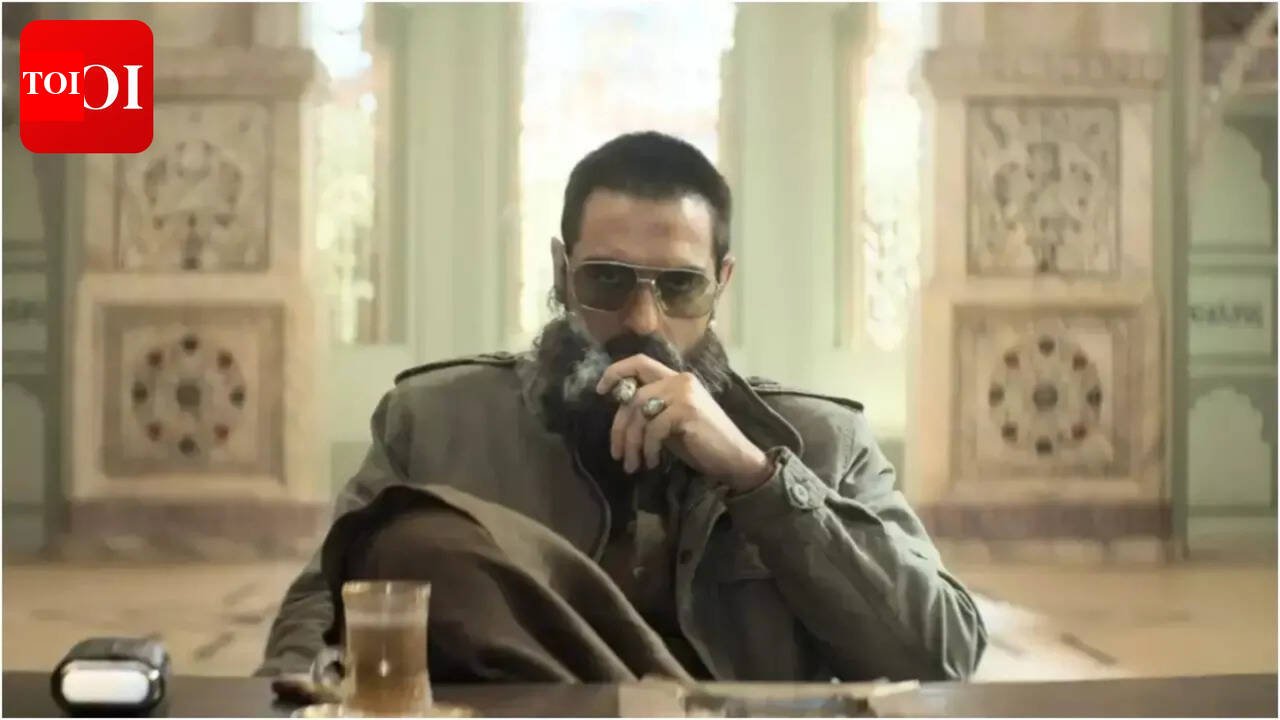
Arjun Rampal revealed his harrowing experience of the 26/11 Mumbai terror attacks, which occurred on his birthday. He recounted being at a hotel when the first blast struck, leading to a night of fear and uncertainty. Rampal stated that portraying Major Iqbal in Aditya Dhar’s ‘Dhurandhar: The Revenge’ felt like personal retribution for the horrors he witnessed firsthand.

Aditya Dhar‘s ‘Dhurandhar: The Revenge’, starring Arjun Rampal as Major Iqbal, has been receiving massive appreciation from all quarters. Recently at an event, the actor expressed how working on both films felt like a personal revenge, as he had witnessed the 2008 Mumbai terror attack firsthand.

Arjun Rampal says ‘Dhurandhar’ felt like his revenge

At the Hello! Hall of Fame Awards, Arjun Rampal recalled experiencing the 26/11 terror attack on Mumbai. The actor shared he was at a hotel to pick his friends up. He added that they were going to celebrate his birthday at the Taj hotel. While they were on their way, the actor stated that the first blast at Mahim took place.

Watch

Dhurandhar 2 CONTROVERSY: Ram Charan, Allu Arjun, Jr NTR Praise Triggers South vs Bollywood Showdown

He said, “I heard that sound, and the whole glass kind of shook and rattled, and we were like, ‘What the hell was that?’ Within 10 minutes, our phones started ringing, and everyone said there was some gang war that had broken out in Colaba. In 20–30 minutes, the entire Four Seasons hotel was cordoned off. Adarsh Jatia very graciously gave me a suite and said, ‘You can stay here for the night, but we can’t let anybody go out; it’s not safe.‘”He went on to add, “On my birthday, I saw the horrors of 26/11 play out. In the morning, when I drove back home, I had to stop at least three times because I felt like I was going to be sick. When Aditya Dhar narrated the 26/11 sequence to me, I knew I was going to have my revenge—and that’s what I did with ‘Dhurandhar’. All I want to say is, Bharat Mata Ki Jai.”

More about ‘Dhurandhar: The Revenge’

Directed by Aditya Dhar, the film stars Ranveer Singh, Rakesh Bedi, Sara Arjun, R Madhavan, Sanjay Dutt, Arjun Rampal, and more. It was released in theaters on March 19, 2026.According to the Sacnilk report, as of now, the movie has crossed over Rs 460 crore in India on Day 5 (today).


Source link

LeBron James’ one-of-one Mercedes-Maybach S-Class revealed with custom ivory finish and personalised interior: Know key details and pricing |


LeBron James’ one-of-one Mercedes-Maybach S-Class revealed with custom ivory finish and personalised interior: Know key details and pricing

In a recent Instagram video, James personally guides viewers through the unique features of his custom-built Maybach, highlighting both exterior and interior refinements. The vehicle boasts a rare light ivory exterior, contrasted by dark blue leather, along with personalised touches such as the custom logo. The S-Class combines opulent interiors with a powerful V12 engine, making it a standout addition to James’ growing collection of high-end vehicles.

LeBron James’ Mercedes-Maybach S-Class: Exterior and custom interior

The light ivory shade is non-metallic. Most S-Class models go for glossy finishes or bolder colours, but James chose restraint. He mentions in the Instagram video that this shade was deliberate.Inside, the cabin tells a different story with stormy blue leather stitched in porcelain, creating a rich, textured contrast to the pale exterior. The materials appear soft to the touch and well-placed throughout. James walks viewers through these details, highlighting the subtle craftsmanship. He also points out embossed and embroidered crown logos on the headrests and door panels.

LeBron James’ Mercedes-Maybach S-Class highlights customised features

A few details make the car even more unique. There’s a “1 OF 1” plaque on the inside, signalling its exclusivity. The door sills carry the birthdays of James’ children giving the personal dimension. Experts say these details are what separate a truly bespoke build from a factory-customised one.Even with all the custom touches, the Maybach remains focused on comfort. The executive rear seats come with massage functions and plenty of space, emphasising passenger experience over driving thrill. According to the official website, the base S 680 starts at roughly $244,000 in the US.

Mercedes-Maybach S-Class other key details

The 2026 Mercedes-Maybach S 680 4MATIC is a full-size luxury sedan powered by a handcrafted 6.0-litre V12 biturbo engine producing 621 hp and 664 lb‑ft of torque, paired with a 9-speed 9G‑TRONIC automatic transmission and 4MATIC all-wheel drive. It accelerates from 0–60 mph in 4.3 seconds and has a curb weight of 5,214 lbs. Fuel economy is estimated at 12 mpg city and 20 mpg highway, with a 20.1-gallon fuel capacity. The vehicle seats five passengers with generous interior dimensions, offering up to 49.1 in of rear legroom and 12.3 cu ft of cargo space. Its adaptive, self-leveling AIRMATIC suspension complements a 133.7‑inch wheelbase, while the exterior features a range of standard and MANUFAKTUR paint options, including metallic and matte finishes. The sedan rides on 20‑inch Maybach Exclusive Forged wheels with all-season tires, balancing performance with comfort.


Source link

Will Yash Dayal play IPL 2026? RCB Director of Cricket provides big update


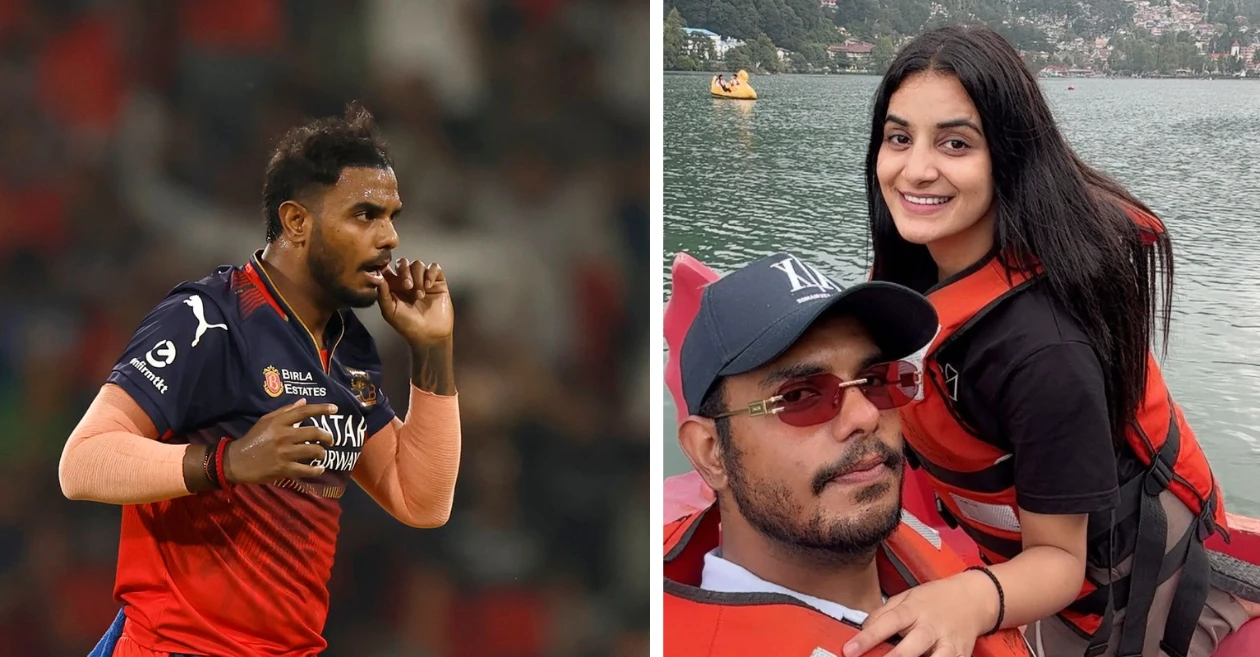
Just days before IPL 2026 gets underway, defending champions Royal Challengers Bengaluru (RCB) have been hit with a major setback. Their left-arm pacer Yash Dayal will not be part of the squad this season, a development that has raised plenty of questions among fans.

Putting an end to all speculation, RCB’s Director of Cricket Mo Bobat confirmed the news during a pre-tournament press conference. While Dayal remains contracted to the franchise, he won’t be available for the upcoming campaign due to personal reasons.

Official confirmation about Yash Dayal from the RCB camp

Addressing the situation, Bobat made it clear that the franchise has stood by Dayal throughout and continues to support him. However, both parties have agreed that stepping away from the tournament is the right decision for now.

“Yash will not be joining the squad, as you know, he is going through a personal situation currently,” Bobat said. “Just to clarify, we have been very supportive of Yash to date, and that’s reflected in the fact that we have retained him whenever we have had the opportunity to retain him. And he remains under contract.”

He further added, “We have been communicating with him regularly, and I spoke with him earlier today as well. But it has been decided that it is not in his or franchise’s best interest at this point in time to join with the squad.”

Bobat also revealed that RCB had already prepared for such a scenario while planning their squad. “We went into our auction planning for the worst-case scenario,” he said.

Dayal’s absence is a significant blow for the team, especially considering his contribution in their title-winning IPL 2025 campaign. The left-arm seamer picked up 13 wickets and brought balance to the bowling unit with his ability to swing the ball and deliver in crunch moments.

While the franchise has chosen not to go into details, describing it as a “personal situation,” the backdrop involves serious legal challenges faced by Dayal. Reports suggest he is currently dealing with multiple cases, including one in Ghaziabad related to allegations of exploitation under the pretext of marriage.

Another case, filed in Jaipur under the Protection of Children from Sexual Offences (POCSO) Act, is even more serious, involving allegations from a minor. In December 2025, a special POCSO court rejected his anticipatory bail plea, citing the gravity of the case and ongoing investigation.

These developments have already kept him away from competitive cricket for a while. He missed the UP T20 League and hasn’t featured in any match since the IPL 2025 final. There have also been reports suggesting that state authorities struggled to reach him for selection discussions.

Also READ: RCB legend Virat Kohli reacts to ‘chartered flight to London’ rumours ahead of IPL 2026

A ripple effect in RCB’s bowling plans

For RCB, this situation creates a ripple effect in their bowling plans. Dayal’s absence leaves a gap in the pace attack, especially with Australian quick Josh Hazlewood also expected to miss the early part of the tournament due to injury concerns.

The team will now rely heavily on experienced names like Bhuvneshwar Kumar, along with young Indian pacers such as Rasikh Salam, Abhinandan Singh and Mangesh Yadav. Their overseas options include Jacob Duffy, Nuwan Thushara and all-rounder Romario Shepherd.

Adding to the challenge, RCB cannot bring in a replacement for Dayal since he is still officially under contract. This limits their flexibility and puts more pressure on the available bowlers to step up.

As the team gears up to begin their title defence on March 28 against Sunrisers Hyderabad (SRH) at the M. Chinnaswamy Stadium, all eyes will be on how they manage this unexpected setback. While the squad still has depth, losing a proven performer like Dayal just before the season is far from ideal.

Also READ: SWOT analysis of Royal Challengers Bengaluru – RCB’s report card ahead of the IPL 2026


Source link

HSBC’s Rahul Badhwar appointed JP Morgan India chief


HSBC's Rahul Badhwar appointed JP Morgan India chief

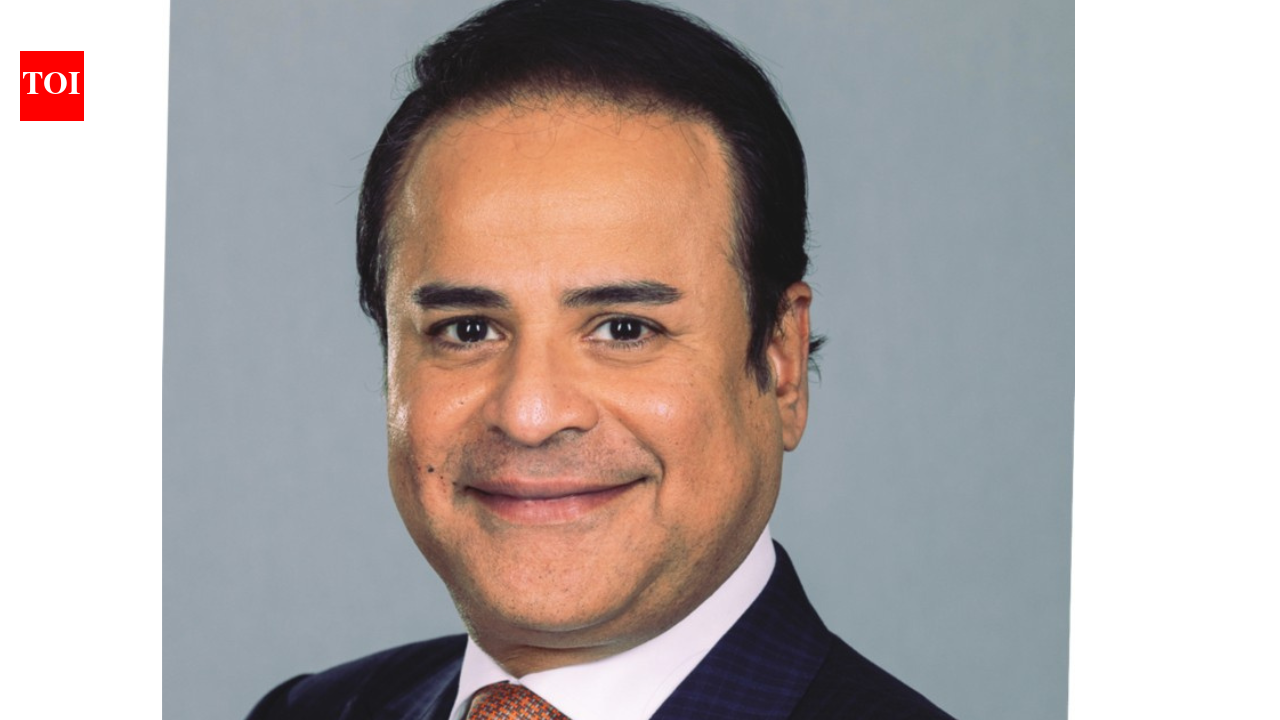
MUMBAI: J.P. Morgan has appointed Rahul Badhwar as senior country officer for India, filling a key leadership gap after months without a dedicated head in one of its fastest-growing markets.Badhwar will start in July 2026, be based in Mumbai, and report to Sjoerd Leenart, CEO Asia Pacific. He will also join the Asia Pacific management committee. In an email to employees, Leenart said India is a critical market for the bank’s Asia Pacific franchise, and that Badhwar will drive and execute growth strategy, strengthen governance and controls, and help bring the full firm to clients and stakeholders.Badhwar joins from HSBC after three decades in sales and trading roles, most recently as global head of corporate sales, markets and securities services. He began his career in India in global markets and has since worked in Dubai, Hong Kong, and London, building cross-product solutions for corporate and institutional clients and leading high-performing teams.The appointment follows the exit of Kaustubh Kulkarni earlier in 2026, who moved to Citi as head of its India corporate bank. Kulkarni had led the bank’s India operations since 2021, overseeing expansion amid rising deal activity and regulatory shifts. His departure left the bank without a dedicated India head for several months, with an interim management team steering operations through a busy phase of mergers and acquisitions and capital markets deals.In the email, Leenart said the India management team had shown leadership and strong contributions in recent months, and said he looked forward to their continued partnership as the bank expands its business in the country.


Source link

‘Why such a big craze over Rishabh?’: Ex-IPL star baffled by Pant’s Rs 27.5cr price tag | Cricket News


‘Why such a big craze over Rishabh?’: Ex-IPL star baffled by Pant's Rs 27.5cr price tag
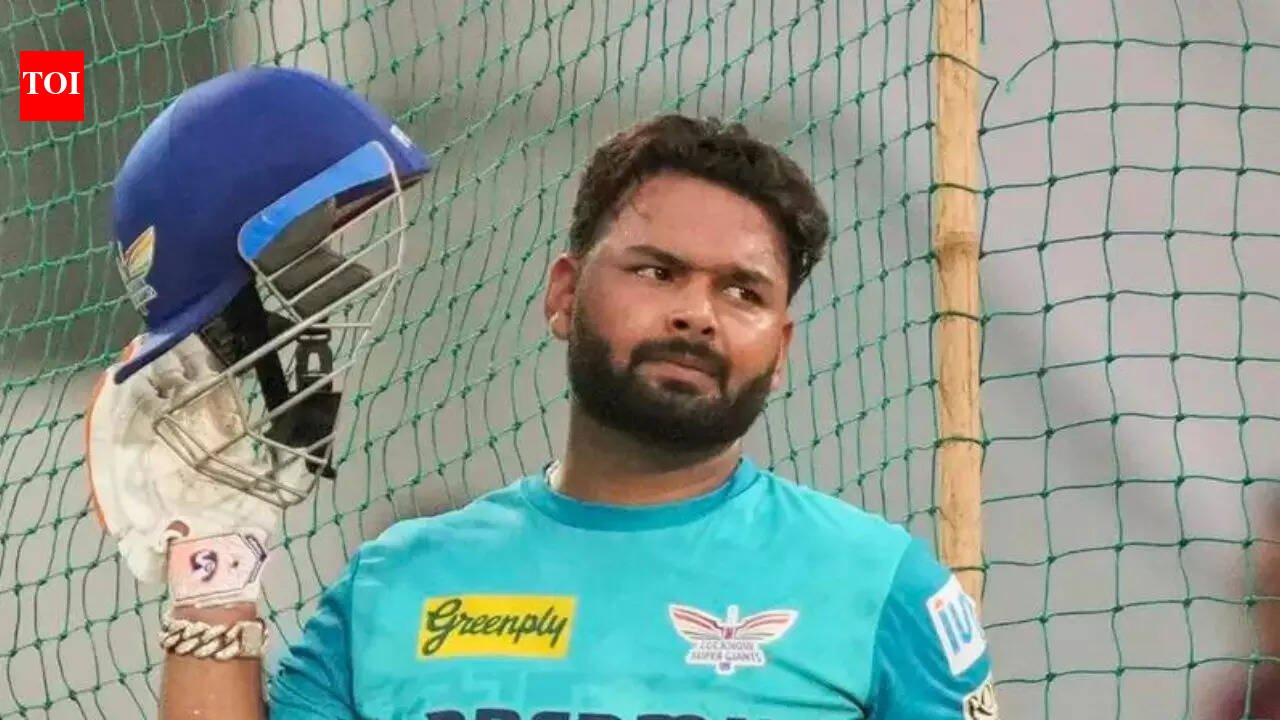
Rishabh Pant (Photo by PTI)

NEW DELHI: Lucknow Super Giants (LSG) captain Rishabh Pant’s performances and massive IPL price tag have come under scrutiny after a disappointing season last time, where he struggled for consistency as the team missed the playoffs. The wicketkeeper-batter, bought for a record Rs 27.50 crore, is now being urged to rethink his approach as he aims for a comeback in India’s white-ball setup.Speaking on Star Sports, former South Africa captain Faf du Plessis criticised Pant’s lack of a clear game plan, saying, “Even in his method in Test cricket, it looks all over the place. “But there must be something in his head that says this is the blueprint I want to play with in Test cricket. It’s the same in T20 cricket. Just figuring out what your game plan looks like to give yourself the best chance of not being a 1 or 2 out of 10 player and instead be a 60 to 70% player, where you can have consistency.”He added that Pant seems overwhelmed by too many shot options: “It boils down to him having too many options in his head. It feels like he can score a six off every ball… But you still need a method even for T20 batting… with Pant, you feel like he’s always on the edge.”Du Plessis also questioned Pant’s huge auction value despite modest T20 numbers. He added, “You look at players like Pant in the auction and ask why there is such a big craze over someone like him… If you look at his T20 numbers, it’s not that great. So why is there such an obsession with him?” Pant scored just 269 runs last season at an average of 24.45, his lowest in IPL history, raising concerns about whether he has lived up to expectations.

Banner Insert


Source link

Harish Rana, India’s first passive euthanasia case, dies after 13 years in vegetative state | India News


Harish Rana, India's first passive euthanasia case, dies after 13 years in vegetative state

NEW DELHI: 31-year-old Harish Rana, the first person to be granted passive euthanasia in India, passed away at AIIMS-Delhi on Tuesday after remaining in a vegetative state for over 13 years, according to PTI. Rana had been in a vegetative state since August 2013 after falling from a building in Chandigarh.The Supreme Court had on March 11 allowed passive euthanasia in Rana’s case, reigniting debate over the ethical and legal distinction between “letting a patient die” and actively ending life.A bench of Justices JB Pardiwala and KV Viswanathan referenced William Shakespeare’s “Hamlet” while interpreting the Right to Die. “The famous literary Shakespeare quote ‘To be or not to be’ is now being used for judicially interpreting the ‘Right to Die,” Justice Pardiwala noted.The bench also praised Rana’s parents for their decision, saying, “You are not giving up on your son. You are allowing him to live with dignity.”The court observed that continued administration of Clinically Assisted Nutrition (CAN) was not in Rana’s best interest and directed AIIMS to ensure a dignified withdrawal of life support.Passive euthanasia involves withholding or withdrawing life-sustaining treatment in cases where a patient is terminally ill or has no chance of recovery, allowing a natural death. This is distinct from active euthanasia, which involves deliberate intervention to cause death and remains illegal in India.In October 2024, the Union health ministry issued draft guidelines on the withdrawal of life support in terminally ill patients. These state that such decisions must be based on considered medical opinion and can be taken under specific conditions, including brainstem death, advanced illness with no benefit from aggressive treatment, informed refusal by the patient or surrogate, and adherence to Supreme Court procedures.While Indian courts have recognised passive euthanasia under strict safeguards and medical oversight, active euthanasia continues to be prohibited under current law.Also read: How Harish Rana’s case revived memories of Aruna Shanbaug’s long, silent fight for dignity in death


Source link

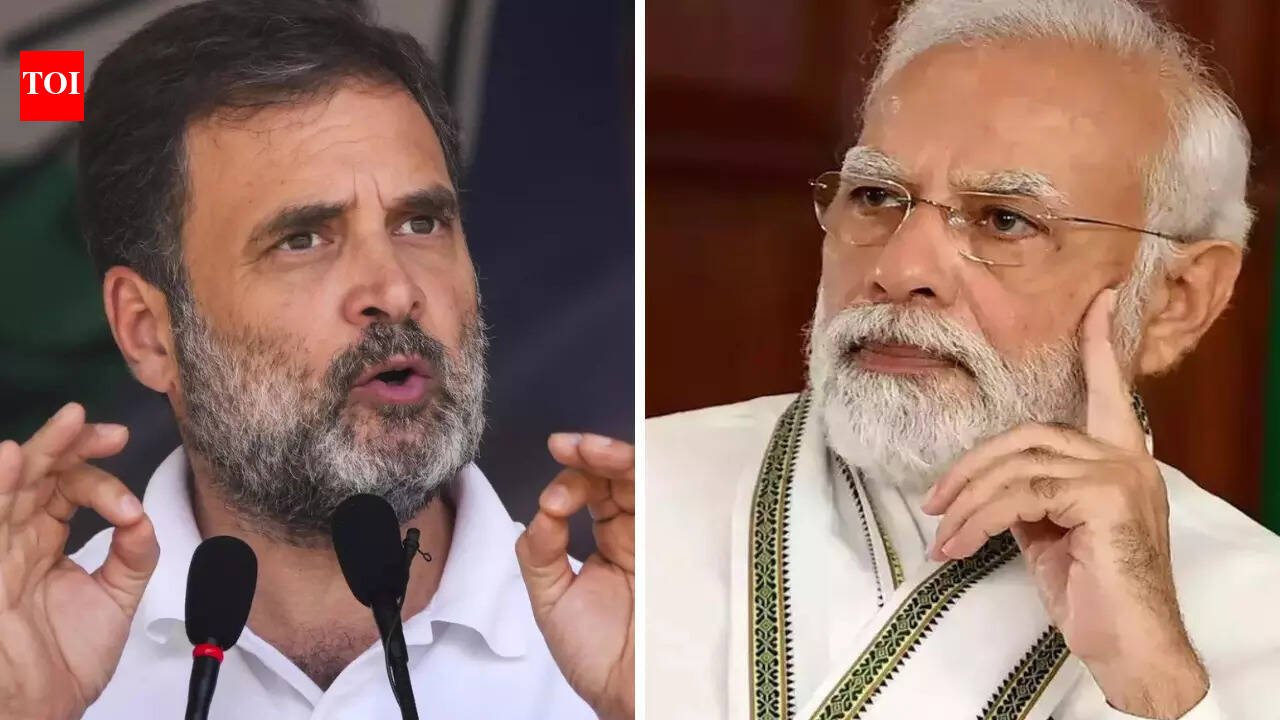
PM Modi compares fuel crisis to Covid-19 in Parliament; Rahul Gandhi says ‘don’t forget the deaths’ | India News


PM Modi compares fuel crisis to Covid-19 in Parliament; Rahul Gandhi says 'don't forget the deaths'

NEW DELHI: Leader of opposition in Lok Sabha Rahul Gandhi criticised Prime Minister Narendra Modi for comparing the current fuel crisis sitution to that of Covid-19 in his Parliamentary address on Monday. The Congress leader remarked that the PM has “forgotten what had happened then, how many people had died and what kind of tragedies had unfolded”.“Yesterday he made an irrelevant speech. He is the prime minister of India, he must appear to be as the PM of India, he has no position. It is sad that this would bring harm to people. It is the beginning — LPG, petrol, fertilizer, all these would pose a problem. Modi ji said Covid-like time is coming. He has forgotten what had happened then, how many people had died and what kind of tragedies had unfolded,” Rahul said on Tuesday.PM Modi had said the challenging global situation arising from the West Asia conflict is likely to endure, urging the nation to stay prepared and united, much like it did during the Covid pandemic.“This war has created difficult global conditions that may persist for a long time. Hence, we must remain prepared and united. We faced similar challenges during the Covid crisis with unity. Now again, we must prepare in the same way. With patience, restraint, and calmness, we must face every challenge-that is our identity, that is our strengt,” he had said.“At the same time, we must remain vigilant and cautious. Those who try to exploit the situation will attempt to spread falsehoods, but we must not let them succeed,” he added.Rahul also criticised PM Modi over his handling of the West Asia conflict, alleging that India has been sidelined in global negotiations and calling the prime minister “compromised” and questioned the PM’s autonomy on global stage.“Our foreign policy is Prime Minister Modi’s personal foreign policy. You can see the result of this. It’s a universal joke. Everybody considers it a universal joke. Donald Trump knows exactly what Mr Modi can do and what Mr Modi cannot do. So if the Prime Minister is compromised, our foreign policy is compromised. It’s obvious; everyone can see it. They did a US deal,” he said.Leader of opposition in Rajya Sabha also criticised the Covid reference saying the “nation cannot forget the tragic suffering during the pandemic”.“It has now been 25 days since the conflict began, and India is facing a deepening energy crisis, one for which the government should have been far better prepared. The Prime Minister has now likened the situation to being ‘Covid-like.’ The nation cannot forget the tragic suffering during the pandemic, when over 40 lakh lives were lost and countless citizens were left struggling for basic necessities like oxygen,” he said.He termed the PM’s Rajya Sabha speech “an exercise in obfuscation”.“The 20-minute statement by Prime Minister Modi in the Rajya Sabha was, at best, an exercise in obfuscation. We seek clear answers to three fundamental questions: First, through his inconsistent and swinging diplomatic posture, the Prime Minister appears to have altered the balance of India’s strategic autonomy; long a cornerstone of our foreign policy across successive governments. Following his recent visit to Israel, India has faced visible diplomatic consequences. Why did the Prime Minister fail to take Parliament and the nation into confidence about this apparent shift, and what concrete steps have been taken to restore India’s strategic autonomy?” he said in a post on X.He criticised the government for failing to secure safe passage for Indian ships stranded in the Strait of Hormuz despite high-level diplomatic efforts.“Second, nearly 37–40 Indian-flagged ships, carrying around 1,100 sailors, remain stranded in the Strait of Hormuz, with cargo valued at approximately Rs 10,000 crore. Despite the Prime Minister personally speaking to the Iranian President twice, and the External Affairs Minister engaging multiple times with his Iranian counterpart, why has India failed to secure safe passage for its own vessels? Why are countries like China Russia, Japan, along with other ‘friendly nations,’ being granted safe transit, while Indian ships remain stuck?” he said.He further questioned the PM’s claims that India had diversified its energy imports from 27 to 41 countries.“If so, which countries are currently supplying LNG, LPG, and crude oil to India, and in what quantities? More importantly, if diversification has been achieved, why are citizens still facing shortages, long queues, black marketing, and sharp price rises across the country?” he said.


Source link