Breaking News
‘Keep ‌blowing them away’: Trump renews warning as he claims Iran ‘begging’ for deal


'Keep ‌blowing them away': Trump renews warning as he claims Iran 'begging' for deal
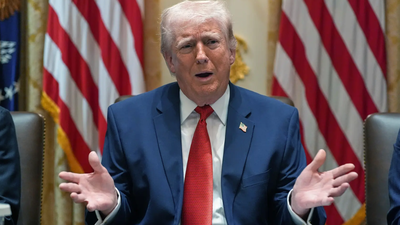
US President Donald Trump during the first cabinet meeting at the White House since the start of the conflict

US President Donald Trump on Thursday said Iran was “begging” for a deal to end the war, while warning of more strikes if Tehran did not abandon its nuclear ambitions.Speaking during the first cabinet meeting at the White House since the start of the conflict, Trump said Iran was now trying to negotiate after weeks of fighting.“They are begging to make a deal, not me. They’re begging to make a deal,” Trump said while describing them as “lousy fighters” but “great negotiators.” But he also suggested the window for diplomacy may be closing and indicated Washington may no longer be willing to move forward with an agreement. “I don’t know if we’ll be able to do that,” he said of the prospects for a deal. I don’t know if we’re willing to do that.”At the same time, Trump warned Iran to change course or face more military action.“They now have the chance, that is Iran, ‌to permanently ⁠abandon their ⁠nuclear ambitions and to join a new path forward,” Trump said. “We’ll see if they want to do it. If they don’t, we’re their worst nightmare. In the meantime, we’ll ⁠just keep ‌blowing them away.”Trump also said US military operations against Iran are “extremely” ahead of schedule, citing an original timeframe of four to six weeks for the war that began nearly a month ago.“We estimated it would take approximately four to six weeks to achieve our mission. Twenty-six days in we’re extremely, really, a lot ahead of schedule,” said Trump.Earlier in the day, Trump also warned Tehran on social media to “get serious soon” about negotiating an end to the war. The post came a day after he said a deal was near, despite Tehran’s dismissal of his 15-point ceasefire plan.On Thursday, a senior Iranian official told Reuters that Washington’s proposal to end nearly four weeks of fighting was “one-sided and unfair,” though diplomacy was continuing.Meanwhile, the United States was preparing for the arrival of thousands of troops that could potentially be used on the ground in Iran.The war has continued to exact a heavy toll across the region. The death toll has risen to more than 1,900 people in Iran and nearly 1,100 in Lebanon, with dozens more killed in Israel and elsewhere in the region. Thirteen US military members have also died, while millions of people in Iran and Lebanon have been displaced.


Source link

Access Denied


Access Denied

You don’t have permission to access “http://www.ndtv.com/jaipur-news/jaipur-viral-video-shows-woman-damaging-bike-after-minor-collision-11270654” on this server.

Reference #18.adf5d217.1774543204.192d2e23

https://errors.edgesuite.net/18.adf5d217.1774543204.192d2e23


Source link

Energy shock from Middle East war may lift US inflation to 4.2% this year; OECD warns of weaker global growth


Energy shock from Middle East war may lift US inflation to 4.2% this year; OECD warns of weaker global growth

The escalation of the Middle East conflict could push US inflation to 4.2% this year–the highest among G7 economies– while also slowing global growth, the Organisation for Economic Cooperation and Development (OECD) has said, underlining the widening economic costs of the US-Israel war with Iran, the Financial Times reported.In its interim economic outlook, the Paris-based body cautioned that rising oil and gas prices triggered by disruptions to energy exports are likely to increase inflation across major economies and create “significant downside risks” to global expansion if the conflict intensifies.The OECD expects US inflation to climb sharply from 2.6% in 2025, with countries such as China, South Korea and India also facing stronger price pressures due to the energy shock. “The breadth and duration of the conflict are very uncertain, but a prolonged period of higher energy prices will add markedly to business costs and raise consumer price inflation, with adverse consequences for growth,” it said.The report projected that higher living costs could weigh on US household spending and slow economic momentum. US growth is forecast to ease to 2% this year and further to 1.7% in 2027.Globally, economic activity is also expected to moderate. The OECD said world GDP growth could slow from 3.3% last year to 2.9% in 2026, before recovering slightly to 3% in 2027.Earlier in the year, the global outlook had appeared more resilient, supported by strong investment in artificial intelligence and buoyant equity markets. However, the conflict that began with US and Israeli strikes on Iran in late February has pushed up energy prices and triggered ripple effects across commodities including metals and fertilisers.The organisation noted that the resilience of the global economy is now being tested, particularly because of the strategic role of the Strait of Hormuz, which typically handles about one-quarter of global seaborne oil trade and one-fifth of liquefied natural gas shipments.Supply-chain risks have also increased. Gulf countries account for 34% of global urea exports and roughly half of sulphur exports, while the Middle East produces more than one-third of global helium and two-thirds of bromine, both vital for industrial uses including semiconductor manufacturing.“A prolonged period of disruption could also result in the emergence of significant energy shortages that would lower growth further,” the OECD warned.The outlook indicates that earlier improvements in global growth projections have been reversed. Indicators at the start of the year had pointed to a 0.3 percentage point upward revision in global GDP forecasts, but the conflict has effectively erased that boost.Inflation projections have also been revised higher. The OECD now expects headline inflation in the G20 to reach 4% in 2026, an increase of 1.2 percentage points compared with its December forecast, and 2.7% in the following year.Growth prospects in Europe remain subdued, with the eurozone economy projected to expand by 0.8% this year before improving to 1.2% next year.In the US, the organisation said weakening household demand could reduce growth momentum heading into 2026. Despite the inflation risks, it expects the Federal Reserve to keep interest rates unchanged, while the European Central Bank may implement a single rate increase.Members of the US Federal Open Market Committee (FOMC) still anticipate rate cuts this year, although Federal Reserve chair Jay Powell has acknowledged that forecasts have become more uncertain because of geopolitical tensions.The FOMC recently raised its projections slightly, saying headline and core personal consumption expenditures inflation may end the year at 2.7%, compared with earlier estimates of 2.4% and 2.5%. It also lifted its US growth forecast for this year to 2.4% from 2.3%, citing productivity gains.The OECD’s inflation outlook is significantly higher than that of the Federal Reserve and many private forecasters, reflecting expectations of a more persistent energy price shock and continued effects from earlier US tariff increases. It also suggested that the US economy may already be operating under capacity constraints linked to lower immigration.In a downside scenario where oil prices average around $135 per barrel in the second quarter, the OECD estimates global output could be 0.5 percentage points lower than its baseline forecast, while consumer prices could be nearly 1 percentage point higher.While some countries are considering emergency support for households facing higher energy bills, the OECD said such measures should be “well-targeted” towards the most vulnerable households and financially viable firms.


Source link

Irfan Pathan flags ‘key concern’ in Arshdeep Singh’s bowling ahead of IPL 2026


With the excitement building around the upcoming Indian Premier League season, the tournament is already sparking conversations about team combinations and player form. Among the franchises under the spotlight, Punjab Kings will be hoping to finally turn promise into consistent performances.

A major part of their plans revolves around their pace spearhead Arshdeep Singh, who has emerged as one of India’s most dependable T20 bowlers in recent years. Known for his composure in pressure situations and ability to strike early, the left-arm seamer carries significant expectations heading into the new season.

As PBKS aim to build a strong campaign, Arshdeep’s role with the new ball and in the death overs will be crucial. Fans and experts alike are eager to see whether he can maintain his consistency and take another leap in performance during IPL 2026.

Irfan Pathan highlights area of concern in Arshdeep Singh’s bowling

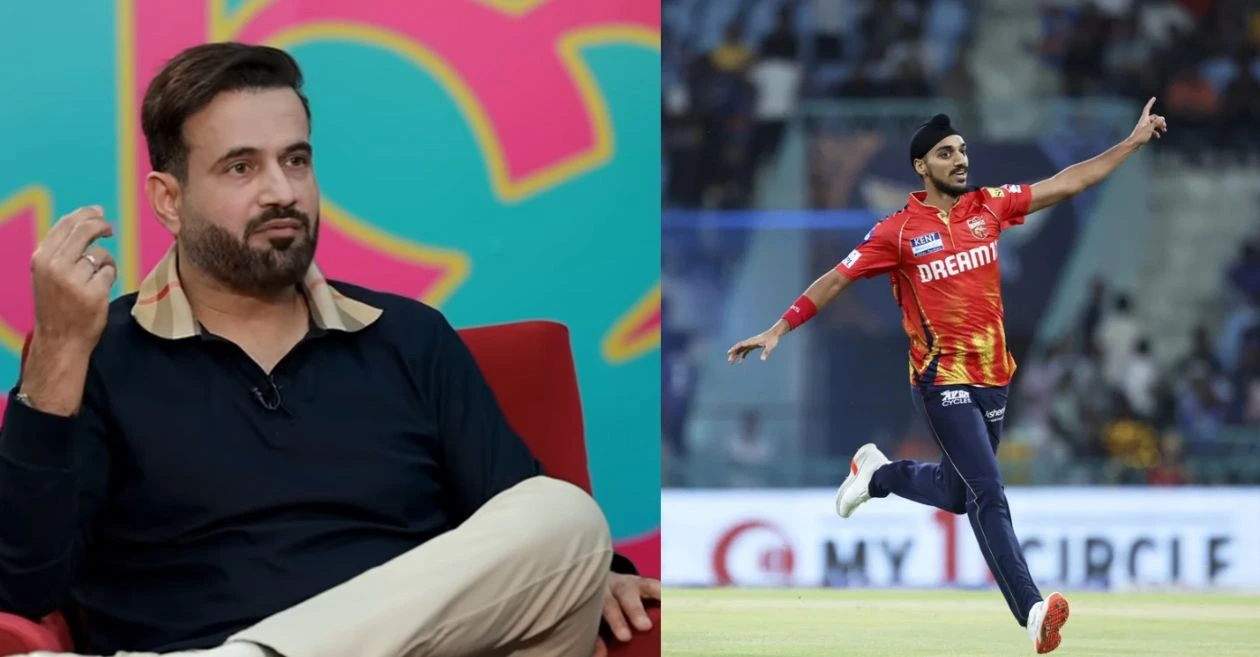
Former India all-rounder Irfan Pathan recently shared his thoughts on Arshdeep’s game, pointing out a specific area that needs improvement. Speaking on his YouTube channel, Pathan acknowledged the pacer’s wicket-taking ability but stressed that his effectiveness with the new ball has dipped slightly in recent times. According to Pathan, Arshdeep has not been able to consistently bring the inswinger into play during the early overs—a variation that once made him particularly dangerous. The lack of movement with the new ball, he suggested, could reduce the bowler’s impact during the powerplay phase, where early breakthroughs are vital.

“Arshdeep, who was your highest wicket-taker, has been consistently taking wickets. One thing he will definitely need to focus on is how he bowls with the new ball. Because over the past year, or slightly less than a year, from what I have observed, he hasn’t been bowling much inswing with the new ball,” said Pathan.

Pathan also drew attention to a noticeable rise in Arshdeep’s economy rate over the past year. He explained that while the pacer continues to pick up wickets, controlling the flow of runs will be equally important, especially in a high-scoring format like the IPL. The former cricketer’s remarks underline the fine margins that separate good bowlers from great ones in T20 cricket. For Arshdeep, refining his new-ball skills and maintaining discipline with line and length could be the difference-maker in IPL 2026.

“His statistics, compared to before and after the Asia Cup, have slightly declined in terms of new ball bowling. He will need to pay attention to that and also keep an eye on his economy rate,” added Pathan.

Also READ: SWOT analysis of Punjab Kings: PBKS’ report card ahead of IPL 2026

Impressive numbers underline Arshdeep’s impact

Despite the concerns raised, Arshdeep’s overall record remains highly impressive. He played a vital role in India’s triumph at the ICC Men’s T20 World Cup 2024, finishing as one of the leading wicket-takers with 17 scalps while maintaining an excellent economy rate. In the powerplay phase of T20 cricket, Arshdeep has consistently delivered breakthroughs. He has taken 90 wickets in that phase across T20s, placing him among the most effective Indian bowlers early in the innings, just behind Bhuvneshwar Kumar in terms of wickets.

His contributions for Punjab have been equally significant. Since making his debut in 2019, Arshdeep has grown into the franchise’s leading wicket-taker, picking up 97 wickets in 87 matches. He now stands on the brink of another milestone, needing just three more wickets to become the fourth Indian left-arm seamer to reach 100 IPL wickets. Expectations will be high from the star pacer in the upcoming season of the cash-rich league.

Also READ: Irfan Pathan names Punjab Kings’ playing XI for IPL 2026


Source link

‘Sinister agenda’: CPI(M) fires back at Rahul, Kharge; accuses Congress of helping BJP | India News


'Sinister agenda': CPI(M) fires back at Rahul, Kharge; accuses Congress of helping BJP
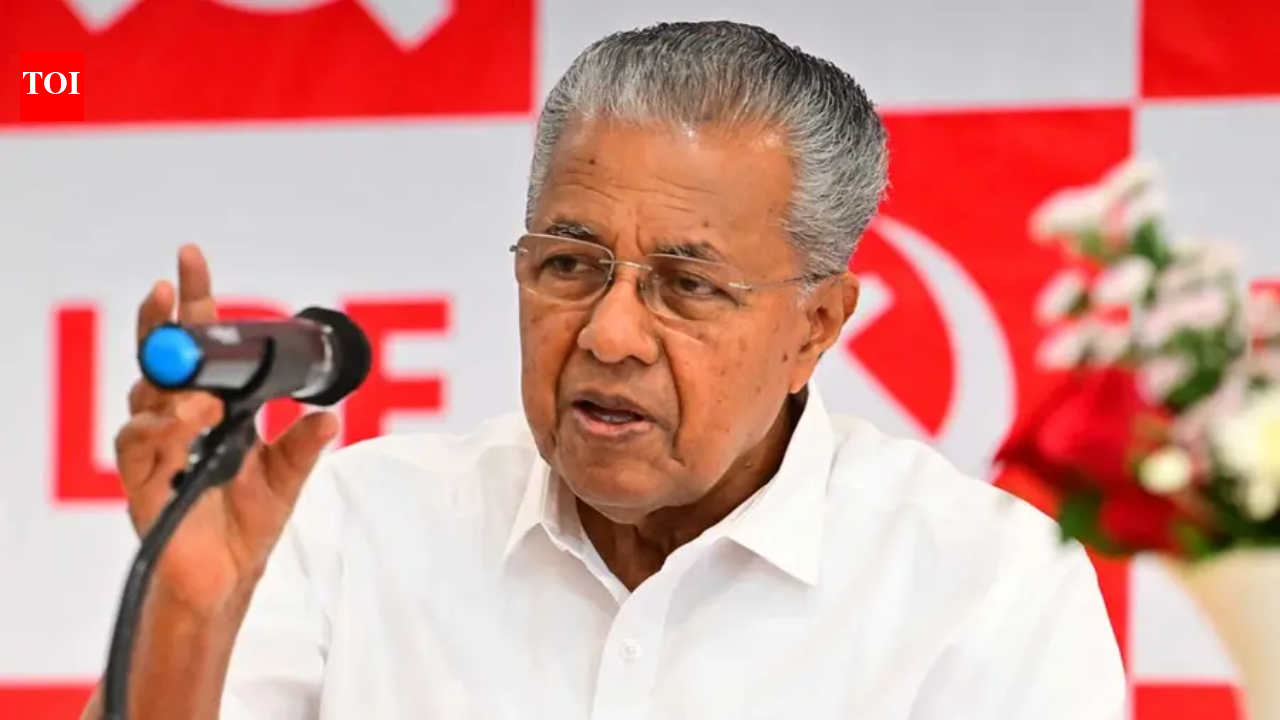
Kerala chief minister Pinarayi Vijayan

NEW DELHI: The Communist Party of India (Marxist) on Thursday launched a sharp counterattack on Congress leaders Rahul Gandhi and Mallikarjun Kharge over their criticism of the party in poll-bound Kerala, accusing the Congress of targeting the Left for electoral gains while going soft on the BJP.In a strongly worded statement, the CPI(M) said the Congress was reneging on its claim of fighting communal-authoritarian forces and had instead become “a feeder organisation for the BJP.”The CPI(M) Polit Bureau also strongly disapproved of what it called the “provocative statements” made by Rahul Gandhi and Kharge against Kerala chief minister Pinarayi Vijayan and the secular credentials of the party.“Such canards are being spread by them to secure cheap electoral gains in the Assembly elections. By targeting the CPI(M) instead of the BJP, the Congress leaders are reneging on their claim of fighting communal-authoritarian forces. The people of Kerala will see through this sinister agenda,” CPI(M) said in a statement.The response came after Rahul Gandhi and Kharge launched a broadside against the ruling Left Democratic Front (LDF) while kicking off the United Democratic Front’s (UDF) campaign for the Kerala elections from Kozhikode on Wednesday.Gandhi alleged that there was an understanding between the LDF and the Bharatiya Janata Party (BJP) in the state.“There are actually only two sides fighting here in Keralam. One is the UDF alliance, and the other is the partnership between the BJP and the LDF. The UDF unites people, listens to them, and embraces and empowers them. The LDF and their hidden partner divide people and crush them,” he said while addressing the campaign through video conferencing.He also referred to cases filed against opposition leaders and questioned why similar action had not been taken against the Kerala Chief Minister.Gandhi said he himself had around 40 cases and had been questioned by the Enforcement Directorate for five consecutive days, and alleged that the lack of similar action against Vijayan “despite corruption cases” was evidence of a BJP-LDF understanding.Responding to the allegations, the CPI(M), which is also a constituent of the INDIA bloc along with the Congress, said the Congress should introspect on why many of its leaders in different states had joined the BJP.“It is a well-known fact that the present BJP Chief Minister of Assam held important portfolios in the earlier Congress government. In Tripura, the entire Congress leadership joined the BJP in 2018 in order to defeat the Left Front. Many ministers in the Union government and Members of Parliament belonging to the BJP were earlier prominent leaders in the Congress. The Congress became a feeder organisation for the BJP,” the statement said.The party further accused the Congress of allying with minority fundamentalist forces in the state.“Even in these elections, the Congress is allying with minority fundamentalist forces. The Congress-League-BJP nexus has been exposed in various elections in Kerala, including the recently concluded local body elections,” it said.Kerala will go to the polls on April 9 and votes will be counted on May 4. The Congress-led UDF is seeking to unseat the ruling LDF.


Source link

Shubman Gill joins criticism of Impact Player rule, says ‘It takes the skill out’ | Cricket News


Shubman Gill joins criticism of Impact Player rule, says ‘It takes the skill out’
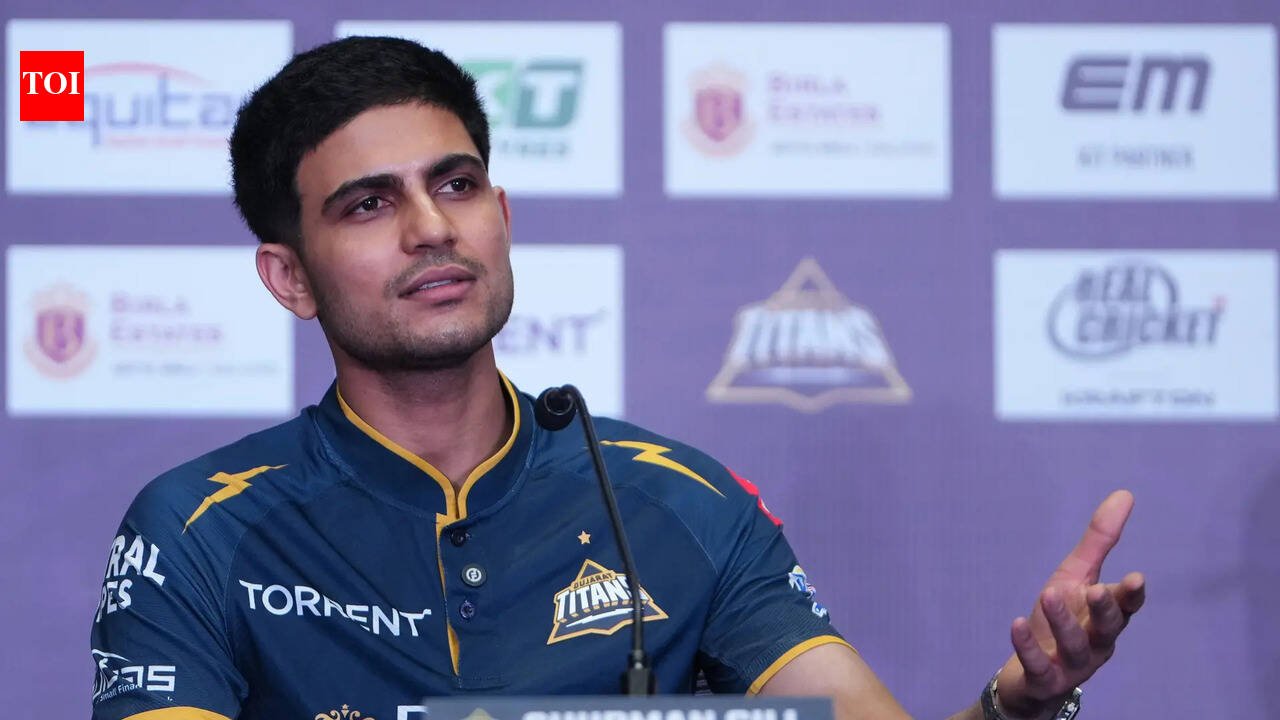
Gujarat Titans’ captain Shubman Gill (AP Photo/Ajit Solanki)

Gujarat Titans captain Shubman Gill has joined the growing list of Indian players voicing concerns over the Impact Player rule in the Indian Premier League, stating that it “takes the skill out of the game.” Gill’s remarks come shortly after similar criticism from players like Rohit Sharma, Hardik Pandya and Axar Patel. During the IPL captains’ meeting held in Mumbai, a majority of team leaders, including Gill, reportedly pushed for a review of the rule, which was first introduced by the BCCI in 2023 and has since been extended until at least 2027. Speaking a day after the meeting, Gill was clear in his stance against the regulation, which allows teams to introduce an extra batter or bowler at any point during a match. “Personally for me, I don’t think there should be an impact player. I think cricket in general is an 11 players’ game and on wickets where we play on the grounds that we play, adding an extra batsman is I think it takes the skill out of the game,” Gill said. He further explained that the traditional balance of the sport is being affected, especially in pressure situations where teams are expected to adapt with limited resources. “There’s a certain skill in the game that you need to have. When you have a certain amount of batters and if a couple of your batters get out, there’s an amount of skill that you need to have to still get the scoreboard moving and get your team to a good score.” Gill also argued that the rule is making matches more predictable and less competitive, particularly on batting-friendly surfaces. “With that one extra player, it’s making the game more one-dimensional and it’s taking a little bit of the skill out of the game. Chasing 180 on a challenging wicket or 160 on a challenging wicket is for me, it’s personally way more exciting than chasing 220 on a flat wicket,” he added. Despite the criticism from several players, the rule is set to remain in place for the foreseeable future, with any potential review expected only after the 2027 season. “It’s gonna be there till 2027. It’s something that we also spoke about in the captain’s meeting yesterday. I understand it makes the game a bit more entertaining, but let’s see. It’s there. It’s up to them what the BCCI is going to do, they’re gonna take their decision, but personally I don’t like it,” Gill said.


Source link

BMC suspends staffer for 3 days over negligence in Metro 3 tunnel damage | Mumbai News


Mumbai: The BMC’s A ward has suspended a junior overseer (JO) for alleged negligence in failing to take action or inform senior officials after an unauthorised borewell was dug on a state govt plot, damaging a section of the underground Mumbai Metro Line 3 tunnel near Chhatrapati Shivaji Maharaj Terminus earlier this month.A civic official said the JO, in whose jurisdiction the incident occurred, neither initiated legal proceedings nor alerted superiors and other departments concerned, despite being aware of the development. “He has been suspended for three days from March 25 for dereliction of duty,” the official said.The plot where the borewell was dug falls under the deputy director of the state sports department, and the work was being carried out by a contractor appointed by the department. Civic officials said the borewell was dug without BMC’s permission. “We approached the police, but since an FIR had already been registered, no separate complaint was filed,” the official added.Police have invoked multiple provisions of the Bharatiya Nyaya Sanhita along with the Metro Railway (Operation and Maintenance) Act, 2002. Section 125 of the BNS pertains to negligent acts endangering human life or safety, while Sections 324(5) and 326(b) relate to mischief causing damage to property, including critical public infrastructure. Section 78 of the Metro Act deals specifically with damage to Metro railway property and acts that could compromise operational safety.


Source link

US-Iran war impact: India’s crude imports from Russia near all time highs; will such high numbers continue?


US-Iran war impact: India’s crude imports from Russia near all time highs; will such high numbers continue?
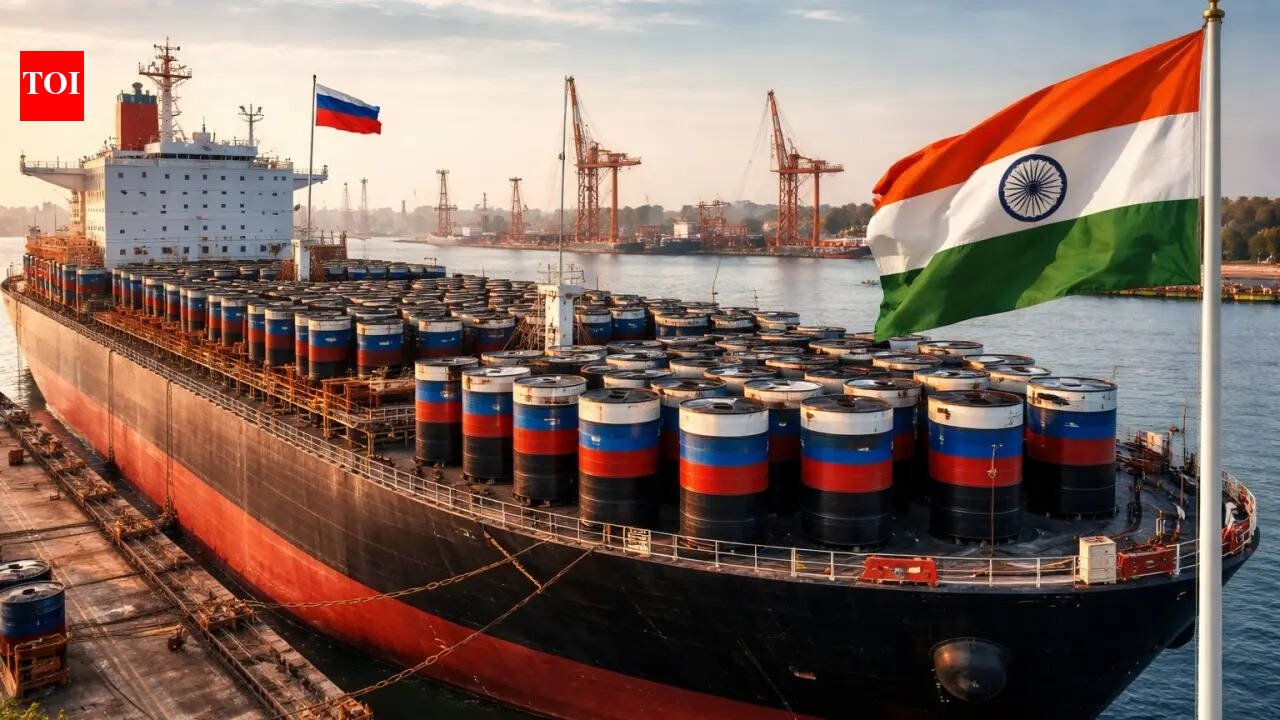
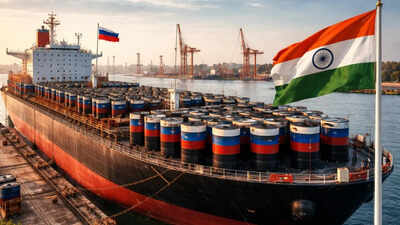
Historically, India’s highest monthly purchases of Russian crude have been around 2.0-2.1 Mbd since the Russia-Ukraine war began in 2022. (AI image)

Russian crude has emerged as a major player amid the US-Iran war – global crude oil supply is badly affected via the Strait of Hormuz, Middle East countries are finding it difficult to export oil and global crude oil prices have risen dramatically. The situation has had major implications for India – a country that imports almost 90% of its crude oil.There was a time after the Russia-Ukraine war began in 2022 that Russia had begun to contribute approximately 35-40% of India’s crude oil imports. Come early 2026, sanctions forced India’s procurement of Russian crude to drop. But March 2026 presents a very different picture.The inflows of Russian crude oil have risen sharply since the US-Iran war began and imports via the Strait of Hormuz were disrupted. In fact, crude imports from Russia are now nearing lifetime monthly highs!The Donald Trump administration has given a 30-day waiver for purchase of Russian crude to keep global oil prices stable. It’s important to note that India has never stopped buying crude oil from Russia, however imports dropped drastically after sanctions on Russian oil majors.

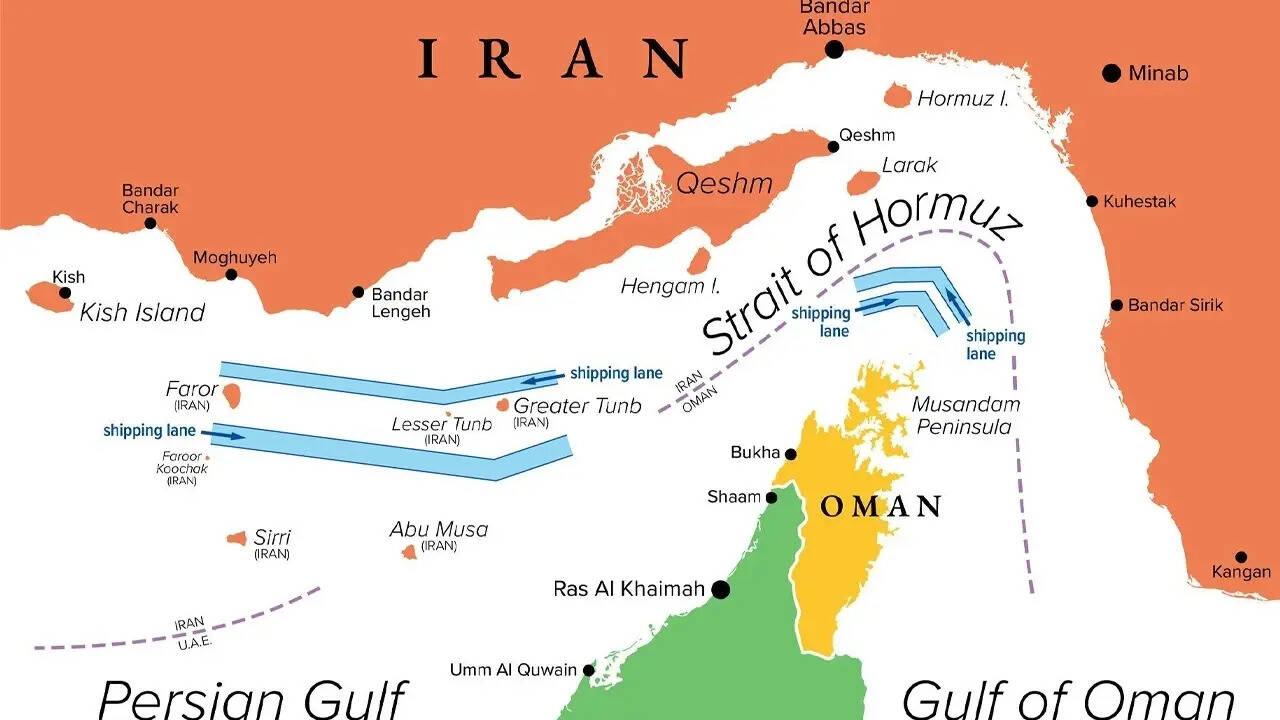
Strait of Hormuz

“We source crude from wherever supplies are available, competitively priced and deliverable, and we will continue to do so,” a government source told TOI earlier this month. The source also said that the declaration of a 30-day waiver by the US appears to be for the consumption of their domestic audience.

When India Became A Big Importer of Russian Oil

For decades, India has mainly imported crude oil from the Middle East, especially from countries like Iraq, Saudi Arabia and the UAE. The decision has been driven by proximity, long‑term contracts and stable shipping routes.After the Russia–Ukraine war began in 2022, Western sanctions pushed Russian oil out of European markets. This is when India started importing large volumes of Russian crude – and a big factor driving this decision was the availability of crude that suited Indian refineries at such steep discounts.This helped India reduce its oil import costs and diversify its supply network. However, in late 2025 and early 2026, India scaled back Russian oil purchases amid US trade negotiations and pressure linked to tariffs and sanctions compliance. In August 2025, the Donald Trump administration imposed a 25% penalty tariff on India for its crude oil buys from Russia. The US called these imports an indirect financing of the war against Ukraine. Within months two Russian crude oil majors, Lukoil and Rosneft, were sanctioned making it difficult for Indian refiners to buy Russian crude, leading to a gradual decline in imports. But that has changed now.

The Re-emergence Of Russian Oil

An analysis by Kpler, a global real-time data and analytics provider suggests that India has so far purchased around 45–50 million barrels of Russian crude since the start of the Middle East conflict. The figure may even be higher, given that April figures are not confirmed as yet. The trendline suggests March procurement is likely to reach around 1.8–2.0 Mbd, which would make it one of the strongest months for Russian crude intake since India began ramping up purchases after the start of the Russia-Ukraine war. This compares with a pre-conflict run rate closer to around 1.0 Mbd, Sumit Ritolia, Lead Research Analyst, Refining and Modelling at Kpler tells TOI.Historically, India’s highest monthly purchases of Russian crude have been around 2.0-2.1 Mbd since the Russia-Ukraine war began in 2022.Hence, the biggest takeaway is that the current spurt in purchases of Russian crude oil is now nearing peak monthly trends seen before India started dialling down on Moscow’s crude. For Sumit Ritolia, what stands out is the speed of the rebound: as Middle Eastern supplies via Hormuz dried up, Indian refiners were able to lift Russian purchases by close to around 0.8–1.0 Mbd, helping cushion the disruption without materially affecting refinery runs so far.Sourav Mitra, Partner – Oil & Gas at Grant Thornton Bharat points out that India bought the most Russian crude in a single month in May 2023, when imports reached about 66 million barrels, 2.1 million bpd. “The recent rise in March 2026 is expected to be as high, at around 60 million barrels. This implies that the ongoing conflict in West Asia has pushed India’s purchase of Russian crude oil closer to its previous all-time high,” Mitra tells TOI.

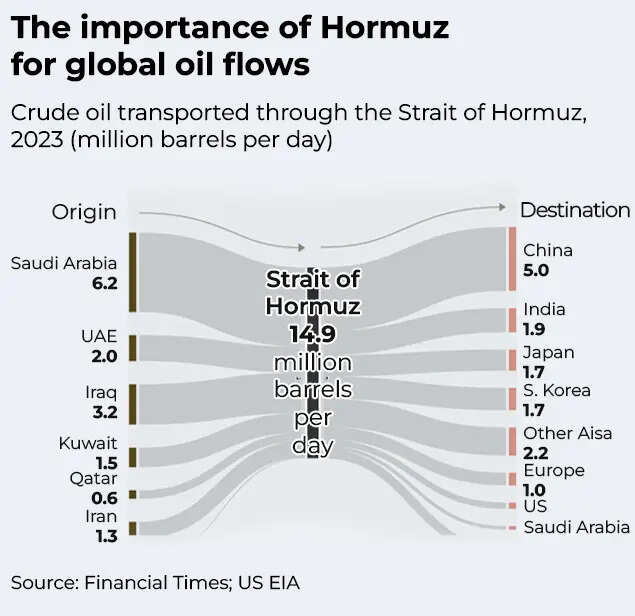
Importance of Hormuz for global oil flows

India vs China: The Russian Crude Factor

Experts note that since China has more reserves, it is structurally less exposed to the Strait of Hormuz oil supply shock.Kpler data and analysis suggests that compared with China, India is currently buying similar to slightly higher absolute volumes of Russian crude in March, depending on the month, but Russia’s role in India’s crude slate has become much more critical in the current environment. China continues to take substantial Russian volumes as well, supported by both seaborne crude and pipeline imports, while India’s recent increase has been more directly linked to replacing lost Middle Eastern barrels. “In other words, India and China remain the larger structural buyers of Russian crude overall, but India’s current surge is more pronounced from a substitution and energy-security standpoint,” says Sumit Ritolia.India usually imports 5-5.5 million bpd of crude oil vis-à-vis China’s import of about 11 million bpd.Sourav Mitra says that in 2025, China ramped up crude oil imports to 11.5 million bpd to augment its stockpiles. Russia accounted for 18% of total Chinese crude oil imports in 2025. China’s import of Russian seaborne crude oil surged to almost 2 million bpd in February as India scaled back the import of Russian Urals in February. In the first two months of 2026 alone, Russia’s shipments of crude to China rose about 40 % y-o-y.“Since oil prices are high and China has enough inventory, it’s likely to cut its oil purchases. Shifting of sanctions policies and rising demand from other countries could moderate Russia’s shipments to China in the coming months. However, Russian oil may remain one of China’s preferred choices due to the stability and scale it provides in uncertain times,” he says.

India’s Energy Security & Resilience

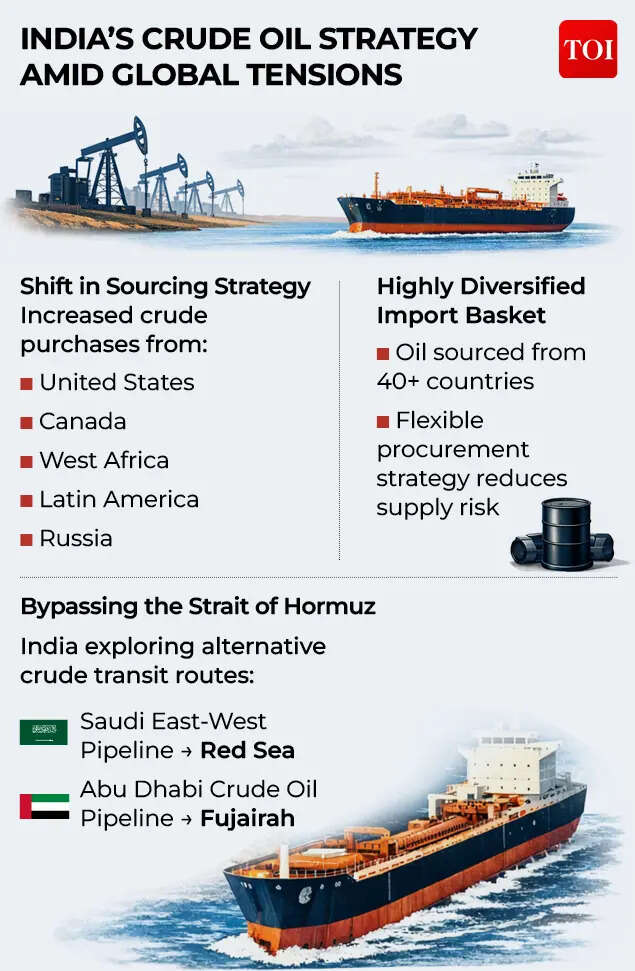
India remains structurally exposed to disruptions in the Strait of Hormuz, having historically sourced around 50% of its crude imports via the route. The ongoing conflict has therefore impacted both crude and LPG flows into the country. “Since the US eased restrictions on incremental purchases of Russian crude, Indian refiners have significantly ramped up intake. Pre-conflict, India was importing around 2.6-2.7 Mbd of Middle Eastern crude which was largely via Hormuz and around 1.0 Mbd of Russian crude. Post-conflict, the flows via Hormuz have sharply declined, but Russian imports have increased to around 1.9–2.0 Mbd, effectively offsetting a large portion of the disruption,” says Sumit Ritolia.Also, as Kpler notes, Middle Eastern producers are partially rerouting supplies via pipelines that bypass Hormuz. The most notable is Saudi Arabia’s East-West (Yanbu) pipeline and the UAE’s Habshan–Fujairah pipeline. These flows have provided incremental relief, allowing India to continue sourcing some volumes from the region despite maritime constraints.

India’s crude oil strategy amid global tensions

Overall, India’s total crude imports are currently down by around 800 kbd as of date compared to January or February 2026 levels. However, according to Kpler this has not yet materially impacted refinery runs, which remain broadly stable. Refiners have drawn down commercial inventories (excluding strategic petroleum reserves) to sustain throughput, while product exports continue to track near historical norms. What seems to be working in India’s favour is its diversified crude import basket. As PM Narendra Modi said in Parliament: In the last 11 years the number of countries from which India gets oil has increased from 27 to over 40.“Despite the situation at the Strait of Hormuz, India is today receiving more crude oil from its 41-plus suppliers across the world than what was previously arriving through the Straits. High volumes available in international markets — especially from the western hemisphere — have more than compensated for any disruption. Every Indian refinery is running at over 100% utilisation. Crude oil supplies for next 60 days have already been tied up by Indian Oil companies. There is NO supply gap,” the Ministry of Petroleum & Natural Gas has clarified today.Experts note that the trend of reduced Russian crude since late 2025 has reversed.“With shipping risks rising and Middle Eastern supplies becoming uncertain, Indian refiners have quickly increased Russian crude imports again to ensure energy security and uninterrupted refinery operations. The crude procurement is well diversified with supplies coming from US, Venezuela and West African countries,” says Sourav Mitra.Looking ahead, Russian crude is expected to remain the backbone of India’s import slate, with March likely marking one of the highest intake months since June 2025, Ritolia tells TOI. This trend is expected to continue into April, he says.The expert also points to potential for opportunistic purchases of Iranian barrels, particularly cargoes that are already on water, although no significant flows to India have been observed yet in vessel tracking data. Also, India is expected to start receiving Venezuelan barrels from April onwards, and that would help to arrest some of the crude supply risk, he adds.However, despite resilience so far, some moderation in refinery throughput is emerging, with runs estimated to decline by around 5–8% going forward, with crude runs around 5.2 to 5.3 million b/d, notes the Kpler expert.“That said, domestic product supply remains well balanced, and India is relatively better positioned than other Asian exporters. With countries like China and South Korea curbing exports, India could continue to play a key role in supplying refined products to East and Southeast Asia,” he adds.To sum it up, experts are of the view that India has managed to cushion the impact of Strait of Hormuz-linked oil supply disruptions for now by increasing Russian crude oil imports.“While some pressure on runs is expected, the system remains resilient, with no immediate risk to domestic fuel supply and continued strength in product exports,” Ritolia concludes.



Source link

PM Modi to attend G7 summit in France from June 15-17, focus on global economy and Hormuz security | India News


PM Modi to attend G7 summit in France from June 15-17, focus on global economy and Hormuz security

NEW DELHI: Prime Minister Narendra Modi will attend the upcoming G7 summit in France from June 15 to 17, with his participation confirmed during high-level diplomatic engagements on the sidelines of the G7 Foreign Ministers’ Meeting.External affairs minister S Jaishankar held talks with French minister for Europe and foreign affairs Jean-Noël Barrot at the Abbaye des Vaux-de-Cernay, where both sides welcomed PM Modi’s confirmation for the Évian Summit scheduled for mid-June.The two ministers underlined India’s role in the G7’s ongoing work, particularly in addressing major macroeconomic imbalances, strengthening international partnerships, and advancing global solidarity frameworks.Discussions also focused extensively on the evolving situation in the Middle East. Both sides agreed to maintain close coordination, especially in ensuring the security of the Strait of Hormuz, a critical global energy corridor, according to the Embassy of France in India.


Source link

‘One-sided, unfair’: Iran formally conveys its response to US 15-point proposal for de-escalation, leaves diplomacy door open


'One-sided, unfair': Iran formally conveys its response to US 15-point proposal for de-escalation, leaves diplomacy door open

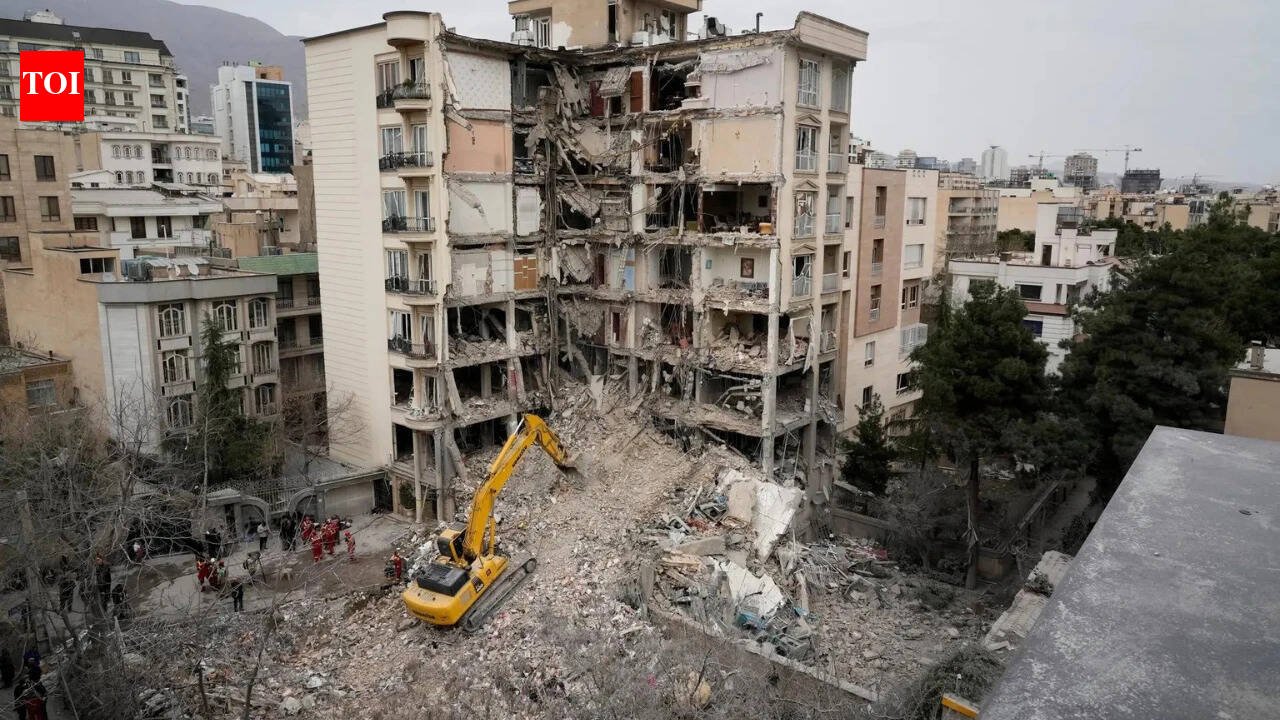
Damage in Tehran (AP file photo)

Iran on Thursday officially conveyed its reponse to Pakistan on the US 15-point proposal for de-escalation talks, calling it one sided and unfair.“Iran’s assessment is that it is “one-sided and unfair”, serving only US, Israel interests,” reported Reuters quoting a senior Iranian official, confirming that the proposal “was ​reviewed in detail on ⁠Wednesday night ‌by senior Iranian ​officials ​and the representative of ⁠Iran’s Supreme Leader”.The official further criticised the US proposal, arguing that it effectively asks Iran to give up its defensive capabilities without offering a clear or credible pathway for sanctions relief. “In brief, the proposal suggests that Iran would relinquish its ability to defend itself in exchange for a vague plan to lift sanctions,” he said, adding that the ‌proposal lacked the minimum requirements for success.He further indicated that diplomatic engagement remains distant, noting the absence of any concrete framework for talks.He said there was “still no arrangement for ⁠negotiations, and no plan for talks appears realistic at this stage”, while Turkey and Pakistan were trying to help “establish common ground between Iran and the United States and reduce differences”.This comes a day after Iran had already publicly rejected US 15-point proposal on possible de-escalation talks in Pakistan or turkey, countering with their own 5 demands. Iran had said that any ceasefire will happen only on its own terms and timeline.It laid out key conditions, including a halt to attacks, guarantees against future conflict, war reparations, and recognition of its rights over the Strait of Hormuz, while ruling out negotiations until these are met.Meanwhile, the US proposal included curbs on Iran’s nuclear and missile programmes in exchange for sanctions relief, but Iran has dismissed it as unrealistic on Wednesday too. With continued strikes between Iran and Israel and disruptions to global energy flows, the situation remains tense.


Source link