Breaking News
Virat Kohli ‘had cricket left’ in Tests, Ashwin reveals private chat | Cricket News


Virat Kohli ‘had cricket left’ in Tests, Ashwin reveals private chat

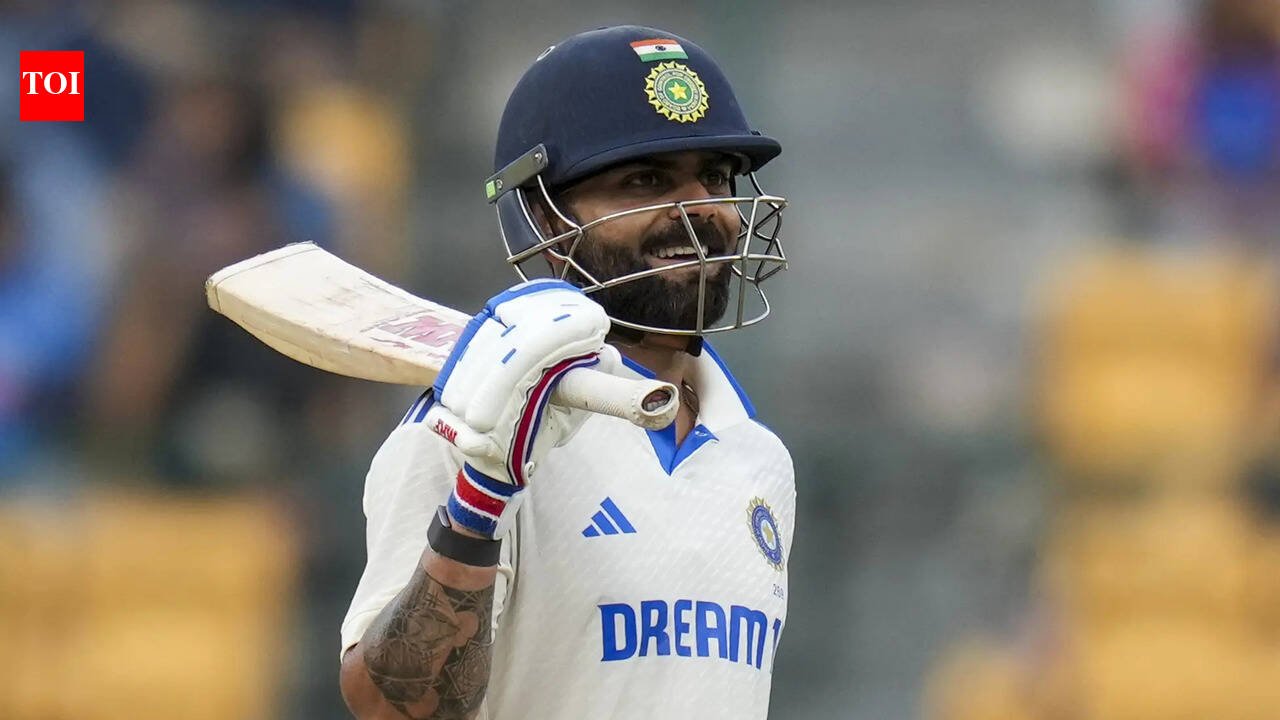
Virat Kohli’s decision to step away from Test cricket last year came as a surprise to many, particularly given the widespread belief that he still had more to contribute in the longest format. The announcement arrived in the middle of IPL 2025, at a time when scrutiny around his red-ball form had intensified. A challenging tour of Australia had once again highlighted his vulnerability outside the off-stump, a pattern that drew consistent criticism. In an effort to regain form and confidence, Kohli even returned to domestic cricket, featuring in the Ranji Trophy, but the expected turnaround did not materialise. With pressure mounting and little respite from constant attention, he eventually decided to bring the curtain down on his Test career, ending a significant chapter in Indian cricket. Over the course of 123 Tests, Kohli amassed 9,230 runs at an average of 46.85, including 30 centuries and 31 half-centuries, with a highest score of 254*. Since making his debut in 2011, he combined intensity with consistency, particularly during his tenure as captain, leading India to several landmark victories and establishing himself as one of the country’s most successful Test leaders. Former teammate Ravichandran Ashwin, who shared the dressing room with Kohli for years, revealed that he had personally expressed his belief that the batter still had more to offer in Test cricket. “I’ve directly told him that he had cricket left him in Test cricket. There was something left in Test cricket, but it’s okay, honestly. There is a problem in India about the perception,” Ashwin said on his YouTube channel. Reflecting further on the decision, Ashwin underlined the values that shaped Kohli’s career, particularly his commitment to putting the team above everything else, while acknowledging how difficult such a call would have been. “He has retired, I mean, even look at it from Virat’s value and Virat’s principle, he always kept team first. Even at press conferences, he always said that the team is very important, that we have got to win. He has said all this. And for him to say okay, I’ve taken a retirement, I want to come back, it’s not an easy decision for him to make, also, but I do certainly believe he had some cricket left,” he added.

Banner Insert


Source link

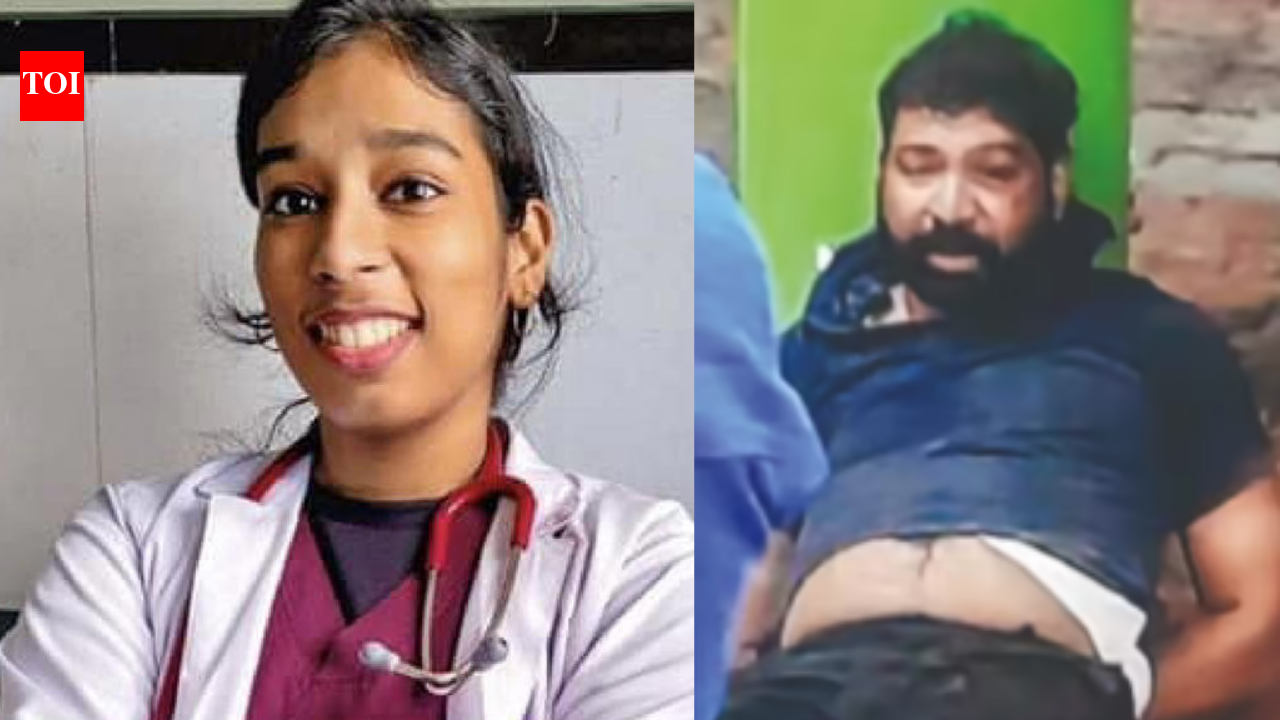
Kerala doctor stabbed 27 times with scissors by school teacher in hospital; accused sentenced to life 3 years after murder


A Kerala court has handed a life sentence to G Sandeep, a 42-year-old teacher, for the brutal murder of Dr Vandana Das in May 2023

KOLLAM: A Kerala court on Saturday sentenced G Sandeep, a 42-year-old school teacher, to life imprisonment for the sensational murder of Dr Vandana Das at Kottarakkara Taluk Hospital in May 2023. In addition, the court imposed a total of 30 years for other offences under the Indian Penal Code (IPC), which Sandeep will serve before commencing the life term for the murder, according to special public prosecutor Prathap G Padickal. Dr Das, 23, a house surgeon and the only child of her parents from Kaduthuruthy, Kottayam district, was attacked with surgical scissors in the early hours of May 10, 2023. Sandeep, who had been brought to the hospital by police for treatment of a leg injury sustained in an alleged quarrel near his home, first assaulted police personnel and a private individual accompanying him, before fatally stabbing the young doctor. Dr Das succumbed to her injuries at a private hospital in Thiruvananthapuram. The court, which had convicted Sandeep on March 17, found him guilty under multiple IPC provisions, including murder, destruction of evidence, and wrongful restraint, as well as under the Kerala Healthcare Service Persons and Healthcare Service Institutions (Prevention of Violence and Damage to Property) Act, 2012. It rejected the defence claim of schizophrenia, ruling that Sandeep was fully aware of his actions and had premeditated the attack. During the trial, over 70 witnesses testified and more than 200 documents—including medical and forensic reports—were examined. Psychiatric evaluations confirmed the accused’s mental fitness at the time of the incident. Reacting to the verdict, Dr Vandana’s parents expressed relief but also indicated dissatisfaction with the punishment, signaling plans to pursue an appeal seeking the death penalty. The prosecution has confirmed it will recommend filing an appeal to enhance the life term to capital punishment, arguing the attack was a “rarest-of-rare” case. Dr Vandana’s mother tearfully said the family wishes for maximum punishment, noting that her daughter had been stabbed 27 times in the attack. The incident had sparked widespread outrage across Kerala, prompting protests from the medical community demanding stronger protection for healthcare workers.(With agency inputs)


Source link

US has ‘blown Iran off of the map’, says Donald Trump


US has 'blown Iran off of the map', says Donald Trump
Donald Trump (File photo)

Donald Trump said the United States has “blown Iran off of the map” and claimed his objectives in the conflict had been achieved “weeks ahead of schedule.”“Their leadership is gone, their navy and air force are dead, they have absolutely no defense, and they want to make a deal. I don’t!” the US President wrote on Truth Social.Making his statement on Truth Social, Trump went on to criticise coverage by David Sanger of The New York Times, calling the outlet “failing” and disputing suggestions that he had not met his stated goals. Trump also reiterated his criticism of the newspaper’s past election coverage, saying it “always gets it wrong.”This came as the media channel reported that despite Donald Trump claiming progress in the Iran war, several of his key objectives remain unfulfilled and his strategy has shifted over time.The report said Trump has scaled back earlier demands such as regime change and “unconditional surrender,” while signalling a possible wind-down of the conflict even as its broader economic and geopolitical consequences continue to mount.


Source link

Ex-BCB secretary takes dig at Jay Shah’s ICC


Former BCB secretary and the ACC CEO, Syed Ashraful Haque, explained that the ICC would not be able to bail out the BCB if the government takes some drastic steps against their administration, since it is a parent organization under them.

Earlier, Bangladesh Sports Minister Aminul Haque indicated that while speaking to the reporters, NSC and the government both would not take a unilateral decision, and would rather only rely on the reports before going into a conversation with the ICC.

He also had claimed that previously, as well, they were aware of the direct interference by the government in the BCB elections; however, they would take the next step only after conversing with ICC. Haque made those claims back on the 19th of March.

Your daily dose of cricket!

next

NSC has the right to dissolve it—it’s there in the laws- the former BCB secretary explained

The BCB has spent the first portion of the year in global focus, as they stand off against the BCCI and, as a result, against the ICC after Mustafizur Rahman‘s snub from the IPL ahead of the ICC T20 World Cup 2026.

The Bangladesh government announced an investigation into the elections that led to Aminul Islam’s rise as BCB president, following that fiasco. The former ACC CEO, Syed Ashraful Haque, pointed out that the board could be in trouble, since it comes under the jurisdiction of the NSC.

“It is a kind of threat, saying they communicated with the ICC regarding interference, so that they will be saved,” Ashraful said regarding the BCB’s earlier warning shots towards the government, in a conversation with the Daily Star.

“It is quite ironic for the current board to complain to the ICC. If BCB can’t run cricket well, NSC has the right to dissolve it—it’s there in the laws,” he explained.

NSC can do that without question because BCB is a part of NSC- Syed Ashraful Haque

He then went on to claim that a paper trail had pointed out some damaging evidence in Aminul’s candidacy. BCB is set to fall under the immediate purview of the NSC and the Sports ministry, and if that happens, then he is under some serious threat.

The Bangladesh Sports and Youth Minister had claimed that the probe was launched with an intention to dig into ‘irregularities, manipulation and abuse of power’ in Aminul’s BCB, and they could take some drastic responses if it was discrepant.

“The cricket leagues weren’t run well, among other issues, and if there were violations of election laws, they can dissolve it,” continued Ashraful. “NSC can do that without question because BCB is a part of NSC.”

Neither ICC can nor will it intrude in BCB’s governance

Speaking of the ICC’s role in this battle between the BCB and the Bangladesh Sports Ministry, Ashraful warned that the BCB will have no way out if the NSC opts to go out with the nuclear option, which does not give the ICC enough regulatory jurisdiction.

“ICC also cannot raise objections since this is outlined in the BCB constitution, which the ICC follows. Yes, the ICC has guidelines regarding good governance through democratic elections, but those are guidelines, not mandatory requirements,” he explained.

“We are under the ICC, but first we are under the NSC, which is the parent body. The ICC does not interfere in domestic governance as long as the BCB constitution is followed,” he continued.

He then went on to add that Pakistan changed their board president multiple times within just a few months, and then the ICC did not intervene. He then went on to add that, ” ICC is not our master; they are facilitators and friends. They will follow the constitution.”

ALSO READ: “They don’t have…”: Ex-RCB batter exposes Gujarat Titans’ weakness ahead of IPL 2026


Source link

Chairs ‘dressed’ in coats, bouffants on standby: Inside the Broadway backstage | Mumbai News


For the audience settling into their seats, ‘Wicked’ begins with the sort of theatrical flourish Broadway has perfected over decades. Music from the orchestral pit swells as a witch lifts into the air, a pink bubble floats in, a train rattles towards Oz and one scene melts into another so seamlessly that the mechanics barely register. Mumbai has, in the last two years, grown used to this scale of spectacle. The NMACC stage has been hosting a steady parade of Broadway and West End heavyweights, from ‘The Sound of Music’ and ‘Life of Pi’ to ‘The Phantom of the Opera’ and ‘Mamma Mia!’.With ‘Wicked’ now in the city, TOI was allowed a glimpse into what lies behind the world’s grandest musical theatre where, just past the stage doors, the illusion gives way to something unvarnished yet fascinating. Through a network of service corridors, the backstage area opens up into a temporary village — a hive of makeshift rooms with wardrobe corners, wig stations, quick-change areas — each buzzing close to showtime.One of the most arresting sights is a row of chairs ‘dressed’ in clothes. Shirts, skirts, trousers and jackets hang over their backs as if the actors have simply evaporated. These are quick-change stations where each chair holds the exact garments an actor must slip into mid-show. On the walls above them are visual checklists showing performers in their various looks to prevent mistakes when the clock is ticking. A few steps away sits a room of wigs. Shelves hold hairpieces in every imaginable personality. Straight, curled, braided, bouffant. Next door, a salon-like space holds heads of hair, in various stages of styling but no people in sight. Out in the corridors, velvet coats and satin dresses jostle for space while actors weave through them, practising lip trills.“We have 13 shipping containers worth of equipment and set pieces and costumes,” says James Bilios, executive producer at Broadway Entertainment Group, the company touring ‘Wicked’ internationally. Those containers carry everything needed to recreate Oz. Lighting, sound equipment, sets, costumes and cables that are pre-rigged so the production can be assembled in “four days”.The sets are as international as the tour. “Parts of the production were built in Romania, Britain and Australia, including hand-painted backdrops created by scenic artists used to working on opera stages.” Yet for all the technical sophistication, the show still begins in an old-fashioned way. “Designers first map everything out using a miniature model of the stage where they move things around to see how it works,” says Bilios. The touring company comprises around 85 people, with each city adding local hands, particularly for wardrobe, which handles 166 wigs and nearly 350 costumes, that come from an international supply chain. “Our costumes are made in four different parts of the world… Turkey, Greece, UK and South Korea,” says Bilios. “Britain makes the best army costumes. Turkey and Greece make beautiful bridesmaids, glitzy girly stuff and also great shoes. South Korea makes good funky stuff with velvet and brocades.”At the centre of it is a cast of 30 including swings and understudies. “On show day they will come in four hours before the performance, do a warm up, have prayer notes,” says Bilios. There are rituals, too. “Our Elphaba likes to do a sort of dance warm up before she puts the green makeup on, which took days to perfect and 45 minutes to apply each time,” Bilios says. The cast spans teenagers fresh out of performing arts colleges to seasoned performers. And competition for those roles is fierce. “For this show we had 30 cast positions, and had 3,700 people applying,” Bilios says. “We look for what we call a ‘triple threat’ — performers who can sing, dance and act at the highest level.” The mix has also become more diverse. “We have British Indian and African-English performers. We’re not homogenous anymore and it’s important to not just have white people.Desisting from smoking and drinking to protect their voices, touring productions live a more regimented life than the versions stationed permanently in cities like New York. Despite careful planning though, touring remains a logistical gamble. ‘Wicked’ arrived in Mumbai from Dubai just before tensions in the region escalated. On another tour, a truck carrying costumes was held up at the Romanian border. “They went through the costumes to see if there were any illegal immigrants coming across from Romania into the EU,” recalls Bilios. If everything goes to plan, none of this is visible. For the audience, it will simply look like a witch taking flight.


Source link

Silent reading groups thrive in city parks | Mumbai News


Like the ribbon inside this underground train that reads “Ladies Only”, the cover of the book in its only burqa-clad passenger’s hands is pink. ‘A Woman Is No Man’ — the fictional story of a teenage Arab woman resisting an arranged marriage — has transported Sumaiyya Momin to Palestine during her 15-minute, air-conditioned afternoon ride from Hutatma Chowk to Shri Jagannath Shankarseth station on the Aqua Line. “It’s by a Palestinian author,” she says, smiling through her veil. “The book was gifted by my sister long ago. I have been able to read it now as this is the only time I get to read. Unlike local trains, there’s no network and no crowd here.” Mahek Chaudhury, a TYBMM student, is currently reading a desi romance, ‘Red Flags and Rishtas’, which is following ‘The Forty Rules of Love’ and ‘The Palace of Illusions’. But the Metro is only one node in a wider ecosystem. After a knee injury left her bedridden two years ago, Charvi Garg began visiting a park in Versova with a book, seeking relief from “doom scrolling” and isolation. What began as solitude turned into community. Starting with just two people — herself and her father — her reading group now draws 20 to 40 participants per session. They gather on park benches, each absorbed in their own book, sharing a companionable silence. “Not always you’re in the mood to read,” says Garg. “But seeing others read pushes you for another page or two.” Over time, the group has evolved — bonding over book discussions, board games, theatre outings and potlucks. At its core, Garg says, the philosophy is simple: “There’s no entry fee. Human connection shouldn’t be commercialised.” Bookstores are completing the picture. India’s book retail ecosystem has seen steady demand, with independent stores and discount chains reporting consistent footfall post-pandemic. Rinkush Nagda, area operations manager at Bargain Book Hut, has noticed younger readers arriving with requests for specific titles recommended online, while children under nine gravitate toward books based on TV characters. Discovery begins on a screen — but the act of reading finds its way offline. The physical bookstore, too, has quietly repositioned itself as a third space too: a place to browse, linger, belong. What connects these spaces — Metro car, park bench, bookstore aisle — is that they offer something increasingly rare: uninterrupted time that feels legitimate. For many readers, particularly women, this matters acutely. Reading coach Reeta Gupta recalls a four-day workshop that drew around 1,300 women each day. Over 80% said reading fiction at home was often dismissed as unproductive. “They are constantly interrupted or asked to do something ‘useful’,” she says. “Many became commute readers because of this.” The third space, in this reading, is not just convenient — it is quietly emancipatory. Gupta is cautious about overstating the infrastructure argument. Even without Wi-Fi, many stay glued to their phones. “The internet has profoundly reshaped how we acquire information,” she says. “A quick search makes us seem informed — but the motivation to learn more is missing.” Still, she believes the stakes are real. “A world without books won’t be a great world. Reading is not an advantage we should give up.” “Mumbai may not be giving people more time,” says Nirav Mehta, founder of the book club Broke Bibliophiles, “but it is offering micro-moments. Readers are learning to use these small pockets effectively.” Metro compartments, parks, bookstores, even the Gen Z post office at IIT-B — they are becoming temporary sanctuaries where reading can happen collectively, even for those without quiet space at home.


Source link

Madanpura mosque rewards hafizs & imams | Mumbai News


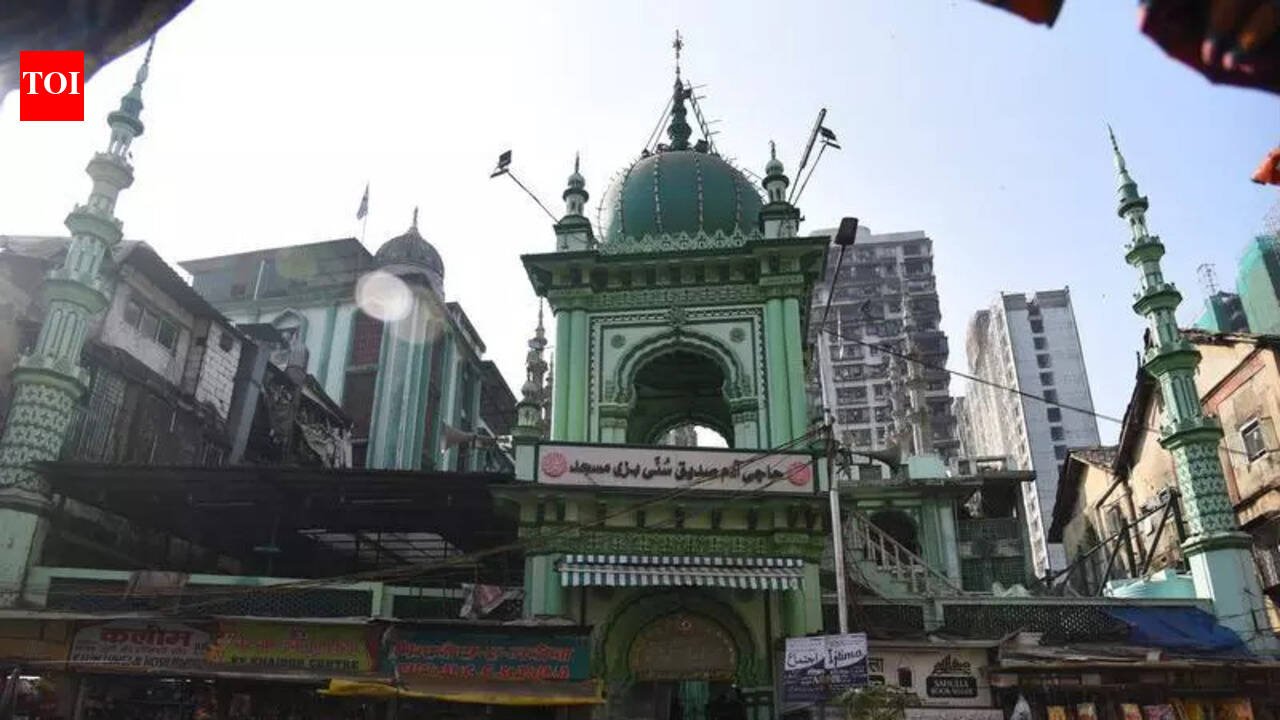
On the 27th day of Ramzan (March 17), the iconic Sunni Badi Masjid in Madanpura, central Mumbai, held a brief ceremony. At the conclusion of the recitation of the Quran’s final verses, the mosque felicitated a few people, including two hafizs who led the tarawih—the special night prayers during the holy month. Hafiz Jibreel and Hafiz Dilawar received Rs 1.83 lakh each, along with new clothes, packets of attar and other gifts.For many aware of the difficult financial circumstances of clerics—imams, madrassa teachers and hafizs alike—this gesture, echoed at a few other mosques, felt like an Eid bonanza. Most hafizs complete the recitation of the Quran towards the end of Ramzan, just ahead of Eid, and are rewarded —though rarely at this scale.Hafizs are clerics who have memorised the entire Quran. They are in high demand during Ramzan and are invited from near and far to lead tarawih prayers. Yet, like many imams, they often receive respect for preserving the sacred verses, but little financial support.Which is why the windfall just ahead of Eid for the two hafizs—and the mosque’s imam, Mufti Zubair, who received Rs 2.7 lakh—came as a pleasant surprise. “This is just fabulous. This mosque has set an example in how our imams and hafizs should be treated,” said Islam Gymkhana president Yusuf Abrahni, who has long campaigned for better pay for clerics. He often questions why community members who rely on mosques and their leaders during congregational prayers are reluctant to compensate them fairly.The realisation, it seems, may be dawning. “We believe hafizs and imams deserve better remuneration and must be taken care of well. What we gave them at the end of Ramzan was apart from the gifts they received from individual worshippers,” said Iqbal Ansari who is associated with the Sunni Badi Masjid.Given the rigour of memorising the Quran, children often begin training early. Mira Road-based dentist Dr Faisal Ansari completed the course at 13, while in Class 8. “Memory is sharp when you’re young, so the process begins early. I studied secular subjects alongside,” he said. “I continue to revise regularly and have led tarawih prayers every year since 2013.” Even while studying for his BDS, he led Ramzan prayers. “An organisation in Pune paid my fees annually as hadiya for leading prayers. This year, they gave me a handsome amount,” he said.Concerned by the community’s longstanding indifference, some leaders have begun pushing for structural change. “We will soon start a scheme to train students as hafizs, bringing in experts from countries like Iran and Iraq,” said Javed Shroff, chairman, Habib Group of Trusts. For now, the generous rewards at the Madanpura mosque offer a hopeful precedent—one many believe should be replicated across the city.


Source link

INS Taragiri, Navy’s latest stealth frigate, to be commissioned on April 3


INS Taragiri, Navy’s latest stealth frigate, to be commissioned on April 3

NEW DELHI: To add further punch to its growing naval fleet, the Indian Navy is set to commission its latest stealth frigate, INS Taragiri, on April 3.“As the fourth potent platform of the Project 17A class, Taragiri is not merely a ship; it is a 6,670-tonne embodiment of the ‘Make in India’ spirit and the sophisticated engineering capabilities of our indigenous shipyards,” the Navy said in a statement.The ceremony, scheduled to be presided over by defence minister Rajnath Singh in Visakhapatnam, will serve as a testament to the nation’s journey towards becoming a completely self-reliant naval power. Built by Mazagon Dock Shipbuilders Ltd (MDL), INS Taragiri represents a generational leap over earlier designs, offering a sleeker form and a significantly reduced radar cross-section that allows it to operate with lethal stealth.The warship, delivered by MDL on Nov 28 last year, replaces an earlier Leander-class vessel of the same name that served from 1980 to 2013. The ship’s construction was completed in 81 months, reflecting improved efficiency.The ship’s weapon suite is world-class, featuring supersonic surface-to-surface missiles, medium range surface-to-air missiles and a specialised anti-submarine warfare suite. These systems are seamlessly integrated through a state-of-the-art combat management system, ensuring that the crew can respond to threats with split-second precision.With its indigenous content exceeding 75%, the ship highlights the maturity of a domestic industrial ecosystem that now includes over 200 MSMEs, contributing to the govt’s Aatmanirbharta initiative.Driven by a combined diesel or gas propulsion plant, INS Taragiri is designed for ‘high-speed – high endurance’ versatility and multi-dimensional maritime operations.Beyond its role as a premier hunter, Taragiri is built for the complexities of modern diplomatic and humanitarian crises. Its flexible mission profile makes it ideal for everything from high-intensity combat to humanitarian assistance and disaster relief.Amid tensions in the Indian Ocean Region due to the ongoing Gulf conflict, INS Taragiri is expected to strengthen India’s maritime strike capability and territorial defence. With the growing presence of the Chinese Navy in the Indian Ocean, India’s new stealth frigate will also add teeth to the Navy’s combat fleet.


Source link

‘CSK don’t have 4 IND captains, MI do’: Why Pathan picked Mumbai as greatest IPL team | Cricket News


'CSK don't have 4 IND captains, MI do': Why Pathan picked Mumbai as greatest IPL team
Irfan Pathan picks MI as greatest team (Image Credit: ANI)

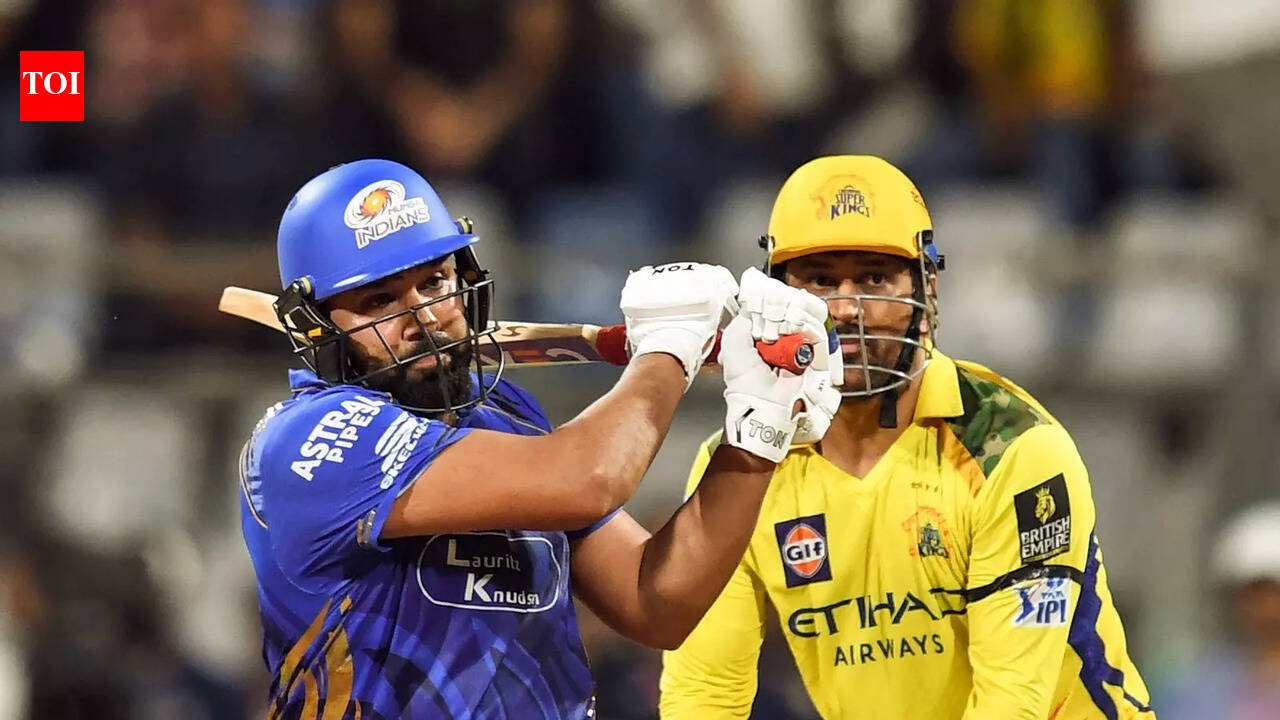
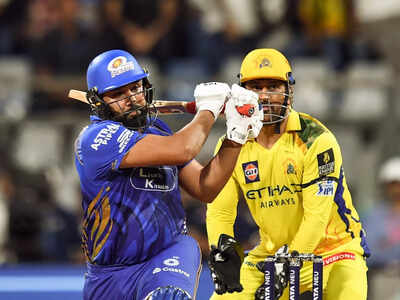
Former India left-arm pacer Irfan Pathan said Mumbai Indians (MI) hold the edge over Chennai Super Kings (CSK) in the debate over the greatest Indian Premier League (IPL) team, citing the former’s role in contributing to giving match-winners to the Indian team.

MI vs CSK debate: Pathan picks his side

“On picking the side between CSK and MI as the greatest team in the IPL, this will always be debatable. CSK started winning the IPL title from 2010 onwards. They won back-to-back titles in 2010 and 2011 and were the first team to do so. But when MI started winning from 2013, they kept winning after every alternate year. Then they won the IPL trophy back-to-back in 2019 & 2020,” Irfan Pathan said.

Watch

Jay Shah calls 2019 to 2026 as Indian cricket’s golden period

“MI have given more match-winners to India”

“But what I like about MI is their contribution to Indian cricket. The number of match winners they have produced for the Indian team is absolutely tremendous. How do you achieve that? First, you make your franchise big. Second, you deliver results with the team you have. Even now, MI had a great squad last season that could have easily won the trophy, but they couldn’t for different reasons,” Pathan added. “CSK don’t have four Indian captains, MI do. In that respect, assembling a team and contributing to a bigger cause, I think MI are the greatest IPL team. I know CSK will always say they are also the greatest, having won five trophies too. There is no doubt. There will always be a debate and it is a fair debate. But I think MI take the edge because they have given so many wonderful cricketers and young talents to Indian cricket,” said Pathan on JioStar.

Vaibhav Sooryavanshi faces crucial IPL 2026 season

He also spoke about how the 2026 IPL season would become a crucial learning phase for teenaged batting sensation Vaibhav Sooryavanshi. The left-hander became the fastest Indian batter to hit a century in the IPL in just 35 balls last year and was retained by Rajasthan Royals (RR) ahead of IPL 2026.Sooryavanshi is also coming on the back of being Player of the Tournament and Player of the Final in the 2026 Men’s U19 World Cup won by India. “This season of the IPL for Vaibhav Suryavanshi will be a learning one. He has played in the tournament last year, he has played domestic cricket, and he is playing cricket in all formats everywhere.“He played in the Under-19 World Cup, he has taken part in the Ranji Trophy with Bihar, and he has scored runs everywhere. In white-ball cricket and red-ball cricket, everyone is taking note of him. Bowlers are doing the same. Since he has played so much cricket since his IPL debut last year, other players are watching his videos and analysing his weaknesses,” he said.

Opposition bowlers set to target weaknesses

Pathan signed off by saying it would be interesting to see if Sooryavanshi upgrades his game when the opposition bowlers target his weak areas. “So he needs to find a way to upgrade his game and work on his weaknesses. He has slammed centuries with ease in all forms of cricket. When you do that consistently, not just in IPL but in domestic cricket, Under-19 cricket and emerging matches, your confidence keeps going higher.

Poll

Who do you think is the greatest IPL team?

“This IPL season, all bowlers will be ready with their strategies and Vaibhav will be looking to prove a point. He can do that by slamming another hundred in the IPL. When he scores runs consistently this season, that is when we can say Vaibhav Suryavanshi has upgraded his game.”

Banner Insert


Source link

Eid diplomacy: Bangladesh PM Rahman seeks stronger ties in letter to PM Modi | India News


Eid diplomacy: Bangladesh PM Rahman seeks stronger ties in letter to PM Modi

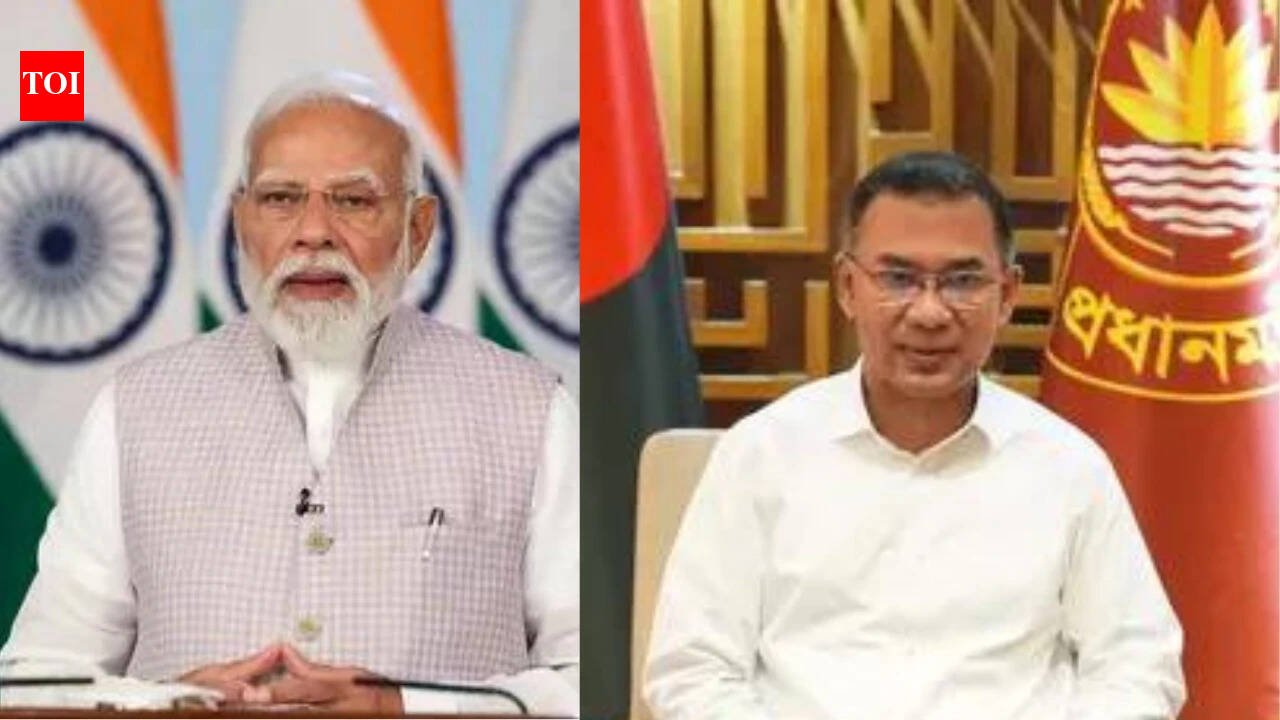
NEW DELHI: Prime Minister Narendra Modi and his Bangladesh counterpart Tarique Rahman indulged in some Eid diplomacy this week, with Rahman expressing hope in a letter to Modi on Friday that this blessed occasion would further strengthen the longstanding bonds of friendship and people-to-people ties between the two countries.Rahman told Modi that Eid-ul-Fitr is a cherished occasion that reminds all of the enduring values of compassion, solidarity, and harmony. “It unites communities in a spirit of celebration, sharing, and generosity. I join Your Excellency in wishing that this blessed occasion will bring peace. prosperity, and happiness to our peoples and to communities across the world,” said Rahman. The letter followed Modi’s greetings to Rahman and the people of Bangladesh on Eid.Rahman had earlier written to Modi outlining his vision for the India-Bangladesh relationship and indicating that Dhaka is ready to move forward without being inhibited by the past.Rahman, who was voted to office with a landslide majority, made three important points in that letter dated Feb 26. First, underlining the “historic and long-standing” ties between the two countries, Rahman said Bangladesh attached high importance to its ties with India shaped by shared history, culture and geography. According to Rahman, the people of India and Bangladesh share considerable commonality and enjoy deep-rooted ties.Second, as Rahman said, is the need for both countries to address issues in ways that would result in gains for the common people. He said in the letter that by doing this there’s a lot both countries can accomplish in terms of their shared interests. Rahman said Dhaka looked forward to advancing ties based on dignity, equality, mutual trust and respect, and also “benefit-sharing”.Third, and in a more personal outreach to Modi, Rahman said in his letter, which was delivered within weeks of his oath-taking, that he’s mindful of the Indian PM’s vision for Viksit Bharat 2047. Rahman said the leaders can – and need to – reinvigorate cooperative engagements to secure peace, harmony, stability and prosperity “for all people in the longest time”. The mention of Viksit Bharat is significant as the Indian govt turns that vision into a core foreign policy theme with initiatives aimed at strengthening development partnerships with friendly countries, in line with India’s strategic interests.


Source link