Breaking News
Watch: US diplomatic facility near Baghdad airport in flames after attack


Watch: US diplomatic facility near Baghdad airport in flames after attack

A fire broke out at a US diplomatic facility near Baghdad airport in Iraq, according to security sources quoted by Reuters. A pro-Iranian militant group, Ashab al-Kahf, later claimed responsibility for the attack in a statement. Visuals shared online showed a large and intense blaze, with thick black smoke rising into the night sky.Earlier, the Middle East Broadcasting Network reported that air defence systems were activated over the US embassy to intercept incoming threats.On Wednesday, Kataib Hezbollah, a group designated as a terrorist organisation by the United States announced a temporary suspension of its attacks on the US embassy for five days on the condition of “a US commitment not to strike residential areas in Baghdad and other provinces,” as quoted by the report.Kataib Hezbollah and the Harakat al-Nujaba movement are among the main Iran-aligned groups targeting US interests. Both groups have taken part in the ongoing conflict alongside Iran and have carried out multiple strikes in Iraq and other areas.Iraq has been drawn into the wider regional conflict following the US-Israel attack on Iran on February 28. Since then, strikes have targeted Iran-backed groups, which have responded with frequent attacks on US-linked sites in Iraq and across the region.On Thursday, the Pentagon confirmed for the first time that combat helicopters were used to carry out strikes against pro-Iranian armed groups in Iraq during the ongoing conflict.


Source link

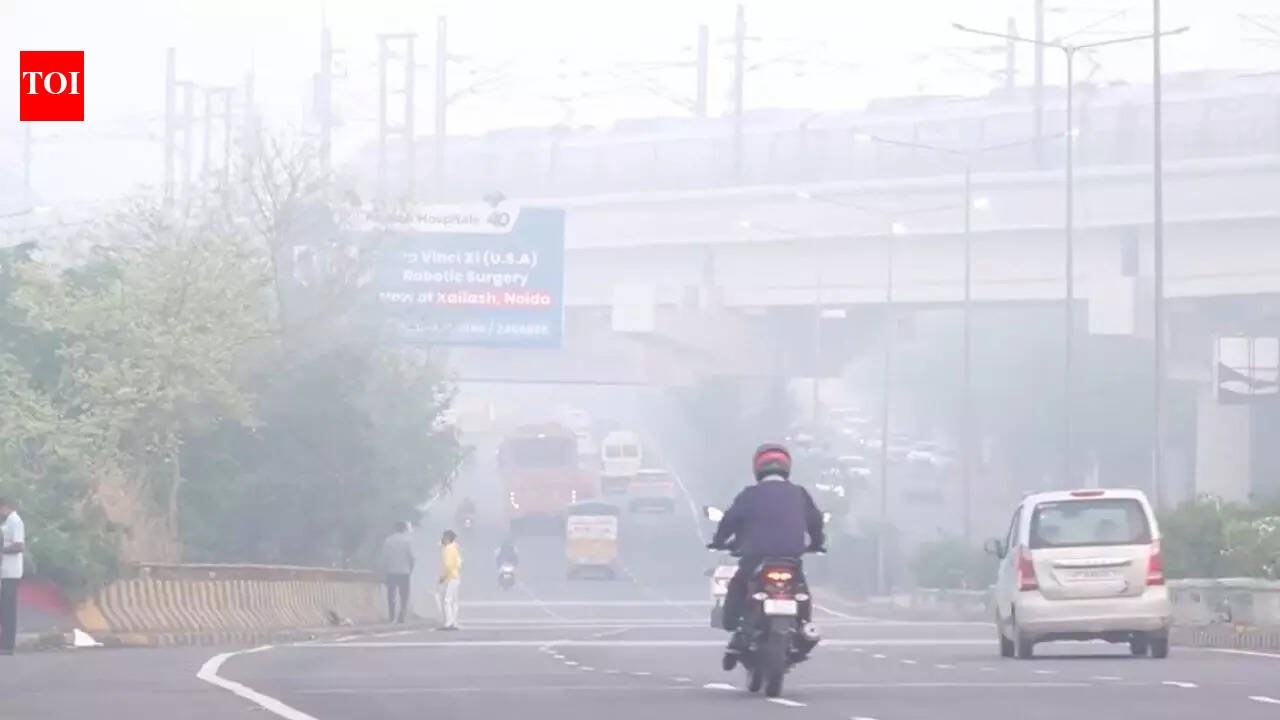
Delhi Temperature: Dense fog engulfs Delhi-NCR; IMD forecasts more rain | Delhi News


Dense fog engulfs Delhi-NCR; IMD forecasts more rain

NEW DELHI: Dense fog enveloped parts of the national capital on Saturday morning following rainfall the previous evening. Similar conditions were reported in Ghaziabad and Noida, where a light layer of fog hovered over the cities.The India Meteorological Department (IMD) has forecast another spell of rain on March 23. While temperatures are expected to rise gradually from Saturday, the maximum temperature is likely to hover between 26 and 28 degrees Celsius. According to the IMD’s early warning system, the Air Quality Index (AQI) is also expected to remain in the ‘moderate’ category.The sudden shift in weather began around March 18, when moisture-laden winds, coupled with high temperatures, led to the formation of convective clouds. These clouds later interacted with an active western disturbance, triggering widespread rainfall across Delhi-NCR.As a result, the city experienced a sharp drop in temperature, with continuous rain since Wednesday evening bringing a noticeable chill. On Friday, the maximum temperature was recorded at 21.7 degrees Celsius—around 10 notches below normal and significantly lower than 26.8 degrees Celsius a day earlier. This also marked the lowest maximum temperature recorded in March in six years, comparable to March 8, 2020, when the temperature stood at 21.2 degrees Celsius.Rain and thunderstorms lashed several parts of North India on Friday, prolonging the cooling effect in Delhi and prompting residents to switch off air conditioners. However, the impact is expected to be temporary, with temperatures likely to rise and conditions gradually returning to normal in the coming days.


Source link

Flipkart group CFO to leave co amid IPO plans


Flipkart group CFO to leave co amid IPO plans

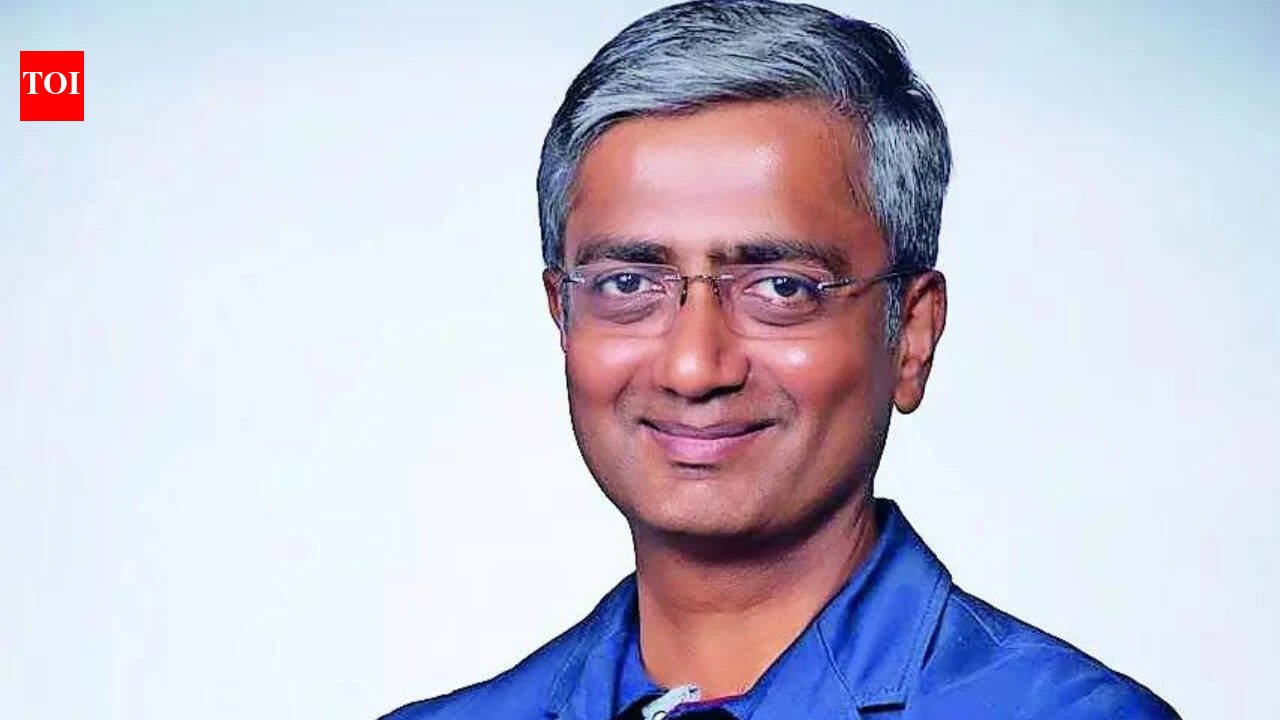
BENGALURU: Walmart-owned e-commerce firm Flipkart on Thursday said its group chief financial officer Sriram Venkataraman is quitting the firm as the company prepares for its next phase of growth and a potential public listing.Venkataraman will remain with the company for a period to ensure continuity and a smooth handover, Flipkart said. During this transition, Ravi Iyer will oversee the broader finance organisation.The move comes as Flipkart tightens its leadership structure ahead of a potential IPO, sharpening focus on profitability and scale. Flipkart group CEO Kalyan Krishnamurthy said Venkataraman played a key role in building and strengthening the finance function.


Source link

IPL 2026: Rohit Sharma, Virat Kohli’s fight for relevance before 2027 WC | Cricket News


IPL 2026: Rohit Sharma, Virat Kohli's fight for relevance before 2027 WC
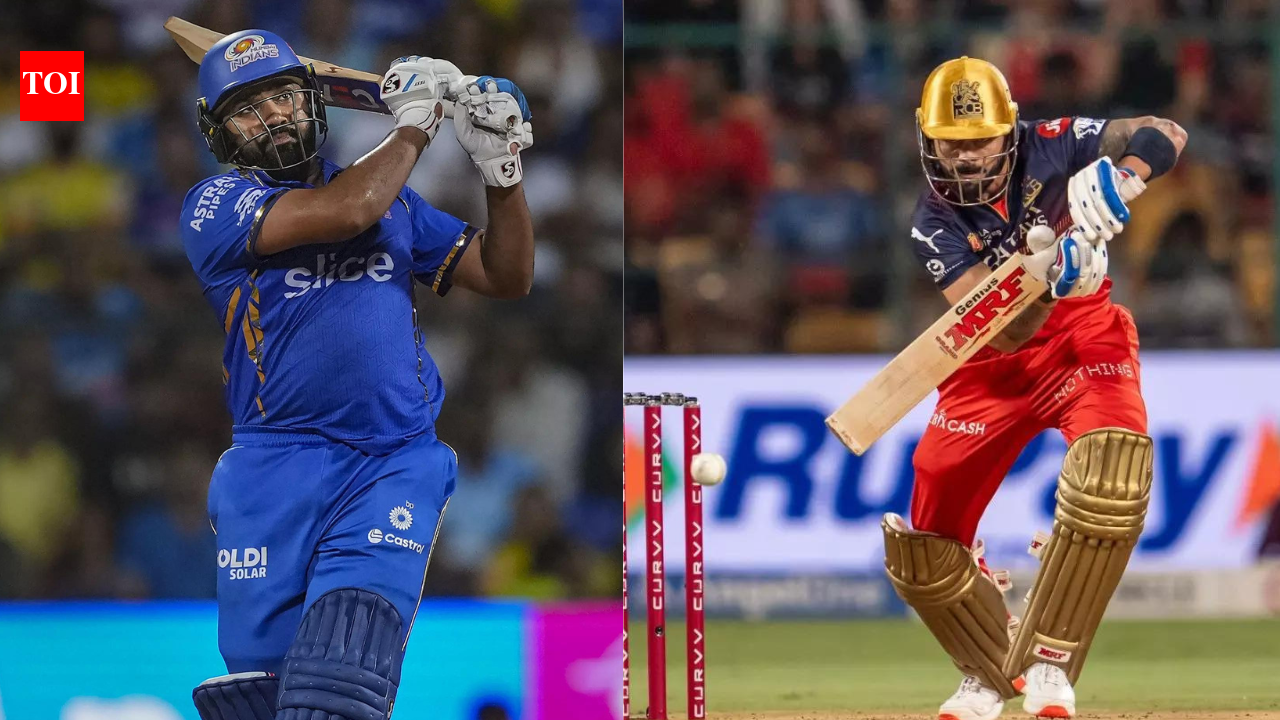
Rohit Sharma and Virat Kohli (Agency Image)

Quick quiz: Since the first T20 World Cup in 2007, how many players who played only ODI cricket have been part of a 50-over World Cup-winning side? Answer: None. In 2027, across Namibia, South Africa and Zimbabwe, Rohit and Kohli would love to change that. Assuming, of course, that they will be picked. Having retired from Tests and T20Is, they now occupy a curious space: giant names, shrinking game-time. Which is why this IPL matters so much. It is their most visible audition. If both want to convince a team management and selection panel that has become increasingly ruthless and pragmatic, they need to perform over the next eight weeks for Mumbai Indians and Royal Challengers Bengaluru, respectively. That may sound dramatic. After all, few players have achieved more. But the road to the 2027 ODI World Cup will not be paved by reputation or old highlights. It will depend on present-day form and fitness. Both remain in the conversation, with captain Shubman Gill and others indicating as much. The harder question is whether they can last that long. For Rohit, who turns 39 on April 30, and Kohli, now 37, this IPL is a fitness test-cum-batting examination. Both are now one-format cricketers. Both must show they can endure a long, high-intensity campaign and still be standing in 2027. Fitness, though, is only half the issue. Form, that fickle friend, is the other. Ask any Indian cricketer what they fear most and the answer is simple: being out of sight, out of mind. That is what makes this IPL so important for Rohit and Kohli. It puts them back in view after public attention was seized by the heroes of India’s T20 World Cup triumph. ODIs are increasingly rare. India last played a five-match ODI series in Feb–March 2019. For single-format players, one poor series can mean a long wait for another chance. Those gaps hurt batters most: rhythm fades, match sharpness dulls and every failure feels terminal. For them, every substantial IPL innings will be read as evidence — or the lack of it — that Rohit and Kohli are still moving well, reacting sharply and carrying the intensity top-level ODI cricket demands. And unlike the IPL, ODIs offer no impact substitute, the ultimate safety valve for sluggish movers. It remains a seven-hour test of endurance. Lazy analysis has caused us to hyphenate Rohit and Kohli’s careers. Acronyms like the nauseating “Ro-Ko” have only reinforced that. Yet, the stakes are higher for Rohit. His ODI legacy is secure but age and role now sit at the heart of the debate, especially with younger opening options available alongside Gill that offer greater athletic value in the field. Fan armies have dressed up Rohit’s loose dismissals as intent. His rollicking 20s and 30s were hailed as selflessness. But poor habits become more stubborn with age. They bled into his Test game too, accelerating both technical decline and his eventual exit from the format. This IPL, selectors and coach Gautam Gambhir will watch him closely. Can Rohit start with intent, pull quality pace without losing shape, run hard, field efficiently and maintain acceptable fitness through a long campaign? He has crossed 500 runs in an IPL season only once, in 2013. Another middling season and quiet murmurs could metamorphose into harsh verdicts. His last three ODI scores, remember, were 3, 11 and 24. Kohli’s case is different. He has been the defining white-ball batter of his generation and one of Indian sport’s great athletic specimens. What he is chasing now is not excellence but sustained relevance. Against South Africa and New Zealand, he showed greater willingness to attack early, looking for boundaries inside his first 10 balls. It suggested adaptation. Kohli had already mastered low-risk accumulation in ODIs; now he has garnished it with consistent urgency. That matters in the IPL, where strike rate and impact shape or destroy narratives. Kohli will want to show he can still dominate key bowlers and keep pace with the modern game’s demands. If he can combine control with carnage, his case remains strong. He has 11 IPL seasons of 400-plus runs and while many came at strike rates in the mid-120s, in each of his last three seasons it has risen to above 140. Last year, while batting first, his strike rate was 147.8, higher than his strike rate while chasing, 142.18. Since 2025, his ODI strike rate is 98.45, above his career mark of 93.41. Kohli also knows that when senior players try to stretch themselves into another World Cup cycle, selectors judge more than numbers. They look for hunger, energy and intent. The IPL, played under relentless scrutiny and offering instant, unforgiving public judgment, is the perfect stage for such examinations. The league has increasingly become a selection filter across formats in India — sometimes, disturbingly, even for Tests. For Rohit and Kohli, this season is more than a tournament. It is their ticket to relevance.


Banner Insert


Source link

Weight-loss therapy costs set to be lower by up to 90%


Weight-loss therapy costs set to be lower by up to 90%

NEW DELHI : Weight-loss therapy costs are set to reduce substantially by up to 90%, with generic versions of injectable semaglutide are expected to hit pharmacy shelves from March 21. The move kicks off one of the most closely watched price wars in the high-stakes obesity and diabetes drug market.This is in the wake of the innovator Novo Nordisk’s patent on semaglutide, the key ingredient in these therapies, expiring on Friday. Two drugmakers including Natco Pharma and Eris Lifesciences announced plans to roll out the pen-filled jabs over 50% cheaper than the innovator’s price, in April. Interestingly, in a bid to lower the therapy cost further, they are also introducing vials at Rs 1,300 per month — about 90% cheaper than the innovator brand Ozempic.The vial will need to be administered through a syringe by a trained hand. More companies including Sun Pharma, Zydus and Dr Reddy’s are expected to join the highgrowth Rs 1,500 crore therapy market on Day 1 (March 21).Blockbuster therapies — Wegovy and Mounjaro — marketed by Novo Nordisk and Eli Lilly respectively, were launched at ‘’India-specific prices’’ last year, while global bestseller Ozempic by the Dutch firm, made its India debut in Dec last year. Semaglutide, a GLP-1 (glucagon-like peptide-1) receptor agonist, helps to control blood sugar and improve satiety, reducing cravings for food, eventually inducing weight-loss.Natco plans to launch a semaglutide pen device in April starting at Rs 4,000 per month. The innovator Novo Nordisk’s Ozempic is priced at Rs 8,800 per month for the lowest strength. It is also introducing multi-dose vials starting at Rs 1,290 per month.Natco said: “It is the most affordable GLP-1 in Indian market as it is around 70% cheaper than pen device, and 90% cheaper than the price of the innovator’s brand. This will increase patient accessibility to the GLP-1 therapy and would help in long term compliance for the patients.”


Source link

HDFC sacks employees for AT1 bond mis-selling


HDFC sacks employees for AT1 bond mis-selling

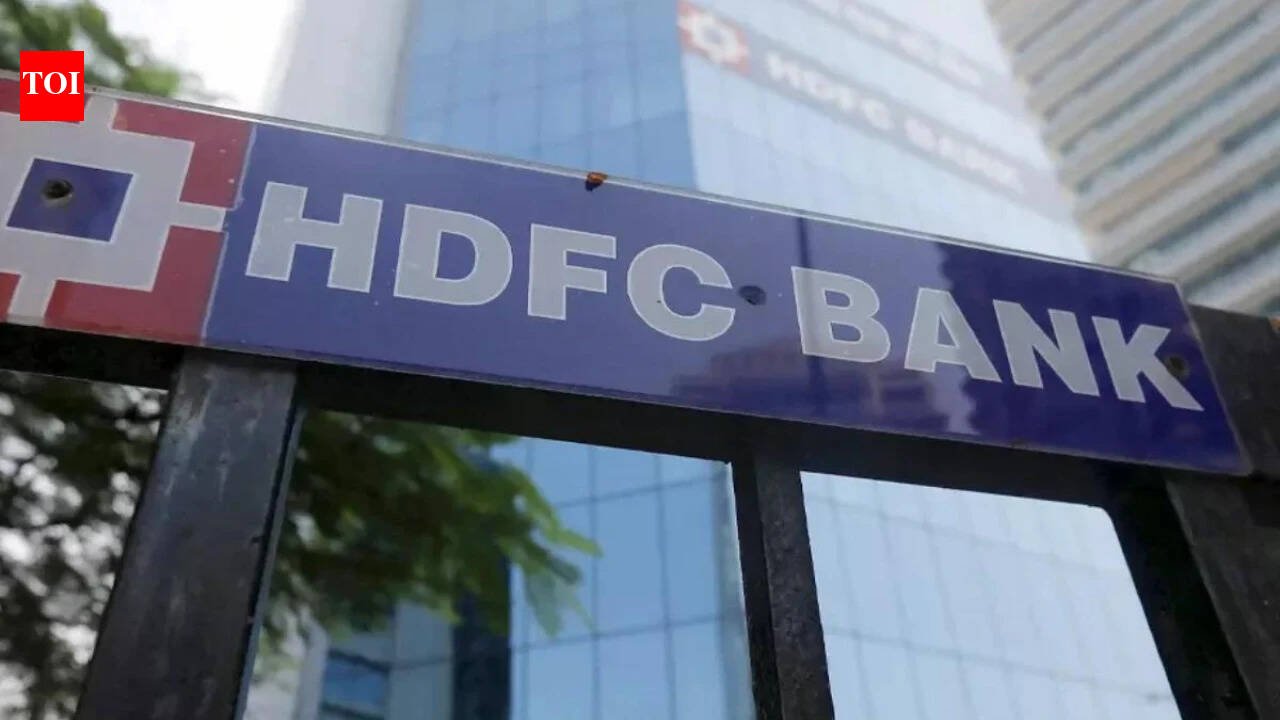
MUMBAI: HDFC Bank has terminated three employees, including senior executives, after an internal probe into the alleged mis-selling of Credit Suisse AT-1 bonds to NRI clients at its UAE operations. The action follows regulatory scrutiny and investor complaints. Shares of the bank closed down 2.4%, continuing Thursday’s decline following the sudden resignation of the bank’s chairman Atanu Chakraborty.The employees dismissed include Sampath Kumar, group head of branch banking, Harsh Gupta, EVP for Middle East, Africa and NRI business, and Payal Mandhyan, SVP, for their roles in selling high-risk AT-1 bonds through the bank’s Dubai branch, in an episode that began in Jan 2025 and has since drawn attention to persistent concerns around such instruments after the Credit Suisse collapse.In response to a query, HDFC bank said, “The bank identified certain gaps in client onboarding requirements at its DIFC branch in the UAE and has completed a detailed and objective review of the matter. “Appropriate remedial actions have been taken in line with internal policies. Personnel changes have been undertaken along with appropriate action as per the bank’s conduct regulation.”AT-1 bonds are debt instruments with equity-like features. They offer higher yields but do not appreciate like equity, and the issuer’s liabilities can be extinguished if the bank’s net worth is impaired. In the event of bankruptcy, these instruments rank lowest among fixed income securities for repayment priority.According to allegations, staff in the Dubai and Bahrain branches persuaded NRI clients to shift FCNR deposits from India to Bahrain by presenting the bonds as fixed-maturity products with assured returns. Investors were asked to sign blank documents, and key disclosures on the perpetual nature and high risk of AT-1 bonds were omitted.These bonds were later written off during the UBS-led bailout of Credit Suisse, leading to losses for investors. The probe began in Jan 2025 after complaints from NRI investors and led to the suspension of Harsh Gupta and Payal Mandhyan. The bank’s internal investigation, conducted amid restrictions imposed by the Dubai Financial Services Authority, concluded on March 18 resulting in the terminations. The Dubai regulator barred the bank from onboarding new clients in the emirate, and the lender faces investor lawsuits.


Source link

FPI outflow nears record at ‘93.7k cr | India News


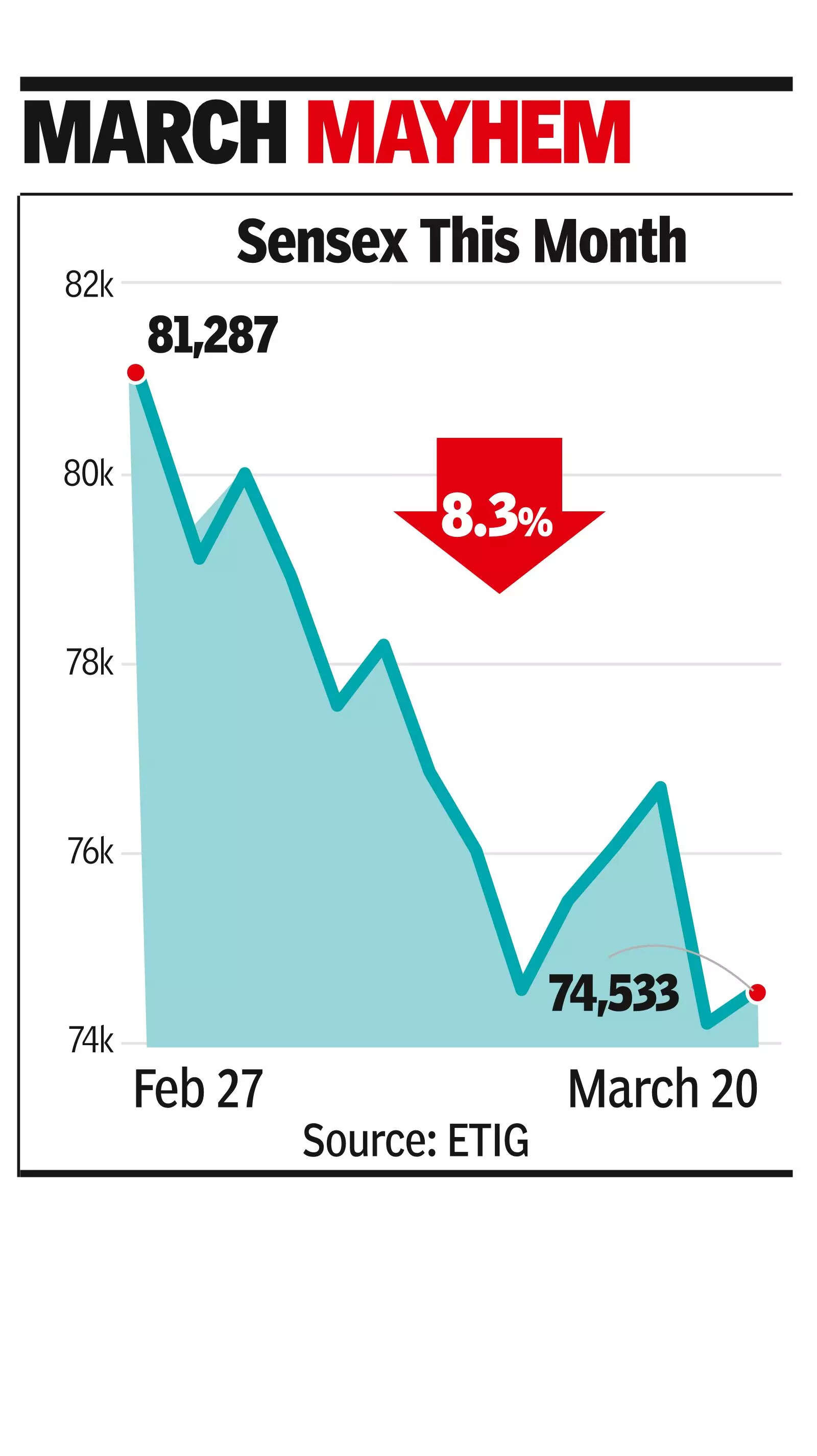
MUMBAI: Net selling by foreign funds in the stock market is on track to break the all-time monthly record as rupee this month has been weakening to record lows at regular intervals and rising crude oil prices are threatening India’s macro fundamentals as the war in West Asia is continuing without any sign of de-escalation.So far in the month, foreign portfolio investors have taken out Rs 93,698 crore from the stock market alone, data combined from NSDL and BSE showed. This is less than Rs 500 crore from the biggest net outflow number that was recorded in Oct 2024, at Rs 94,017 crore, NSDL data showed.On an average, in the current month foreign portfolio investors (FPIs) have net sold stocks worth almost Rs 7,000 crore, withfive trading sessions remaining in the month (markets are closed on Mar 26 and Mar 31).On Friday, the FPIs took out Rs 5,518 crore net from the market although the sensex closed with a 326-point gain, a marginal reversal from the brutal Thursday session that saw nearly 2,500 points shaved off the index. So far in the month, the sensex has lost a little over 6,750 points or 8.3% mainly because of the war-induced FPI selling that also weakened the rupee.Similar to last few weeks, Friday’s session was also marked by high volatility with sensex rallying by over 1,000 points in early trades only to witness strong profit booking. At close the index was up just 0.4% at 74,533 points. On a weekly basis, the index has barely moved: The previous Friday (Mar 13) it had closed at 74,563 points. On the NSE, Nifty too showed high volatility and closed at 23,115 points, up 112 points (0.4%).During the day, traders preferred to reduce their risks ahead of the weekend with heightened uncertainty, market players said.According to Nagaraj Shetti of HDFC Securities, the near-term trend for Nifty remains weak and the present bounce back could be a sell on the rise opportunity. “A weakness below 22,900 points could open the next downside target of 22,500 points in near term. However, the immediate resistance is placed at 23,380 points,” he said.Global shares fell for a third straight session on worries the Iran war would keep upward pressure on oil prices and rekindle inflation. On Wall St, Dow fell 0.5%, S& 0.7% and Nasdaq fell 1% while British and European equities logged a fall for third week straight and LatAm stocks plunged to two-month lows.


Source link

Travel to laundry: Companiess pass on price hikes, budgets to get hit


Travel to laundry: Companiess pass on price hikes, budgets to get hit

MUMBAI: As the West Asia war rages on, India’s middle class has begun bearing the brunt. From airfares to air-conditioners, home interiors, bottled water and even regular laundry services, companies across segments are starting to take price hikes to cope with inflating input costs on the back of of supply disruptions and soaring oil, derivatives of which are key to the manufacturing of a lot of components used in daily products. Much of the price increases will hit the markets from April, industry executives said.Godrej Appliances will take price hikes of 5-10% across categories including ACs, washing machines and refrigerators from next month, a company spokesperson said. In the case of white goods and broader durables, volatile commodity (metals like copper etc) costs and new energy norms had already nudged companies to implement price increases; the war has only exacerbated the situation by triggering gas supply crunch and shortage of raw materials such as plastic.

Travel to laundry_ Cos pass on price hikes, budgets to get hit

Lack of availability of memory and SoC chips have continuously been pushing up prices of television sets and now with the war-led disruption, there is expected to be another 1-2% impact on prices, said Arjun Bajaj, director at Videotex which manufactures TVs for brands. Polymer prices, for instance, which are used in cabinet parts, cables and insulation materials have increased by nearly 40-50% per kg in recent days while cost of packaging materials have gone up 80%, said Bajaj. With input costs rising across materials such as plywood, adhesives, hardware, Bengaluru-headquartered home interior firm DesignCafe will be implementing price hikes in the range of 10-15% for new customers from April 1. “There is also growing uncertainty around material availability in the coming weeks due to fluctuating stock levels across the supply chain,” said CEO & co-founder Shezaan Bhojani. Some suppliers have also introduced temporary surcharges for 30 to 60 days, with a wait-and-watch approach thereafter, said Tanuj Choudhary, co-founder & COO at HomeLane. New Delhi-based laundry firm Perfecto Cleaners is now implementing an increase in service pricing as the shift to electric alternatives from LPG has led to rise in expenses, said founder Kshitij Rajpal. The turn around time for stores dependent on gas supplies are suffering, said Arunabh Sinha, founder at Uclean. Bisleri has raised the rates of its packaged water bottles by 11%. The impact of the war is far and wide, touching almost every sector. Indian carriers Air India, Indigo and Akasa Air have already started levying a fuel surcharge which means air tickets will become more expensive. “Discretionary spending like dining out and travel could weaken first,” said analysts at The Knowledge Company in a recent study. Besides the strain on consumer pockets, there’s also growing apprehension of job losses in labour intensive sectors such as restaurants if the turmoil persists, giving the common man more reasons to worry. “Fund flow is certainly an issue now. There are no job cuts yet but if this gets prolonged, then there will definitely be,” said Mumbai-based restaurateur and NRAI vice-president Pranav Rungta.FMCG firms may raise MRPThe full effect of the rise in plastics and logistics costs will start playing out by next month. If the situation persists, many FMCG companies will be forced to increase their MRPs to manage the high-cost environment, said Piruz Khambatta, group chairman at Rasna. “Our focus is on ensuring accessibility through the right product mix and formats. At the same time, we will continue to monitor the external environment and take appropriate action should the need arise,” said Rakshit Hargave, MD & CEO at Britannia. Margin pressure is likely to show up through smaller packs, selective hikes or lower promotions, analysts said.


Source link

Canada top cop: ‘Copycats’ likely using Lawrence name | India News


NEW DELHI: The reversal of its earlier stand by the Royal Canadian Mounted Police (RCMP) not only marks a major turning point in the Indo-Canadian diplomatic relations but also displays a conscious reframing of Canada’s official narrative surrounding the alleged operations of Lawrence Bishnoi gang.Speaking about the Lawrence Bishnoi gang’s footprints on the Canadian underworld crime, the RCMP chief Mike Duheme told a Canadian news channel that some individuals may be using the Bishnoi name as copycats. “So there are two things when we’re talking about the Bishnoi gang…The Nijjar case which is before the courts and I’m not going to comment.. But there have also been extortion files that have popped up over the last year that have linked or allegedly linked to Bishnoi. The challenge sometimes that you have in this is that some groups may use Bishnoi’s name to advance their cause when it comes to extortion. So sometimes that’s a little hard to untangle,” he saidWhile the comment is significant given that the Lawrence Bishnoi – declared a terrorist entity in Canada – has been time and again accused of targeted killings and extortion threats of late, this distinction also suggests, official sources feel, a shift toward a more granular, evidence-based approach that seeks to decouple local criminal opportunism from high-level transnational conspiracies. The RCMP also seems to have distanced its current investigations from the broader, more explosive claims of a pervasive, centrally directed criminal network.RCMP’s new stand, being seen as the result of deliberations between PM Narendra Modi and his Canadian counterpart Mark Carney and the two NSAs, Ajit Doval and Nathalie G Drouin, also serves as a setback for pro-Khalistan elements within Canada which used the “indulgence” of the previous dispensation in Ottawa to create the perception in Punjab and elsewhere that their “cause” has begun to find acceptance in foreign capitals. For years, these radical groups have used the “Indian interference” narrative as a shield to deflect scrutiny from their own activities and to garner sympathy from the Canadian public, their govt and the international community.


Source link

Pearl Harbor: Watch: Trump’s ‘Pearl Harbor’ jibe on Iran war question makes for awkward moment with Japan PM


US president Donald Trump’s meeting with Japan’s prime minister Sanae Takaichi on Thursday, supposed to be a routine diplomatic affair turned tense after an exchange over American strikes on Iran during a press interaction at the Oval Office.The awkward moment unfolded when a Japanese reporter asked “Why didn’t you tell US allies about the war before attacking Iran?”. In his response, Trump referenced Pearl Harbor, drawing a visible reaction and shifting the tone of what had begun as a standard diplomatic engagement.

Watch

Donald Trump Sparks Shock Silence With ‘Tone-Deaf’ Remark During High-Stakes Meet

Trump responded by saying the strikes were kept secret to maintain an element of surprise. The US president went on to say, “We didn’t tell anybody about it because we wanted a surprise. Who knows better about surprise than Japan? Why didn’t you tell me about Pearl Harbor, OK?” Takaichi did not respond to the comment, but her reaction was telling and quickly spread across social media. She widened her eyes, leaned back in her chair, and her composed smile slipped away.She chose not to respond to the remark and maintained a polite demeanor toward Trump. At one point, she even praised him, calling him the only person who “can achieve peace across the world.”

Poll

Do you think sensitive historical references should be avoided in diplomatic talks?

Pearl Harbor (1941)

The Attack on Pearl Harbor took place on December 7, 1941, when Japan launched a surprise air strike on the US naval base at Pearl Harbor. More than 350 aircraft from the Imperial Japanese Navy attacked in two waves, targeting battleships, airfields and military facilities. The assault lasted about 90 minutes and caused heavy damage, destroying or damaging eight battleships and nearly 200 aircraft, many of which were hit on the ground. A total of 2,403 Americans were killed and 1,178 were injured. The attack led the United States to enter World War II the following day.Officials present at the meeting described Trump’s comment as a joke. There is no indication that it was part of any formal discussion. The White House has not issued a separate statement on the remark.The meeting focused on ties between the United States and Japan. The two countries are close allies and cooperate on economic, defence, and regional security issues, despite having been on opposite sides during World War II.During the talks, the leaders discussed defence cooperation, trade and security concerns in the Indo-Pacific region. Japan remains an important partner for the US in dealing with challenges involving China and North Korea.References to Pearl Harbor can be sensitive in diplomatic settings because of its historical impact. At the same time, the US and Japan have built a strong alliance since World War II. Leaders from both countries have, over the years, acknowledged the past while focusing on cooperation.

High stakes amid Iran conflict

The uncomfortable moment also came amid growing global tensions. US strikes on Iran have drawn Washington further into the conflict, and Trump is now seeking backing from allies, including Japan. “We’re undertaking this operation, and once it’s finished, the world will be much safer,” he said, adding that Japan’s prime minister shares his view.He has also called on Japan to deploy warships to the Strait of Hormuz, a vital route for global oil shipments that has been virtually shut by Iran since the beginning of the conflict.However, Japan faces a delicate situation. It has traditionally maintained good relations with both Israel and Arab countries and has often positioned itself as neutral. Additionally, its pacifist constitution, established after World War II, restricts military activities overseas, making any decision to send forces abroad politically challenging.(With input from agencies)


Source link