Breaking News
Hardik Pandya buys Rs 12 crore Ferrari, spotted driving with Mahieka Sharma – Watch | Cricket News


Hardik and Maheika Sharma (Screen Grab)

Indian all-rounder Hardik Pandya has added another luxury vehicle to his impressive car collection after reportedly purchasing a brand-new Ferrari 12Cilindri worth around Rs 12 crore. The star cricketer was recently spotted taking the supercar out for a drive with his girlfriend Mahieka Sharma, with videos of the ride quickly going viral on social media.Pandya, known for his flamboyant lifestyle and love for luxury automobiles, was seen cruising through the city in the sleek Ferrari, drawing attention from fans and passersby.

A new addition to Pandya’s luxury garage

The Ferrari 12Cilindri is one of the latest models from the iconic Italian manufacturer Ferrari. The grand tourer is powered by a naturally aspirated V12 engine, capable of producing more than 800 horsepower and reaching speeds close to 340 km/h.

Hardik Pandya Credits Girlfriend Mahieka Sharma After India’s T20 World Cup Glory

With an estimated price tag of around Rs 12 crore in India, the car is considered one of the most exclusive sports cars currently available. Pandya already owns several high-end vehicles, making his garage one of the most impressive among Indian cricketers. His collection reportedly includes:Rolls-Royce Phantom, Lamborghini Urus, Mercedes-AMG G63, Range Rover Vogue, Audi A6The addition of the Ferrari further highlights the Mumbai Indians star’s passion for luxury and high-performance automobiles.

Ride with Mahieka Sharma goes viral

Soon after purchasing the Ferrari, Pandya was seen enjoying a drive with Mahieka Sharma seated beside him. Clips of the couple riding in the new car surfaced online and quickly gained traction across social media platforms. The two have been frequently spotted together in recent months, and the latest outing only added to the buzz surrounding their relationship.Pandya fresh off T20 World Cup successThe purchase also comes shortly after Pandya played a crucial role in India’s triumph at the ICC Men’s T20 World Cup 2026. The Indian all-rounder delivered several important performances with both bat and ball as the team went on to defeat New Zealand national cricket team in the final.With the Indian Premier League 2026 season approaching, Pandya will soon shift his attention back to cricket. The all-rounder is expected to play a key role for Mumbai Indians as they aim for another strong campaign in the upcoming season.

Banner Insert


Source link

Planning to buy property in India as NRI? Here’s why it might not be a good idea


Planning to buy property in India as NRI? Here's why it might not be a good idea

Many non-resident Indians (NRIs) invest heavily in Indian real estate, however experts have flagged that these properties may not give the financial returns or security buyers expect. Non-resident Indians (NRIs) who have concentrated their wealth in Indian real estate are facing increasing challenges, with experts cautioning that such investments may not deliver the financial returns or security many expect. The trend of investing in homes or land back in India has long been popular among NRIs, often motivated by plans to return, family expectations, or the perception of property as a safe, tangible asset. However, market observers note that these holdings frequently underperform as an investment.In a column for ET, Uma Shashikant, chairperson of the Centre for Investment Education and Learning, highlighted the risks of investing in property in India.

Older flats can become outdated

Housing in India has changed fast. Older properties risk becoming outdated, as housing standards in India have evolved rapidly in recent decades. Flats purchased even five to ten years ago may lack modern amenities, efficient layouts, or the design features that newer developments offer, reducing their attractiveness to potential buyers or renters. “The houses bought for occupation after serveral years run the risk of obsolescence. Many of them admitted they were unhappy with the flats they had purchased just a few years ago. Hence, that 1,500 sq ft flat in a crowded complex could run the risk of becoming unattractive over the years,” she wrote.

Family gifts can limit control

Family-related purchases can further complicate the picture. Many NRIs buy property to provide better living conditions for parents or relatives, often leaving the asset in the family member’s name. While such purchases may carry sentimental value, they rarely generate income for the buyer and can limit legal control over the asset. “It turns out to be an investment that yields no rent or return, but further commitments for upgradation and possible loss of ownership of the asset,” she added.

Currency risks reduce value

Currency depreciation compounds the problem. Investments funded in foreign currency lose value over time as the rupee weakens, reducing the international purchasing power of these properties. “These investments are made mostly due to pressure from families and parents to invest in property back home as a safety net or hook for possible return.” With children growing up abroad, and NRIs increasingly unlikely to return, many find themselves holding large, illiquid assets that no longer serve their intended purpose.

Managing property from abroad is tough

NRIs often avoid property management services due to cost. But leaving flats empty or relying on distant oversight can lead to expensive repairs, tenant issues, and legal hassles. Experts say that NRIs should consider buying property where they live. Local real estate is easier to manage, less affected by currency swings, and can provide rental income or inheritance benefits.She added, that by purchasing property where they live they “will benefit from laws and processes that they understand; proximity and better level of control; ease of sale without the fear of black money; availability to children as a bequest; and no loss from currency depreciation.”


Source link

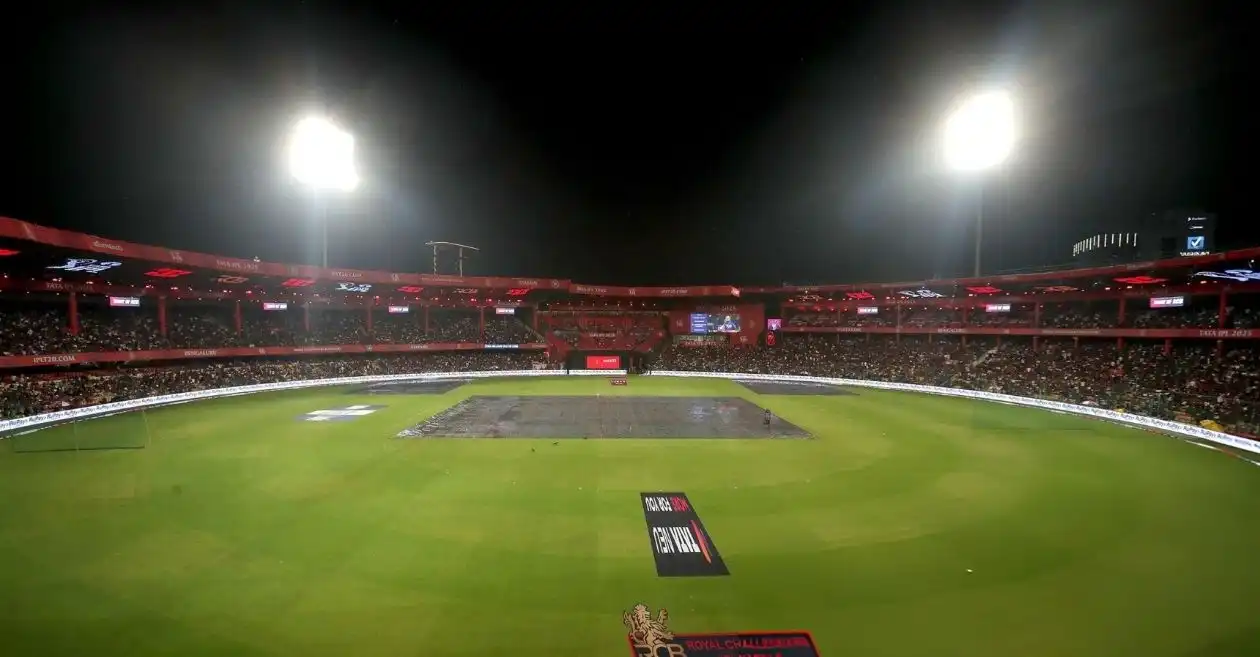
Bengaluru’s M Chinnaswamy Stadium gets green light to host IPL 2026 opener and final


The M Chinnaswamy Stadium in Bengaluru has received official clearance to host matches during IPL 2026 after a government-appointed Expert Committee approved the venue on Monday. The decision comes after a thorough inspection of the stadium’s infrastructure, safety arrangements, and crowd management systems. With the green signal now in place, preparations are set to accelerate as the venue gears up to welcome fans and top-tier cricket action once again after months of scrutiny.

Notably, the Chinnaswamy Stadium last hosted a competitive match during IPL 2025. Since then, the venue had been under intense scrutiny following the tragic events of June 3, when 11 fans lost their lives during celebrations after RCB’s victory. The incident led to a comprehensive review of safety arrangements and event management protocols around the stadium.

Chinnaswamy set to host key matches of IPL 2026 including the final

With the approval now in place, the M Chinnaswamy Stadium is set to play a major role in the upcoming IPL season. The venue will host the tournament opener on March 28, where Royal Challengers Bengaluru (RCB) will begin their campaign against Sunrisers Hyderabad.

In addition to the opening game, the Bengaluru venue will also stage one playoff fixture and the grand final of IPL 2026. This follows the IPL’s long-standing practice of allowing the defending champions to host the final, making Chinnaswamy one of the most important venues in the tournament this year.

The IPL governing council has currently released the schedule only for the first two weeks of the competition. During this phase, the stadium will also host another high-profile clash on April 5, when RCB take on their long-time rivals Chennai Super Kings.

Government committee conducted detailed stadium audit

The clearance came after a detailed review conducted by a committee appointed by Karnataka Home Minister G Parameshwara. The panel visited the stadium on Friday and spent an entire day examining various aspects related to safety and match-day operations.

Officials carried out checks on structural integrity, entry and exit points, emergency response arrangements, and crowd control mechanisms around the venue. The goal was to ensure that the stadium is fully prepared to handle the large crowds that typically attend IPL matches.

The final approval was granted after a meeting on Monday between representatives of the Karnataka State Cricket Association (KSCA), senior officials from RCB, and members of the expert committee chaired by G Maheshwar Rao.

Also WATCH: Vaibhav Suryavanshi names a special record he would like to break in IPL 2026

RCB to split home games between Bengaluru and Raipur

For IPL 2026, Royal Challengers Bengaluru will play five of their home matches at the Chinnaswamy Stadium. However, not all of their home fixtures will be staged in Bengaluru this season.

Two of their games will take place at the Shaheed Veer Narayan Singh International Stadium in Raipur. This arrangement is part of a previously agreed partnership between the RCB franchise and the Chhattisgarh government, aimed at promoting cricket in the region and expanding the team’s fan base. Despite this split arrangement, Bengaluru will remain the primary home venue for the franchise during the tournament.

Meanwhile, the franchise has not yet announced the official date for ticket sales for IPL 2026 matches in Bengaluru, though the process is expected to begin later this week as excitement builds for the new season.

Also READ: IPL 2026: BCCI announces schedule for the first phase; RCB to take on SRH in the opening contest


Source link

“I was declared dead by the doctors”: Woman shares her brave journey from death to complete recovery and how faith helped her sail through


"I was declared dead by the doctors":  Woman shares her brave journey from death to complete recovery and how faith helped her sail through

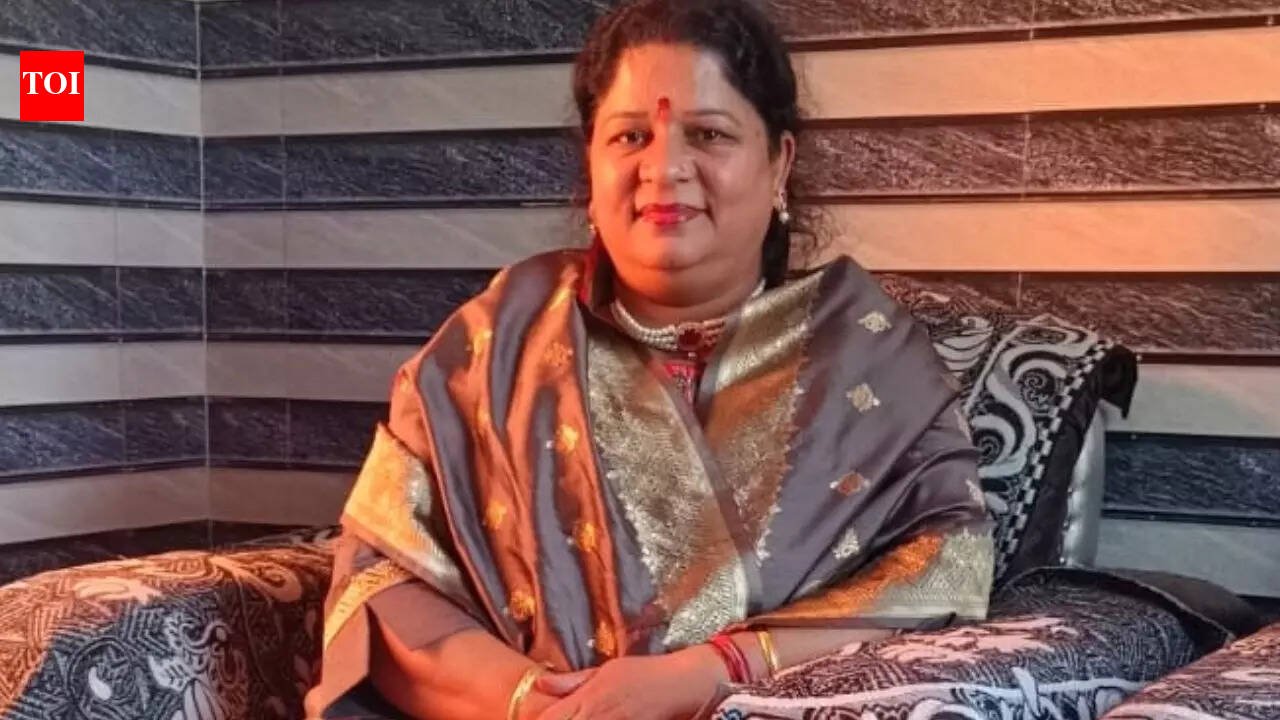
Komal Jamwar was only 33 when it happened.One morning, she woke up to find her left leg drooping. She limped out of bed and went to her husband and mother-in-law to tell them about it. They rubbed her feet and suggested it might have happened because of her sleeping position. The matter was dismissed, and Komal went about doing her daily chores.By afternoon, however, the weakness began to worsen, and the family grew worried. Komal went to a doctor with her husband. After examining her, the doctor prescribed a few medicines and told her not to worry, saying it might just be a normal cramp. That evening, there was a family function. Her husband suggested that she come along so that she might feel a little better. Komal went to the party, returned late, and went to sleep. The next morning, when she woke up, both her legs seemed to have stopped working. As she tried to get out of bed, she fell. Startled and frightened, Komal began to cry. Hearing the commotion, her husband, sister-in-law, and mother-in-law rushed to her.

Image: Komal Jamwal

She was immediately taken to a hospital in Jammu, where she was admitted for five days. But doctors were initially unable to determine what had caused the sudden paralysis. On the sixth day, they finally diagnosed her with Guillain-Barré syndrome (GBS) and said she needed immediate treatment.GBS is a rare but serious autoimmune disorder in which the body’s immune system attacks the peripheral nerves, often after a respiratory or gastrointestinal infection. The condition usually begins with tingling or weakness in the legs and can rapidly progress to paralysis. Thankfully, the disease does have treatment, and the prognosis is generally good if treated in time. But the treatment was expensive. “The doctors told us that one injection would cost around ₹1 lakh and that several doses would be required over a few days,” Komal said. “Later, my family discovered that the medicine was available in the market for around ₹15,000–₹16,000. They managed to arrange the injections, and the doctors began the treatment.” “But instead of feeling better my condition started worsening. I started feeling a heaviness in my chest and could not breathe. The next day the doctors declared me dead and asked my husband to take me home.”

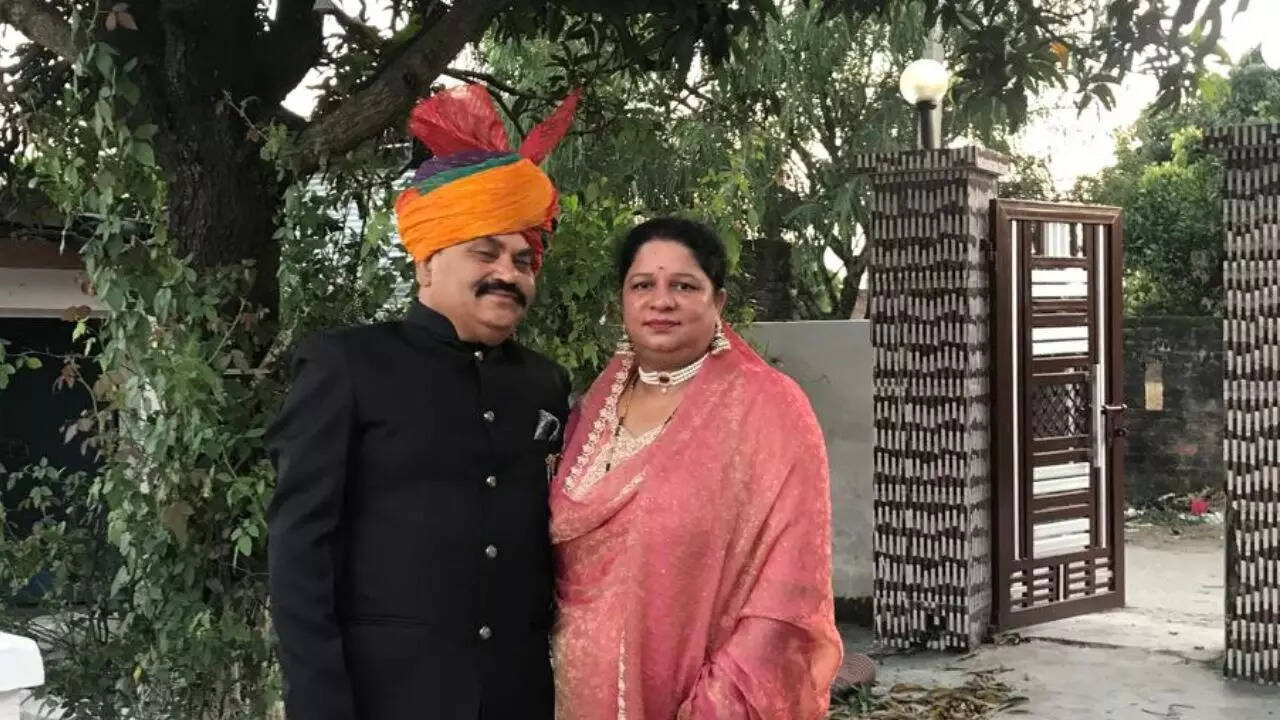
Image: Komal Jamwal

“But my parents and my husband were not ready to accept this. My husband, who is not a doctor and works as an electrician in the Mata Vaishno Devi Shrine shrine board, refused to give up. He began giving me CPR. He kept doing it for nearly 35 minutes, or maybe even longer. After some time, I slowly started responding and they could hear me breathing again, ” says Komal.The hospital did not have a ventilator, so Komal was rushed to a hospital in Ludhiana, where she was admitted and put on a ventilator. Doctors placed her on antibiotics and began treating her condition. Gradually, her chest cleared, and she started showing signs of improvement. “It was there that the doctors told me that the injections that had been given to me at a duration of 5-6 days, were all inhected within 24 hours. They said that this led to my condition worsening,” she said. But despite the treatment, Komal remained paralyzed and could not even lift a finger.“I remained bedridden for eight to nine months. When I was in the hospital, my husband and parents took care of me. After we returned home, my mother-in-law and sister-in-law looked after me with great care. It is because of them that I am alive and able to walk today. We also hired a physiotherapist, and she worked really diligently to help me get back on my feet. The therapy was painful, but she kept encouraging me. My children were very young at the time and they would keep hovering around me, which was such a comfort and motivation to get better.” she recalled.

Image: Komal Jamwal

“It was after four to five years that I finally started walking with the help of a walker. Now I can walk on my own, but my walk is not completely stable. If you see me walking, you can still tell that there is a problem,” says Komal. “I always believed that I would survive because I had to take care of my children, and my husband simply refused to give up on me. I think when you truly believe in something and want it deeply, you find the strength to achieve it.“It is true that I had moments of weakness, but my will to live was strong. The love and support of my family were so powerful that I had no option but to overcome this,” Komal says. Today, Komal is healthy and living a normal life with her family. Her story is a reminder of what hope and faith can do for a person. Declared dead at one point, it was her husband’s determination that helped bring her back, and her own belief and perseverance that helped her fight her way back from the brink of death.Faith can move mountains—and Komal’s journey proves it.


Source link

‘Usme apna hath set hai’: Suryakumar Yadav opens up on his favourite cricket format | Cricket News


'Usme apna hath set hai': Suryakumar Yadav opens up on his favourite cricket format
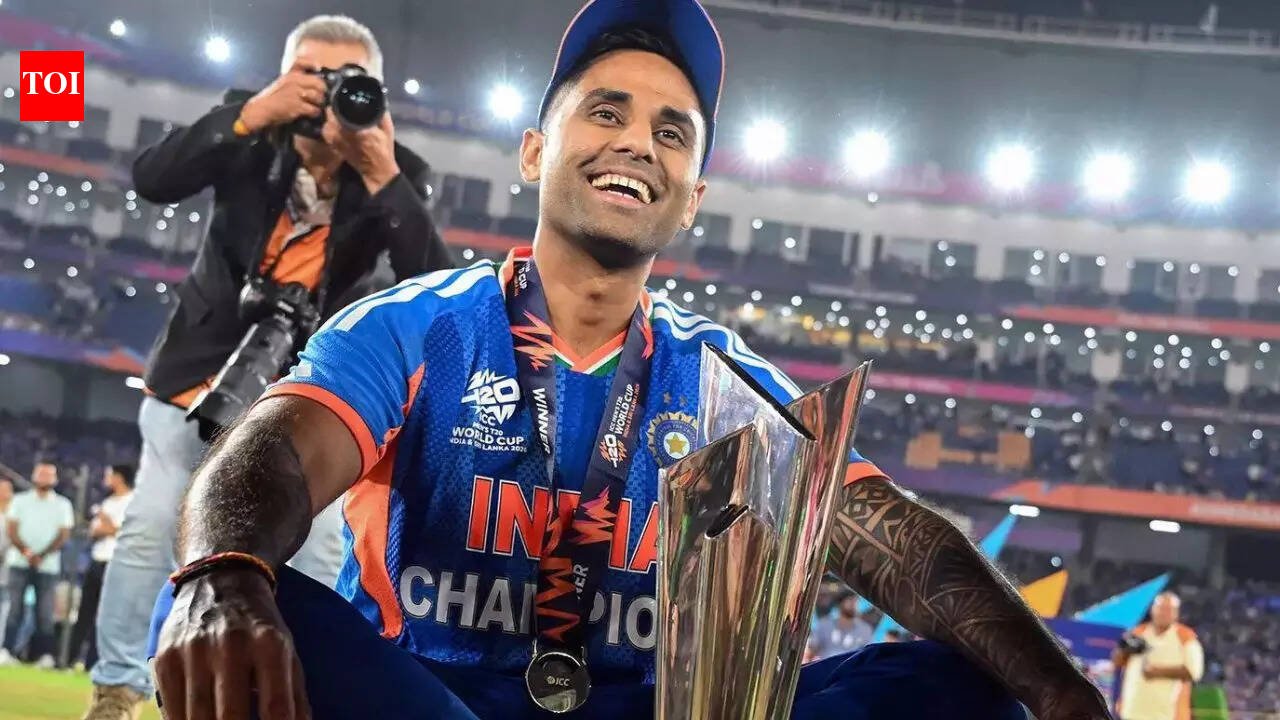
Suryakumar Yadav (ANI Photo)

Suryakumar Yadav, who recently led the India national cricket team to a historic triumph in the ICC Men’s T20 World Cup, has admitted that while he dreams of playing Test cricket, the shortest format remains where he feels most comfortable.Speaking in an interview with PTI, the Indian captain reflected on his journey across formats, his love for red-ball cricket, and why T20 cricket has ultimately become his natural space.

Still dreams of playing Test cricket

“…what is written in your life, you get that only. I started with red-ball cricket itself, played Ranji Trophy for 10-12 years. I played a lot of red-ball cricket in Bombay because if you grow up in Bombay, you start with red ball itself, so everything is around red ball,” he said.

Sanju Samson opens up on T20 World Cup journey, and title win

“But gradually, when we started playing white ball cricket, the inclination shifted a bit towards that. And after that, I came to this format (T20). I also tried a lot in One-Day cricket to play well in it, but nothing happened there,” he said.“T20 mein jaisa chal raha tha, usme apna haath set ho gaya hai, aisa bol sakte hain” (The way T20 was working out for me, I had become good at it; you can say that),” he said.

ODI cricket never worked for him

While Suryakumar has thrived in T20 cricket, he admitted that the 50-over format never quite suited his game.“I feel that as much as I have experienced ODI cricket closely and I have seen it, it is a format where you have to bat in three different ways. Sometimes if you go in early, if wickets fall quickly, then you have to bat like Test cricket.“Then you have to bat with a good strike rate like a One Day and then later at the end of the innings, you have to bat like (you do in) T20 format. So, that is one format that I never understood. I tried my best to play it. But then it’s a challenging format,” he said.Suryakumar last featured in an ODI during the 2023 Cricket World Cup final against Australia, where he scored 18 runs off 28 balls. India lost the final, and he has not played an ODI since then.

ODI cricket still has its charm

The Indian captain recalled the incredible atmosphere during the 2023 ODI World Cup, saying the tournament showed that the format still holds a unique appeal.Suryakumar also recalled the emotion that the format managed to stir during the 2023 World Cup.“…when I was with the team for the 2023 ODI World Cup and I played, then that vibe, the whole atmosphere of that format, the build-up going into the final. That was completely different than what we played in 2026 and 2024 T20 World Cup.“So, it’s charm is different, ODI cricket also has a different charm, T20 has a different one,” he explained.

Banner Insert


Source link

‘Assaulted my very idea of parliamentary democracy’: Deve Gowda writes to Sonia Gandhi; flags ‘far too many disruptions’ in Parliament | India News


‘Assaulted my very idea of parliamentary democracy’: Deve Gowda writes to Sonia Gandhi; flags ‘far too many disruptions’ in Parliament

NEW DELHI: Former Prime Minister and Rajya Sabha MP H D Deve Gowda on Monday wrote a letter to Congress MP Sonia Gandhi expressing concern over what he described as “chaos” inside Parliament and its premises. In his letter, Gowda shared that he had been “greatly disturbed” by developments in Parliament, which he attributed primarily to opposition parties. The former PM also added that Parliament, in the recent times, had seen excessive disruptions.“I have been greatly disturbed by a certain chaos that has been unthinkingly introduced inside Parliament, and in its larger premises, primarily by the Opposition parties,” Gowda wrote.He cautioned that such actions could have wider implications for democratic institutions. “I am not sure if you visualize the consequences of such unchecked activity and circulation of negative energy. I honestly feel, it may immensely harm the foundations of our democracy and leave a trail of indelible bitterness,” he said.Gowda said he had initially refrained from writing as he hoped the situation would resolve on its own. “The reason I was not too sure of writing to you earlier was because I thought things may settle down with the wisdom of time. But, am afraid, I see no signs of correction,” he said.Urging Sonia Gandhi to intervene, the former Prime Minister appealed to her seniority and experience in the opposition ranks. “I do not wish to put down anybody, or curtail anybody’s role or enthusiasm. But I urge you, who is the eldest in the ranks of the Opposition, to speak to your party leaders and others, drawing from the wealth of your political experience and maturity,” he wrote.Gowda also reflected on his long political career, saying he had spent most of his public life in the Opposition. “You are aware that I started my career at the grassroots of our democratic institutions, and have spent, in all, 65 years of my life as a legislator and parliamentarian. This may well turn out to be the last parliamentary session of my life,” he wrote.He also said Parliament in recent times had seen excessive disruptions. “Parliament in recent times has witnessed an excess of slogan-shouting, display of placards and name-calling. There has been an attitude of non-seriousness, which has assaulted my very idea and construct of Parliament and parliamentary democracy,” Gowda wrote.He said Gandhi could ask opposition leaders to reconsider their approach to protests in Parliament. “You can perhaps ask them not to harm themselves, their cause and their political futures in the long run,” Gowda said.Stressing that protests are a legitimate part of parliamentary democracy, Gowda said they must be conducted in a way that does not “dismantle what we have build together in over 75 glorious years”.


Source link

Vedanta clears Rs 2,575 crore NCD fundraise to refinance debt, strengthen balance sheet


Vedanta clears Rs 2,575 crore NCD fundraise to refinance debt, strengthen balance sheet

Vedanta Ltd on Monday said its committee of directors has approved raising up to Rs 2,575 crore through the issuance of non-convertible debentures (NCDs), as the company looks to diversify funding sources and strengthen its balance sheet.

Poll

Should Vedanta Ltd focus more on sustainable practices in its operations?

According to a filing with the BSE, the panel has cleared the allotment of 2,57,500 unsecured, redeemable, rated and listed NCDs of face value Rs 1,00,000 each, aggregating to Rs 2,575 crore on a private placement basis, PTI reported.The fundraising is part of Vedanta’s ongoing efforts to refinance debt and reduce borrowing costs. The company has witnessed strong investor interest in recent debt issuances.In October 2025, its $500 million bond issue was oversubscribed three times, while an NCD offering in June last year saw nearly 60 per cent oversubscription.Vedanta has also been gradually deleveraging its balance sheet. Vedanta Resources Ltd, the parent company, has reduced net debt to about $4.8 billion as of December 2025 from around $8.9 billion in March 2022.The sustained investor interest comes amid robust operating performance across businesses, supported by higher volumes, cost efficiencies and favourable commodity trends.The group is also undertaking a corporate demerger that will create five separate listed entities, a move analysts say could help unlock value and simplify its structure.Vedanta Ltd is a leading global producer of metals, critical minerals, oil and gas, power and technology.


Source link

No gas, no problem: Ready-made meals and frozen foods take over Indian homes


No gas, no problem: Ready-made meals and frozen foods take over Indian homes

The Middle East conflict continues to boil, sending ripples through global oil supplies. As concerns rise over liquified petroleum gas (LPG) shortages, Indian households are increasingly relying on ready-to-cook meals, frozen snacks, and no-cook foods. Retailers report a sharp rise in demand, with sales climbing up to 20% month-on-month as consumers seek alternatives to traditional cooking.“Categories such as ready meals, frozen snacks, instant noodles and ready-to-cook products have seen strong traction, leading to about a 10-12% rise in this segment. While the surge appears temporary, we are proactively stocking these categories to ensure adequate availability,” Karan Ahuja, spokesperson at premium grocery retailer Le Marche told ET.The shortage intensified last week due to the ongoing Gulf War, causing severe disruption in gas cylinder supplies for restaurants, factories, corporate and school cafeterias, and households alike.

LPG Crisis Sparks Rajya Sabha Clash As Kharge Targets Govt And Nadda Hits Back In Parliament

“Our Thai curry ready-to-cook pastes are seeing the highest consumer sales for the first time since launch in two years. This may also lead to a long-term shift in consumer behaviour towards adapting ready-to-eat pastes even when things normalise,” said Deb Mukherjee, founder of Asian packaged ready-to-eat foods and condiments label Moi Soi.Brands are responding with heightened promotions. Mother Dairy revived advertising for its frozen vegetable range over the weekend, while Swiggy Instamart has begun promoting ‘induction-friendly’ cookware.“We are consistently seeing significant traction for our ready-to-eat and ready-to-cook range. Moreover, if the shortage and uncertainty continue over the coming weeks or more, we expect the ready-to-eat category to see higher sales offtake,” said a spokesperson for LT Foods, the maker of Daawat ready-to-cook biryani kits and rice mixes.Analysts note that the adoption of ready-to-cook and frozen foods, which had surged during Covid-19 lockdowns before stabilising to single-digit growth, may now become a long-term trend as households seek alternatives to gas cooking.“Products such as protein oats and millet muesli are witnessing strong traction, making them particularly popular among working professionals and health-conscious individuals,” said Ankit Jha, founder and chief marketing officer at health and nutrition brand Doctor’s Choice.Despite the ministry of petroleum and natural gas prioritising domestic LPG supplies from March 5, shortages persist, with some households reporting cylinder price hikes of up to 30%. The disruption has also driven demand for electric cooking alternatives.“We have observed a sharp and immediate uptick in demand for induction cooktops over the past few days with our average daily run rate having surged to nearly three times the usual levels,” said Shibashish Roy, managing director at Infiniti Retail, which operates the Croma electronics and appliances chain.


Source link

Drone strike on UAE’s Port of Fujairah: Why is it crucial for the nation and global oil markets?


Drone strike on UAE's Port of Fujairah: Why is it crucial for the nation and global oil markets?

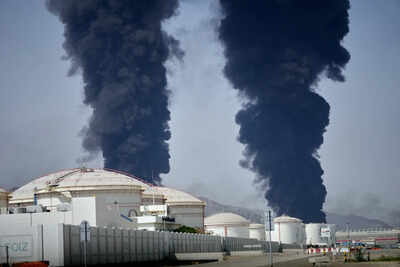
The Port of Fujairah in the UAE was once again hit by a drone strike, triggering a fire at a petroleum facility. Specialised emergency teams responded promptly and brought the blaze under control, and no injuries were reported. The attack comes amid rising tensions in the Middle East, as the conflict involving Iran, the United States, and Israel continues to escalate. It is the latest in a string of recent strikes on the port, which have already disrupted oil storage and loading operations.

Poll

Do you believe the recent drone strikes will significantly impact global oil prices?

Fujairah’s location on the Gulf of Oman, about 70 nautical miles away from the Strait of Hormuz, gives the UAE a strategic alternative route. The port allows crude exports to continue without relying on the narrow and conflict-prone strait. With tensions keeping Hormuz largely off-limits, Fujairah has become an essential lifeline for international oil flows. Here’s why the port is of immense importance for UAE and global oil pipeline:Major export and fuel hubThe port exported more than 1.7 million barrels per day (bpd) of crude and refined fuels on average last year, according to Kpler data, accounting for roughly 1.7% of global daily oil demand. Fujairah also sold 7.4 million cubic metres (around 7.33 million metric tons) of marine fuels in 2025, making it the fourth largest fuel bunkering hub worldwide, after Singapore, Rotterdam in the Netherlands, and China’s Zhoushan.Critical to UAE’s oil infrastructureThe Abu Dhabi Crude Oil Pipeline (Habshan–Fujairah Pipeline) transports crude from Abu Dhabi’s oil fields directly to Fujairah, bypassing the Strait of Hormuz. This 1.5 million bpd pipeline is key for sustaining exports, particularly to Asia, and allows the UAE to continue shipping its Murban crude even amid regional disruptions.

Importance of Port of Fujairah

Fujairah also hosts the Fujairah Oil Industry Zone, which has a storage capacity of 18 million cubic metres for crude and refined products, the largest commercial storage capacity in West Asia. The port supports blending operations, mixing different petroleum components to produce finished products such as gasoline and bunker fuels. Major global storage and trading companies, including VTTI, Vitol, ADNOC, and Vopak, operate at the port.Impact on global oil and fuel marketsAny disruption at Fujairah could ripple across the global energy market. With some oil-loading operations suspended after the latest drone strike, analysts warn that repeated attacks could tighten supply chains already strained by Middle East conflicts. As one of the world’s top hubs for storage, blending, and fuel bunkering outside the Strait of Hormuz, Fujairah remains crucial to both UAE exports and overall global energy stability.


Source link

Vashi’s living rainforest: IWSA garden teaches biodiversity, conservation | Mumbai News


IWSA’s urban rainforest brings biodiversity alive

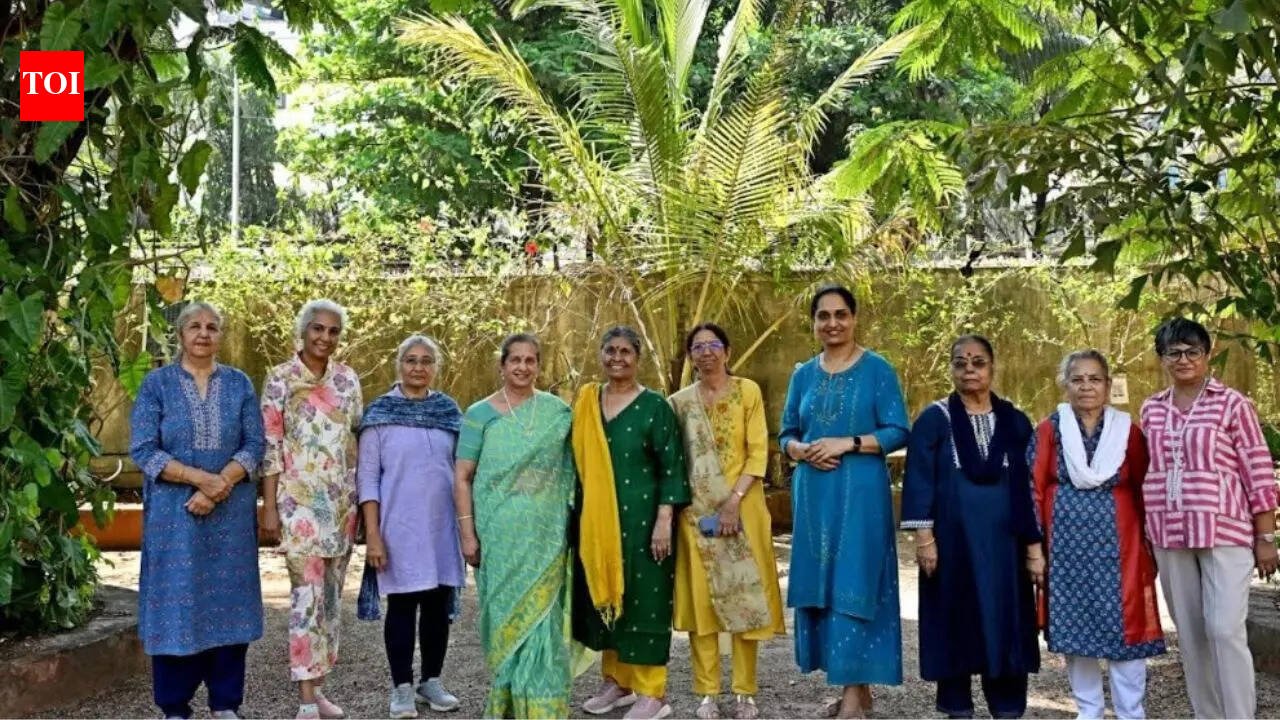
“A tropical rainforest,” says naturalist Vijaya Chakravarty, “is like a multi-storey building. You have the ground cover, the shrubs, the creepers, and, towering above them, the trees.” And every ‘floor’, she continues, motioning up a trunk, forms a distinct ecological niche inhabited by some species or another, from orchids and bromeliads to sunbirds and hornbills.” Chakravarty’s Rainforest 101 takes place in the field—not in the Western Ghats but in the urban heart of Vashi, on the grounds of the Indian Women Scientists’ Association (IWSA). The organisation was formed by 12 women scientists in 1973 to address the challenges faced by fellow women in science, both in the classroom and in the field. It also set out to demystify science for the masses, through public interventions that made the subject accessible and fun.The rainforest demo site sprang from this mission.In 2018, IWSA planted a Learning Garden on its campus to demonstrate how ecosystems work—and the services they provide—through themed clusters of plants, each no larger than the breadth of a young baobab bole.The rainforest site, for instance, is enclosed by a tree ring roughly 7 feet in diameter. At its centre stands a towering Peltophorum pterocarpum (copperpod), surrounded by Schefflera actinophylla (the octopus tree), along with shrubs, grasses, and ground-hugging plants. A chart deciphers its floor plan. A couple of feet away stand other demo ecosystems—the Western Ghats, the Deccan Plateau, and the Coastal Belt—each composed of a mixed bed of plants representing its biogeographical region, like a living line-up of botanical petri dishes.There are butterfly, sensory, and cactus sections; displays devoted to orchids and indoor air-purifying plants (Dracaena trifasciata, or mother-in-law’s tongue); biofuel plants such as Jatropha curcas (the biodiesel plant); and medicinal species like Cissus quadrangularis (the bone-setting hadjod). There are fruiting plants such as Ziziphus mauritiana (ber), prehistoric plants like Zamia furfuracea (the cardboard plant), dye-yielding plants such as Bixa orellana (the lipstick plant), and plants named after musical instruments, like Plumeria pudica (the fiddle-leaf champa). The garden also includes an arboretum and a section devoted to wild food plants.It’s an exhaustive collection of more than 500 species that draws school and college students, neighbourhood children, students of botany and medicine, and even landscapers and architects keen to take a leaf out of IWSA’s book.And a book, in fact, is what the buzz on campus is currently about, as the association launches its latest publication: ‘Creating Learning Gardens & Living Museums: Biodiversity, Conservation & Sustainability’. It is an easy-to-use illustrated guide that’s part primer, part storybook, and an all-round handbook for setting up one’s own biodiverse oasis. Inspired by the Vashi project, Inner Wheel District 314, which supported the book’s publication, created a similar learning garden in Palghar’s Navaze village.“People are told stories or given visual cues to help them remember names and key features,” says Chakravarty, principal designer of the garden and one of the editors of the book. The hadjod, for instance, resembles jointed bones and, in keeping with its name, is prescribed as a cure for arthritis and to speed up the healing of fractures. “Chutneys are made of it, too.”Alstonia scholaris, or the scholar tree, is regarded as the herbal home of Saraswati, the goddess of knowledge. “That’s why Tagore gave each graduating student at Santiniketan a token leaf,” says Priya Jacob, secretary of IWSA. The scarlet seeds of Abrus precatorius (rosary creeper) were once used to weigh gold, because their weight was strikingly consistent.IWSA may have the means with which to measure wealth, but not the stuff itself, as it struggles for capital to keep the garden in the green. “Lack of funds prevents us from hiring a full-time gardener and from buying the material and manure we need to run the place,” says Dr Srirupa Mukherjee, garden coordinator.Garden management is made easier by assigning thematic sections to members. The scientists often pay for expenses out of pocket, but seldom for the plants themselves, some of which arrive via plant swap programmes or are gifted by institutions the women are associated with. The Pterygota alata ‘diversifolia’ (pagal patta), for instance, was gifted by Bhabha Atomic Research Centre.“The tree is a bit like IWSA,” chuckles Chakravarty. “Each leaf is distinct and shaped differently from the other— like the women here.”


Source link