Breaking News
FASTag Annual Pass Fee: NHAI increases FASTag Annual Pass fee: Starting April 1, 2026, users to pay … |


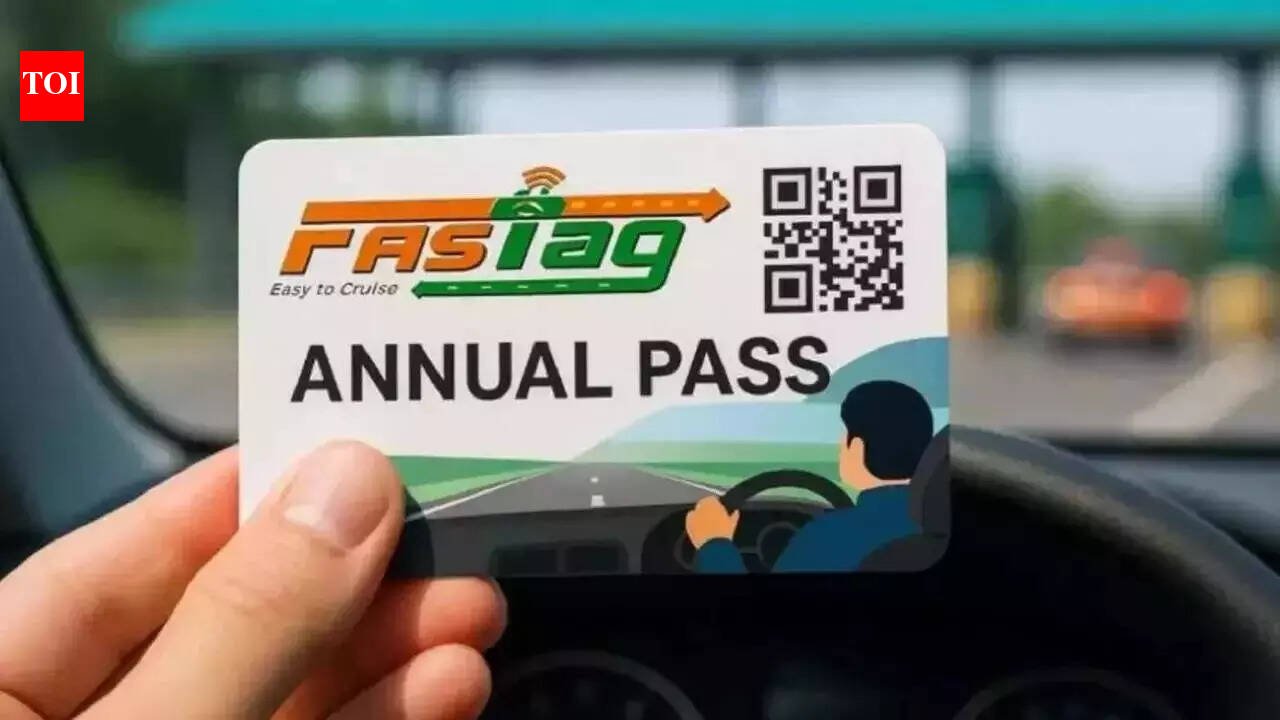
National Highways Authority of India (NHAI) has increased the fee for the FASTag Annual Pass. Effective April 1, 2026, the annual pass will cost Rs 3,075. NHAI announced the FASTag Annual Pass in June 2025. It is a prepaid toll plan which is designed exclusively for non-commercial private vehicles such as cars, jeeps, and vans. The annual pass rolled out on August 15 last year. It was then priced at Rs 3,000 for up to 200 toll crossings or a full year’s travel, whichever comes first. With the new revision, it will now cost Rs 3,075. “The revision in the fee has been carried out in accordance with the provisions of the National Highways Fee (Determination of Rates and Collection) Rules, 2008,” reads a press release by the Ministry of Road Transport & Highways. “With over 56 lakh users, the adoption of the FASTag Annual Pass has been growing among private vehicle owners,” the release added. “The revised rate will be applicable for eligible non-commercial vehicles with a valid FASTag seeking to avail the Annual Pass facility at about 1,150 fee plazas on National Highways and National Expressways”.

Poll

Do you think the existing FASTag Annual Pass is a good value for money?

How to buy FASTag Annual Pass online

To buy FASTag Annual Pass, follow the steps below –

  • Go to the Rajmarg Yatra app or the NHAI/MoRTH website.

  • Login by entering details like your vehicle number and FASTag ID. It must be noted that FASTag must be active, correctly installed, and linked to your vehicle.

  • Next, pay Rs 3,000 (Rs 3,075 from April 1, 2026) online using UPI, debit/credit card, or net banking.

  • The pass will get attached to your existing FASTag. You will get an SMS confirming the activation.

The annual pass gets activated within two hours on the existing FASTag linked to the vehicle after payment of the one-time fee through the Rajmarg Yatra App or the National Highways Authority of India website.


Source link

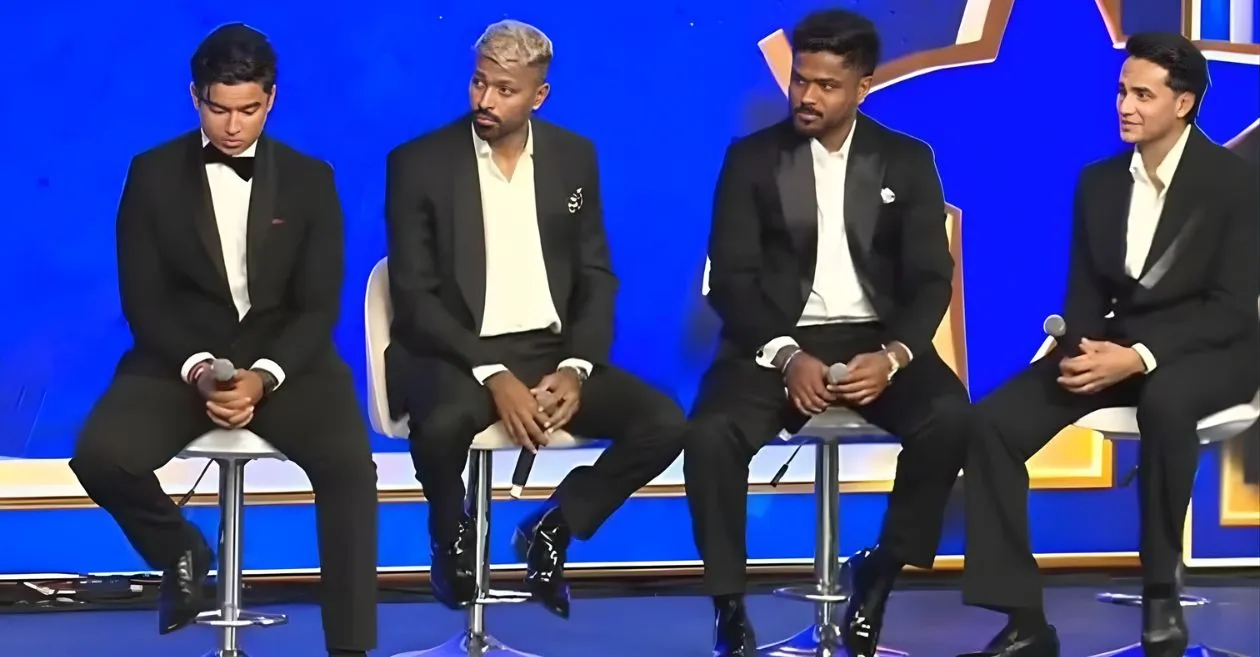
WATCH: Sanju Samson, Vaibhav Suryavanshi, Abhishek Sharma & Hardik Pandya take on a fun rapid-fire round at Naman Awards


The BCCI Naman Awards, held on March 15 in New Delhi, was more than just a formal recognition of cricketing excellence; it was a vibrant celebration of a historic year for Indian cricket. Following a spectacular season where India secured multiple ICC titles including the Men’s T20 World Cup 2026 and the Women’s ODI World Cup 2025, the atmosphere at the gala was electric.

The evening served as a bridge between generations, honoring legends like Rahul Dravid and Mithali Raj while spotlighting the meteoric rise of young stars. However, amidst the glitz of the trophies and the solemnity of the speeches, one segment stole the spotlight for its charm and humour: a high-energy rapid-fire round hosted by the ‘Voice of Cricket,’ Harsha Bhogle.

The joyful rapid-fire showdown of Abhishek Sharma, Sanju Samson, Hardik Pandya and Vaibhav Suryavanshi

The highlight of the informal segments was undoubtedly when Bhogle invited Sanju Samson, Abhishek Sharma, Hardik Pandya, and the 14-year-old sensation Vaibhav Suryavanshi to the stage for a rapid-fire session. The players, shedding their competitive intensity, gave fans a rare glimpse into their personal lives and childhood inspirations.

When asked about their cricketing idols, the answers reflected a diverse range of influences. Abhishek Sharma didn’t hesitate to name his mentor Yuvraj Singh, while Sanju Samson stayed true to his roots with Sachin Tendulkar. In a classic witty twist, Hardik Pandya named domestic legend Wasim Jaffer, while the young Vaibhav Suryavanshi showcased a broad palate, citing both Brian Lara and Yuvraj Singh.

The conversation took a nostalgic turn with questions about their first video games. While Abhishek reminisced about the classic EA Sports’ Cricket 07 and Sanju recalled the open-world chaos of GTA Vice City, Hardik revealed he was a WWE fan. Proving he is truly a different breed of modern teenager, Vaibhav simply stated, “Sir, I don’t play video games,” drawing cheers from the audience.

The humor continued as they discussed their first vehicles. Abhishek started humble with a Honda Activa, and Sanju recalled his Maruti Wagon R. Hardik, known today for his luxury car collection, shared that his journey began with a Maruti 800. Meanwhile, Vaibhav, still too young to drive, admitted he hasn’t bought anything yet.

One of the most surprising revelations came from Samson; when asked about the first match he ever saw in a stadium, he confessed, “I think it was an IPL game that I was part of. I never went to the stadium to watch a match [as a fan].” To cap it off, the players shared their cinematic tastes, ranging from Sanju’s devotion to Superstar Rajinikanth to Hardik’s odd obsession with Godzilla, Abhishek’s 3 Idiots and Vaibhav’s Dhurandhar.

Here’s the video:

Also READ: From Rahul Dravid to Shubman Gill: BCCI unveils list of winners for Naman Awards

Major award distributions at BCCI Naman Awards

While the rapid-fire round provided the laughs, the core of the Naman Awards was the celebration of record-breaking performances over the 2024-25 season.

Shubman Gill was the man of the hour, clinching his second Polly Umrigar Award for Best International Cricketer (Men). The Indian Test and ODI captain enjoyed a legendary 2025, amassing 1,764 runs across formats. His dominance in red-ball cricket was the talk of the night, specifically his 754-run tally in the five-Test series against England, where he averaged a staggering 75.40 and registered a career-best 269.

On the women’s side, Smriti Mandhana made history by receiving the Best International Women’s Cricketer award for a record fifth time. Mandhana’s 2025 season was statistically unprecedented; she became the first woman in ODI history to score 1,000 runs in a calendar year, finishing with 1,362 runs in the format. Her pivotal 434-run contribution during India’s maiden Women’s World Cup triumph and her 50-ball century against Australia—the fastest by an Indian woman—cemented her status as a global icon.

The BCCI also bestowed the prestigious Col. C. K. Nayudu Lifetime Achievement Award upon three giants of the game:

  • Roger Binny: The 1983 World Cup hero and former BCCI President was honored for his decades of service as a player and administrator.
  • Rahul Dravid: “The Wall” was celebrated for his impeccable playing career (over 24,000 international runs) and his recent success as the coach who guided both the U19 and senior men’s teams to World Cup glory.
  • Mithali Raj: The trailblazer of Indian women’s cricket was recognized for her 23-year career and her record 7,805 ODI runs, a feat that remains unmatched in the women’s game.

The night concluded with a sense of optimism, as Samson remarked during the ceremony, “India is going to do this more and more often,” referring to the nation’s growing collection of silverware.

Also READ: Robin Uthappa explains why IPL 2026 will be a challenging season for Vaibhav Suryavanshi


Source link

The only place on Earth where crocodiles and alligators live together |


The only place on Earth where crocodiles and alligators live together

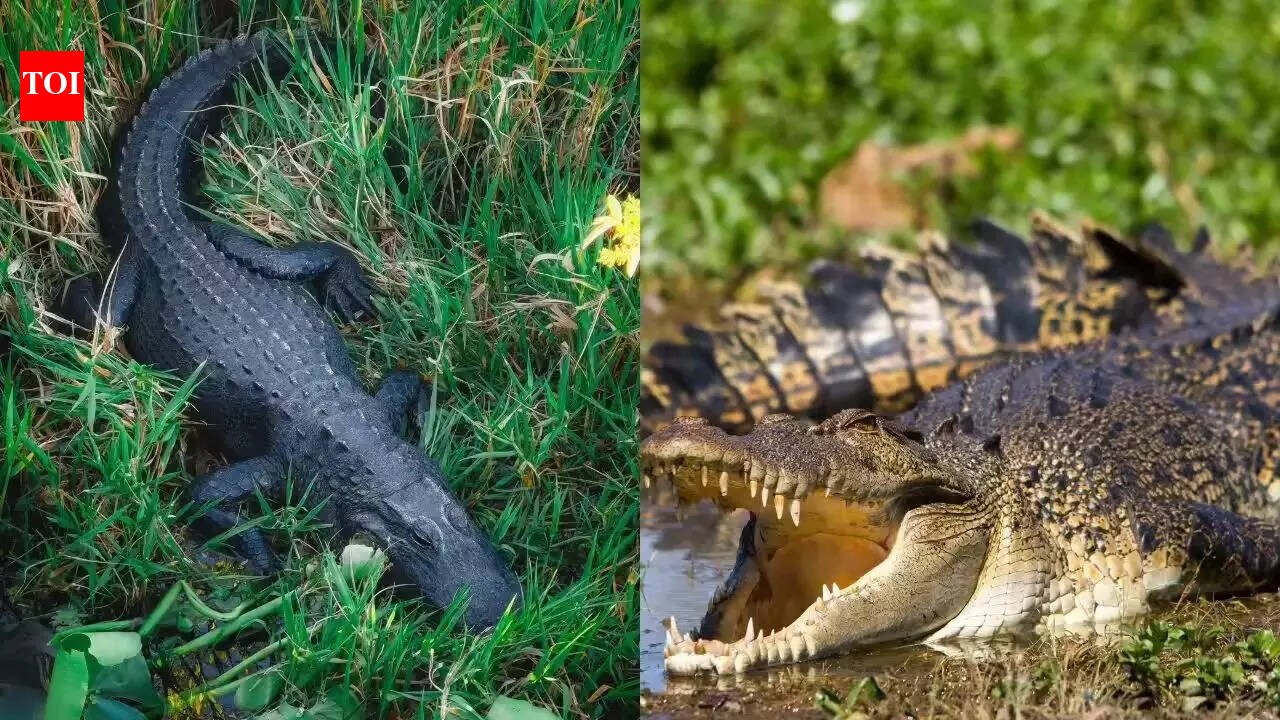
People often get confused when they see Crocodiles (Crocodylus acutus) and Alligators (Alligator mississippiensis) at the same time because they look similar, with only minimal differences in their bodies. Despite being very similar, it’s difficult for anyone to see them together. But South Florida is the only region in the world where American crocodiles and American alligators share the same ecosystem. While alligators inhabit mostly freshwater and live mostly in the inland part of the state, crocodiles prefer saltwater and live primarily along the coast in mangroves. According to the National Park Service, both predators live in the same habitat, allowing them to coexist in the Everglades because both freshwater and brackish water are available. The combination of fresh and brackish waters allows both apex predators to establish a delicate ecological balance.

The Everglades, the global intersection of crocodiles and alligators

The state of Florida is the only place on the planet where both the American Alligator and American Crocodile exist in the same geographical area. The American Alligator’s range extends across much of the southeastern United States, while the northernmost extent of the American Crocodile’s range occurs within southern Florida. According to the National Park Service, the Everglades have a unique ‘brackish’ ecosystem (a mixture of freshwater and saltwater) that creates a habitable environment for species in this transitional area.American Alligators typically occupy the freshwater marshes inland, and American Crocodiles tend to use the coastal mangroves and locally available salty bays. The existence of American Crocodiles in southern Florida is particularly important because they are ‘reclusive’ animals that depend on subtropical environmental conditions to survive. As noted by the National Park Service, although they occupy the same general area, they generally prefer different habitat types, allowing them to maintain enough distance from one another to avoid frequent conflicts.

The secret to their peaceful life together

Both American crocodiles and American alligators share habitats throughout South Florida. Still, because they are both adaptable to varying water salinity, they have found ways to avoid competing with each other. The National Park Service reports that they ‘self-sort’ based on their respective adaptations to minimise competition among themselves.American crocodiles can live in the brackish waters of South Florida’s coastal mangroves because of specialised salt glands that allow them to excrete excess salt from their bodies. On the other hand, alligators lack salt glands, so they are restricted to freshwater marshes, limiting where they can build nests or feed. Therefore, the adaptations of the American alligator to freshwater and the American crocodile to brackish water help them avoid competition for habitat resources, allowing both apex predators to coexist within their shared ecosystems and explaining their peaceful life together.

How to spot the difference between an alligator and a crocodile

Alligators have a wide, U-shaped snout adapted for crushing prey, while crocodiles have a narrow, V-shaped snout for catching their prey. When they close their mouths, you can only see the alligator’s top row of teeth, but the crocodile will also see its fourth lower tooth when its mouth is closed.Furthermore, alligators are dark grey or black, which complements the murky swamp they inhabit. Crocodiles are much lighter, and the olive-green colour of their bodies closely matches the colour of sunlit mangrove trees along coastal areas, making them easier for crocodiles to blend into their environment. Both predators then excel at living in Florida’s unique environments.


Source link

‘It was very harsh’: Suryakumar Yadav on bold call to pick Ishan Kishan over Jitesh Sharma | Cricket News


‘It was very harsh’: Suryakumar Yadav on bold call to pick Ishan Kishan over Jitesh Sharma
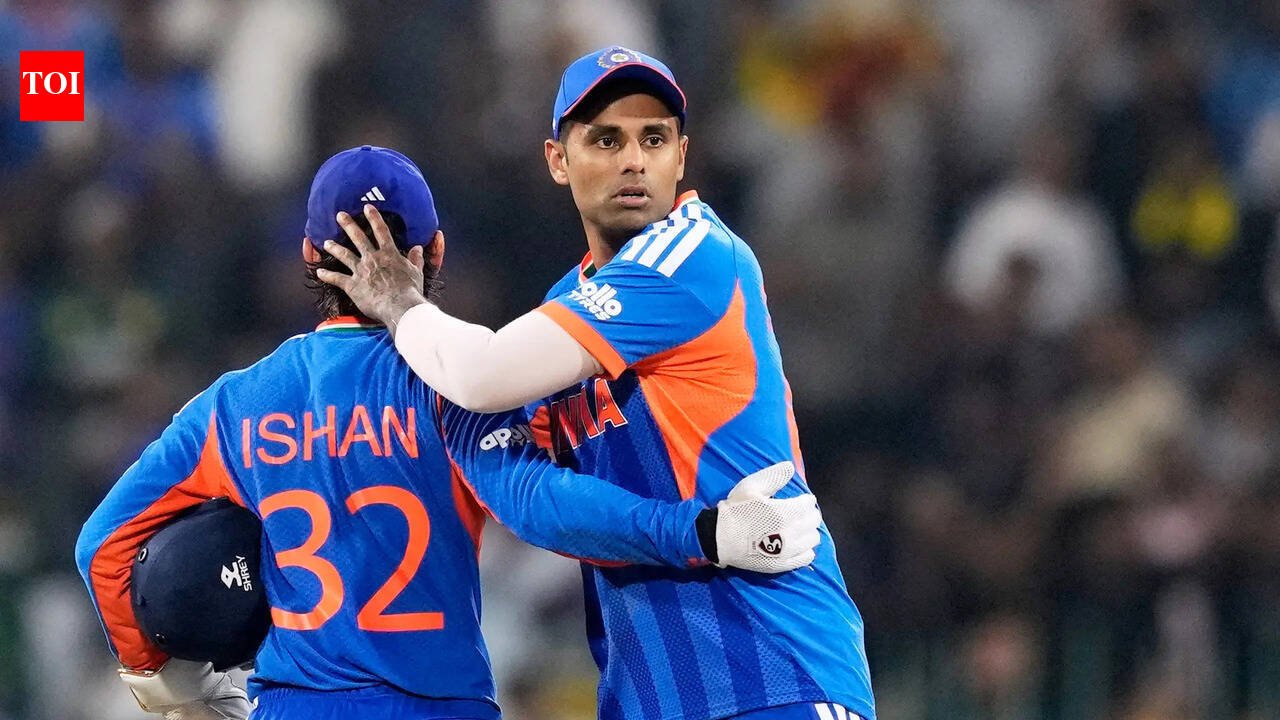
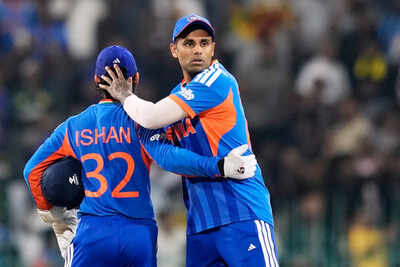
India’s captain Suryakumar Yadav, right, and Ishan Kishan. (AP Photo)

NEW DELHI: India’s T20 World Cup-winning captain Suryakumar Yadav has revealed that one of the biggest selection calls of the tournament — choosing Ishan Kishan over Jitesh Sharma — was largely driven by instinct rather than pure numbers. The skipper admitted the decision was tough but insisted his gut feeling told him Kishan could be the “X-factor” India needed on the big stage.Go Beyond The Boundary with our YouTube channel. SUBSCRIBE NOW!Suryakumar said the call was a delicate balance between data and intuition. “It was completely on gut, little bit on data. It was very harsh on Jitesh Sharma at that time because he was playing with the team for over a year. Had he not been playing, then the story would have been different,” he said in a podcast interview with PTI Videos.

Rahul Dravid on Indian Cricket’s rise: Robust infra, passionate fans, talent coming from small towns

The captain revealed that the turning point came during a direct conversation with Kishan. “I called him and asked, ‘Chhotu, World Cup jitayega?’ He asked, ‘Bharosa karogey?’ I said, ‘Chal kiya.’ And the way he played was amazing,” Suryakumar recalled. “I always knew he could be the X-factor because he has no baggage.”Kishan justified that faith in style during the tournament, scoring 317 runs in nine matches at a strike rate of over 190 while opening the innings and batting at No. 3. His tally was the fourth-highest in the competition as India lifted the ICC Men’s T20 World Cup for the second consecutive time, following their triumph under Rohit Sharma in 2024.Suryakumar also highlighted Kishan’s determination to fight his way back into the national setup after a difficult phase. “He was going through a bad patch and had been out of the team for a while. But he travelled across India playing practice matches and smaller games just to stay ready,” he said.Another tactical call that proved decisive was the inclusion of Sanju Samson at the top of the order. According to Suryakumar, Samson’s arrival changed the momentum of India’s campaign. “After Sanju got included, the tide completely changed. It was also tactical because we had too many left-handers at the top and opposition off-spinners were finding it easy.”Samson responded with match-winning performances, including scores of 89 in both the semifinal and final, eventually earning the Player of the Tournament award.Reflecting on his own approach, Suryakumar described T20 batting as largely instinctive. “It’s a reaction-driven sport. Around 70 to 75 per cent of batting is reaction and the rest is instinct. On a given day, you just assess what the situation demands and bat accordingly,” he said.

Banner Insert


Source link

EC orders major bureaucratic reshuffle in Bengal; chief secretary, DGP, Kolkata CP replaced ahead of Assembly polls | India News


EC orders major bureaucratic reshuffle in Bengal; chief secretary, DGP, Kolkata CP replaced ahead of Assembly polls

NEW DELHI: Announcing a major shake-up in West Bengal’s administrative and police brass within hours of announcing the poll schedule, the Election Commission ordered the immediate replacement of the state state chief secretary, director general of police (DGP), principal secretary (home) and Kolkata police commissioner, among others.EC’s overriding powers to shift officers directly engaged in the conduct of polls, stem from Article 324 of the Constitution, which places the entire poll machinery in an election-going state/UT under its “superintendence, direction and control” during the preparation of the electoral roll and conduct of elections to Parliament and state legislatures. West Bengal chief secretary Nandini Chakraborty was shunted out late on Sunday night along with principal secretary (home) Jagdish Prasad Meena. Both are seen close to the ruling party in the state. EC ordered that Dushyant Nariala, an IAS officer of 1993 batch be posted as chief secretary with immediate effect, and Sanghamitra Ghosh, an IAS officer of 1997 batch, as principal secretary, home and hill affairs.On Monday afternoon followed another set of transfers in the higher echelons of West Bengal police. DGP Peeyush Pandey was shunted out and 1992 batch IPS officer SIddh Nath Gupta brought in his place. Kolkata police commissioner Supratim Sarkar was replaced by Ajay Kumar Nand, IPS officer of 1996 batch. “Chief election commissioner Gyanesh Kumar had, in the EC press conference on Sunday, assured that elections in West Bengal would be violence-free and peaceful. In pursuance of this objective, the EC has appointed/transferred senior police officials of the state, including the DGP and Kolkata police commissioner,” a senior EC official told TOI. Also making a change in the crucial post of ADG and IGP, law and order — with a direct role in curbing political clashes and violence as well as judicious deployment of security forces for poll security — the EC replaced the incumbent with 1995 batch IPS officer Ajay Mukund Ranade. Natarajan Ramesh Babu, a 1991 batch IPS officer, was ordered to be posted as DG, correctional services. The transfers — which are not unusual as EC has similarly replaced top officers in West Bengal during past Lok Sabha and assembly polls — evoked sharp criticism from the Trinamool Congress in Parliament. TMC MP Derek O’ Brien announced a day-long walkout by the party MPs from Rajya Sabha in protest, even as parliamentary affairs minister Kiren Rijiju underlined that the poll panel had the constitutional authority to do so and alleged that the TMC has made it a habit to attack all constitutional bodies.


Source link

Red Sea alternative to Strait of Hormuz? Saudi Arabia’s offer to oil buyers amid supply crunch


Red Sea alternative to Strait of Hormuz? Saudi Arabia's offer to oil buyers amid supply crunch

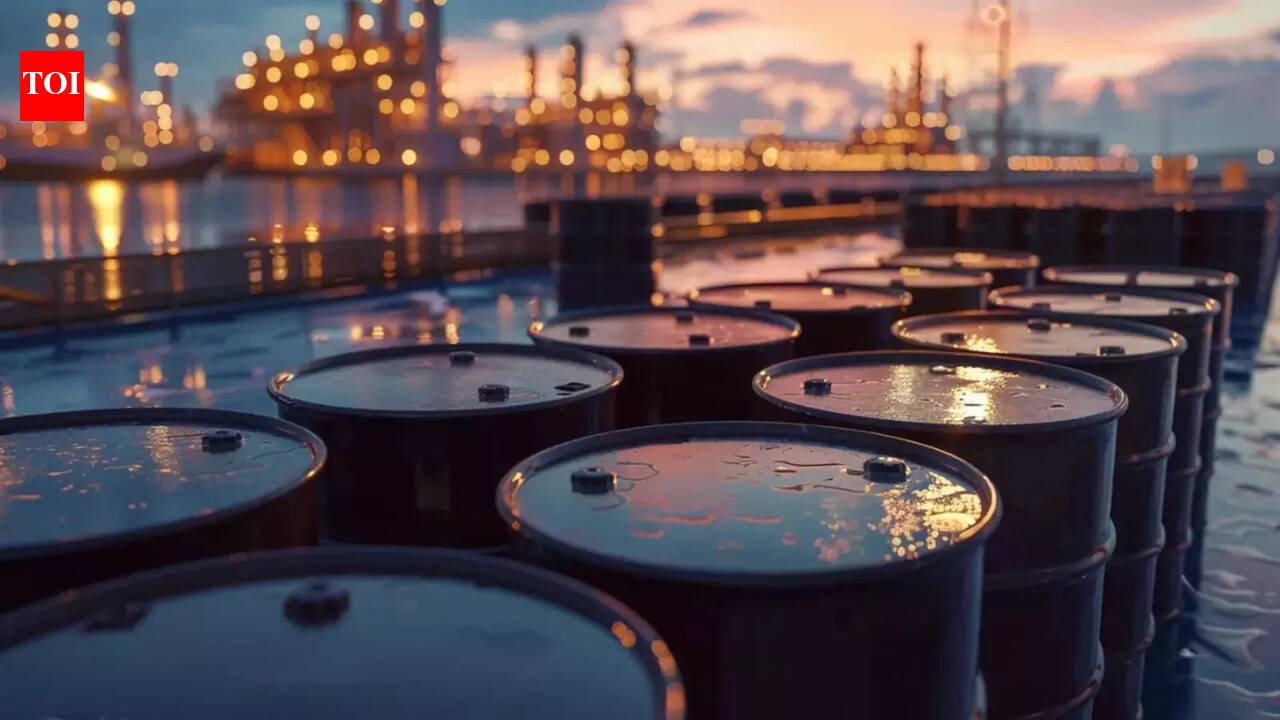
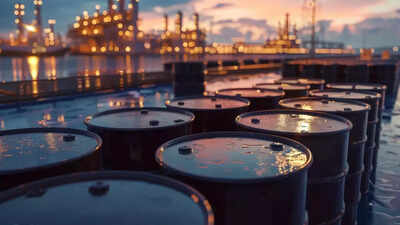
As the Middle East crisis escalate and Iran continues to choke Strait of Hormuz, Saudi Arabia has moved to pitched another option to its long-term oil buyers. The kingdom is offering long-term buyers the choice to receive their April crude shipments through its Red Sea port of Yanbu, amid ongoing disruptions in the Strait of Hormuz. Traders familiar with the plan said customers opting for Yanbu will get only part of their monthly allocation because the pipeline feeding the port cannot carry full volumes. Alternative route is to still take oil from the Persian Gulf, but risk receiving nothing if the strait remains blocked, Bloomberg reported.Before Iran effectively blocked the strait, Saudi Aramco, the world’s largest oil exporter, shipped 7.2 million barrels last month, mostly from its Gulf terminals at Ras Tanura and Juaymah. Saudi Arabia’s 5 million barrel-per-day pipeline to the Red Sea provides an alternative route, though Yanbu’s export capacity may be lower.Most of Saudi Arabia’s oil is sold via long-term contracts, primarily to Asian buyers. In response to supply concerns, China’s Sinopec has cut refinery run rates by 10%, while Japan has begun releasing crude from national reserves.The options reflect uncertainty over the conflict’s duration and when the Strait of Hormuz may reopen. Traders noted that if the war continues, oil shipped from Yanbu to Asia could be sold on a delivered basis, with Aramco handling transport, rather than the usual loading basis, where customers organise shipping themselves. Only the Arab Light grade is being offered from Yanbu.

Trump Humiliated? Australia, Japan Refuse Warships Deployment Against Iran’s Hormuz Blockade

Since the war began nearly three weeks ago, Aramco has increased shipments through Yanbu and has, unusually, offered crude via spot market tenders. However, this is the first time contracted supply is being offered from the Red Sea terminal.Some European refiners are also facing reduced allocations. One major processor reported receiving no volumes for next month, while another was allocated less than requested.


Source link

India-US trade deal: Commerce secretary shares important update; ‘actual signing when new architecture of tariffs in place’


India-US trade deal: Commerce secretary shares important update; ‘actual signing when new architecture of tariffs in place’
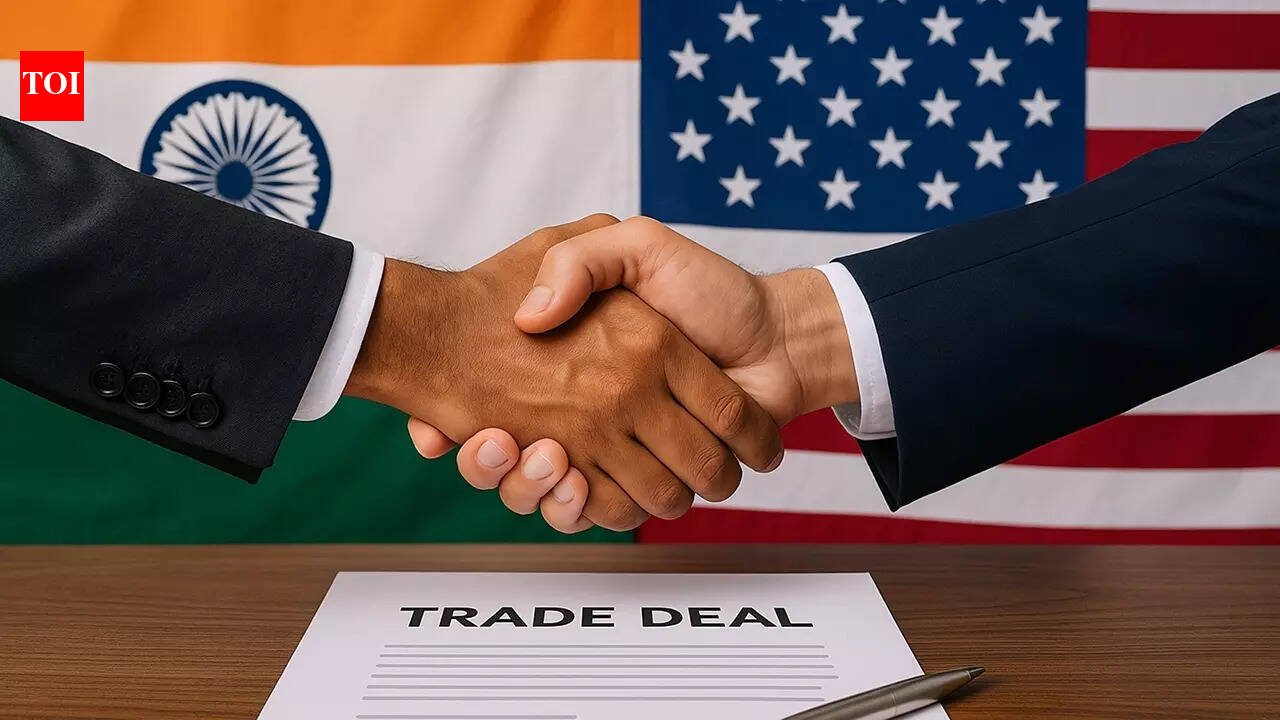
In early February, India and the US announced a trade deal framework under which the US cut tariffs on Indian exports to 18%. (AI image)

India-US trade deal update: Amidst ongoing uncertainty related to tariffs under the Donald Trump administration, Commerce Secretary Rajesh Agrawal has shared an update on the India-US trade deal. The official has said that the India-US trade agreement will be signed once Washington restores its global tariff rates.The comments assume significance at a time when the US Supreme Court has struck down the tariffs that were imposed by the Trump administration, calling them illegal. This puts focus on the various trade deals that the Trump administration has finalised. Soon after the court verdict, a flat 10% tariff was imposed by the US government on its trading partners, which may be raised to 15% in the coming days.

India-US trade deal: What’s the latest update?

According to a Reuters report, trade secretary Rajesh Agrawal has noted that the US is currently working on rebuilding the global tariff framework. He made it clear that the India-US trade deal will be signed when the US re-establishes global tariff rates.“Actual signing of India-US trade deal will be done when the new architecture of tariffs is in place. We are talking right now on details with the US,” Rajesh Agrawal said according to PTI.In early February, India and the US announced a trade deal framework under which the US cut tariffs on Indian exports to 18%. The Trump administration also removed the 25% levy with regards to Russian oil purchases contingent on India stopping procurement from Russia. However, India has not stopped buying Russian crude yet, and has in fact stepped up purchases after the Middle East conflict choked supplies from the Strait of Hormuz. The US has claimed granting a 30-day waiver to India for buying Russian crude, while India has said that it does not need permission to decide its energy security strategy.Meanwhile, the government on Friday dismissed reports suggesting that it was pausing bilateral engagement or delaying a trade agreement with the United States, stating that discussions between the two countries are continuing toward a mutually beneficial pact.“We have noted a media report regarding ongoing trade talks with the US. It is denied that there is any hold off in bilateral engagement. It is reiterated that the two sides remain engaged for a mutually beneficial trade agreement,” the commerce ministry said in a statement.


Source link

Trade deficit for February widens to $3.96 billion: India’s exports climb 11%, imports surge 21%


Trade deficit for February widens to $3.96 billion: India’s exports climb 11%, imports surge 21%

India’s combined merchandise and services exports reached $76.13 billion in February 2026, marking an 11.04%increase from $68.56 billion in February 2025, the commerce ministry said on Monday. At the same time, imports surged even more sharply, rising 21.61% to $80.09 billion from $65.84 billion a year earlier. This led to a widened overall trade deficit of $3.96 billion for February, compared with a deficit of $2.72 billion in the same month last year. Merchandise exports in February dipped slightly to $36.61 billion from $36.91 billion, while imports jumped from $51.33 billion to $63.71 billion. Services exports, meanwhile, rose to $39.53 billion from $31.65 billion, and services imports increased to $16.38 billion from $14.51 billion. For the fiscal year so far (April–February), overall exports are estimated at $790.86 billion, up from $747.58 billion in the previous year, reflecting growth of around 5.8 per cent, or roughly $42–43 billion. India had previously set a record with total exports of $824.9 billion in 2024–25, exceeding projections of $800 billion and marking a 6.01 per cent rise from $778.1 billion in 2023–24. Commenting on the data, commerce secretary Rajesh Agrawal said, “The country’s exports are doing well despite challenges.” He added that exports during April–February of FY26 increased 1.84%to $402.93 billion, while imports rose 8.53% to $713.53 billion. Agrawal also warned that March exports could slow due to logistical disruptions caused by the West Asia crisis, which began on February 28 with US and Israeli military action against Iran and has impacted critical trade routes, including the Strait of Hormuz.


Source link

Access Denied


Access Denied

You don’t have permission to access “http://www.ndtv.com/india-news/on-camera-lucknow-teen-riding-royal-enfield-dies-after-crash-with-activa-11221776” on this server.

Reference #18.adf5d217.1773653044.5fce33eb

https://errors.edgesuite.net/18.adf5d217.1773653044.5fce33eb


Source link

Thousands of abandoned coal mines in the US could become giant ‘water batteries’ storing clean energy, scientists say | World News


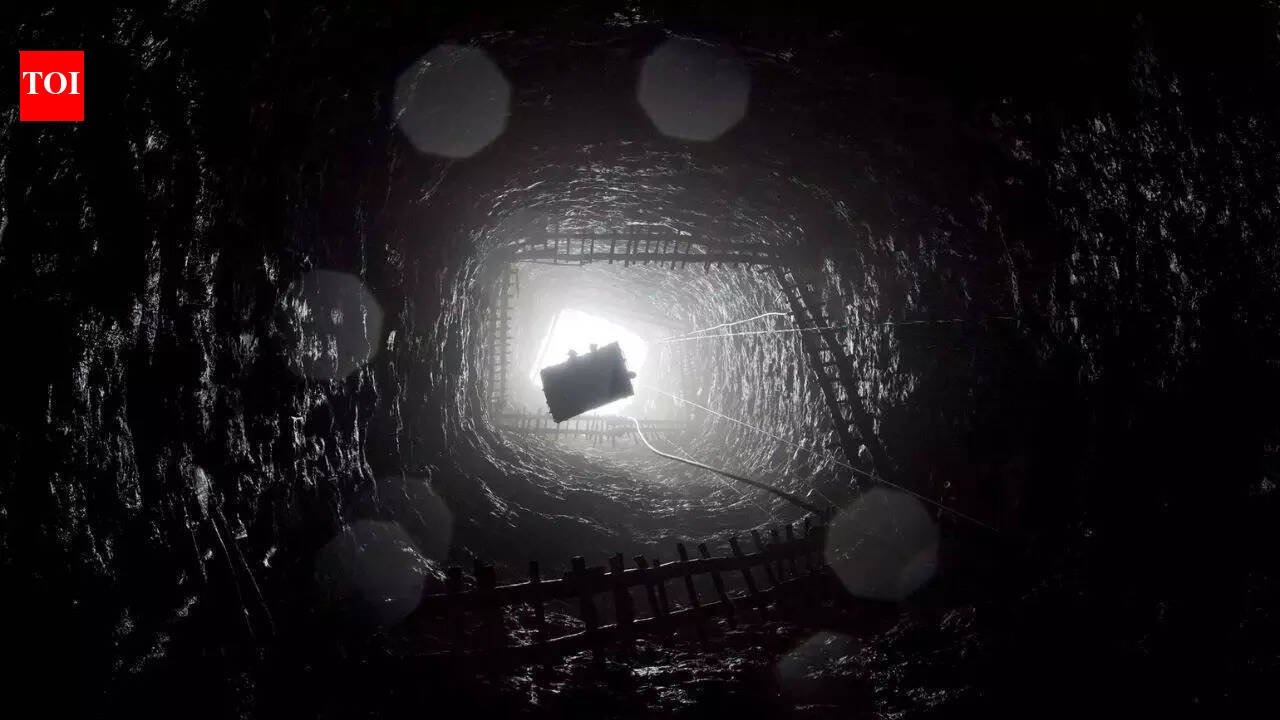
Across the United States, thousands of abandoned coal mines sit quietly beneath the ground. Old tunnels, empty shafts, and remnants of an industrial era that once powered cities and factories. For decades, these sites were mostly seen as environmentally problematic, expensive to maintain, and difficult to repurpose.Now, researchers believe those same mines might hold the key to storing clean energy. Scientists at Oak Ridge National Laboratory are reportedly developing advanced modelling tools that could transform these underground networks into massive “water batteries”. The idea sounds unusual at first. Yet it appears to offer two benefits at once. Long-term energy storage for renewable power, and a new economic purpose for communities shaped by coal mining.It is still early days. But experts say the concept could change how energy storage works in regions that lack mountains or traditional hydropower sites. This transformation utilizes Pumped Storage Hydropower (PSH), where excess solar or wind energy pumps water into higher shafts, releasing it through turbines during peak demand to generate instantaneous electricity.By converting structural liabilities into reliable ‘gravity batteries,’ this initiative revitalizes local economies while providing the high-capacity grid stabilization essential for a total transition toward a carbon-free energy future.

How pumped storage hydropower stores electricity using water

Energy storage is one of the biggest challenges in the shift toward renewable power. Solar and wind can produce huge amounts of electricity. Just not always when people need it. That’s where pumped storage hydropower comes in.The idea is simple, at least in theory. Water moves between two reservoirs located at different heights. When electricity is cheap or abundant, say during a sunny afternoon, power pumps water uphill. Later, when demand rises, the water flows back down through turbines to generate electricity.Experts say pumped storage hydropower already accounts for more than 90 percent of utility-scale energy storage in the United States. So the technology itself is not new.Traditional systems need large mountains or steep hills to create the height difference required for water pressure. Many regions simply do not have the terrain. That limitation has slowed expansion for years.

How abandoned mines could support future power systems

Researchers at Oak Ridge National Laboratory think abandoned coal mines might solve that problem.Instead of building large reservoirs on mountainsides, the lower reservoir could sit deep inside an existing mine shaft. Water would still move between the two levels. The difference is that one of those levels already exists underground. Thousands of mines across the country reach hundreds of metres below the surface. Some are even deeper. That vertical distance could create the pressure needed to spin turbines and generate electricity. It also means fewer large construction projects on the surface. And possibly much lower costs.Using existing tunnels and shafts reportedly speeds up development as well. Engineers would not need to dig entirely new underground structures.

Why old coal mines need careful testing before reuse

Repurposing a coal mine is not as easy as filling it with water. Minerals left behind from decades of mining can react with water in ways that damage equipment. Turbines are expensive. Corrosion is the last thing engineers want. Researchers say this is where new modelling tools come in.The Oak Ridge team has built detailed hydrodynamic and chemical simulations that track how water might move through mine tunnels. The models also analyse how water interacts with minerals in the surrounding rock. If certain minerals appear likely to cause corrosion, engineers can design systems to reduce that risk. Or choose a different site entirely. Old mines were not designed to handle large volumes of fast-moving water under pressure. The models help researchers check whether tunnel walls might crack or collapse.

Why mining communities are watching closely

For towns built around coal mining, the idea carries a certain symbolism. These mines once powered the industrial economy.Now they might support clean energy. Energy storage projects could also create new jobs in regions where mining has declined. Engineers, technicians, maintenance crews. Small but meaningful economic activity. Experts say it is too early to promise large employment numbers.Turning environmental liabilities into useful infrastructure sounds appealing. Particularly in areas where abandoned mines already require monitoring and maintenance.


Source link