Breaking News
US forced labour probe: China urges Trump to ‘immediately correct erroneous’ trade practices


US forced labour probe: China urges Trump to 'immediately correct erroneous' trade practices

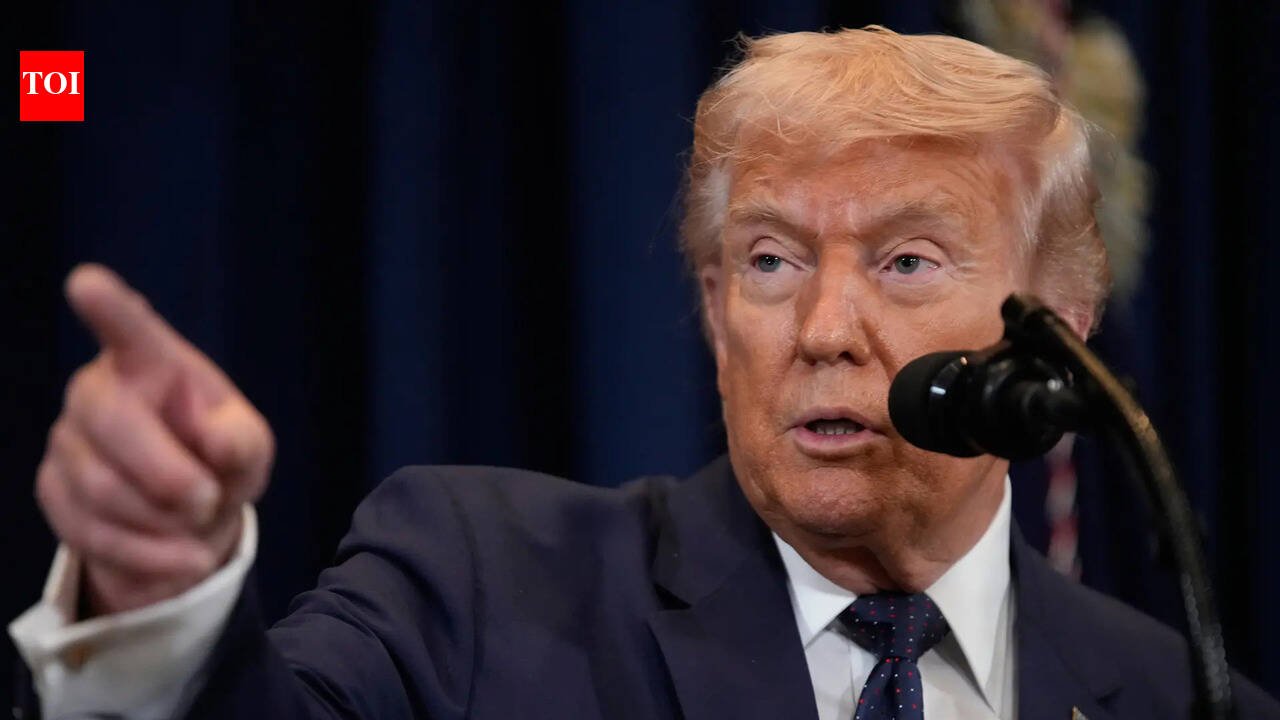
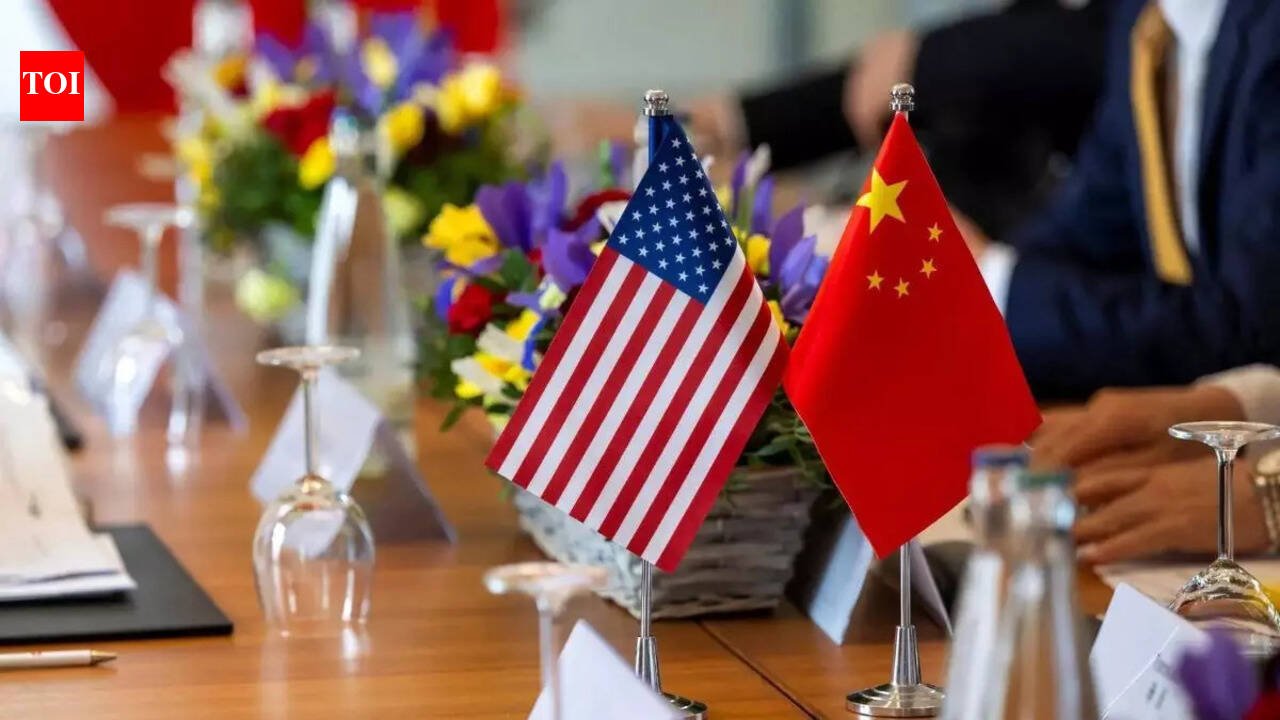
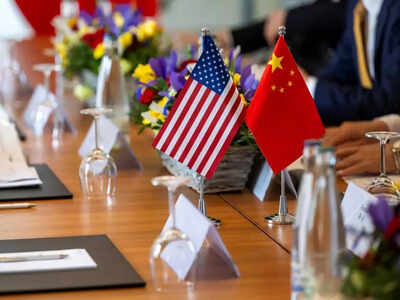
China on Monday pushed back against the United States over a new set of trade investigations launched last week, saying that it has “lodged representations” with Washington and calling on the US to “correct its erroneous ways.” The response comes as trade negotiators from the two countries gather in Paris for talks. The latest US investigations are aimed at 60 economies, including China, and will examine alleged “failures to take action on forced labor” and whether such practices place a burden on or restrict American commerce. These probes were announced a day after Washington opened a separate investigation focusing on excess industrial capacity among 16 trading partners, including China. Beijing’s foreign ministry criticised that move, describing it as “political manipulation.” In a statement, China’s commerce ministry urged Washington to take a different approach, saying: “We urge the US side to immediately correct its erroneous ways, meet China halfway… and resolve issues through dialogue and negotiations.” The ministry also criticised the forced labour investigations, describing the move as “extremely unilateral, arbitrary and discriminatory” and accusing the US of “attempting to construct trade barriers.” Chinese officials said they have formally “lodged representations” with the United States over the latest probes. The developments come as trade representatives from both countries met in Paris on Sunday, with Washington indicating the discussions would continue for two days. Concerns around forced labour in China’s western Xinjiang region have been raised by human rights groups and United Nations experts, particularly over alleged exploitation of minority communities. Beijing has consistently rejected the allegations, calling them “fabricated.” The two investigations announced by Washington are expected to take several months to conclude. Their findings could potentially support the introduction of new tariffs, especially after the US Supreme Court in February struck down sweeping tariffs imposed by President Donald Trump. Meanwhile, Washington has said that Donald Trump plans to visit China between March 31 and April 2, though Beijing has yet to confirm the proposed dates. Trump told the Financial Times that the meeting might be delayed, noting that the planned summit could be postponed because of the Middle East war.


Source link

Stock market outlook: Where is Nifty headed this week amid US-Iran war? Check sectors in focus


Stock market outlook: Where is Nifty headed this week amid US-Iran war? Check sectors in focus
Stock market outlook (AI image)

Stock market recommendations: Sudeep Shah, Head – Technical Research and Derivatives, SBI Securities shares his view on Nifty, Bank Nifty and top sectors in focus amid the ongoing Middle East conflict and US-Iran war. Here is his view for the week starting March 16, 2026. Nifty ViewThe sell-off on Dalal Street extended into a third consecutive week as escalating geopolitical tensions between the US and Iran continued to erode investor confidence. The pressure intensified sharply during the last three trading sessions, with the benchmark Nifty index declining over 5% during the week, marking its steepest weekly fall since June 2022. Automobile and Banking stocks emerged as the key laggards, exerting significant downward pressure on the index. However, the magnitude of the correction suggests that geopolitical concerns alone may not fully explain the sharp sell-off witnessed in the market.A major factor weighing on sentiment has been the heightened volatility in crude oil prices. Early last week, Brent crude briefly cooled off and slipped to a low near $80.29, providing temporary relief to equity markets. This respite proved short-lived as prices quickly reversed course and climbed back close to the $100 mark, once again unsettling investors. Adding to the uncertainty are concerns around gas shortages and potential supply disruptions following tensions in the Strait of Hormuz, which have raised cost pressures and margin-related worries across several sectors. The broader market impact becomes even more evident when viewed through the lens of the index’s deteriorating technical structure.From a technical perspective, the Nifty remains firmly entrenched in a downtrend, with the pace of the decline accelerating in recent sessions. Over the last 27 trading sessions, the index has corrected more than 12%, making it one of the sharpest drawdowns in recent history. The formation of weekly candles with long upper shadows over the past two weeks indicates persistent selling pressure at higher levels, suggesting that every pullback is being used as an opportunity to exit positions. Additionally, the index has closed below the crucial 61.8% Fibonacci retracement of the prior rally from 21743 to the all-time high of 26373, signaling a weakening technical setup and implying that the market may require more time before forming a meaningful bottom.Momentum indicators further reinforce this bearish view, with the weekly RSI slipping to 30.43, its lowest level since the COVID-induced market crash. Going ahead, the 22850–22800 zone is expected to act as immediate support for the index, and a sustained break below 22800 could extend the correction towards 22500. On the upside, the 23450–23500 zone is likely to act as immediate resistance, with any recovery attempt facing selling pressure at higher levels.Bank Nifty ViewThe banking benchmark index, Bank Nifty, has also witnessed a sharp correction in recent sessions and has notably underperformed the frontline indices, reflecting sustained selling pressure in banking heavyweights. Over the last week alone, the index has declined by nearly 7%, and more importantly, it has broken down from its rising channel on the weekly chart. This breakdown signals a clear shift in the medium-term trend, indicating a transition from consolidation to a phase of pronounced weakness.From its recent peak of 61678, Bank Nifty has corrected by nearly 13% within a span of just 15 trading sessions, underscoring the intensity and speed of the ongoing decline. Such a sharp fall over a short period typically points to aggressive unwinding of positions and heightened risk aversion within the banking space, suggesting that investors are increasingly cautious about the near-term outlook for the sector.Technically, the setup remains decisively bearish. All key moving averages along with momentum-based indicators are aligned on the downside, confirming the prevailing negative trend. The weekly RSI is currently placed around 34.56, marking its lowest level in recent years. This reflects persistent weakness and indicates a lack of meaningful buying interest, despite the magnitude of the correction already witnessed.Looking ahead, the 53400–53200 zone is expected to act as an important support area, as a horizontal trendline support is positioned in this region. However, any sustained breakdown below the 53200 level could further intensify selling pressure and open up additional downside towards 52500, followed by 51800 in the short term. On the upside, any pullback or relief rally is likely to face strong resistance in the 54500–54600 zone, which is expected to act as an immediate hurdle and may attract fresh selling interest.Overall, until Bank Nifty shows clear signs of stabilization and manages to reclaim key resistance levels, the trend is likely to remain under pressure. In such an environment, market participants may continue to adopt a cautious, level-based approach while closely monitoring price action around critical support zones.Sectors in focus:From a technical standpoint, Nifty Auto, Private Banks, PSU Banks, Oil & Gas, FMCG, IT, India Tourism and Media sectors are expected to remain under pressure and underperform in the short term.In contrast, the CPSE space stands out as the only segment likely to deliver relative outperformance over the near term.(Disclaimer: Recommendations and views on the stock market, other asset classes or personal finance management tips given by experts are their own. These opinions do not represent the views of The Times of India)


Source link

Zakir Khan hospitalized in Mumbai? Viral video of the stand-up comedian in a hospital robe sparks fan concern |


Renowned comedian Zakir Khan has taken a step back from his bustling career for health reasons, sending fans into a frenzy. Concerns escalated when a clip of him in hospital attire, engrossed in a cricket match, circulated online, shared by his brother. However, official updates from Lilavati Hospital regarding his health condition are still awaited. Read on to know more in detail.

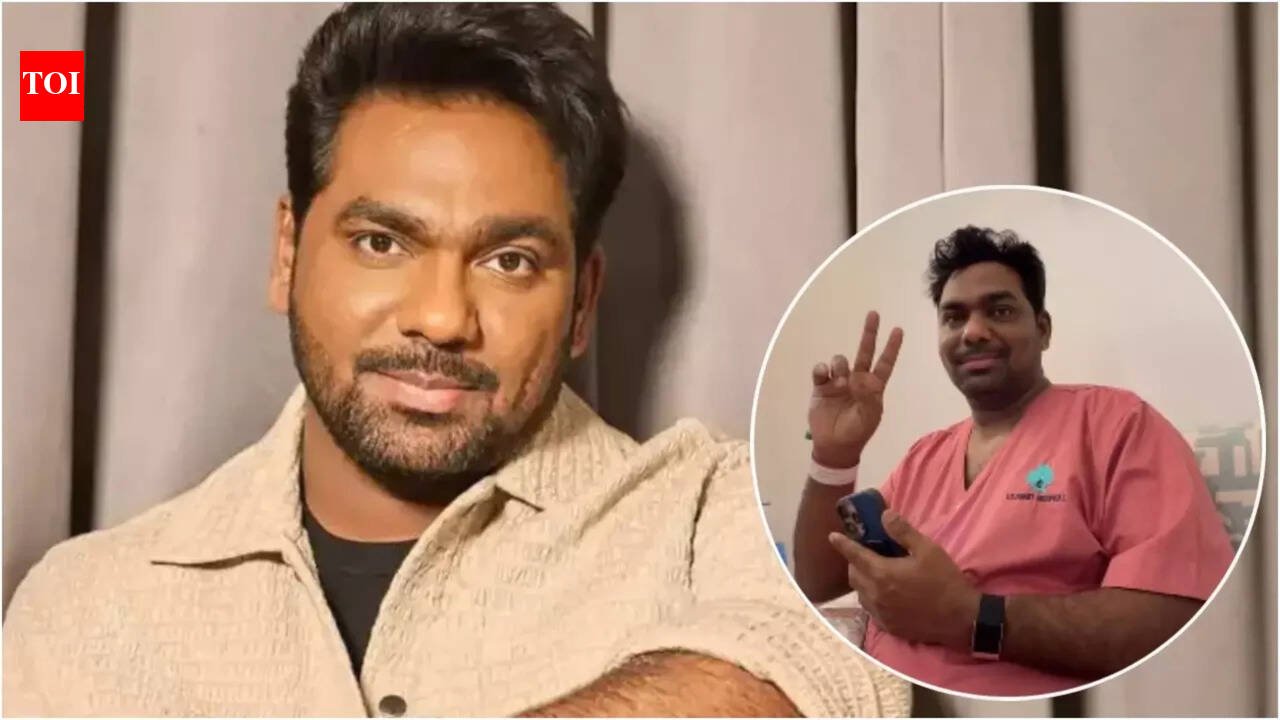
Stand-up comedian and actor Zakir Khan left everyone wondering and worried after he announced he is taking a break from work to focus on his health. He shared this during the Hyderabad leg of his ‘Papa Yaar’ tour. Amidst this, a new video surfaced showing him hospitalized.

Zakir Khan gets spotted in a hospital robe in his brother’s vlog

In a vlog posted by his brother Arbaz Khan on Instagram, Zakir Khan can be seen sitting on a hospital bed wearing the pink uniform. The video went viral, leaving his fans worried and praying for a speedy recovery.According to reports, the ‘Chacha Vidhayak Hai Humare’ actor has been admitted to Lilavati Hospital in Mumbai. However, neither the stand-up comedian, his family, nor his team has officially confirmed this or commented on his health status as of now.

Priyanka Chopra Meets Zakir Khan In New York — Shares Pictures On Social Media

Meanwhile, the clip showed him watching the India vs England T20 World Cup match. When Arbaz asked the comedian how he was feeling, the latter replied, “Match abhi fasa hua hai (The match is in a critical spot right now).”Khan himself even dropped heart emojis in the video’s comment section. Now, fans are waiting for an official update from their beloved stand-up comedian.

More about the announcement of his break

Last month, Zakir Khan stated that he will take a break until 2028 or 2030. He expressed that he will focus on his health along with some personal matters.According to a Hindustan Times report, addressing the crowd at his Hyderabad show, he said, “It will be a break of three, four, or five years to take care of my health and to sort out a few other things. Everyone present here tonight is very close to my heart. Your presence means more to me than you can imagine, and I will always be grateful to all of you. Thank you so much.”Later, while talking to Gulf News, he stated that his family has a certain genetic illness, and he needs to focus on that issue. The actor-comedian also added that less sleep and constant travel have started affecting him physically.Later, at a recent event, he clarified that he was not suffering from any serious health issue that required him to take a break. Zakir stated that he received a lot of writing work, making it difficult for him to manage things simultaneously.


Source link

NBT Trailblazers Summit honours leaders driving innovation across industries. | India News


Leaders from various sectors were honoured at the NBT Trailblazers Summit. India has today reached a stage where it is writing its own story on every global platform and making the world listen. Across sectors such as technology, health, education, agriculture, and fashion, Indians have showcased their talent and leadership, giving the world a new direction. At this Trailblazer Summit organised by NBT Mumbai, entrepreneurs and experts who have made remarkable contributions in their respective fields were honoured.Purpose Over Profit: The Investor Rewriting the Rules of Global Capital

Image

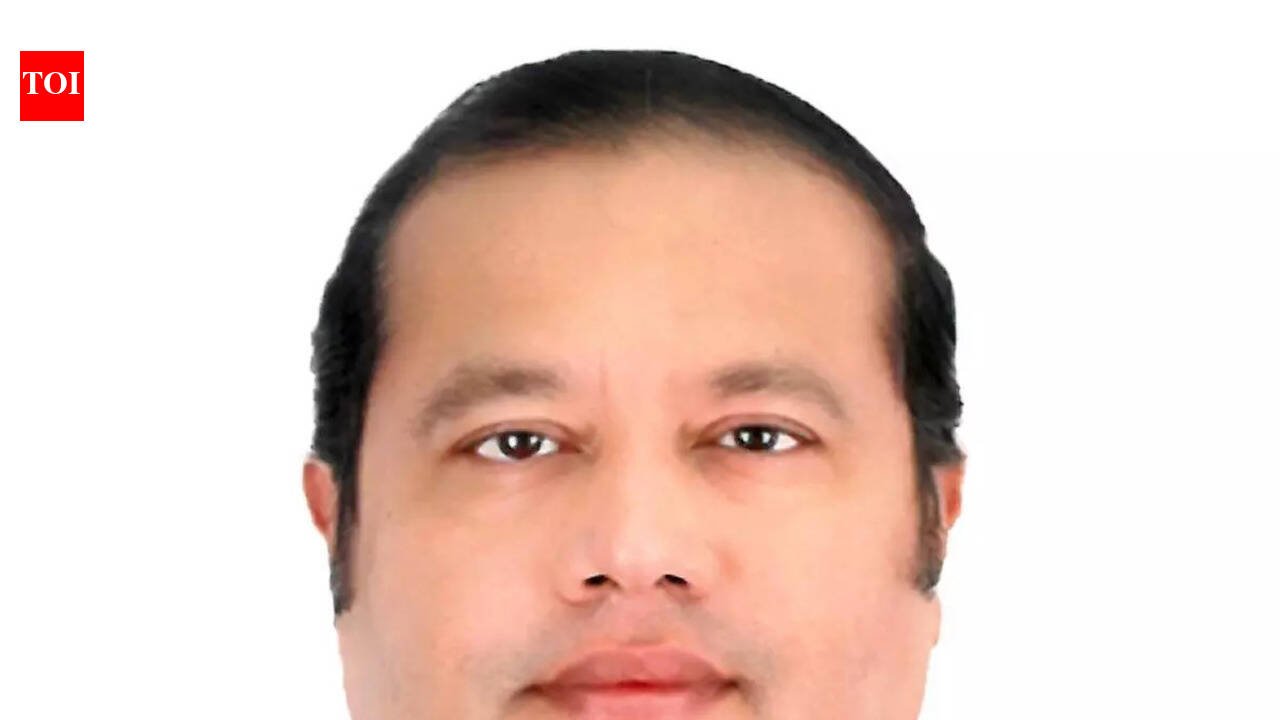
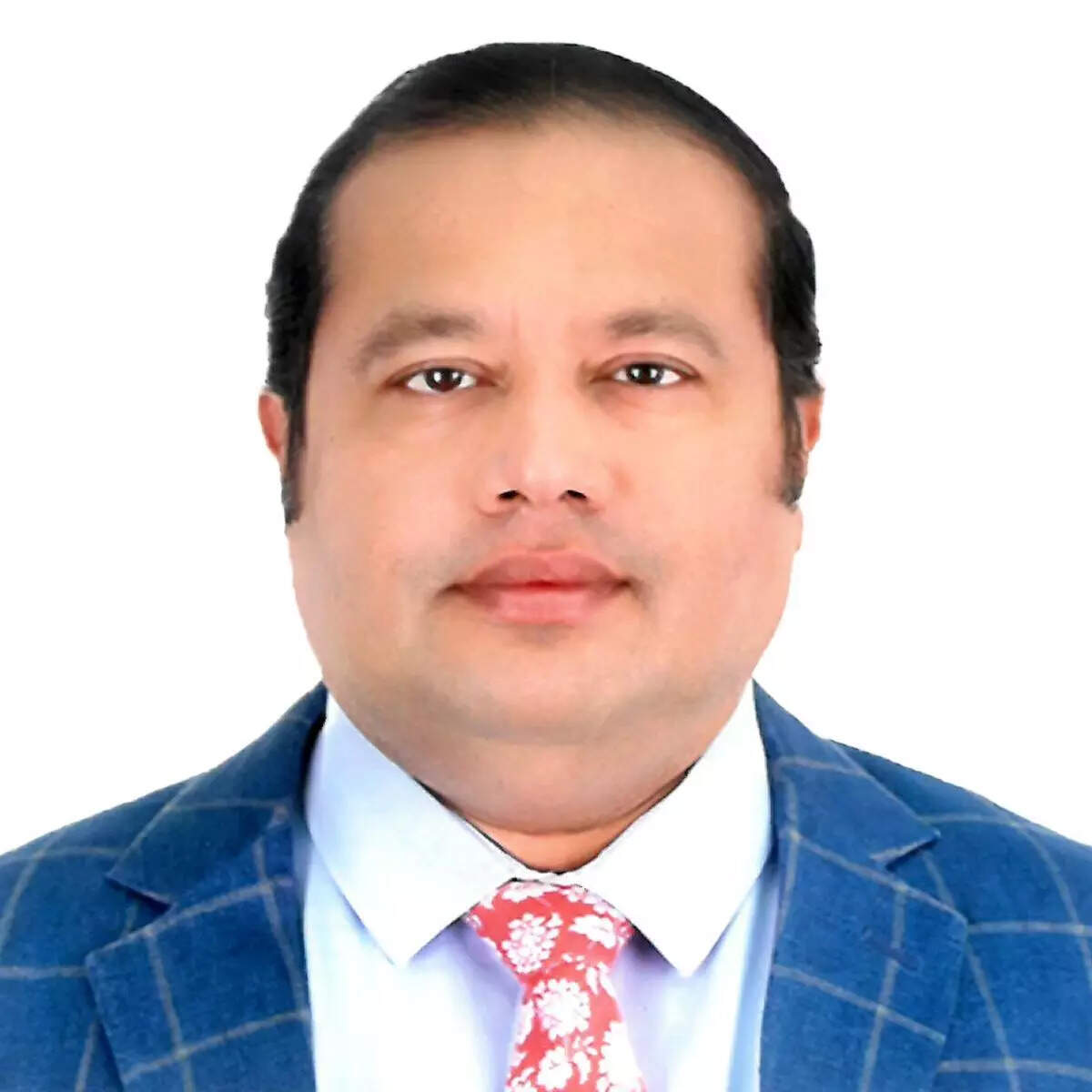
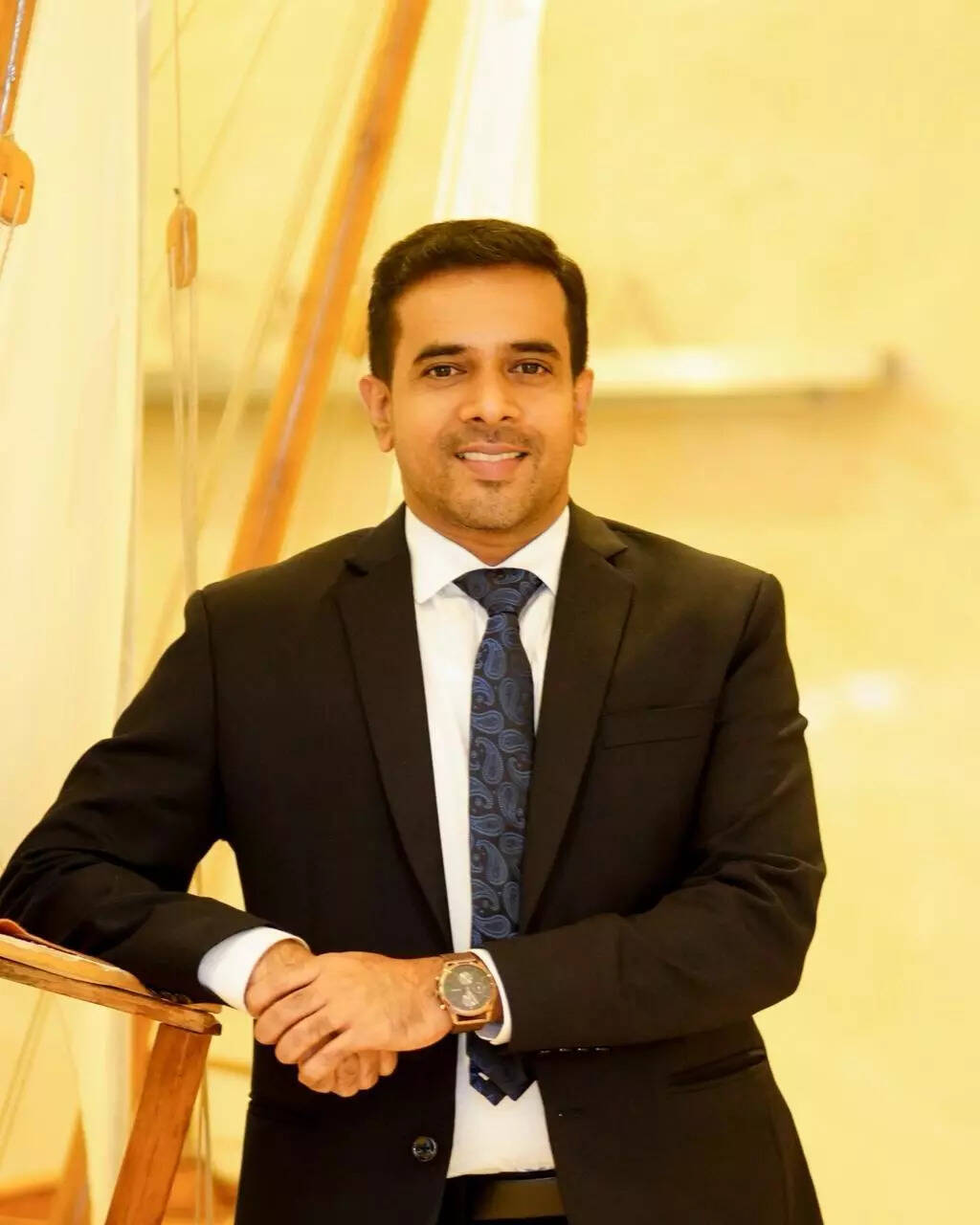
Dr. Biswanath Patnaik, whose grandfather was a freedom fighter, has built a remarkable $5 billion sustainable investment empire across 12 countries. His BNP Family Office isn’t just about financial gains; it’s architected around the philosophy that climate stability, healthcare access, and educated populations are the very preconditions for returns. With Euroclear-listed bonds spanning renewable energy, electric vehicles, and healthcare tech, Dr. Patnaik proves capital deployed with conscience amplifies returns. “My grandfather’s dedication made me want to create something that not only grows financially but also positively impacts society,” he explains, proving that modern finance can indeed prioritize purpose over profit.The Fastener Revolution: Ghaziabad Brothers End India’s Screw Import Dependency

image

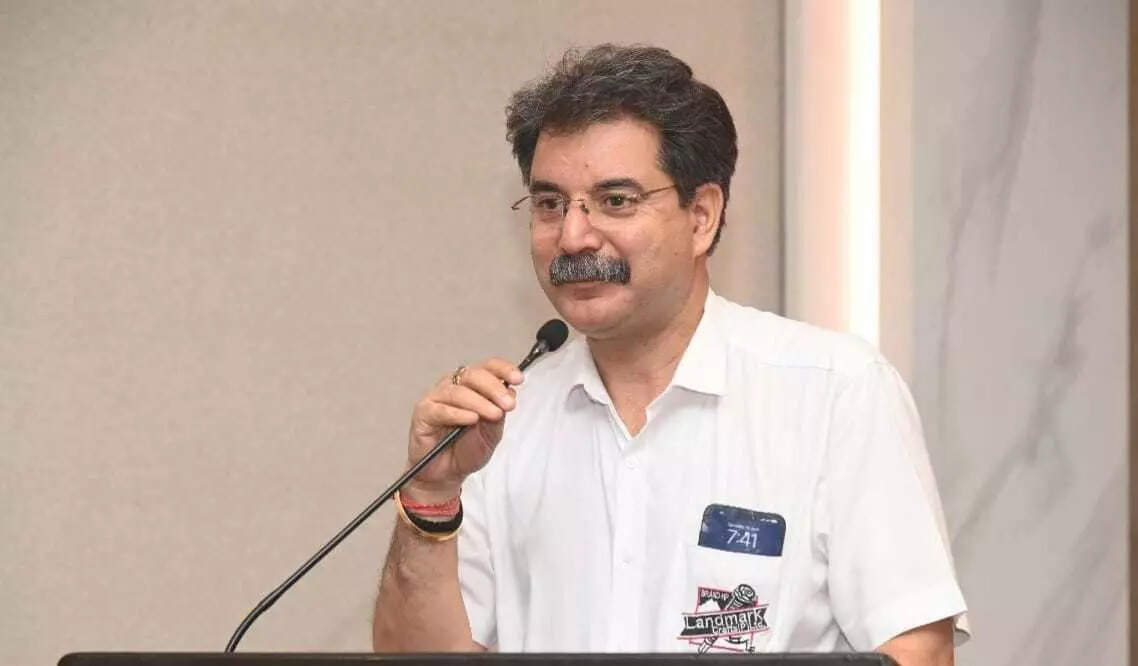
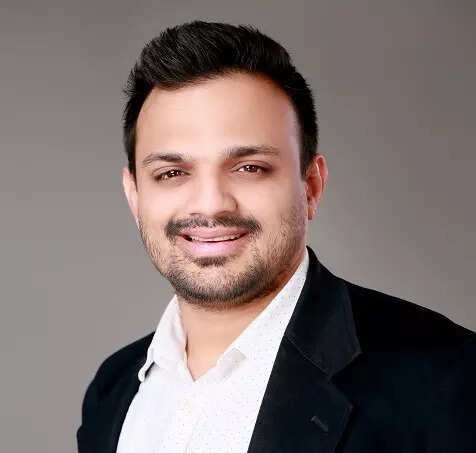
In 1999, as India boomed, brothers Pankaj and Vipin Lidoo of Ghaziabad spotted a critical vulnerability: the nation’s reliance on imported self-drilling screws for its burgeoning construction sector. “India’s infrastructure dreams were literally being held together by imported fasteners,” recalls Pankaj Lidoo, now Managing Director of Landmark Crafts. Rather than importing, they invested in R&D and established India’s first indigenous manufacturing facility for these essential components. Landmark’s “Made in India” fasteners soon became the invisible sinews of national development, supporting projects like the Delhi Metro and Indian Railways. With tailored solutions for diverse climates and expanding product lines, the Lidoo brothers embody a quiet revolution, proving that industrial self-reliance can be built, one screw at a time.Oleevia Grameen Credits Introduces Paid Menstrual Wellness Leave for their Women Employees.

image

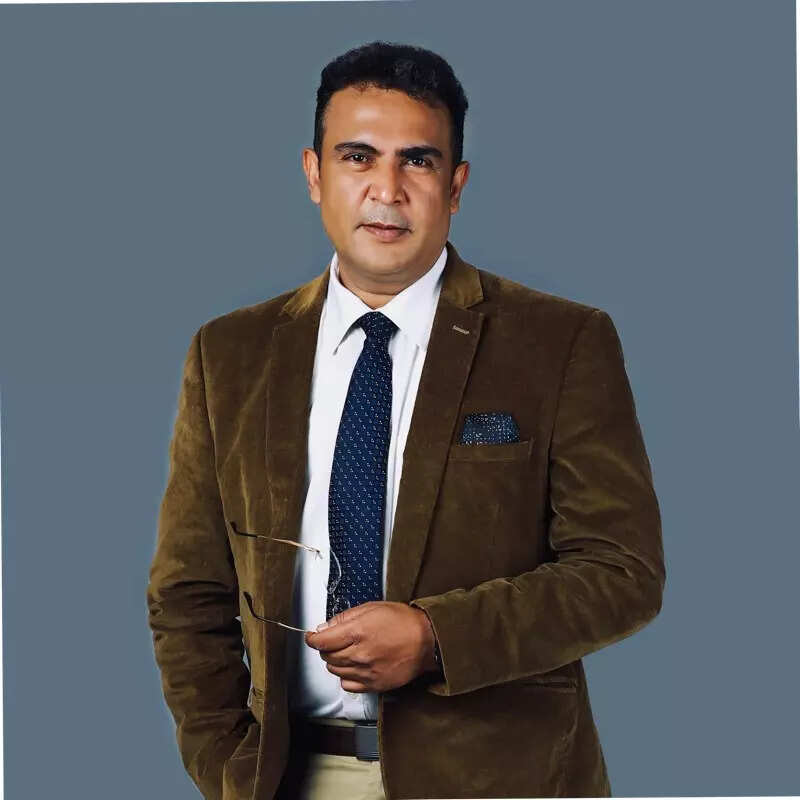
In a progressive step towards building a more humane workplace, the Oleevia Group of Companies has introduced one day of Paid Menstrual Wellness Leave every month for all women employees across its organisations. The initiative, announced by Krishnakumar K T, Chairman & Managing Director of Oleevia Grameen Credits, aims to recognise the physical and emotional challenges many women experience during their menstrual cycle and to create a work culture rooted in dignity and empathy. “This is not merely a leave policy; it is about respecting women’s health and acknowledging a natural biological process without stigma,” said Krishnakumar. The policy allows women to take a day of rest without medical documentation or intrusive explanations, reinforcing trust and respect in the workplace. Krishnakumar believes that true national development happens only when women feel safe, respected, and economically empowered, and organisations must lead the change in creating gender-sensitive workplaces. Sanjay Kalika Mishra: From Adversity to Empowering Medical Professionals

image

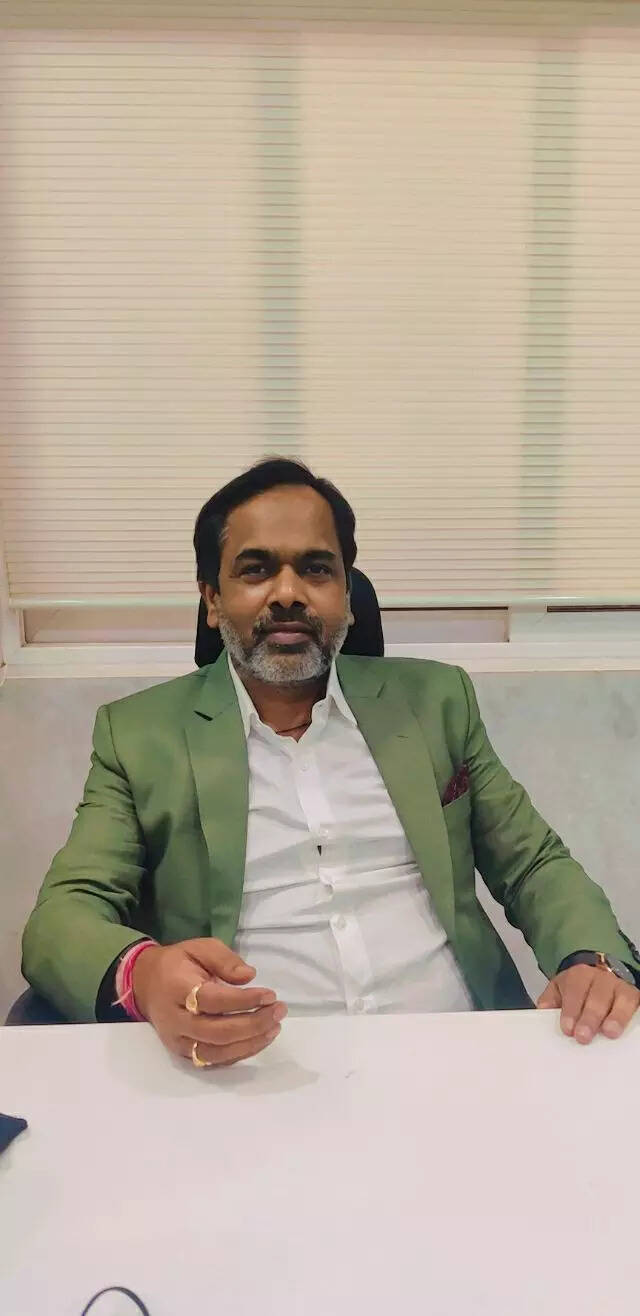
Sanjay Kalika Mishra’s journey is a powerful testament to resilience. Born into modest beginnings and battling depression, he transformed personal struggles into purpose, co-founding Apex Insurance Consultant (AICL) with mentor Vijay Arora. Starting in 2000 from a rented Delhi basement, AICL became India’s first organized crisis management company for doctors. Today, it serves over one lakh medical professionals, offering crucial insurance, strategic support, and legal expertise for medico-legal challenges. Mishra, also a filmmaker and mentor to rural youth, lives by his conviction: “Rock bottom isn’t the end—it’s the foundation.” His story champions authenticity and the triumph of the human spirit in empowering others.Dr. Vinay M. Agrawal: Pioneering Accessible Education at ISBM University

image

Dr. Vinay M. Agrawal, Chancellor of ISBM University, is a visionary leader dedicated to transforming education through innovation and technology. Driven by a mission to provide high-quality, accessible learning, he expanded the ISBM Group globally before establishing the self-financed ISBM University in Chhattisgarh. Under his leadership, the university bridges academic knowledge with industry needs, offering modern programs like Executive MBA and B.Sc. in Computer Science. Dr. Agrawal champions virtual learning and updated infrastructure, ensuring students are equipped for a fast-changing world. A philanthropist, he also empowers underprivileged communities through scholarships, making education a tool for self-reliance and positive societal change. His work has earned numerous national and international accolades.MICROALGAE MARVEL: REMAKING INDIA’S AGRICULTURAL FUTURE

image

Debabrata Sarkar’s Microalgae Solutions India Pvt Ltd (MASI) is revolutionizing agriculture by turning industrial CO2 emissions into farming gold. Partnering with AlgaEnergy, MASI cultivates microalgae that transform greenhouse gases into premium biostimulants and biofertilizers, offering a sustainable alternative to chemical-intensive farming. This “invisible revolution” boosts crop yields by 15-25%, reduces chemical use by up to 30%, and significantly improves soil health. Recognized by Forbes India and TEDx, MASI showcases how biology, not chemistry, can heal soil and enhance productivity. Sarkar’s vision empowers farmers to become climate heroes, charting a regenerative path for India’s food security and climate commitments. Lalit Bokadia: Driving Moxy Steel Impex to Global Success

image

Lalit Bokadia, CEO and founder of Moxy Steel Impex, has steered his company to become a leading global player in metal and stainless steel trading and manufacturing. Specializing in new business development, procurement, and strategic management, Bokadia’s passion for innovation drives Moxy Steel Impex to deliver high-quality products and solutions worldwide. The company is renowned as a professionally managed manufacturer, stockist, and supplier of a vast range of ferrous and non-ferrous metal products, including pipes, tubes, flanges, and sheets. Bokadia’s active involvement in industry trade associations further solidifies Moxy Steel Impex’s esteemed position in the market. Dr. Vinod Anand: Building Trust at the Heart of India’s Healthcare Logistics

image

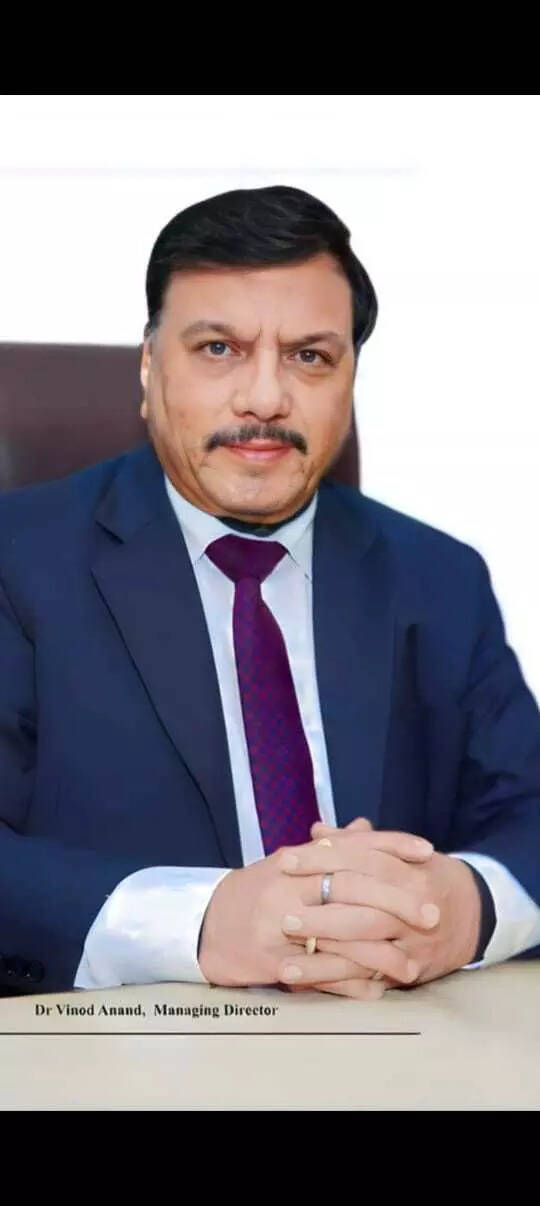
Dr. Vinod Anand, Managing Director of Akanksha Global Logistics Pvt. Ltd. (AGL), exemplifies how ethics and precision can reshape an industry. AGL, founded in 1987 with just ₹80,000, has grown into a respected national leader in healthcare logistics, now boasting an annual turnover of Rs. 300 crores. With a background in biology and regulatory mastery as a licensed Custom House Agent, Anand built AGL on unwavering compliance and credibility. Nearly four decades later, AGL handles critical medical equipment logistics for top institutions like Medanta and Apollo Hospitals across India. Anand’s vision emphasizes logistics as a responsibility, not just business, making trust AGL’s most valuable currency Dr. Jasjit S. Suri: Pioneering AI in Healthcare

image

Dr. Jasjit S. Suri, Chairman and CEO of AtheroPoint™, is transforming medical diagnostics and monitoring through AI. With over 25 years in the US industry, he developed the “Preventive, Precision, and Personalized (P3)” framework for data-driven, patient-centric healthcare, available anytime, anywhere. Holding 50 US patents and over 400 published papers, Dr. Suri has translated advanced AI into clinically validated solutions, securing regulatory clearances globally. His startup, AtheroPoint™, grew from humble beginnings to a global enterprise delivering cardiology services across multiple continents. A recipient of Lifetime Achievement Awards, Dr. Suri is a recognized visionary shaping healthcare’s future.Disclaimer: Content Produced by Participants


Source link

Gold price prediction today: Why are gold prices not rising too much amid US-Iran war? Key levels to watch out for March 16, 2026 week


Gold price prediction today: Why are gold prices not rising too much amid US-Iran war? Key levels to watch out for March 16, 2026 week
Gold on the domestic front on the daily chart is witnessing a short-term corrective phase after a strong uptrend. (AI image)

Gold price prediction today: Gold prices are supported by the underlying geopolitical negative sentiment but the gains are capped, says Manav Modi, Senior Analyst, Commodity Research at Motilal Oswal Financial Services Ltd.Gold declined last week, marking the $5,000 mark as escalating tensions between the US, Israel, and Iran diverted investor flows toward the US dollar and crude oil. Rising energy prices and concerns over supply disruptions through the Strait of Hormuz, which handles nearly 20% of global oil shipments, have heightened fears of inflation, potentially delaying interest rate cuts by the Fed. While safe-haven demand continues to provide underlying support to bullion, gains remain capped amid expectations of a more hawkish policy stance. Investor positioning also reflected caution, with gold-backed ETF holdings falling by nearly 30 tonnes last week. Despite weak US GDP data market participants focused on rising inflation concerns and the path of interest rate change in 2026. Focus this week will be on Fed, BOJ, BOE, ECB interest rate decisions and changes in China LPR.Gold on the domestic front on the daily chart is witnessing a short-term corrective phase after a strong uptrend, with prices drifting lower toward the middle Bollinger Band near ₹155,000, which is acting as an immediate support zone. The recent pullback appears to be a healthy retracement within the broader bullish structure, following the sharp rally seen earlier this year.Price action also indicates a mild descending channel consolidation, suggesting temporary profit booking rather than a trend reversal. On the upside, ₹160,000–₹162,000 remains a key resistance zone, and a sustained move above this area could revive bullish momentum toward ₹165,000.On downside, ₹155,000 is the first support, aligning with the mid Bollinger Band, while a deeper correction could extend toward ₹150,000–₹148,000, where previous breakout zones and lower Bollinger support are placed. Overall, the broader trend remains constructive as long as prices hold above the ₹150,000 support region.(Disclaimer: Recommendations and views on the stock market, other asset classes or personal finance management tips given by experts are their own. These opinions do not represent the views of The Times of India)


Source link

Yash Dayal begins new innings with Shweta Pundir in a private wedding ceremony


In a blend of personal celebration and high-stakes corporate manoeuvring, the Royal Challengers Bengaluru (RCB) camp is buzzing with headlines. While the franchise prepares for a massive ownership shift valued at over $2 billion, its star pacer Yash Dayal has quietly embarked on a new journey of his own.

Yash Dayal ties the knot with content creator Shweta Pundir in an intimate ceremony

Royal Challengers Bengaluru’s dependable left-arm seamer, Dayal, has officially entered a new innings off the field. Reports have confirmed that Dayal married popular digital content creator and social media influencer Shweta Pundir in an intimate ceremony on February 4, 2026. The wedding, held in Noida, Uttar Pradesh, was a strictly private affair, attended only by immediate family members and a select few relatives.

While Dayal known for his calm demeanor on the pitch opted to keep the news away from the media spotlight, the secret was unveiled through Pundir’s social media. She recently shared a heartwarming reel on Instagram, capturing glimpses of their special day. Shweta is a well-known figure in the digital space, boasting over 587K followers on Instagram. Beyond her lifestyle vlogging, she has professional ties to the sport, having worked as a broadcaster for the Intercontinental Legends League.

Dayal, who was a vital component of the RCB squad that clinched its maiden IPL title in 2025 with 13 wickets in 15 matches, is currently gearing up for the 2026 season. After being retained by the franchise, the pacer will look to carry the momentum of his personal happiness onto the field as RCB begins its title defense against Sunrisers Hyderabad on March 28.

Also READ: Kuldeep Yadav ties the knot with longtime girlfriend Vanshika in grand Mussoorie ceremony

A difficult period of days for Dayal in past few months

Despite the joy of his recent marriage and the triumph of the 2025 IPL season, the past several months have been arguably the most challenging of Dayal’s life. Since July 2025, the cricketer has been embroiled in serious legal controversies that threatened to overshadow his sporting achievements.

Dayal faced allegations of sexual assault and “sexual intercourse by deceitful means,” leading to FIRs filed in both Ghaziabad and Jaipur. The accusations, which included claims of exploitation under the pretext of marriage, led to a period of intense public scrutiny and legal battles. The severity of the charges including one initially linked to the POCSO Act sparked significant backlash on social media, with critics questioning his retention by RCB.

However, the tide began to turn in early 2026. In January, the Rajasthan High Court granted Dayal anticipatory bail, providing him with a much-needed legal reprieve. Throughout this turbulent phase, Pundir remained a steadfast pillar of support, even posting a congratulatory message when the bail was granted, stating, “The comeback is always stronger than the setback.” While the legal proceedings are still ongoing, Dayal’s recent marriage and his continued focus on cricket suggest a man determined to move past the shadows of the previous year.

Also WATCH: Inside Kuldeep Yadav and Vanshika Chaddha’s vibrant mehendi ceremony in Mussoorie


Source link

Iran war impact: Oil industry leaders warn Trump administration fuel crunch may worsen in coming days


Iran war impact: Oil industry leaders warn Trump administration fuel crunch may worsen in coming days

Top executives from some of America’s largest oil companies warned officials in US President Donald Trump’s administration that the energy crisis sparked by the war with Iran might worsen, according to a report by The Wall Street Journal. Citing people familiar with the matter, the report said that chief executives of Exxon, Chevron and ConocoPhillips raised these concerns during a series of meetings at the White House last Wednesday, and in recent conversations with US energy secretary Chris Wright and interior secretary Doug Burgum.The development comes at a time when disruptions to energy shipments moving through the Strait of Hormuz have unsettled oil prices and global markets. The strait is one of the world’s most critical oil transit routes and any interruption to the passage of vessels through the waterway is expected to create volatility in energy supplies. Meanwhile, speaking to reporters aboard Air Force One, Trump said that once the conflict subsides, oil prices will come down quickly. “Oil prices will come tumbling down once it is over, and it will be over pretty quickly.”Donald Trump’s appeal to seven countries to deploy warships to help keep the Strait of Hormuz open has met with a negative response from Washington’s allies, casting doubt on the plan. Earlier on Saturday, Trump urged other countries to join efforts to secure the shipping route. In a post, he wrote, “Many Countries, especially those who are affected by Iran’s attempted closure of the Hormuz Strait, will be sending War Ships, in conjunction with the United States of America, to keep the Strait open and safe.” He added that China, France, Japan, South Korea, Britain and other nations should send ships to the area.Later the same day, the US president reiterated his call, writing, “The countries of the World that receive Oil through the Hormuz Strait must take care of that passage, and we will help — A LOT!” He further said: “The US will also coordinate with those Countries so that everything goes quickly, smoothly, and well.”Since US military operations began two weeks ago, global crude prices have climbed past $100 per barrel, while petrol prices in the United States have increased by more than 70 cents per gallon.


Source link

‘Will you steal ICC trophies now?’ Kamran Akmal blasts Pakistan after ODI series loss to Bangladesh | Cricket News


‘Will you steal ICC trophies now?’ Kamran Akmal blasts Pakistan after ODI series loss to Bangladesh
File Pic: Pakistan’s Salman Ali Agha, left, with Shaheen Shah Afridi (AP Photo)

Pakistan’s troubles deepened on Sunday after a 2-1 ODI series defeat to Bangladesh triggered fierce criticism from former wicketkeeper Kamran Akmal, who questioned the state of the country’s cricket with a scathing remark: “If you don’t beat teams in matches, will you now steal ICC trophies and bring them home?”Go Beyond The Boundary with our YouTube channel. SUBSCRIBE NOW!The outburst came after Bangladesh edged Pakistan by 11 runs in the third and final ODI at the Sher-e-Bangla National Cricket Stadium in Dhaka to seal the series. The defeat compounds Pakistan’s struggles following their disappointing early exit from the ICC Men’s T20 World Cup.Bangladesh posted 290 for five after being asked to bat, powered by a superb century from Tanzid Hasan. The opener struck a fluent 107 off 98 balls, hitting six fours and seven sixes, and shared a 105-run stand with Saif Hassan, who made 36. Later contributions from Litton Das (41) and Towhid Hridoy (48) ensured the hosts set a challenging target.Pakistan’s bowling effort was led by Haris Rauf, who claimed three wickets, while captain Shaheen Shah Afridi and spinner Abrar Ahmed took one each.Chasing 291, Pakistan were rocked early and slumped to 82 for five before Salman Ali Agha mounted a spirited counterattack. Agha smashed 106 off 98 balls to keep Pakistan in the hunt, but his dismissal in the 48th over proved decisive as the visitors were bowled out for 279 off the final delivery.Taskin Ahmed starred with the ball for Bangladesh, taking four wickets, while Mustafizur Rahman chipped in with three.Reacting to the defeat on a television show, Akmal launched a blistering attack on Pakistan cricket’s administration and decision-making.“The condition is such that now even the Netherlands would want to play a series against us, beat us and get Test status. This is the condition of Pakistan cricket now,” Akmal said.He questioned Pakistan’s tactical choices as well. “It was a good pitch. Why did you choose to bowl first? They could have easily scored 350 today. Litton Das played slowly at the end and still they got 290, yet we lost.”Akmal also took a swipe at Pakistan Cricket Board chief Mohsin Naqvi, referencing the controversy surrounding the 2025 Asia Cup trophy presentation.“For God’s sake, think about Pakistan cricket. You have made a mockery of it. When you don’t win series against teams, how will you progress? If you don’t beat teams in matches, will you now steal ICC trophies and bring them home?”

Banner Insert


Source link

‘I have the absolute right to charge tariffs in another form’: Trump slams Supreme Court ruling


‘I have the absolute right to charge tariffs in another form’: Trump slams Supreme Court ruling

US President Donald Trump on Monday criticised the US Supreme Court’s decision to invalidate his global tariffs, warning that the ruling could cost the United States trillions of dollars. He said that the verdict will benefit foreign countries and companies that have been “ripping off the United States of America” for decades.” Commenting on his tarrif approach, Trump said that he has the right to impose tariff in another form and is preparing to do so.In a series of posts on social media platform Truth Social, Trump said that tariffs were the most important issue at stake in the case and accused the court of undermining his efforts to protect the US economy. “The decision that mattered most to me was TARIFFS!” Trump wrote. “The Court knew where I stood, how badly I wanted this Victory for our Country, and instead decided to, potentially, give away Trillions of Dollars to Countries and Companies who have been taking advantage of the United States for decades.He added, “Our Supreme Court has made these Countries very happy but, as the Court pointed out, I have the absolute right to charge TARIFFS in another form, and have already started to do so.”He also warned that the hundreds of billions of dollars some US adversaries want repaid should be seen as a symbol of what he described as years of national decline. “But, not anymore,” Trump wrote, adding that the country had “MADE AMERICA GREAT AGAIN” and would soon be “GREATER THAN EVER BEFORE.”Trump also thanked three justices: Samuel Alito, Clarence Thomas, and Brett Kavanaugh, for “for their Wisdom and Courage pertaining to the TARIFF case, and for understanding, in addition to the Law, that our “Unfriendly Competitors” should not be reimbursed and rewarded for the decades of Damage they have caused THE UNITED STATES OF AMERICA.”The US president also used the post to criticise the broader functioning of the court. He claimed that while Democratic-appointed justices tend to vote together, “But Republicans do not do this. They openly disrespect the Presidents who nominate them to the highest position in the Land, a Justice of the United States Supreme Court, and go out of their way, with bad and wrongful rulings and intentions, to prove how “honest,” “independent,” and “legitimate” they are.In a seperate post, Trump went on to criticise Federal Reserve chair Jerome Powell, accusing him of mismanaging a renovation project at the Federal Reserve complex in Washington, DC. Trump described the project as “a money pit, and embarrassment to our Country for the whole World to see,” alleging that the costs had spiralled billions of dollars over budget.He further targeted US district judge James Boasberg, accusing him of political bias and calling for him to be removed from cases involving Trump or his allies. According to Trump, Boasberg has shown “open, flagrant, and extreme partisan bias and contempt against Republicans and the Trump Administration.”He argued that the judge’s actions in matters related to Powell and other cases were driven more by politics than law. Trump said the recent tariff decision from the Supreme Court itself was an example of how the court system has become highly politicised, calling the ruling “a GIFT to Countries and Companies who have been ‘ripping off the United States of America’ for decades.”The comments come as the Trump administration ramps up efforts to recover roughly $1.6 trillion in tariff revenue after the Supreme Court struck down several of the president’s import duties, according to a report by the Associated Press.Officials are now exploring alternative legal pathways and launching new investigations in an attempt to impose replacement tariffs. The lost revenue had been expected to help offset the multi-trillion-dollar cost of planned tax cuts.Experts say recovering that amount could prove difficult, as the alternative routes for imposing tariffs involve more complex procedures and allow US companies greater scope to seek exemptions. Meanwhile, US Trade Representative Jamieson Greer said the administration will open investigations into 16 economies, including the European Union, to determine whether government subsidies are encouraging excessive factory capacity that harms US manufacturing. The probe will also examine China, South Korea and Japan.A second investigation will review whether dozens of countries have failed to ban goods produced with forced labour, which Washington views as an unfair trade practice. The review will cover the EU and China, as well as Mexico, Canada, Australia and Brazil.


Source link

Iran’s Sejjil-2 ‘dancing missile’ used for first time in this war: The solid-fuel weapon that can strike 2,000 km away


Iran’s Sejjil-2 ‘dancing missile’ used for first time in this war: The solid-fuel weapon that can strike 2,000 km away
Sejjil missile launched by Iran towards Israel (Video/X@MOSSADil)

The Islamic Revolution Guard Corps (IRGC) on Sunday carried out a new round of missile strikes against Israeli targets. For the first time, Tehran launched Sejjil-2 missiles since the outbreak of the US-Israeli war that started on February 28.IRGC carried out the latest wave of retaliatory strikes as part of its ongoing military campaign against Israel, saying that the attacks targeted strategic and military locations inside Tel Aviv.The group further said that the attacks were part of the 54th wave of missile strikes carried out under ‘Operation True Promise 4’, according to state news agency Islam Times. In a statement, the IRGC’s Public Relations Office said that the latest barrage included a mix of ballistic missiles such as Khorramshahr, Khaybar-shekan, Qadr and Emad, along with the strategic Sejjil missile.According to the statement, the Khorramshahr missile, which carries a warhead weighing around two tonnes was also used in the strikes. Iranian officials said the missiles targeted locations linked to Israeli military operations and decision-making infrastructure.The IRGC claimed that sites connected to Israel’s defence industries and areas where Israeli forces were gathered were among the targets hit during the attacks.The missile got its nickname ‘dancing missile’based on its high‑maneuverability and ability to evade defence systems. The missile launch comes amid the ongoing war involving the United States, Israel and Iran that began after large-scale strikes were launched inside Iran.Iran has said the conflict began after American and Israeli forces carried out a military campaign following the killing of the country’s Supreme Leader Ali Khamenei along with several senior military commanders and civilians.The attacks reportedly included air strikes on both military and civilian sites across Iran, causing heavy damage and casualties.In response, Iran has launched several waves of missiles and drones targeting Israeli territory and US military positions across the region.

What are Sejjil missiles?

The Sejjil missile is one of Iran’s most advanced ballistic missile systems. It is a two-stage, solid-fuel medium-range ballistic missile (MRBM) developed domestically by Iran.The missile has a reported range of about 2,000 kilometres, allowing it to reach targets across much of the Middle East. It can carry a single warhead weighing around 700 kilograms, according to the Centre for Strategic and International Studies (CSIS). One of the key advantages of the Sejjil system is its solid-fuel propulsion. Unlike liquid-fuel missiles that need to be refuelled before launch, solid-fuel missiles can be launched more quickly, making them harder to detect or destroy before firing.The missile is also road-mobile, meaning it can be transported and launched from mobile platforms.

Sejjil missile development and history

Development of the Sejjil missile started in the late 1990s, building on earlier Iranian missile programmes such as the Zelzal short-range ballistic missile.The first successful test launch took place in 2008, followed by another test in 2009 aimed at improving the missile’s guidance and navigation systems.Several additional tests were conducted in the following years, including one that reportedly flew nearly 1,900 kilometres.Iran has displayed the missile publicly during military parades alongside other systems such as the Shahab-3 and Ghadr-1 missiles.After about a decade of inactivity, the Sejjil resurfaced in 2021 when Iran launched it as part of the January Great Prophet 15 military exercises.


Source link