Breaking News
Huge blow! Harshit Rana ruled out of IPL 2026; KKR yet to decide replacement | Cricket News


Huge blow! Harshit Rana ruled out of IPL 2026; KKR yet to decide replacement
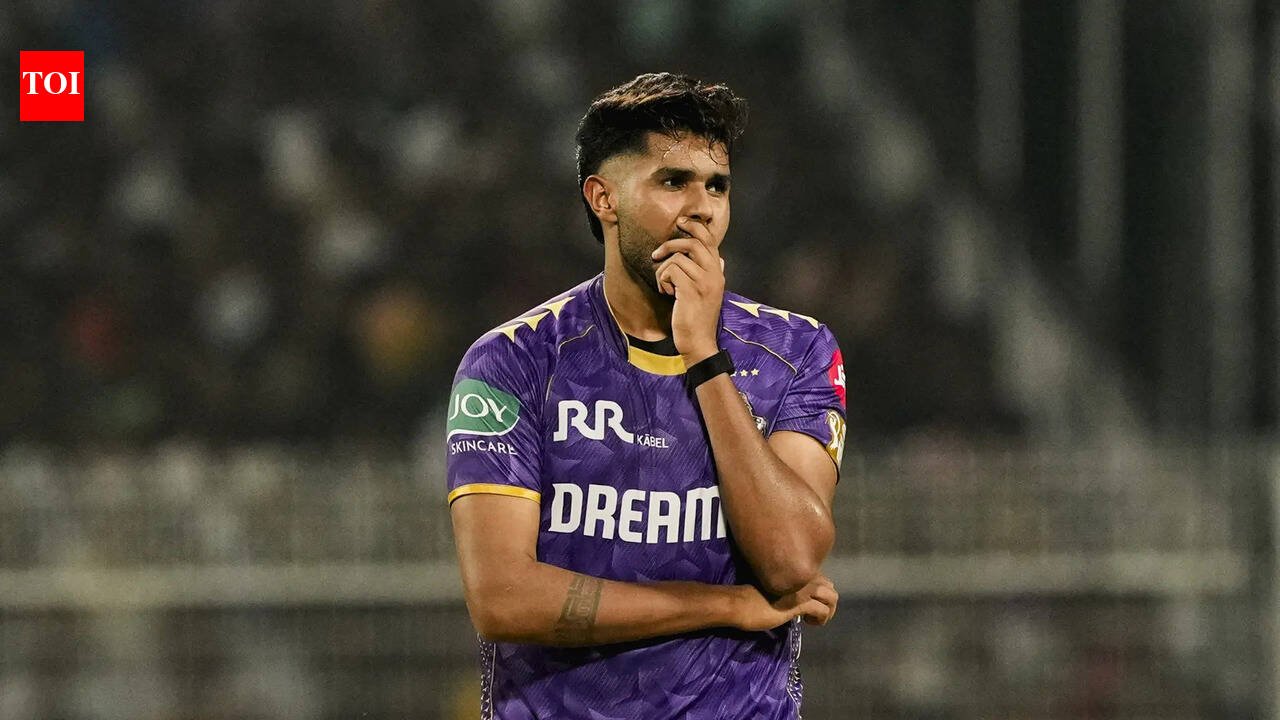
KKR’s Harshit Rana (PTI Photo/Swapan Mahapatra)

In a huge blow, all-rounder Harshit Rana has been ruled out of the upcoming edition of the Indian Premier League. Rana injured himself during a warm-up fixture ahead of the T20 World Cup and has been missing from action since then. It is understood that Kolkata Knight Riders (KKR) are yet to decide on a replacement for the all-rounder.Earlier on Friday, KKR roped in Zimbabwe fast bowler Blessing Muzarabani. The 6 ft 8 in right-arm pacer has developed into one of Zimbabwe’s leading bowlers in the shortest format, known for generating steep bounce and taking wickets during crucial phases of an innings. Muzarabani brings considerable experience in T20 cricket, having taken more than 90 wickets in over 80 T20 Internationals at an impressive average of around 21. His best bowling figures in the format stand at 3/8.Muzarabani is scheduled to arrive in Kolkata on March 17 to link up with the KKR squad and begin preparations for the 2026 campaign.

Banner Insert


Source link

Online crimes against women & children: Govt urges law enforcement & IT firms for stronger response | India News


Online crimes against women & children: Govt urges law enforcement & IT firms for stronger response

NEW DELHI: Highlighting the growing challenge of online crimes against women and children, home secretary Govind Mohan on Friday exhorted the law enforcement agencies to ensure prompt and coordinated response to such cases while also urging the information technology (IT) intermediaries to adhere to all legal provisions meant to secure the digital space for women and children. Addressing the inaugural session of the national dialogue on ‘online crimes against women and children’ (OCWC) organised here by the Indian Cyber Crime Coordination Centre (I4C), Mohan asked the states and UTs to strengthen their institutional capacities and develop robust, specialised units and dedicated response mechanisms to ensure timely investigation, victim support and swift action against the perpetrators.The event intends to bring together key stakeholders to deliberate on strengthening coordinated mechanisms to prevent and effectively respond to online crimes targeting women and children. “Under the leadership of Prime Minister Narendra Modi and the guidance of home minister Amit Shah, government of India remains committed to strengthening institutional mechanisms and fostering collaboration among all stakeholders to ensure a safe, secure, and dignified digital environment for women and children across the country,” the ministry said in a statement on Friday.Discussions held during the dialogue dwelt on the emerging trends and patterns in online crimes against women and children; strengthening investigative frameworks and digital forensics capabilities; improving victim support and reporting mechanisms; enhancing coordination with digital platforms for timely removal of harmful content; and promoting multi-stakeholder collaboration for prevention, awareness and enforcement.Addressing the gathering, Mohan called upon all stakeholders to work collectively towards ensuring a safe and secure digital ecosystem.The national dialogue provides a platform for knowledge exchange, sharing of best practices, and collective deliberation on building a coordinated national strategy to address the evolving challenges posed by online crimes in the digital environment.The inauguration also marked the launch of master trainers induction programme in the states/UTs on online crimes against women and children, aimed at creating a national pool of trained officers to lead capacity-building initiatives in their respective states and UTs. The programme seeks to equip selected officers with specialized knowledge, investigative techniques, and best practices required to address emerging cyber threats targeting women and children. These officers will further train law enforcement personnel at the state and district levels, thereby strengthening the country’s response framework to such crimes.Participating in the national dialogue on Friday were senior officials of the state and UT law enforcement agencies, representatives from concerned ministries and departments of the government of India, social media intermediaries, internet service providers, academia, civil society organizations, legal experts, and student representatives.


Source link

London Police wants Apple, Samsung and Google’s help to solve the city’s biggest street crime problem


London Police wants Apple, Samsung and Google's help to solve the city's biggest street crime problem

Apple, Samsung and Google are being urged by London’s police chief to help tackle the growing problem of mobile phone theft in the city. The UK government has warned that the major smartphone makers could be asked to mandate stronger anti-theft measures if companies do not act voluntarily by the summer.According to a Financial Times report, Mark Rowley, commissioner of the London Metropolitan Police Service, said the force will push for legislation if phone makers fail to introduce technology that blocks stolen devices from being used anywhere in the world. The move is part of broader efforts to address phone theft, which affects tens of thousands of London residents each year and has raised concerns about street crime in the city.In a conference, London’s most senior police officer, Rowley, said, “If, by June, industry has not come forward in a genuinely serious, solutions-focused way with concrete commitments that make stolen phones unusable anywhere in the world the Met will formally ask the government to legislate. Only Apple, Google and Samsung can break this model . . . Without them, criminals will adapt and markets will persist.”

What measures London police wants Apple, Google and Samsung should take to reduce phone theft

Smartphone makers have faced repeated calls from London police to strengthen their technology to reduce incentives for theft and limit the resale market for stolen smartphones. Rowley said the Metropolitan Police Service recorded a decline in phone thefts, with cases falling by more than 12% from 81,365 in 2024 to 71,391 in 2025. However, the force remains under pressure to take further action.Rowley told FT that companies should introduce a “non-bypassable stolen mode”, which would turn a stolen phone “into a brick” immediately after a theft is reported. He also called for additional steps, including integrating the International Mobile Equipment Identity number into phone hardware so that any attempt to alter the identifier would disable the device.Another proposal involves component pairing, which would prevent valuable parts from being resold unless they match the credentials of the original device. Currently, phone makers and network operators use security measures such as passcodes to unlock devices but have not implemented broader systems that permanently disable stolen phones. Apple recently introduced an optional stolen device protection feature that requires biometric authentication and a passcode for certain changes, including account modifications.When asked what legislation the police might seek, Assistant Commissioner Matthew Twist told FT, “In cases where there is a phone that is stolen, that is verified by police, that there would be a mandation that tech companies to . . . hardware block that phone, so that nobody else can ever use it again.”The proposal has received backing from London mayor Sadiq Khan, who said he would support the commissioner in calling on the government to introduce legislation if companies do not act. “[There have been] lots of warm words, but we’ve not had the progress that we’d like to see, so we’re imploring them: work with us,” Khan told FT.A spokesperson for Google said Android’s anti-theft tools already “give added security for billions of people, including Londoners”. The company added that it was “delighted to attend the Met Police’s conference to demonstrate our commitment to device safety [and] to outline our work to protect those who use our products”, highlighting a partnership with police in São Paulo to address phone theft in the city.Rowley said he plans to travel to the US next week to meet executives from Apple and Google to discuss the issue, while the Metropolitan Police continues its efforts to address mobile phone theft.


Source link

Trump winning militarily, losing politically in Iran war: Ian Bremmer


Trump winning militarily, losing politically in Iran war: Ian Bremmer

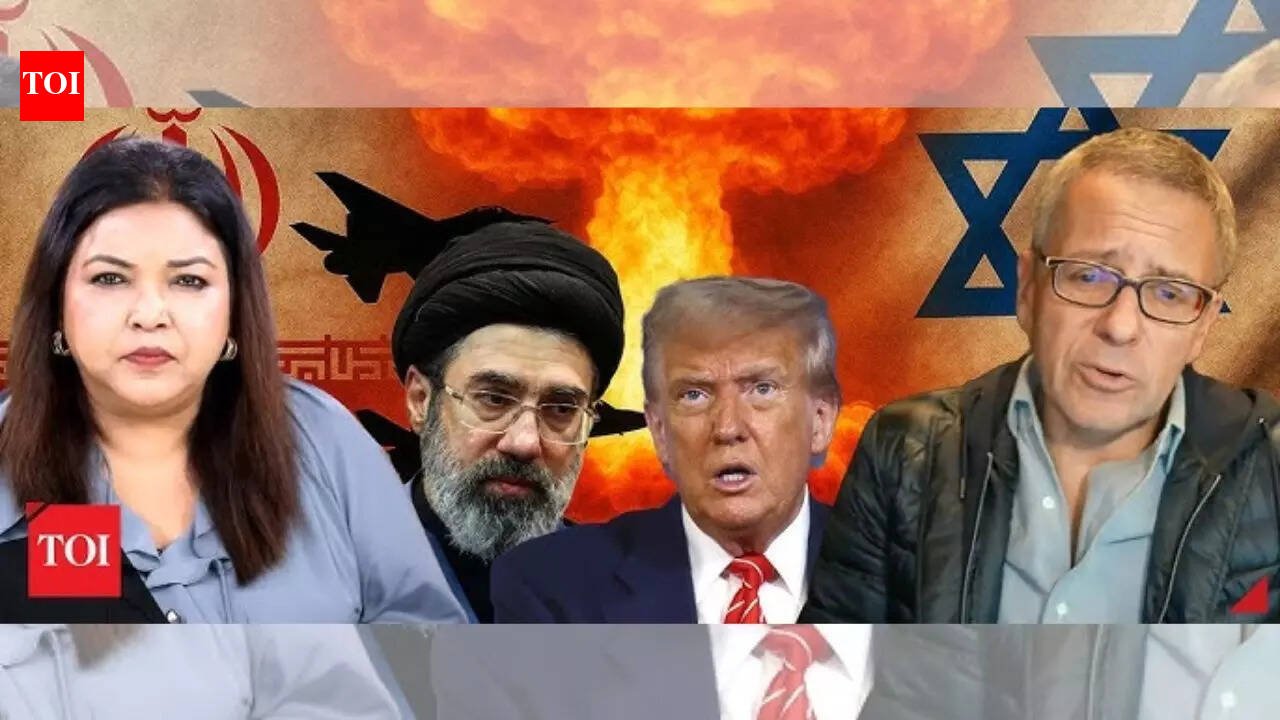
Ian Bremmer, president of Eurasia Group, asserts that the battlefield and the politics of the US-Iran conflict are diverging significantly, with Washington’s military campaign causing significant harm to Iran and not yielding the desired political outcome for President Donald Trump.Speaking to TOI’s in an interview, Bremmer said the United States had succeeded in degrading key Iranian capabilities, including ballistic missiles and naval assets, but had failed to trigger a collapse of the Iranian system or produce a leadership transition that Washington could shape. That gap, he argued, has created a far more dangerous and expensive conflict than the Trump administration expected.“It’s not gone the way that Trump hoped or expected,” Bremmer said.

‘Trump Must Back Down Or…’: Ian Bremmer’s BLUNT Warning To Trump On Iran War, Mojtaba Khamenei

He described a war in which the US military has achieved tactical successes while strategic costs have mounted quickly. Iran’s armed forces have taken visible damage, he said, but the broader fallout has included drone and missile attacks on Gulf states, US military deaths, and severe disruption in the Strait of Hormuz that is feeding into higher oil, gas and fertilizer prices worldwide.Bremmer said that the combination of military progress and political failure reflected a core miscalculation in Washington: the assumption that Iran’s leadership could be decapitated or pressured into producing a more pliant successor government.That assumption, he suggested, was effectively shattered by the elevation of Mojtaba Khamenei after the death of Supreme Leader Ali Khamenei in US-Israeli strikes. In Bremmer’s telling, the succession does not signal moderation, compromise or fragmentation inside Tehran. Instead, it signals continuity and defiance.“It shows that the Iranian leadership is in an intransigent mode,” he said.Bremmer contrasted the symbolism of Iran’s formal presidency with the harder logic of the clerical system, arguing that more conciliatory messages from elected figures were never the true center of power. The choice of Mojtaba Khamenei, he said, amounted to a declaration that the Islamic Republic intended to hold its line rather than seek an off-ramp on terms dictated by Washington.The result, he argued, is that Trump now faces a narrowing set of choices: accept a leader he does not want, back away from his earlier rhetoric, or continue a war whose costs are likely to keep rising.Bremmer was especially blunt in dismissing any comparison between Iran and cases where the United States believed it could exploit elite fractures for regime change. The problem in Iran, he said, is not simply operational difficulty. It is the absence of an internal faction willing to trade ideology for survival in the way Washington hoped.In Venezuela, he said, the US had interlocutors who could act pragmatically. In Iran, that model does not apply. The ruling order is a theocratic system run by hardliners for whom sacrifice, not bargaining, is part of the political framework.“Trump assumes that all political leaders are like him – that everyone has a price,” Bremmer said. “In the case of Iran he is negotiating with people who do not have a price.”That, he said, means any serious attempt at regime change would require tools the United States does not currently have: either American boots on the ground, a coordinated domestic opposition, or most likely both. At present, he said, neither exists in a usable form.Without those conditions, Bremmer argued, the regime is likely to survive even in a weakened state. He said Trump could still choose to declare victory and halt operations, presenting the war as a successful effort to damage Iran’s ability to project power. But by broadening the target set beyond nuclear and missile infrastructure, Bremmer said, Trump had assumed political ownership of a much wider conflict.“This war did not need to be about killing the Supreme Leader, killing all military leaders, or disrupting the Strait of Hormuz,” he said.He argued that a narrower war focused on missile and nuclear facilities might have left the US and its allies in a stronger diplomatic position. Instead, he said, the broader campaign had pushed Iran toward a more desperate and decentralized strategy in which local commanders strike a wider array of targets with fewer constraints.That change, Bremmer said, helps explain why the conflict has become harder to contain. In his account, Iran’s remaining tools are less about massed conventional retaliation and more about low-cost, dispersed violence: drones, opportunistic attacks, and potential terrorist operations abroad.He said Iran is clearly losing in conventional military terms. The regime is weaker, the population is suffering, and its missile arsenal is being steadily reduced. Hezbollah, Hamas and other members of the so-called Axis of Resistance are all diminished compared with their earlier strength, he said. Hezbollah’s early response, in his telling, was only a fraction of what it might once have launched. Hamas is battered. Bashar al-Assad is out of power in Syria. The Houthis, he added, appear to be holding back as they seek concessions from Gulf states.Still, that does not mean the danger is receding. Bremmer warned that drones represent a different kind of threat from ballistic missiles: they are cheap, decentralized and difficult to eliminate completely. Iran may be able to sustain that kind of pressure for months, he said, even as its heavier capabilities shrink.He outlined three triggers that, in his view, could transform the conflict into a much wider Middle East war: a major attack causing large-scale American casualties, an oil shock severe enough to send crude above $100-$120 a barrel and damage energy infrastructure, or a major strike on a Gulf state that convinces a country such as the UAE that its economic model is under direct threat.Among those risks, Bremmer placed particular emphasis on the global economic consequences of prolonged instability in the Gulf. The disruption in Hormuz, he said, is already historic, and any deeper shock would not remain a regional problem. It would hit energy markets, trade flows and domestic politics in countries far from the battlefield, including the US and India.Even absent a dramatic escalation, Bremmer said he already sees the war as likely to become the defining foreign-policy error of Trump’s presidencies. He said the conflict is unpopular in the US and could grow more so as costs rise, especially at a moment when Trump is already facing domestic pressure over immigration and affordability.The best-case scenario now, Bremmer argued, is not decisive victory but a quick declaration of one. A limited ceasefire, or a unilateral US effort to stop after inflicting damage, could still reduce casualties and create room for renewed negotiations from a position of strength.The alternative, he suggested, is a war that deepens because Trump finds it politically difficult to acknowledge limits.“Trump will never admit failure,” Bremmer said. “But when he feels constrained he also tends to double down.”That, Bremmer suggested, is the danger now hanging over the conflict: a war in which the military picture looks manageable, but the political logic keeps pulling the United States toward a larger and more punishing fight.


Source link

RSS plans shakha expansion, wider outreach to mark centenary year | India News


RSS plans shakha expansion, wider outreach to mark centenary year

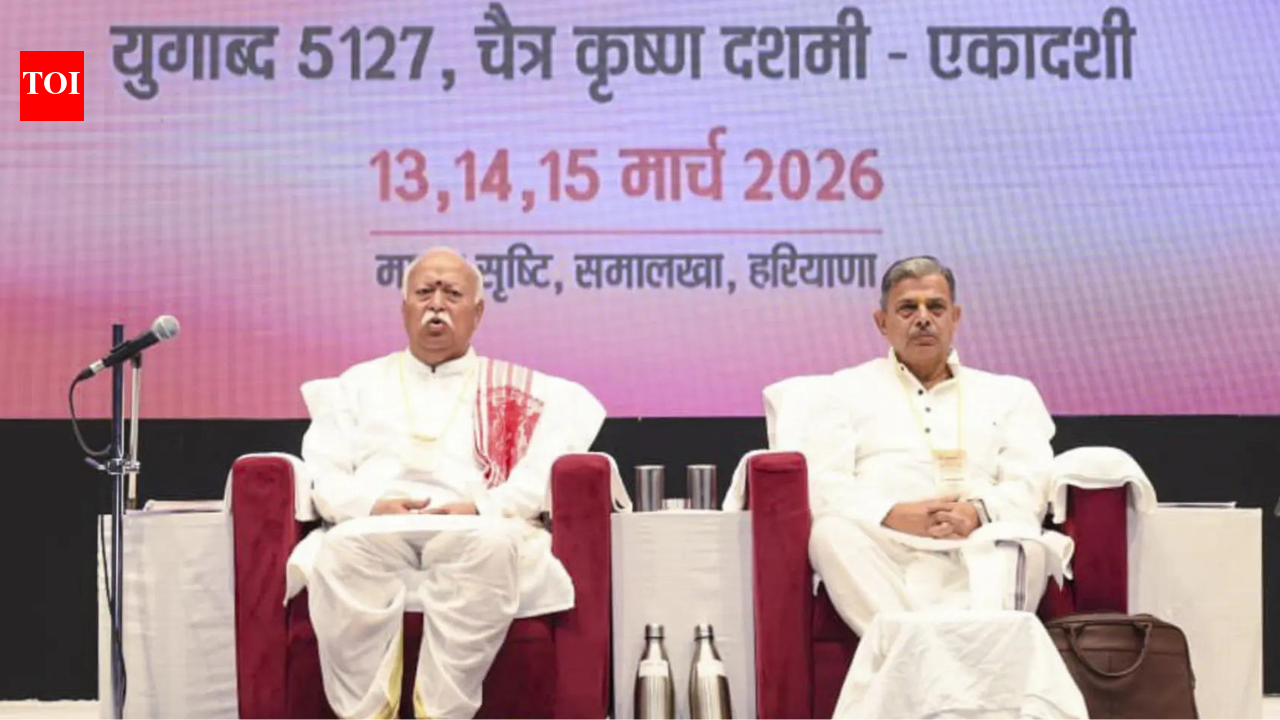
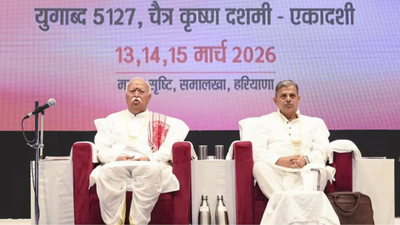
RSS plans shakha expansion, wider outreach to mark centenary year (Picture credit: PTI)

NEW DELHI: The Rashtriya Swayamsevak Sangh (RSS) will focus on expanding its ‘shakhas’ and stepping up public outreach programmes during its centenary year, with the organisation saying it is pushing both organisational growth and wider social engagement as part of its 100th year initiatives.Addressing a press conference in Samalkha, Panipat, RSS joint general secretary C R Mukund said on Friday that “special emphasis” was being placed on the expansion of shakhas and outreach to society as the organisation marks its centenary year, as per news agency PTI.The remarks came as RSS chief Mohan Bhagwat and general secretary Dattatreya Hosabale inaugurated the three-day Akhil Bharatiya Pratinidhi Sabha (ABPS), the Sangh’s top decision-making body, in Haryana’s Samalkha.

Focus on shakha growth and social engagement

Mukund said the Sangh’s centenary-year plans have “two main dimensions” — organisational expansion through shakha growth, and a parallel effort to engage society, build harmony and mobilise people for “social transformation, and public awakening”.He said the RSS has already reached out to more than 10 crore homes under its ‘grihasampark’ (mass contact) programme and covered more than 3 lakh villages across the country.As part of this outreach, Mukund said the organisation has also seen what he described as a positive impact of “sabbhav gosti” and “pramukh nagrik gostis”, according to PTI.

Kerala outreach highlighted

Highlighting outreach efforts in Kerala, Mukund said RSS volunteers visited a wide cross-section of homes, including Muslim, Christian and even communist-leaning households.“In Kerala, over 55,000 Muslim and 54,000 Christian homes were covered under the public outreach initiative,” he said.“We received a warm welcome everywhere we went. Our ‘swayamsevaks’ reached out to 55,000 Muslim and 54,000 Christian homes,” Mukund added, noting that the Sangh also extended the initiative to tribal regions.

Hindu Sammelans, youth meets and social harmony programmes

As this year marks the centenary of the RSS, the ABPS meeting is expected to hold detailed discussions on major campaigns planned for the celebrations. These include ‘grihasampark’, Hindu Sammelans, youth conferences, gatherings of prominent citizens and social harmony meetings.Mukund said Hindu Sammelans have already been held at more than 36,000 places across the country, with more events planned in urban centres, rural areas and remote regions.He also said the Sangh is trying to engage prominent citizens in different localities as community leaders and is working at the block level with local leaders, heads of spiritual organisations and heads of religious centres to promote harmony and social reform.

Panch Parivartan and wider issues

Mukund also spoke about the RSS’ ‘panch parivartan’ initiative, which focuses on social harmony, preservation of family values, environmental protection, selfhood and self-reliance, and adherence to legal, civic and constitutional duties.“Together, we aim to deliberate upon and implement positive initiatives that bring about necessary social reforms. Specifically, the Sangh has identified five transformations. Five key themes representing the changes currently desired within society,” he said, according to PTI.On wider issues, Mukund said the situation in Naxal-affected areas is gradually returning to normal due to the government’s efforts, while “political stability is coming” in Manipur and ongoing dialogue among communities is yielding results.He also said the Sangh wants the Bangladesh government to take necessary steps to protect the rights and interests of Hindus there. Asked about the West Asia conflict, Mukund said the crisis should end soon, adding that this is what “we and the Indian society believe”.

Key meet underway in Samalkha

The three-day ABPS meeting will review the RSS’ activities during 2025-26 and assess major initiatives undertaken across regions, RSS Akhil Bharatiya Prachar Pramukh Sunil Ambekar had said earlier, reported PTI.A total of 1,487 karyakartas, including elected representatives and key office-bearers from across the country, are attending the meeting, along with presidents, general secretaries and organising secretaries of 32 affiliated organisations. BJP chief Nitin Nabin and senior functionaries of the Sangh’s sister organisations are also expected to be present.


Source link

India reviews US Section 301 investigations on partners; decision to follow detailed assessment: Report


India reviews US Section 301 investigations on partners; decision to follow detailed assessment: Report

India is examining the United States’ move to initiate Section 301 investigations against a group of 16 trading partners and will take an appropriate position after analysing the legal and economic aspects, PTI reported citing an official on Friday.On March 11, the Office of the United States Trade Representative (USTR) announced probes into countries including India, China, Japan and the European Union to address practices such as forced labour and manufacturing overcapacity that Washington believes are hurting its domestic industry.The investigation spans multiple sectors such as steel, aluminium, automobiles, batteries, electronics, chemicals, machinery, semiconductors and solar modules.The countries and regions under review include China, Singapore, Switzerland, Norway, Indonesia, Malaysia, Cambodia, Thailand, South Korea, Vietnam, Taiwan, Bangladesh, Mexico, Japan, India and the 27-member EU bloc.“We are studying what is there in their note. We are looking at it from all perspectives. Both from the legal perspective as well as the economic angle which is being mentioned there. India is evaluating the documents,” the official said.The development comes after the US Supreme Court ruled against the tariffs imposed earlier during President Donald Trump’s tenure. Following the verdict, Trump had said Washington had other options to reintroduce tariff pressure.In line with that approach, the United States has imposed a 10 per cent tariff on all countries for a period of 150 days from February 24.The Section 301 process will assess whether measures such as industrial subsidies, expansion of state-backed manufacturing, operations of state-owned enterprises, barriers to market access, currency practices or weak domestic demand have contributed to excess global manufacturing capacity affecting US trade.If such practices are established, Washington could consider countermeasures including higher tariffs, quantitative restrictions or other trade curbs.Public consultations on the investigations will begin on March 17, when dockets open for submissions from companies, industry associations and governments.Sources indicated that the probe has a sharper focus on China due to concerns around forced labour and sector-specific overcapacity that could influence global trade flows.


Source link

US-Iran war: All 6 crew members dead after American KC-135 refuelling aircraft crashes in Iraq


US-Iran war: All 6 crew members dead after American KC-135 refuelling aircraft crashes in Iraq
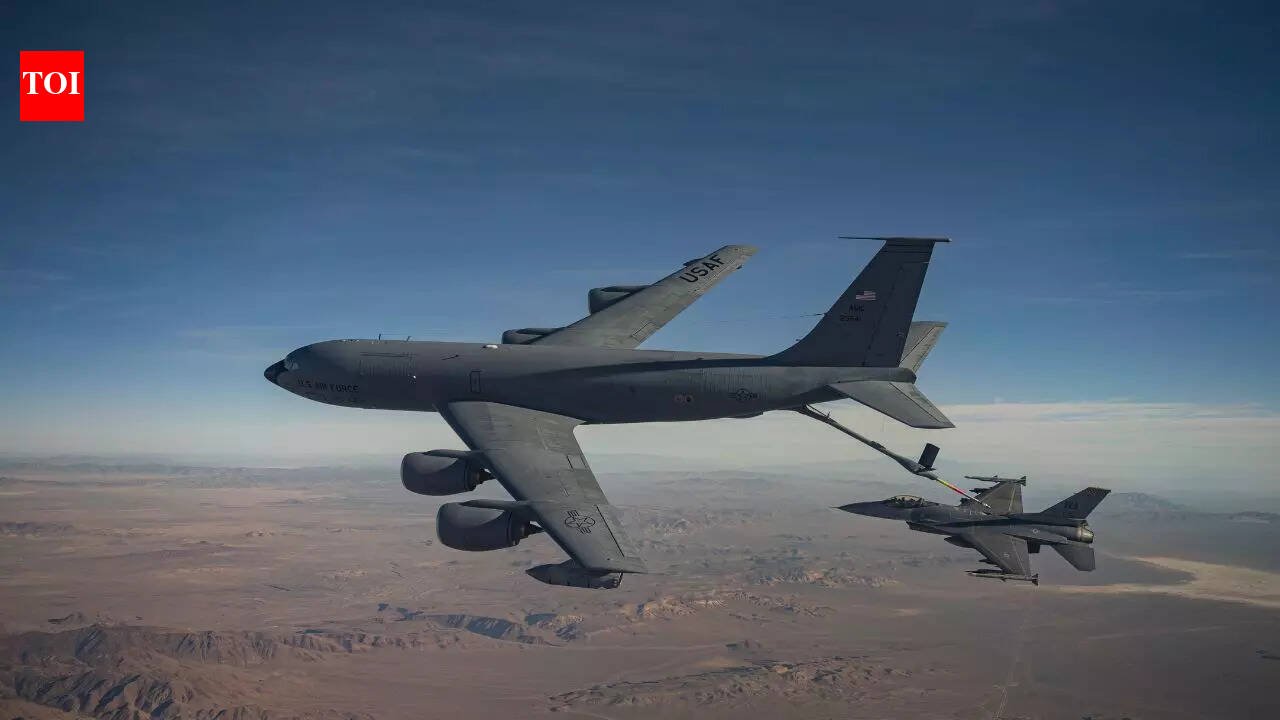
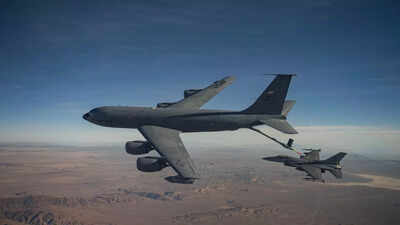
All six crew members aboard a US KC-135 refueling aircraft that crashed in western Iraq on March 12 have been confirmed deceased. The aircraft went down during Operation Epic Fury in friendly airspace. The US military has stated the incident was not caused by hostile or friendly fire, and an investigation is ongoing.

NEW DELHI: All six crew members aboard a US KC-135 refuelling aircraft that crashed in western Iraq have been confirmed dead, US Central Command (CentCOM) said on Friday.The aircraft went down on March 12 while flying over friendly airspace during Operation Epic Fury, according to the US military. Earlier reports had confirmed four deaths while rescue efforts were underway.In a statement posted on X, CentCOM said: “All six crew members aboard a US KC-135 refueling aircraft that went down in western Iraq are now confirmed deceased. The aircraft was lost while flying over friendly airspace March 12 during Operation Epic Fury. The circumstances of the incident are under investigation. However, the loss of the aircraft was not due to hostile fire or friendly fire. The identities of the service members are being withheld until 24 hours after next of kin have been notified.The crash occurred amid the ongoing Middle East conflict involving US and Iranian forces. The US military has said the incident took place during operational activities connected to Operation Epic Fury.Officials have ruled out both hostile fire and friendly fire as the cause of the crash, though the exact circumstances remain under investigation.The KC-135 tanker, a refuelling aircraft that has been in service for more than six decades, is typically operated by a crew consisting of a pilot, co-pilot and boom operator responsible for aerial refuelling. Some missions also include a navigator and additional personnel.The aircraft loss marks another setback for US forces in the region. Earlier in the conflict, Kuwaiti forces mistakenly shot down three American F-15E fighter jets in a friendly fire incident over Kuwait. All six crew members in that incident ejected safely.The broader conflict, which began on February 28, has involved missile, drone and air strikes across the region as tensions between the United States and Iran continue to escalate.


Source link

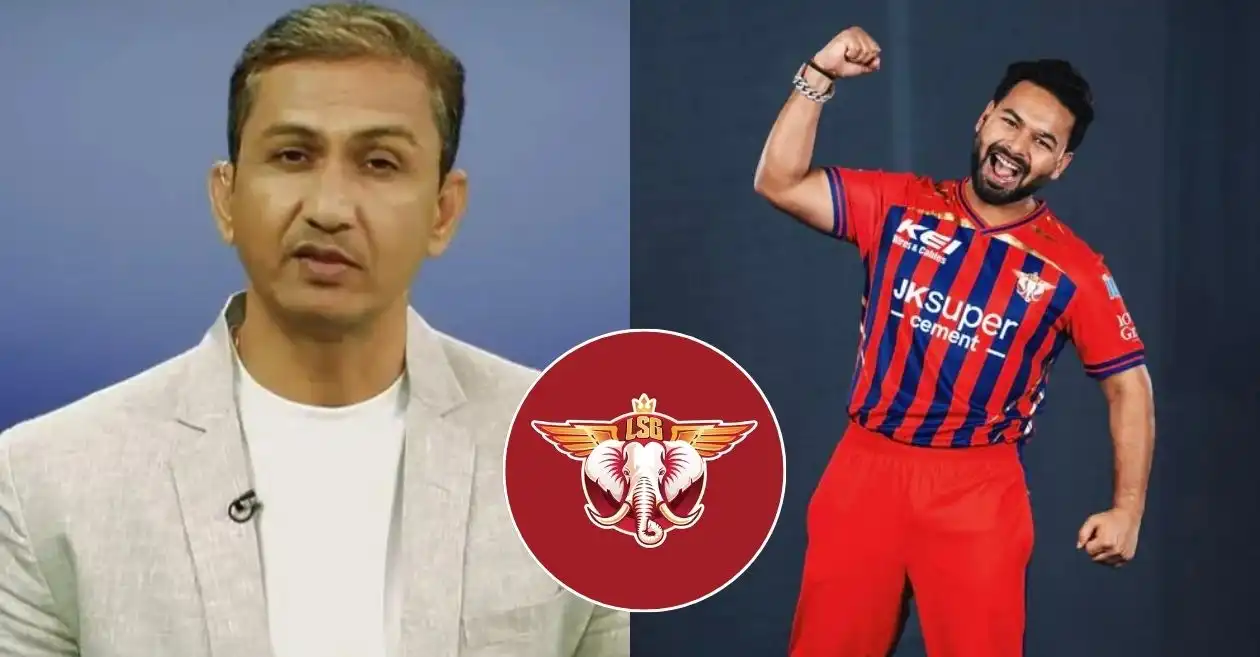
Sanjay Bangar picks the ‘finisher’ of Lucknow Super Giants (LSG) for IPL 2026


As the excitement builds for the upcoming edition of the Indian Premier League (IPL) 2026, former India cricketer Sanjay Bangar has shared his assessment of the Lucknow Super Giants (LSG) squad. Bangar believes the franchise may struggle with finishing options in the batting lineup but suggested that spin-bowling all-rounder could emerge as a crucial player in that role during the season.

The Lucknow-based franchise endured a disappointing campaign in IPL 2025, finishing seventh in the standings and missing out on the playoffs. Heading into the new season, the team appears to rely heavily on its strong top-order, which includes Mitchell Marsh, Aiden Markram, Nicholas Pooran, and captain Rishabh Pant.

Sanjay Bangar names the finisher for LSG

Speaking on Star Sports, Bangar pointed out that the team’s middle and lower order lacks proven finishers who can consistently close out innings in high-pressure situations. According to him, the responsibility could fall on a small group of players to deliver in the latter stages of the innings.

Bangar noted that apart from Shahbaz Ahmed, Abdul Samad, and Ayush Badoni, the squad does not possess many options who naturally fit into the finisher’s role. As a result, he emphasized that the team’s top-order batters will have to shoulder more responsibility to ensure strong totals.

The former India all-rounder suggested that Shahbaz could be used strategically towards the end of the innings to add quick runs. Drawing from his experience working with Shahbaz during his time with the Royal Challengers Bengaluru, Bangar praised the player’s temperament and fighting spirit.

Bangar described Shahbaz as a cricketer with strong character and resilience, qualities that can prove valuable in pressure situations. He added that the all-rounder’s ability to stay composed could help LSG in tight finishes.

“Apart from Shahbaz Ahmed, Abdul Samad and Ayush Badoni, they don’t have any other player who can fit in there. So the top five will have to do more, and you can expect Shahbaz to come and provide the finishing touches,” said Bangar on Star Sports.

“He is a player with great character. He was with me in RCB. So I know the kind of fighting qualities he has. So you will definitely want the top order to perform the way they have been performing in international cricket at the moment, or the way Nicholas Pooran garnered fame last year. If the top order doesn’t fire, this team will have difficulties throughout the season,” added Bangar.

Also READ: Sanjay Bangar picks his Royal Challengers Bengaluru (RCB) playing XI for IPL 2026

Numbers from IPL 2025 show mixed results

A look at last season’s statistics reflects the concerns raised by Bangar. Shahbaz featured in just three matches for Lucknow Super Giants in IPL 2025 and managed only nine runs in his lone batting opportunity. In contrast, Badoni showed promise with the bat, scoring 329 runs in 11 innings at an impressive strike rate of 148.19. Samad also contributed useful cameos, scoring 164 runs in 12 innings at a striking rate of 176.34. Despite these contributions, Lucknow struggled to consistently close out innings, a factor that played a role in their mid-table finish.

Also READ: Sanjay Bangar names his playing XI of Punjab Kings for IPL 2026


Source link

Not Shahid Afridi or Shoaib Akhtar: The Last Pakistan Star to Play an IPL Final | Throwback | Cricket News


Not Shahid Afridi or Shoaib Akhtar: The Last Pakistan Star to Play an IPL Final | Throwback
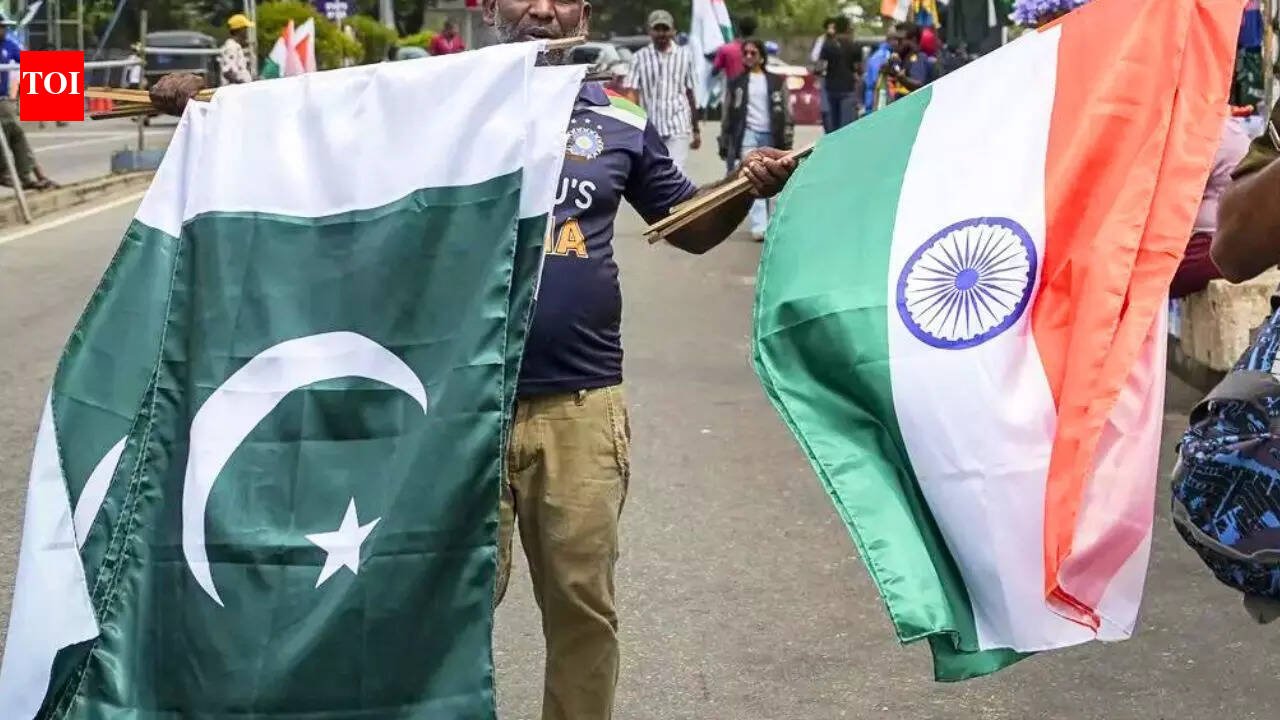
India and Pakistan flags (PTI Photo)

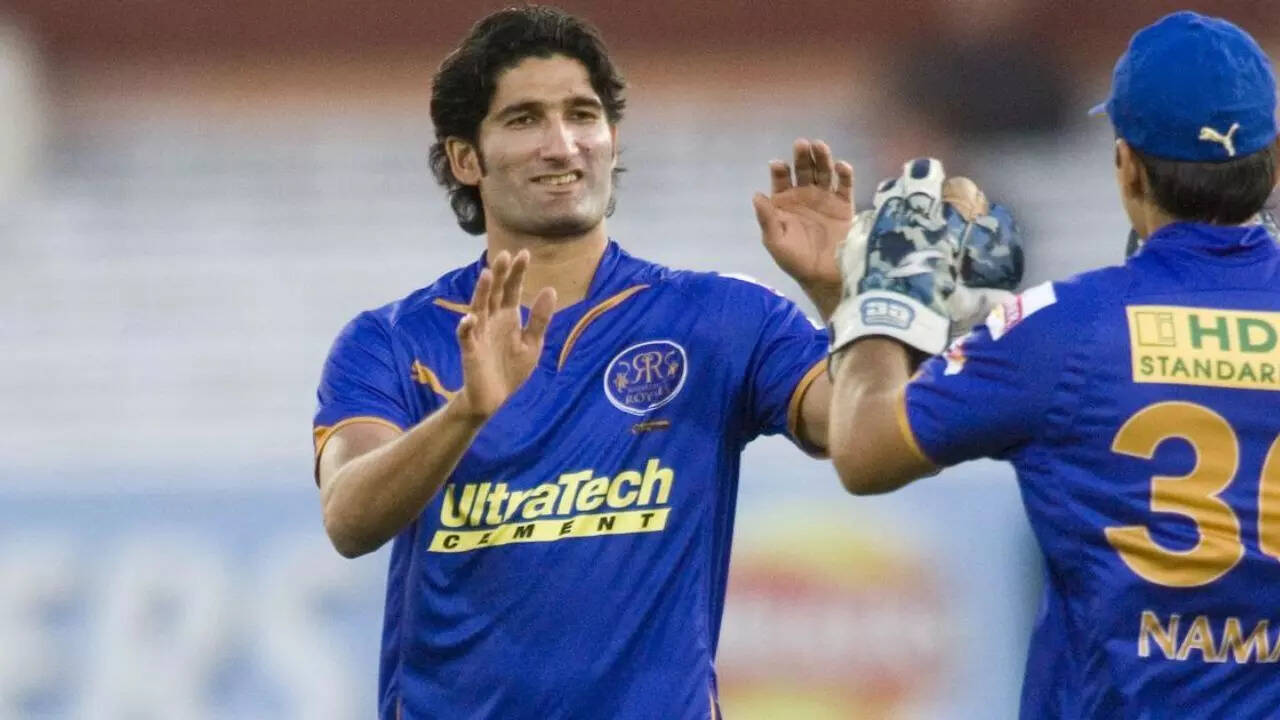
NEW DELHI: In the humid, electric air of the DY Patil Stadium on June 1, 2008, a tall, lanky left-armer with an action that looked like a tangle of limbs stood at the non-striker’s end. The scoreboard read 163 for 7. One ball remained. The Rajasthan Royals needed one run to win the inaugural Indian Premier League.As Sohail Tanvir scurried across the pitch to complete that final, historic run, he wasn’t just sealing a victory for Shane Warne’s “underdogs”; he was unknowingly bringing the curtain down on an era.

EXCLUSIVE: Rahul Dravid on iconic Eden Gardens win against Australia in 2001

He was the last player from Pakistan to effectively “finish” an IPL game. Since that night, the border has grown taller, the cricket grounds quieter, and the presence of Pakistani talent in the world’s richest league has shifted from a vibrant reality to a ghost of “what if.”

What did happen after the IPL 2008 final?

The 2008 IPL season was a carnival of cross-border camaraderie. Shahid Afridi was the icon for Deccan Chargers, Shoaib Akhtar was steaming in for the Kolkata Knight Riders, and Misbah-ul-Haq was the middle-order backbone for Bangalore.But it was Sohail Tanvir who became the face of Pakistani success in India. Sporting the first-ever Purple Cap, Tanvir had dismantled lineups with his “wrong-footed” delivery, finishing the season with 22 wickets, including a staggering 6/14 against Chennai Super Kings.

Sohail Tanvir (IPL Photo)

Sohail Tanvir (IPL Photo)

When the 2008 final concluded, there was every expectation that the 2009 season would see even more stars from Lahore and Karachi under the IPL lights. However, the geopolitical landscape shifted violently on November 26, 2008. The Mumbai terror attacks changed everything. In the immediate aftermath, the Indian government suspended bilateral ties, and the BCCI, citing “security concerns”, decided not to include Pakistani players in the 2009 auction.What was initially thought to be a one-year cooling-off period became a permanent lockout. The “No-Objection Certificates” (NOCs) from the Pakistan Cricket Board became harder to obtain, and the appetite of IPL franchises to bid for players who might be denied visas vanished.

The case of Azhar Mahmood

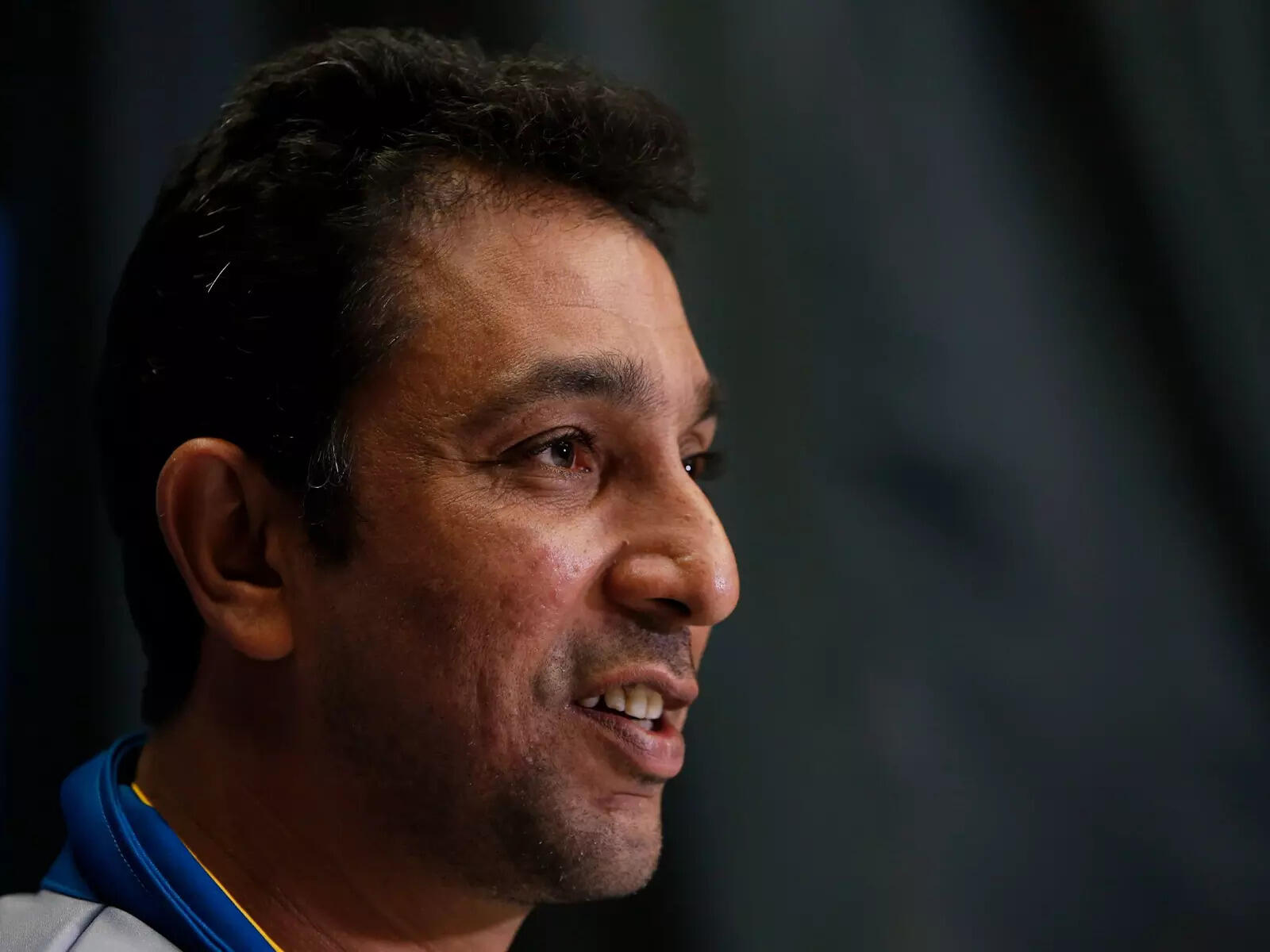
While Tanvir was the last player to play in that original 2008 cohort, the “last Pakistani” to actually feature in the IPL is a technicality that belongs to Azhar Mahmood.Mahmood, a former Pakistan international, managed to play for Kings XI Punjab (2012–2013) and Kolkata Knight Riders (2015). However, he didn’t do so as a Pakistani. Having moved to the UK and secured a British passport, he entered the auction as an English player.

Azhar Mahmood ends his coaching stint with Pakistan's Test side

Azhar Mahmood (ANI Photo)

His presence was a bittersweet reminder of what was missing. While he performed admirably, the league lacked the raw pace of a Wahab Riaz or the modern-day brilliance of a Babar Azam. Mahmood’s stint was a legal workaround, but the political ban on players representing the Pakistan national team remained absolute.

Why it happened

The exclusion isn’t found in any official “rulebook” of the IPL. There is no written clause that says “No Pakistanis Allowed.” Instead, it is a combination of two powerful forces:For a franchise to invest millions in a player, they need a guarantee that the player can actually enter the country. Given the volatility of India-Pakistan relations, the risk of a player being denied a visa at the eleventh hour is too high for team owners.

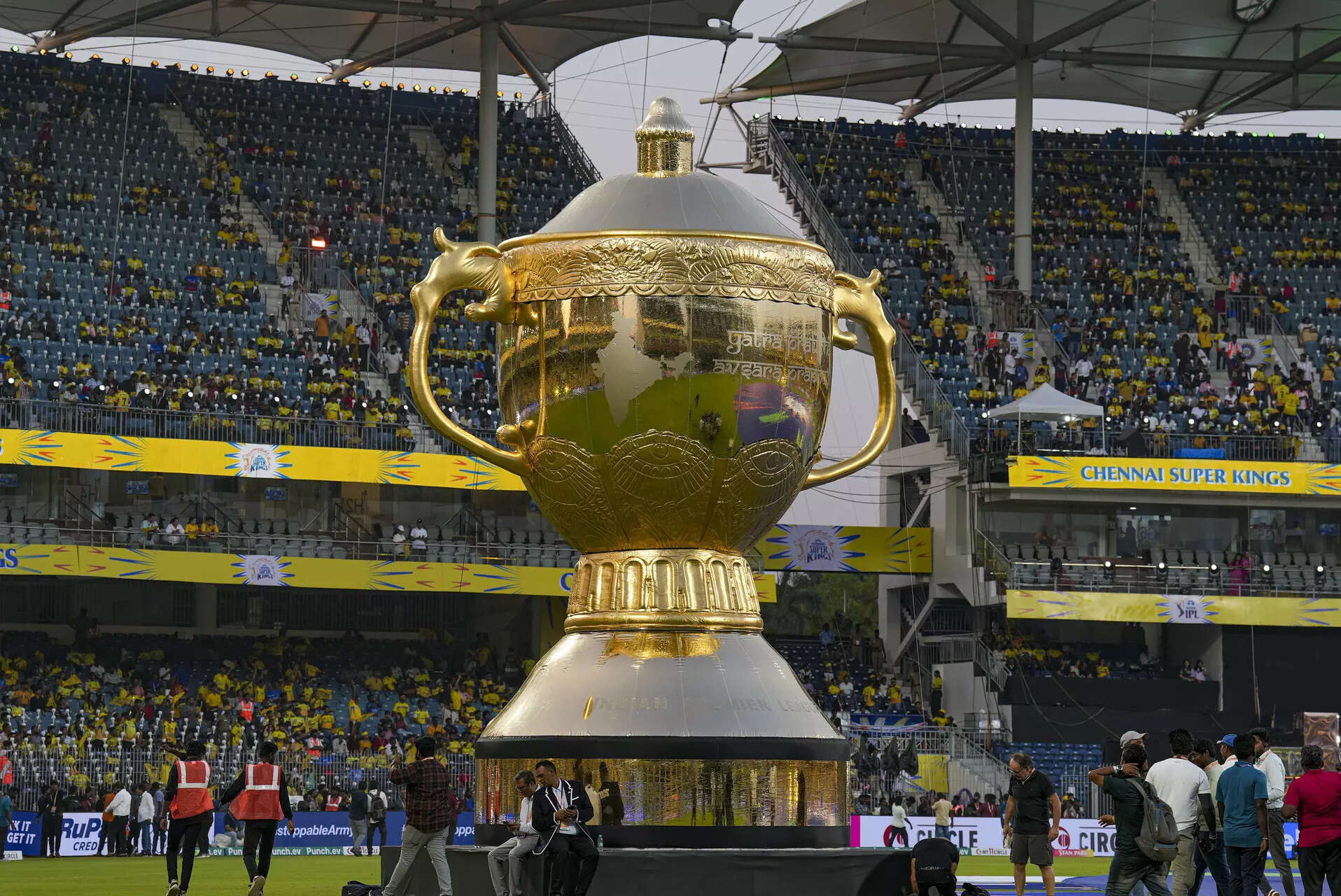
Chennai: A replica of the IPL trophy during the opening ceremony of Indian Premi...

The trophy of Indian Premier League (IPL) (PTI Photo/R Senthilkumar)

Public Sentiment and Commercial Risk Franchises are brands. In an era of heightened nationalism, owners have often been wary of the “backlash” that could come with signing a Pakistani player, fearing it could alienate local fanbases or lead to protests at stadiums.In 2010, there was a brief moment of hope when several Pakistani stars were included in the auction pool. However, in a move that became a major controversy, not a single franchise placed a bid for any of them. The “silent snub” effectively signalled that the IPL had moved on.

The 2026 “Shadow Ban” and global expansion

As we stand in March 2026, the situation has become even more complex. The IPL is no longer just a two-month tournament in India; it is a global ecosystem. IPL owners now own teams in South Africa (SA20), the UAE (ILT20), the USA (MLC), and the Caribbean (CPL).This expansion has led to what players like Azhar Mahmood have recently called a “Global Shadow Ban”. However, recently, The Hundred 2026 auction in England saw a massive debate as Indian-owned franchises like Sunrisers Leeds (owned by the Sunrisers Hyderabad group) finally broke the trend by picking Abrar Ahmed.

2025 IPL - Sunrisers Hyderabad v Rajasthan Royals

Kavya Maran, co-owner and head of Sunrisers Leeds (Photo by Pankaj Nangia/Getty Images)

However, the backlash was immediate. On social media, fans criticised the franchise owners for “funding” talent from across the border, even in a foreign league. This highlights the current status: Sohail Tanvir is now a retired veteran, coaching and commentating. His Purple Cap sits as a relic of a brief, beautiful window where sport briefly transcended the map.The last ball of the 2008 IPL didn’t just win a trophy; it ended a chapter of history. Until the political climate undergoes a seismic shift, the Pakistani presence in the IPL will remain confined to YouTube highlights of Shoaib Akhtar’s roar at Eden Gardens and Sohail Tanvir’s winning run in Navi Mumbai.

Banner Insert


Source link

‘Certainly does not help peace’: Zelenskyy says US easing of Russian oil sanctions could hand Moscow $10 billion for war


‘Certainly does not help peace’: Zelenskyy says US easing of Russian oil sanctions could hand Moscow $10 billion for war

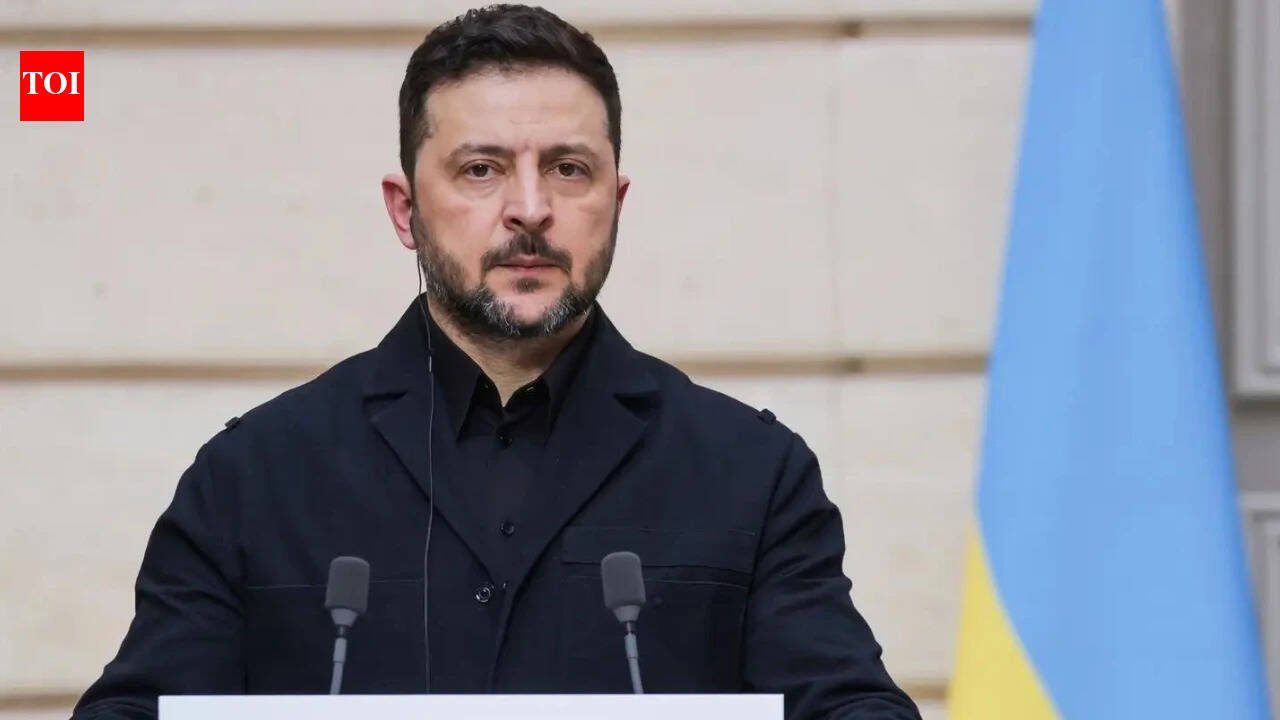
File photo: Ukrainian President Zelenskyy (Picture credit: AP)

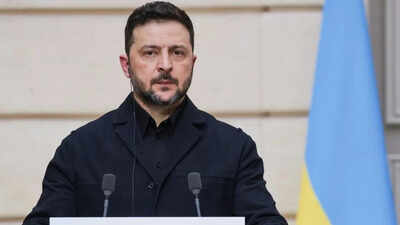
Ukrainian President Volodymyr Zelenskyy on Friday said a US decision to temporarily ease sanctions on Russian oil sales could hand Moscow about $10 billion in extra revenue, warning the move would directly undermine efforts to end the war in Ukraine.“This one concession alone by the United States could give Russia about $10 billion for the war. This certainly does not help peace,” Zelenskyy said at a press conference in Paris alongside French President Emmanuel Macron, as per news agency AFP.Zelenskyy’s remarks came after Washington announced a 30-day licence allowing countries to buy Russian oil and petroleum products already stranded at sea, a measure the US says is aimed at cooling global energy prices that have surged after the war involving Iran.

Zelenskyy, Macron push back against US move

Backing Kyiv’s concerns, Macron said Russia was “mistaken” if it believed the Middle East conflict would reduce international pressure on Moscow.“Today Russia may believe that the war in Iran will offer it respite. It is mistaken,” Macron said during the joint press conference.He added that G7 leaders had made clear earlier this week that rising oil prices “must under no circumstances lead us to reconsider our sanctions policy towards Russia”.The French leader’s remarks reflected growing unease in Europe that the temporary sanctions relief could strengthen Russian President Vladimir Putin at a time when oil prices are already elevated because of the Middle East crisis.

US says waiver is temporary and meant to calm markets

The US Treasury issued a 30-day licence valid through April 11 for the delivery and sale of Russian crude oil and petroleum products that had already been loaded on vessels by March 12.US treasury secretary Scott Bessent said the short-term step was intended to “stabilize global energy markets” and “increase the global reach of existing supply” after oil prices spiked above $100 a barrel in the wake of the war on Iran.As per Reuters, Washington said the move would not provide significant financial benefit to the Russian government. The measure followed an earlier US waiver issued on March 5 specifically for India to allow purchases of Russian oil already stuck at sea.The sanctions easing comes as the US and the International Energy Agency also move to release large emergency oil stocks to contain soaring prices.

Paris talks focus on pressure on Russia

Zelenskyy’s 12th visit to France since Russia’s full-scale invasion in 2022 was aimed at increasing pressure on Russia, particularly by targeting Moscow’s so-called “shadow fleet” of tankers used to move oil in breach of sanctions.The talks in Paris were also overshadowed by concern that the Middle East war has derailed US-brokered efforts to revive peace negotiations between Kyiv and Moscow.German Chancellor Friedrich Merz also criticised the US move on Friday, saying that “easing sanctions now, for whatever reason, is wrong”, according to AFP.The Kremlin, meanwhile, said the Paris meeting would obstruct the peace process and argued that trying to put pressure on Russia was “absurd”.

Wider war and fresh battlefield strain

The debate over sanctions comes as the war in Ukraine continues to intensify. A Russian strike in eastern Ukraine on Friday killed three people on a bus near Kupiansk, where Russian forces are trying to recapture ground.Zelenskyy’s visit also came amid new political friction in Europe, with Hungary blocking a key 90-billion-euro EU loan package for Ukraine as well as a fresh round of sanctions on Russia.The dispute is tied in part to the damaged Druzhba pipeline, which supplies Russian oil to Hungary and Slovakia and which Kyiv says was hit by Russian strikes earlier this year.The temporary US oil waiver, announced against the backdrop of surging global energy prices and disruptions in the Strait of Hormuz, has therefore opened a fresh fault line between Washington and its European allies, even as Kyiv warns it risks fuelling the very war the West says it wants to end.


Source link