Breaking News
Salim Khan health update: Arbaaz Khan confirms the veteran writer is ‘better now, improving’ and will be discharged ‘soon’ |


Salim Khan health update: Arbaaz Khan confirms the veteran writer is 'better now, improving' and will be discharged 'soon'
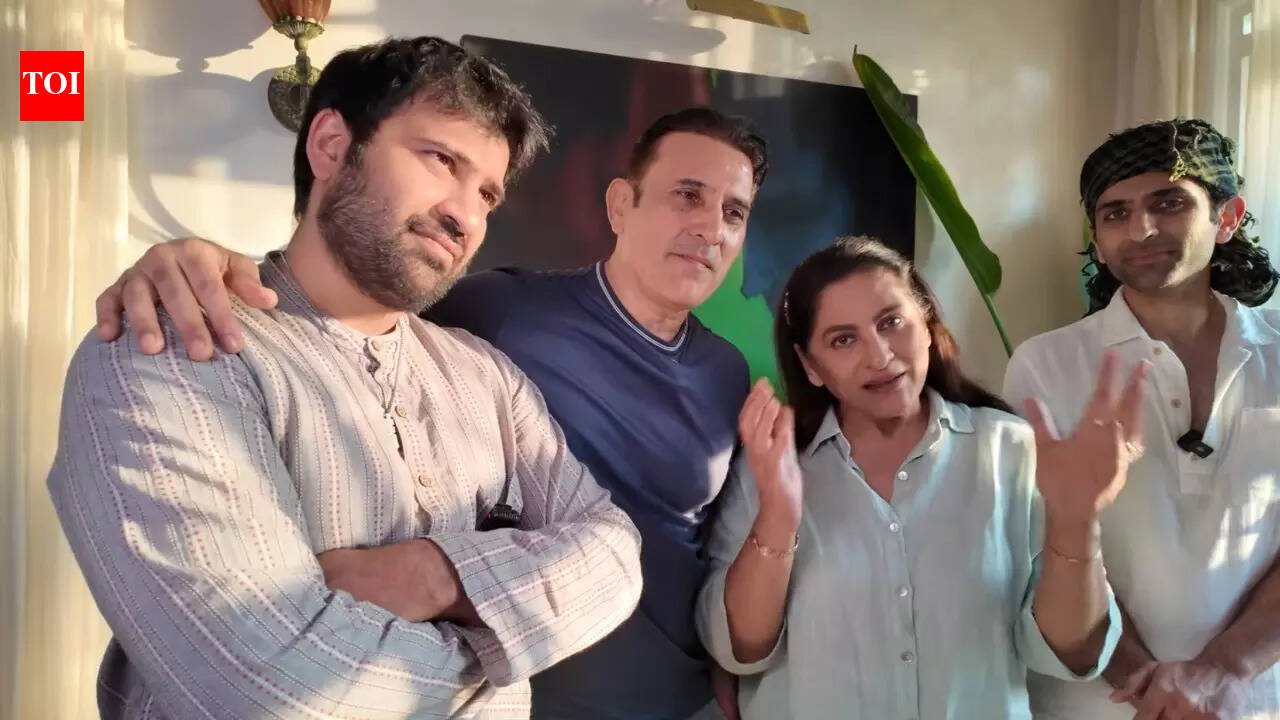
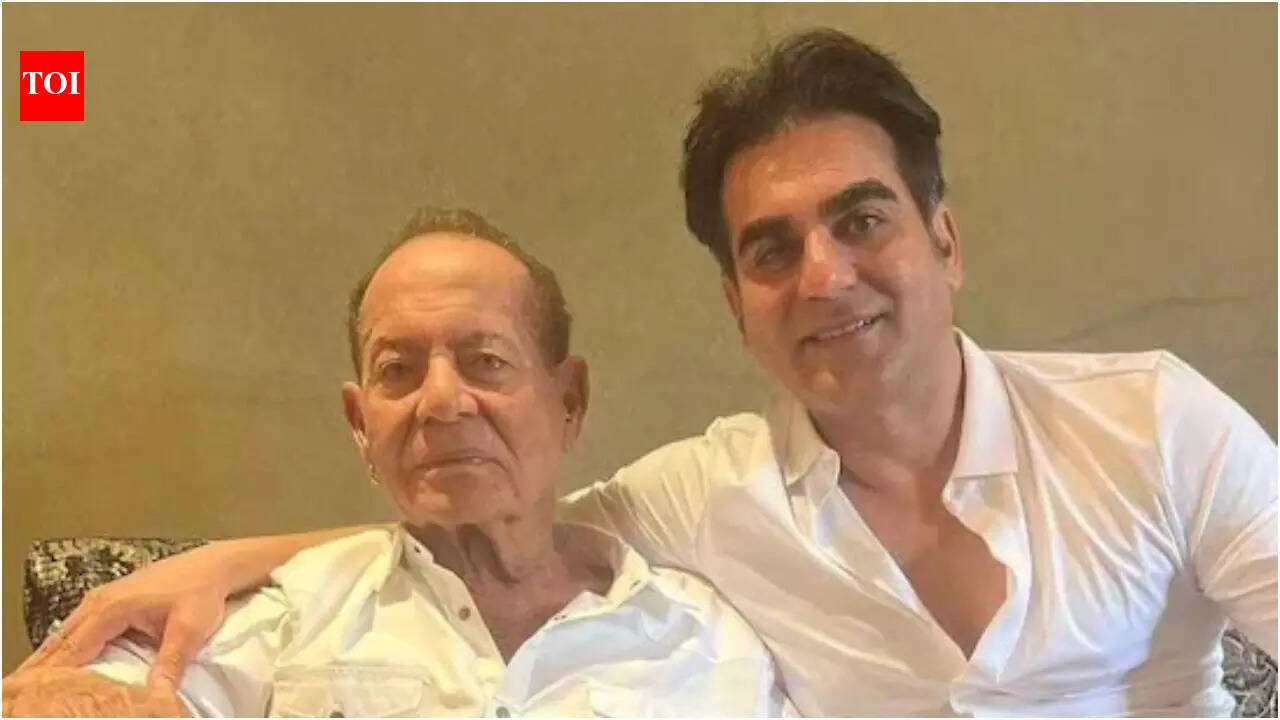
Arbaaz Khan shared that his father, veteran writer Salim Khan, is “improving” and may be discharged soon. The 90-year-old was hospitalised at Mumbai’s Lilavati Hospital on February 17 after a mild brain haemorrhage. Salim Khan, co-writer of classics like Sholay and Don, continues to recover under medical supervision.

Veteran screenwriter Salim Khan is recovering well and is likely to be discharged from the hospital soon, confirmed his son Arbaaz Khan on Wednesday night. The iconic writer has been receiving treatment at Mumbai’s Lilavati Hospital for almost a month.

Arbaaz Khan gives positive update on Salim Khan’s condition

According to News18, after attending an Iftar event in Mumbai, Arbaaz offered a health update on his father, veteran screenwriter Salim Khan. The actor-filmmaker assured that his father is recovering well and showing consistent progress. “He’s better now, he’s improving,” Arbaaz told reporters. When asked when Salim Khan would be discharged, he responded with a smile, “Soon.”

Salim Khan’s medical treatment and stable condition

On February 17, veteran writer Salim Khan, 90, was admitted to Mumbai’s Lilavati Hospital after experiencing a mild brain haemorrhage. Soon after his admission, he reportedly underwent a minor procedure and has since been kept under close observation in the Intensive Care Unit (ICU). Doctors had described his condition as stable while continuing routine monitoring. Dr. Jalil Parkar, who is leading his treatment, previously stated that the family requested privacy, and no further medical updates will be shared.

Khan family breaks silence on Salim Khan’s health

Arbaaz Khan’s recent statement marks the first time the family has publicly spoken about Salim’s health since his hospitalisation. Until now, the Khans had chosen not to comment, maintaining privacy as several close friends and colleagues from the film fraternity visited the veteran writer. Previously, actors Aamir Khan, Chitrangda Singh, and Daisy Shah had assured fans through brief interactions that Salim Khan was recovering well.

Salim Khan’s legacy as a legendary screenwriter

Salim Khan is celebrated as one of the most influential screenwriters in the history of Hindi cinema. In collaboration with his long-time writing partner Javed Akhtar, he crafted several of Bollywood’s most iconic films, such as ‘Andaz’, ‘Seeta Aur Geeta’, ‘Sholay’, ‘Don’, and ‘Mr. India’. His storytelling defined an era of grand narratives in Indian cinema and continues to inspire writers and filmmakers even today.


Source link

LPG crisis in India: State-wise impact of the Iran war and Strait of Hormuz disruption


LPG crisis in India: State-wise impact of the Iran war and Strait of Hormuz disruption

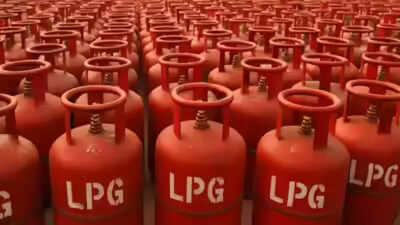
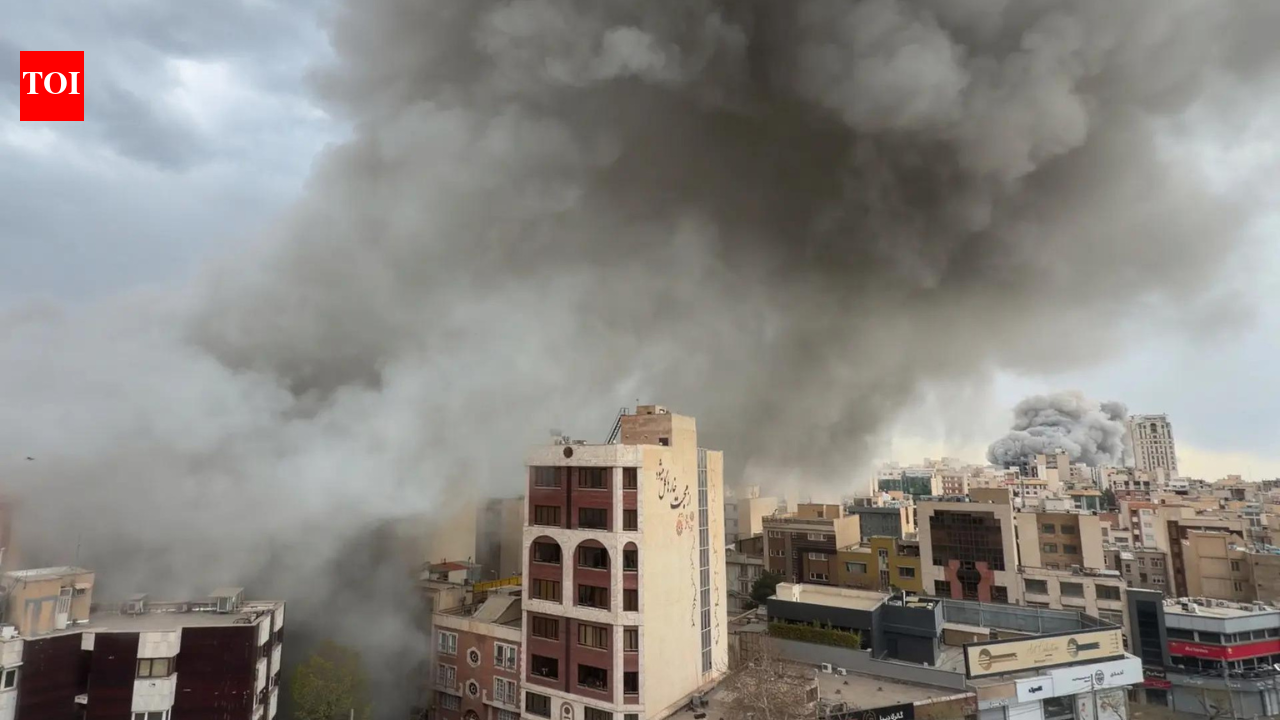
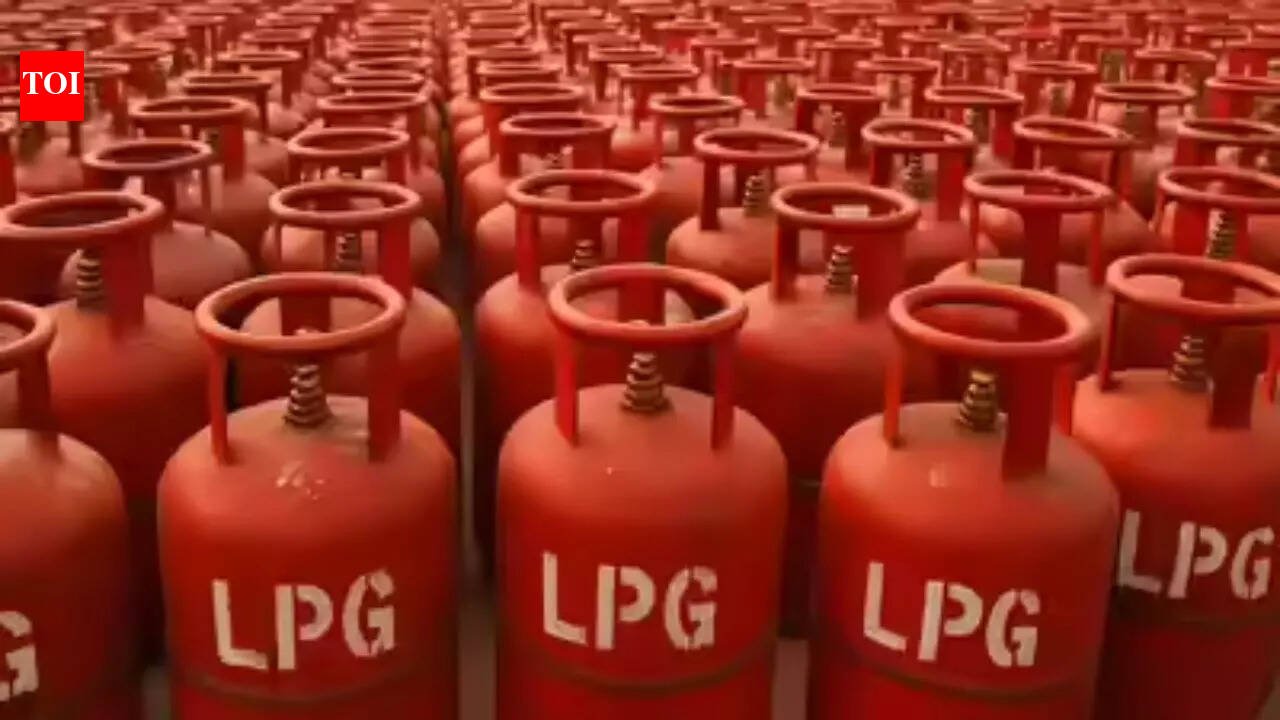
NEW DELHI: Fears of LPG shortage have begun spreading across the country as the escalating conflict in Middle East disrupts global energy supply chains. The closure of the Strait of Hormuz following Iranian retaliation against US–Israel strikes has triggered panic buying, long queues at LPG agencies and petrol pumps, and forced restaurants and small businesses to switch to alternative cooking methods.While the Centre has assured that domestic LPG supplies remain adequate, disruptions in commercial cylinder distribution and reports of shortages have created anxiety across multiple states.

Panic buying, long queues in West Bengal

Scenes of long queues outside LPG agencies and fuel stations were reported from many parts of the country as consumers rushed to secure cooking gas and fuel.In Kolkata and several districts of West Bengal, auto-rickshaw drivers and domestic consumers were seen waiting for hours at LPG dispensing stations and gas agencies. Some drivers said they had been waiting since the previous night to refill their cylinders.Many consumers also visited distributor offices directly after online booking systems crashed due to heavy traffic.“This is panic buying,” Bijan Biswas, spokesperson for the Indane LPG Distributors’ Association in Bengal told PTI. “Many people are afraid they might not get another cylinder soon, and that has led to this crisis,” he added.Distributors said daily bookings for Indane LPG cylinders in the state have nearly doubled to around two lakh from about one lakh earlier.

Restaurants switch to alternatives in Bhopal

The reported shortage of commercial LPG cylinders has begun affecting hotels and restaurants in Bhopal, forcing many operators to turn to alternative cooking methods such as induction stoves. A few establishments have also been compelled to temporarily shut operations due to the lack of fuel.The disruption is also being felt by residents, with long queues reported outside several gas agencies across the city as households rush to secure domestic LPG cylinders.Amid the shortage, a major fast-food chain operating in the city has shifted to induction-based cooking to keep its kitchens running.While some restaurants have moved to induction systems, others have turned to traditional firewood to continue preparing food as they wait for gas supplies to normalise.Restaurant owner Dolraj Gaire in Bhopal said businesses are trying to adapt. “We are not alone facing the problem about the shortage of commercial cylinders, but the entire nation. We are trying to make it work through induction cooking,” he told ANI.“We have already shifted 60% of our work to induction, and the remaining 10-20% will be solved in a couple of days once we get induction. We will make sure to prepare at least 80% of the food items, if not all,” he added.

Forced to switch to firewood in Hyderabad

In Hyderabad, restaurant owner Nadeem Quadri said many eateries were forced to switch to firewood.“Today, due to the shortage of gas, we are cooking on wood. Almost all hotels in Telangana have already closed down because of the gas shortage,” he told ANI.“There is such a severe shortage that black market gas is happening, and besides gas, wood has also become very expensive.”

Tamil Nadu eateries hit

The hospitality sector has been particularly affected in Tamil Nadu. The Tamil Nadu Hotels Association said thousands of small and medium-sized restaurants have been hit as commercial LPG supplies remain disrupted.Many eateries in Chennai have stopped serving fuel-intensive dishes such as dosa and fried rice to conserve gas.In several neighbourhoods, restaurants have displayed boards announcing temporary closures due to the non-availability of commercial cylinders.The crisis has also spread to the transport sector, particularly affecting gas-run auto-rickshaws. Nearly a quarter of Chennai’s auto fleet remained off the roads as drivers spent hours waiting at the limited number of operational LPG dispensing stations. Those still operating have reportedly raised fares to offset the long waiting times for refuelling.

Panic buying at fuel stations in Puducherry

Rumours of shortages also triggered panic buying at petrol pumps in parts of the country. In Puducherry, two-wheeler riders and also car owners queued up at fuel stations despite government assurances that petrol and diesel supplies remain normal.“With the spread of rumours that there was a shortage of petrol and diesel in the wake of the Middle East war, the vehicle owners, out of panic, have been making a beeline to purchase the fuel” a petrol dealer told PTI.“We have sufficient stock and the truckers were also bringing the fuel as usual. There is no need for any panic and I would only appeal to the vehicle owners not to fall prey to baseless rumours that there would be a shortage of fuel,” he added.

Surge in demand for induction in New Delhi

Sales of electric cooking appliances such as induction cooktops and kettles have surged across New Delhi as households look for alternatives amid concerns over LPG supply disruptions.Croma, owned by Tata Group, said demand for induction cooktops has jumped significantly in recent days.“At Croma, we have observed a sharp and immediate uptick in demand for induction cooktops over the past few days. Our average daily run rate has surged significantly,” Infiniti Retail Ltd (Croma) CEO & MD Shibashish Royrrold PTI.While he did not disclose the exact numbers, Roy added, “Our average daily run rate has surged to nearly three times the usual levels.”He also pointed to a shift in consumer behaviour. “Interestingly, we are also seeing customers purchase multiple units at a time, which was not common earlier, indicating some precautionary buying.”

Online platforms see massive spike in Mumbai & Bengaluru

Online marketplaces are witnessing an even sharper rise in demand. A spokesperson for Amazon India said that, “Over the last two days, sales of induction cooktops have increased 30X, while rice cookers and electric pressure cookers are seeing a 4X increase. Air fryers and multi-use kettles are also seeing a 2X increase in sales over a regular day.”“Customers are using Amazon Now to get similar products within minutes in parts of Delhi-NCR, Mumbai and Bengaluru,” the spokesperson added.

Karnataka power generation may be affected

Meanwhile, the impact of the fuel shortage may also extend to the power sector. Power generation in Karnataka could face disruption after the Centre prioritised natural gas allocation to critical sectors amid nationwide supply constraints linked to the Middle East conflict.Under the revised priority order, domestic consumption has been placed at the top, followed by sectors such as transport and fertiliser, while power generation has been given the lowest priority.Gas Authority of India Limited has completely stopped gas supply to the Yelahanka gas-based power plant from March 12, 6:00 am.The 370 MW facility, operated by Karnataka Power Corporation Limited, is the state’s only gas-based power plant and primarily supplies electricity to Bengaluru.Officials said the plant has been running continuously since December last year to meet peak electricity demand in the city.Karnataka’s daily power demand currently stands at around 355 million units, which is being met through thermal and hydel plants, renewable sources such as solar and wind, and power drawn from the central grid.However, continued disruption in gas supply could lead to minor power supply issues if alternative sources are not scaled up.

Panic buying in Uttar Pradesh

Meanwhile, panic buying triggered by rumours of a price hike led to chaotic scenes in parts of Uttar Pradesh. Long queues were reported outside the Mahagauri Gas Agency in Basti district early Thursday morning as consumers rushed to collect cylinders.Locals said many people began queuing as early as 4 am.When the agency opened at 7 am, a large crowd rushed inside to collect cylinders, with several consumers seen carrying them on their heads and shoulders, creating near-stampede-like conditions.However, District Supply Officer Vimal Kumar Shukla said there was no shortage of LPG cylinders in the district and urged residents not to panic.

Government steps in

The Union government has invoked the Essential Commodities Act to prioritise LPG supply for households and essential services such as hospitals and educational institutions.Domestic LPG production has also been increased by around 25% , with the entire output being directed towards household consumption.At the same time, states have been asked to monitor supply chains and crack down on hoarding and black marketing.Union Home Secretary Govind Mohan earlier chaired a meeting with state officials, directing authorities to ensure adequate LPG supply and prevent illegal diversion of cylinders. Authorities have urged consumers not to panic or indulge in hoarding.

Bihar to check black marketing of fuel

People queued up outside cooking gas agencies in several districts of Bihar, including Patna, Kaimur, Motihari and Darbhanga, to buy LPG cylinders as rumours of supply shortages triggered panic buying. Distributors said a large number of customers turned up amid fears of a possible shortage.Sanghamitra Mukherjee, assistant manager of the Hotel and Restaurant Association of Eastern India, said the organisation has written to the central government highlighting the impact of LPG supply disruptions on eateries.“We have to wait and watch for some time. The association has sent a letter to the concerned ministry of the central government, but we are yet to receive a response,” she told PTI.Meanwhile, Bihar deputy Chief Minister Samrat Choudhary on Wednesday said that efforts were being made by the Centre and the state government to ensure adequate supply of LPG cylinders to the people.Amid the nationwide constraint in the supply of cooking gas in view of the Middle East crisis, he asserted that the Bihar government is taking action to check black marketing of the fuel.

Opposition reaction

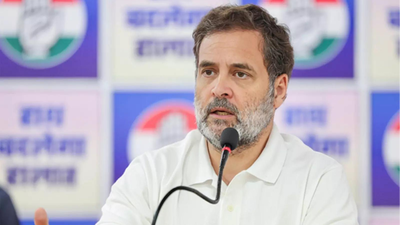
Amid growing concerns over energy supply disruptions, Congress leader Rahul Gandhi criticised the Centre’s preparedness and warned of risks to India’s energy security.“A flawed foreign policy has created this problem. Now, what we have to do is to prepare. You have some time. The government and the prime minister must immediately start the preparations because otherwise crores of people will suffer massive losses,” he said.Speaking to reporters in the Parliament House complex, Rahul said the Prime Minister must ensure that people are protected and that India’s energy security is safeguarded.“It is a bigger issue than Iran allowing oil and not allowing oil. This war is fundamentally about the current world order…We are going into an unstable time. When you are going into an unstable time you have to change your mindset, you cannot have the same mindset,” he said.“I am not making any political statement. I am just saying that I can see that a big problem is coming and if this is resolved at the level of Iran then also this problem will not go away because the world is changing, its structure is changing and we have to change our mindset,” he added.Meanwhile, M K Stalin, chief minister of Tamil Nadu, wrote to the Centre on March 11 seeking urgent intervention to stabilise the fuel supply chain disrupted by tensions in Middle East .In West Bengal, chief minister Mamata Banerjee directed oil marketing companies to immediately restore LPG booking servers and prioritise households whose cylinders have run out or are about to.The state government has also asked companies to ensure uninterrupted LPG supply to hospitals, ICDS centres, mid-day meal kitchens, hostels and small restaurants, and to continue partial supply where full delivery is not possible.

Why the crisis is emerging now

India consumes about 31.3 million tonnes of LPG annually, with nearly 87% used by households and the rest by commercial establishments such as restaurants.Around 62% of the country’s LPG demand is met through imports. With the Strait of Hormuz a key shipping route for oil and gas, disrupted by the ongoing conflict, global energy supplies have come under pressure.India imports nearly 85–90% of its LPG from Middle East n countries such as Saudi Arabia and Qatar through this route. While the government maintains that domestic cooking gas supplies remain secure, the disruption has already begun affecting commercial LPG distribution and fueling fears of a wider energy crunch across the country.


Source link

Went dark on a shadow voyage: How India-bound vessel crossed Strait of Hormuz | India News


Went dark on a shadow voyage: How India-bound vessel crossed Strait of Hormuz

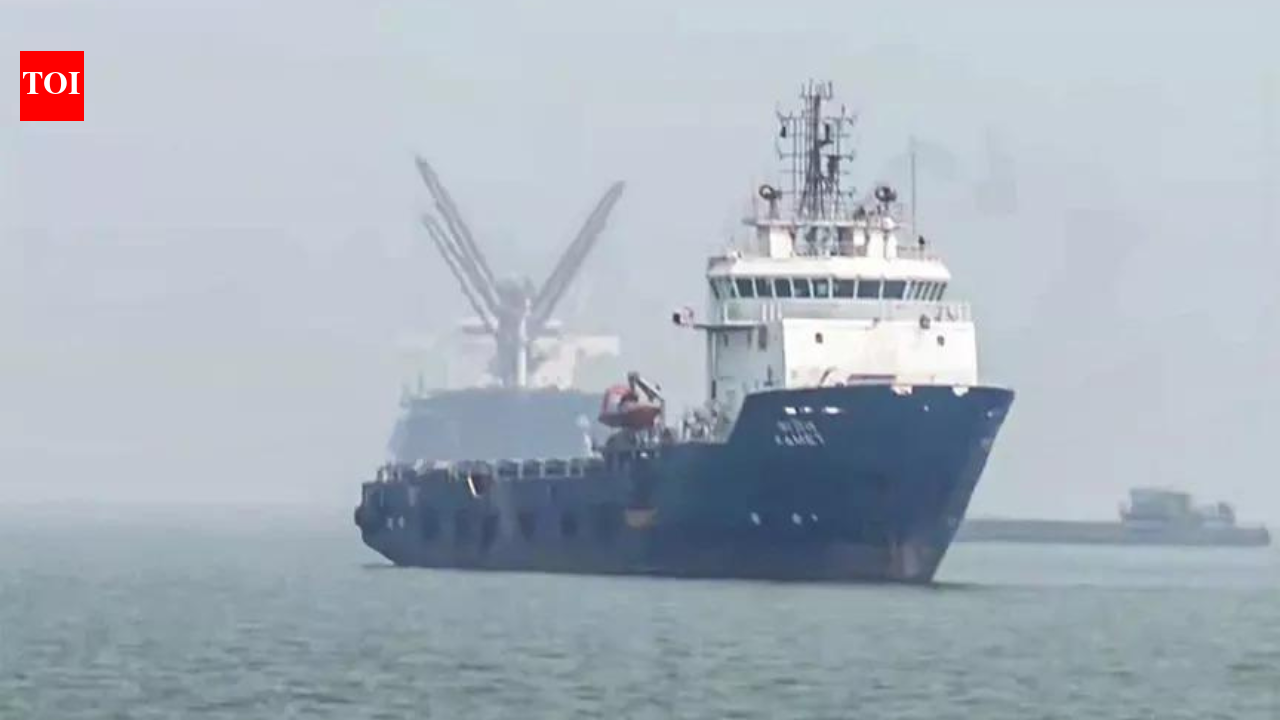
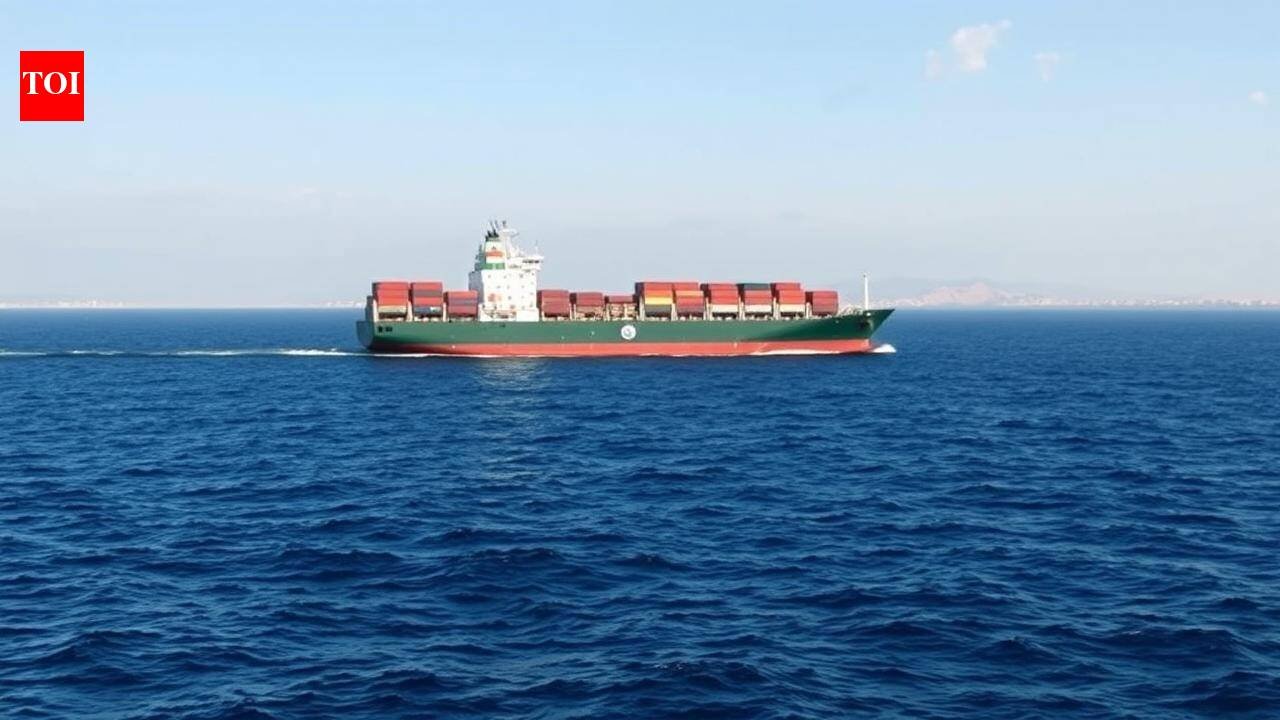
NEW DELHI: One of the first crude oil tankers arrived at Mumbai Port after passing through the Strait of Hormuz since the Iran-US conflict began.According to news agency ANI, the Liberia-flagged tanker Shenlong Suezmax docked at Mumbai Port at 1 pm on Wednesday and was berthed at Jawahar Dweep at 6:06 pm. The tanker had loaded crude from Saudi Arabia’s Ras Tanura port on March 1 and departed on March 3.It is carrying 1,35,335 metric tonnes of crude oil, which will be supplied to refineries in Mahul, eastern Mumbai. The crude discharge process is expected to take around 36 hours.The tanker is owned by Shenlong Shipping Ltd and managed by Dynacom Tanker Management Ltd of Athens. The ship has 29 crew members, including Indian, Pakistani, and Filipino nationals, and is captained by an Indian.How the vessel crossed the Strait of HormuzMaritime tracking data showed the vessel in the Strait of Hormuz on March 8 before it temporarily went off tracking systems. According to ANI, the vessel switched off its Automatic Identification System (AIS) transponder while navigating the high-risk stretch of the strait.After navigating the high-risk area, the vessel reappeared on maritime tracking systems on March 9. Shipping companies often use this tactic, also known as “going dark,” to avoid the risk of being targeted or tracked.The transponder is a mandatory maritime VHF radio system that automatically broadcasts a ship’s identity, position, speed, and course to nearby vessels and shore stations to prevent collisions and improve navigation.Earlier, Alireza Tangsiri, commander of the naval arm of the Islamic Revolutionary Guard Corps, said vessels seeking to sail through the waterway must obtain Tehran’s approval. In a post on X, he said two ships that ignored Iran’s warnings were targeted on Wednesday.“Were the ships assured of safe passage through the Strait of Hormuz? This should be asked of the crews of the vessels Express Rome and Mayuree Naree, who today, trusting in empty promises, ignored the warnings and intended to cross the strait but were caught. Any vessel intending to pass must obtain permission from Iran,” the Iranian general said.Iranian state media reported that Tehran has intensified restrictions on shipping through the strait, while stating that vessels not serving the interests of the United States or Israel would be allowed safe passage.The Strait of Hormuz is one of the world’s most critical maritime chokepoints, with more than 20 million barrels of crude oil moving through the narrow channel between Iran and Oman every day — about a fifth of global oil consumption and nearly a quarter of seaborne oil trade.Meanwhile, the ministry of ports, shipping and waterways said that 28 Indian-flagged vessels are currently operating in the Persian Gulf. Of these, 24 vessels carrying 677 Indian seafarers are located west of the Strait of Hormuz, while four vessels with 101 Indian crew members are positioned east of the strait.The ministry said a 24-hour control room has been operating since February 28 at the ministry and the Directorate General of Shipping to monitor the evolving situation and coordinate assistance if required.Authorities are also working with Indian embassies, ship managers, and recruitment agencies to ensure the safety of Indian seafarers in the region.


Source link

Archana Puran Singh stops YouTube despite 1 million subscribers and lakhs in revenue? Here’s all you need to know


Archana Puran Singh, who is currently winning hearts on The Great Indian Kapil Show, keeps fans updated about her personal and professional life through her YouTube videos. She recently shared that she will stop posting videos on her YouTube channel for now. This came as a major shocker for fans, as the channel has crossed 1 million subscribers and generates revenue as well. The family revealed that they are planning to take a short break from YouTube for the time being.In a recent video, she shared, “This is not really sad news, but I feel we should share it with our subscribers, with the members of our AAAP ka Parivar. We started this about a year ago, and now we want to take a little bit of rest, just for a few weeks. I love you all. You have shown us tremendous love, but we hope that you will shower us with even more love when we come back because we love you.”Son Aaryamann said, “We will do something new that will be fun. What we did for the last year, we are happy with it. This will be the next step in AAAP ka Parivar’s evolution.” Archana then shared that they will still be a part of Aaryamann’s YouTube channel. “Aary vlogs will continue, so you won’t miss us. We will be there on Aary vlogs,” she said.Soon after the video came out, fans expressed their concern and disappointment over the same. While some requested Archana to continue sharing videos on her YouTube channel, others asked her to resume shooting shortly after the break.A user wrote, “This breaks my heart because my family and I used to watch your videos all the time, but hoping for you to return soon.” Another user wrote, “Yes, you guys do deserve a break, and please come back soon.” On the work front, Archana is currently winning hearts on The Great Indian Kapil Show.


Source link

‘Jaishankar spoke to Iran FM 3 times’: India flags ships safety, energy security concerns | India News


'Jaishankar spoke to Iran FM 3 times': India flags ships safety, energy security concerns

NEW DELHI: External affairs minister S Jaishankar has held three rounds of talks with his Iranian counterpart in recent days amid rising tensions in Middle East Asia, with discussions focusing on the safety of maritime shipping and India’s energy security.Addressing the weekly media briefing, Ministry of External Affairs (MEA) spokesperson Randhir Jaiswal sai, “External affairs minister Dr S Jaishankar and the foreign minister of Iran have had three conversations in the recent days. The last one discussed issues pertaining to the safety of shipping and India’s energy security. Beyond that, it would be premature for me to say anything,” Jaiswal said.However, the MEA declined to elaborate on the details of the conversations, indicating that the situation remains sensitive and fluid.The remarks come at a time when tensions in the Persian Gulf have heightened and concerns have grown over the safety of commercial shipping routes, particularly around the Strait of Hormuz — a critical passage for global oil trade and a major route for India’s energy imports.Meanwhile, Iran has allowed Indian-flagged vessels to pass safely through the Strait of Hormuz, even as maritime traffic through the strategic waterway has slowed sharply following the US-Israel strikes on Iran, according to a report in The Economic Times.India has been closely monitoring the evolving situation in the region, especially after recent incidents involving commercial vessels and disruptions linked to the ongoing conflict in the Middle East.


Source link

Iran Missile Strikes: Is Iran using China’s BeiDou system to launch ‘accurate’ missile strikes?


Is Iran using China's BeiDou system to launch 'accurate' missile strikes?

The ongoing conflict in West Asia has raised new questions about the technology behind Iran’s missile strikes. Intelligence analysts now believe Tehran may be using China’s satellite navigation network to guide some of its weapons with greater precision.An Al Jazeera suggests that Iran’s targeting accuracy has improved noticeably during the latest round of fighting with Israel and the United States. That has led to speculation that Iran could be relying on the BeiDou Navigation Satellite System, China’s global satellite positioning network designed to rival the US-run Global Positioning System.

China Warns Iran War ‘Flames Spreading’ As Beijing Pushes Ceasefire Before Xi–Trump Summit

China’s rival to GPS

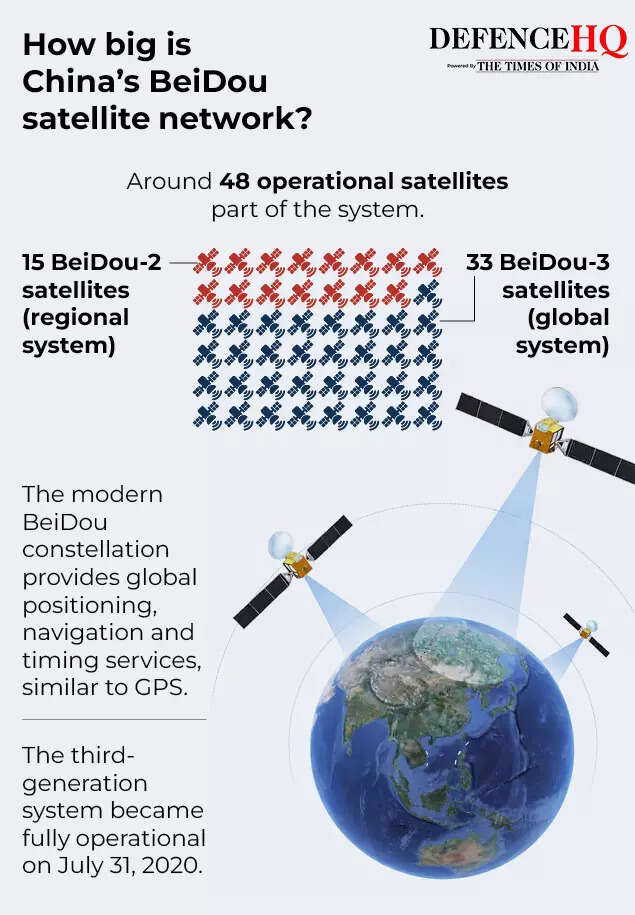
The BeiDou Navigation Satellite System is China’s independently developed satellite navigation network that provides positioning, navigation and timing services worldwide. The system was officially completed in 2020 and launched as a global service during a ceremony overseen by Chinese President Xi Jinping in Beijing.China began developing its own satellite navigation capability in the late 1990s after the Third Taiwan Strait Crisis raised concerns that Washington could restrict access to GPS during geopolitical tensions. Beijing’s goal was to create a system that could operate independently of US-controlled infrastructure.

How big is China's BeiDou satellite network

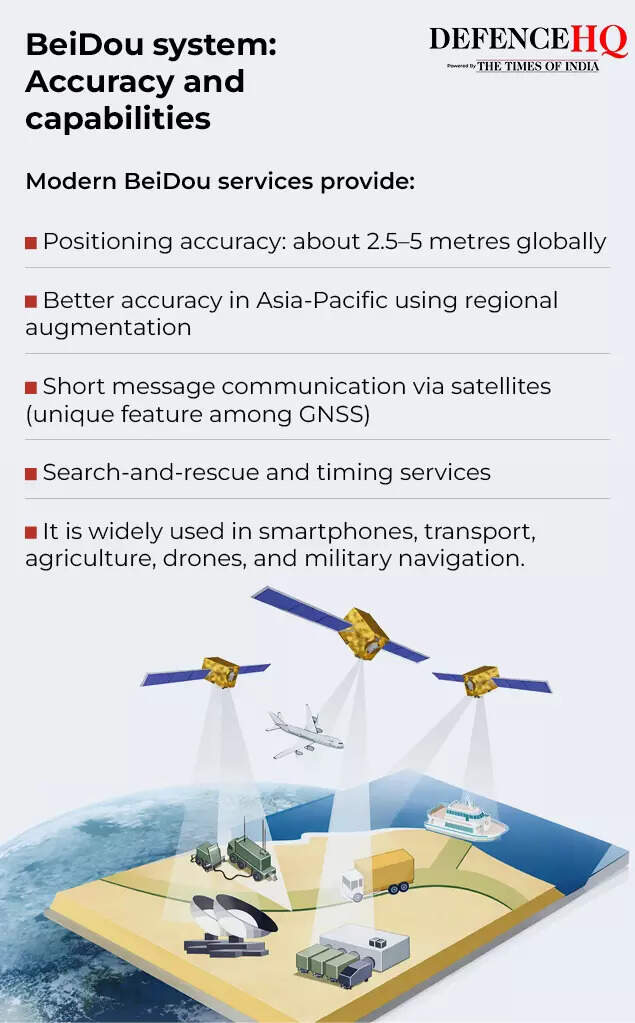
BeiDou was built in three stages. The first generation provided limited services within China by 2000. A second phase expanded coverage across the Asia-Pacific region by 2012. The current third generation—known as BDS-3—now provides global coverage.Like other navigation systems, BeiDou calculates a user’s location by transmitting signals from satellites to receivers on Earth. By measuring the time it takes signals from several satellites to arrive, the receiver can determine its exact geographic position.The system’s architecture includes three components: a space segment made up of satellites in different Earth orbits, a ground segment consisting of control and monitoring stations, and a user segment that includes receivers, chips, antennas and navigation services.China says the network supports a wide range of civilian activities including transportation, agriculture, disaster relief and telecommunications. At the same time, like GPS and other navigation systems, it can also support military applications such as missile guidance.

Why analysts think Iran may be using it

Some analysts believe Iran has been gradually integrating BeiDou into its military systems for years. Researcher Theo Nencini has said Iran reportedly signed an agreement in 2015 to integrate an earlier version of the system into its infrastructure.The process appears to have accelerated after the 2021 strategic partnership agreement between China and Iran. According to experts cited by Al Jazeera, the Iranian military began incorporating BeiDou signals into missile and drone guidance systems as well as secure communications networks.

BeiDou system

Iran’s Ministry of Information and Communications Technology has said the country uses “all existing capacities in the world” rather than relying on a single navigation source. Analysts therefore believe Tehran may combine multiple systems, including GPS, Russia’s GLONASS and Europe’s Galileo (satellite navigation system).However, the latest conflict appears to have accelerated the shift. During the brief but intense war with Israel last year, GPS signals in parts of the region were reportedly disrupted. That experience may have pushed Iran to rely more heavily on alternative systems.

How satellite navigation improves missile accuracy

Missiles typically rely on inertial navigation systems, which track motion using internal sensors such as gyroscopes and accelerometers. While reliable, these systems gradually accumulate errors over long distances.Satellite navigation helps correct those errors.By combining inertial navigation with satellite signals, a missile can constantly update its position and refine its trajectory. This dramatically improves targeting precision.Analysts say BeiDou could also help Iranian weapons overcome electronic warfare measures. Western forces often attempt to jam or spoof GPS signals by broadcasting false coordinates. Advanced signals from BeiDou are designed to resist such interference through encrypted transmissions and authentication systems.

A wider shift in modern warfare

If Iran is indeed using BeiDou for military guidance, experts say it could signal a broader shift in the balance of technological power.For decades, the United States’ GPS network dominated global navigation and precision-strike capabilities. But the expansion of alternative systems—China’s BeiDou, Russia’s GLONASS and Europe’s Galileo—means countries now have multiple navigation sources.Analysts say access to these systems reduces reliance on US technology and makes it harder for adversaries to disable navigation signals during conflicts.The ongoing war in West Asia has already seen Iranian missiles and drones targeting Israeli and US-linked sites across the region. As long-range weapons become more accurate and resistant to electronic interference, satellite navigation systems such as BeiDou are likely to play an increasingly important role in future conflicts.


Source link

Dubai steps up security as Iran war rages; financial institutions move staff to remote work


Dubai steps up security as Iran war rages; financial institutions move staff to remote work

US financial and technology companies are stepping up security and limiting office activity in parts of the Middle East, a day after Iran warned it could target economic centres linked to the United States during the ongoing regional conflict.Citi Bank asked employees to immediately leave its regional headquarters in the Dubai International Financial Centre, according to New York Times. An internal notice cited “heightened security concerns” and advised workers to find “the nearest safe place away from the office.”Standard Chartered also renewed a work-from-home advisory that had already been issued earlier. The bank has a large regional hub in Dubai.In Qatar, HSBC temporarily shut all three of its bank branches. In a statement, the bank said, “The safety of our colleagues and customers remain our top priority.”Technology companies have taken similar measures. According to a Google executive quoted by the Economic Times, “All employees across the region, apart from critical staff responsible for maintaining cloud infrastructure, had been shifted to mandatory work from home, which continues.”The executive added that most global technology firms have moved regional staff to mandatory work-from-home arrangements until further notice. Iran warns US tech firms and banksThe steps follow Iran’s public warning that American technology companies and financial institutions could become targets.According to Al Jazeera, the IRGC-affiliated Tasnim News Agency published a list of offices and infrastructure run by major US technology companies that it claimed were linked to Israel and used for military purposes.The report described these sites as “Iran’s new targets.” It said the list included cloud infrastructure and other facilities operated by Google, Microsoft, Palantir Technologies, IBM, Nvidia and Oracle.Iran also warned that it could target banks and economic centres connected to the United States and Israel. A spokesperson for Khatam al-Anbiya Headquarters said the warning followed what Iran described as an attack on one of its banks. “The enemy left our hands open to targeting economic centres and banks belonging to the United States and the Zionist regime in the region,” the spokesperson said.The official also warned civilians to stay away from such sites. “People of the region should not be within a one-kilometre radius of banks.”


Source link

Hardik Pandya faces legal complaint for celebrating T20 World Cup title with girlfriend Mahieka Sharma while wearing Indian flag


The euphoria of India’s T20 World Cup 2026 victory has been met with an unexpected legal shadow for one of its primary architects, Hardik Pandya. While the nation remains in a state of jubilation following a historic win at the Narendra Modi Stadium, the star all-rounder has found himself at the centre of a controversy involving the national flag and his personal celebrations on the field.

Controversy erupts as a complaint targets Hardik Pandya over disrespect for national flag during T20 World Cup celebrations

Pandya is facing a formal legal complaint filed at the Shivaji Nagar police station in Bengaluru. The complaint, spearheaded by Pune-based advocate Wajed Khan Bidkar, alleges that the cricketer disrespected the Indian national flag during the high-octane post-match celebrations in Ahmedabad.

According to the complainant, the issue stems from viral social media footage showing Pandya celebrating with his rumoured girlfriend, actress Mahieka Sharma. The legal filing asserts that while Pandya was draped in the Tricolour, a common sight for victorious athletes, his subsequent actions crossed a legal and ethical line. Bidkar claims that Pandya was seen lying down on a celebratory stage with Sharma while still wearing the national flag on his back.

According to Section 2 of the Prevention of Insults to National Honour Act, 1971, we must uphold the dignity of the national flag,” Advocate Bidkar stated to ANI. He argued that the act of lying down on the ground while draped in the flag during a personal moment of celebration constituted an insult to the national symbol. Although local authorities initially questioned the jurisdiction of the complaint since the event occurred in Ahmedabad, Bidkar maintained that because the flag represents the entire nation, the complaint remains valid in Bengaluru. The police have officially accepted the document and provided a copy to the petitioner.

Also READ: Gautam Gambhir hits back at Kirti Azad for questioning India team’s temple visit after T20 World Cup 2026 triumph

Pandya’s all-round heroics in the T20 World Cup 2026

The legal scrutiny comes at a time when Pandya’s stock as a cricketer has never been higher. His performance throughout the T20 World Cup 2026 was nothing short of legendary, cementing his status as perhaps the world’s premier white-ball all-rounder.

Throughout the tournament, Pandya acted as the clutch player India desperately needed. In the final at Ahmedabad, his explosive hitting in the death overs propelled India to a competitive total, while his knack for breaking crucial partnerships with the ball dismantled the opposition’s chase. His ability to maintain a strike rate of over 150 while consistently clocking speeds of 140 kph made him the tournament’s standout performer.

Statistic T20 World Cup 2026 Impact
Batting Runs 217
Strike Rate 160.74
Wickets Taken 9
Economy Rate 8.82

While the cricketing world debates his tactical genius on the pitch, the legal world is now debating his conduct off it. As the investigation into the complaint proceeds, fans remain divided between those who view the act as an innocent oversight in the heat of a historic moment and those who believe national symbols require stricter adherence to protocol.

Also READ: Mohammad Kaif picks India’s next T20I captain after Suryakumar Yadav


Source link

Why time is ripe for Suryakumar Yadav to follow in Rohit Sharma’s footsteps | Cricket News


Why time is ripe for Suryakumar Yadav to follow in Rohit Sharma's footsteps
Rohit Sharma and Suryakumar Yadav (Screengrab)

NEW DELHI: On the eve of the 2026 T20 World Cup final against New Zealand, India captain Suryakumar Yadav was gushing about the fact that he is only following the footsteps of Rohit Sharma.When asked whether he found his predecessor Rohit Sharma’s boots too big to fill, he said: “Joota mera hi hai, footsteps unke hain. (Sir, the shoes are mine, I only follow his footsteps).” On a serious note, he spoke about the nuggets he picked up from Rohit’s leadership.

T20 World Cup: Gautam Gambhir, Suryakumar Yadav after Team India win

“The way he left things, I got to learn a lot from him when I was playing under him. So I also followed the same strategy and the same fundamentals.“I played a lot of cricket with Rohit. I know how he worked. So I tried to implement the same things with a few thoughts of my own as well. And it’s worked really well,” he said.Suryakumar Yadav is not wrong in crediting Rohit Sharma. It was Rohit who had set the blueprint for India after the ten-wicket mauling India received at the hands of England in Adelaide during the semifinal of the 2022 T20 World Cup. After the match, Rohit had said this was not the way his team was going to play. He walked the talk, and there was a conscious effort to bat more aggressively. It brought India success.The aggressive brand of cricket that Rohit sowed in the DNA of India’s white-ball team can be seen in the performances and the ICC titles India have won.

India v New Zealand: Final - ICC Men's T20 World Cup India & Sri Lanka 2026

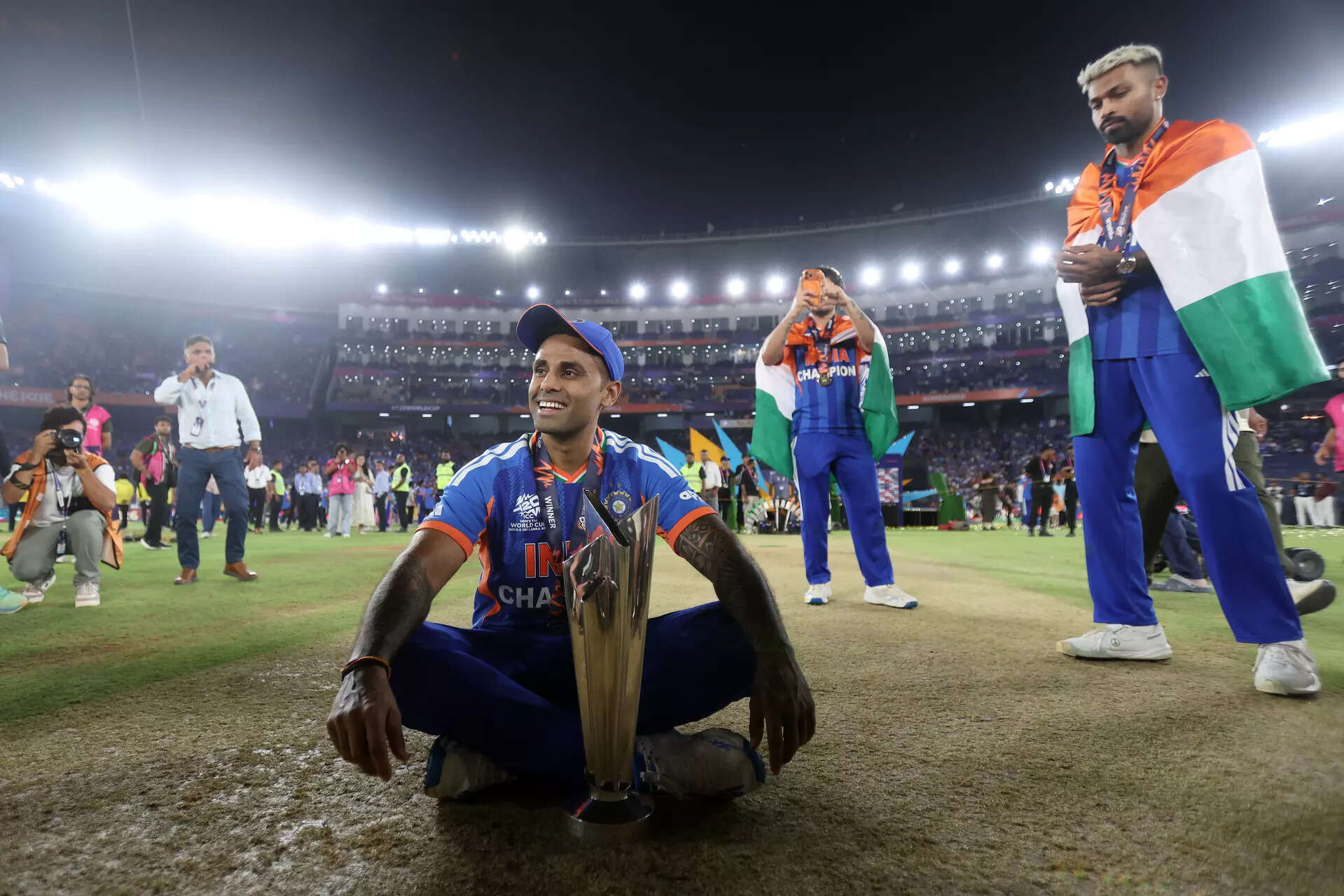
Suryakumar Yadav of India poses for a photo with the trophy after victory in the ICC Men’s T20 World Cup India & Sri Lanka 2026 Final between India and New Zealand at Narendra Modi Stadium on March 08, 2026 in Ahmedabad, India. (Photo by Pankaj Nangia/Getty Images)

In hindsight, Surya is not wrong. It still is Rohit’s team. Nine out of the 15 players in the squad had won the title in the Caribbean. It is the same core that, under Rohit, ended India’s 11-year drought of not winning an ICC title. Surya himself blossomed under Rohit’s captaincy, be it for India or for Mumbai Indians in the Indian Premier League. The same can be said for Jasprit Bumrah, Hardik Pandya and Ishan Kishan.Then there is Sanju Samson. In the middle of the tournament, when Surya was asked whether the batter should be added to the top three, which was one-dimensional with Abhishek Sharma, Ishan Kishan and Tilak Varma, all southpaws, Surya laughed and said: “You mean I should play him in Abhishek’s place? You mean I should make him play for Tilak?”Sanju ended up playing three match-winning knocks on the bounce and became the Player of the Tournament.

India v West Indies: ICC Men´s T20 World Cup India & Sri Lanka 2026

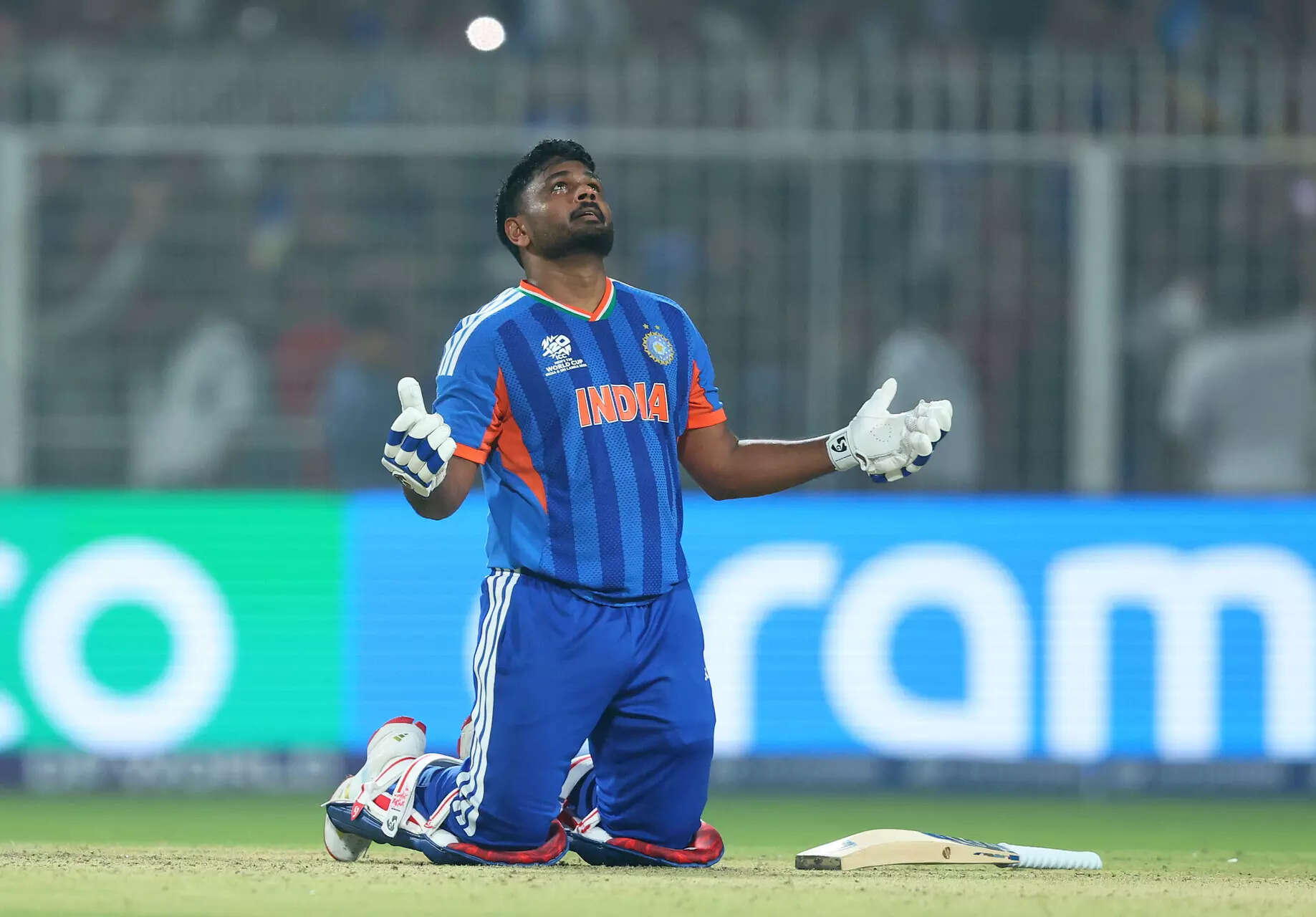
Sanju Samson of India celebrates victory following the ICC Men’s T20 World Cup India & Sri Lanka 2026 Super 8 match between India and West Indies at Eden Gardens on March 01, 2026 in Kolkata, India. (Photo by Pankaj Nangia/Getty Images)

Two years ago, Rohit spent ten minutes with Sanju Samson before the 2024 T20 World Cup final against South Africa, explaining why he would not be playing in the final, although he had initially been told that he would play.“I had a chance to play the final. I was told to stay ready. I was ready. However, they decided before the toss that we would go with the same team,” Samson told journalist Vimal Kumar during a chat.“He spent 10 minutes with the player who was not playing just before the toss. He gave me 10 minutes before the toss. After that, I realised this person had other qualities. If I were in his place, I would be thinking about the players who were playing or about my batting. That is what you normally think. At that point, he thought, ‘I have to explain to Sanju why I took that decision.’ At that moment, he won a place in my heart that will stay for a lifetime.

India v New Zealand: Final - ICC Men's T20 World Cup India & Sri Lanka 2026

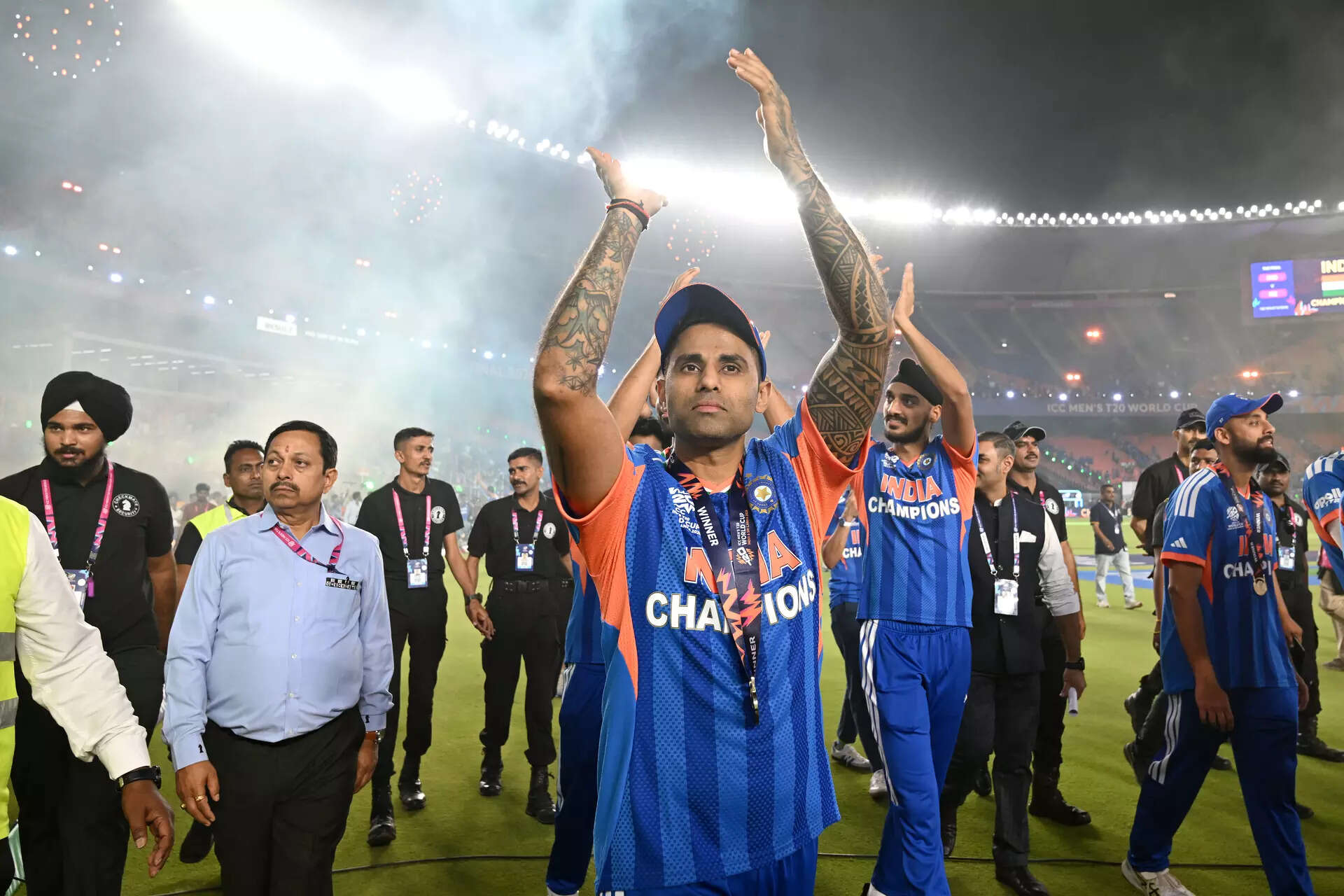
Suryakumar Yadav of India interacts with the crowd following the ICC Men’s T20 World Cup India & Sri Lanka 2026 Final between India and New Zealand at Narendra Modi Stadium on March 08, 2026 in Ahmedabad, India. (Photo by Prakash Singh/Getty Images)

Certainly, Surya does not yet have the leadership aura that Rohit possessed. But he will always be remembered as only the third Indian captain after MS Dhoni and Rohit Sharma to lift the T20 World Cup.What Surya can truly learn from Rohit is how to step away at the right moment.

Poll

Do you think Suryakumar Yadav can match Rohit Sharma’s leadership legacy?

Rohit did it in 2024. He was still in top form, but he understood that the future had to be prepared. With a World Cup trophy in his hands, he stepped aside from T20Is and made space for the next generation.Surya now stands at a similar crossroads. The timing could not be better. Walk away at the top, hand the baton to the next generation, and his legacy will not just be about lifting a trophy but about knowing when to let the future begin.


Source link

‘Can see a big problem coming’: Rahul Gandhi’s big warning amid LPG crisis due to Middle East conflict | India News


'Can see a big problem coming': Rahul Gandhi's big warning amid LPG crisis due to Middle East conflict

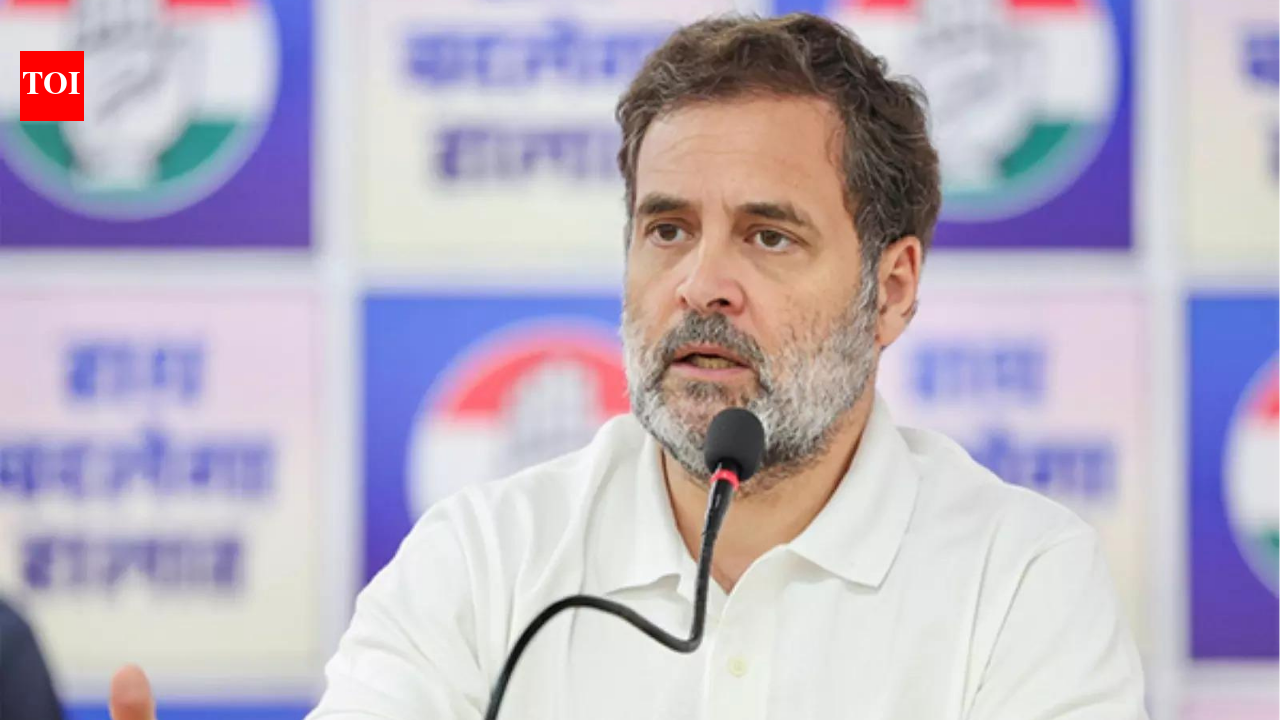
NEW DELHI: Congress leader and leader of opposition Rahul Gandhi on Thursday warned that country’s energy security could face serious challenges amid disruptions in global fuel markets caused by the escalating conflict in the Middle East.Speaking about the potential impact of the crisis on India’s fuel supply, Rahul said the government must urgently prepare for possible shortages of oil and cooking gas.“Normally the procedure is that you can ask to talk. So I asked to be allowed to make a statement about the LPG gas and oil situation in the country… But a new procedure has started where the Minister will first decide, then I will speak, then the Minister will reply,” Rahul said while speaking to reporters.This came after Congress MP KC Venugopal asked Lok Sabha Speaker Om Birla to allow the LoP to raise the issue of the LPG crisis in the House.“Basically, the main thing is that all fuel is going to be a problem because essentially our energy security has been compromised. Flawed foreign policy has created this problem… Now we have to prepare. We still a bit of time left. The government and the Prime Minister should instantly start the preparations, otherwise crores of people will suffer great losses,” Rahul said.“This war is fundamentally changing the current world order. It is a much bigger issue than whether Iran will allow fuel or not. We are entering an unstable time. During this time you have to change your mindset… What I am suggesting to the government is that now they need to start thinking deeply and ensure that our people do not suffer heavy losses. This is not a political statement. I can see a big problem is coming,” he added.Taking aim at the government, Rahul said the Prime Minister must ensure that India’s energy security is protected despite the worsening global situation.“The problem is that the Prime Minister is not able to function as the Prime Minister of the country. There is a reason for it, which is that he is trapped. Anyway, he still needs to make sure that people of India are protected, and our energy security is managed by us,” the LoP said.His remarks come at a time when global energy markets are facing volatility due to the intensifying conflict in the Middle East.Industry developments indicate that crude oil supply has been significantly disrupted by the ongoing military escalation, pushing benchmark prices such as Brent crude close to $100 per barrel.Supplies of natural gas and liquefied petroleum gas (LPG) are also under pressure as maritime trade routes in the region face disruptions.One of the key concerns is the virtual closure of the Strait of Hormuz, a critical global shipping route through which a large portion of the world’s energy supplies pass.The strait handles roughly 20% of global liquefied natural gas (LNG) trade, making it one of the most important maritime chokepoints for global energy markets. Any disruption in traffic through the route can significantly affect the movement of oil, gas and related energy commodities across international markets.


Source link